Cast Iron Lids
If you're looking for a durable and versatile addition to your cookware collection, look no further than these cast iron lids. These sturdy lids are designed to fit perfectly on your cast iron pans, providing a tight seal to lock in heat and moisture while cooking. Whether you're simmering a savory stew or baking a mouthwatering casserole, these cast iron lids are the perfect companion to help you achieve delicious results every time. With their exceptional heat retention and even distribution, these lids are a must-have for almost any home chef.
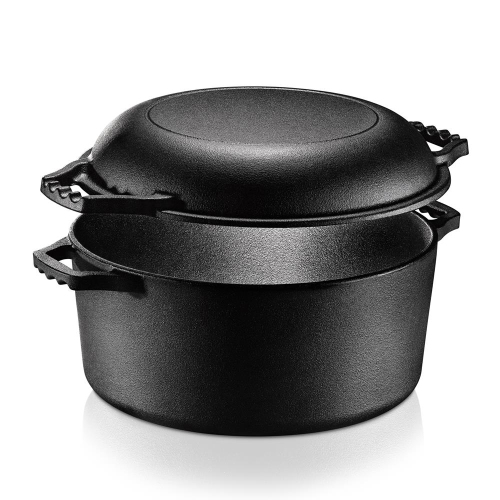
Hold in heat and moisture for deeper flavour
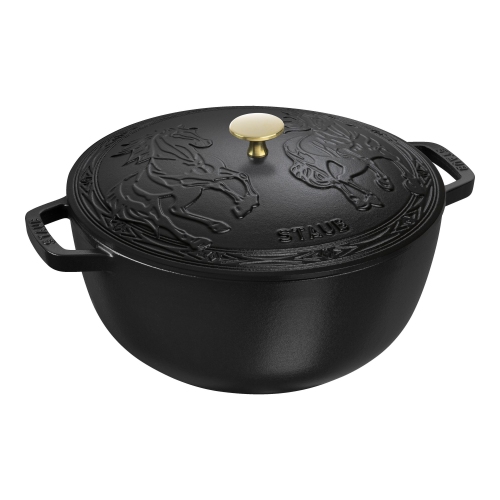
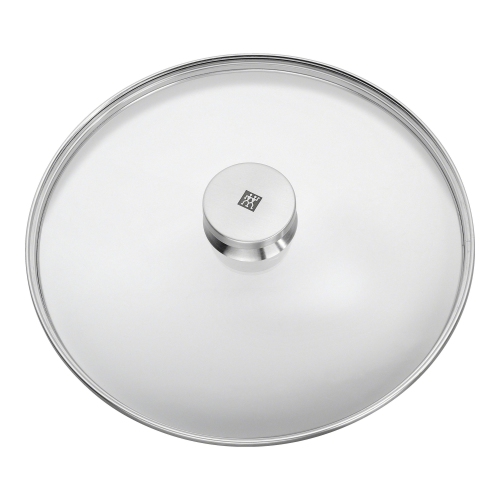
Cast iron lids are practical cookware covers designed to hold heat, steam, and moisture inside a skillet, Dutch oven, braiser, or other compatible cast iron vessel. Their weight creates a close seal that helps maintain a steady cooking temperature, making them especially useful for dishes that benefit from slow, even heat. A covered pot of stew can simmer gently without losing as much liquid, while braised meat becomes tender as steam circulates around it. When used over a skillet, a cast iron lid can help soften vegetables, melt cheese, finish thicker cuts of meat, or keep prepared food warm between the stovetop and the table. Many lids have a smooth interior, while others include raised rings or small self-basting points that collect condensation and return moisture to the food as it cooks. This repeated circulation is helpful for roasts, beans, soups, and other recipes where retaining flavourful juices matters. Cast iron is also valued for its ability to withstand high heat in the oven, on a barbecue, or over a campfire, provided the lid is designed and rated for that type of use. Unlike a transparent cover, it will not let you see the food while it cooks, but its solid construction offers excellent heat retention and durability. It is important to match the lid to the diameter and shape of the cookware, since even a small mismatch can allow heat and steam to escape. Measure the inside rim of the pan or pot rather than relying only on a general size description, and check whether the lid is intended for a skillet, Dutch oven, grill, or another style of cookware. Handles also deserve attention: a raised loop handle is easy to grasp with an oven mitt, while a knob may offer a lower profile for storage. Because cast iron becomes extremely hot, a heat-resistant mitt, lid lifter, or long-handled utensil is recommended whenever the cookware has been on a burner, in an oven, or near an open flame.
When choosing a cast iron lid, consider the cooking tasks it will support most often. A snug cover for a skillet is useful for stovetop meals such as pan-fried chicken, baked pasta, frittatas, and vegetables that need to steam briefly after browning. A deeper lid suited to a Dutch oven can support slow-cooked roasts, hearty soups, no-knead bread, and campfire recipes. A lid with self-basting features may appeal to cooks who regularly prepare braised dishes, since collected condensation can drip back across the surface rather than running only around the edges. If baking bread or cooking over high heat is a priority, confirm the temperature rating of the lid and the complete cookware setup before use. Cast iron lids are generally heavy, so weight can be an advantage during cooking but a consideration when lifting, cleaning, and storing them. A sturdy handle that remains accessible under a thick mitt can make a noticeable difference, particularly when moving a hot lid from a Dutch oven. Storage space is another practical detail: the lid may fit inside a cabinet, on a pot rack, or over its matching cookware, but its broad profile can take up more room than a lightweight glass cover. Cast iron is opaque, which means lifting the lid is the only way to inspect food, and every lift releases heat and steam. For that reason, cooks often rely on timing, aroma, and the sound of a gentle simmer rather than checking repeatedly. Care instructions can vary by finish. Uncoated cast iron typically benefits from drying thoroughly after washing and maintaining its seasoned cooking surface with a very light coating of oil, while an enamelled surface may have different cleaning requirements. Avoid placing a hot lid directly on a cold, wet surface, and allow it to cool before washing to reduce the risk of thermal shock and accidental burns. With sensible handling, a well-made lid can become a dependable part of everyday cookware, equally comfortable on a home range, in the oven, or beside a fire during outdoor cooking. For shoppers exploring compatible cookware and related cooking setups, Cast Iron Ovens may also be worth browsing.
Cast iron lids can be a thoughtful choice for home cooks who enjoy substantial, long-lasting kitchen tools and hands-on recipes. They suit anyone who likes to start a dish on the stovetop and finish it in the oven, as well as people who prepare meals in batches and want food to stay hot while everyone gathers around the table. During the warmer part of the year, a cast iron lid can help manage heat and moisture while cooking outdoors on a grill or over a fire; as the weather cools, it becomes especially useful for bubbling casseroles, slow braises, stews, and soups served straight from the pot. The same qualities that make these lids useful for family dinners also make them appealing as a housewarming, wedding, birthday, or holiday gift for someone building a cookware collection. A recipient who already owns a cast iron skillet or Dutch oven may appreciate a properly sized lid that expands what that cookware can do, turning an open pan into a covered braiser or steaming vessel. Before giving one as a gift, check the cookware size and shape if possible, since compatibility is more important than appearance alone. For everyday use, place the lid on the cookware carefully to avoid chipping nearby surfaces or disturbing a delicate crust, and use a dedicated resting area such as a heatproof trivet when removing it. Keep the handle and rim free from excess oil or food residue, and store the lid in a dry location with enough space to prevent it from scraping other cookware. Some cooks keep a folded cloth or lid organiser between cast iron pieces, but any material used for storage should be completely dry and should not trap moisture. The best cast iron lids bring a quiet sense of confidence to cooking: they settle firmly over a simmering pot, hold warmth through a leisurely meal, and help turn simple ingredients into food with deeper texture and flavour. Whether used for slow braising, high-temperature baking, stovetop steaming, outdoor cooking, or keeping a finished dish warm, the right lid adds versatility without requiring a complicated routine.
Top selling and popular products
-
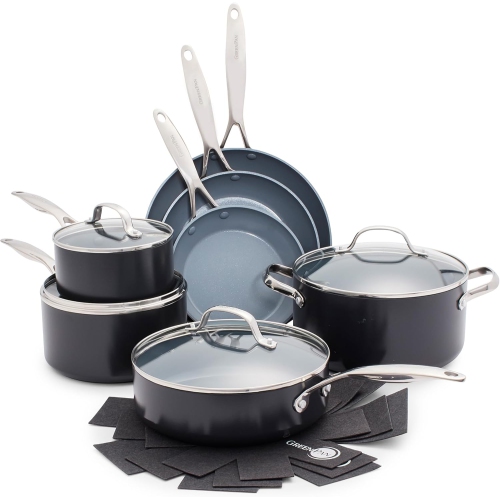 Your price for this item is $899
-
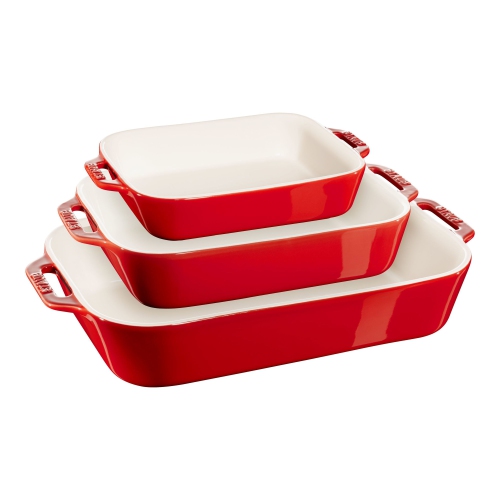 Your price for this item is $129.99
-
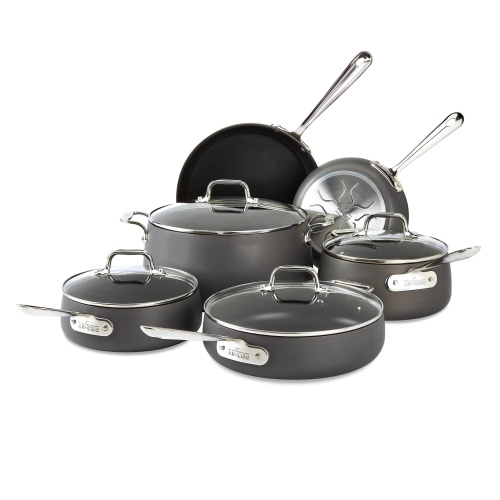 Your price for this item is $807.5
-
 Your price for this item is $1615
-
 Your price for this item is $129.99
-
 Your price for this item is $69.99
-
 Your price for this item is $129.99
-
 Your price for this item is $591
Discover more categories related to Cast Iron Lids
Top Collections:
Best Black Friday Deals This Year, Best Black Friday Deals On Electronics, Kindle Devices, Pokemon Centers, Best Black Friday Deals On Apple Products, Best Cameras for Sports Photography, Dyson Airwrap, Pokémon 30th Celebration Cards, Apple iPhone 17 Pro, Canon G7X Cameras
Some products may be subject to Environmental Handling Fees
(EHF) depending on your province.
Learn more about EHFs.