Cat Bowls
When it comes to keeping your feline friend happy and well-fed, having the right cat bowls is essential. Our selection of cat bowls offers a variety of styles, sizes, and materials to suit your cat's preferences and your home decor. From basic stainless steel bowls to elevated feeders for better posture, we have options that cater to every cat's dining needs. Explore our range of cat bowls to find the perfect fit for your furry companion.
Sort
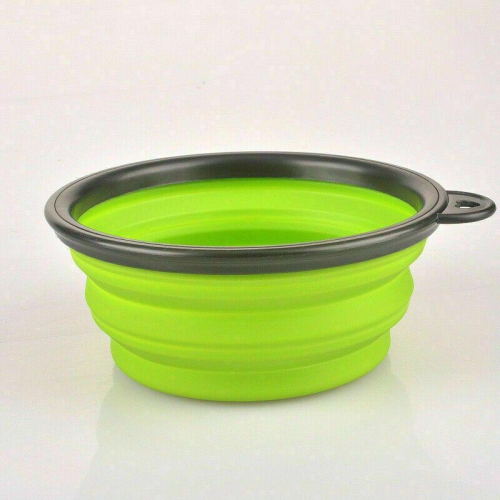
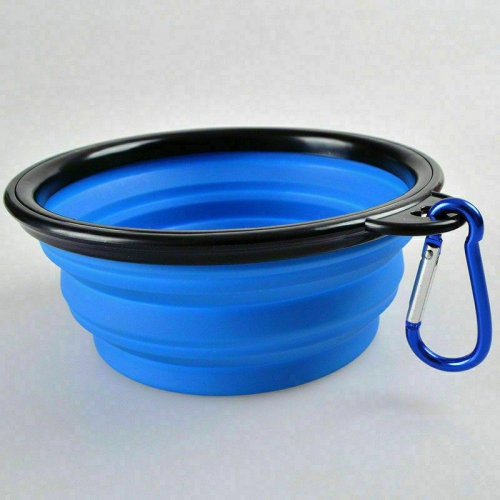
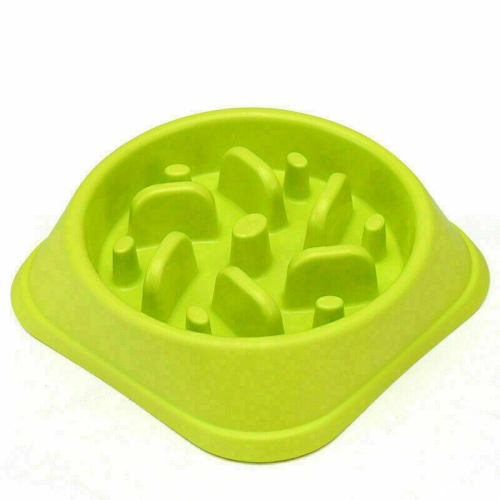
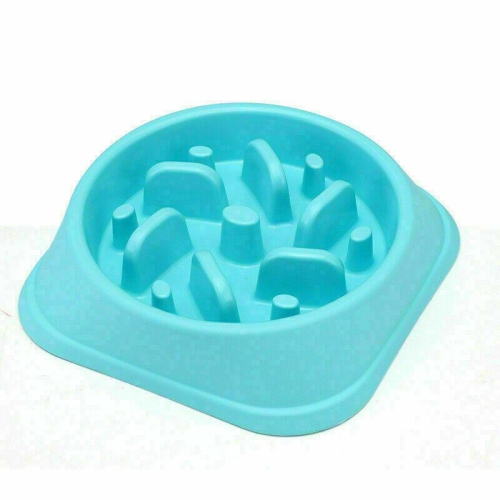
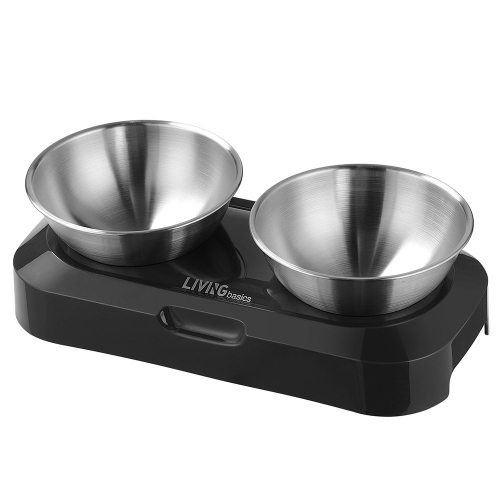
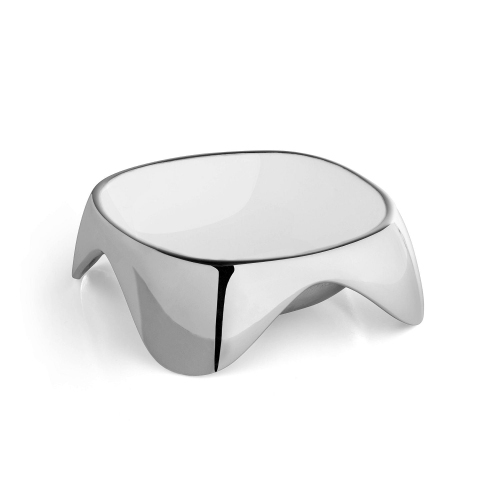
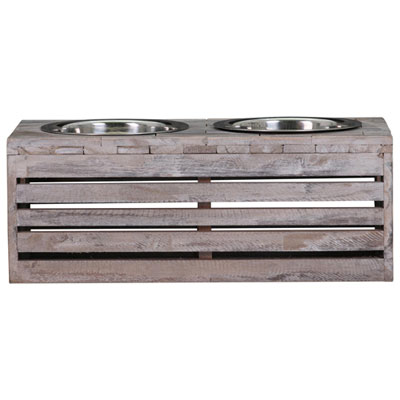
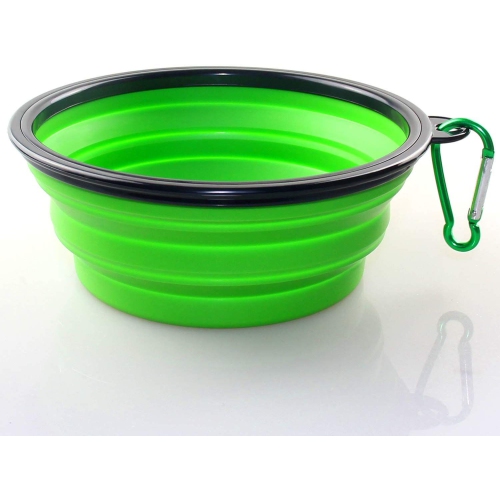
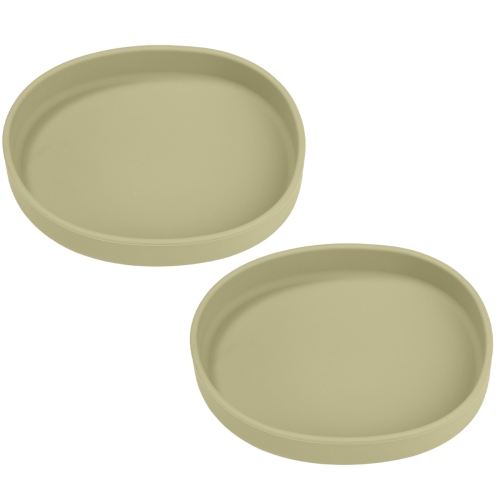
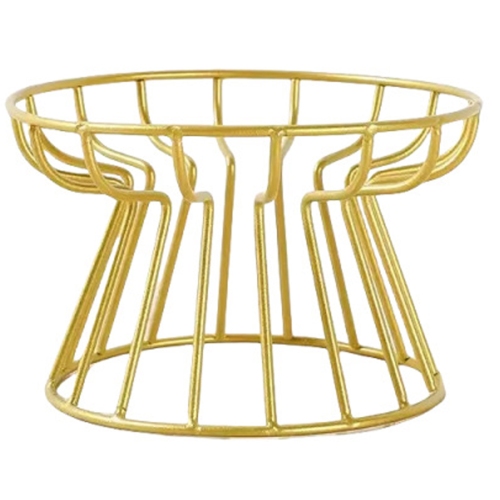
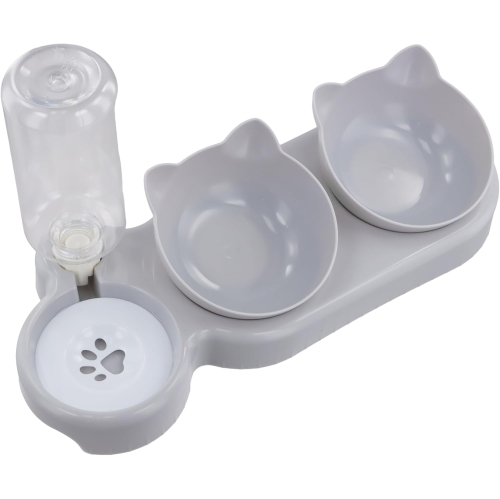
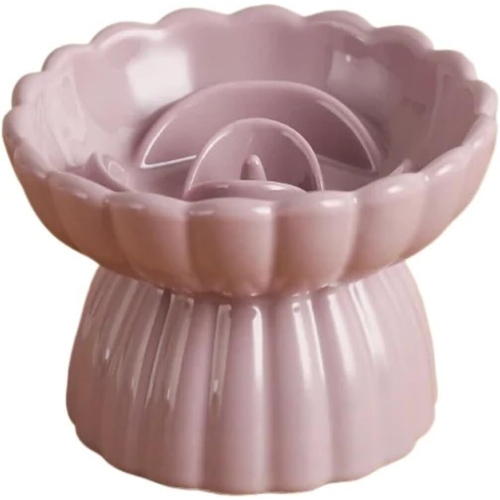
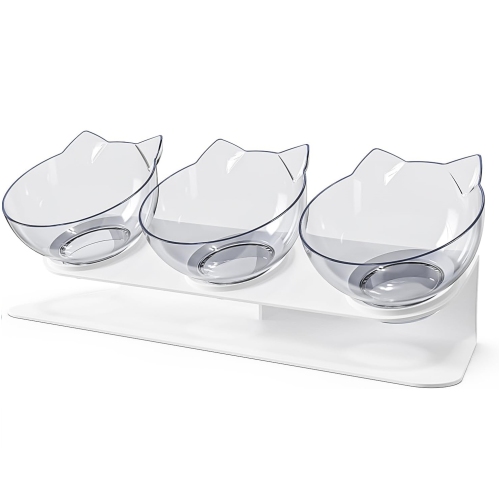
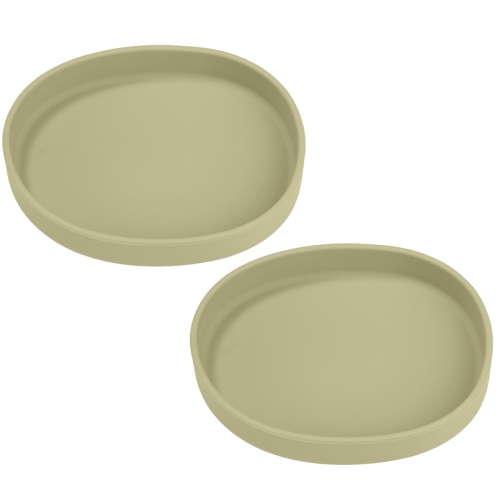
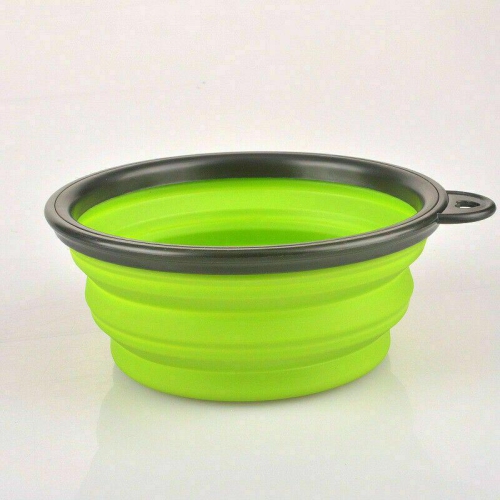
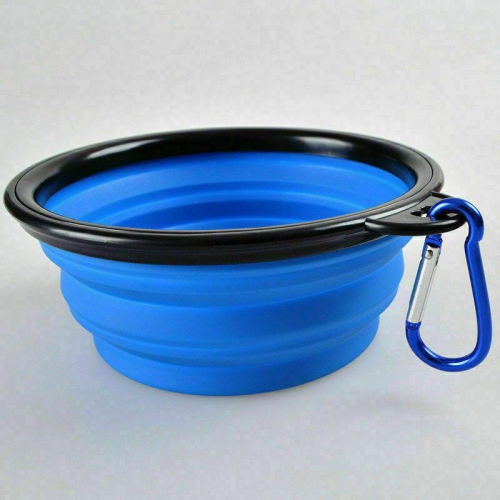
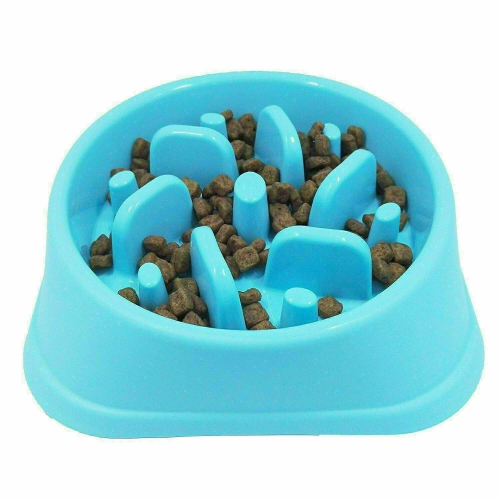
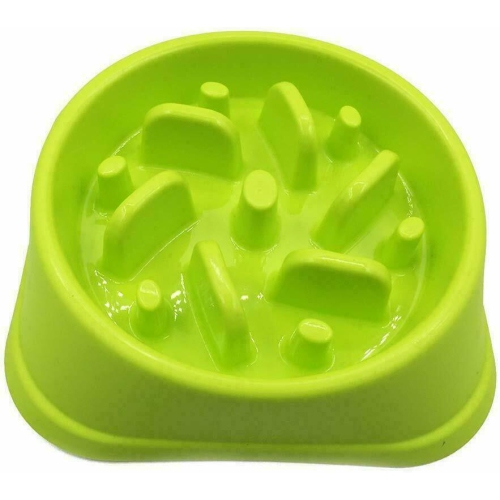
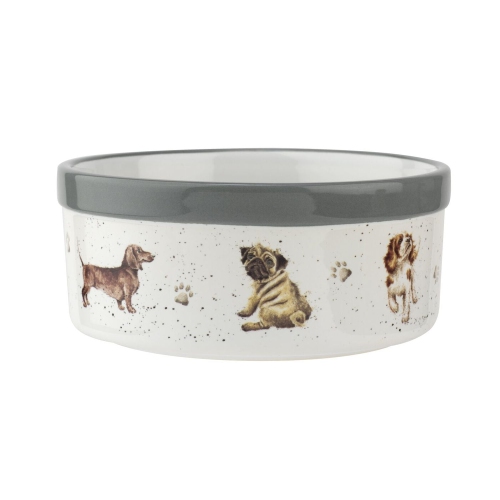
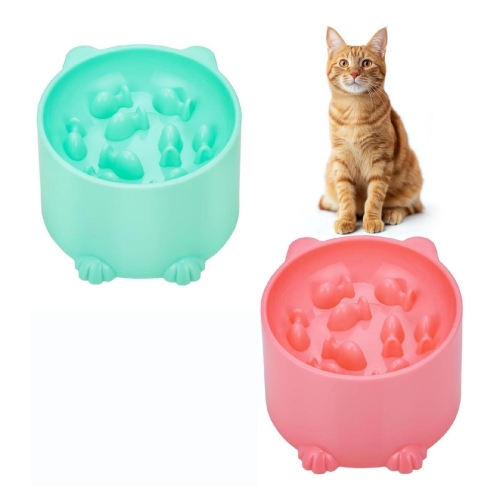
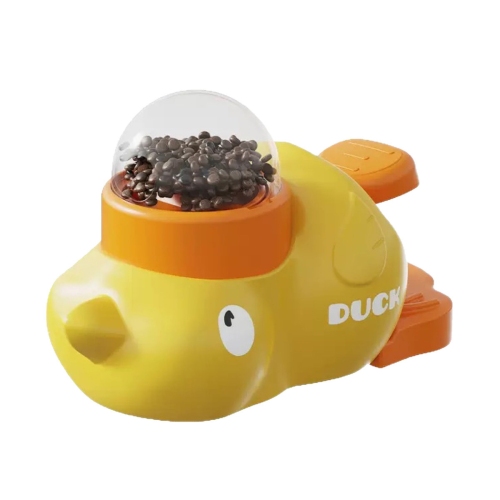
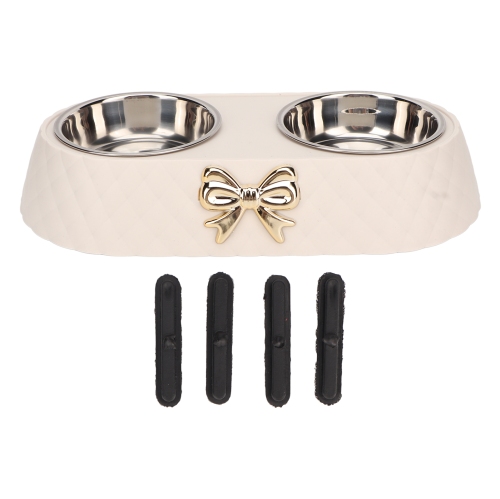
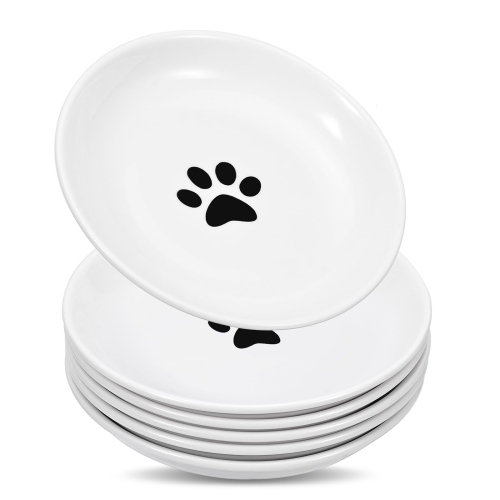
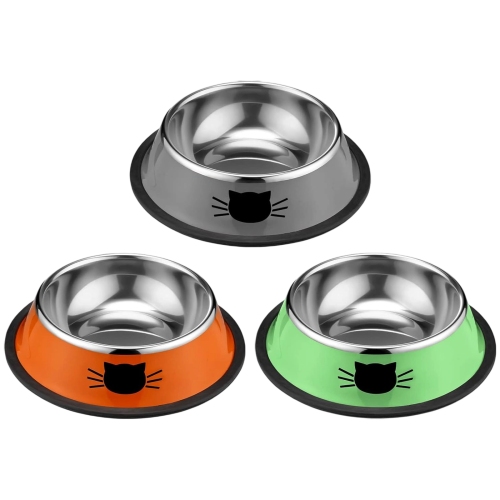
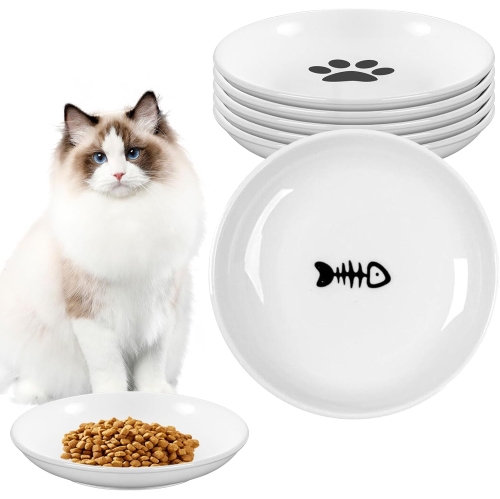
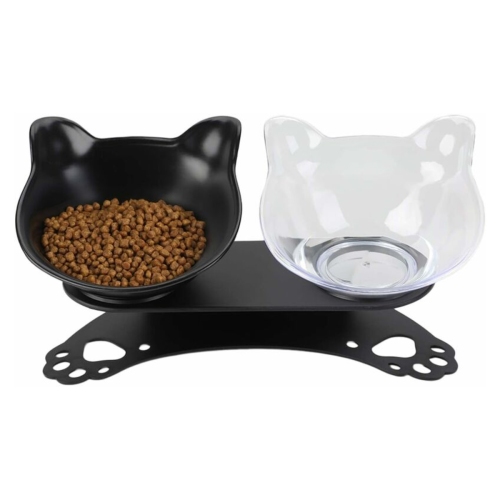
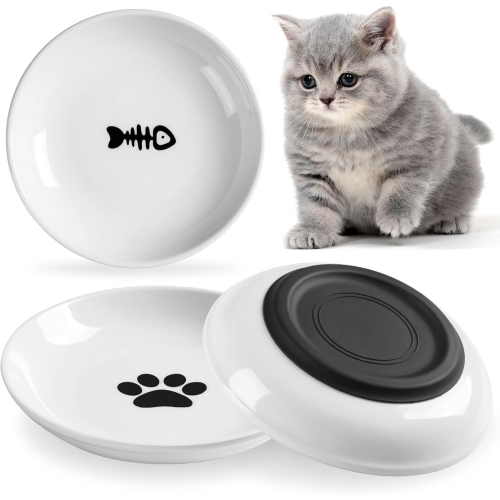
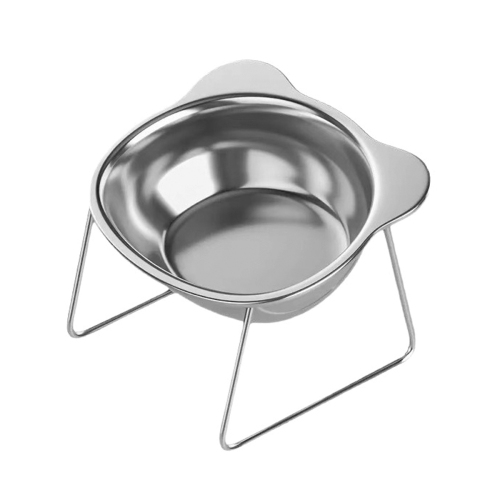
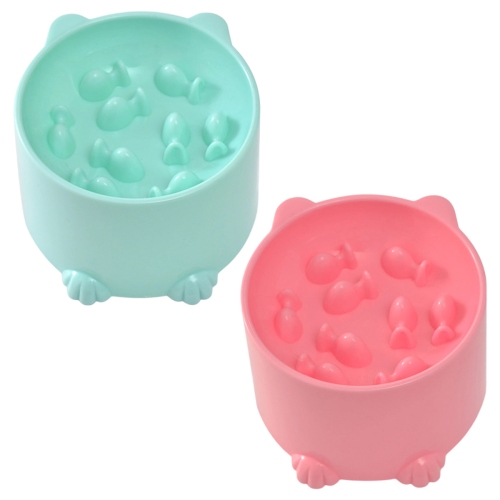
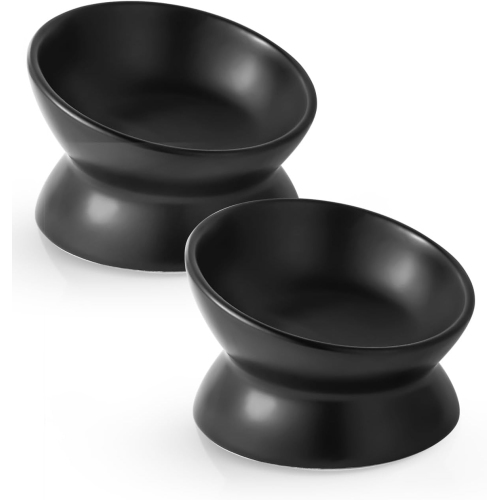
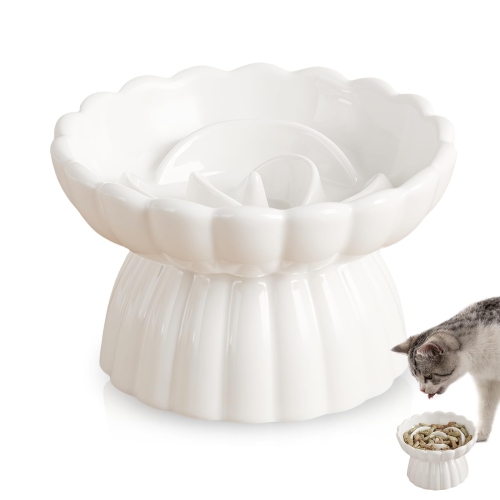
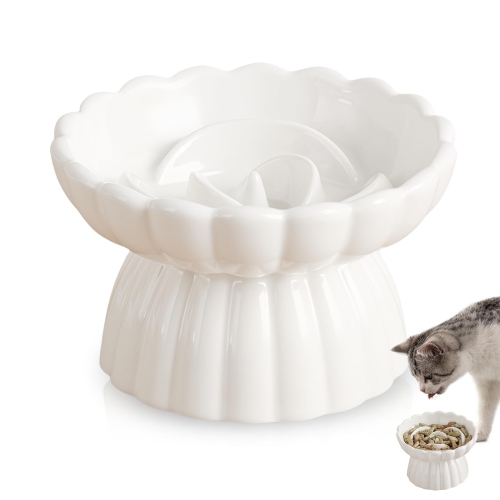
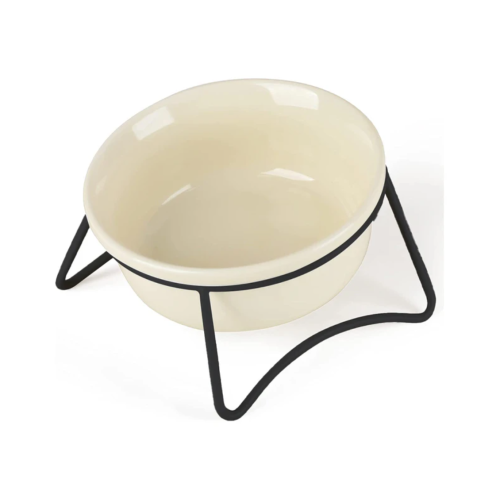
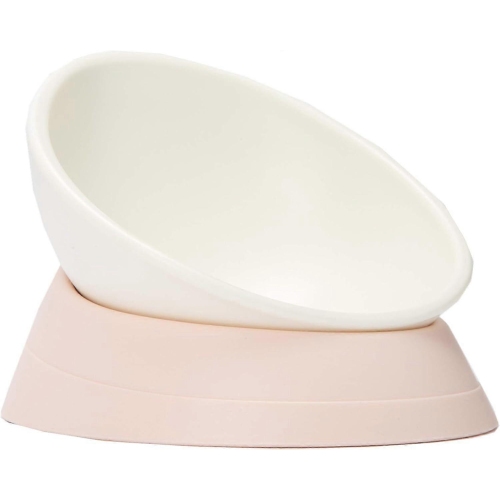
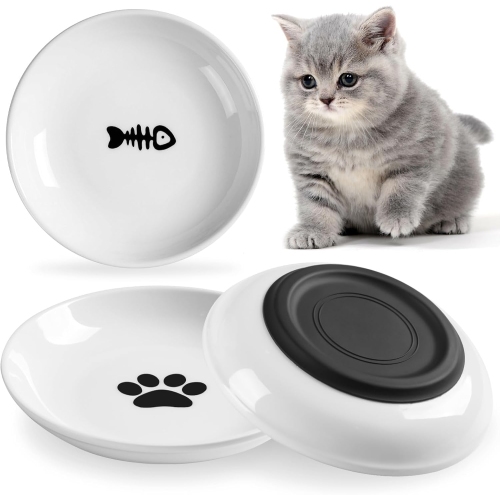
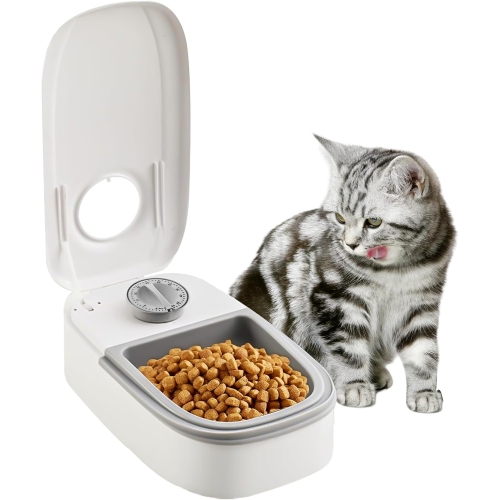
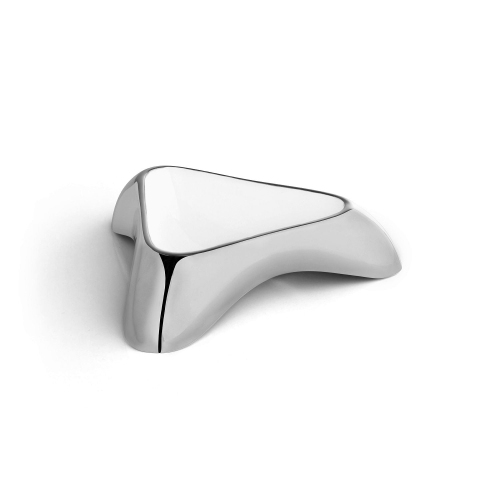
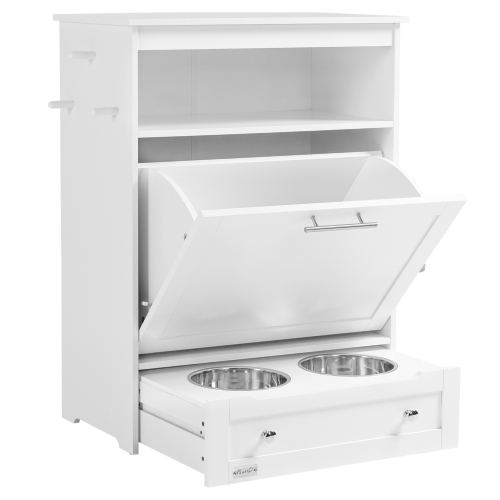
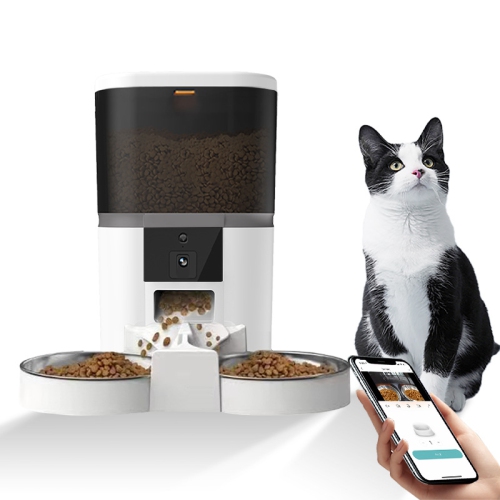
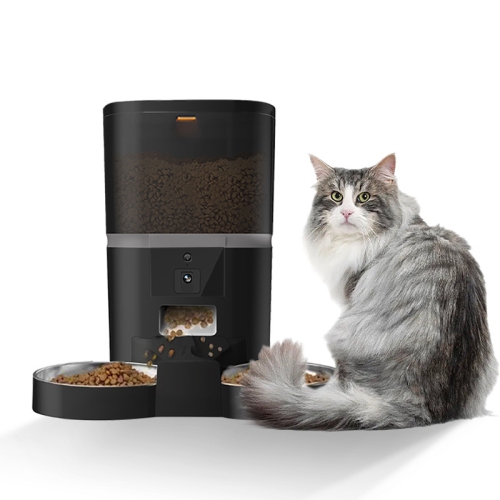
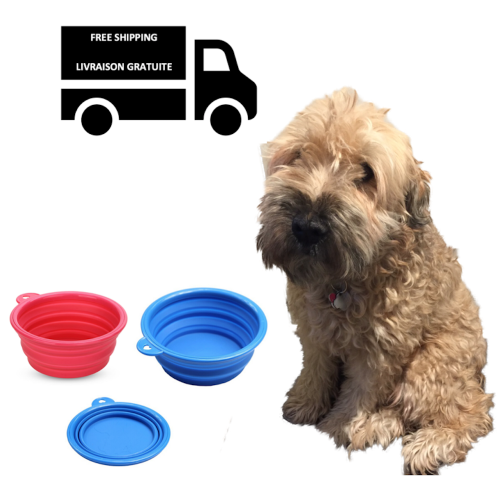

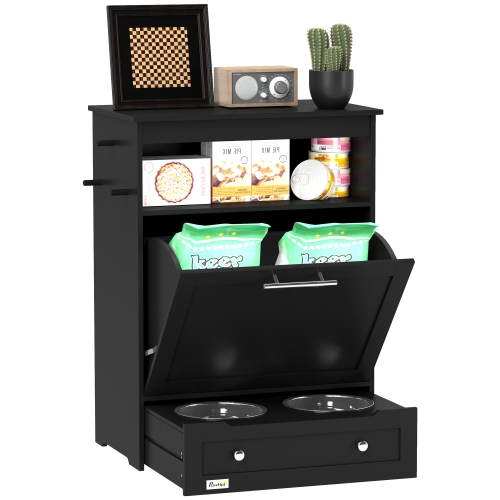
Bowl shapes, materials, and heights can suit every cat
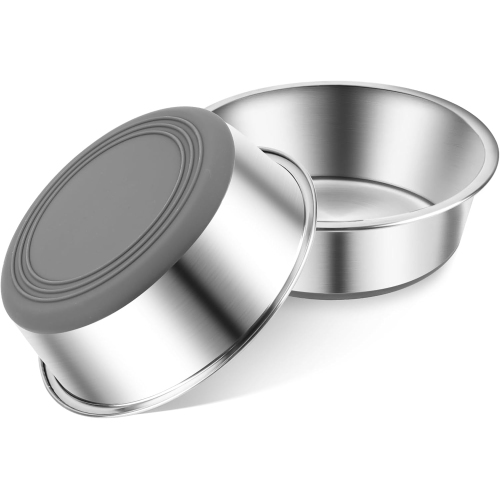
Cat bowls are everyday essentials that can make mealtimes more comfortable, cleaner, and easier to manage. The right bowl depends on your cat’s eating habits, body shape, age, and the space where food and water are served. A wide, shallow design is often a comfortable choice because it gives whiskers more room and reduces rubbing against the sides while your cat eats. This can be especially helpful for cats that hesitate at narrow or deep dishes, leave food around the edges, or seem to prefer taking small bites from the centre. For wet food, a smooth surface and broad opening make it easier to portion meals and wipe away remaining food. Dry food can be served in a standard dish, while a slow-feeder design may help cats that rush through their meals. These bowls use ridges, channels, or separated sections to encourage a steadier pace, which can help make feeding more engaging and reduce the tendency to gulp. Cats that eat both wet and dry food may benefit from having separate bowls for each type, along with a dedicated water bowl placed a short distance away. Keeping water separate from food can suit cats that prefer a fresh, unobstructed drinking area, while using more than one water station can be useful in a larger home or for cats that spend time on different floors. When choosing materials, stainless steel is strong, rust-resistant, and simple to wash, making it a practical option for busy households. Ceramic bowls are typically heavier and less likely to slide across the floor as a cat eats, which can be useful for enthusiastic eaters or cats that nudge their dishes around the room. Glass offers a smooth, non-porous surface that is easy to clean, though it should be handled carefully because it can break if dropped. Plastic may be lightweight and convenient, but it can scratch over time and those scratches may be harder to clean thoroughly. Some cats are also prone to irritation around the chin when using certain plastic dishes, so a smooth, non-porous alternative may be preferable for cats with sensitive skin or recurring chin concerns. Whatever the material, look for bowls that are easy to lift, rinse, and clean regularly, with enough stability to stay in place on hard floors or a feeding mat.
The shape and height of a cat bowl can matter just as much as the material. A low, wide bowl is often suitable for kittens, adult cats, and cats that prefer a natural, relaxed eating position. Raised or elevated bowls can bring food closer to a cat’s mouth and may be more comfortable for older cats or cats with limited mobility, stiffness, or joint discomfort. The ideal height varies with the individual cat, so a useful starting point is a position that allows the cat to eat without crouching deeply or stretching awkwardly. Tilted bowls can keep food gathered toward the front, which may make it easier for some cats to reach their meal without repeatedly pushing food around the dish. They can be particularly convenient for cats with flatter facial features or cats that struggle to reach the bottom of a deeper bowl, although every cat has different preferences. Stability is another important consideration. A heavier base, non-slip underside, or broad footprint can help prevent tipping and reduce the familiar sound of a dish scraping across the floor at dawn. A bowl that stays put also helps keep wet food and water contained, protecting floors from spills and making the feeding area easier to maintain. For multi-cat homes, offering separate bowls can reduce crowding and give each cat a calmer place to eat. Some cats prefer privacy, while others are comfortable eating side by side, so the arrangement may need to reflect their personalities. Bowls with simple shapes and smooth interiors are generally easier to inspect after every meal, especially when serving moist food that can leave residue along the rim. Washing food and water bowls frequently, drying them thoroughly, and replacing them when they develop cracks, chips, deep scratches, or damaged finishes helps maintain a clean feeding routine. It is also worth checking the size before buying: a dish should hold an appropriate serving without being so large that food spreads thinly across the surface, or so small that a cat must eat over the rim. A coordinated feeding station can be a thoughtful gift for a new cat owner, someone welcoming a kitten, or a household refreshing its pet supplies, particularly when it includes practical features that suit the cat rather than relying only on appearance.
Cat bowls are useful for nearly every stage of a cat’s life, from a small kitten learning a daily routine to a senior cat that benefits from a more accessible feeding position. They can also support changes in the home, such as moving the feeding area to a quieter corner, setting up a separate station for a newly adopted cat, or creating a dedicated space in a kitchen, laundry room, hallway, or sheltered outdoor area. During the cooler months, cats may spend more time indoors, making a dependable feeding arrangement especially valuable for keeping meals organized and reducing spills on busy floors. A washable mat beneath the bowls can collect drips and crumbs, while a second set of bowls makes it easier to keep a clean dish available between washes or maintain a feeding station in another room. If a cat frequently eats too quickly, a slow-feeder bowl can add gentle pauses and turn a rushed meal into a more measured activity. If food is regularly left behind, a shallow or tilted design may improve access, though persistent changes in appetite, vomiting, coughing, drooling, or difficulty eating should be discussed with a veterinarian rather than addressed by changing bowls alone. For cats with recurring chin irritation, selecting a smooth, easy-to-clean bowl and keeping the feeding area tidy may be helpful, but professional advice is appropriate when irritation continues. Households with both cats and dogs can choose feeding solutions suited to each animal’s size and habits; separate browsing categories such as Dog Bowl Feeders can help keep those needs distinct. Whether the priority is a whisker-friendly shape, a steady base, an elevated position, a slow-feeding pattern, or an easy-clean material, the best cat bowl is one that fits naturally into the cat’s routine and the owner’s daily schedule. A well-chosen bowl should feel unobtrusive in the home, remain comfortable through regular use, and make the simple ritual of serving food and water smoother for everyone.
The shape and height of a cat bowl can matter just as much as the material. A low, wide bowl is often suitable for kittens, adult cats, and cats that prefer a natural, relaxed eating position. Raised or elevated bowls can bring food closer to a cat’s mouth and may be more comfortable for older cats or cats with limited mobility, stiffness, or joint discomfort. The ideal height varies with the individual cat, so a useful starting point is a position that allows the cat to eat without crouching deeply or stretching awkwardly. Tilted bowls can keep food gathered toward the front, which may make it easier for some cats to reach their meal without repeatedly pushing food around the dish. They can be particularly convenient for cats with flatter facial features or cats that struggle to reach the bottom of a deeper bowl, although every cat has different preferences. Stability is another important consideration. A heavier base, non-slip underside, or broad footprint can help prevent tipping and reduce the familiar sound of a dish scraping across the floor at dawn. A bowl that stays put also helps keep wet food and water contained, protecting floors from spills and making the feeding area easier to maintain. For multi-cat homes, offering separate bowls can reduce crowding and give each cat a calmer place to eat. Some cats prefer privacy, while others are comfortable eating side by side, so the arrangement may need to reflect their personalities. Bowls with simple shapes and smooth interiors are generally easier to inspect after every meal, especially when serving moist food that can leave residue along the rim. Washing food and water bowls frequently, drying them thoroughly, and replacing them when they develop cracks, chips, deep scratches, or damaged finishes helps maintain a clean feeding routine. It is also worth checking the size before buying: a dish should hold an appropriate serving without being so large that food spreads thinly across the surface, or so small that a cat must eat over the rim. A coordinated feeding station can be a thoughtful gift for a new cat owner, someone welcoming a kitten, or a household refreshing its pet supplies, particularly when it includes practical features that suit the cat rather than relying only on appearance.
Cat bowls are useful for nearly every stage of a cat’s life, from a small kitten learning a daily routine to a senior cat that benefits from a more accessible feeding position. They can also support changes in the home, such as moving the feeding area to a quieter corner, setting up a separate station for a newly adopted cat, or creating a dedicated space in a kitchen, laundry room, hallway, or sheltered outdoor area. During the cooler months, cats may spend more time indoors, making a dependable feeding arrangement especially valuable for keeping meals organized and reducing spills on busy floors. A washable mat beneath the bowls can collect drips and crumbs, while a second set of bowls makes it easier to keep a clean dish available between washes or maintain a feeding station in another room. If a cat frequently eats too quickly, a slow-feeder bowl can add gentle pauses and turn a rushed meal into a more measured activity. If food is regularly left behind, a shallow or tilted design may improve access, though persistent changes in appetite, vomiting, coughing, drooling, or difficulty eating should be discussed with a veterinarian rather than addressed by changing bowls alone. For cats with recurring chin irritation, selecting a smooth, easy-to-clean bowl and keeping the feeding area tidy may be helpful, but professional advice is appropriate when irritation continues. Households with both cats and dogs can choose feeding solutions suited to each animal’s size and habits; separate browsing categories such as Dog Bowl Feeders can help keep those needs distinct. Whether the priority is a whisker-friendly shape, a steady base, an elevated position, a slow-feeding pattern, or an easy-clean material, the best cat bowl is one that fits naturally into the cat’s routine and the owner’s daily schedule. A well-chosen bowl should feel unobtrusive in the home, remain comfortable through regular use, and make the simple ritual of serving food and water smoother for everyone.
Top selling and popular products
-
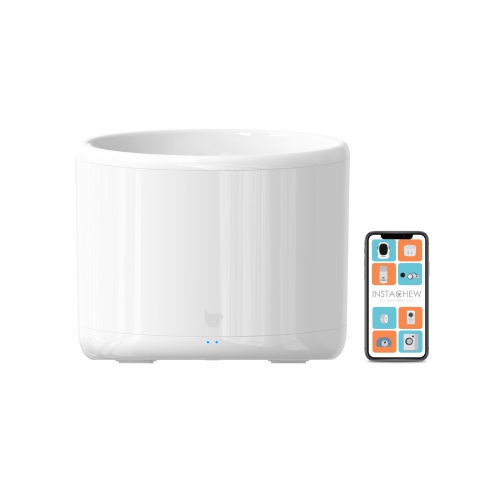 Your price for this item is $44.99
 -
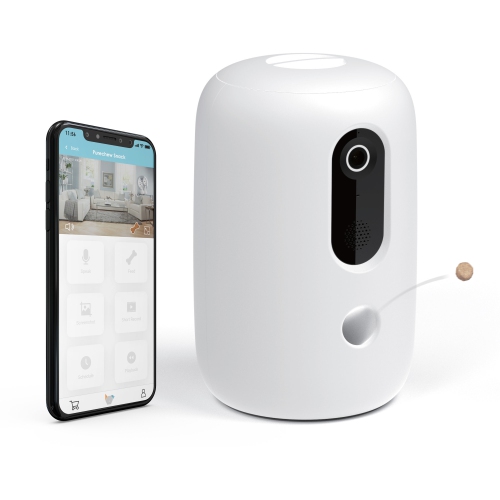 Your price for this item is $129.99
 -
 Your price for this item is $83.99
 -
 Your price for this item is $141.99
 -
 Your price for this item is $24.99
 -
 Your price for this item is $93.99
 -
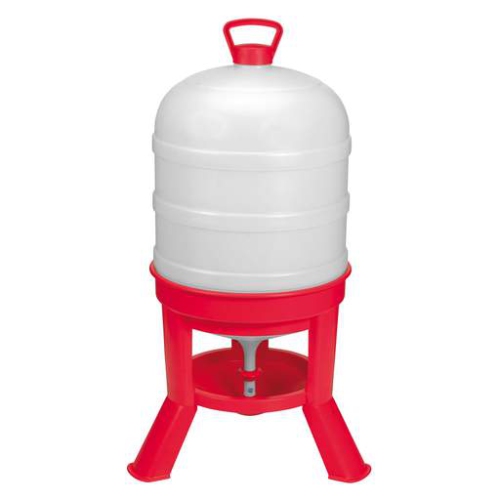 Your price for this item is $230.99
 -
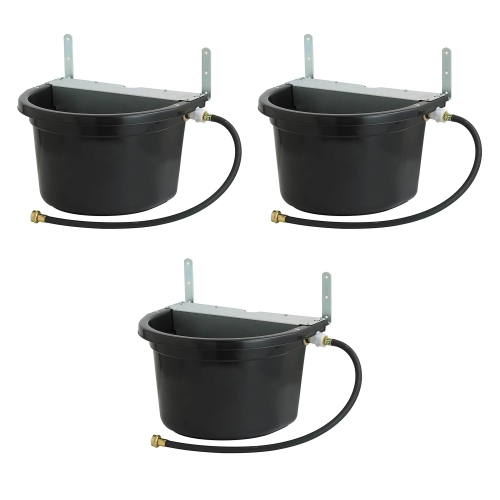 Your price for this item is $385.99
Discover more categories related to Cat Bowls
Top Collections:
Pokemon Centers, Budget 4K TVs, Kindle Devices, Canon G7X Cameras, Apple iPhones 16, iPhone 15 Apple, Laptops for Business Work, Flip Phones, Xiaomi Phones, Refurbished Apple Laptops
Some products may be subject to Environmental Handling Fees
(EHF) depending on your province.
Learn more about EHFs.