Cat Friendly Furniture
Elevate your home decor with our curated selection of cat-friendly furniture, designed to seamlessly blend style and functionality. Whether you're looking to accommodate a playful kitten or a mature feline, our range offers innovative solutions that cater to both your aesthetic preferences and your pet's needs. From scratch-resistant fabrics to multi-functional pieces that double as cozy hideaways, you'll find everything you need to create a harmonious living space for you and your furry friend. Discover how you can enhance your home environment while ensuring the comfort and happiness of your beloved cat.
Sort
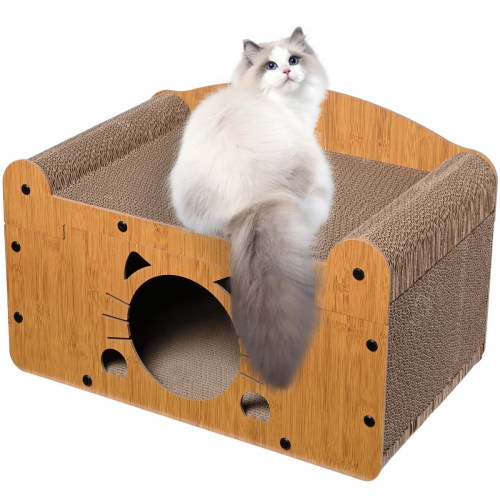
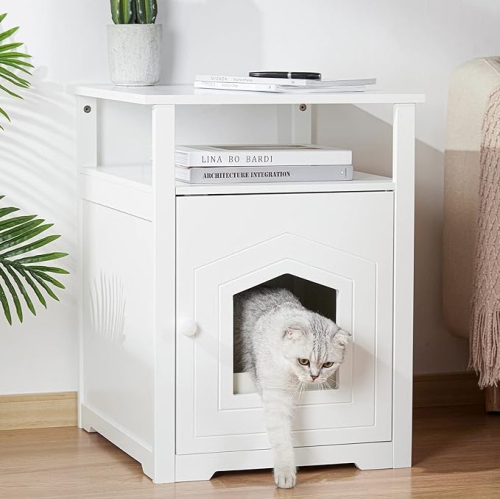

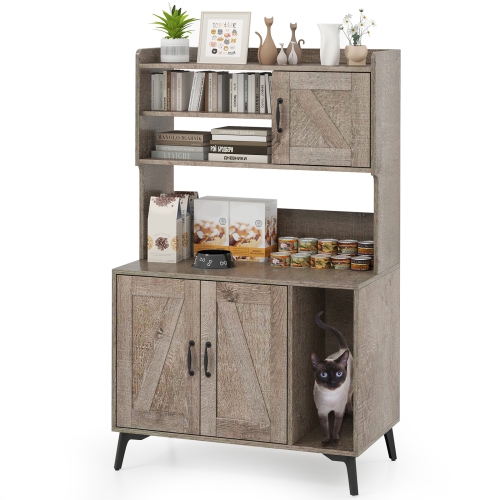
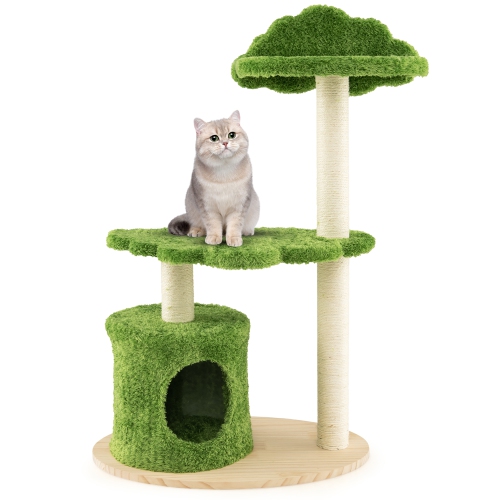

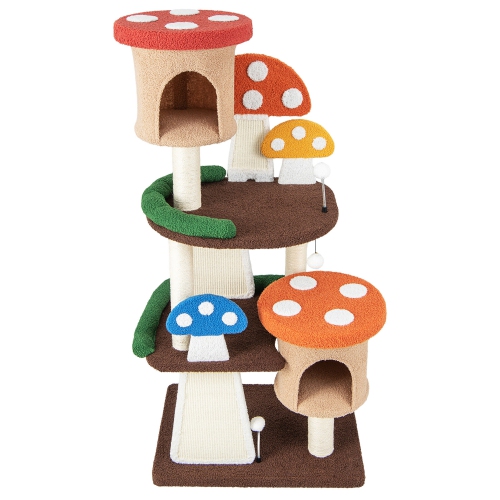
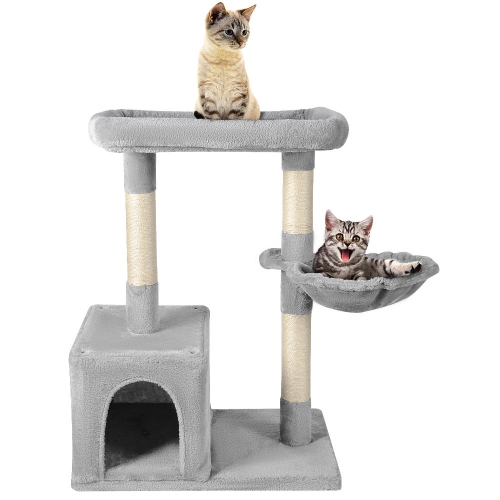
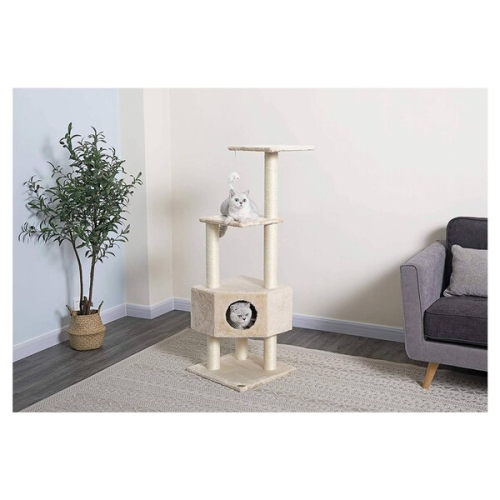
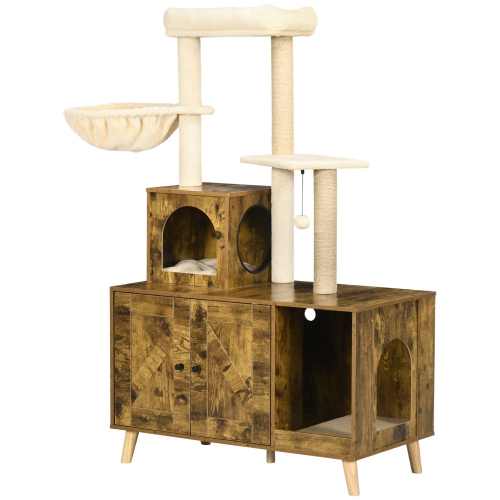

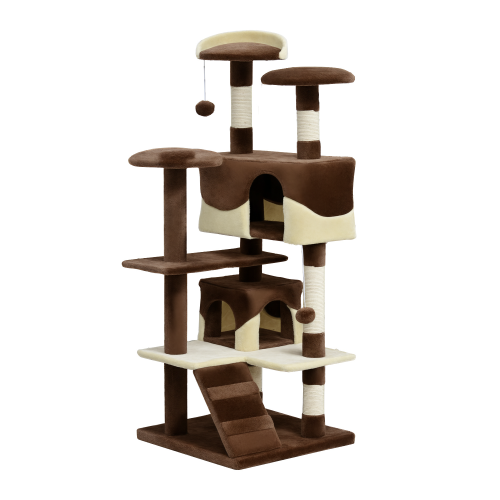
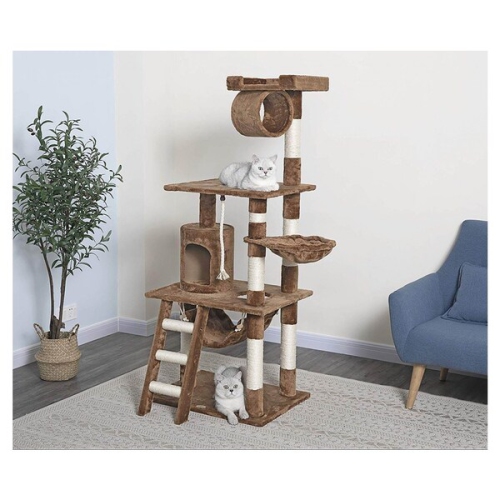
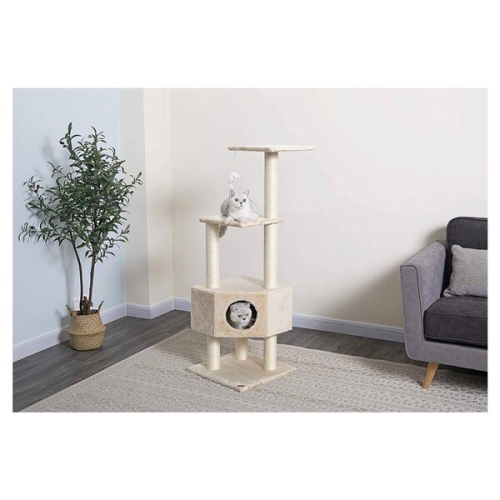
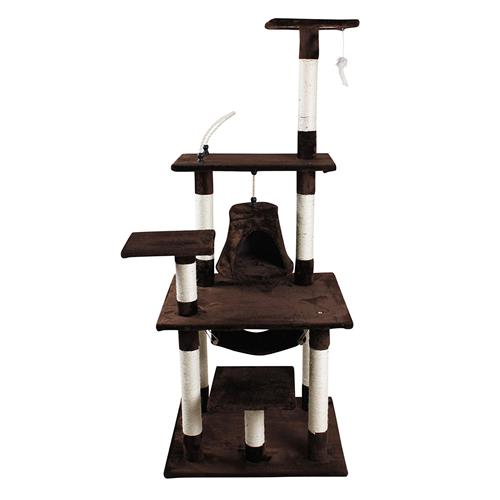
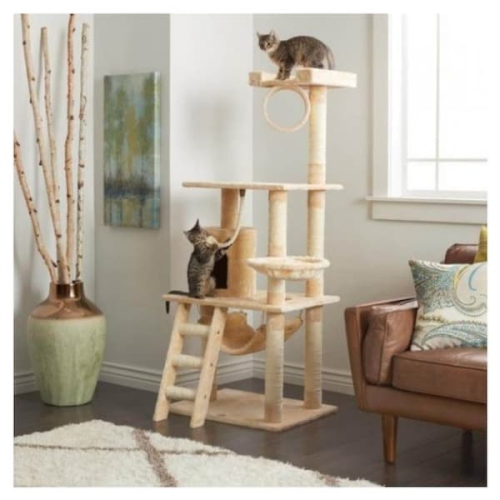

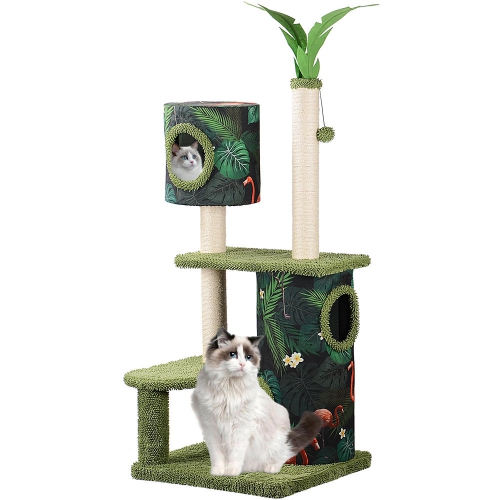
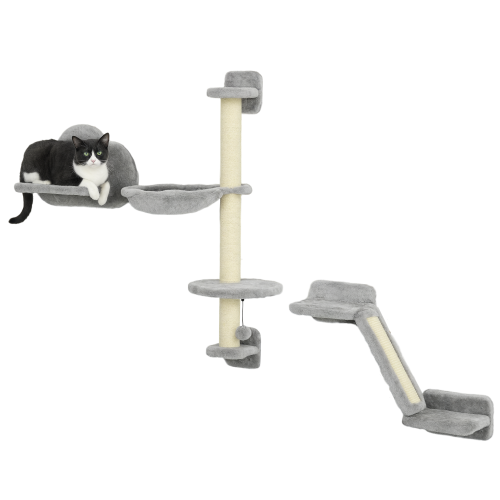
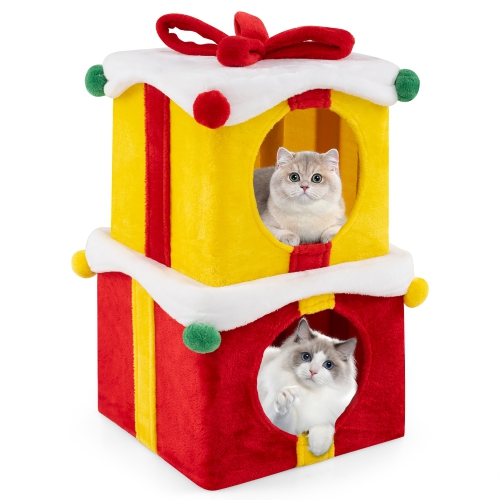
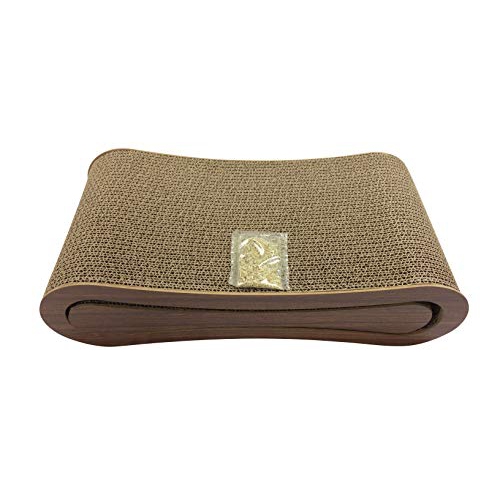
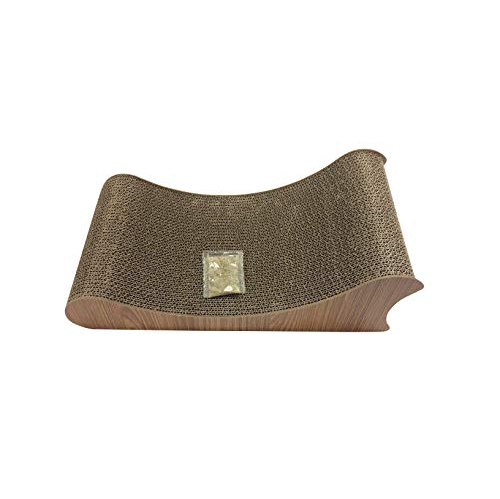
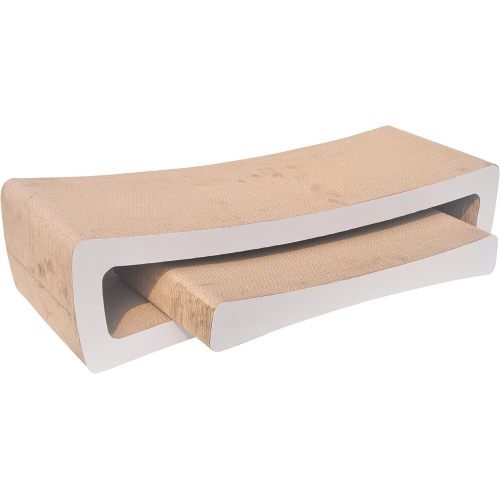
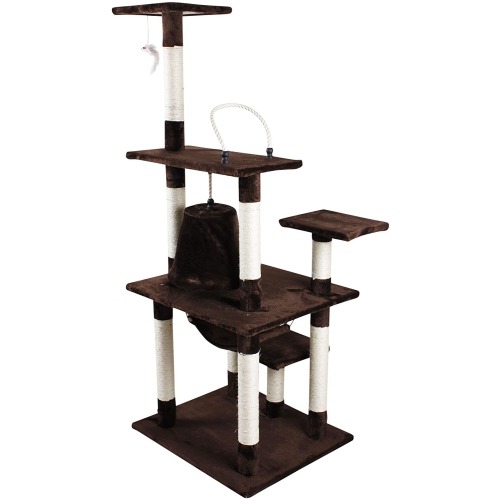

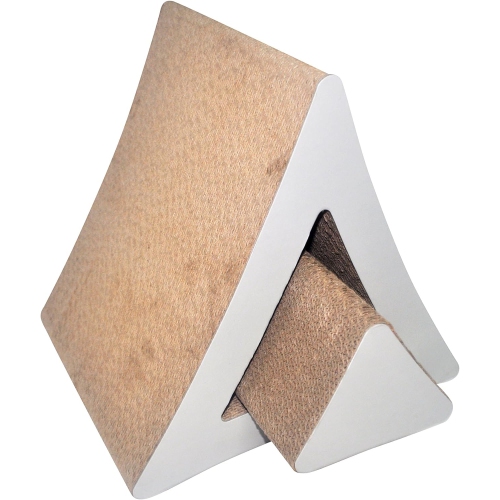
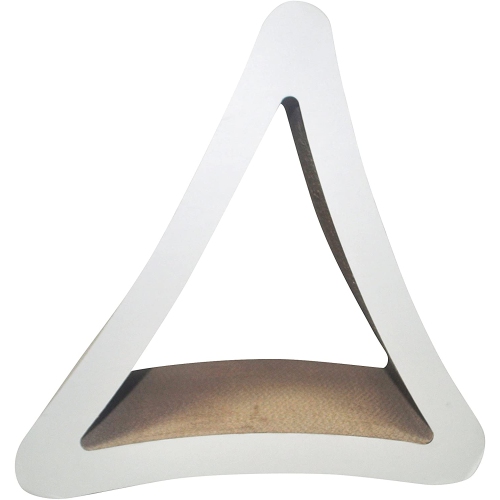
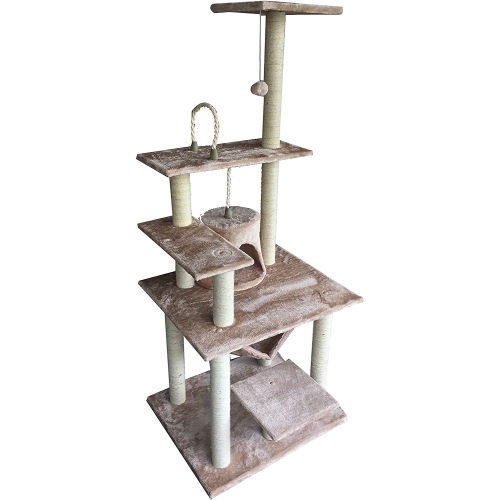
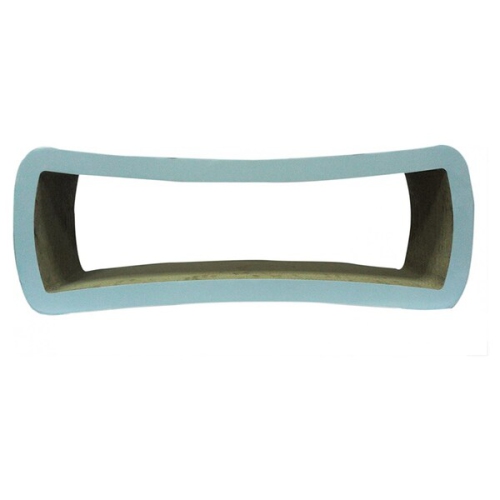
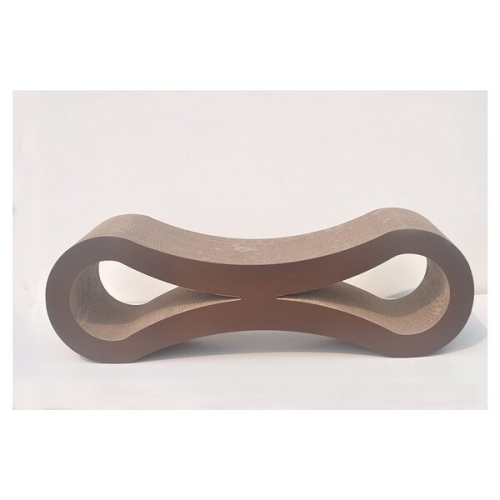
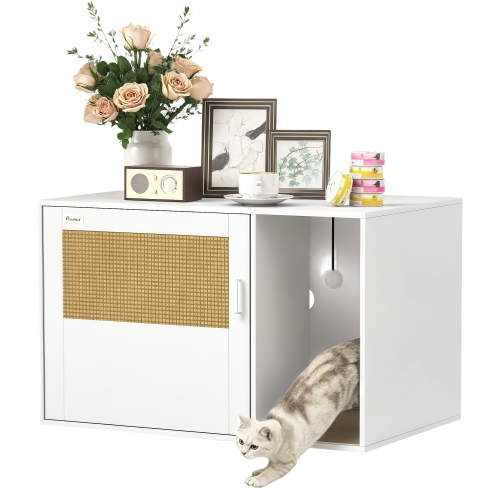
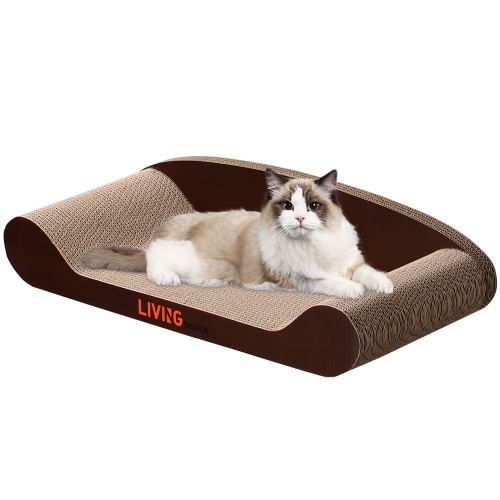
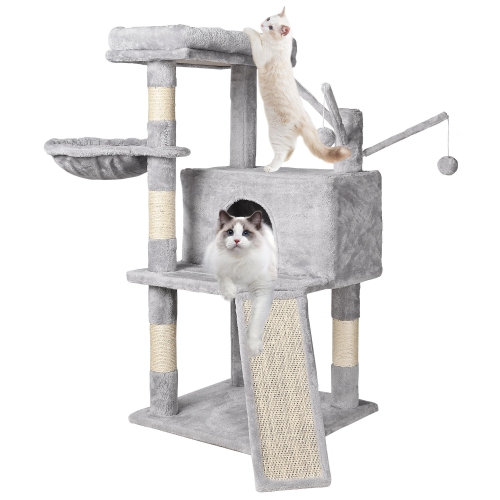
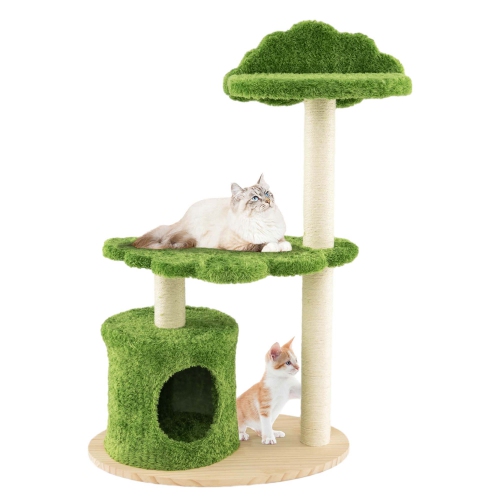
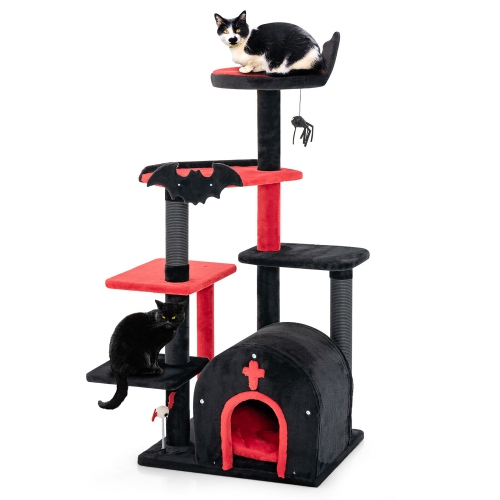

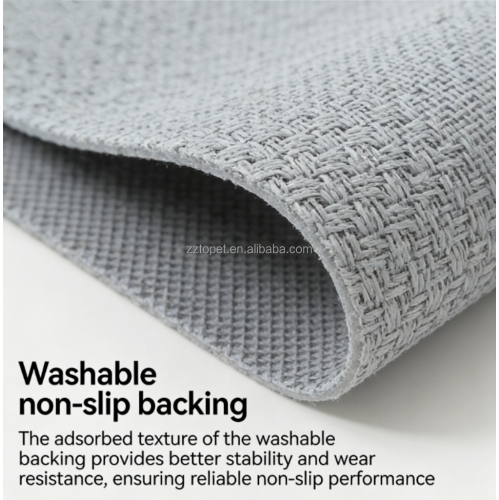
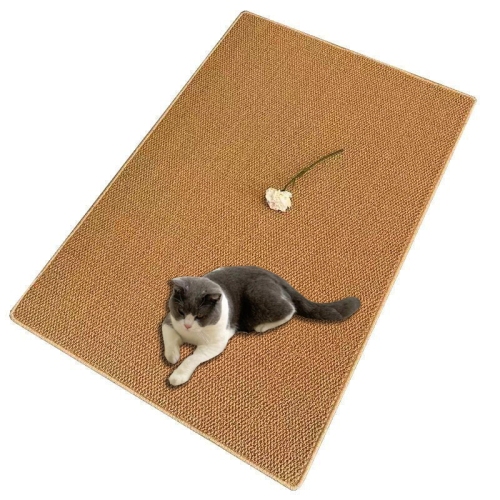
Furniture choices that suit cats and everyday living
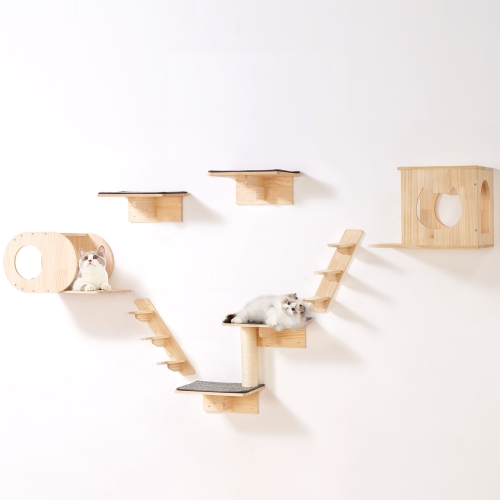
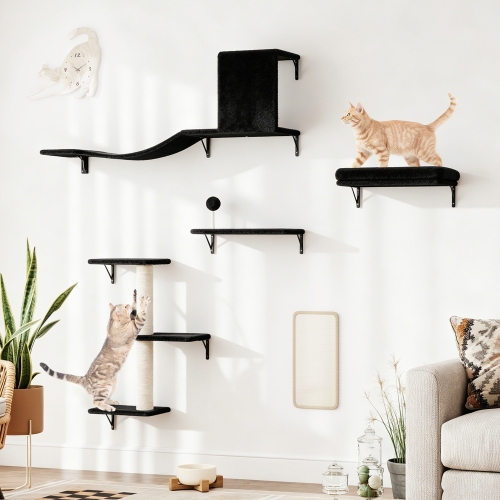
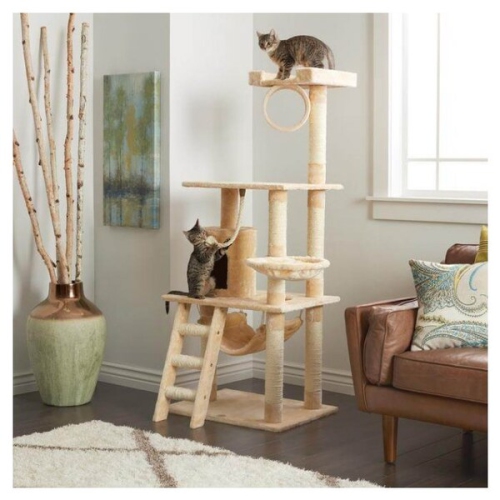
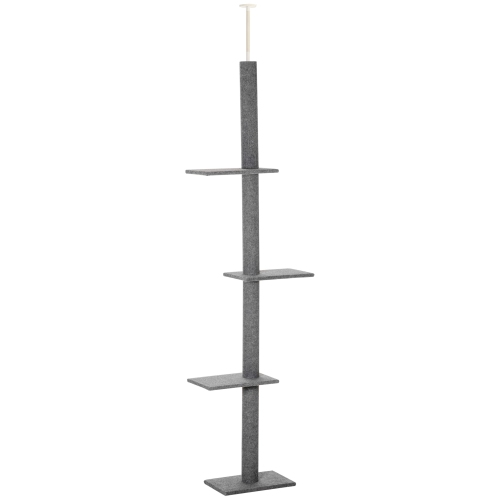
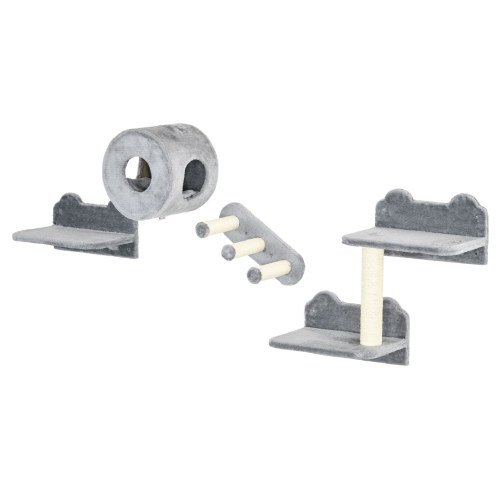
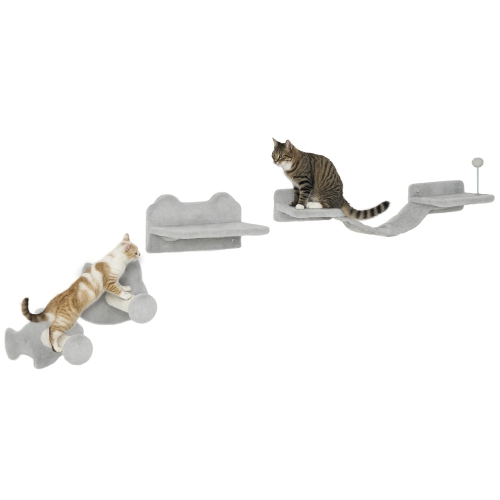
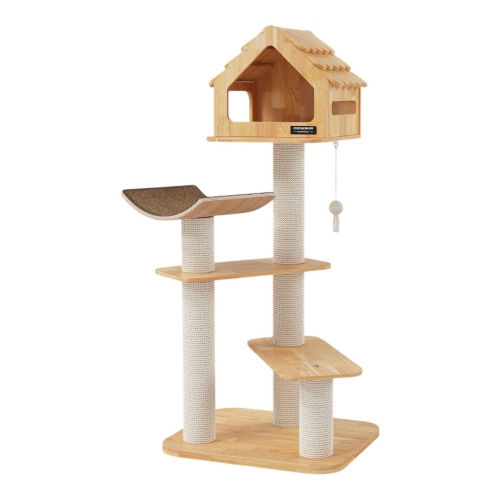
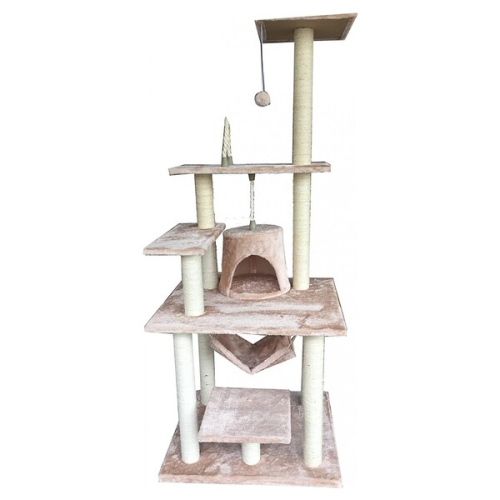
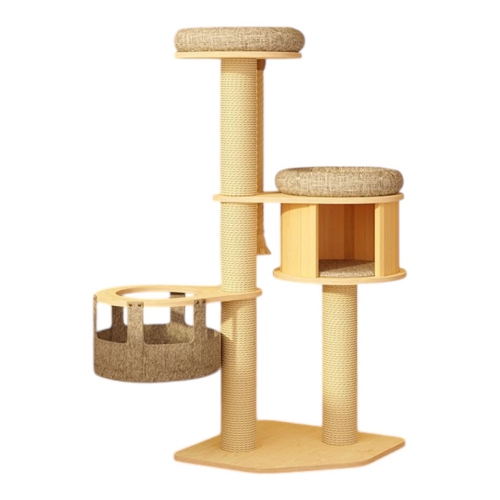
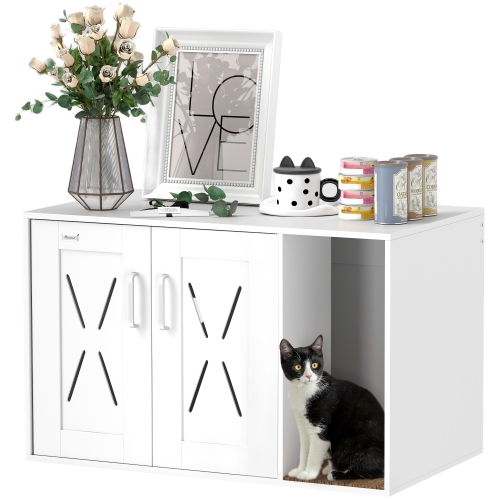
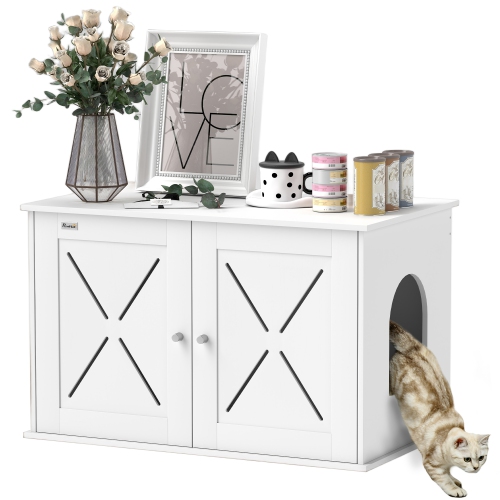
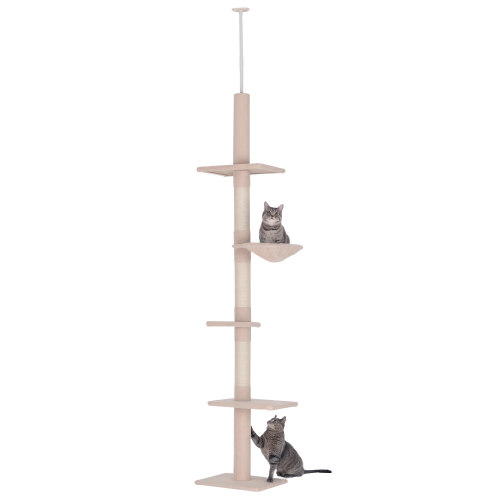
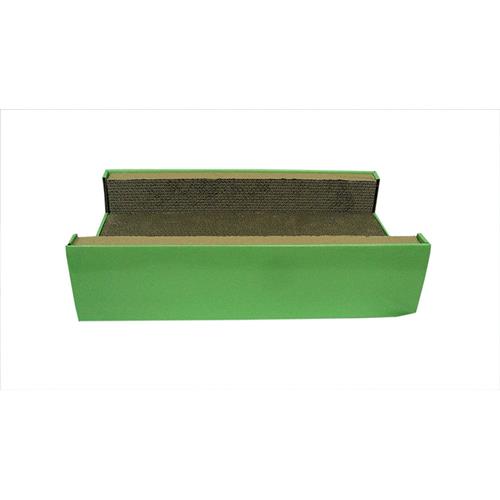
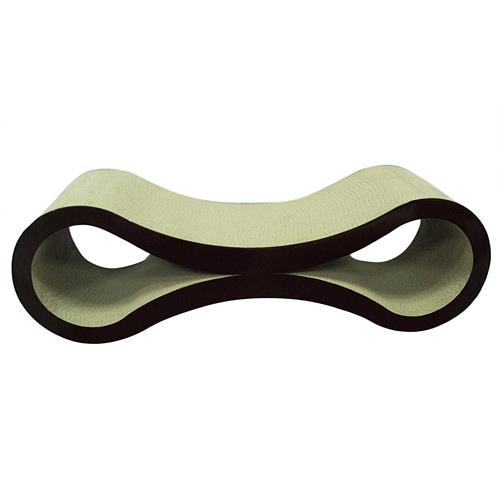
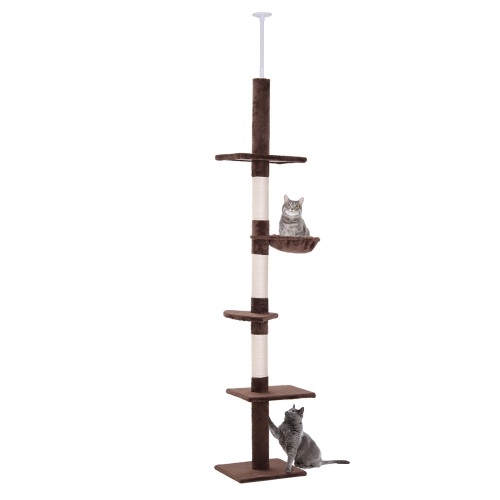
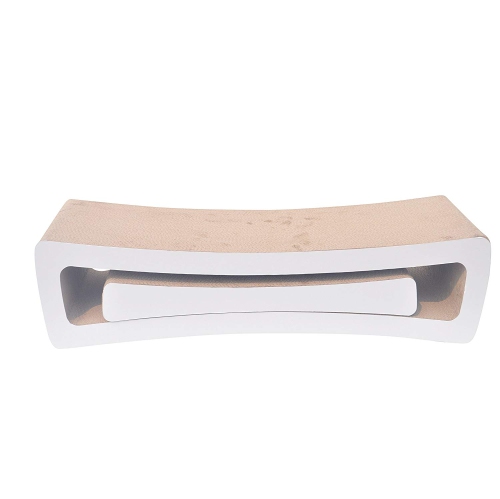
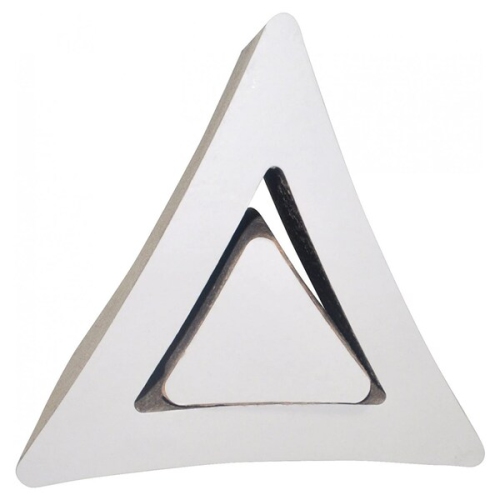
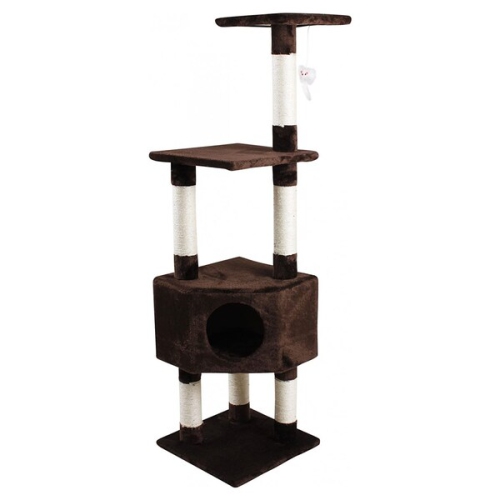
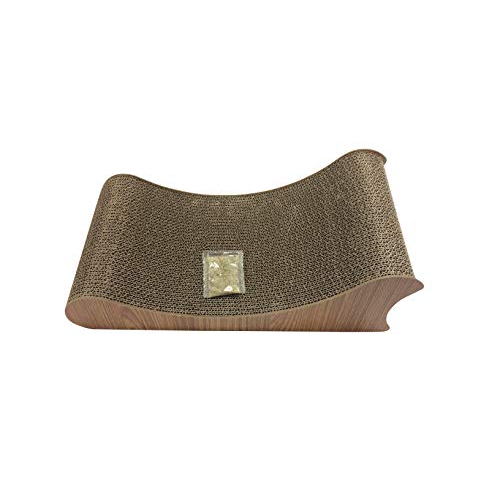
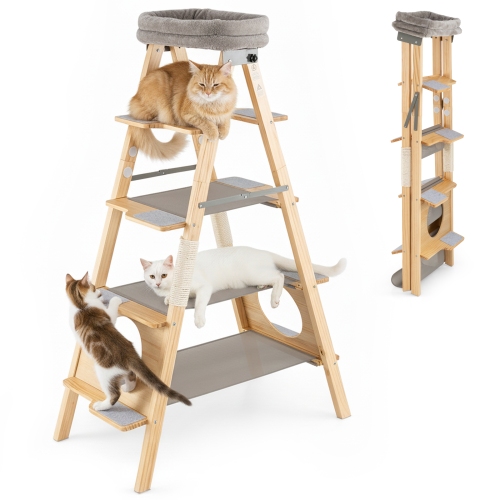
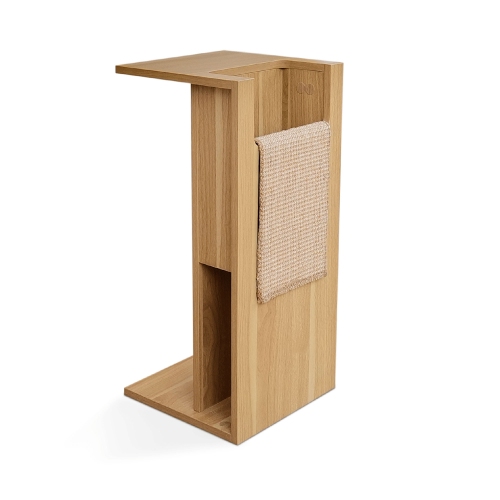
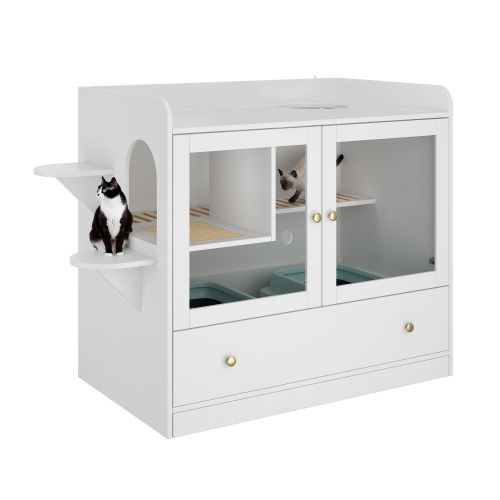
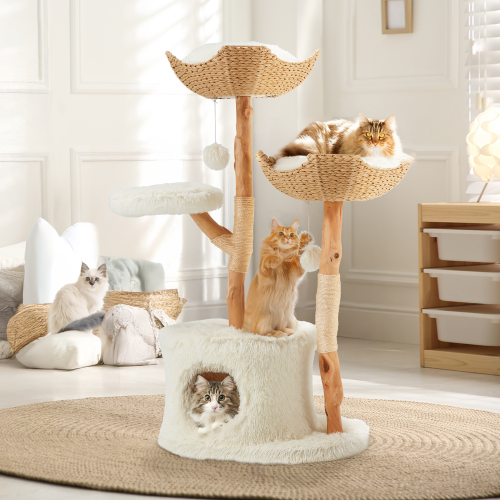
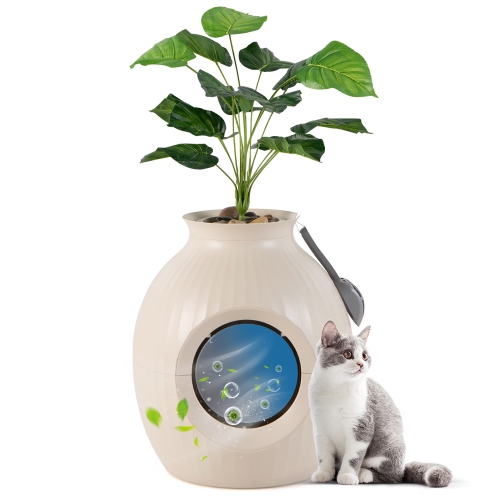
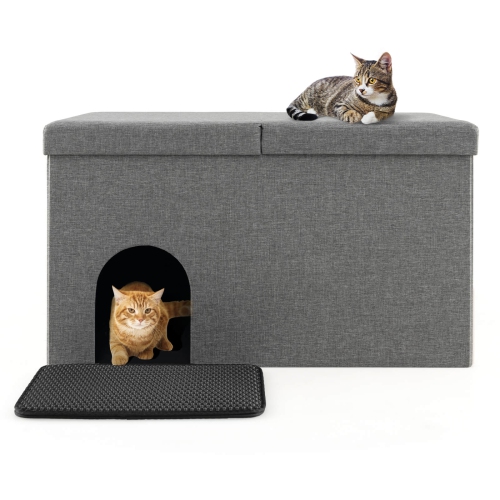
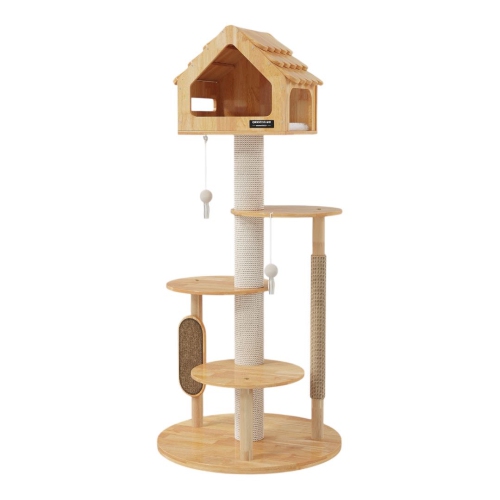
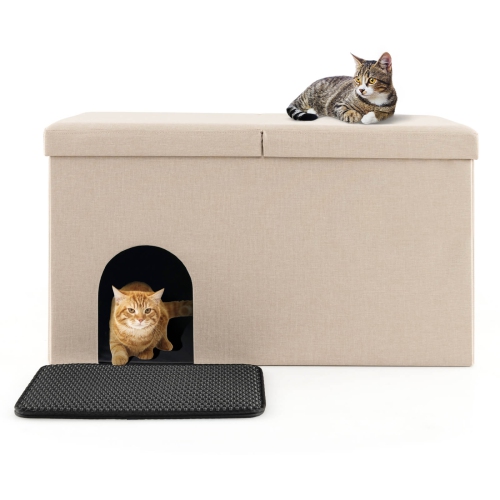
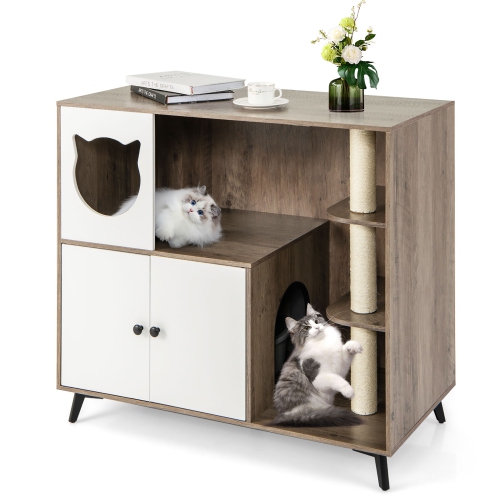
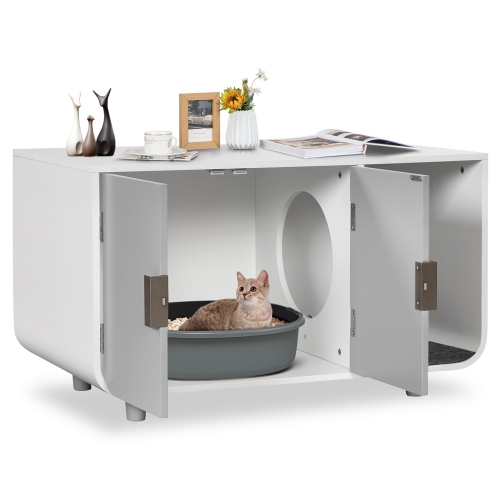
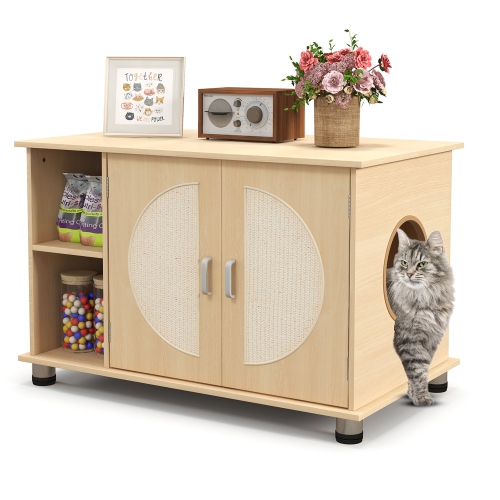
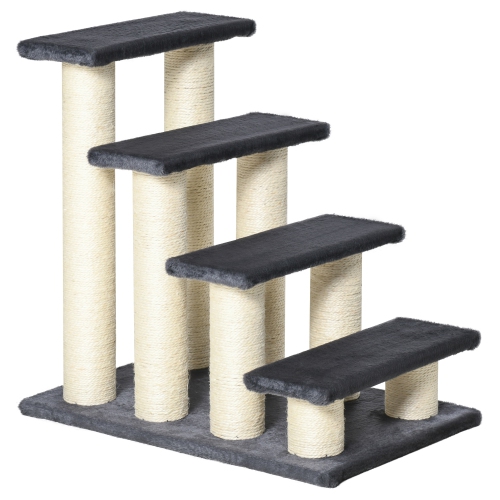
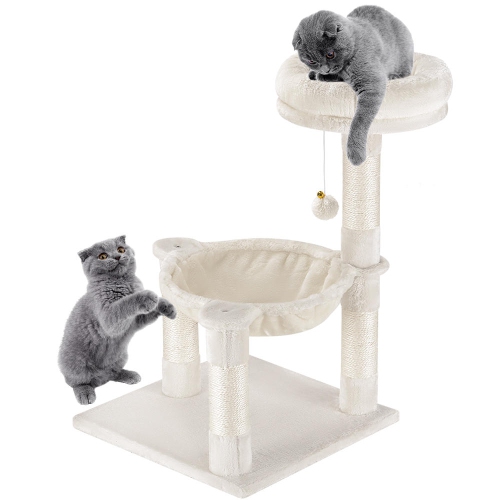
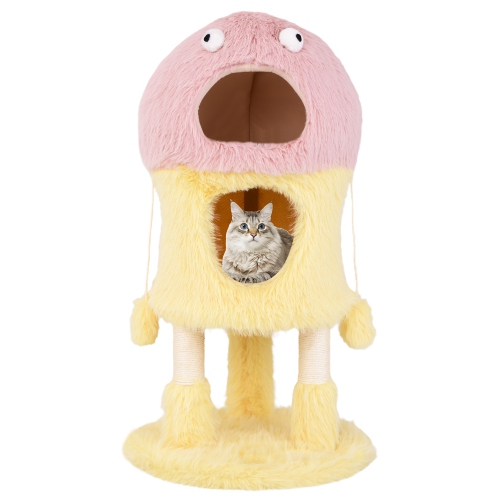
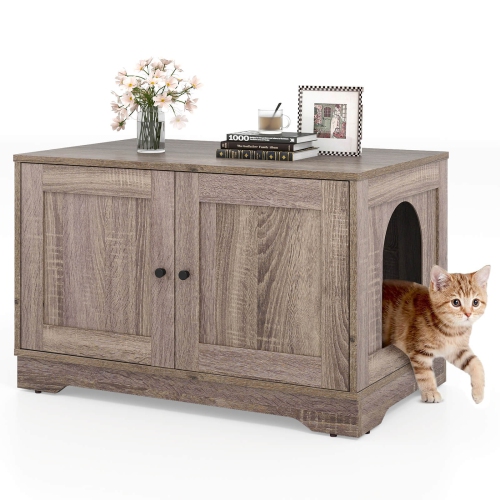
Cat-friendly furniture helps create a home that works for both people and cats, combining comfortable living spaces with places to climb, scratch, hide, and rest. Whether you are furnishing a new home, refreshing a busy living room, or making room for a newly adopted cat, look for pieces that support your cat’s natural habits without making the rest of the room feel like a dedicated pet area. A cat may spend the morning perched above the action, stretch out in a patch of sunlight during the afternoon, and settle into a quiet enclosed nook when the household becomes lively. Furniture with multiple levels, built-in cubbies, lower shelves, or raised platforms can give cats that variety while helping you use vertical space efficiently. Cat trees, climbing towers, scratching posts, window perches, storage benches, and coffee tables with tucked-away hideaways can all contribute to a more comfortable setup. A bookshelf-style cat structure can blend with a modern room while offering opportunities to climb, while a floor-to-ceiling or tension-mounted tower can provide height without occupying much floor space. When choosing a piece, consider the layout of the room, the cat’s age and mobility, and how confidently they climb. Kittens and active adult cats may enjoy tall platforms, ladders, and multiple resting levels, while older cats may benefit from shorter steps, broad shelves, and easy-to-reach beds. Stable construction is essential: a scratching post or climbing tower should have a solid base, secure joints, and enough room for a full-body stretch. Place it where your cat already spends time, such as near a sunny window, beside a sofa, or in a family room where they can observe daily activity. A cat is more likely to use furniture that feels connected to their routine than a piece placed in an isolated corner. For a wider selection of spaces designed for play, rest, and climbing, browse Cat Furniture and consider how each item can complement the rest of your home.
The materials surrounding a cat can make a noticeable difference to everyday upkeep and long-term appearance. For seating and other frequently used furniture, tightly woven performance fabrics, microfiber, microsuede, smooth upholstery, and high-grade velvet with a cut pile are generally easier choices because they offer fewer loose threads for claws to catch. Heavy leather can also be simple to wipe clean and resistant to everyday wear, although sharp claws may leave small surface marks, so scratching options should be placed nearby. Loose weaves such as linen, tweed, chenille, and looped textiles including bouclé can be especially tempting for scratching and may snag more readily. Smooth wood, laminate, metal, and other firm surfaces are useful for tables, shelves, and storage pieces, while washable cushions or removable covers can make routine cleaning more manageable. Hair tends to gather in corners, beneath furniture, and along textured upholstery, so choose shapes that allow access with a vacuum or handheld brush. It also helps to match the furniture to the number and temperament of the cats in the home. A single quiet cat may be content with one covered bed and a nearby scratching pad, while a multi-cat household may need several resting places to reduce crowding and give each cat a preferred retreat. Place scratchers directly beside sofa corners or other spots where claws are already being used, then gradually move them once the habit is established. Clear furniture guards or double-sided sticky tape can protect vulnerable corners during training, while regular nail trimming and positive reinforcement can support the transition. Cat-friendly furniture can also make a thoughtful gift for a new pet parent, someone moving into a smaller home, or a family preparing for a cat during the cooler months when indoor enrichment becomes especially valuable. The most useful choice is one that suits the recipient’s décor, available floor space, cleaning preferences, and the cat’s personality, from a discreet hideaway for a cautious animal to a sturdy vertical playground for an energetic climber. With thoughtful placement and durable, claw-conscious materials, furniture can provide a comfortable landing spot after a busy day of exploring while helping the living room remain welcoming for everyone.
The materials surrounding a cat can make a noticeable difference to everyday upkeep and long-term appearance. For seating and other frequently used furniture, tightly woven performance fabrics, microfiber, microsuede, smooth upholstery, and high-grade velvet with a cut pile are generally easier choices because they offer fewer loose threads for claws to catch. Heavy leather can also be simple to wipe clean and resistant to everyday wear, although sharp claws may leave small surface marks, so scratching options should be placed nearby. Loose weaves such as linen, tweed, chenille, and looped textiles including bouclé can be especially tempting for scratching and may snag more readily. Smooth wood, laminate, metal, and other firm surfaces are useful for tables, shelves, and storage pieces, while washable cushions or removable covers can make routine cleaning more manageable. Hair tends to gather in corners, beneath furniture, and along textured upholstery, so choose shapes that allow access with a vacuum or handheld brush. It also helps to match the furniture to the number and temperament of the cats in the home. A single quiet cat may be content with one covered bed and a nearby scratching pad, while a multi-cat household may need several resting places to reduce crowding and give each cat a preferred retreat. Place scratchers directly beside sofa corners or other spots where claws are already being used, then gradually move them once the habit is established. Clear furniture guards or double-sided sticky tape can protect vulnerable corners during training, while regular nail trimming and positive reinforcement can support the transition. Cat-friendly furniture can also make a thoughtful gift for a new pet parent, someone moving into a smaller home, or a family preparing for a cat during the cooler months when indoor enrichment becomes especially valuable. The most useful choice is one that suits the recipient’s décor, available floor space, cleaning preferences, and the cat’s personality, from a discreet hideaway for a cautious animal to a sturdy vertical playground for an energetic climber. With thoughtful placement and durable, claw-conscious materials, furniture can provide a comfortable landing spot after a busy day of exploring while helping the living room remain welcoming for everyone.
Top selling and popular products
-
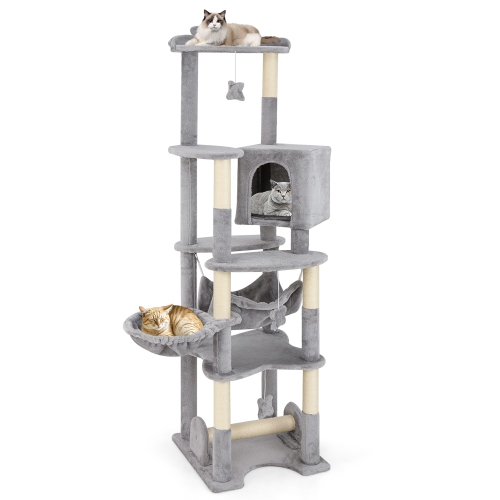 Your price for this item is $105.99
 -
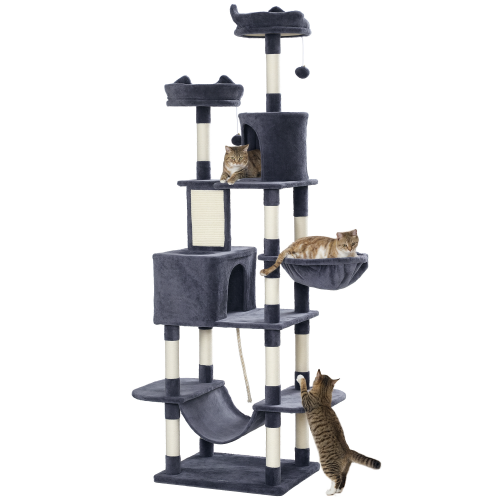 Your price for this item is $99.99
 -
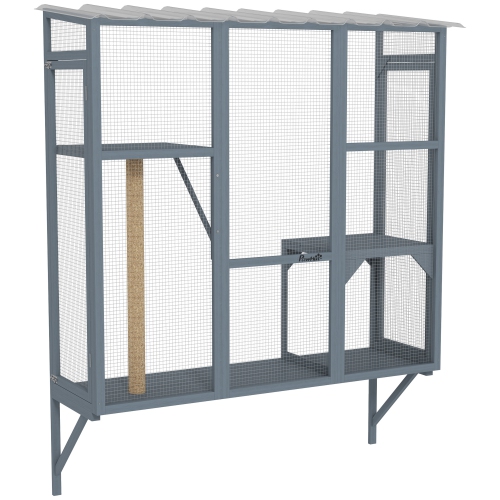 Your price for this item is $266.99
 -
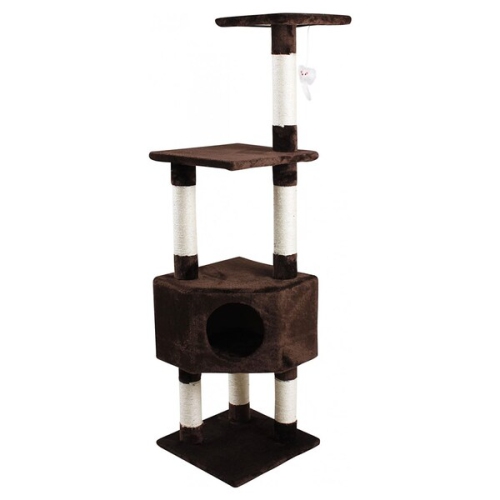 Your price for this item is $58.69
 -
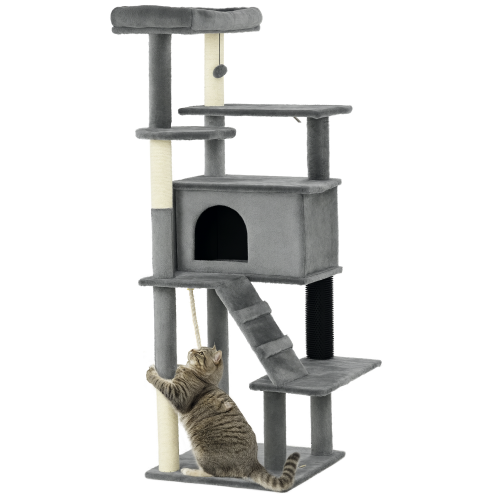 Your price for this item is $73.99
 -
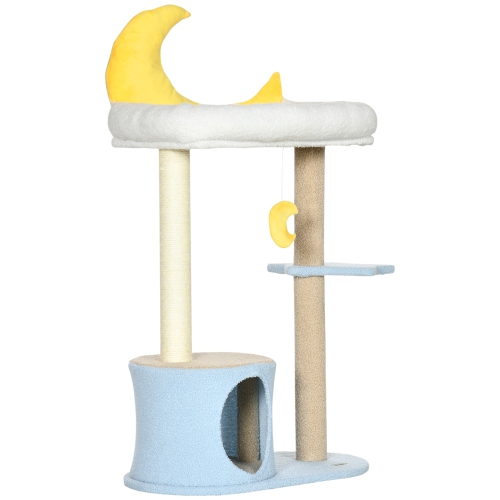 Your price for this item is $67.99
 -
 Your price for this item is $36.99
 -
 Your price for this item is $95.99
Discover more categories related to Cat Friendly Furniture
Top Collections:
Pokemon Centers, Kindle Devices, Best Budget Office Chairs, Apple iPhones 16, Best Laptops for Writers, iPhone 15 Apple, Canon G7X Cameras, Refurbished Apple Laptops, Alarm Clock, Motorola Razr Phones
Some products may be subject to Environmental Handling Fees
(EHF) depending on your province.
Learn more about EHFs.