Cat Wall Furniture
Cat wall furniture is a stylish and practical solution for cat owners looking to maximize their living space while providing their furry friends with a dedicated area to play, climb, and relax. With a variety of designs and configurations available, cat wall furniture allows you to create a customized feline playground that seamlessly blends into your home decor. From sleek shelves to cozy hammocks, these innovative pieces not only cater to your cat's natural instincts but also add a touch of modern flair to any room. Explore our collection of cat wall furniture and transform your space into a purrfect paradise for your beloved pet.
Sort
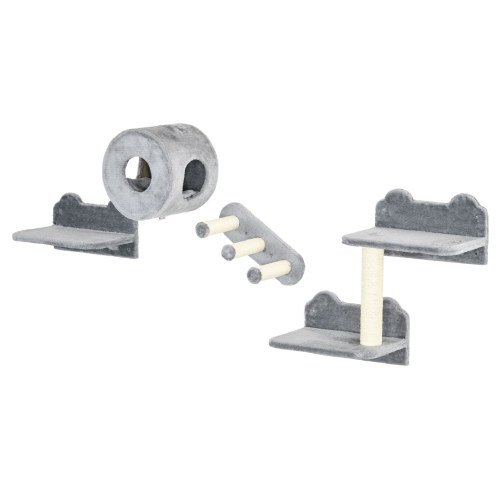
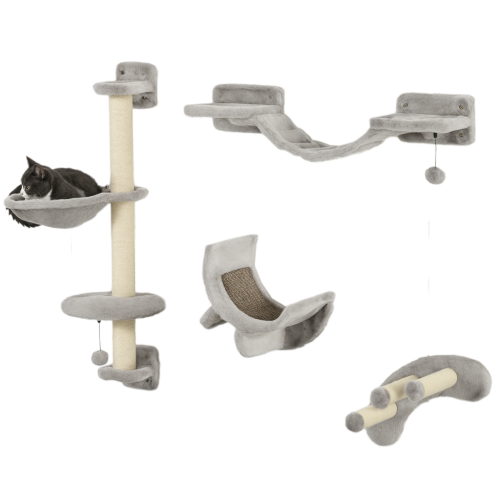
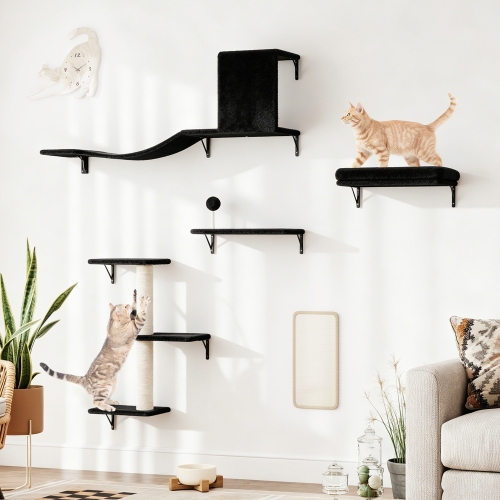
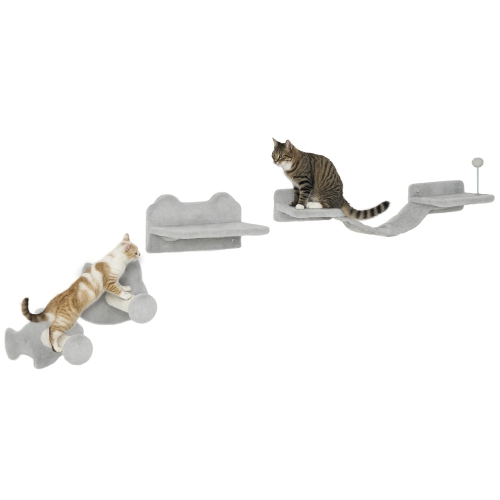
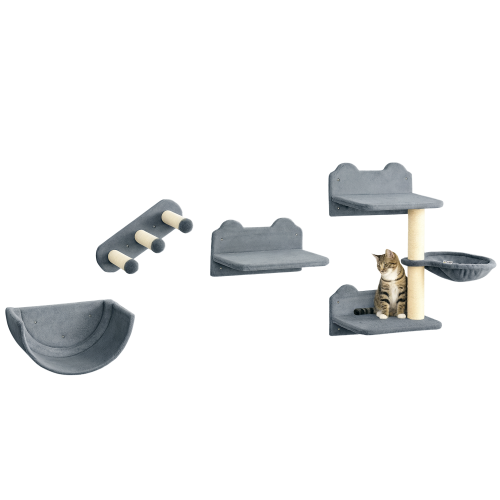
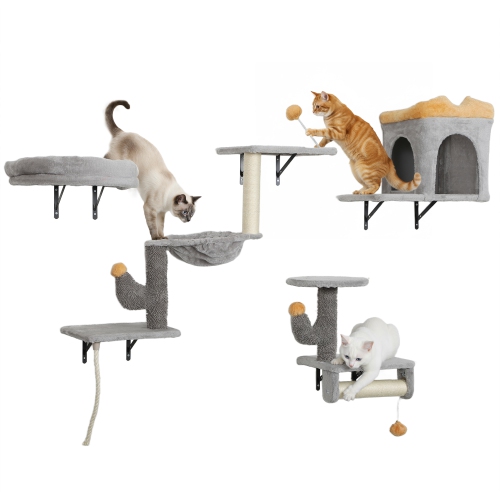
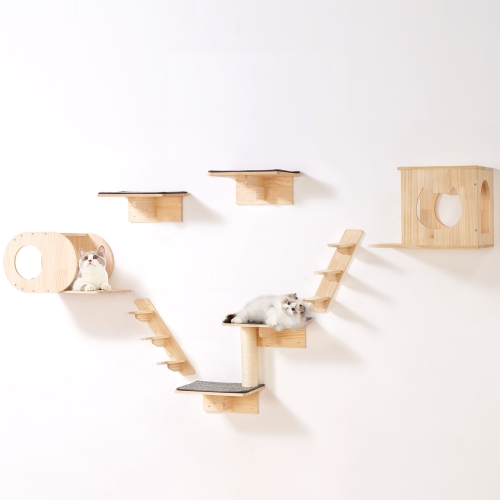
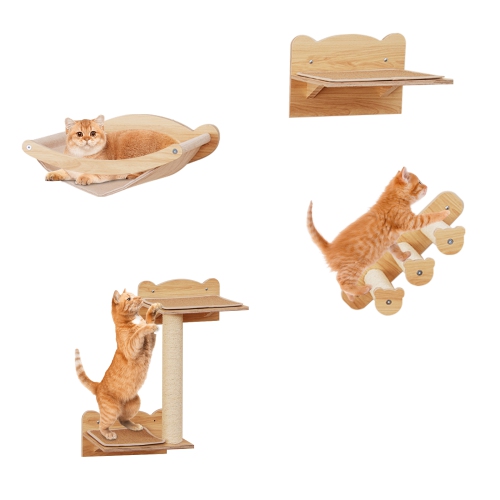
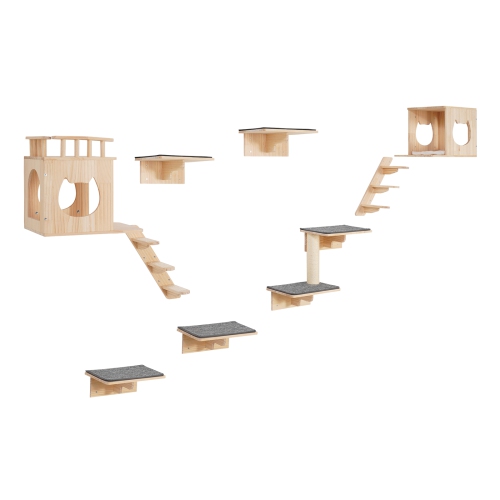
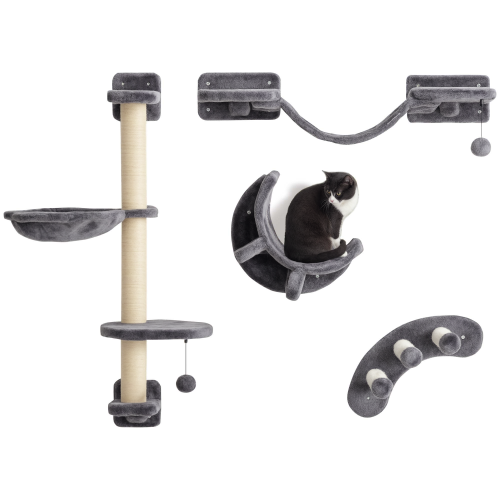

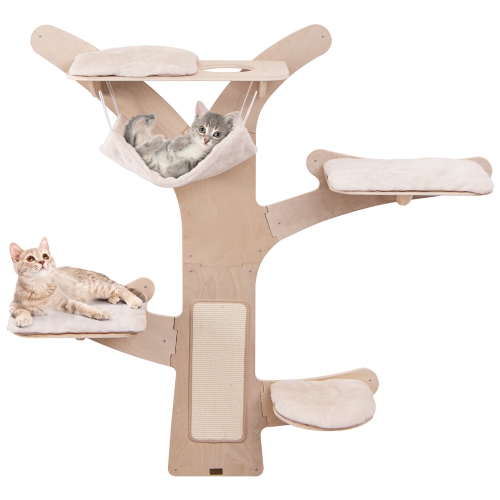
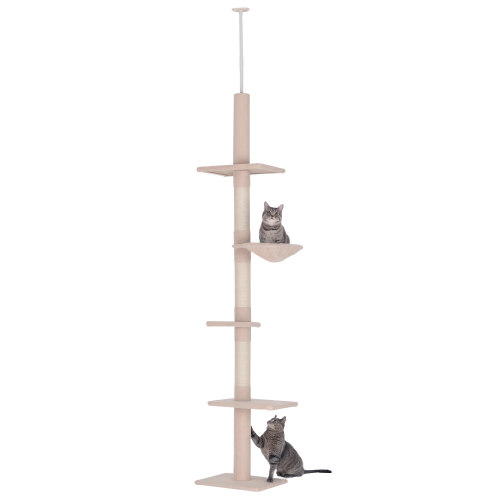
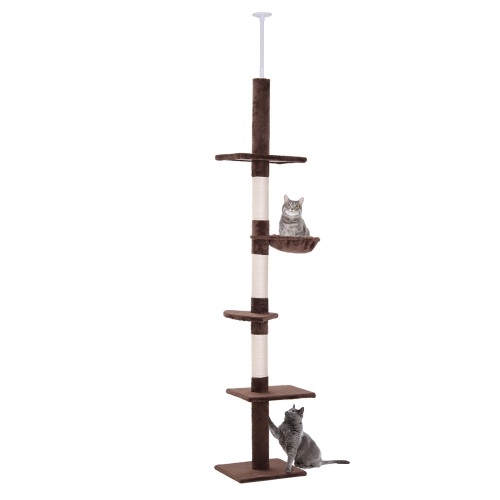
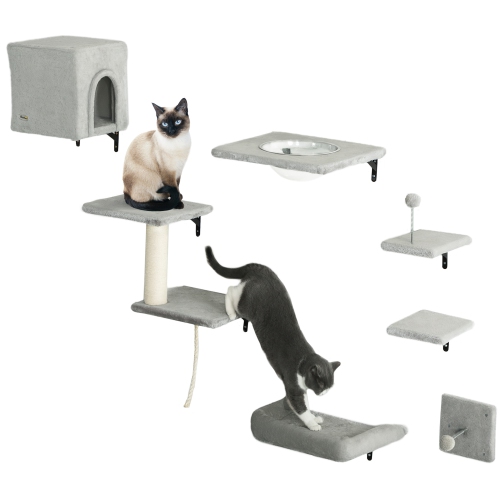
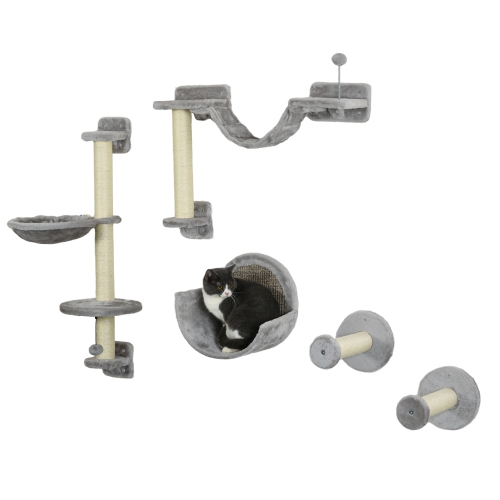
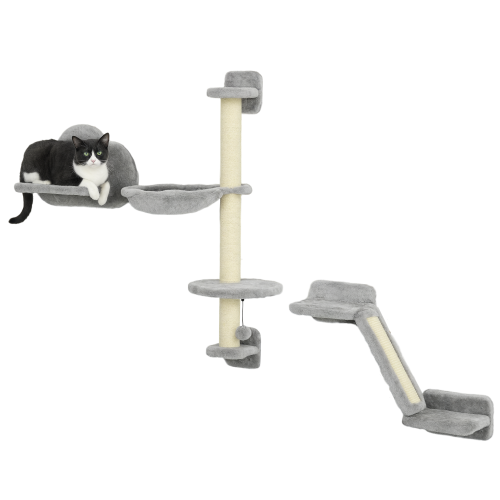
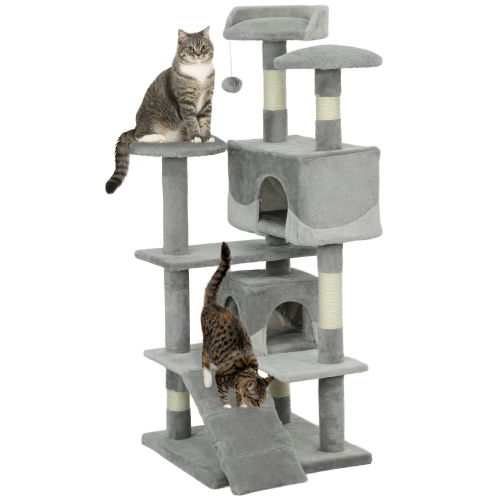
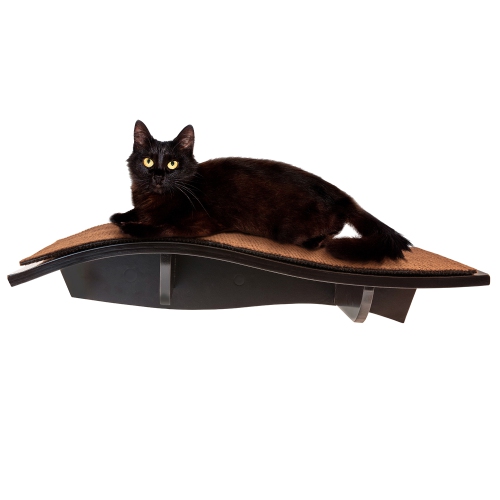
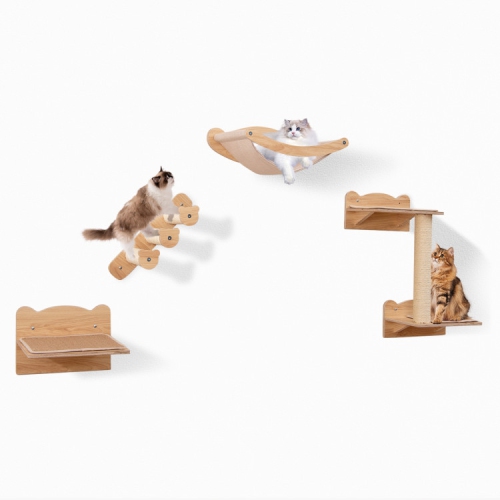
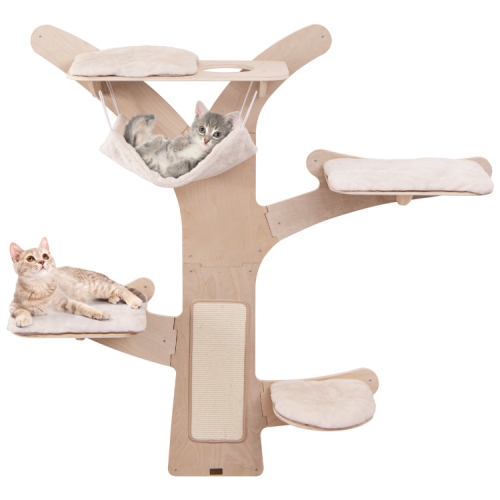
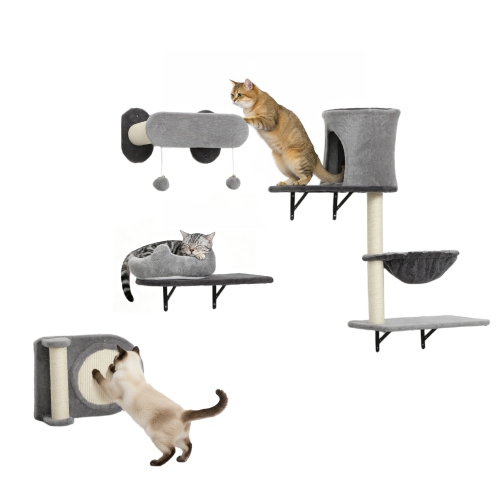
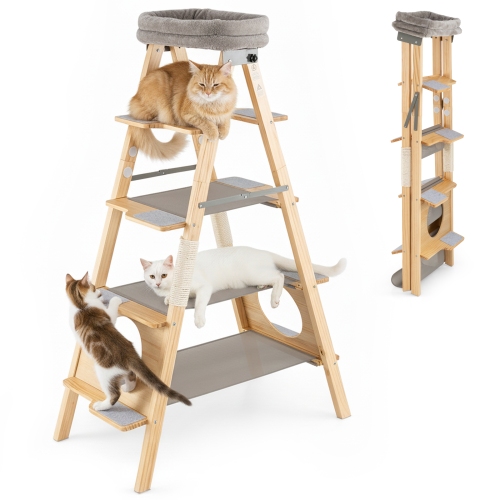
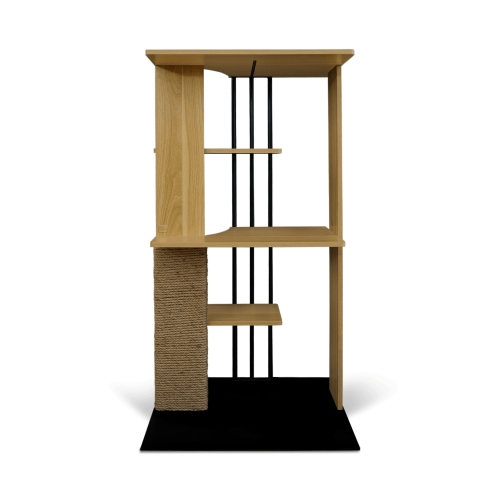
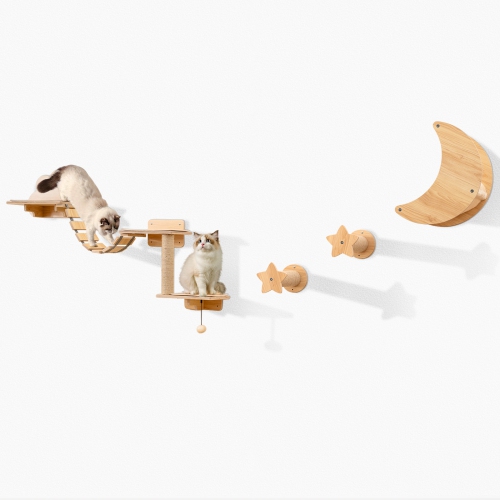
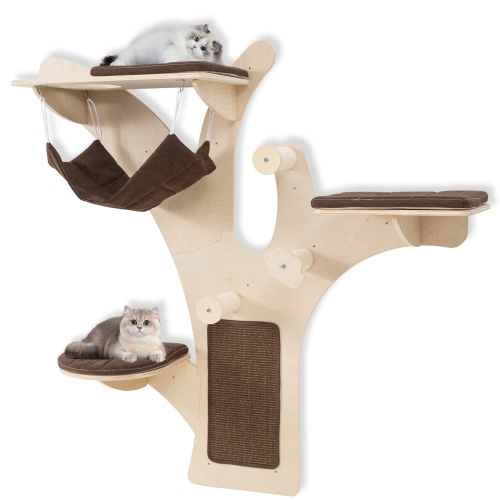
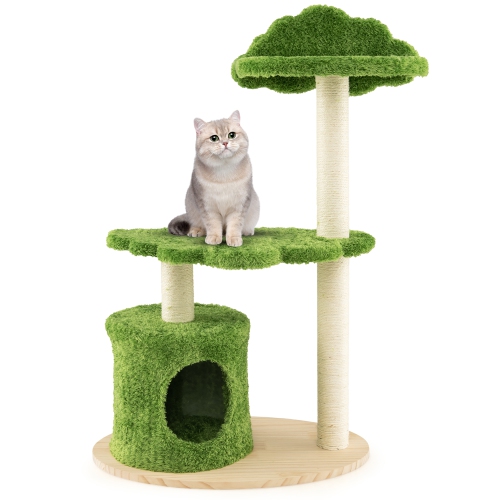
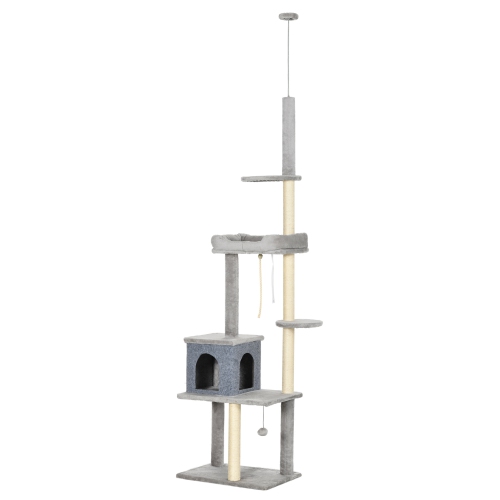
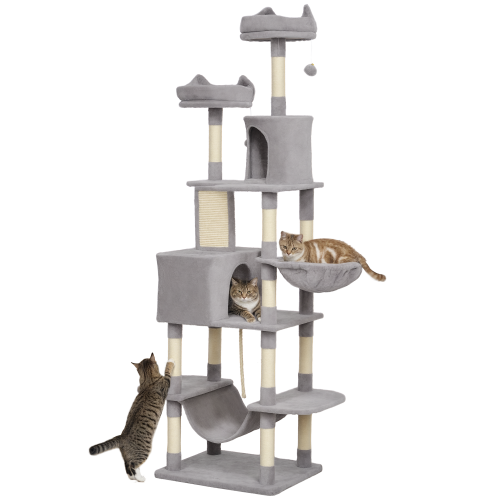
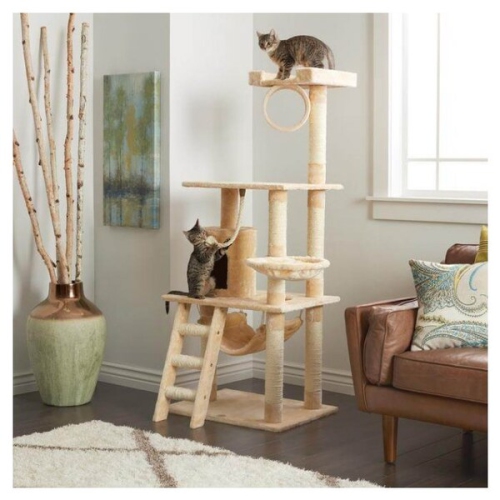
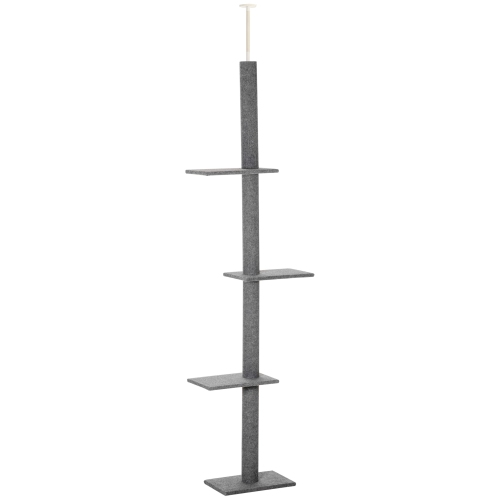
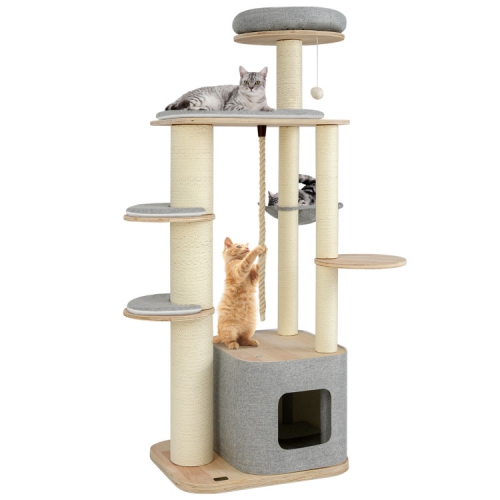
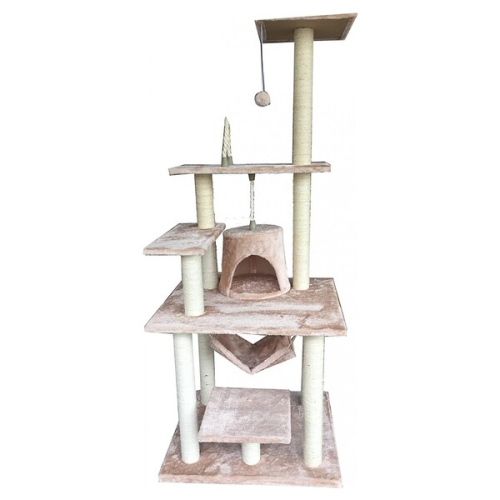
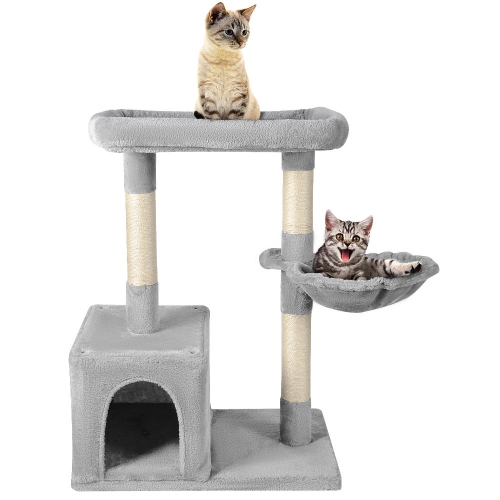
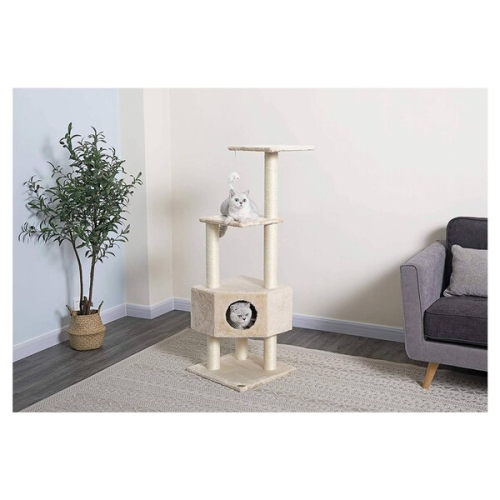
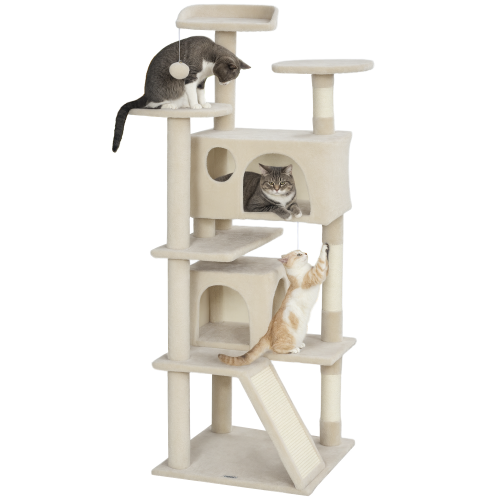
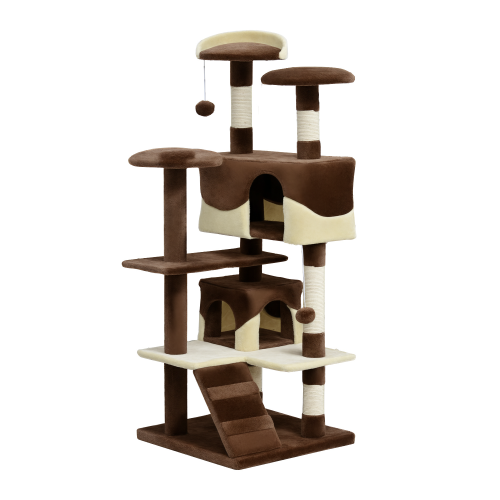
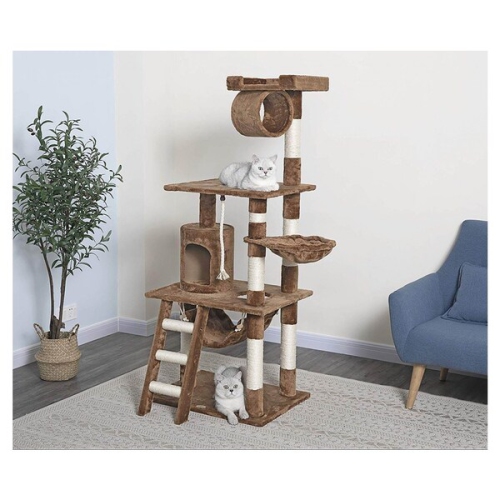
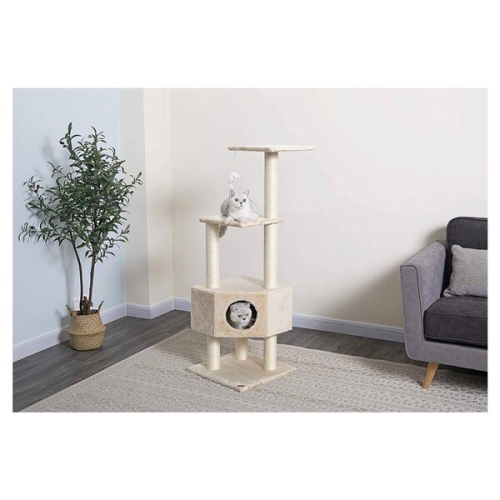
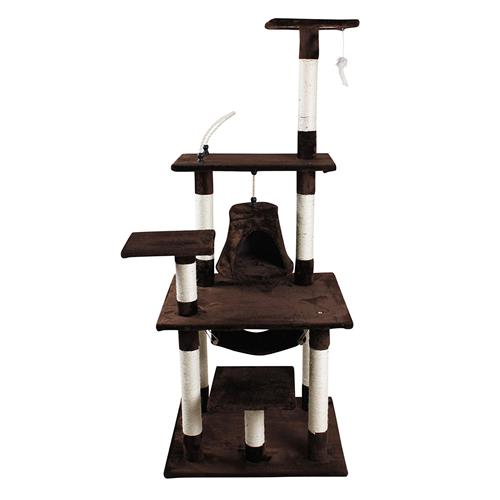
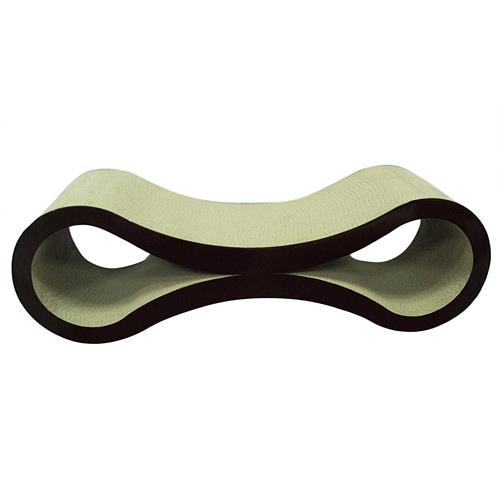
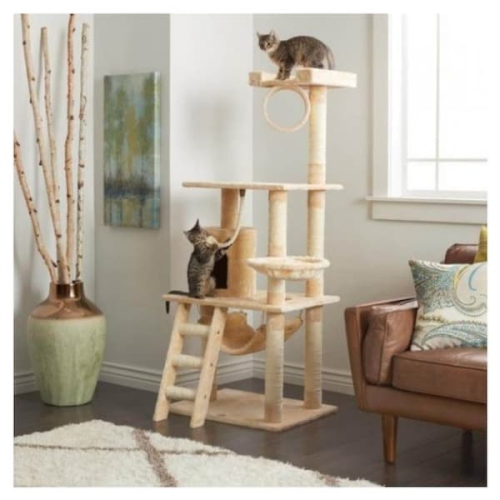
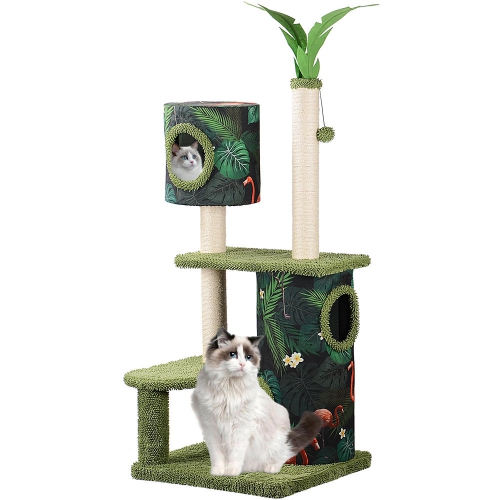
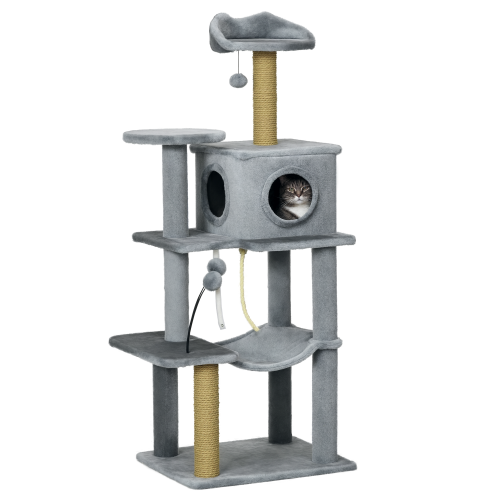
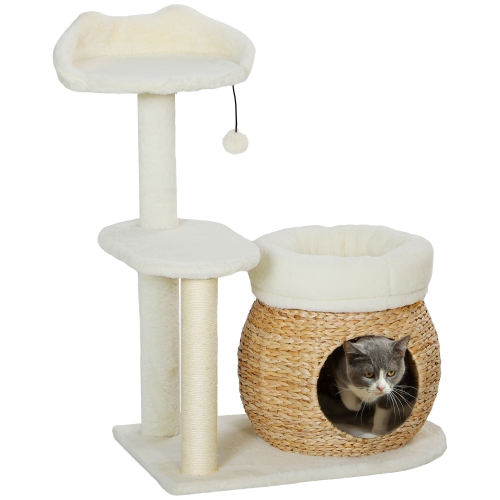
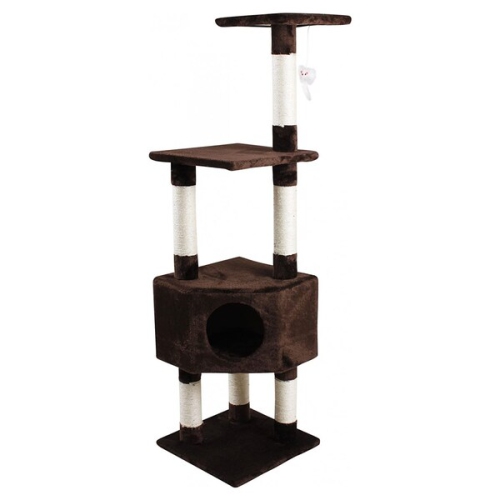
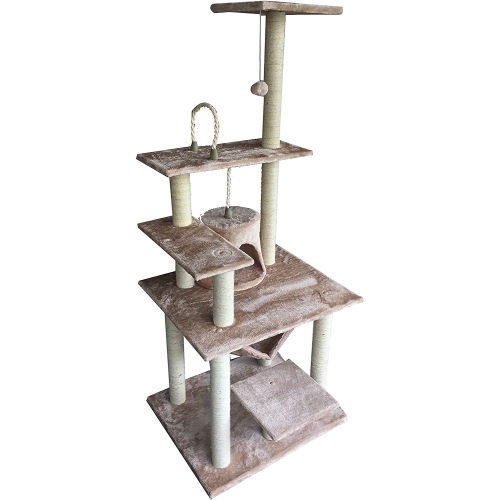
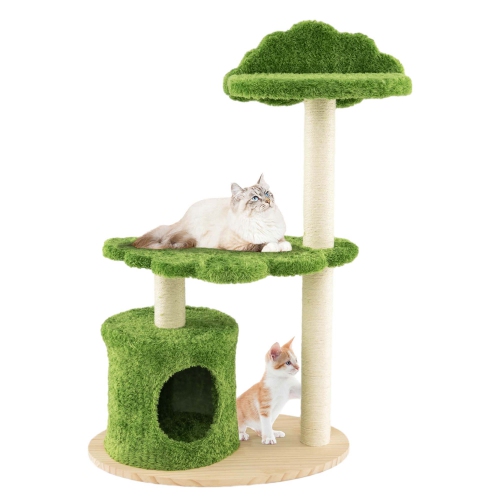
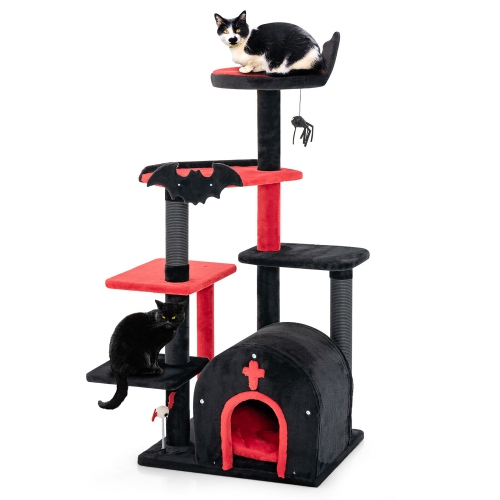
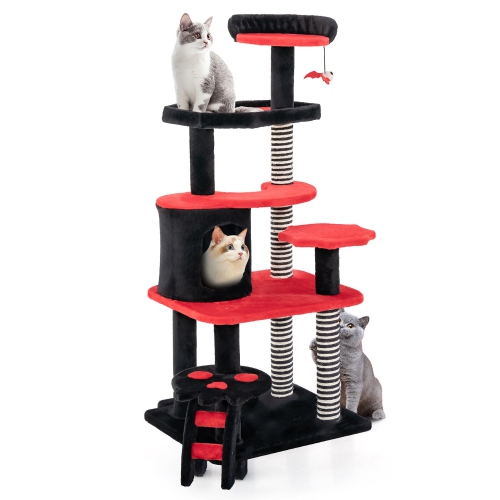
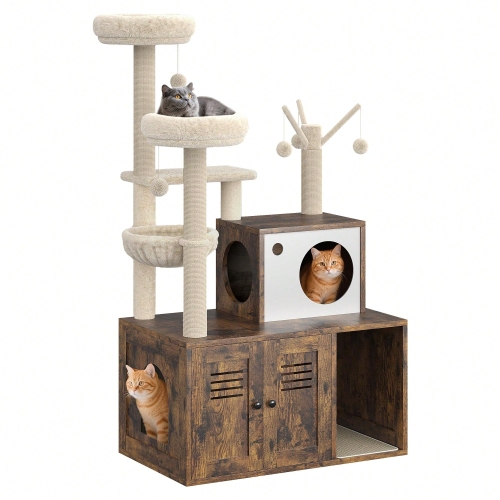
Thoughtful layouts support climbing, resting, and indoor exploration
Cat wall furniture gives indoor cats a dedicated vertical environment for climbing, stretching, scratching, resting, and observing their surroundings, while making thoughtful use of wall space. A well-planned arrangement can include individual platforms, staggered steps, wall-mounted hammocks, enclosed cubbies, scratching pads, and bridges that connect separate resting areas. Together, these pieces can turn an empty wall into a gentle climbing route or a more involved multi-level playground. Cats often feel comfortable in elevated positions because height lets them watch household activity from a secure vantage point. A perch beside a window can become a favourite place for watching birds and passing activity, while a higher shelf in a quieter room may provide a peaceful retreat when the home is busy. Wall-mounted furniture can be especially useful in apartments, smaller homes, or rooms where floor space is already occupied by seating, storage, and everyday essentials. Explore the range of Cat Wall Shelves to find configurations that suit your cat’s habits and your available wall area. Some cats are happiest with a simple step-and-perch route, while others enjoy moving between several levels, pausing at a hammock, or settling into a covered space. When planning a layout, consider how your cat already moves through the home. A confident climber may appreciate an adventurous route with varied heights, whereas a cautious cat may prefer wide, closely spaced platforms that make each jump feel manageable. Older cats and cats with limited mobility generally benefit from low transitions, generous landing areas, and surfaces that are easy to reach without a long leap.
Safety and construction are important considerations when choosing cat wall furniture. Before installation, identify the wall structure and determine where wooden studs are located so heavier components can be secured directly into them whenever possible. If a stud is not available in the required position, use high-quality drywall anchors that are rated for the combined load of the furniture and the cats using it. Follow the manufacturer’s mounting instructions carefully, use the recommended hardware, and check every connection before allowing a cat to explore the setup. Weight limits should be treated as an essential part of the selection process, particularly in a home with more than one cat. A platform that works well for one small cat may need additional capacity for a larger breed or two cats resting together. Look for sturdy support, stable brackets, smooth edges, and coverings that provide dependable traction. Sisal-covered scratching surfaces can give cats an appropriate place to work their claws and stretch their shoulders, while fabric or plush sections can create a softer lounging area. Inspect the furniture regularly for loose screws, shifting brackets, worn fabric, frayed rope, or damaged scratching material. It is also helpful to introduce a new wall route gradually. Place familiar bedding nearby, use praise or a favourite toy to encourage exploration, and allow a hesitant cat to investigate at its own pace. A new perch should feel like an inviting extension of the room rather than a sudden change to the cat’s territory. Keep climbing paths away from swinging doors, hot vents, exposed cords, and shelves holding breakable objects. Leave enough clearance around each platform for a cat to land, turn, and settle comfortably, and avoid placing a high perch directly above anything that could cause injury if a cat slips.
Cat wall furniture can be a practical choice for households looking to add activity and variety to an indoor cat’s daily routine, and it can also make a thoughtful gift for a new pet owner, a cat-loving family member, or someone preparing a dedicated space for a newly adopted cat. A starter arrangement might include a lower step, a scratching surface, and a comfortable perch, while a larger wall can accommodate a connected route with bridges, cubbies, hammocks, and several resting levels. The best arrangement reflects the individual cat. Energetic kittens may enjoy opportunities to climb, practise balance, and move between platforms, but their route should still be secure and easy to supervise. Social cats may prefer open shelves where they can remain part of household activity, while shy cats may seek enclosed furniture that offers privacy above the bustle of the room. In homes with multiple cats, separate perches and more than one route can help reduce crowding and give each cat a comfortable place to rest. During the cooler months, an elevated lounge positioned away from draughts can become a cosy retreat, while a window-facing platform can offer stimulating views when cats spend more time indoors. Wall furniture can also complement, rather than replace, regular play, scratching, grooming, and interaction. Arrange the pieces so they support natural behaviours without forcing a cat to pass through a busy area or jump farther than is comfortable. With secure installation, suitable spacing, and a layout matched to your cat’s age, size, confidence, and personality, a bare wall can become a useful and engaging part of the home.
Safety and construction are important considerations when choosing cat wall furniture. Before installation, identify the wall structure and determine where wooden studs are located so heavier components can be secured directly into them whenever possible. If a stud is not available in the required position, use high-quality drywall anchors that are rated for the combined load of the furniture and the cats using it. Follow the manufacturer’s mounting instructions carefully, use the recommended hardware, and check every connection before allowing a cat to explore the setup. Weight limits should be treated as an essential part of the selection process, particularly in a home with more than one cat. A platform that works well for one small cat may need additional capacity for a larger breed or two cats resting together. Look for sturdy support, stable brackets, smooth edges, and coverings that provide dependable traction. Sisal-covered scratching surfaces can give cats an appropriate place to work their claws and stretch their shoulders, while fabric or plush sections can create a softer lounging area. Inspect the furniture regularly for loose screws, shifting brackets, worn fabric, frayed rope, or damaged scratching material. It is also helpful to introduce a new wall route gradually. Place familiar bedding nearby, use praise or a favourite toy to encourage exploration, and allow a hesitant cat to investigate at its own pace. A new perch should feel like an inviting extension of the room rather than a sudden change to the cat’s territory. Keep climbing paths away from swinging doors, hot vents, exposed cords, and shelves holding breakable objects. Leave enough clearance around each platform for a cat to land, turn, and settle comfortably, and avoid placing a high perch directly above anything that could cause injury if a cat slips.
Cat wall furniture can be a practical choice for households looking to add activity and variety to an indoor cat’s daily routine, and it can also make a thoughtful gift for a new pet owner, a cat-loving family member, or someone preparing a dedicated space for a newly adopted cat. A starter arrangement might include a lower step, a scratching surface, and a comfortable perch, while a larger wall can accommodate a connected route with bridges, cubbies, hammocks, and several resting levels. The best arrangement reflects the individual cat. Energetic kittens may enjoy opportunities to climb, practise balance, and move between platforms, but their route should still be secure and easy to supervise. Social cats may prefer open shelves where they can remain part of household activity, while shy cats may seek enclosed furniture that offers privacy above the bustle of the room. In homes with multiple cats, separate perches and more than one route can help reduce crowding and give each cat a comfortable place to rest. During the cooler months, an elevated lounge positioned away from draughts can become a cosy retreat, while a window-facing platform can offer stimulating views when cats spend more time indoors. Wall furniture can also complement, rather than replace, regular play, scratching, grooming, and interaction. Arrange the pieces so they support natural behaviours without forcing a cat to pass through a busy area or jump farther than is comfortable. With secure installation, suitable spacing, and a layout matched to your cat’s age, size, confidence, and personality, a bare wall can become a useful and engaging part of the home.
Top selling and popular products
-
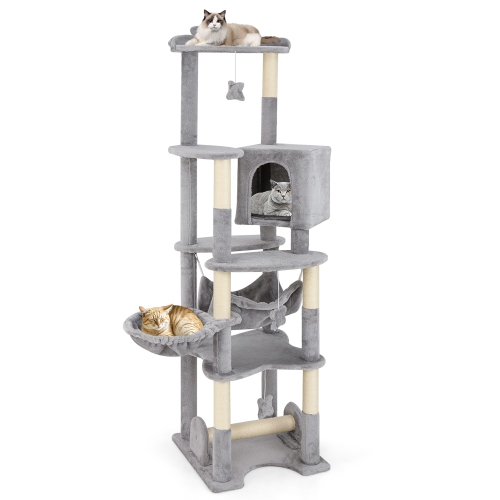 Your price for this item is $105.99
 -
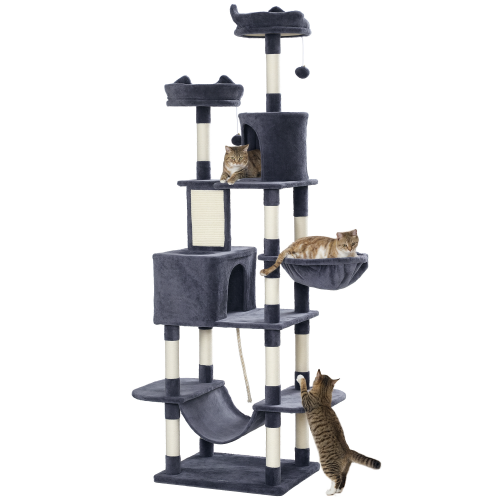 Your price for this item is $99.99
 -
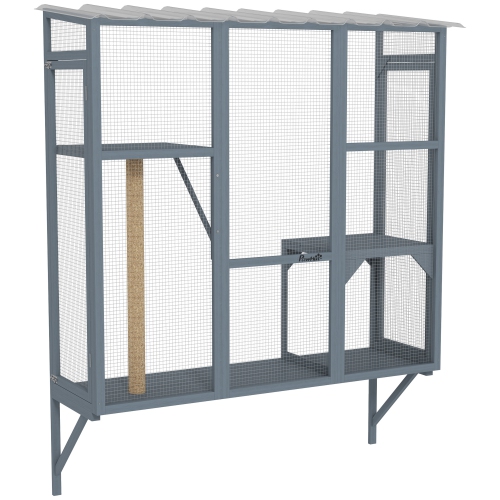 Your price for this item is $266.99
 -
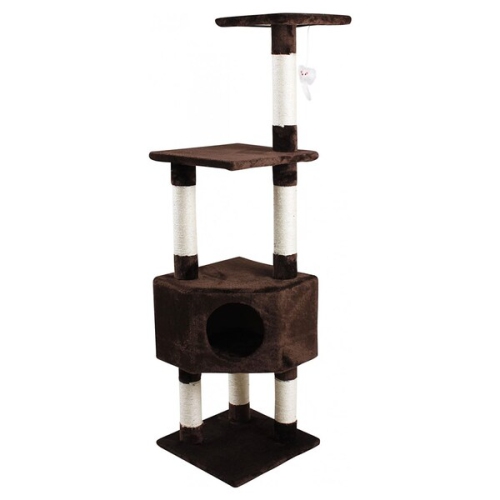 Your price for this item is $58.69
 -
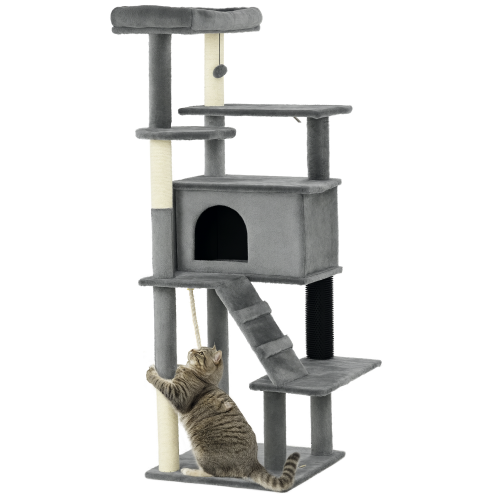 Your price for this item is $73.99
 -
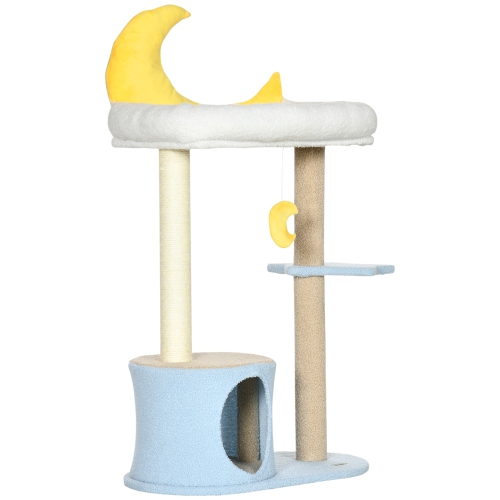 Your price for this item is $67.99
 -
 Your price for this item is $36.99
 -
 Your price for this item is $59.99
Discover more categories related to Cat Wall Furniture
Top Collections:
Pokemon Centers, Kindle Devices, Best Budget Office Chairs, Apple iPhones 16, Best Laptops for Writers, iPhone 15 Apple, Canon G7X Cameras, Refurbished Apple Laptops, Alarm Clock, Motorola Razr Phones
Some products may be subject to Environmental Handling Fees
(EHF) depending on your province.
Learn more about EHFs.