Cat Litter Box Enclosure
Transform your feline friend's litter experience with a stylish and functional cat litter box enclosure. Designed to blend seamlessly with your home decor, these enclosures offer a discreet solution to keeping your cat's litter area tidy and odor-free. Whether you prefer a modern, sleek design or a classic, wooden finish, there's an option to suit every aesthetic. These enclosures not only provide privacy for your cat but also help contain messes, making cleanup a breeze. Explore the variety of designs and sizes available to find the perfect fit for both your space and your pet's needs.
Sort
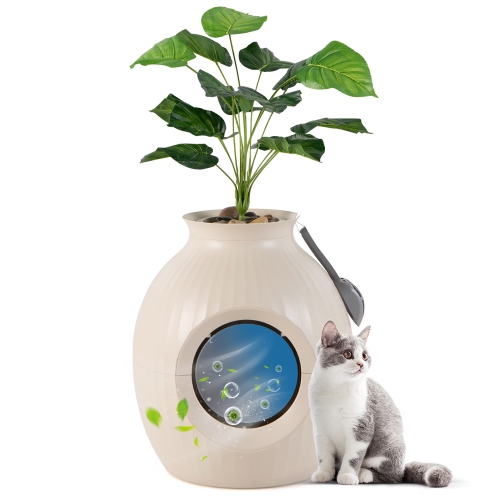
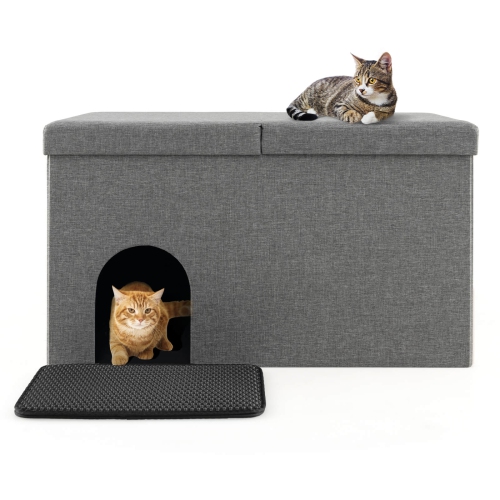

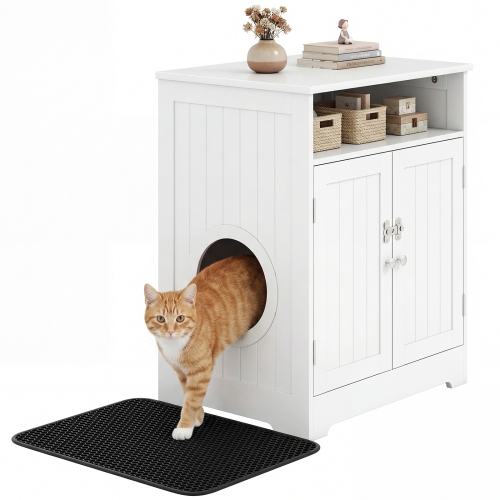
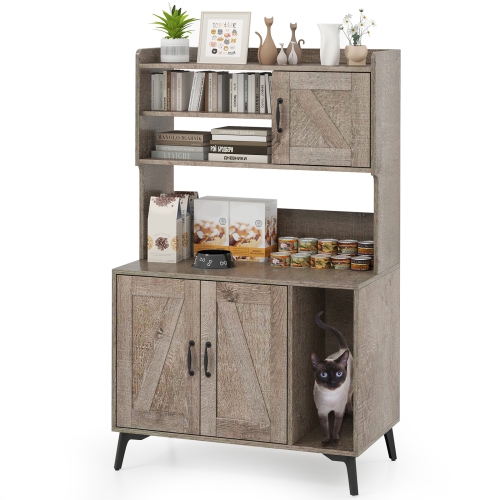
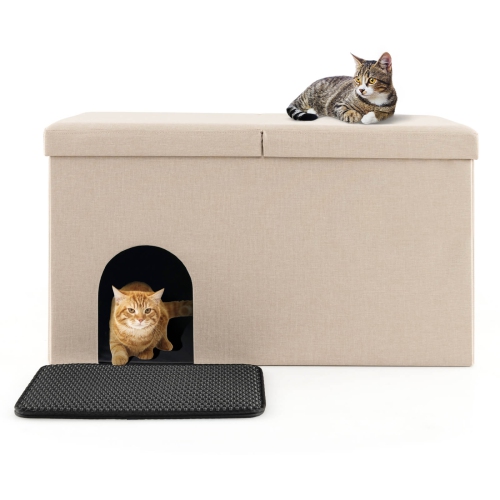
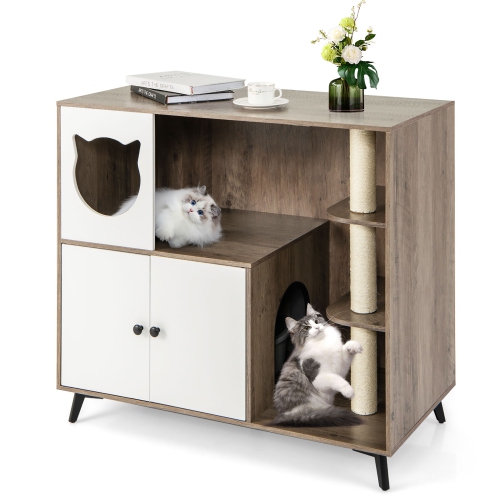
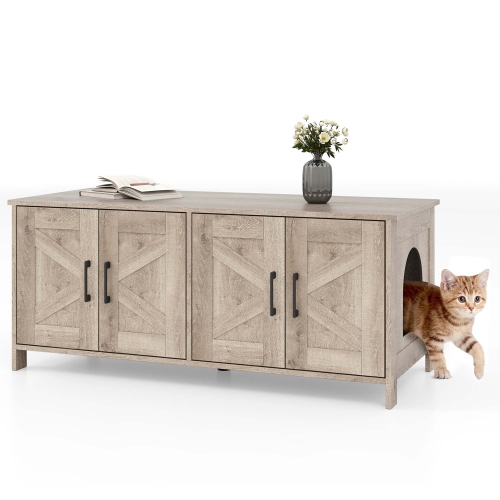

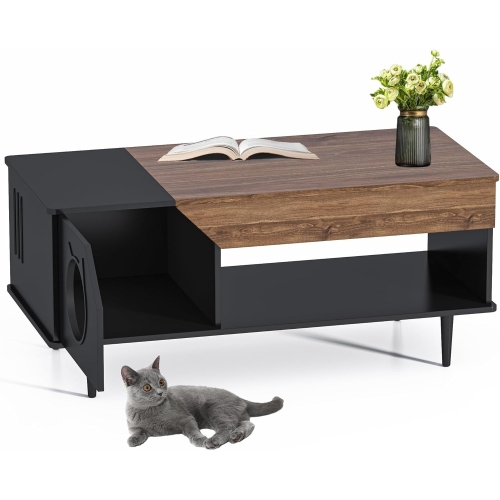



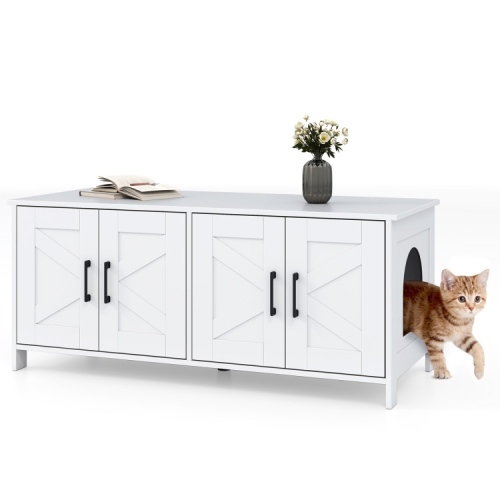
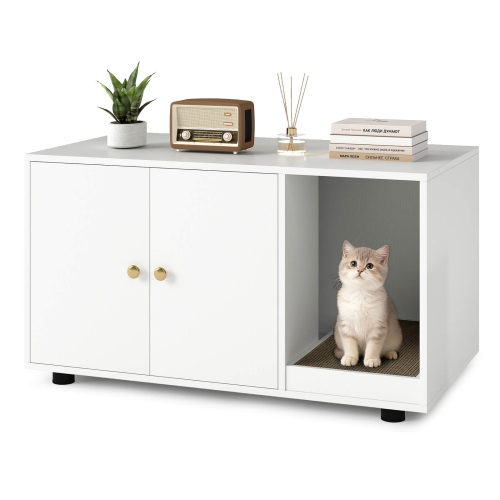
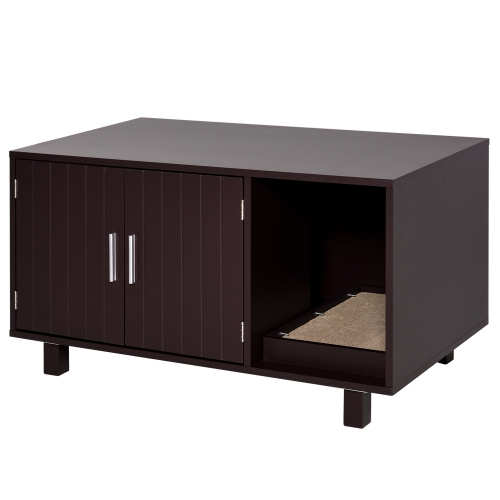
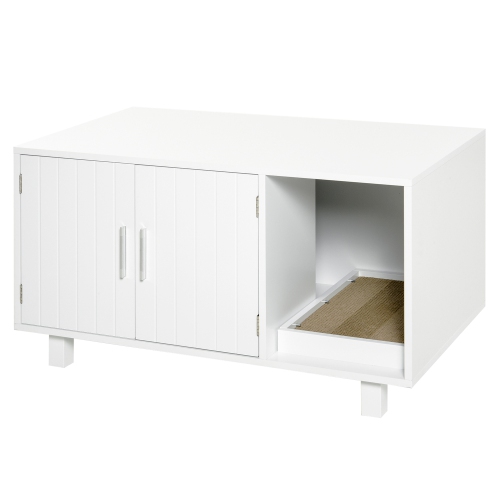
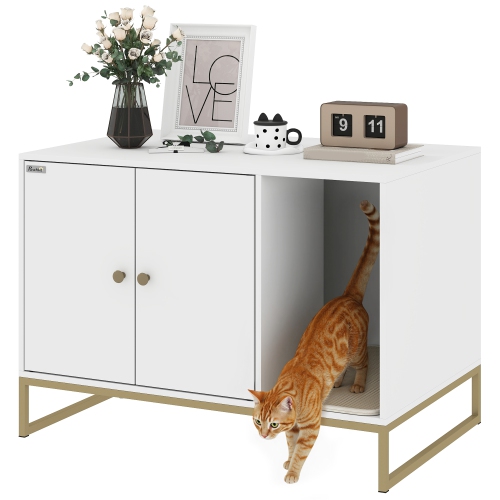
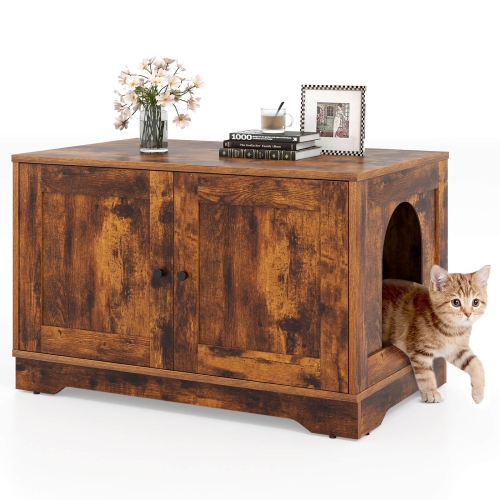
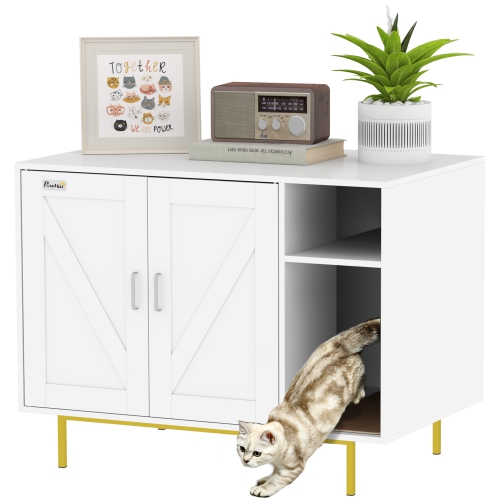
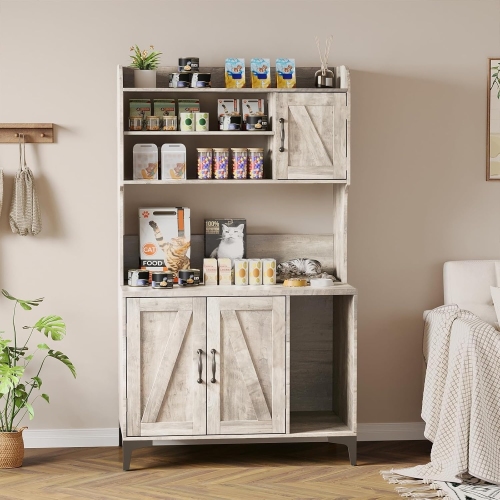
What to consider for a private, comfortable litter area
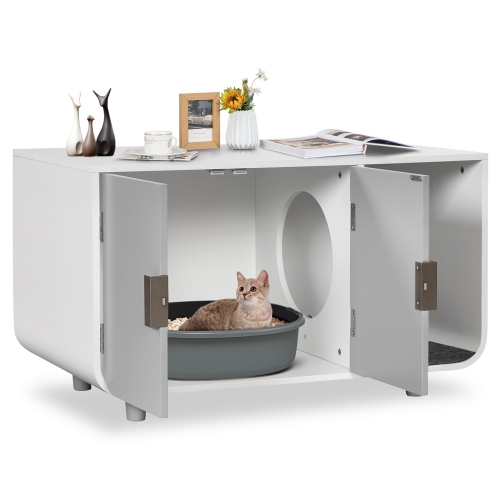
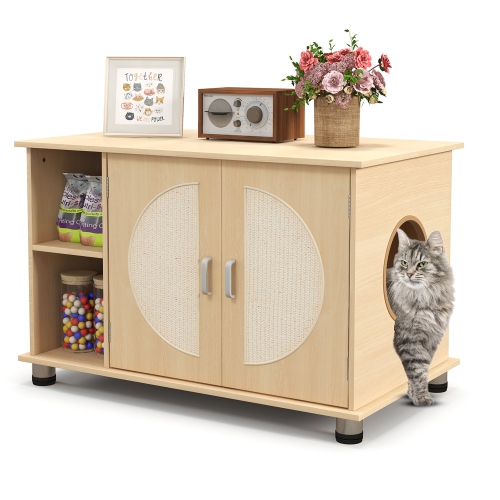
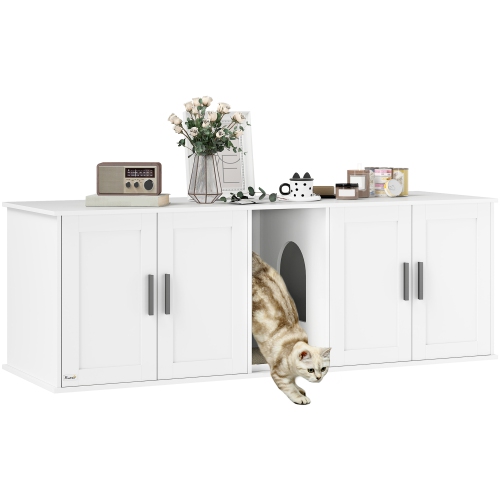
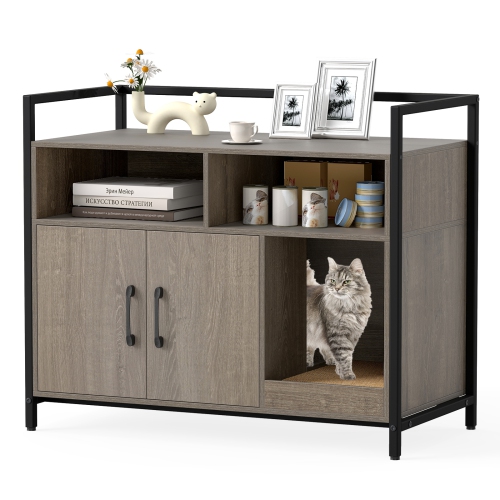
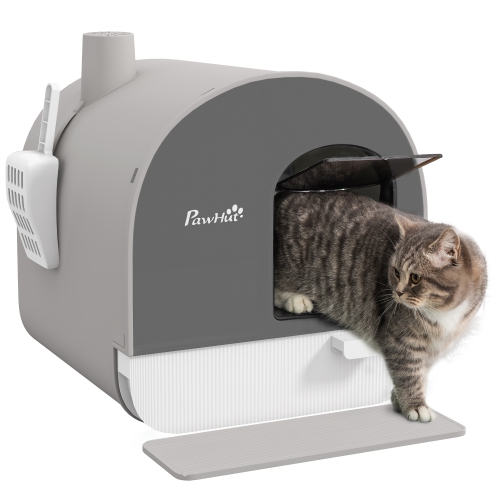
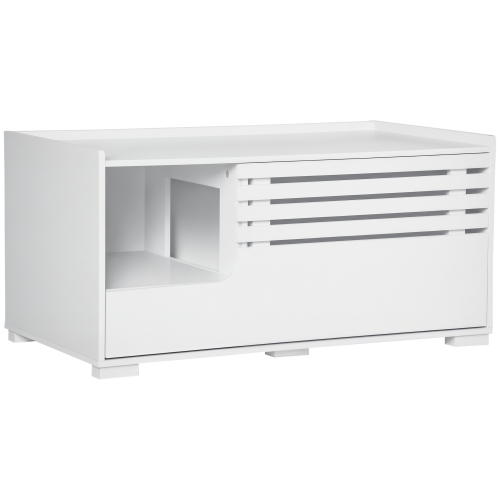
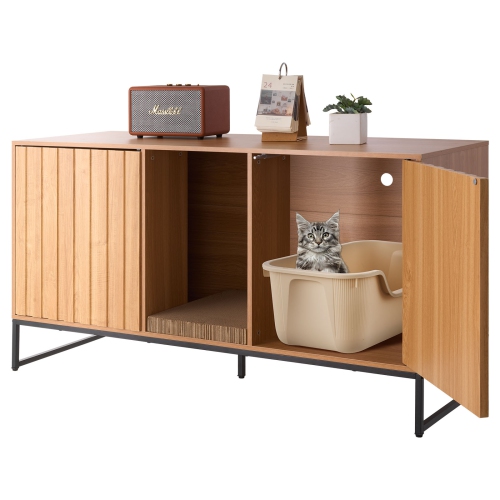
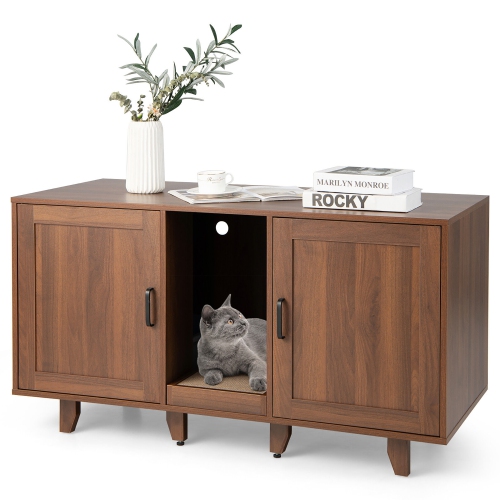
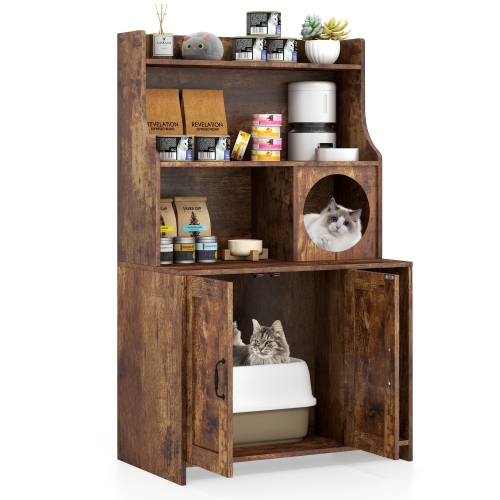
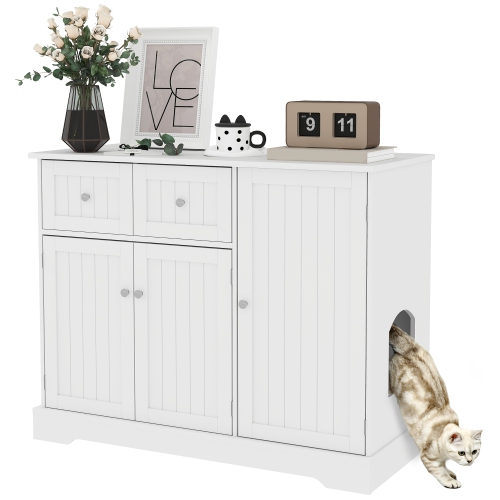
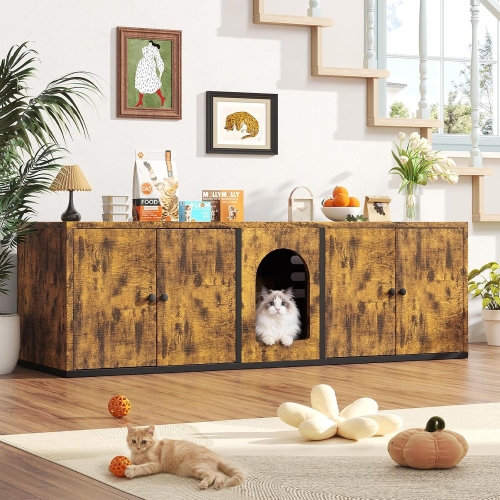
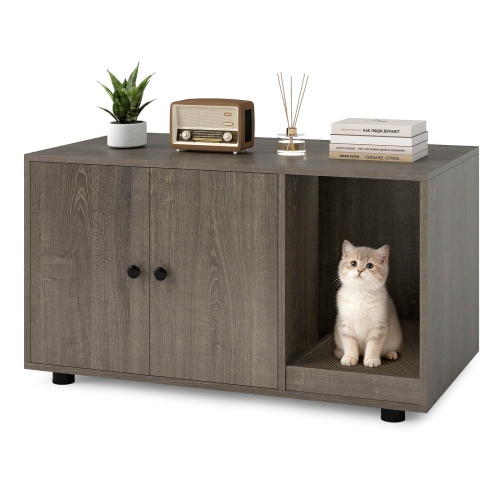
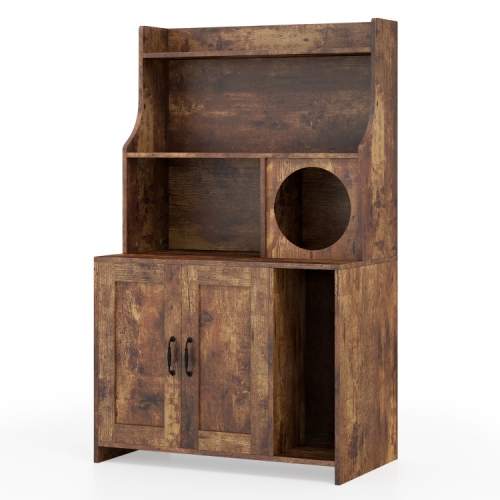
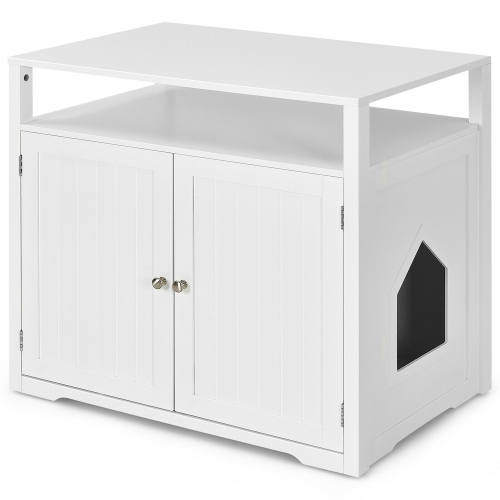
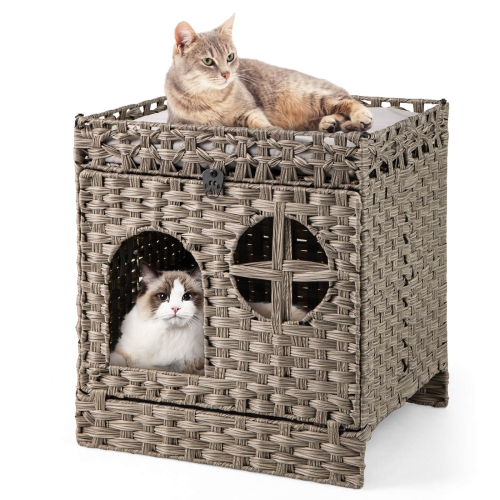
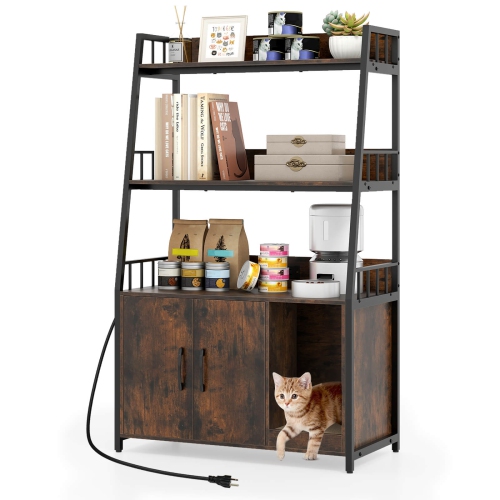
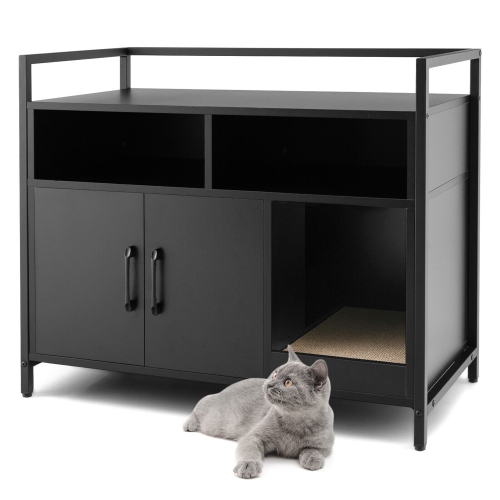
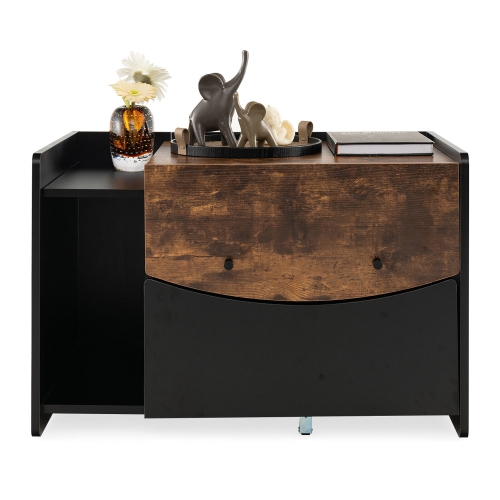
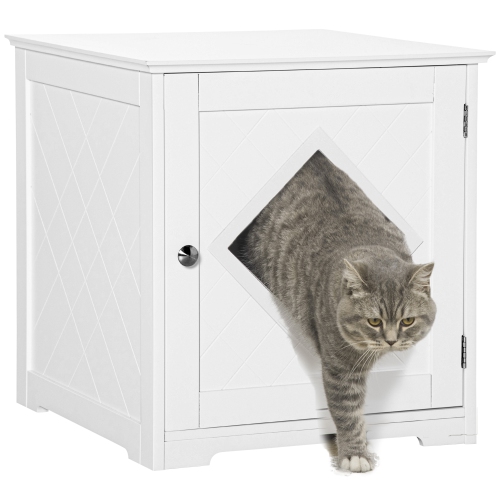
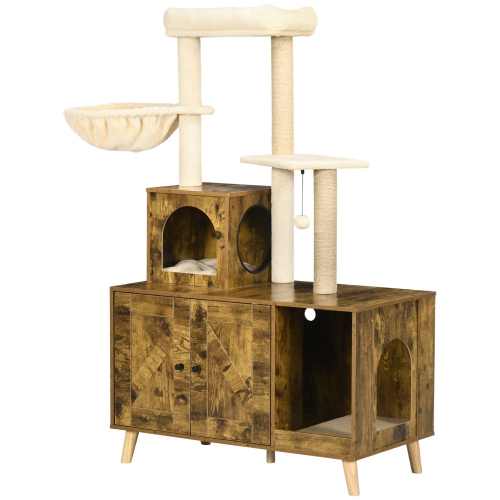
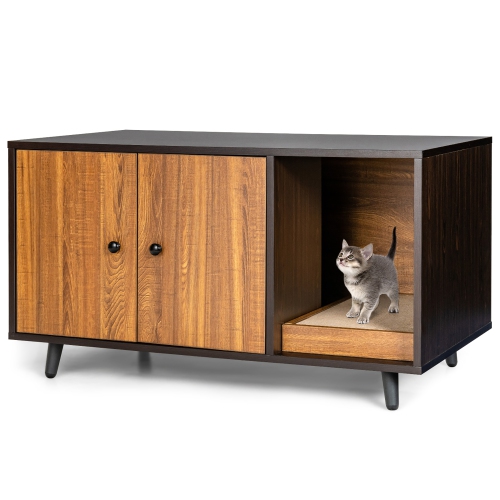
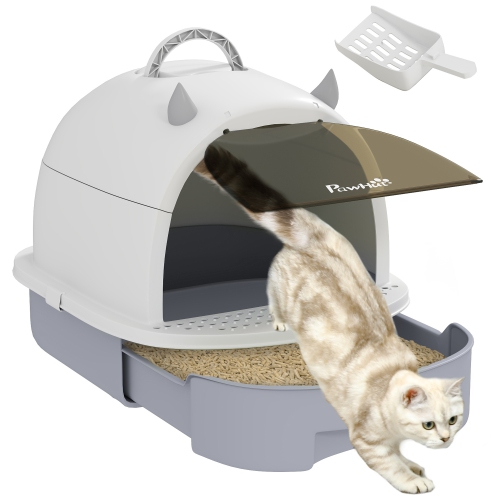
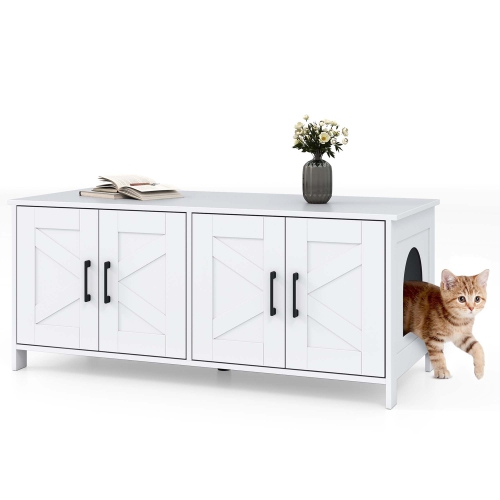
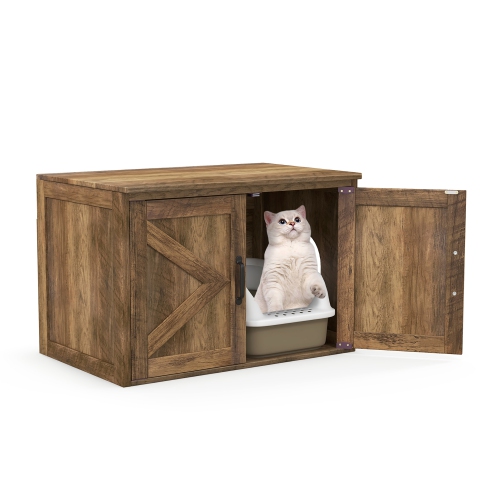
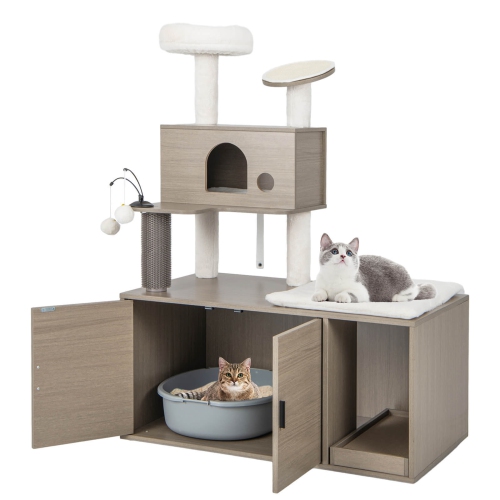
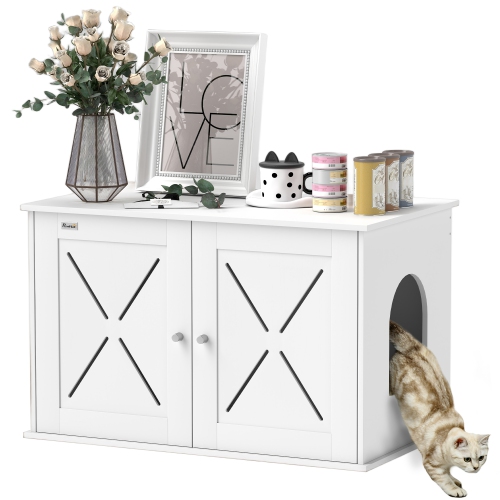
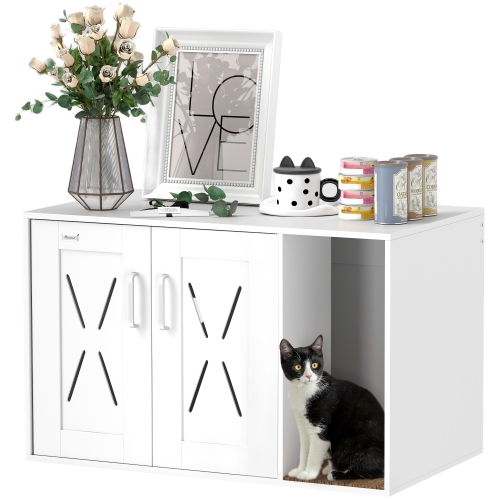
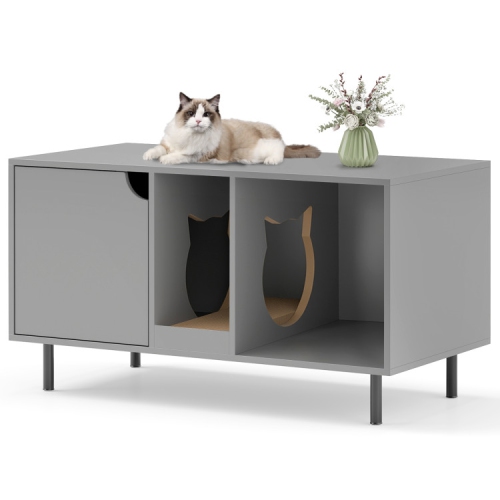
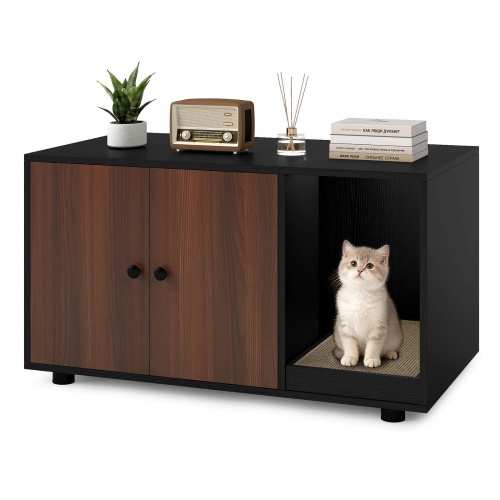
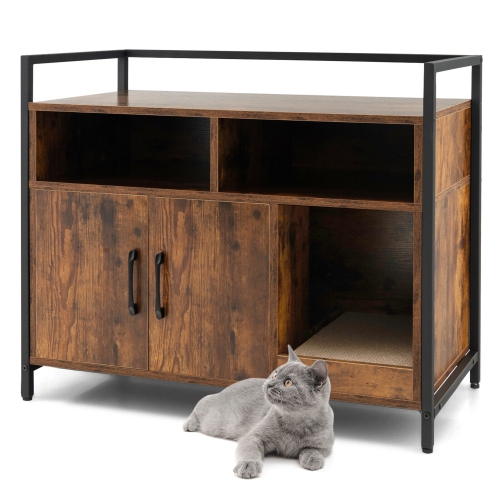
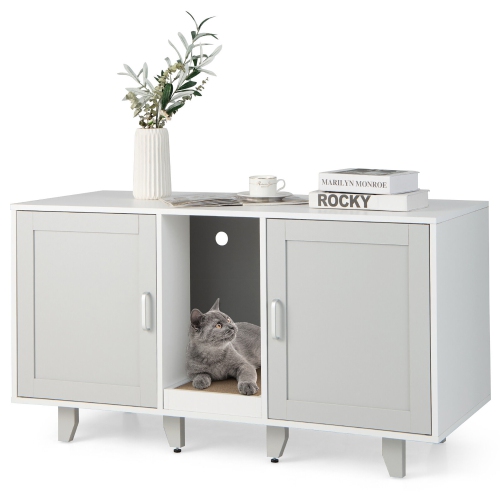
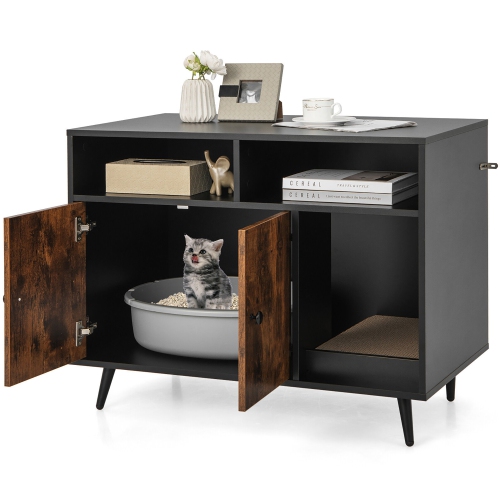
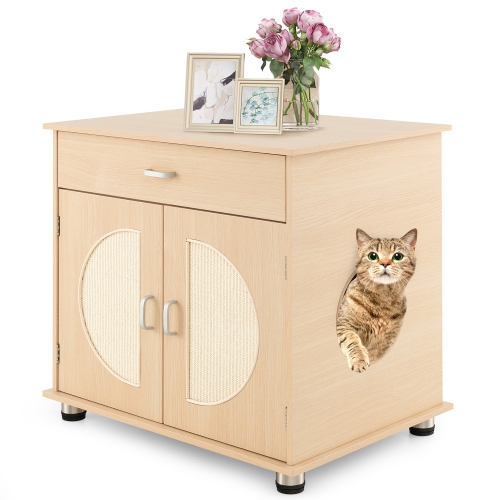
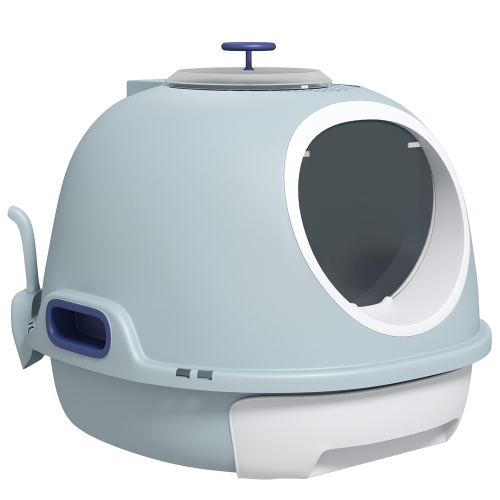
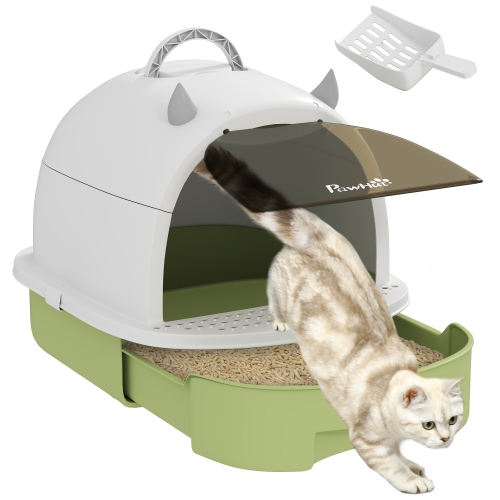
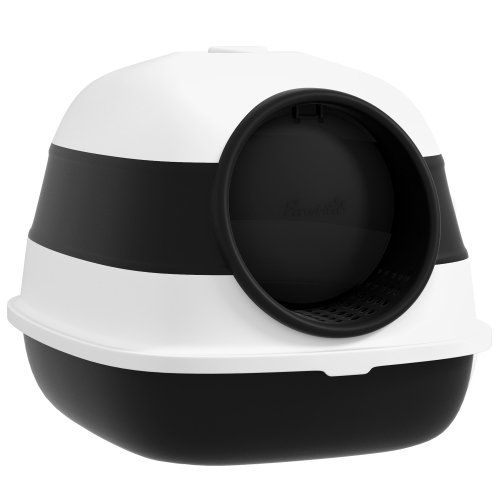
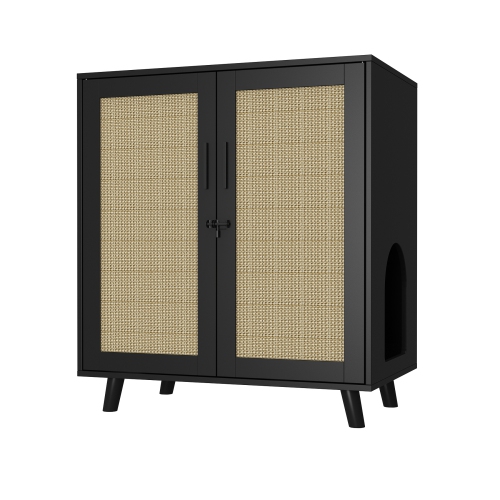
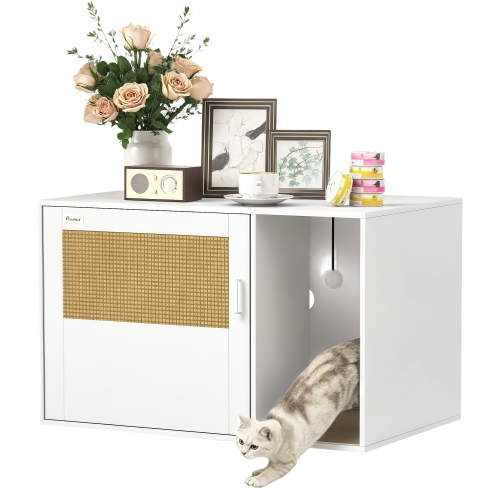
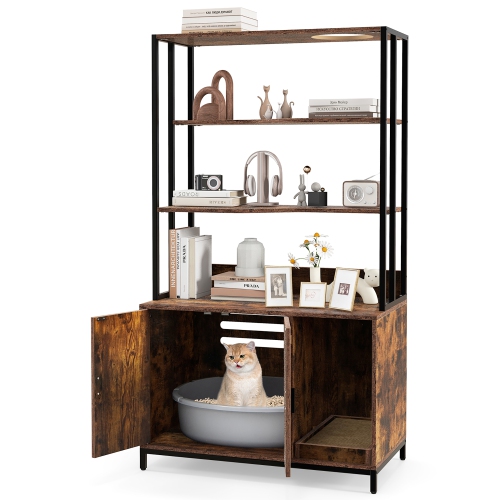
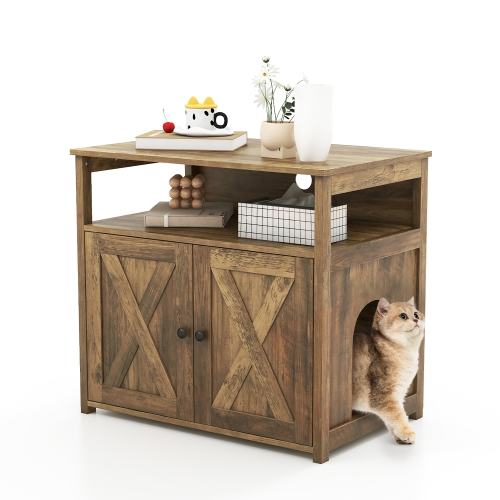
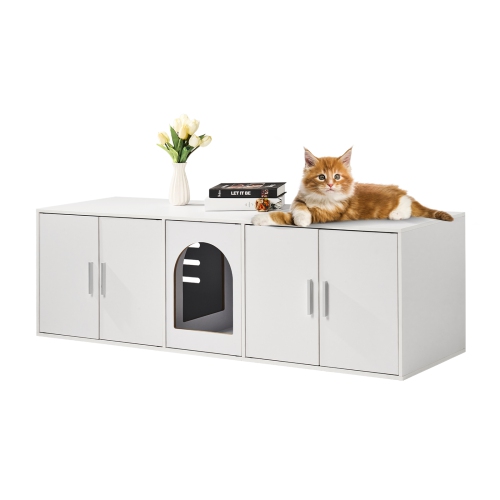
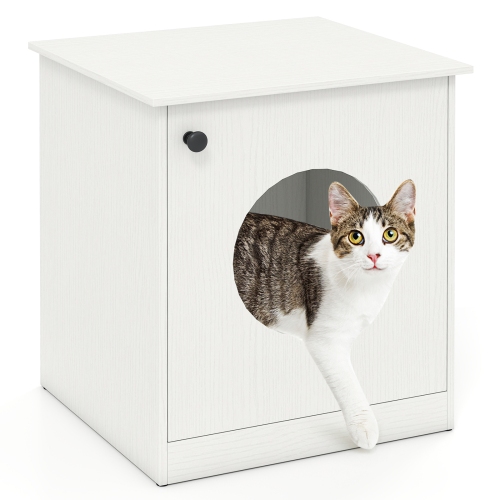
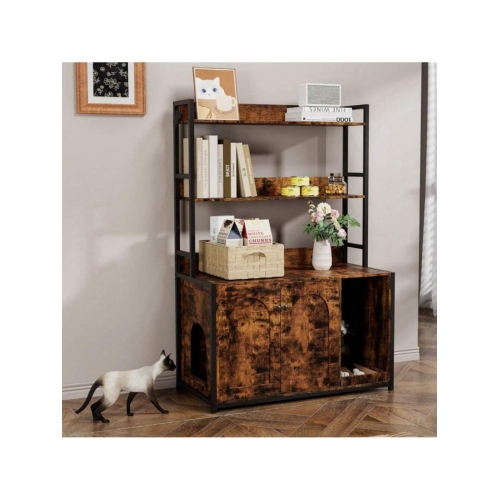
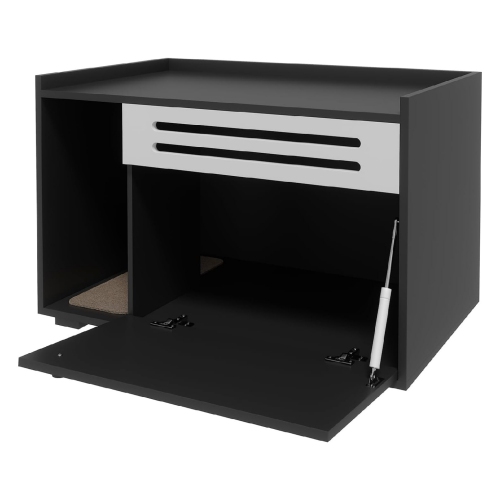
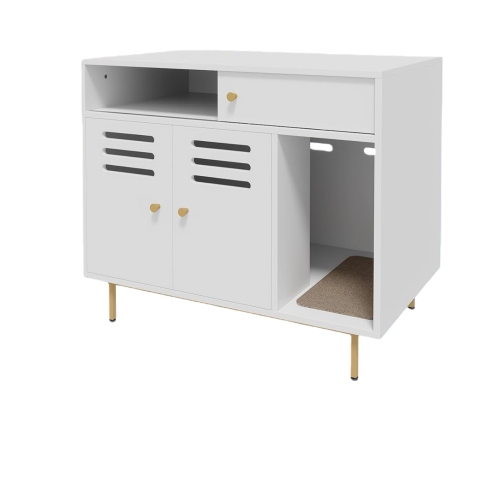
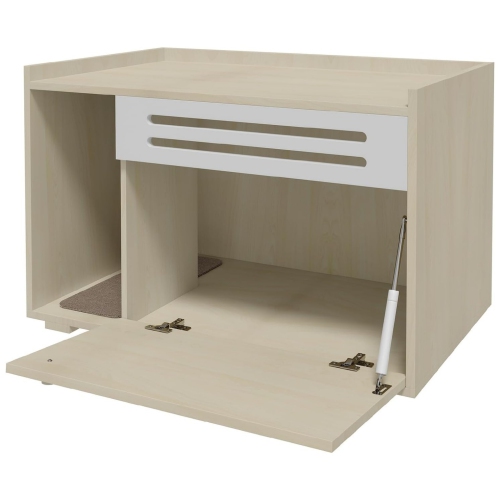
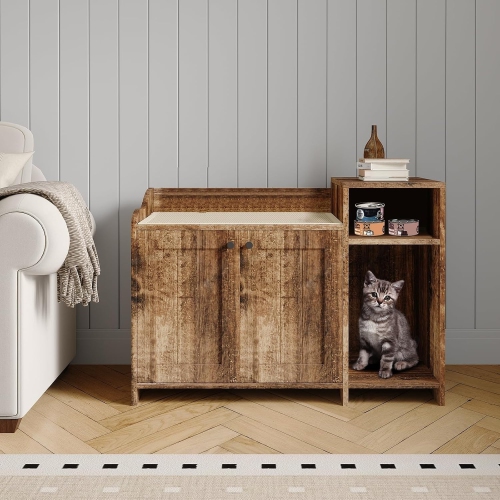
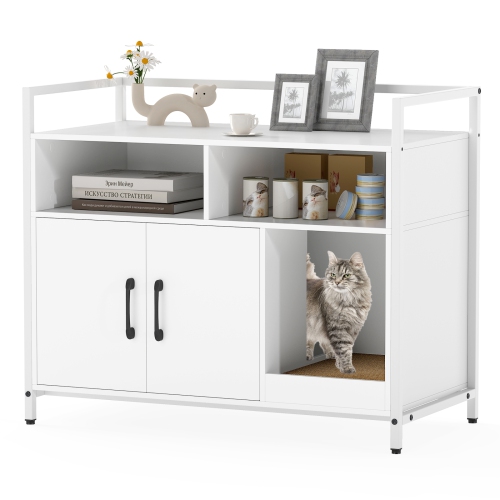
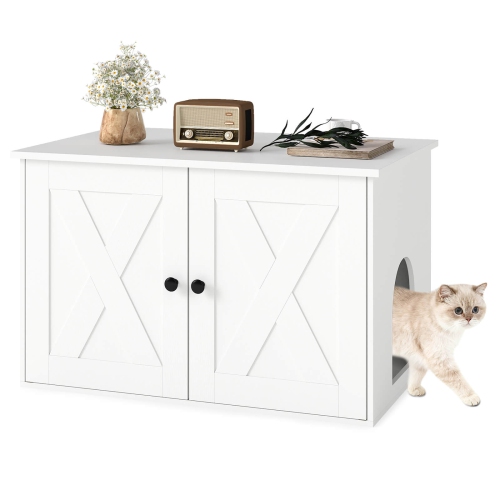
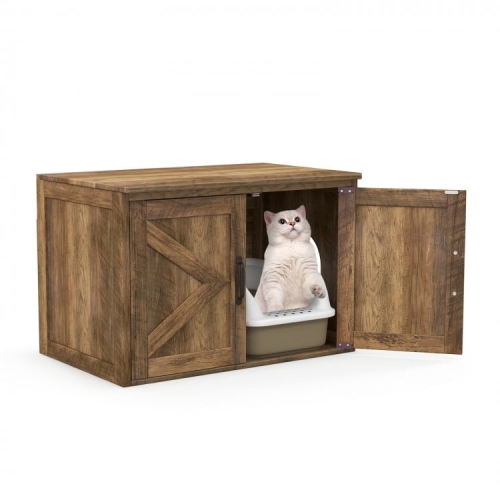
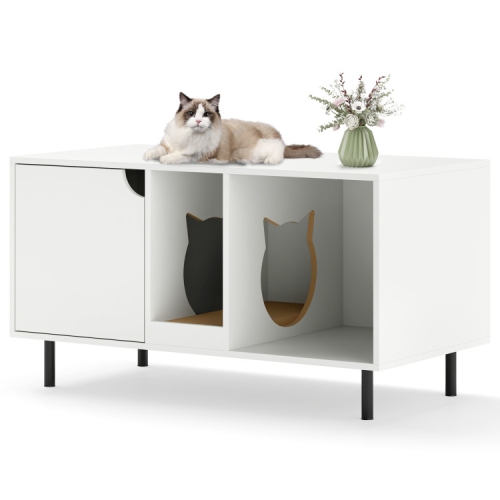
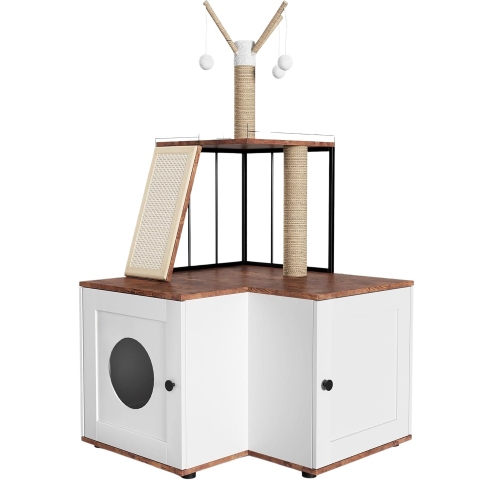
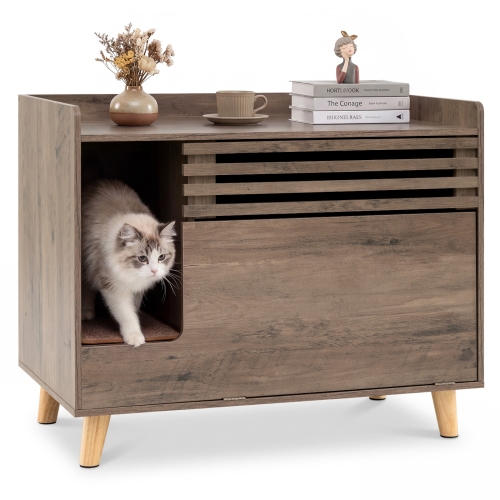
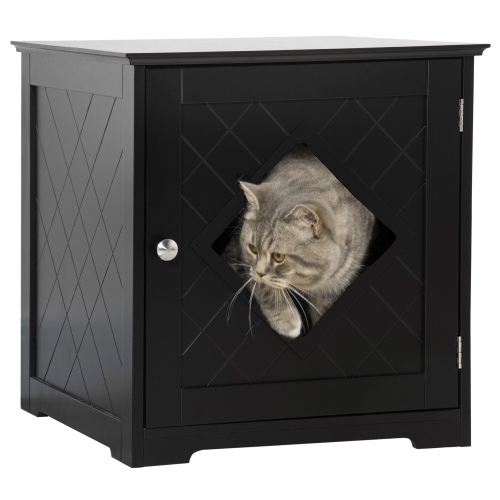
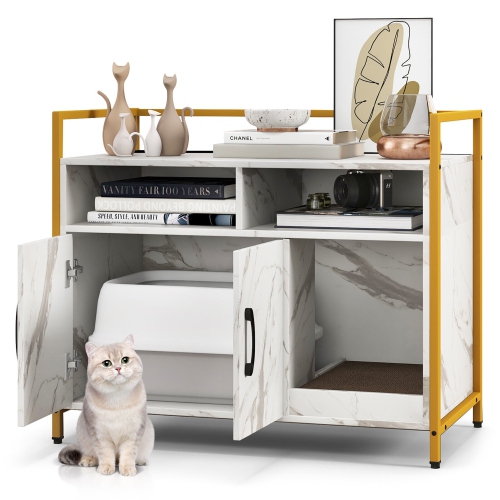
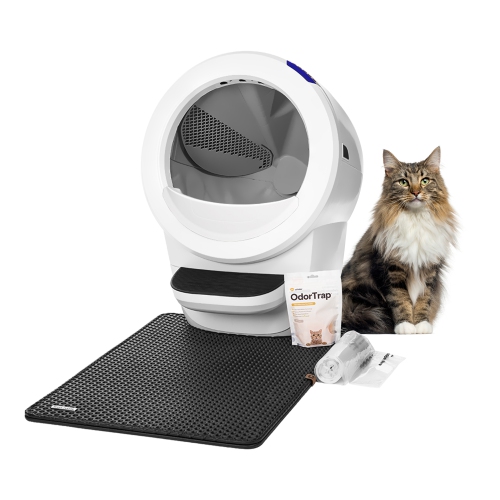
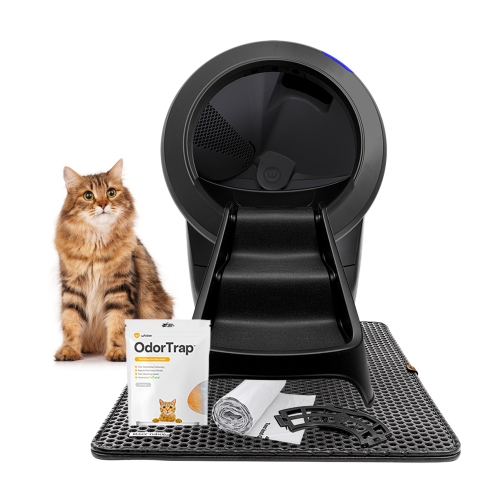
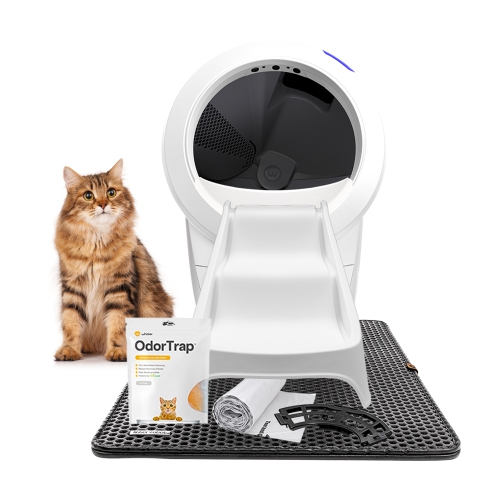
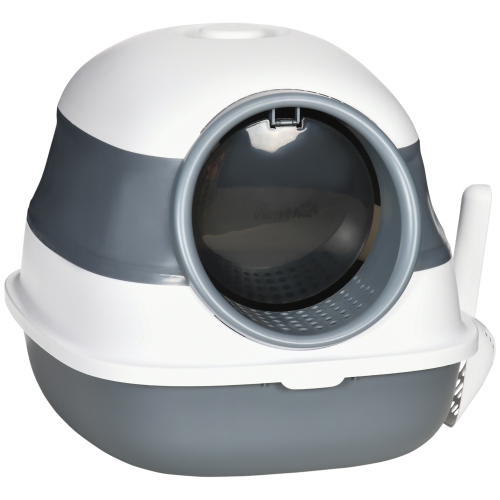
A cat litter box enclosure is a practical way to give your cat a private place to use the litter box while keeping the pan more discreet in your home. Rather than leaving an open litter tray in full view, an enclosure surrounds it with cabinet-style panels, doors, or a small furniture frame that can sit in a living room, hallway, bedroom, laundry area, or bathroom. Many styles are designed to resemble an end table, bench, side cabinet, or decorative storage piece, allowing the litter area to blend with the rest of your decor. This can be especially helpful in smaller homes, apartments, and open-concept spaces where the litter box is close to everyday seating or entertaining areas. Enclosed walls may help contain some litter scatter and reduce the visibility of odours, while an entryway can offer a more comfortable sense of privacy for cats that prefer a quiet, sheltered spot. Some designs include a built-in mat, internal divider, scratching surface, storage compartment, or ventilation openings, although the most important feature is always a safe and accessible space that your cat will willingly use. Before choosing a cat litter box enclosure, measure the litter pan itself, including its rim, handle, lid, and any attached filter or scoop holder. Then measure the available floor area and the height of nearby furniture, doors, and baseboards. A cabinet that fits the litter box but leaves no room for your cat to turn around may be too cramped, especially for a larger cat, an older cat, or a cat that prefers an uncovered tray. The entrance should be wide enough for easy access without forcing your pet to squeeze through, and the interior should provide enough clearance for comfortable movement. If the enclosure has a top surface, confirm that it can support the items you plan to place there and that it will remain stable when your cat enters, exits, or brushes against it.
Different cats respond to enclosed litter areas in different ways, so the layout and opening style deserve careful consideration. A confident cat may happily use a cabinet with a smaller entry or a winding path, while a timid, senior, or mobility-limited cat may do better with a wide, direct entrance and a clear view of the surrounding room. Kittens can be curious climbers, so look for sturdy construction, smooth edges, secure hinges, and a design that will not tip when bumped. If you share your home with more than one cat, consider how many litter boxes are needed and whether each enclosure can be reached without one cat blocking another. A larger enclosure may accommodate a roomy pan or two smaller pans, but it still needs to allow convenient access for cleaning. Multiple doors or removable panels can make a noticeable difference when it is time to scoop, replace litter, wash the pan, or wipe away tracked dust. Good ventilation is also important, since an enclosed space should not become warm, damp, or stale. Check for vents, slatted panels, or other openings that promote airflow without creating gaps that could catch a paw or tail. Odour control depends primarily on regular scooping, a clean litter pan, suitable litter, and good room ventilation; an enclosure can help make the area less visible and may help contain smells, but it is not a substitute for routine care. Charcoal-filter compartments or filter-ready vents may offer an additional layer of odour management, while a litter-catching mat just inside or outside the entrance can collect granules from your cat’s paws. Place the enclosure on a level, easy-to-clean surface away from food and water dishes, loud appliances, and busy doorways. Cats often prefer a calm location where they can see and hear what is happening around them without feeling trapped. During the cooler months, keep the enclosure away from cold drafts, while still leaving enough airflow for a fresh and comfortable interior.
A cat litter box enclosure can be a thoughtful choice for someone moving into a new home, setting up a first apartment, welcoming a cat, or refreshing a room that has long had an exposed litter tray. It can also be useful for households where guests visit regularly and for anyone who wants pet essentials to look more at home with existing furniture. When giving one as a gift, it is worth checking the recipient’s litter box dimensions, number of cats, preferred litter type, and available floor space before choosing a style. An attractive cabinet is only helpful if the cat accepts the entrance and the owner can reach the pan easily for daily maintenance. To help a cat adjust, place the enclosure in the familiar litter area, leave the doors or access panels open during the transition where possible, and keep the usual litter in the pan. Avoid making several changes at once, such as moving the box to a new floor, changing litter texture, and adding a covered enclosure on the same day. Let your cat investigate at its own pace, and watch for signs that the entrance, interior, or location is uncomfortable. If a cat avoids the enclosure, returns to using the floor, or appears hesitant to enter, remove barriers and reassess the size, placement, and access route. For more concealed furniture-style options, browse Hidden Cat Litter Boxes to compare related designs. Once the right fit is found, keep a scoop and cleaning supplies nearby, wipe the enclosure’s interior regularly, and inspect hinges, panels, mats, and vents as part of normal upkeep. With suitable dimensions, dependable access, stable construction, and a location that respects your cat’s habits, a cat litter box enclosure can make everyday litter care feel tidier while giving your pet a private, comfortable place to go.
Different cats respond to enclosed litter areas in different ways, so the layout and opening style deserve careful consideration. A confident cat may happily use a cabinet with a smaller entry or a winding path, while a timid, senior, or mobility-limited cat may do better with a wide, direct entrance and a clear view of the surrounding room. Kittens can be curious climbers, so look for sturdy construction, smooth edges, secure hinges, and a design that will not tip when bumped. If you share your home with more than one cat, consider how many litter boxes are needed and whether each enclosure can be reached without one cat blocking another. A larger enclosure may accommodate a roomy pan or two smaller pans, but it still needs to allow convenient access for cleaning. Multiple doors or removable panels can make a noticeable difference when it is time to scoop, replace litter, wash the pan, or wipe away tracked dust. Good ventilation is also important, since an enclosed space should not become warm, damp, or stale. Check for vents, slatted panels, or other openings that promote airflow without creating gaps that could catch a paw or tail. Odour control depends primarily on regular scooping, a clean litter pan, suitable litter, and good room ventilation; an enclosure can help make the area less visible and may help contain smells, but it is not a substitute for routine care. Charcoal-filter compartments or filter-ready vents may offer an additional layer of odour management, while a litter-catching mat just inside or outside the entrance can collect granules from your cat’s paws. Place the enclosure on a level, easy-to-clean surface away from food and water dishes, loud appliances, and busy doorways. Cats often prefer a calm location where they can see and hear what is happening around them without feeling trapped. During the cooler months, keep the enclosure away from cold drafts, while still leaving enough airflow for a fresh and comfortable interior.
A cat litter box enclosure can be a thoughtful choice for someone moving into a new home, setting up a first apartment, welcoming a cat, or refreshing a room that has long had an exposed litter tray. It can also be useful for households where guests visit regularly and for anyone who wants pet essentials to look more at home with existing furniture. When giving one as a gift, it is worth checking the recipient’s litter box dimensions, number of cats, preferred litter type, and available floor space before choosing a style. An attractive cabinet is only helpful if the cat accepts the entrance and the owner can reach the pan easily for daily maintenance. To help a cat adjust, place the enclosure in the familiar litter area, leave the doors or access panels open during the transition where possible, and keep the usual litter in the pan. Avoid making several changes at once, such as moving the box to a new floor, changing litter texture, and adding a covered enclosure on the same day. Let your cat investigate at its own pace, and watch for signs that the entrance, interior, or location is uncomfortable. If a cat avoids the enclosure, returns to using the floor, or appears hesitant to enter, remove barriers and reassess the size, placement, and access route. For more concealed furniture-style options, browse Hidden Cat Litter Boxes to compare related designs. Once the right fit is found, keep a scoop and cleaning supplies nearby, wipe the enclosure’s interior regularly, and inspect hinges, panels, mats, and vents as part of normal upkeep. With suitable dimensions, dependable access, stable construction, and a location that respects your cat’s habits, a cat litter box enclosure can make everyday litter care feel tidier while giving your pet a private, comfortable place to go.
Top selling and popular products
-
 Your price for this item is $999
 -
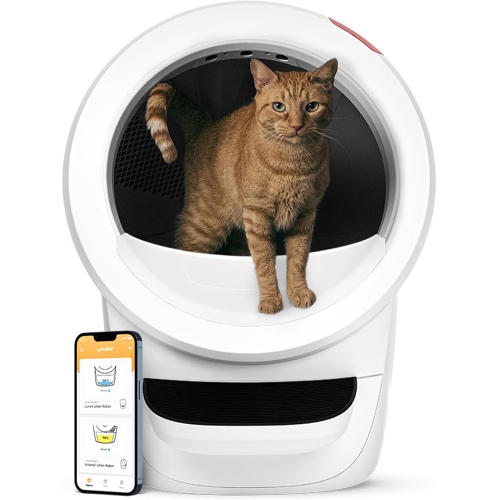 Your price for this item is $999
 -
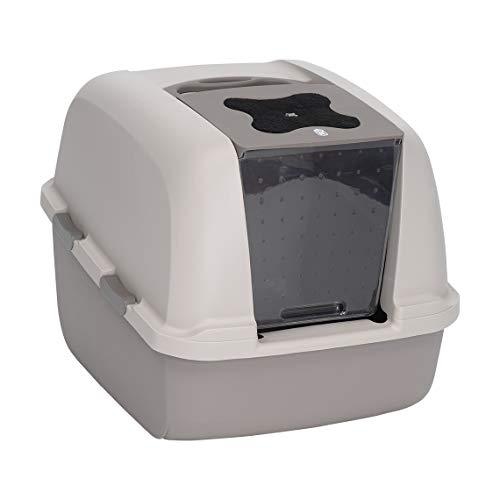 Your price for this item is $56.7
 -
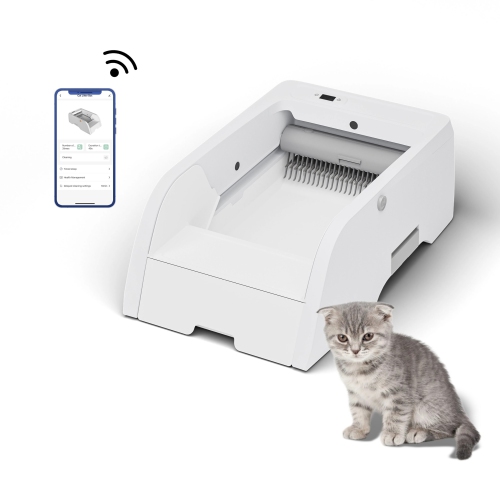 Your price for this item is $449
 -
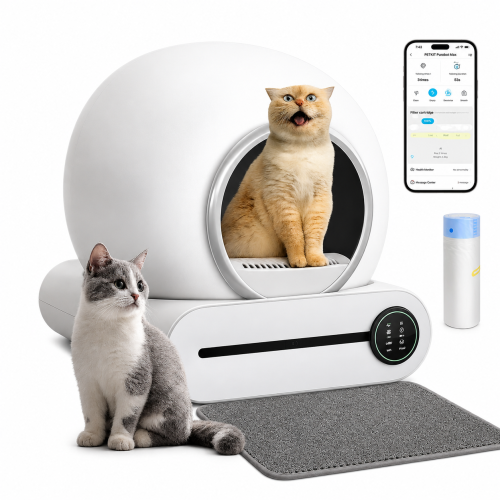 Your price for this item is $279.97
 -
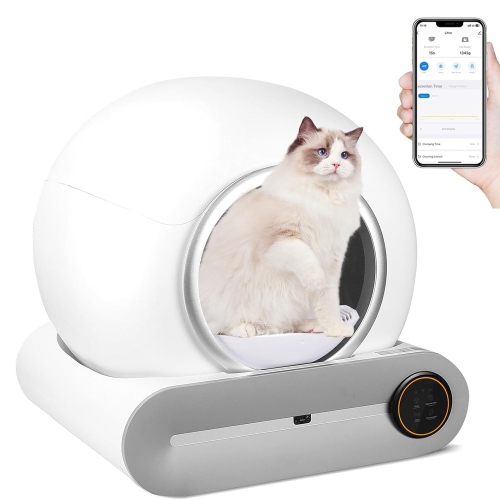 Your price for this item is $300.99
 -
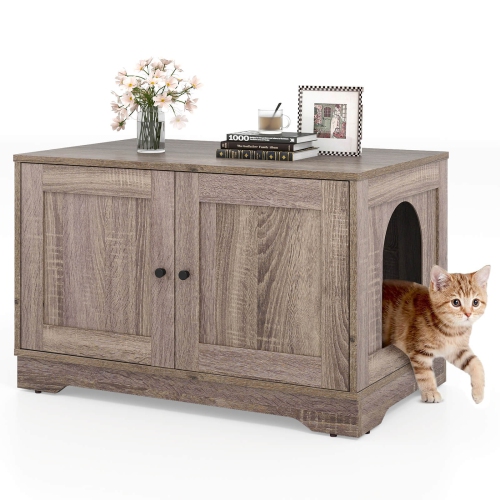 Your price for this item is $99.99
 -
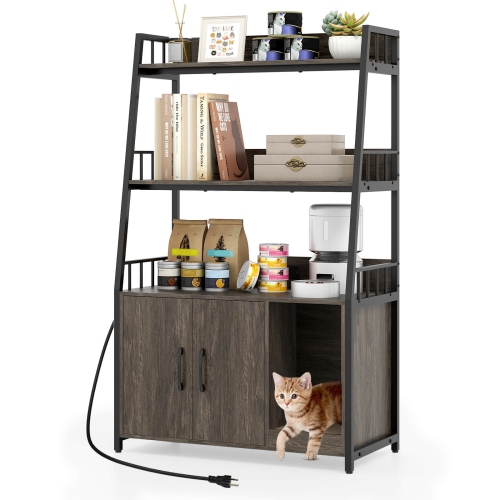 Your price for this item is $173.99
Discover more categories related to Cat Litter Box Enclosure
Top Collections:
Pokemon Centers, Kindle Devices, Best Budget Office Chairs, Apple iPhones 16, Best Laptops for Writers, iPhone 15 Apple, Canon G7X Cameras, Refurbished Apple Laptops, Alarm Clock, Motorola Razr Phones
Some products may be subject to Environmental Handling Fees
(EHF) depending on your province.
Learn more about EHFs.