Cat Litter Enclosures
Looking to keep your furry friend's litter area discreet and stylish? Our collection of cat litter enclosures offers a variety of solutions to help maintain a clean and organized space in your home. From modern designs to functional options, these enclosures are designed to blend seamlessly with your decor while providing your cat with a private and comfortable area for their bathroom needs. Say goodbye to unsightly litter boxes and hello to a more polished and pet-friendly living space with our selection of cat litter enclosures.
Sort
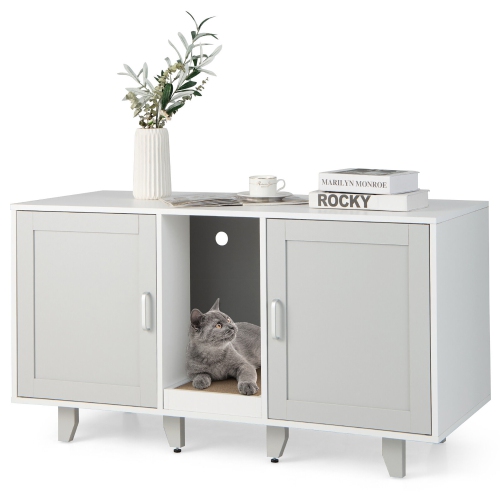

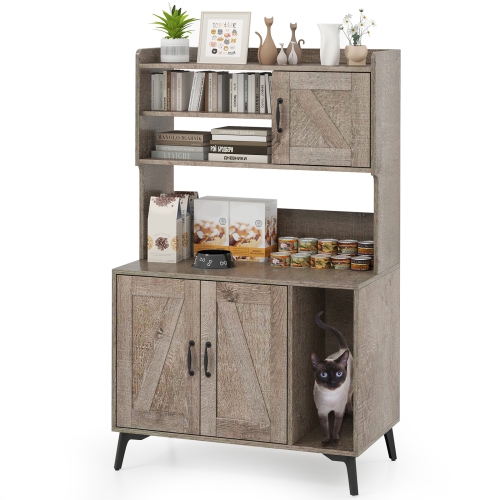
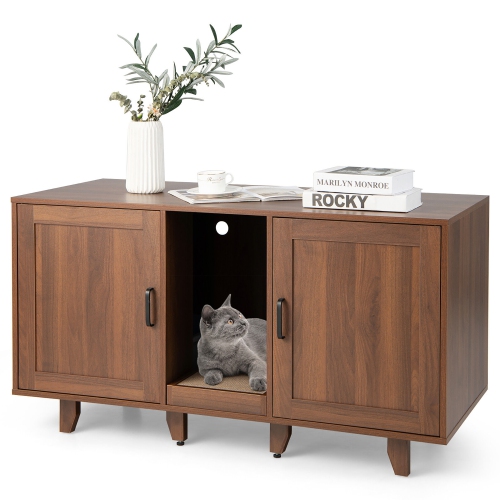
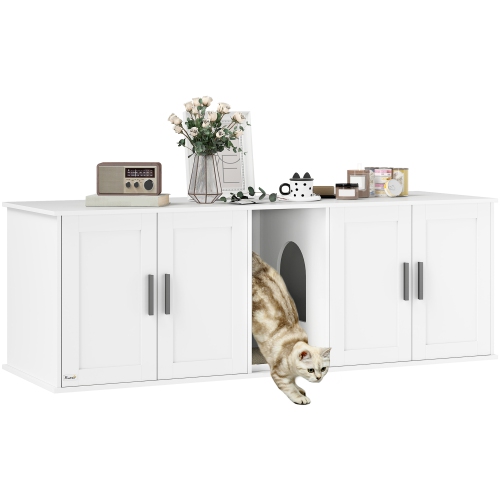
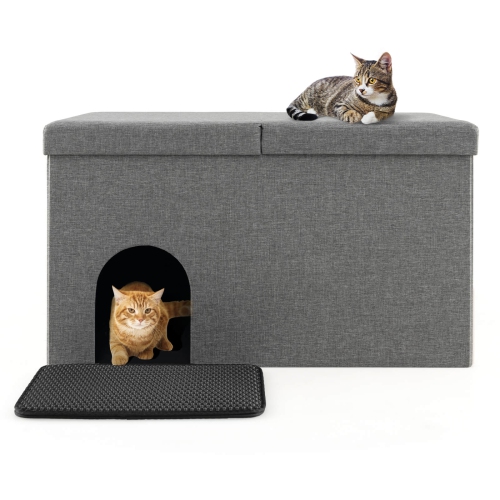

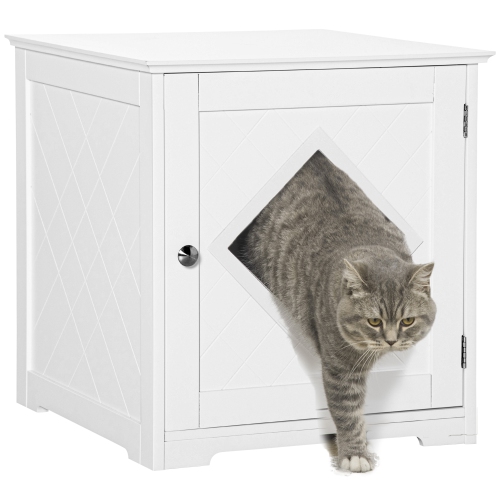
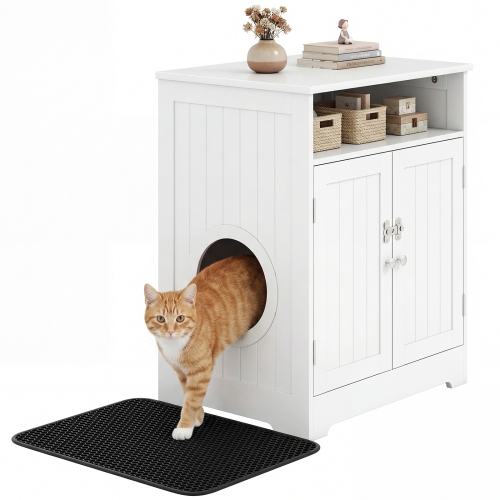
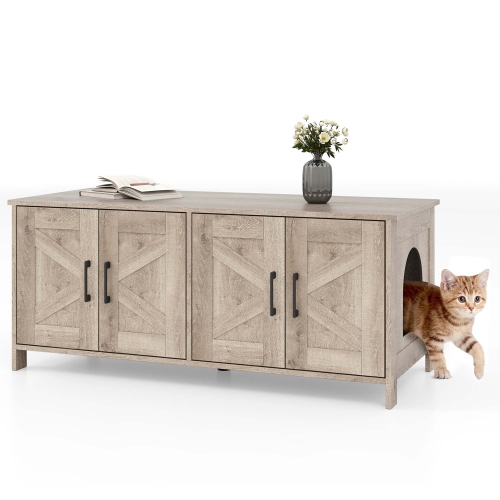
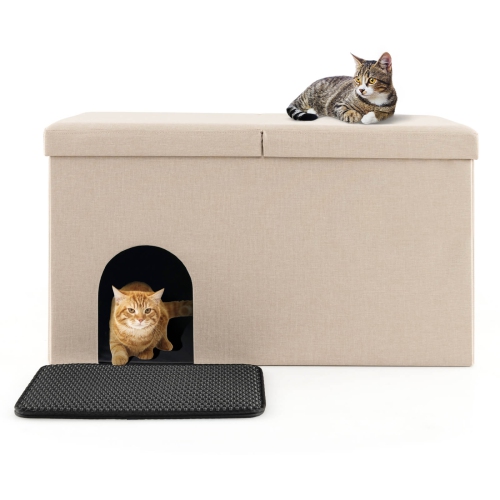
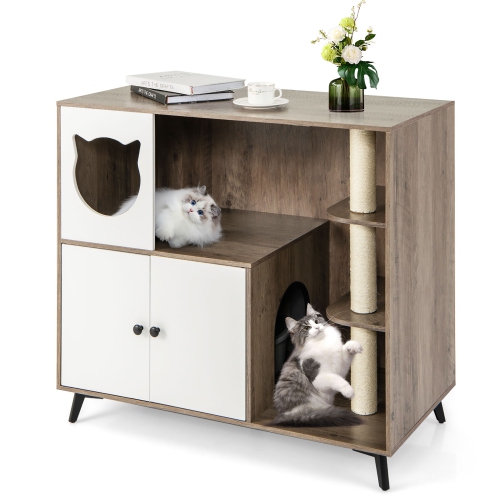
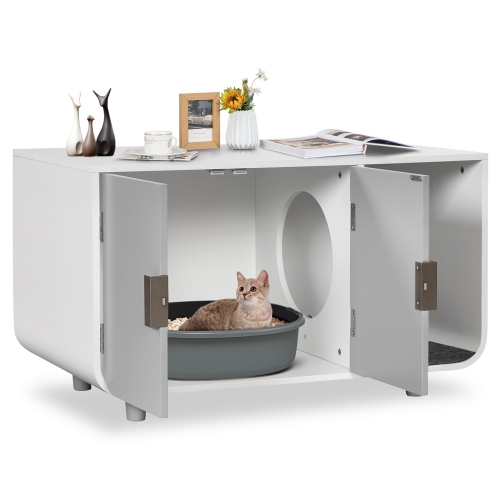
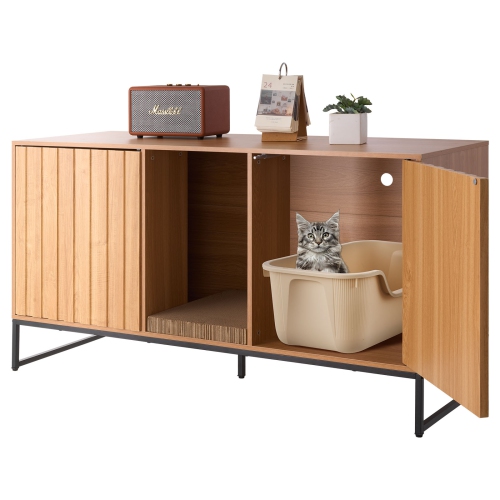
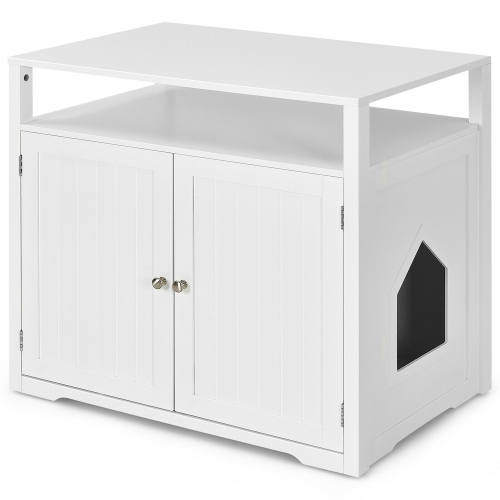
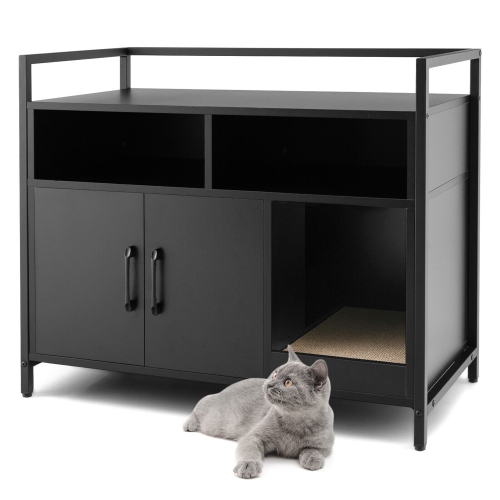
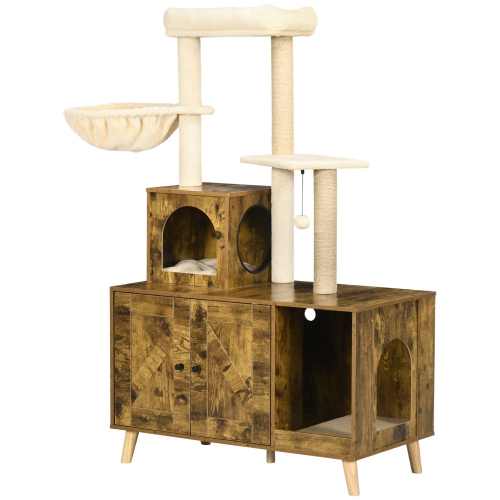
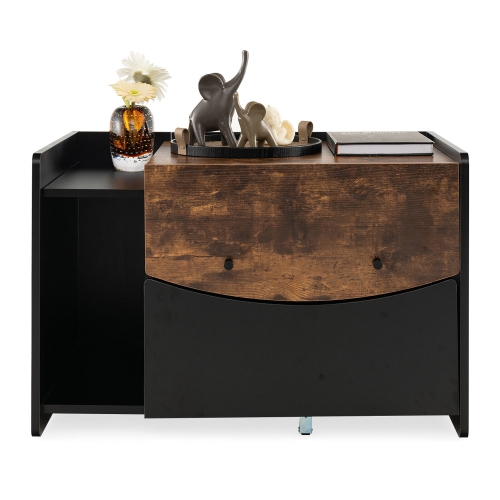
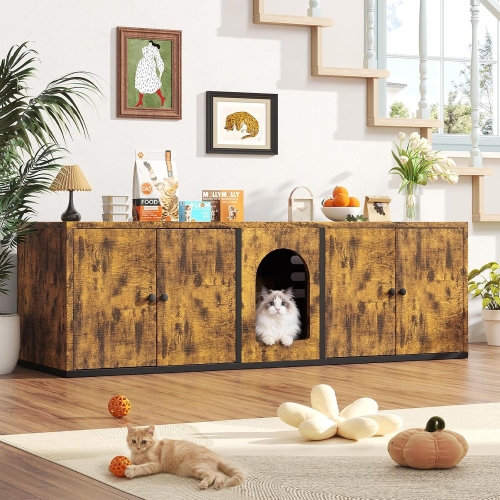
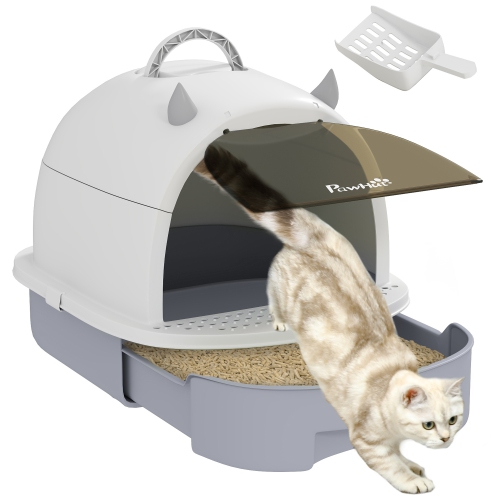

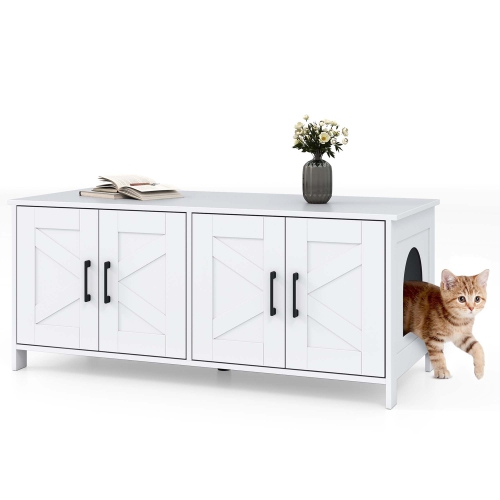
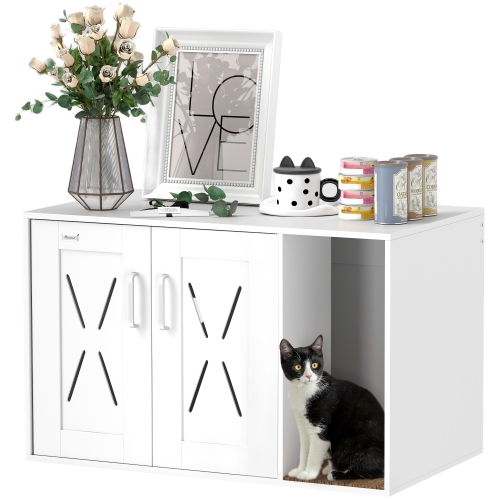
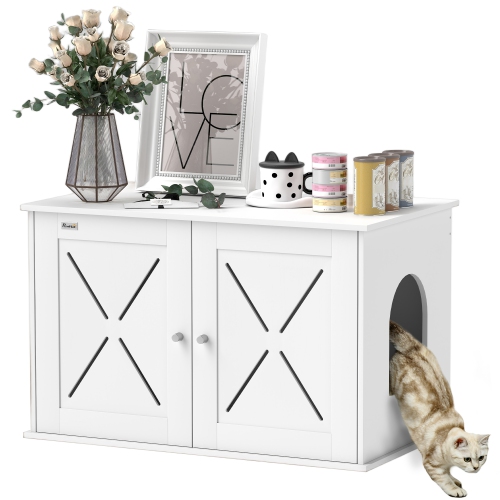
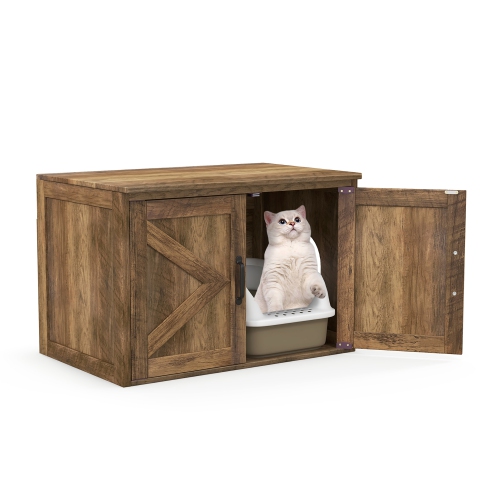

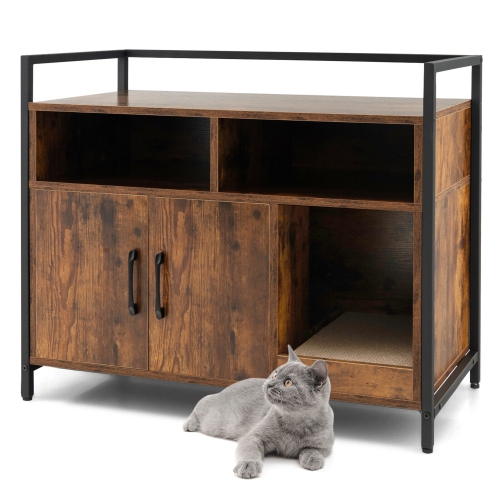
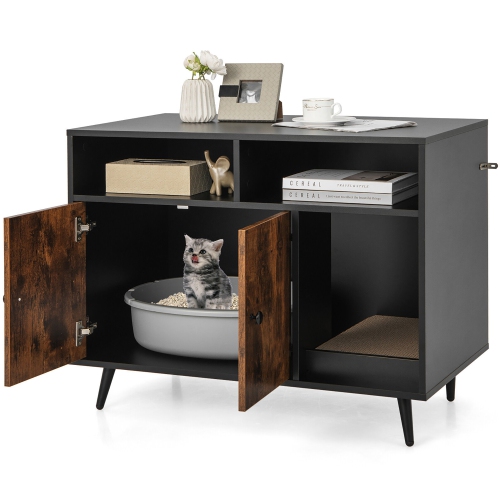

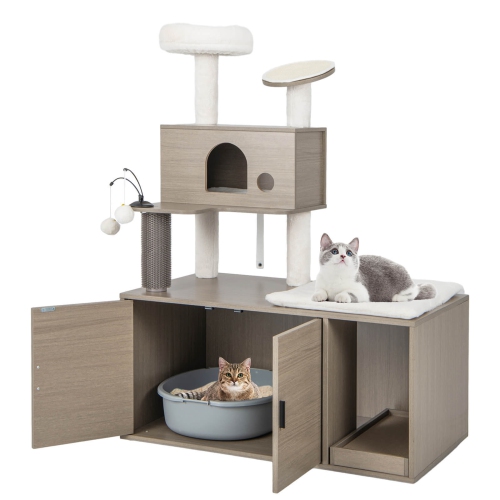
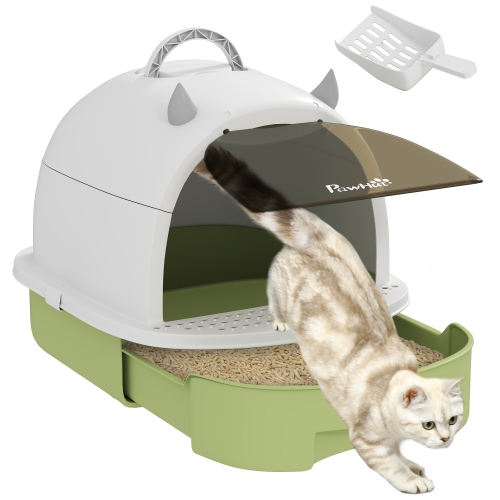
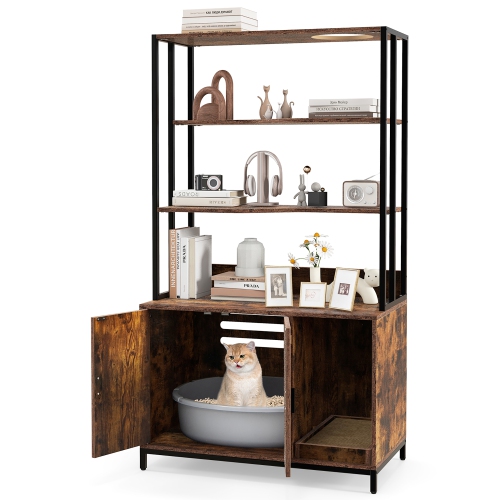
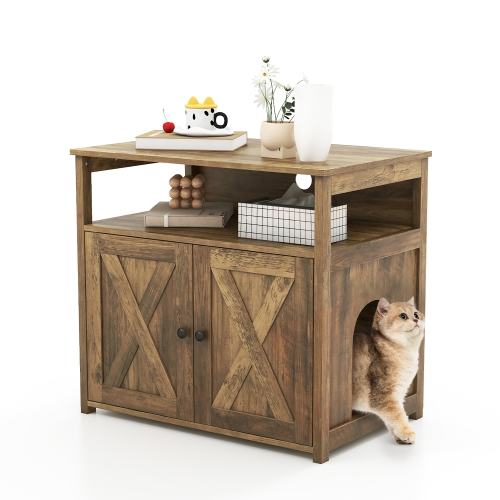
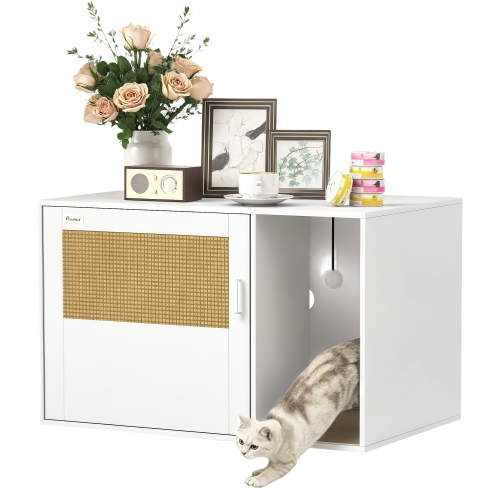
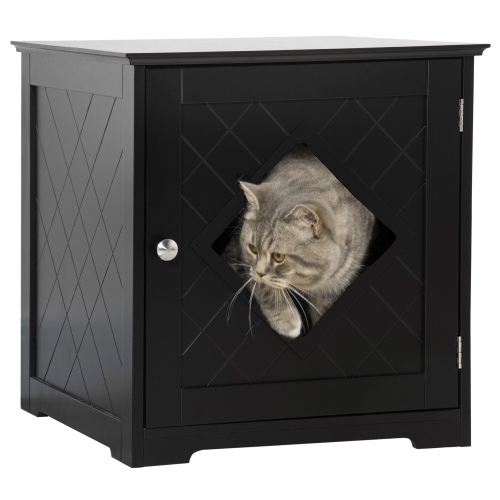
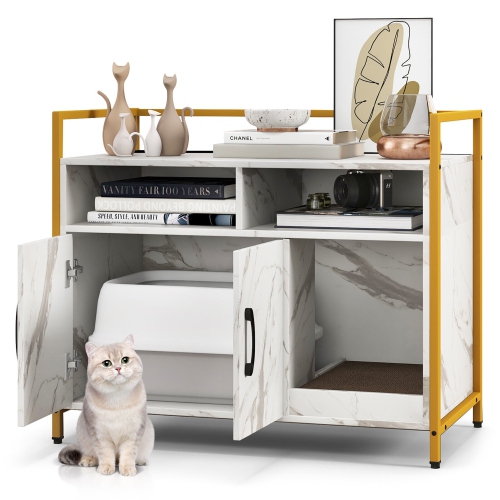
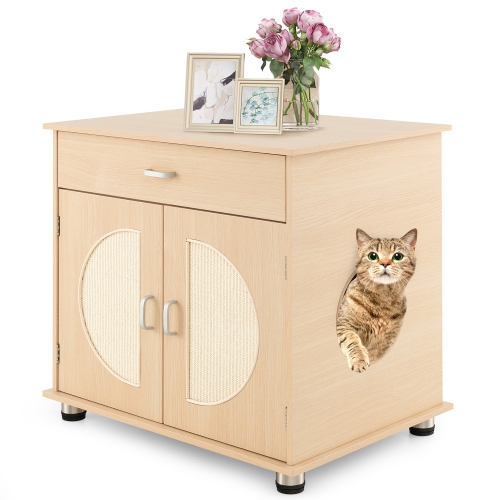
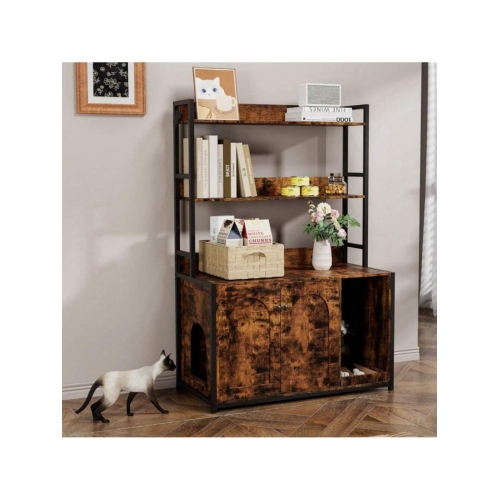
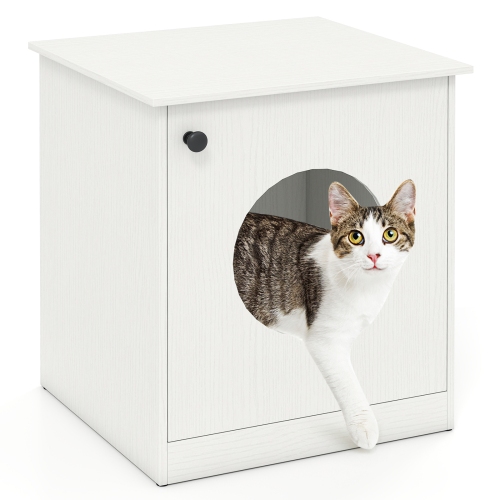
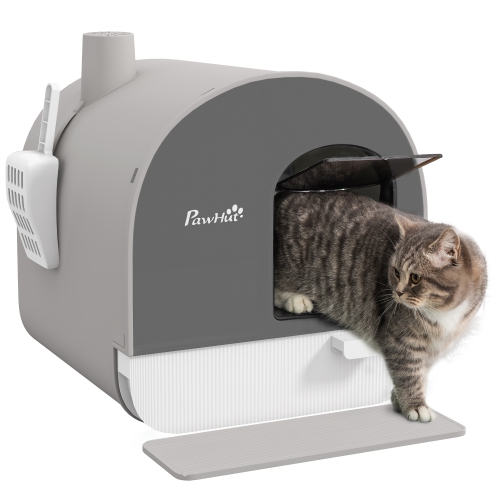
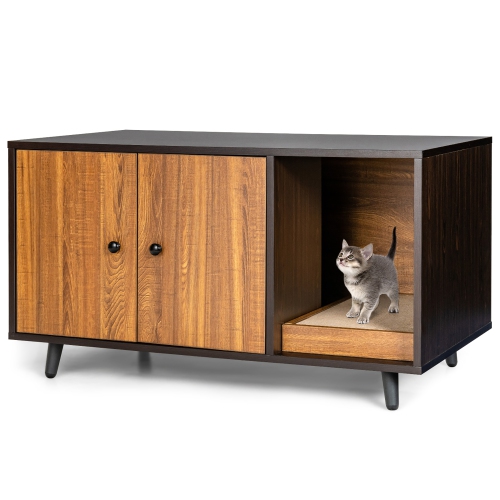
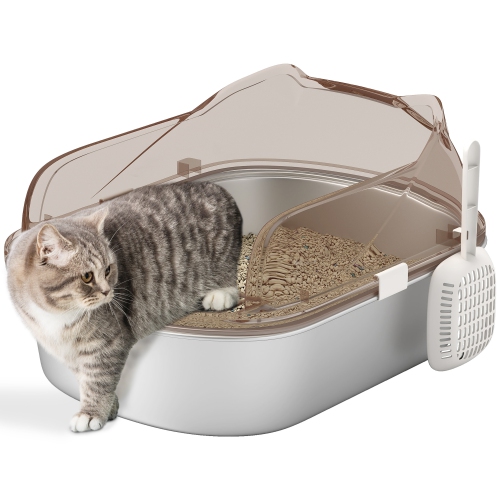
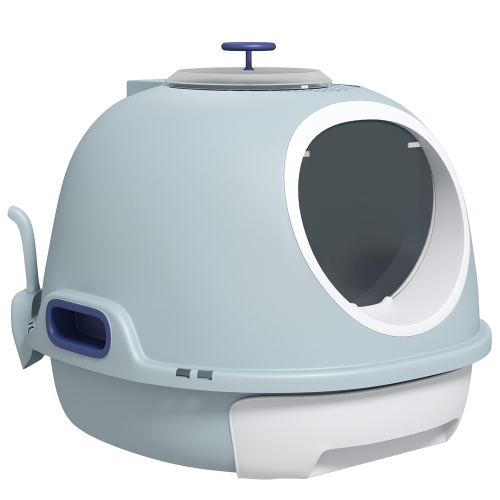
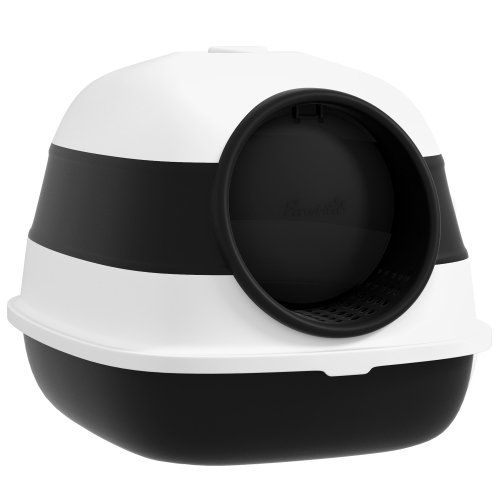
Furniture that hides the tray without crowding your cat
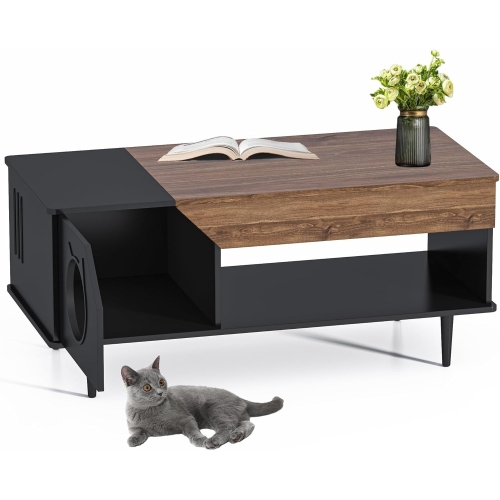
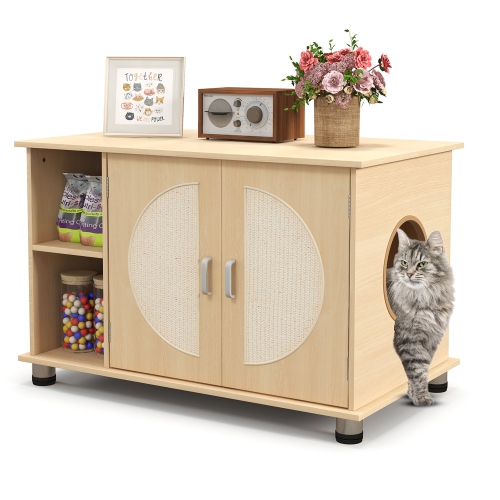
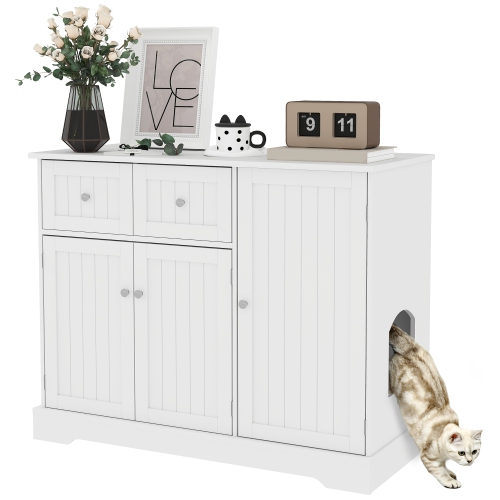
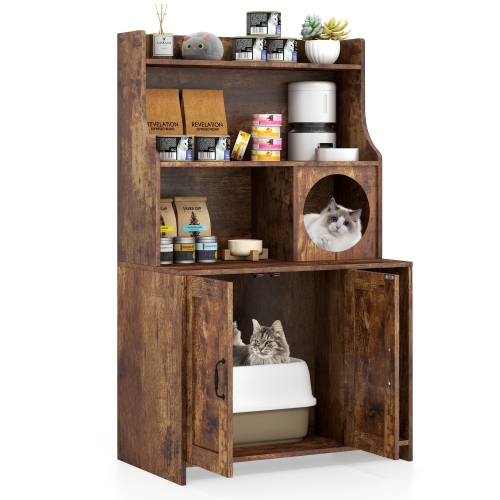
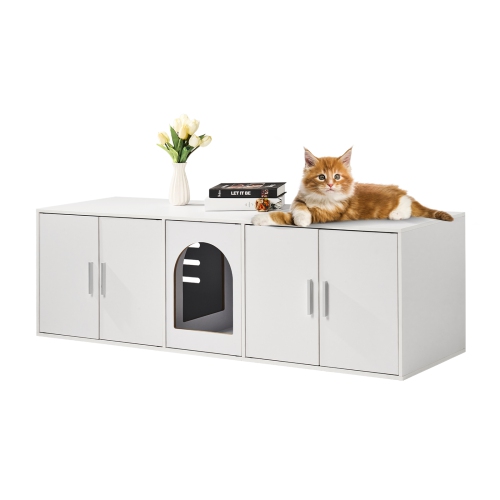
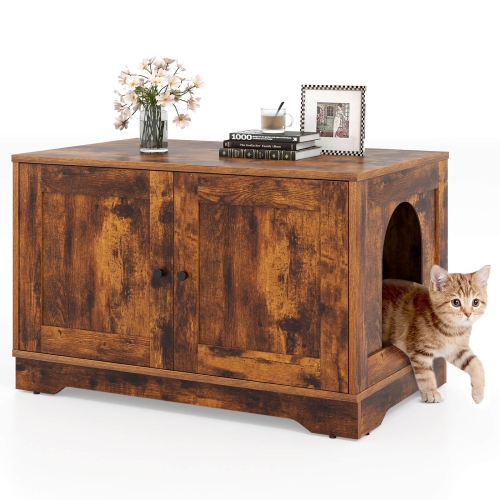
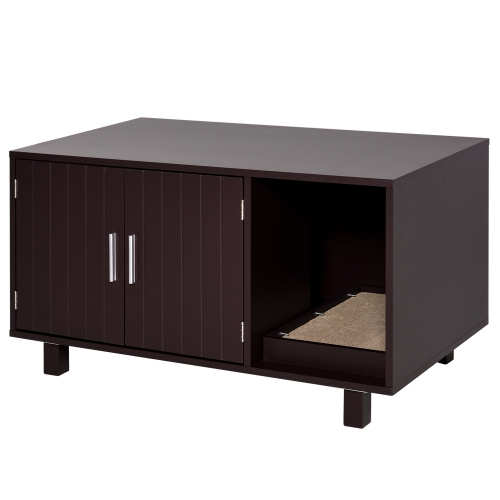
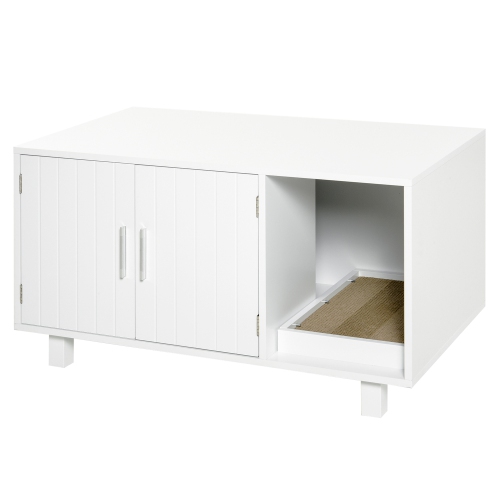
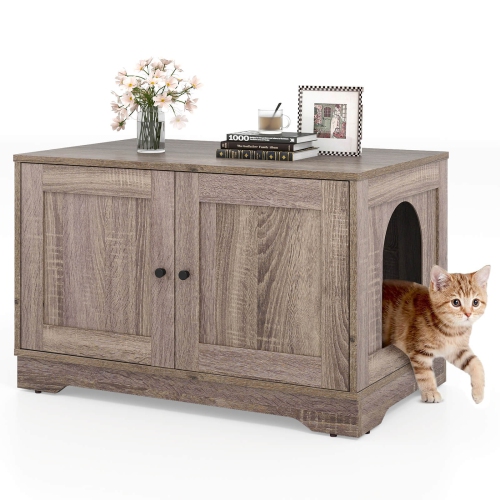
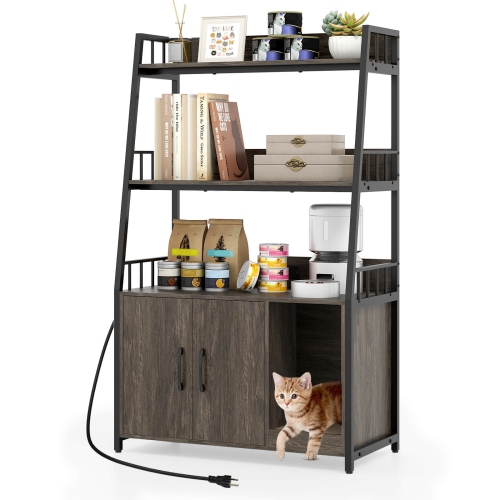
Cat litter enclosures are furniture-style cabinets designed to conceal a separate litter tray while giving a cat access through an opening in the front, side, or top. Unlike a covered litter box, which has a hood fitted directly to its base, an enclosure surrounds the tray with a larger structure that can resemble a side table, storage bench, or low cabinet. This makes cat litter furniture a practical option for homes where the litter area shares space with everyday living. A cabinet beside a sofa can keep the tray out of direct view, while a longer unit along a hallway wall can create a more finished appearance without dedicating an entire room to pet supplies. The appeal is largely visual: an enclosure hides the tray, but it does not remove the need for regular cleaning or guarantee that a cat will enjoy an enclosed space. Some cats readily use a sheltered litter area; others prefer an open tray with a clear view of their surroundings and an easy exit. Designs range from simple compartments with a single entrance to wider cabinets with an internal divider, separate storage, or a short passage between the opening and the tray. That passage can provide room for a litter-catching mat, helping contain some of the granules carried out on paws without preventing all tracking. Finishes such as wood grain, white, grey, and black allow the cabinet to sit comfortably alongside existing furniture, while panelled doors, plain fronts, and raised legs offer different looks. For apartment residents, people furnishing smaller homes, and households with limited utility space, the most useful enclosure balances a discreet appearance with enough room for the cat and straightforward access for the person cleaning it. A surface above the litter compartment may also hold a lamp or small household essentials, provided the furniture’s stated load limit permits that use.
Fit matters at three levels: the cabinet must suit the room, the litter tray must fit inside the cabinet, and the cat must have enough usable space to enter, turn, dig, and squat comfortably. Exterior cabinet measurements alone cannot establish that fit. Interior dimensions may be reduced by hinges, shelves, support panels, or a divider, and the doorway may be narrower than the compartment itself. A common starting point for tray length is at least one and a half times the cat’s length from nose to the base of the tail; the enclosure then needs additional clearance around and above that tray. A large cat should not have to crouch beneath a low ceiling or squeeze past a high-sided pan to reach the litter. Older cats and cats with reduced mobility may find a low entrance and a direct route easier than a raised opening or a passage with tight turns. Side-entry layouts can keep the tray less visible from the room, but the entrance still needs unobstructed space outside the cabinet. A sofa arm, wall, or adjacent cupboard can otherwise leave a cat with an awkward approach. Door clearance matters for cleaning, too: a cabinet that fits neatly into an alcove may be frustrating if its doors cannot open far enough to slide the tray out. Furniture intended for an automatic litter box needs room for the device’s full operating movement, suitable cable routing, and access to its waste drawer, rather than just enough space for its outer shell. Shoppers comparing furniture surrounds with hooded trays can also explore Large Enclosed Cat Litter Boxes, which serve a related purpose but are a different type of product. In homes with several cats, a larger enclosure is not a substitute for enough separate litter stations. A quiet, accessible location with an easy route away from other pets can be more important to a cat’s comfort than the cabinet’s appearance.
Materials and construction influence how well a litter box enclosure handles repeated cleaning and daily use. Engineered wood with a laminate or painted finish is common in furniture-style designs, while solid wood and combinations of wood panels and metal frames offer other construction options. A smooth, wipeable interior is useful because fine litter dust settles on corners and ledges, and occasional spills can reach beyond the tray. Water-resistant surfaces are not necessarily waterproof: exposed panel edges, screw holes, and joints may absorb moisture if liquid remains on them. A removable protective liner or shallow catch tray can simplify cleanup when it fits securely without blocking the entrance or making the litter pan unstable. Sturdy hinges, firmly attached handles, and doors that stay aligned are worth attention because those parts may be used every day. A lift-up lid can provide broad access from above, while front-opening doors may make it easier to remove a heavy tray without lifting it over a cabinet wall. Bench-shaped enclosures should only be used as seating if they are specifically designed and rated for that purpose. Ventilation openings allow air movement, but no cabinet should be treated as an odour-proof container. Enclosed spaces can hold unpleasant smells close to the cat, so daily scooping, regular tray washing, and prompt attention to spills remain essential. Cleaning methods should suit the cabinet finish, with surfaces dried thoroughly before the tray is returned; strongly scented cleaners may also make the space less appealing to a cat. Separate storage can keep spare liners and a scoop close at hand, although cleaning chemicals need secure storage away from pets and children. During a transition to litter furniture, retaining a familiar tray and litter can reduce the number of changes a cat faces at once. Continued reluctance to enter may indicate that the layout, location, or enclosed design does not suit that cat. The most successful cat litter enclosures function as practical household furniture without making a familiar daily routine harder for the pet using them.
Fit matters at three levels: the cabinet must suit the room, the litter tray must fit inside the cabinet, and the cat must have enough usable space to enter, turn, dig, and squat comfortably. Exterior cabinet measurements alone cannot establish that fit. Interior dimensions may be reduced by hinges, shelves, support panels, or a divider, and the doorway may be narrower than the compartment itself. A common starting point for tray length is at least one and a half times the cat’s length from nose to the base of the tail; the enclosure then needs additional clearance around and above that tray. A large cat should not have to crouch beneath a low ceiling or squeeze past a high-sided pan to reach the litter. Older cats and cats with reduced mobility may find a low entrance and a direct route easier than a raised opening or a passage with tight turns. Side-entry layouts can keep the tray less visible from the room, but the entrance still needs unobstructed space outside the cabinet. A sofa arm, wall, or adjacent cupboard can otherwise leave a cat with an awkward approach. Door clearance matters for cleaning, too: a cabinet that fits neatly into an alcove may be frustrating if its doors cannot open far enough to slide the tray out. Furniture intended for an automatic litter box needs room for the device’s full operating movement, suitable cable routing, and access to its waste drawer, rather than just enough space for its outer shell. Shoppers comparing furniture surrounds with hooded trays can also explore Large Enclosed Cat Litter Boxes, which serve a related purpose but are a different type of product. In homes with several cats, a larger enclosure is not a substitute for enough separate litter stations. A quiet, accessible location with an easy route away from other pets can be more important to a cat’s comfort than the cabinet’s appearance.
Materials and construction influence how well a litter box enclosure handles repeated cleaning and daily use. Engineered wood with a laminate or painted finish is common in furniture-style designs, while solid wood and combinations of wood panels and metal frames offer other construction options. A smooth, wipeable interior is useful because fine litter dust settles on corners and ledges, and occasional spills can reach beyond the tray. Water-resistant surfaces are not necessarily waterproof: exposed panel edges, screw holes, and joints may absorb moisture if liquid remains on them. A removable protective liner or shallow catch tray can simplify cleanup when it fits securely without blocking the entrance or making the litter pan unstable. Sturdy hinges, firmly attached handles, and doors that stay aligned are worth attention because those parts may be used every day. A lift-up lid can provide broad access from above, while front-opening doors may make it easier to remove a heavy tray without lifting it over a cabinet wall. Bench-shaped enclosures should only be used as seating if they are specifically designed and rated for that purpose. Ventilation openings allow air movement, but no cabinet should be treated as an odour-proof container. Enclosed spaces can hold unpleasant smells close to the cat, so daily scooping, regular tray washing, and prompt attention to spills remain essential. Cleaning methods should suit the cabinet finish, with surfaces dried thoroughly before the tray is returned; strongly scented cleaners may also make the space less appealing to a cat. Separate storage can keep spare liners and a scoop close at hand, although cleaning chemicals need secure storage away from pets and children. During a transition to litter furniture, retaining a familiar tray and litter can reduce the number of changes a cat faces at once. Continued reluctance to enter may indicate that the layout, location, or enclosed design does not suit that cat. The most successful cat litter enclosures function as practical household furniture without making a familiar daily routine harder for the pet using them.
Top selling and popular products
-
 Your price for this item is $999
 -
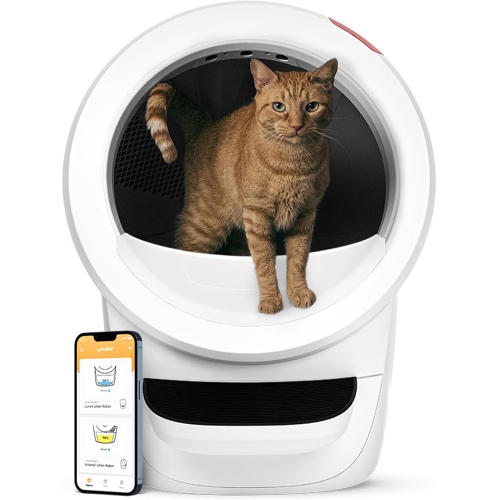 Your price for this item is $999
 -
 Your price for this item is $56.7
 -
 Your price for this item is $449
 -
 Your price for this item is $279.97
 -
 Your price for this item is $300.99
 -
 Your price for this item is $99.99
 -
 Your price for this item is $173.99
Discover more categories related to Cat Litter Enclosures
Top Collections:
Pokemon Centers, Kindle Devices, Best Budget Office Chairs, Apple iPhones 16, Best Laptops for Writers, iPhone 15 Apple, Canon G7X Cameras, Refurbished Apple Laptops, Alarm Clock, Motorola Razr Phones
Some products may be subject to Environmental Handling Fees
(EHF) depending on your province.
Learn more about EHFs.