Cat Litter Boxes With High Sides
Cat Litter Boxes With High Sides are designed to help keep your cat’s space tidy and comfortable. Ideal for households with playful or energetic cats, these litter boxes offer extra depth to help contain messes and provide privacy. Explore a variety of sizes, shapes, and styles to find the perfect fit for your feline friend. Make cleaning up easier and maintain a fresher environment with Cat Litter Boxes With High Sides that suit both your home and your pet’s needs.
Sort
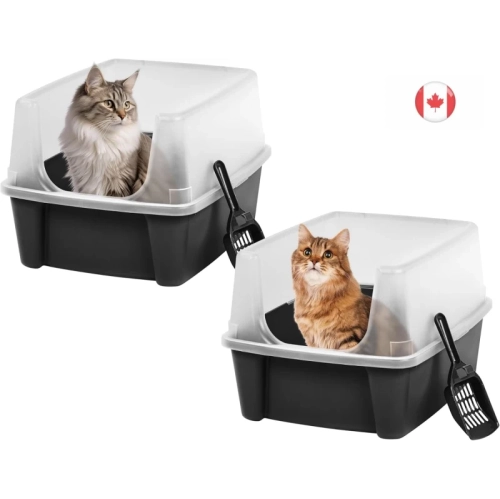
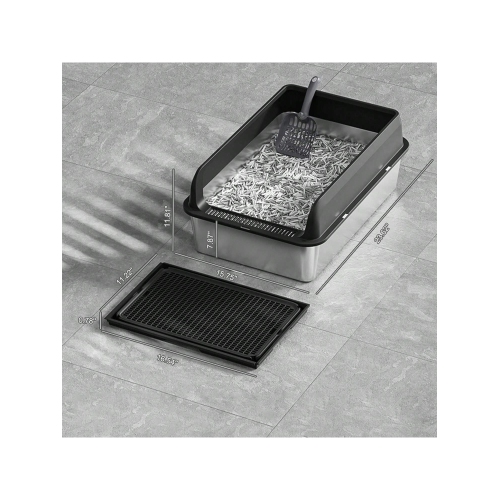
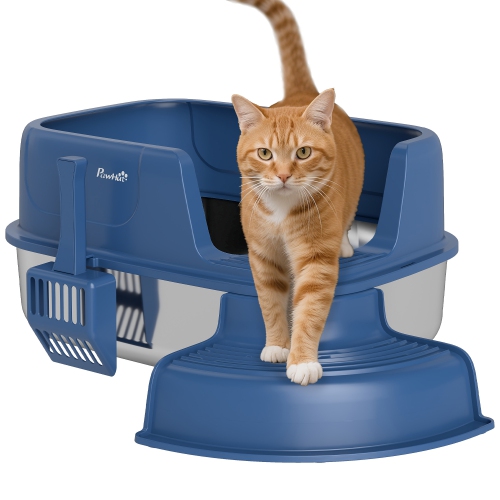
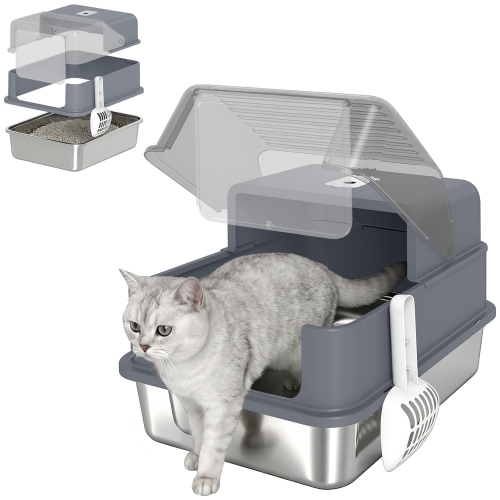
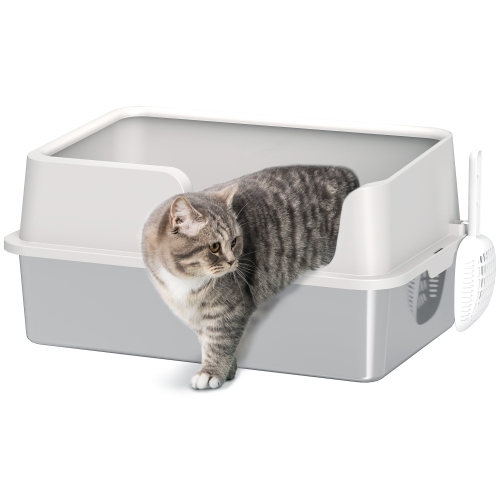
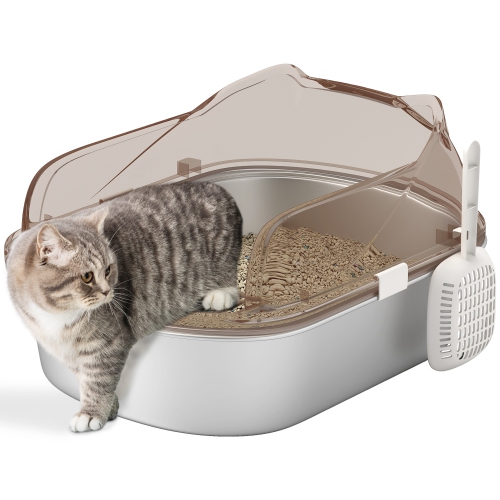
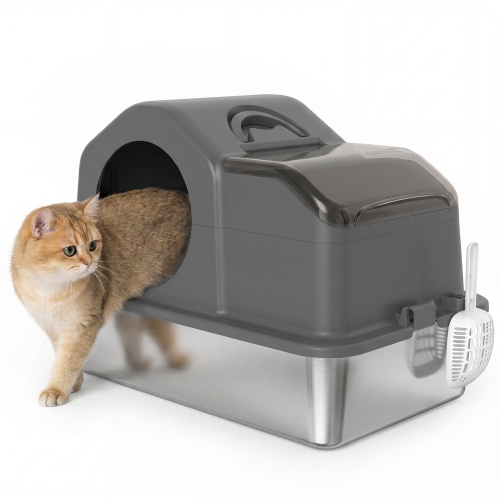
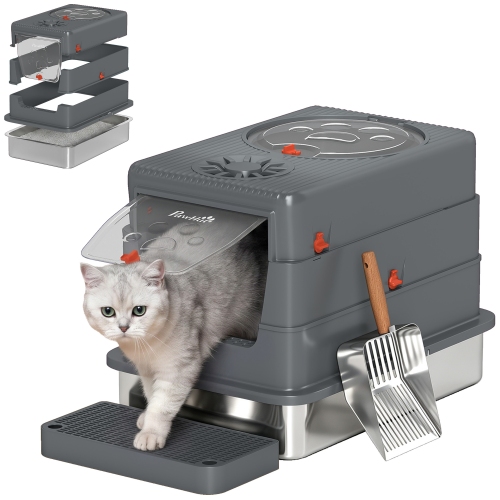
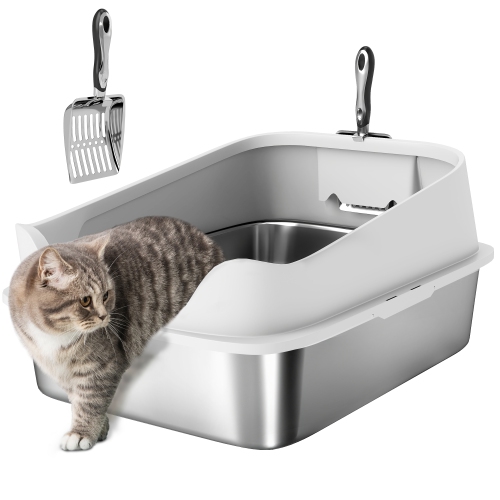
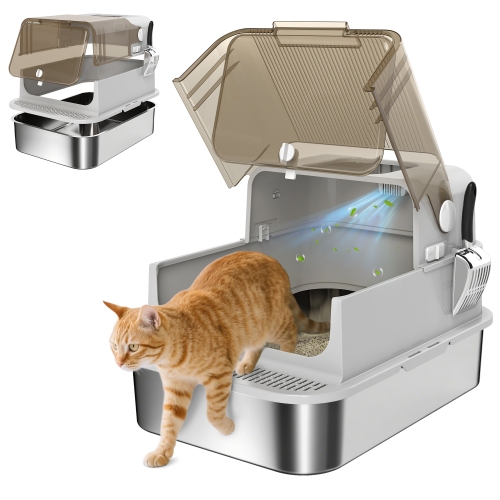
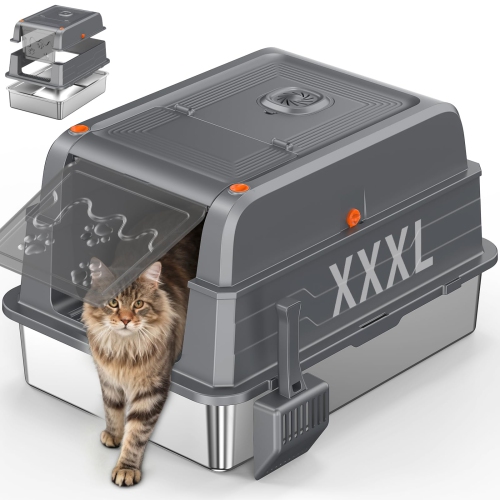
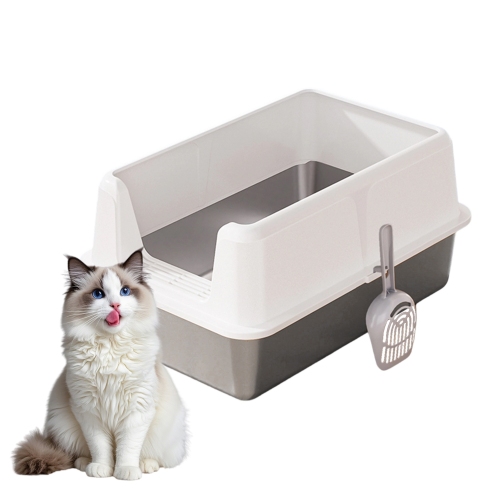
Better litter containment starts with more than height
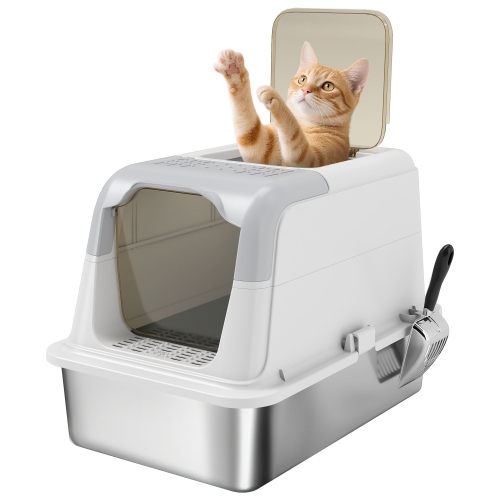
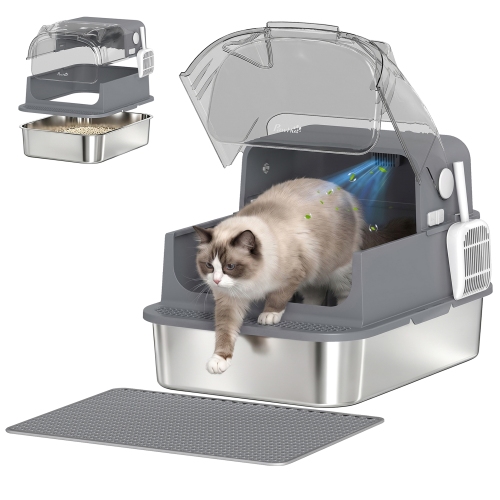
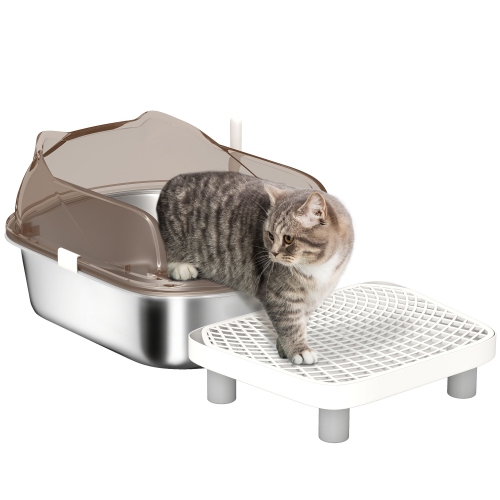
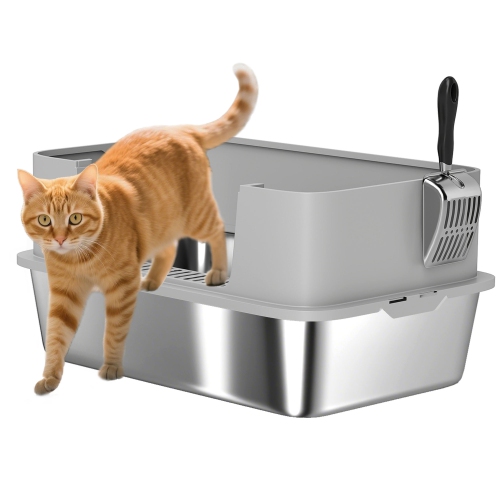
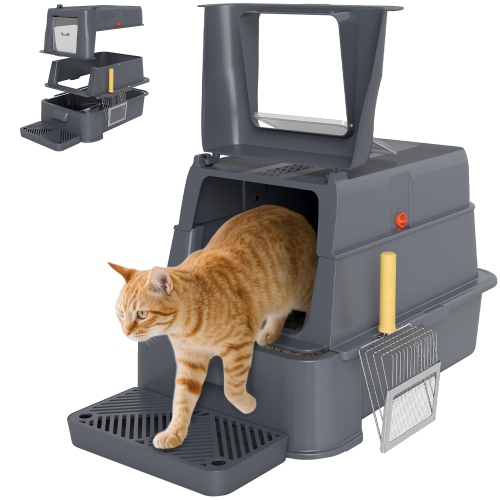
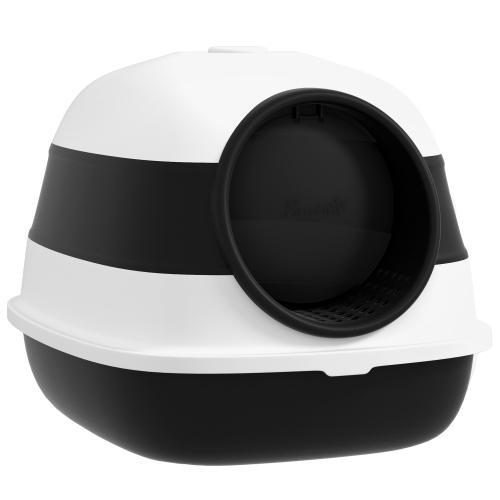
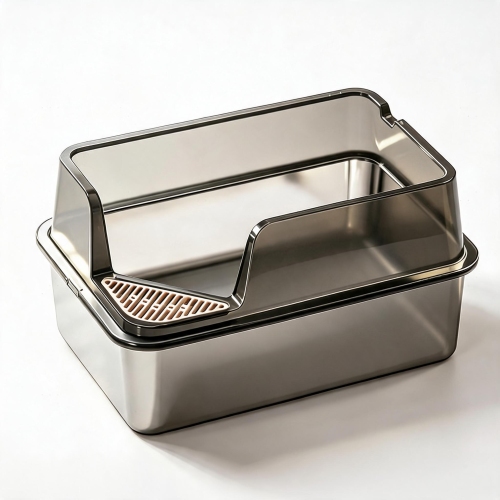
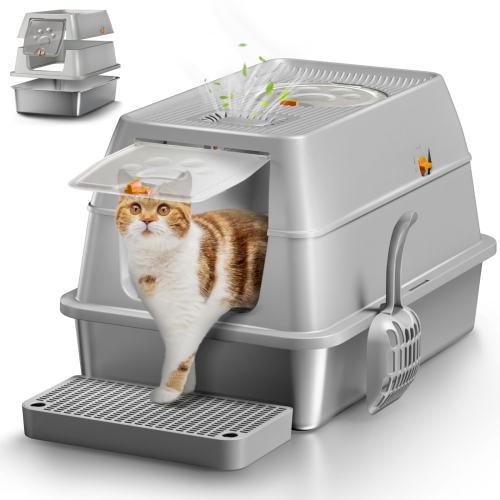
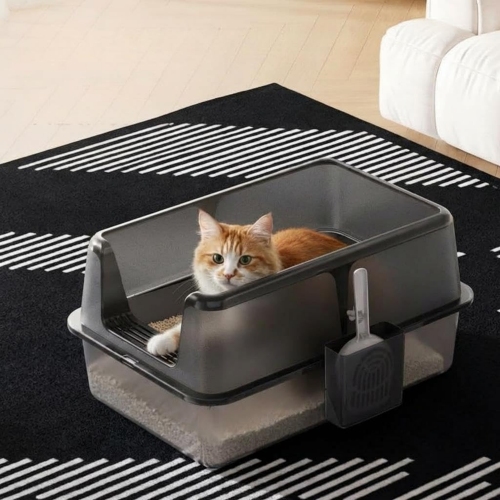
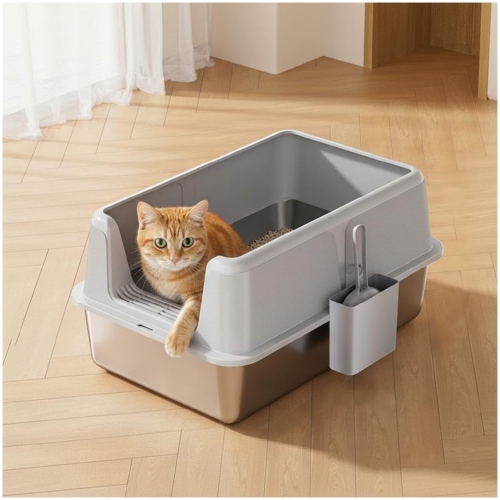
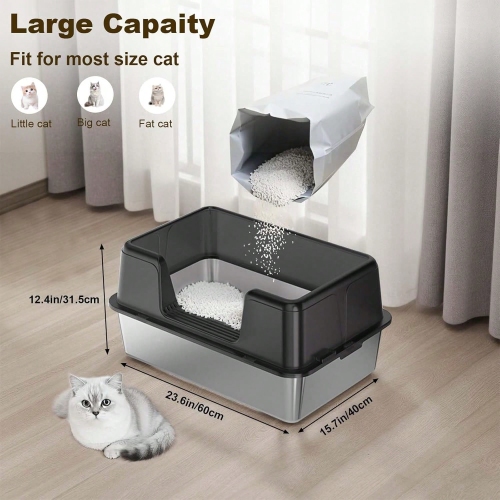
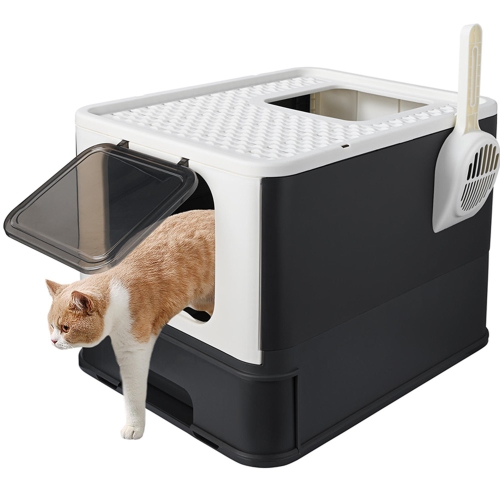
Cat litter boxes with high sides help contain kicked litter and catch urine directed above the level of a shallow tray, reducing mess around the box. Many have an open top, giving cats a clear view of their surroundings while providing taller barriers along the back and sides. This combination can suit cats that dig enthusiastically, turn several times before settling, or stand fairly upright when urinating. The benefit depends on where the extra height sits: a tall back panel offers protection behind the cat, while raised walls on three sides help contain litter tossed in different directions. A lower entrance leaves a more accessible path in and out, although that opening remains a place where litter can escape. High walls can reduce scatter, but they will not stop every granule carried out on paws or address the reasons a cat might mark outside the box. Interior space matters just as much as wall height. A cat needs room to enter, turn around, dig, and squat without pressing against the sides or hanging over the edge. The usable floor area is more informative than the overall footprint when walls slope inward or a broad rim takes up space. For a larger cat, a roomy base can make the difference between a comfortable turn and an awkward shuffle. For kittens, senior cats, and cats with limited mobility, the height of the entrance deserves particular attention; tall surrounding walls do not have to mean a tall step over the front. An open-top design also differs from a covered or top-entry box, which changes how the cat enters and how enclosed the space feels. Cats accustomed to a shallow, uncovered tray may find a high-sided box with a familiar front entrance less of a change than a fully enclosed design. Matching the layout to the cat’s size, movement, and established habits helps make the added containment useful rather than creating another obstacle.
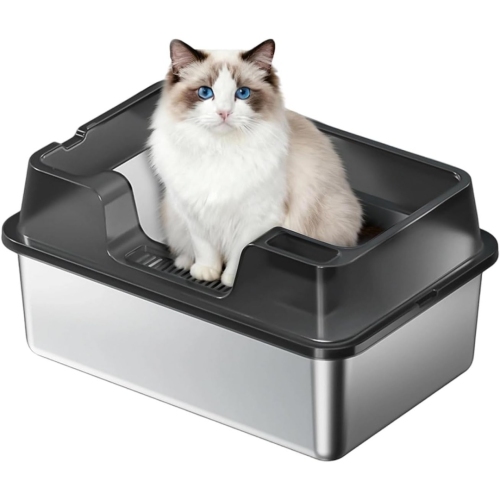
Materials and construction influence how a high-sided litter box handles everyday scooping, washing, and movement. Moulded plastic is common because it is relatively lightweight and can form a continuous basin with rounded corners. A smooth interior makes clumps easier to lift, while a sturdy base helps prevent flexing when the box is moved for cleaning. Stainless steel offers a different surface feel and is generally resistant to scratching and retained odours, though the shape and finish still affect how easily corners can be reached. Neither material removes the need for regular care. Deep scratches, rough seams, and narrow channels can trap residue, so accessible surfaces matter more than decorative details. A one-piece basin has fewer joins where liquid can collect; a removable high-sided guard may be easier to separate for washing but introduces a connection that needs attention. Where an upper shield meets a lower tray, the overlap and fit are especially relevant for cats that urinate against the walls. A loose connection or poorly positioned seam can allow liquid to reach the outside even when the wall itself is tall enough. Rounded interior corners and a scoop that sits comfortably against the base make routine maintenance less fiddly. Warm water and mild, unscented soap are often suitable for washing, subject to the material’s care directions, followed by thorough rinsing and drying. Strong fragrances can be unwelcome to cats and may cover up odours without removing the residue behind them. Regular scooping keeps the usable area clear, while periodic washing removes buildup from the base and walls. Litter depth also affects performance: a very full tray brings the digging surface closer to the rim and leaves less wall above it to catch scattered granules. Keeping the fill level appropriate for the litter and the cat’s habits helps preserve the purpose of those taller sides without leaving too little material for digging and covering.
The best fit for a home includes the space around the litter box, not just the space beneath it. A high-sided tray needs a level, stable position with enough clearance at the entrance for the cat to approach naturally and step out without squeezing between furniture. A quiet, accessible spot away from food and water is generally more useful than a concealed corner that is difficult to reach or clean. In a bathroom or laundry area, the box should remain accessible when doors are closed, and nearby appliances should not make the location startling or uncomfortable. A litter mat outside the entrance can catch some granules carried on paws, but it works best when it does not bunch up, slide, or create an awkward landing. The open front should face a clear route rather than a wall, especially for a cat that needs extra room to turn. In a compact home, wall height can improve containment without requiring a cover, but reducing the floor area too far can leave the cat cramped. The related collection of Cat Litter Boxes for Small Spaces offers another way to consider footprint alongside access and interior room. Households with more than one cat also need to account for separate toilet preferences and access routes; a single extra-large box is not always a substitute for multiple boxes in different locations. When introducing a different shape or a higher entrance, keeping a familiar box accessible during the transition can help avoid an abrupt change in routine. For someone preparing a home for an adopted cat, a roomy, easy-clean high-sided box can be a practical part of the setup, provided its entrance suits the animal’s age and mobility. Over time, secure panels, a stable base, and surfaces that remain easy to clean contribute more to everyday usefulness than height alone. A suitable box contains the mess it can while leaving the cat enough space and freedom to use it comfortably.
Top selling and popular products
-
 Your price for this item is $175
-
 Your price for this item is $95
-
 Your price for this item is $56.7
-
 Your price for this item is $75
-
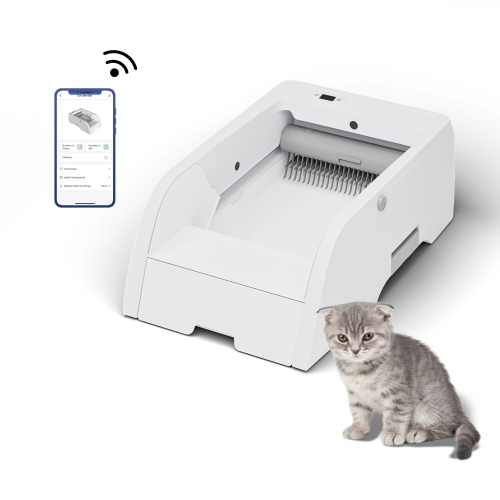 Your price for this item is $449
-
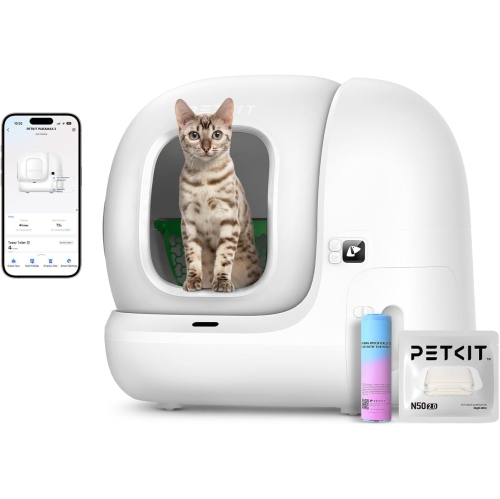 Your price for this item is $549.99
-
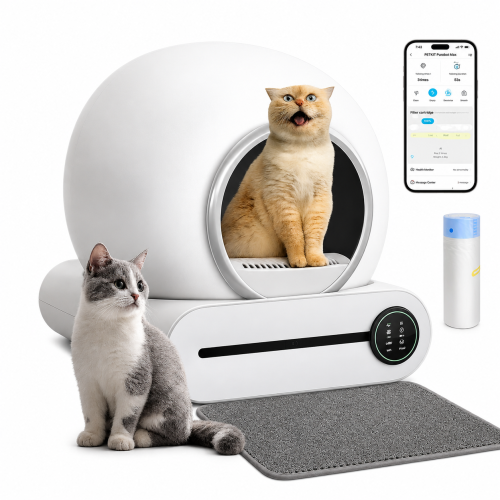 Your price for this item is $279.97
-
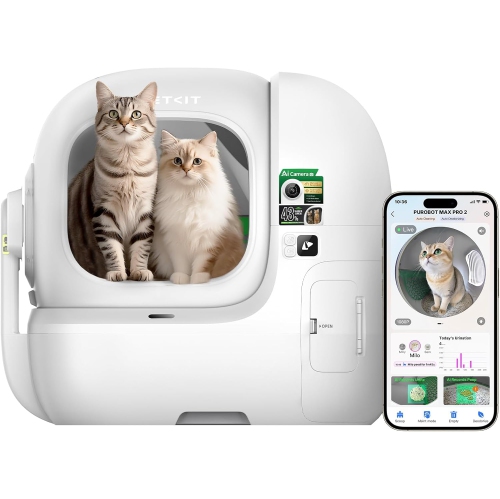 Your price for this item is $799.99
Discover more categories related to Cat Litter Boxes With High Sides
Top Collections:
Best Black Friday Deals This Year, Best Black Friday Deals On Electronics, Kindle Devices, Pokemon Centers, Best Black Friday Deals On Apple Products, Best Cameras for Sports Photography, Dyson Airwrap, Pokémon 30th Celebration Cards, Apple iPhone 17 Pro, Canon G7X Cameras
Some products may be subject to Environmental Handling Fees
(EHF) depending on your province.
Learn more about EHFs.