Cat Scratching Posts
Cat scratching posts are essential for keeping your feline friend entertained and their claws healthy. Whether your cat is a playful kitten or a seasoned scratcher, providing them with a designated scratching post can help protect your furniture and satisfy their natural instincts. With a variety of styles, sizes, and materials to choose from, finding the perfect scratching post for your cat has never been easier. Discover a selection of high-quality cat scratching posts that are durable, stylish, and designed to keep your furry companion happy and content.
Sort
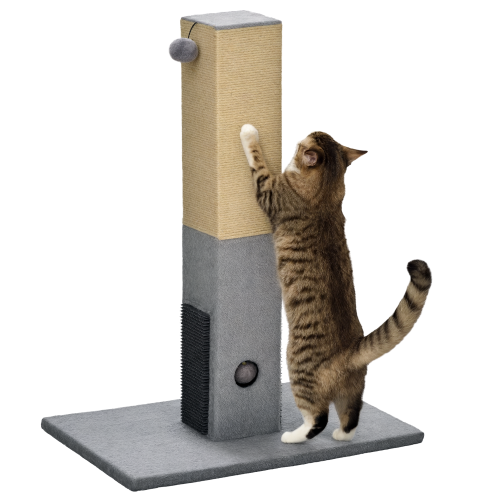
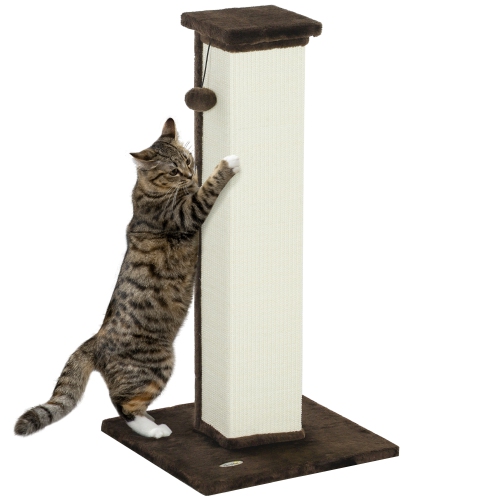
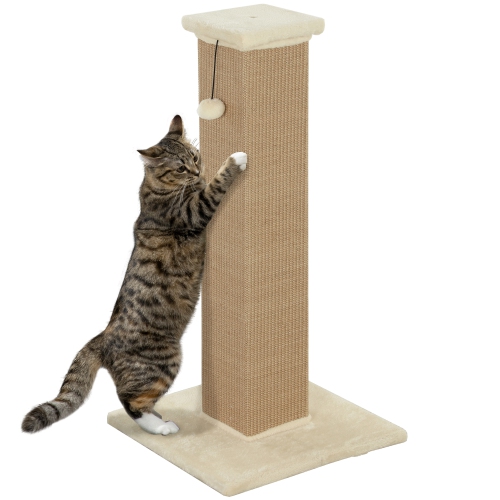

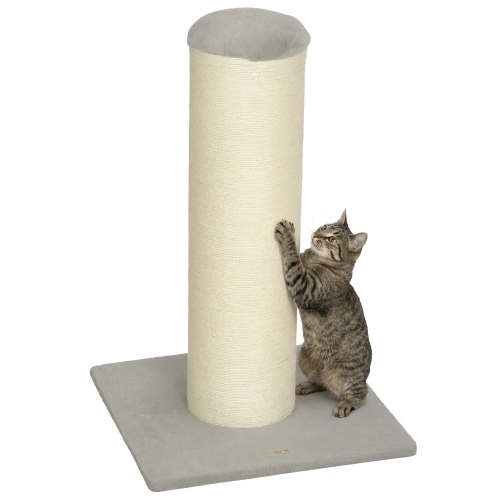





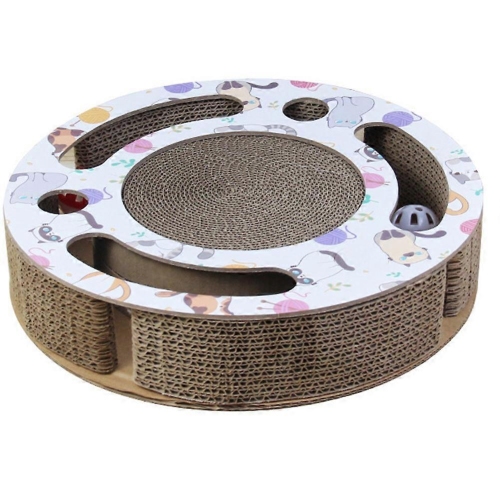

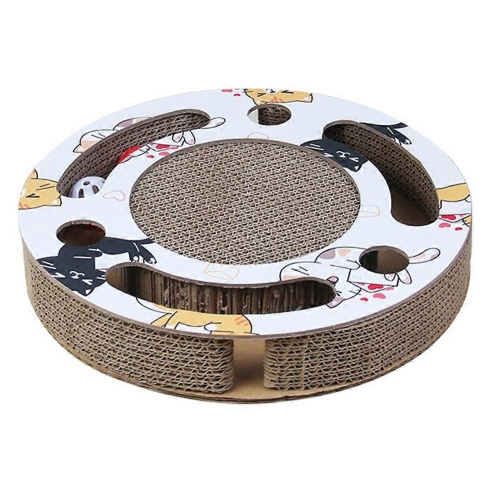
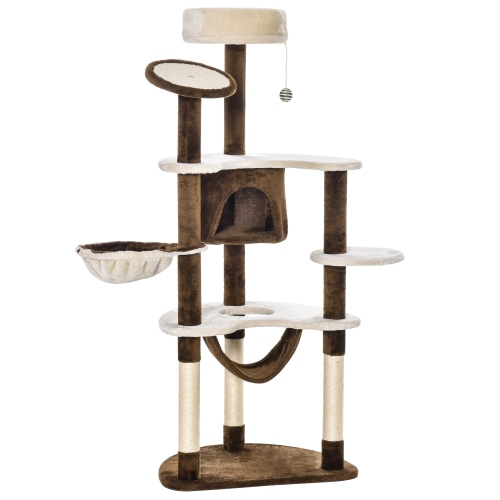
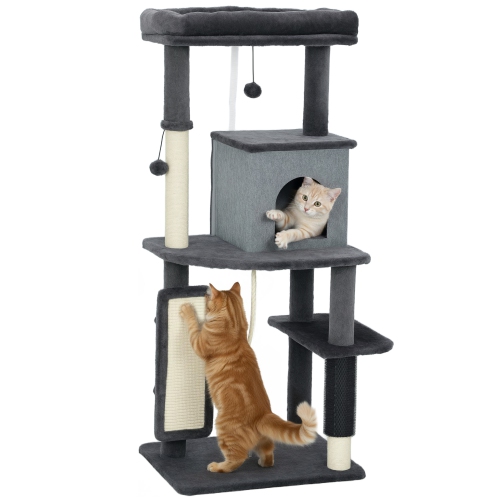




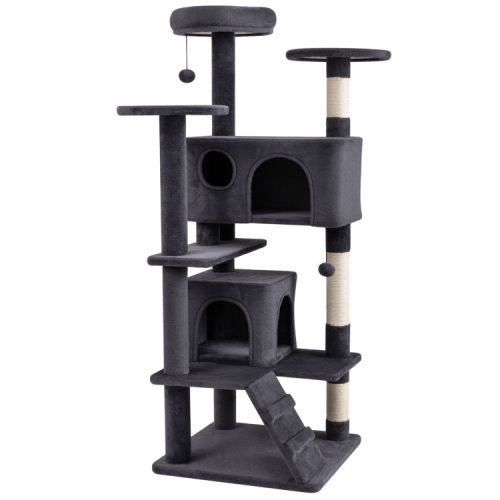
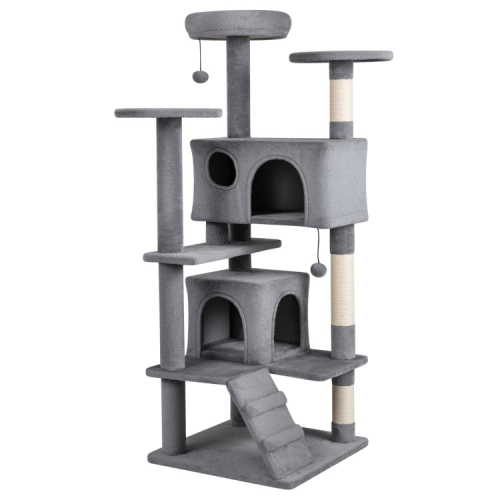
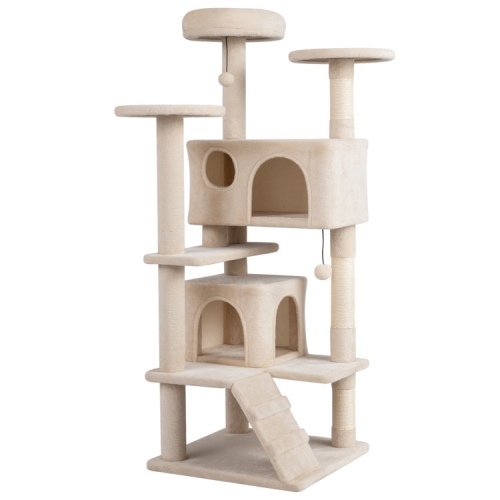
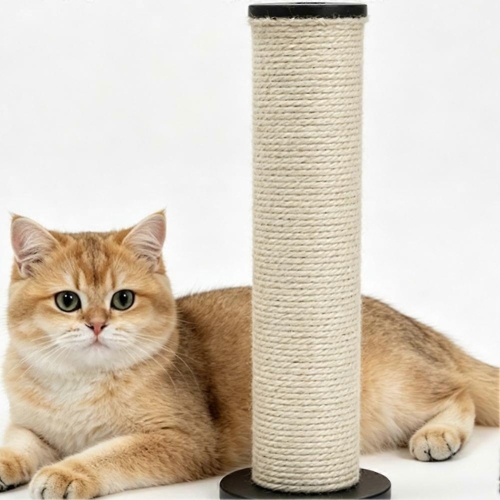




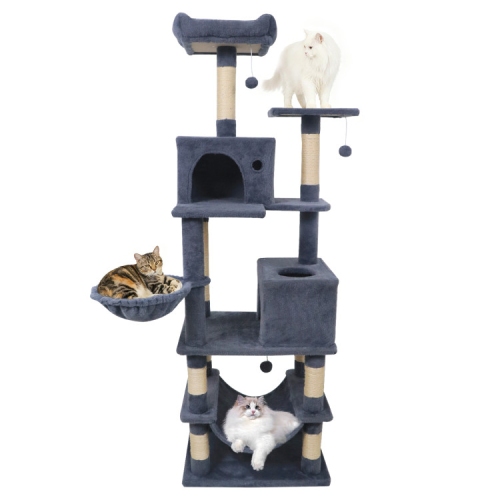
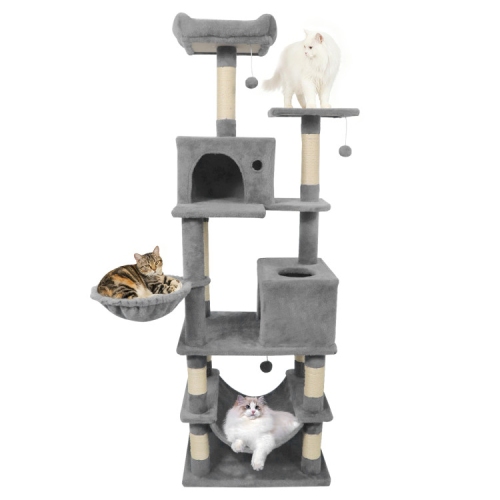

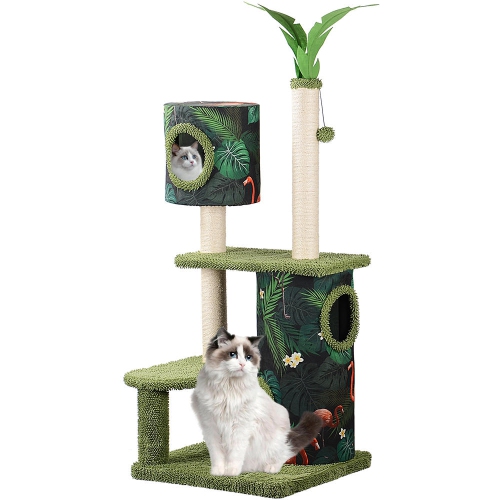

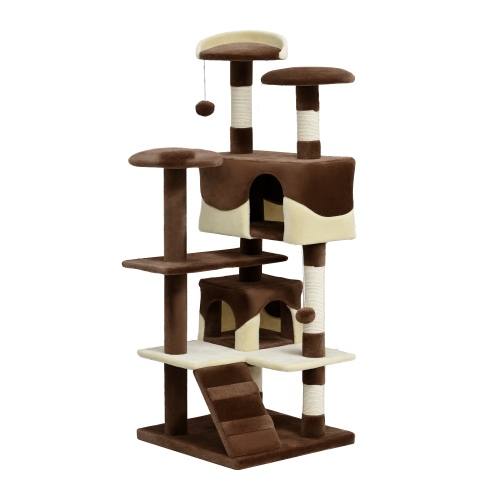

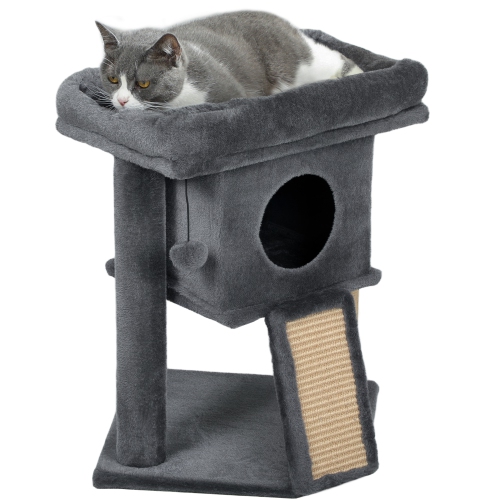
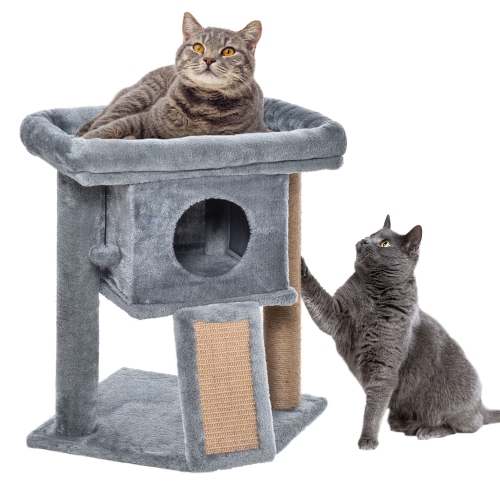
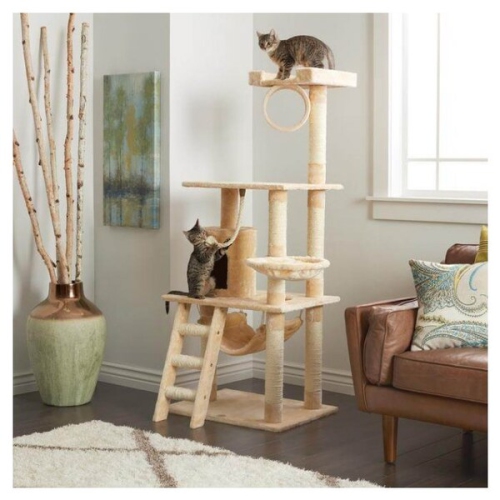
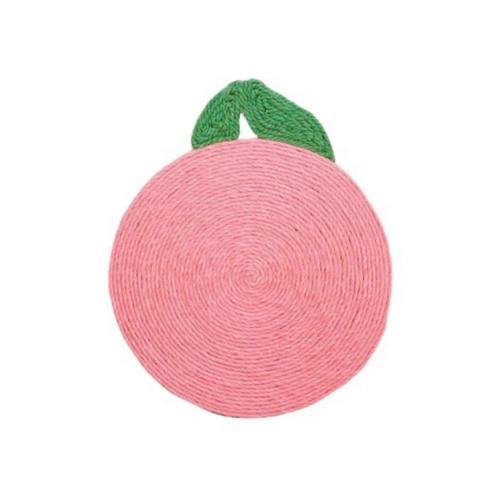

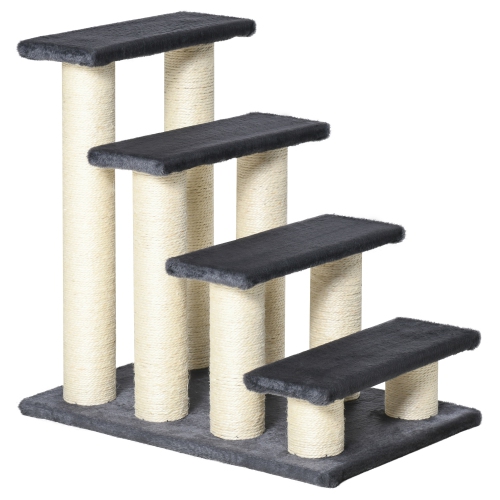
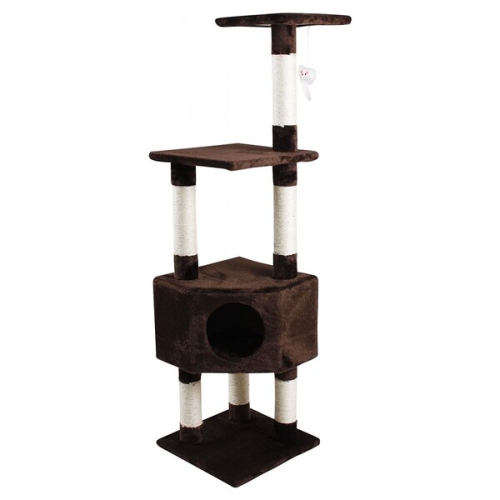


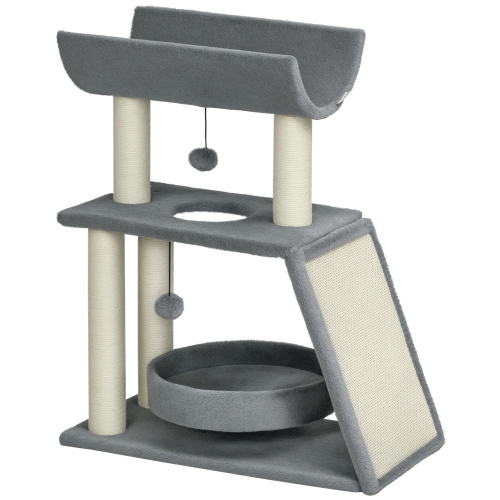
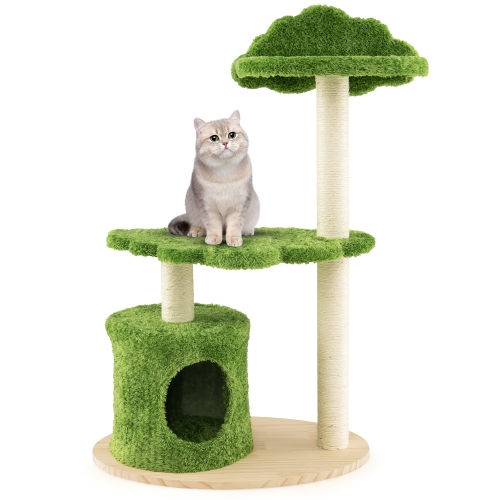
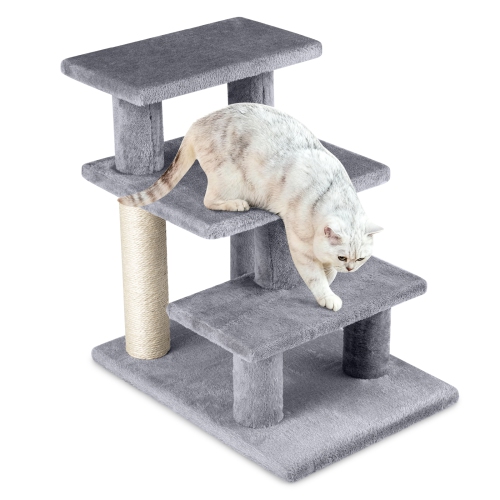


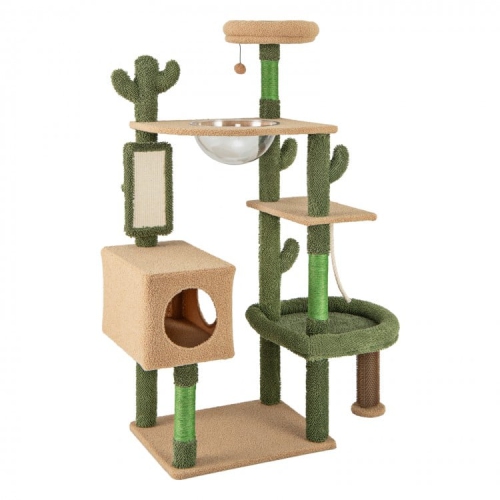


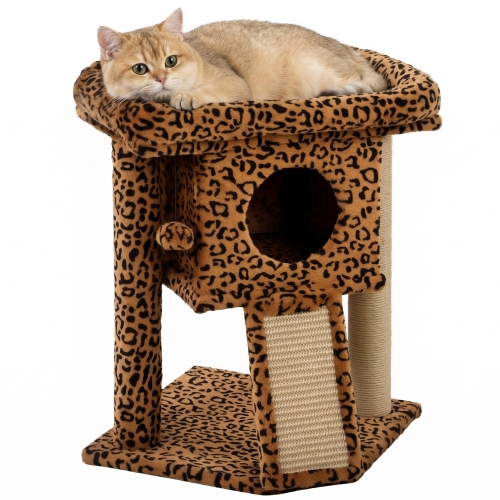
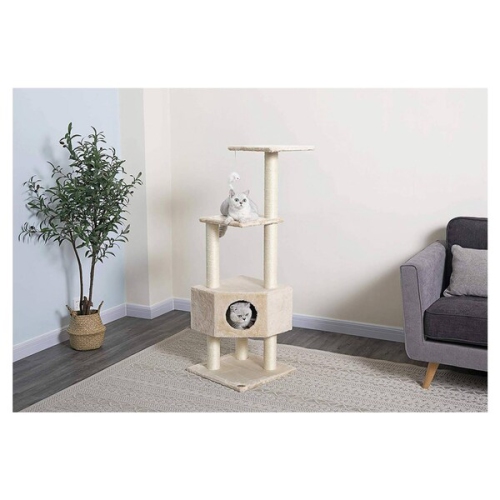
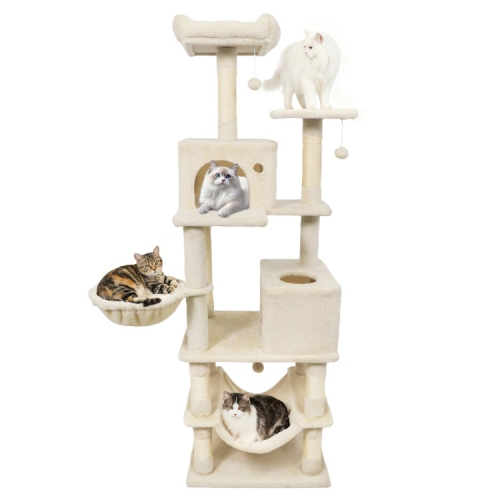

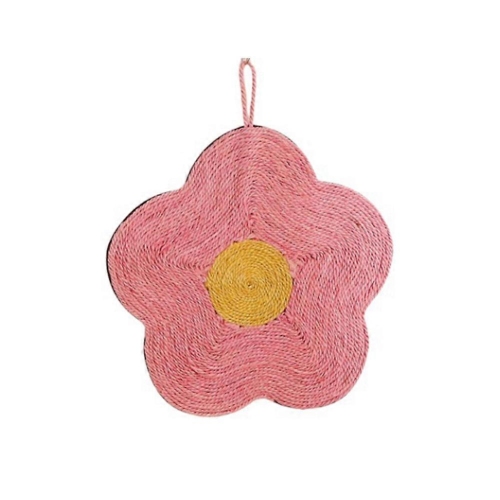


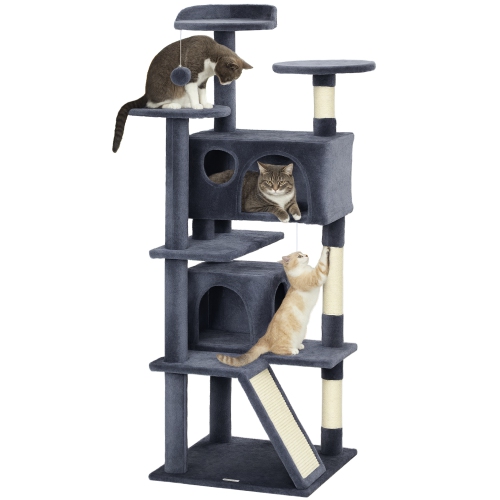
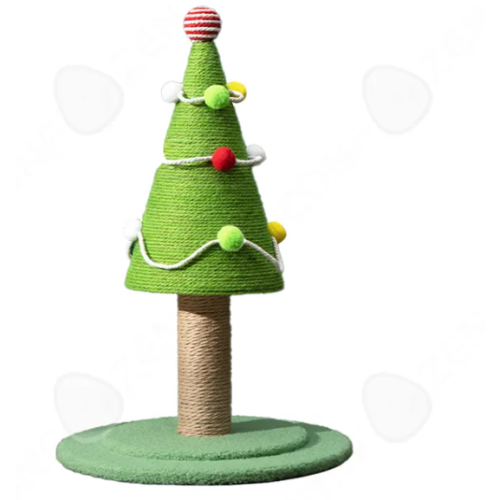
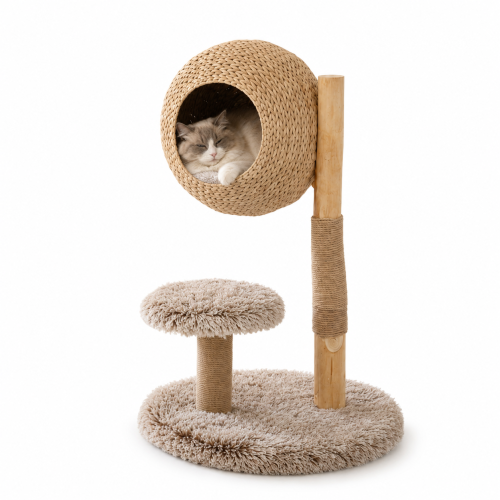
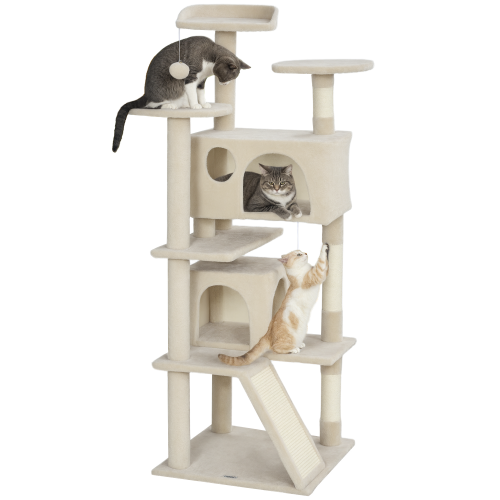
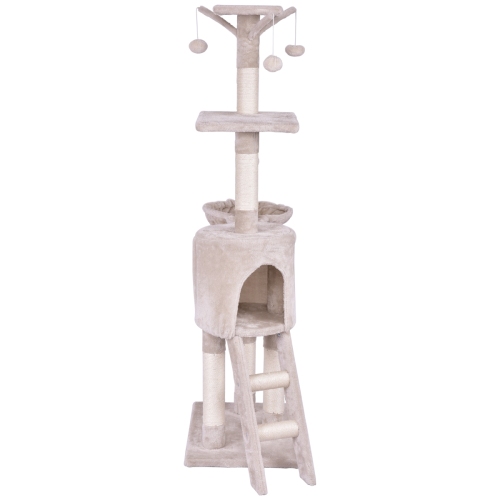


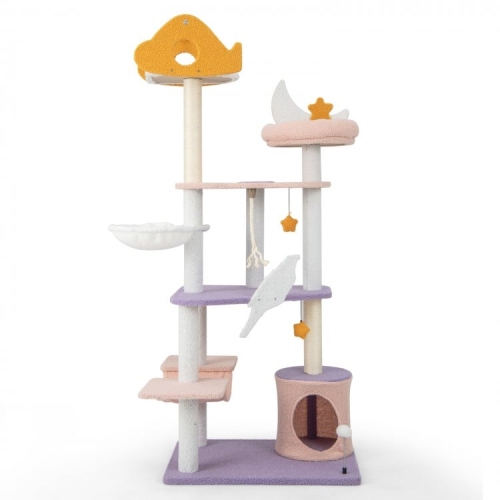
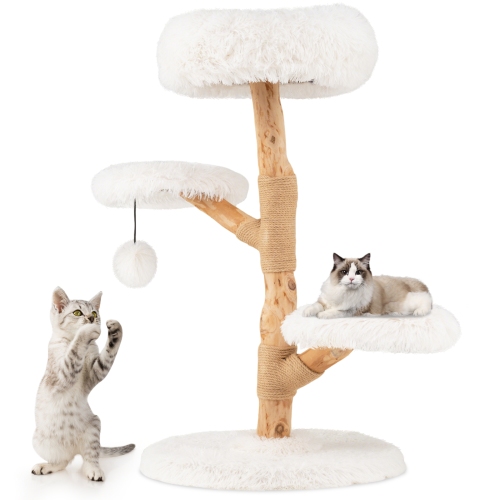


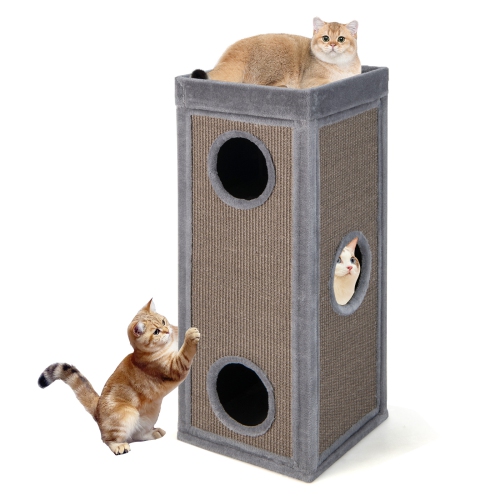
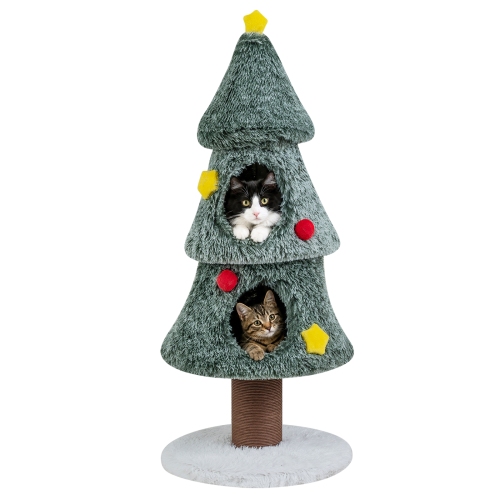
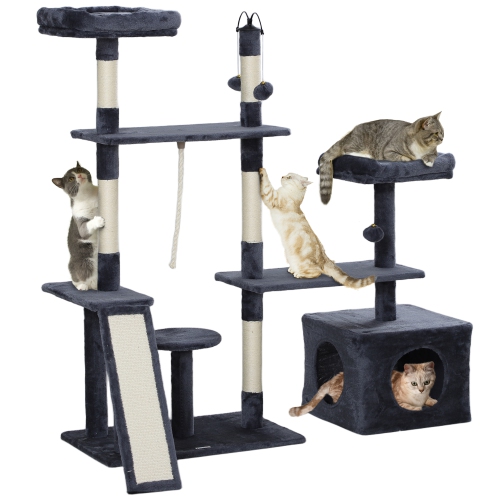
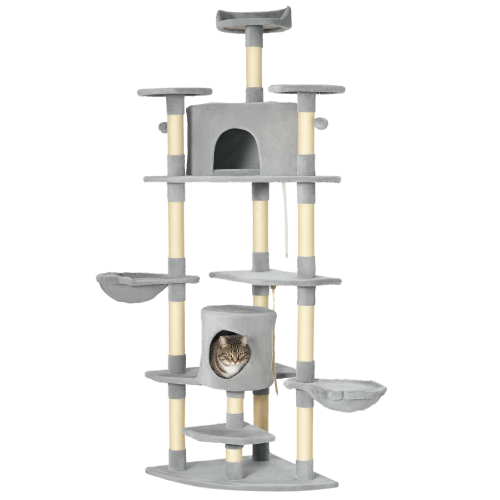
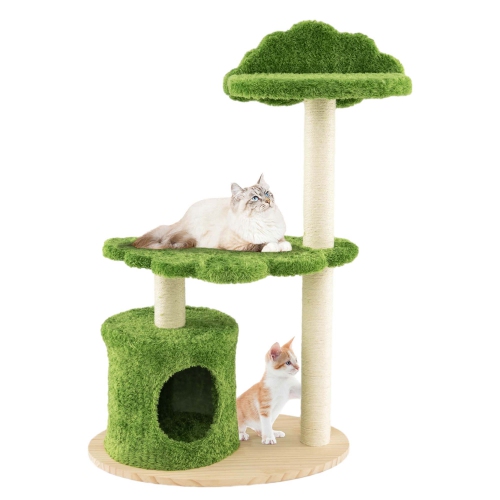
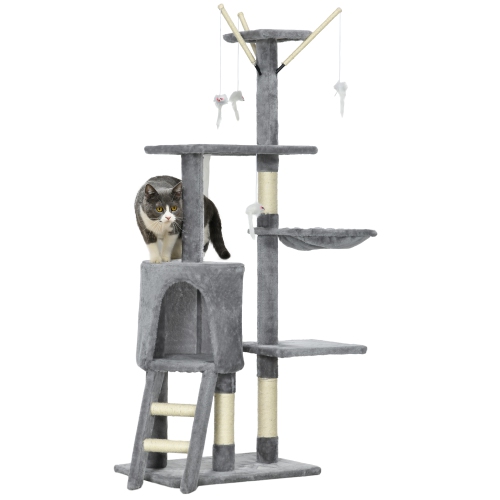


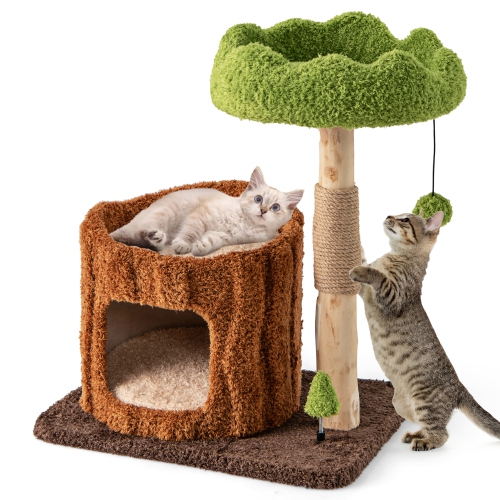
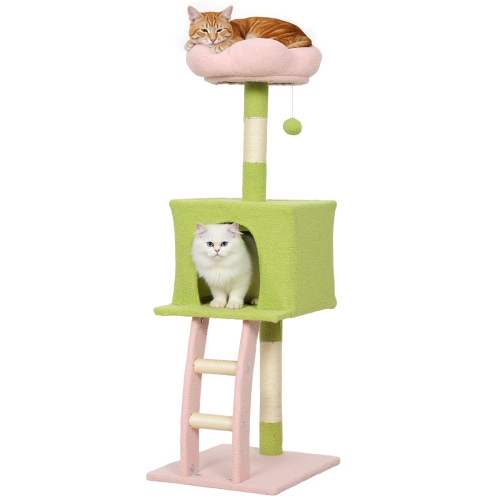
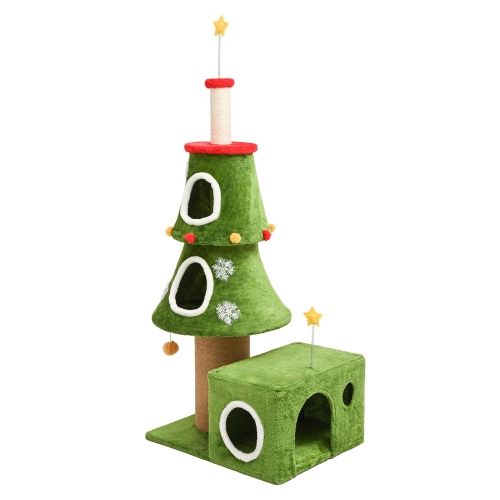
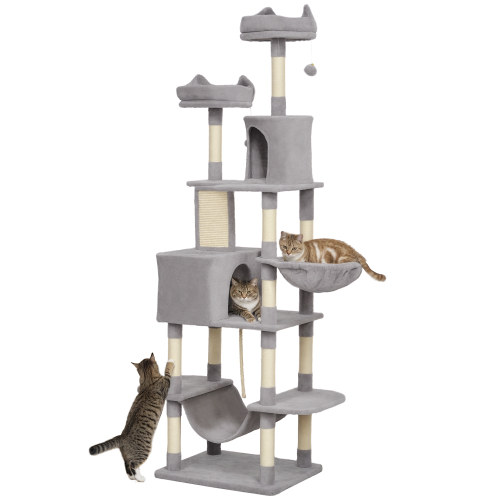
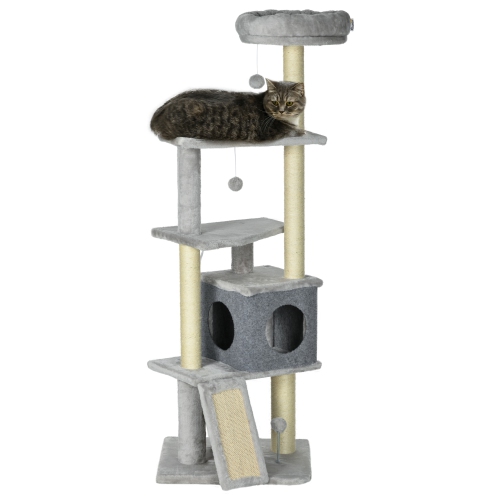






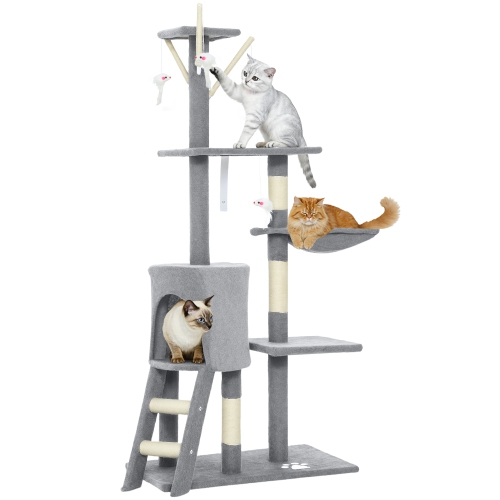
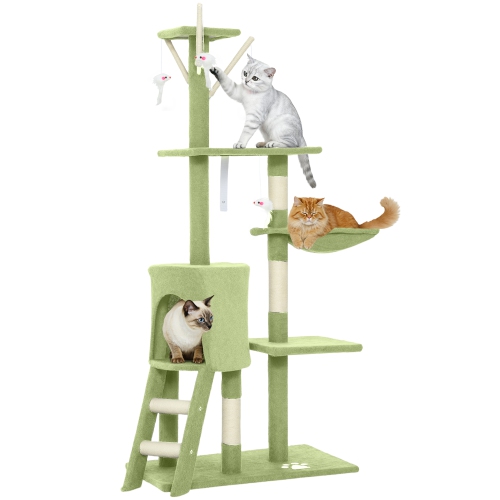
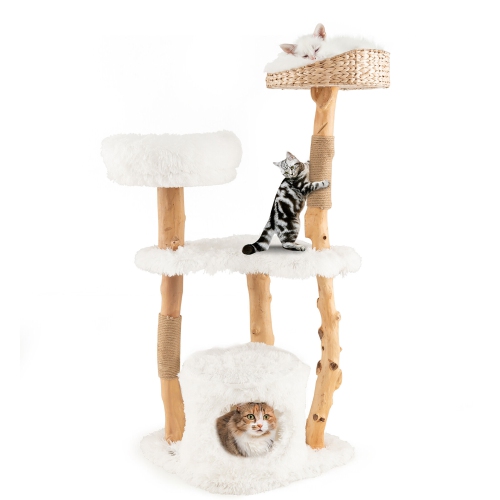

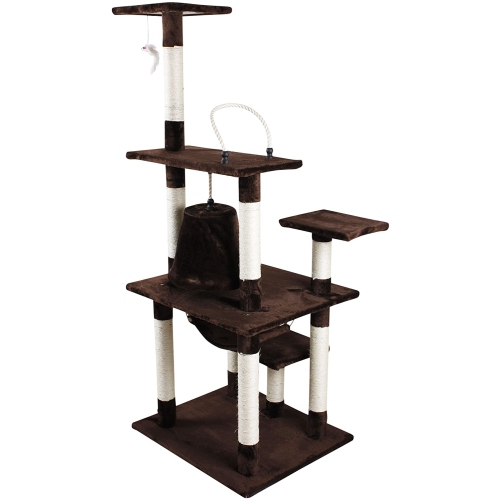
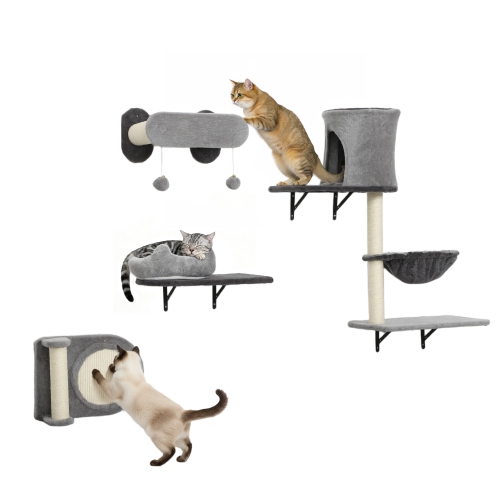
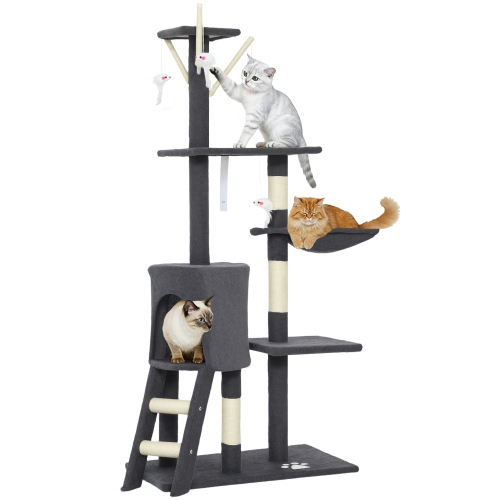

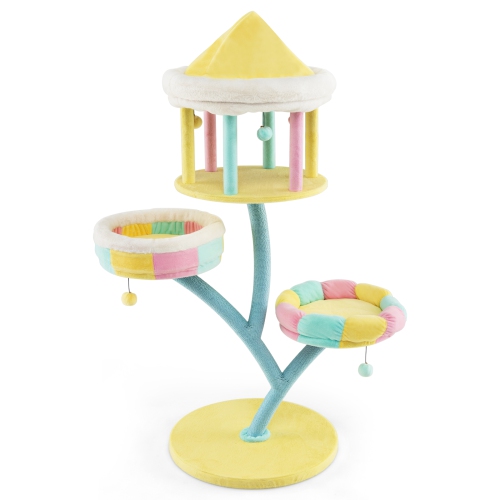
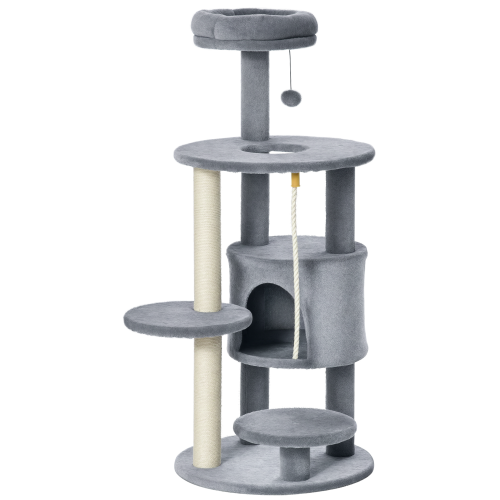
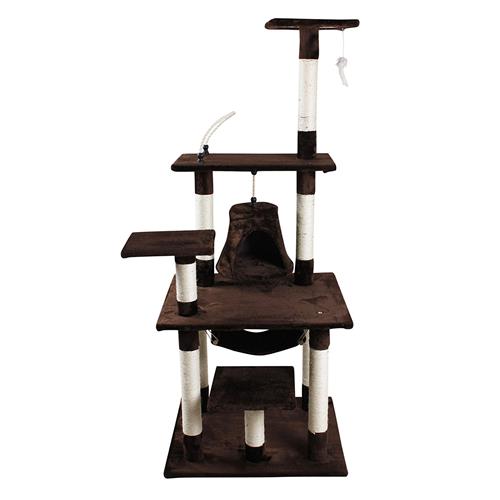
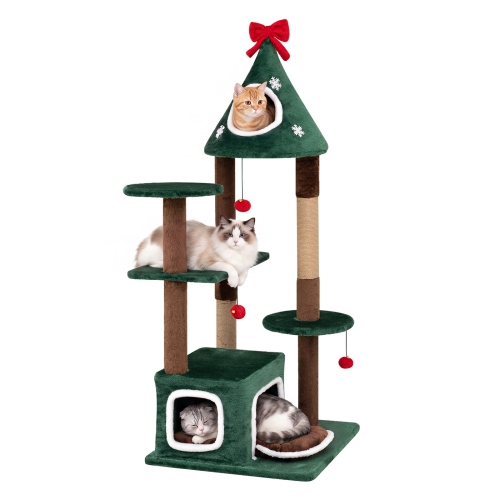
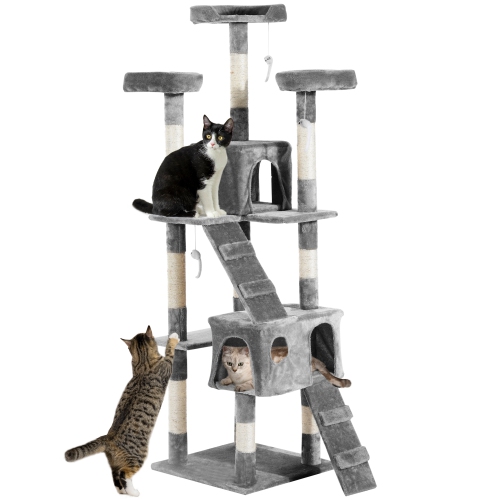


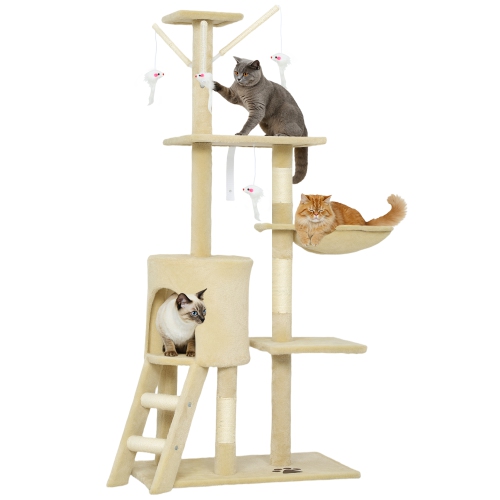
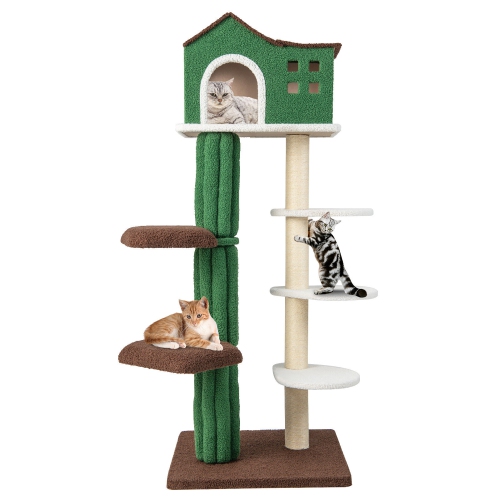

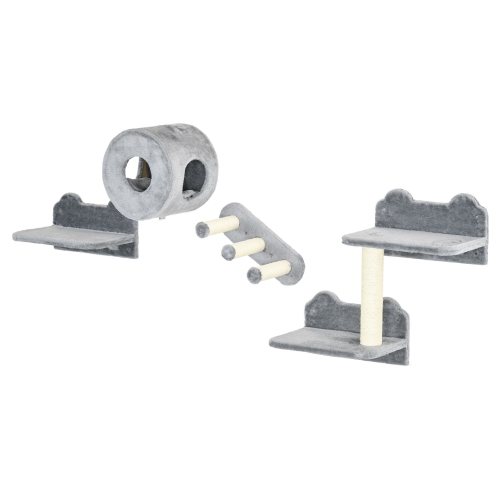
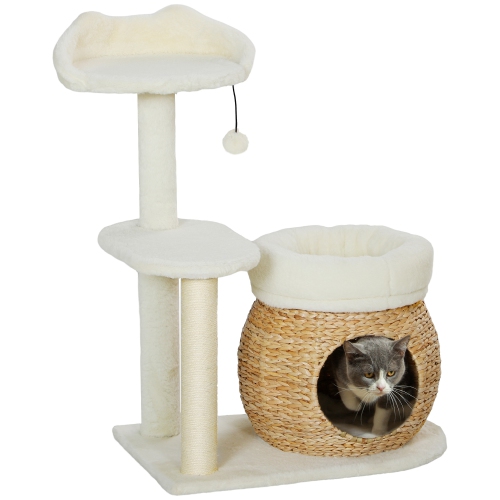


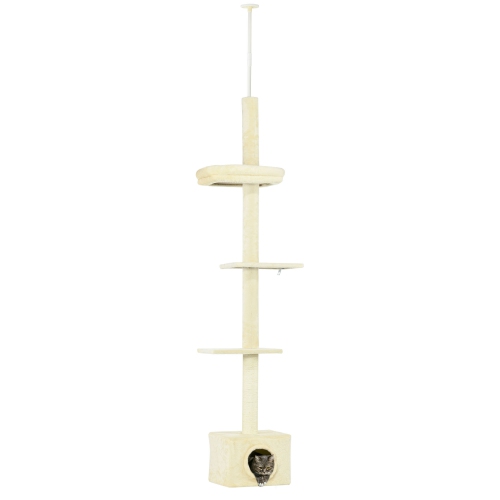
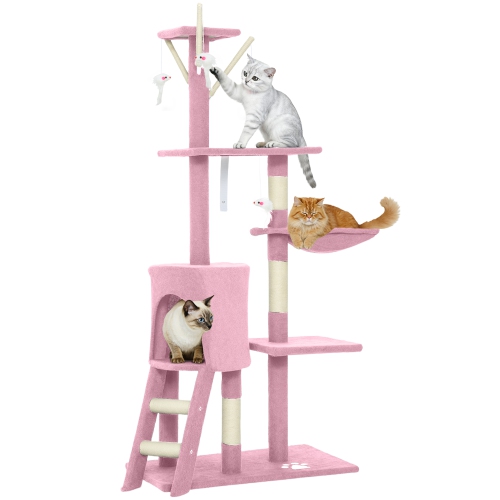


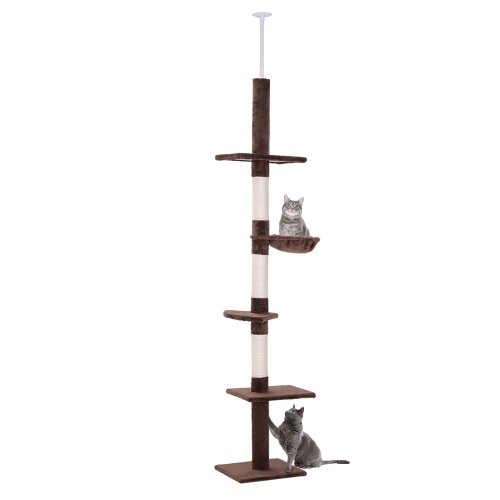

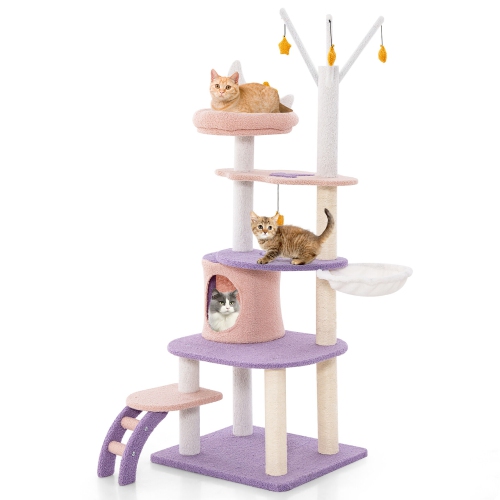


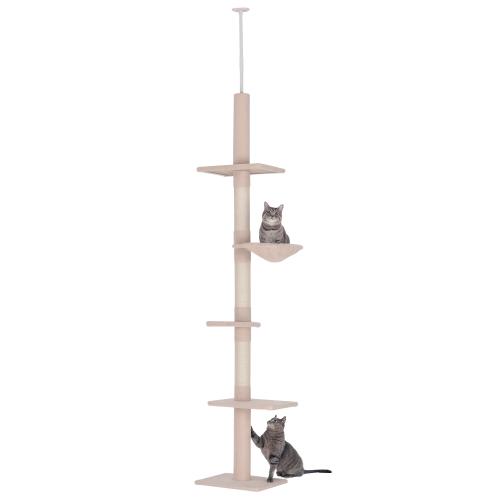
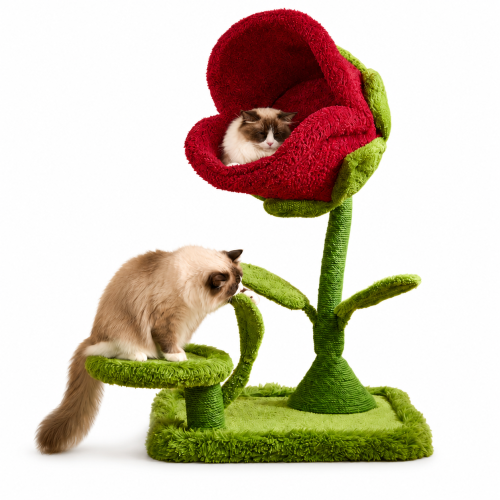
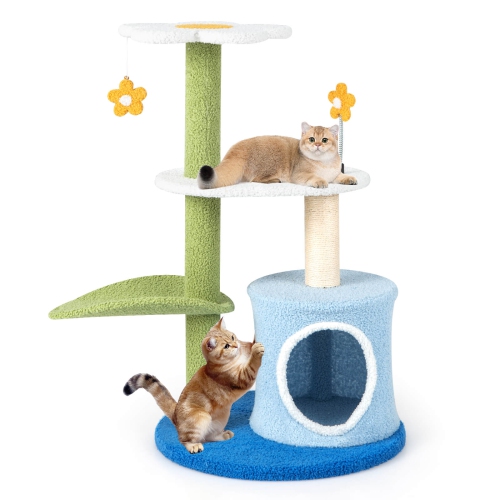
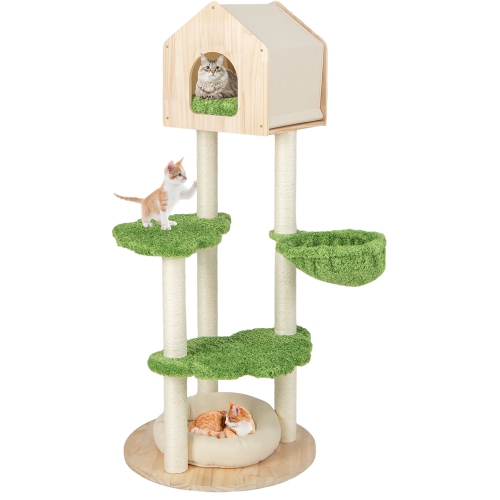


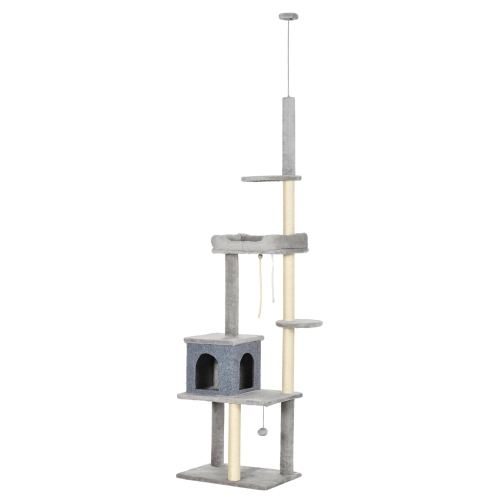






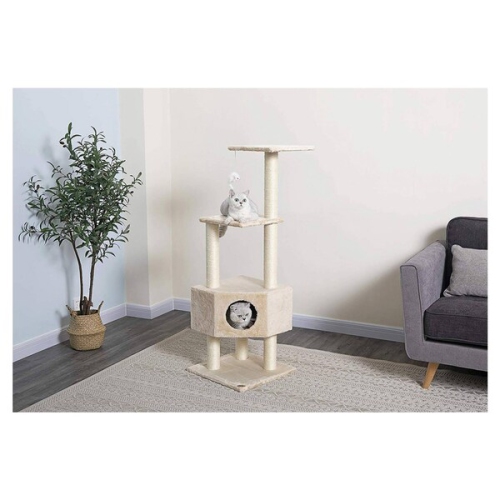


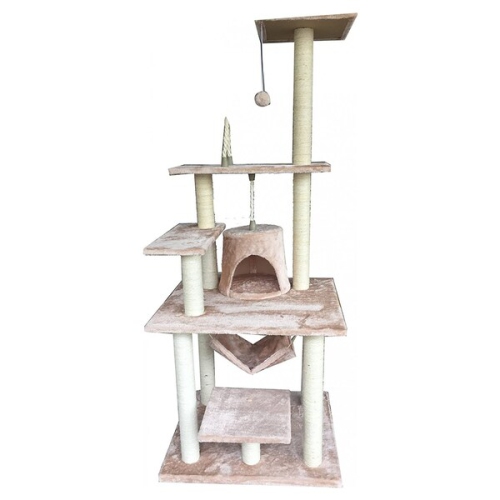
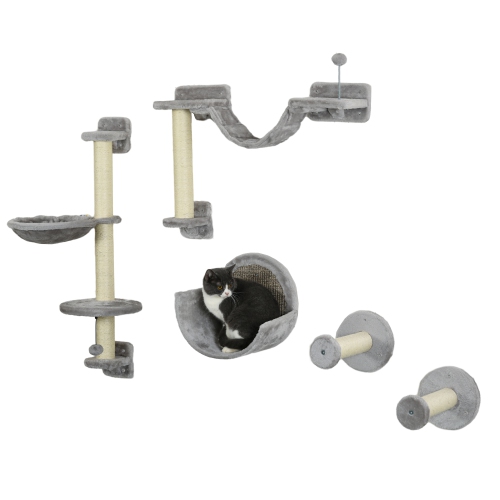
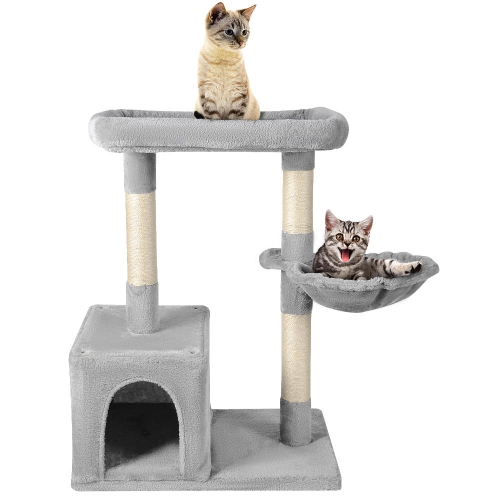

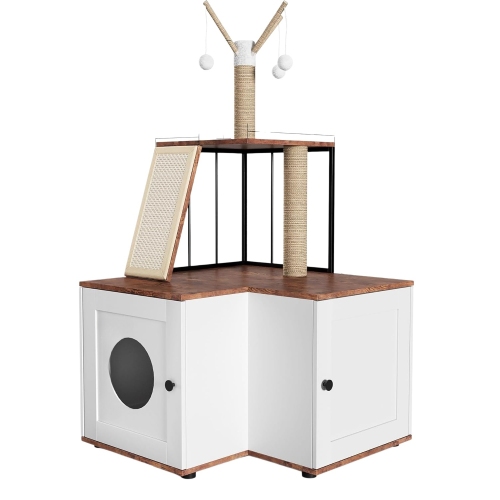
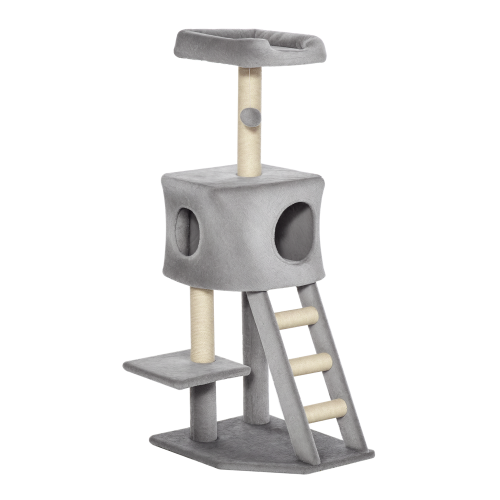
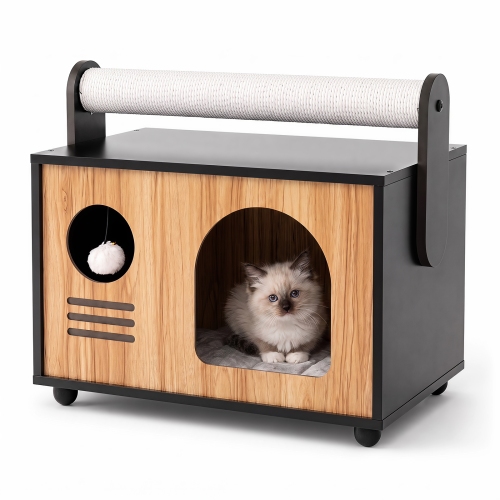


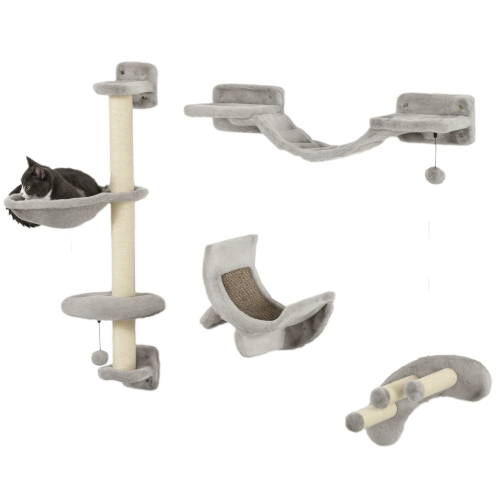


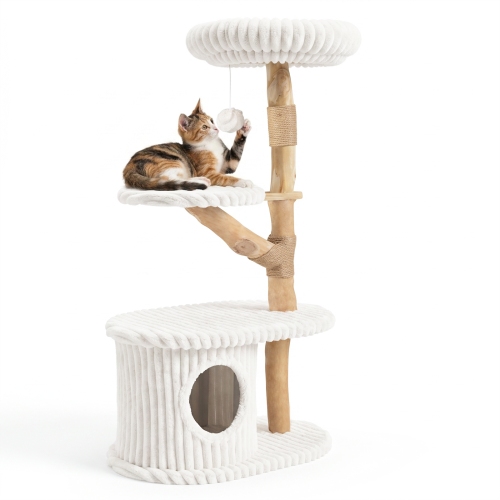
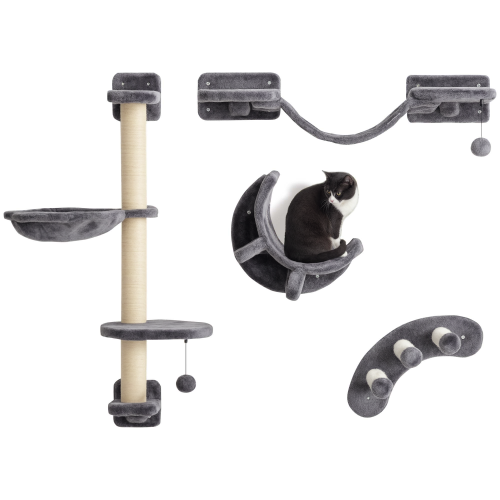
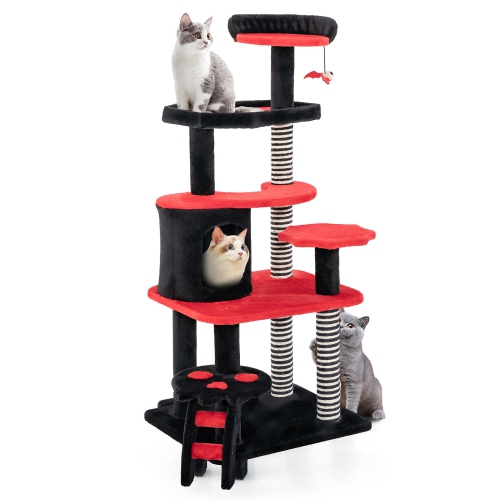


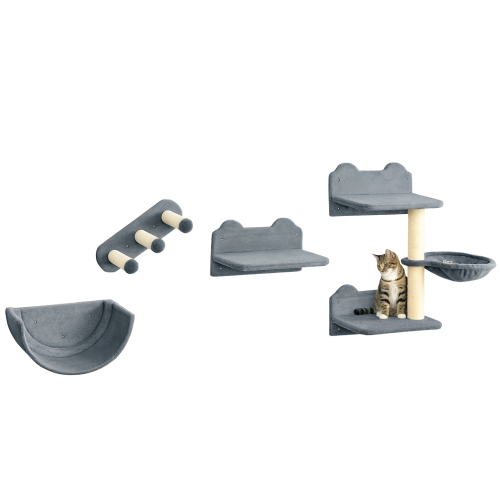
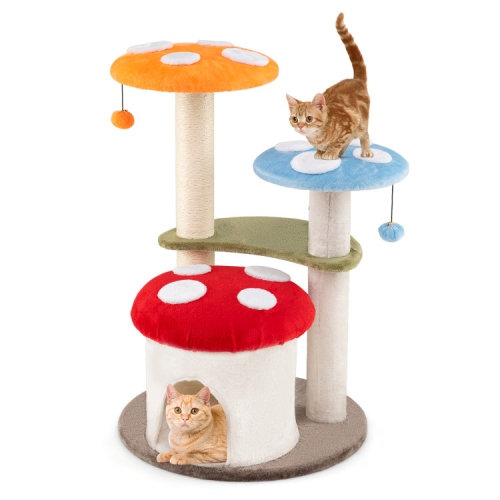


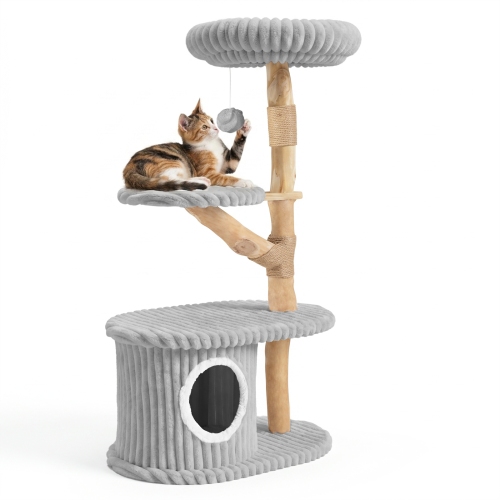

The right scratching surface starts with your cat’s habits
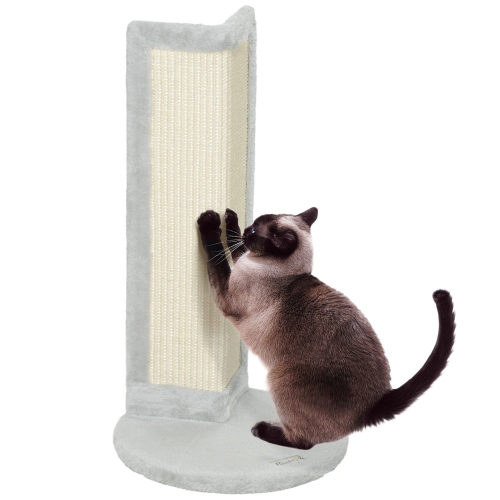
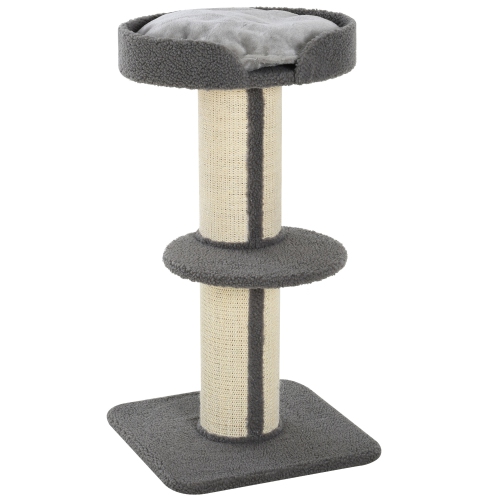
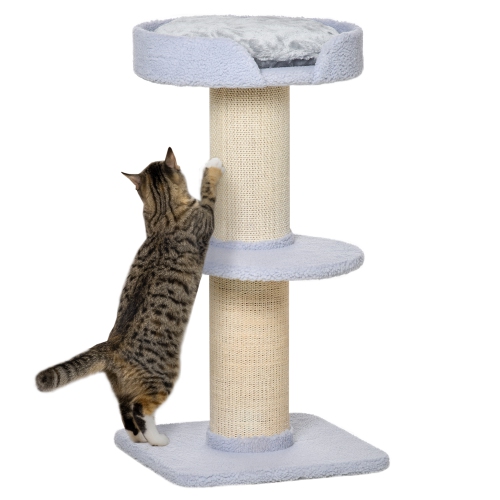
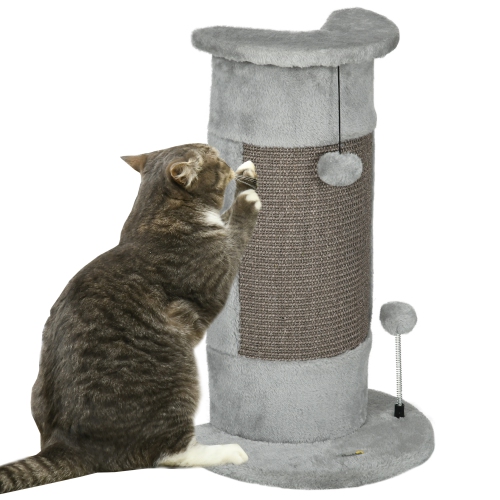
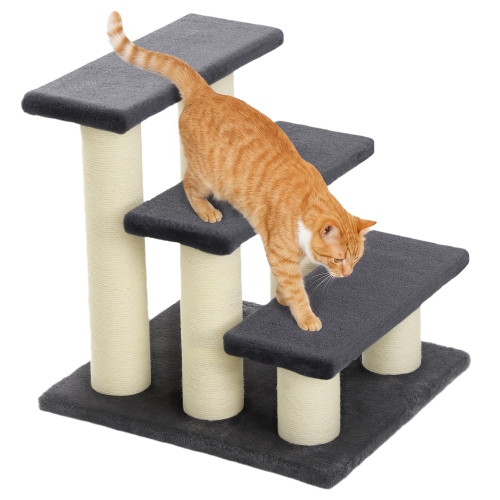
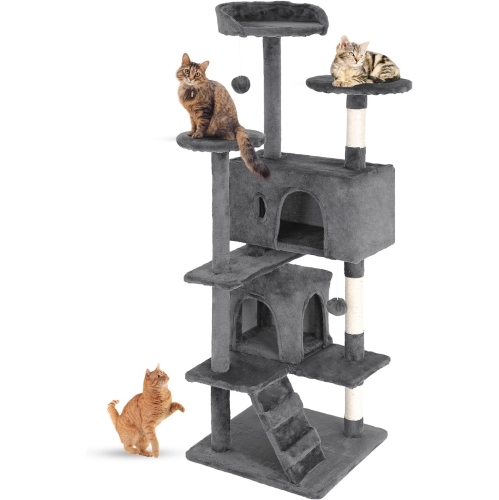
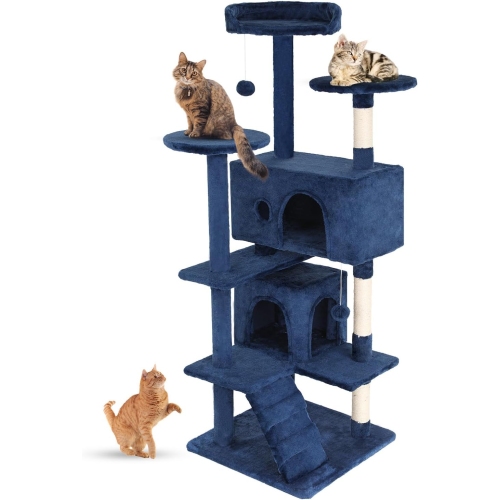
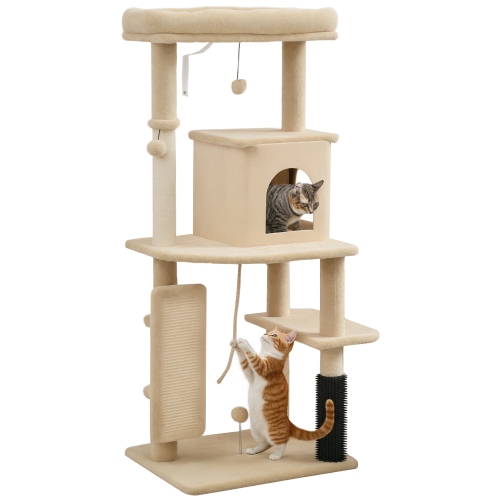
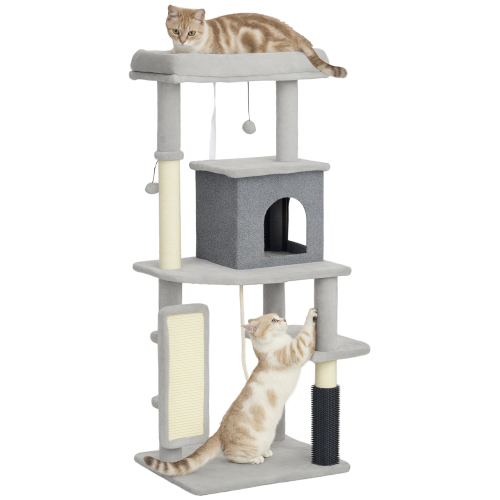
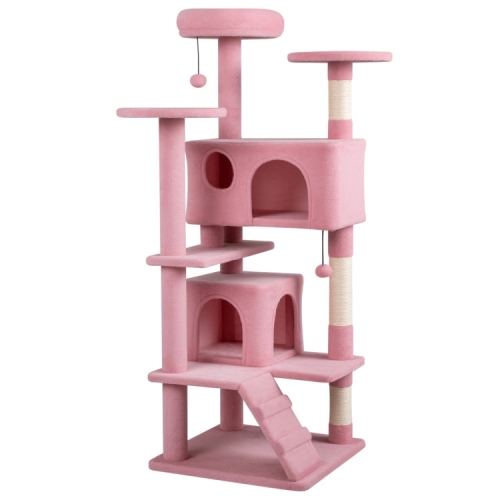
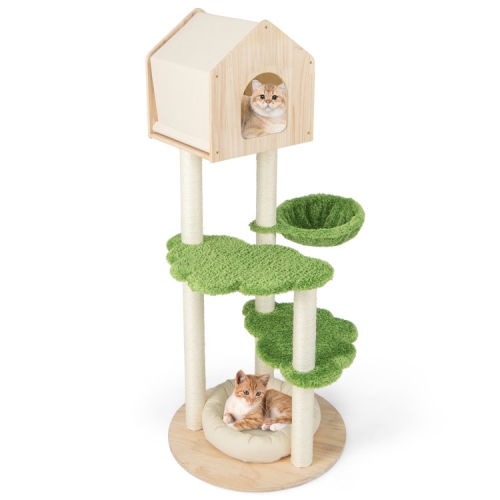
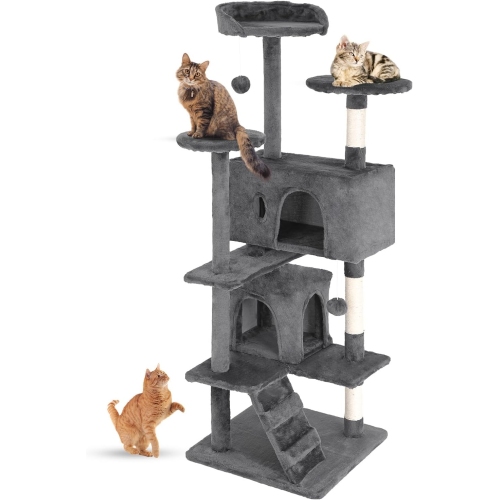
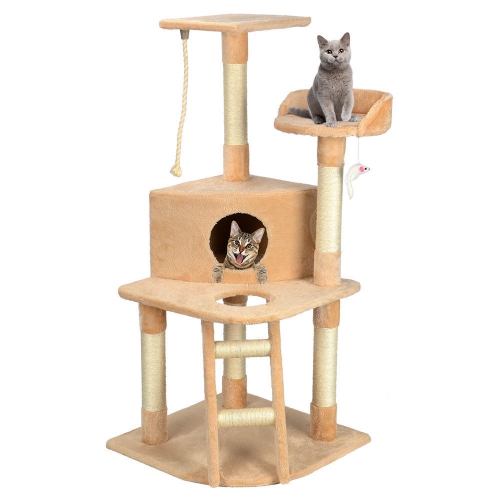
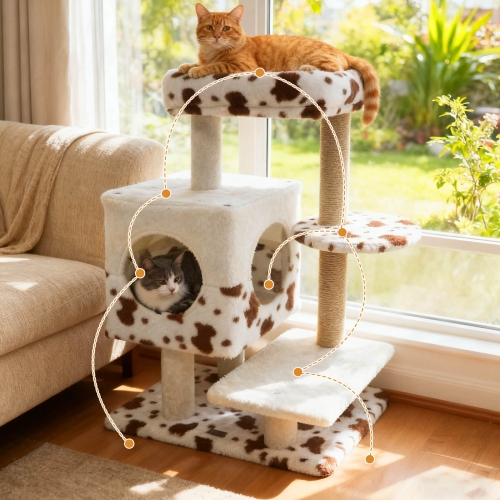
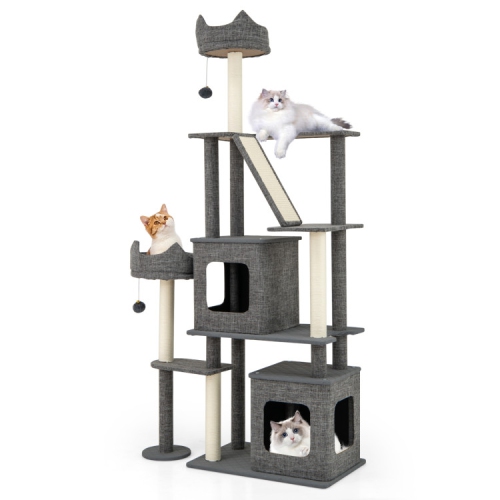
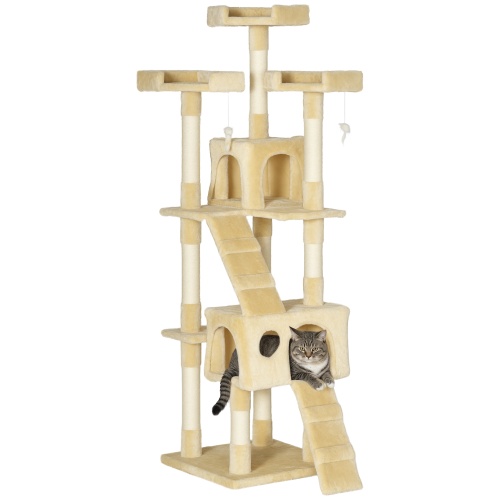
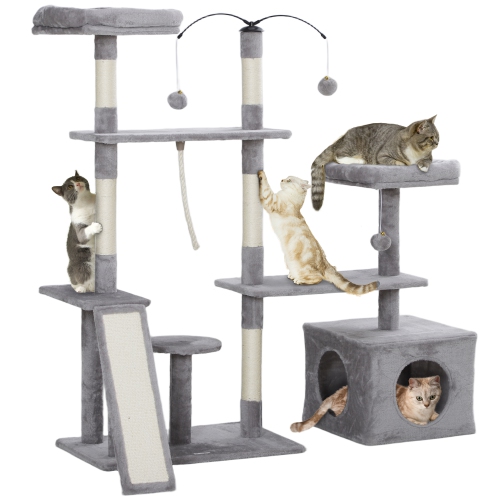
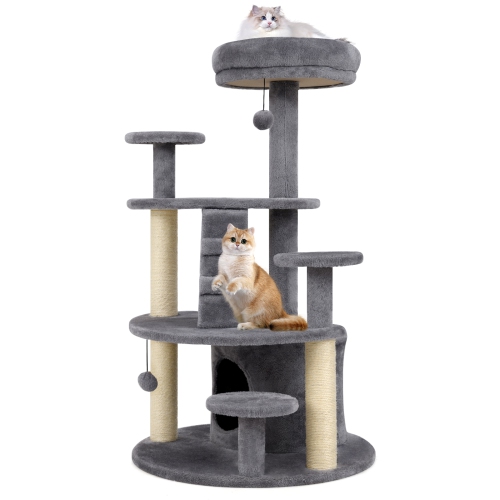
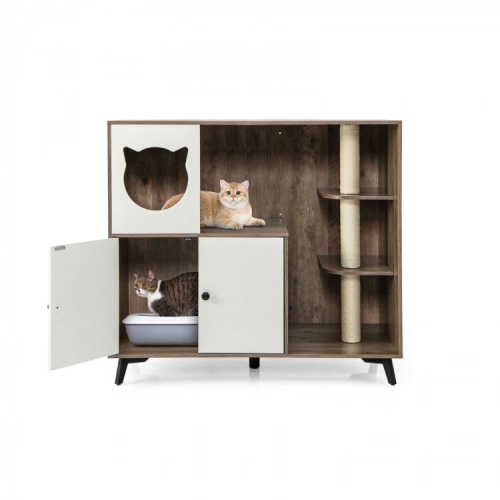
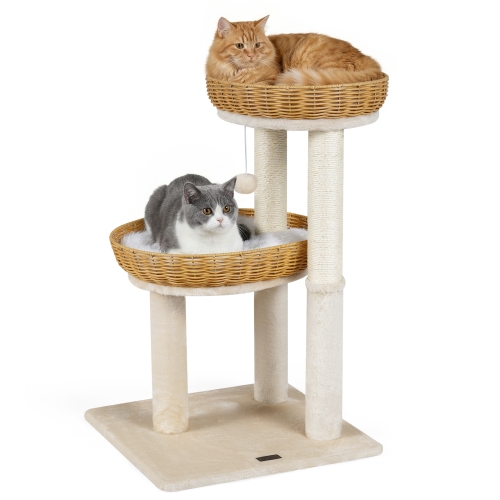
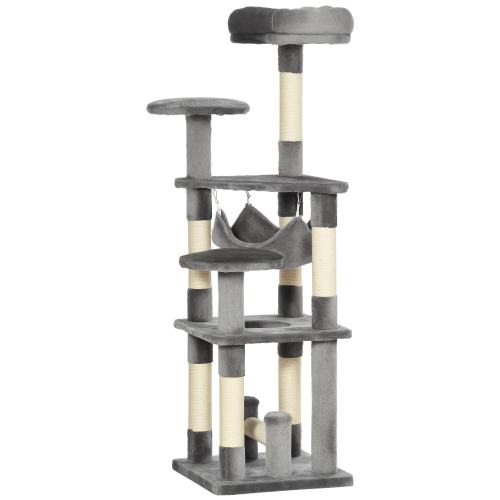
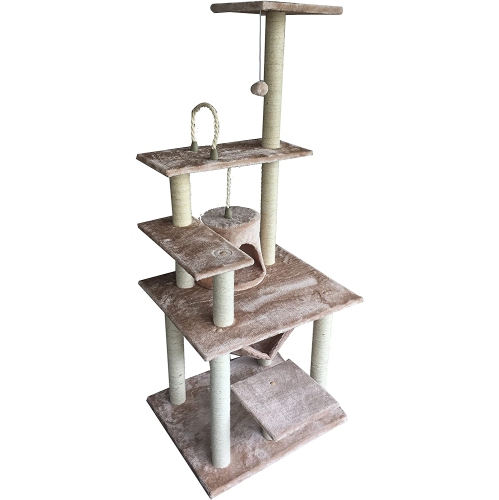
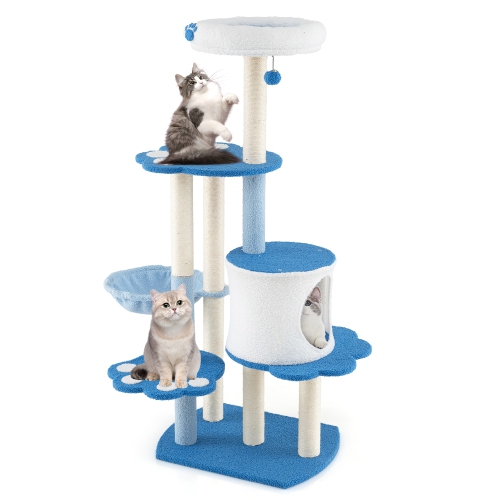
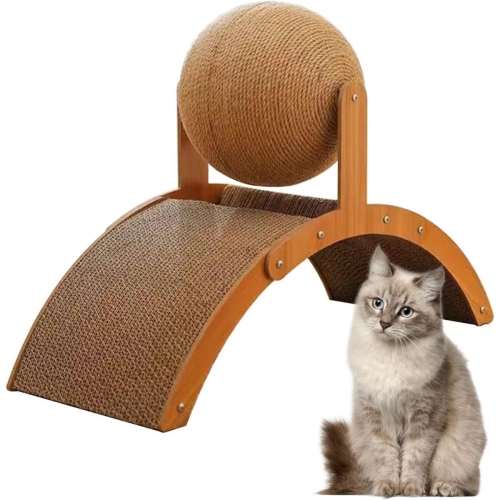
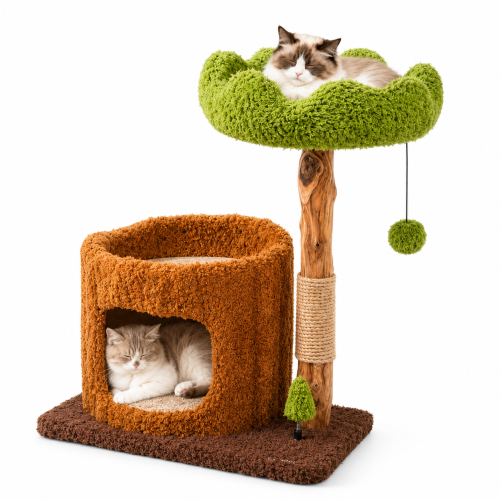
Cat scratching posts give cats a dedicated surface for scratching, stretching, and maintaining their claws while helping redirect attention away from sofas, chair legs, and rugs. Scratching is a normal feline behaviour, not simply a habit to discourage: it helps cats shed the outer layers of their claws and leave scent and visual markings. A well-matched post makes room for that behaviour in a shared living space. For a cat that reaches up the side of a sofa, a vertical post offers a similar upright position with a surface intended to handle repeated clawing. Cats that scratch rugs may favour a horizontal or angled scratcher, either on its own or alongside a standing post. Height matters because a cat needs enough usable scratching surface to reach upward without running out of room. Posts around 32 inches or taller can suit many adult cats, although the right fit depends on the cat’s body length and how far it extends during a stretch. A tall post with only a short section of scratchable material may offer less usable space than its overall dimensions suggest. Stability is just as important as height. A broad, appropriately weighted base helps resist tipping when a cat leans back, pulls hard, or approaches from the side. Larger cats generally need a more substantial structure, while kittens benefit from secure, accessible surfaces that remain steady during enthusiastic play. In homes with several cats, more than one scratching location can give each animal access without crowding a single spot. The broader range of Scratching Posts includes different shapes and layouts for these everyday needs, from simple upright designs to structures that combine scratching areas with resting platforms. The most useful style is one that suits the cat’s established habits and fits comfortably where those habits already happen, rather than a post tucked into an unused corner.
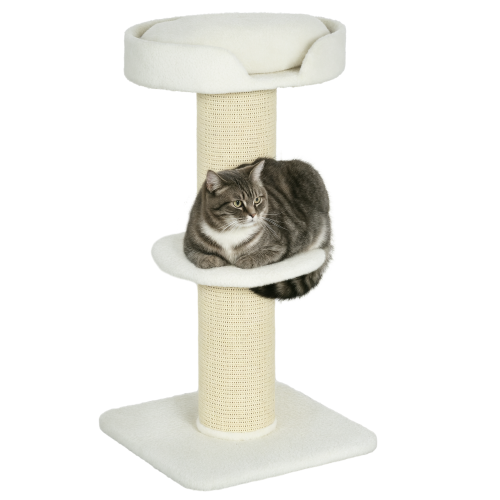
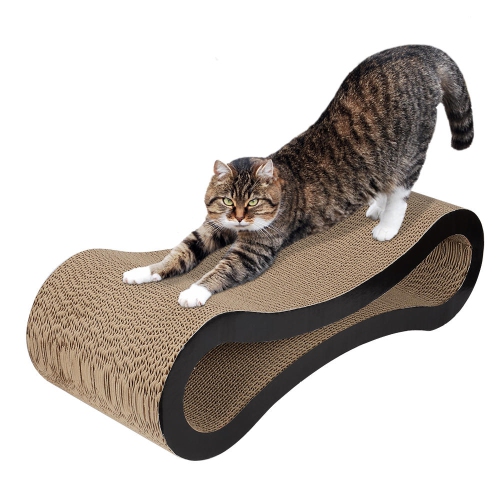
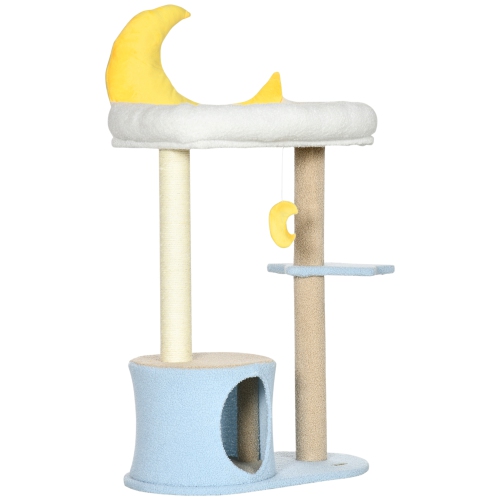
Materials influence how a cat scratching post feels under the claws, how it wears, and how much loose debris it leaves behind. Sisal rope has a coarse, ridged texture that gives claws purchase, while woven sisal fabric provides a more continuous scratching surface without the gaps between rope coils. Both are common choices for frequent scratching, though their lifespan depends on the quality of the material, how securely it is attached, and the intensity of use. Carpet-covered posts offer a softer, familiar texture that some cats enjoy, but the pile and backing can wear differently from sisal. Loose loops or threads need attention because they can catch around claws. Corrugated cardboard provides a yielding surface that many cats like to rake, particularly in horizontal or angled designs, with the trade-off of scattered cardboard fragments and a surface that gradually wears down. No single material appeals to every cat. A cat that ignores rope but repeatedly scratches a cardboard box may be showing a clear texture preference, while another may use different surfaces at different times. Construction beneath the covering also affects durability. A rigid core, firmly attached scratching material, and secure connections between the post and base help the structure hold up to repeated pulling. Plush fabric can make a base or perch comfortable for lounging, but it is not necessarily intended to withstand the same wear as the main scratching section. For designs with resting platforms, the platform size and stated weight limit matter as much as the post height, especially for a large adult cat that likes to curl up above floor level. Senior cats or those with reduced mobility may find a low, accessible scratching area easier to use than a design that requires climbing. In compact rooms, a straightforward upright post can provide stretching space without a large footprint, provided the base still offers adequate support. Neutral colours, upholstered bases, and wood-look finishes can help a post sit naturally beside living room furniture, but texture, usable dimensions, and steadiness remain the features that determine its everyday value to the cat.
Placement and routine care have a considerable effect on how well a scratching post works in the home. Many cats scratch after waking, making the space beside a favourite sleeping spot a practical location. A post near the end of a frequently scratched sofa can also offer a convenient alternative at the point where the behaviour already occurs. There needs to be enough clearance for the cat to stand, stretch, and move around the base without bumping into a table or blocking a busy doorway. The floor surface matters, too: a post that feels steady on one surface may slide or rock on another, so the assembled structure should sit level and remain secure under pressure. For models that require assembly, properly tightened fasteners help prevent movement at the joints; these connections may need checking again with regular use. Introducing a post gently allows a cat to investigate at its own pace. A toy moved near the scratching surface or a treat offered after the cat uses it can build a positive association without forcing its paws against the material. Catnip may attract some cats, but not all respond to it, and a lack of interest does not necessarily mean the post is unsuitable. Everyday cleaning usually involves removing shed fur and loose fibres with a vacuum attachment or brush, then following the care directions for any fabric, wood, or other exposed surfaces. Soaking a post can affect cardboard components, coverings, or adhesives, so spot cleaning should follow the manufacturer’s instructions. Regular checks for frayed rope, exposed staples, loose fittings, damaged platforms, and an unstable base help identify when repair or replacement is needed. A worn scratching surface may still be appealing, but loose strands and exposed hardware should not be left within reach. For someone welcoming a kitten, adopting an adult cat, or furnishing a shared home with pets, a scratching post is a practical addition that supports normal behaviour. As a gift for a cat owner, it is most thoughtful when matched to the animal’s size, preferred scratching position, and the space where it will be used.
Top selling and popular products
-
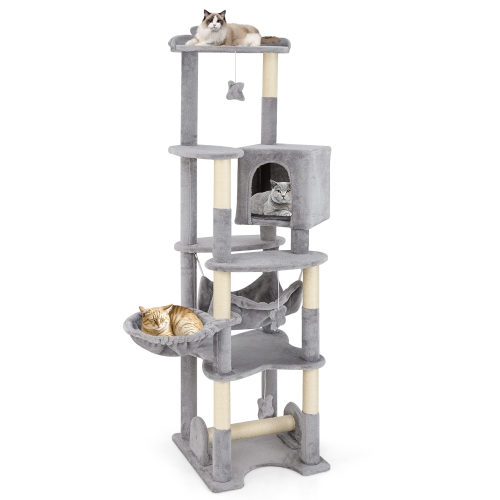 Your price for this item is $105.99
-
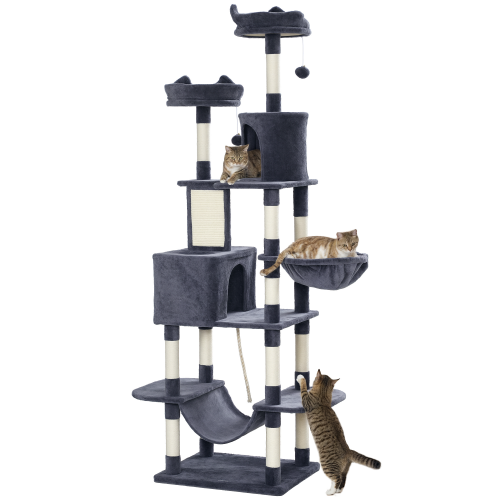 Your price for this item is $99.99
-
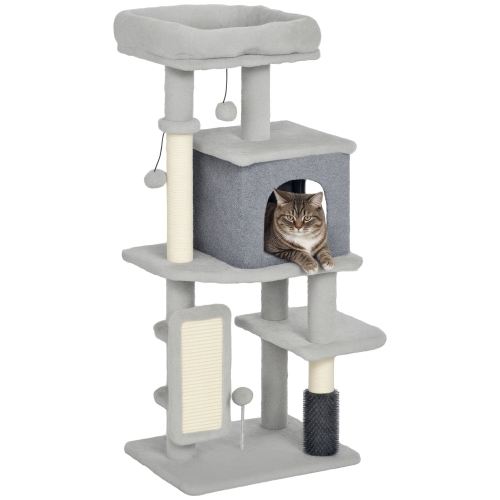 Your price for this item is $62.99
-
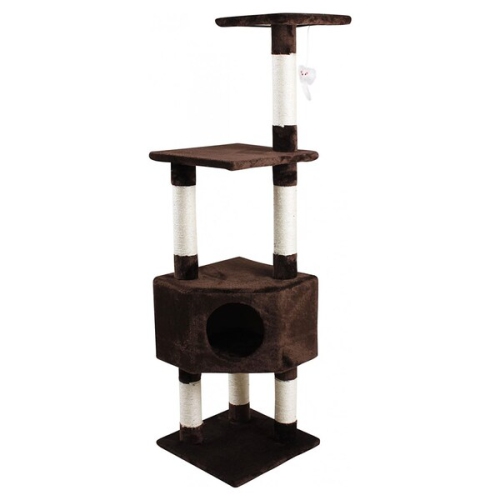 Your price for this item is $58.69
-
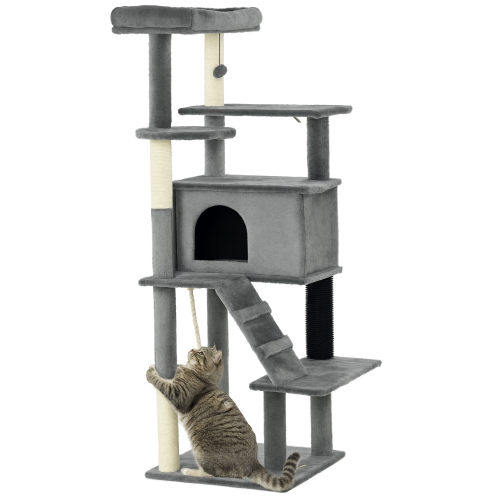 Your price for this item is $73.99
-
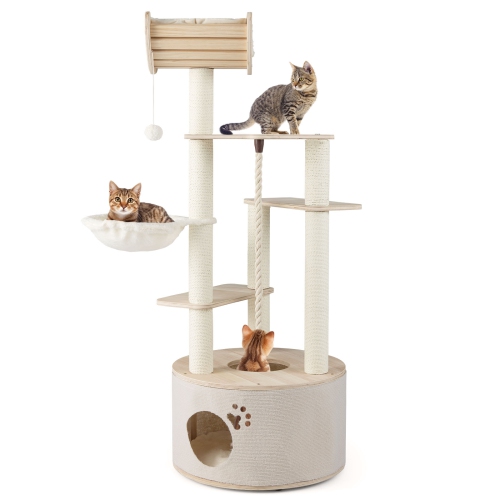 Your price for this item is $159.99
-
 Your price for this item is $279.99
-
 Your price for this item is $67.99
Discover more categories related to Cat Scratching Posts
Top Collections:
Pokemon Centers, Kindle Devices, Best Budget Office Chairs, Canon G7X Cameras, Apple iPhones 16, Samsung Galaxy Phones, Refurbished Apple Laptops, Laptops for Students, iPhone 15 Apple, Budget Smartphones
Some products may be subject to Environmental Handling Fees
(EHF) depending on your province.
Learn more about EHFs.