Scratching Posts
For cat owners looking to keep their furry friends entertained and their furniture scratch-free, our selection of scratching posts is the perfect solution. Designed to satisfy your cat's natural scratching instincts, these posts provide a designated spot for them to sharpen their claws and stretch out comfortably. With various sizes, styles, and materials available, you'll find the ideal scratching post to suit your cat's preferences and your home decor. Discover the perfect scratching post to keep your feline friend happy and your furniture intact.
Sort
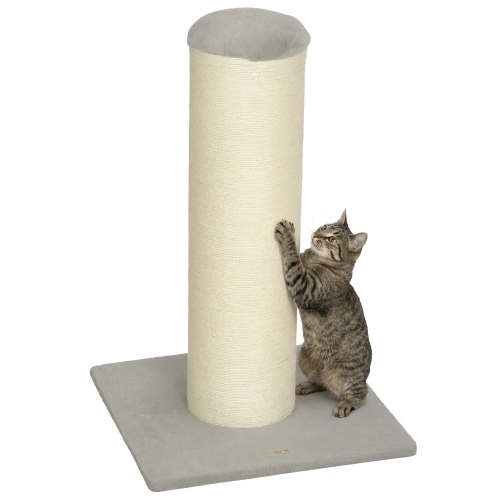
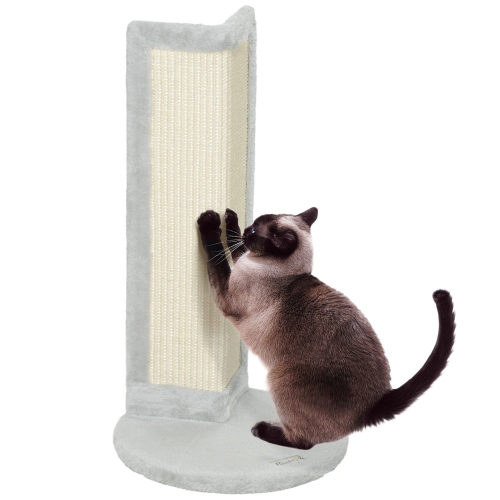
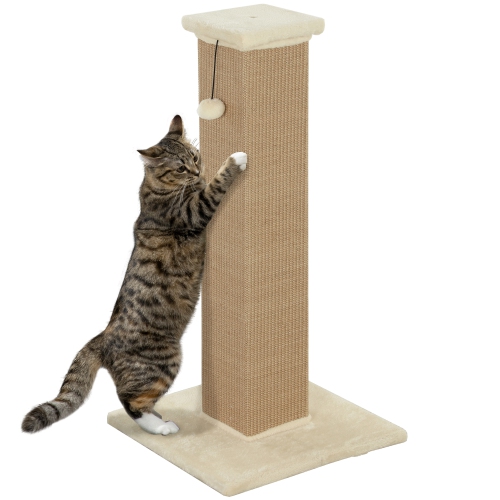
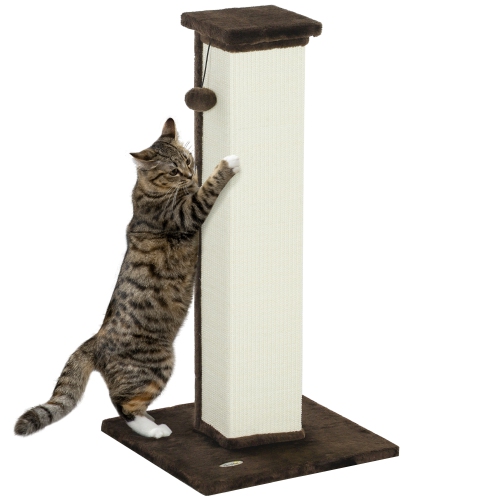
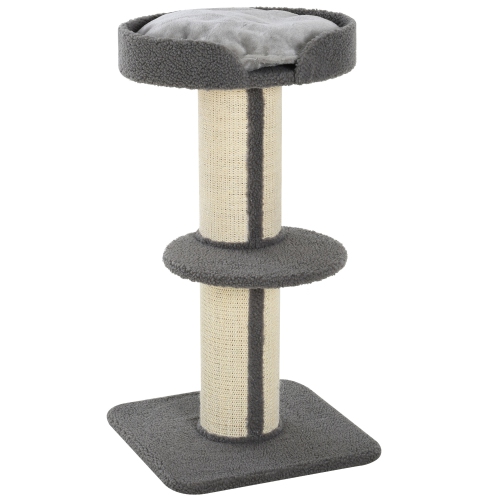

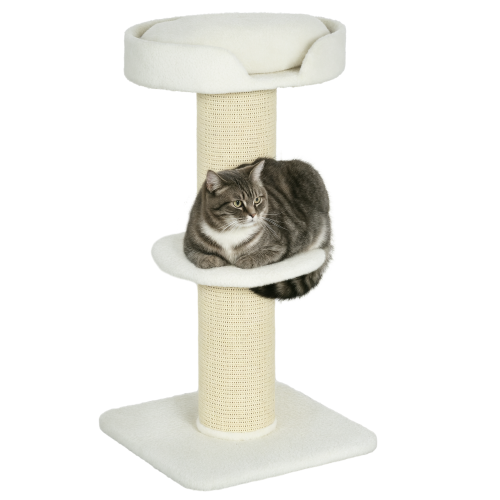
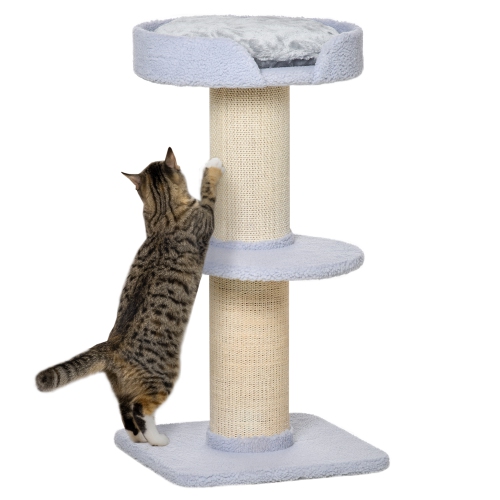
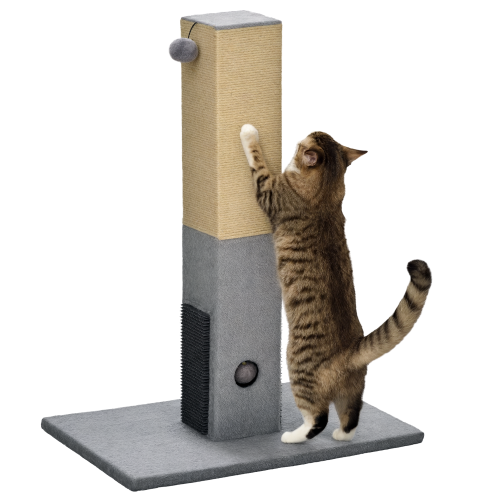

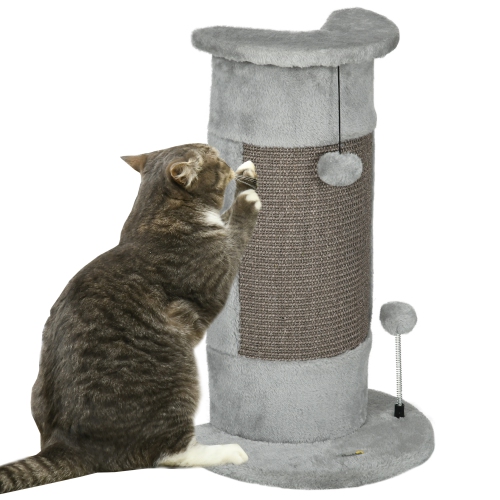
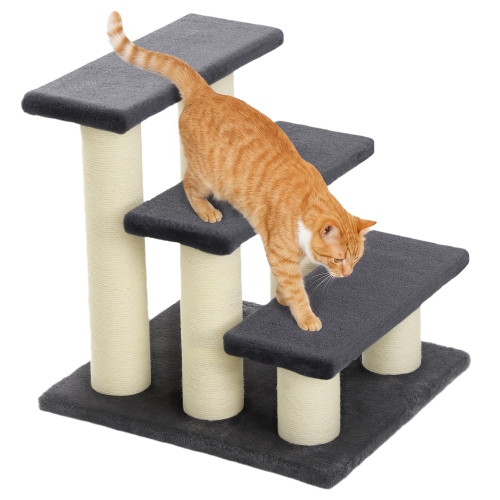


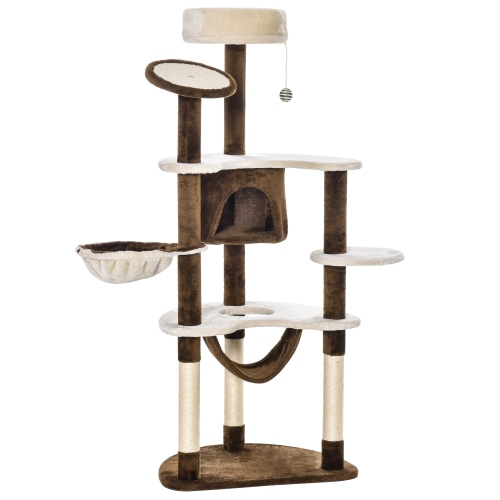

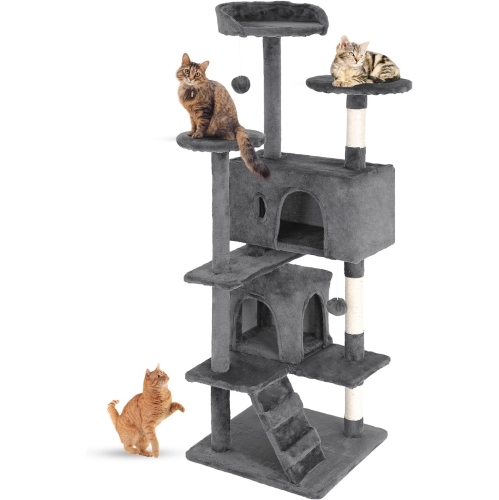







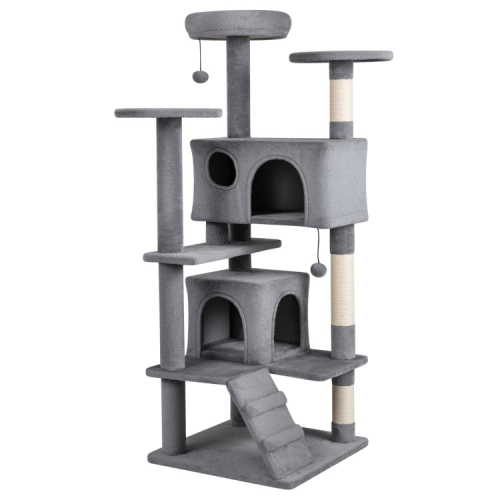
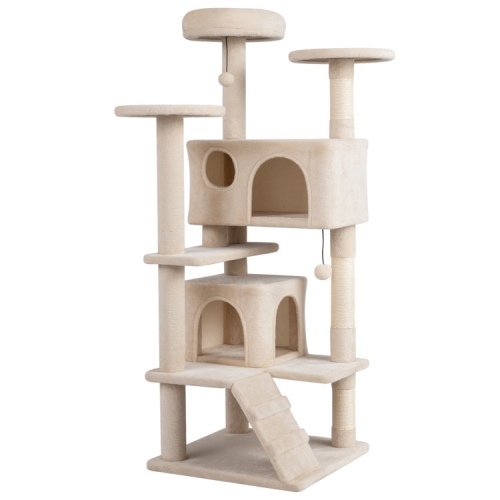
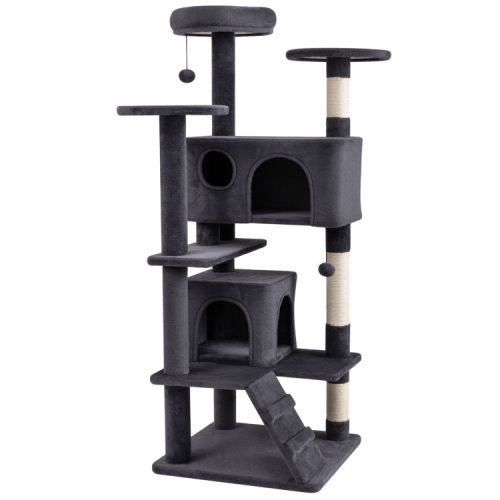


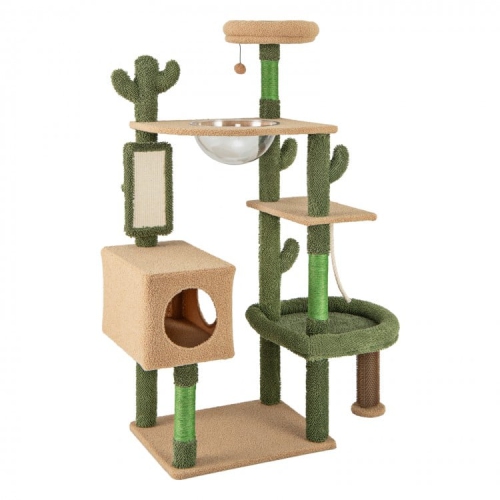









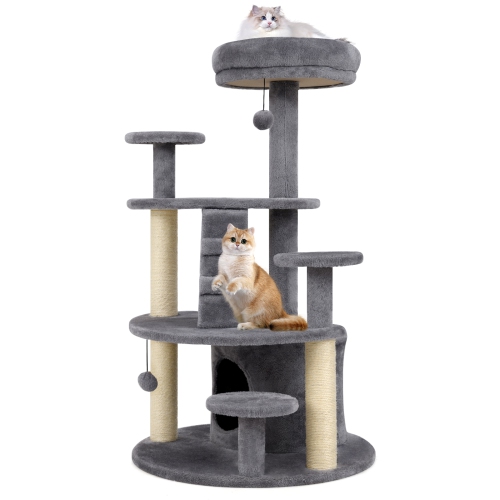


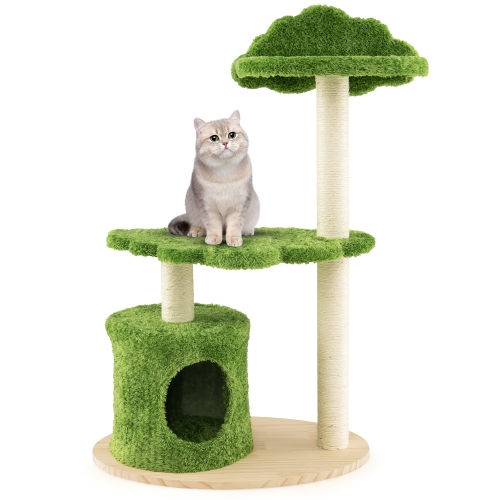

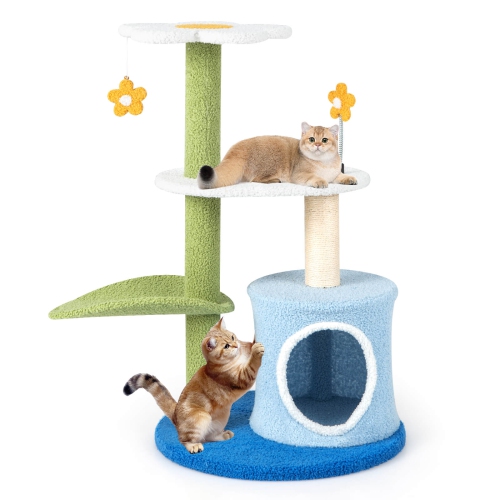


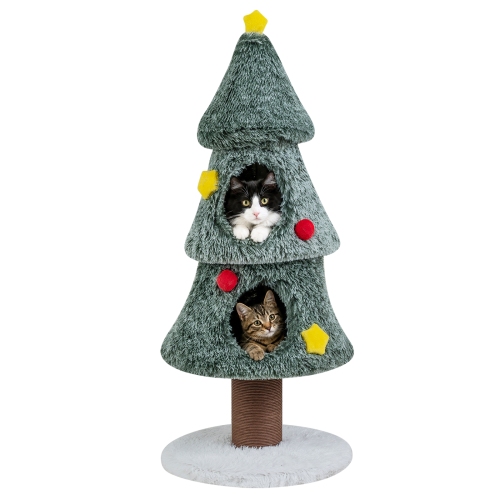
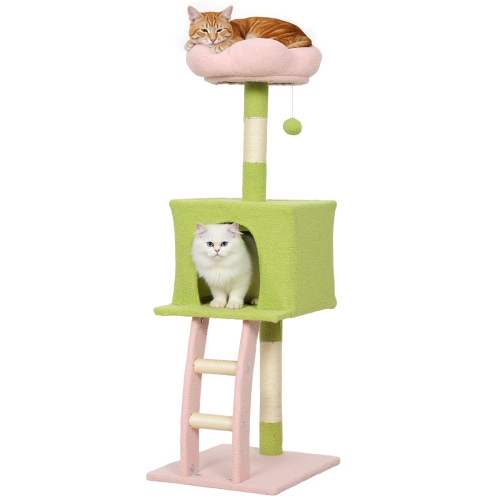

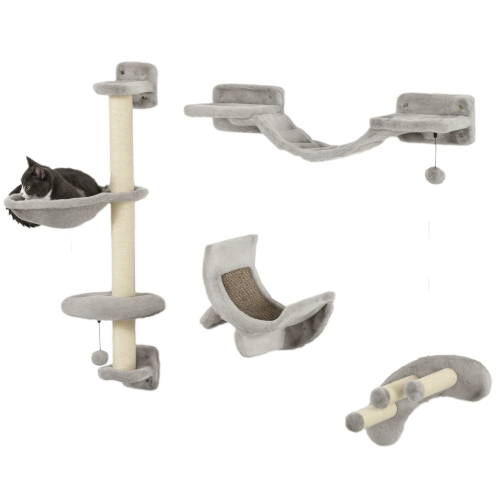

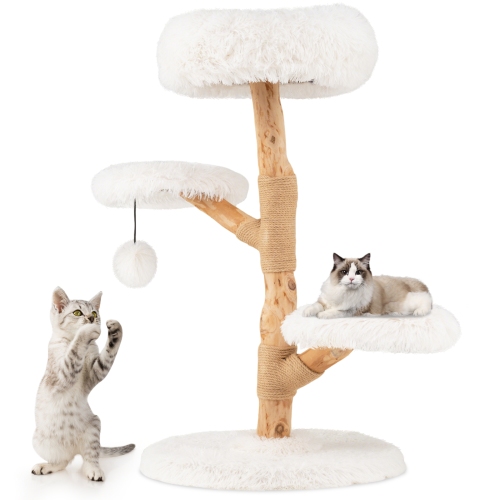
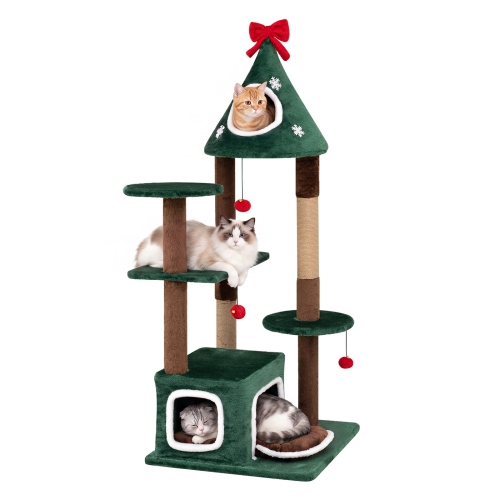



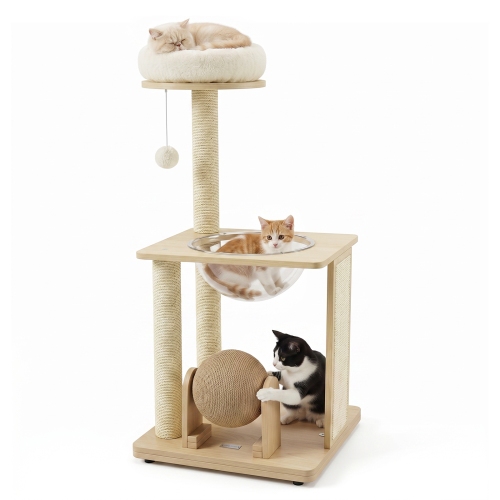
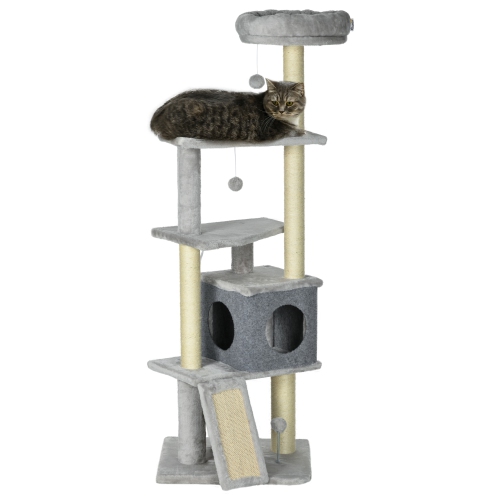

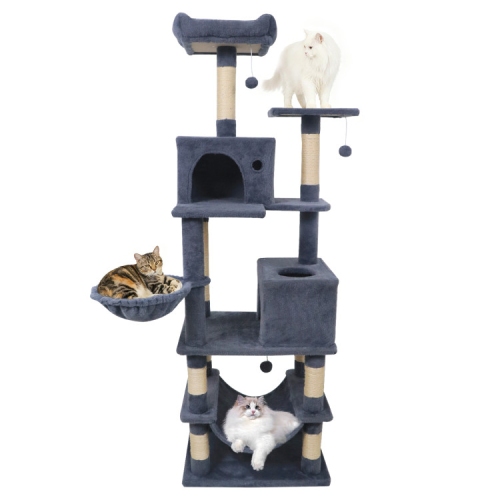
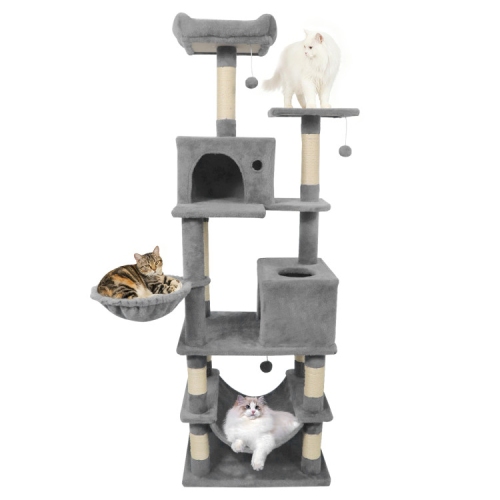
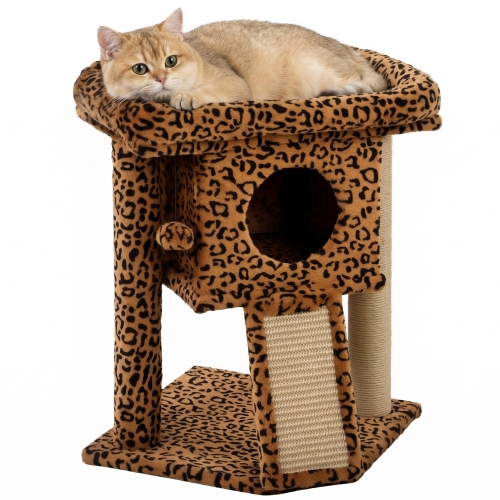
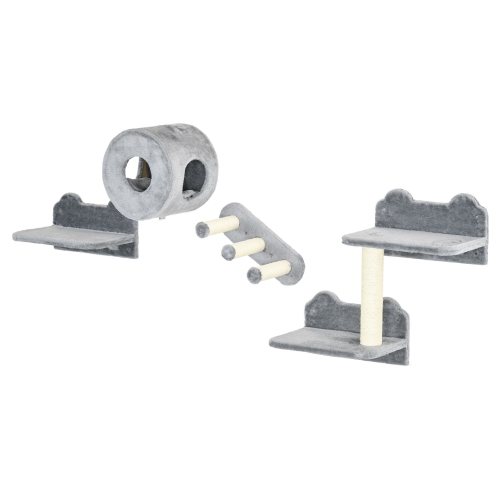
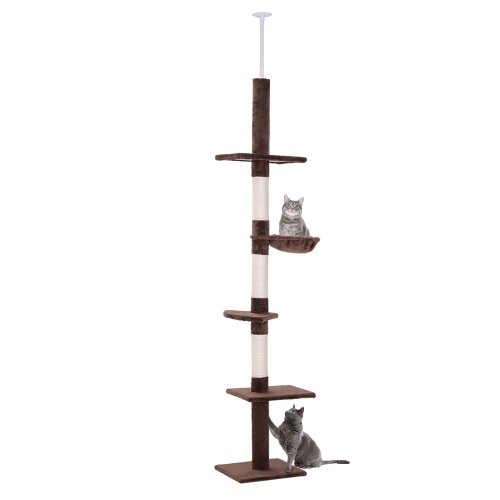
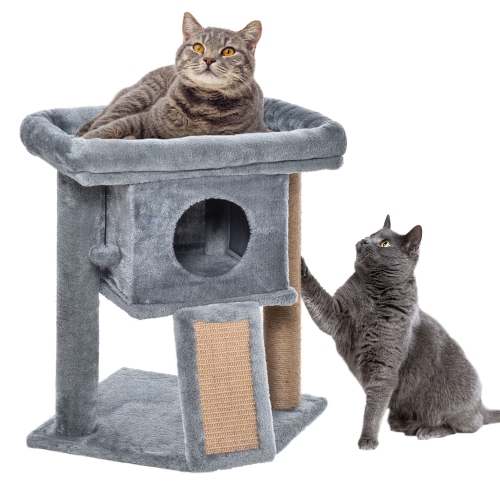
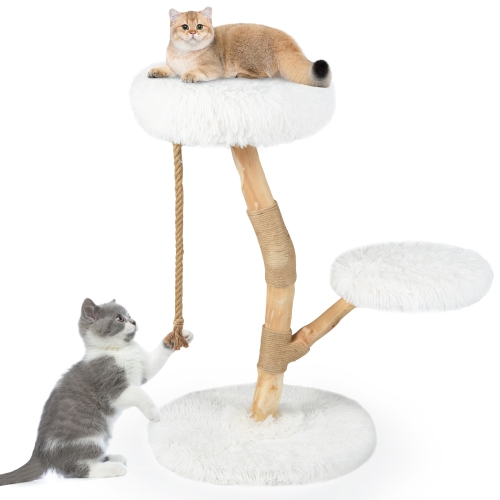
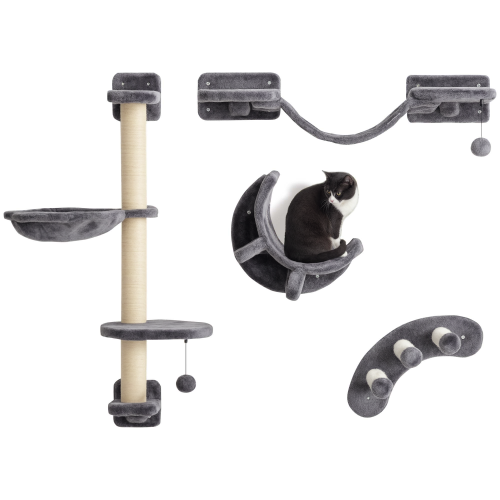
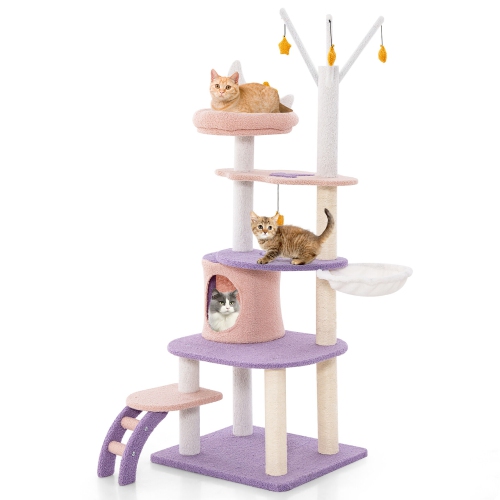
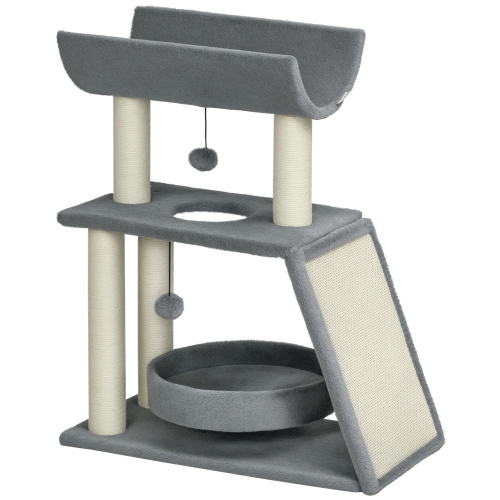


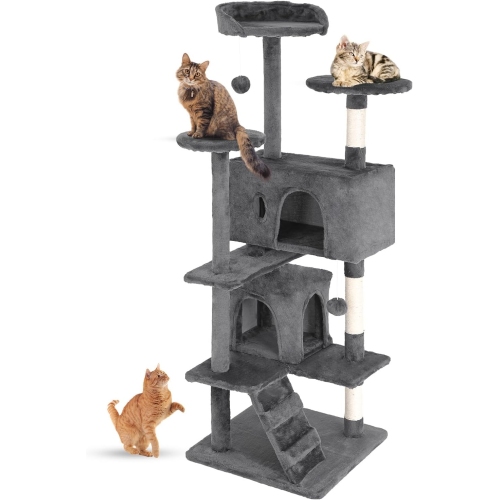

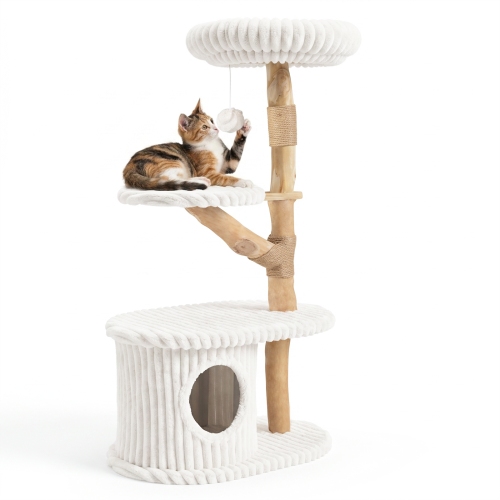
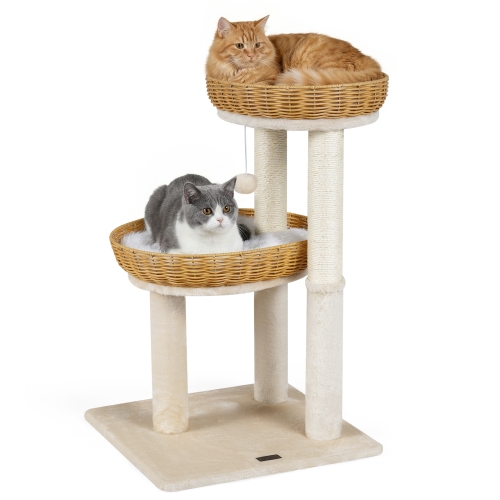
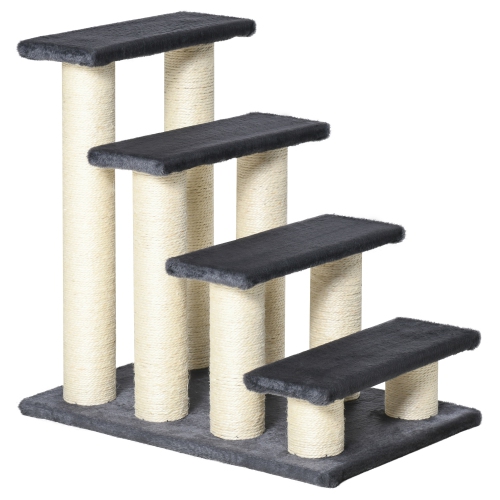


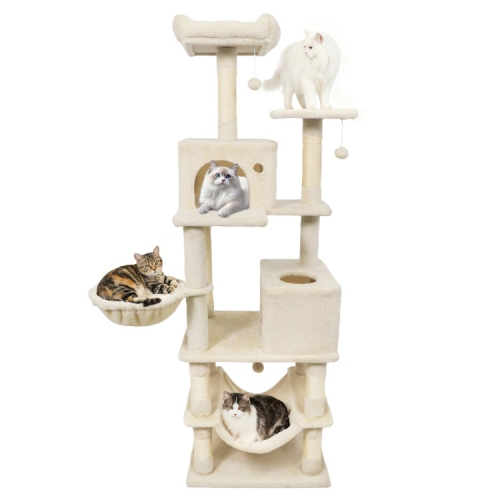
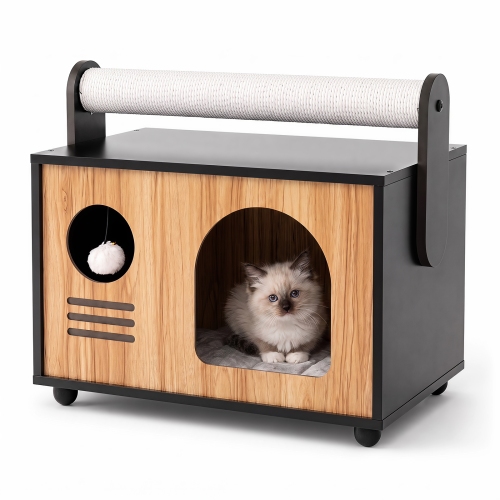
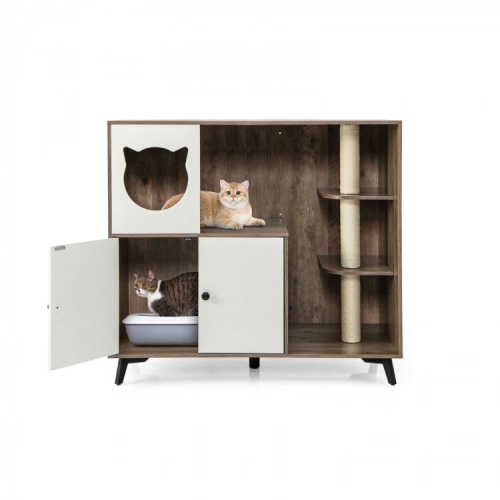
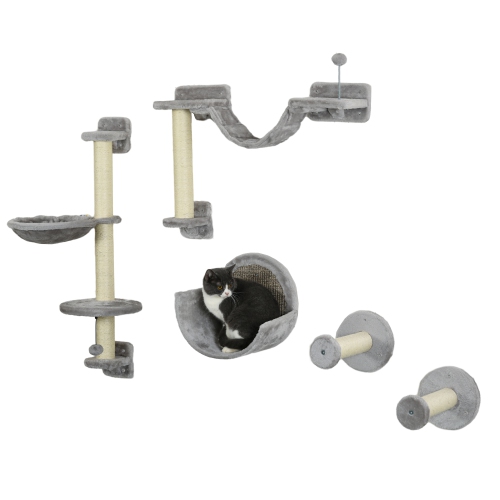


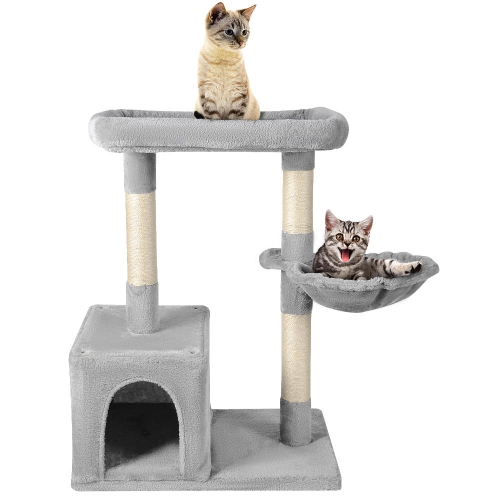
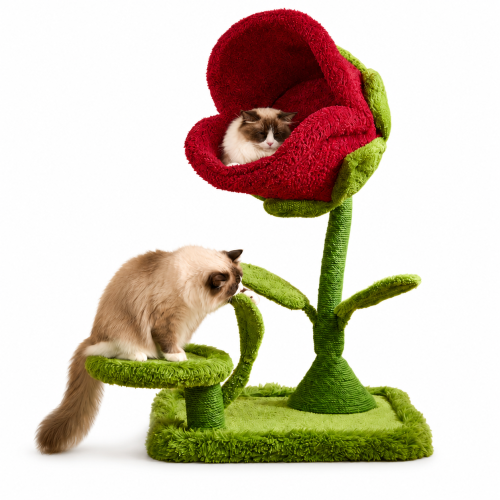
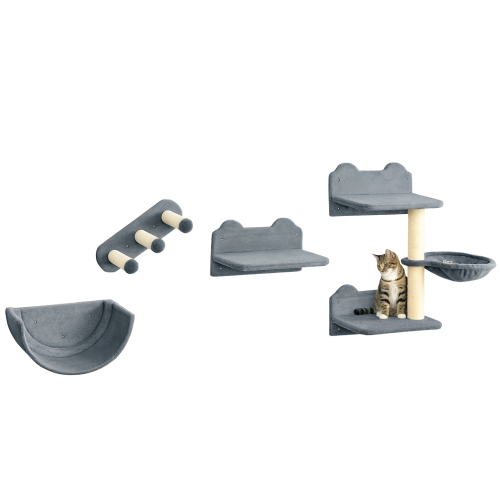

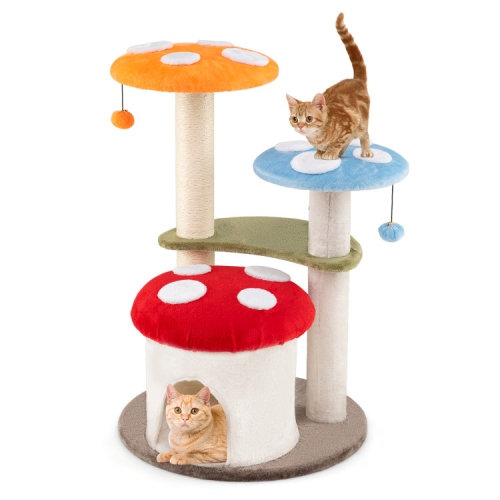
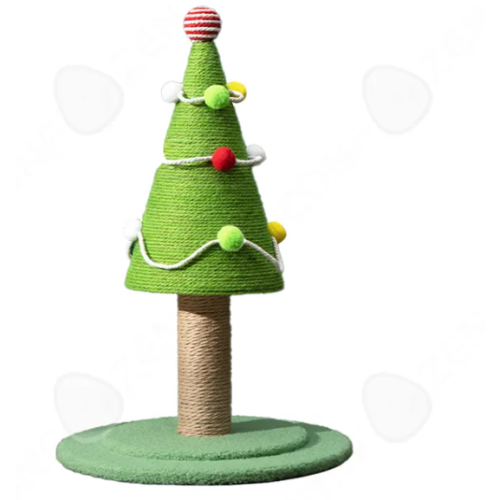
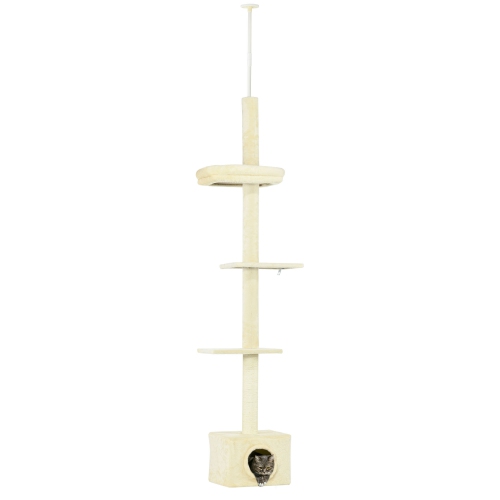


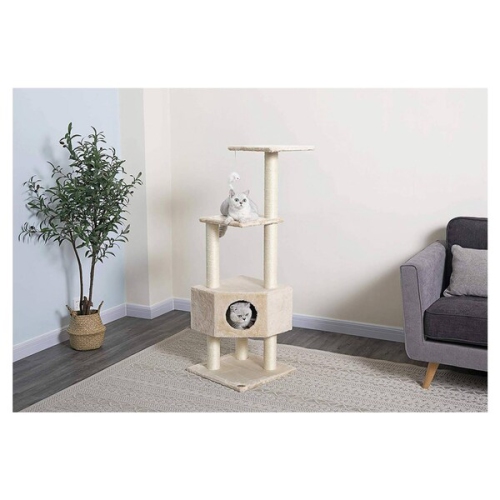

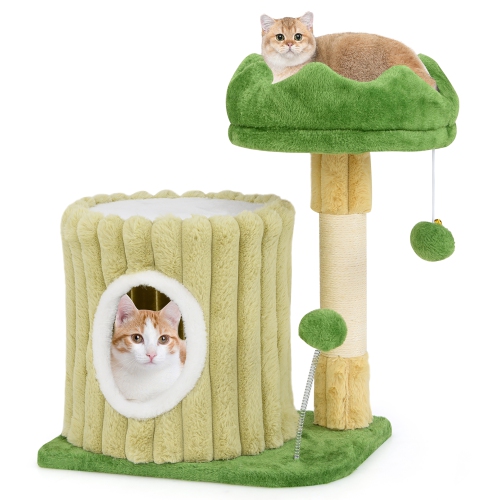









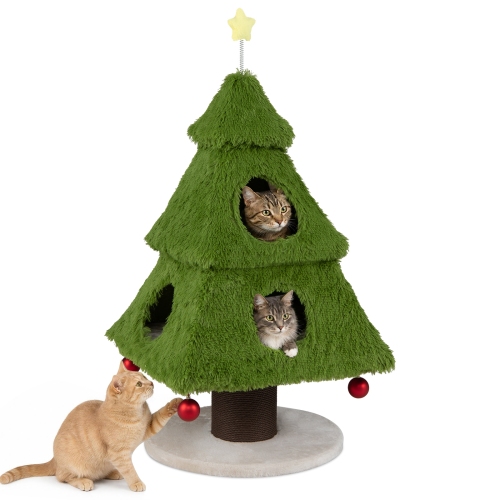
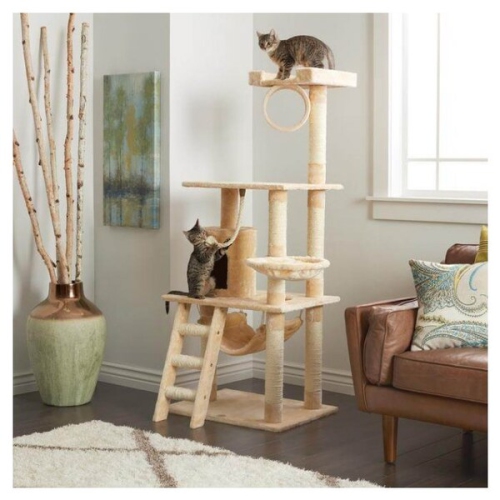


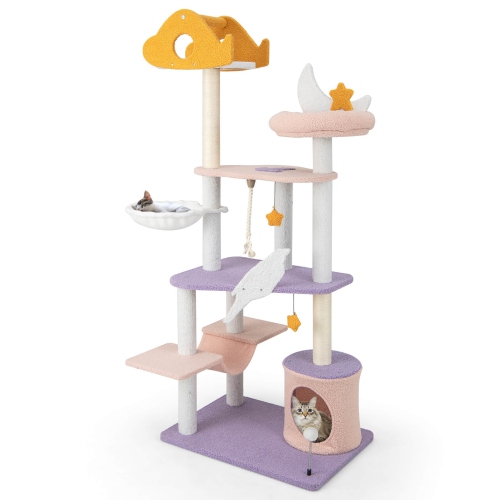
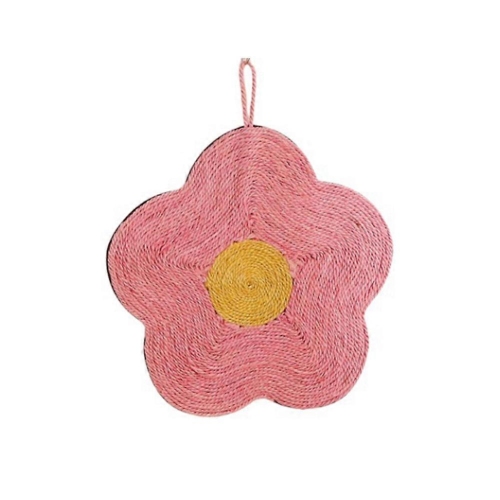





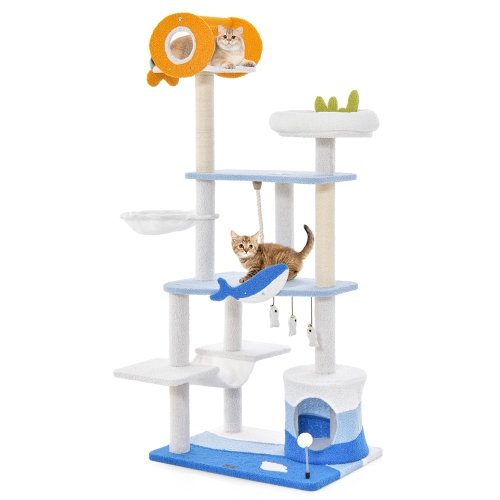


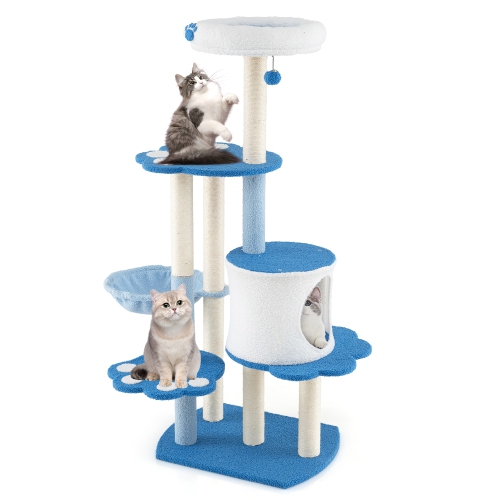
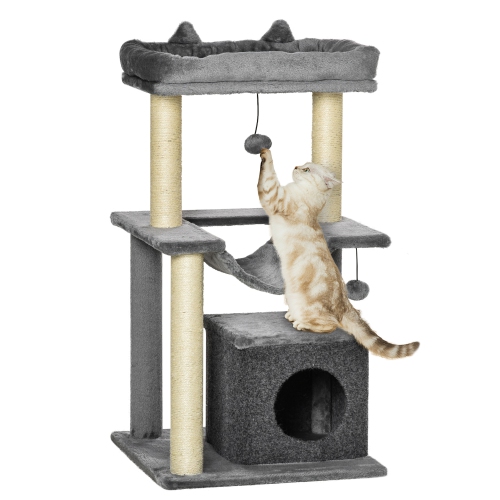
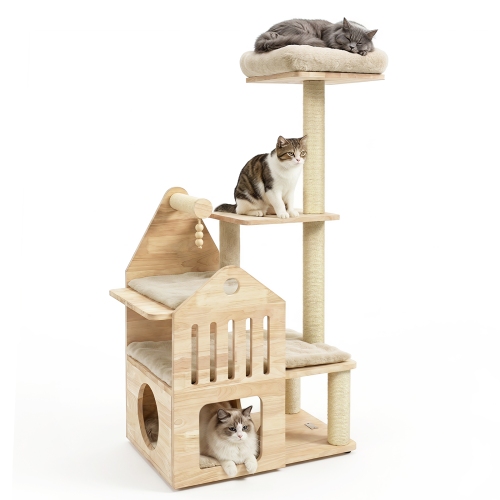
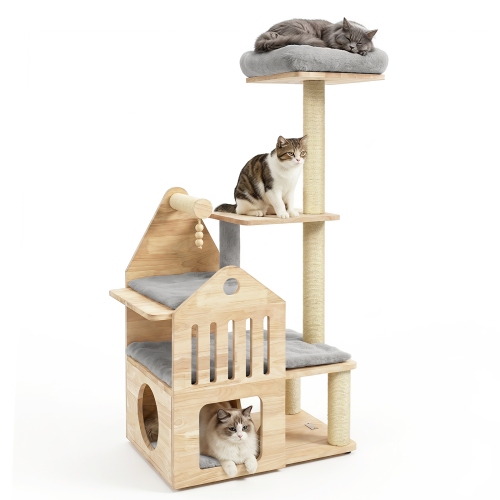


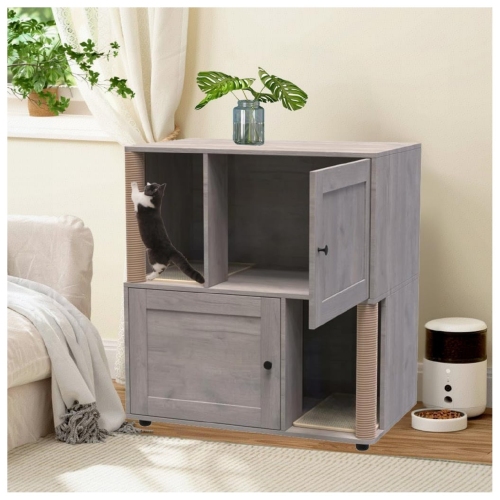
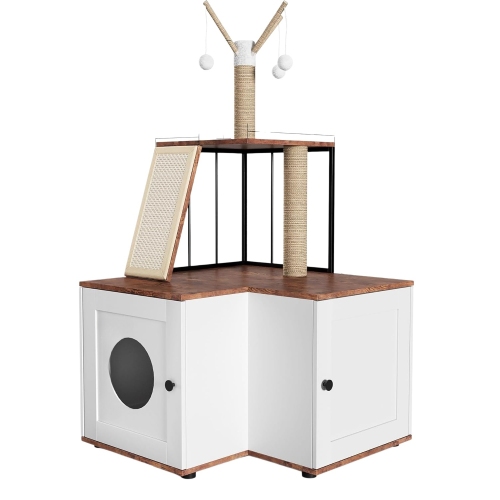
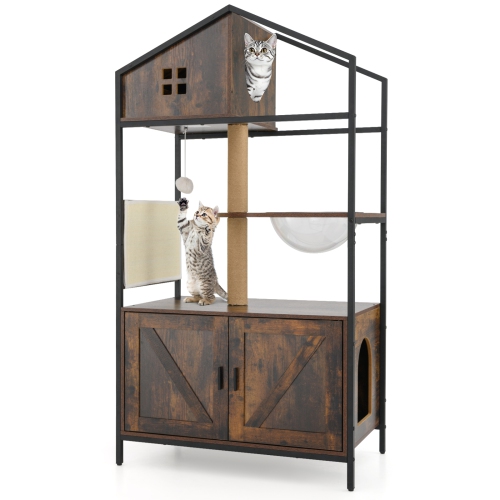
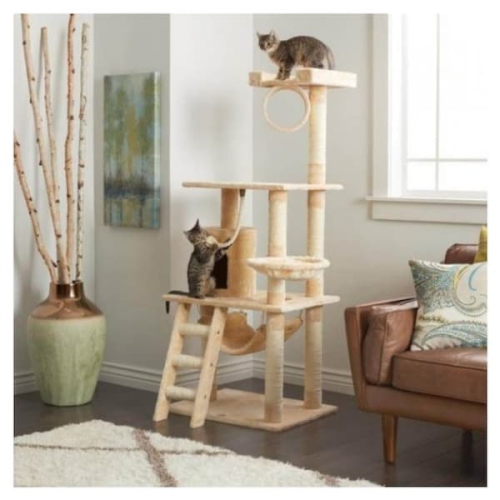
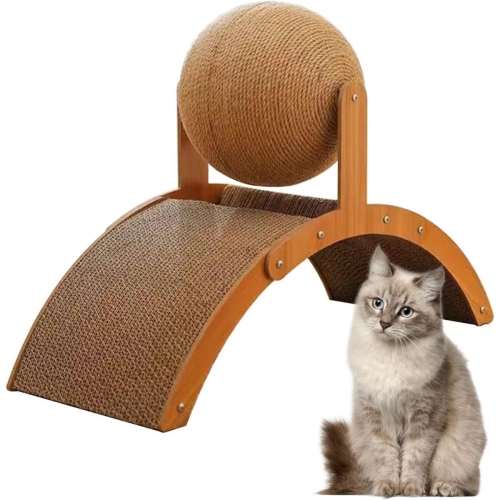

Why cats need a steady surface for full-body stretches
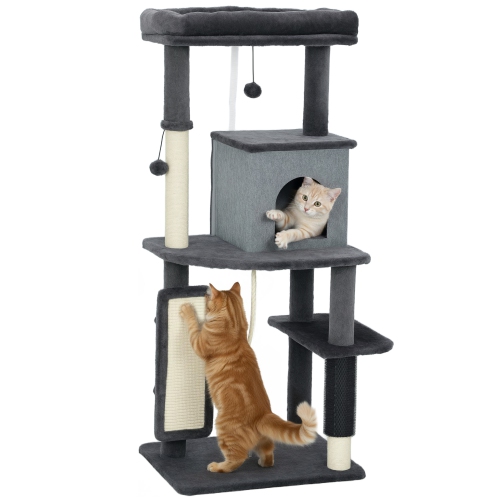
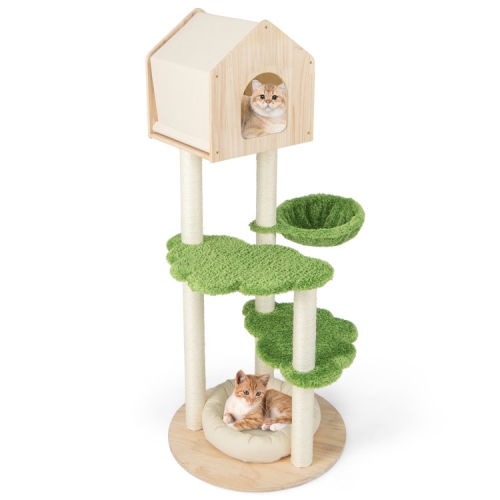
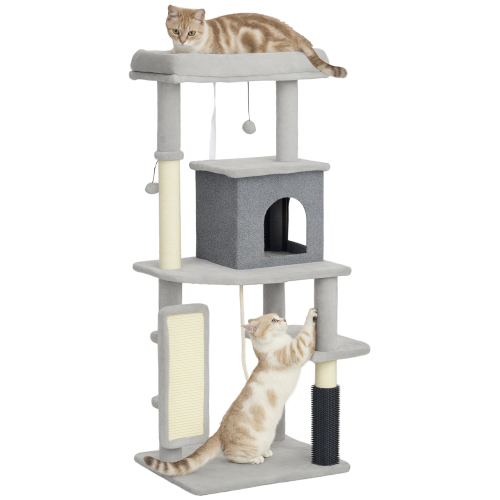
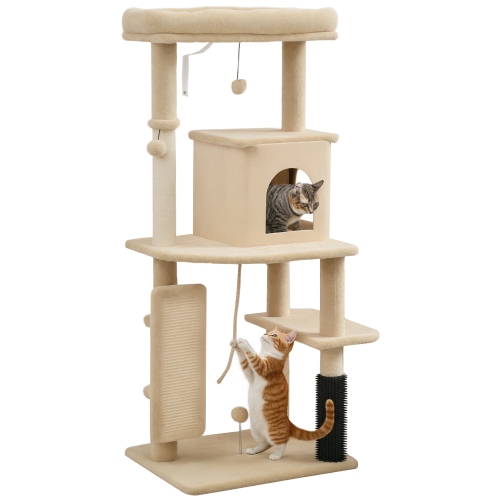
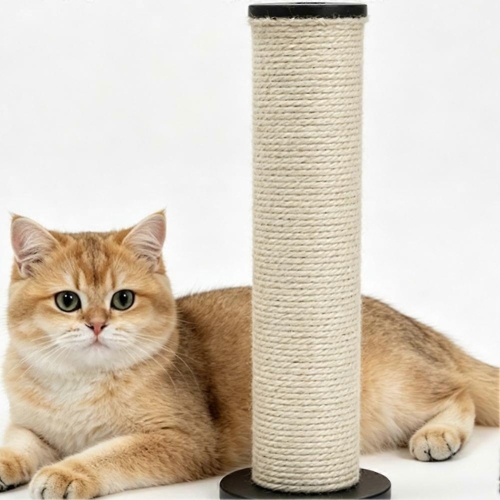
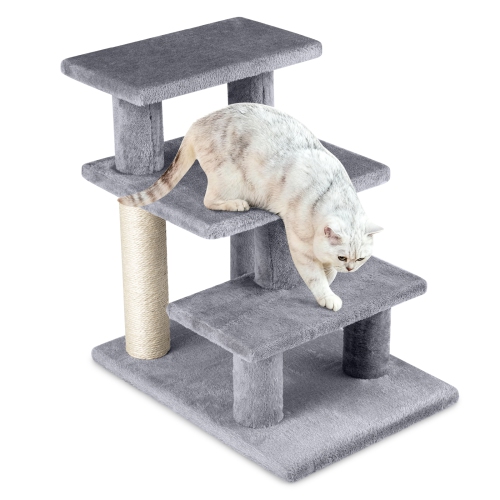
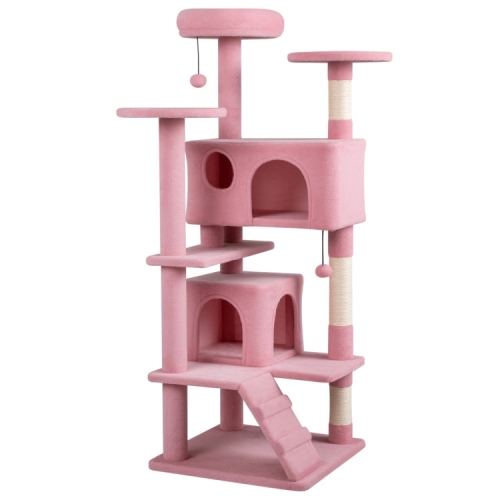
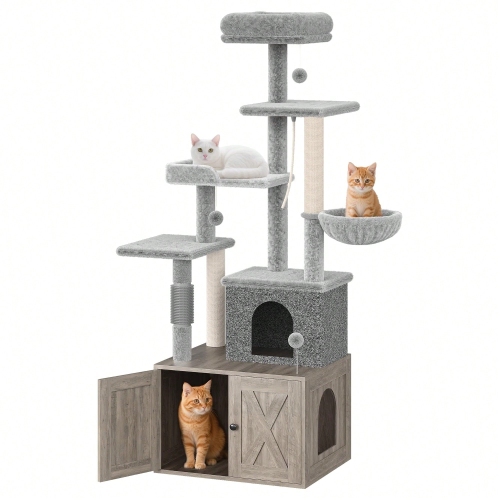
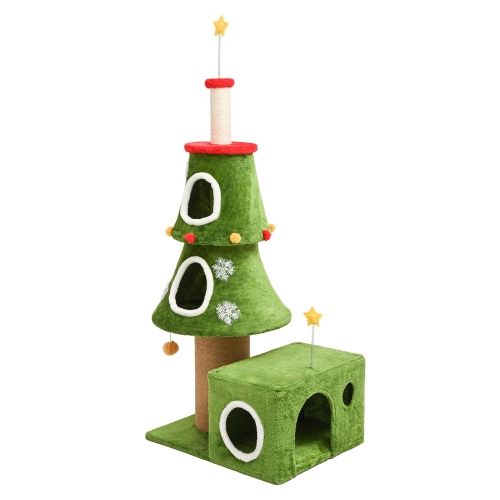
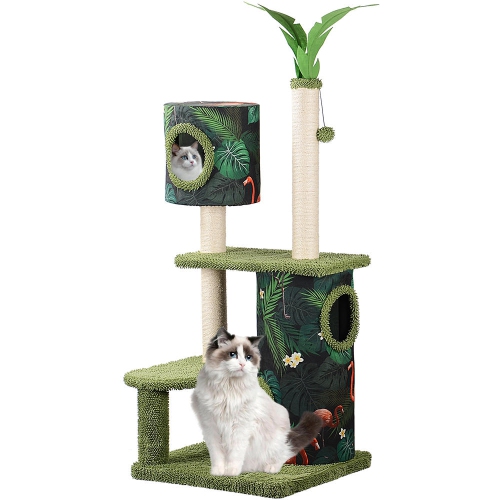
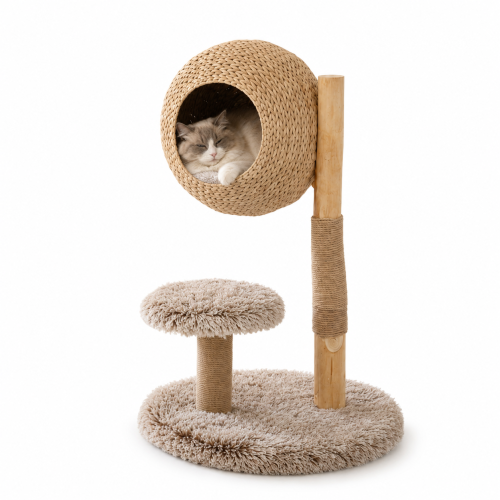
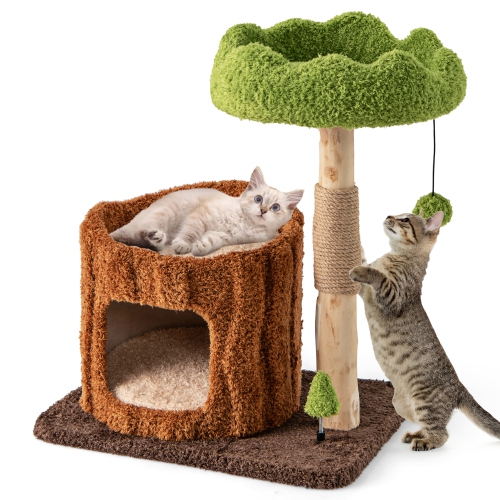
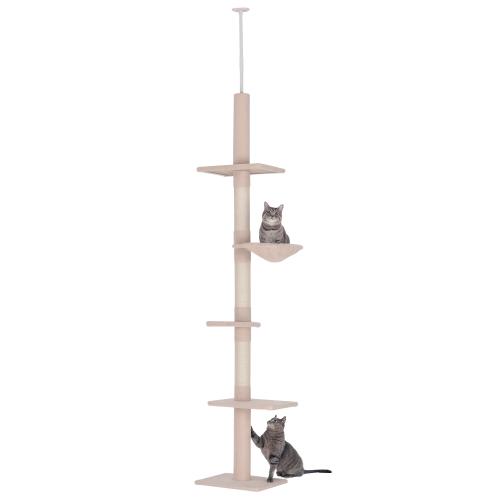
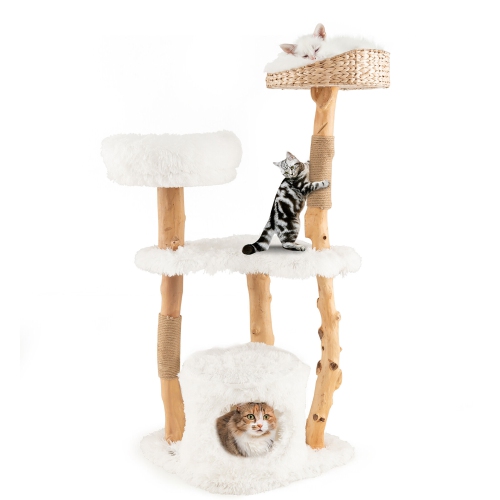
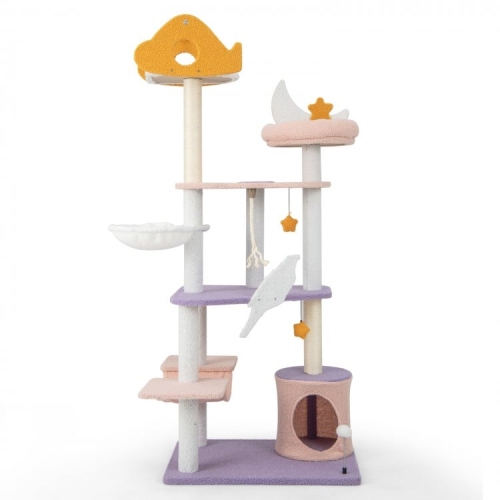
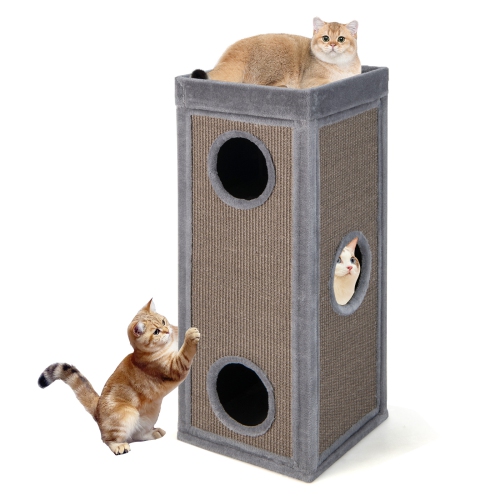
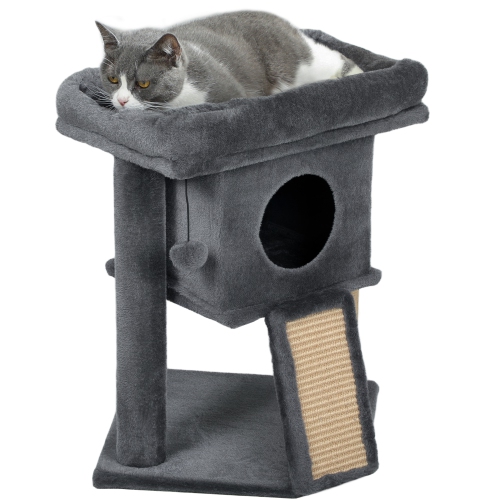
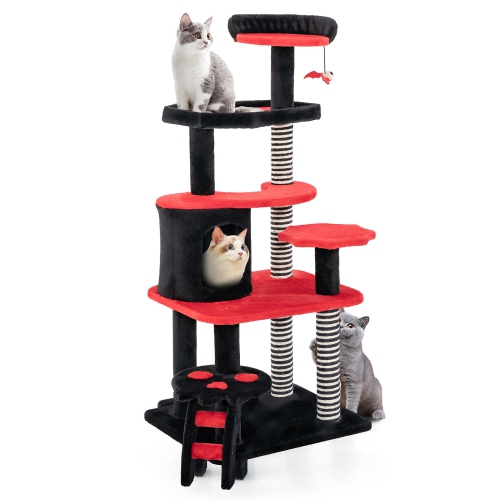
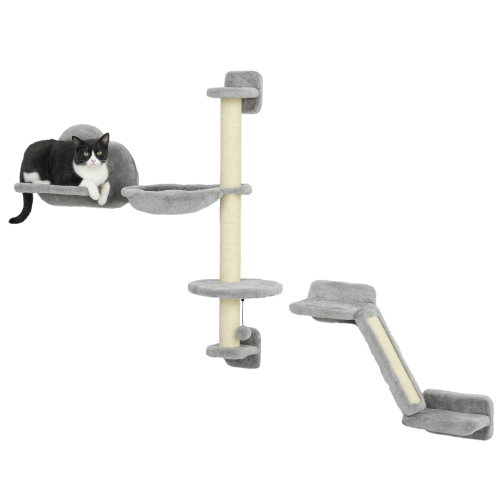
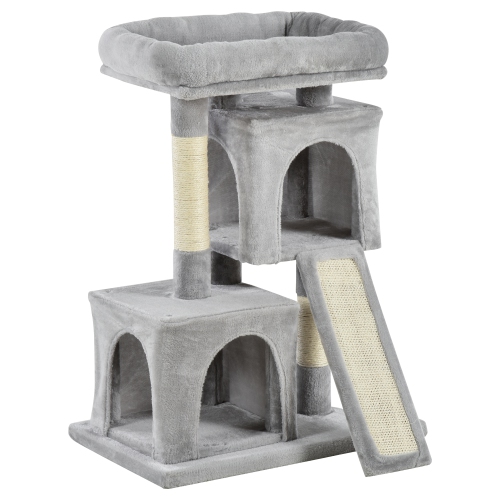
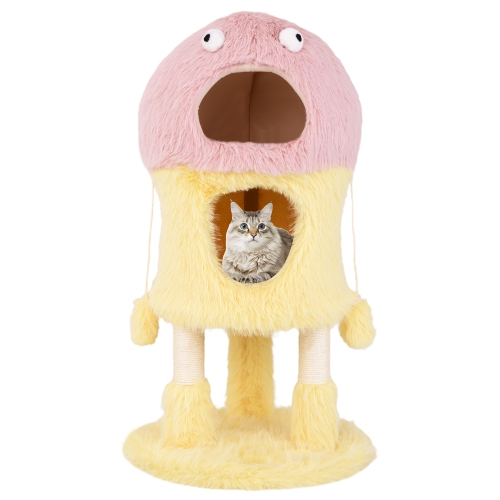
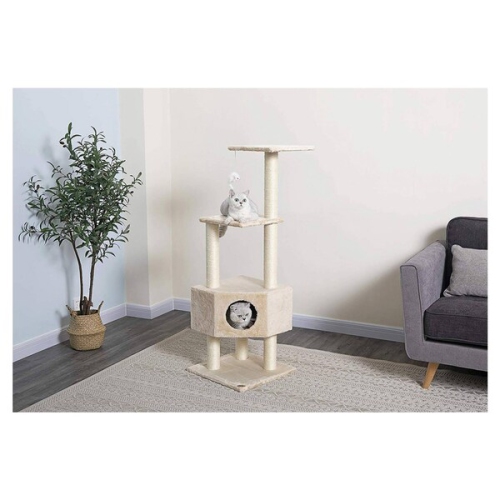
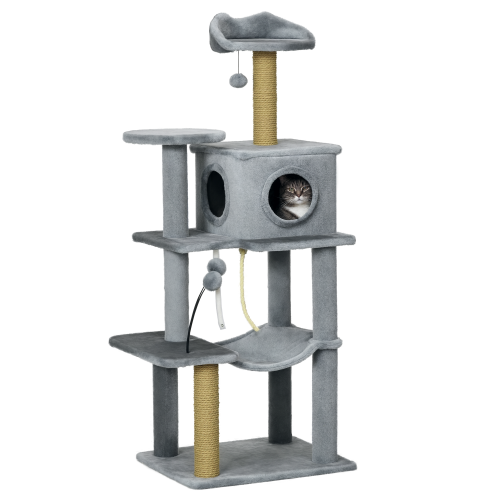
Scratching posts give cats a dedicated surface for stretching, working their claws, and marking familiar territory through scent and visible scratches. Scratching is normal feline behaviour, not a habit that needs to be stopped, and a well-chosen post can help direct that behaviour away from sofas, rugs, and door frames. The most useful cat scratching posts are tall enough for a full-body stretch, sturdy enough to resist pulling, and covered in a texture the cat enjoys. For many adult cats, a vertical post around 60 to 90 cm tall is a useful starting point, although larger cats may need more height. The usable scratching area matters more than the overall measurement: a tall structure with only a short section of exposed scratching material may not offer enough room to reach upwards. A cat should be able to extend its front legs while keeping its back paws comfortably planted, without running out of surface. Stability is just as important. A broad, weighty base helps keep a freestanding post steady when a cat hooks its claws into the covering and leans back. Lightweight or narrow designs can move under that force, making a firm sofa arm more appealing by comparison. Base dimensions, post thickness, and secure connections all contribute to how solid the structure feels during use. A kitten may start with short stretches and playful climbing, while a large adult cat can put much more force on the same post. Choosing for the cat’s expected adult size can make sense when there is room for a taller design. Older cats may appreciate an easy-to-reach scratching surface that does not require jumping onto a platform. In homes with several cats, more than one scratching area can provide separate places to stretch and mark territory without crowding. Each cat may favour a different texture or location, so a shared household does not necessarily need identical posts in every room.
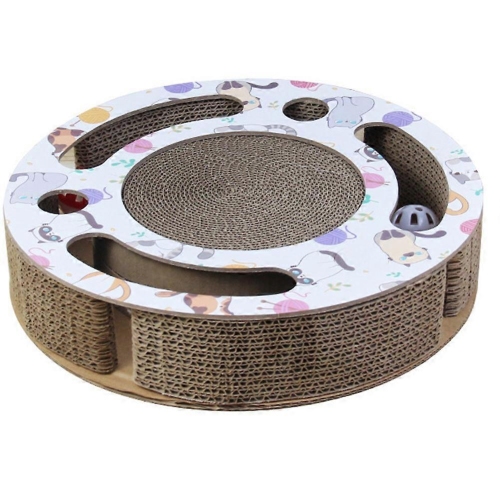
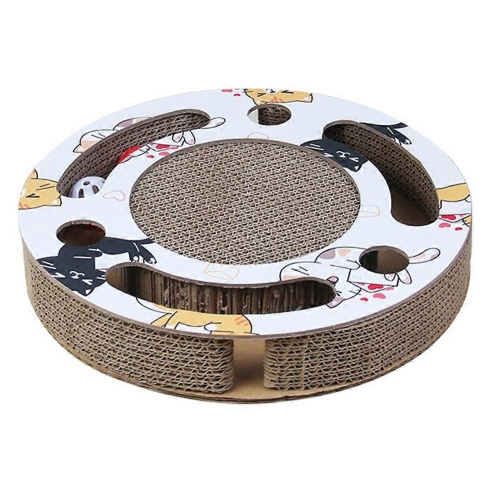
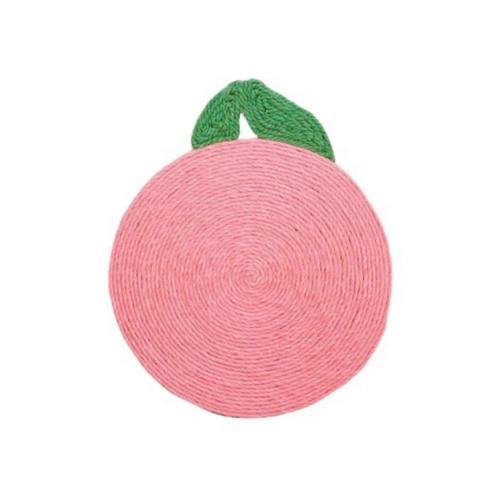
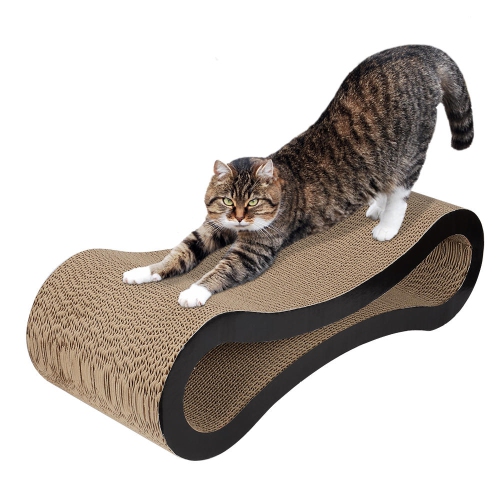
Materials affect both the feel of a scratching post and how it wears. Sisal rope has a coarse, ridged texture that gives claws something to grip, while woven sisal offers a more continuous surface for repeated downward strokes. Neither is automatically the best choice for every cat; preferences can be surprisingly individual. Some cats return to tightly wrapped rope, while others spend longer scratching a flat fabric panel. Carpet-covered posts provide another texture, although looped coverings deserve attention because claws can catch in loose loops. Plush fabric often appears on bases or resting areas for comfort, but the main scratching section should provide enough resistance for satisfying use. Corrugated cardboard is common in horizontal and angled scratchers, making it a useful alternative for cats that prefer reaching forward rather than standing upright. A cat that repeatedly scratches a rug may respond better to a floor-level surface than a vertical post alone. For households that want a mix of scratching textures and playful features, Cat Scratch Toys can complement a dedicated post without replacing the need for a stable stretching surface. Durability depends on more than the outer covering. The strength of the core, the way the material is attached, and the quality of the base connections all influence how well a post stands up to daily use. Some surface wear is expected, since scratching gradually breaks down fibres and helps cats shed the outer sheaths of their claws. Fine debris around the base does not necessarily mean the post has failed, but exposed fasteners, sharp edges, long loose strands, or a cracked support call for repair or replacement. Designs with replaceable scratching sections may allow a worn surface to be refreshed while retaining a sound base. Where replacement parts are supported, compatibility matters: matching dimensions and attachment points help preserve the structure’s intended fit. Attached toys should also be checked regularly, particularly if a cat chews dangling cords or pulls hard on small components.
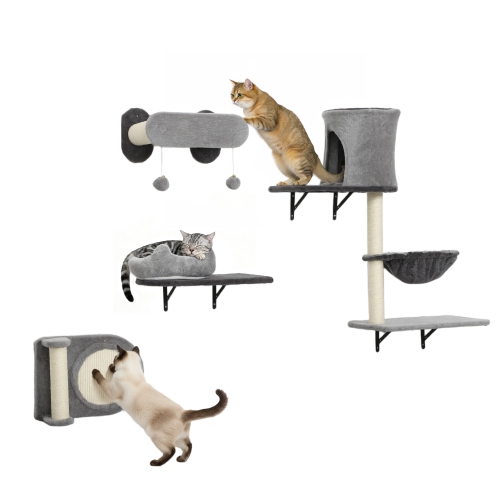
A scratching post needs to fit the household as well as the cat. In a compact living room, the full footprint includes not only the base but also the space a cat needs to approach, stretch, and move around it. A slender-looking post with a wide base may take up more floor space than expected, while a taller design with a perch needs clearance above and around the resting area. Neutral colours and simple shapes can sit comfortably beside furniture, but placement should still follow the cat’s habits. A post near a favourite sleeping spot offers an easy place for the long stretch that often follows a nap. Positioning one beside a sofa corner that already attracts scratching can give the cat a nearby alternative, rather than expecting it to cross the room to an unfamiliar surface. Quiet corners are not always the most useful locations; many cats scratch along familiar routes or where household activity takes place. The base should rest evenly on the floor, with any assembly or anchoring completed according to the manufacturer’s directions. Loose connections need tightening, and wall-mounted designs require suitable fixings for the surface they attach to. Familiarity can help a new post earn regular use. Play nearby, allow the cat to investigate at its own pace, and reward interest without forcing its paws against the covering. Catnip may encourage some cats, but not all respond to it. Everyday care usually involves removing shed fibres, vacuuming loose debris, and wiping suitable hard surfaces as directed. Saturating rope, cardboard, or absorbent cores can damage them, so cleaning methods should match the materials. Scratching posts can also make thoughtful gifts for someone welcoming a cat, provided the choice reflects the animal’s size, scratching style, and the recipient’s floor space. Whether intended for an energetic kitten, a long-bodied adult, or a quieter senior, the strongest match is a post that feels secure, offers enough reach, and sits where the cat naturally wants to use it.
Top selling and popular products
-
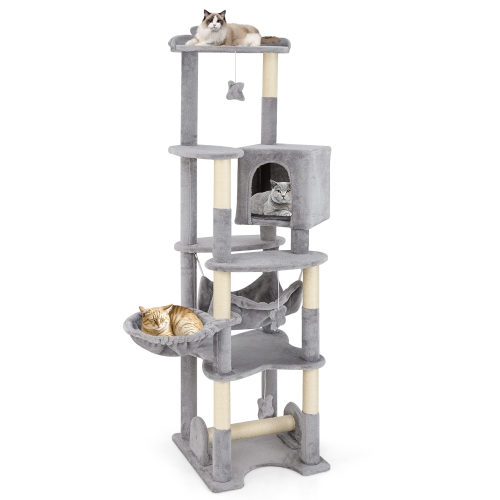 Your price for this item is $105.99
-
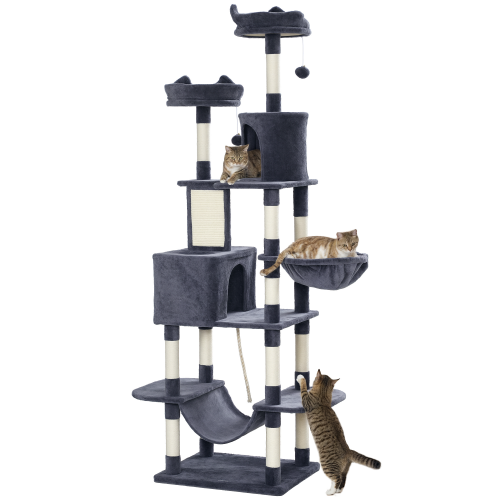 Your price for this item is $99.99
-
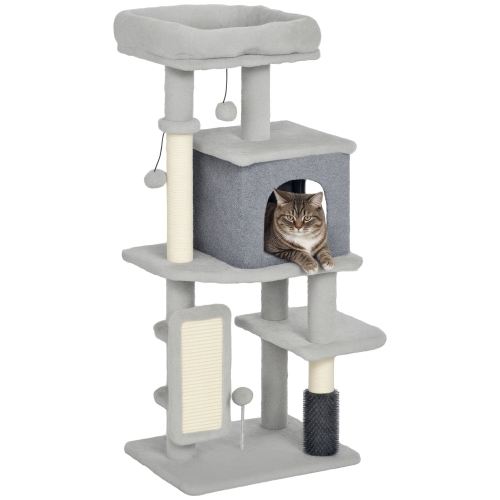 Your price for this item is $62.99
-
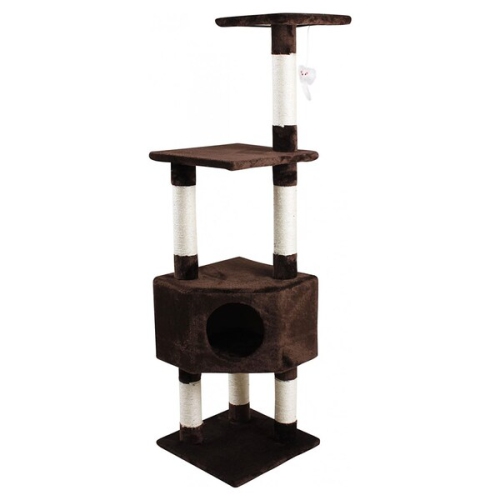 Your price for this item is $58.69
-
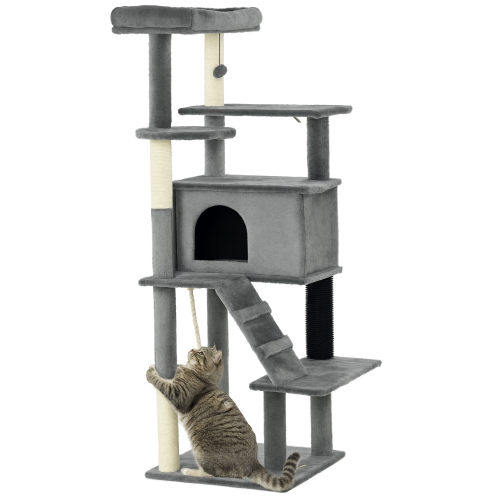 Your price for this item is $73.99
-
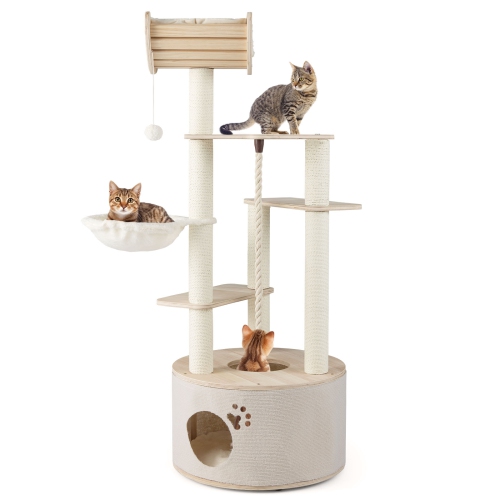 Your price for this item is $159.99
-
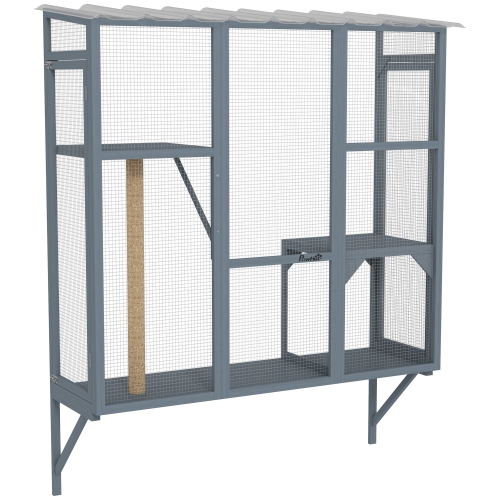 Your price for this item is $279.99
-
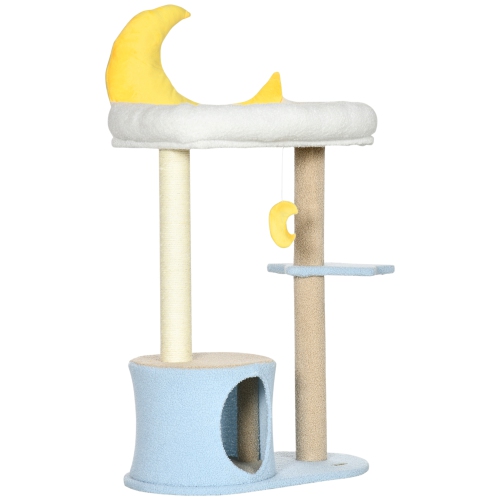 Your price for this item is $67.99
Discover more categories related to Scratching Posts
Top Collections:
Pokemon Centers, Kindle Devices, Best Budget Office Chairs, Canon G7X Cameras, Apple iPhones 16, Samsung Galaxy Phones, Refurbished Apple Laptops, Laptops for Students, iPhone 15 Apple, Budget Smartphones
Some products may be subject to Environmental Handling Fees
(EHF) depending on your province.
Learn more about EHFs.