Cat Towers for Indoor Cats
If you have a curious and playful feline friend at home, a cat tower for indoor cats can be the perfect addition to their living space. These multi-level structures provide your cat with opportunities to climb, scratch, play, and nap to their heart's content. Cat towers come in various sizes and designs to suit different spaces and preferences, ensuring that your furry companion stays active and entertained while also giving them a cozy spot to relax. Whether your cat loves to perch up high or hide in cozy nooks, a cat tower is sure to become their new favorite hangout spot within your home.
Sort
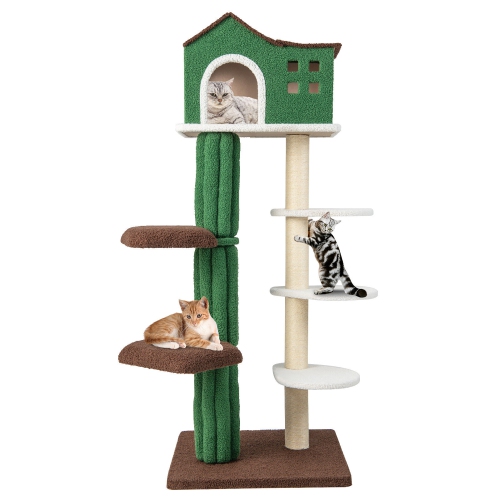


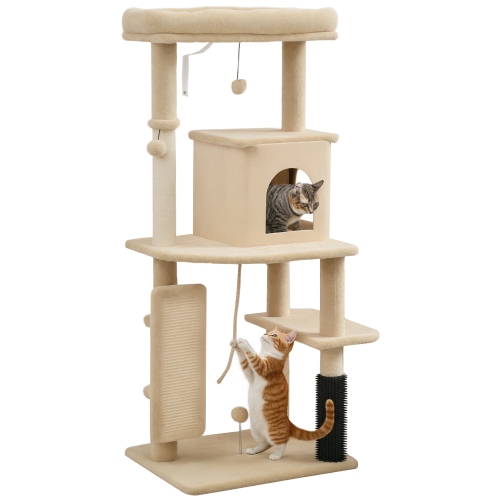

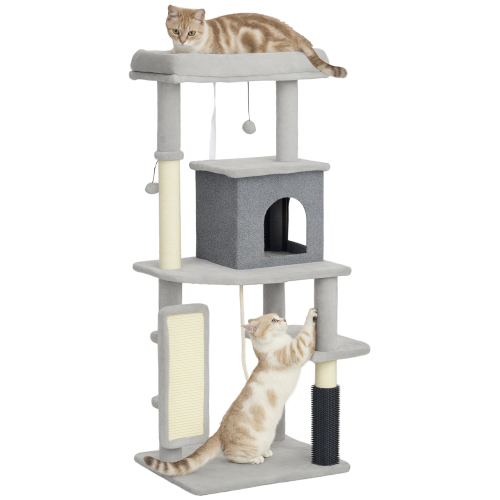
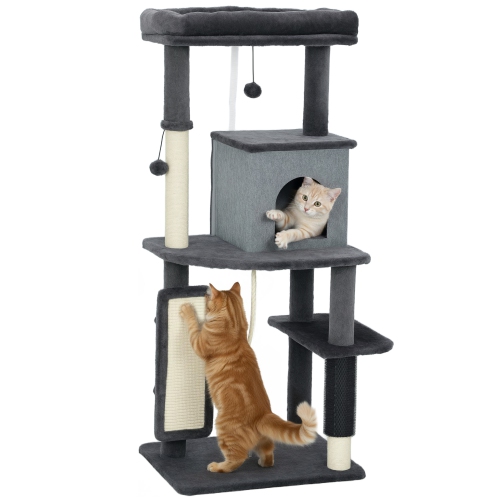



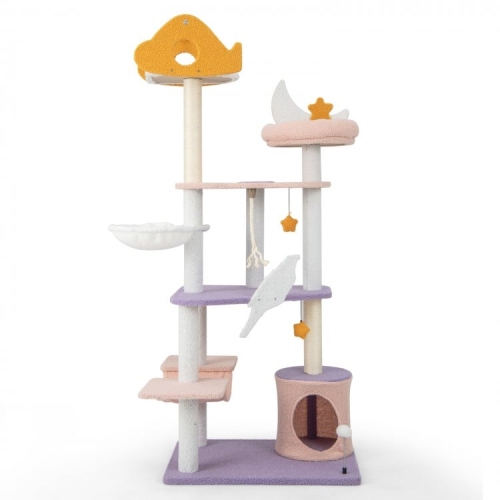


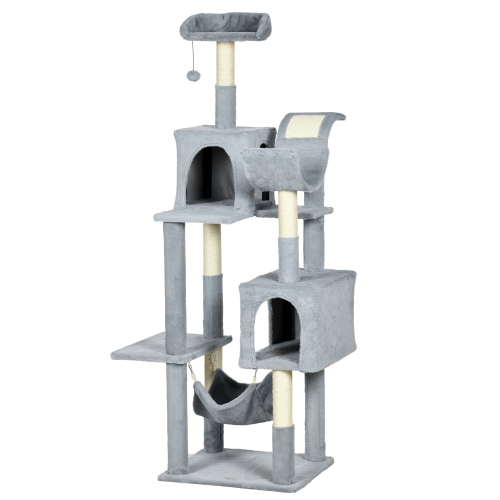
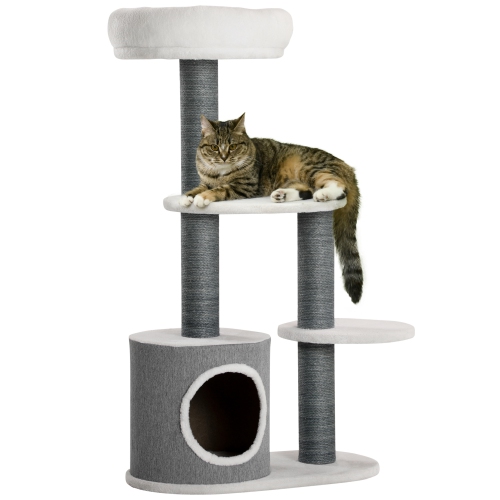


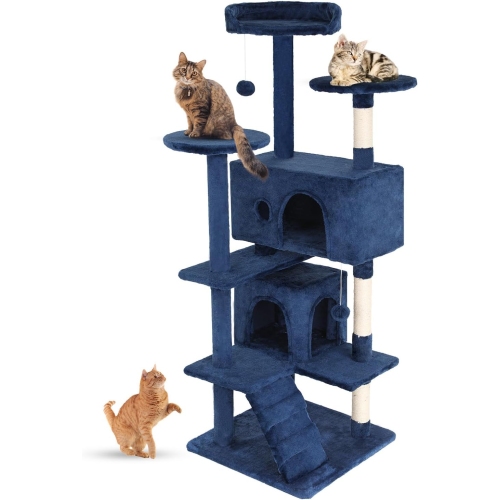
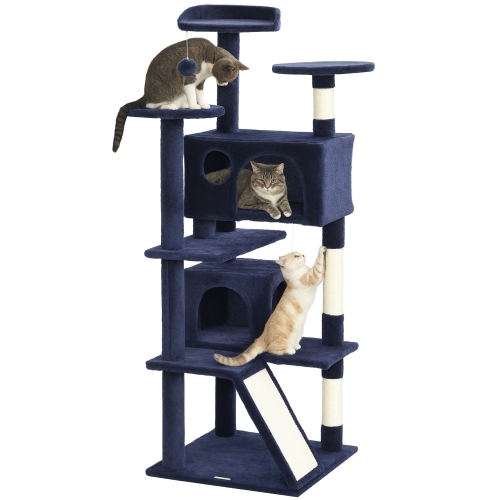
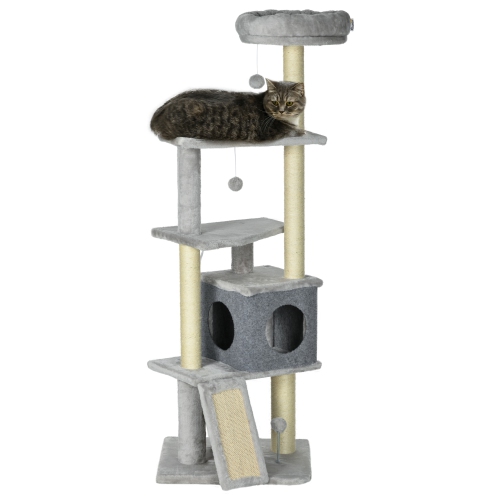


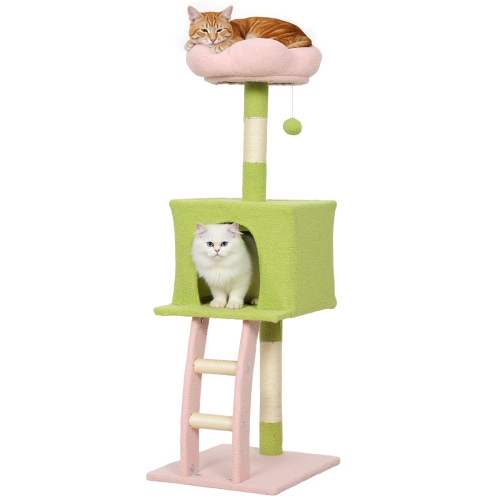


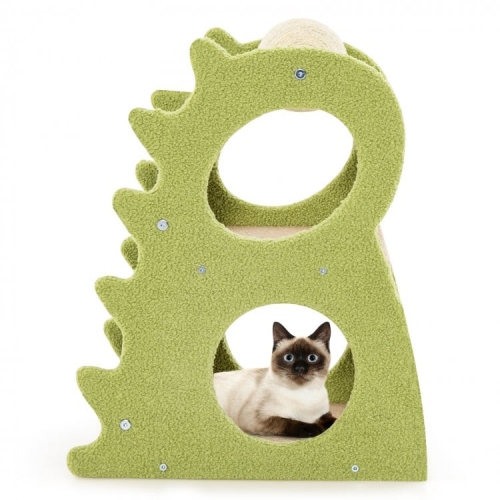

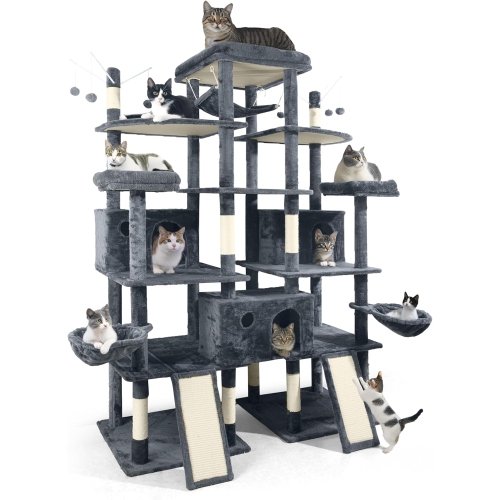

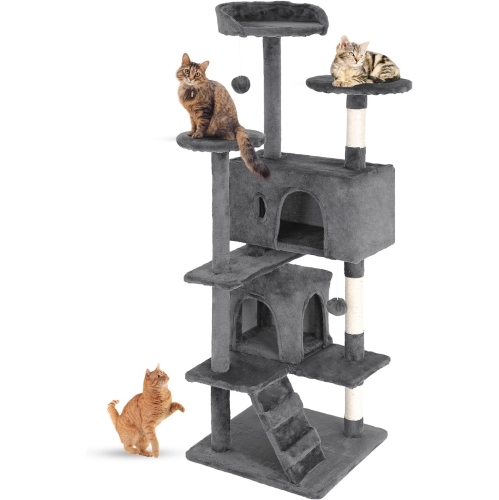

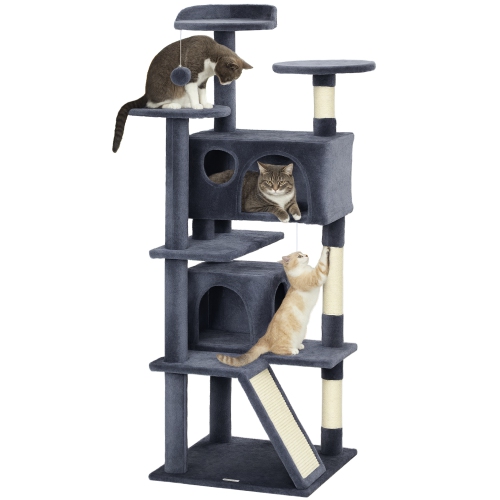

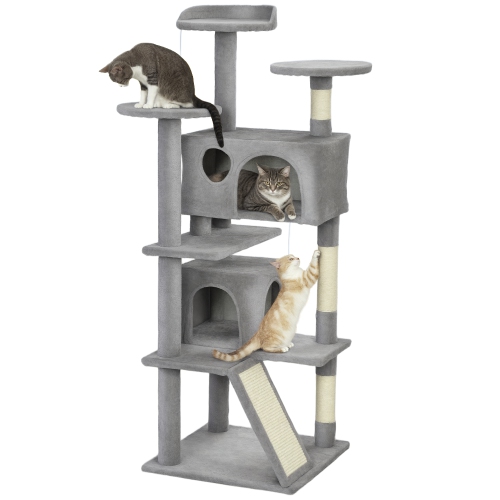


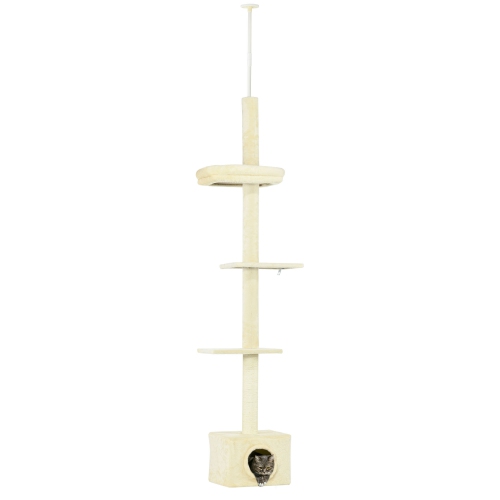

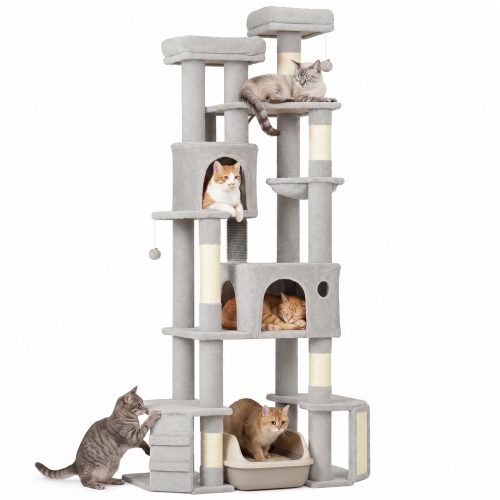


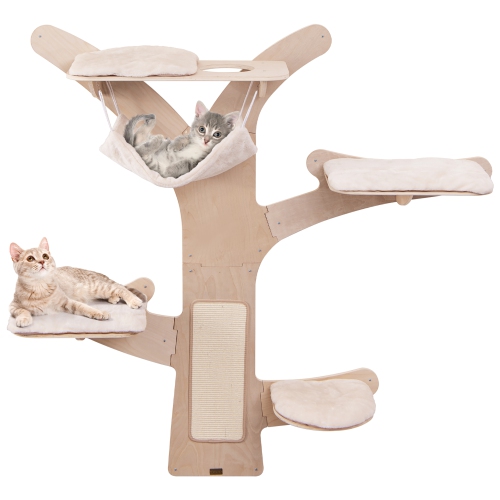


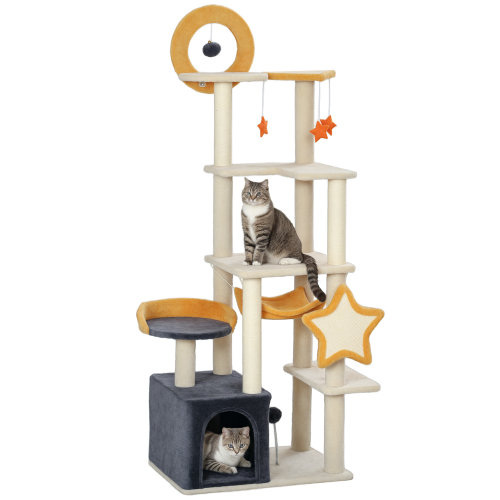


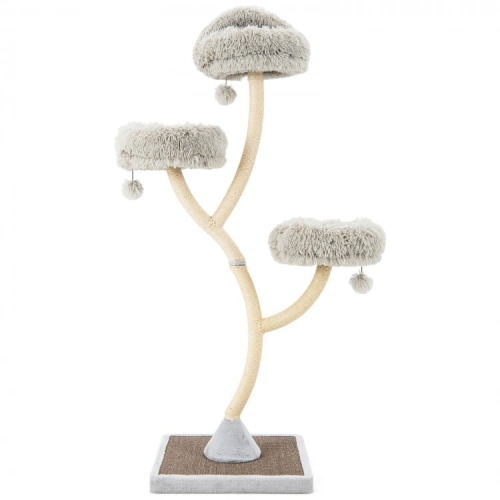

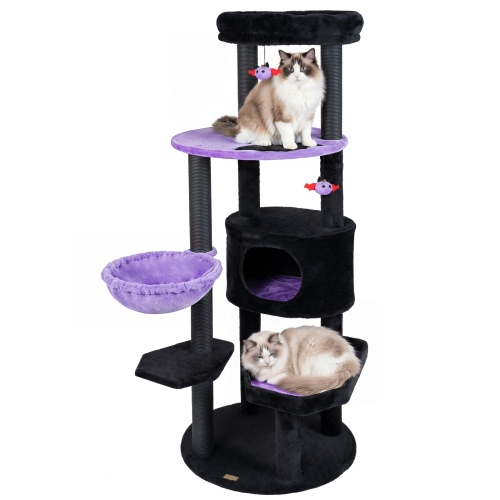


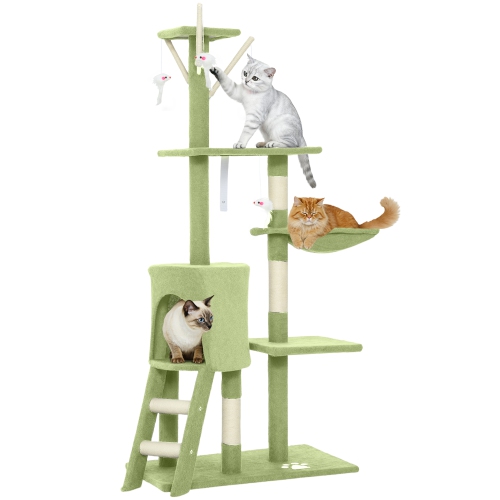


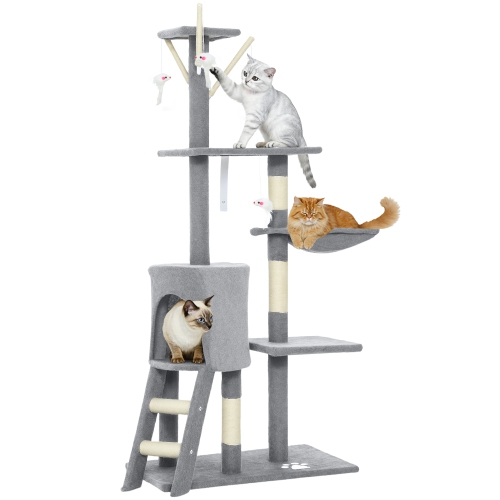


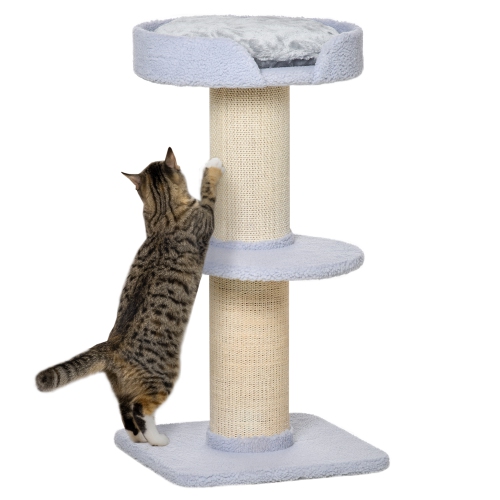
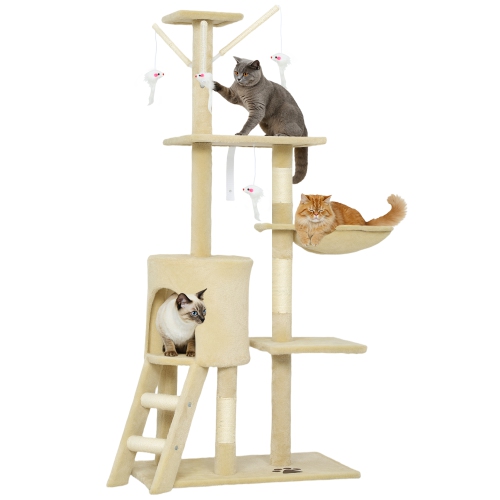
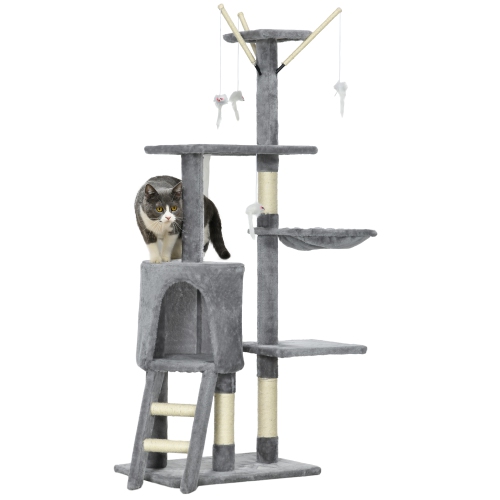
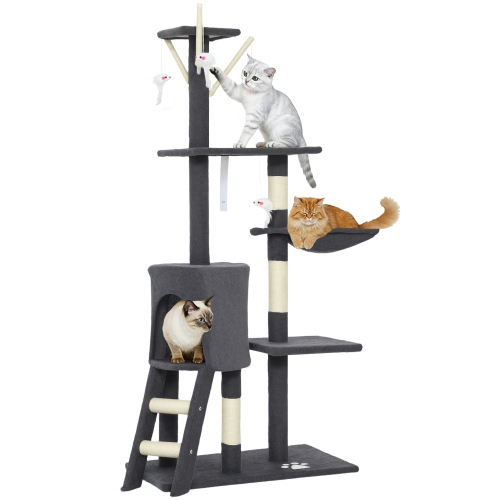
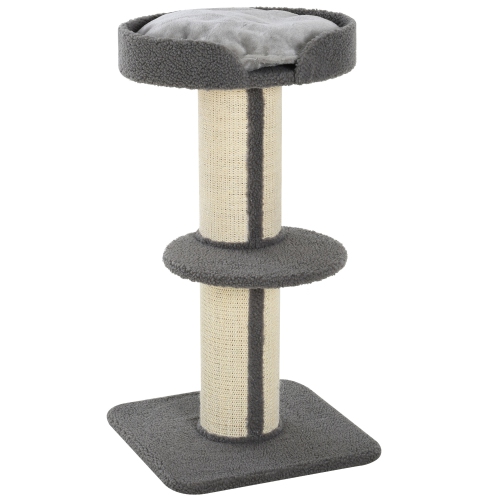

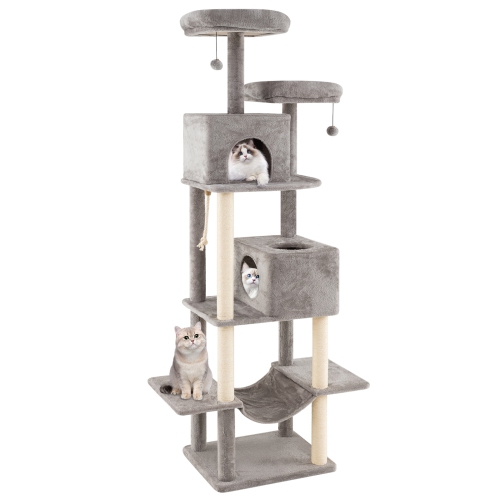
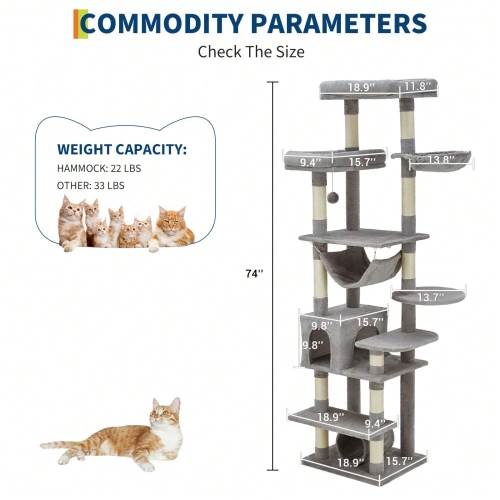
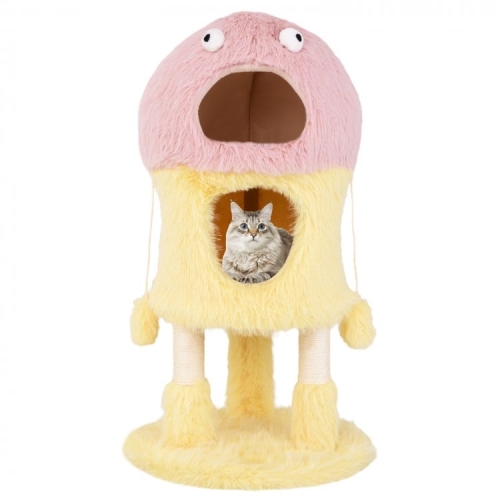

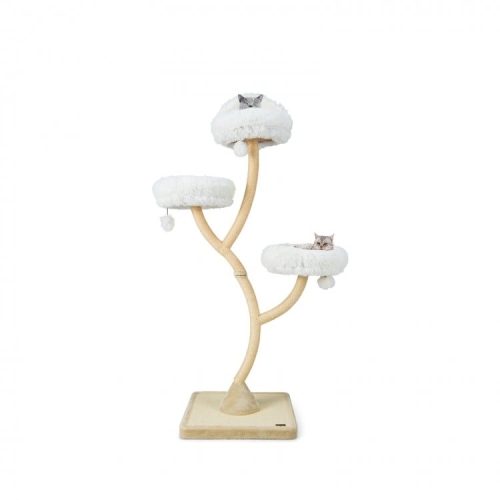


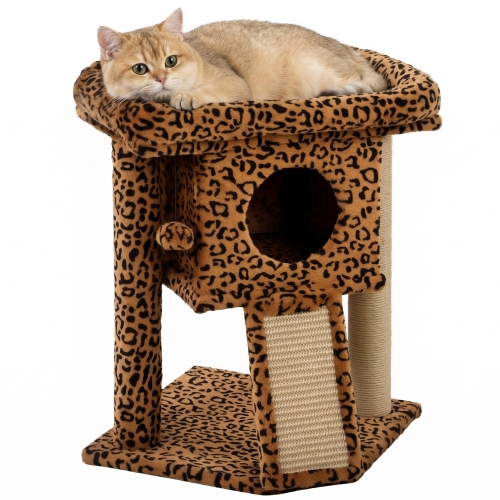
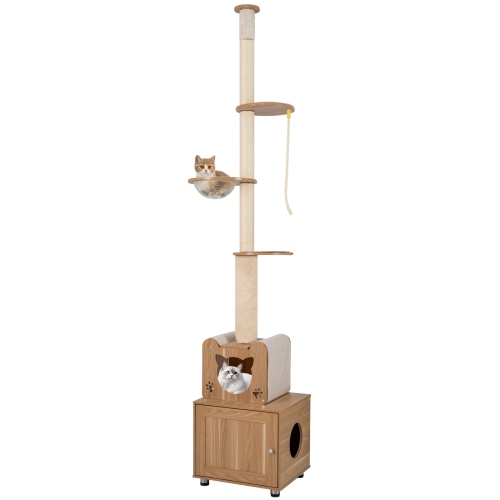

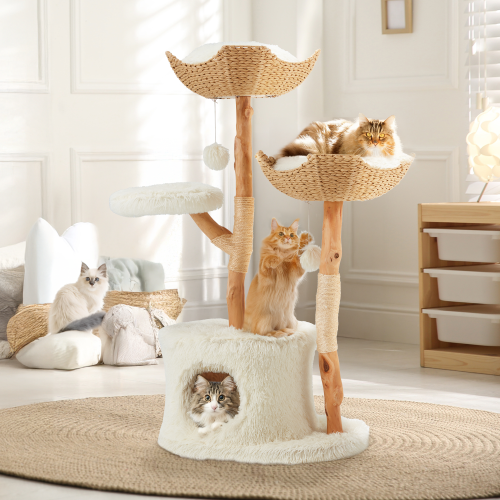
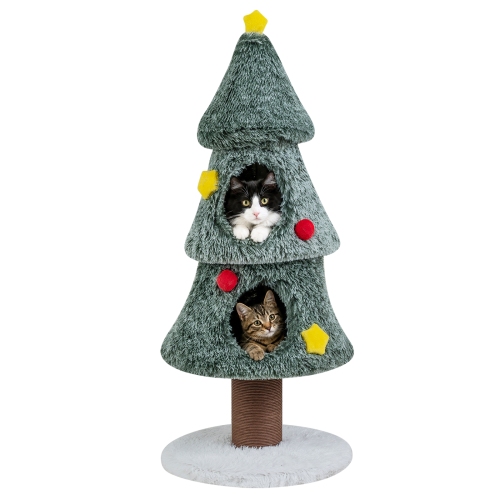
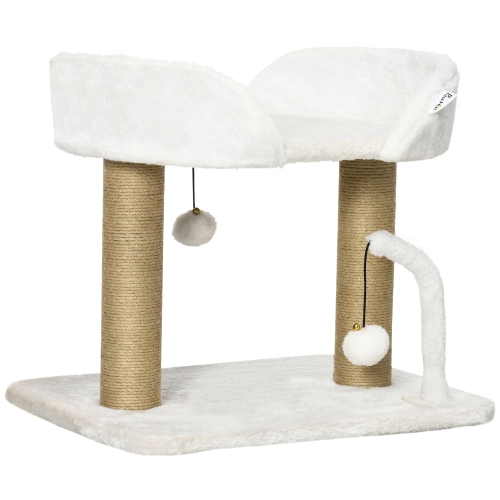
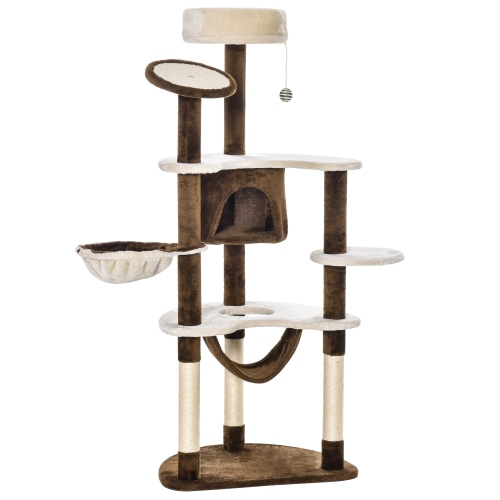
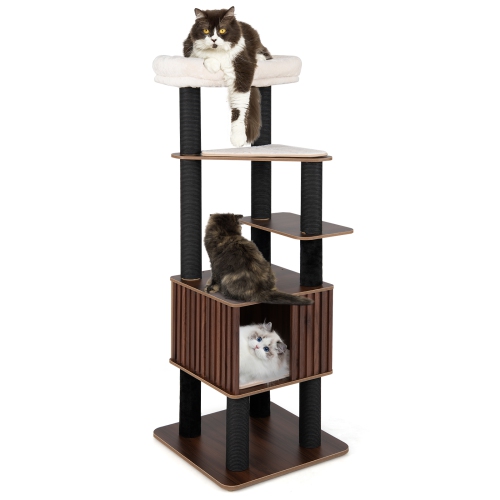
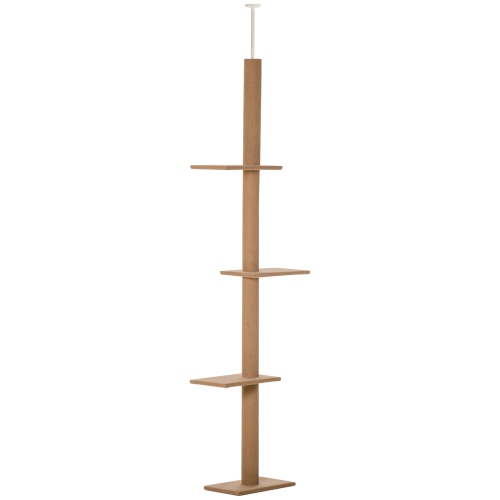

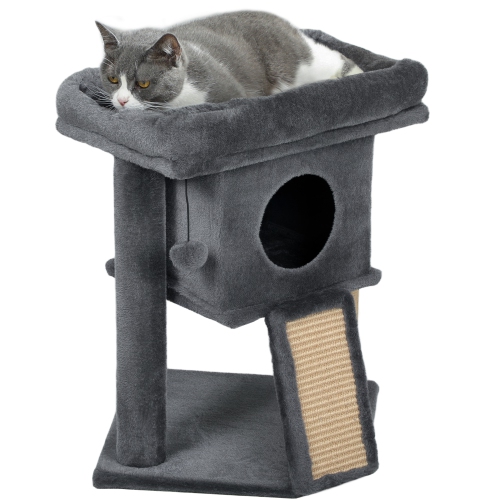

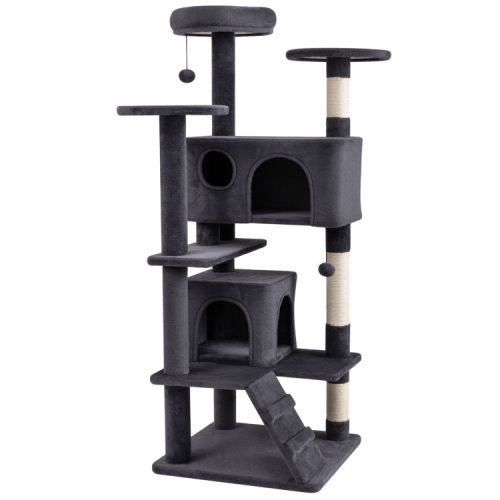
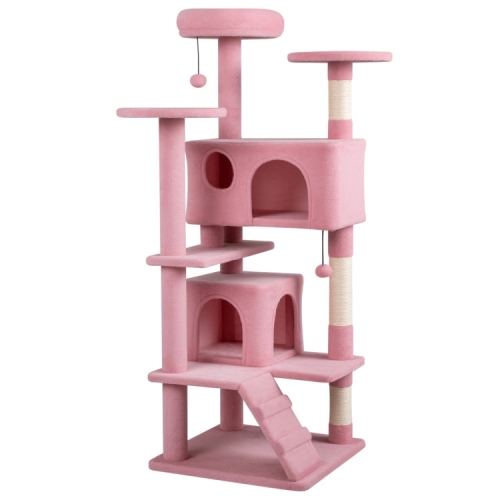





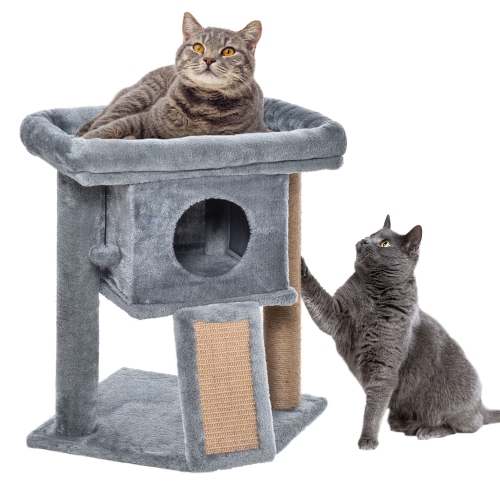
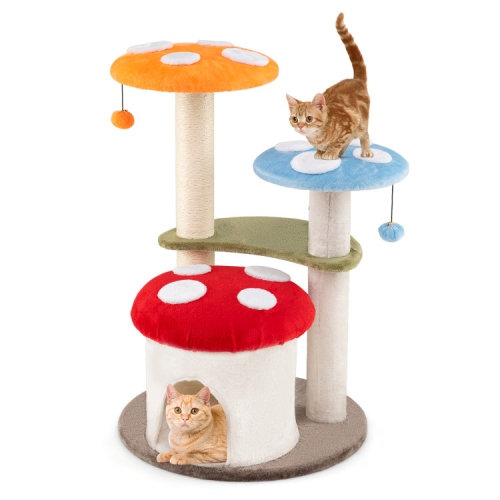

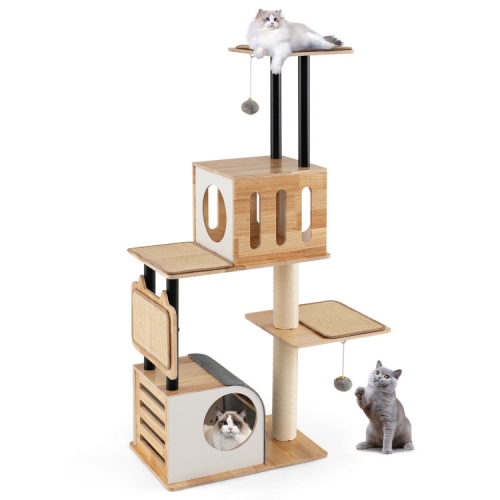
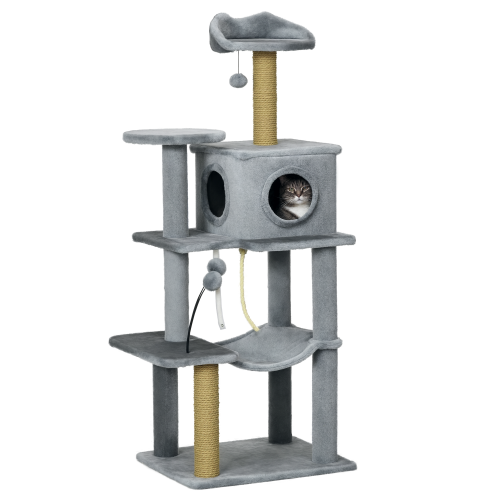
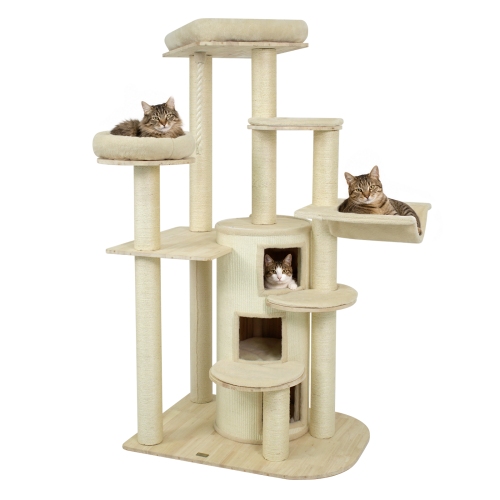
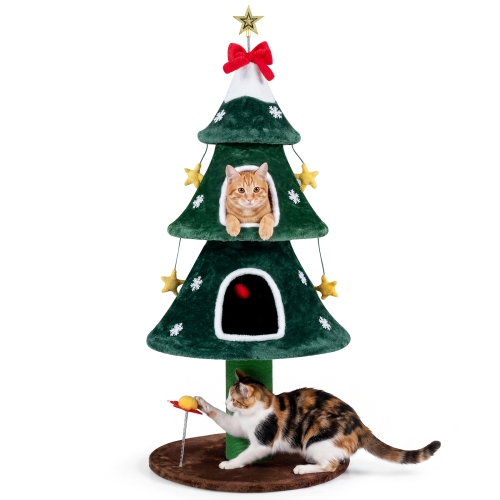

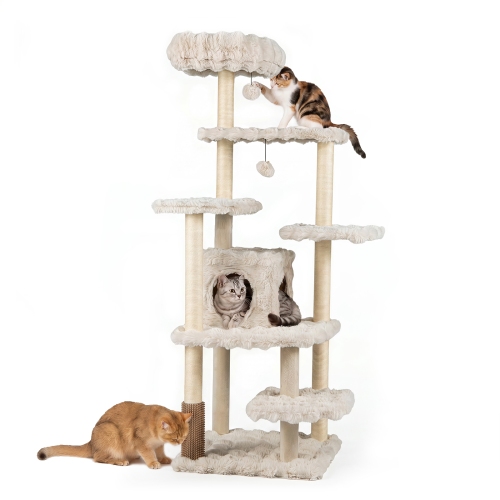


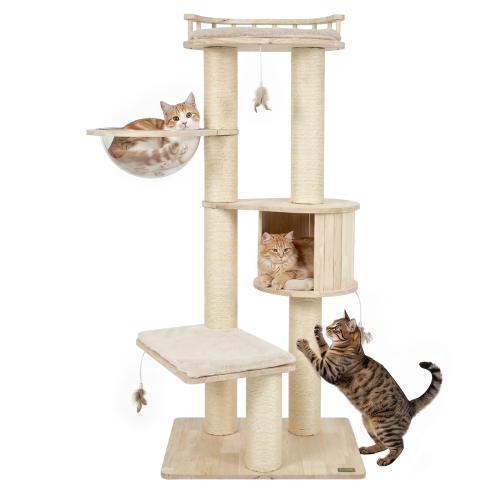


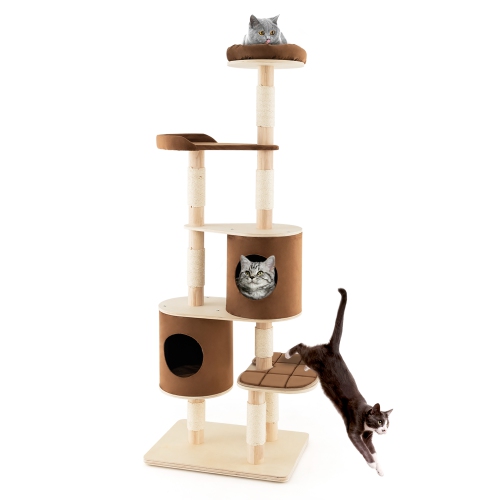
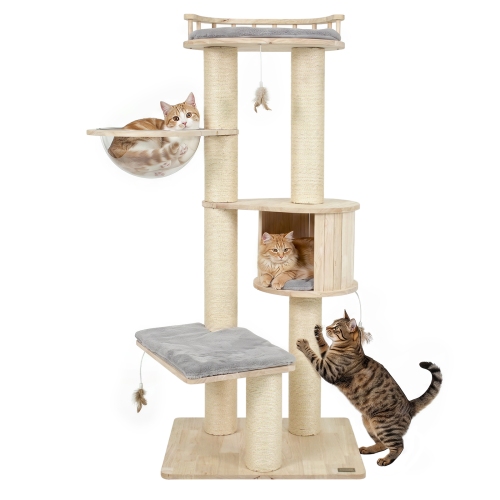
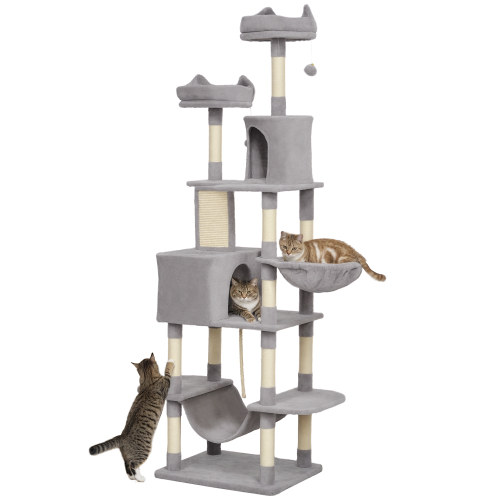
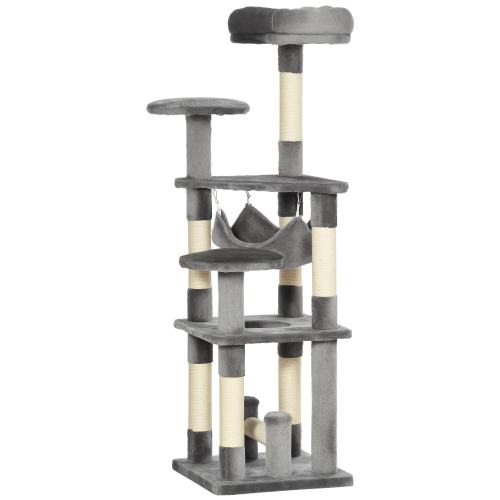
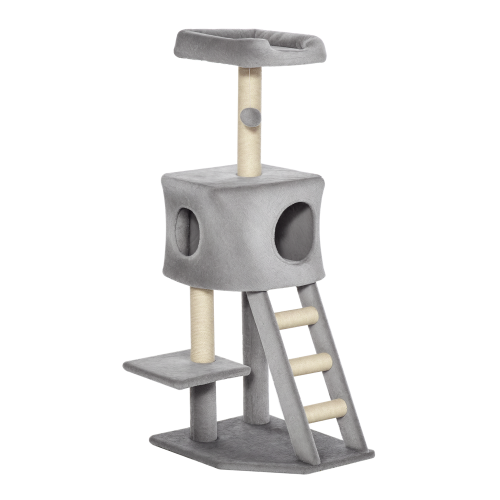

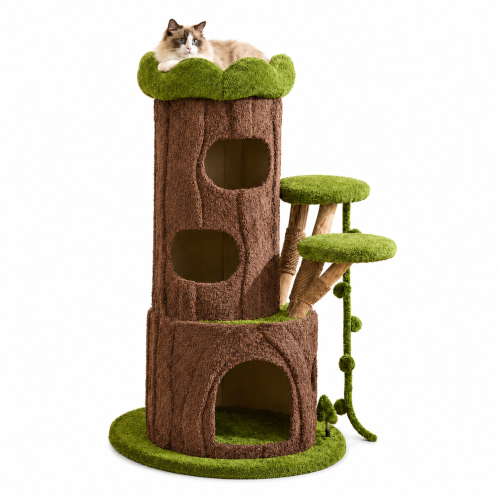
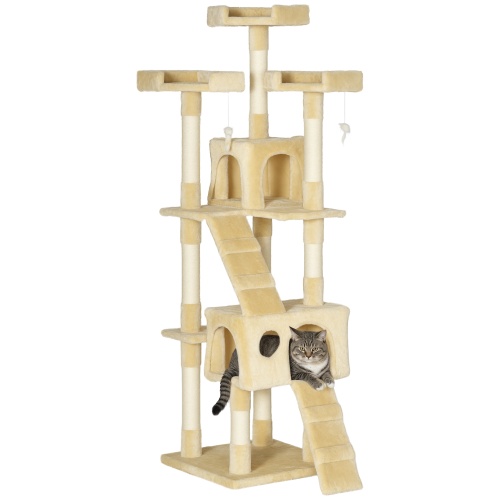

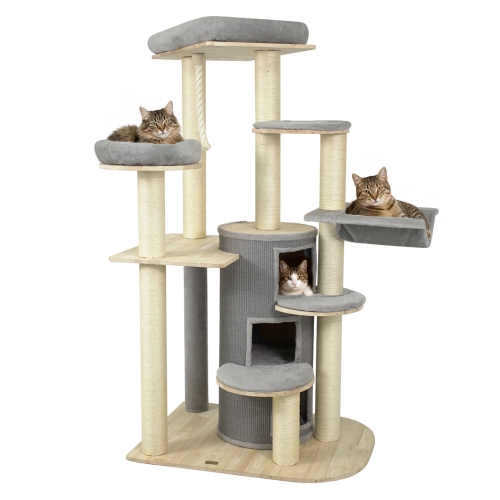

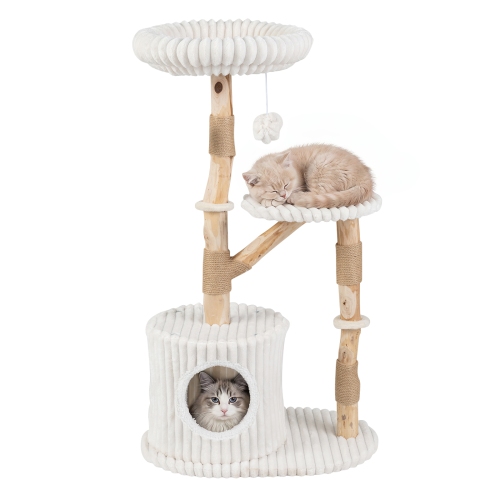
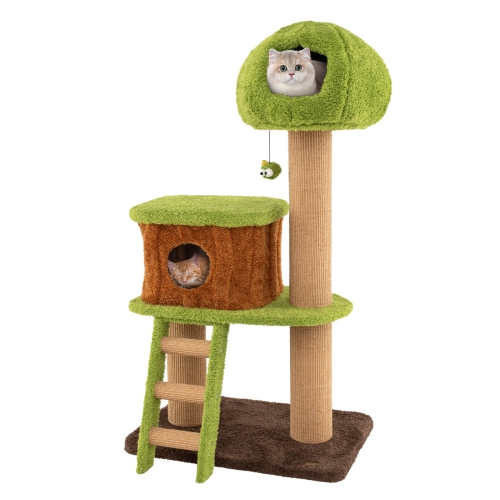
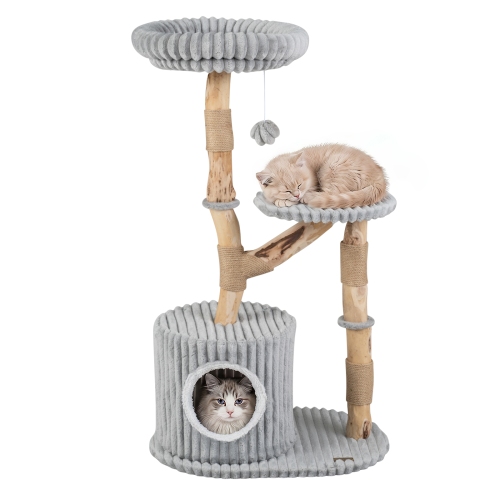
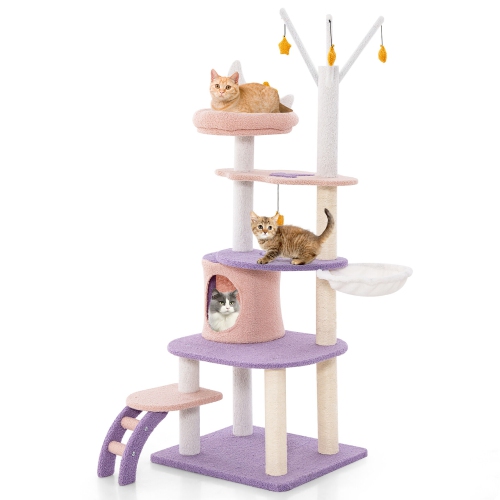

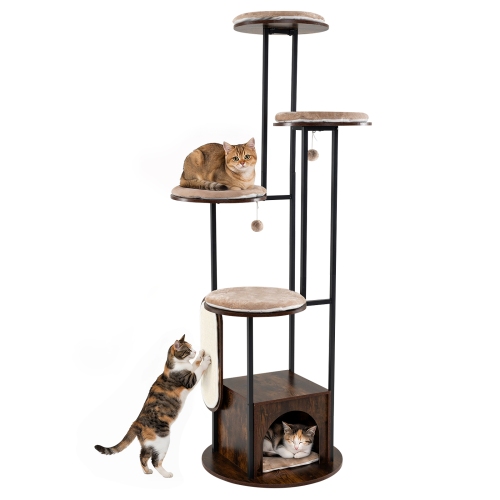
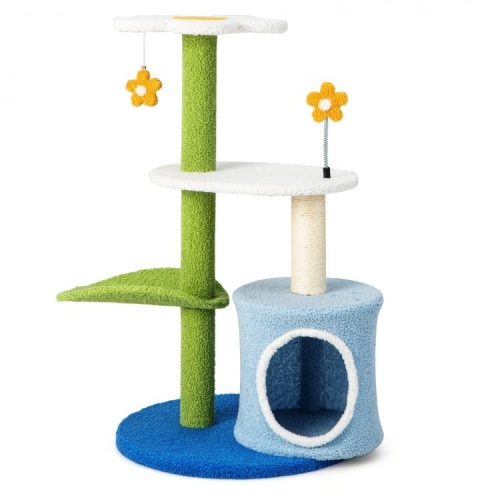
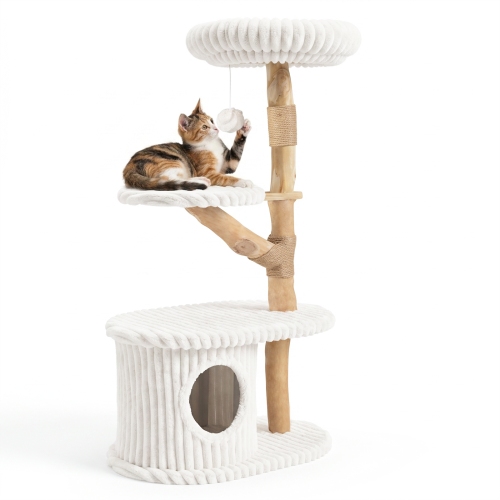
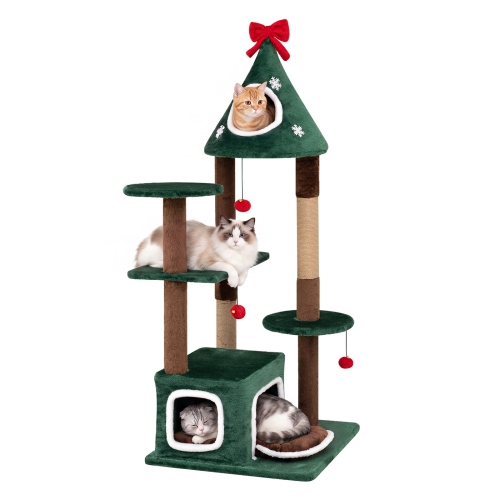

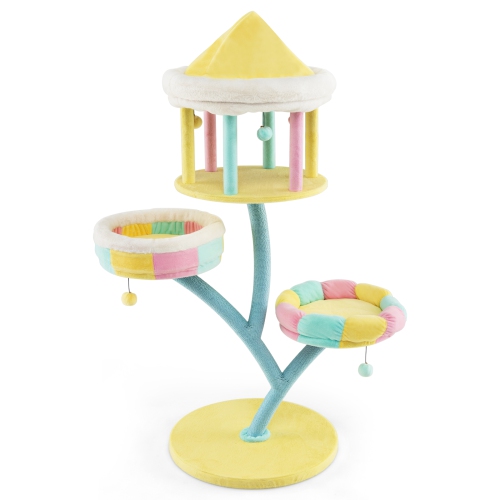

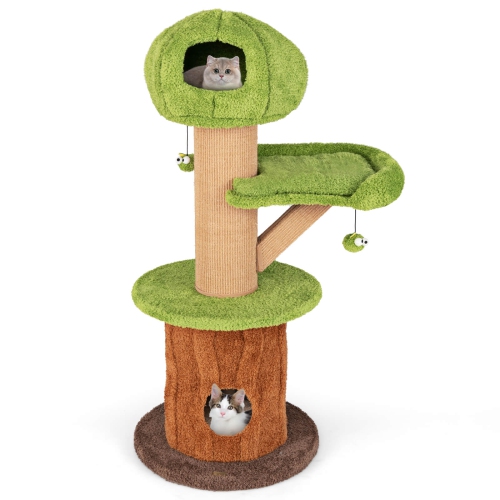


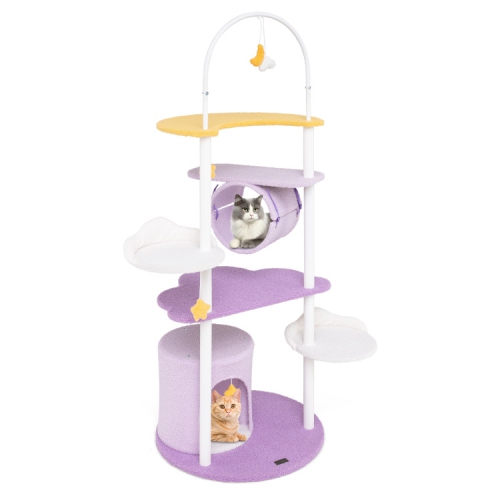
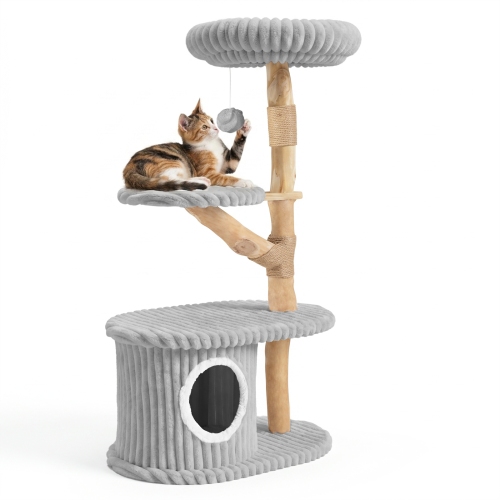
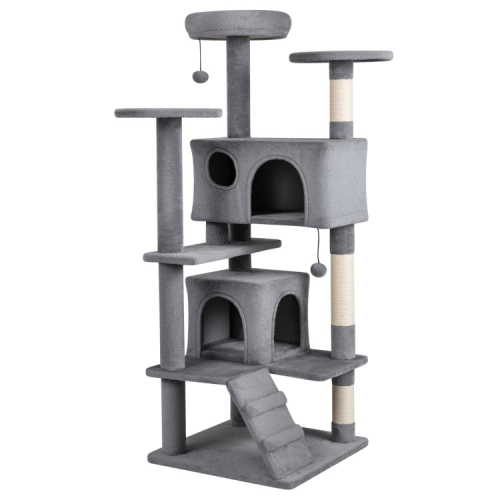
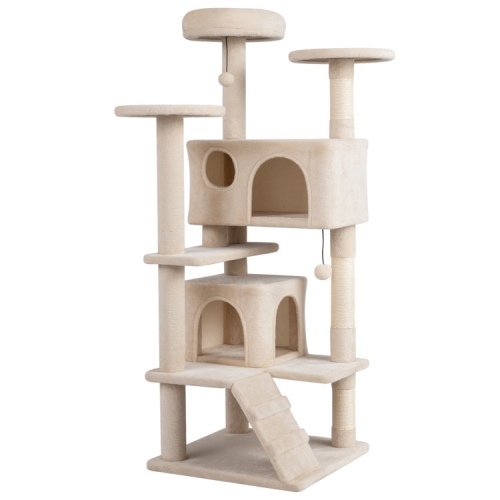

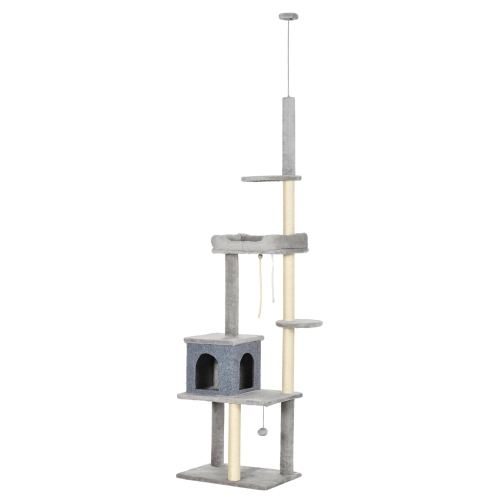

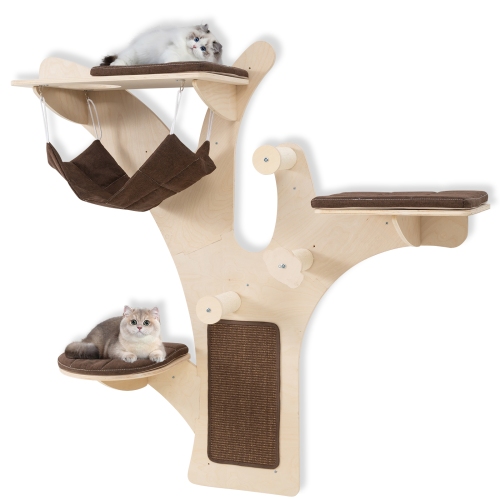
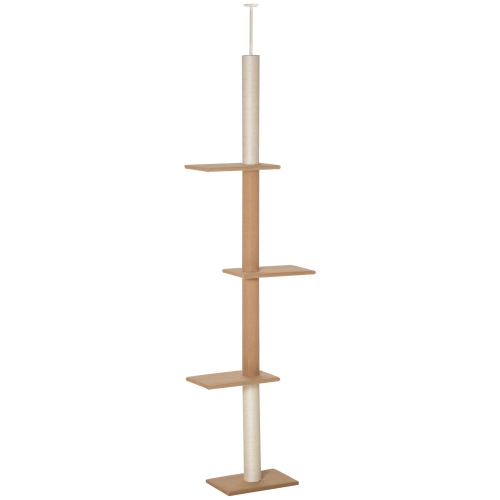
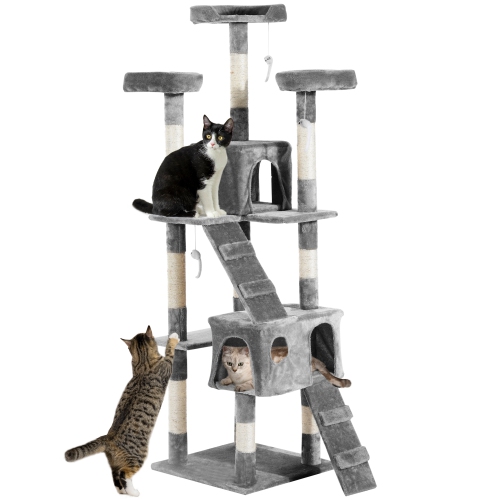
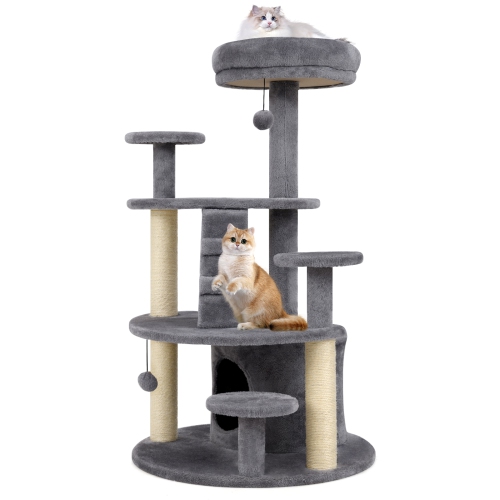
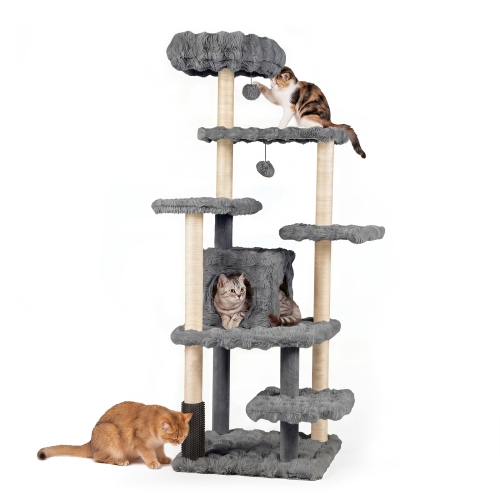

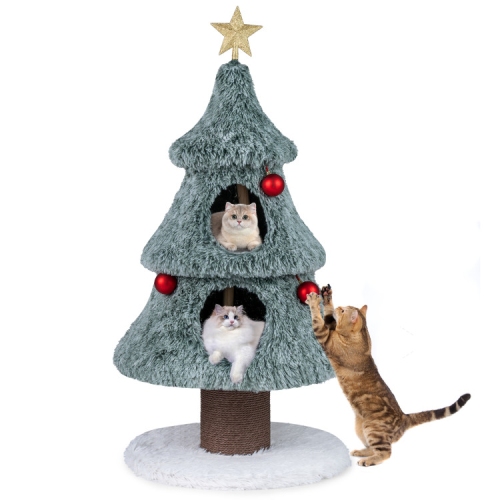
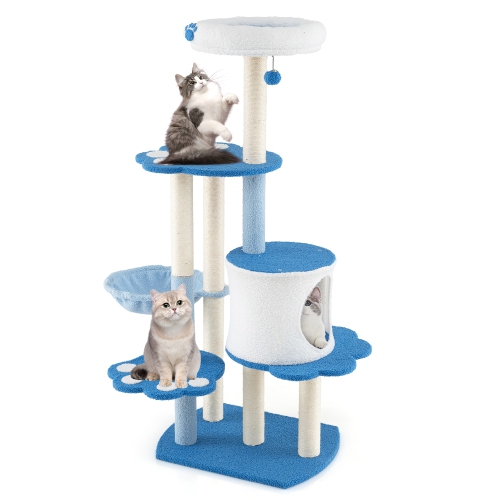
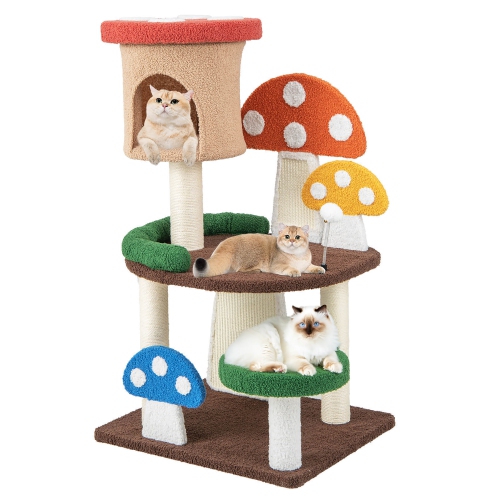
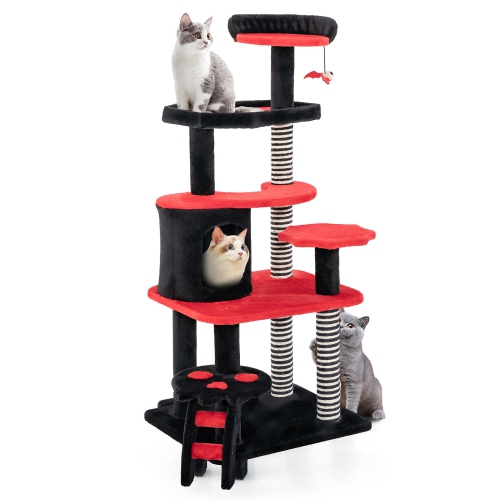

A better perch starts with your cat’s habits
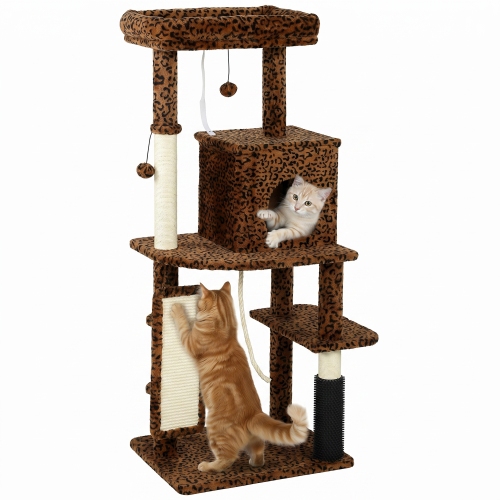
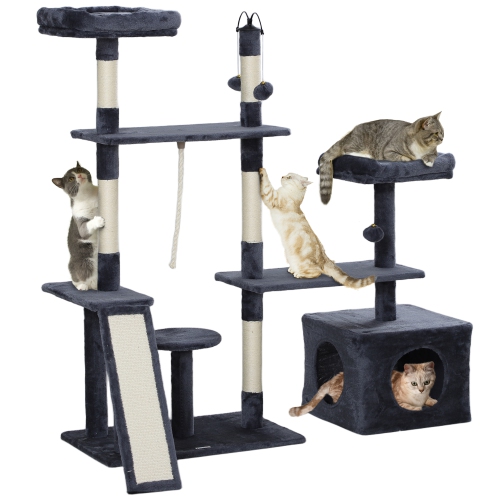
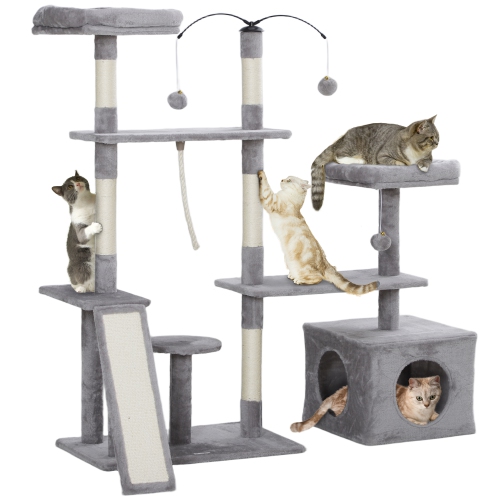
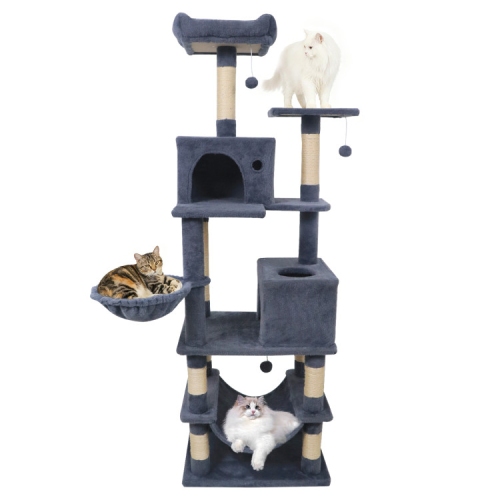
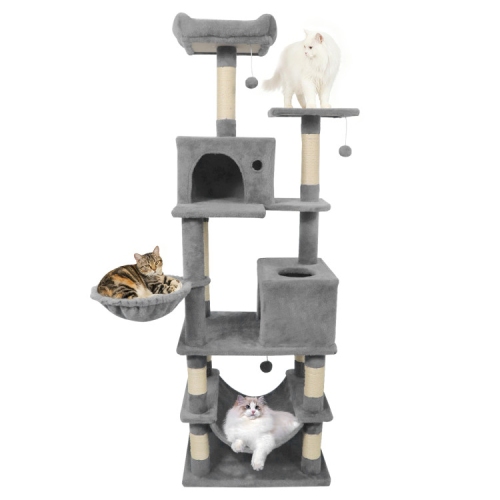
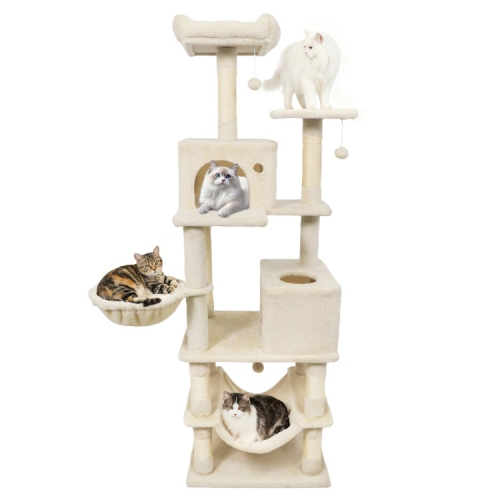
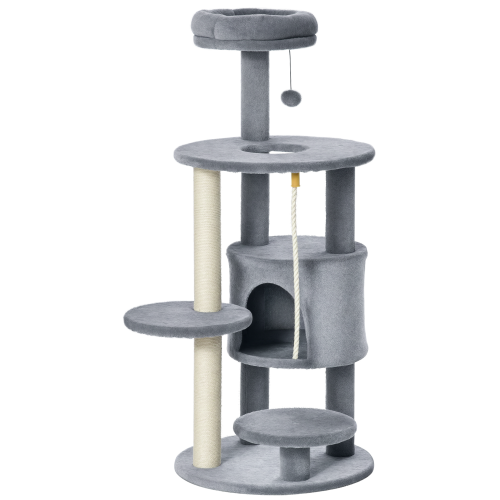
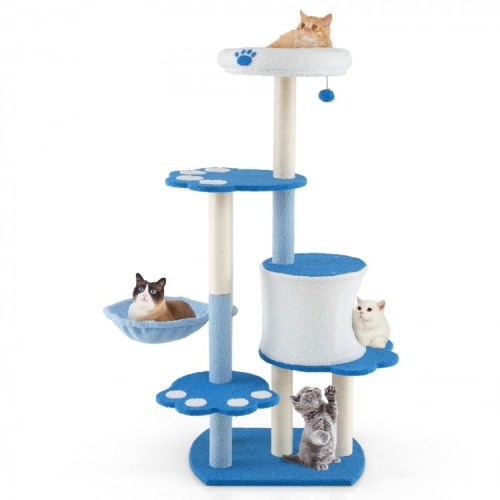
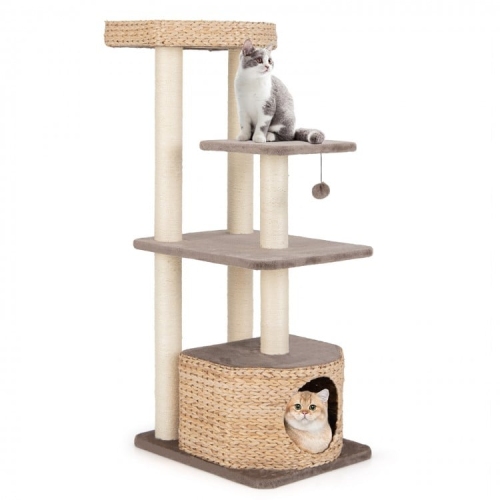
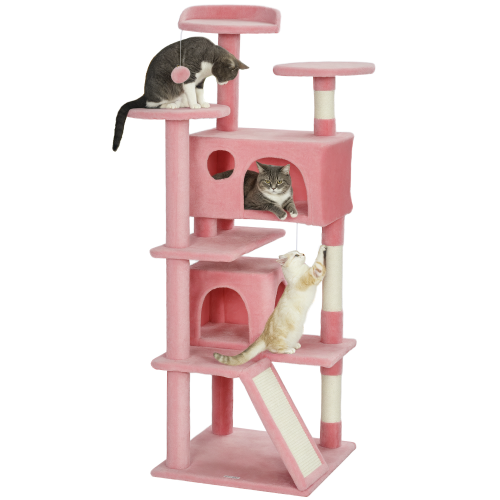
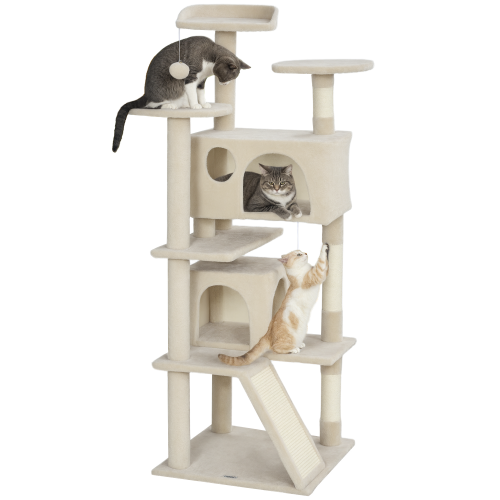
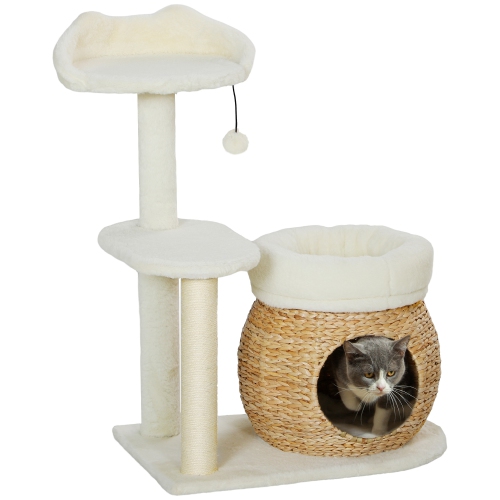
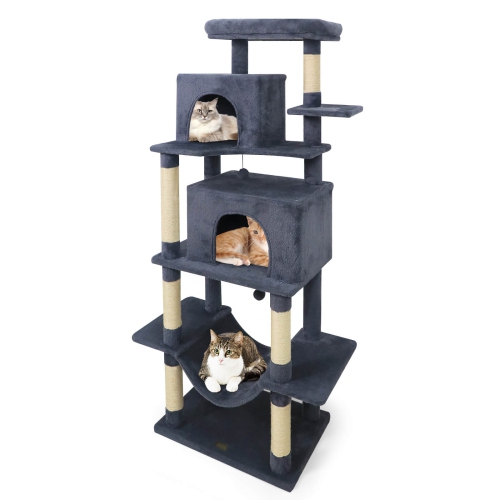
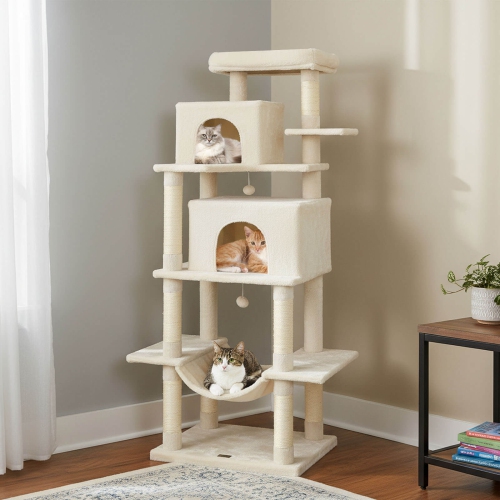
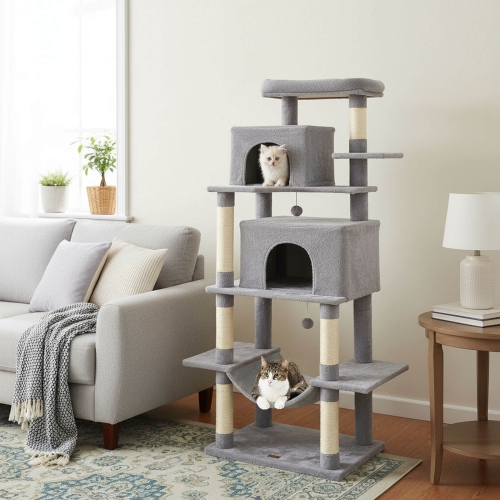
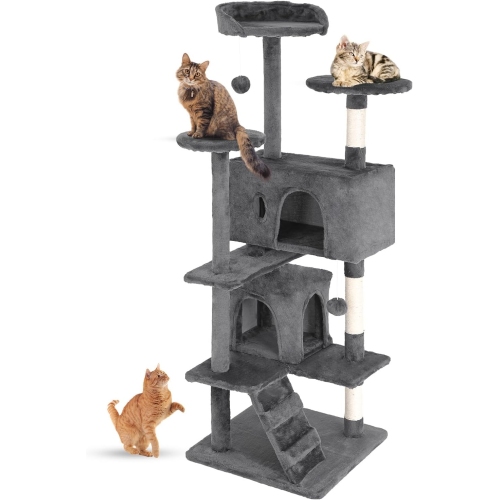
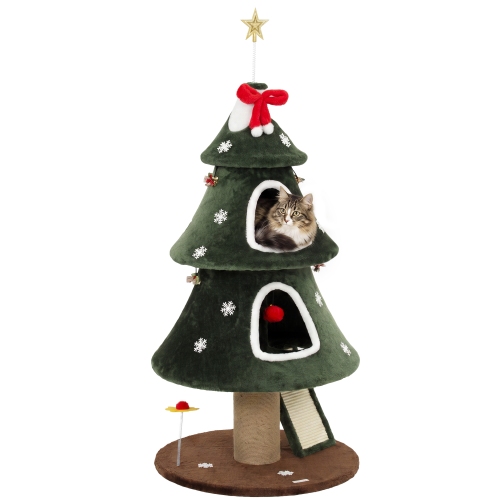
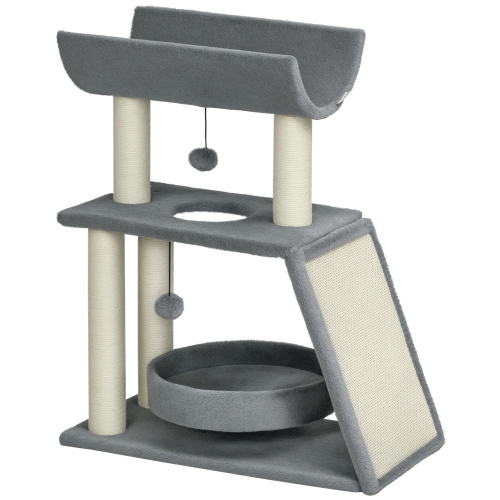
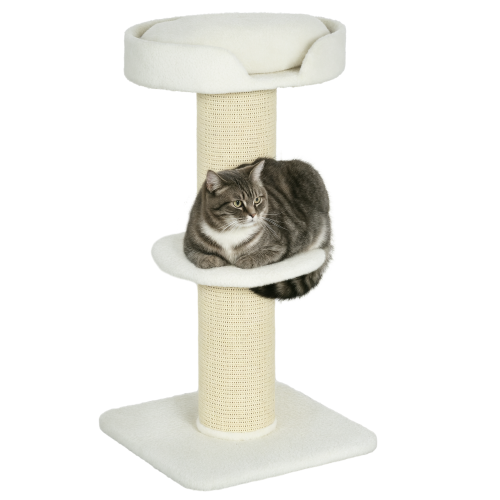
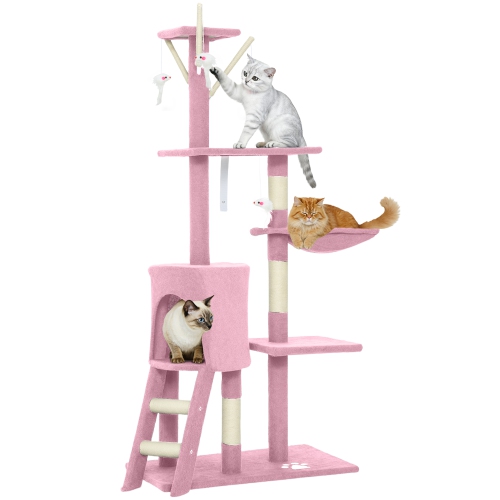
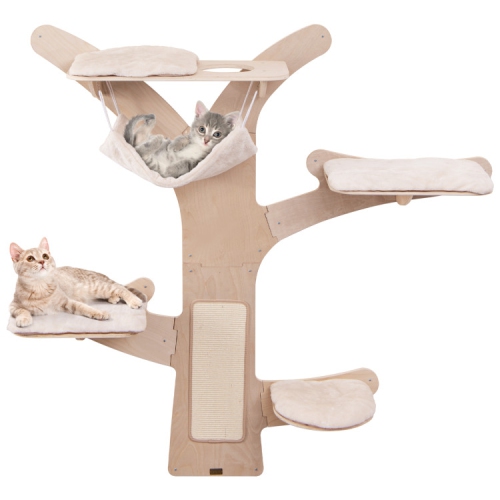
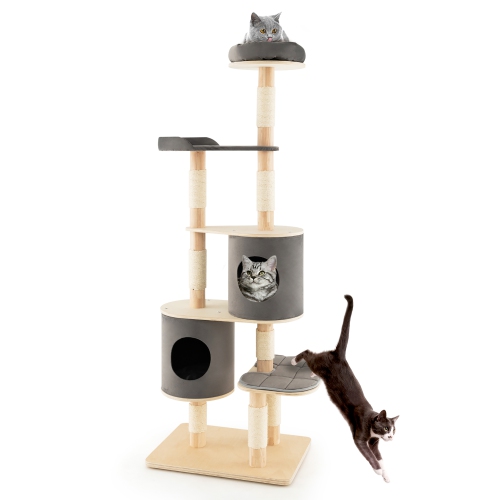
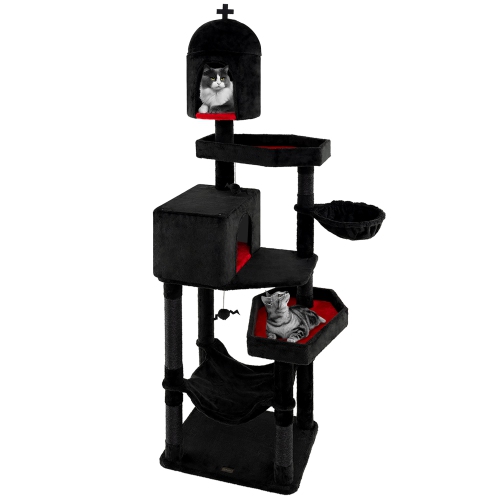
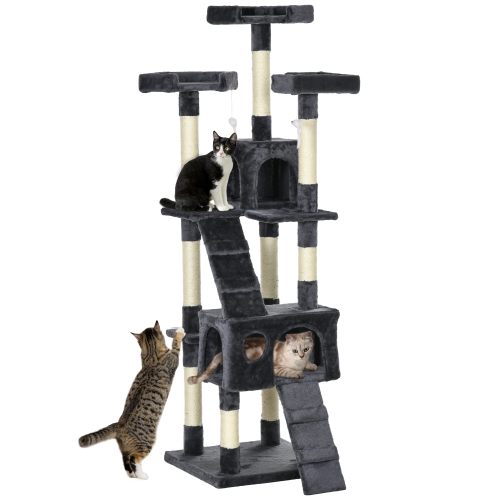
Cat towers for indoor cats combine climbing platforms, scratching surfaces, and resting spots in a single piece of pet furniture. They give cats room to move vertically, watch household activity from a raised perch, or curl up somewhere partly hidden from view. For cats that live indoors, these different levels add variety to familiar rooms without requiring a large stretch of open floor. A compact tower can suit an apartment living area, while a wider, multi-level design may work well in a home shared by several cats. The most useful layout depends on how a cat actually spends its time: a confident climber may enjoy a high lookout, while a cat that retreats behind the sofa may prefer an enclosed cubby with a generous entrance. Open shelves, cushioned beds, fabric hammocks, and sheltered condos each offer a different kind of resting space. Size matters beyond the tower’s overall height. A perch needs enough usable surface for a cat to lie comfortably, and a cubby should allow room to enter, turn around, and settle without squeezing through a narrow opening. For large cats, platform dimensions and the stated weight limits deserve particular attention; a tall structure is not necessarily designed for a heavier animal. Kittens and older cats may find closely spaced platforms easier to navigate than a layout with long gaps between shelves. Low entry points and accessible resting areas can also suit cats that are less inclined to jump. Towers form one part of the wider range of Indoor Cat Furniture, with designs that bring several everyday activities together. A cat that likes to scratch after waking, stretch on a middle platform, and then settle on a high bed can do all three within a relatively small footprint. That combination makes the arrangement of the levels just as important as the number of features.
Materials influence how a cat tower feels underfoot, how it handles daily use, and how much care it needs. Many designs use engineered wood panels beneath carpet, plush fabric, or other coverings, while others have exposed wood surfaces with separate cushions. Covered platforms provide texture for paws to grip, and padded resting areas offer a softer place to lounge. Smooth panels can be easier to wipe clean, although secure footing remains important along climbing routes and landing spots. Scratching sections commonly feature sisal rope or woven sisal, both of which provide a textured surface for clawing and stretching. Carpet-covered posts and replaceable cardboard sections offer different textures, and individual cats often have clear preferences. A cat that repeatedly scratches a rug may appreciate a low or angled scratching area, whereas one that reaches up a sofa arm may prefer a vertical post. The usable scratching height should let the cat extend its body rather than forcing it to crouch beneath a shelf. A dedicated scratching surface gives cats an appropriate outlet for normal behaviour, but it does not guarantee that they will ignore other furniture. Position, texture, and familiarity all affect whether the surface gets used. Durability comes from the whole construction, including firmly attached coverings, supported platforms, secure fasteners, and posts that remain rigid during climbing. Rope and fabric will gradually show wear, especially around favourite scratching spots and the edges of landing platforms. Replaceable components, where specified, can make routine upkeep more practical. For cleaning, loose hair can usually be lifted with a vacuum attachment or lint tool, while washable cushion covers should be cared for according to their labels. Upholstered sections and exposed panels may require different cleaning methods, so the manufacturer’s care directions matter. Regular checks for loose threads, exposed staples, damaged posts, and worn attachments help identify parts that need attention before a cat returns to its usual perch.
A suitable cat tower also needs to fit the room and remain steady during everyday use. The full footprint includes any projecting beds, ramps, or scratching sections, not just the base panel. In a narrow living room, a tower that looks compact at floor level may still extend into a walkway at shoulder height. Enough clearance above the highest platform gives a cat space to sit upright, while clear landing areas make it easier to climb down without jumping onto nearby clutter. A window-side position can provide an engaging view, provided the tower does not give access to an unsecured window, blind cords, or other hazards. Placement near a familiar resting spot may be more inviting than an isolated corner, particularly for a cat that likes company without sitting directly beside people. Stability is especially important when a cat launches onto a shelf from across the room. A broad, well-supported base can help limit rocking, but base size alone does not establish whether a tower is secure. Proper assembly, a level surface, the specified weight capacity, and any required wall attachment all contribute. Anti-tip straps or brackets should be fitted as directed, and fasteners may need periodic checking as the structure is used. In multi-cat homes, more than one comfortable resting area can give each animal a place to settle. Separated perches and clear routes between levels may also reduce crowding, although some cats prefer their own furniture rather than sharing a single tower. Suspended toys can add interest when present, but their cords and attachments need inspection, and damaged toys should be removed. For a household welcoming a new cat, or as a practical gift for a cat owner, the best fit reflects the animal’s size, habits, and the space available. A securely assembled tower with accessible levels, suitable scratching textures, and comfortable resting areas can become a familiar part of a cat’s daily routine, from an energetic climb to a long, undisturbed nap.
Top selling and popular products
-
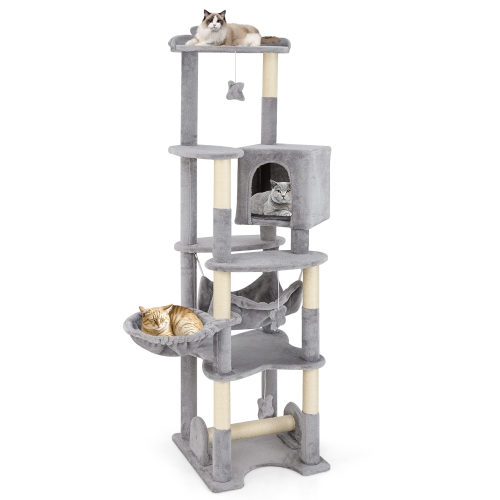 Your price for this item is $105.99
-
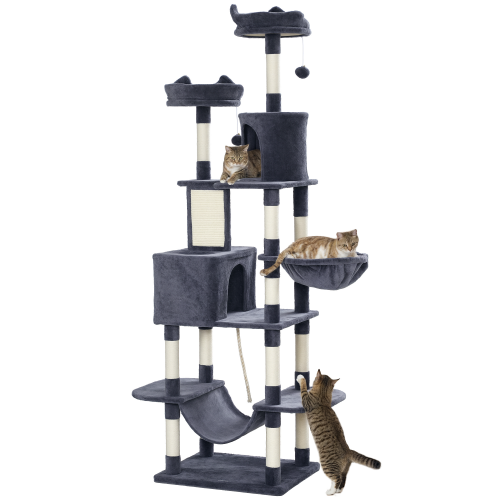 Your price for this item is $99.99
-
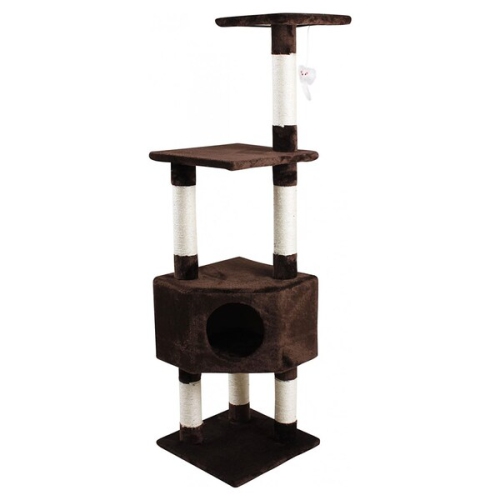 Your price for this item is $58.69
-
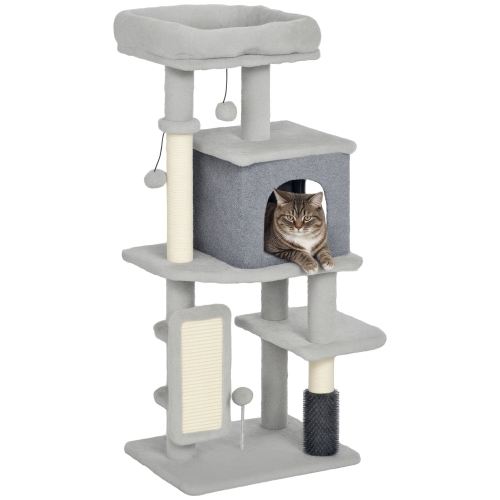 Your price for this item is $62.99
-
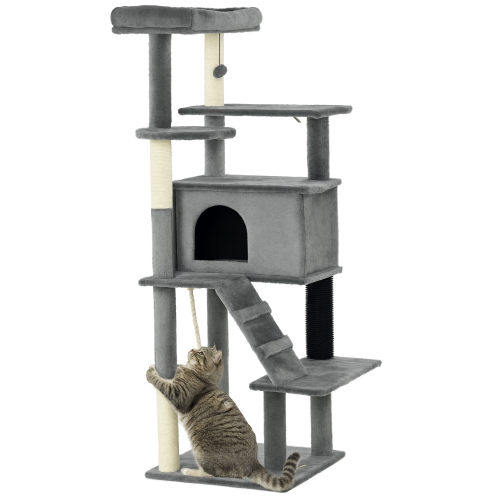 Your price for this item is $76.99
-
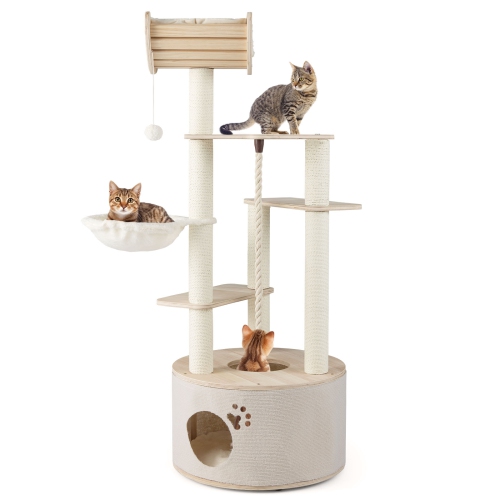 Your price for this item is $159.99
-
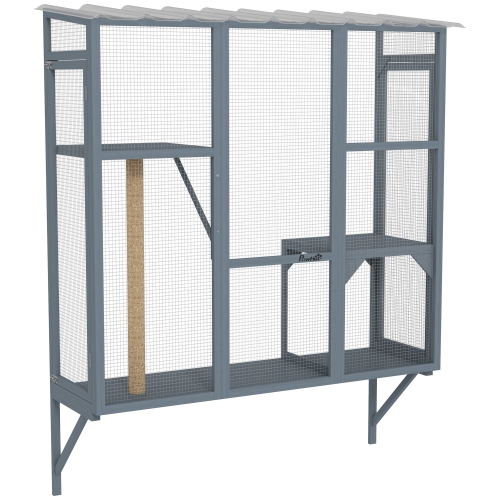 Your price for this item is $279.99
-
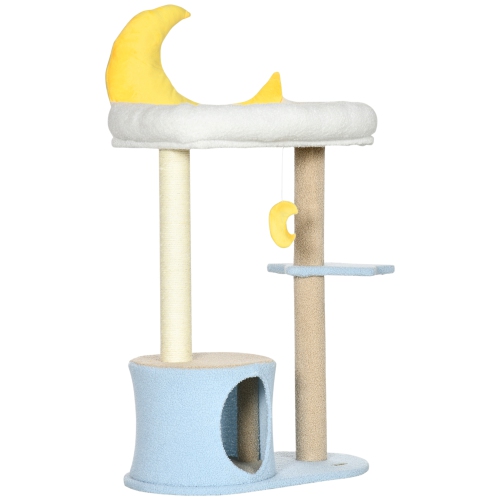 Your price for this item is $67.99
Discover more categories related to Cat Towers for Indoor Cats
Top Collections:
Pokemon Centers, Best Cameras for Sports Photography, Kindle Devices, Samsung Galaxy Phones, Canon G7X Cameras, Pokémon 30th Celebration Cards, Refurbished Apple Laptops, iPhone 15 Apple, Laptops for Students, Budget Smartphones
Some products may be subject to Environmental Handling Fees
(EHF) depending on your province.
Learn more about EHFs.