Cat Trees for Senior Cats
Cat trees for senior cats offer a comfortable and accessible way for your older feline to enjoy their favourite activities. Designed with the needs of mature cats in mind, these cat trees provide a cozy space for lounging, gentle climbing, and easy access to perches. Whether your senior cat loves to nap or prefers a quiet spot to observe their surroundings, you'll find options that help support their well-being while fitting seamlessly into your home. Explore cat trees for senior cats to create a relaxing environment that keeps your cherished companion content.
Sort


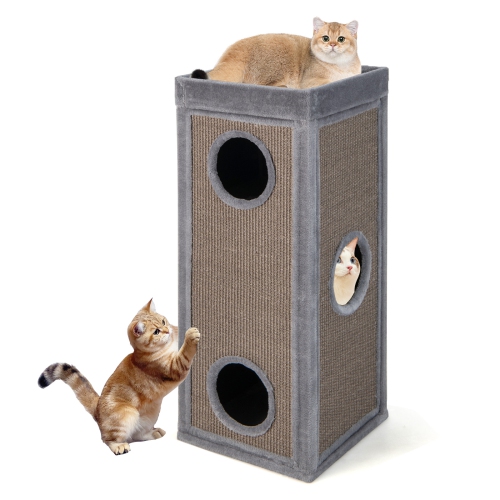
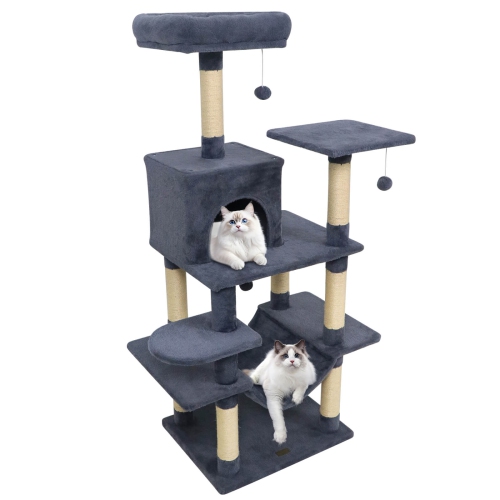
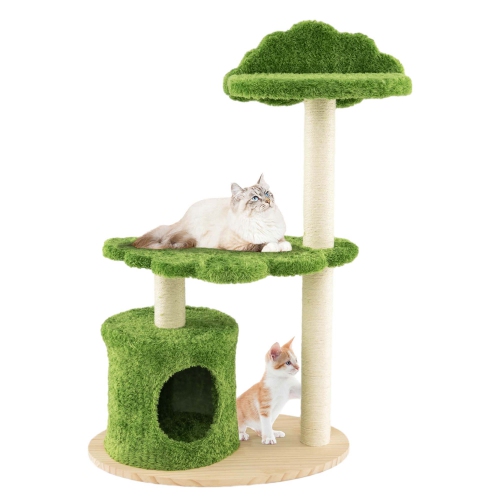
Low height alone doesn’t guarantee an easy climb
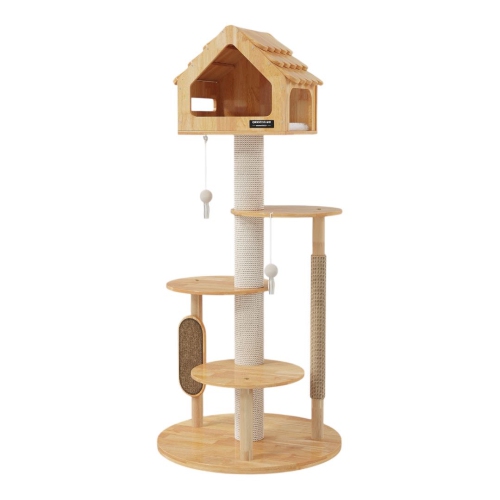
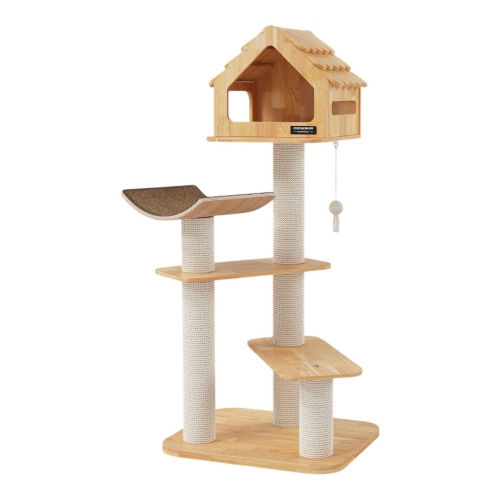
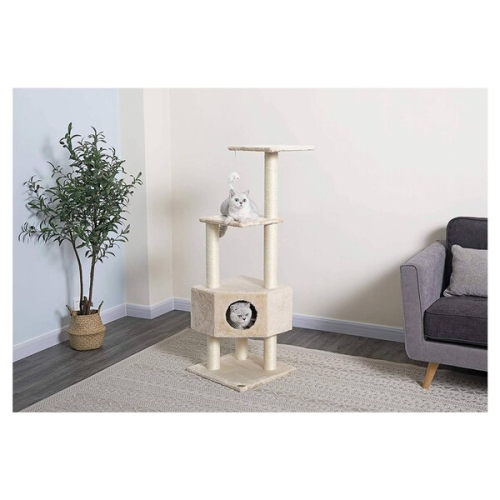
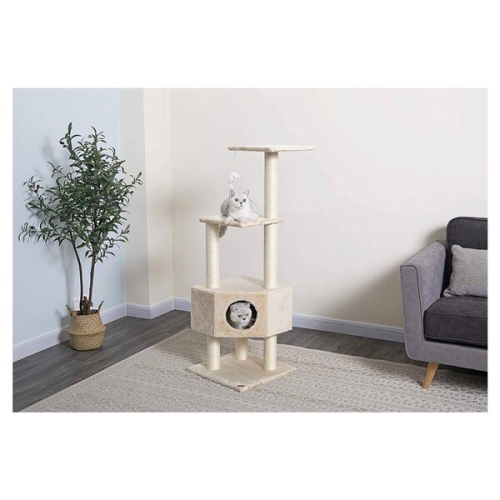
Cat trees for senior cats give older companions a place to scratch, rest, and watch household activity without needing to tackle a tall tower. The most useful designs pair a low overall height with wide, closely spaced platforms, accessible resting spots, and a broad, stable base. Staggered steps or gently sloped ramps can make the route upward less demanding, especially for a cat that hesitates before jumping onto the sofa or prefers to climb down one surface at a time. Height alone does not determine accessibility: a short tree with a large gap between levels may be harder to use than a slightly taller structure with a continuous series of manageable steps. The path down matters just as much as the climb up. Each landing should leave enough room for a cat to place all four paws, pause, and turn without balancing on a narrow edge. Wide, padded perches offer space to curl up or stretch out, while a raised edge can provide a comfortable place to lean. An open entry section helps keep that edge from becoming another obstacle to cross. Ground-level beds and low-entry hideaways are useful for cats that enjoy having a dedicated retreat but no longer seek much elevation. For a cat that still likes a view, a modest raised platform beside a suitable window may satisfy that habit without a long climb. Mobility varies considerably among older cats, so the best fit reflects the individual animal’s reach, balance, body size, and everyday behaviour rather than age alone. A senior cat tree is furniture, not a treatment for arthritis or other health concerns; a veterinarian can assess new difficulty jumping, stiffness, or changes in activity. Within the broader selection of Indoor Cat Trees, senior-friendly layouts put straightforward access and comfortable resting space ahead of height or the number of levels.
Materials and construction affect how a cat tree feels underfoot and how well it holds up to daily use. A rigid frame and a wide, substantial base help limit movement when a cat steps onto an outer platform, leans against a post, or scratches with its full body extended. Stability depends on assembly and placement as well as weight, so the structure should sit level, with hardware tightened and any supplied restraints installed according to the manufacturer’s directions. Carpet, plush fabric, and textured coverings offer different surfaces for paws to grip, but their usefulness depends on how securely they are attached. Loose fabric can shift underfoot, while worn loops or exposed staples can create snagging hazards. On a ramp, a firmly attached, textured surface is generally more practical than a smooth panel, and the slope should suit the cat’s abilities rather than simply connect two levels. Cushions should provide a comfortable resting surface without sliding across the platform or leaving the cat on an unstable mound of padding. Removable covers can make routine cleaning easier, particularly for a favourite bed that collects fur every day. Perch dimensions deserve a close look: the outside measurement may include a thick rim, leaving less usable sleeping space inside. A large cat needs room for its torso and limbs, not merely enough space to sit upright, while an enclosed compartment needs an entrance that does not require squeezing or a high step. Scratching areas are another part of the fit. Firmly secured sisal rope, sisal fabric, or carpeted sections give cats a surface for normal scratching behaviour, although individual preferences differ. Some older cats still enjoy a vertical stretch; others favour a lower or angled surface. A stated weight limit is important, but it should be considered alongside platform size, frame construction, and any limits for individual levels, especially in a home where more than one cat may use the tree.
The right footprint makes a senior cat tree easier to live with for both pets and people. A compact base may suit a small living room, but projecting beds, steps, and ramps also take up floor space and need clear approaches. Allowing room around the lowest platform lets a hesitant cat approach directly instead of turning sharply between furniture legs. A quiet corner near everyday household activity can offer companionship without placing a sleeping cat in a busy walkway. If a window view is part of the appeal, the resting platform should provide that view on its own, rather than requiring another jump onto a narrow sill. Window cords should remain out of reach, and the tree should not obstruct doors or essential access routes. In a multi-cat household, separate resting areas can help an older cat settle without having to share a single prized perch, although a more active companion may still need a different outlet for climbing and play. Familiarity also matters. A cat that has always slept in an open bed may prefer a broad uncovered platform to an enclosed cubby, while a cat that retreats behind furniture may appreciate a sheltered space with an easy entrance. A familiar blanket can help a new resting spot feel inviting if it lies flat and does not interfere with footing; placing a cat on an upper level before it has explored the route down is best avoided. Ongoing care is straightforward but important. Vacuuming upholstery, removing trapped fur from corners, and cleaning covers according to their care labels help keep favourite sleeping areas pleasant. Periodic checks for loose bolts, wobbling posts, compressed padding, and frayed coverings can reveal wear before it affects everyday use. For someone choosing a cat tree as a gift for a senior cat’s household, the most useful details are the cat’s size, preferred sleeping position, mobility, and the space where the furniture will sit. A thoughtful match gives an older cat a familiar set of pleasures—a satisfying scratch, a comfortable nap, and a good vantage point—in a layout that suits its daily routine.
Materials and construction affect how a cat tree feels underfoot and how well it holds up to daily use. A rigid frame and a wide, substantial base help limit movement when a cat steps onto an outer platform, leans against a post, or scratches with its full body extended. Stability depends on assembly and placement as well as weight, so the structure should sit level, with hardware tightened and any supplied restraints installed according to the manufacturer’s directions. Carpet, plush fabric, and textured coverings offer different surfaces for paws to grip, but their usefulness depends on how securely they are attached. Loose fabric can shift underfoot, while worn loops or exposed staples can create snagging hazards. On a ramp, a firmly attached, textured surface is generally more practical than a smooth panel, and the slope should suit the cat’s abilities rather than simply connect two levels. Cushions should provide a comfortable resting surface without sliding across the platform or leaving the cat on an unstable mound of padding. Removable covers can make routine cleaning easier, particularly for a favourite bed that collects fur every day. Perch dimensions deserve a close look: the outside measurement may include a thick rim, leaving less usable sleeping space inside. A large cat needs room for its torso and limbs, not merely enough space to sit upright, while an enclosed compartment needs an entrance that does not require squeezing or a high step. Scratching areas are another part of the fit. Firmly secured sisal rope, sisal fabric, or carpeted sections give cats a surface for normal scratching behaviour, although individual preferences differ. Some older cats still enjoy a vertical stretch; others favour a lower or angled surface. A stated weight limit is important, but it should be considered alongside platform size, frame construction, and any limits for individual levels, especially in a home where more than one cat may use the tree.
The right footprint makes a senior cat tree easier to live with for both pets and people. A compact base may suit a small living room, but projecting beds, steps, and ramps also take up floor space and need clear approaches. Allowing room around the lowest platform lets a hesitant cat approach directly instead of turning sharply between furniture legs. A quiet corner near everyday household activity can offer companionship without placing a sleeping cat in a busy walkway. If a window view is part of the appeal, the resting platform should provide that view on its own, rather than requiring another jump onto a narrow sill. Window cords should remain out of reach, and the tree should not obstruct doors or essential access routes. In a multi-cat household, separate resting areas can help an older cat settle without having to share a single prized perch, although a more active companion may still need a different outlet for climbing and play. Familiarity also matters. A cat that has always slept in an open bed may prefer a broad uncovered platform to an enclosed cubby, while a cat that retreats behind furniture may appreciate a sheltered space with an easy entrance. A familiar blanket can help a new resting spot feel inviting if it lies flat and does not interfere with footing; placing a cat on an upper level before it has explored the route down is best avoided. Ongoing care is straightforward but important. Vacuuming upholstery, removing trapped fur from corners, and cleaning covers according to their care labels help keep favourite sleeping areas pleasant. Periodic checks for loose bolts, wobbling posts, compressed padding, and frayed coverings can reveal wear before it affects everyday use. For someone choosing a cat tree as a gift for a senior cat’s household, the most useful details are the cat’s size, preferred sleeping position, mobility, and the space where the furniture will sit. A thoughtful match gives an older cat a familiar set of pleasures—a satisfying scratch, a comfortable nap, and a good vantage point—in a layout that suits its daily routine.
Top selling and popular products
-
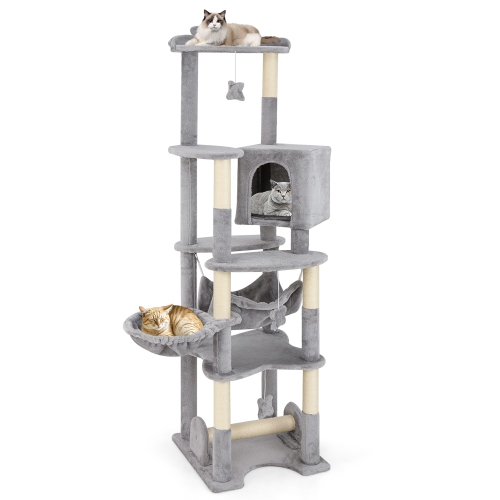 Your price for this item is $105.99
 -
 Your price for this item is $99.99
 -
 Your price for this item is $266.99
 -
 Your price for this item is $58.69
 -
 Your price for this item is $73.99
 -
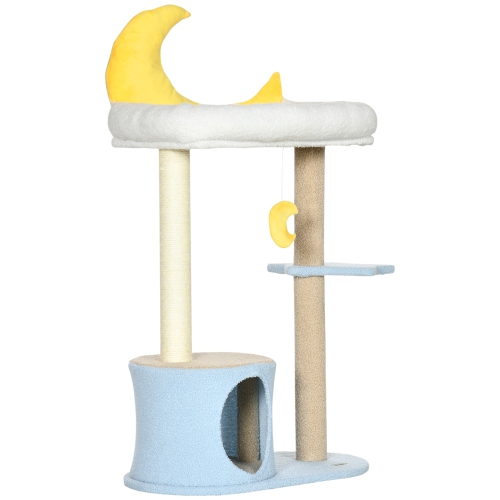 Your price for this item is $67.99
 -
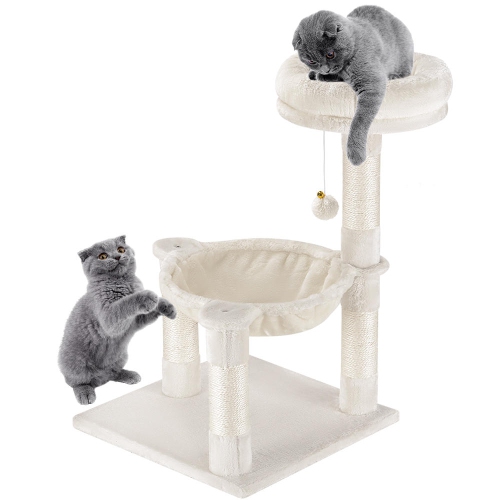 Your price for this item is $36.99
 -
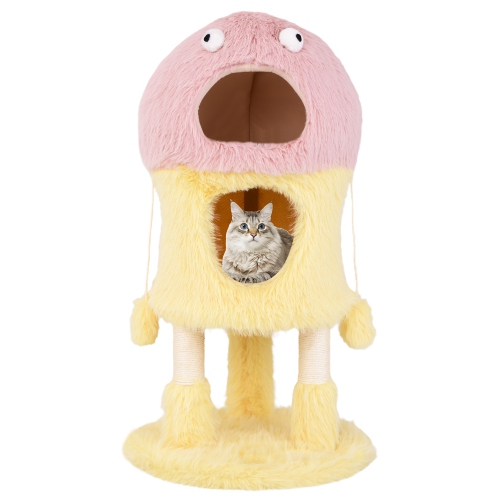 Your price for this item is $95.99
Discover more categories related to Cat Trees for Senior Cats
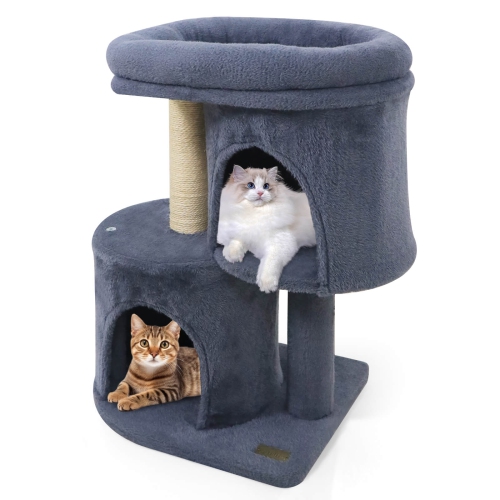
Top Collections:
Pokemon Centers, Kindle Devices, Best Budget Office Chairs, Apple iPhones 16, Best Laptops for Writers, iPhone 15 Apple, Canon G7X Cameras, Refurbished Apple Laptops, Alarm Clock, Motorola Razr Phones
Some products may be subject to Environmental Handling Fees
(EHF) depending on your province.
Learn more about EHFs.