Cat Trees for Large Cats
Give your large feline friend the ultimate play and relaxation space with our selection of cat trees designed specifically for larger cats. These sturdy and spacious structures provide ample room for your cat to climb, scratch, perch, and nap to their heart's content. With various levels, platforms, scratching posts, and cozy hideaways, our collection of cat trees for large cats offers both entertainment and comfort for your beloved pet. Whether your cat loves to climb to new heights or simply lounge in style, these cat trees are the purr-fect addition to any home.
Sort
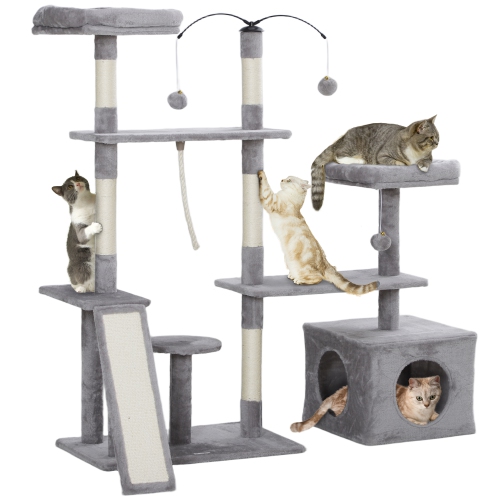
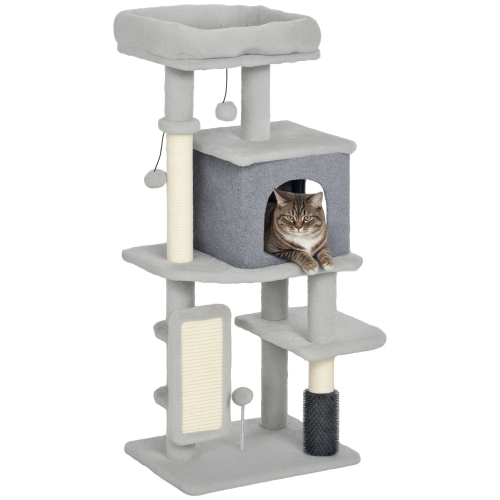
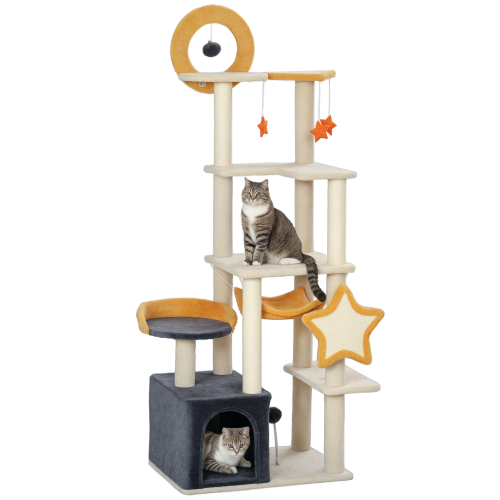
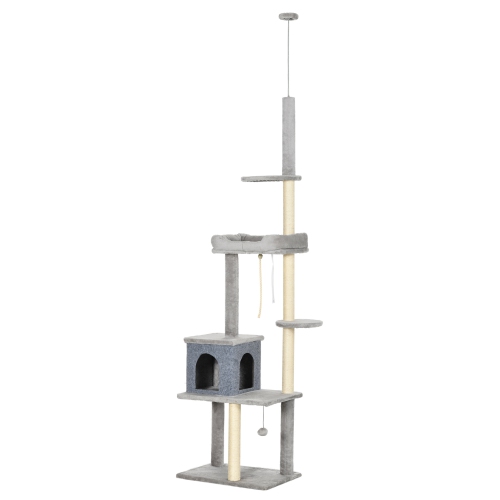

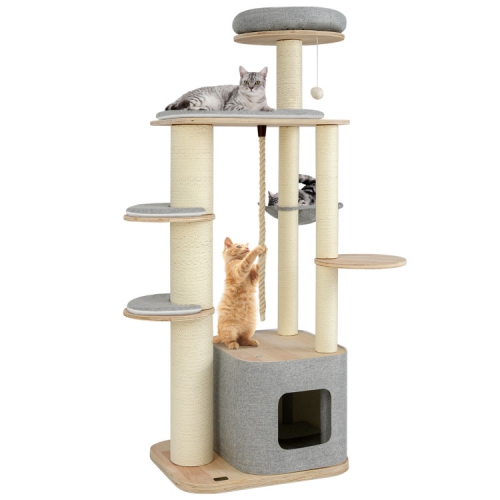
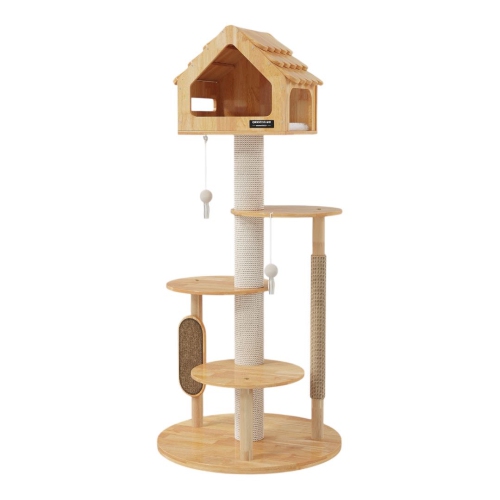
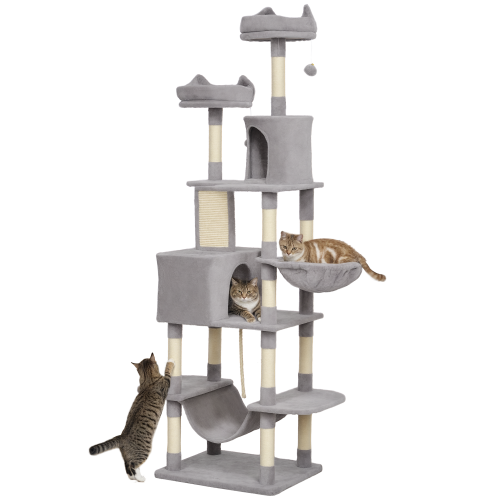
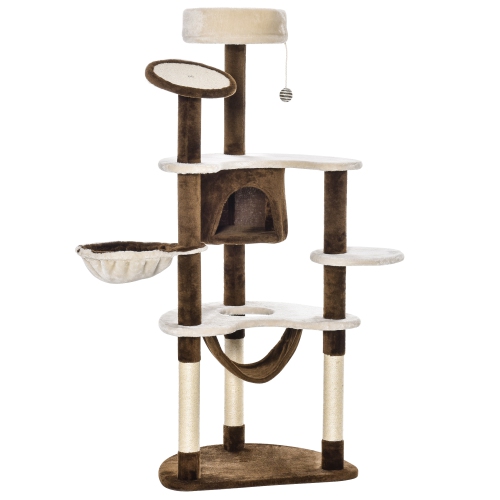
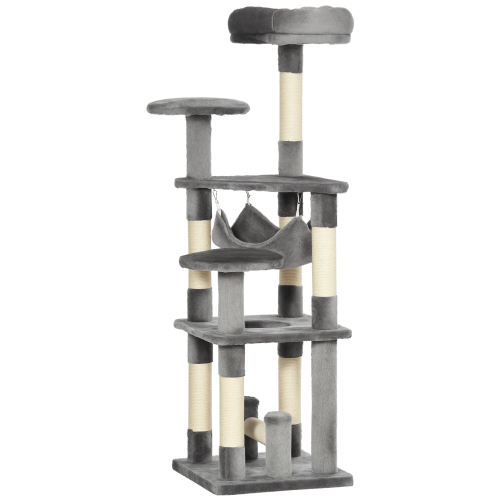



![PAWHUT Modern Real Wood Cat Tree, [40"=102Cm] Cat Tree for Indoor Large Adult Kittens, Cat Tower w Sisal Scratching Posts, Condo, Perch, Plush](https://multimedia.bbycastatic.ca/multimedia/products/500x500/194/19449/19449081.jpeg)
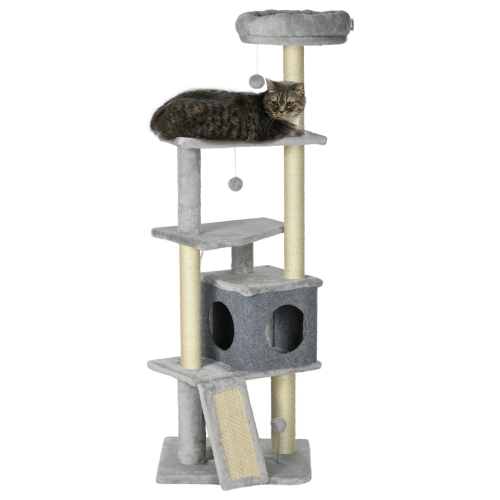
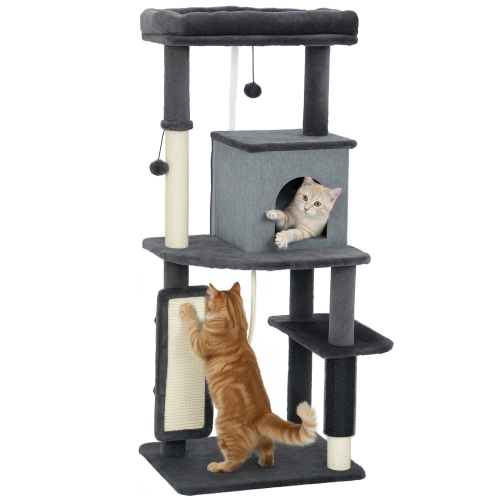
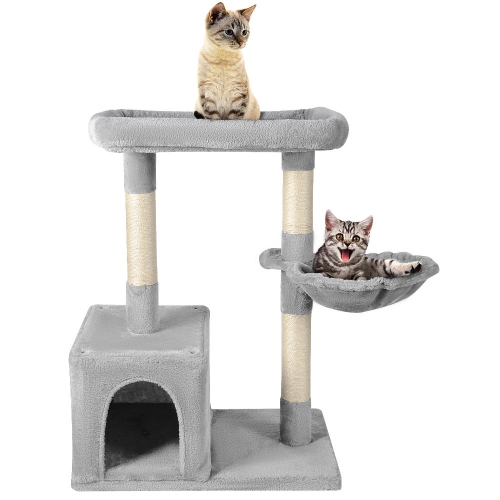
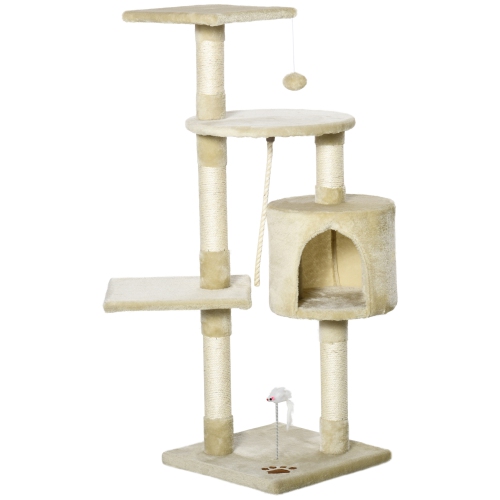
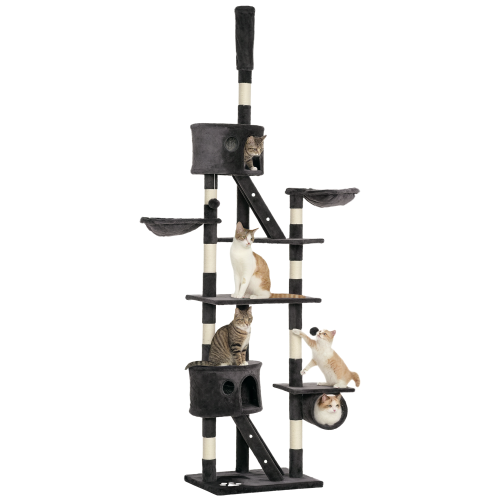
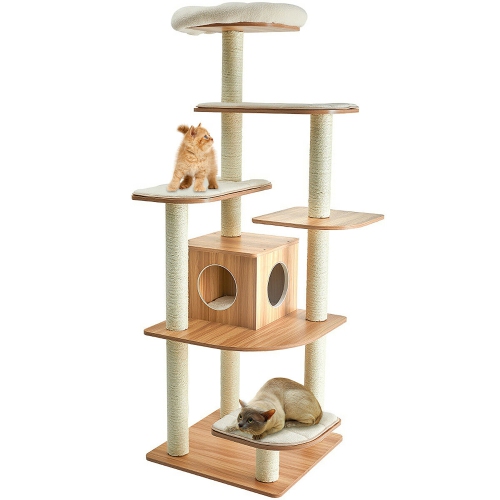
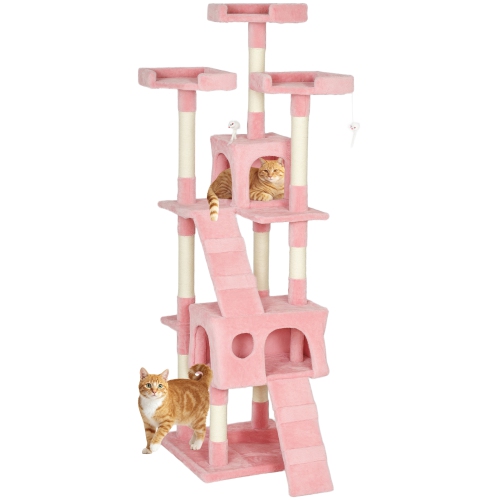
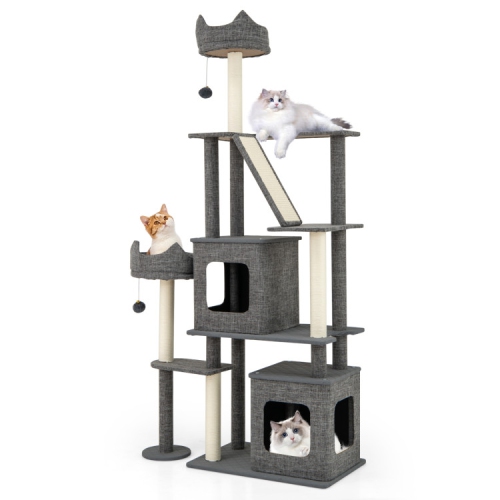
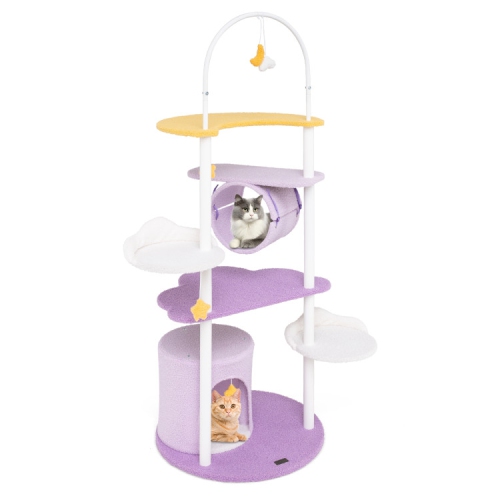
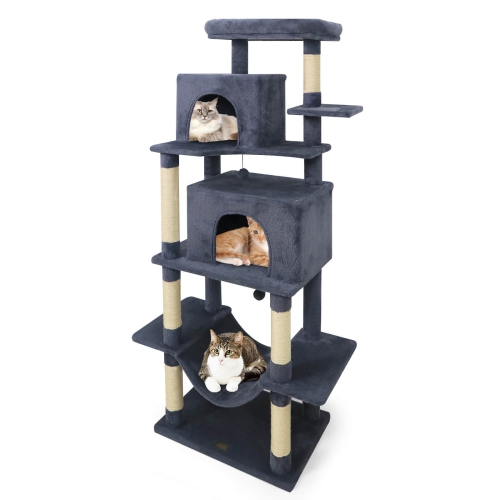
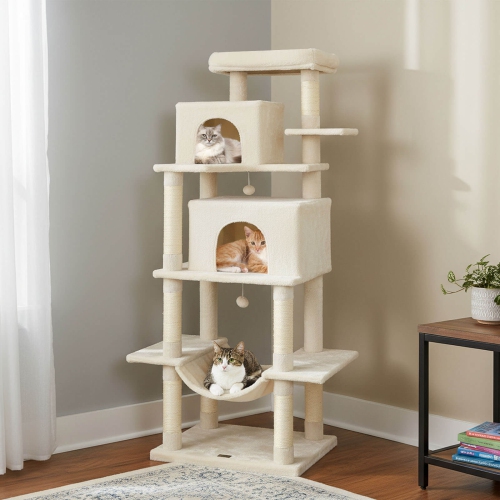
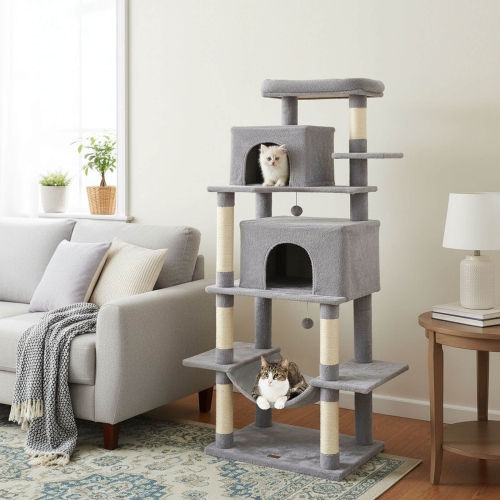
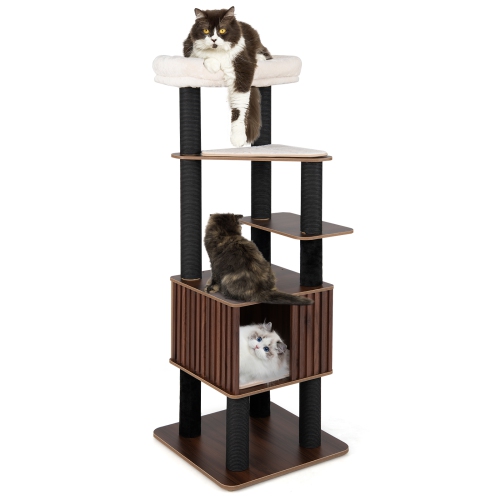
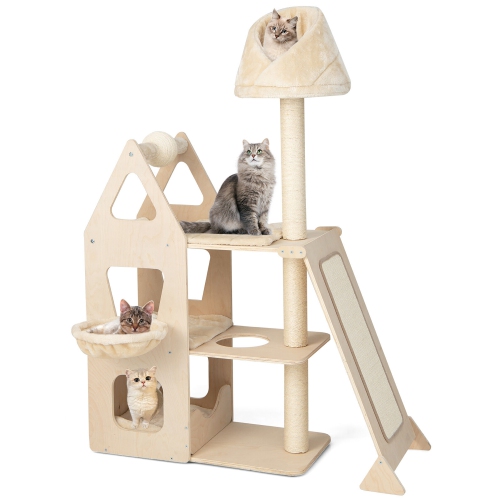
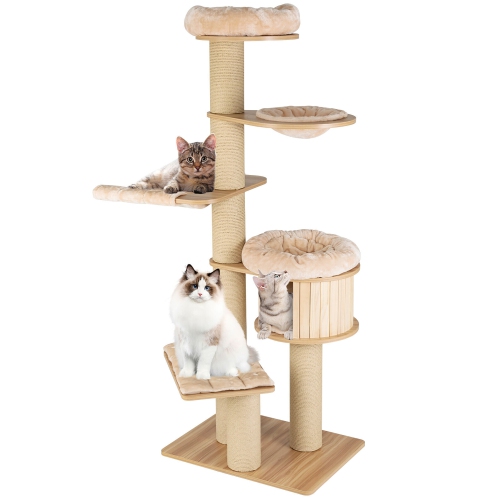
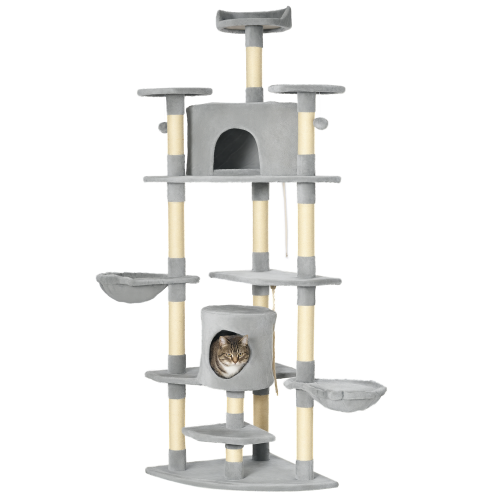
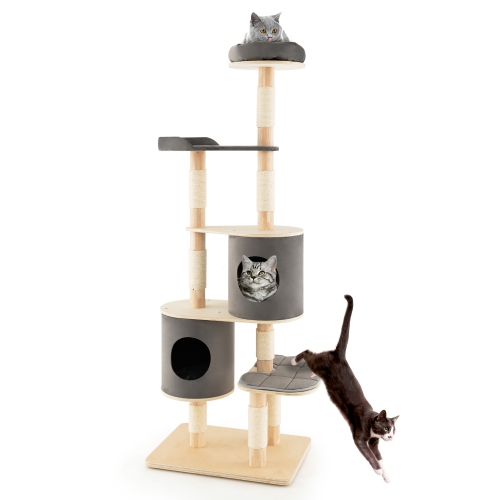
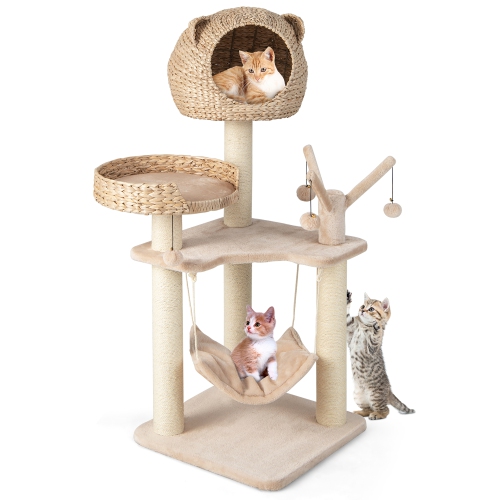
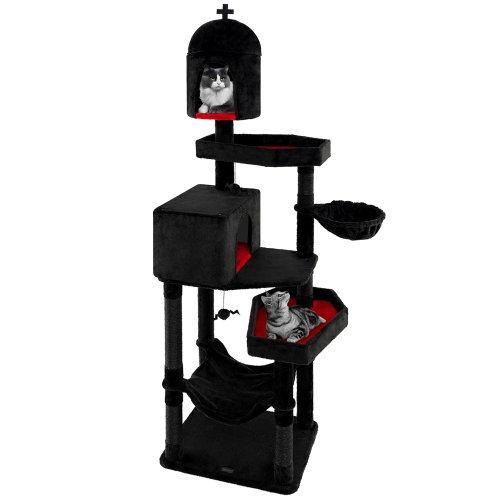
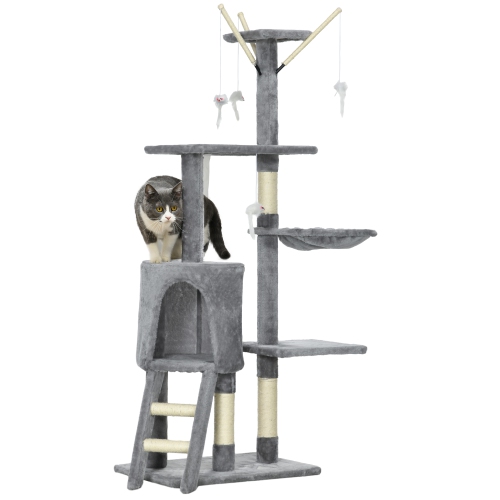
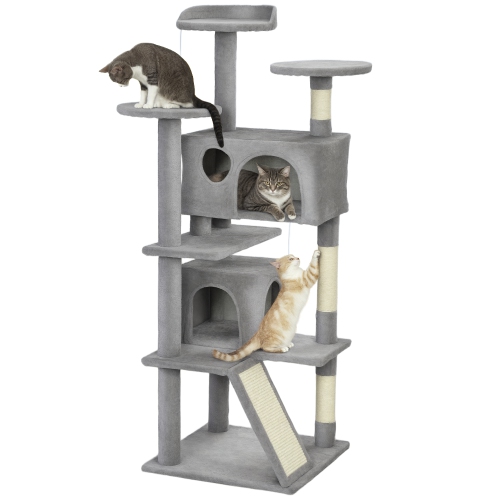
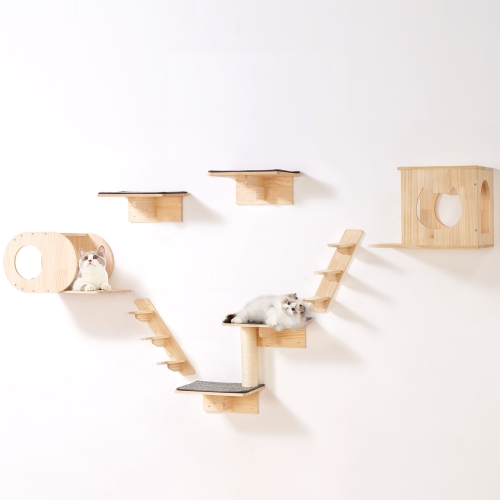
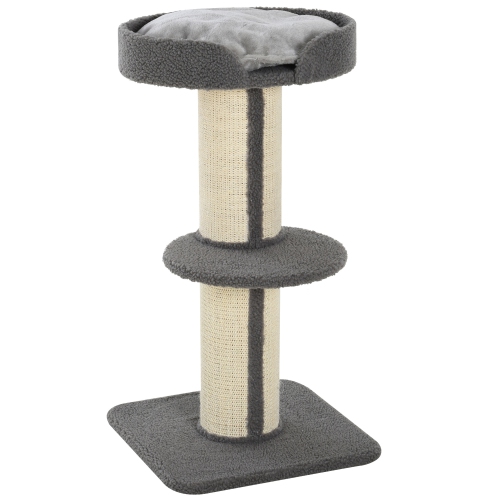
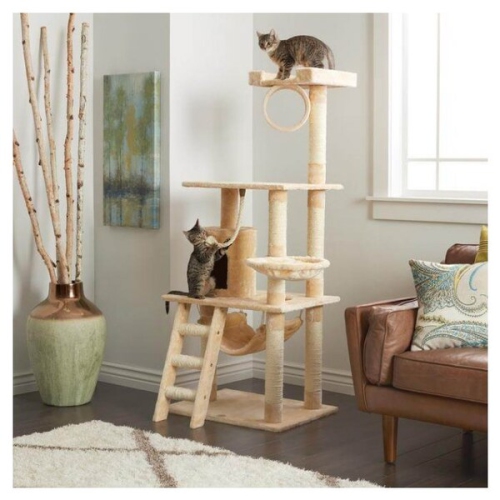
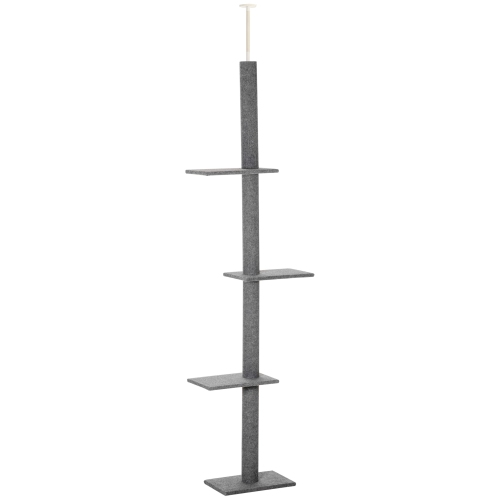
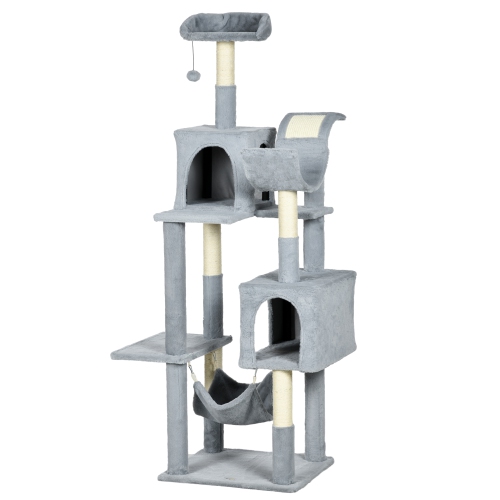
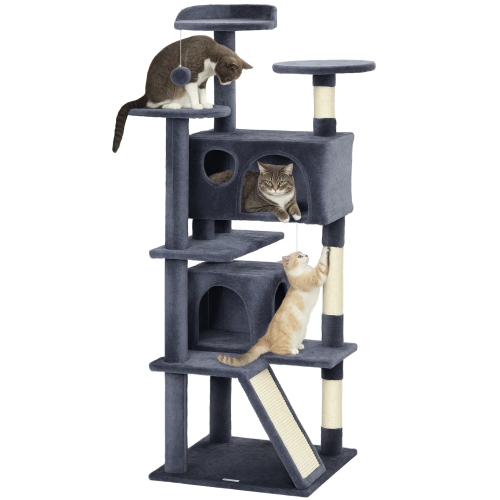
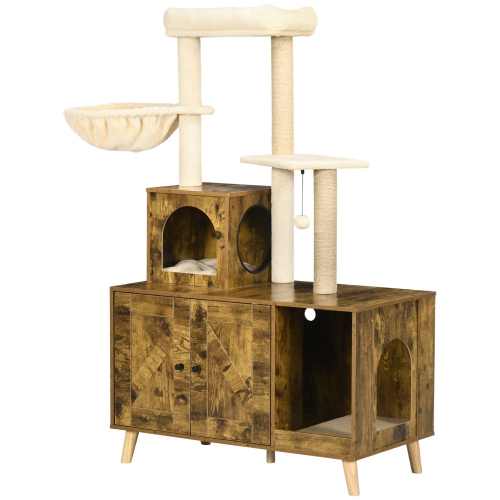
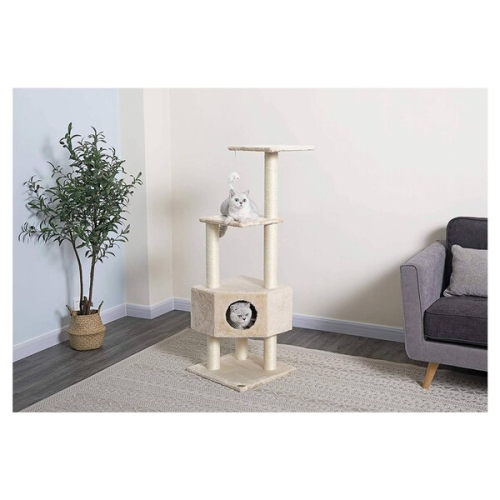
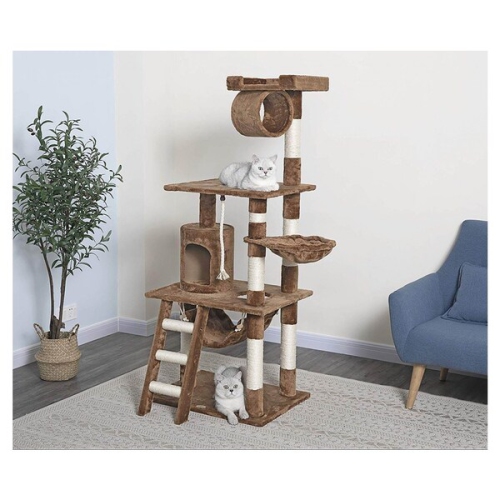
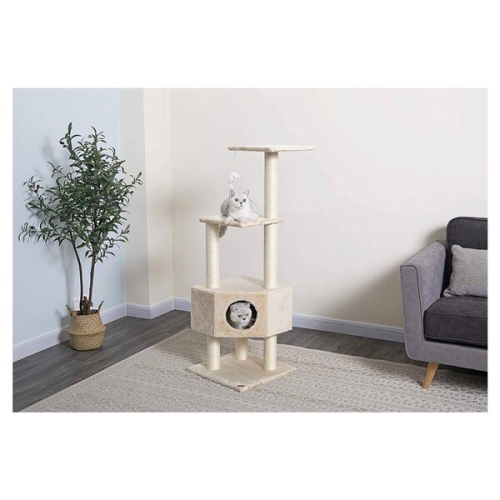
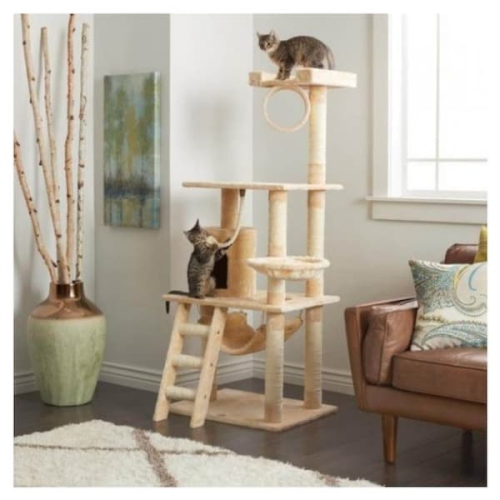
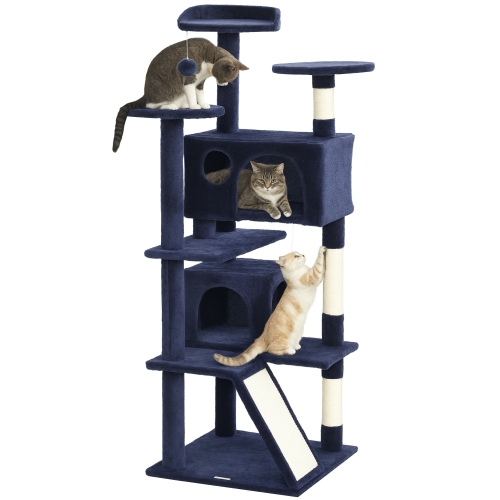
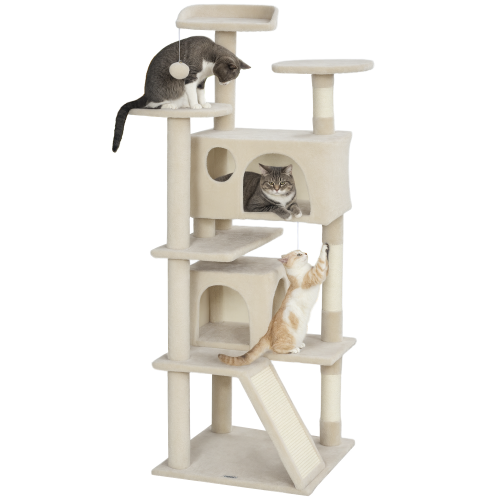
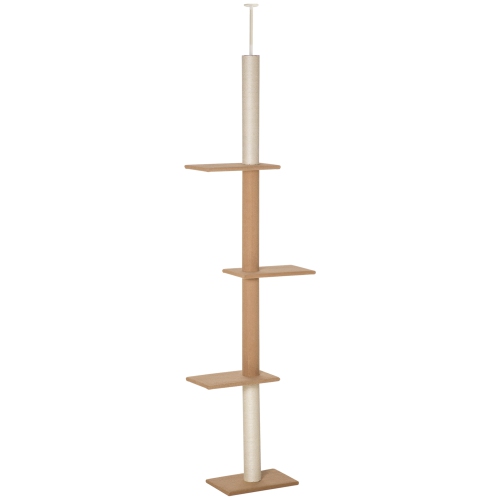
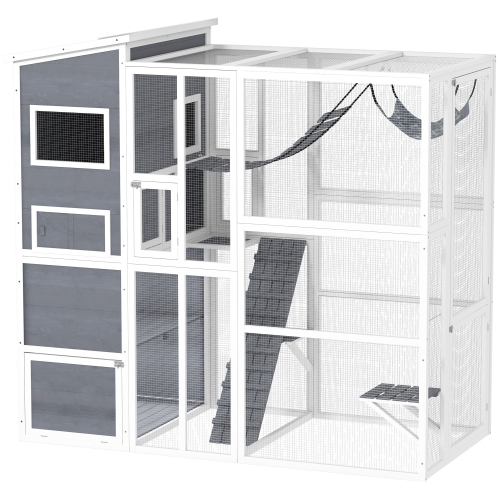

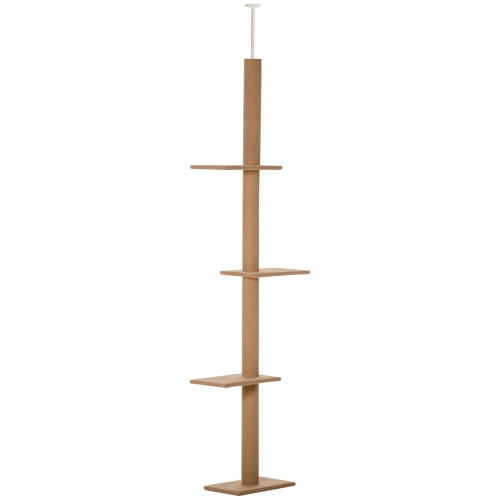
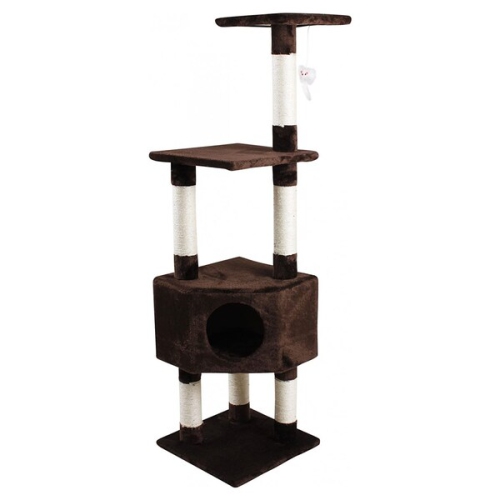
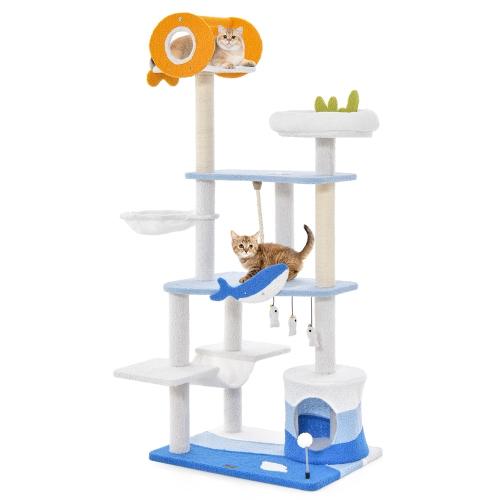
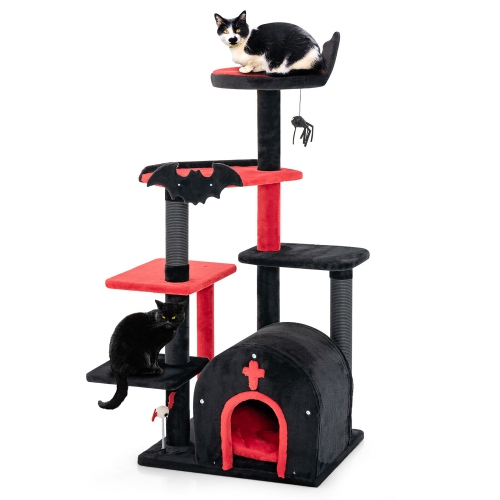
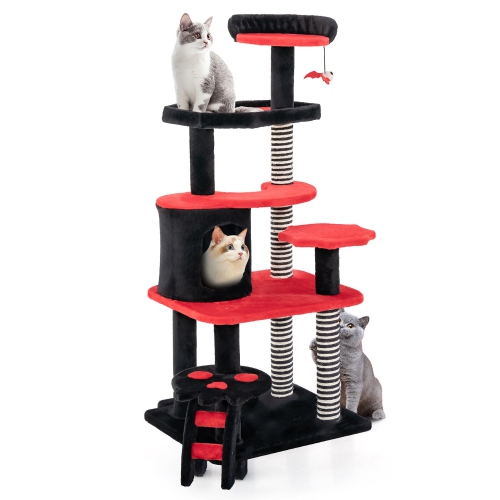
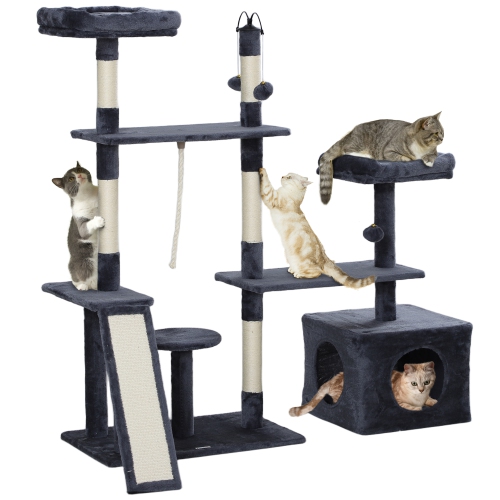
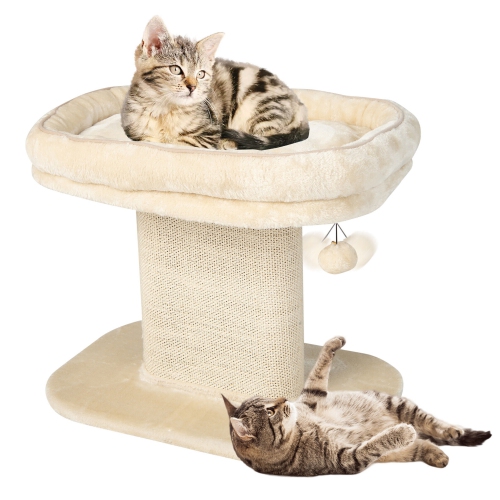
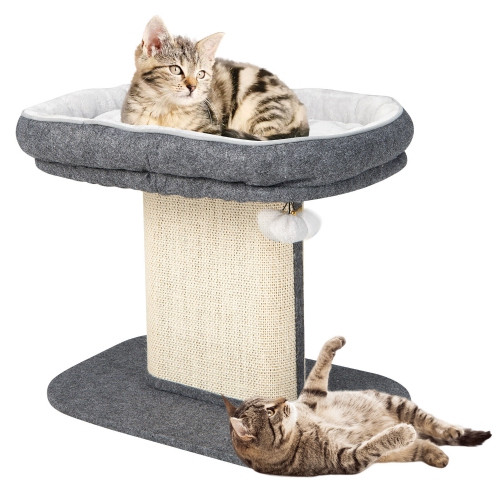
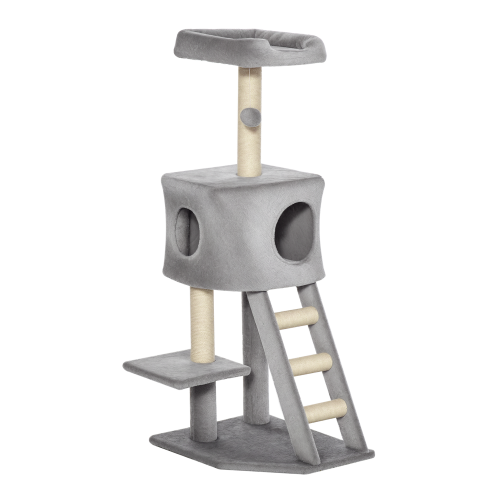
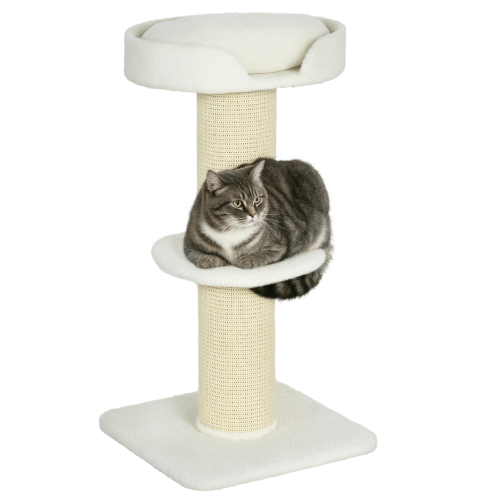
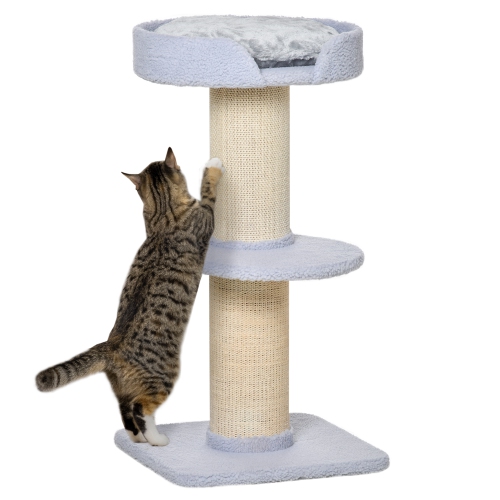
Stable, spacious designs for climbing, scratching, and relaxing
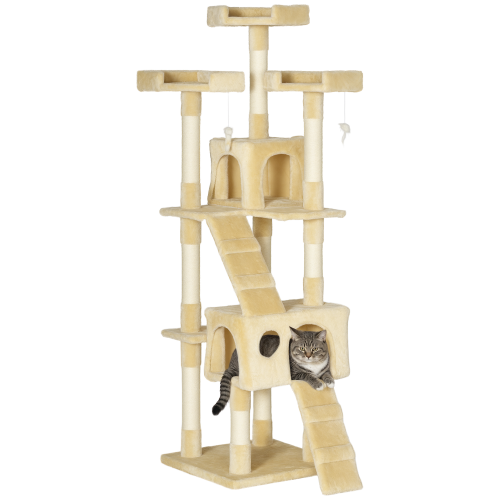
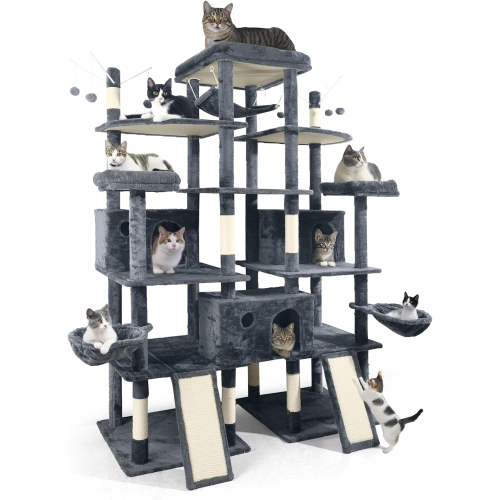
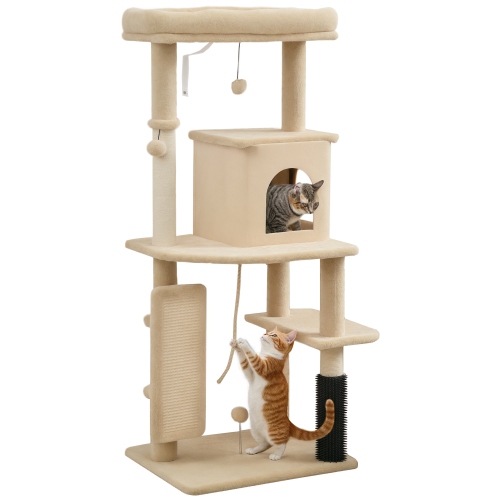
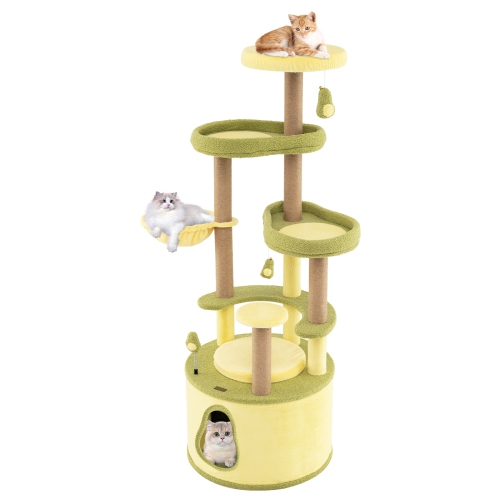
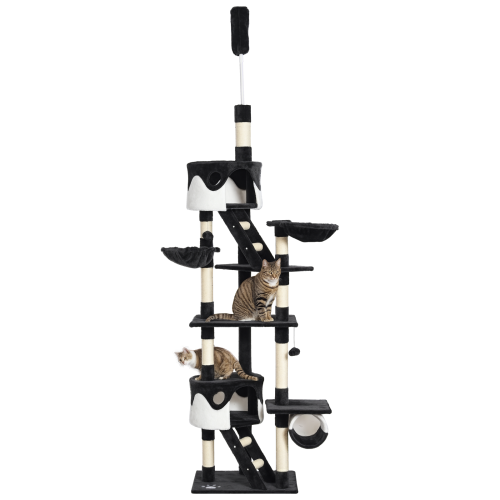
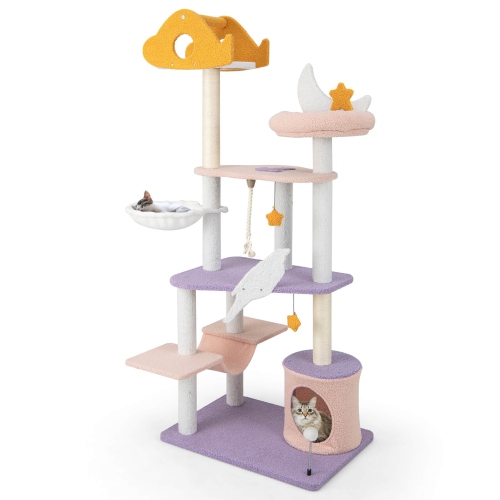
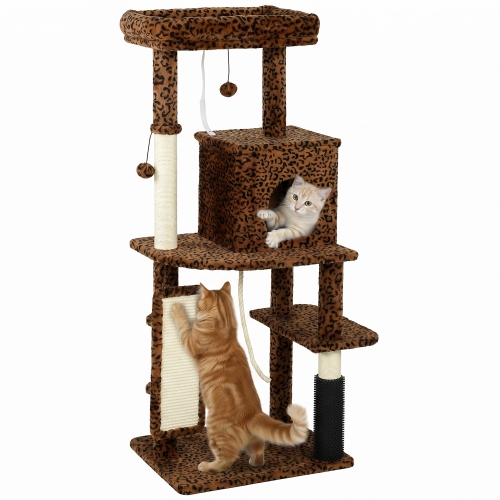
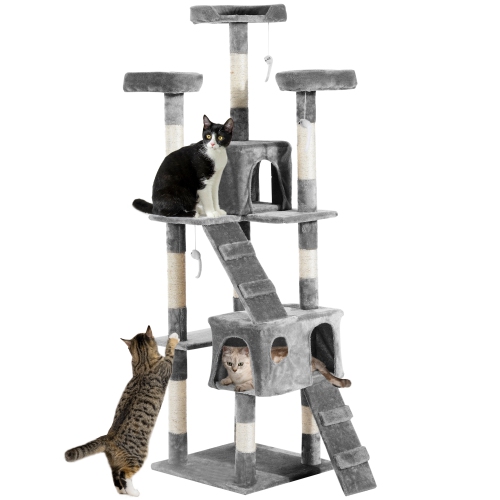
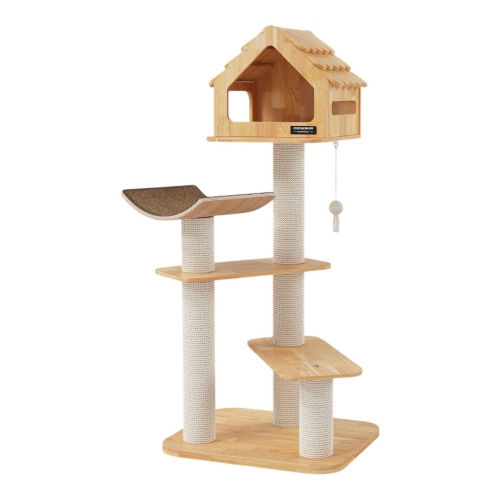
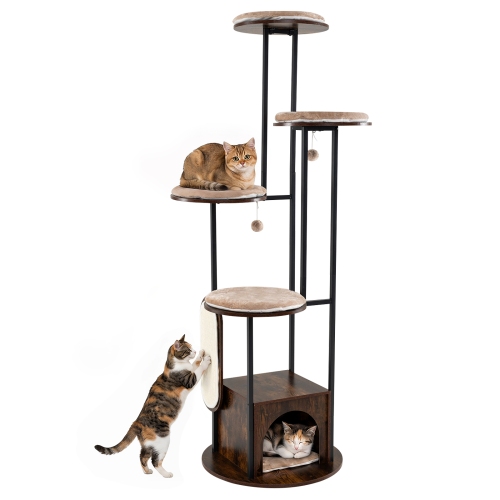
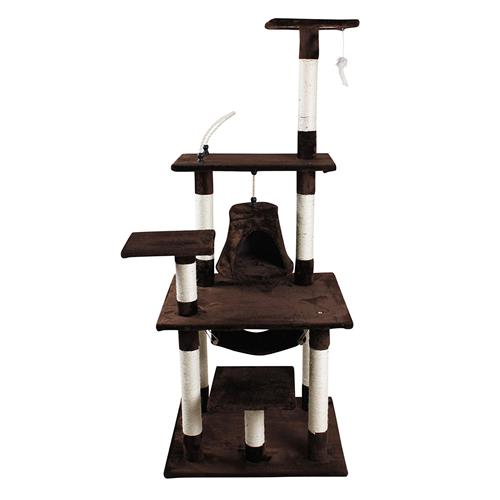
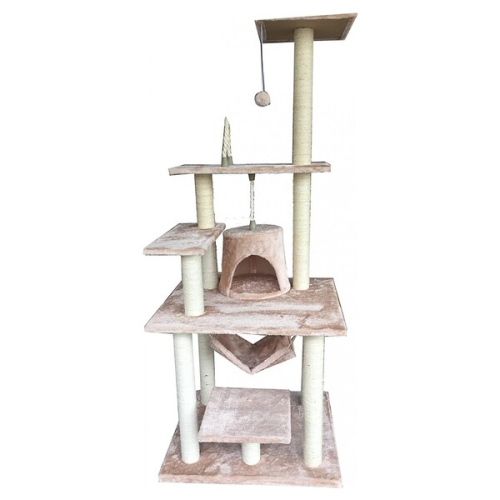
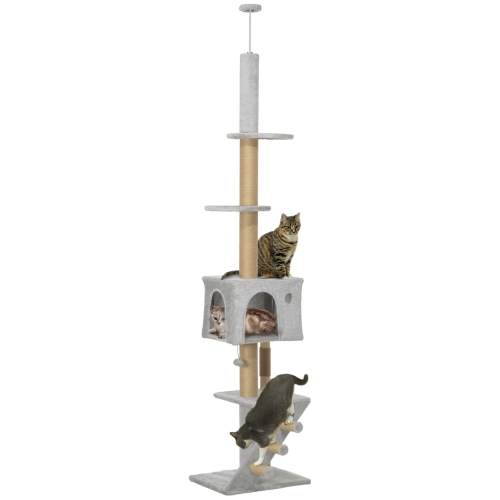
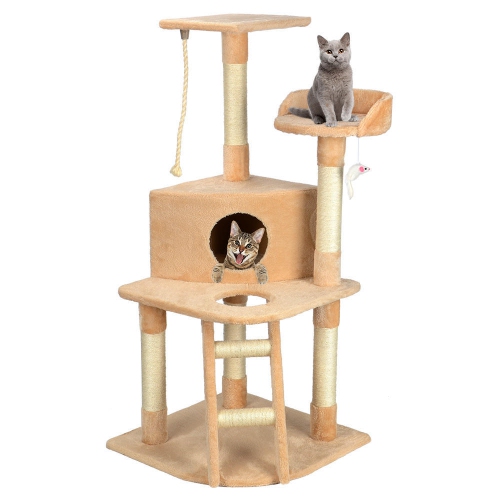
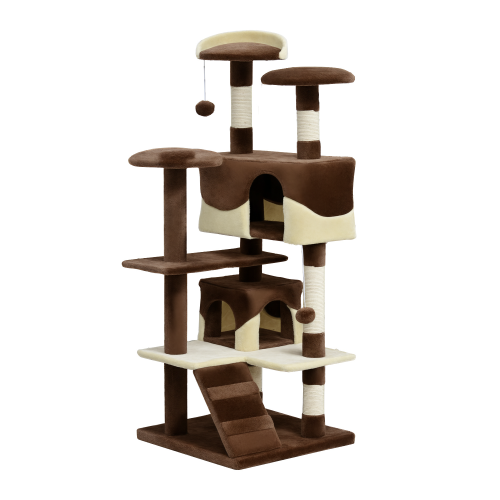
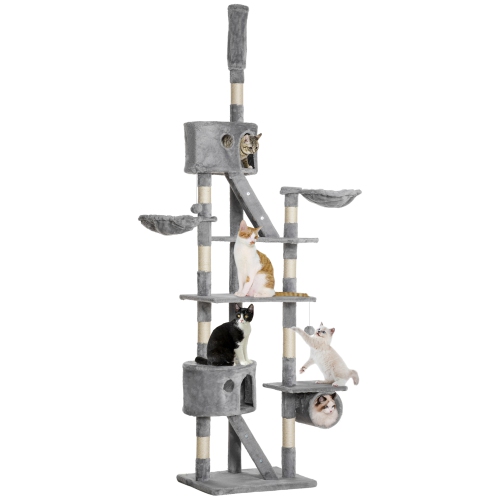
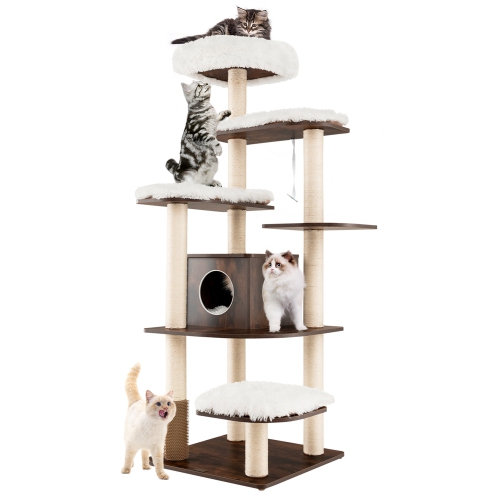
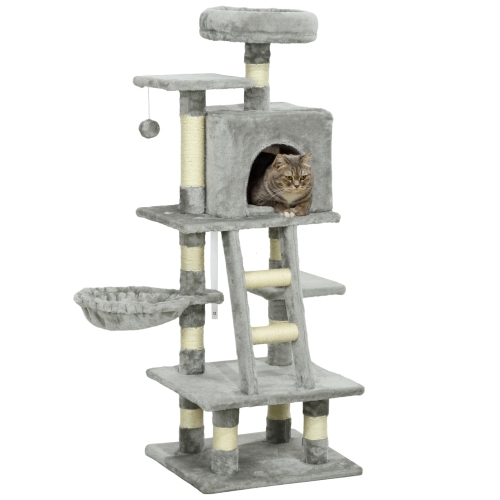
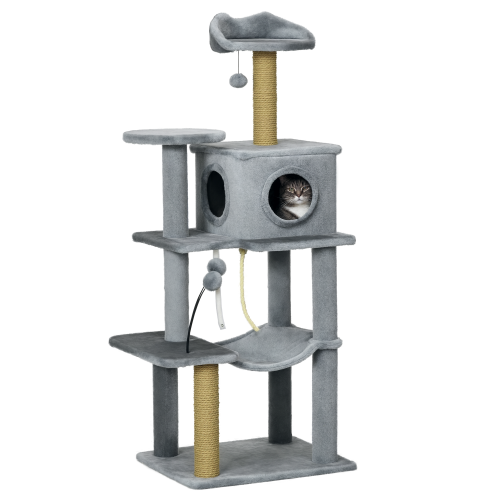
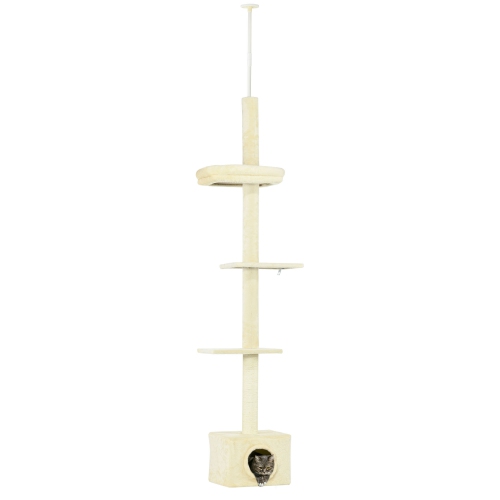
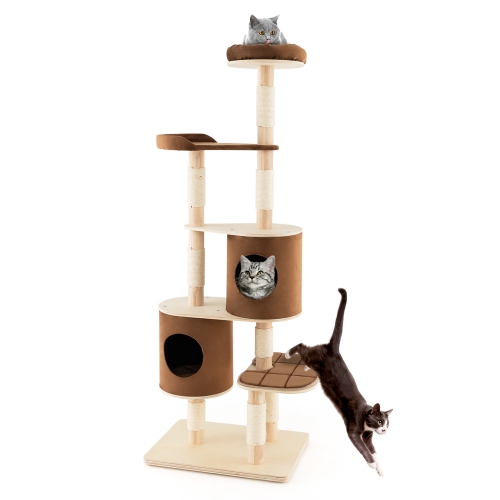
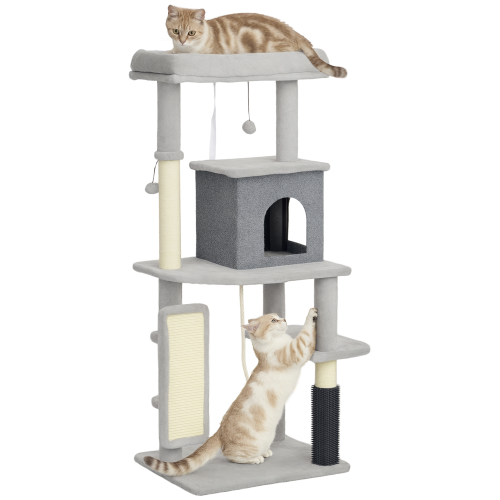
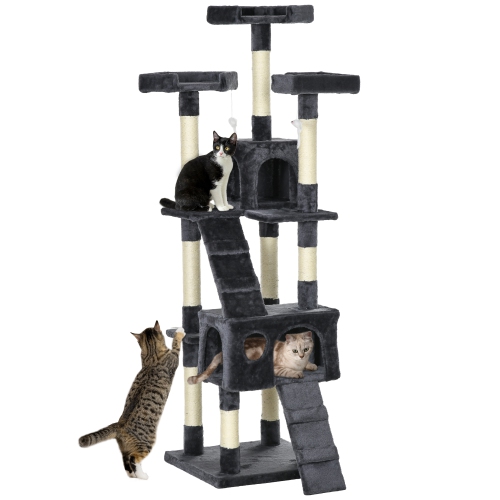
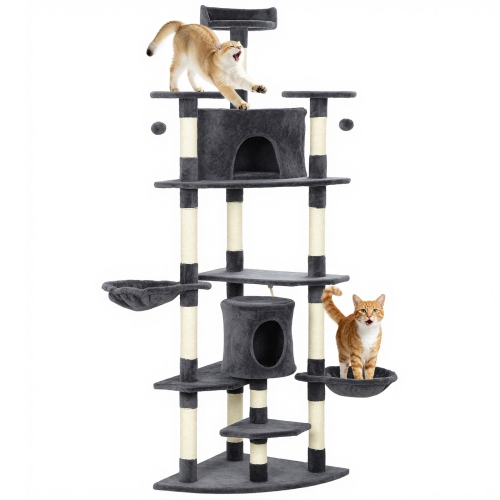
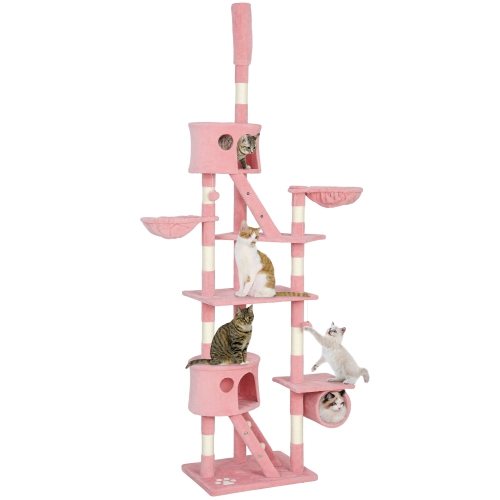
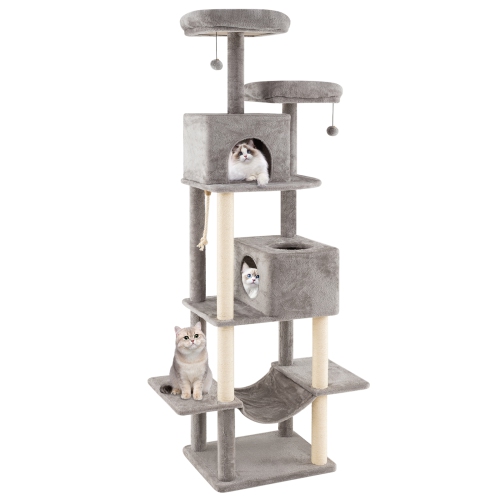
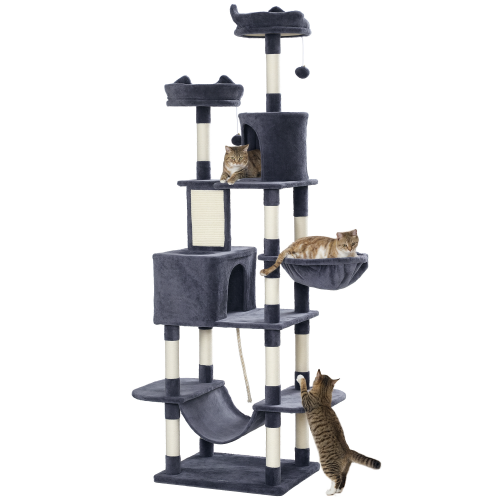
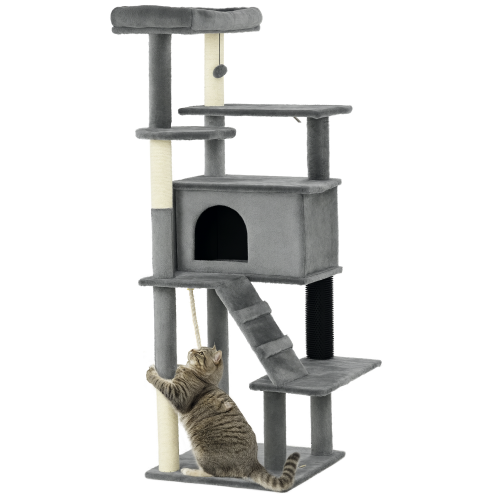
Cat trees for large cats give bigger, heavier cats a place to climb, scratch, stretch, perch, nap, and observe their surroundings without having to rely on furniture that was not designed for them. Breeds such as Maine Coons, Ragdolls, Norwegian Forest Cats, and other large or long-bodied cats often need more room than a compact cat tower can provide. A spacious cat tree can also suit mixed-cat households where one or more cats are particularly muscular, energetic, or fond of claiming the highest spot. When comparing options, begin with the overall stability of the structure. A wide, weighty base helps reduce rocking and tipping when a cat jumps from the floor to a platform or launches towards a higher level. Reinforced platforms, firmly attached posts, and secure connections are especially important for cats weighing 20 lb or more, as well as for households with several cats using the tree at the same time. Check the listed weight capacity, base dimensions, and assembly instructions rather than judging strength by height alone. Tall cat trees can create an appealing lookout, but a narrower tower may be less suitable for a large cat that shifts its weight suddenly. A broad, low-profile design can offer dependable support while still providing multiple levels. For a cat that enjoys climbing, a tower measuring 5 to more than 6 feet can add valuable vertical territory, provided it is placed on a level surface with enough clearance from ceiling fixtures, shelves, and windows. More moderate heights around 40 inches may be easier for older, less agile, or cautious cats to use. Positioning matters, too. A cat tree near a window can become a sunlit viewing station for watching birds, squirrels, falling leaves, or activity outdoors, while a location near the family room lets a social cat remain close to everyone without sitting on a coffee table or sofa. During the cooler months, many cats appreciate a soft resting spot away from draughts, and as the weather warms, an elevated perch can provide a comfortable place to relax while air circulates around it.
The most suitable cat trees for large cats combine generous dimensions with materials that can handle regular climbing and scratching. Look for thick sisal-wrapped posts, ideally around 4 to 5 inches or more in diameter, so a cat can fully extend its body while sharpening its claws. Scratching surfaces should be long enough for a full stretch and firmly secured to the frame; loose or short-wrapped sections may be ignored or wear out quickly. Wide top perches, spacious platforms, and hammocks with strong support give larger cats somewhere to settle without their shoulders, hips, or tail hanging over the edge. Condos and enclosed cubbies should have openings large enough for a cat to enter, turn around, and leave comfortably. Pay attention to the measurements of the usable sleeping area, not just the overall height of the tower. A large cat may prefer an open platform with a raised edge, while another may seek out a padded hideaway for a quiet nap. Removable cushions or washable covers can make day-to-day care easier, particularly in homes with long-haired cats that shed heavily. Wood and pressed-wood frames can provide a solid foundation when properly reinforced, while carpeted surfaces offer warmth and traction. Whichever finish is chosen, inspect the seams, fasteners, and fabric periodically for signs of loosening or wear. A cat tree should not wobble when pressed from different directions, and any anti-tip strap included with the design should be attached to a suitable wall point where appropriate. Place the tree away from narrow walkways and unstable furniture, and leave enough space around each level for safe movement. Introducing it gradually can help a cautious cat feel comfortable: sprinkle a little catnip on a platform, place a familiar blanket in a perch, or reward brief visits with praise. Avoid lifting a reluctant cat onto the highest level, since allowing it to explore at its own pace usually creates a more positive association. With a stable base, properly sized surfaces, and clear access between levels, a large-cat tree can become a dependable part of a cat’s daily routine rather than an occasional novelty.
A well-chosen cat tree can be useful for indoor cats that need more activity, multi-cat homes where vertical space helps separate resting areas, and cats that like to survey the room from above. It can also help redirect scratching, climbing, and pouncing away from curtains, bookcases, and upholstered furniture by bringing those behaviours to a dedicated area. Active cats may move between levels throughout the day, while less energetic cats can use a lower platform as a comfortable observation point. For kittens expected to grow into a large breed, choosing a sturdy, roomy design from the beginning can avoid replacing a small tower once the cat reaches its adult size. Large cat trees may also make thoughtful gifts for a new pet parent, a household welcoming a rescue cat, or someone creating an indoor play area for a beloved companion. Gift shoppers should consider the recipient’s available floor space, ceiling height, number of cats, and decorating style, along with whether the household would prefer a plush, enclosed design or a more open structure with wood surfaces and washable cushions. Homes with senior cats or cats with limited mobility may benefit from shorter platforms, wider steps, gently spaced levels, and easy-to-reach beds; shoppers can also explore Cat Trees for Senior Cats for designs intended around those needs. Before bringing any cat tree home, measure the intended area and compare it with the assembled dimensions, including the height and footprint. Consider how the tree will look beside windows, radiators, vents, and furniture, and make sure there is a safe landing area at the base. Regularly remove loose fur, vacuum fabric surfaces, tighten hardware, and replace worn scratching material when needed. These simple checks help keep the structure inviting and secure through everyday use. Whether it becomes a tall lookout for a confident climber, a scratching station for a playful companion, or a quiet retreat for afternoon naps, the right cat tree gives a large cat room to move naturally while adding useful vertical space to the home.
The most suitable cat trees for large cats combine generous dimensions with materials that can handle regular climbing and scratching. Look for thick sisal-wrapped posts, ideally around 4 to 5 inches or more in diameter, so a cat can fully extend its body while sharpening its claws. Scratching surfaces should be long enough for a full stretch and firmly secured to the frame; loose or short-wrapped sections may be ignored or wear out quickly. Wide top perches, spacious platforms, and hammocks with strong support give larger cats somewhere to settle without their shoulders, hips, or tail hanging over the edge. Condos and enclosed cubbies should have openings large enough for a cat to enter, turn around, and leave comfortably. Pay attention to the measurements of the usable sleeping area, not just the overall height of the tower. A large cat may prefer an open platform with a raised edge, while another may seek out a padded hideaway for a quiet nap. Removable cushions or washable covers can make day-to-day care easier, particularly in homes with long-haired cats that shed heavily. Wood and pressed-wood frames can provide a solid foundation when properly reinforced, while carpeted surfaces offer warmth and traction. Whichever finish is chosen, inspect the seams, fasteners, and fabric periodically for signs of loosening or wear. A cat tree should not wobble when pressed from different directions, and any anti-tip strap included with the design should be attached to a suitable wall point where appropriate. Place the tree away from narrow walkways and unstable furniture, and leave enough space around each level for safe movement. Introducing it gradually can help a cautious cat feel comfortable: sprinkle a little catnip on a platform, place a familiar blanket in a perch, or reward brief visits with praise. Avoid lifting a reluctant cat onto the highest level, since allowing it to explore at its own pace usually creates a more positive association. With a stable base, properly sized surfaces, and clear access between levels, a large-cat tree can become a dependable part of a cat’s daily routine rather than an occasional novelty.
A well-chosen cat tree can be useful for indoor cats that need more activity, multi-cat homes where vertical space helps separate resting areas, and cats that like to survey the room from above. It can also help redirect scratching, climbing, and pouncing away from curtains, bookcases, and upholstered furniture by bringing those behaviours to a dedicated area. Active cats may move between levels throughout the day, while less energetic cats can use a lower platform as a comfortable observation point. For kittens expected to grow into a large breed, choosing a sturdy, roomy design from the beginning can avoid replacing a small tower once the cat reaches its adult size. Large cat trees may also make thoughtful gifts for a new pet parent, a household welcoming a rescue cat, or someone creating an indoor play area for a beloved companion. Gift shoppers should consider the recipient’s available floor space, ceiling height, number of cats, and decorating style, along with whether the household would prefer a plush, enclosed design or a more open structure with wood surfaces and washable cushions. Homes with senior cats or cats with limited mobility may benefit from shorter platforms, wider steps, gently spaced levels, and easy-to-reach beds; shoppers can also explore Cat Trees for Senior Cats for designs intended around those needs. Before bringing any cat tree home, measure the intended area and compare it with the assembled dimensions, including the height and footprint. Consider how the tree will look beside windows, radiators, vents, and furniture, and make sure there is a safe landing area at the base. Regularly remove loose fur, vacuum fabric surfaces, tighten hardware, and replace worn scratching material when needed. These simple checks help keep the structure inviting and secure through everyday use. Whether it becomes a tall lookout for a confident climber, a scratching station for a playful companion, or a quiet retreat for afternoon naps, the right cat tree gives a large cat room to move naturally while adding useful vertical space to the home.
Top selling and popular products
-
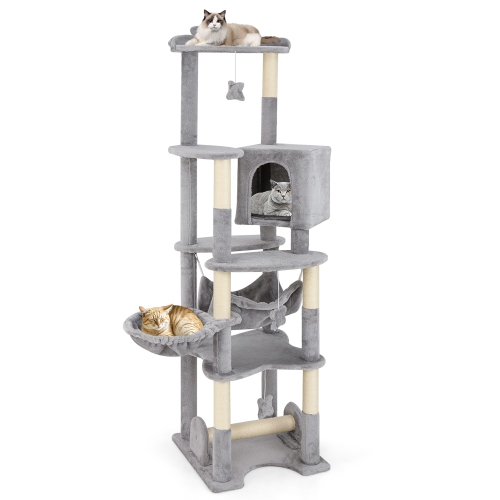 Your price for this item is $105.99
 -
 Your price for this item is $99.99
 -
 Your price for this item is $266.99
 -
 Your price for this item is $73.99
 -
 Your price for this item is $58.69
 -
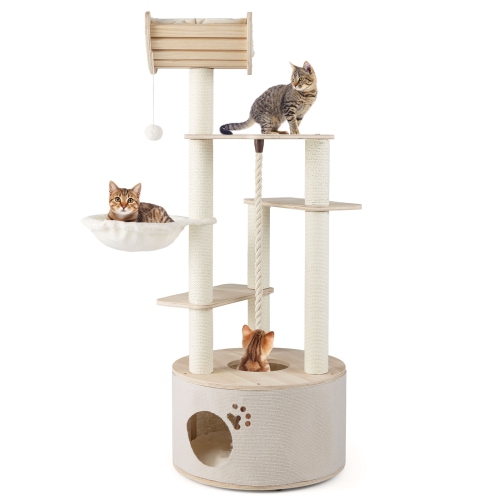 Your price for this item is $159.99
 -
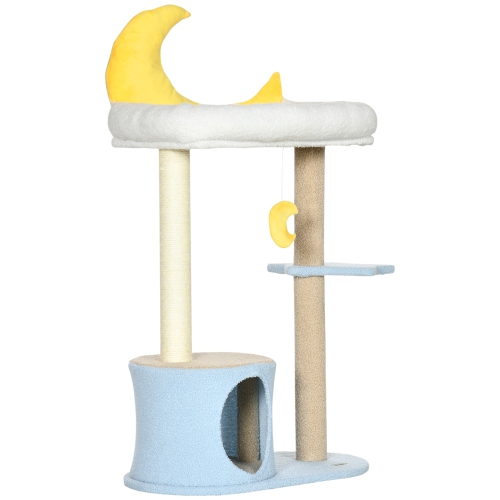 Your price for this item is $67.99
 -
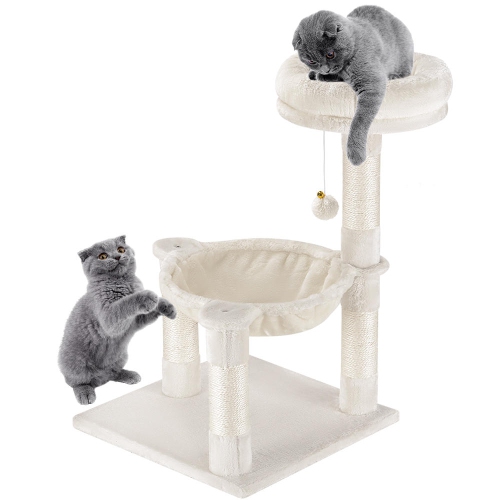 Your price for this item is $36.99
Discover more categories related to Cat Trees for Large Cats
Top Collections:
Pokemon Centers, Budget 4K TVs, Kindle Devices, Canon G7X Cameras, Apple iPhones 16, iPhone 15 Apple, Laptops for Business Work, Flip Phones, Xiaomi Phones, Refurbished Apple Laptops
Some products may be subject to Environmental Handling Fees
(EHF) depending on your province.
Learn more about EHFs.