Catering Equipment
Whether you're a professional chef or a passionate home cook, we have the tools you need to create unforgettable dining experiences. From high-performance ovens and versatile cookware to sleek serving platters and stylish table settings, our range of catering equipment is designed to meet the demands of any event, big or small. Discover the perfect tools to showcase your culinary prowess and make a lasting impression on your guests with our wide array of catering essentials.
Sort
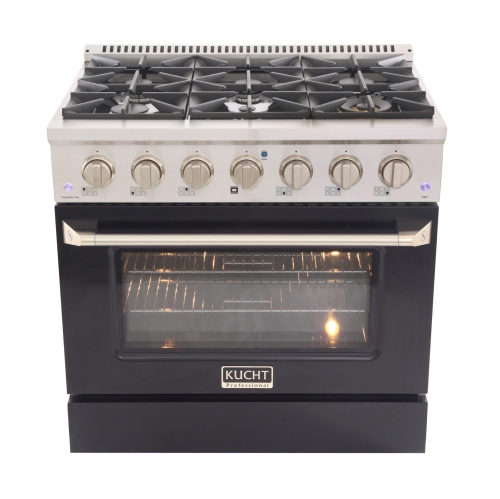
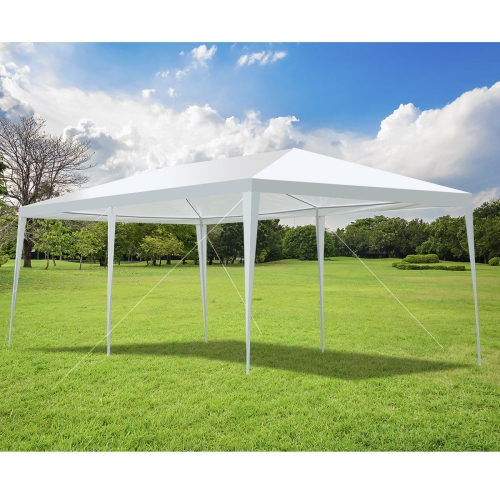

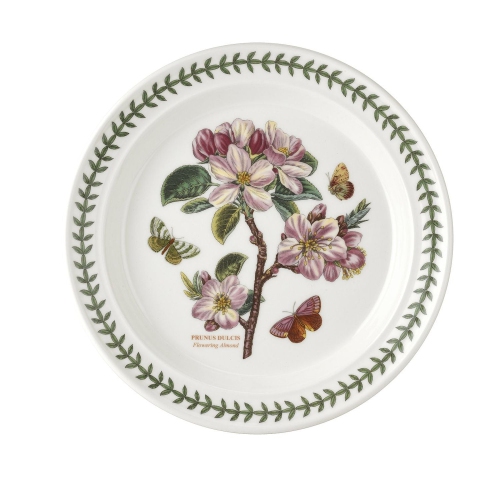

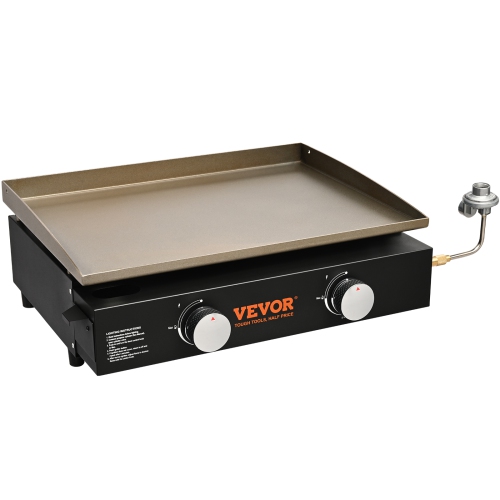
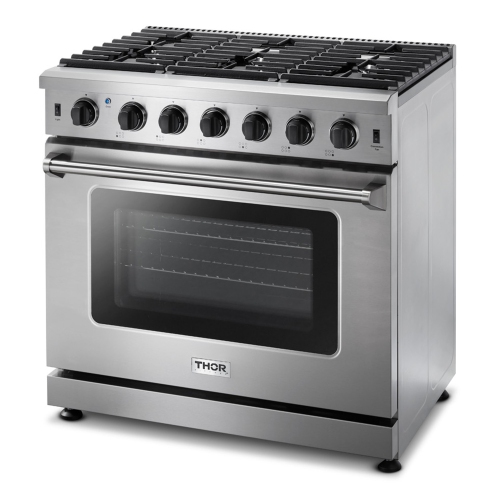
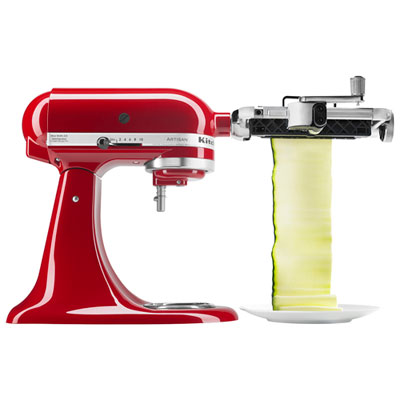
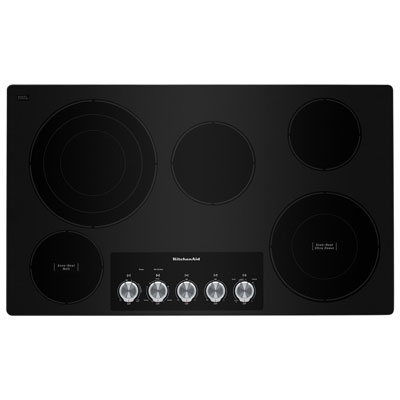
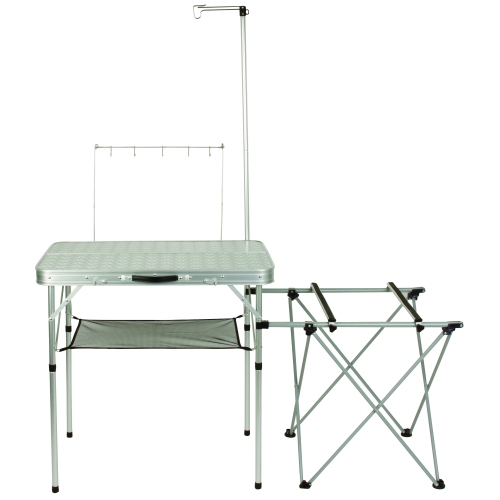
Reliable catering setups support smooth service from kitchen to table
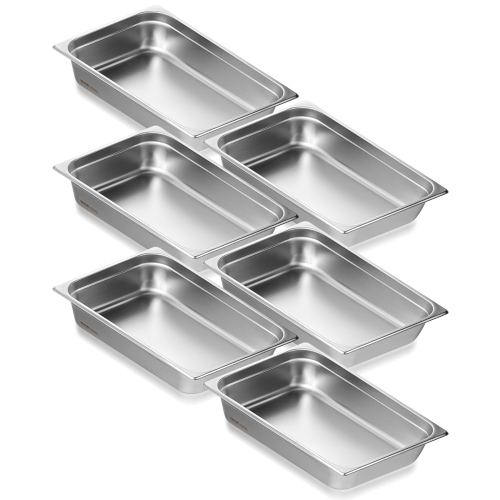
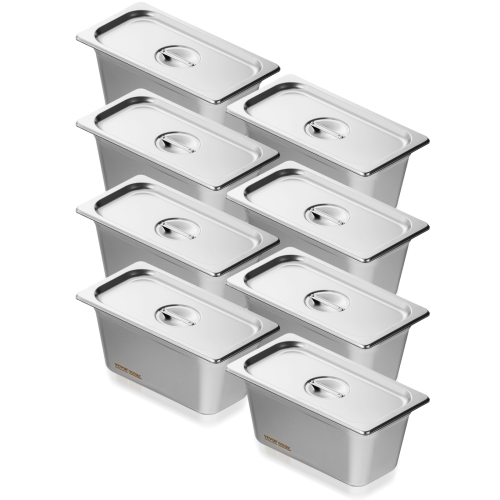
Catering equipment brings structure, reliability, and a polished finish to food service, whether you are preparing a family celebration, coordinating a workplace lunch, or helping a community group serve a crowd. The right setup supports every stage of the meal, from transporting prepared dishes to keeping food at a comfortable serving temperature and making it easy for guests to help themselves. Insulated carriers and delivery bags are useful when food needs to travel from a kitchen to a venue, especially during the cooler months when a short journey can affect serving temperature. Look for sturdy construction, secure closures, easy-clean interiors, and enough capacity for the containers you already use. A well-designed carrier can help keep hot dishes hot and chilled items cool while reducing spills in the car. For larger gatherings, hotel pans and compatible lids offer a practical way to prepare, store, transport, and serve food in a consistent format. Stainless steel options are commonly chosen for their durability and straightforward cleaning, while different depths make it easier to organize everything from roasted vegetables and pasta to sauces, sides, and desserts. Before selecting pans, consider the size of your oven, refrigerator, warming equipment, and serving tables so that each piece fits smoothly into the workflow. If your event includes a full kitchen setup as well as service equipment, browsing Cooking Equipment can help you coordinate preparation needs with the tools used at the serving area. Catering equipment can also be useful for hosts who regularly entertain, cottage owners preparing meals for a large group, and anyone setting up a temporary food station in a hall, office, studio, or outdoor shelter.
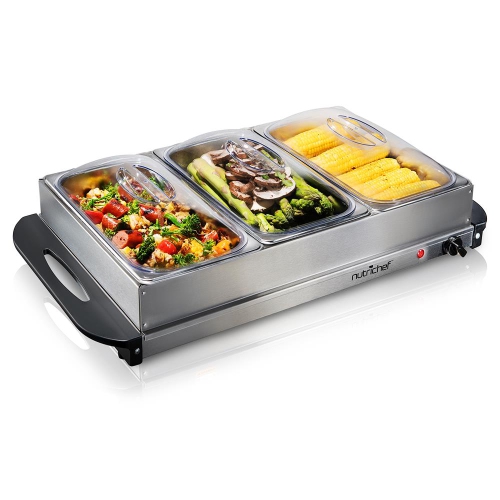
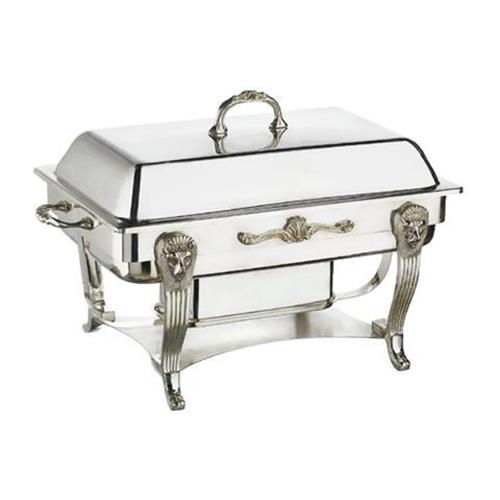
Food holding equipment is central to a comfortable, well-paced meal. Chafing dishes can keep prepared food warm across a buffet service, while electric food warmers provide a convenient countertop solution where access to a power outlet is available. When comparing options, pay attention to capacity, temperature control, heat distribution, stability, and the space required on a table. A broad, steady base matters when guests are serving themselves, and a clear lid or easy-lift cover can help retain warmth while making the contents visible. Soup kettles are suited to soups, stews, gravies, sauces, and other pourable dishes, with controls that allow the food to remain warm without relying on a stovetop. Coffee urns and other large beverage dispensers can make a noticeable difference at breakfast meetings, receptions, fundraisers, and winter gatherings, giving guests an easy way to serve themselves without creating a queue around a small pot. For every heated item, follow the manufacturer’s instructions and use a safe, level surface with enough clearance around the equipment. Serving utensils deserve similar attention: long-handled spoons work well in deep pans, slotted spoons help drain liquid from vegetables or poached foods, and tongs make it easier to serve rolls, salads, sandwiches, and other hand-held fare. Matching the utensil to the food helps keep the buffet tidy and limits unnecessary handling. Disposable foil pans, lids, and chafing fuel can also be helpful when quick cleanup, transport, or limited dishwashing facilities are part of the plan. Consider how the equipment will be stored after the event, since stackable shapes, nesting pieces, and compact accessories can save valuable cupboard space.
Choosing catering equipment starts with the guest count, menu, venue, and serving style. A small brunch may only need a few covered pans, insulated transport, beverage service, and a compact collection of utensils, while a wedding reception, sports banquet, school event, or business function may require separate stations for main dishes, sides, desserts, hot drinks, and condiments. Estimate portions carefully, then allow enough capacity for safe filling and convenient access rather than packing every container to the rim. Think through the route from preparation area to table: food that travels should have secure lids and dependable insulation; food that remains in place may benefit from adjustable warming controls; and a self-serve buffet should leave room for guests to move along the line without bumping into hot surfaces or crowded serving dishes. The venue also determines what is practical. A community hall may offer tables but limited outlets, an office kitchen may have plenty of power but little counter space, and an outdoor setting may call for extra protection from wind, uneven surfaces, and changing temperatures. For a gift, catering equipment can be a thoughtful choice for a keen home cook, a new host, a family that enjoys large holiday meals, or someone building a side business around meal delivery and event service. Choose versatile pieces that suit the recipient’s typical gatherings rather than equipment that only works for one menu. With durable containers, dependable temperature control, and serving tools that feel comfortable in the hand, a catering setup can make busy service feel calmer: dishes arrive in good condition, guests can serve themselves with confidence, and the host has more time to enjoy the conversation instead of managing every plate.
Food holding equipment is central to a comfortable, well-paced meal. Chafing dishes can keep prepared food warm across a buffet service, while electric food warmers provide a convenient countertop solution where access to a power outlet is available. When comparing options, pay attention to capacity, temperature control, heat distribution, stability, and the space required on a table. A broad, steady base matters when guests are serving themselves, and a clear lid or easy-lift cover can help retain warmth while making the contents visible. Soup kettles are suited to soups, stews, gravies, sauces, and other pourable dishes, with controls that allow the food to remain warm without relying on a stovetop. Coffee urns and other large beverage dispensers can make a noticeable difference at breakfast meetings, receptions, fundraisers, and winter gatherings, giving guests an easy way to serve themselves without creating a queue around a small pot. For every heated item, follow the manufacturer’s instructions and use a safe, level surface with enough clearance around the equipment. Serving utensils deserve similar attention: long-handled spoons work well in deep pans, slotted spoons help drain liquid from vegetables or poached foods, and tongs make it easier to serve rolls, salads, sandwiches, and other hand-held fare. Matching the utensil to the food helps keep the buffet tidy and limits unnecessary handling. Disposable foil pans, lids, and chafing fuel can also be helpful when quick cleanup, transport, or limited dishwashing facilities are part of the plan. Consider how the equipment will be stored after the event, since stackable shapes, nesting pieces, and compact accessories can save valuable cupboard space.
Choosing catering equipment starts with the guest count, menu, venue, and serving style. A small brunch may only need a few covered pans, insulated transport, beverage service, and a compact collection of utensils, while a wedding reception, sports banquet, school event, or business function may require separate stations for main dishes, sides, desserts, hot drinks, and condiments. Estimate portions carefully, then allow enough capacity for safe filling and convenient access rather than packing every container to the rim. Think through the route from preparation area to table: food that travels should have secure lids and dependable insulation; food that remains in place may benefit from adjustable warming controls; and a self-serve buffet should leave room for guests to move along the line without bumping into hot surfaces or crowded serving dishes. The venue also determines what is practical. A community hall may offer tables but limited outlets, an office kitchen may have plenty of power but little counter space, and an outdoor setting may call for extra protection from wind, uneven surfaces, and changing temperatures. For a gift, catering equipment can be a thoughtful choice for a keen home cook, a new host, a family that enjoys large holiday meals, or someone building a side business around meal delivery and event service. Choose versatile pieces that suit the recipient’s typical gatherings rather than equipment that only works for one menu. With durable containers, dependable temperature control, and serving tools that feel comfortable in the hand, a catering setup can make busy service feel calmer: dishes arrive in good condition, guests can serve themselves with confidence, and the host has more time to enjoy the conversation instead of managing every plate.
Top selling and popular products
-
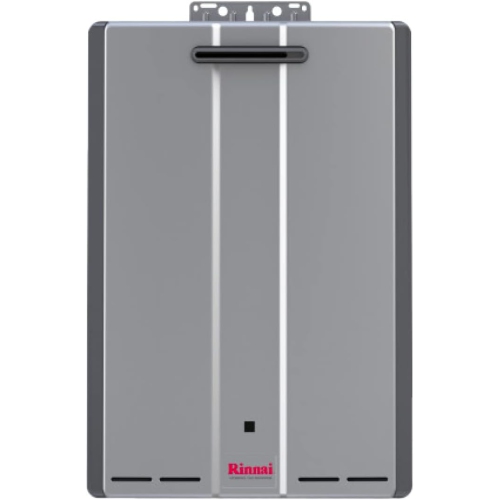 Your price for this item is $2545.05
 -
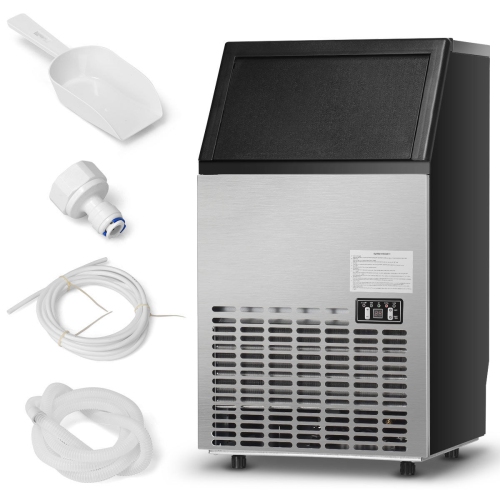 Your price for this item is $449.99
 -
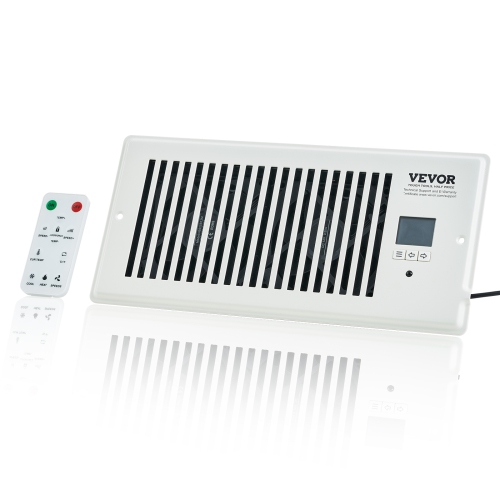 Your price for this item is $59.9
 -
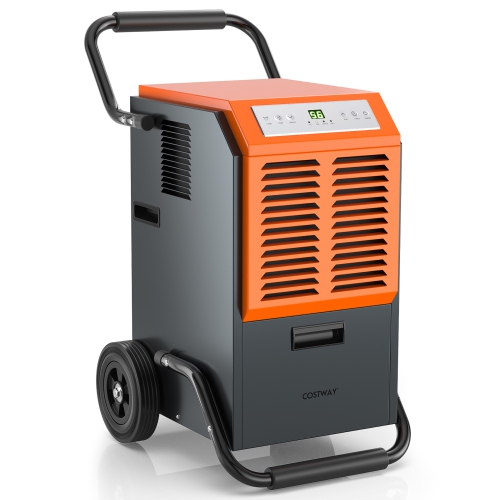 Your price for this item is $584.99
 -
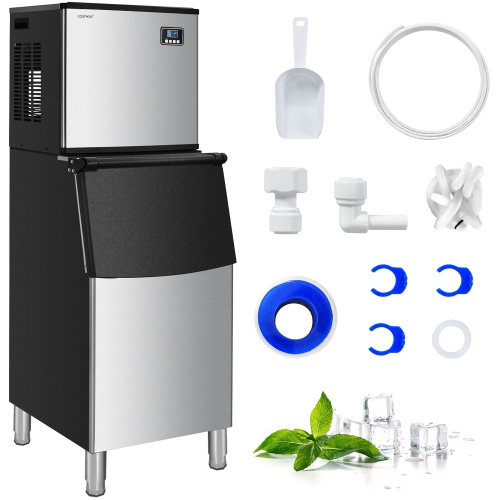 Your price for this item is $1899
 -
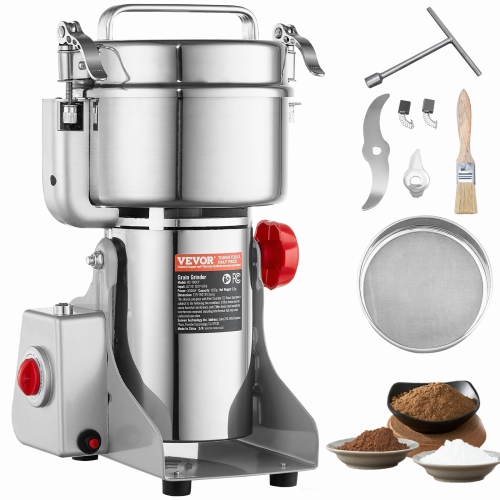 Your price for this item is $113.9
 -
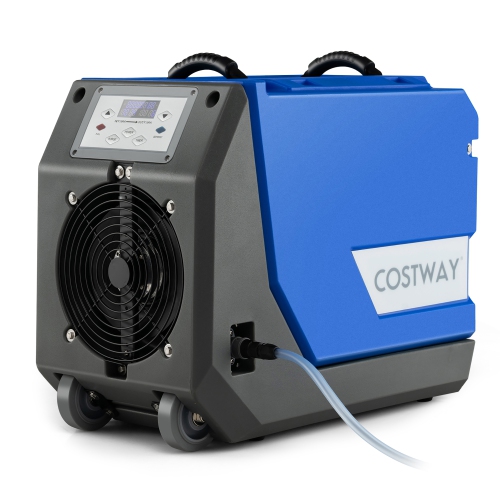 Your price for this item is $799.99
 -
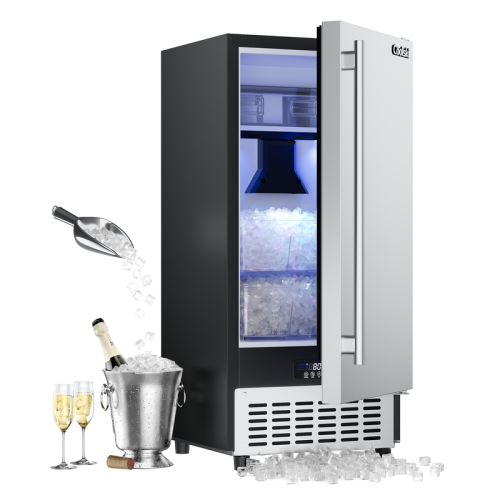 Your price for this item is $1799.99
Discover more categories related to Catering Equipment
Top Collections:
Pokemon Centers, Kindle Devices, Best Budget Office Chairs, Apple iPhones 16, Canon G7X Cameras, iPhone 15 Apple, Alarm Clock, Refurbished Apple Laptops, Flip Phones, Best Laptops for Writers
Some products may be subject to Environmental Handling Fees
(EHF) depending on your province.
Learn more about EHFs.