Catios for Cats
Catios are the ultimate outdoor retreats for your feline friends, providing a safe and secure environment for them to soak up the sun, breathe in the fresh air, and watch the world go by. These enclosed spaces offer the perfect balance of indoor comfort and outdoor stimulation, allowing your cats to satisfy their natural curiosity and instincts without roaming freely. Whether you have a sprawling backyard or a cozy balcony, there's a catio solution to suit every space and style, ensuring that your beloved pets can enjoy the great outdoors without any worries.
Sort
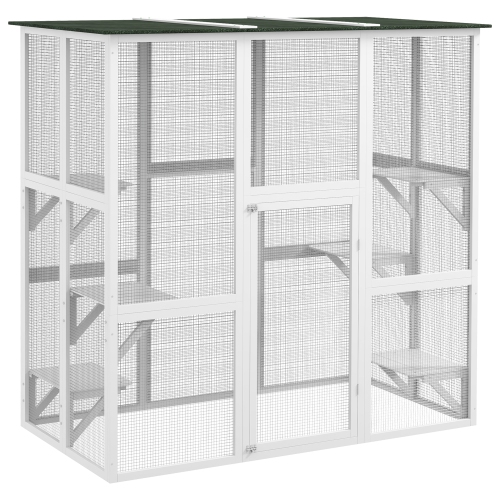
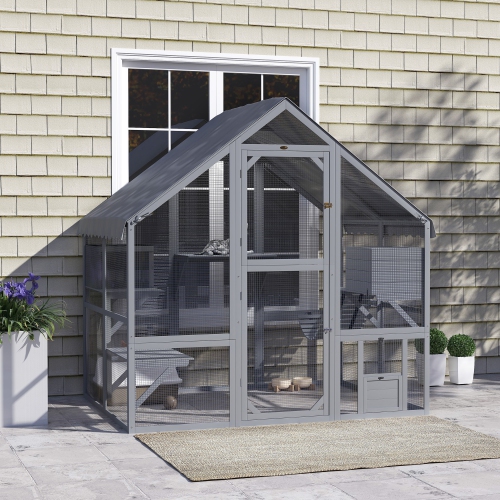
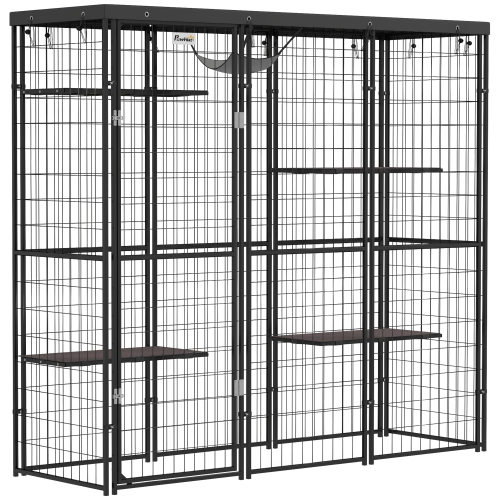
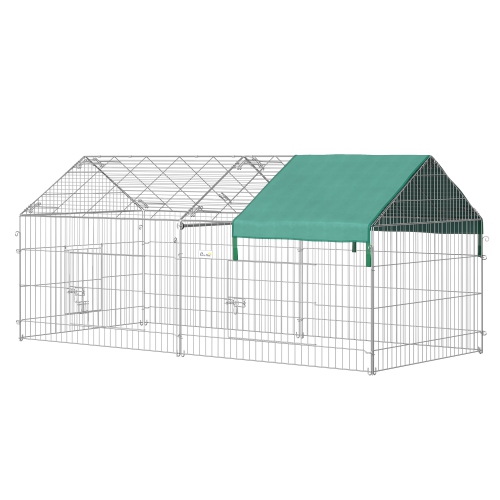
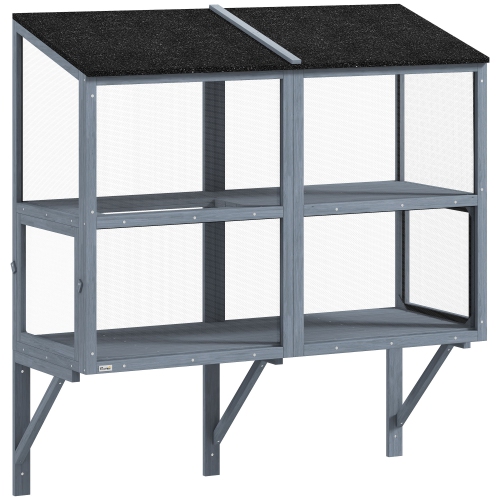
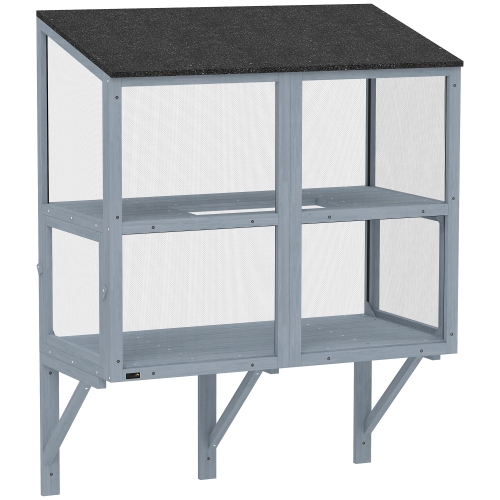
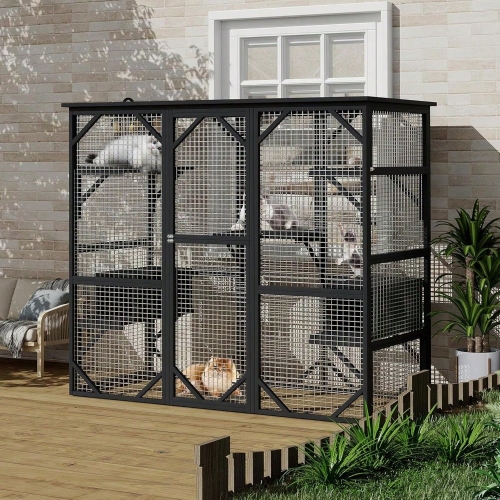
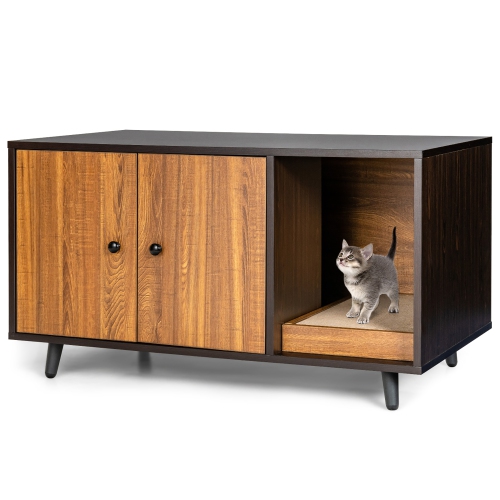
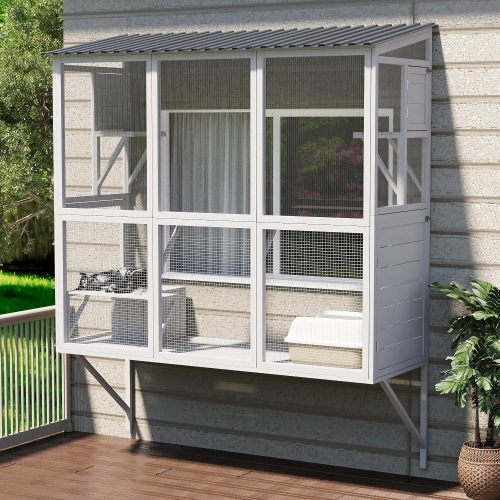
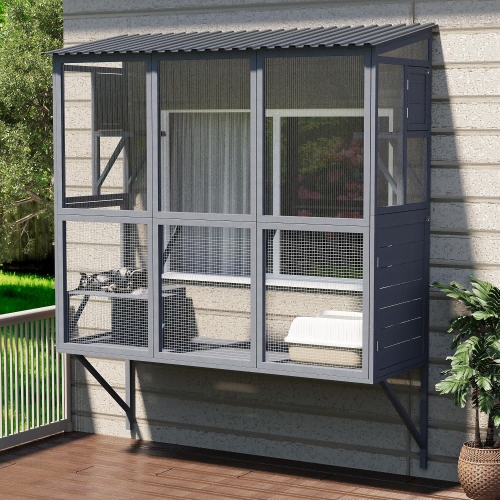
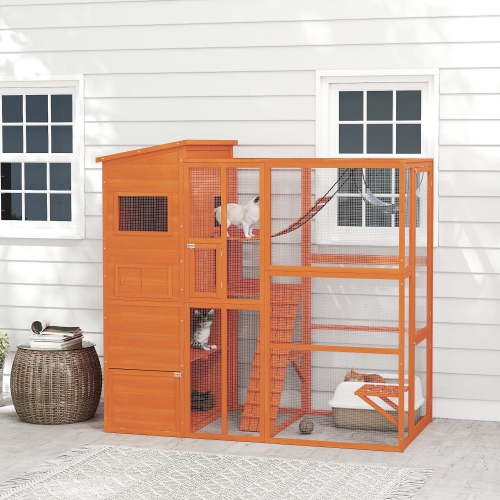
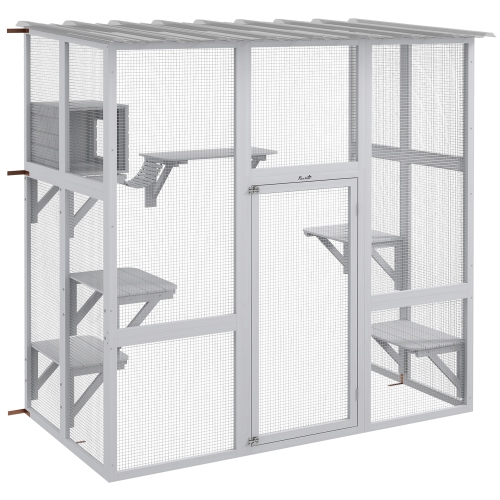
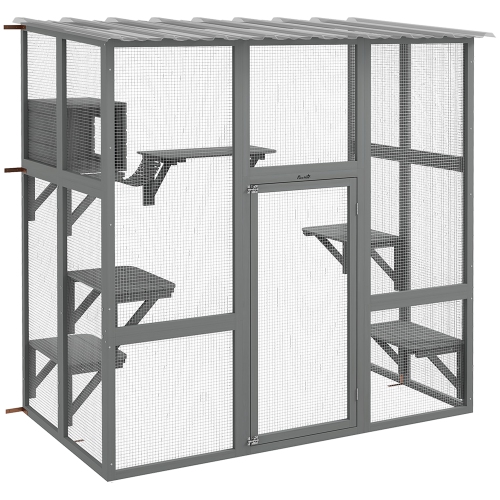
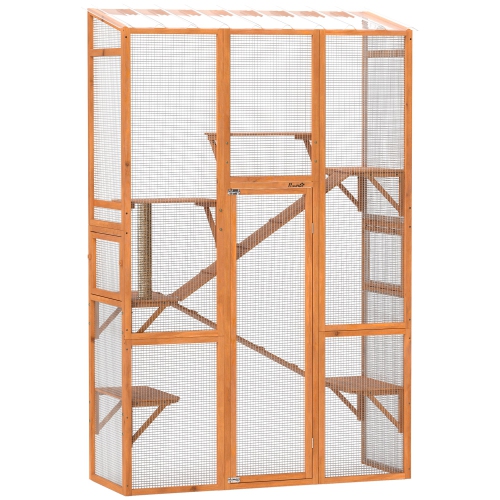
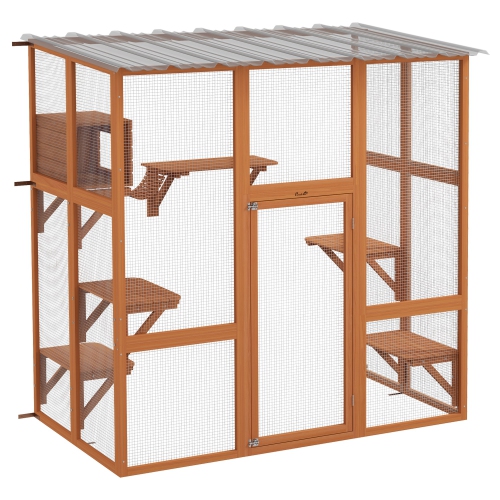
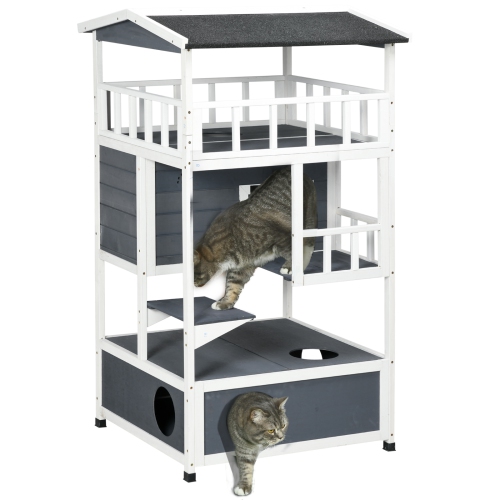
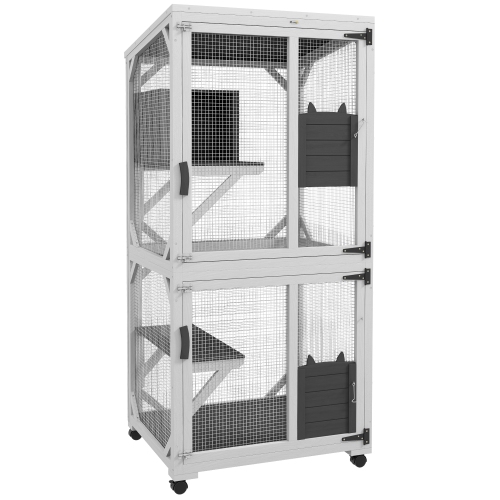
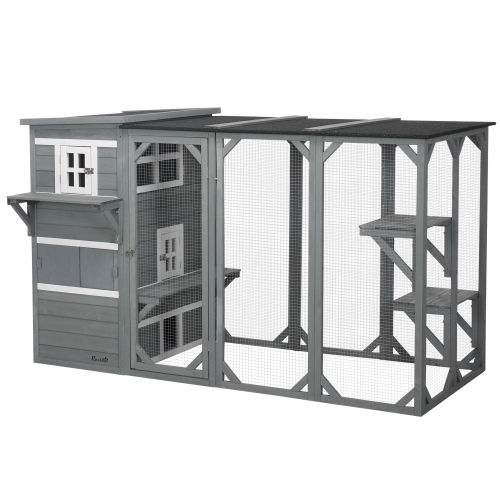
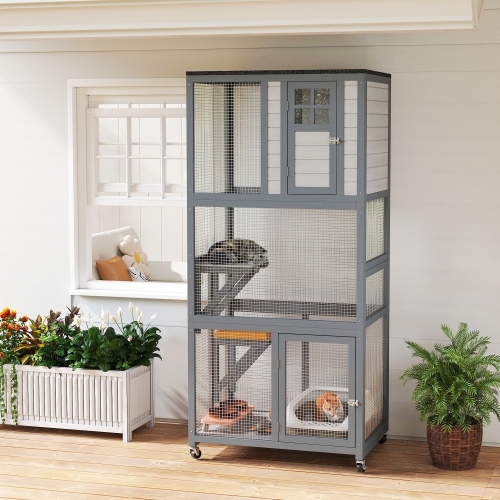
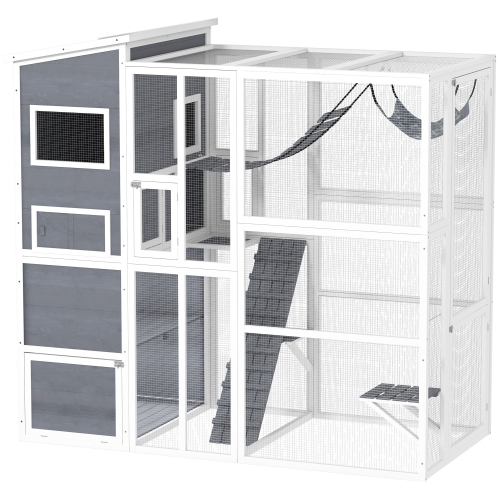
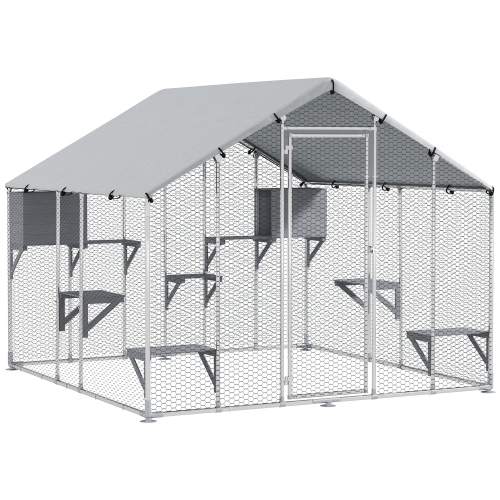
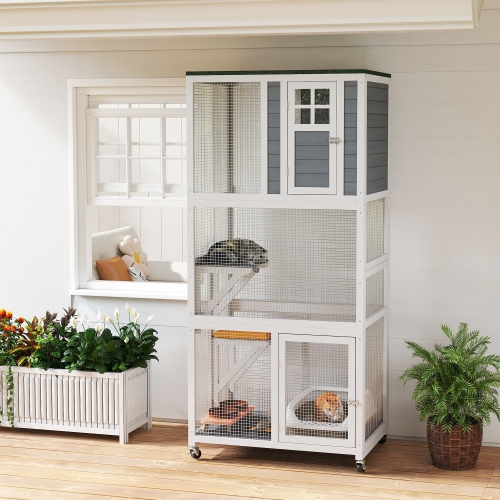


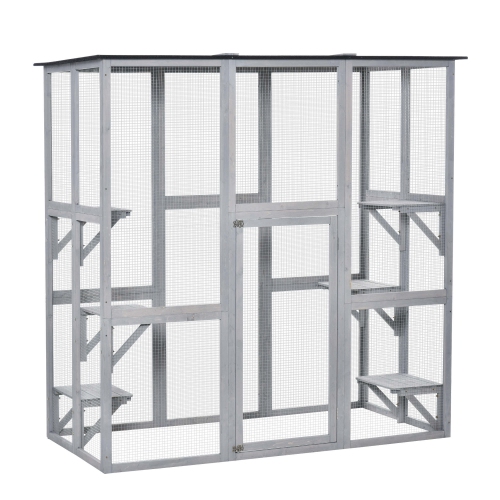
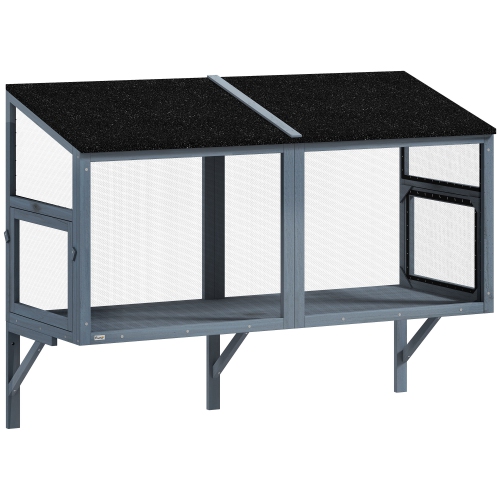
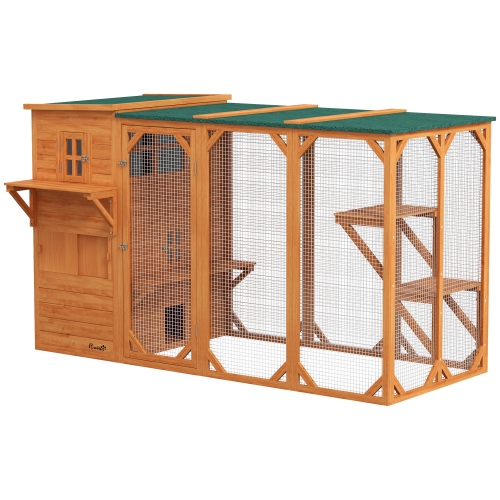
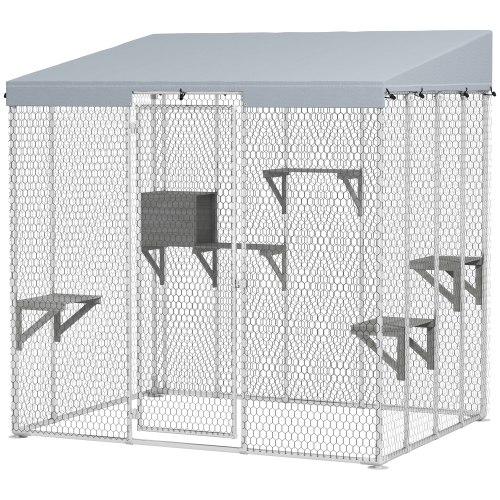
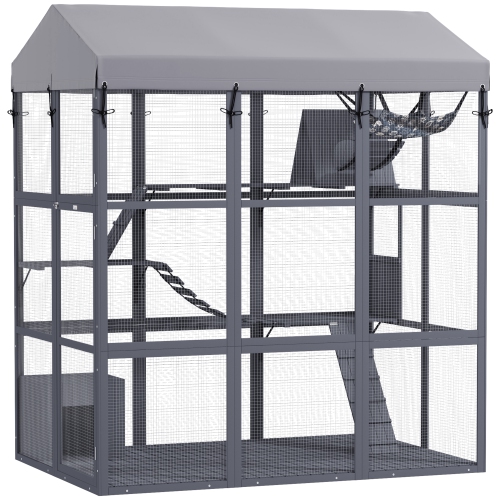
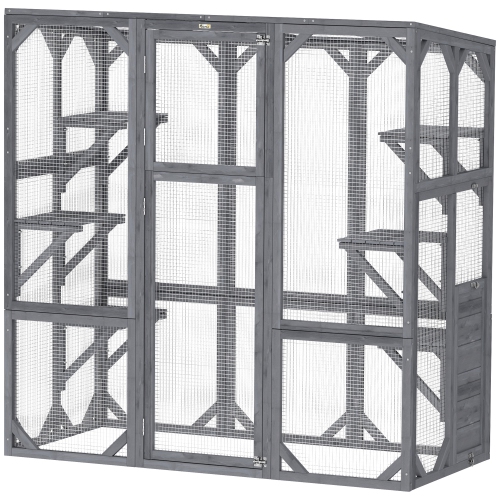

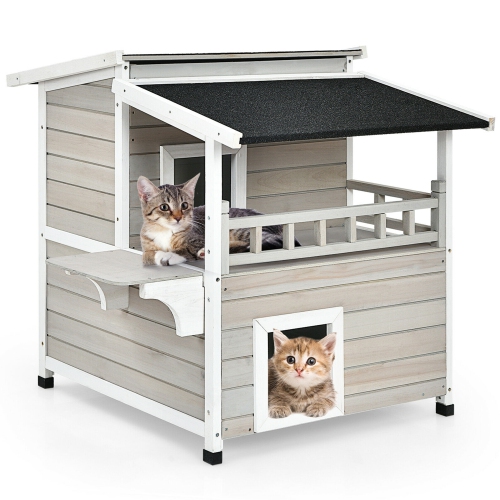
Fresh air and birdwatching within a secure enclosure
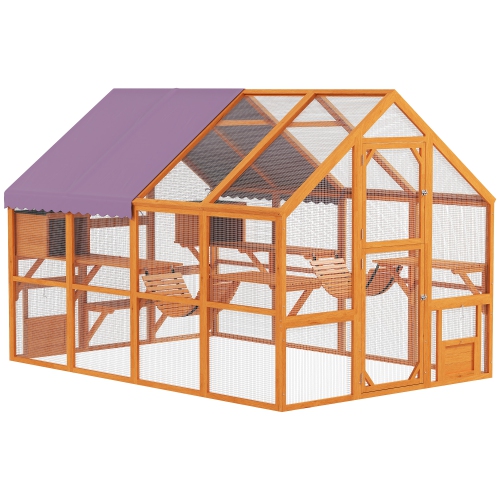
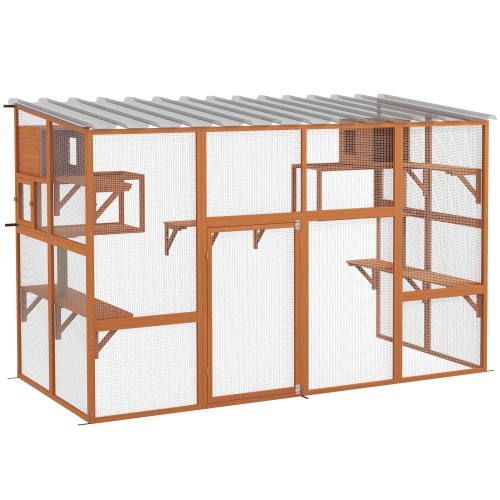
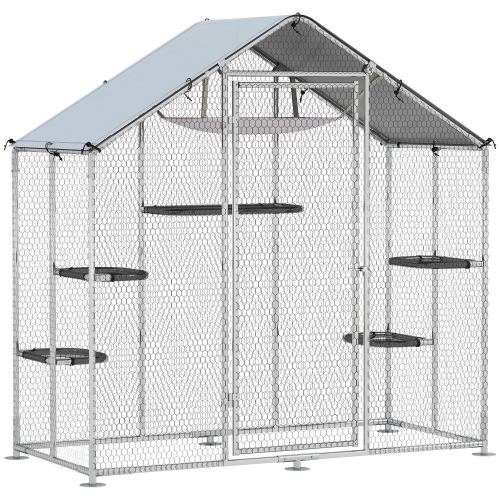
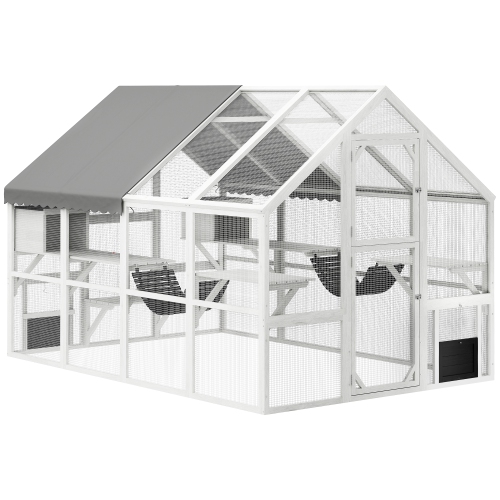
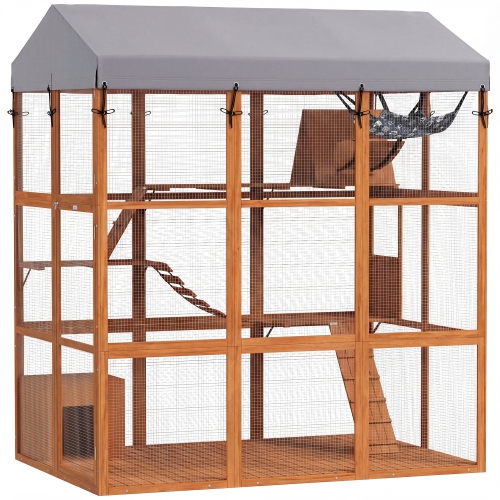
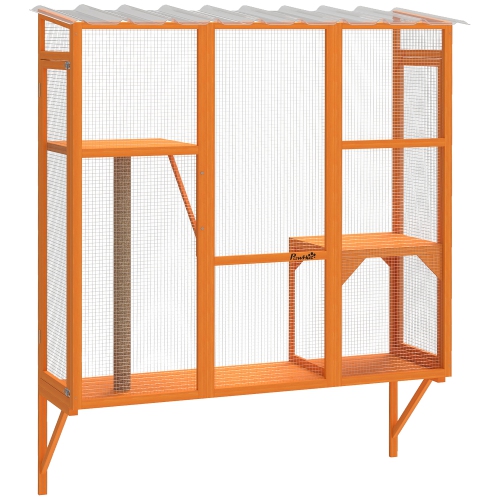
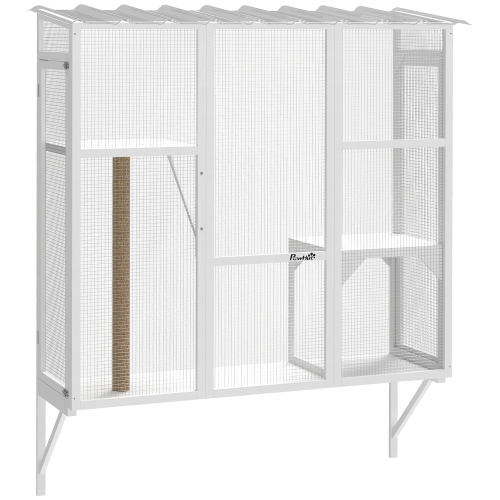
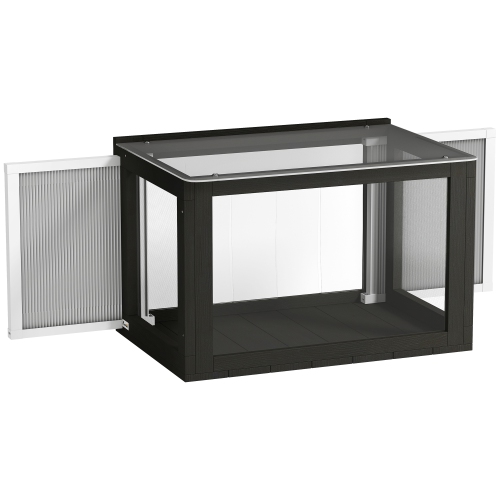
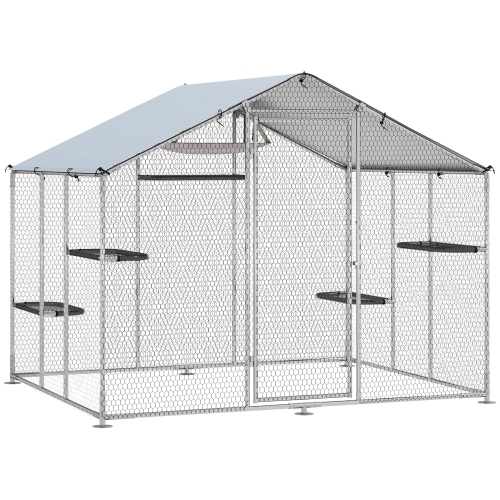
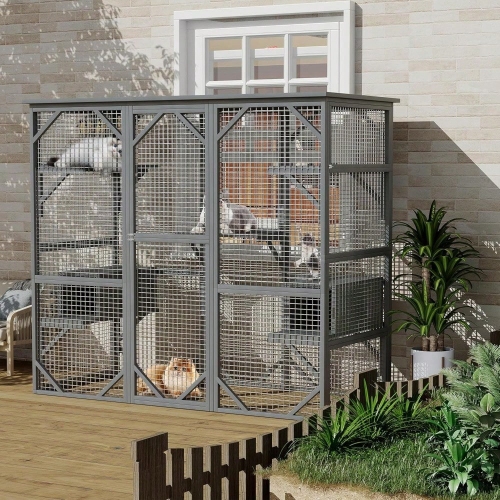
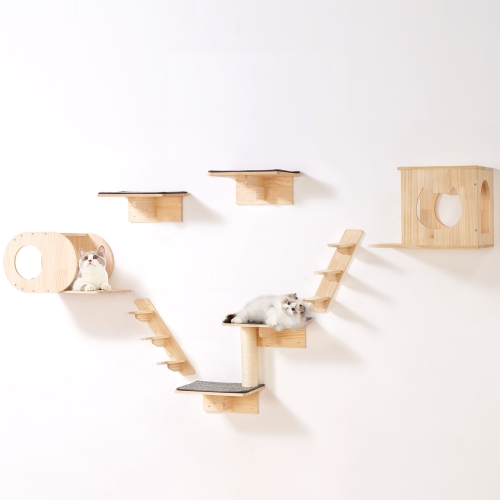
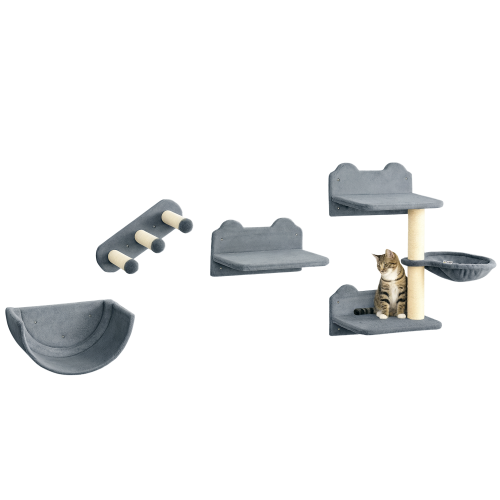
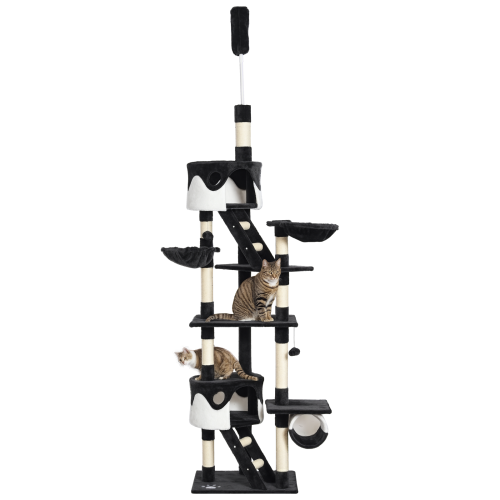
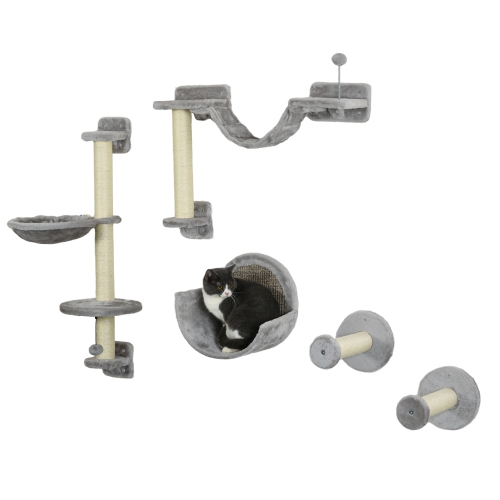
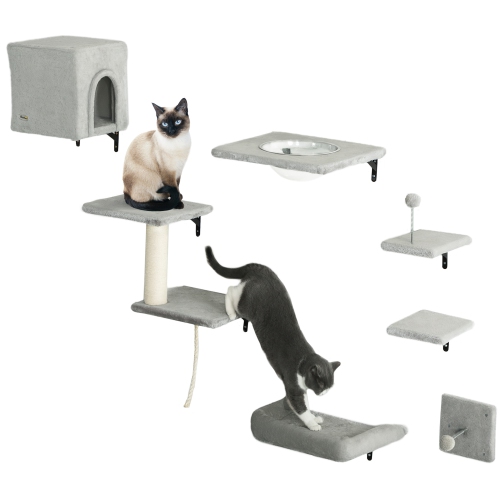
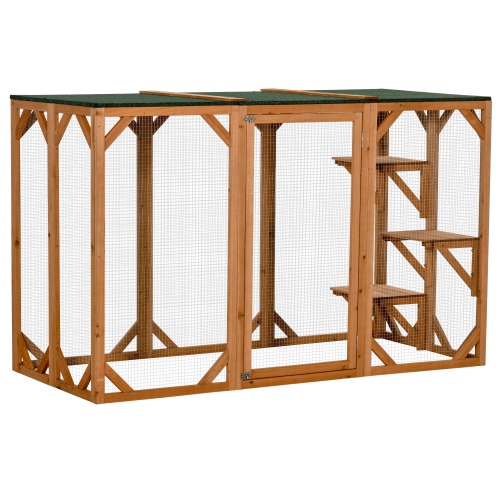
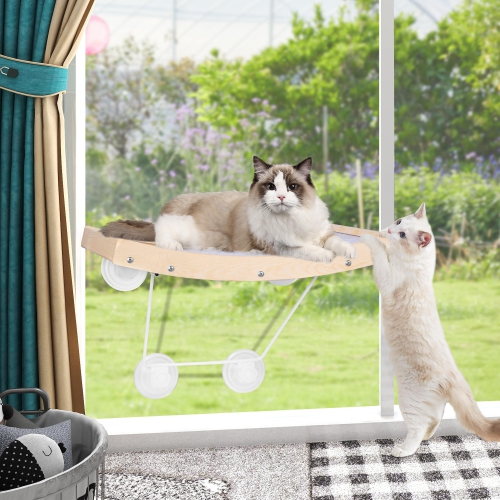
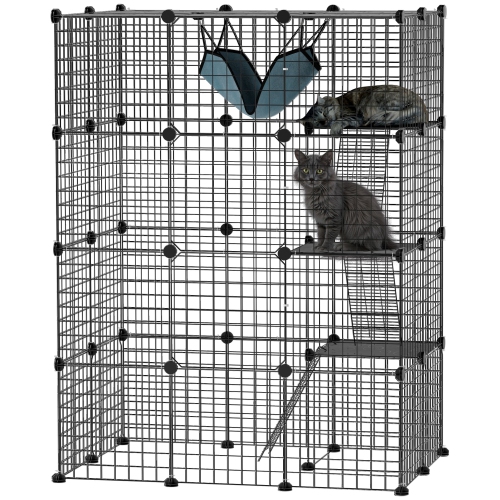
Catios for cats are enclosed outdoor spaces that let indoor cats enjoy fresh air, watch birds, and explore beyond the home while remaining within a physical barrier. The name combines “cat” and “patio”, but these enclosures take several forms, from compact structures beside a window to walk-in designs with room for climbing, lounging, and sharing space with a person. Unlike an open balcony or an unfenced patio, a properly assembled catio surrounds the cat with secure walls and a roof or mesh covering to help prevent escape. It offers a way to add variety to an indoor cat’s routine without allowing unrestricted roaming, though supervision and regular checks remain important. For a cat that spends hours watching movement through the glass, a perch inside a catio can bring familiar sights, sounds, and scents a little closer. For an energetic climber, a taller enclosure can provide opportunities to move between levels and stretch out on an elevated shelf. More reserved cats may prefer a smaller space with a sheltered resting area and an easy route back indoors. The broader cat enclosure category can also include designs intended for indoor containment or temporary outdoor use, so intended placement matters as much as appearance. A catio is generally chosen for outdoor enrichment rather than as a replacement for the home’s everyday living space. It should complement access to indoor rest, play, feeding, and companionship. These enclosures can suit households with one curious cat, families managing several different feline personalities, or people who want to spend patio time beside their pets. A thoughtfully chosen catio can also be a practical gift for a cat owner, provided the recipient’s space, installation permissions, and preferences are known in advance. The best fit is not necessarily the largest structure; it is one that gives the cat usable space and fits comfortably into the household’s routine.
Materials and construction affect how a catio looks, how it feels underfoot, and how much upkeep it needs. Wood-framed designs can blend with decks and garden furniture, while metal-framed enclosures often have a more open, pared-back appearance. With wood, smooth surfaces, sound joints, and finishes appropriate for the intended use deserve attention, particularly where a cat might rub its face or scratch. Metal mesh should be firmly attached, with no sharp edges, loose wire ends, or gaps around the frame. Corrosion-resistant hardware can help support durability outdoors, but hinges, screws, latches, and mesh attachment points still need periodic inspection. Fabric and mesh designs may be easier to move or store, although their suitability depends on the cat’s chewing and scratching habits and the manufacturer’s stated use. Overall dimensions tell only part of the story. A tall enclosure may offer useful climbing space without taking up a large footprint, but shelves and ramps also occupy room inside it. A large cat needs enough clearance to turn around comfortably on a platform, while a kitten may fit through an opening that would contain an adult. Older cats or cats with reduced mobility may benefit from broad resting surfaces and shorter distances between levels rather than a layout built around long jumps. In a multi-cat household, separate perches and more than one comfortable resting spot can reduce competition for a favourite position. Access matters for people, too: a full-height door can make cleaning and supervised visits easier, while smaller access panels may require more reaching. Before choosing a shape or size, it helps to account for door swing, access to nearby windows, and the space needed to move around the outside. Window-connected and freestanding designs have different installation requirements, and any tunnel or doorway connection needs a secure fit without exposed gaps. For rental homes and condos, property rules and permission for attachments can determine which layouts are suitable.
Daily use is where small design details become especially valuable. A latch that closes securely and is easy for a person to check makes entry less fiddly, while a door positioned away from a favourite perch can help reduce crowding at the opening. Some cats dash towards an opening as soon as a person approaches, making a separate entry area useful where the design provides one. The enclosure’s base also deserves attention: placement on paving, decking, or another permitted surface should follow the manufacturer’s instructions, including any anchoring requirements. A structure should not be assumed to be secure simply because it feels heavy, and a catio does not replace balcony guards or other building safety features. Inside, the most useful layout often balances open floor space with a few purposeful features rather than filling every corner. A stable perch provides a lookout, a hideaway offers somewhere to retreat, and a scratching surface gives claws an appropriate outlet. Fresh drinking water should be accessible during use, with bowls placed where they are unlikely to be knocked over by a landing cat. If a litter tray is needed, keeping it separate from food, water, and resting spots makes the space more comfortable and easier to maintain. Removable platforms, accessible corners, and washable surfaces simplify routine cleaning; cleaning products should be suitable for the materials and used according to their directions before the cat returns. Regular checks for loosened fasteners, damaged mesh, splinters, and worn connections help keep the enclosure in sound condition. Even with a secure structure, outdoor access does not remove the need for appropriate parasite prevention and veterinary advice. A gradual introduction can help a hesitant cat settle in: a familiar resting mat and a short supervised visit may be more inviting than being placed in an unfamiliar space with no retreat. With the right proportions, dependable construction, and a layout suited to the individual cat, a catio can become a well-used extension of everyday home life.
Materials and construction affect how a catio looks, how it feels underfoot, and how much upkeep it needs. Wood-framed designs can blend with decks and garden furniture, while metal-framed enclosures often have a more open, pared-back appearance. With wood, smooth surfaces, sound joints, and finishes appropriate for the intended use deserve attention, particularly where a cat might rub its face or scratch. Metal mesh should be firmly attached, with no sharp edges, loose wire ends, or gaps around the frame. Corrosion-resistant hardware can help support durability outdoors, but hinges, screws, latches, and mesh attachment points still need periodic inspection. Fabric and mesh designs may be easier to move or store, although their suitability depends on the cat’s chewing and scratching habits and the manufacturer’s stated use. Overall dimensions tell only part of the story. A tall enclosure may offer useful climbing space without taking up a large footprint, but shelves and ramps also occupy room inside it. A large cat needs enough clearance to turn around comfortably on a platform, while a kitten may fit through an opening that would contain an adult. Older cats or cats with reduced mobility may benefit from broad resting surfaces and shorter distances between levels rather than a layout built around long jumps. In a multi-cat household, separate perches and more than one comfortable resting spot can reduce competition for a favourite position. Access matters for people, too: a full-height door can make cleaning and supervised visits easier, while smaller access panels may require more reaching. Before choosing a shape or size, it helps to account for door swing, access to nearby windows, and the space needed to move around the outside. Window-connected and freestanding designs have different installation requirements, and any tunnel or doorway connection needs a secure fit without exposed gaps. For rental homes and condos, property rules and permission for attachments can determine which layouts are suitable.
Daily use is where small design details become especially valuable. A latch that closes securely and is easy for a person to check makes entry less fiddly, while a door positioned away from a favourite perch can help reduce crowding at the opening. Some cats dash towards an opening as soon as a person approaches, making a separate entry area useful where the design provides one. The enclosure’s base also deserves attention: placement on paving, decking, or another permitted surface should follow the manufacturer’s instructions, including any anchoring requirements. A structure should not be assumed to be secure simply because it feels heavy, and a catio does not replace balcony guards or other building safety features. Inside, the most useful layout often balances open floor space with a few purposeful features rather than filling every corner. A stable perch provides a lookout, a hideaway offers somewhere to retreat, and a scratching surface gives claws an appropriate outlet. Fresh drinking water should be accessible during use, with bowls placed where they are unlikely to be knocked over by a landing cat. If a litter tray is needed, keeping it separate from food, water, and resting spots makes the space more comfortable and easier to maintain. Removable platforms, accessible corners, and washable surfaces simplify routine cleaning; cleaning products should be suitable for the materials and used according to their directions before the cat returns. Regular checks for loosened fasteners, damaged mesh, splinters, and worn connections help keep the enclosure in sound condition. Even with a secure structure, outdoor access does not remove the need for appropriate parasite prevention and veterinary advice. A gradual introduction can help a hesitant cat settle in: a familiar resting mat and a short supervised visit may be more inviting than being placed in an unfamiliar space with no retreat. With the right proportions, dependable construction, and a layout suited to the individual cat, a catio can become a well-used extension of everyday home life.
Top selling and popular products
-
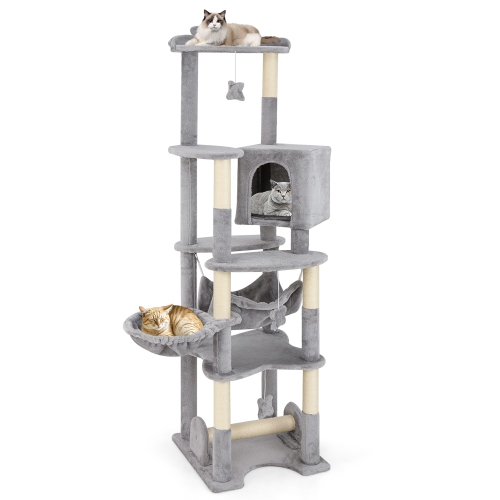 Your price for this item is $105.99
 -
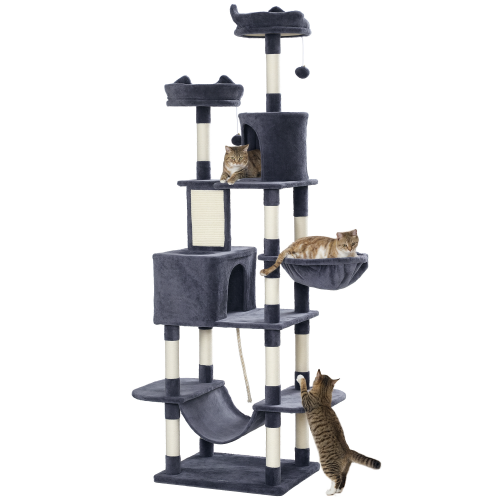 Your price for this item is $99.99
 -
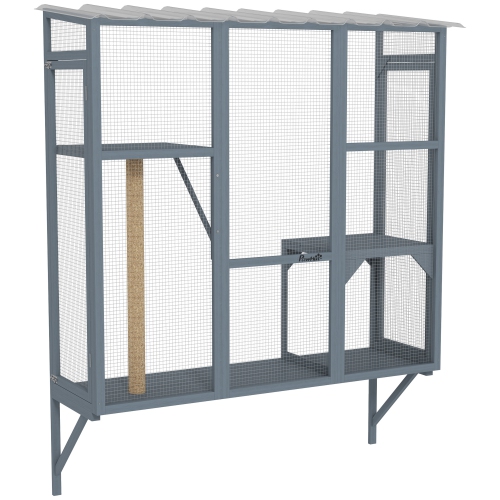 Your price for this item is $266.99
 -
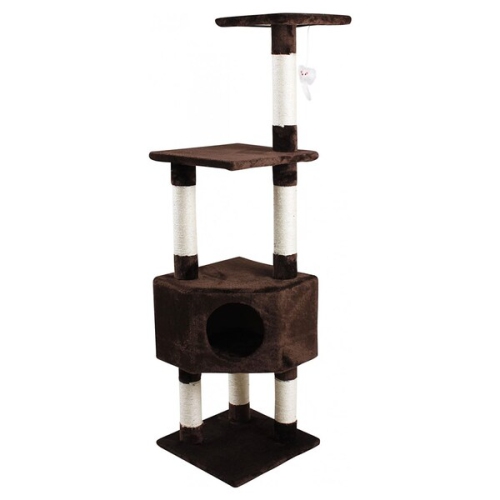 Your price for this item is $58.69
 -
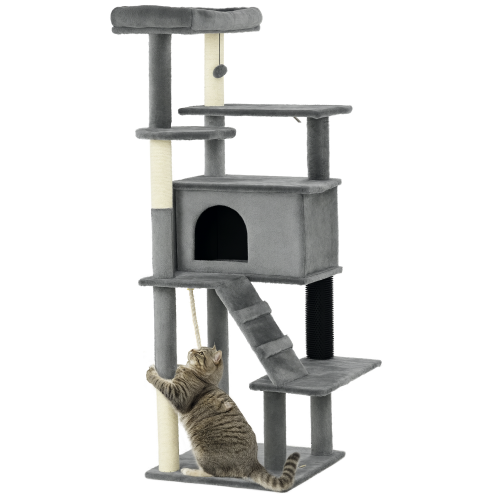 Your price for this item is $73.99
 -
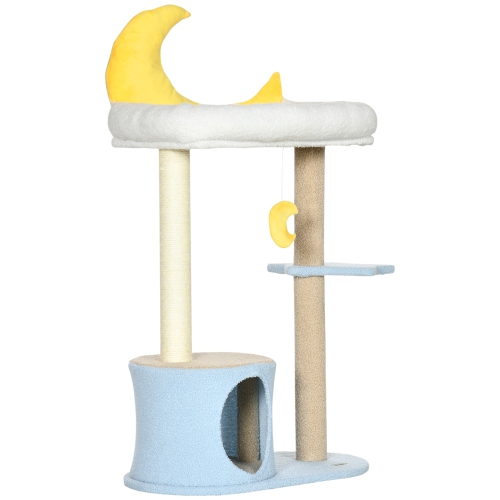 Your price for this item is $67.99
 -
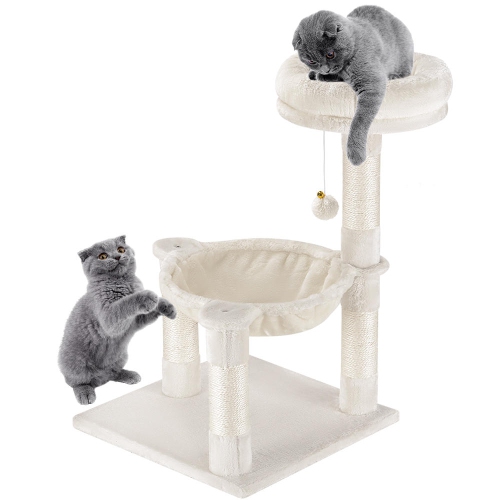 Your price for this item is $36.99
 -
 Your price for this item is $49.99
Discover more categories related to Catios for Cats
Top Collections:
Pokemon Centers, Kindle Devices, Best Budget Office Chairs, Apple iPhones 16, Canon G7X Cameras, iPhone 15 Apple, Alarm Clock, Refurbished Apple Laptops, Flip Phones, Best Laptops for Writers
Some products may be subject to Environmental Handling Fees
(EHF) depending on your province.
Learn more about EHFs.