Indoor Cat Enclosures
Create a safe and stimulating environment for your feline friend with our range of indoor cat enclosures. Whether you live in a small apartment or a spacious house, these enclosures provide the perfect solution to keep your cat entertained while ensuring their safety indoors. Explore a variety of designs and sizes to find the ideal enclosure that fits seamlessly into your home decor while giving your cat the freedom to roam, play, and relax in their own space.
Sort


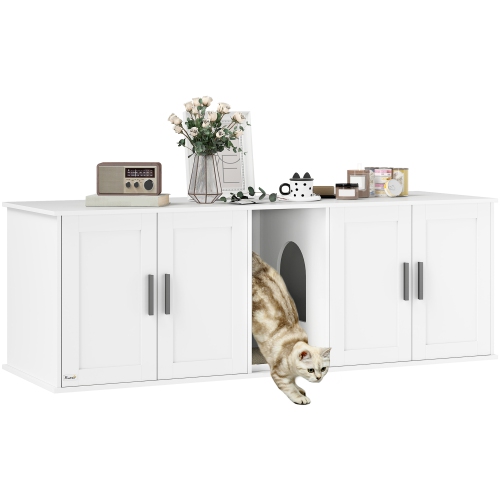
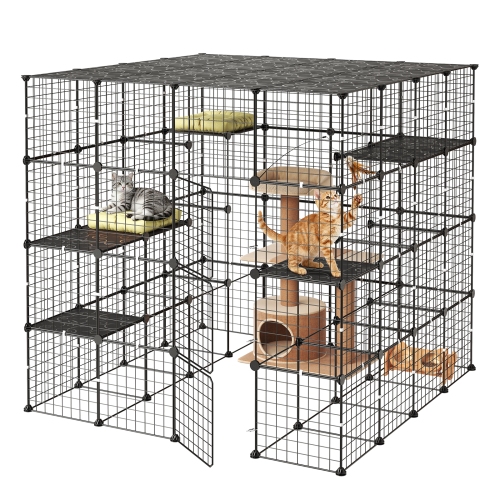
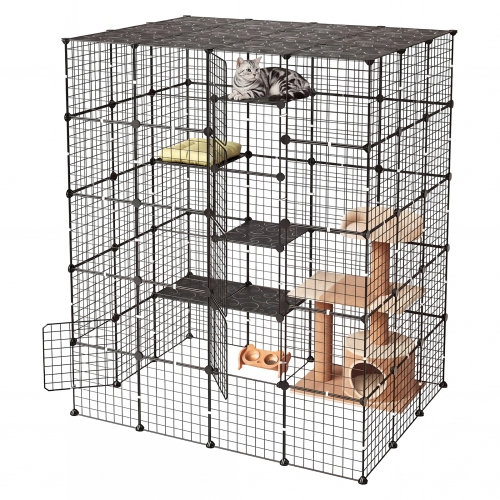
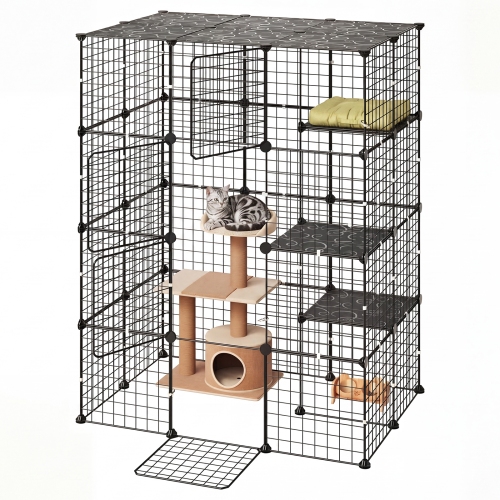
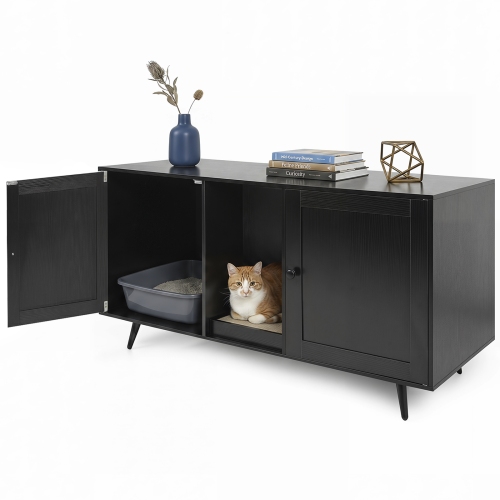
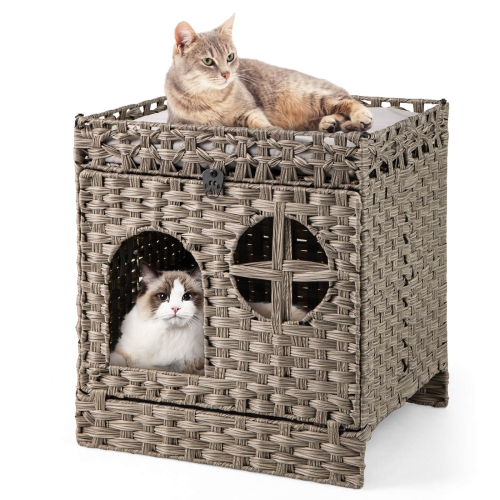
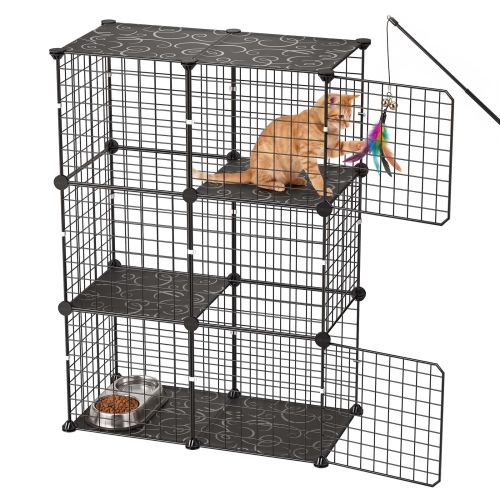
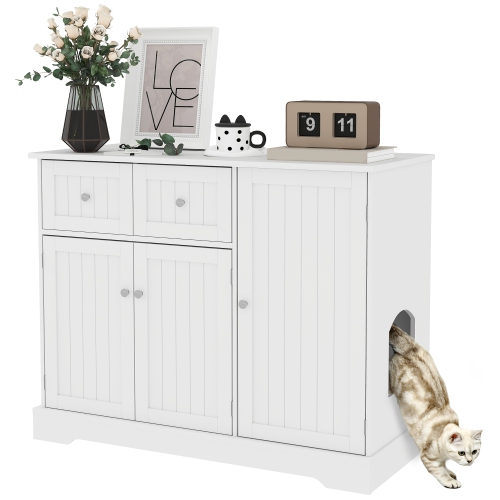
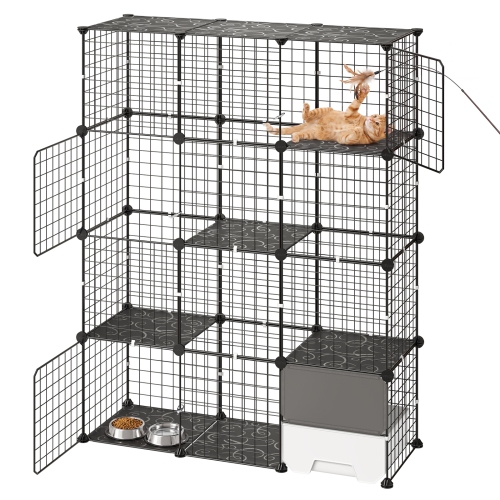
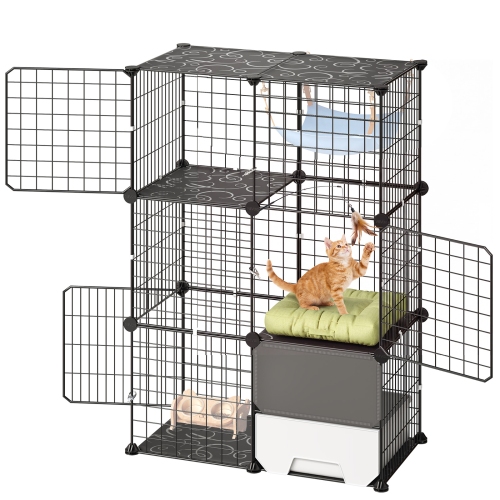
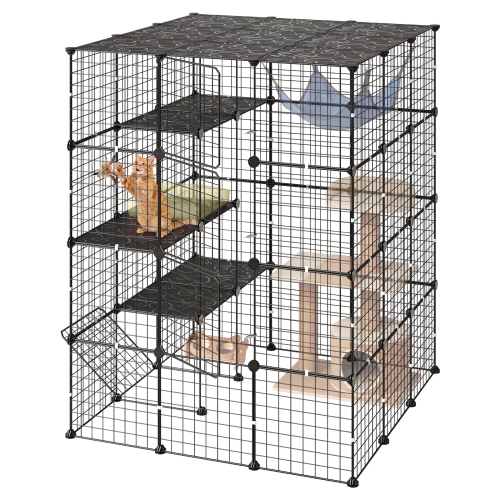
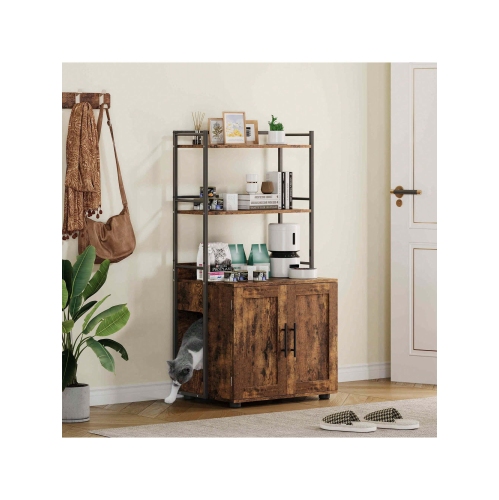

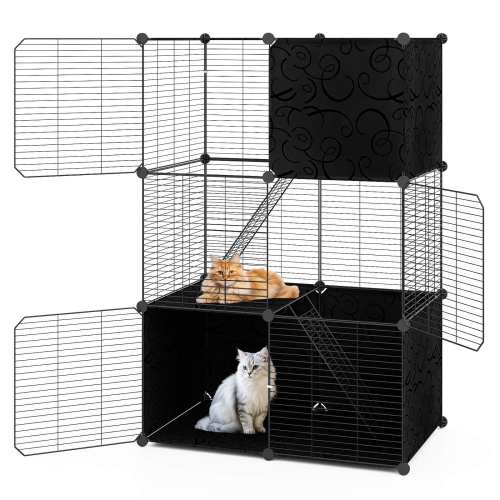
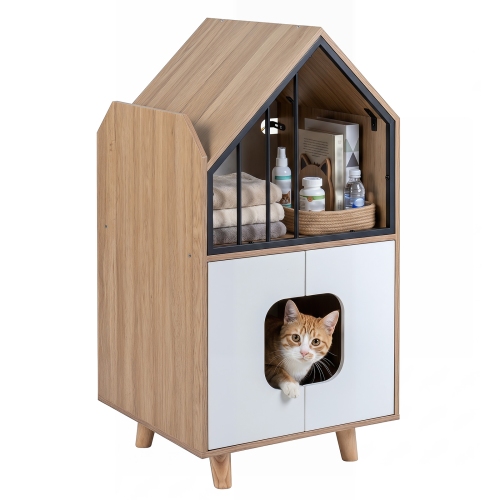
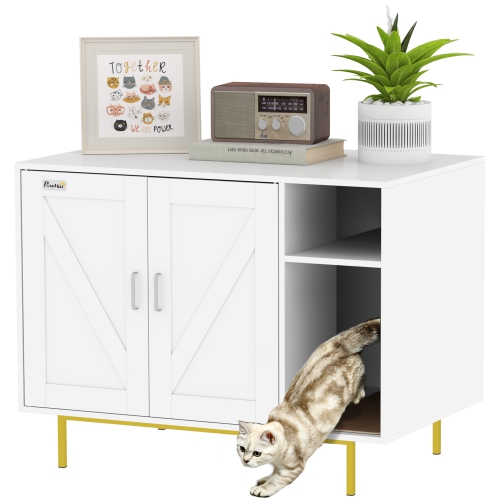
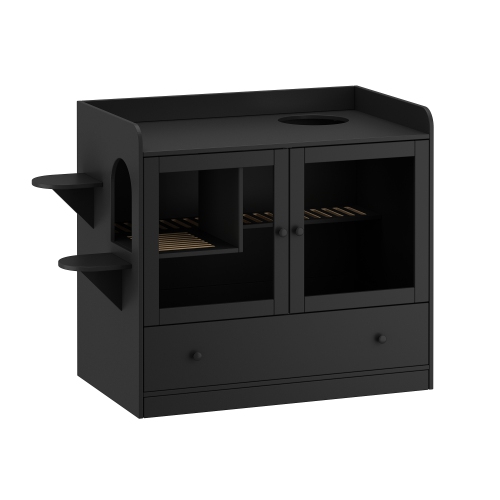
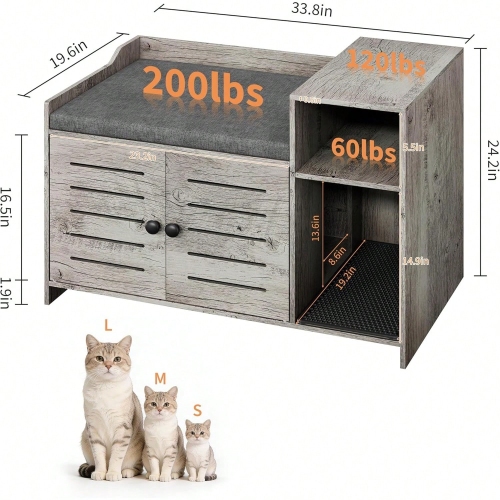
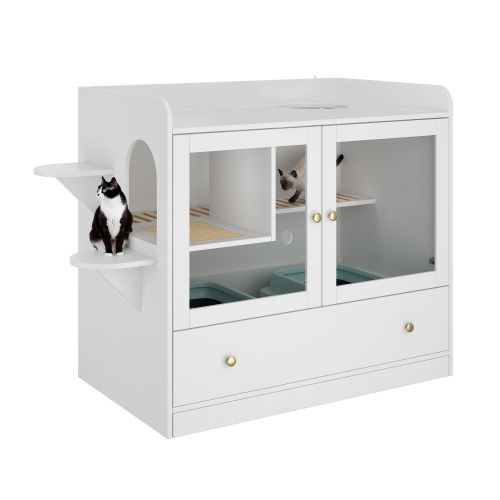
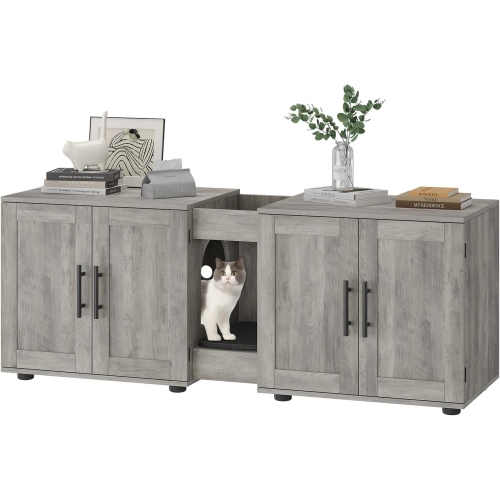
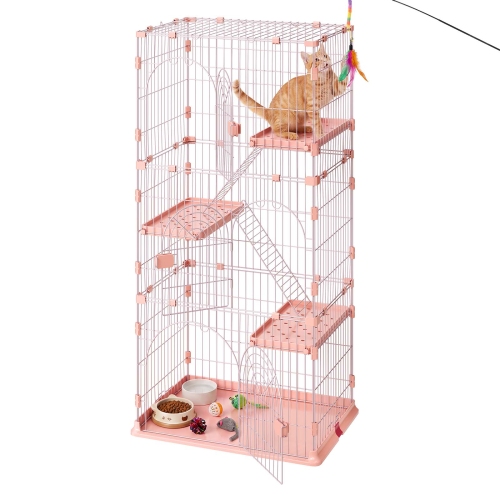

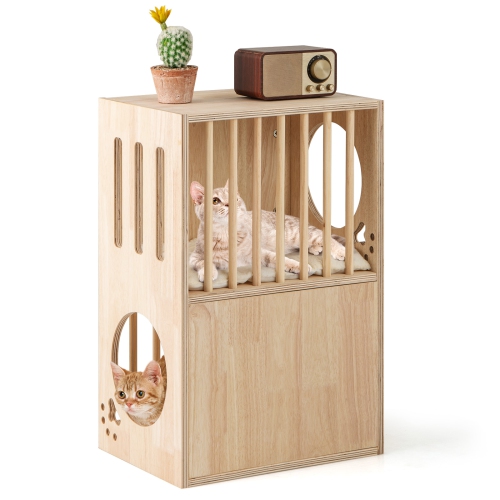
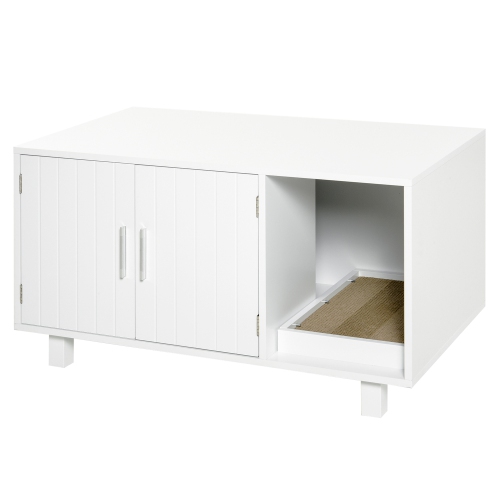
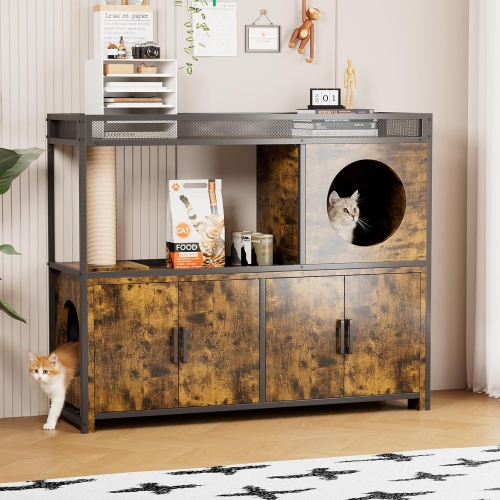
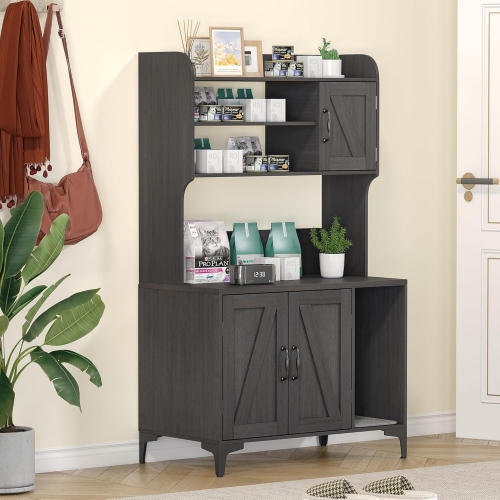

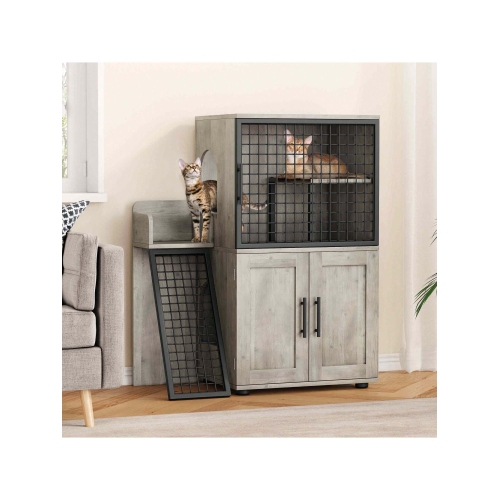
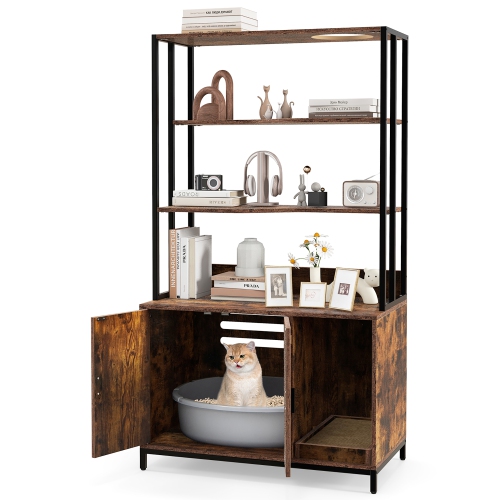
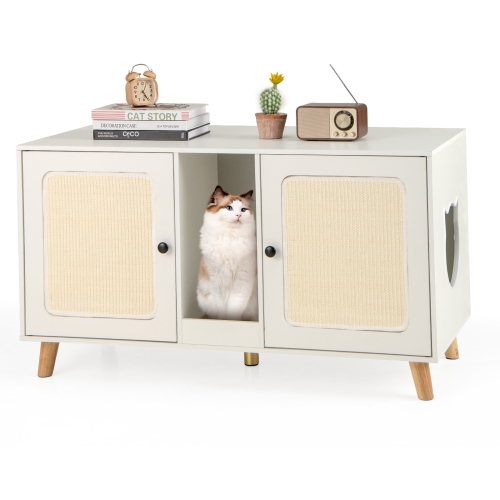
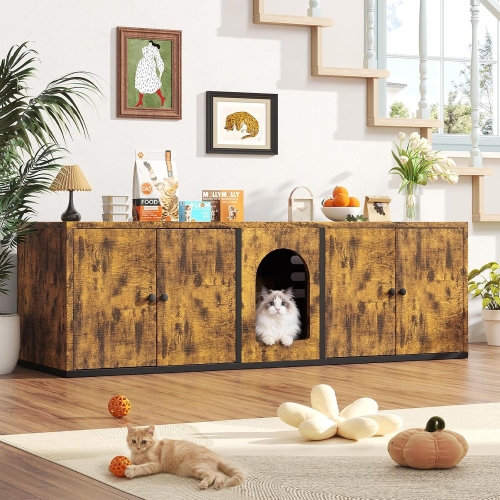
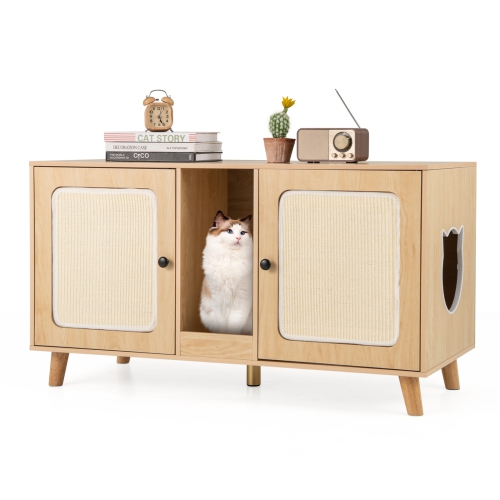
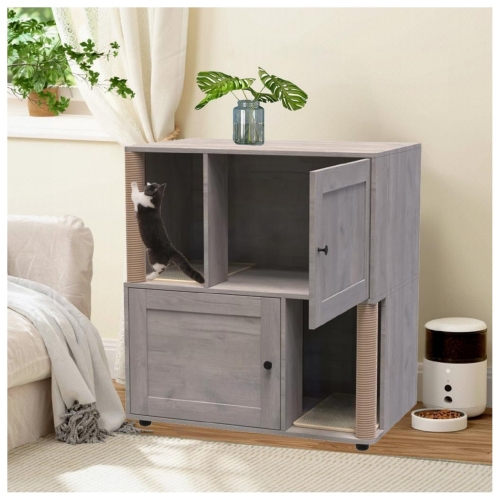
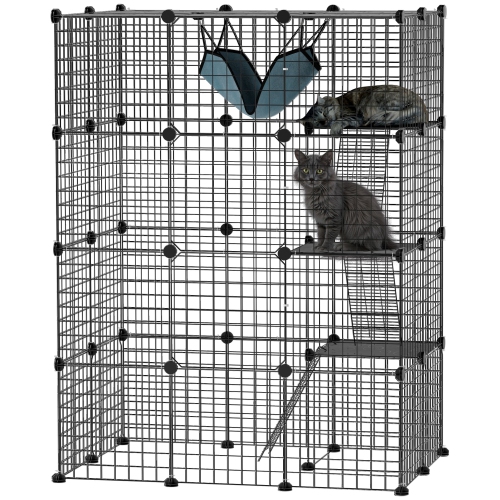
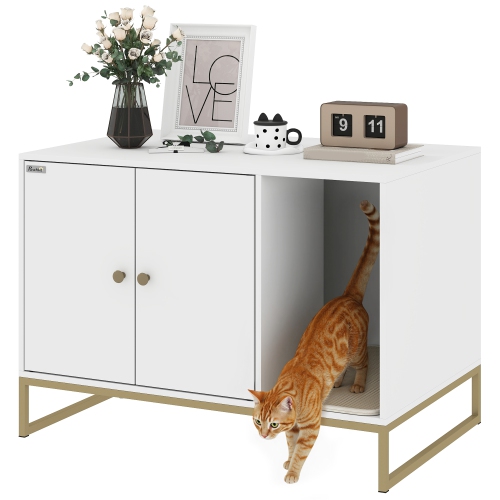
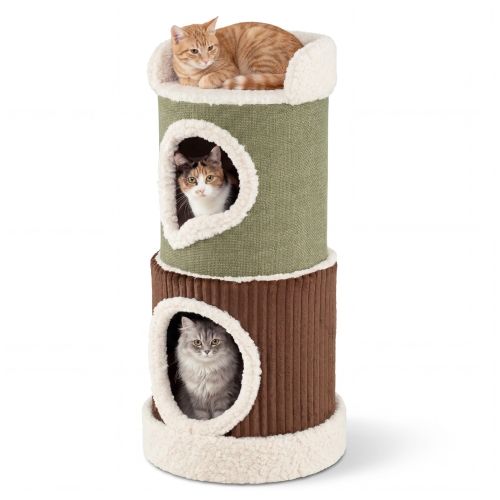
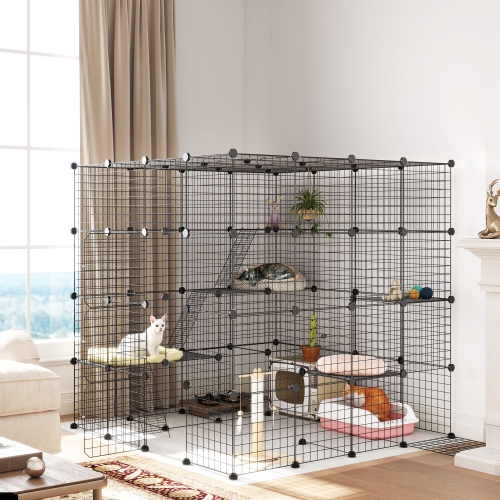
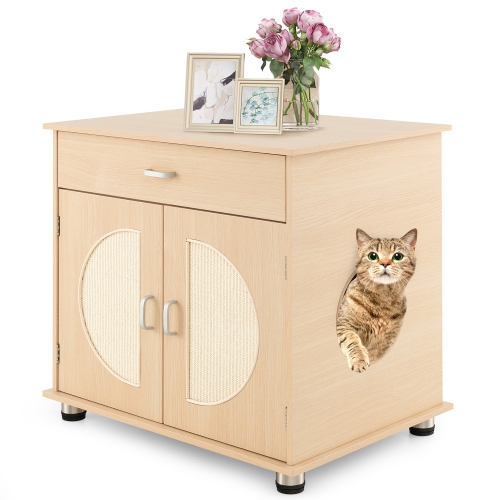
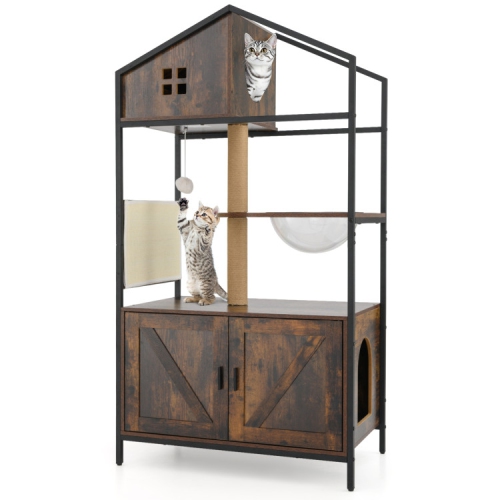
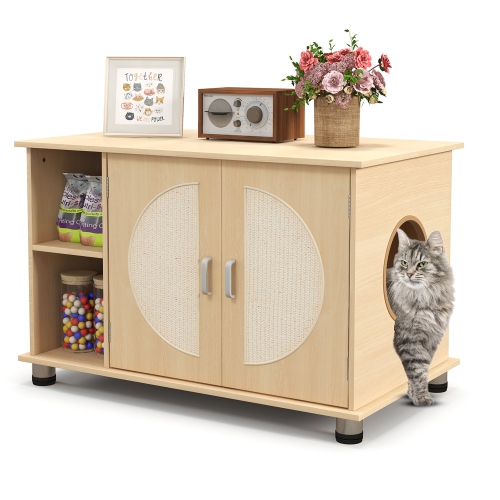
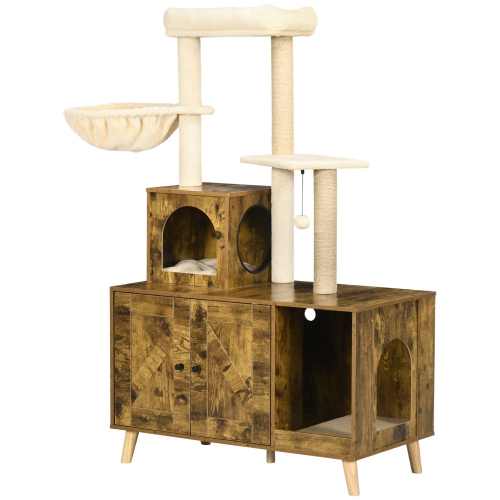
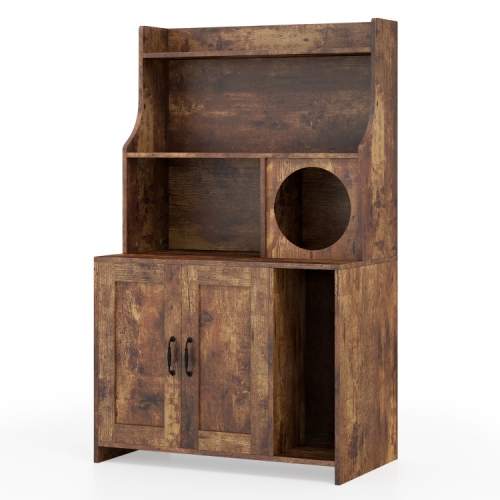
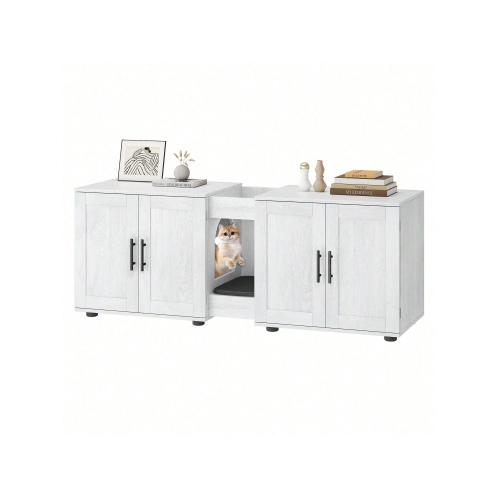
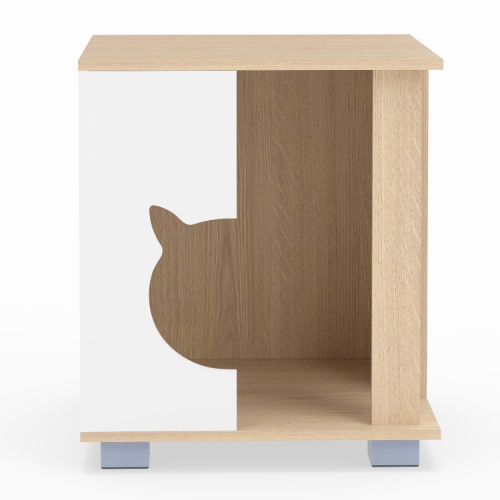
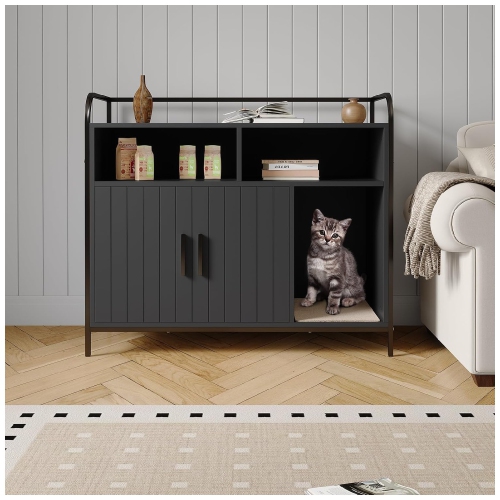
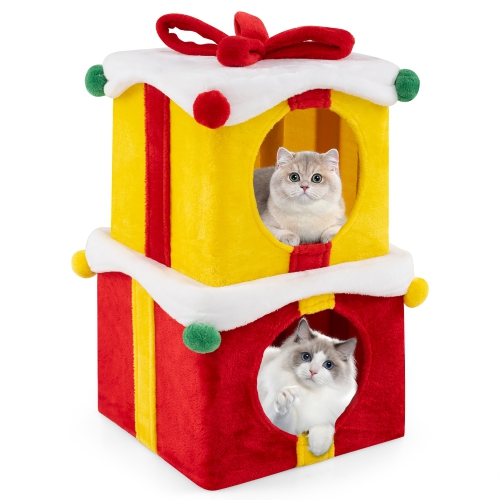
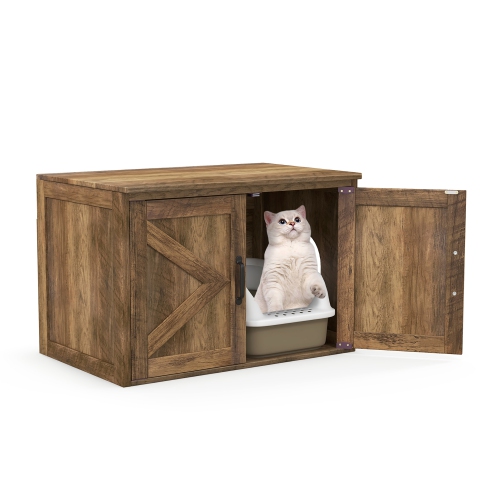
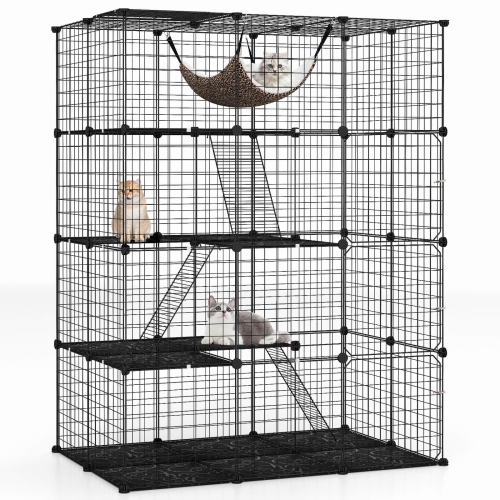
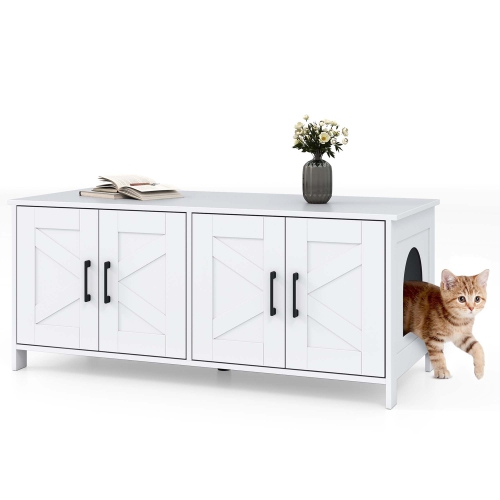
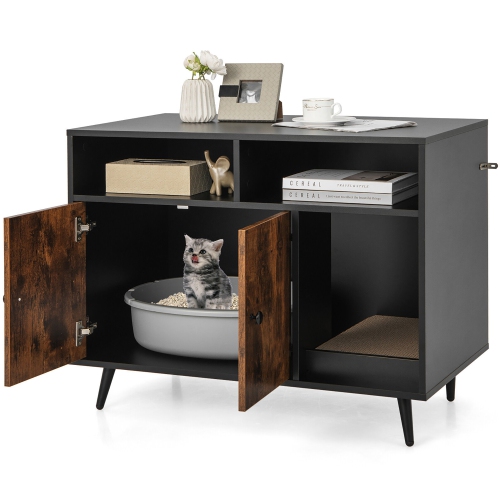
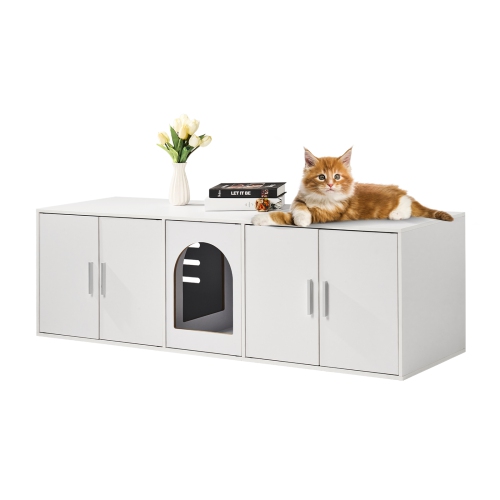
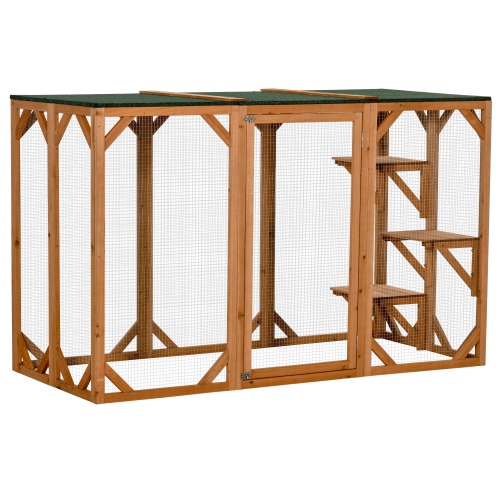
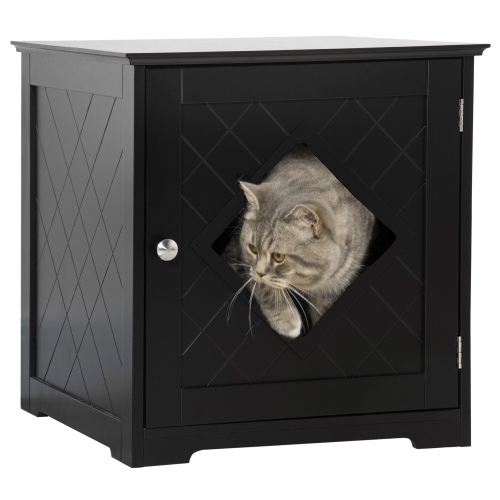
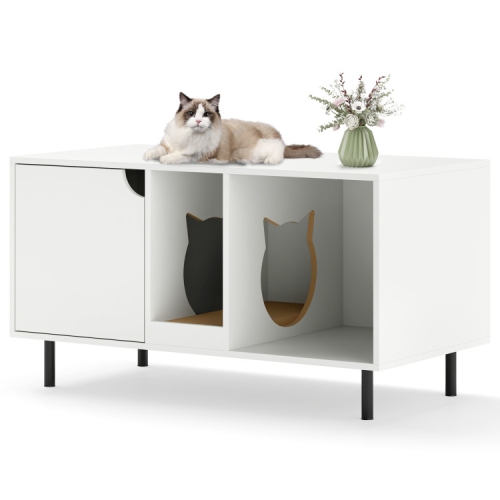
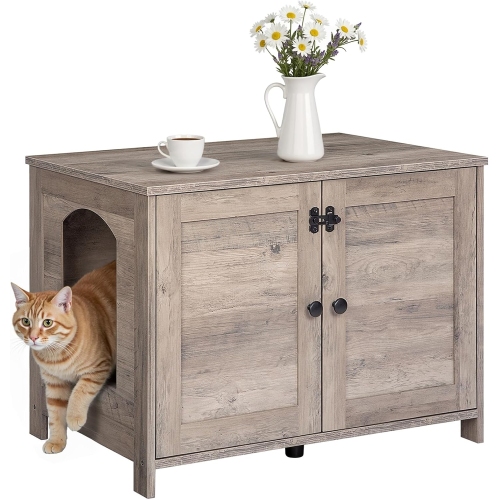
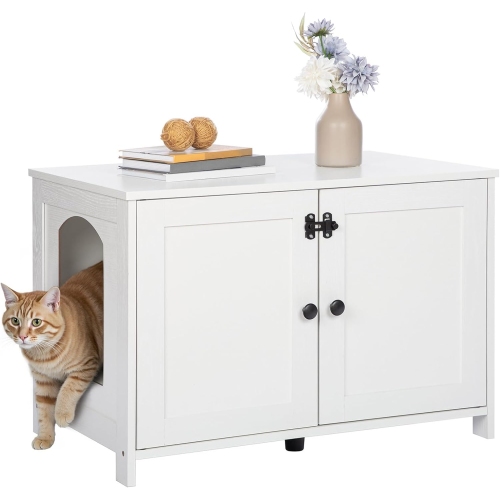
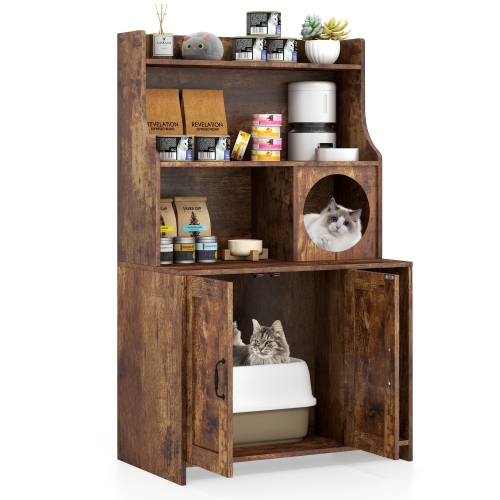
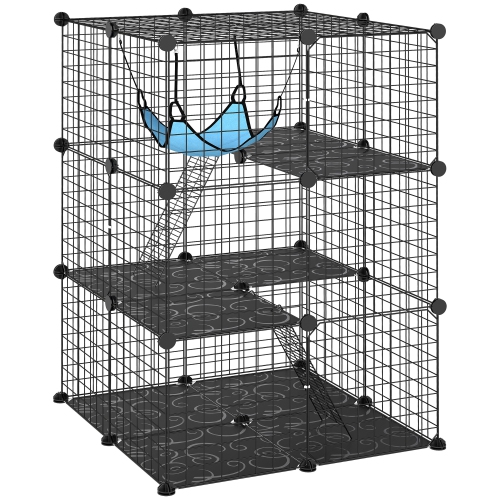
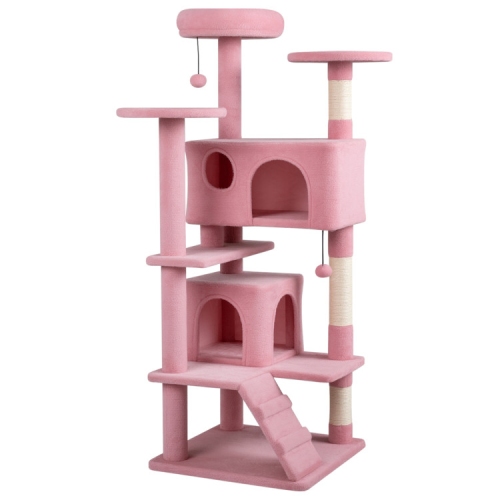
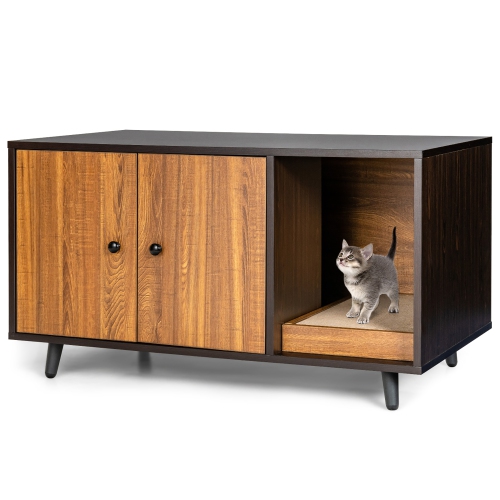
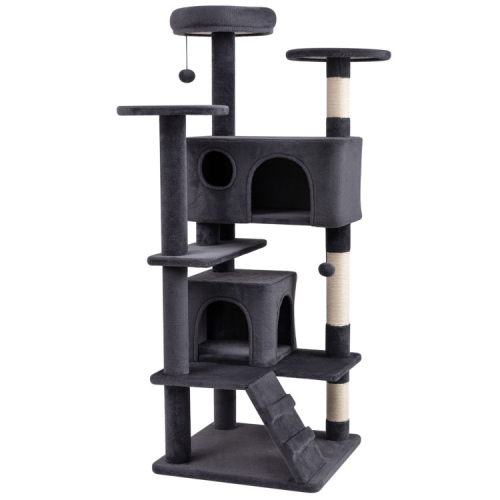
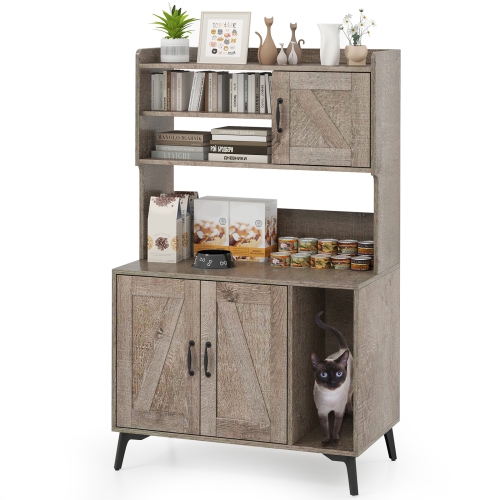
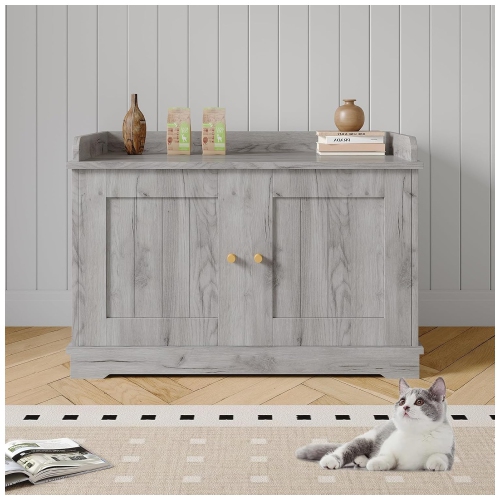
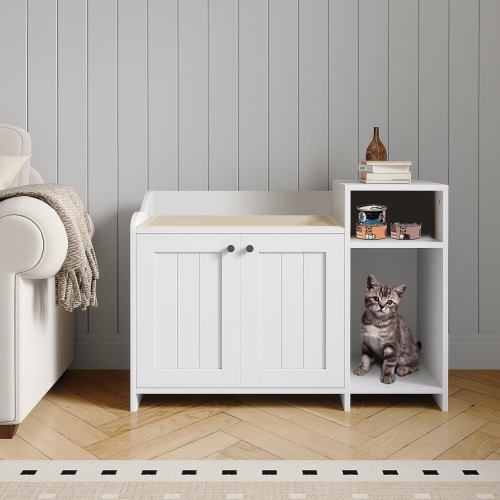
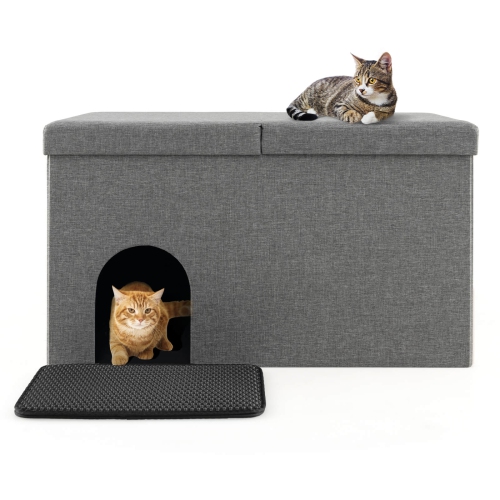
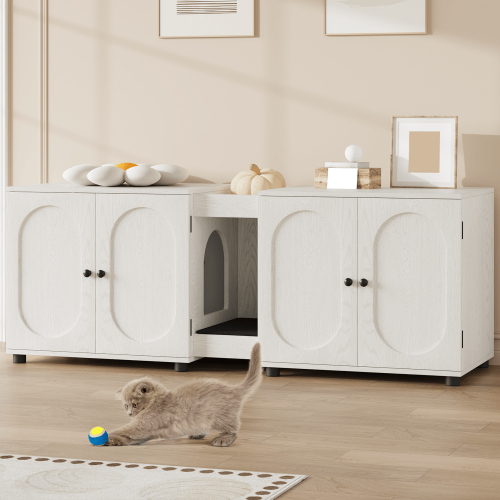
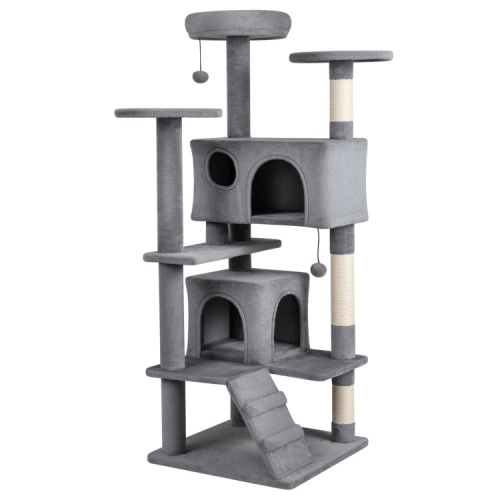
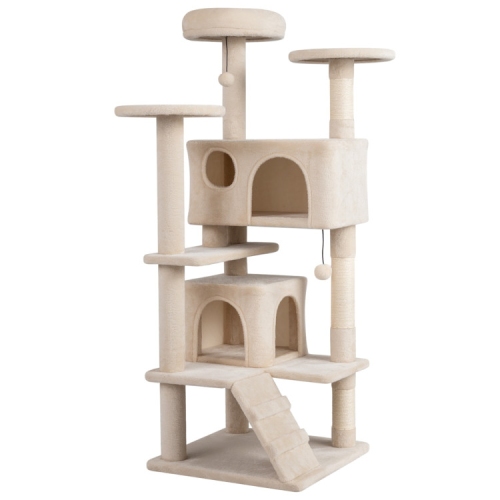
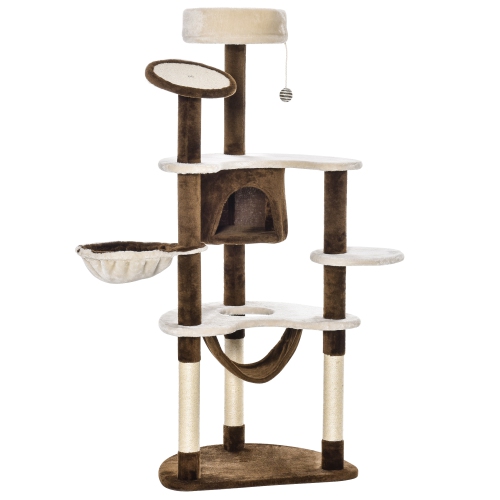
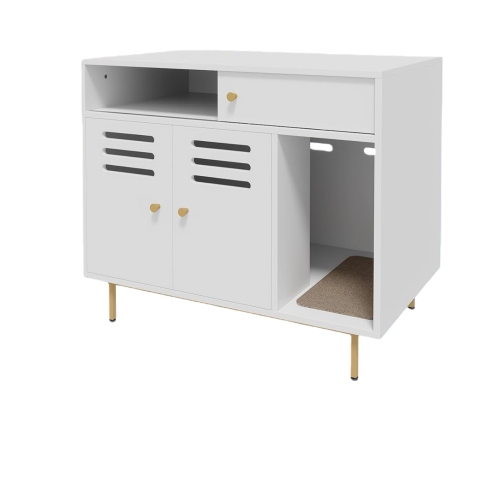
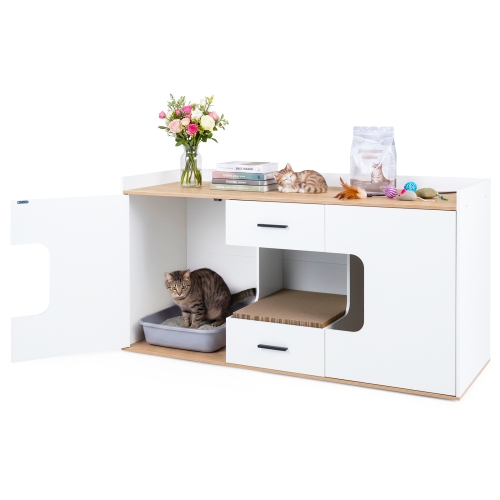
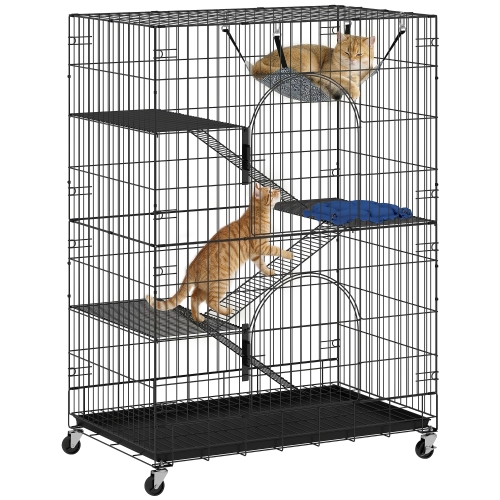
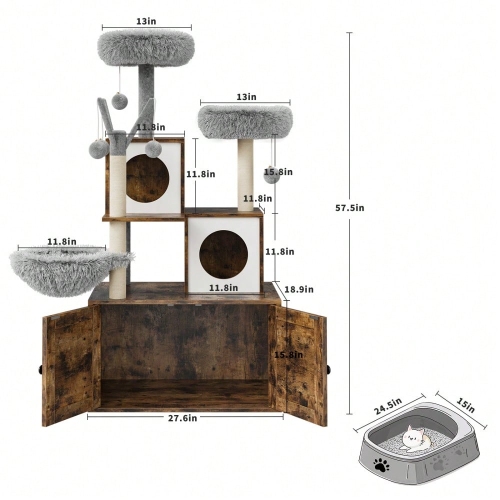
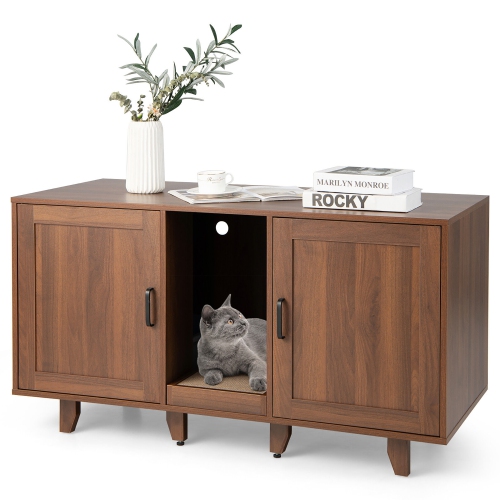
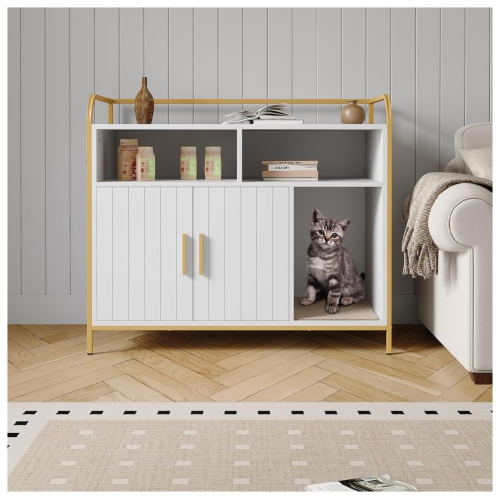
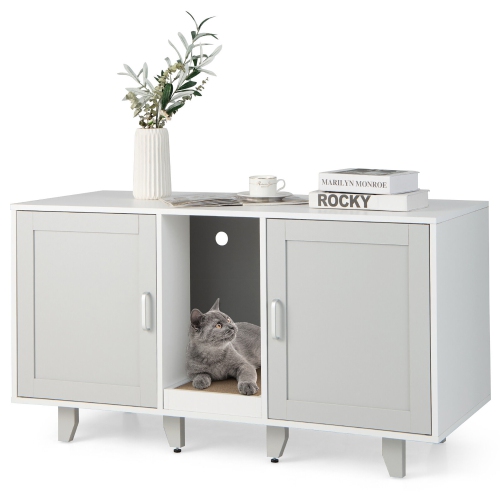
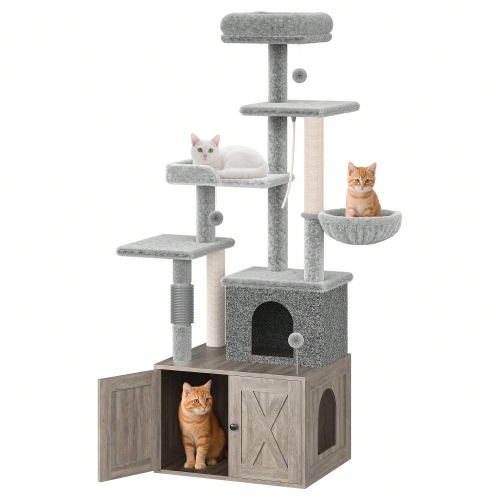
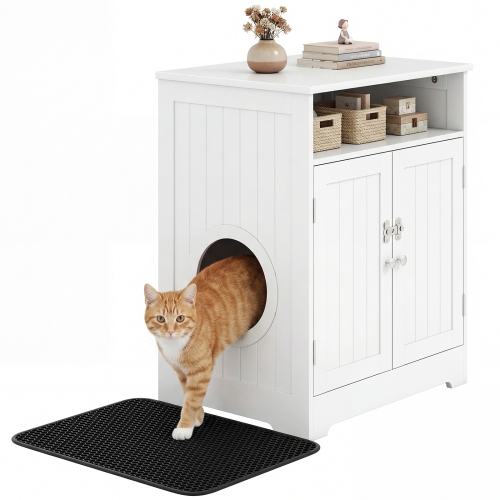
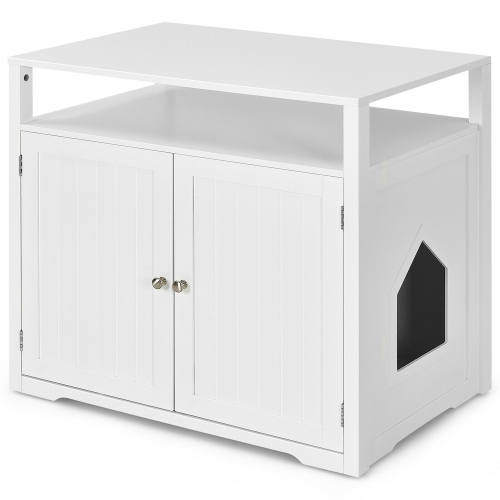
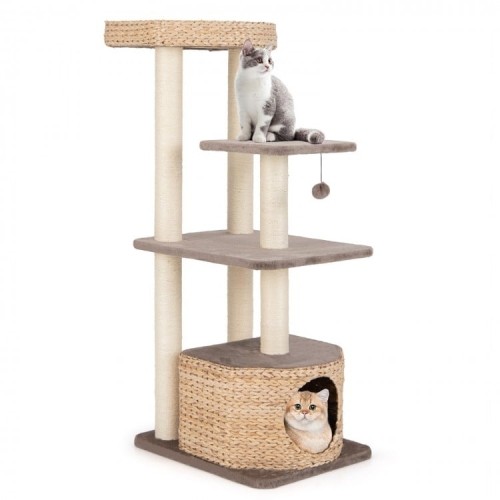
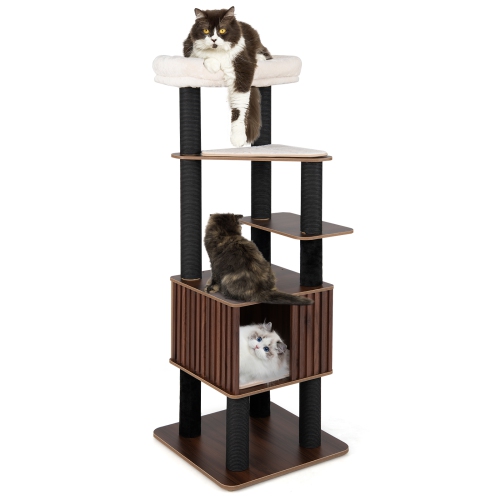
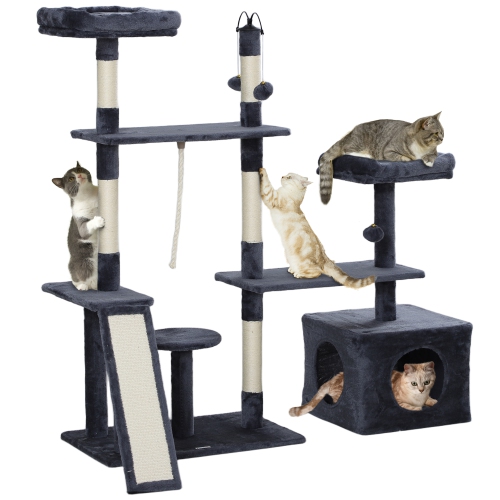
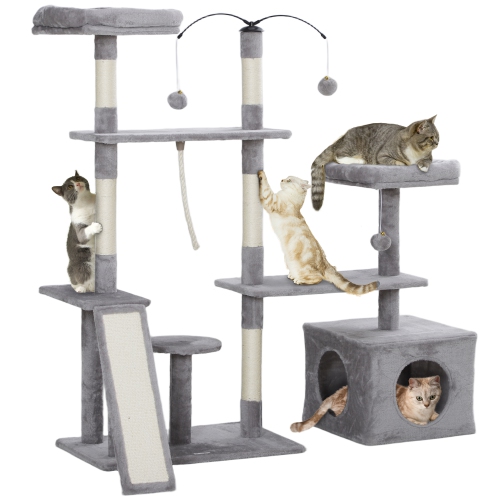
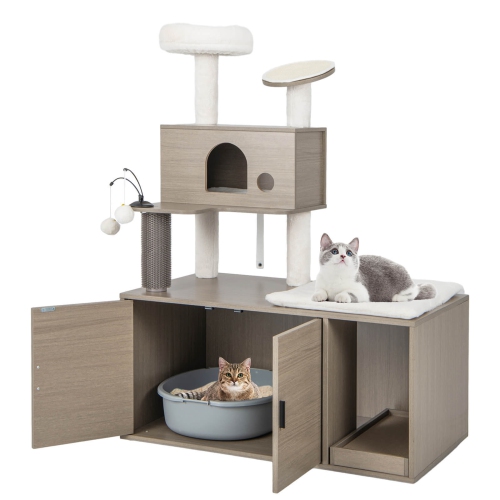
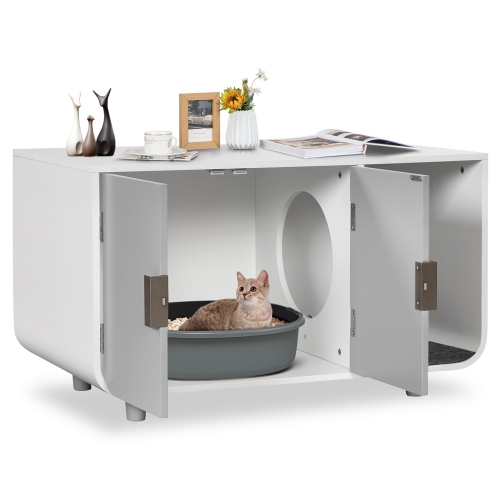
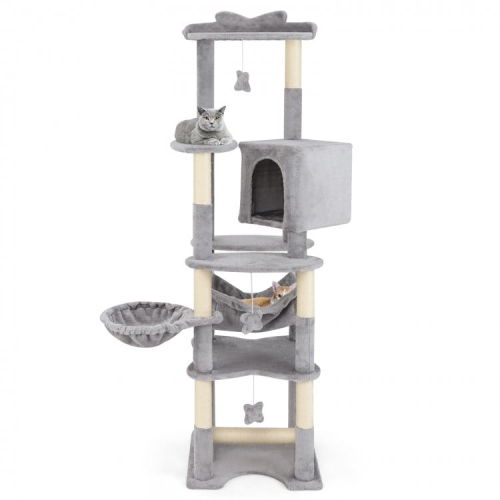
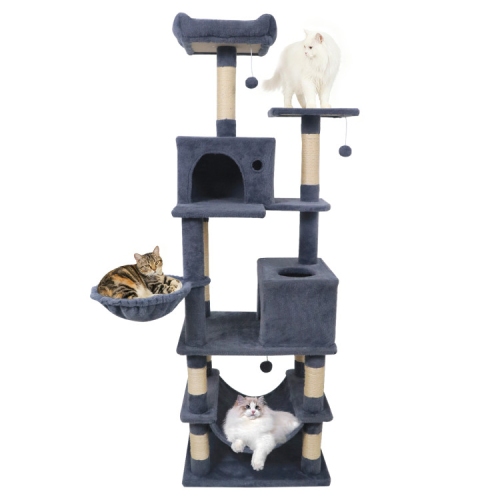
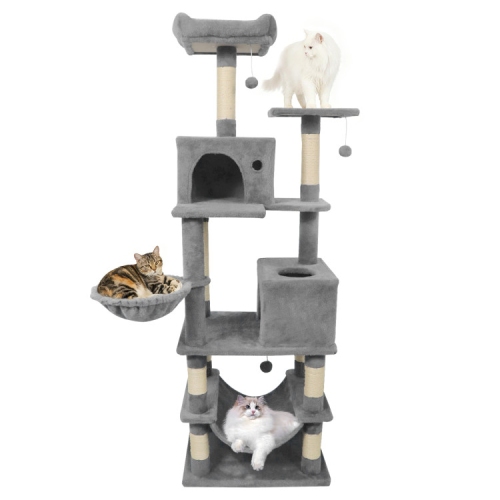
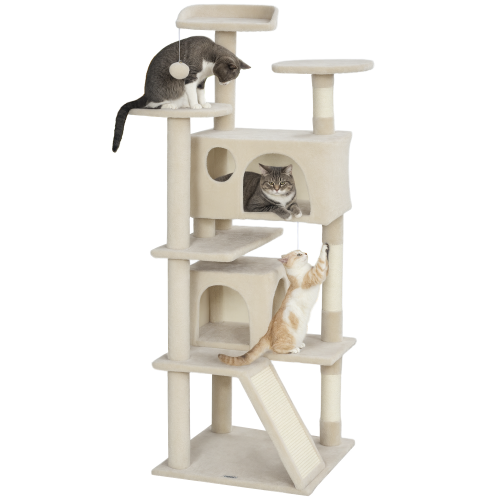
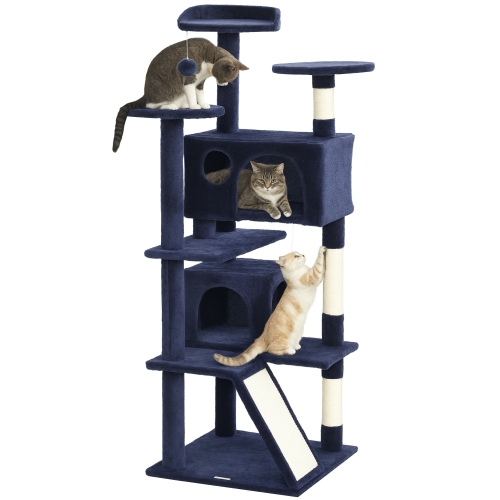
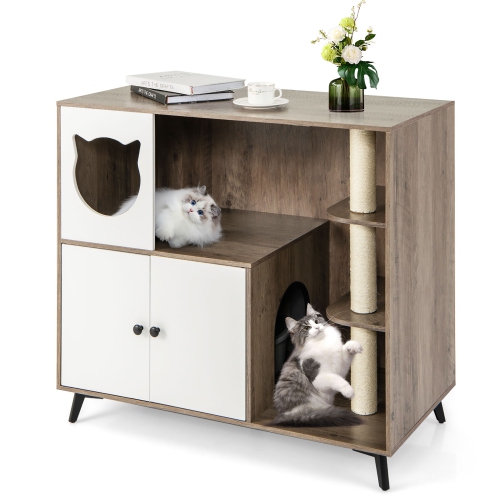
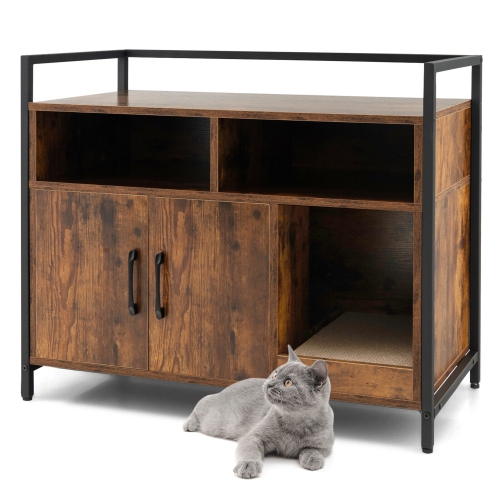
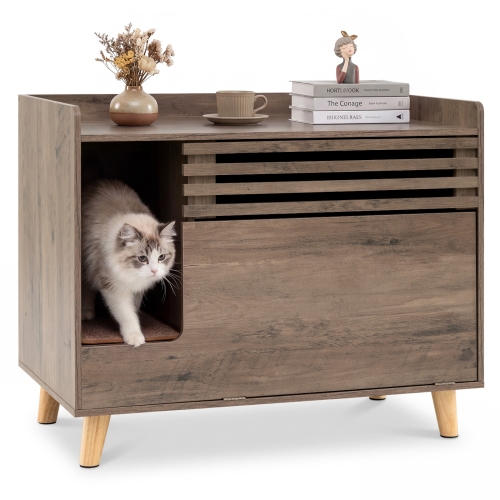
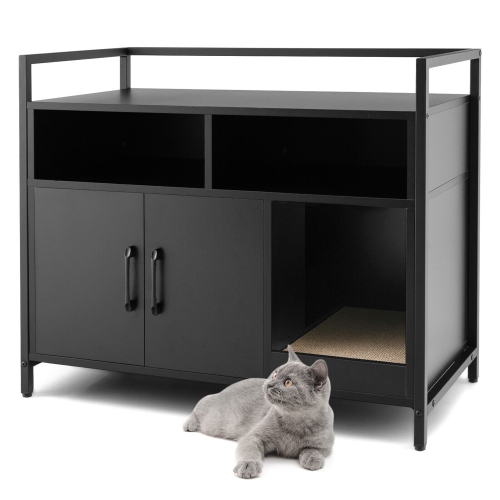
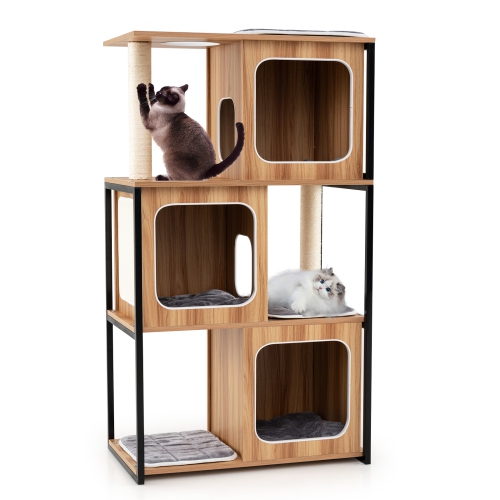
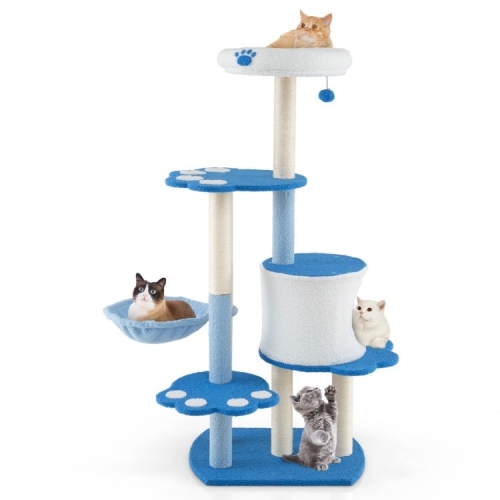
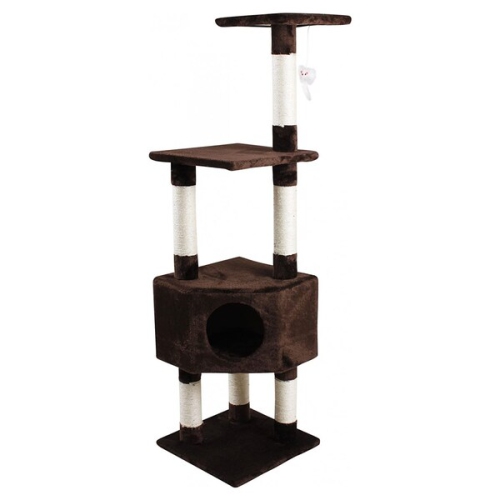

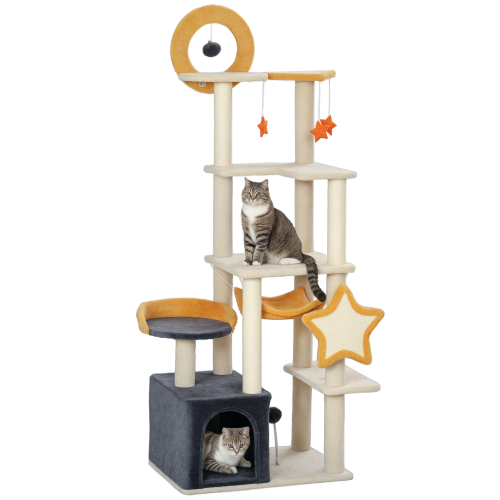
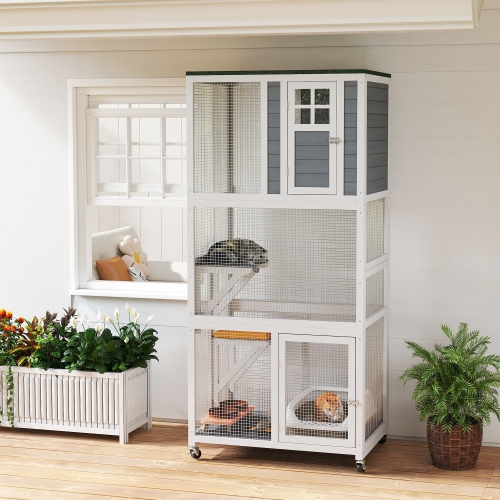
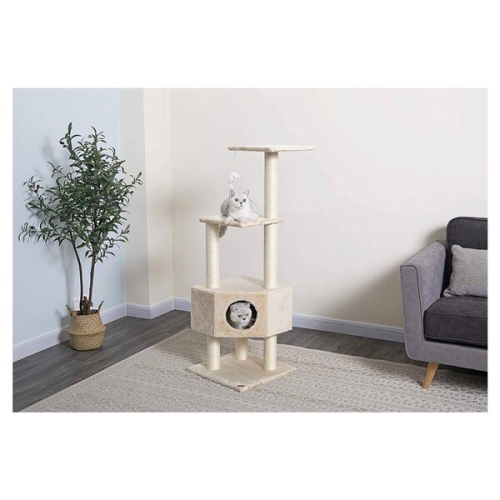
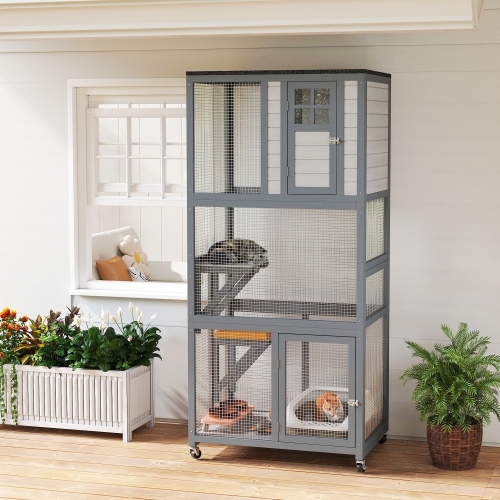
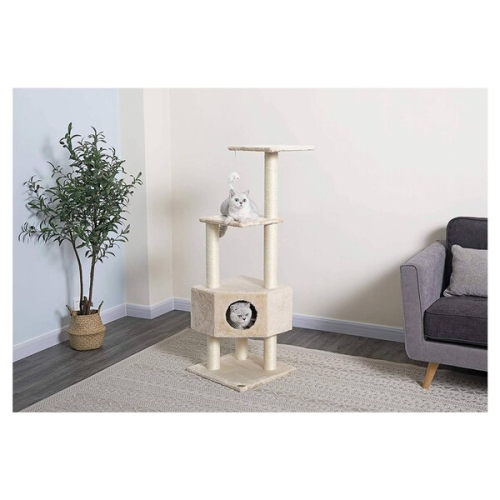
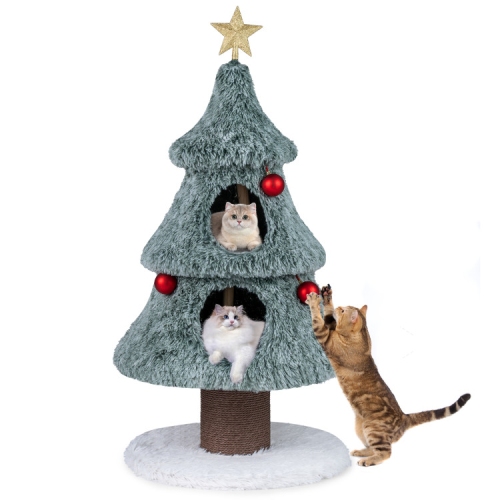
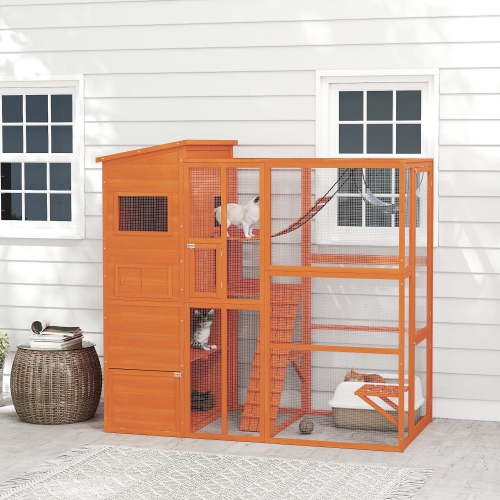
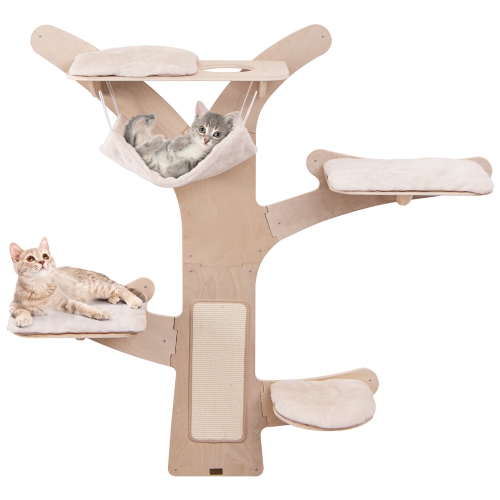
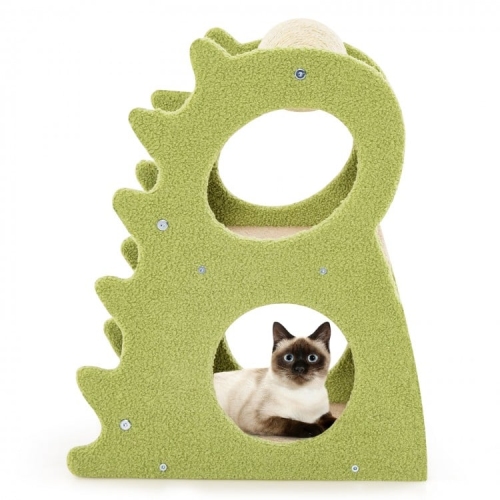
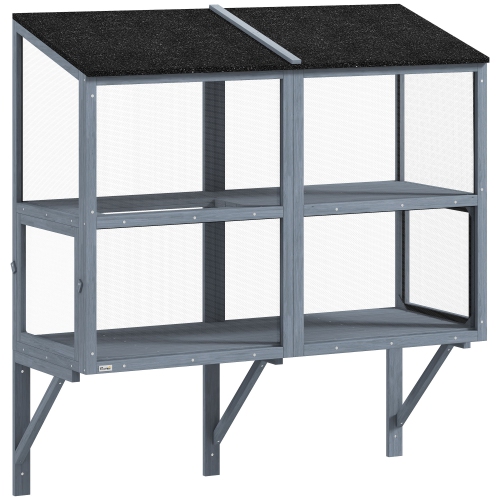
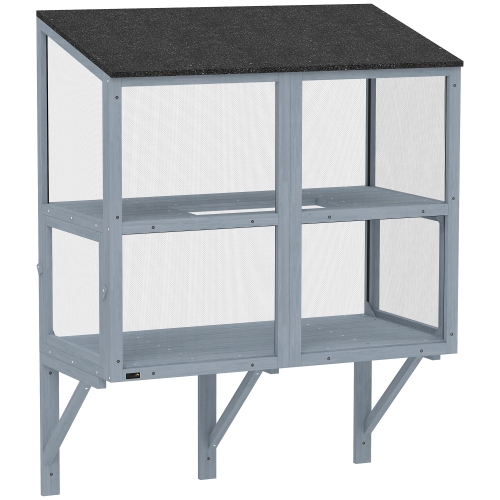
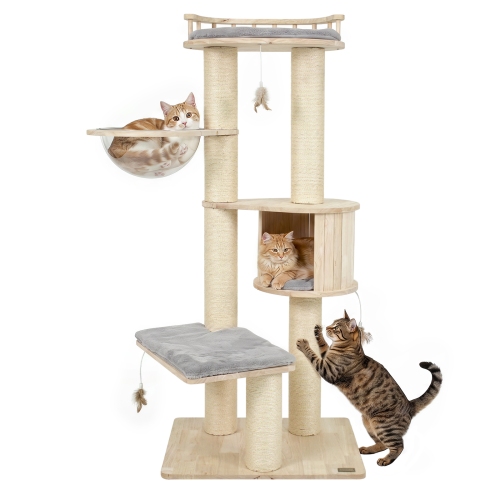
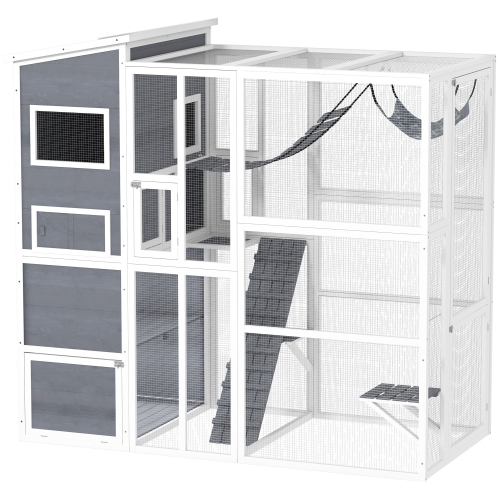
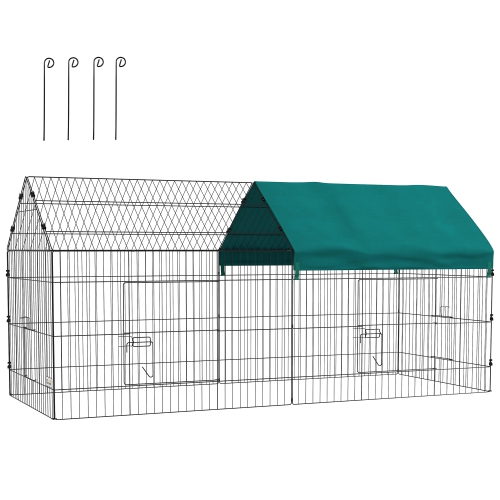
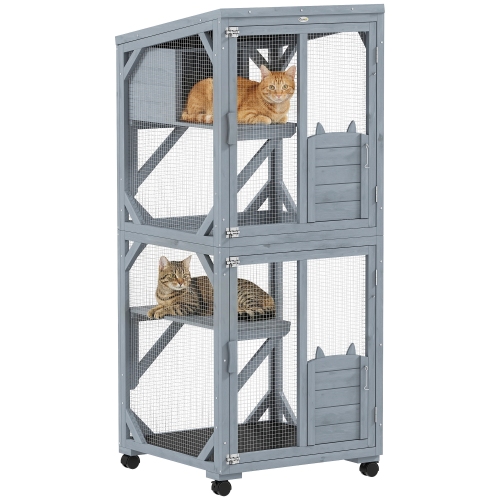
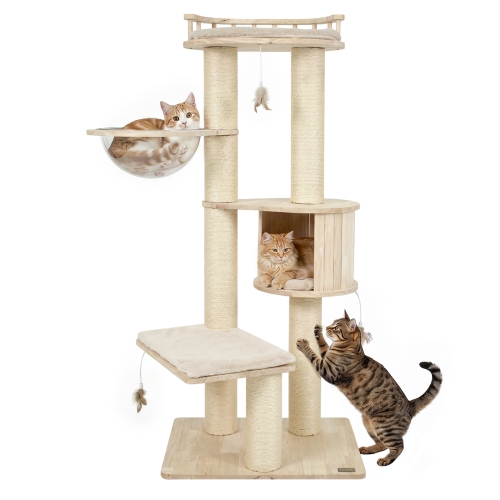
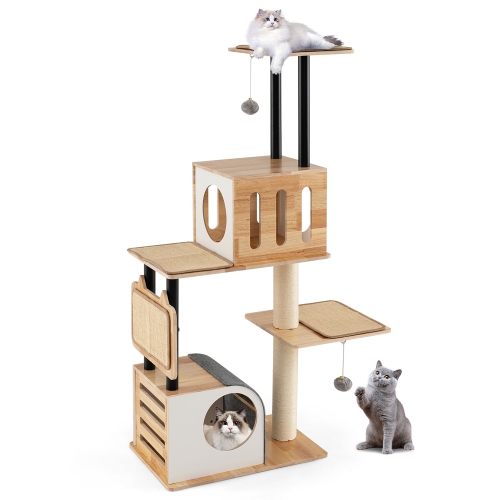
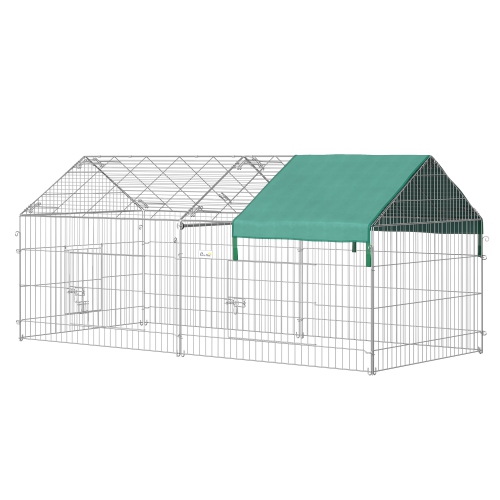
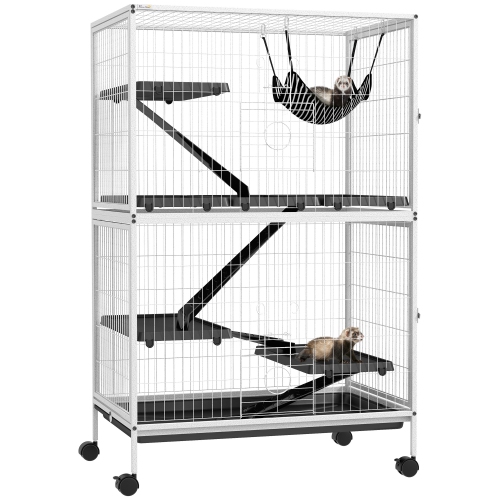
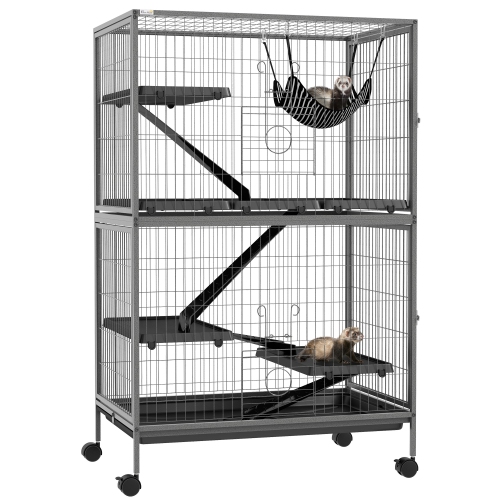
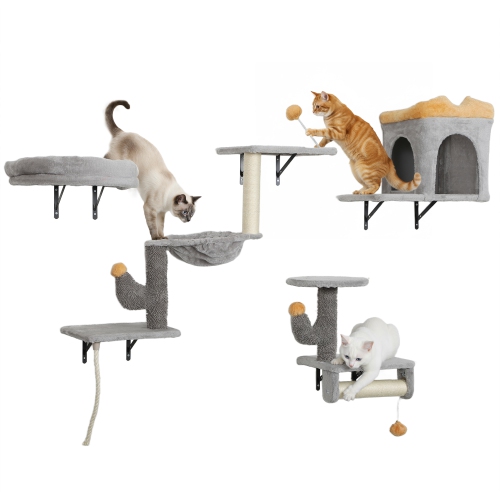
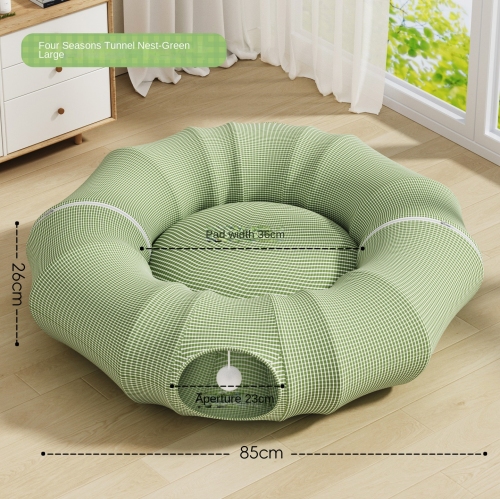
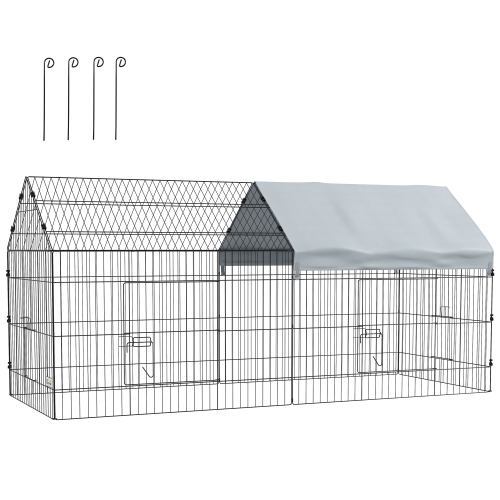
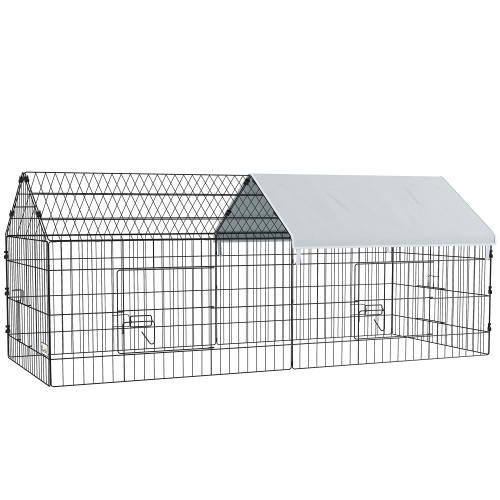
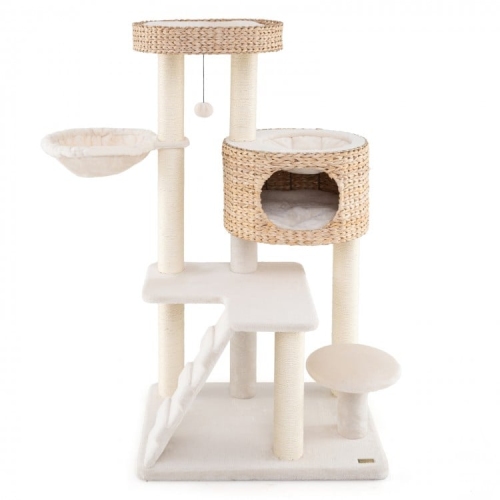
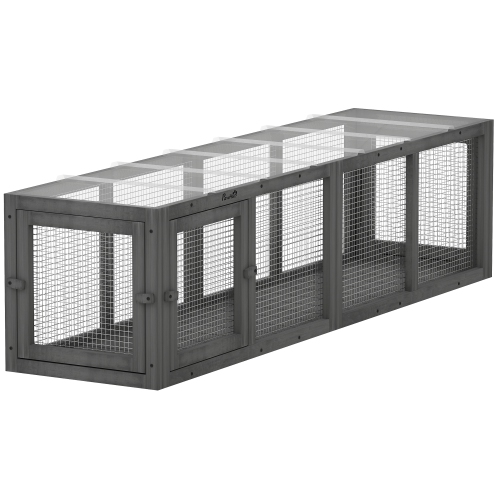
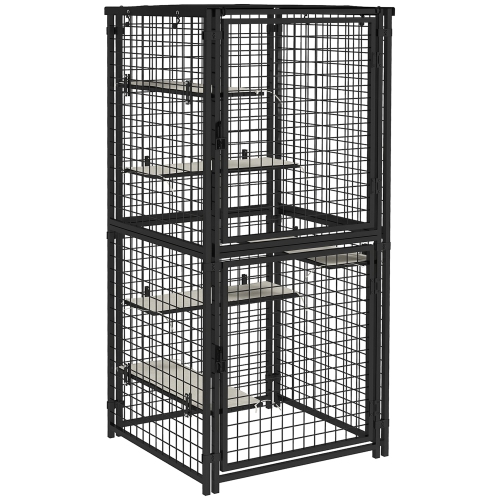
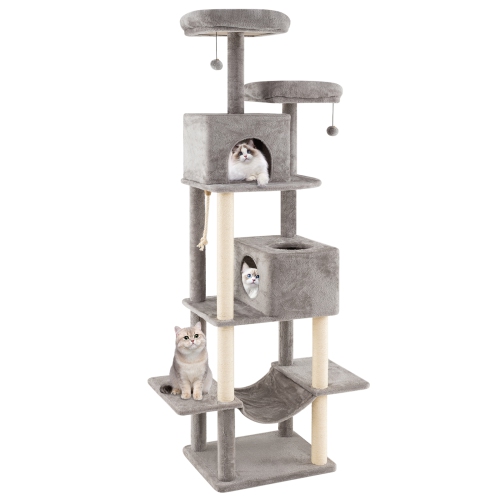
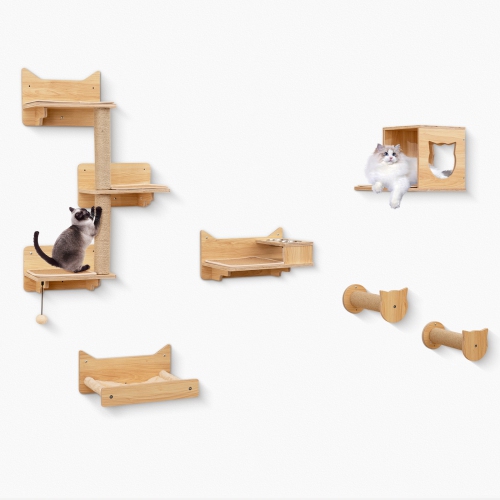
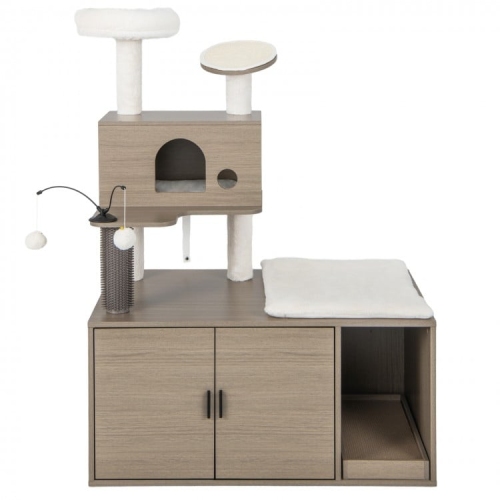
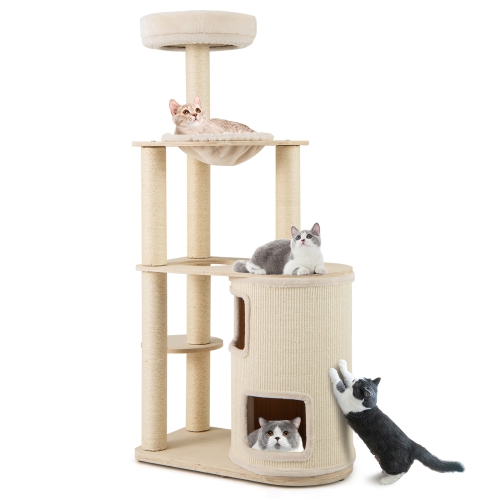
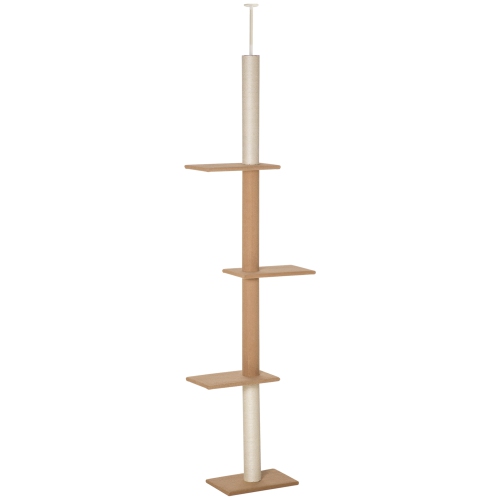
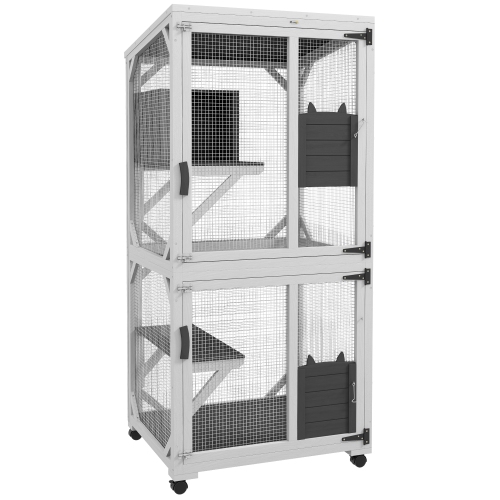
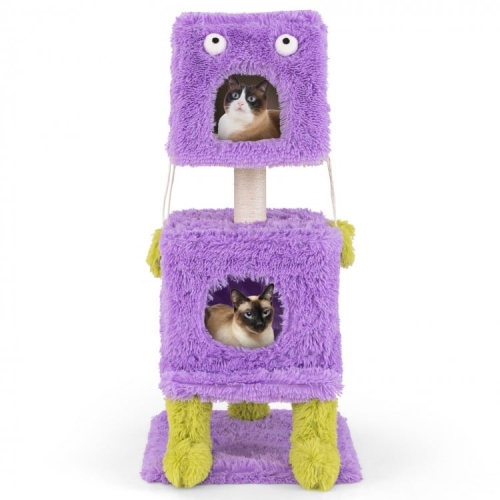
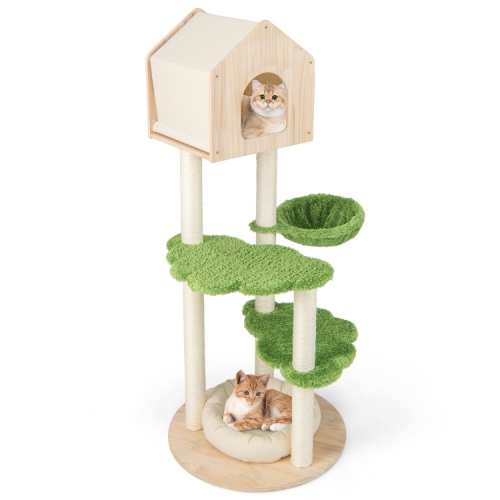
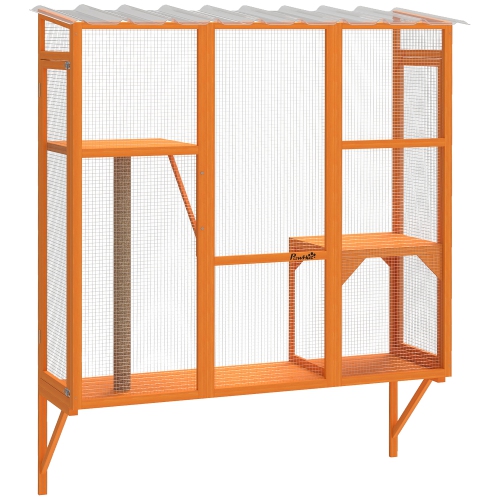
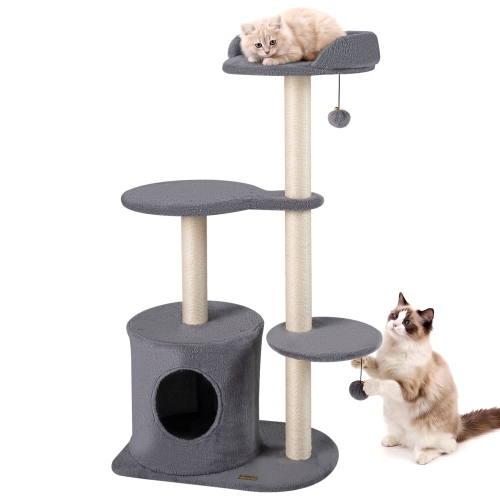
A reassuring retreat for cats at every life stage
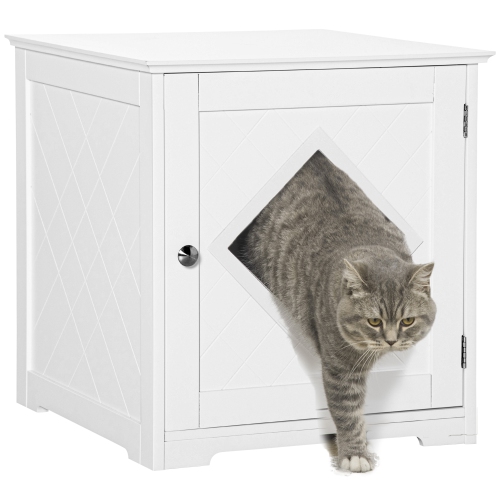
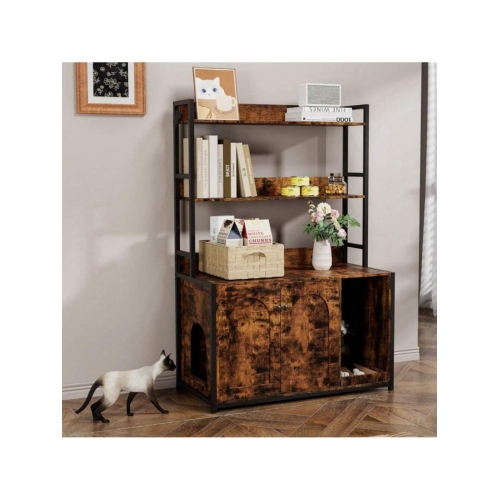
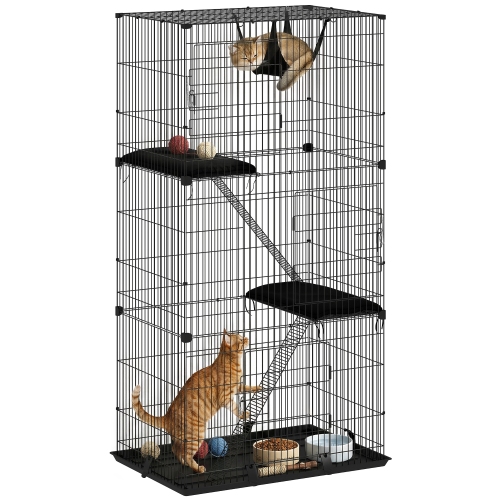
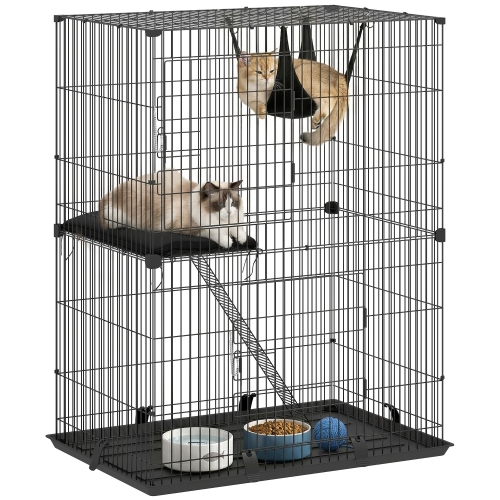
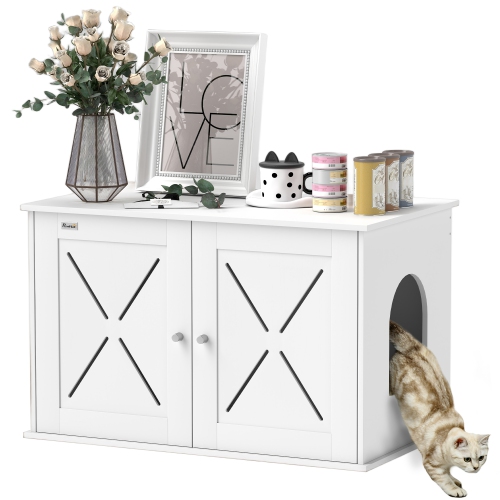
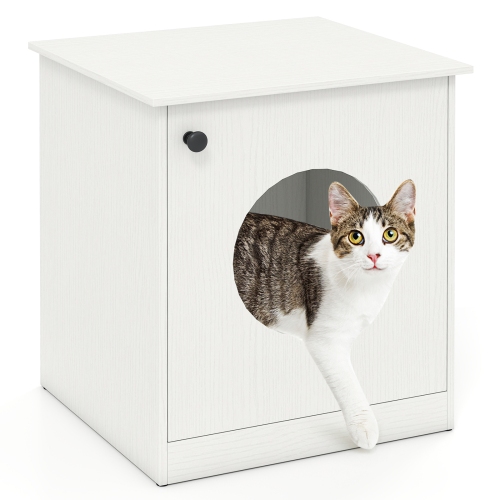
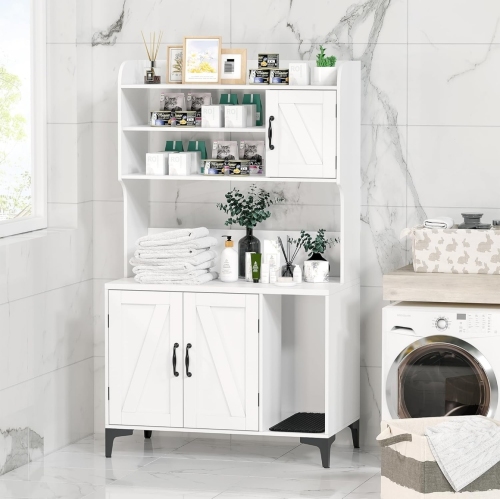
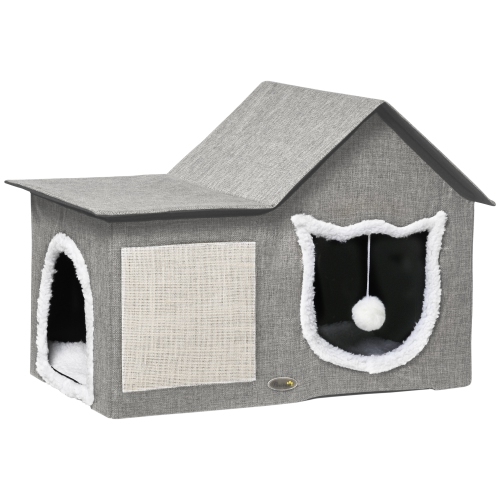
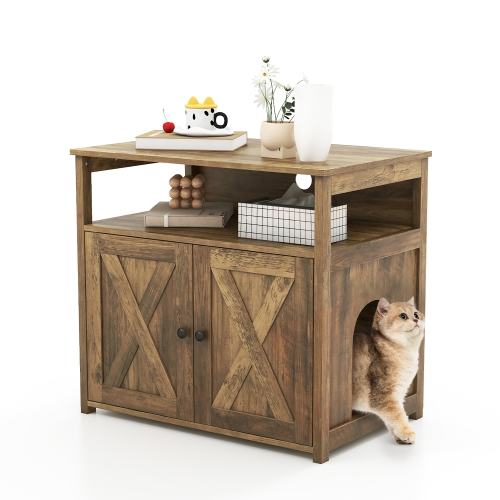
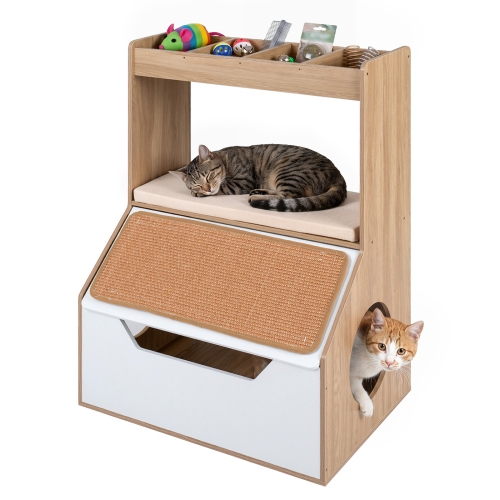
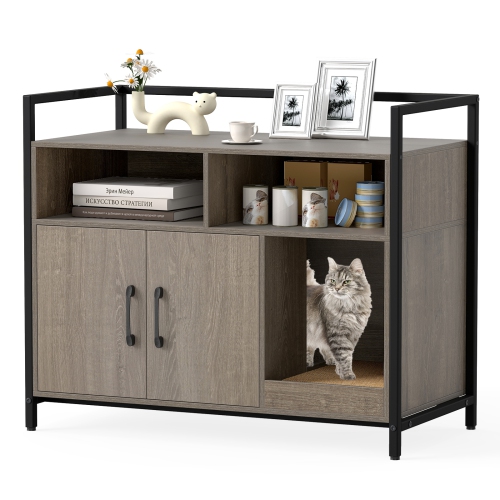
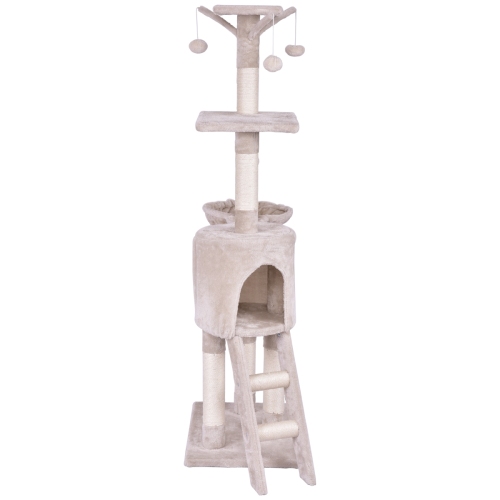
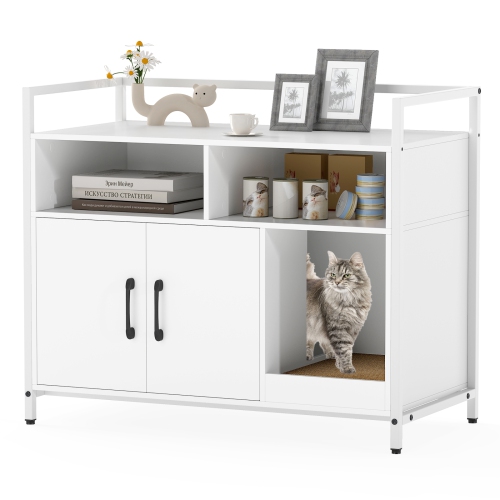
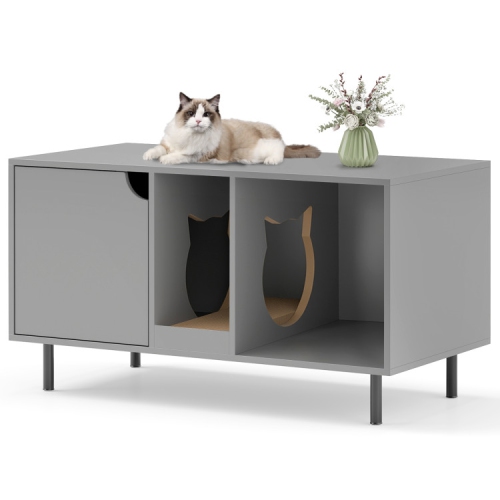
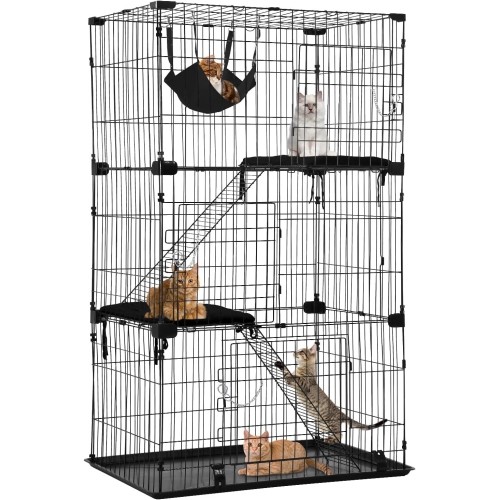
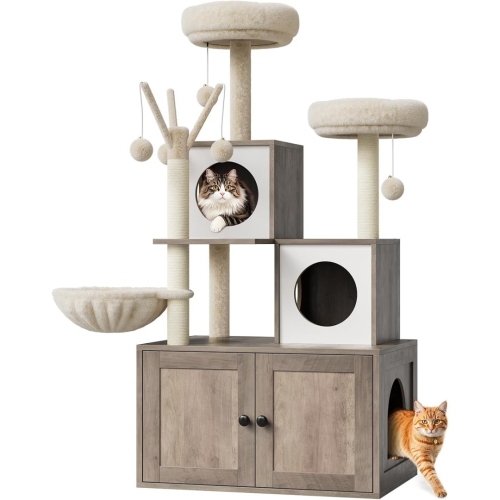
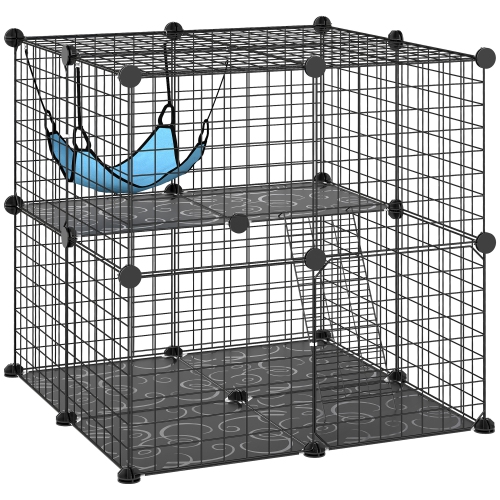
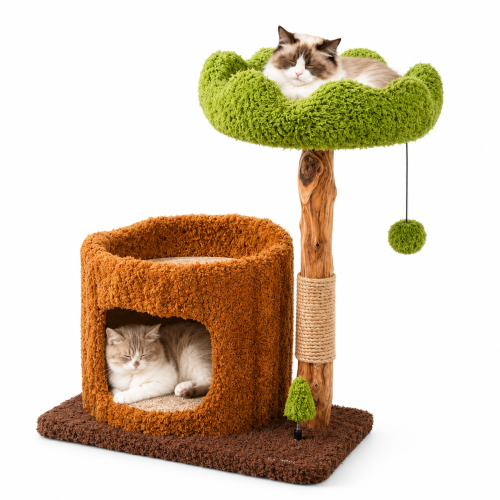
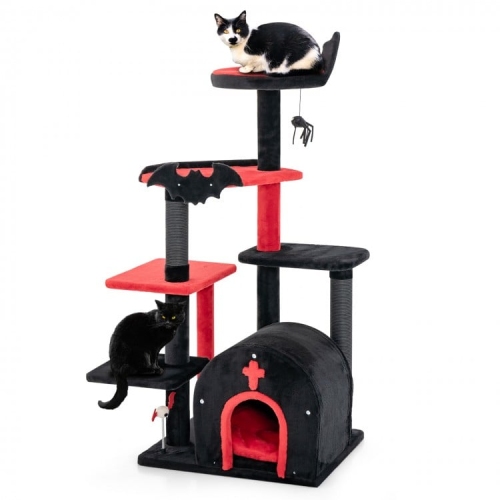
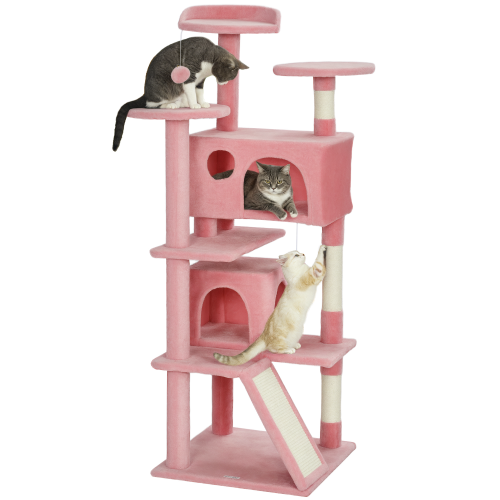
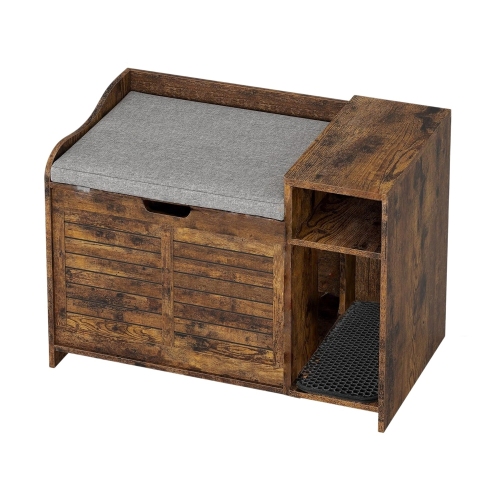
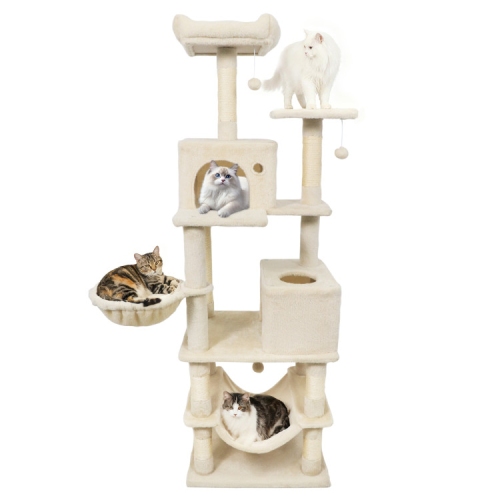
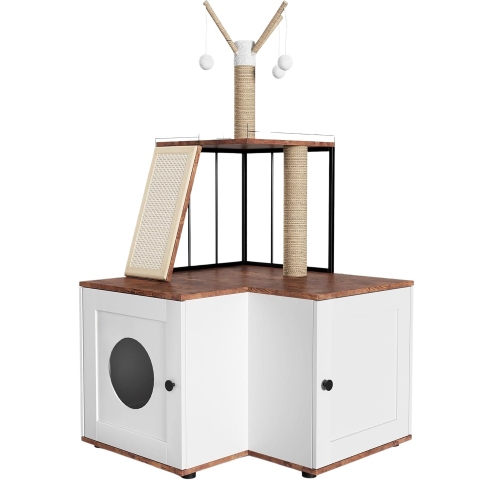
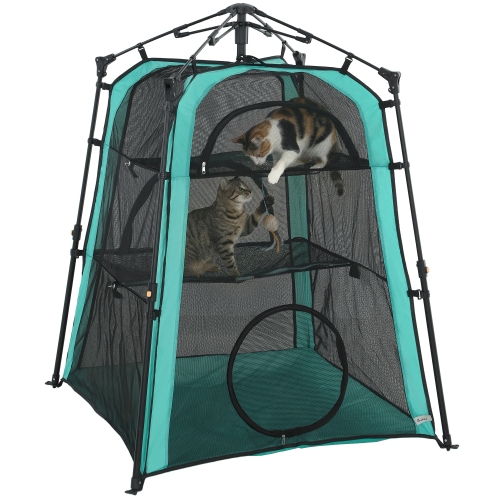
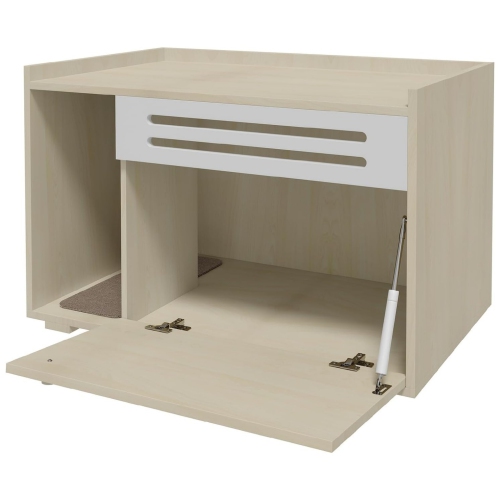
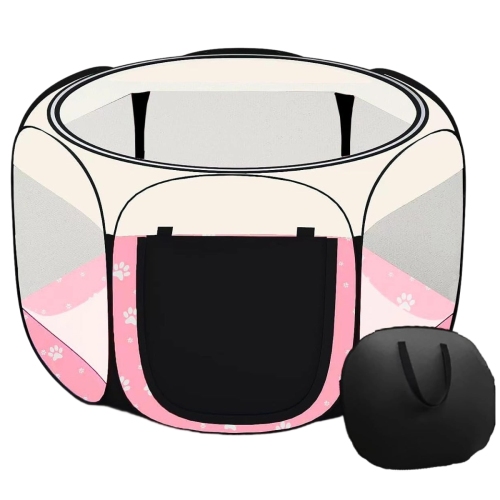
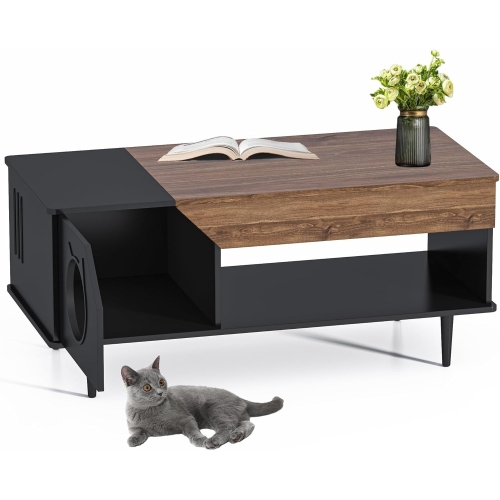
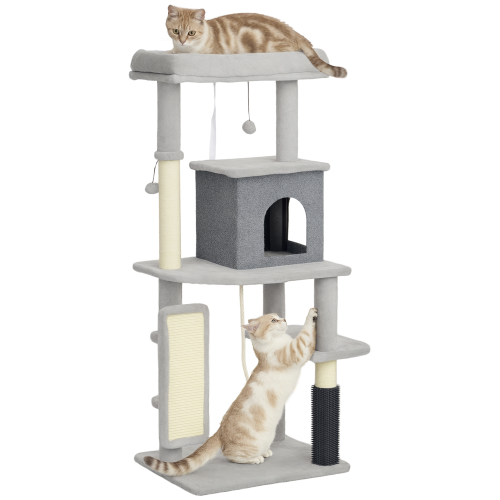
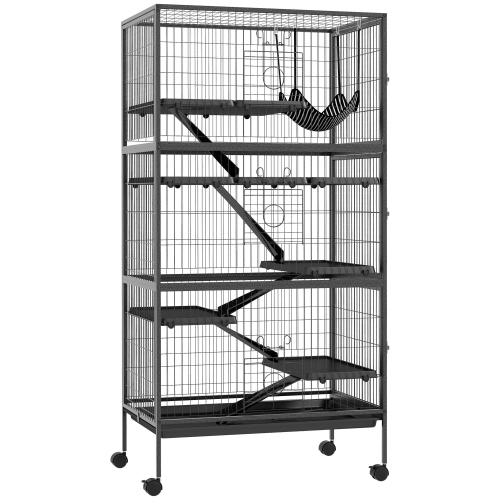
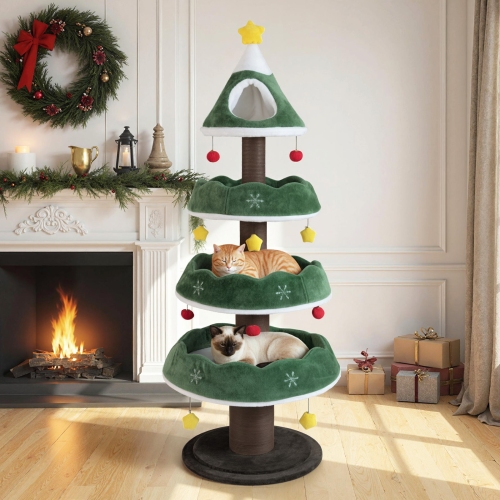
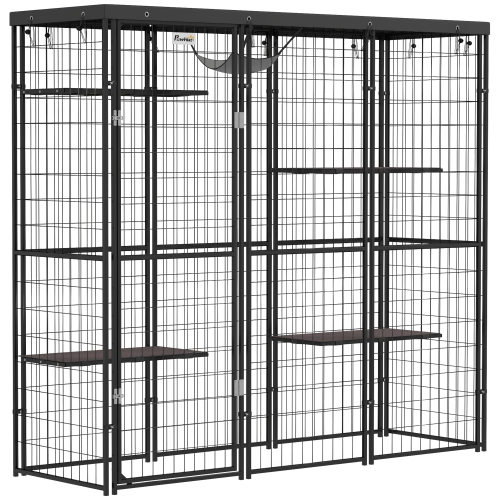
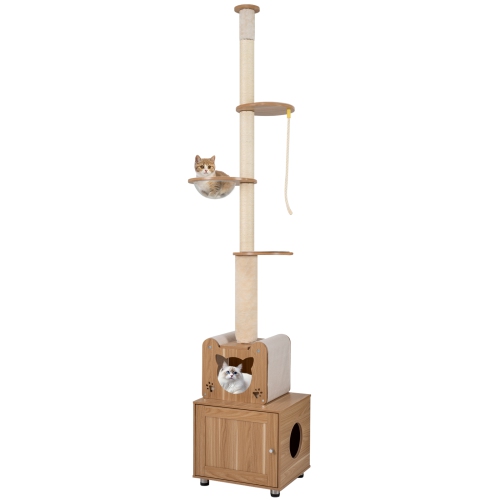
Indoor cat enclosures provide a dedicated, contained space where cats can rest, play, eat, and adjust to changes in their surroundings while remaining safely indoors. They can be useful for many stages of a cat’s life, from the lively early days of kittenhood to quieter periods when an older cat benefits from a predictable retreat. A secure enclosure may also help when introducing a new cat to the household, managing interactions in a multi-pet home, or giving a recovering cat a calm place to move around without climbing on furniture or accessing stairs. Some households use an enclosure for short periods, while others choose a larger, multi-level design that becomes part of a cat’s everyday environment. During the warmer seasons, it can offer a comfortable indoor alternative when open windows, visitors, or household activity make supervision more important; during the cooler months, it can create a cosy corner with a bed, blanket, and favourite toy. For a kitten settling into a new home, the enclosure can feel like a small room of its own, with familiar bedding and food nearby. For a nervous adult cat, it can serve as a retreat where the sounds and movement of the household feel less overwhelming. These enclosures may also make thoughtful gifts for someone welcoming a new cat, fostering kittens, preparing for a pet’s recovery, or creating a more organised space in an apartment or smaller home.
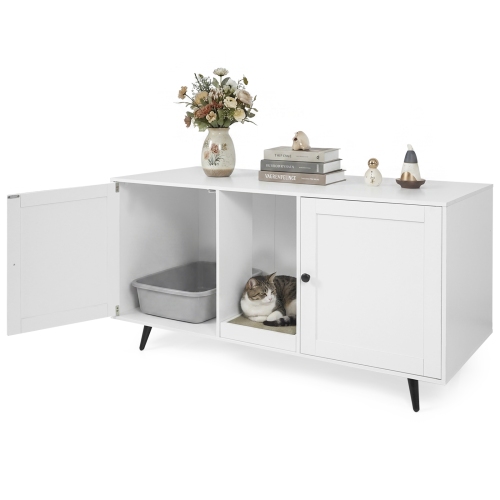
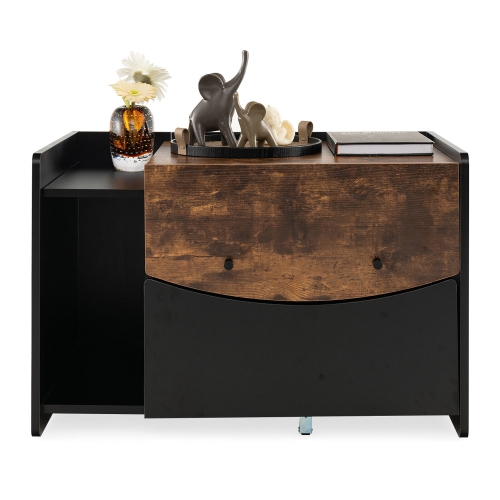
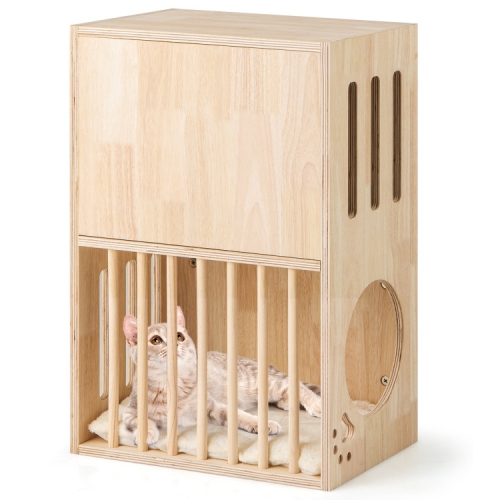
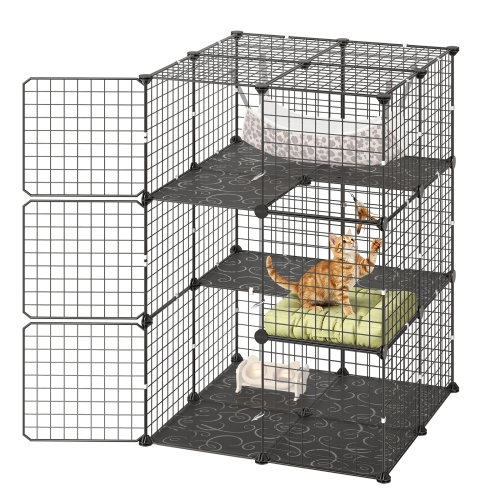
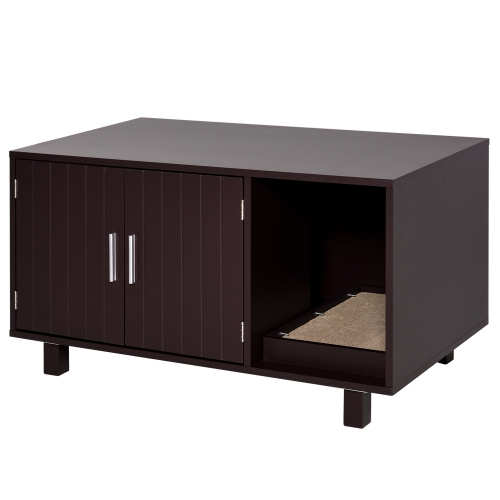
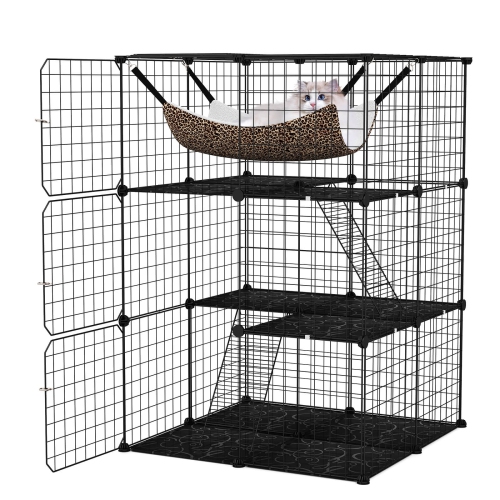
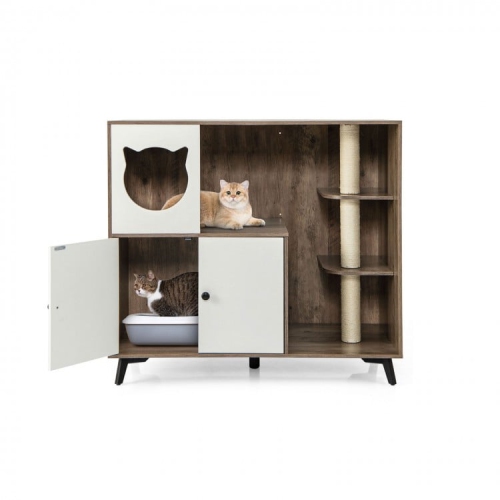
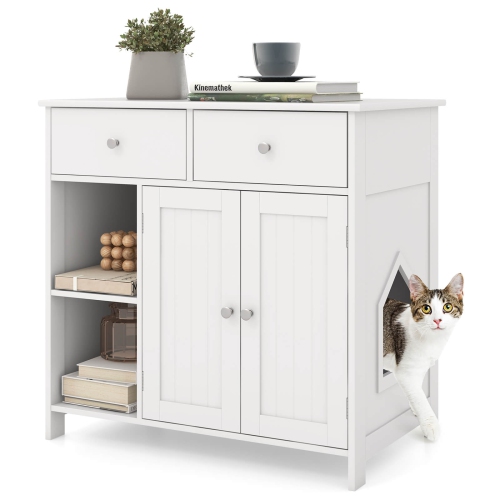
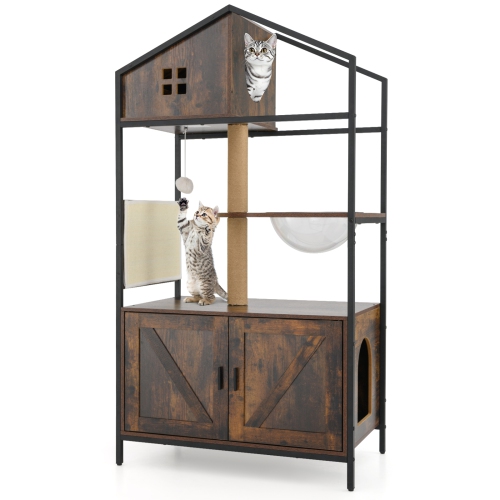
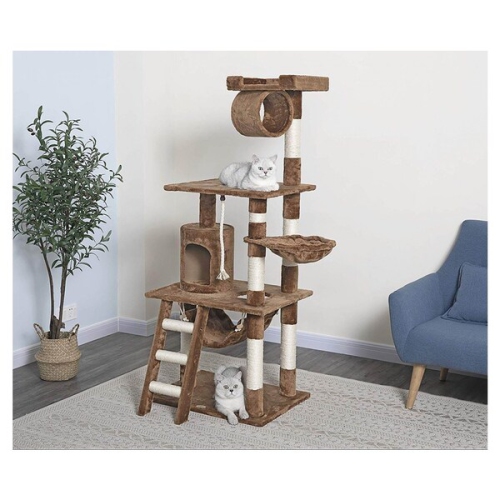
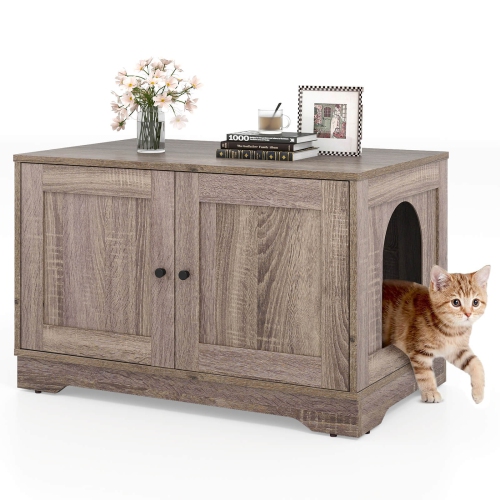
When comparing indoor cat enclosures, start with the amount of room your cat needs and the space available in your home. The enclosure should be large enough for your cat to stand, turn around, stretch, and settle comfortably, with room for a bed, food and water bowls, toys, and a litter box when those items will remain inside. A taller design with several levels can make good use of vertical space, particularly in a compact room, while a wider enclosure may be more practical for kittens, senior cats, or cats that should avoid ramps and steep climbs. Look for sturdy construction and secure doors that resist pushing, pawing, or accidental opening. Wide access doors are useful when placing bedding inside, lifting out a litter box, or reaching a cat without making the space feel difficult to manage. Multiple doors can provide added flexibility, especially when the enclosure is positioned against a wall. Wire designs allow airflow and visibility, helping cats stay connected to the household, while furniture-style options may suit rooms where the enclosure will remain in view. Shelves, hammocks, ramps, resting boxes, and integrated scratching areas can add variety, but each feature should be easy to reach and stable under your cat’s weight. Check the spacing between bars, the quality of latches, the stability of shelves, and the ease of cleaning before choosing a style. Removable trays or surfaces that wipe clean are especially helpful around food and litter. If you expect to move the enclosure between rooms, lockable caster wheels can make that task easier, provided the unit remains steady when positioned.
The best indoor cat enclosure is one that fits both the cat and the routine of the home. Measure doorways, corners, and the intended floor area before ordering, and leave enough clearance to open every door fully and clean around the unit. Think about where your cat already feels comfortable: a bright area near family activity may suit a social cat, while a quieter corner away from heavy foot traffic may be better for a timid cat or one recovering from an illness. Place food and water away from the litter box whenever possible, and include soft bedding, a safe toy, and a familiar-smelling blanket to make the enclosure inviting rather than restrictive. Supervision is important when a cat is first introduced to a new enclosure, particularly if the unit includes elevated platforms, narrow entrances, or movable accessories. Watch how your cat uses the space and adjust the layout if a shelf is ignored, a bowl is difficult to reach, or the litter box leaves too little room to move. Some owners use an enclosure as a temporary safe zone before gradually giving a new cat access to more of the home; others keep it available as a retreat that the cat can enter and leave freely. If you are comparing indoor and outdoor solutions for different areas of a property, you can also browse Outdoor Pet Enclosures. With the right size, secure construction, accessible doors, and a layout tailored to your cat’s habits, an indoor enclosure can become a practical part of daily pet care and a reassuring place to rest, play, or settle in.
When comparing indoor cat enclosures, start with the amount of room your cat needs and the space available in your home. The enclosure should be large enough for your cat to stand, turn around, stretch, and settle comfortably, with room for a bed, food and water bowls, toys, and a litter box when those items will remain inside. A taller design with several levels can make good use of vertical space, particularly in a compact room, while a wider enclosure may be more practical for kittens, senior cats, or cats that should avoid ramps and steep climbs. Look for sturdy construction and secure doors that resist pushing, pawing, or accidental opening. Wide access doors are useful when placing bedding inside, lifting out a litter box, or reaching a cat without making the space feel difficult to manage. Multiple doors can provide added flexibility, especially when the enclosure is positioned against a wall. Wire designs allow airflow and visibility, helping cats stay connected to the household, while furniture-style options may suit rooms where the enclosure will remain in view. Shelves, hammocks, ramps, resting boxes, and integrated scratching areas can add variety, but each feature should be easy to reach and stable under your cat’s weight. Check the spacing between bars, the quality of latches, the stability of shelves, and the ease of cleaning before choosing a style. Removable trays or surfaces that wipe clean are especially helpful around food and litter. If you expect to move the enclosure between rooms, lockable caster wheels can make that task easier, provided the unit remains steady when positioned.
The best indoor cat enclosure is one that fits both the cat and the routine of the home. Measure doorways, corners, and the intended floor area before ordering, and leave enough clearance to open every door fully and clean around the unit. Think about where your cat already feels comfortable: a bright area near family activity may suit a social cat, while a quieter corner away from heavy foot traffic may be better for a timid cat or one recovering from an illness. Place food and water away from the litter box whenever possible, and include soft bedding, a safe toy, and a familiar-smelling blanket to make the enclosure inviting rather than restrictive. Supervision is important when a cat is first introduced to a new enclosure, particularly if the unit includes elevated platforms, narrow entrances, or movable accessories. Watch how your cat uses the space and adjust the layout if a shelf is ignored, a bowl is difficult to reach, or the litter box leaves too little room to move. Some owners use an enclosure as a temporary safe zone before gradually giving a new cat access to more of the home; others keep it available as a retreat that the cat can enter and leave freely. If you are comparing indoor and outdoor solutions for different areas of a property, you can also browse Outdoor Pet Enclosures. With the right size, secure construction, accessible doors, and a layout tailored to your cat’s habits, an indoor enclosure can become a practical part of daily pet care and a reassuring place to rest, play, or settle in.
Top selling and popular products
-
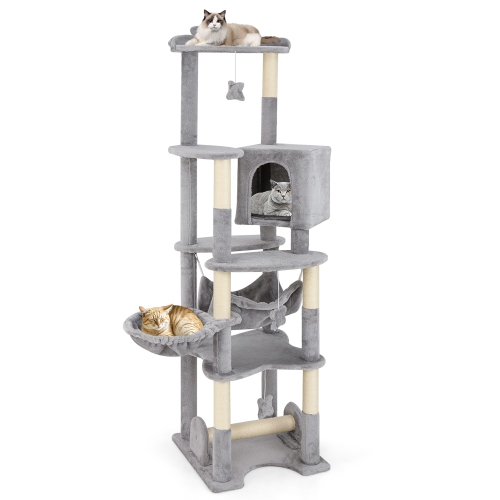 Your price for this item is $105.99
 -
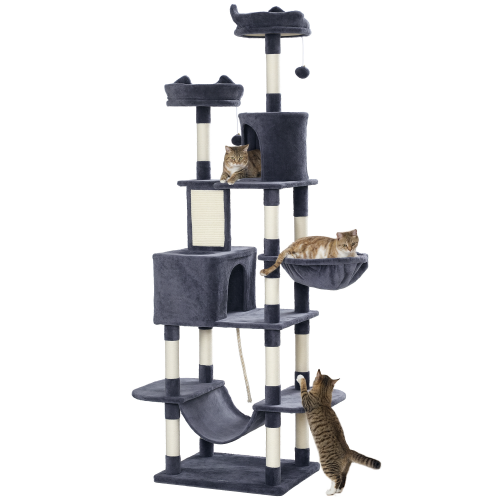 Your price for this item is $99.99
 -
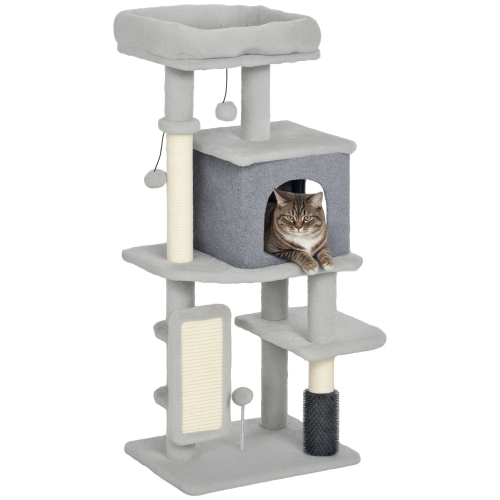 Your price for this item is $62.99
 -
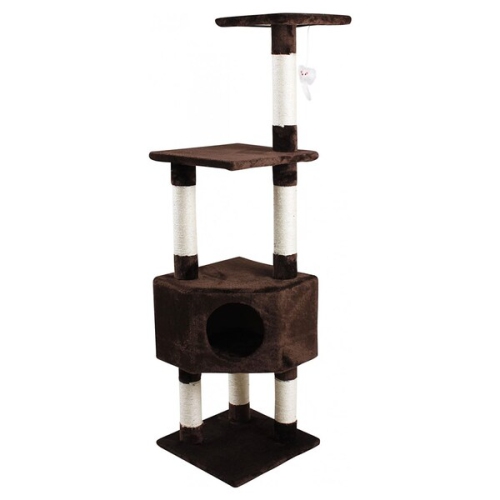 Your price for this item is $58.69
 -
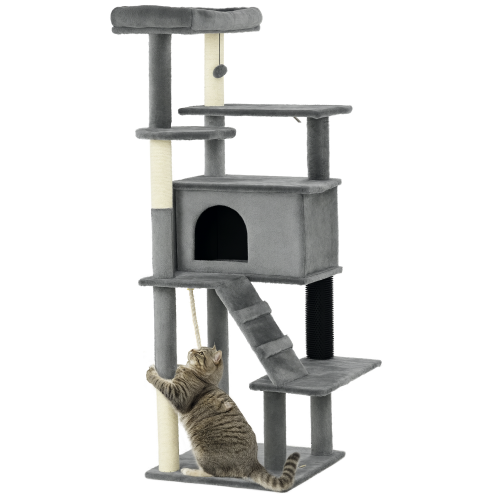 Your price for this item is $73.99
 -
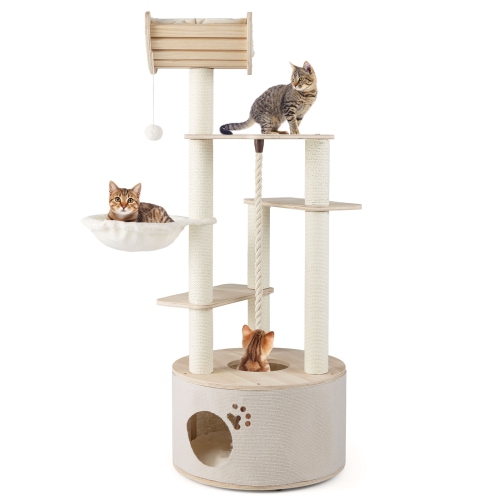 Your price for this item is $159.99
 -
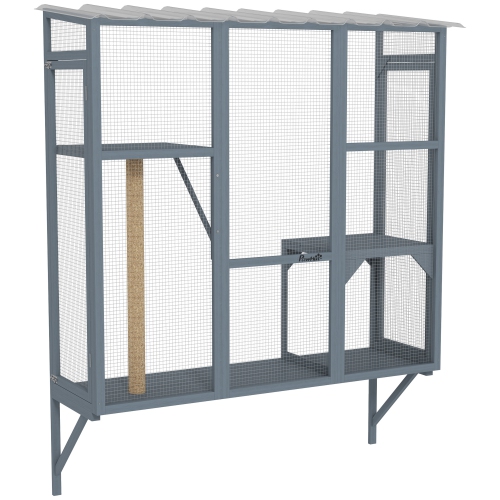 Your price for this item is $279.99
 -
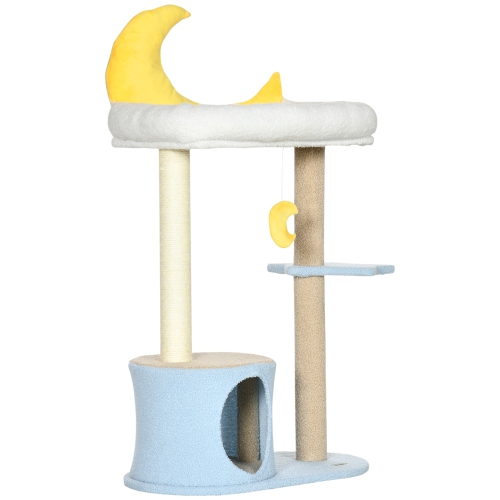 Your price for this item is $67.99
Discover more categories related to Indoor Cat Enclosures
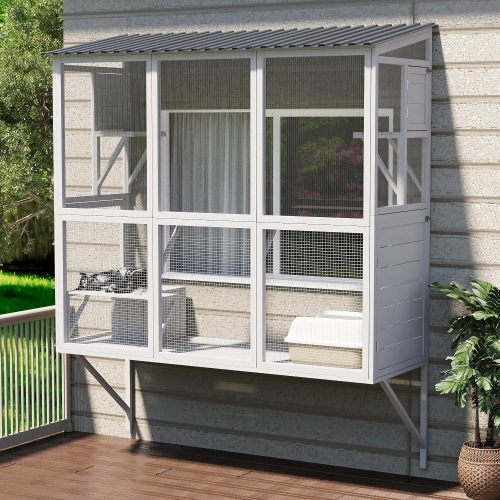
Top Collections:
Pokemon Centers, Kindle Devices, Best Budget Office Chairs, Canon G7X Cameras, Apple iPhones 16, Samsung Galaxy Phones, Refurbished Apple Laptops, Laptops for Students, iPhone 15 Apple, Budget Smartphones
Some products may be subject to Environmental Handling Fees
(EHF) depending on your province.
Learn more about EHFs.