CD Holders
Organize and protect your cherished CD collection with our selection of CD holders. Whether you have a small assortment or an extensive library, these storage solutions are designed to keep your CDs in order and easily accessible. With a variety of styles, sizes, and materials to choose from, you can find the perfect CD holder to suit your needs and complement your home decor. Say goodbye to cluttered shelves and hello to a streamlined and organized media collection with our range of CD holders.
Sort



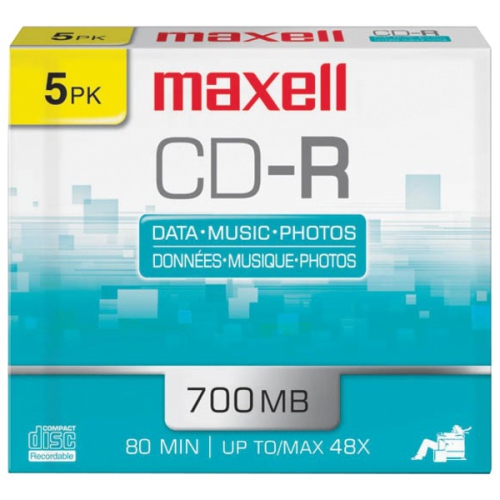
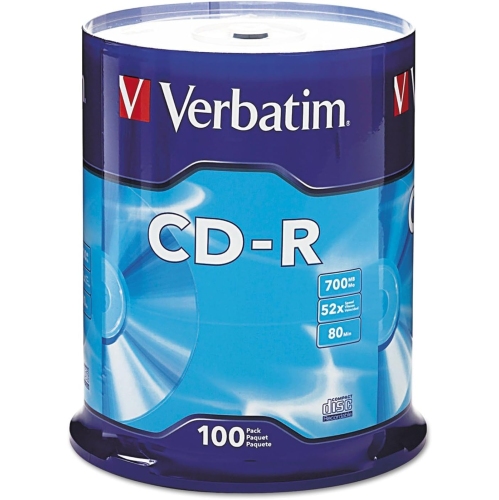
Loose discs and jewel cases need different storage
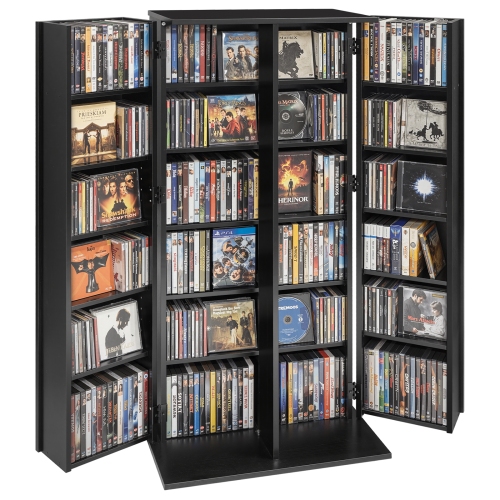
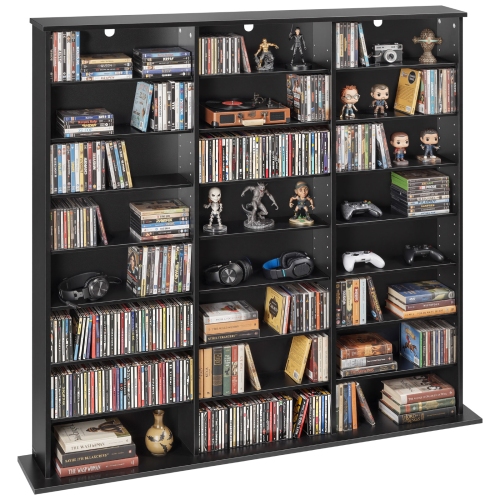
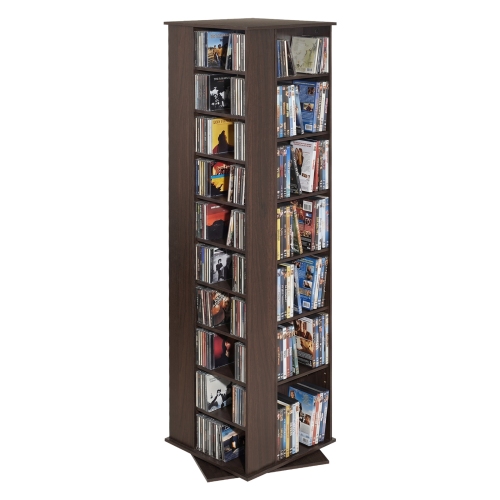
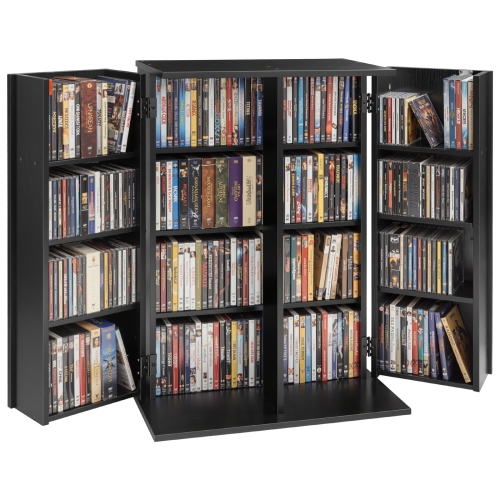
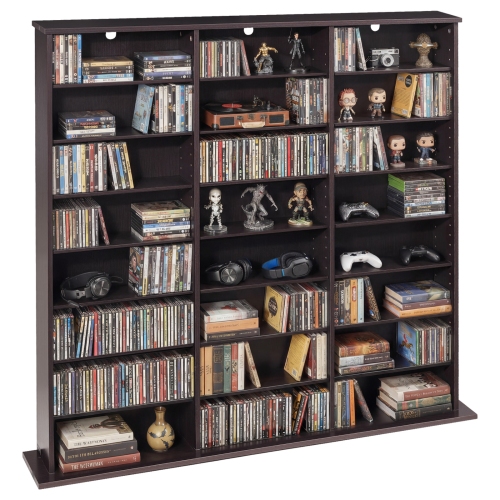
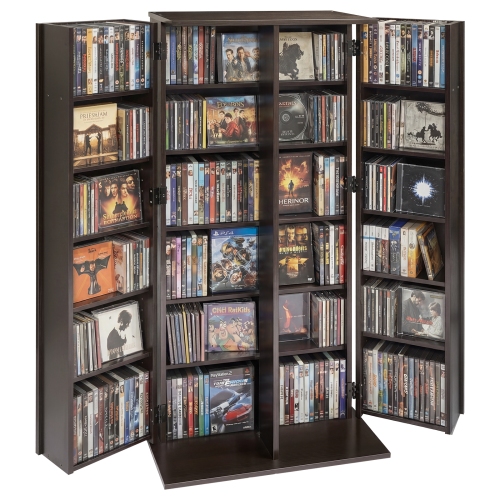
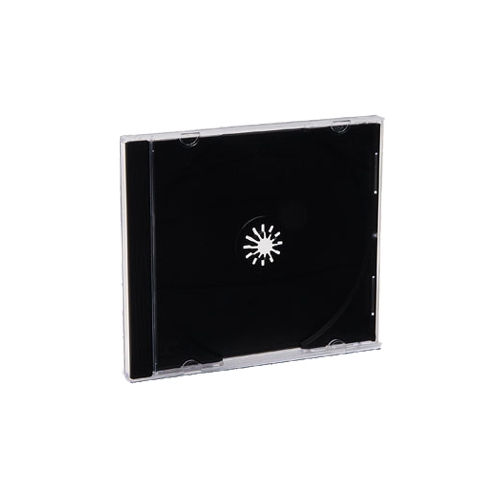
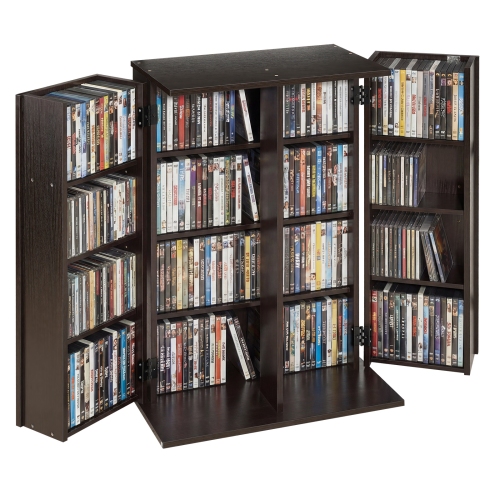
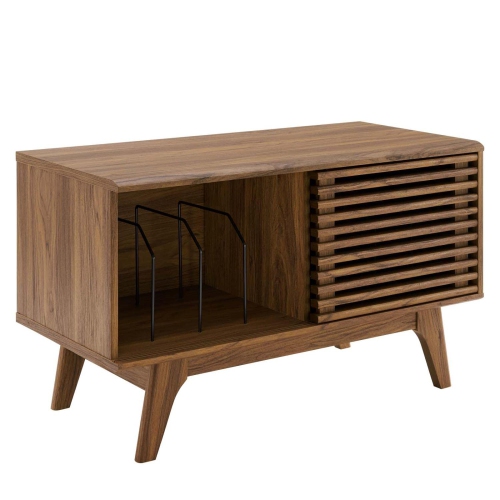
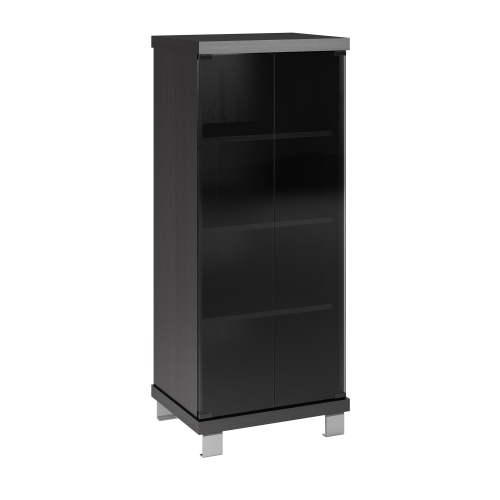
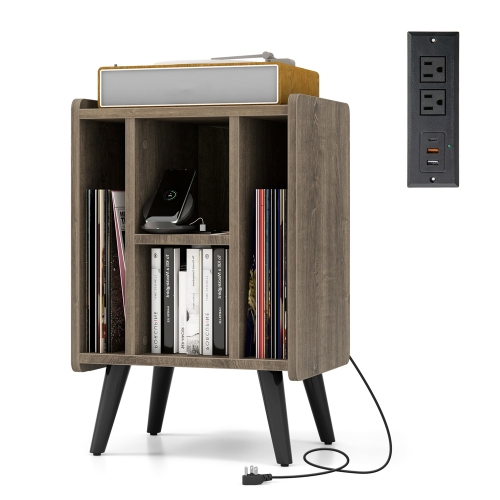
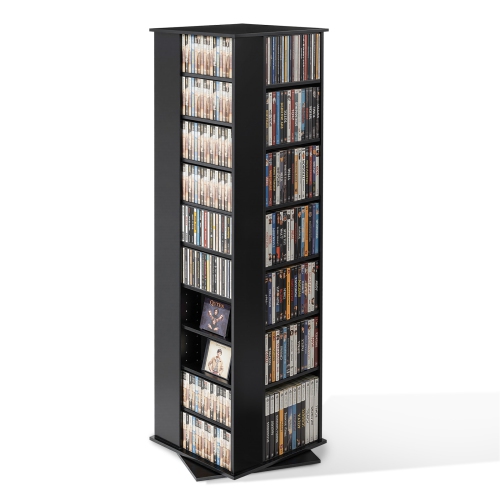
CD holders keep music, spoken-word recordings, and other discs organized, protected, and easy to find, whether the collection lives beside a stereo or travels in a bag. The main formats include portable zippered binders, compact desktop racks, wall-mounted storage, and freestanding towers. Each suits a different way of using a collection. A binder stores discs in individual sleeves and takes up relatively little space, making it useful for listeners who prefer to leave bulky cases at home. An open rack keeps album spines visible and allows a case to slide out without opening a cover or turning pages. A tower makes use of vertical space for a larger collection, while a small countertop holder can keep a handful of frequently played albums within reach. The most important distinction is whether a holder stores loose discs or discs inside their original jewel cases. Capacity figures are not interchangeable: space for a certain number of sleeved discs does not mean room for the same number of complete cases. Collectors who value cover art, lyric booklets, and original packaging may prefer case storage, whereas someone organizing recorded lectures or a travel listening selection may appreciate a compact wallet. Measure the intended location as well as the collection. Shelf depth, clearance above a rack, and room to open a binder all affect how comfortable the holder will be to use. A storage tower should leave a clear path around nearby furniture, and a desk rack should not crowd a keyboard or block access to audio equipment. Allowing some extra capacity makes it easier to add recordings without squeezing cases together. For a mixed collection, check compartment dimensions carefully, since slim cases, double albums, cardboard sleeves, and boxed sets can need different amounts of space. Some collections are best served by a combination of formats, with original cases displayed at home and a smaller selection carried separately.
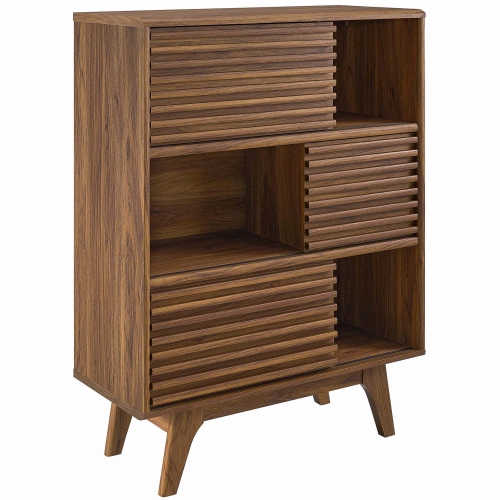
Materials and construction influence both the appearance of a CD holder and how well it stands up to everyday handling. Metal racks can provide a slim, open structure that makes album spines easy to scan; look for smooth contact points and a finish that will not catch on packaging. Wood and wood-based designs can sit comfortably alongside a bookcase or media console, though their weight, surface finish, and assembly requirements deserve attention. Clear acrylic or other rigid plastic holders offer a less visually prominent way to display cases, but their surfaces may show scratches if dragged across a shelf or cleaned with abrasive products. Portable CD wallets often combine a fabric or moulded outer cover with flexible internal pages. A firm cover helps limit bending during transport, while a reliable zipper keeps the wallet closed inside a backpack or tote. A handle is useful only if its attachment points and stitching are suited to the loaded weight. Inside, sleeves should be intended for optical discs, with smooth openings and a soft, non-abrasive surface against the recorded side. Avoid forcing a disc into a tight pocket or overfilling pages with extra discs and thick inserts. Check whether booklet pockets are separate, whether pages turn freely when full, and whether the closure works without pressing hard against the contents. For racks, practical details include enough finger room to grasp a case, dividers that prevent smaller groups from slumping, and a base that remains stable as albums are removed. Stackable designs need secure connections and a level supporting surface rather than a loosely balanced arrangement. Tall storage should be assembled and secured according to the manufacturer's directions, particularly in a household with children or pets. A holder that looks tidy when empty should also remain accessible and stable with the collection in place.
An effective CD storage arrangement follows the way its owner looks for music. Alphabetical order works well for a broad album collection, while grouping by genre, composer, or performer can make more sense for a focused library. Spoken-word discs, language lessons, and recorded courses benefit from being kept in sequence, especially when several discs belong to one set. In a binder, labelled sections or a simple index can save repeated searching, provided labels do not cover the disc or interfere with the sleeves. Keeping recently played albums in a small separate section can also make daily listening more convenient without disrupting the main collection. The holder itself needs occasional care: remove dust from racks with a soft cloth, follow the recommended cleaning method for the material, and let any cleaned surface dry before returning cases. Empty portable sleeves periodically to check for grit, torn seams, or rough edges that could mark a disc. Handle CDs by the outer edge and centre hole, and return them to a case or sleeve after use rather than leaving the recorded surface against a tabletop. If cleaning is necessary, use a suitable soft cloth and wipe gently from the centre towards the outer edge, following the disc manufacturer's guidance. Keep the collection away from spills and direct sunlight, and avoid pressing heavy objects onto soft-sided wallets. These habits are particularly useful in shared spaces, where a clear place for each disc makes it easier for everyone to put recordings back. CD holders can also make thoughtful gifts for an album collector, a student with course recordings, or someone setting up a dedicated listening corner. Consider whether the recipient enjoys displaying album artwork or prefers discreet storage before choosing a format. In a space used for both reading and listening, Book Holders can complement nearby disc storage by supporting a music reference book or an open score. The result is a practical arrangement built around familiar recordings, readable labels, and easy access.
Top selling and popular products
-
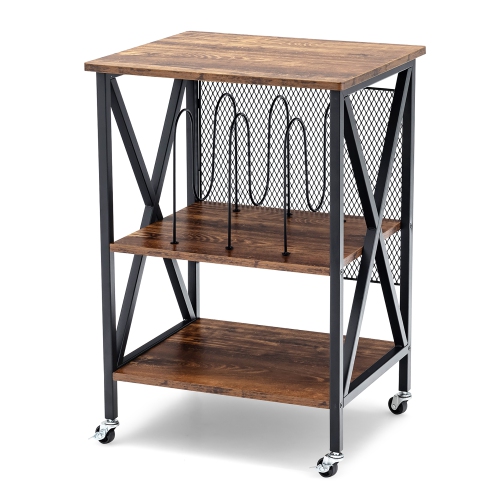
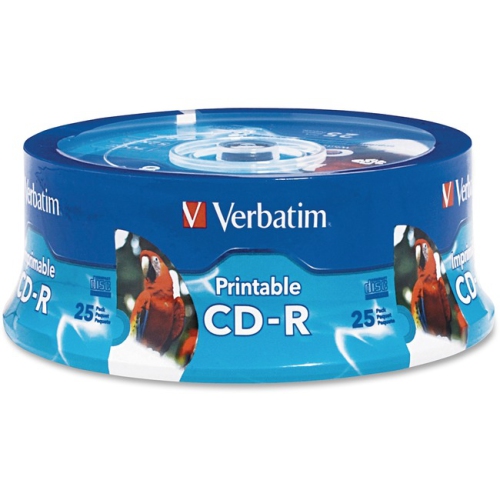 Your price for this item is $26.68
-
 Your price for this item is $39.99
-
 Your price for this item is $338.52
-
 Your price for this item is $197.99
-
 Your price for this item is $149.95
-
 Your price for this item is $94.99
-
 Your price for this item is $236.9
-
 Your price for this item is $476.11
Discover more categories related to CD Holders


Top Collections:
Best Black Friday Deals This Year, Best Black Friday Deals On Electronics, Kindle Devices, Best Black Friday Deals On Apple Products, Best Budget Office Chairs, Best Cameras for Sports Photography, Dyson Airwrap, Canon G7X Cameras, Best Laptops for Writers, Samsung Galaxy Phones
Some products may be subject to Environmental Handling Fees
(EHF) depending on your province.
Learn more about EHFs.