Ceiling Mounted Heaters
Looking to keep your space warm and cozy during the colder months? Look no further than our selection of ceiling-mounted heaters. These innovative heating solutions are designed to efficiently distribute warmth throughout almost any room, making them perfect for bedrooms, living rooms, offices, and more. With their sleek and unobtrusive design, ceiling-mounted heaters seamlessly blend into almost any decor while providing powerful heat output.
Sort


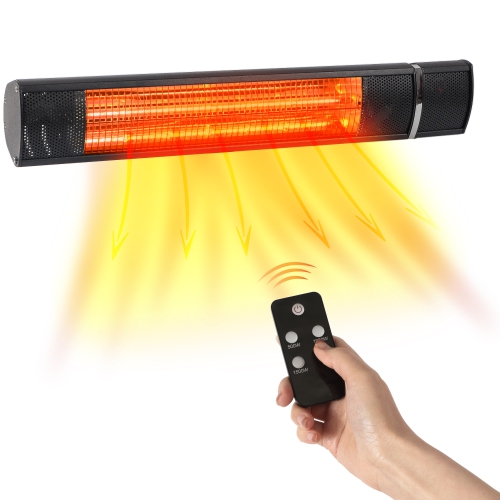
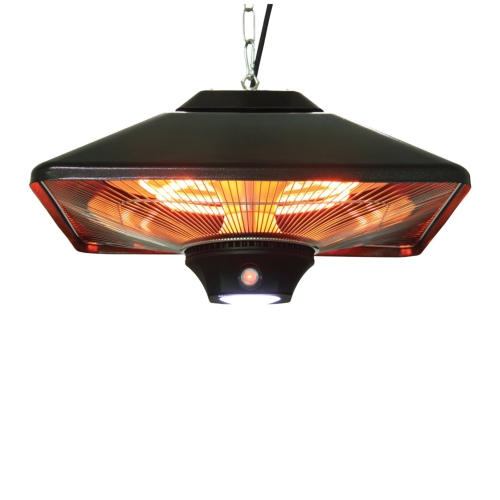
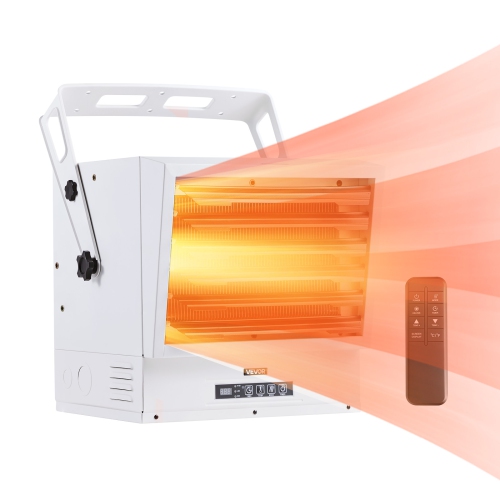
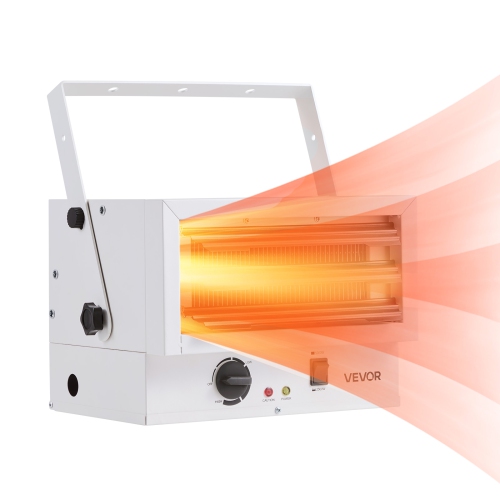
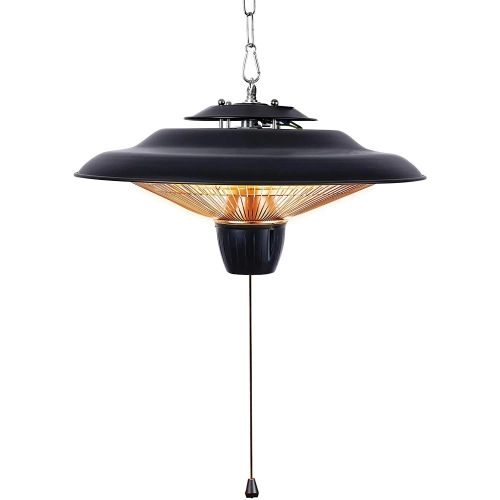
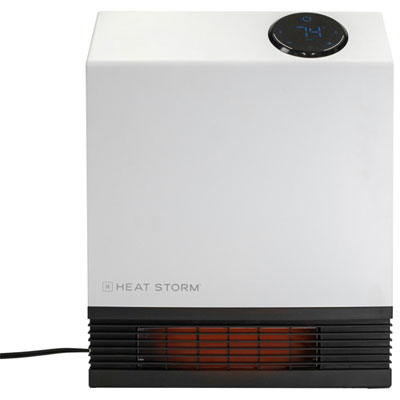
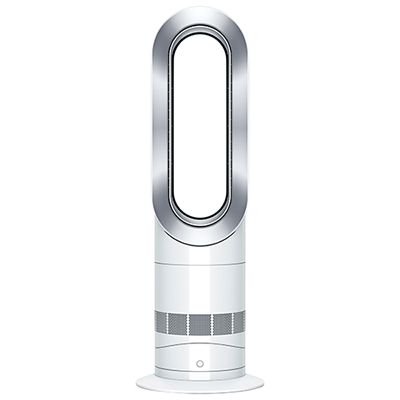
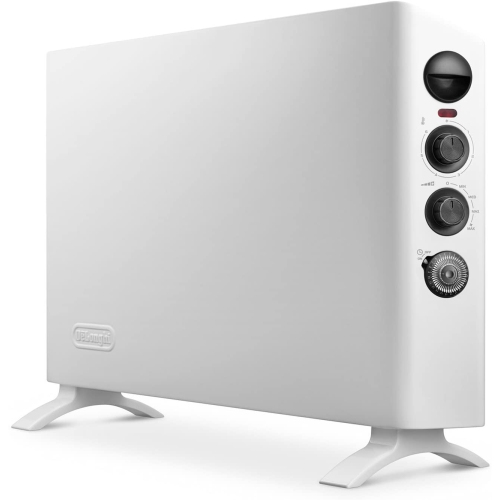


Practical warmth for garages, workshops and covered patios
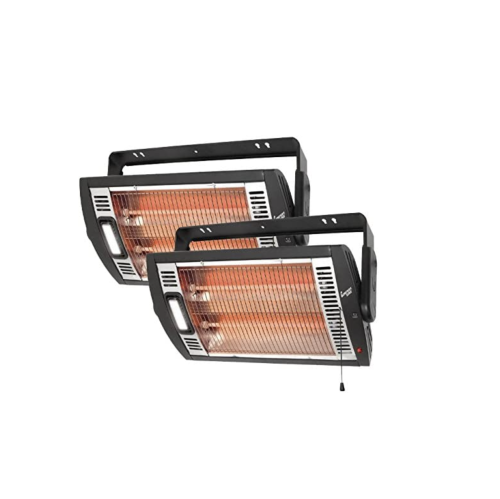
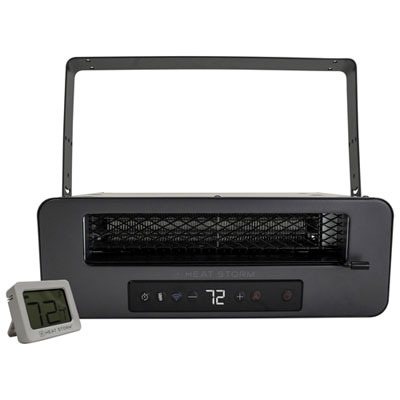
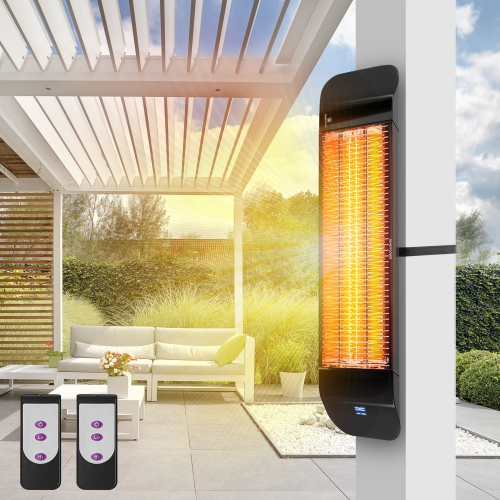
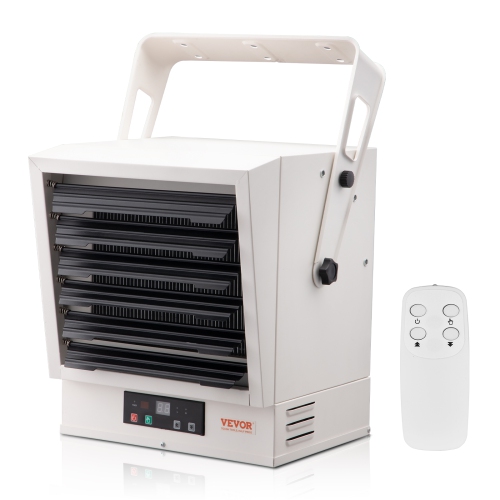
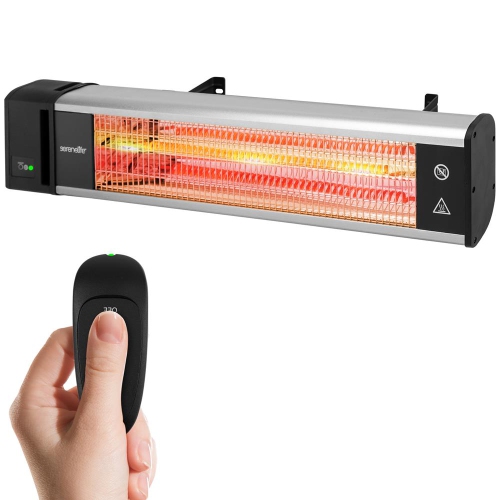
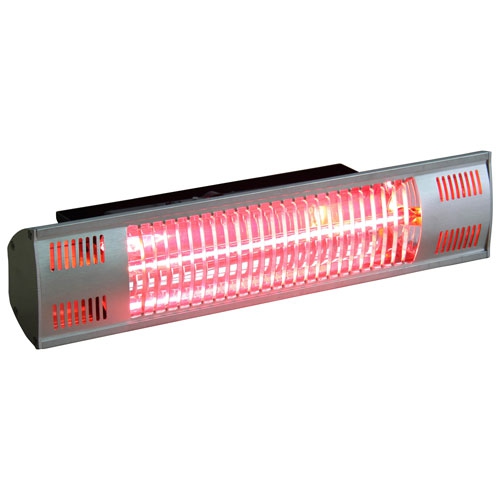
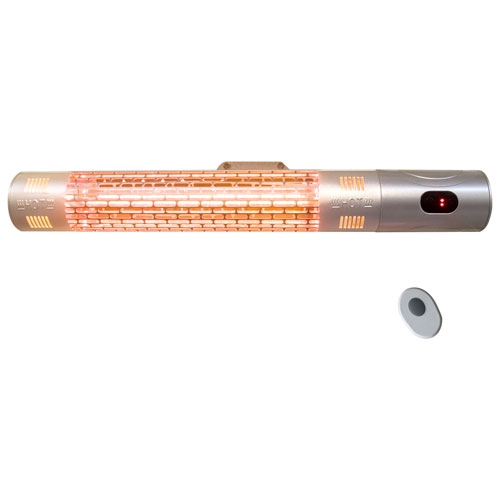
Ceiling mounted heaters offer practical, space-saving warmth for areas where floor and wall space are already busy. They are commonly used in garages, workshops, utility rooms, covered patios, three-season rooms and other larger spaces that become uncomfortable during the cooler months. By placing the heater overhead, you can keep the floor clear for vehicles, storage bins, workbenches, exercise equipment or outdoor furniture while directing warmth into the areas where it is most useful. This arrangement can be especially helpful in a garage workshop, where every square foot may be needed for tools and projects, or in a covered patio where wall space is limited by windows, screens and doors. A ceiling mounted heater can make it easier to spend time on a hobby, complete household repairs or enjoy an outdoor seating area when the air turns crisp. Some units are designed to circulate heated air through the room with a fan, while others use radiant infrared heat to warm people and nearby surfaces directly. Fan-forced models are often a good choice for enclosed workshops and garages because they help distribute warmth across a broader area. Radiant models can be useful in covered outdoor spaces or draft-prone areas, where warmth aimed at a seating or work zone may feel more effective than trying to heat all the surrounding air. The layout of the space, the amount of insulation, the height of the ceiling and the frequency of door openings can all affect which style feels most comfortable.
When comparing ceiling mounted heaters, begin by considering the size and purpose of the space rather than choosing based on wattage alone. A compact, insulated room may need less heating capacity than a larger garage with a high ceiling, unfinished walls or a frequently opened overhead door. Look at the heater’s stated coverage area, wattage, voltage and airflow, and keep in mind that manufacturer recommendations are starting points rather than guarantees for every building. Many higher-output garage heaters operate on a 240-volt electrical connection and require hardwiring, so it is important to confirm the available electrical service before making a purchase. Installation may need to be completed by a qualified electrician, particularly when a new circuit, junction box or upgraded wiring is involved. Check the mounting requirements carefully as well, including the recommended clearance from ceilings, walls, shelving, vehicles, curtains and other combustible materials. Adjustable louvers can help direct warm air toward a workbench, driveway entrance or seating area, while a built-in thermostat can make it easier to maintain a comfortable temperature without constantly adjusting the controls. Multiple heat settings may be useful when you need gentle background warmth for a short task or stronger output during a longer session. For a garage, consider how the heater will interact with stored materials, sawdust, paint, fuel containers and other household supplies. For a covered patio, verify that the unit is approved for the intended outdoor environment and protected from rain, snow and moisture; a heater designed for an indoor garage is not automatically suitable for outdoor use. If a wall installation is more practical for the room’s layout, you can also explore Wall Mounted Electric Heaters as an alternative placement style.
Safety features deserve close attention, particularly for heaters used in garages, workshops and spaces that may be unattended for periods of time. Look for automatic shut-off, thermal overload protection and overheat protection, along with controls that are easy to reach or operate from a safe distance. A sturdy mounting system helps keep the heater securely positioned overhead, while a well-designed grille can help prevent accidental contact with hot internal components. Keep air intake and exhaust areas unobstructed, and leave the clearances specified in the installation instructions even if the heater seems to be operating normally. Dust and debris can collect in workshops, so routine cleaning and inspection are important for maintaining airflow. It is also wise to check the condition of cords, switches and connections, and to avoid using extension cords unless the manufacturer specifically permits them and the cord is properly rated. Ceiling mounted heaters are generally purchased as practical equipment rather than traditional gifts, but they can be a thoughtful housewarming or workshop gift for someone who spends weekends restoring a vehicle, building furniture or maintaining a detached garage. Before giving one, confirm the recipient’s electrical setup, ceiling height and intended location; a heater that requires professional wiring may be better chosen together than presented as a surprise. Whether you are creating a more comfortable workspace, extending the use of a covered patio or adding warmth to a chilly utility area, choosing the right heating type, capacity, controls and installation method will help the heater fit naturally into the space and provide dependable comfort through the cooler season.
When comparing ceiling mounted heaters, begin by considering the size and purpose of the space rather than choosing based on wattage alone. A compact, insulated room may need less heating capacity than a larger garage with a high ceiling, unfinished walls or a frequently opened overhead door. Look at the heater’s stated coverage area, wattage, voltage and airflow, and keep in mind that manufacturer recommendations are starting points rather than guarantees for every building. Many higher-output garage heaters operate on a 240-volt electrical connection and require hardwiring, so it is important to confirm the available electrical service before making a purchase. Installation may need to be completed by a qualified electrician, particularly when a new circuit, junction box or upgraded wiring is involved. Check the mounting requirements carefully as well, including the recommended clearance from ceilings, walls, shelving, vehicles, curtains and other combustible materials. Adjustable louvers can help direct warm air toward a workbench, driveway entrance or seating area, while a built-in thermostat can make it easier to maintain a comfortable temperature without constantly adjusting the controls. Multiple heat settings may be useful when you need gentle background warmth for a short task or stronger output during a longer session. For a garage, consider how the heater will interact with stored materials, sawdust, paint, fuel containers and other household supplies. For a covered patio, verify that the unit is approved for the intended outdoor environment and protected from rain, snow and moisture; a heater designed for an indoor garage is not automatically suitable for outdoor use. If a wall installation is more practical for the room’s layout, you can also explore Wall Mounted Electric Heaters as an alternative placement style.
Safety features deserve close attention, particularly for heaters used in garages, workshops and spaces that may be unattended for periods of time. Look for automatic shut-off, thermal overload protection and overheat protection, along with controls that are easy to reach or operate from a safe distance. A sturdy mounting system helps keep the heater securely positioned overhead, while a well-designed grille can help prevent accidental contact with hot internal components. Keep air intake and exhaust areas unobstructed, and leave the clearances specified in the installation instructions even if the heater seems to be operating normally. Dust and debris can collect in workshops, so routine cleaning and inspection are important for maintaining airflow. It is also wise to check the condition of cords, switches and connections, and to avoid using extension cords unless the manufacturer specifically permits them and the cord is properly rated. Ceiling mounted heaters are generally purchased as practical equipment rather than traditional gifts, but they can be a thoughtful housewarming or workshop gift for someone who spends weekends restoring a vehicle, building furniture or maintaining a detached garage. Before giving one, confirm the recipient’s electrical setup, ceiling height and intended location; a heater that requires professional wiring may be better chosen together than presented as a surprise. Whether you are creating a more comfortable workspace, extending the use of a covered patio or adding warmth to a chilly utility area, choosing the right heating type, capacity, controls and installation method will help the heater fit naturally into the space and provide dependable comfort through the cooler season.
Top selling and popular products
-
 Your price for this item is $879.99
 -
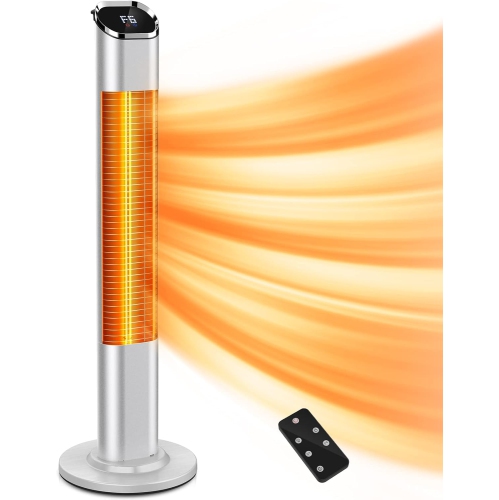 Your price for this item is $219.95
 -
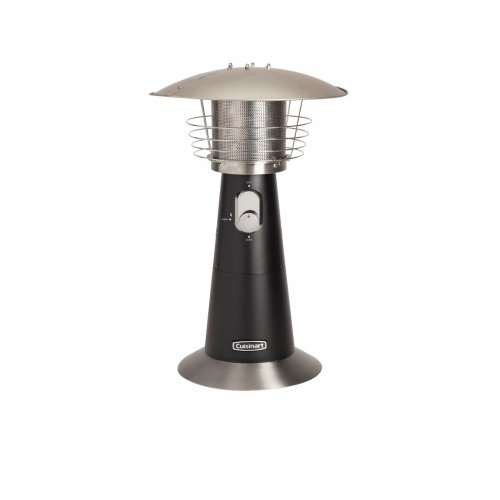 Your price for this item is $329.99
 -
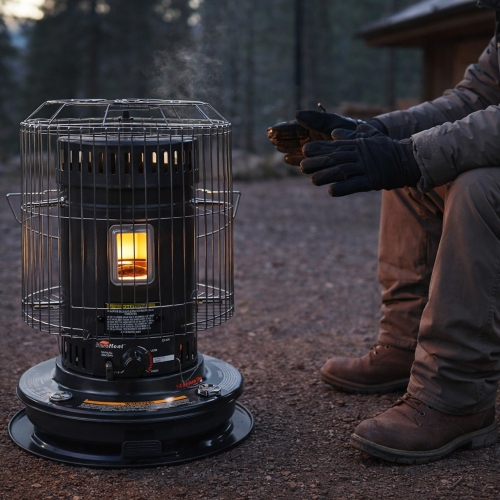 Your price for this item is $751.99
 -
 Your price for this item is $318.99
 -
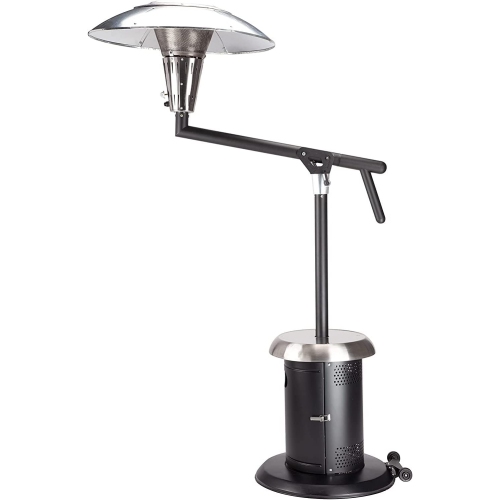 Your price for this item is $1199.99
 -
 Your price for this item is $399.99
 -
 Your price for this item is $259.99
Discover more categories related to Ceiling Mounted Heaters
Top Collections:
Pokemon Centers, Kindle Devices, Best Budget Office Chairs, Apple iPhones 16, Best Laptops for Writers, iPhone 15 Apple, Canon G7X Cameras, Refurbished Apple Laptops, Alarm Clock, Motorola Razr Phones
Some products may be subject to Environmental Handling Fees
(EHF) depending on your province.
Learn more about EHFs.