Ceramic Non Stick Pans
Upgrade your cooking experience with ceramic non-stick pans. These versatile and durable kitchen essentials are designed to make your culinary adventures a breeze. With their non-stick surface, these pans ensure easy food release, making cooking and cleaning up a breeze. Whether you're whipping up a quick breakfast or preparing a gourmet dinner, these ceramic pans provide even heat distribution for perfectly cooked meals every time. Say goodbye to stubborn food residue and hello to effortless cooking with ceramic non-stick pans.
Sort
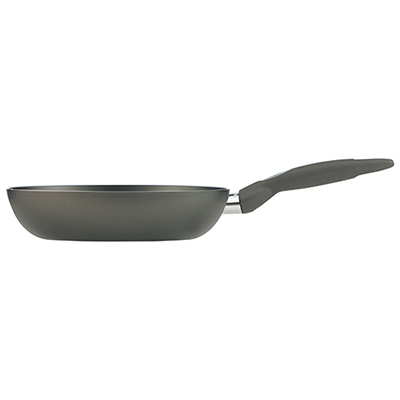
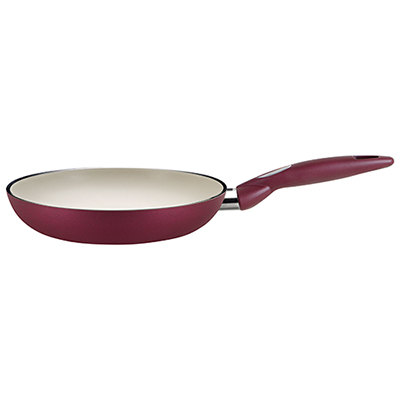
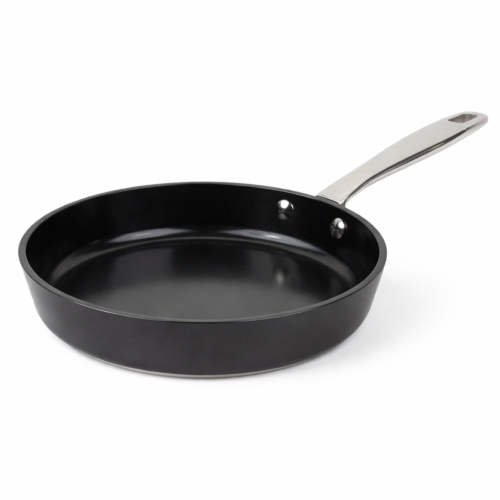
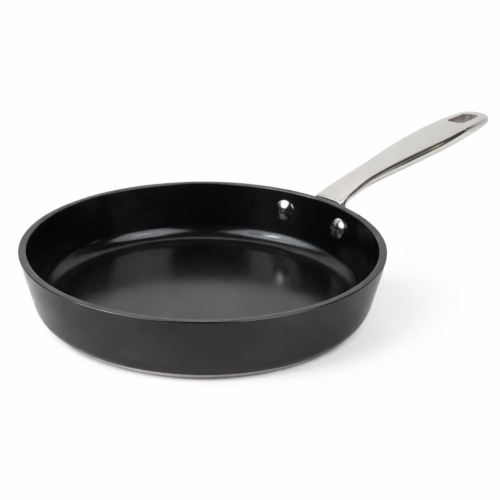
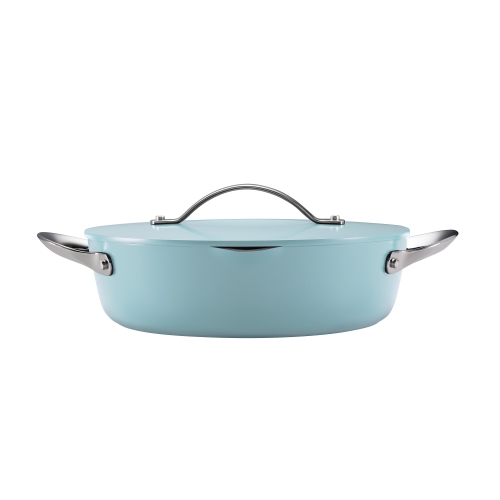
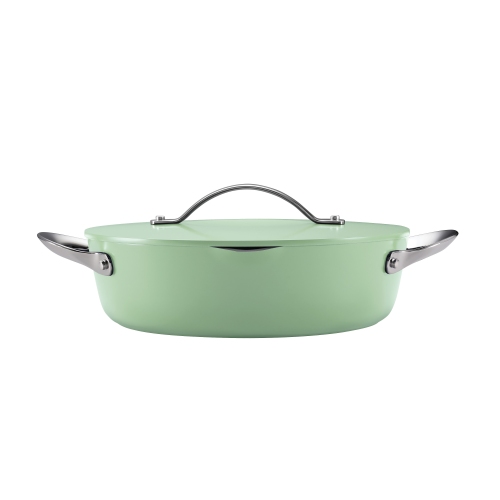
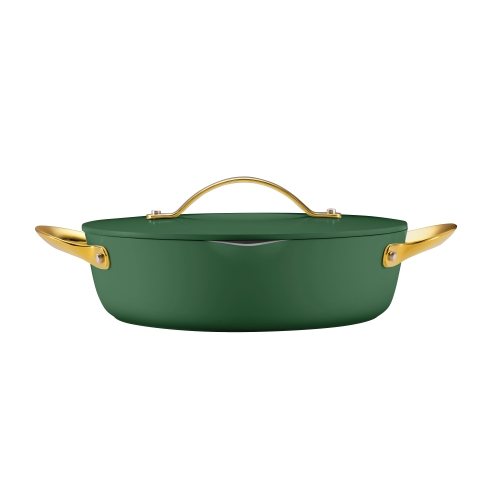
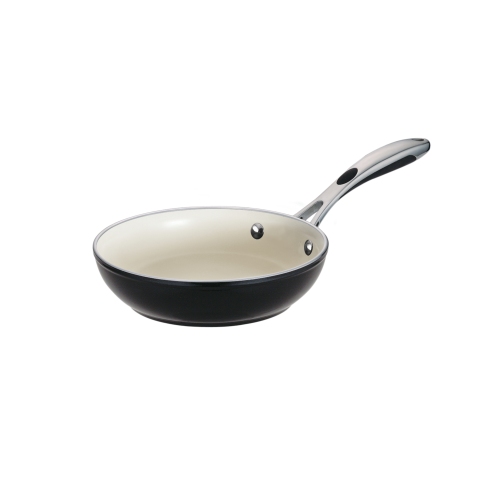
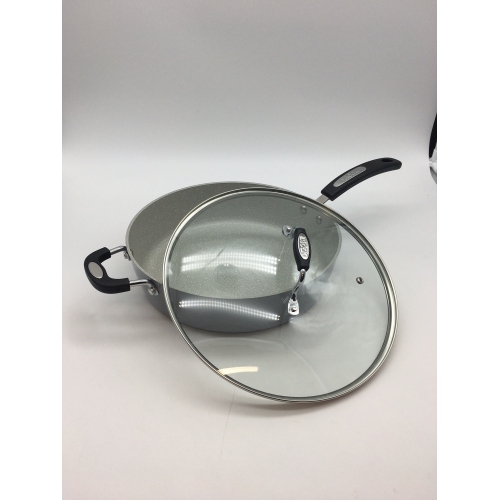

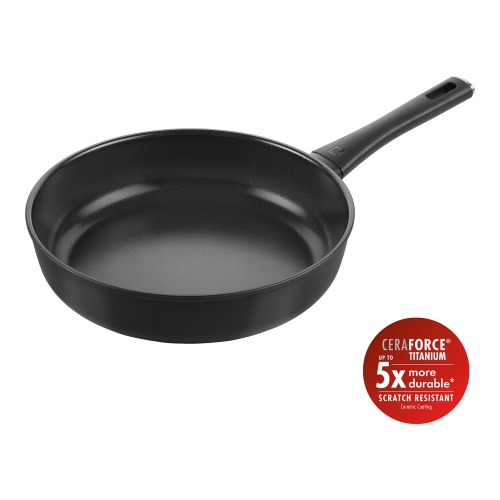
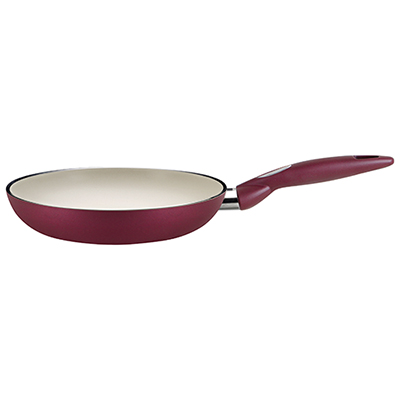
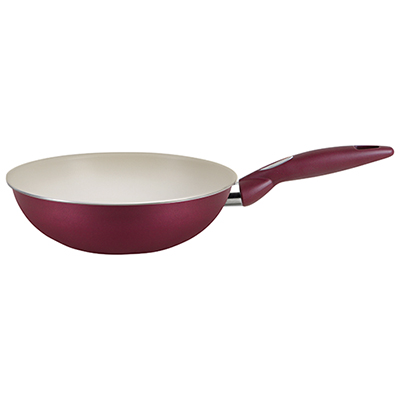
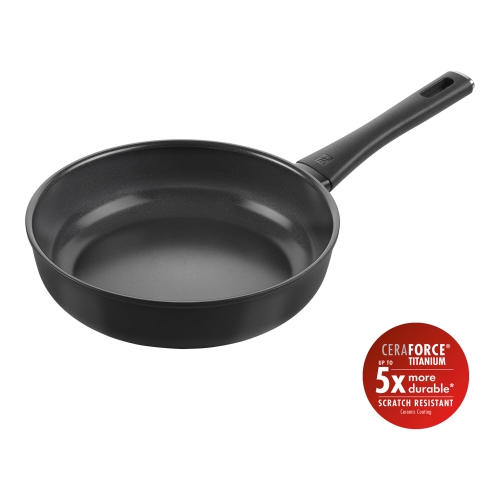
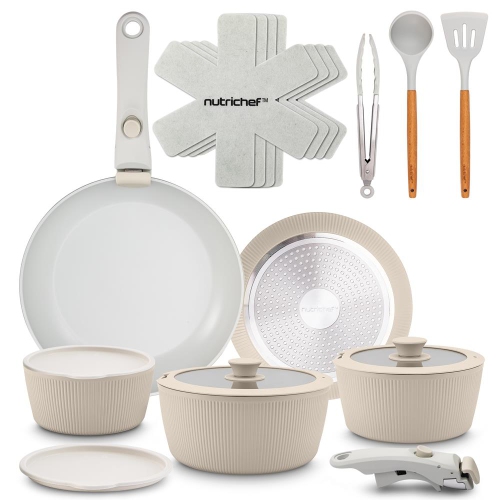
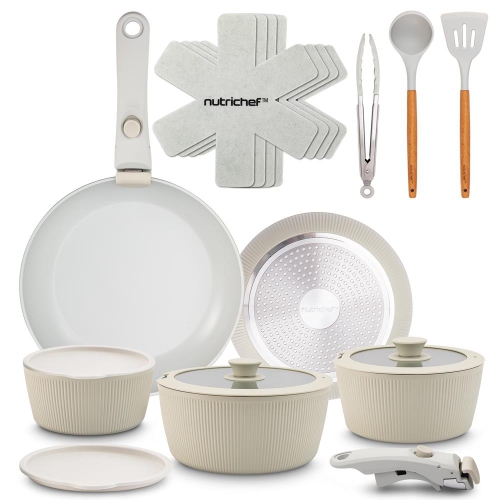
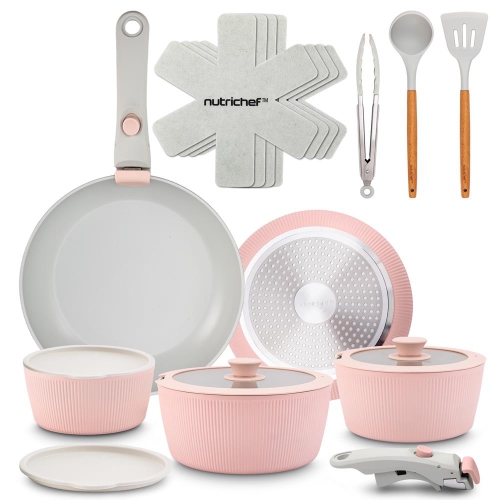

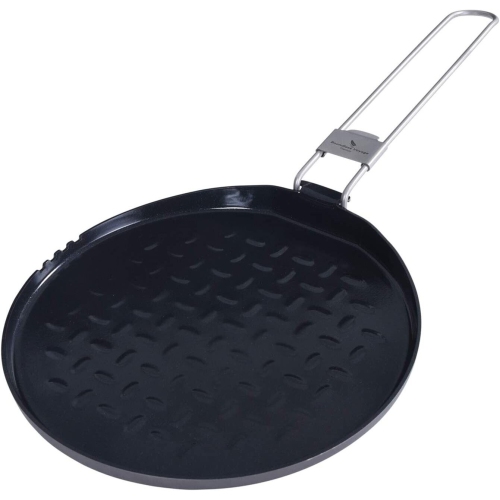
Smooth cooking performance starts with the right care
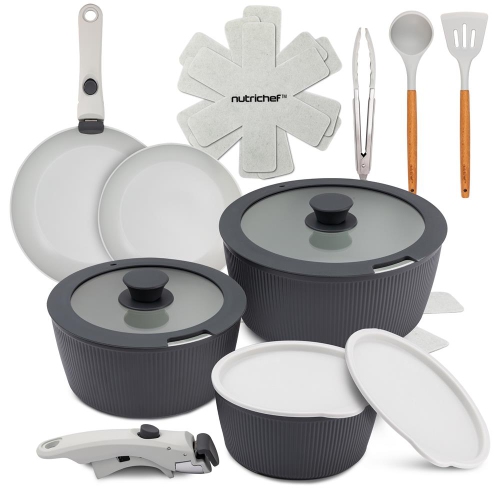
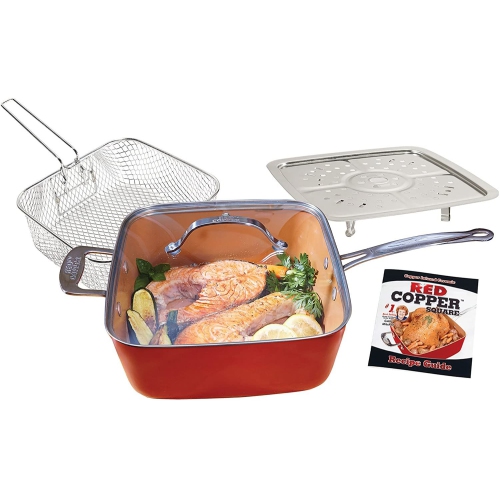
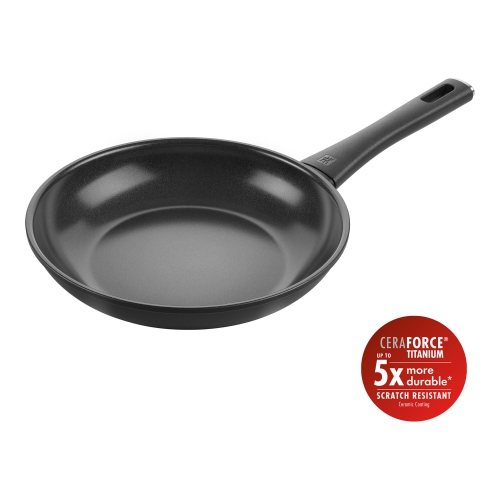
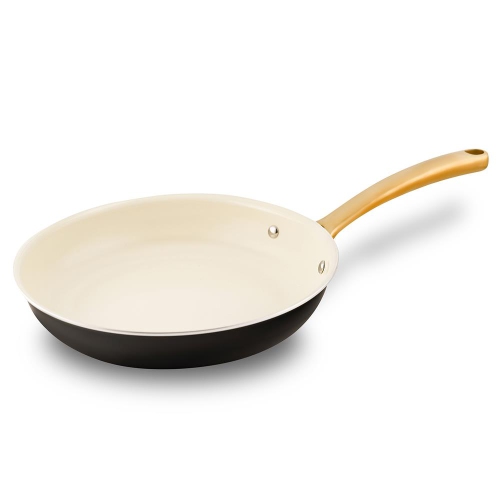
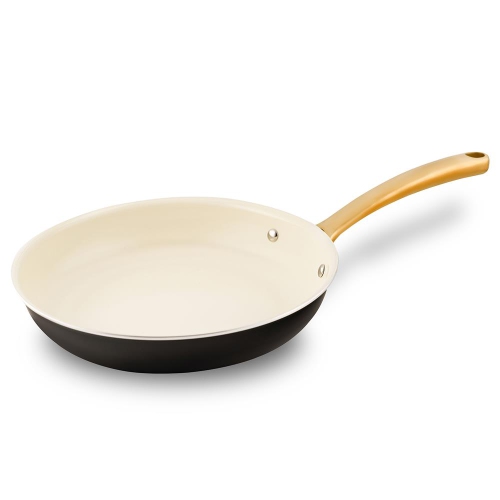
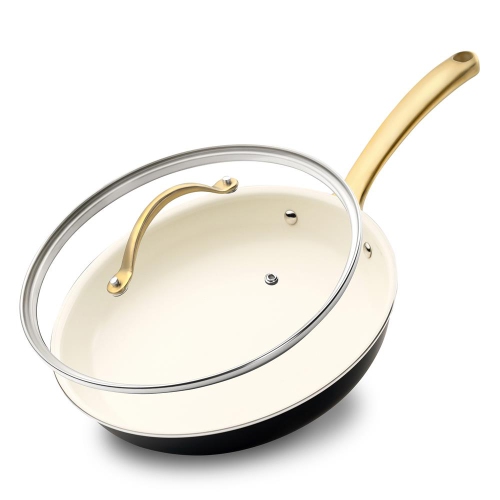
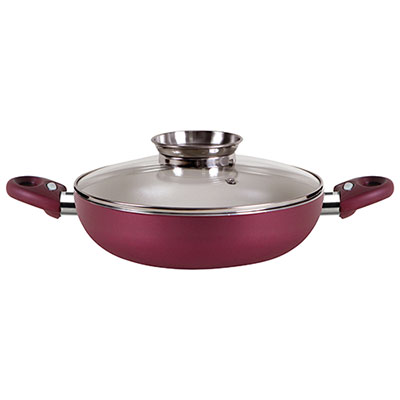
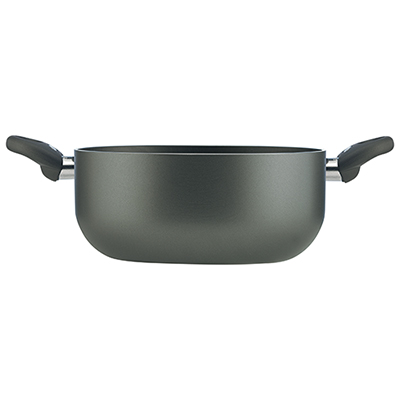
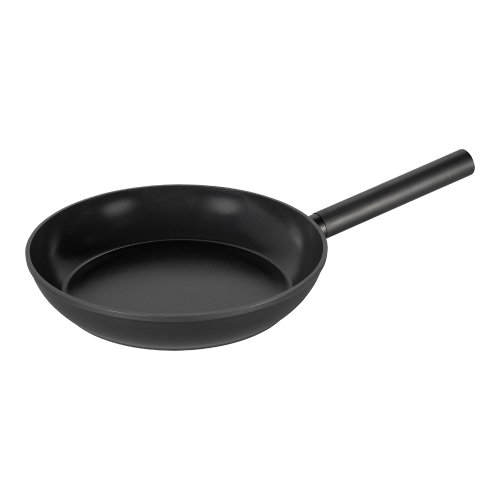
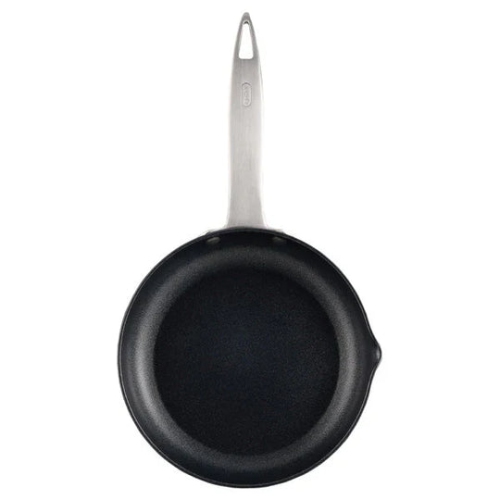
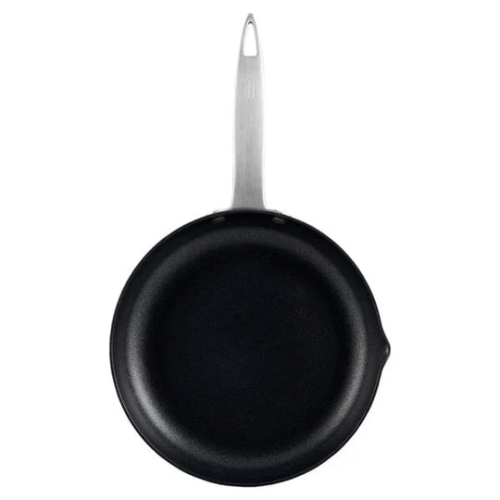
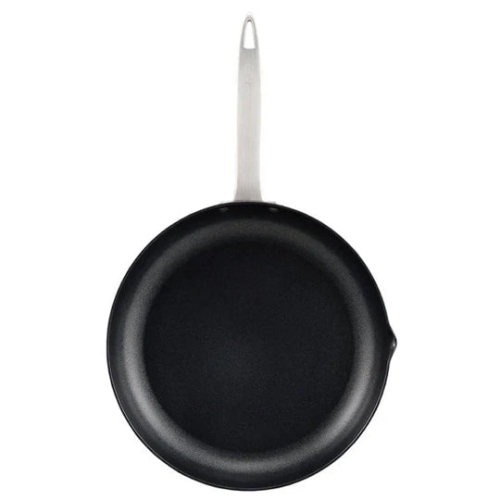
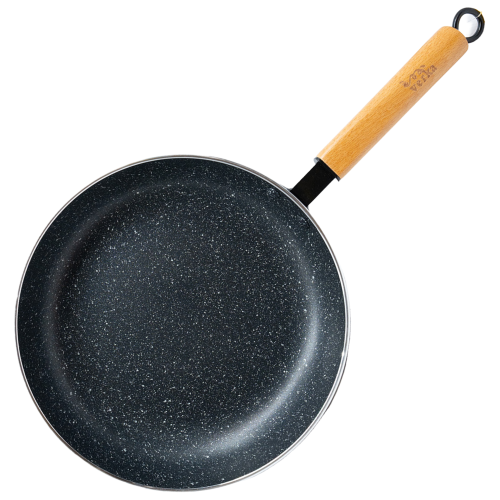
Ceramic non stick pans are valued for their smooth cooking surface, quick response to changes in heat, and easy food release. The ceramic coating is typically created through a silica-based sol-gel process, forming a slick layer over the pan that helps eggs slide from the surface, keeps pancakes intact when flipped, and makes delicate fish easier to turn. These pans are useful for everyday cooking, from warming leftovers and sautéing vegetables to preparing grilled cheese, omelettes, crepes, and smaller portions of meat. Their clean, streamlined appearance also makes them an attractive addition to a kitchen, whether you are replacing a well-used pan, setting up a first apartment, or choosing a practical gift for someone who enjoys cooking. When comparing ceramic non stick pans, consider the diameter, side height, handle design, total weight, and the type of stovetop in your home. A compact pan can be convenient for one or two servings, while a larger surface gives vegetables, hash browns, or several pieces of chicken more room to cook without crowding. A heavier base may feel more stable on the cooktop and can help distribute heat evenly, while a lighter pan is easier to lift when draining, tossing, or serving. Check whether the pan is suitable for gas, electric, glass, or induction stovetops, and review the manufacturer’s oven-use guidance if you like to finish dishes under the broiler or in the oven. For a broader look at ceramic-coated pots and pans, browse Ceramic Cookware.
Ceramic non stick pans are often appreciated by cooks who want to use less oil while still getting reliable release and straightforward cleanup. They are especially handy for breakfast foods that can cling to rougher surfaces, such as fried eggs, scrambled eggs, French toast, and pancakes, as well as for sautéed mushrooms, delicate fillets, and quick sauces. The best results come from treating the coating gently. Begin with low to medium heat rather than turning the burner to its highest setting; ceramic surfaces can heat quickly, and repeated high temperatures may contribute to micro-cracking, sometimes called crazing, or cause the non stick performance to fade sooner. Allow the pan to warm gradually, add the cooking fat or ingredients once it is ready, and avoid leaving an empty pan over a hot burner. Wooden, silicone, or nylon utensils are good choices because they are less likely to scratch the cooking surface than metal tools. When food needs loosening, use a soft spatula instead of scraping aggressively with a knife or metal edge. Aerosol cooking sprays are also best avoided, since their additives can leave a stubborn, carbonized film that builds up over time and makes the surface feel less slick. A small amount of butter or cooking oil applied with a brush or cloth is generally easier to control. After cooking, let the pan cool before washing it. Sudden temperature changes, such as placing a hot pan under cold water, can stress the materials and may affect its shape or finish. Although some ceramic non stick pans may be labelled dishwasher safe, hand washing with warm water, mild dish soap, and a soft sponge is usually the gentler approach for preserving the coating. Drying the pan promptly can also help keep it ready for the next meal.
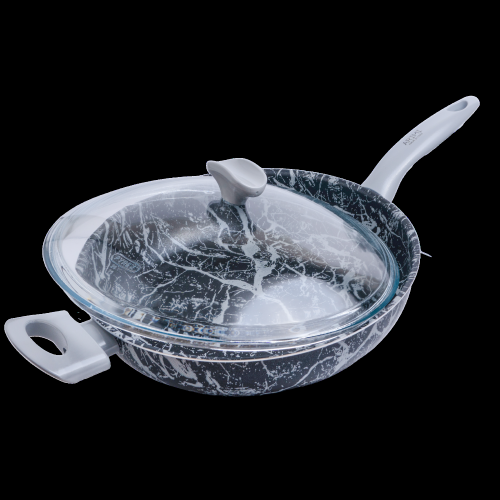
The right ceramic non stick pan depends on the foods you prepare most often, the number of people you serve, and the way your kitchen is arranged. A shallow frying pan is a versatile choice for eggs, burgers, sautéed ingredients, and reheating, while a deeper sauté pan can accommodate sauces, stir-fries, grains, and larger batches with less splatter. A matching lid is useful for simmering, melting cheese, steaming vegetables, and keeping food warm, so it is worth checking whether one is included or available separately. Handles should feel comfortable and secure, with enough clearance from the burner to make the pan easy to grip while wearing an oven mitt. For a household with limited storage, look for a pan that stacks neatly or has a hanging hole; for frequent family cooking, prioritise a broad cooking surface and a sturdy base. Ceramic non stick pans can make thoughtful gifts for new homeowners, students moving into their first kitchen, newlyweds, or anyone who is replacing cookware after a kitchen refresh. They are also practical for cooks who prefer uncomplicated meals during the cooler months, when one-pan breakfasts, warm sandwiches, sautéed vegetables, and quick suppers are especially appealing. Keep in mind that ceramic non stick coatings are designed for convenience rather than the high-heat searing associated with bare cast iron or stainless steel. If you need a deep brown crust, a separate pan suited to intense heat may complement your ceramic pan. With the correct size, compatible stovetop design, moderate heat, gentle utensils, and careful hand washing, a ceramic non stick pan can become the dependable piece reached for when dinner needs to move smoothly from cooktop to plate.
Ceramic non stick pans are often appreciated by cooks who want to use less oil while still getting reliable release and straightforward cleanup. They are especially handy for breakfast foods that can cling to rougher surfaces, such as fried eggs, scrambled eggs, French toast, and pancakes, as well as for sautéed mushrooms, delicate fillets, and quick sauces. The best results come from treating the coating gently. Begin with low to medium heat rather than turning the burner to its highest setting; ceramic surfaces can heat quickly, and repeated high temperatures may contribute to micro-cracking, sometimes called crazing, or cause the non stick performance to fade sooner. Allow the pan to warm gradually, add the cooking fat or ingredients once it is ready, and avoid leaving an empty pan over a hot burner. Wooden, silicone, or nylon utensils are good choices because they are less likely to scratch the cooking surface than metal tools. When food needs loosening, use a soft spatula instead of scraping aggressively with a knife or metal edge. Aerosol cooking sprays are also best avoided, since their additives can leave a stubborn, carbonized film that builds up over time and makes the surface feel less slick. A small amount of butter or cooking oil applied with a brush or cloth is generally easier to control. After cooking, let the pan cool before washing it. Sudden temperature changes, such as placing a hot pan under cold water, can stress the materials and may affect its shape or finish. Although some ceramic non stick pans may be labelled dishwasher safe, hand washing with warm water, mild dish soap, and a soft sponge is usually the gentler approach for preserving the coating. Drying the pan promptly can also help keep it ready for the next meal.
The right ceramic non stick pan depends on the foods you prepare most often, the number of people you serve, and the way your kitchen is arranged. A shallow frying pan is a versatile choice for eggs, burgers, sautéed ingredients, and reheating, while a deeper sauté pan can accommodate sauces, stir-fries, grains, and larger batches with less splatter. A matching lid is useful for simmering, melting cheese, steaming vegetables, and keeping food warm, so it is worth checking whether one is included or available separately. Handles should feel comfortable and secure, with enough clearance from the burner to make the pan easy to grip while wearing an oven mitt. For a household with limited storage, look for a pan that stacks neatly or has a hanging hole; for frequent family cooking, prioritise a broad cooking surface and a sturdy base. Ceramic non stick pans can make thoughtful gifts for new homeowners, students moving into their first kitchen, newlyweds, or anyone who is replacing cookware after a kitchen refresh. They are also practical for cooks who prefer uncomplicated meals during the cooler months, when one-pan breakfasts, warm sandwiches, sautéed vegetables, and quick suppers are especially appealing. Keep in mind that ceramic non stick coatings are designed for convenience rather than the high-heat searing associated with bare cast iron or stainless steel. If you need a deep brown crust, a separate pan suited to intense heat may complement your ceramic pan. With the correct size, compatible stovetop design, moderate heat, gentle utensils, and careful hand washing, a ceramic non stick pan can become the dependable piece reached for when dinner needs to move smoothly from cooktop to plate.
Top selling and popular products
-
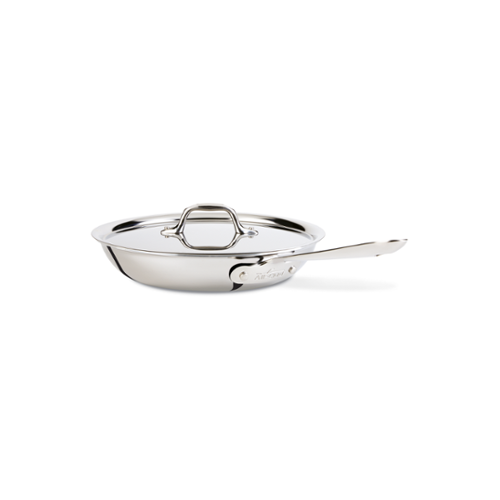 Your price for this item is $137.7
 -
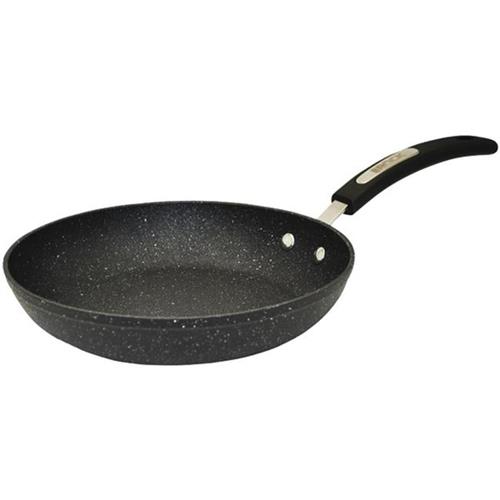 Your price for this item is $33.97
 -
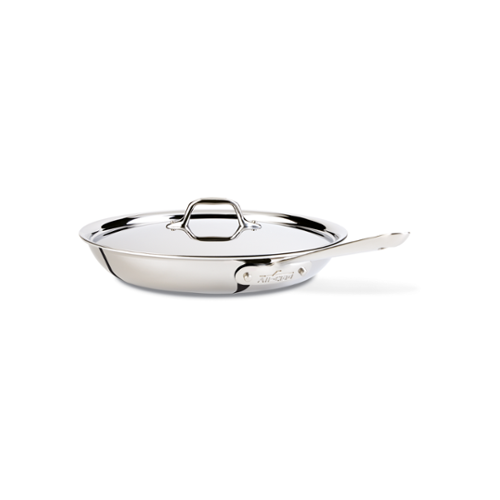 Your price for this item is $289.04
 -
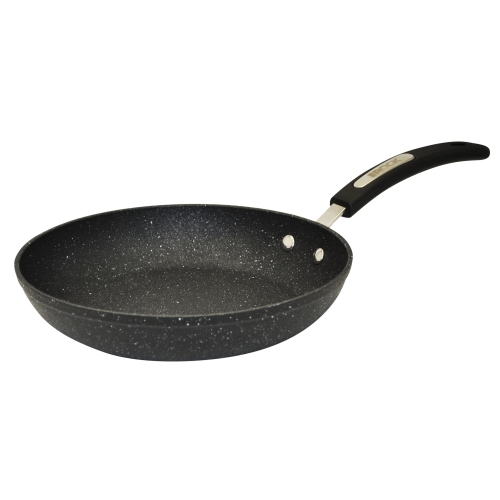 Your price for this item is $29.99
 -
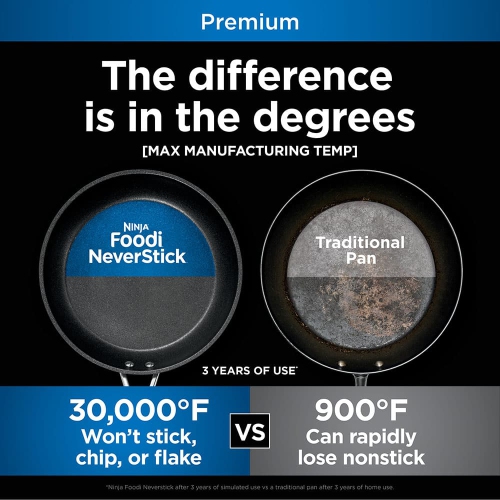 Your price for this item is $139.53
 -
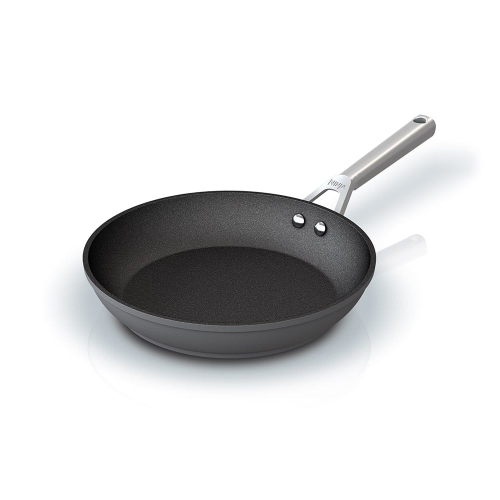 Your price for this item is $100.73
 -
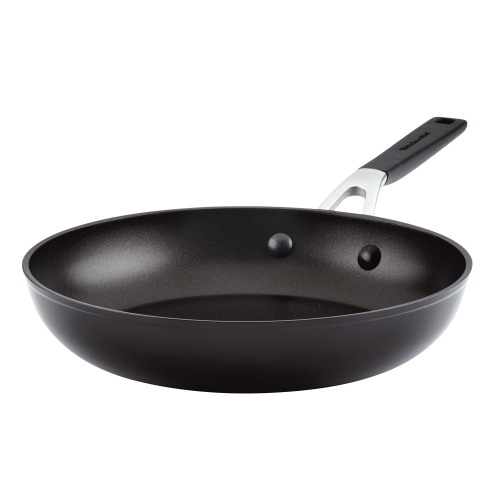 Your price for this item is $49.99
 -
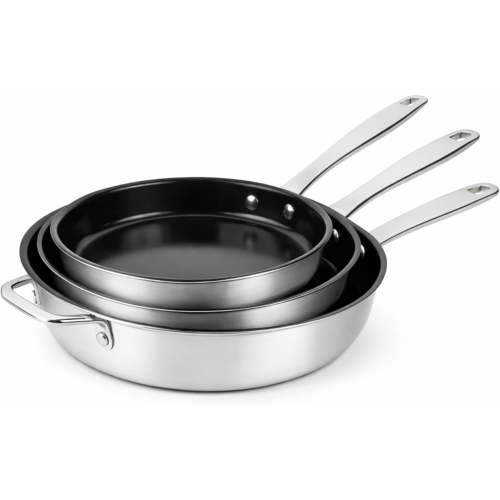 Your price for this item is $399
Discover more categories related to Ceramic Non Stick Pans
Top Collections:
Pokemon Centers, Kindle Devices, Best Budget Office Chairs, Apple iPhones 16, Best Laptops for Writers, iPhone 15 Apple, Canon G7X Cameras, Refurbished Apple Laptops, Alarm Clock, Motorola Razr Phones
Some products may be subject to Environmental Handling Fees
(EHF) depending on your province.
Learn more about EHFs.