Chair And Ottomans
If you're looking for a way to add seating and style to your home, consider adding an ottoman. These large, often foot-stomping pieces of furniture are perfect for curling up with a book or kicking your feet up while watching TV. They also work well as extra seating in small rooms where space is limited. And they're just plain cool—in a retro sort of way—so you'll want to display them in your living room or family room. Here are our favorites.
Sort
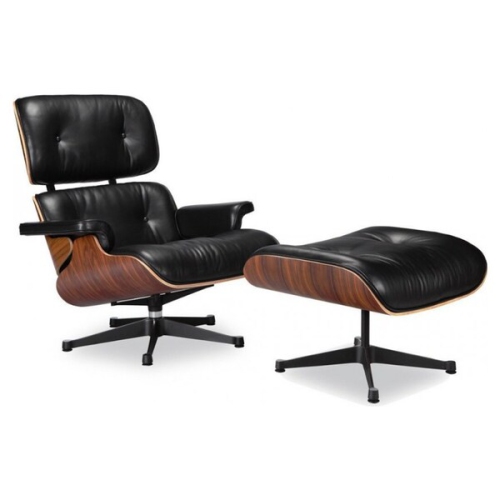
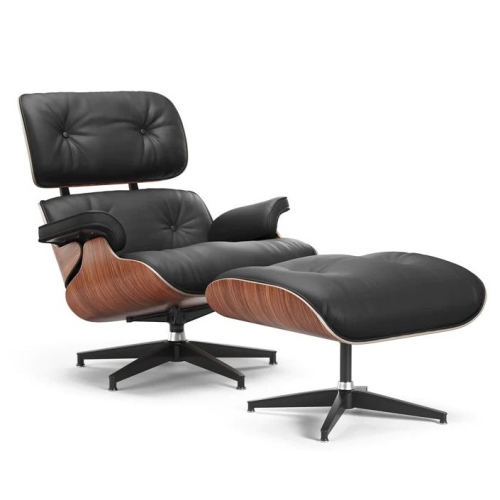
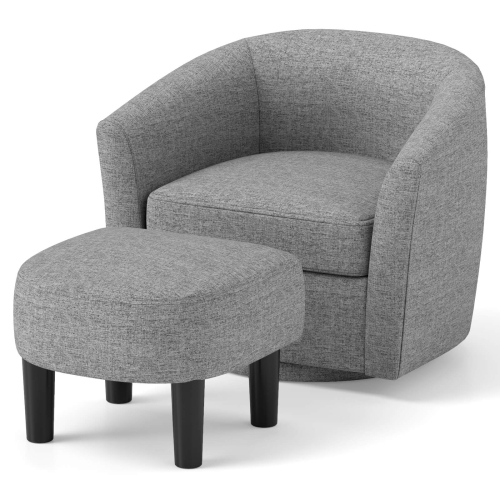
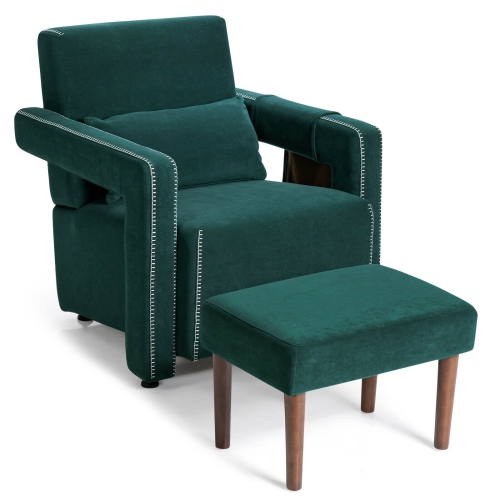
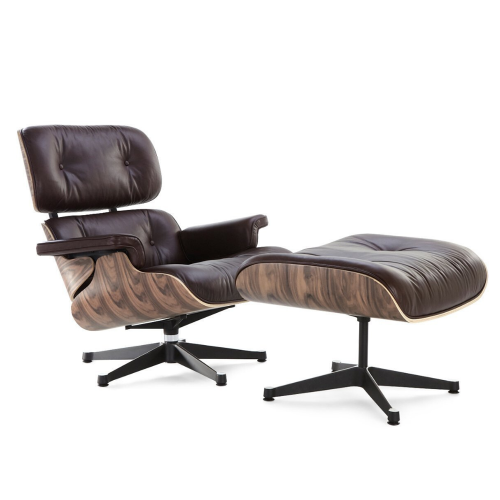
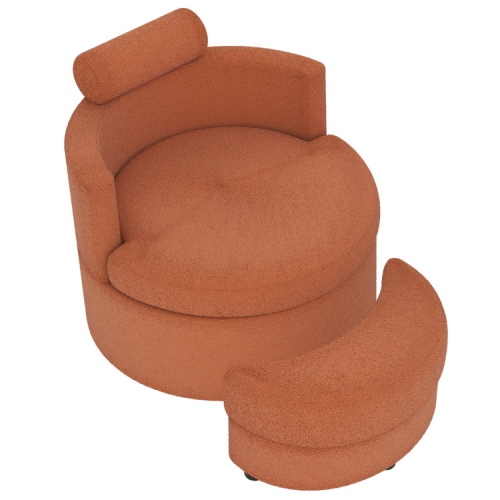
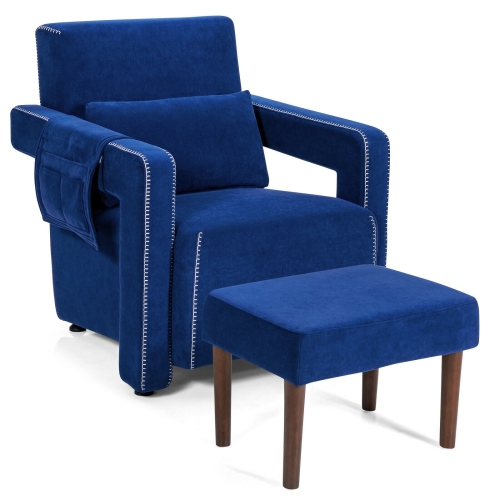
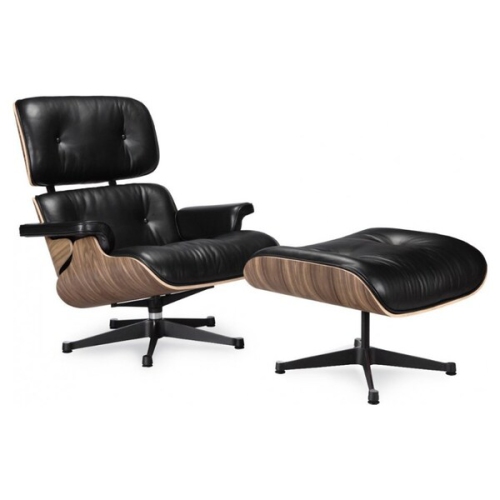


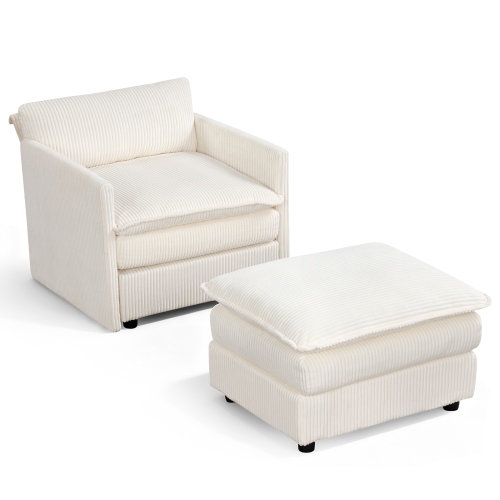
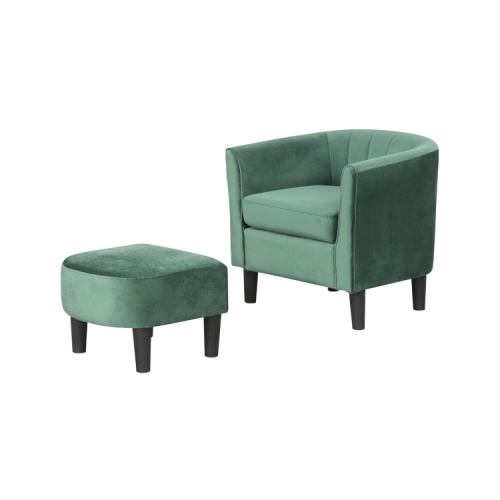
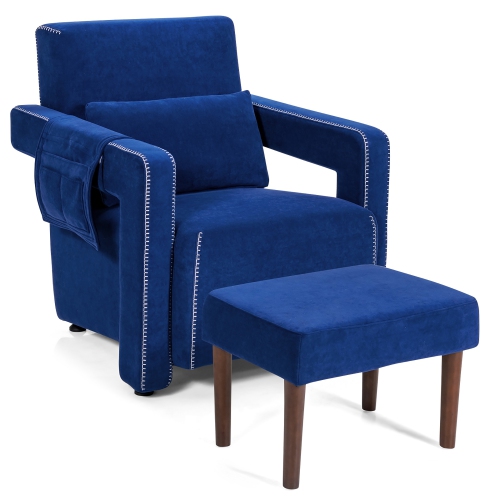
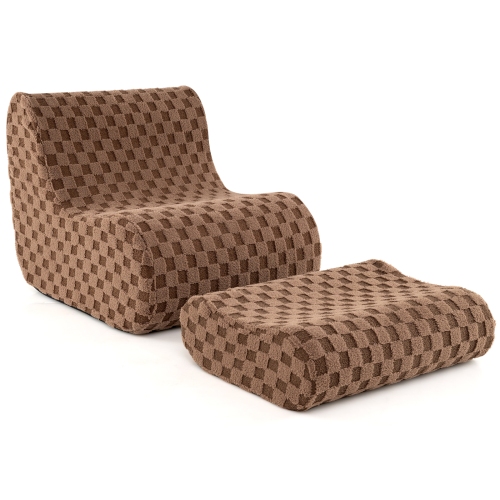





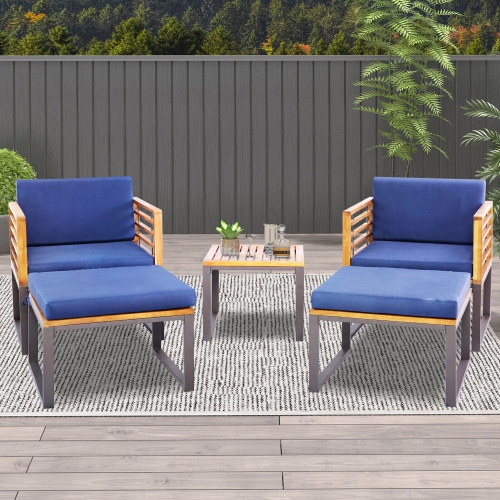
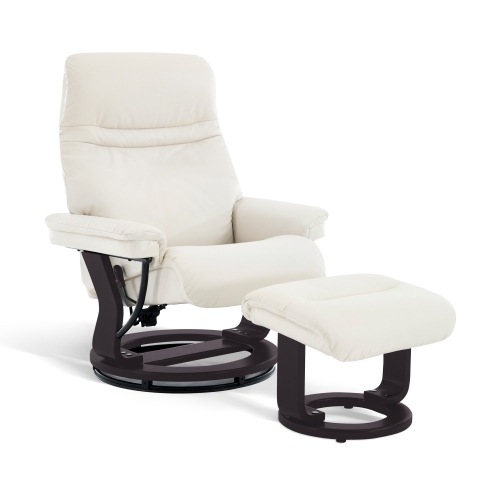
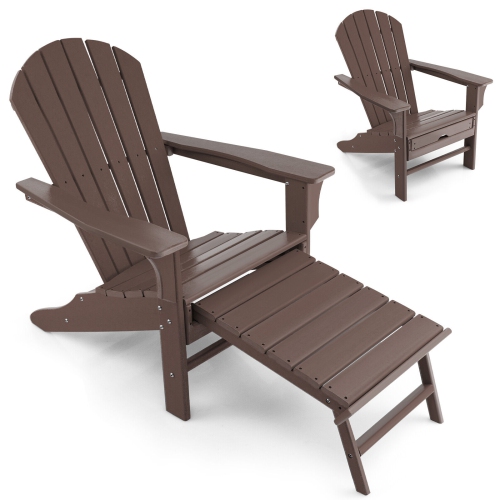
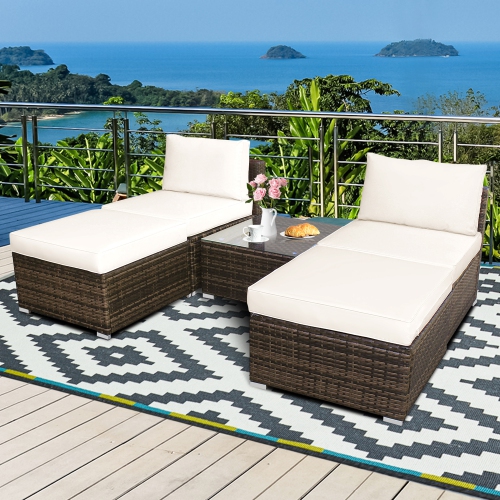


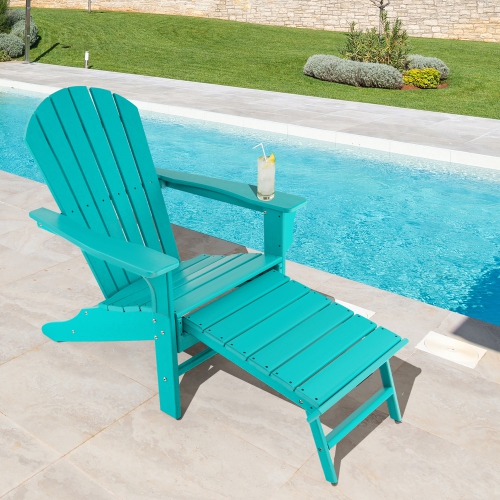
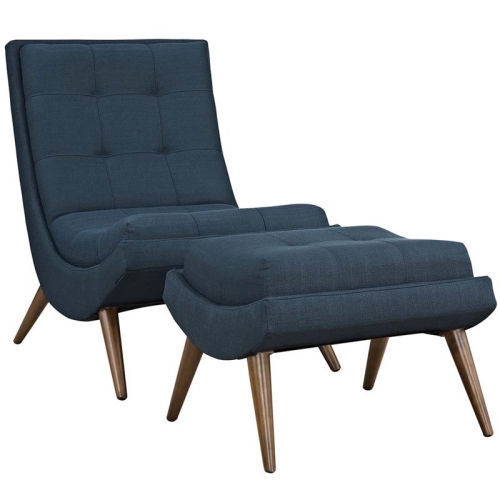
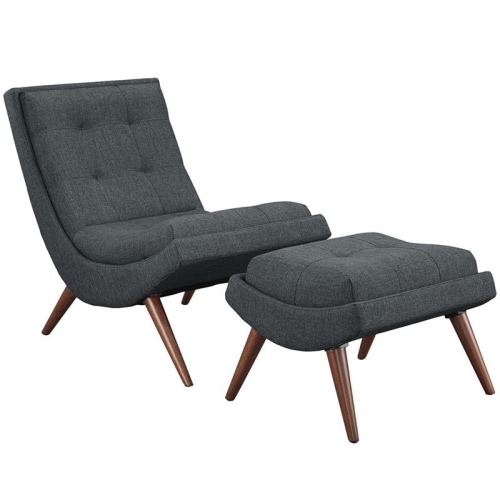

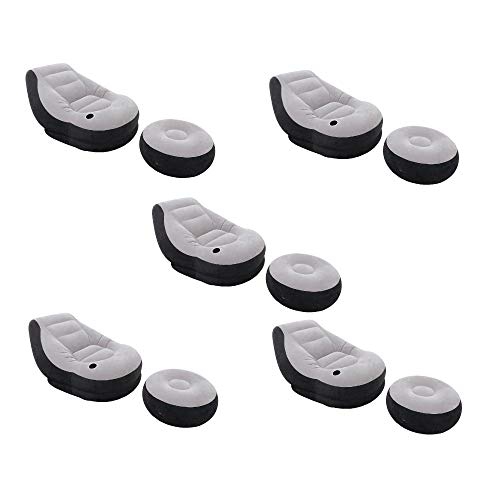



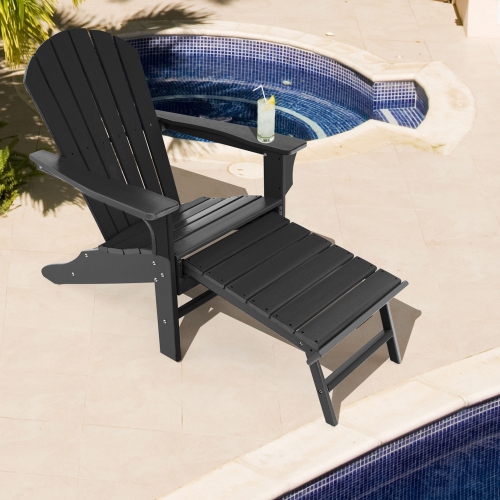
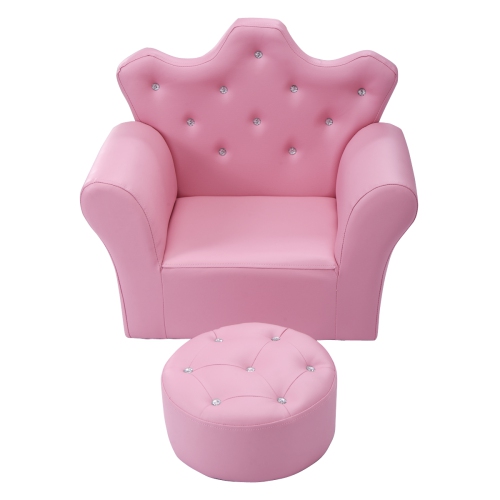
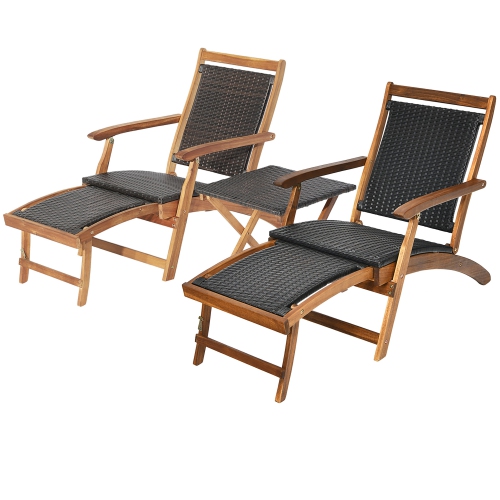
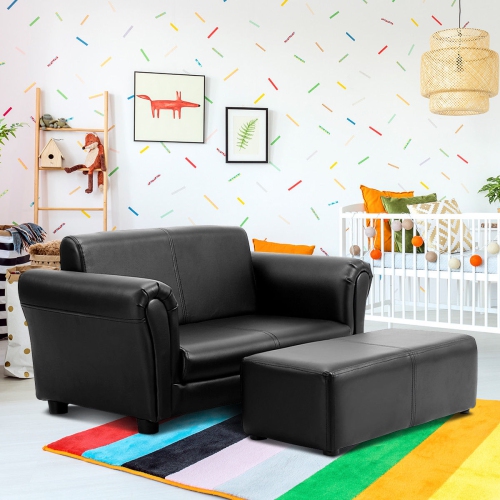




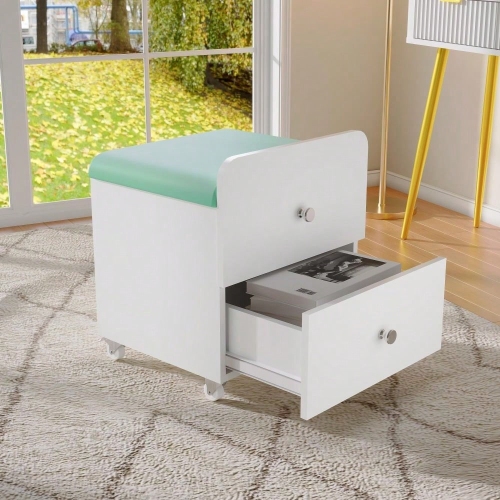
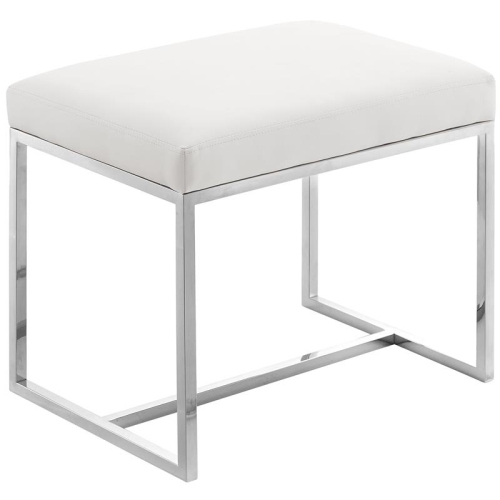

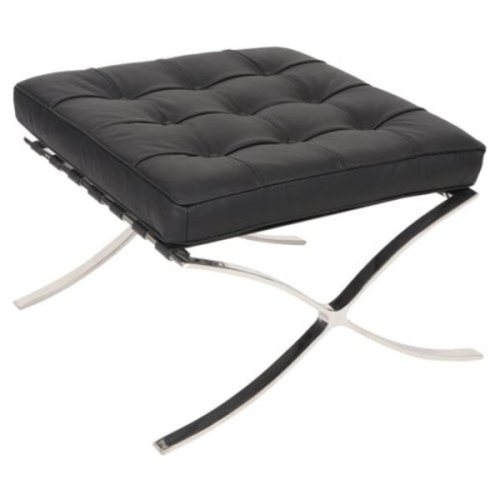
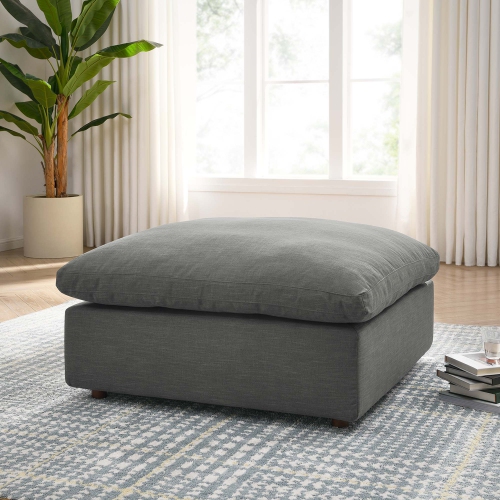

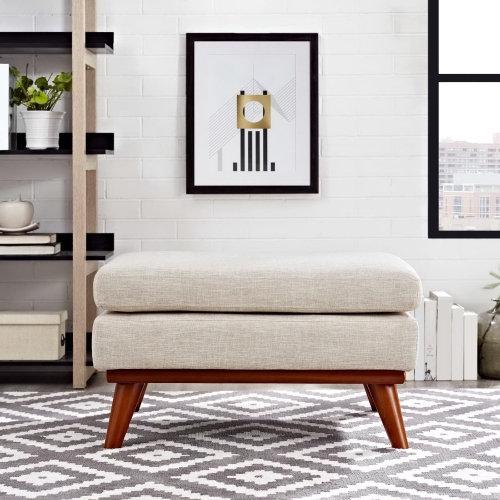
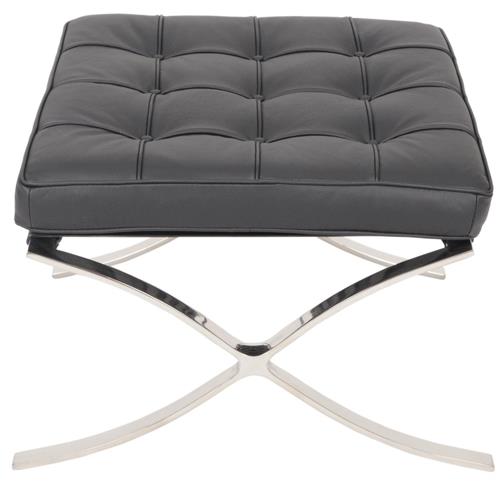
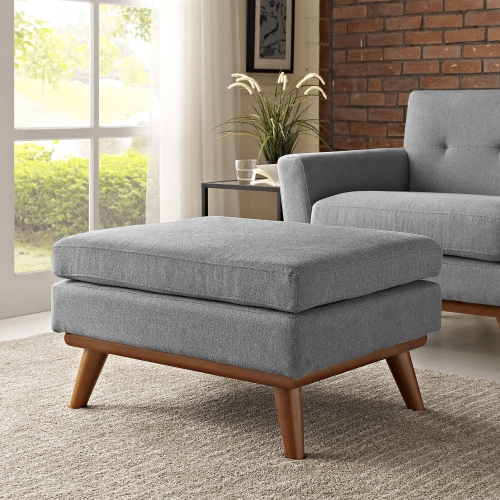
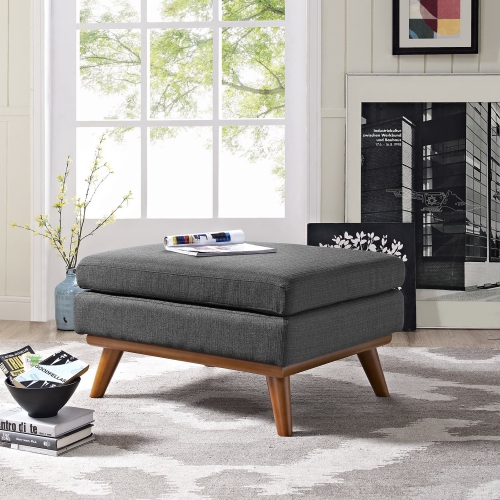
There’s more to comfort than a soft seat
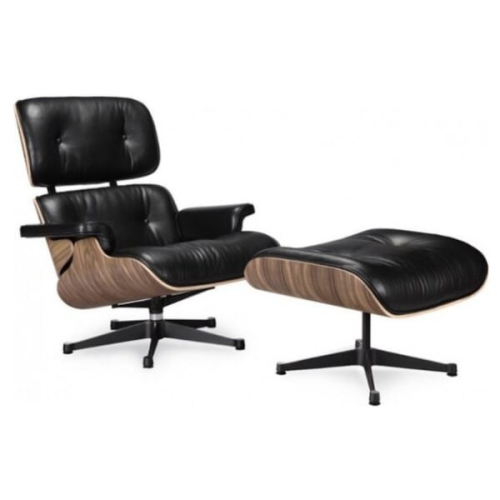
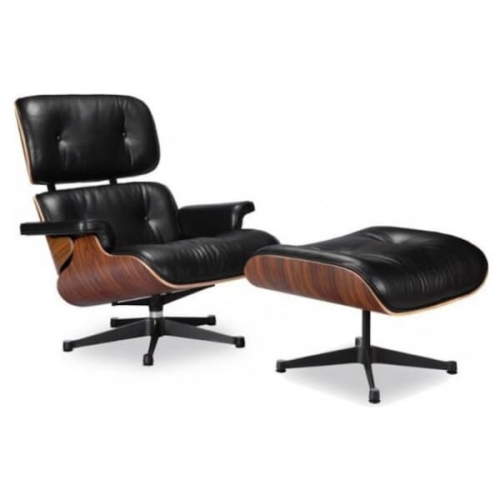
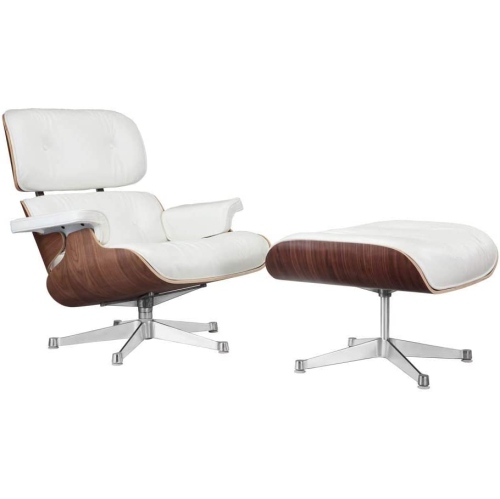
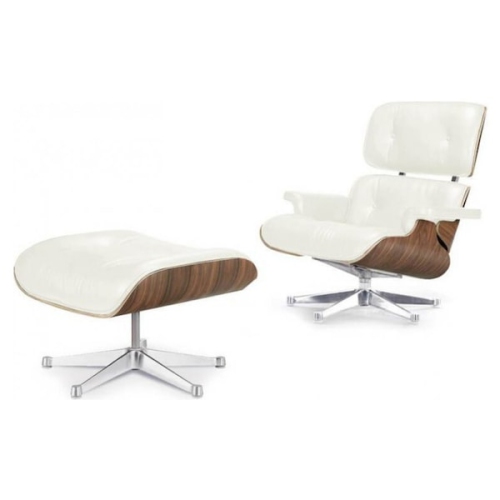
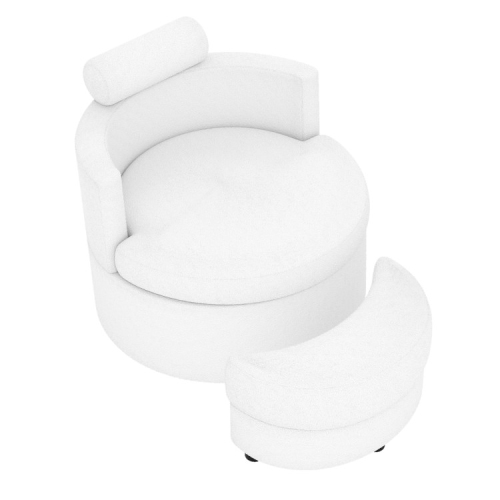
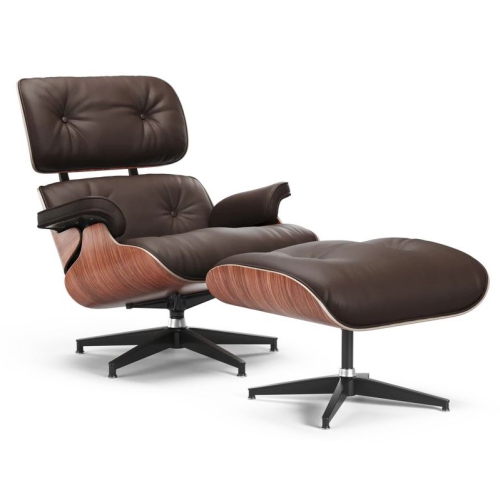
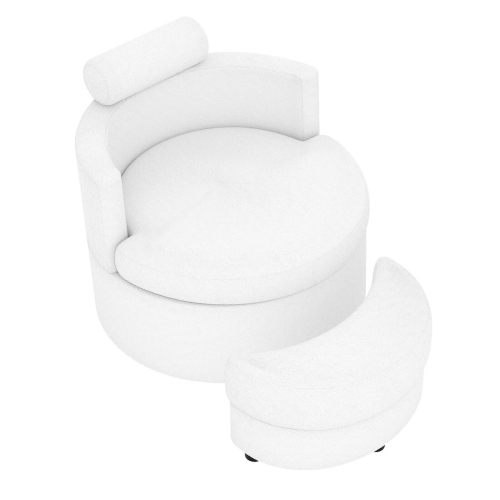
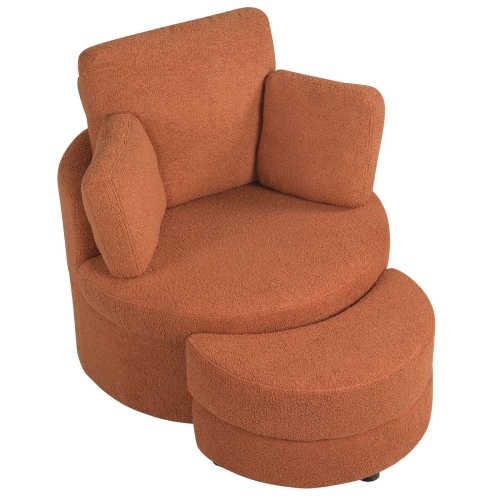
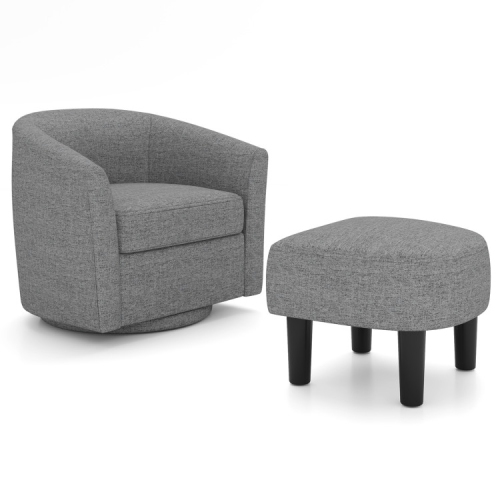
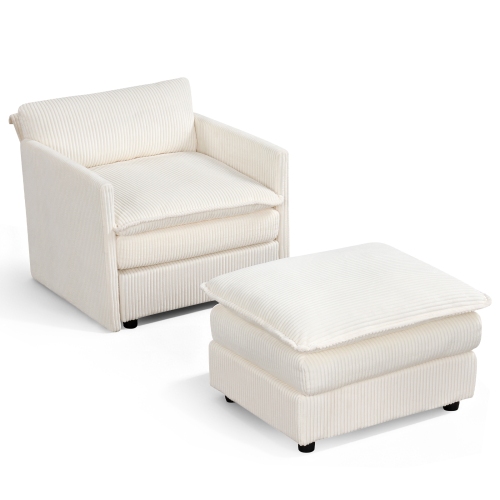
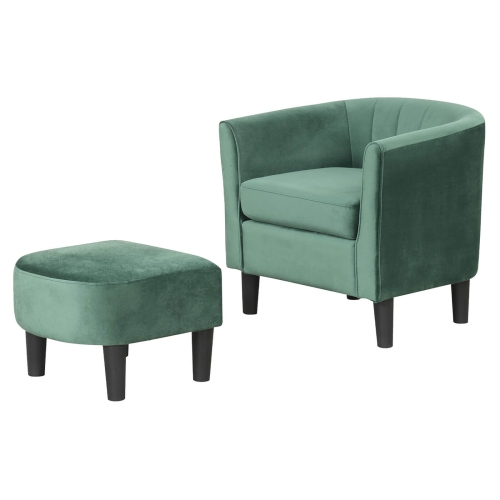
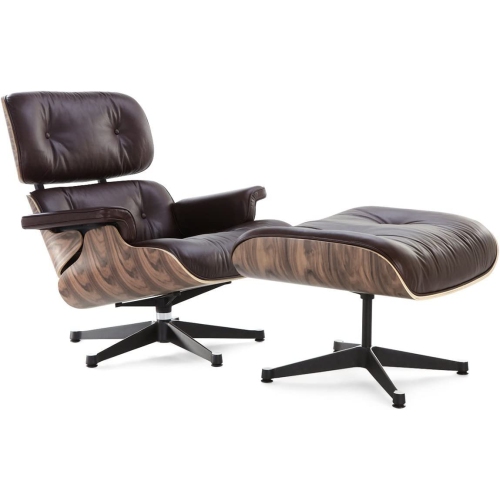
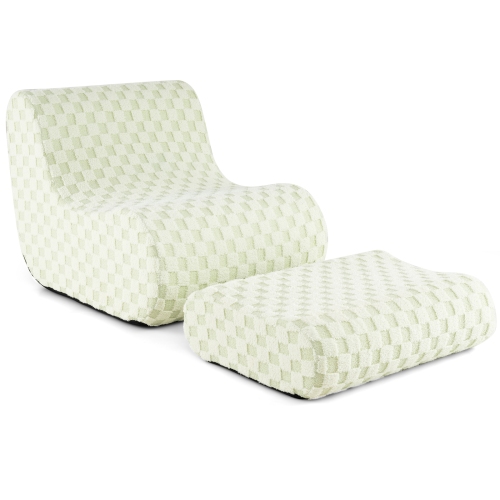
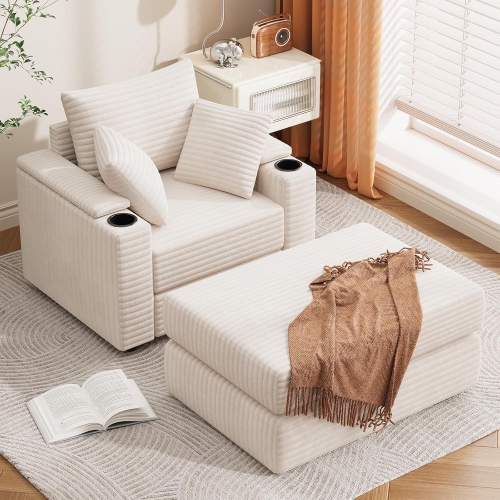
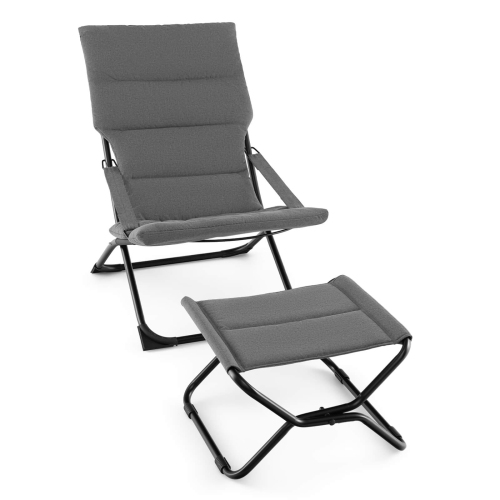
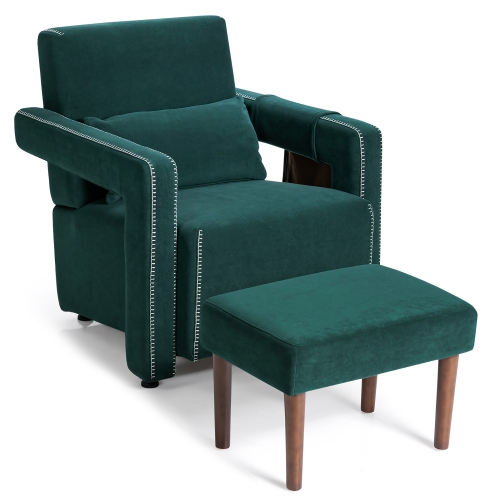
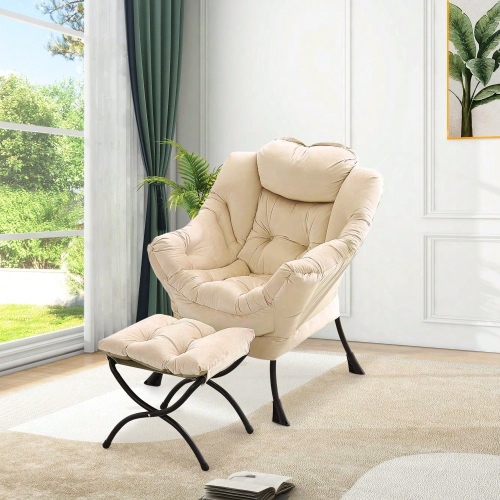
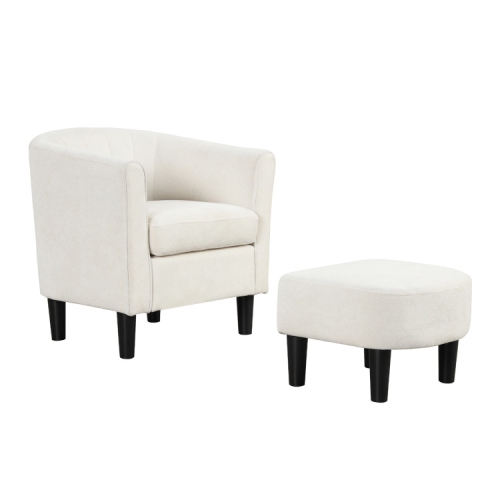
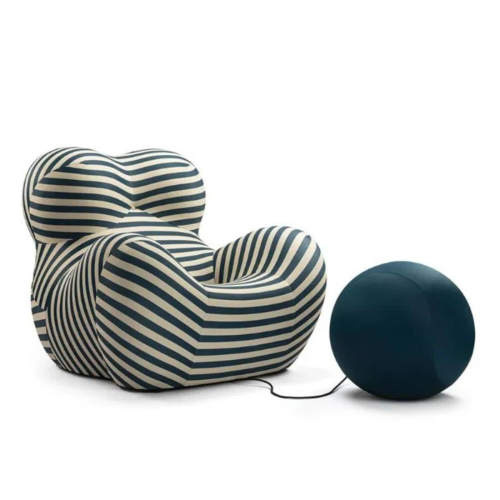
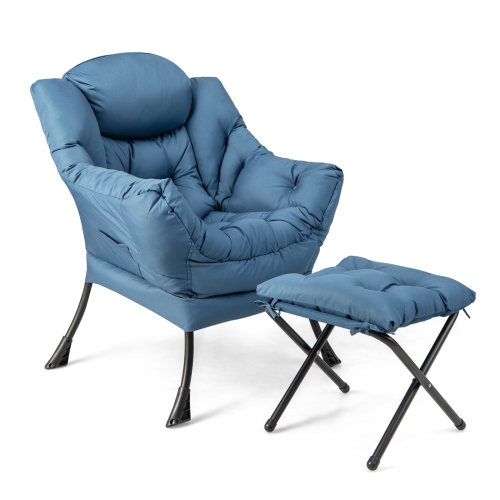
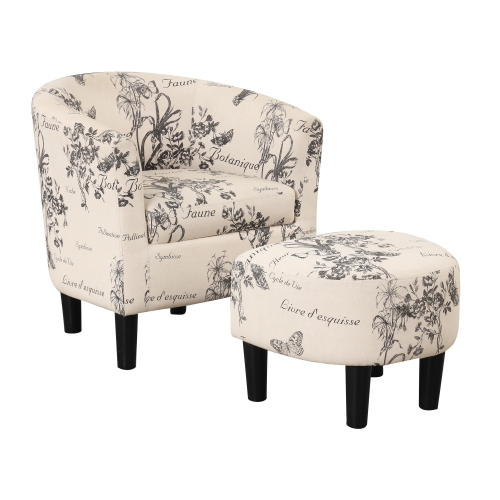
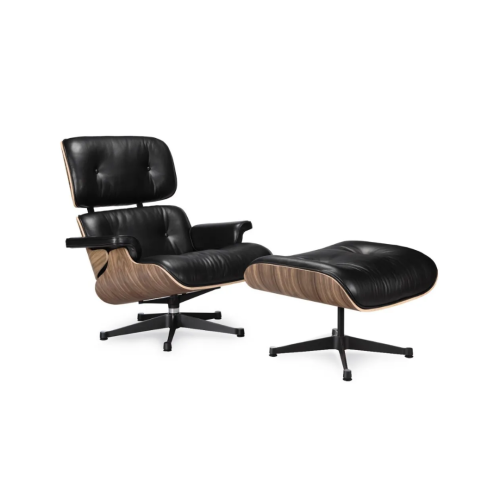
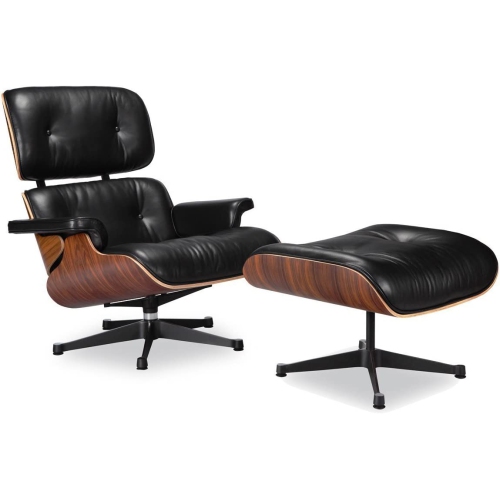
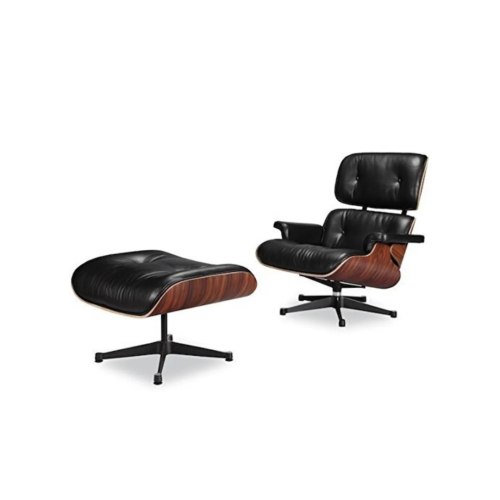
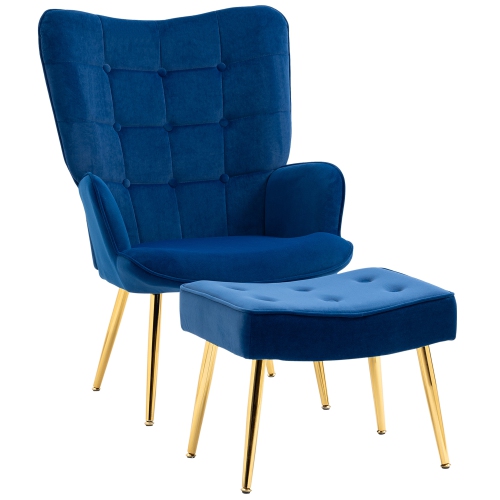
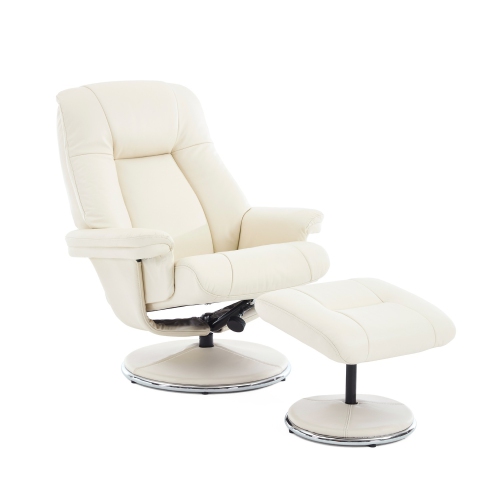
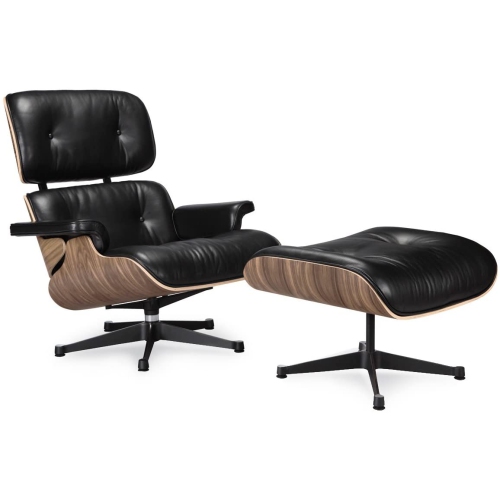
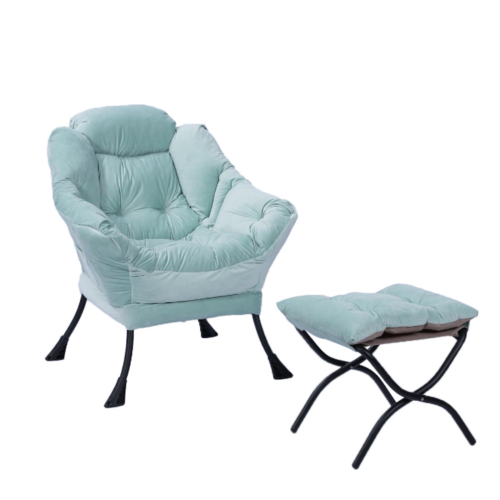
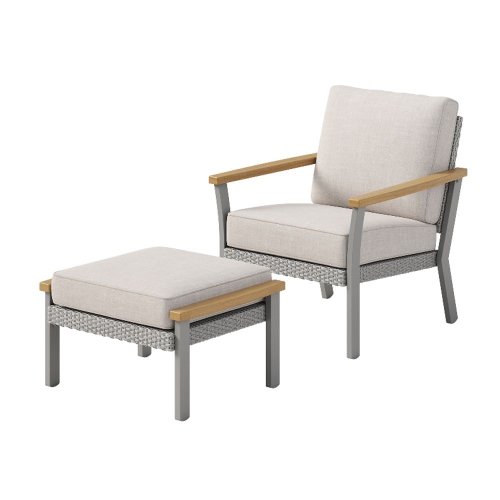
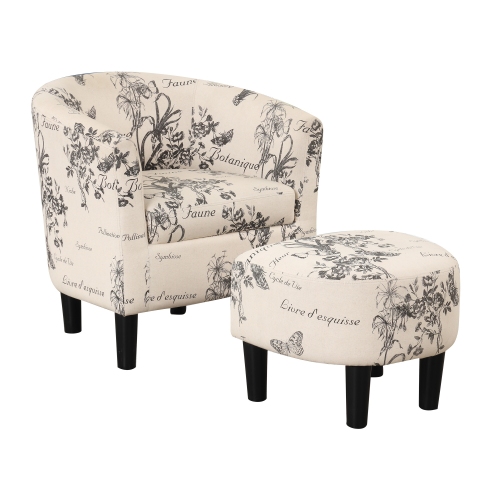
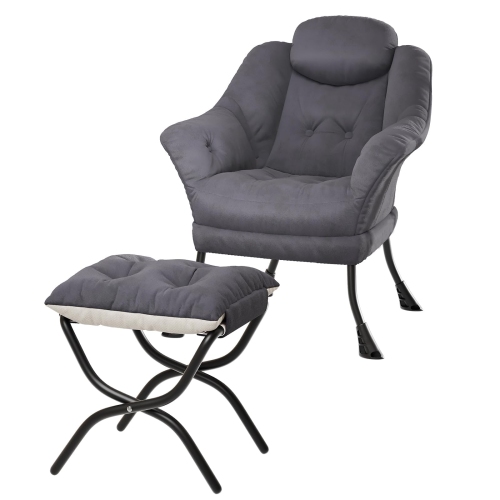
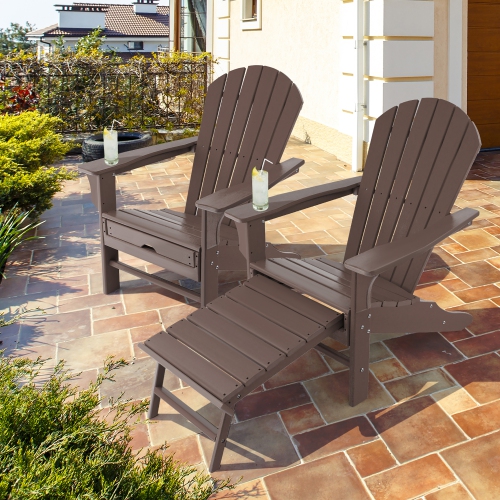
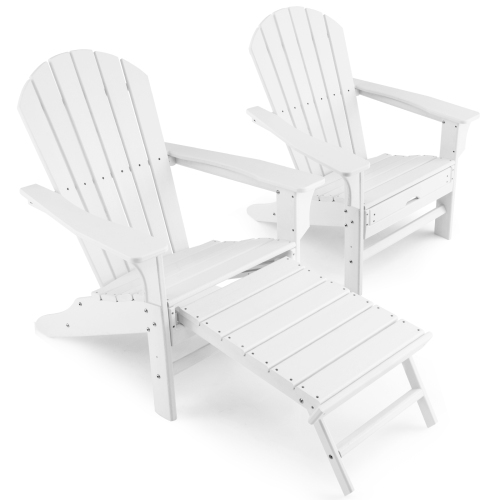
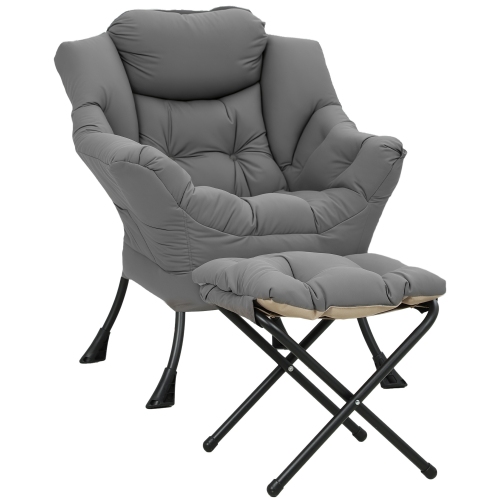
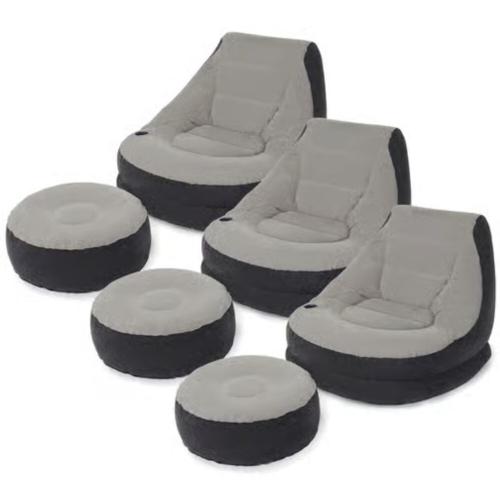
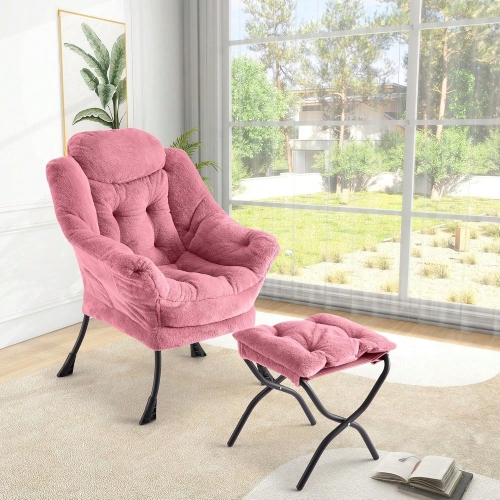
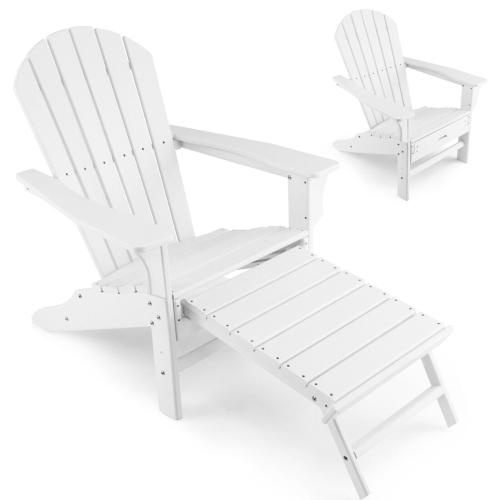
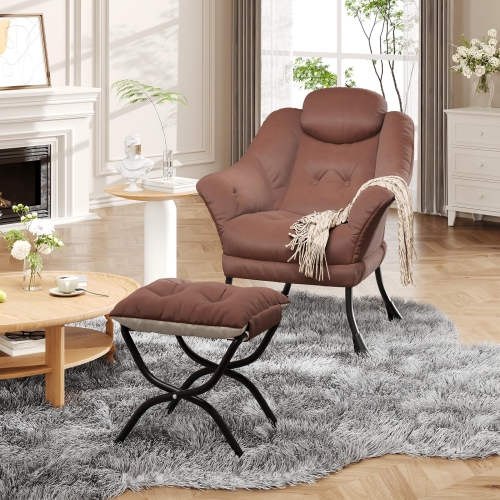
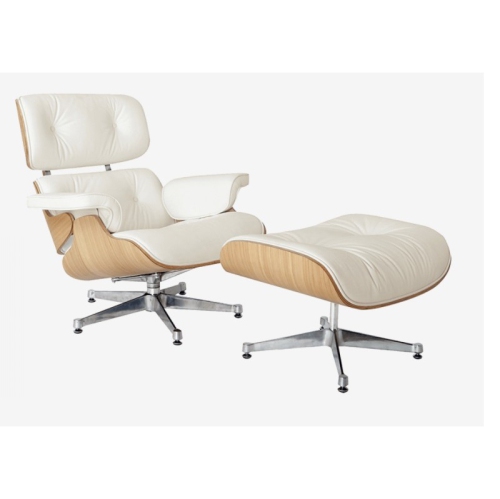
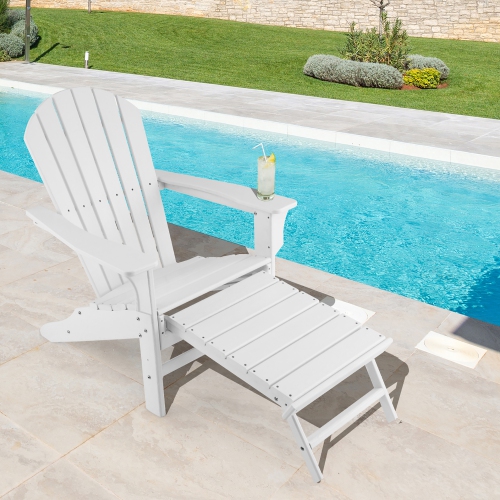
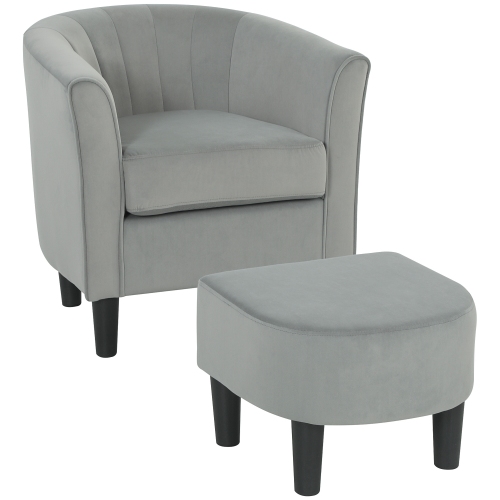
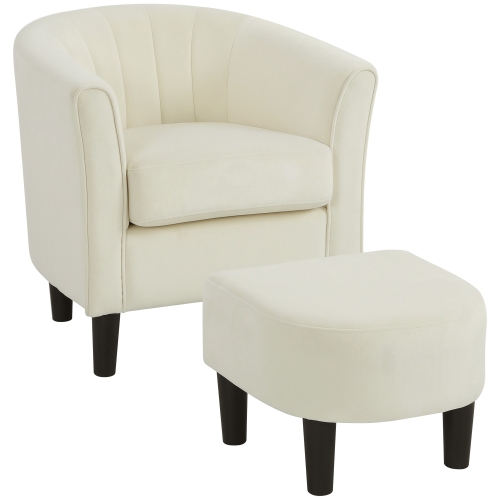
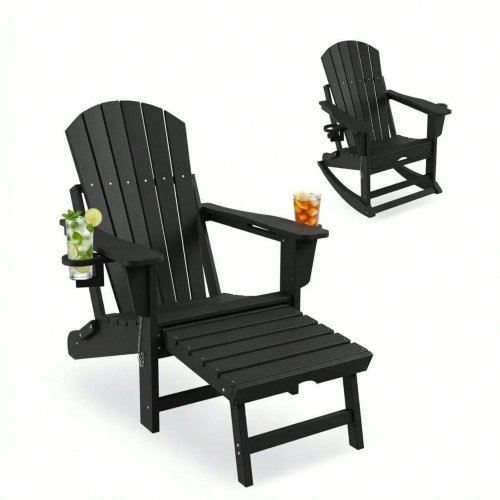
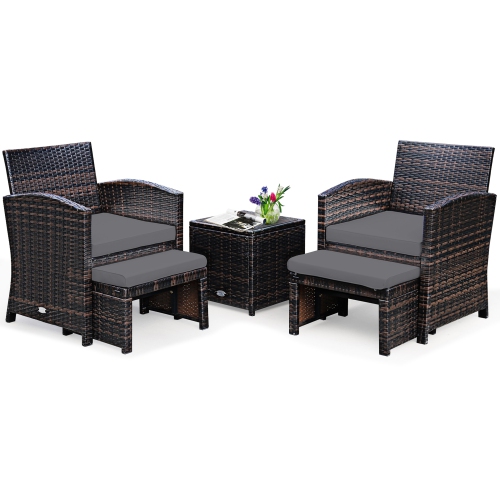
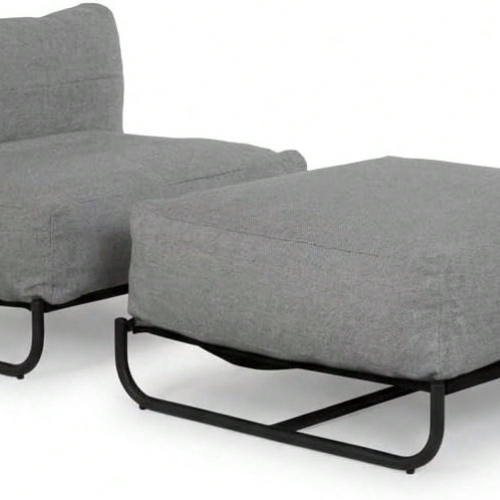
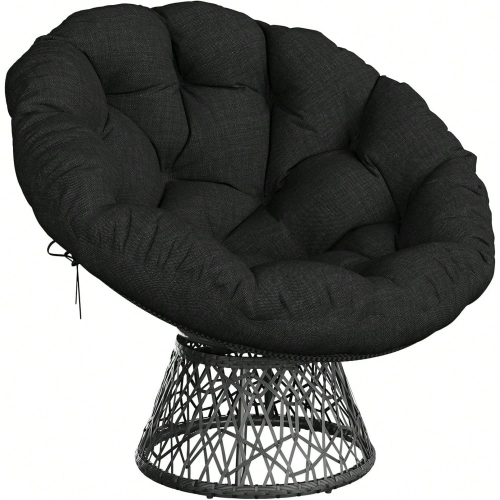
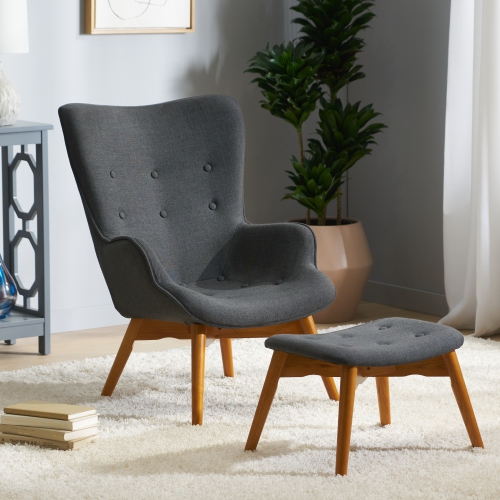
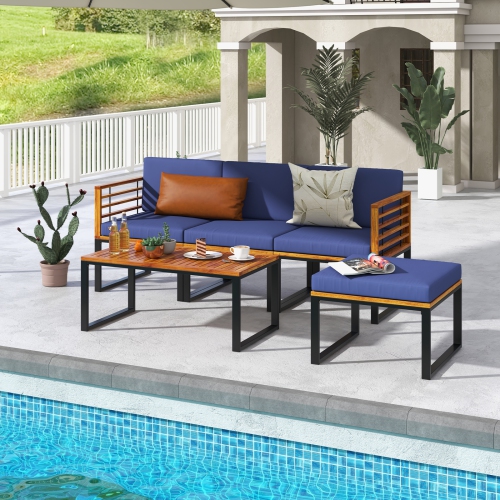
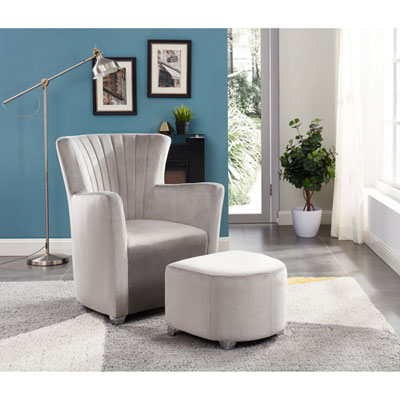
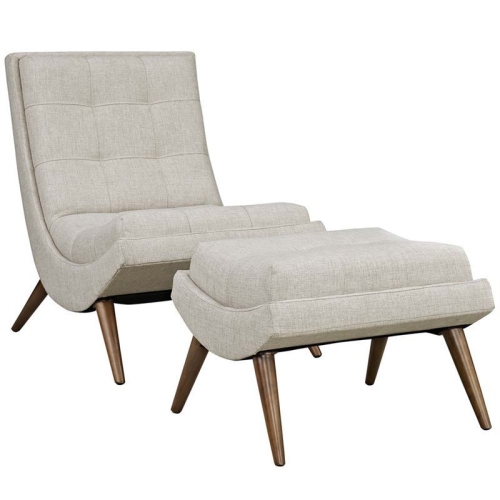
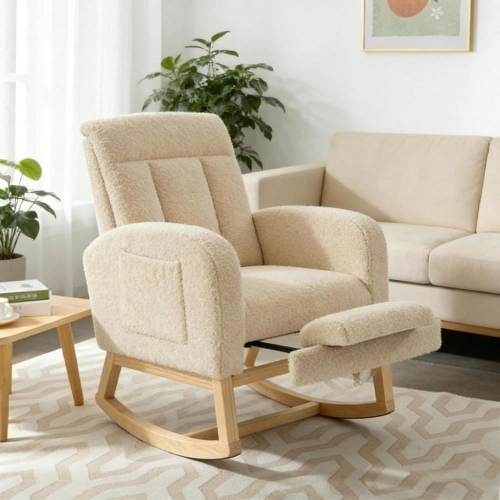
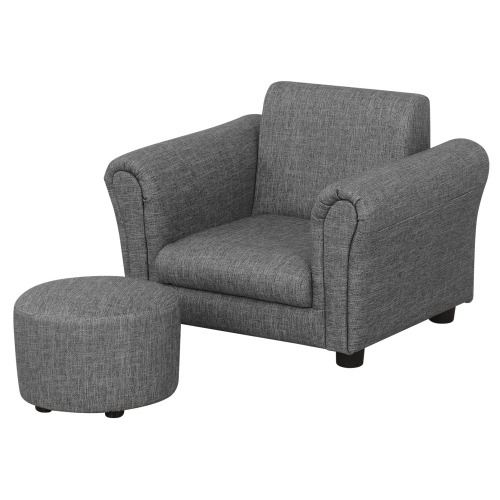
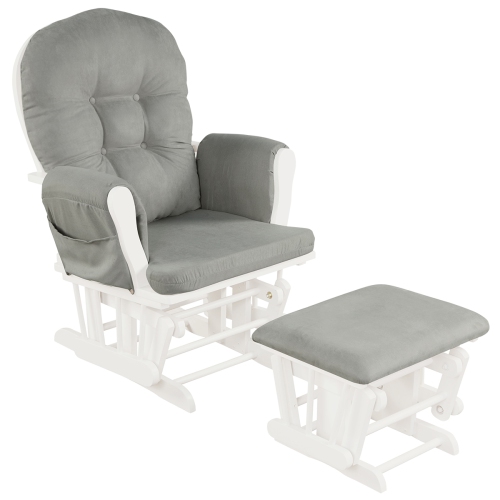
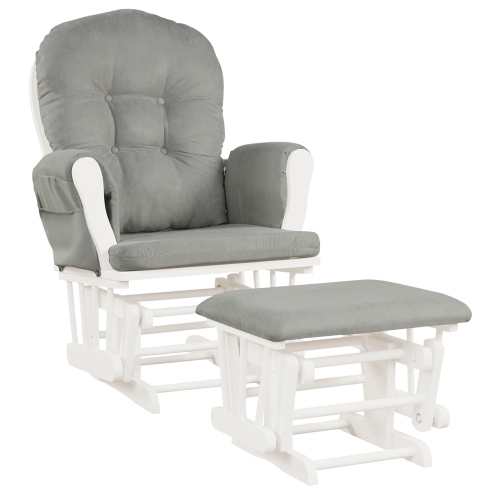
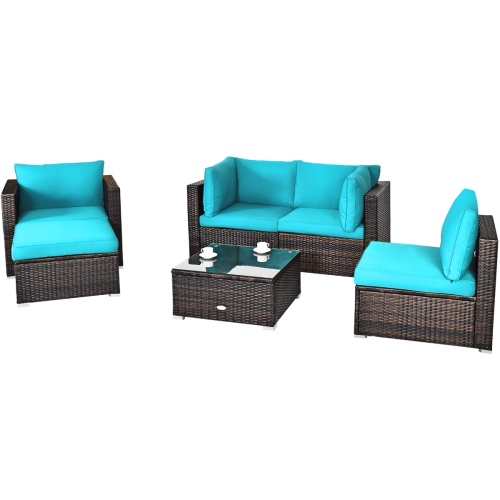
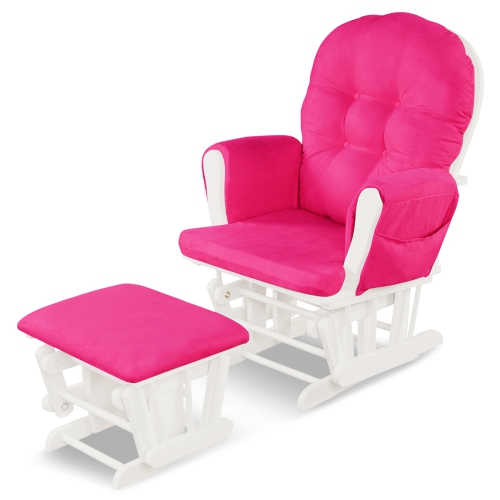
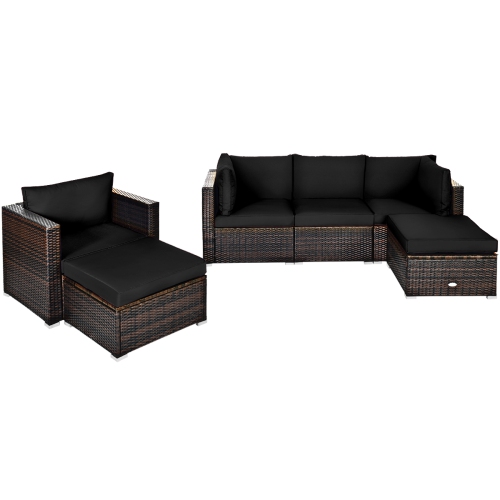
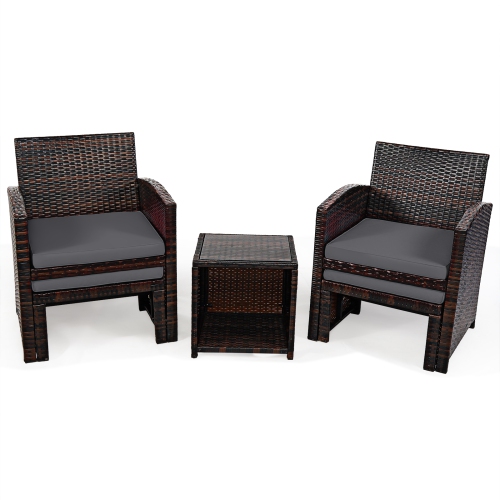
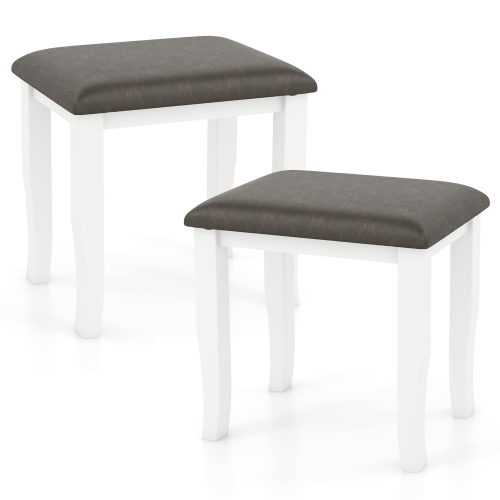
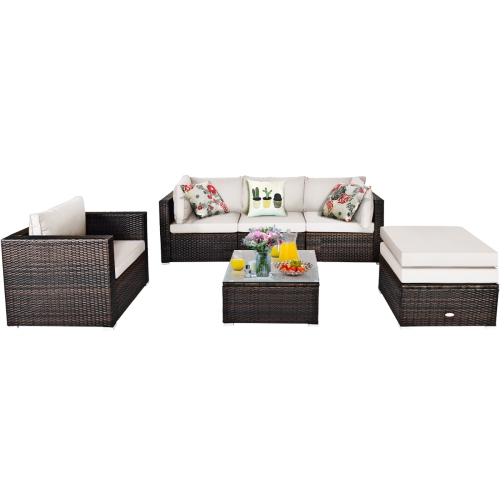
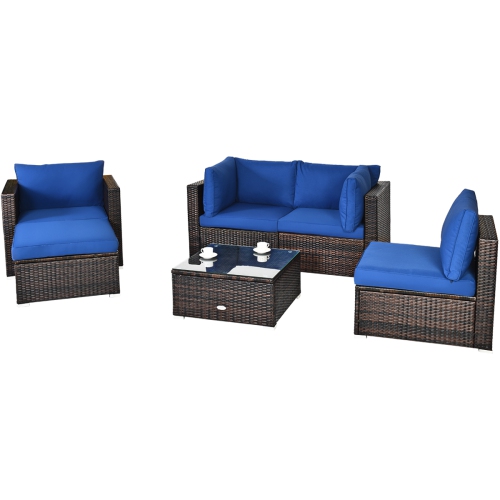
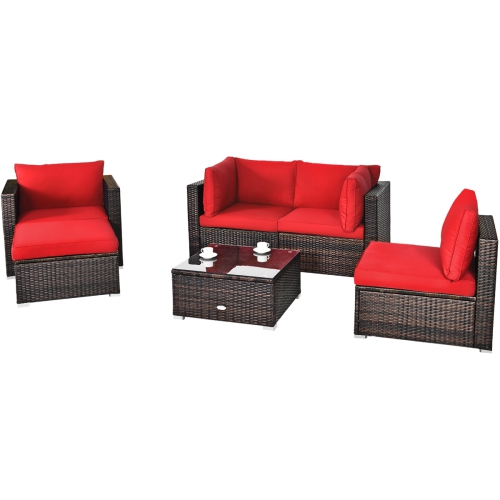
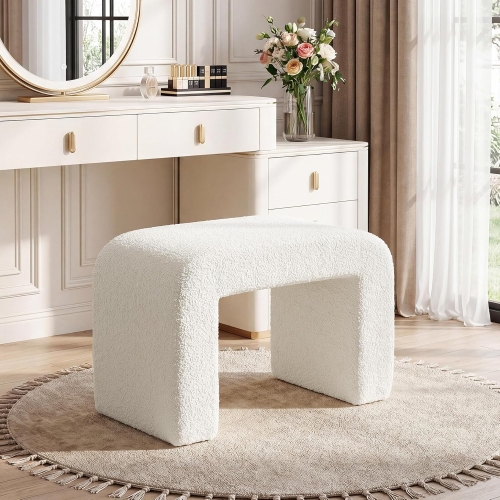
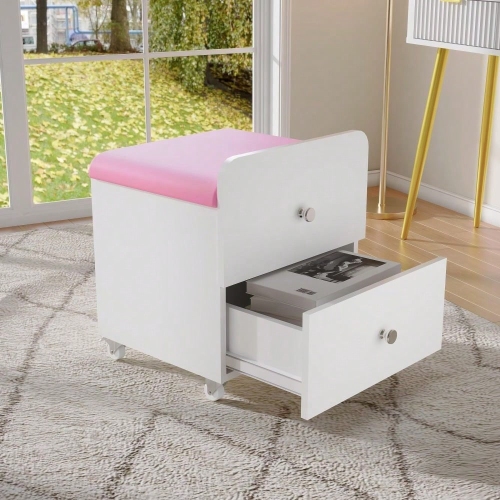
Chairs and ottomans bring comfortable seating and a place to put feet up into living rooms, bedrooms, dens, and quiet corners. A chair and ottoman set typically pairs a supportive seat with a separate footrest, creating a relaxed arrangement without the footprint of a full sofa or chaise. Matching sets offer continuity in upholstery, leg finish, and proportions, while individually paired pieces can introduce a different texture or a subtle colour contrast. Their appeal is practical as much as visual: a lounge chair provides a place to settle in, and a movable ottoman allows the arrangement to change throughout the day. An accent chair with a compact footrest can make use of a bedroom corner, while a generously padded armchair and ottoman can anchor a living room seating area. Wingback shapes create a more enclosed feeling around the shoulders, open-sided frames appear visually lighter, and reclining designs offer adjustable positions when their mechanisms and required clearance suit the room. Comfort depends on the relationship between the two pieces rather than their appearance alone. Seat depth affects whether someone can sit back comfortably, arm height influences support while holding a book, and the ottoman’s height determines how the legs rest. An ottoman close to or slightly below the seat height often creates a comfortable pairing, although cushion compression and individual proportions also matter. Taller people may prefer a deeper seat and more legroom, while a shallower seat can make it easier to sit with feet on the floor. For spaces centred on books and quiet downtime, reading chairs with ottomans offer a focused seating arrangement beside a lamp or bookshelf. A broad arm may provide somewhere to rest an elbow, while a higher back can support an upright posture. These details help distinguish a chair meant for a brief conversation from one suited to a long chapter, a film, or an unhurried evening at home.
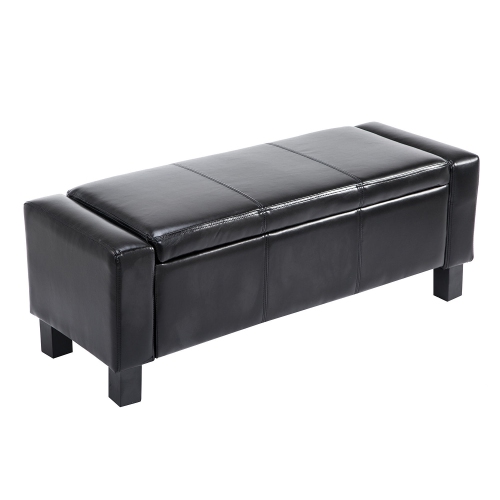
Upholstery, cushioning, and frame construction shape how chairs and ottomans feel and how they handle everyday use. Woven fabrics range from smooth, tightly textured surfaces to more pronounced weaves that add depth to a room. Velvet has a soft pile and a distinctive sheen, while bouclé brings a looped texture that feels different under the hand and can catch on claws or sharp objects. Leather develops creases and changes in appearance with use; its finish and care requirements vary, so not every leather chair will respond to cleaning in the same way. Faux leather offers a different surface and maintenance profile, with durability depending on its composition, construction, and treatment. In homes with children or pets, tightly woven upholstery and clearly stated cleaning instructions can be especially useful. Removable cushion covers are convenient only when their care labels permit the intended cleaning method; a zipper does not necessarily mean a cover is machine washable. Routine care generally includes vacuuming seams with a suitable attachment, blotting spills promptly rather than rubbing them, and using cleaners approved for the material. Direct sunlight can fade some coverings, and placement beside a heat source may affect upholstery or finishes. Under the fabric, cushion fill influences whether a seat feels firm and structured or soft enough to sink into. Foam density, cushion thickness, and any fibre or feather layers all contribute to the sitting experience, but softness alone does not indicate lasting support. A well-constructed frame, secure joints, stable legs, and appropriate suspension help a chair withstand repeated use. The ottoman deserves the same attention, particularly when it will be moved frequently. Upholstered tops can provide a comfortable footrest, while firmer surfaces may also accommodate a suitable tray. Any use beyond foot support, including sitting, should match the stated weight capacity and intended function. Storage compartments add usefulness, but their hinges, opening clearance, and access also affect everyday practicality.
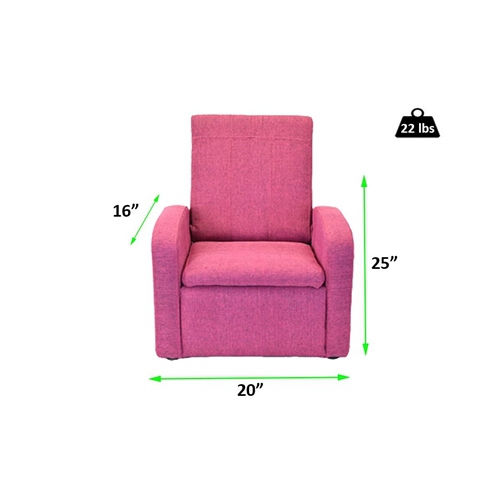
The right scale allows a chair and ottoman to feel inviting without interrupting the room’s other activities. Overall width matters when placing a chair beside a sofa, but seat width, arm thickness, and back height reveal more about how it will fit both the person and the space. A broad silhouette can look balanced in an open living room yet overwhelm a narrow bedroom corner; exposed legs and slimmer arms often leave more visible floor around the furniture. Delivery access also matters, including doorways, stair turns, lifts, and the dimensions of any parts that cannot be removed. Once positioned, the pair needs enough space for someone to sit down, stand up, and pass without stepping around the footrest. Reclining chairs require additional clearance according to their design, and an ottoman should not obstruct a frequently used route between rooms. In a condo, a lightweight footrest may be easier to tuck beside the chair when company arrives. In a family room, a storage ottoman can keep a throw or reading material close at hand without adding another cabinet. A nursery seating area may benefit from supportive arms and a comfortable footrest, though moving mechanisms and storage lids warrant attention wherever children are present. Style can remain cohesive without every detail matching: a rounded chair can sit comfortably beside a simple rectangular ottoman when their heights, colours, and visual weight work together. Neutral upholstery allows cushions and throws to introduce colour, while a richer shade or patterned fabric can make the chair the room’s focal point. For a housewarming or a shared household gift, a chair and ottoman can be a thoughtful contribution when the recipient’s room dimensions, comfort preferences, and taste are known. Whether used for conversation, reading, watching television, or taking a short break, the most useful pairing balances comfortable proportions, manageable care, and a layout that leaves the room easy to live in.
Top selling and popular products
-
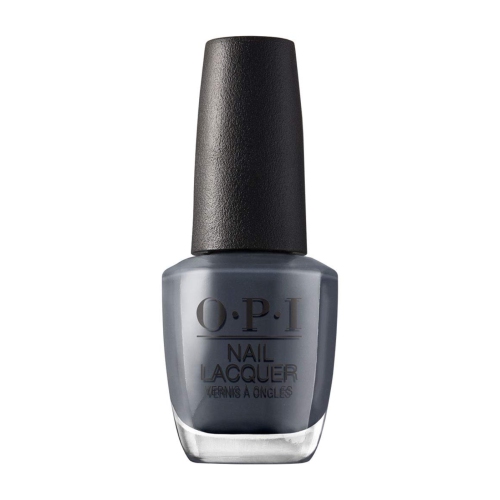 Your price for this item is $13.3
-
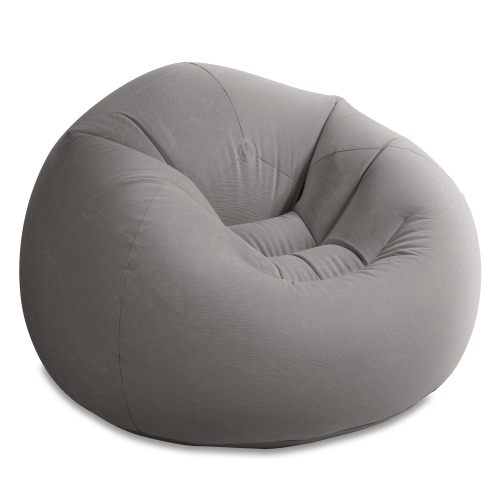 Your price for this item is $108.99
-
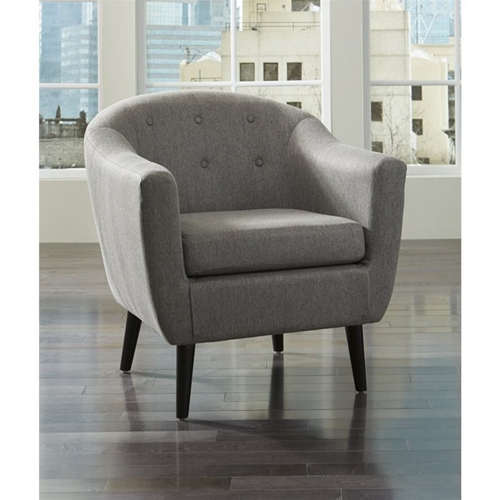 Your price for this item is $544.85
-
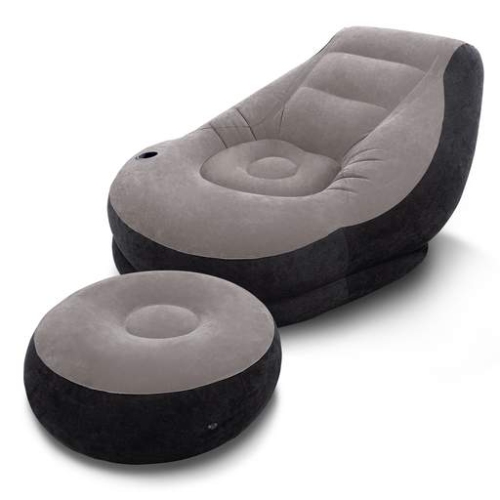 Your price for this item is $288.99
-
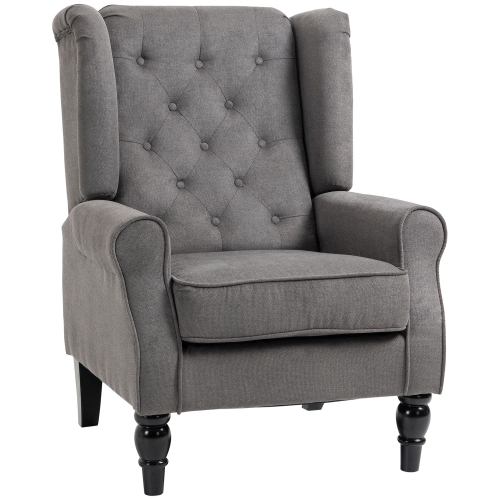 Your price for this item is $249.99
-
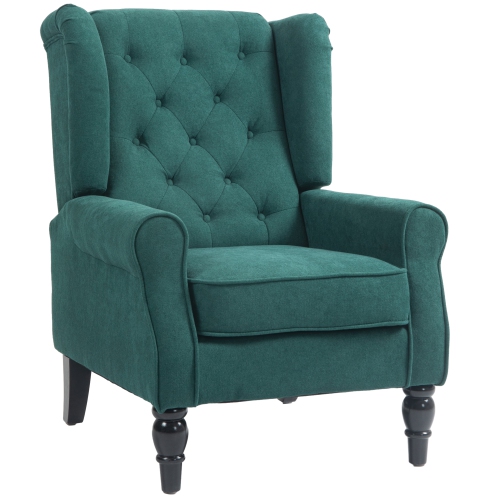 Your price for this item is $244.99
-
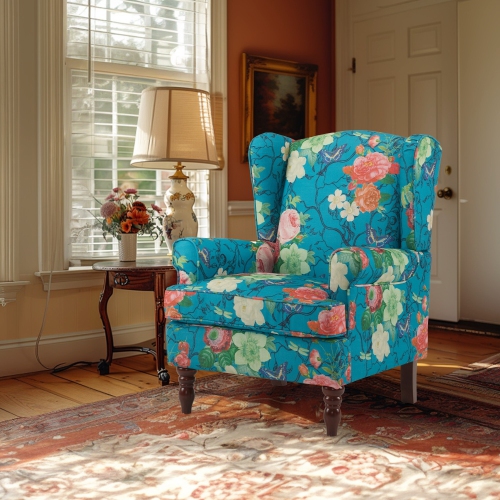 Your price for this item is $249.99
-
 Your price for this item is $167.99
Discover more categories related to Chair And Ottomans

Top Collections:
Best Black Friday Deals This Year, Best Black Friday Deals On Electronics, Kindle Devices, Dyson Airwrap, Best Cameras for Sports Photography, Best Budget Office Chairs, Canon G7X Cameras, PS5 Pro Consoles, Best Black Friday Deals On Apple Products, XBOX One S Consoles
Some products may be subject to Environmental Handling Fees
(EHF) depending on your province.
Learn more about EHFs.