Chair Covers
Chair covers are a versatile and stylish way to refresh the look of your dining room or kitchen chairs. Whether you're looking to protect your chairs from spills and stains, add a pop of color to your decor, or simply give them a new lease on life, chair covers are a practical and affordable solution. With a variety of materials, colors, and styles to choose from, you can easily find the perfect chair covers to suit your taste and enhance the overall aesthetic of your space.
Sort

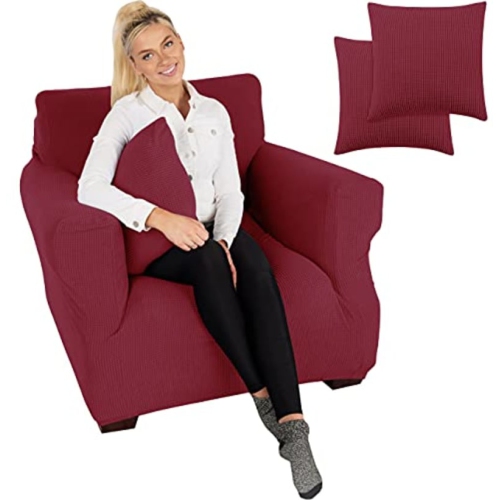
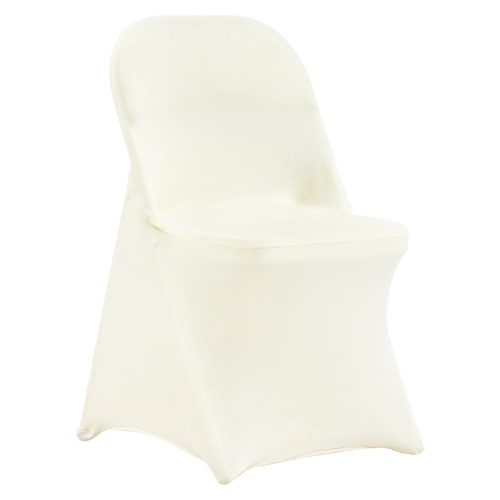
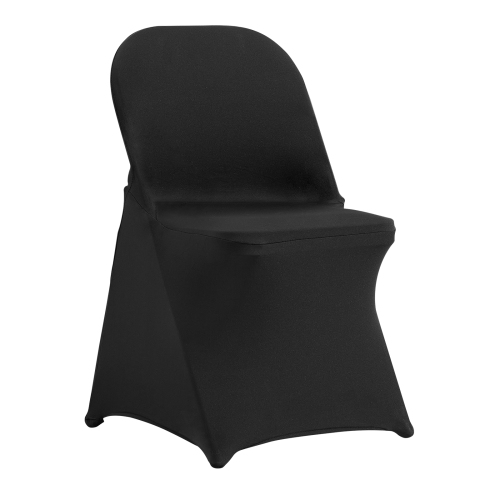
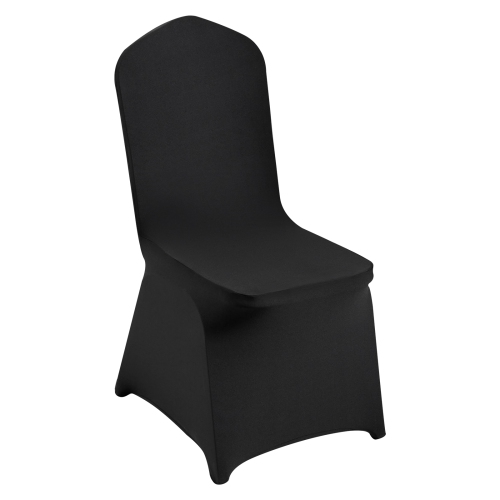
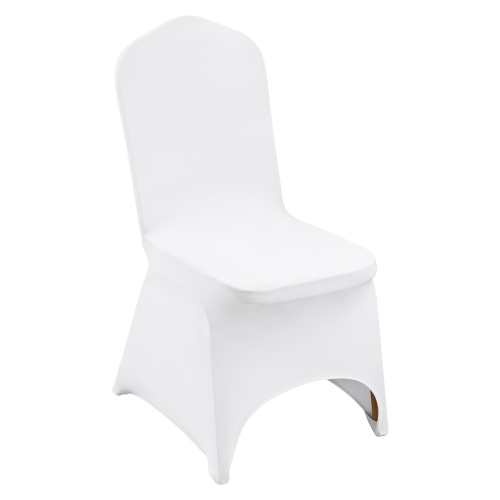
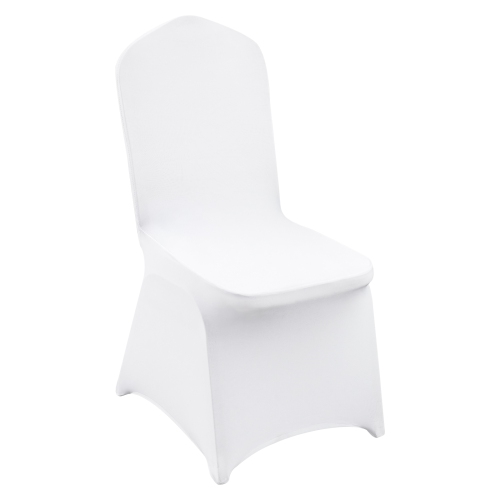
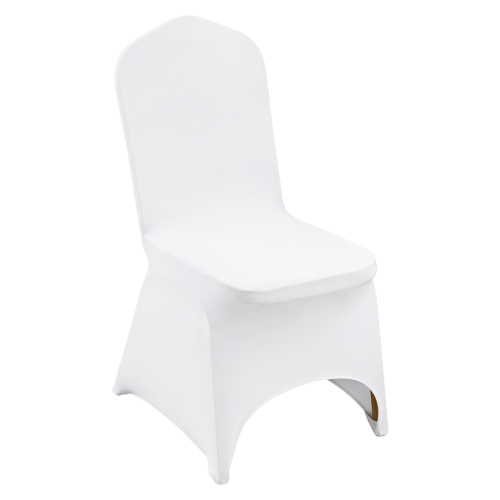
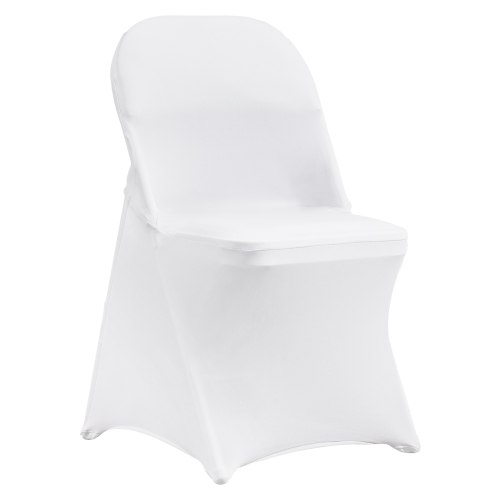
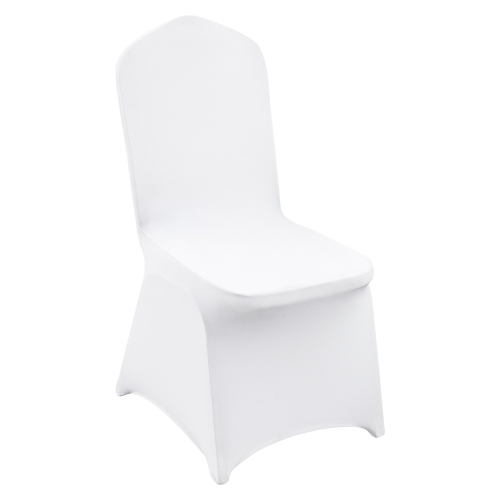
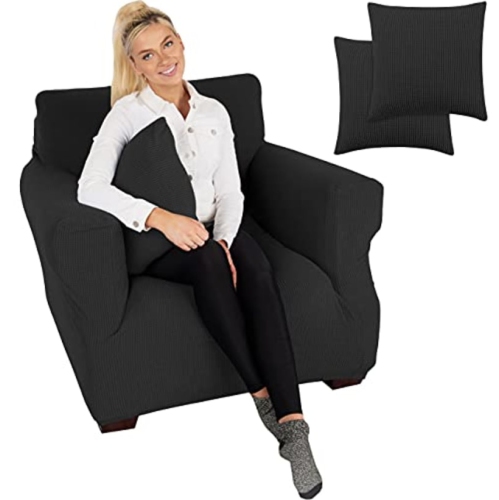
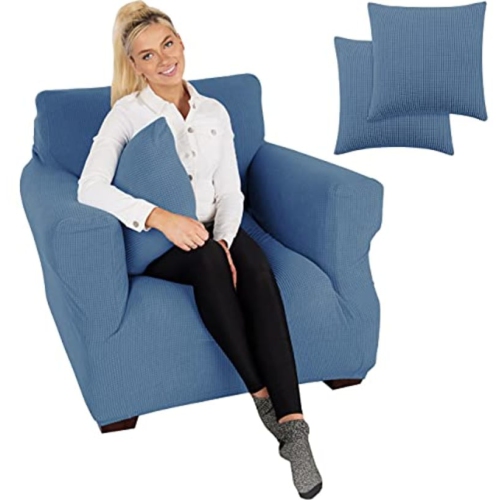
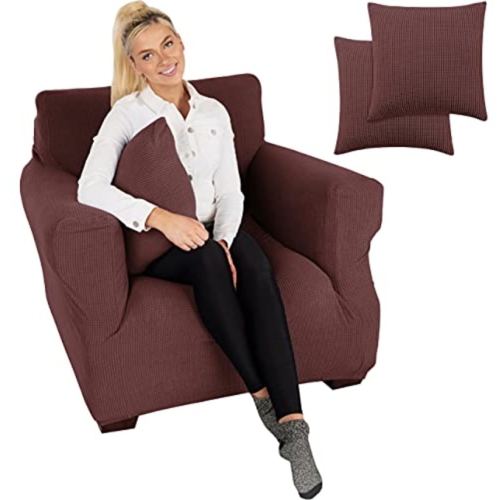
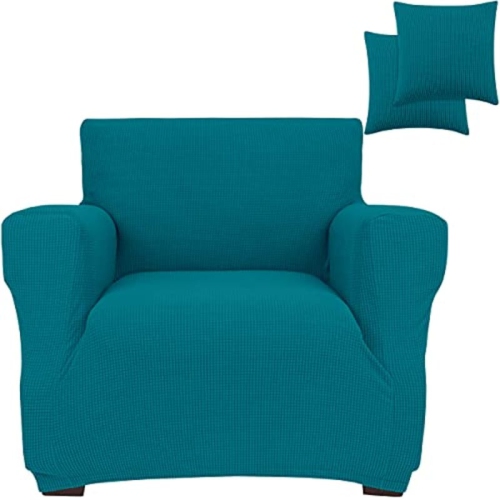

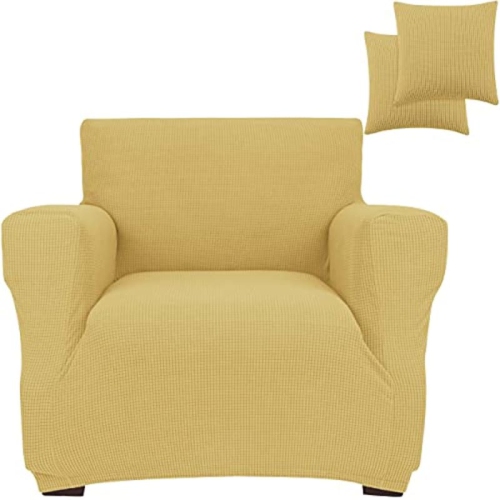
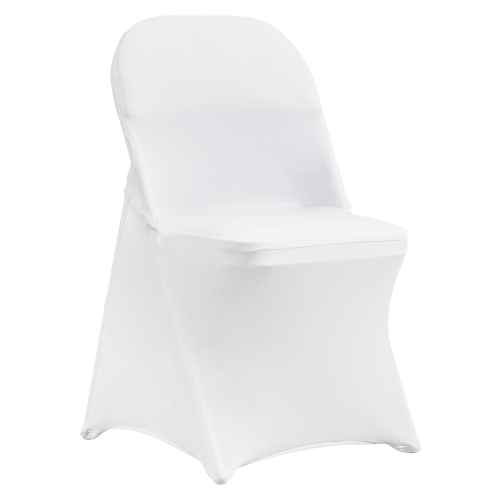
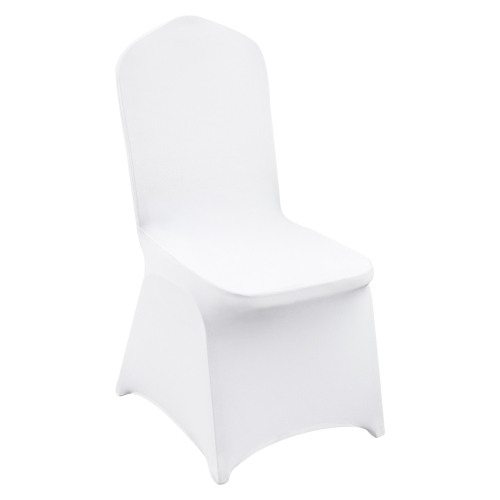
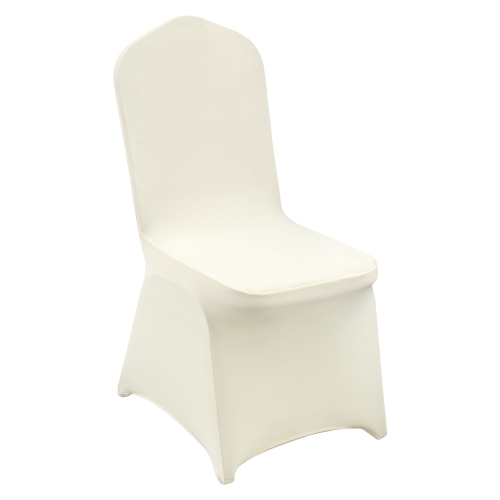
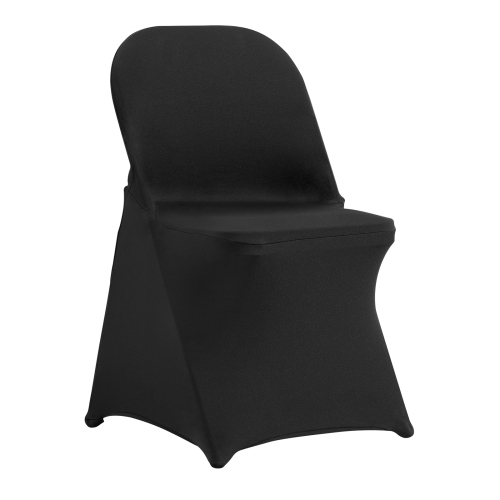
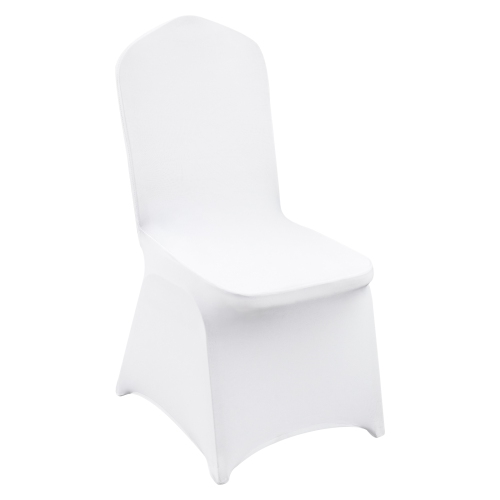
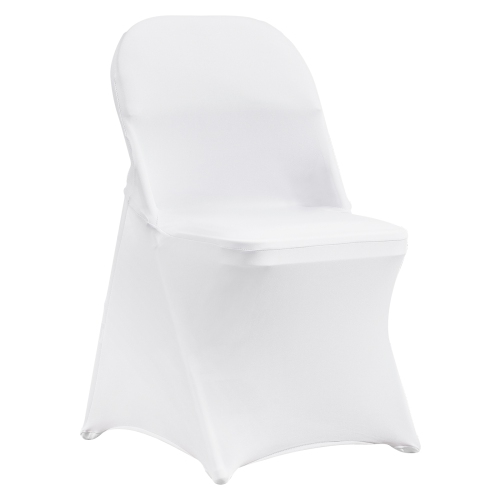
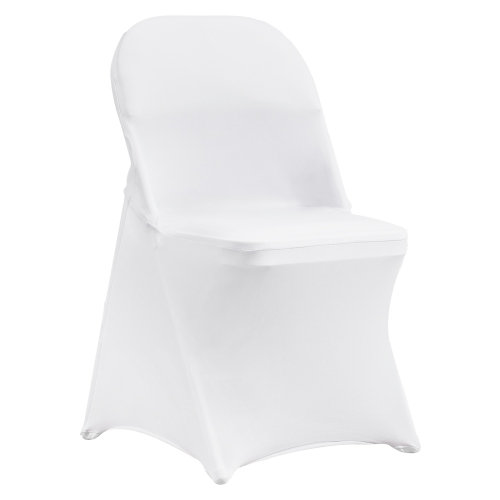
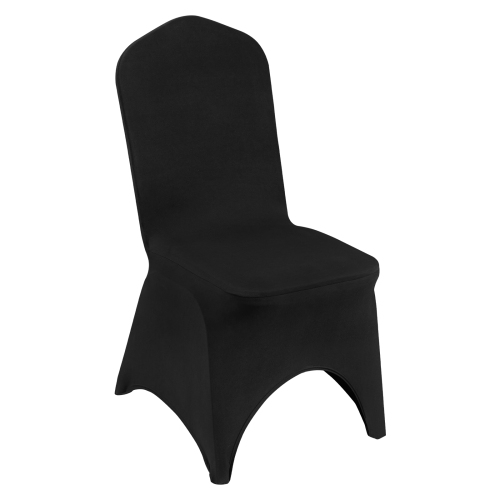
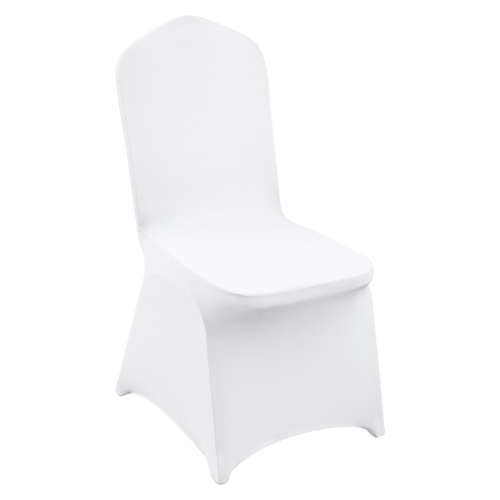
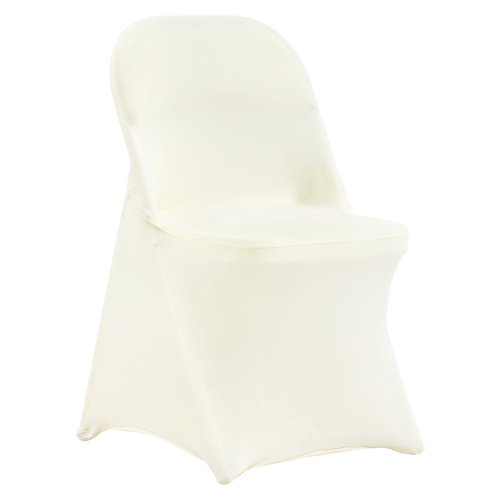

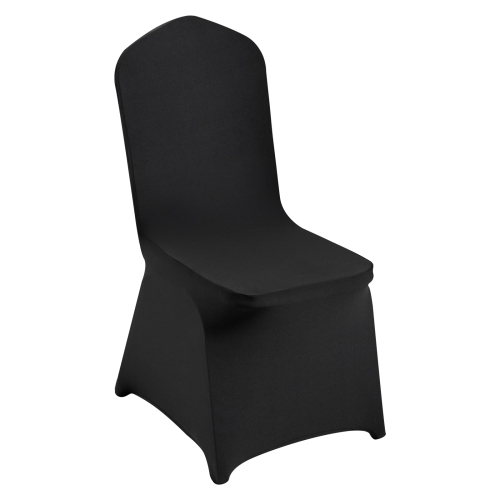
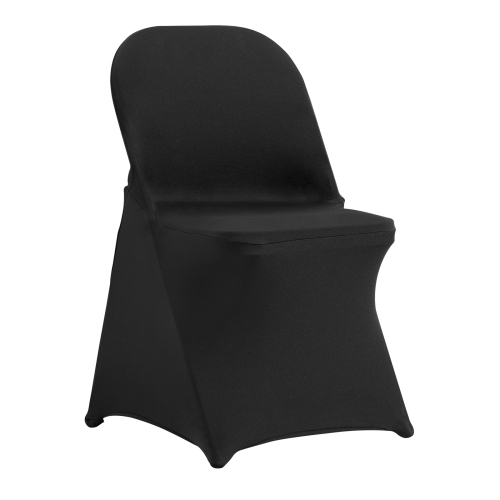
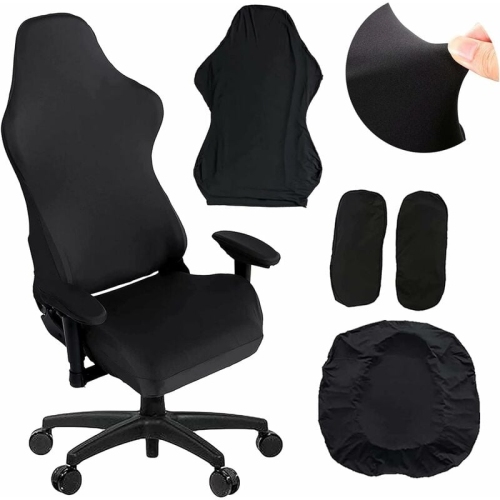
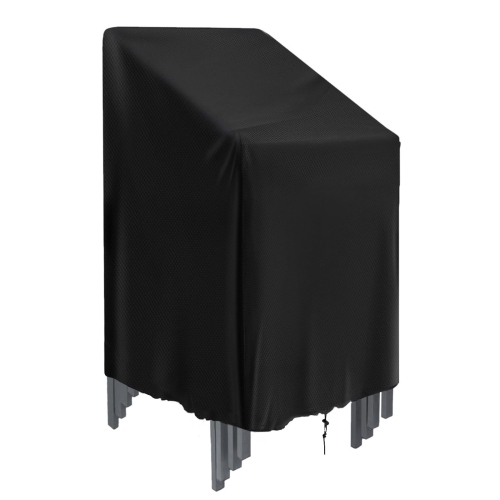
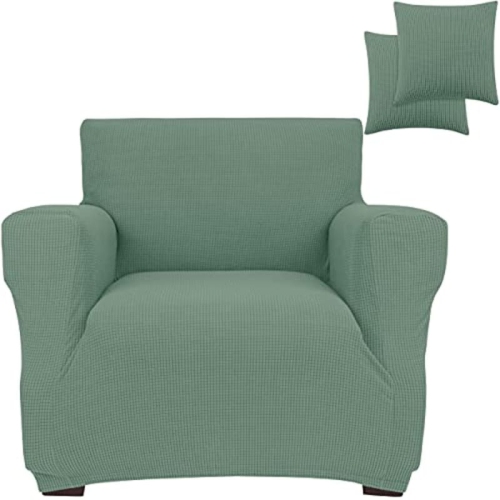
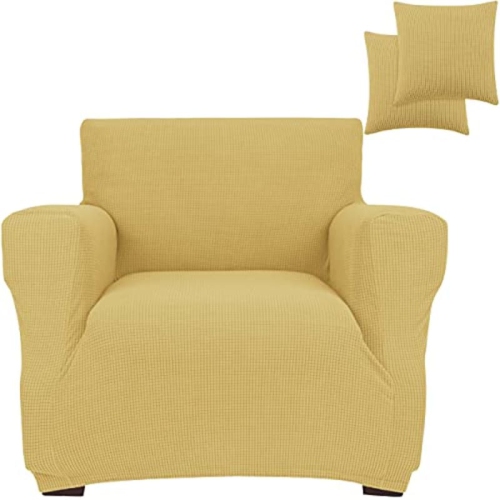
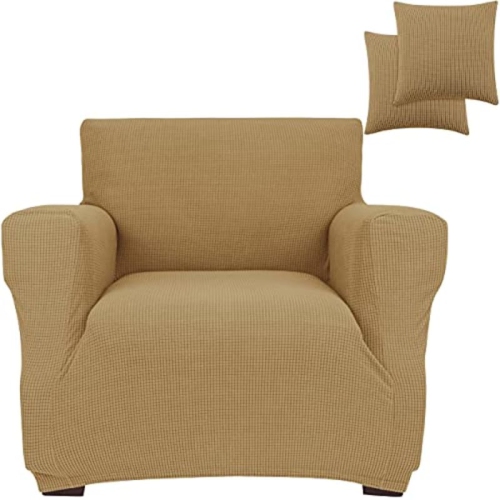
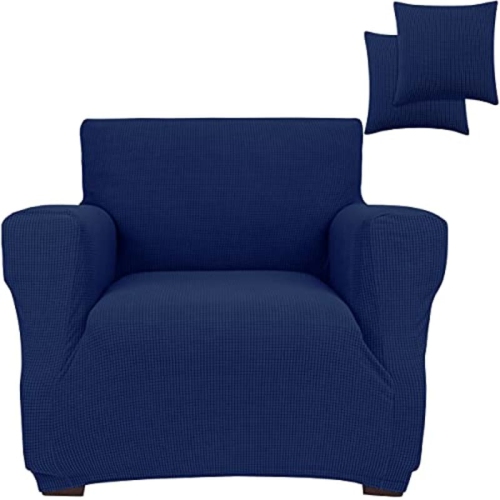
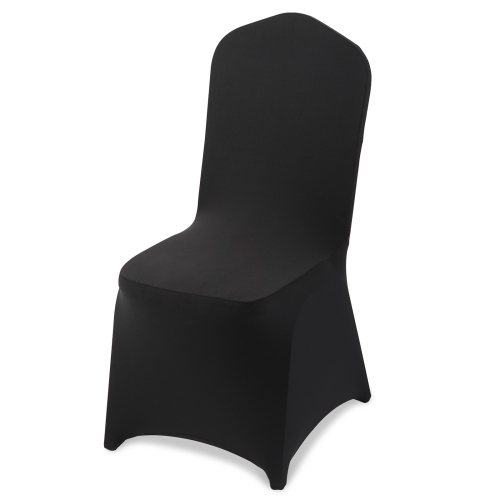
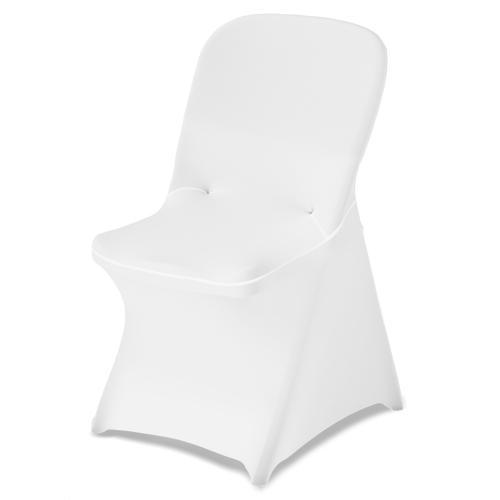
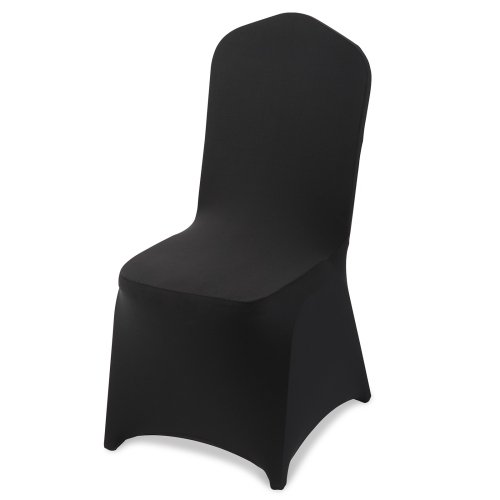
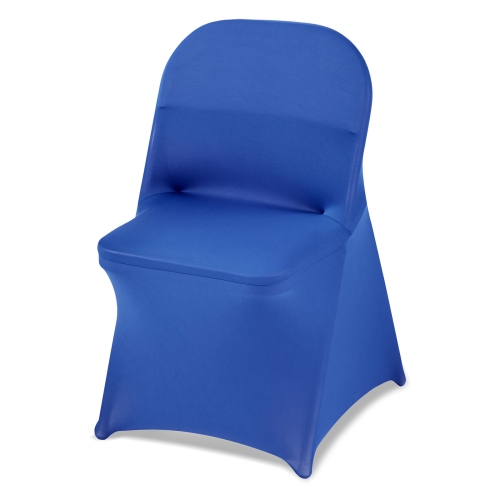
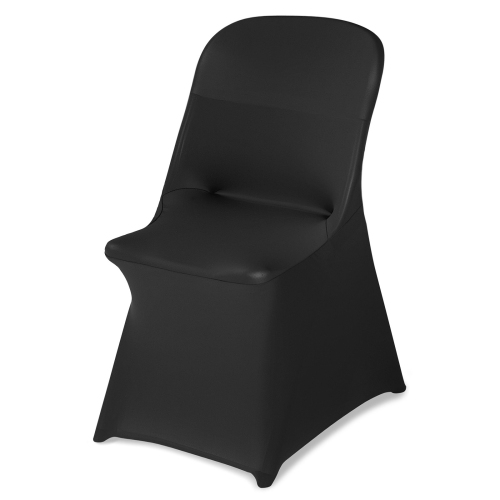
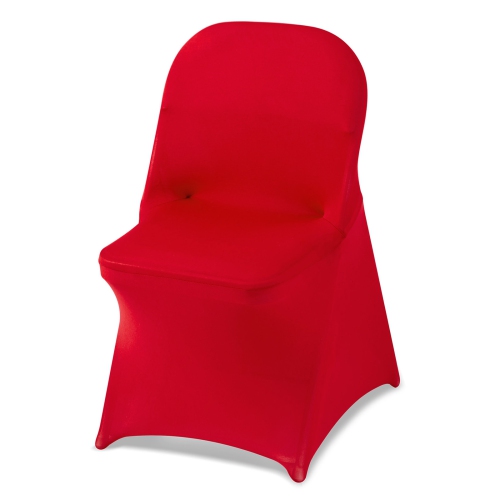
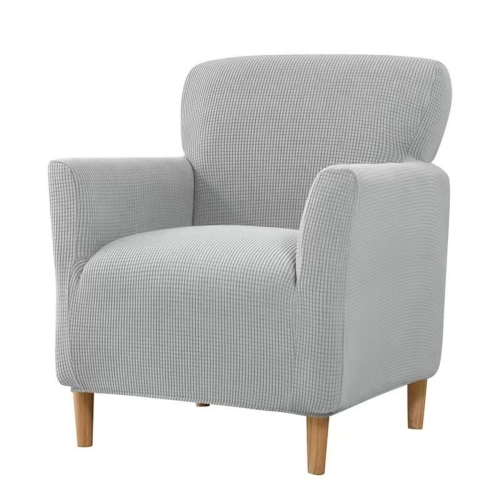
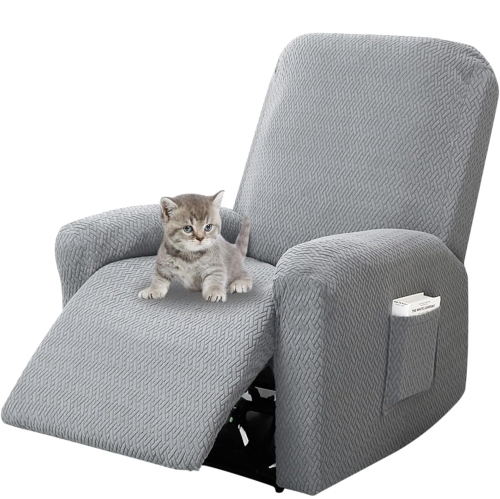
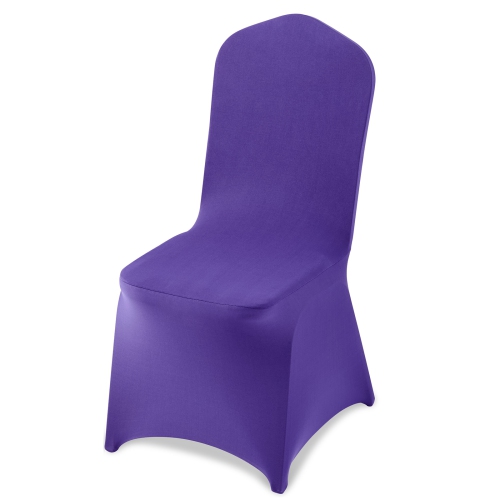
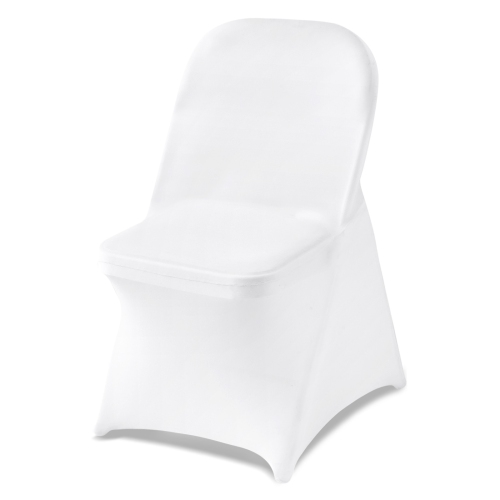
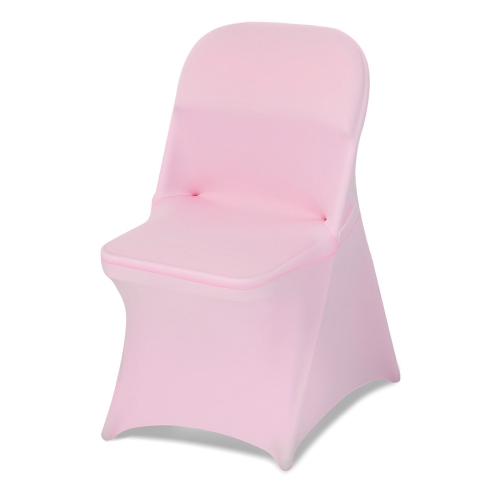
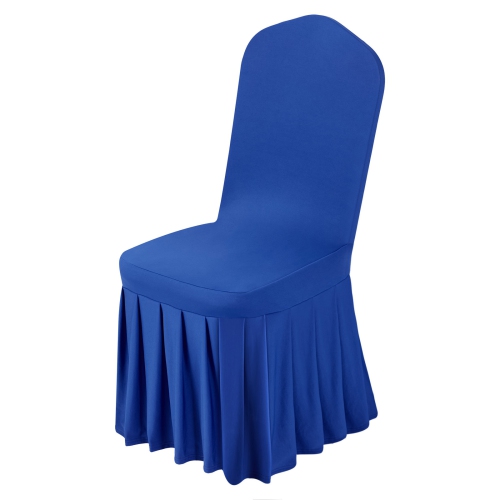
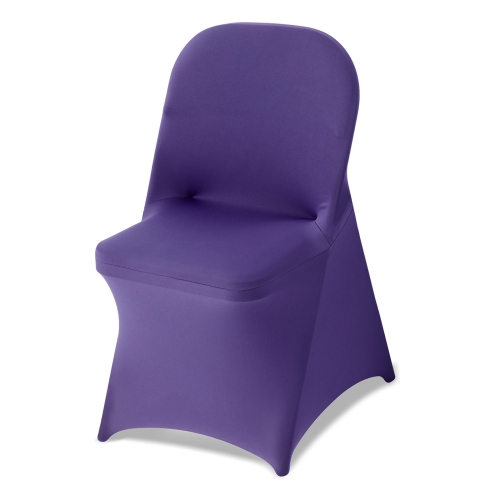
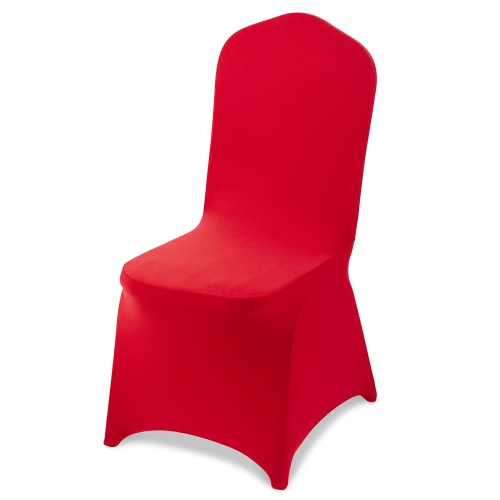
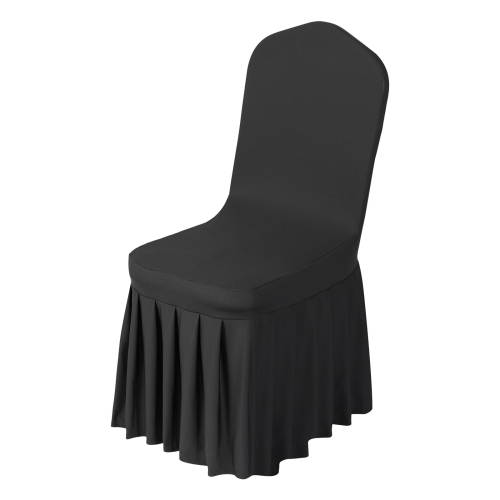
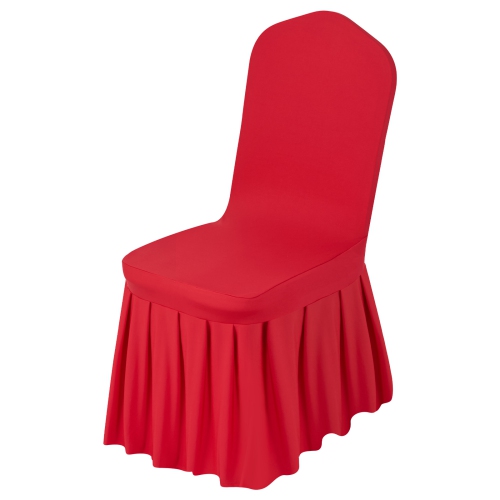
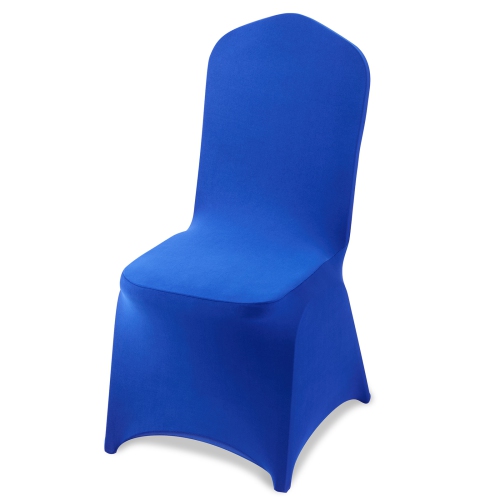
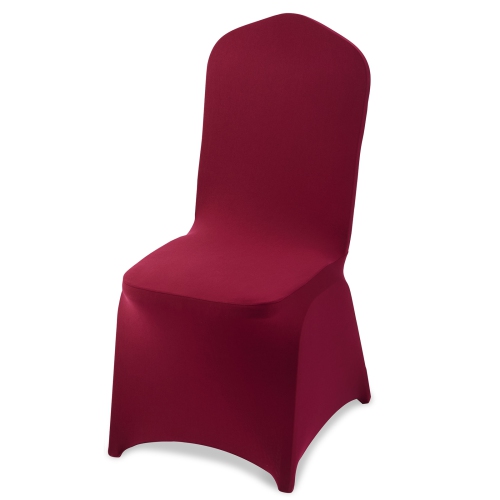
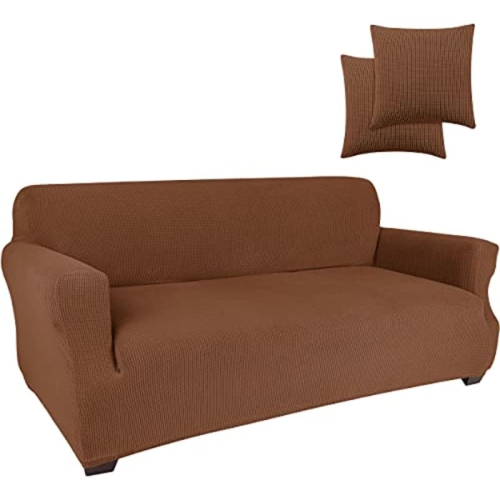

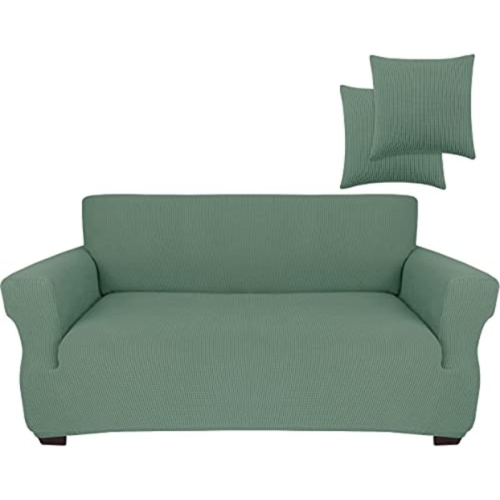
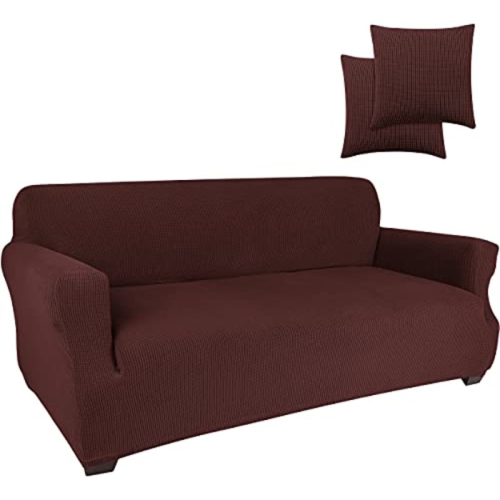

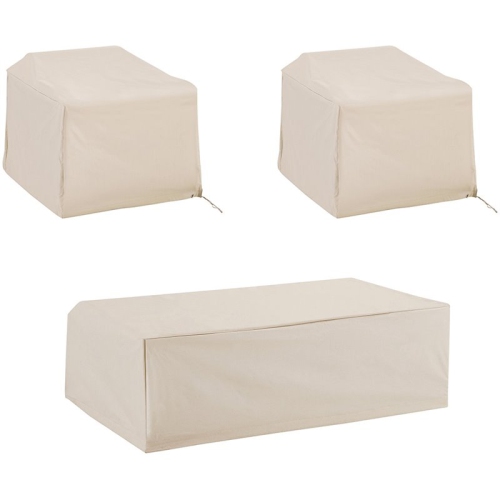
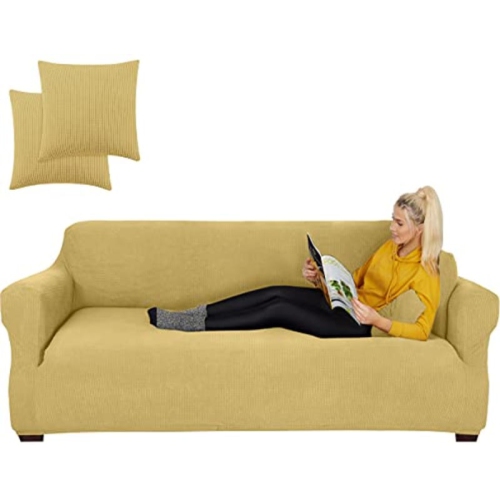
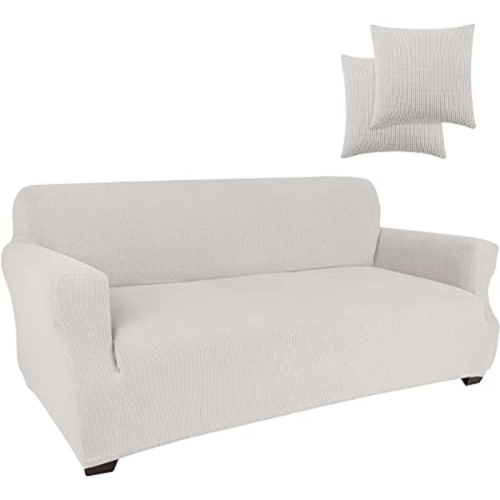
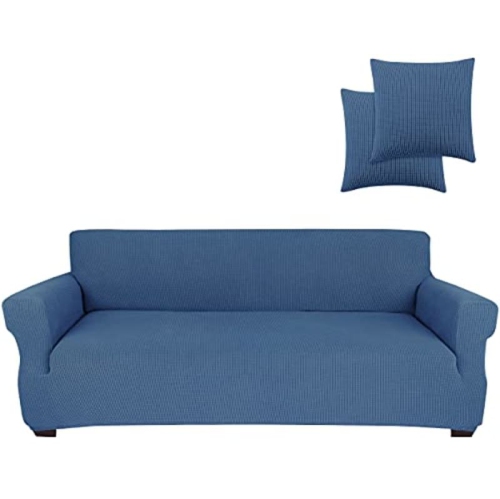
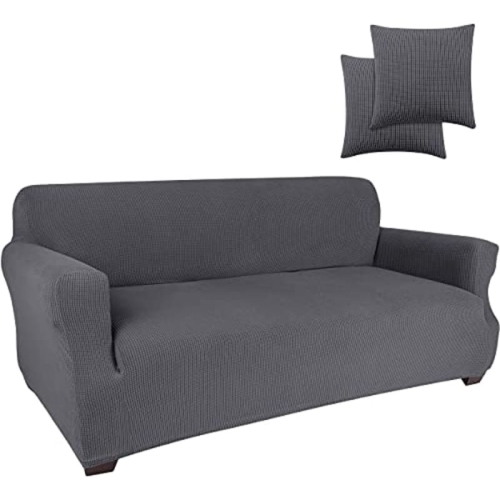
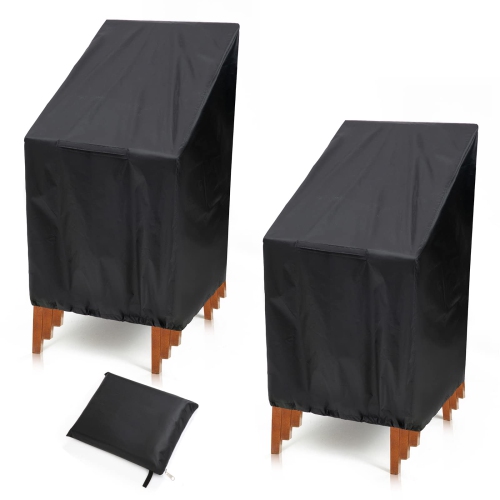
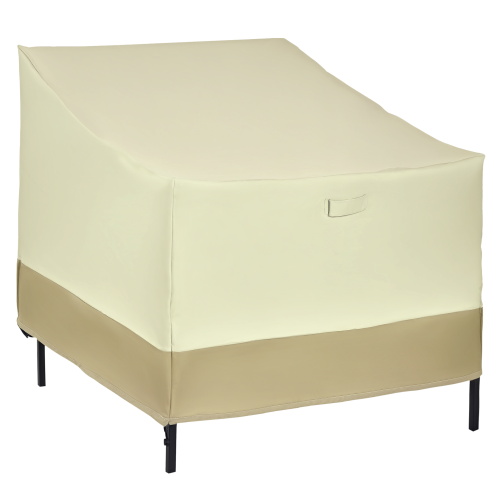
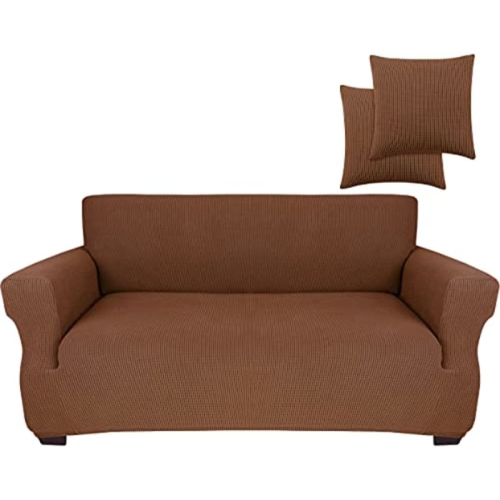
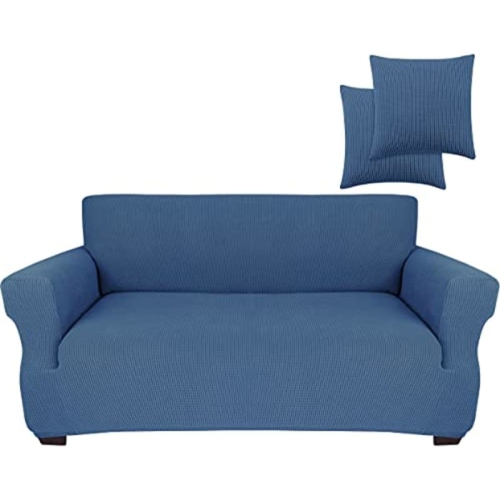
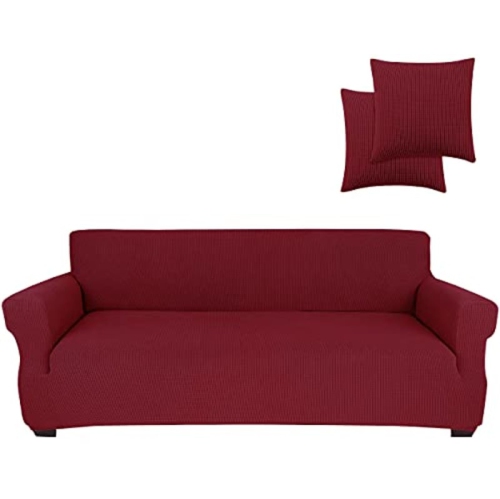
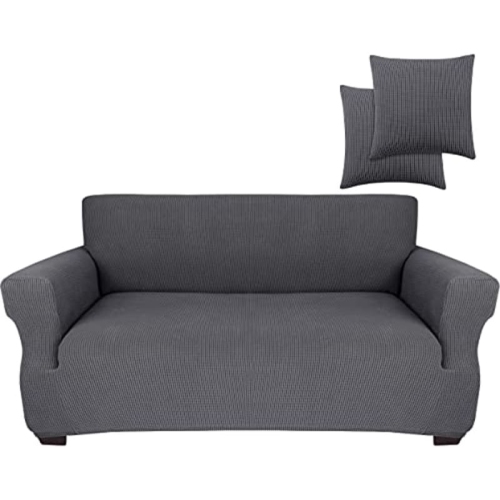
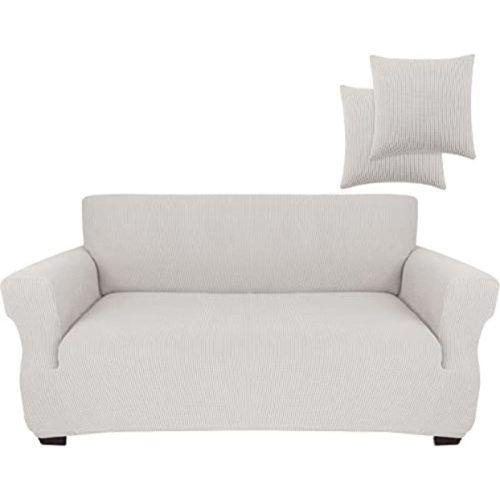
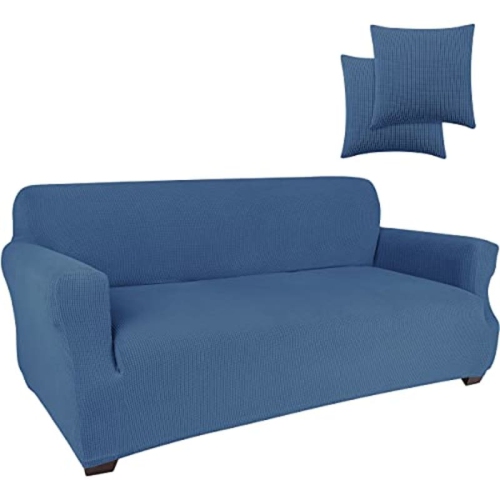
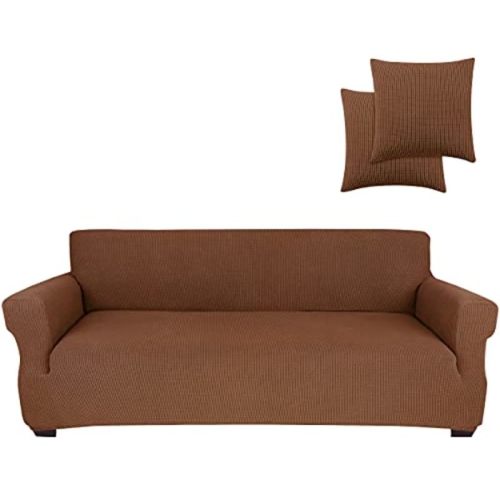
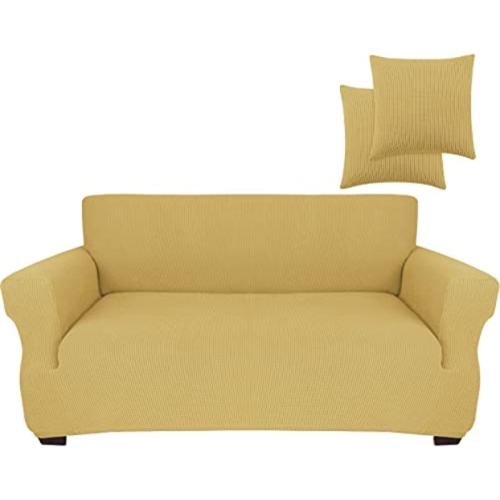
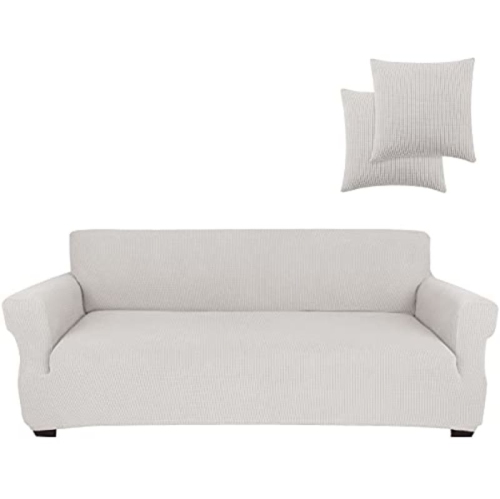
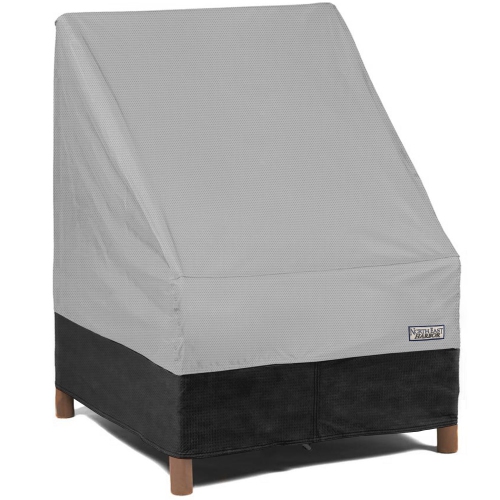
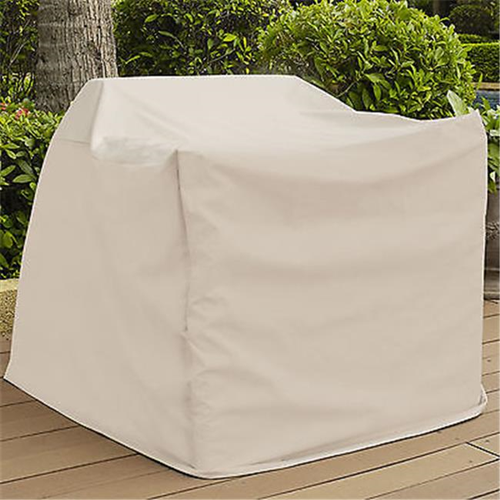
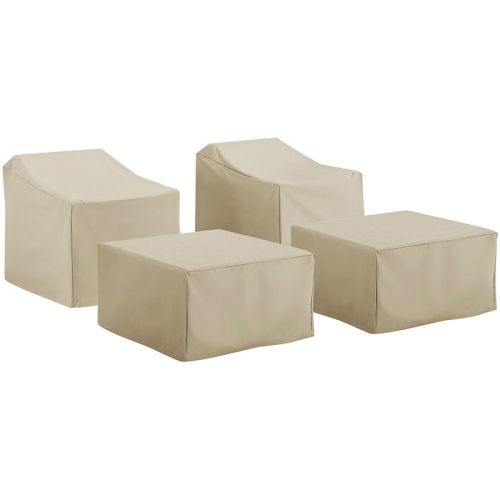
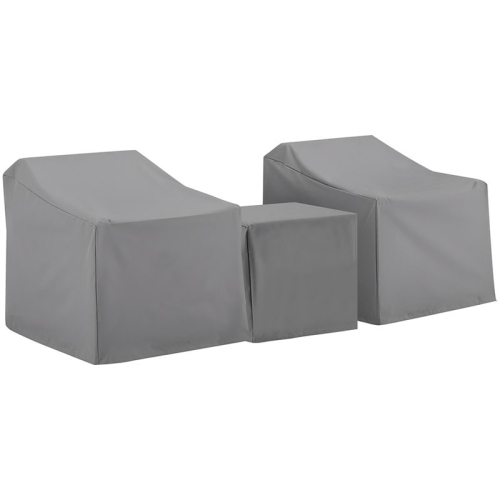
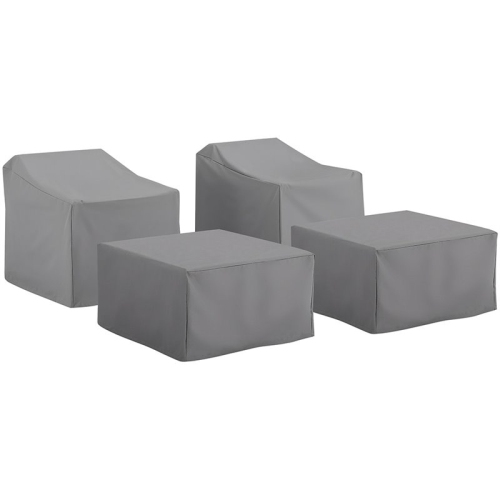
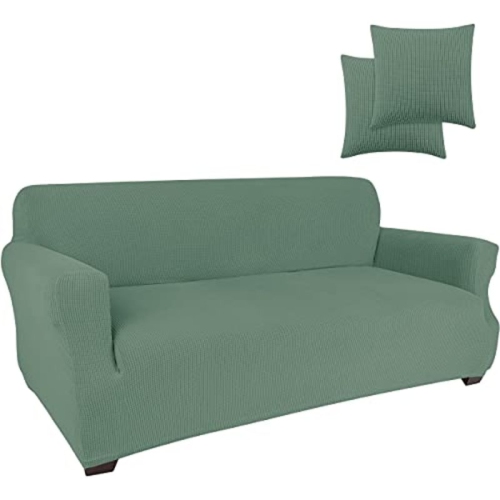
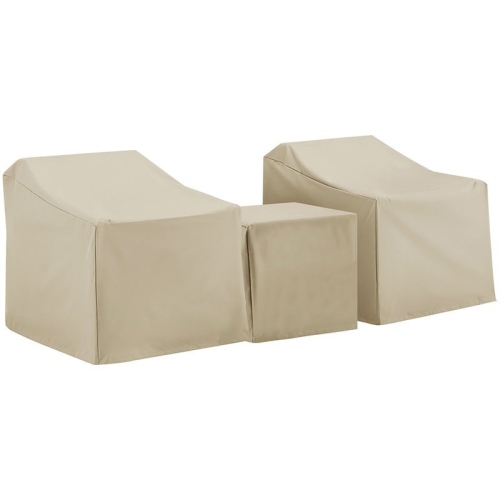
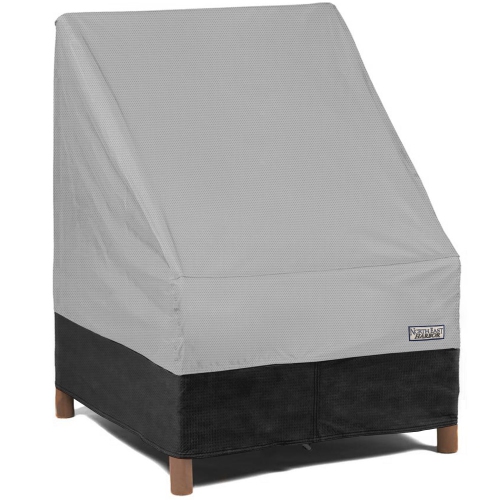
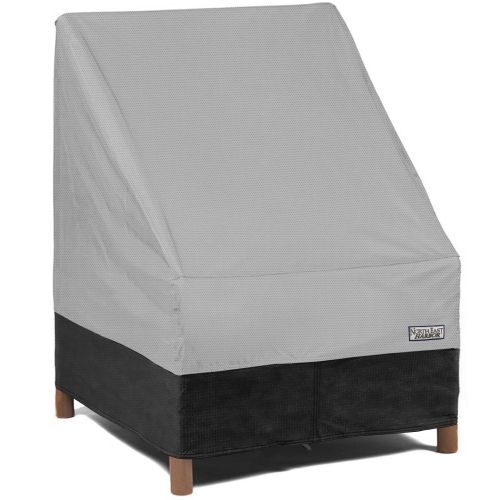
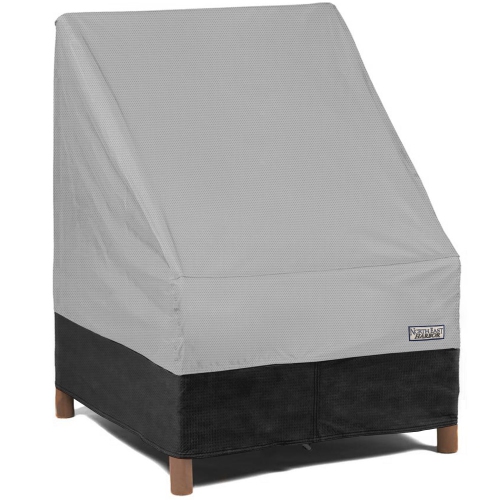
Familiar seating gets a fresh look and removable protection
Chair covers give familiar seating a different look while adding a removable layer between the upholstery and everyday use. Around a dining table, they can bring a coordinated finish to chairs with different fabrics, soften the appearance of a well-used set, or introduce a new colour without replacing the furniture. In a reading nook or home office, a fitted cover can make a favourite chair feel more at home alongside a new rug, desk, or side table. Their appeal is practical as well as visual: dining chairs collect crumbs, craft tables invite the occasional mark, and the seat closest to a pet’s favourite window often needs extra attention. A cover that suits the chair’s shape and the household’s routine can make those surfaces easier to look after, although the protection it provides depends on its fabric and construction. Full-length styles create a more dressed appearance by covering the back, seat, and sometimes the legs, while shorter fitted designs leave the chair frame visible. Seat-only covers offer a lighter visual change when the backrest is wood, metal, or another surface worth keeping exposed. For family meals, shared apartments, and frequently used breakfast areas, a close-fitting design can feel unobtrusive and stay out of the way as people sit down and stand up. More flowing styles can suit dining rooms used for celebrations, provided the fabric does not trail underfoot or interfere with moving the chair. Colour and texture also influence how the finished space feels. A subtle woven surface adds interest to a room with simple furniture, while a smooth, solid-colour fabric keeps attention on the shape of the chairs. Mid-tone colours and small patterns can make minor marks less noticeable between washes, whereas pale fabrics tend to show spills more readily. Matching every chair creates continuity, but coordinated shades can also work well when a table includes a bench or differently shaped chairs at either end.
Fit makes the difference between a chair cover that looks intentional and one that needs constant adjustment. Dining chairs, upholstered accent chairs, armchairs, and office chairs have very different proportions, so a description such as “stretch fit” does not mean a cover will suit every seat. The useful measurements usually include the backrest height and width, seat width and depth, and the thickness of any upholstered sections, checked against the cover’s stated dimensions. A curved back, flared top, deep seat, or generously padded edge can affect how the fabric sits even when the basic measurements appear suitable. Chairs with arms need an appropriate design, and an opening intended for a narrow backrest may not pass comfortably over a wider upper section. On office seating, the cover should leave adjustment levers, moving parts, and wheels clear; covering a breathable mesh surface may also change the feel of the chair. Elasticized hems, ties, and separate seat sections offer different ways of holding fabric in place. A snug hem can tuck neatly beneath a dining seat, while ties need enough clearance to fasten without pressing against the person sitting down. Stretch fabrics containing elastane can follow rounded upholstery more closely, but excessive tension may pull seams out of position or distort a pattern. Woven fabrics generally have less give and depend more on compatible dimensions and shaping. Cotton can provide a soft, familiar feel, while polyester and blended fabrics may offer useful resistance to wrinkling and everyday abrasion, depending on their construction. Textured knits can disguise small irregularities beneath them, although an open knit may catch on jewellery or pet claws. Smoother fabrics can be easier to brush free of crumbs and loose hair. Fabric weight and opacity matter, too: a thin, light-coloured cover may allow dark upholstery or a bold underlying pattern to show through. For seating beyond household chairs, Seat Covers offer another category to explore, with fit and fastening details that should match the seating they are intended to cover.
Care requirements deserve as much attention as appearance, especially for chairs used several times a day. A removable cover is most convenient when its washing and drying instructions fit the household’s routine. Machine-washable fabrics can simplify regular cleaning, but some require a gentle cycle, cool water, or air-drying to help maintain their shape. Others may call for spot cleaning or professional care, so the care label remains the best reference for each fabric. A cover that needs to dry flat will require more space than one that can go in a dryer at the specified setting. It is also worth considering how easily the cover comes off and goes back on; a neatly fitted design loses some of its convenience if removing it means repeatedly lifting a heavy chair or undoing hard-to-reach fastenings. Loose crumbs and grit can be removed before washing, and spills are best addressed promptly according to the fabric’s care directions. Water-resistant fabric may slow the passage of a small spill, but it should not be treated as waterproof unless that protection is specifically stated. Seams, openings, and uncovered sections can still leave the original upholstery exposed. For homes with pets, a washable cover can help manage loose hair and everyday dirt, though ordinary fabric is not a reliable barrier against determined scratching or chewing. Durability depends on more than thickness: secure stitching, well-finished edges, resilient elastic, and a fit that avoids constant strain all contribute to how a cover holds up. High-contact areas such as the front seat edge and backrest corners tend to receive the most rubbing, particularly when chairs are pulled close to a table. Covers should sit smoothly without loose folds that snag or slide beneath the person using the chair. They can refresh sound furniture with faded or marked upholstery, but they cannot correct a loose frame, broken support, or flattened cushion. For a thoughtful housewarming gift, knowing the recipient’s chair dimensions and preferred colours helps make the choice useful as well as personal. The most satisfying result is a cover that looks settled in place, feels comfortable during an unhurried meal, and remains manageable through ordinary cleaning and daily use.
Fit makes the difference between a chair cover that looks intentional and one that needs constant adjustment. Dining chairs, upholstered accent chairs, armchairs, and office chairs have very different proportions, so a description such as “stretch fit” does not mean a cover will suit every seat. The useful measurements usually include the backrest height and width, seat width and depth, and the thickness of any upholstered sections, checked against the cover’s stated dimensions. A curved back, flared top, deep seat, or generously padded edge can affect how the fabric sits even when the basic measurements appear suitable. Chairs with arms need an appropriate design, and an opening intended for a narrow backrest may not pass comfortably over a wider upper section. On office seating, the cover should leave adjustment levers, moving parts, and wheels clear; covering a breathable mesh surface may also change the feel of the chair. Elasticized hems, ties, and separate seat sections offer different ways of holding fabric in place. A snug hem can tuck neatly beneath a dining seat, while ties need enough clearance to fasten without pressing against the person sitting down. Stretch fabrics containing elastane can follow rounded upholstery more closely, but excessive tension may pull seams out of position or distort a pattern. Woven fabrics generally have less give and depend more on compatible dimensions and shaping. Cotton can provide a soft, familiar feel, while polyester and blended fabrics may offer useful resistance to wrinkling and everyday abrasion, depending on their construction. Textured knits can disguise small irregularities beneath them, although an open knit may catch on jewellery or pet claws. Smoother fabrics can be easier to brush free of crumbs and loose hair. Fabric weight and opacity matter, too: a thin, light-coloured cover may allow dark upholstery or a bold underlying pattern to show through. For seating beyond household chairs, Seat Covers offer another category to explore, with fit and fastening details that should match the seating they are intended to cover.
Care requirements deserve as much attention as appearance, especially for chairs used several times a day. A removable cover is most convenient when its washing and drying instructions fit the household’s routine. Machine-washable fabrics can simplify regular cleaning, but some require a gentle cycle, cool water, or air-drying to help maintain their shape. Others may call for spot cleaning or professional care, so the care label remains the best reference for each fabric. A cover that needs to dry flat will require more space than one that can go in a dryer at the specified setting. It is also worth considering how easily the cover comes off and goes back on; a neatly fitted design loses some of its convenience if removing it means repeatedly lifting a heavy chair or undoing hard-to-reach fastenings. Loose crumbs and grit can be removed before washing, and spills are best addressed promptly according to the fabric’s care directions. Water-resistant fabric may slow the passage of a small spill, but it should not be treated as waterproof unless that protection is specifically stated. Seams, openings, and uncovered sections can still leave the original upholstery exposed. For homes with pets, a washable cover can help manage loose hair and everyday dirt, though ordinary fabric is not a reliable barrier against determined scratching or chewing. Durability depends on more than thickness: secure stitching, well-finished edges, resilient elastic, and a fit that avoids constant strain all contribute to how a cover holds up. High-contact areas such as the front seat edge and backrest corners tend to receive the most rubbing, particularly when chairs are pulled close to a table. Covers should sit smoothly without loose folds that snag or slide beneath the person using the chair. They can refresh sound furniture with faded or marked upholstery, but they cannot correct a loose frame, broken support, or flattened cushion. For a thoughtful housewarming gift, knowing the recipient’s chair dimensions and preferred colours helps make the choice useful as well as personal. The most satisfying result is a cover that looks settled in place, feels comfortable during an unhurried meal, and remains manageable through ordinary cleaning and daily use.
Top selling and popular products
-
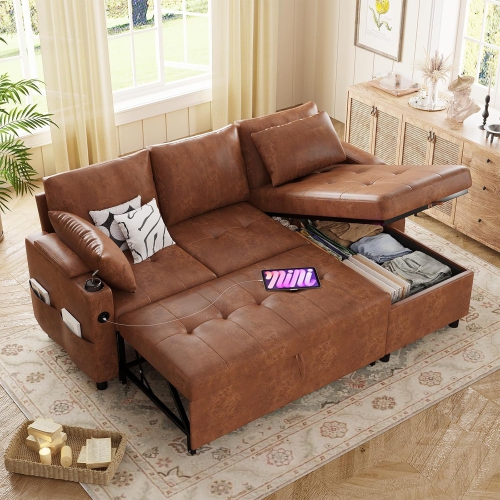 Your price for this item is $689.99
 -
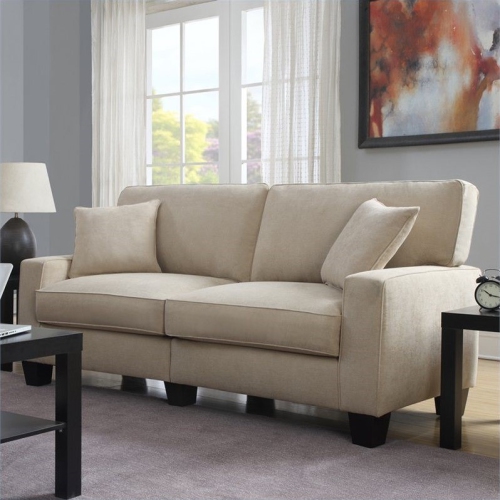 Your price for this item is $1707.8
 -
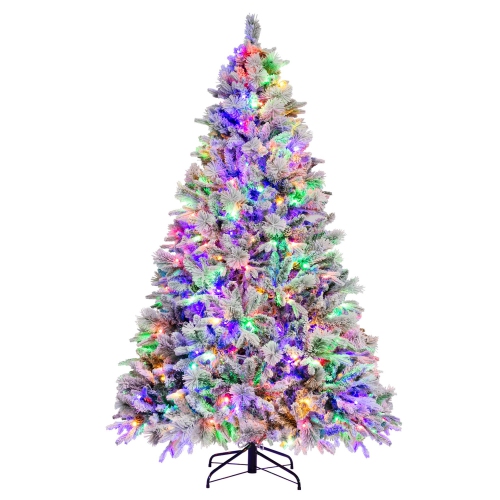 Your price for this item is $265.99
 -
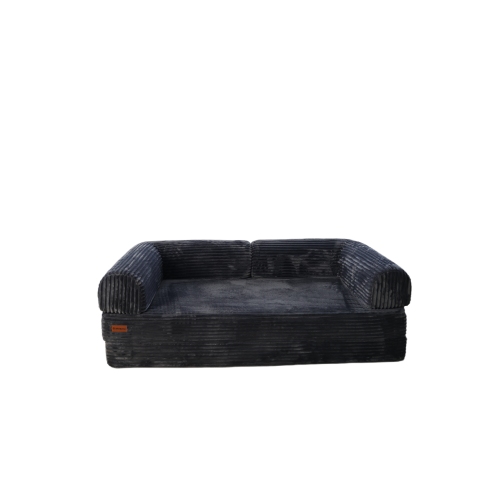 Your price for this item is $599.97
 -
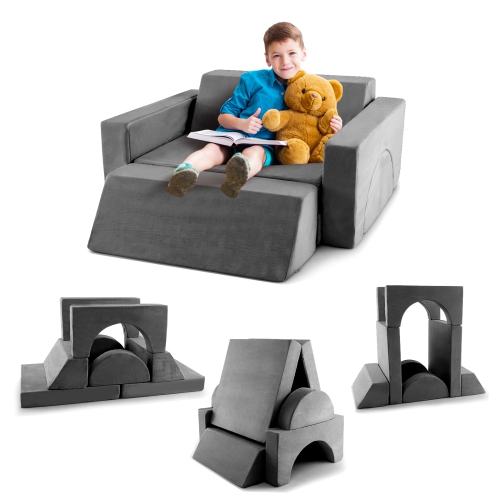 Your price for this item is $167.99
 -
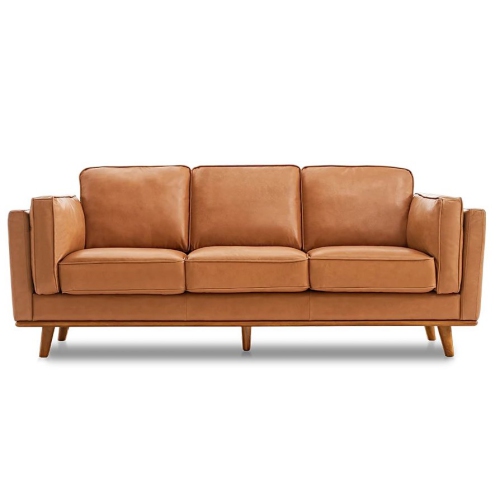 Your price for this item is $2399.99
 -
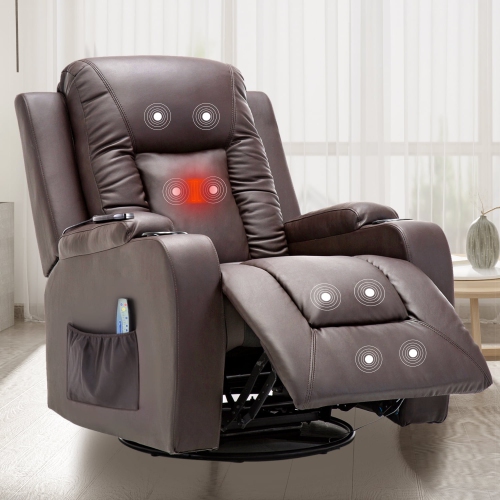 Your price for this item is $599.99
 -
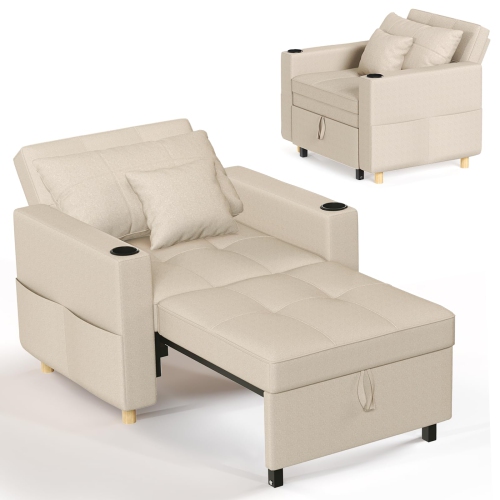 Your price for this item is $329.99
Discover more categories related to Chair Covers
Top Collections:
Pokemon Centers, Kindle Devices, Best Budget Office Chairs, Apple iPhones 16, Best Laptops for Writers, iPhone 15 Apple, Canon G7X Cameras, Refurbished Apple Laptops, Alarm Clock, Motorola Razr Phones
Some products may be subject to Environmental Handling Fees
(EHF) depending on your province.
Learn more about EHFs.