Chair Mats for Wooden Floors
Protect your beautiful wooden floors with chair mats designed specifically for this purpose. Whether you're working from home or outfitting your office space, these chair mats provide a practical and stylish solution to prevent scratches, scuffs, and damage caused by rolling chairs. Engineered to withstand daily use, this selection of chair mats for wooden floors offers a smooth surface that allows effortless movement while ensuring the longevity of your flooring.
Sort
How desk chair movement can affect smooth flooring
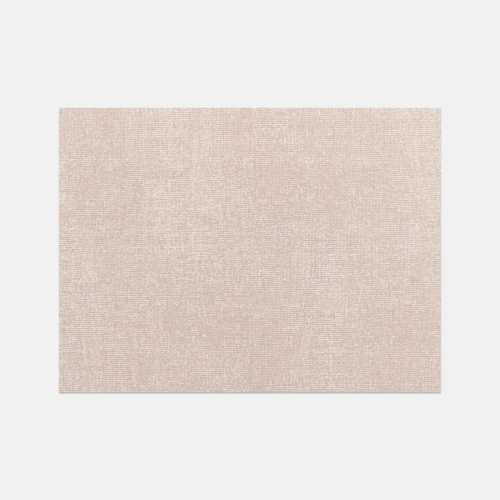
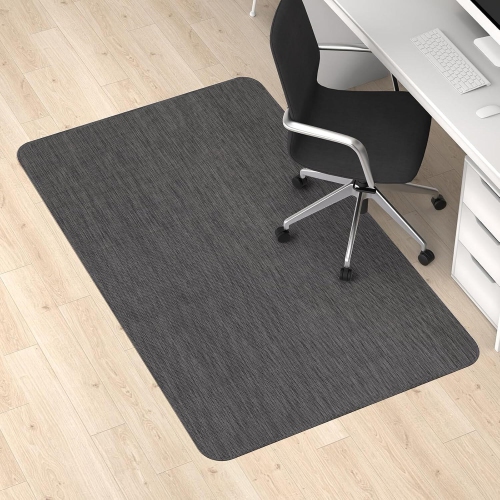
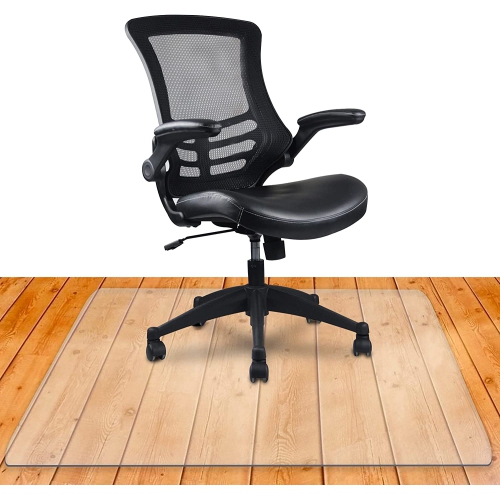
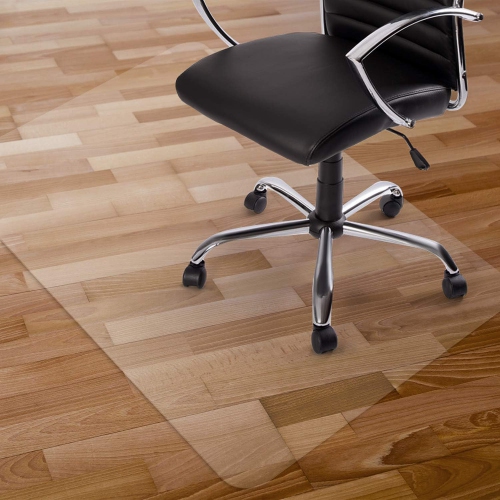
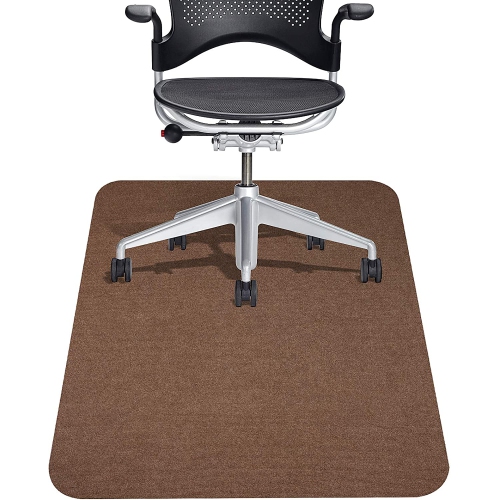
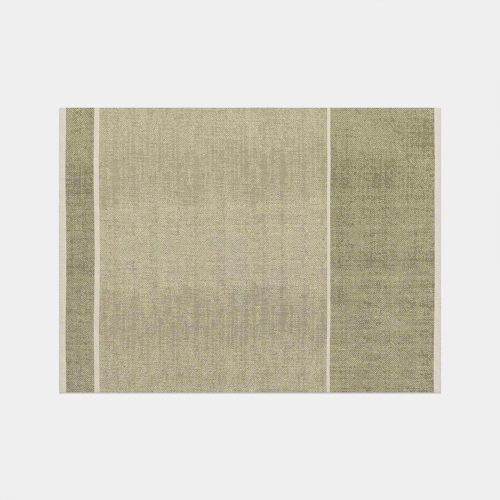
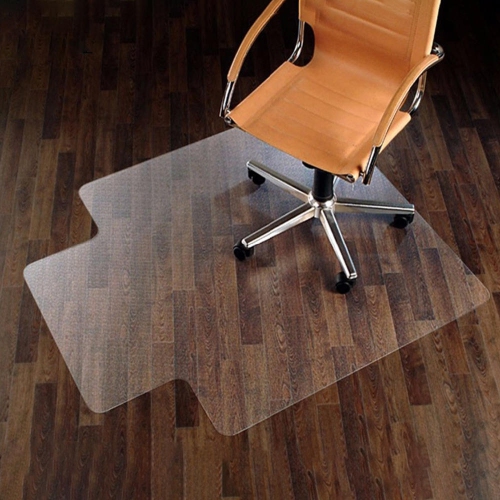
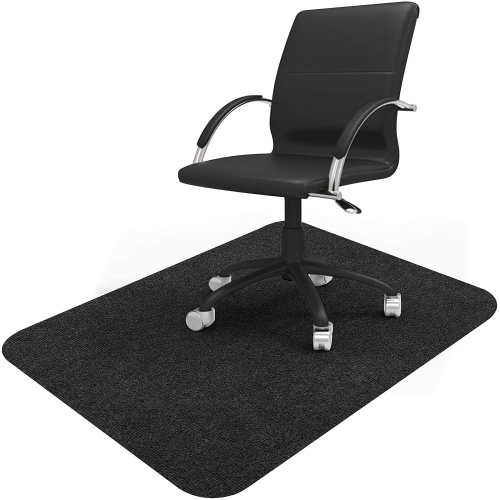
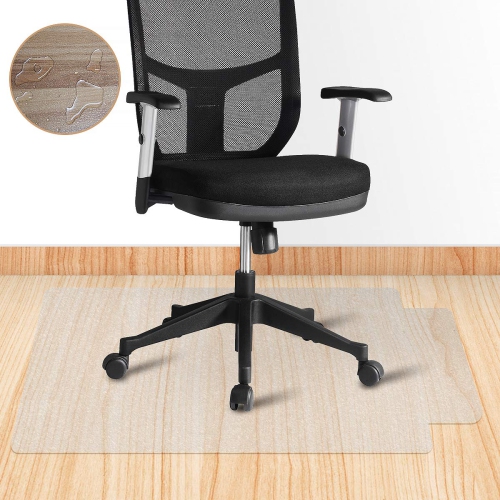
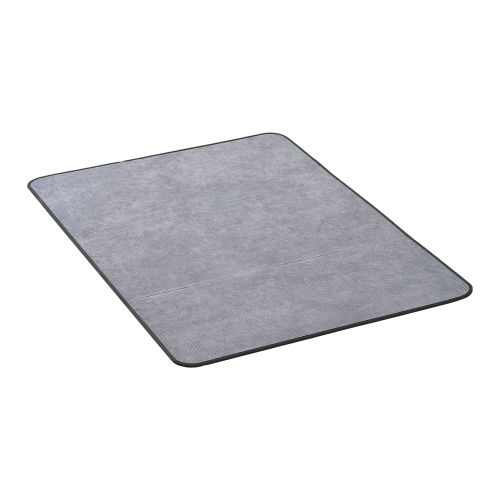
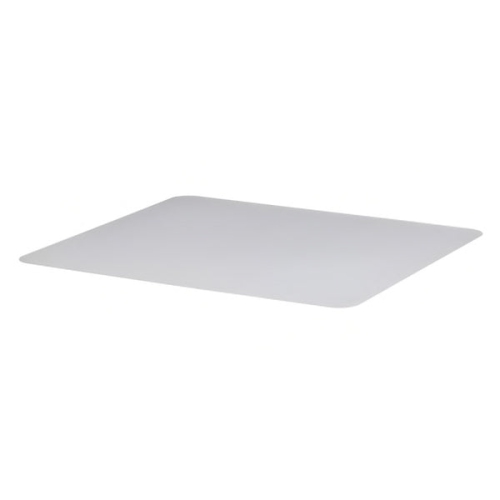
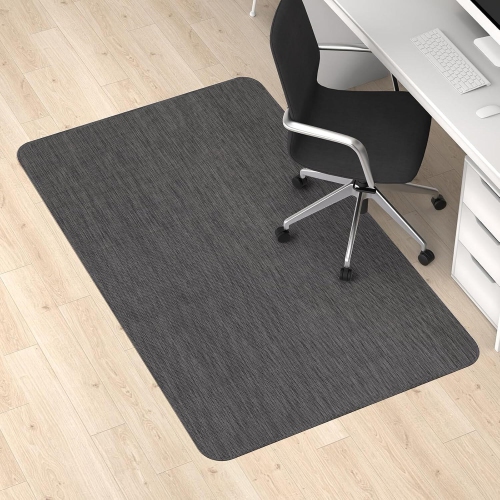
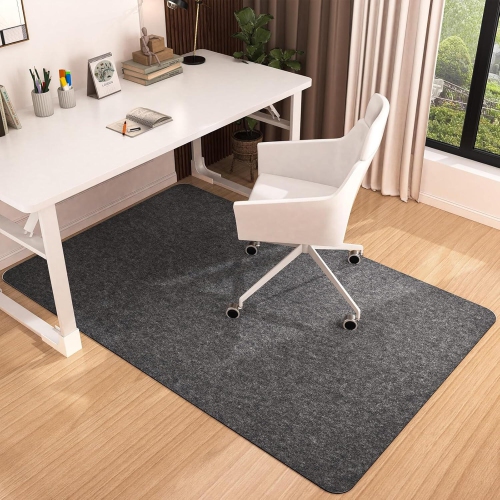
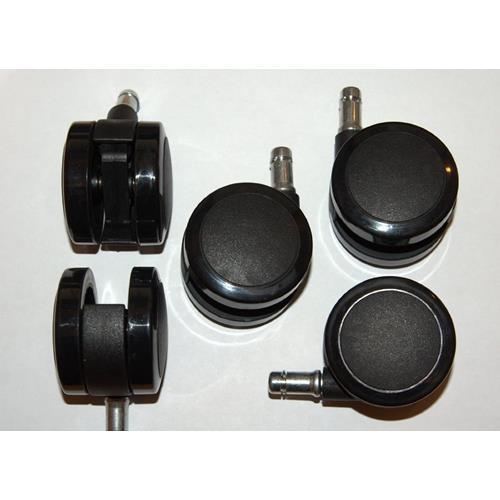
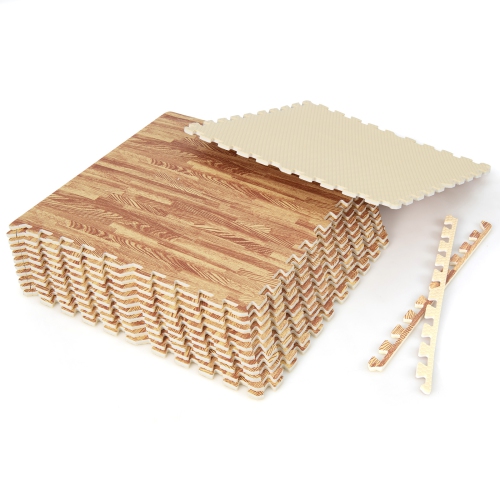
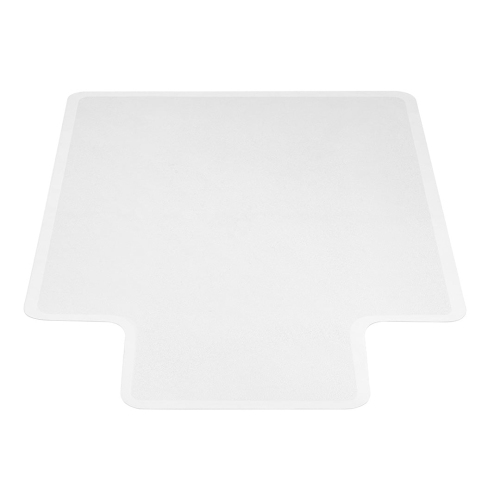
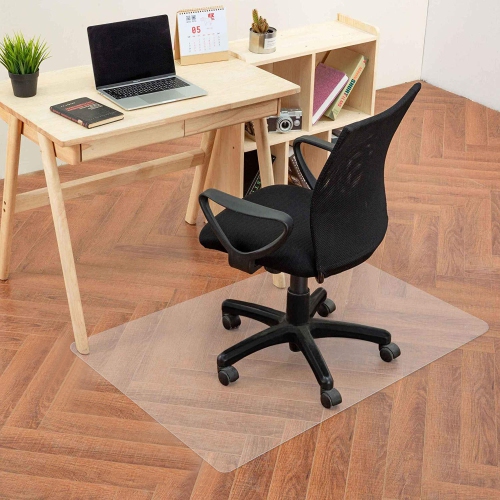
Chair mats for wooden floors provide a practical layer of protection beneath a desk chair, helping reduce the scratches, scuffs, dents, and surface wear that can develop when casters roll across hardwood, laminate, engineered wood, or other smooth flooring. A desk area can experience more movement than it first appears: a chair rolls back when you sit down, shifts from side to side while you reach for a notebook, and moves repeatedly between a desk, filing cabinet, or nearby shelf. Over time, that steady motion can leave fine marks in the finish, especially where grit from shoes becomes trapped beneath the wheels. A chair mat creates a smoother surface for rolling while helping keep everyday chair movement concentrated on a designated area. It can be particularly useful in home offices, study spaces, gaming stations, reception areas, bedrooms with desks, and shared workspaces where a chair is used for several hours at a time. Clear plastic or PVC mats are popular when you want the grain, colour, and finish of the wooden floor to remain visible. They are generally easy to wipe clean and can provide a firm, even surface beneath standard caster wheels. PET plastic mats are another hard-wearing option, often valued for their rigidity and resistance to cracking or curling. Fabric and coloured mats can add a softer visual element to an office while defining the work area, and some have textured surfaces that give a more distinctive feel underfoot. The best choice depends on the type of flooring, the amount of chair movement, and the look you want around the desk. Before choosing a mat, check that it is intended for hard floors rather than carpet, since mats made with gripping cleats or carpet teeth may not sit properly on wood and could mark the surface. A smooth underside or lightly textured, non-slip backing is usually better suited to hardwood and other hard flooring. It should stay in place without sliding as the chair rolls, yet allow the chair to move naturally across its surface.
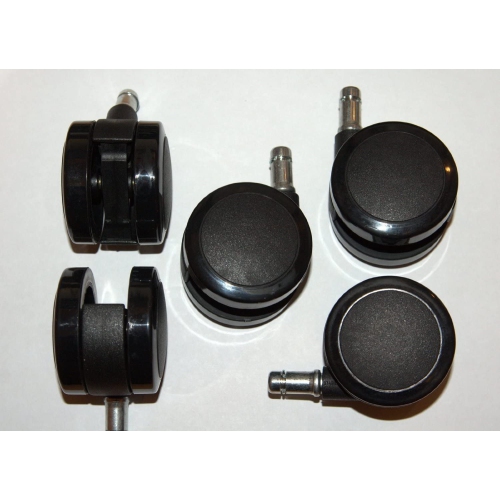
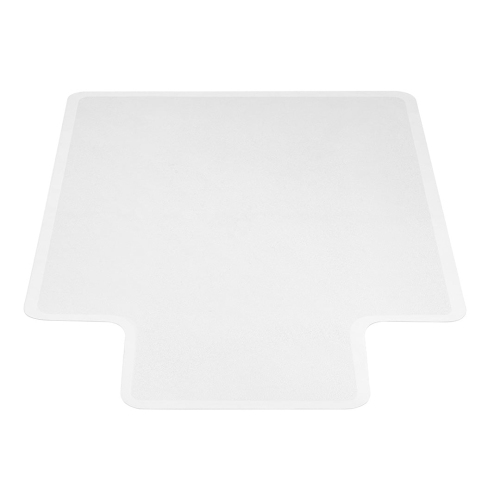
Size is one of the most important considerations when comparing chair mats for wooden floors. Measure the area where the chair actually travels, not only the footprint of the desk. A compact mat may work for a small writing desk where the chair remains almost stationary, while a larger mat is more suitable for a workstation with drawers, a monitor stand, or a desk that requires frequent movement from side to side. Leave enough room for the chair to roll back when standing up and for the casters to remain on the mat when you turn or reach. Some designs have a straight edge that fits neatly against a desk, while others include a lip that extends beneath the desk and protects the floor where the chair is pulled forward. Consider the shape of the workspace as well: a rectangular mat suits most desks, while a contoured or lip-style design can make better use of a narrow office corner. Thickness and rigidity also affect comfort and performance. A firmer mat can feel more stable beneath heavier office chairs and may resist bending at the edges, while a thinner option can be easier to position and store. Look for a smooth top that allows casters to roll without catching, along with edges that sit flat after the mat has been unrolled. Some mats arrive rolled for shipping and may need time to relax before they lie completely flat; placing them on a clean surface and following the manufacturer’s instructions can help. Weight capacity is also worth checking, particularly for wide executive chairs, gaming chairs, or seating with a substantial metal base. Soft rubber rollerblade-style casters may be another option for people who want to reduce the chance of direct contact between hard wheels and the floor, although they can roll more freely than traditional casters. A mat offers a defined protective zone, while suitable casters can complement it by making movement quieter and gentler.
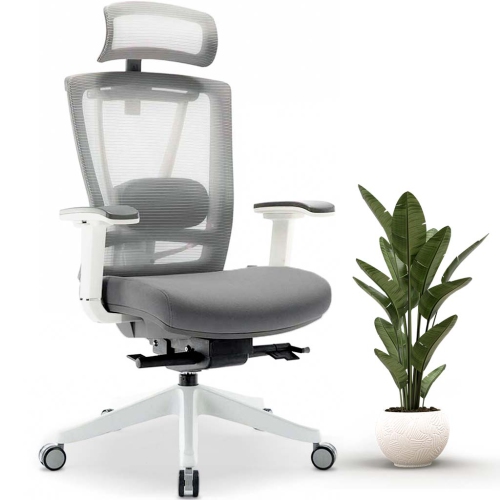
Keeping a chair mat effective is straightforward with a little routine care. Sweep or vacuum loose grit from the floor before placing the mat, since small stones and debris trapped underneath can cause scratches even when the mat itself is protective. Clean the top surface with a soft cloth and a mild solution suitable for the material, then allow it to dry before returning the chair. Lift the mat occasionally to inspect the floor underneath, especially in busy work areas where dust collects around the desk legs. Avoid dragging a loaded desk or chair across the mat, and reposition it carefully if the work area changes. During the cooler months, when wet footwear and tracked-in grit are more common, a mat can help keep the immediate chair zone easier to maintain, but it should not replace regular floor care. Chair mats can also be a thoughtful practical gift for someone setting up a first home office, returning to school, upgrading a gaming area, or creating a dedicated workspace in a bedroom or living room. They pair naturally with a comfortable desk chair and can make a new work area feel more complete from the first day of use. For shoppers comparing the seating itself, Office Chairs For Hardwood Floors can help connect floor protection with chair features such as caster design, weight support, seat height, and ergonomic adjustment. Whether the space is a quiet corner with a compact desk or a busy household workstation shared by several people, choosing a mat with the right size, backing, material, and weight capacity helps create a smoother rolling surface while preserving the appearance of the wooden floor beneath it.
Size is one of the most important considerations when comparing chair mats for wooden floors. Measure the area where the chair actually travels, not only the footprint of the desk. A compact mat may work for a small writing desk where the chair remains almost stationary, while a larger mat is more suitable for a workstation with drawers, a monitor stand, or a desk that requires frequent movement from side to side. Leave enough room for the chair to roll back when standing up and for the casters to remain on the mat when you turn or reach. Some designs have a straight edge that fits neatly against a desk, while others include a lip that extends beneath the desk and protects the floor where the chair is pulled forward. Consider the shape of the workspace as well: a rectangular mat suits most desks, while a contoured or lip-style design can make better use of a narrow office corner. Thickness and rigidity also affect comfort and performance. A firmer mat can feel more stable beneath heavier office chairs and may resist bending at the edges, while a thinner option can be easier to position and store. Look for a smooth top that allows casters to roll without catching, along with edges that sit flat after the mat has been unrolled. Some mats arrive rolled for shipping and may need time to relax before they lie completely flat; placing them on a clean surface and following the manufacturer’s instructions can help. Weight capacity is also worth checking, particularly for wide executive chairs, gaming chairs, or seating with a substantial metal base. Soft rubber rollerblade-style casters may be another option for people who want to reduce the chance of direct contact between hard wheels and the floor, although they can roll more freely than traditional casters. A mat offers a defined protective zone, while suitable casters can complement it by making movement quieter and gentler.
Keeping a chair mat effective is straightforward with a little routine care. Sweep or vacuum loose grit from the floor before placing the mat, since small stones and debris trapped underneath can cause scratches even when the mat itself is protective. Clean the top surface with a soft cloth and a mild solution suitable for the material, then allow it to dry before returning the chair. Lift the mat occasionally to inspect the floor underneath, especially in busy work areas where dust collects around the desk legs. Avoid dragging a loaded desk or chair across the mat, and reposition it carefully if the work area changes. During the cooler months, when wet footwear and tracked-in grit are more common, a mat can help keep the immediate chair zone easier to maintain, but it should not replace regular floor care. Chair mats can also be a thoughtful practical gift for someone setting up a first home office, returning to school, upgrading a gaming area, or creating a dedicated workspace in a bedroom or living room. They pair naturally with a comfortable desk chair and can make a new work area feel more complete from the first day of use. For shoppers comparing the seating itself, Office Chairs For Hardwood Floors can help connect floor protection with chair features such as caster design, weight support, seat height, and ergonomic adjustment. Whether the space is a quiet corner with a compact desk or a busy household workstation shared by several people, choosing a mat with the right size, backing, material, and weight capacity helps create a smoother rolling surface while preserving the appearance of the wooden floor beneath it.
Top selling and popular products
-
 Your price for this item is $171.99
 -
 Your price for this item is $145.99
 -
 Your price for this item is $34.99
 -
 Your price for this item is $32.99
 -
 Your price for this item is $29.99
 -
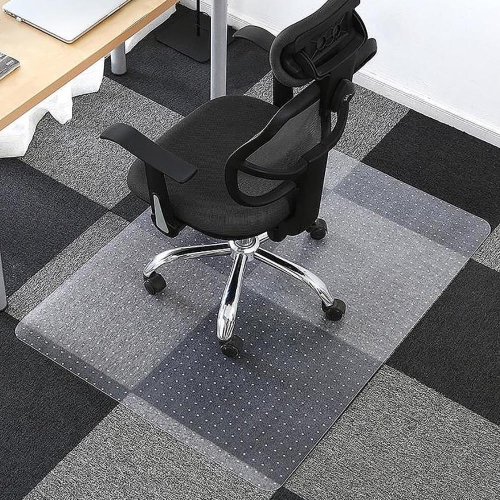 Your price for this item is $49.99
 -
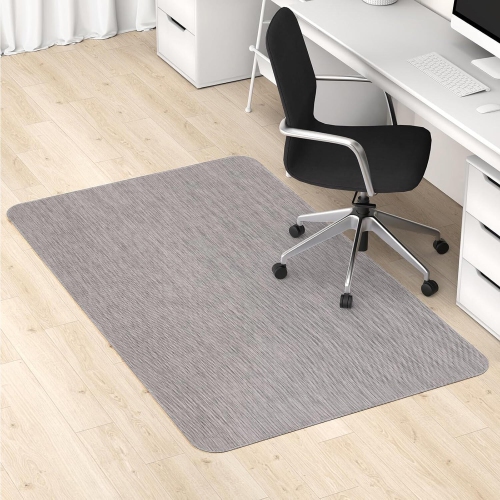 Your price for this item is $31.99
 -
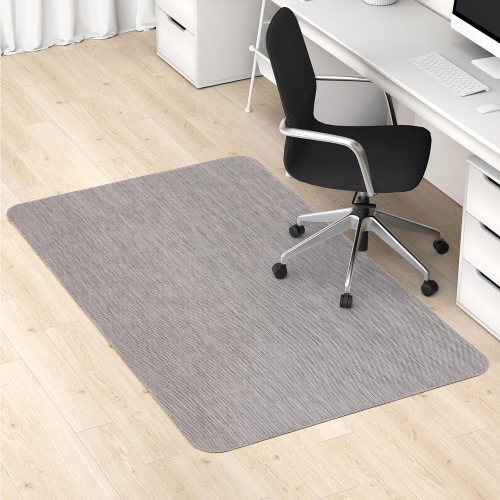 Your price for this item is $34.99
Discover more categories related to Chair Mats for Wooden Floors
Top Collections:
Pokemon Centers, Kindle Devices, Best Budget Office Chairs, Apple iPhones 16, Best Laptops for Writers, iPhone 15 Apple, Canon G7X Cameras, Refurbished Apple Laptops, Alarm Clock, Motorola Razr Phones
Some products may be subject to Environmental Handling Fees
(EHF) depending on your province.
Learn more about EHFs.