Cheap Steam Mops
Discover an affordable way to keep your floors spotless with a cheap steam mop. Perfect for quick cleanups and everyday maintenance, these budget-friendly options make it easy to refresh your home without breaking the bank. Whether you have tile, hardwood, or laminate, finding the right cheap steam mop can help you tackle messes with confidence and convenience. Explore a variety of choices designed to deliver reliable performance at a great value.
Sort
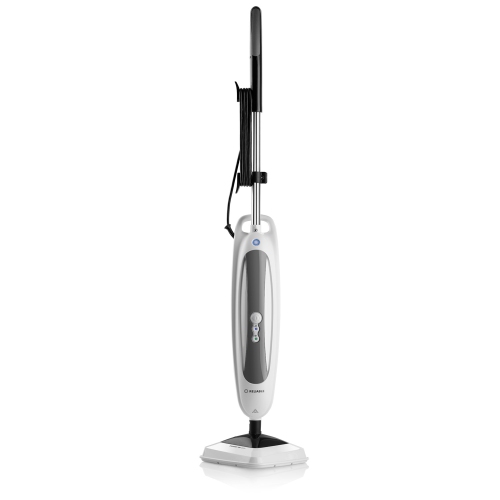
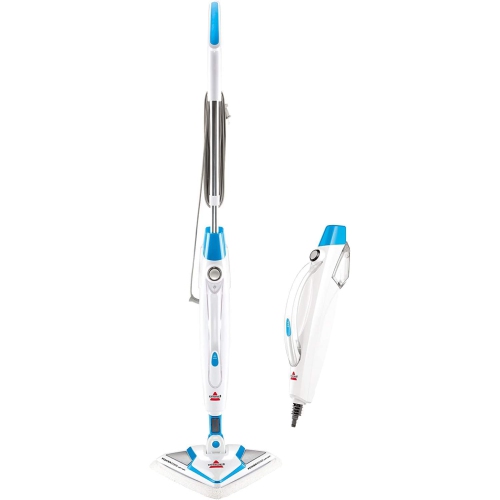
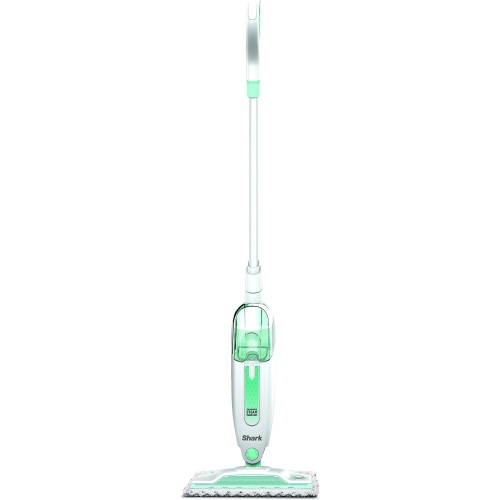
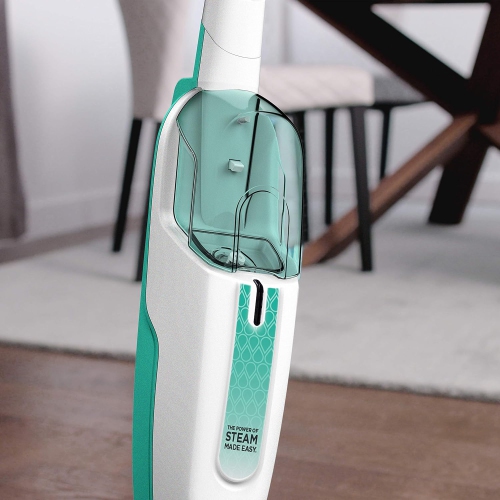
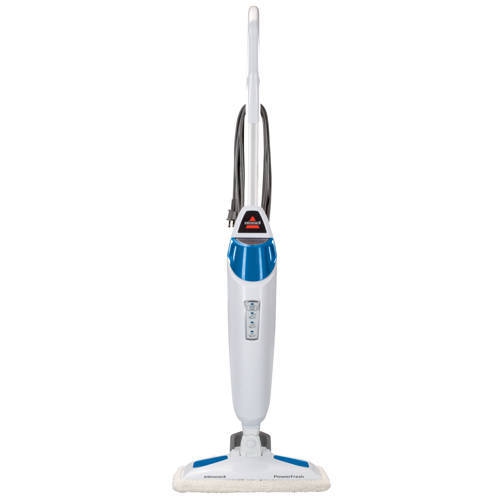
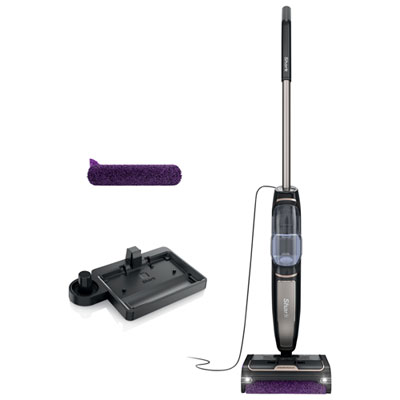
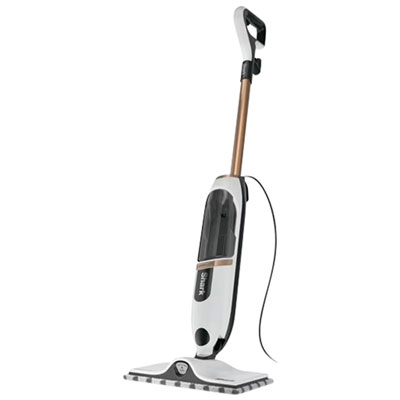

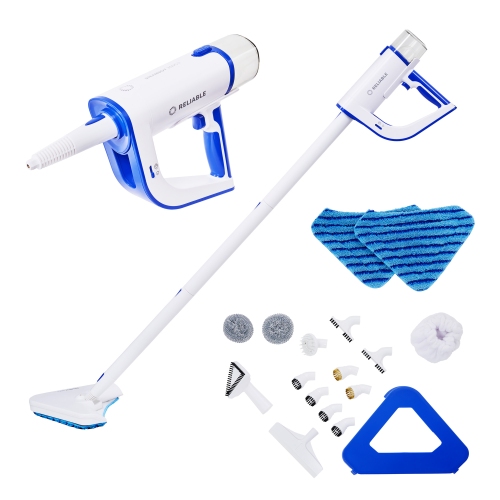

How steam mops tackle everyday messes on compatible floors
Steam mops use heated water and a cleaning pad to lift everyday residue from compatible hard floors. They suit the kind of maintenance that keeps a kitchen or entryway feeling clean between more thorough chores: faint footprints across tile, dried splashes beside the sink, or a sticky patch beneath the dining table. Unlike a conventional mop and bucket, a steam mop delivers moisture through its cleaning head while the pad gathers loosened dirt. Most are intended for use with water alone, although the appliance instructions determine what belongs in the tank. Detergent, fragrance, vinegar, and other additives can damage internal parts unless expressly permitted. Floor compatibility is just as important as the appliance itself. Some ceramic tile and other sealed hard surfaces may tolerate steam, but the flooring manufacturer must approve that cleaning method; a sealed finish does not automatically make a floor suitable. Wood, laminate, vinyl, natural stone, waxed surfaces, and floors with damaged seams or finishes can require particular caution or a different cleaning approach. Heat and moisture may affect adhesives, coatings, or the material beneath the surface. A steam mop is also distinct from a vacuum: crumbs, grit, pet hair, and loose debris generally need sweeping or vacuuming first so the pad does not drag them across the floor. For a household with a small area of approved tile, a straightforward upright design may cover the main task without extra attachments. Larger compatible floor areas may make reach, tank capacity, and pad changes more important. Steam cleaning should not be treated as automatic disinfection. Any sanitizing claim depends on the appliance, surface, operating method, and contact time specified by the manufacturer. For ordinary floor care, the practical benefit is controlled cleaning with a damp pad rather than a soaking-wet mop, provided the steam setting and technique match the floor’s requirements. It is still a maintenance tool, not a repair treatment for stained grout, worn finishes, or water damage.
Handling makes a noticeable difference when a steam mop has to travel around chair legs, reach beneath a cabinet edge, or move from a kitchen to an adjoining hallway. Weight matters both when the appliance is lifted and when its tank is full, while a comfortable handle and a responsive swivel head can make repeated passes easier to control. A broad cleaning head covers open floor space efficiently, whereas a smaller or pointed head can be easier to position near corners and fixtures. A low-profile head may reach under some furniture, although the handle angle and the appliance body also affect clearance. Cord length deserves attention in relation to the room layout: a nearby outlet may serve a compact kitchen, but an awkwardly placed socket can interrupt cleaning across a larger area. The cord should remain clear of the cleaning path and any water. Tank capacity involves a similar balance. A larger reservoir can mean fewer refill stops, but it also adds weight; a smaller tank may feel more manageable for short tasks. A removable tank and an easy-to-read fill line can simplify preparation, while the manufacturer’s refill procedure determines whether the appliance needs to cool before more water is added. Heat-up time and ready indicators affect convenience, but neither establishes cleaning performance on its own. Adjustable steam output can offer flexibility across approved surfaces, though a lower setting does not make an unsuitable floor safe to steam. Cleaning pads are another everyday consideration. Microfibre pads gather loosened residue and need changing when dirty, rather than being pushed through several rooms after they have become saturated with soil. Washable pads have their own laundering requirements, and replacements must fit the cleaning head securely. Detachable handheld sections and specialist tools can broaden the intended uses of some designs, but each attachment still needs approval for the surface being cleaned. A grout tool, for example, does not make every grout installation or surrounding finish suitable for concentrated steam. Useful features are those that match the home’s actual cleaning tasks, rather than attachments that have no clear purpose.
For households comparing Reliable Steam Mops, durability includes more than the outer housing. Secure tank fittings, a sturdy handle connection, a well-supported cord entry, and cleaning pads that attach properly all contribute to an appliance that feels dependable in routine use. Materials also play different roles: a lightweight body can be easier to carry, while sturdy joints and a stable cleaning head help with controlled movement. Everyday care has an equally important part in keeping a steam mop working as intended. Water hardness can affect scale build-up, so the recommended water type and any descaling procedure should come from the appliance manual. Homemade cleaning mixtures or improvised tank treatments can cause damage. After cleaning, the unit needs to be unplugged and allowed to cool before pads are removed or maintenance begins. A hot pad can remain uncomfortable to handle even after steam output stops. Emptying the tank when directed, washing pads according to their care labels, and allowing everything to dry before storage help prevent lingering odours and keep the appliance ready for its next use. Fabric softener may affect the performance of microfibre, so the pad instructions matter as much as those for the mop itself. Storage space is worth considering in a condo, apartment, or home where cleaning supplies share a narrow cupboard. The appliance should rest securely without tension on the cord, with damp pads kept away from floors that could be marked by prolonged moisture. During use, children and pets should stay clear of the hot cleaning head and steam, and the mop should keep moving as directed rather than resting on one patch of flooring. Steam mops can be practical household tools for people who regularly maintain compatible hard floors, including those setting up a first home or replacing a bulky mop-and-bucket routine. Their usefulness rests on a clear match between the flooring, the cleaning task, and the care the appliance requires.
Top selling and popular products
-
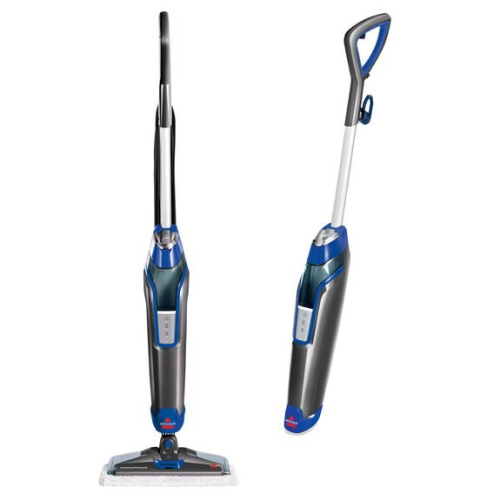 Your price for this item is $204.73
-
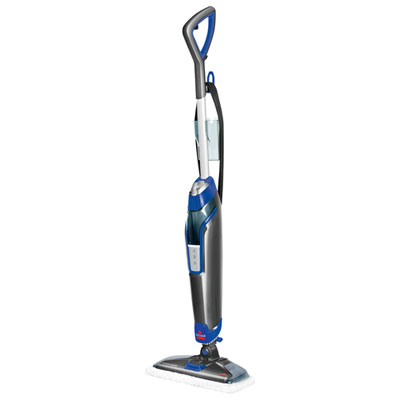 Your price for this item is $149.99
-
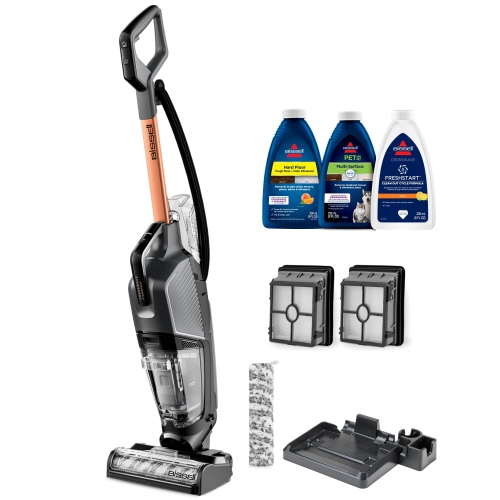 Your price for this item is $397.99
-
 Your price for this item is $399.99
-
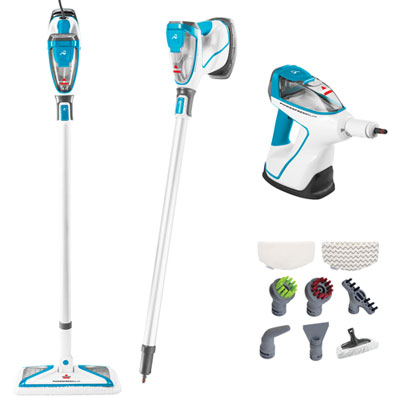 Your price for this item is $199.99
-
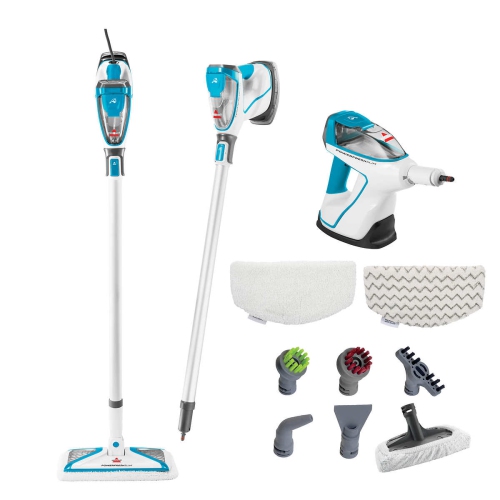 Your price for this item is $218.38
-
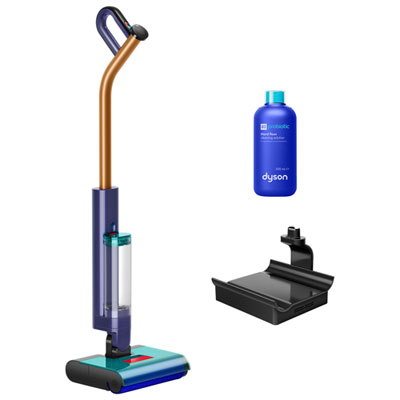 Your price for this item is $699.99
-
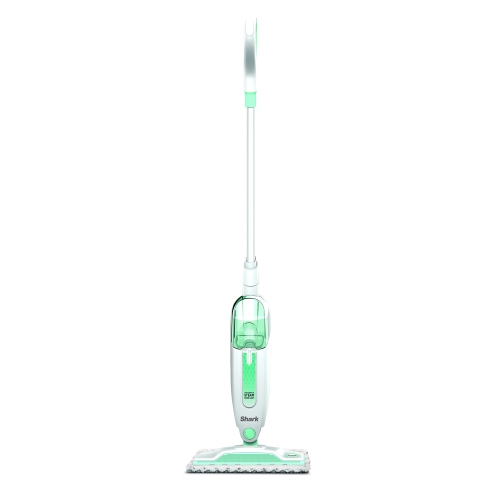 Your price for this item is $105.68
Discover more categories related to Cheap Steam Mops
Top Collections:
Best Black Friday Deals This Year, Best Black Friday Deals On Electronics, Kindle Devices, Pokemon Centers, Best Black Friday Deals On Apple Products, Best Cameras for Sports Photography, Dyson Airwrap, Pokémon 30th Celebration Cards, Apple iPhone 17 Pro, Canon G7X Cameras
Some products may be subject to Environmental Handling Fees
(EHF) depending on your province.
Learn more about EHFs.