Children's Room Lights
Transform your child's space into a magical haven with our delightful selection of children's room lights. These enchanting lighting solutions are designed to spark imagination and bring a sense of wonder to any nursery or playroom. Whether you're looking for soothing night lights to help your little one drift off to dreamland or playful fixtures that add a splash of color and fun, our curated collection offers something for every style and preference. Illuminate your child's world with lights that inspire creativity and comfort, making their room a special place they love to be.
Sort
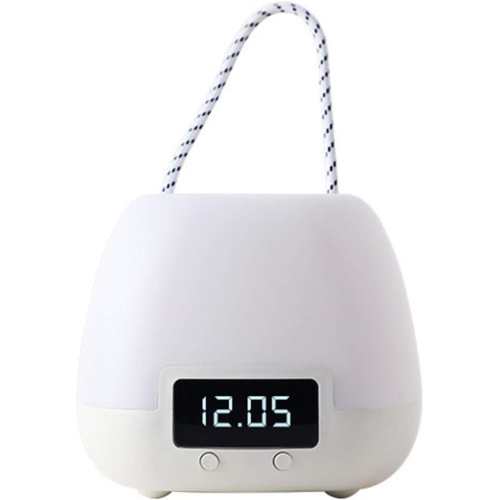


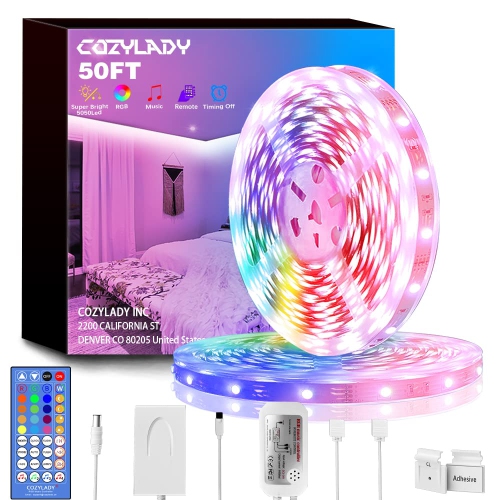


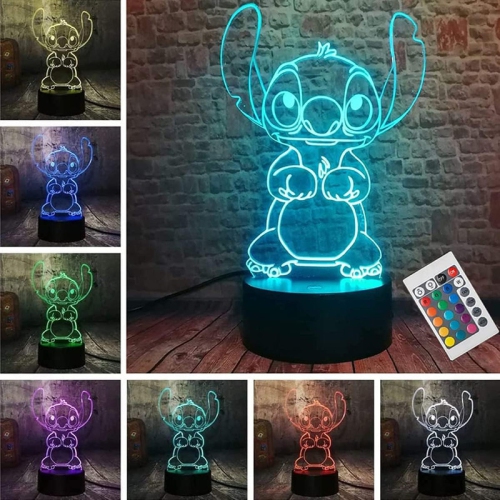
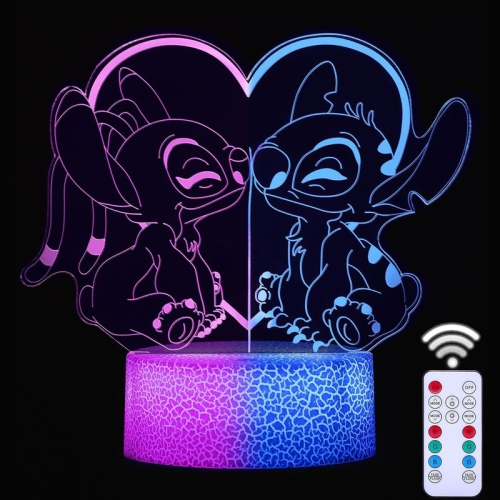
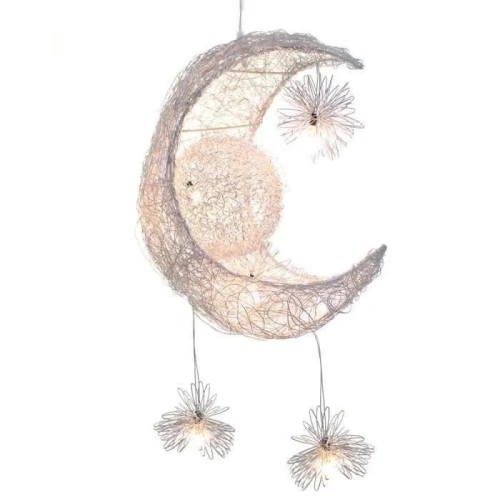
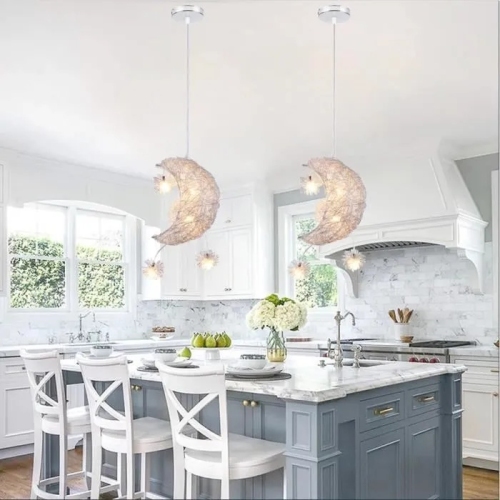
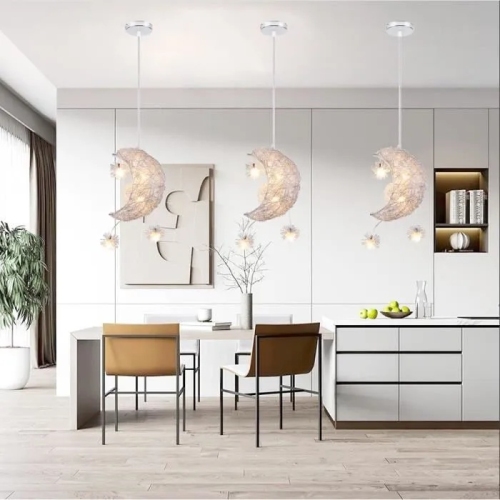


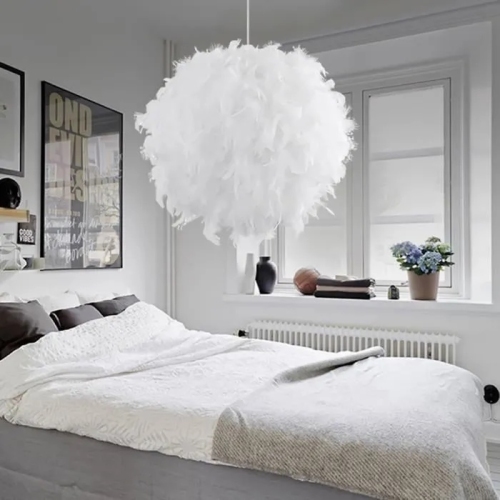
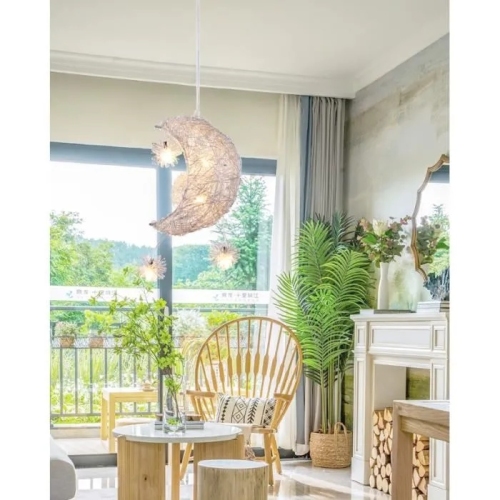


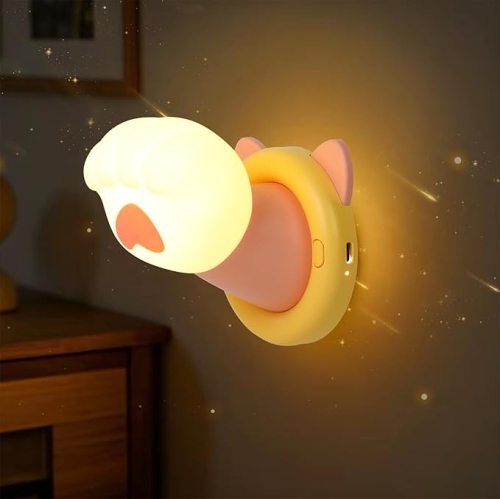


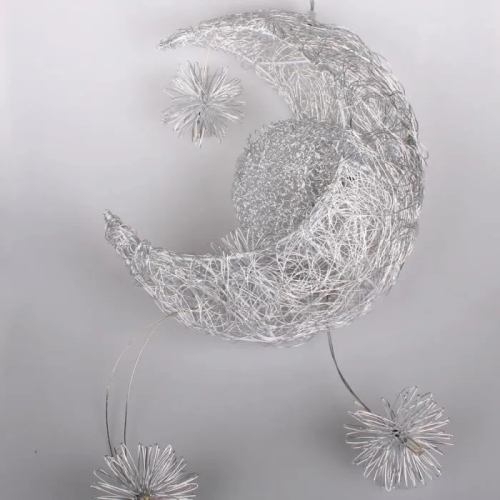
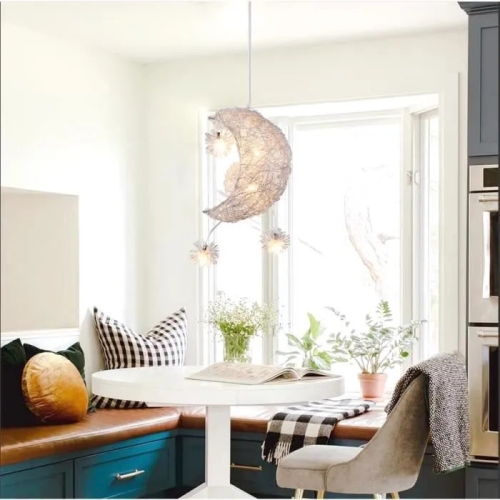
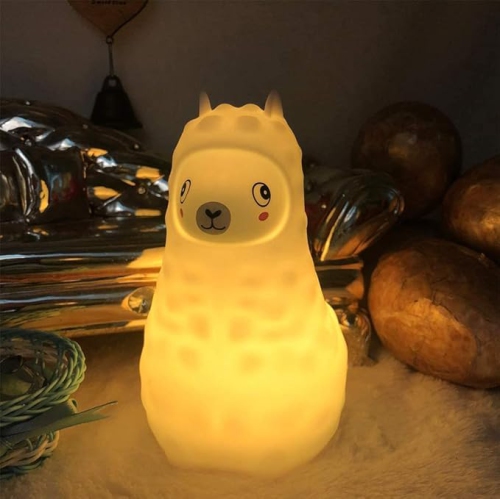


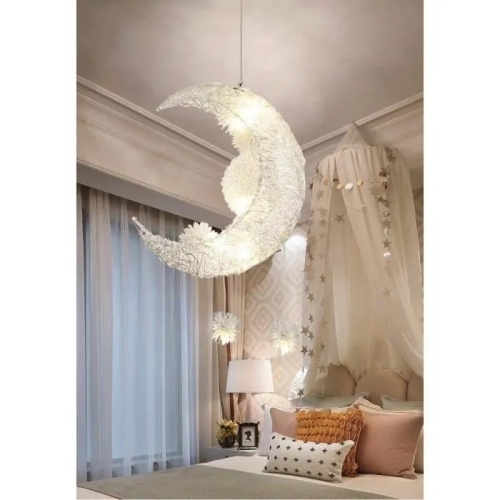
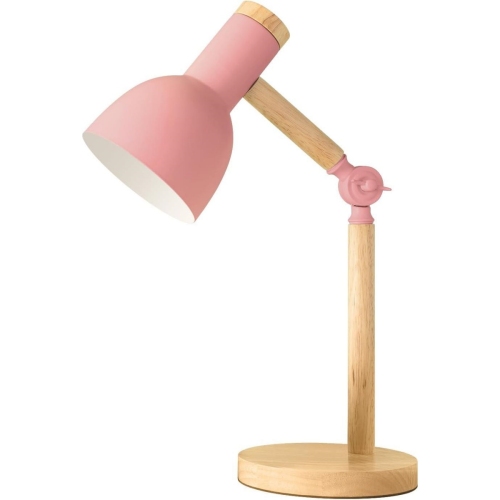


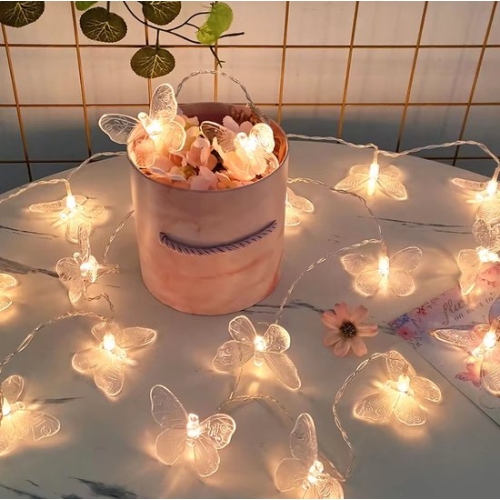
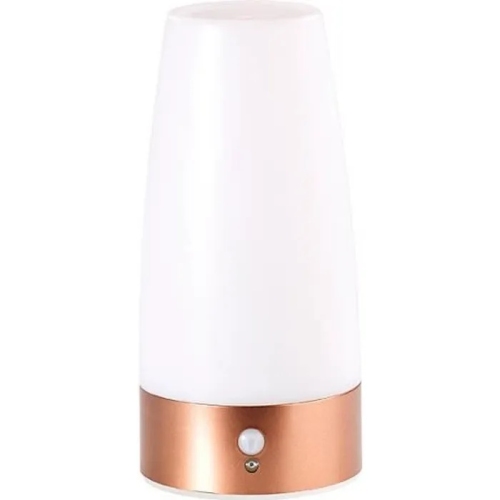

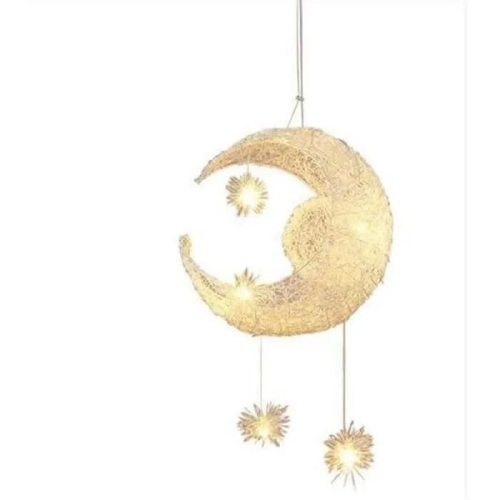


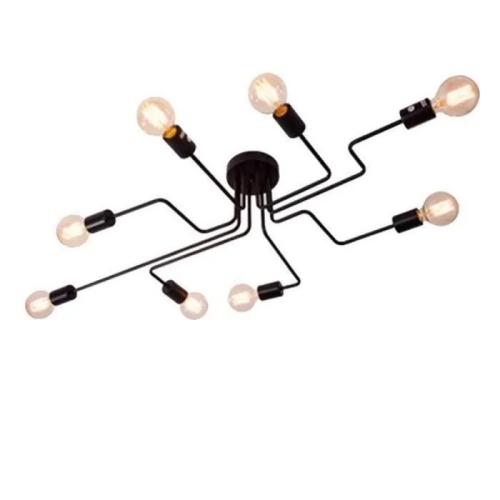
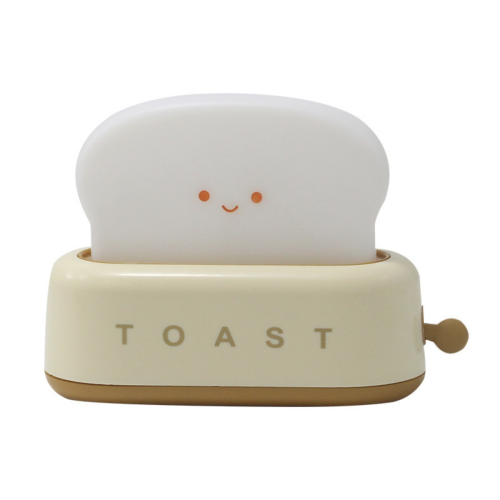


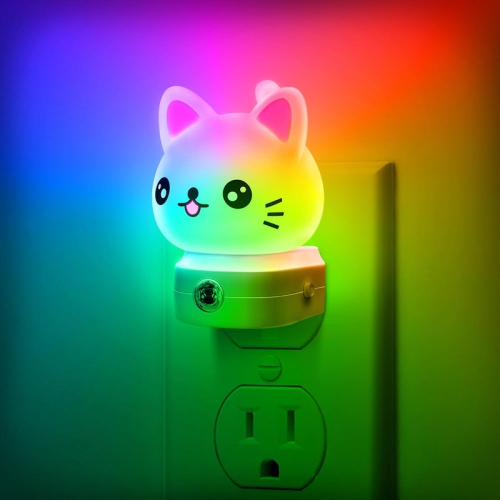




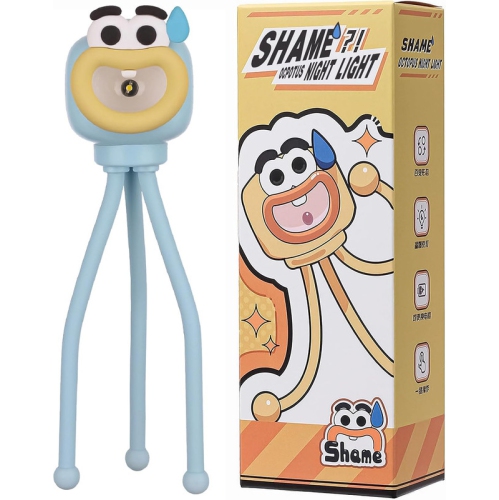

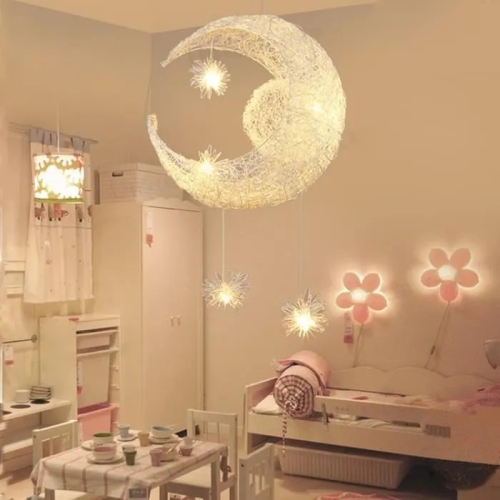
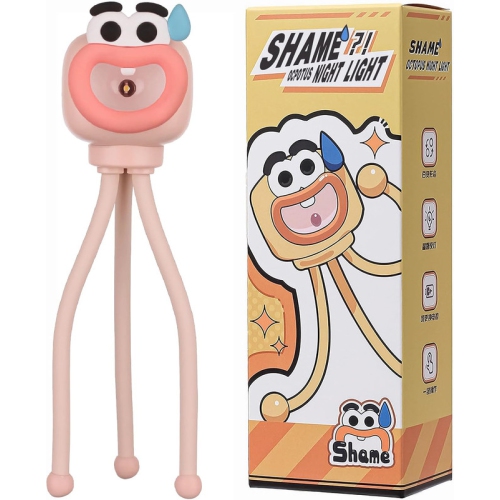
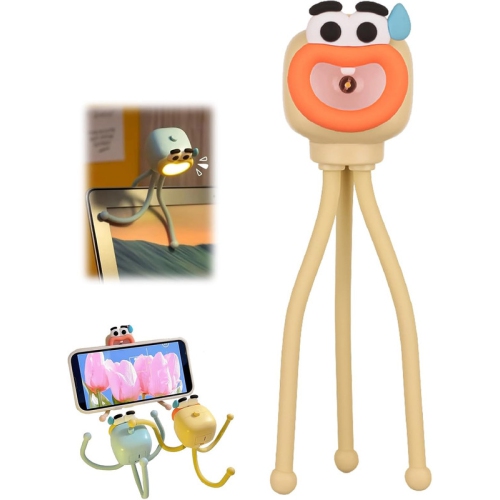
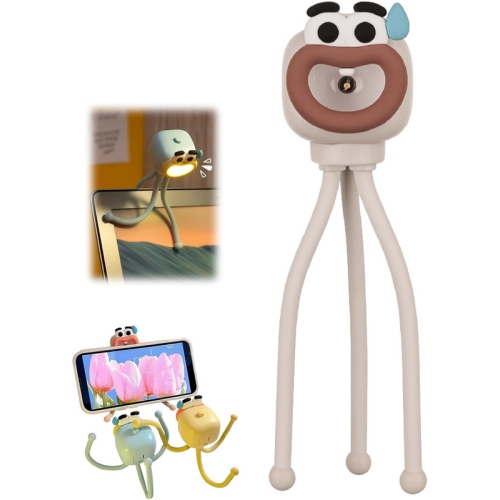


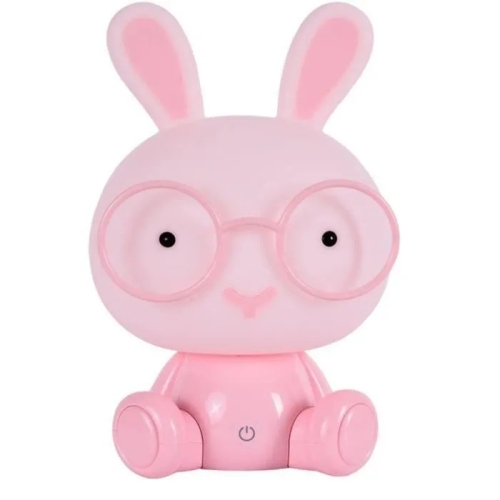


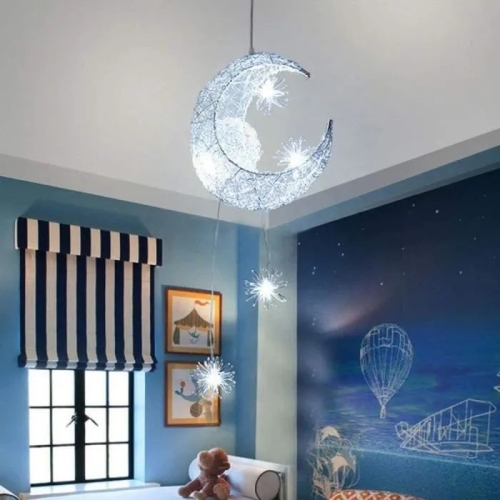

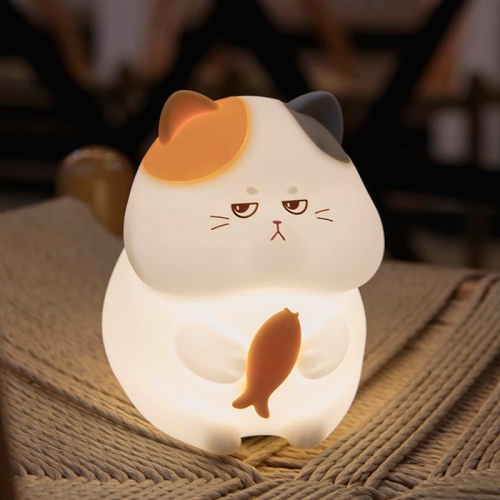
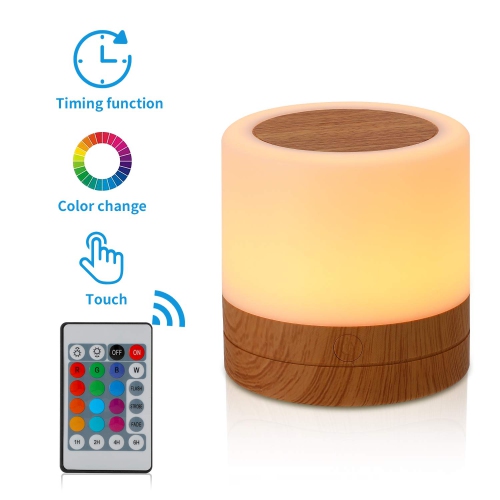


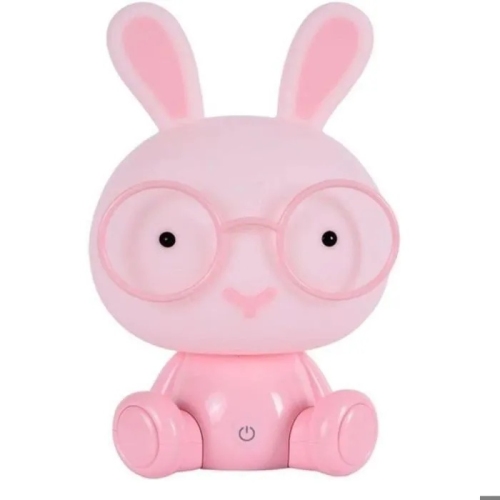

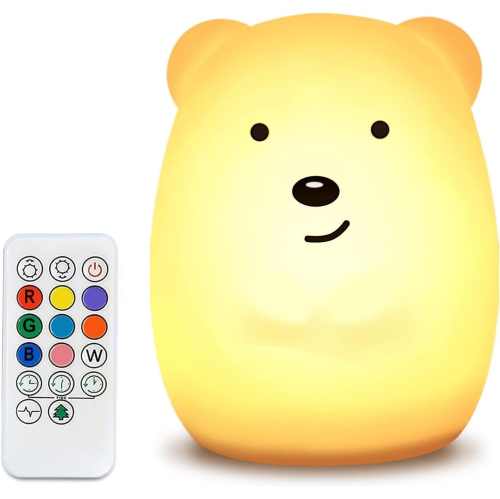
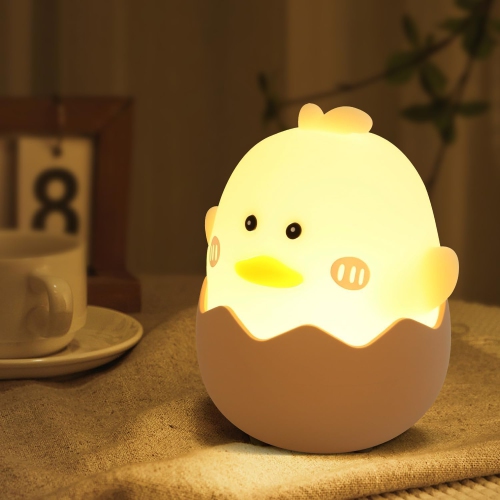



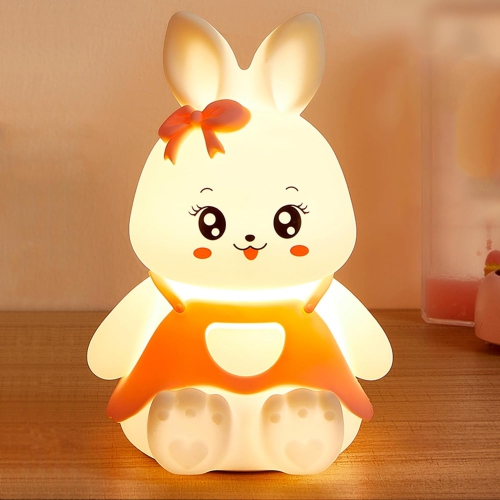


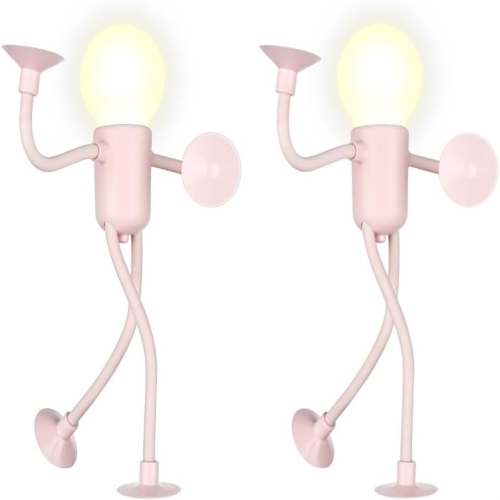

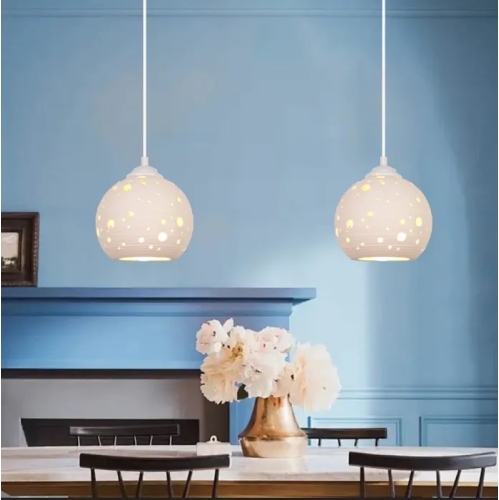


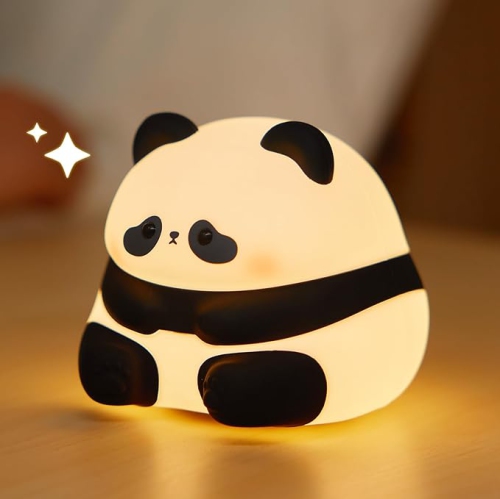


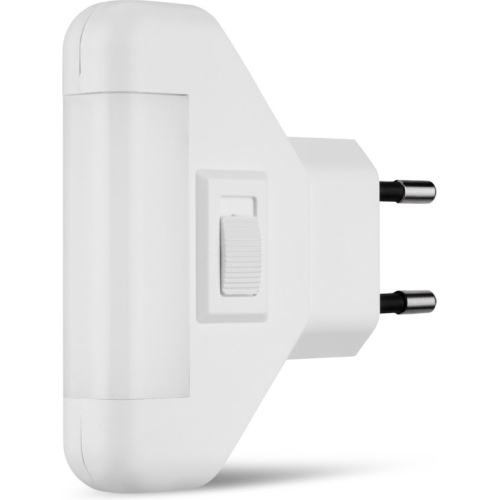




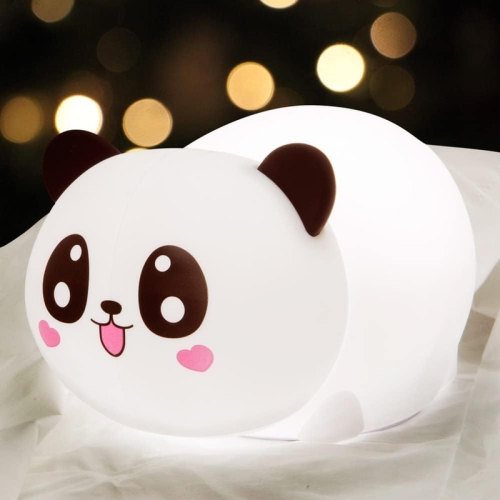
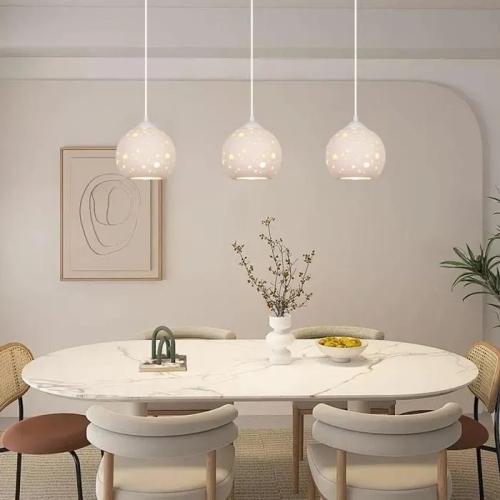


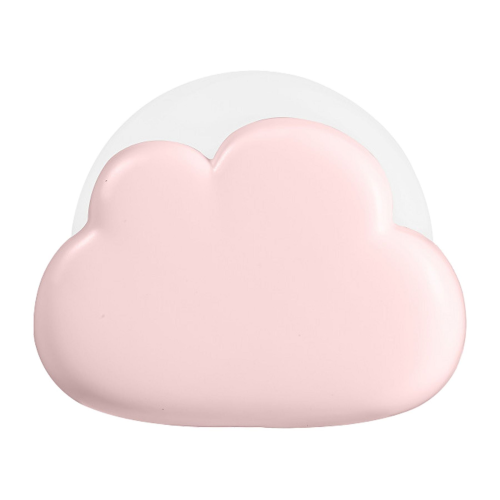

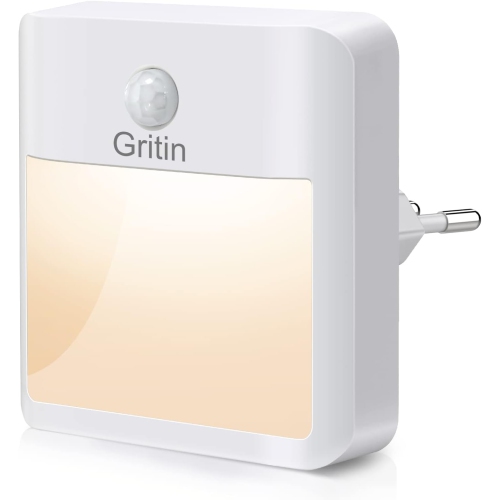


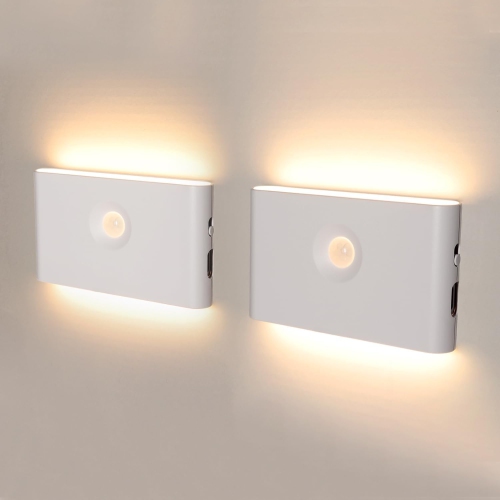
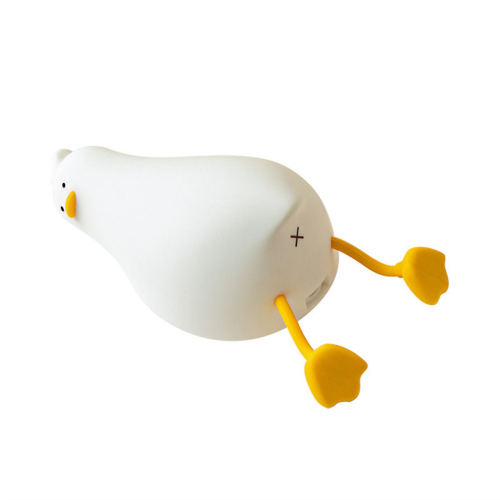
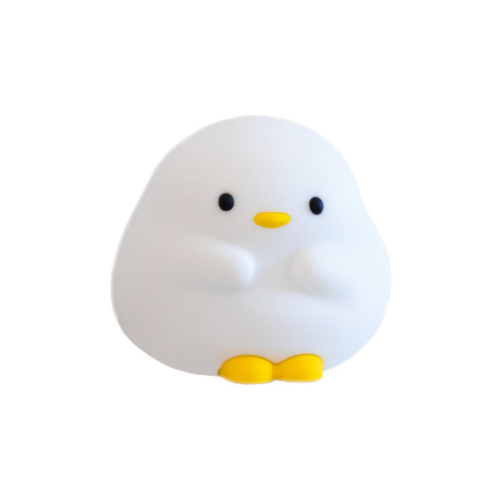

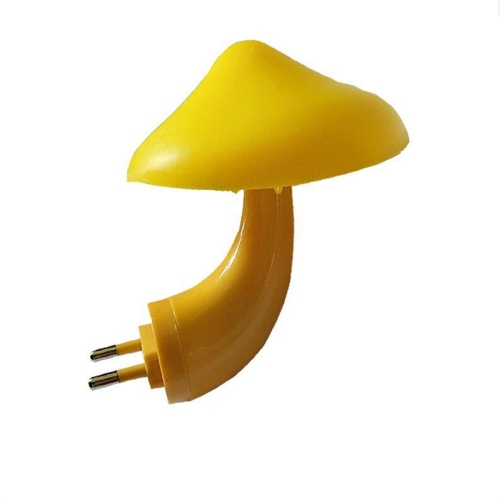
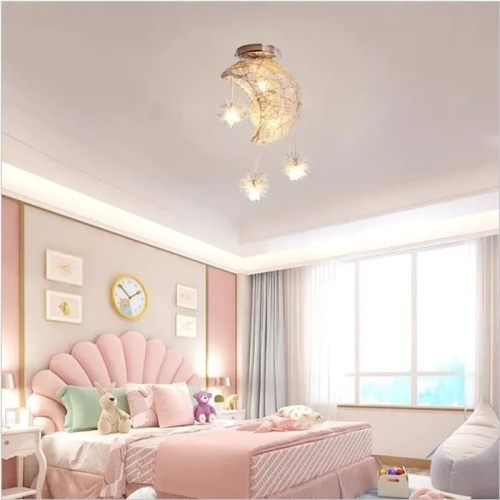

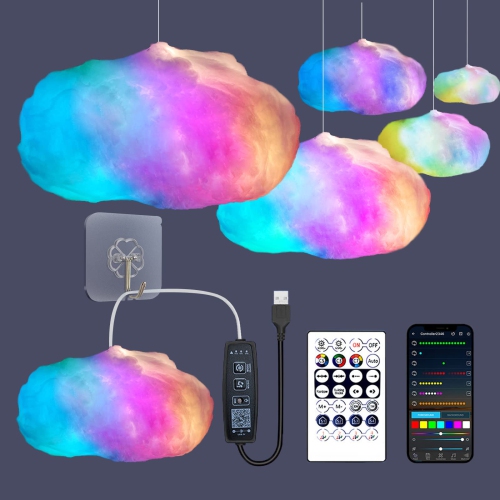
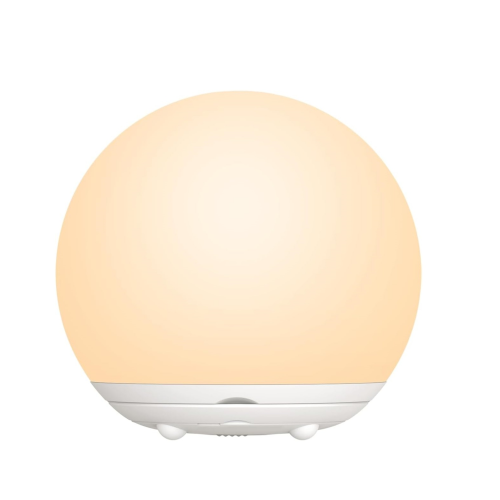


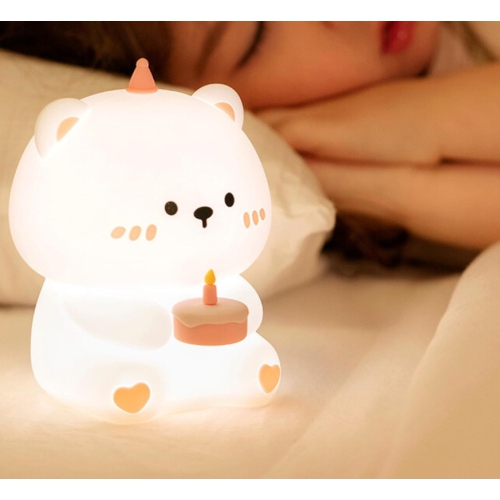
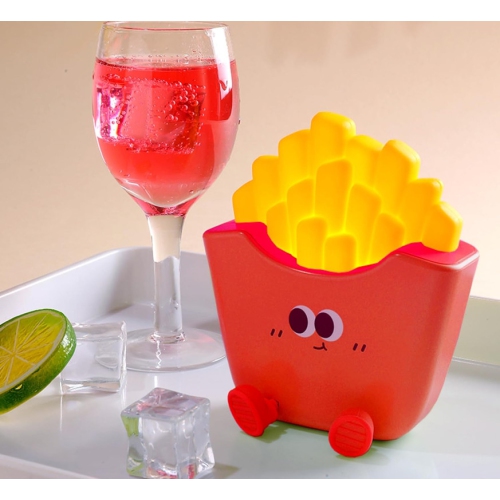


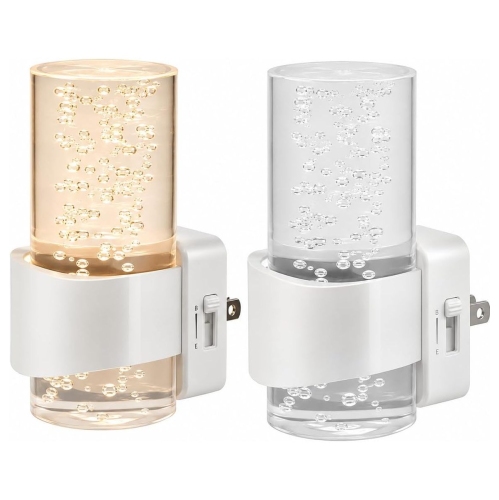



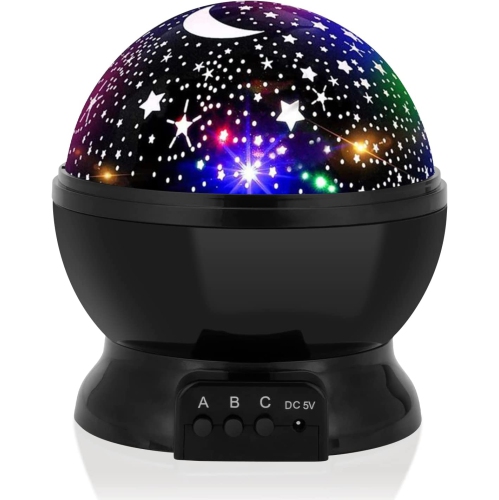

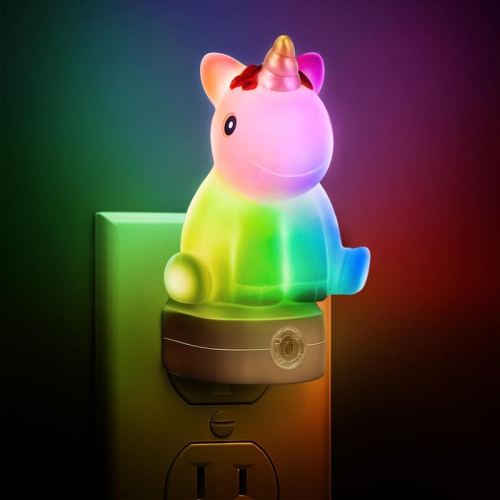


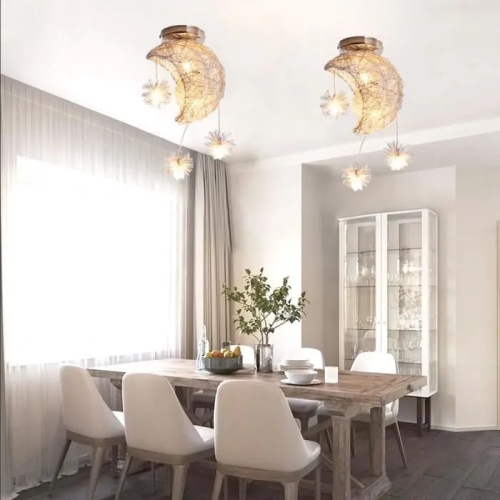



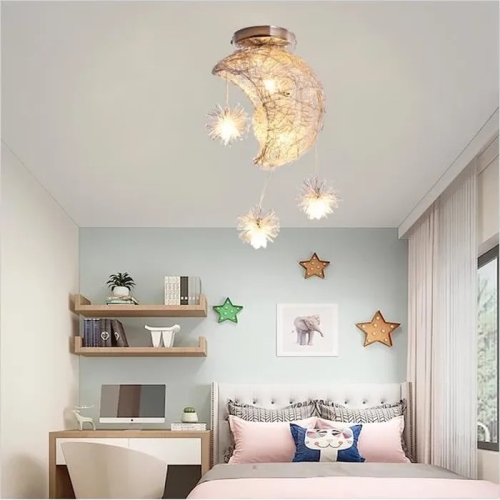


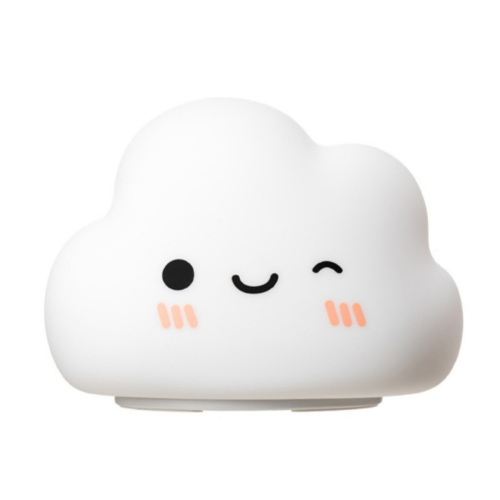
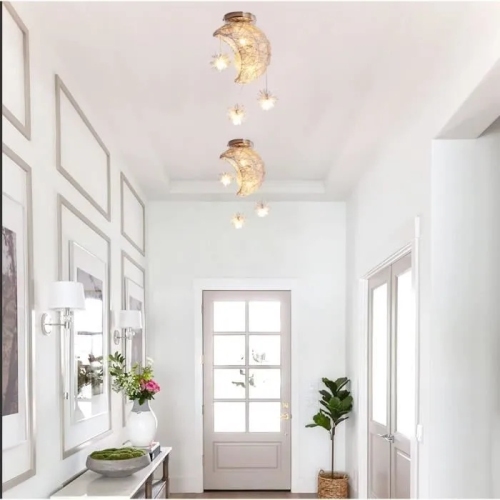
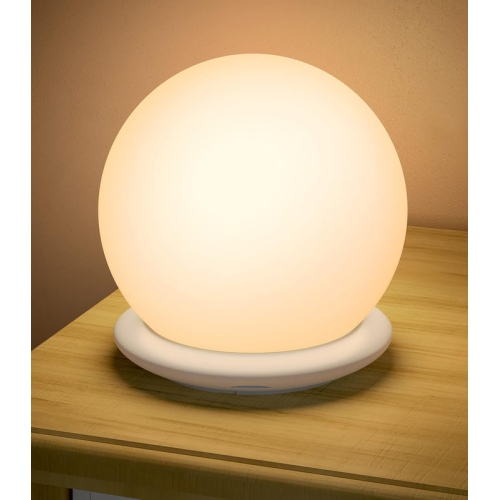

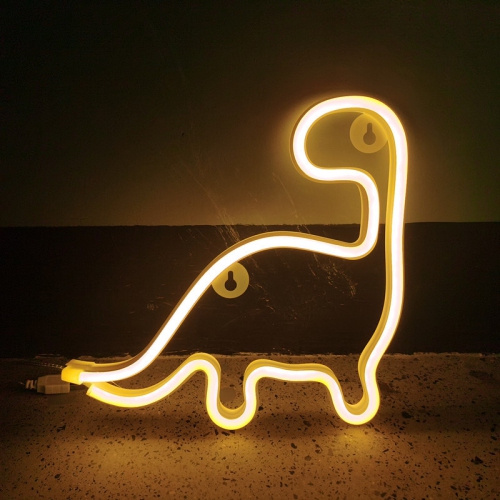
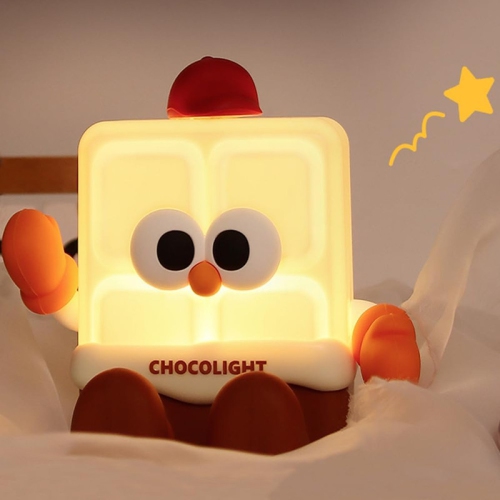
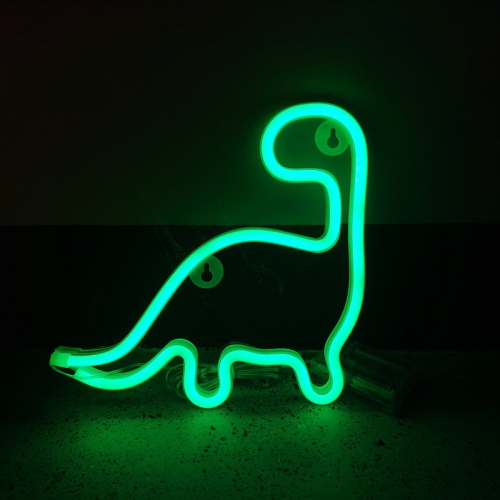


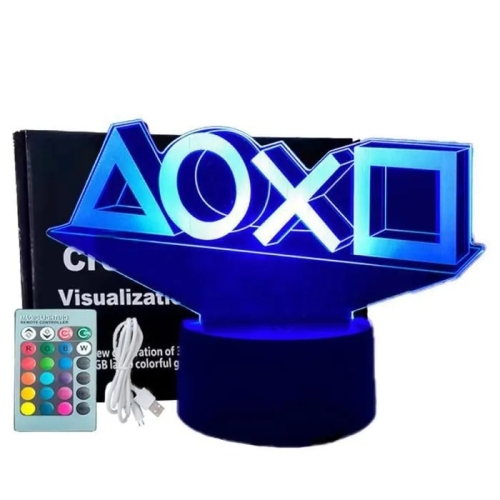
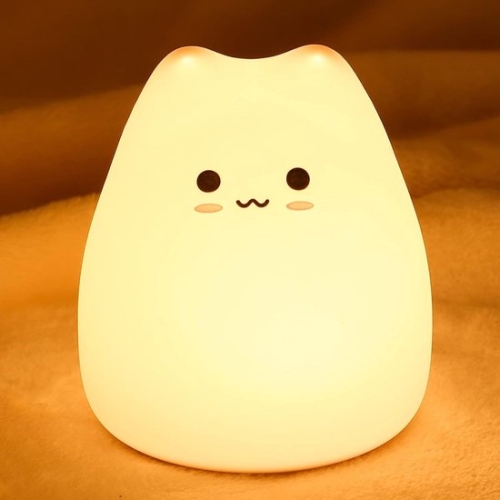


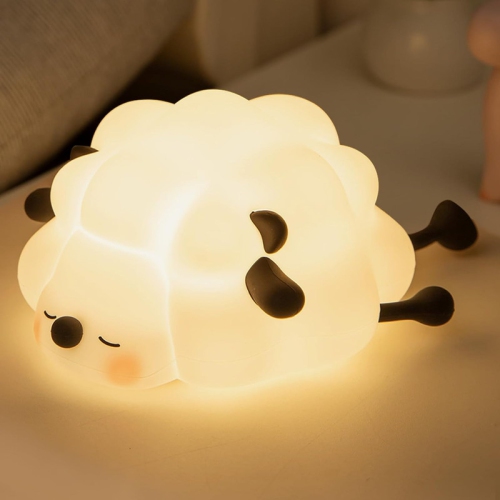
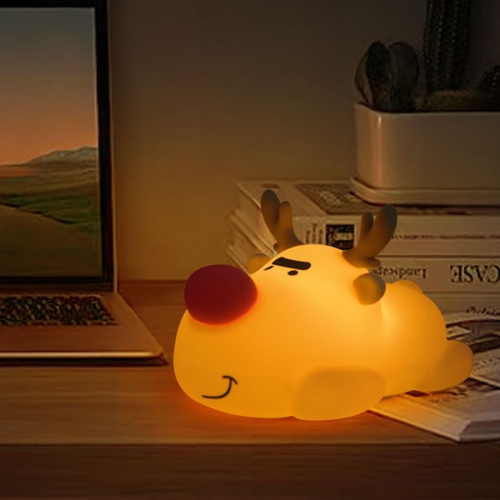
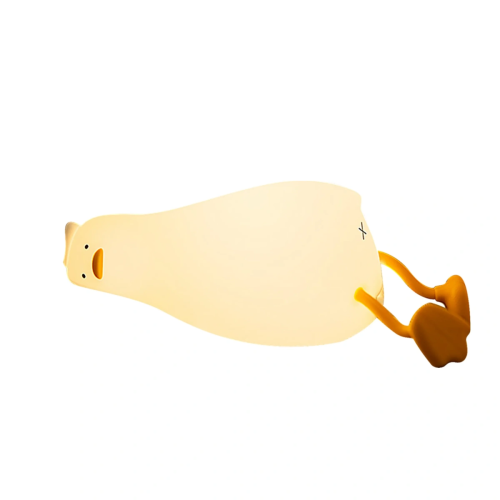


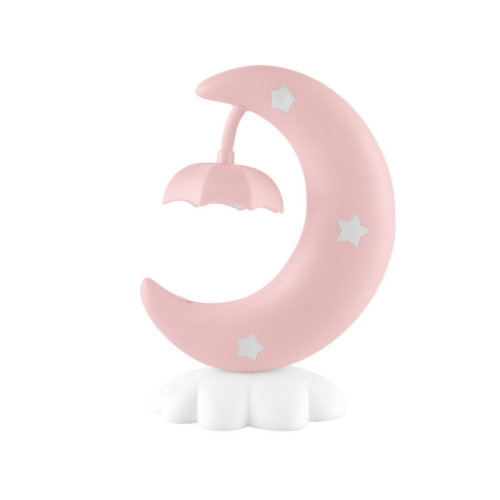
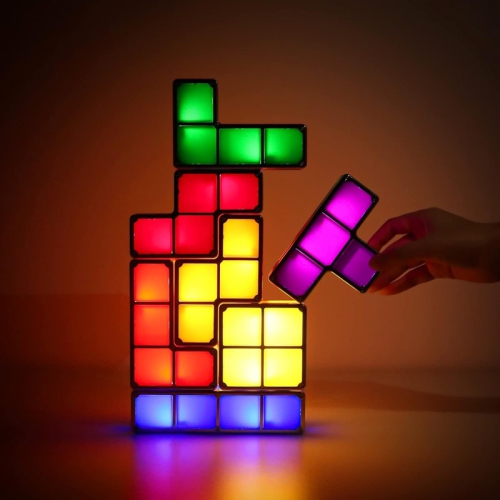


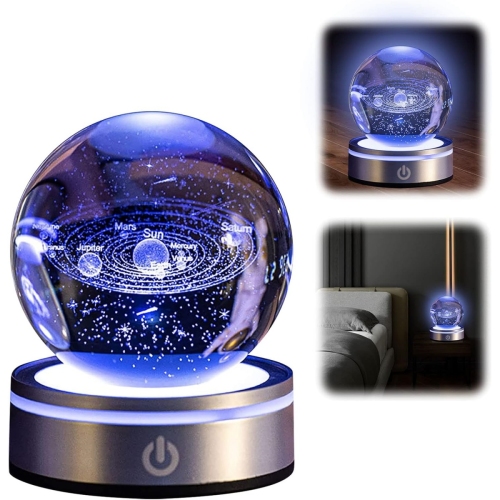

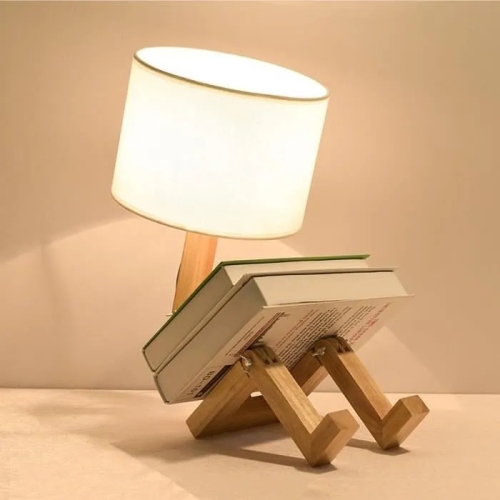

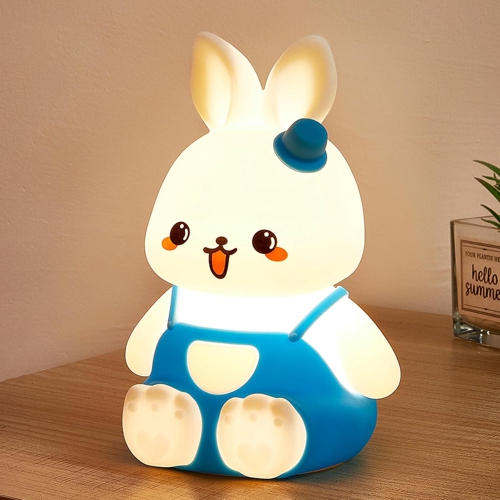


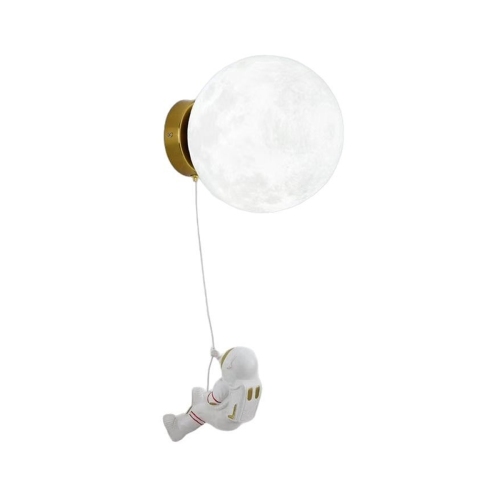

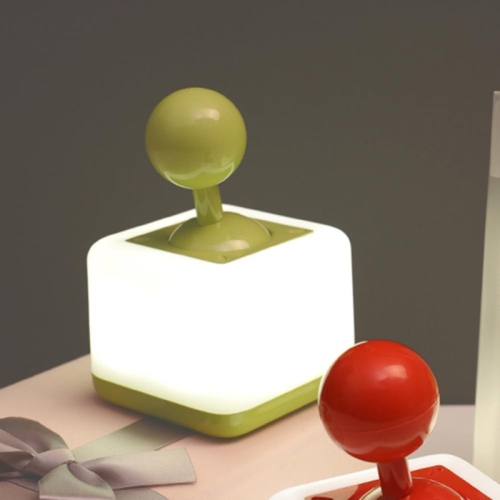
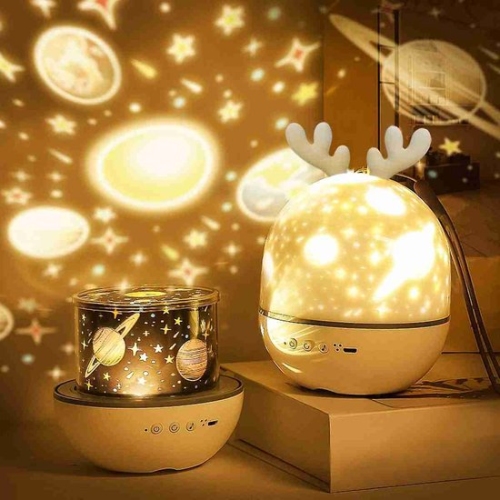


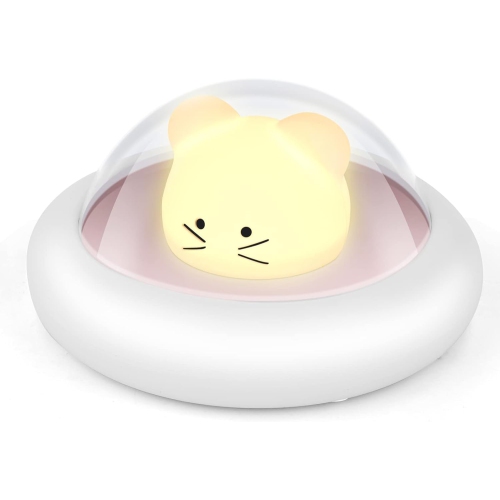
Layered lighting supports play, reading and bedtime routines
Children’s room lights can make a bedroom feel more comfortable, welcoming and practical from morning playtime through the bedtime routine. A well-lit room usually benefits from more than one source of light, with each fixture serving a different purpose. Overhead lights provide broad illumination for getting dressed, tidying toys, building with blocks, drawing and finding items in the room. Flush-mount and semi-flush-mount fixtures are especially useful in children’s bedrooms because they sit close to the ceiling and leave more open space for play. Look for designs that provide even, diffused light without creating harsh glare, particularly if the room is also used for reading or quiet activities. A dimmable fixture can make it easier to shift from bright light during the day to a softer glow before sleep, while a warm-toned setting may feel more restful in the evening. When selecting a ceiling light, consider the room’s size, ceiling height and existing wiring, as well as the way doors, bunk beds, shelves and other furniture are arranged. Any hardwired fixture should be installed according to the manufacturer’s instructions and local electrical requirements, with professional installation used when needed. For younger children, sturdy materials and smooth, enclosed designs are sensible choices, since a bedroom light may be exposed to enthusiastic play, tossed toys or the occasional indoor adventure. Shatter-resistant shades and heavy-duty plastic, fabric or silicone components can offer a more practical alternative to delicate glass. It is also worth checking that the fixture is easy for an adult to clean and that replacement bulbs, if required, are readily available. A child’s room changes quickly, so a simple design that works with changing bedding, wall colours and furniture can remain useful through different ages and stages.
Bedside and task lighting adds a more personal layer to a child’s space. A small lamp on a secure nightstand can provide enough light for looking at picture books, completing homework, arranging a collection or enjoying a few quiet minutes before bed without filling the entire room with bright overhead light. Touch controls, easy-to-reach switches and broad, stable bases can make these lamps more convenient, although cords should always be routed well away from the edge of furniture and completely out of a child’s reach. In rooms with limited table space, a wall-mounted option can free up the nightstand while keeping reading light close at hand; explore Children's Wall Lamps for fixtures designed to make use of vertical space. Wall-mounted lighting should be firmly secured and positioned where it cannot be easily pulled, climbed on or struck. For study areas, craft tables or reading corners, aim the light so it falls across the work surface without shining directly into the child’s eyes. Right-handed and left-handed children may need the lamp placed on different sides to reduce shadows while writing or drawing. Cool-running LED bulbs are often a practical choice for children’s spaces because they produce less heat than some traditional bulbs, but every bulb and fixture should still be used within its stated wattage and safety rating. A lamp with a soft shade can create a cosy pool of light, while an adjustable arm or directional head can follow a child from colouring at a desk to reading in a chair. These smaller lights can also be thoughtful gifts for a child moving into a new room, starting school or developing a love of books, especially when the style reflects their interests without being so specific that it quickly feels outgrown.
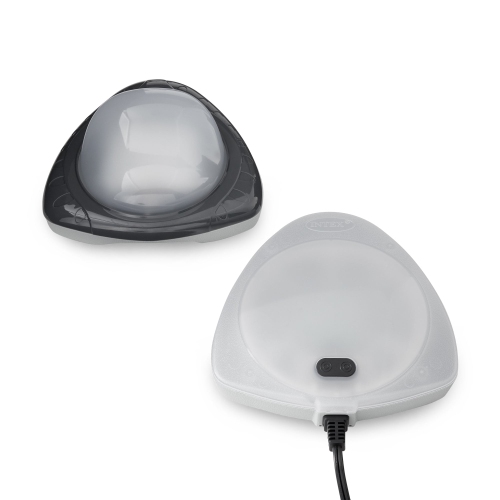
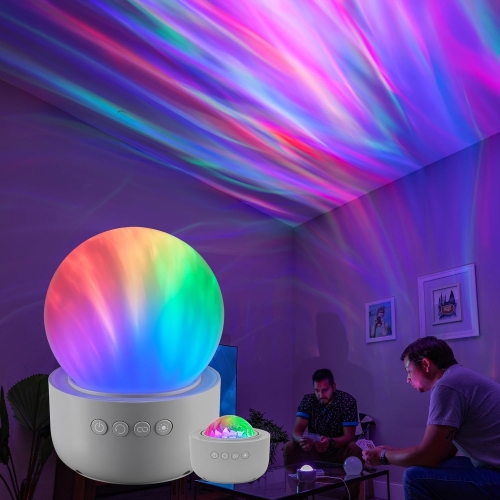
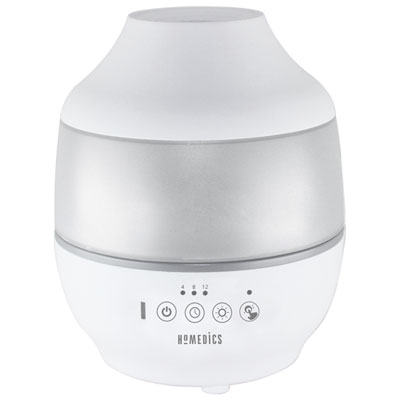
Nightlights are useful when a child prefers a gentle glow after the main lights are turned off. They can help illuminate the path to the bathroom, make it easier to find a dropped comfort item and give children a familiar point of reference in an unfamiliar room. Portable, battery-operated and rechargeable designs can be moved between a bedroom, hallway and travel bag, while plug-in models are convenient when a consistent location is preferred. When choosing a nightlight, consider whether the child will handle it independently, how bright the light needs to be and whether the controls are simple enough for small hands. A very bright light may make it harder to settle, while a soft, low-level glow can provide reassurance without turning the room into a play area. Timers, adjustable brightness and colour settings can be helpful for families who want the light to fade after bedtime or change according to the routine. For toddlers and younger children, choose durable, cool-to-the-touch construction and avoid small detachable pieces that could become a choking hazard. Battery compartments should close securely, and loose batteries should always be stored out of children’s reach. Keep all cords, adapters and extension cables away from beds, cribs and other sleep spaces, and avoid placing a light where blankets, curtains or soft toys could cover it. During the cooler months, when children may spend more time indoors and mornings can begin in low light, layered lighting makes the room easier to use while maintaining a calm atmosphere. Whether the goal is a brighter space for play, a focused reading corner or a reassuring glow at night, the best children’s room lights balance comfort, durability, accessibility and safe placement. Consider the child’s age, daily habits, room layout and sensitivity to brightness so the lighting feels like a natural part of the room rather than another source of clutter.
Top selling and popular products
-
 Your price for this item is $274.99
-
 Your price for this item is $49.99
-
 Your price for this item is $48.2
-
 Your price for this item is $89.99
-
 Your price for this item is $89.99
-
 Your price for this item is $29.99
-
 Your price for this item is $26.99
-
 Your price for this item is $99.99
Discover more categories related to Children's Room Lights

Top Collections:
Pokemon Centers, Best Cameras for Sports Photography, Kindle Devices, Samsung Galaxy Phones, Canon G7X Cameras, Pokémon 30th Celebration Cards, Refurbished Apple Laptops, iPhone 15 Apple, Laptops for Students, Budget Smartphones
Some products may be subject to Environmental Handling Fees
(EHF) depending on your province.
Learn more about EHFs.