Christmas Kitchen Decorations
Get your kitchen ready for the festive season with this collection of Christmas kitchen decorations. Elevate your cooking and dining space with a touch of holiday cheer, from charming ornaments to merry kitchen linens and accessories. Whether you prefer traditional red and green hues or a more modern approach with metallic accents, we have everything you need to create a warm and inviting atmosphere for your holiday gatherings.
Sort







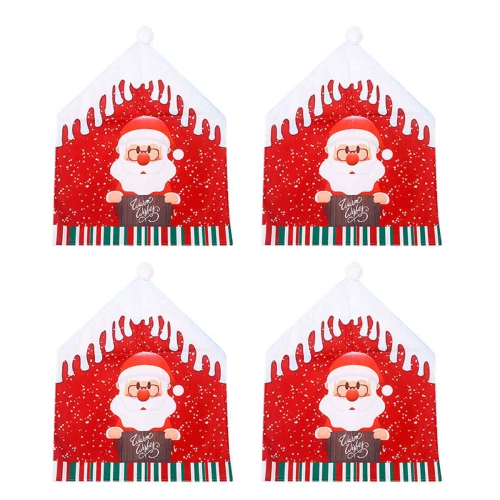

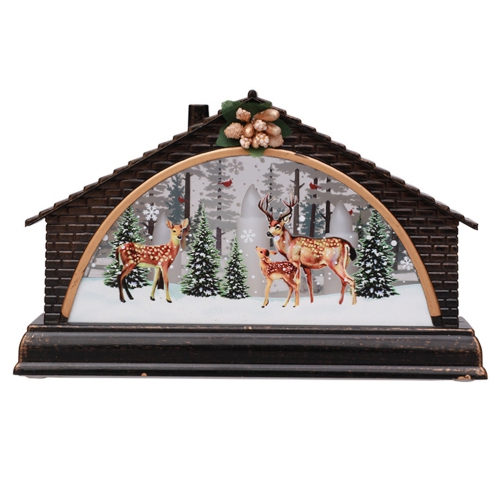
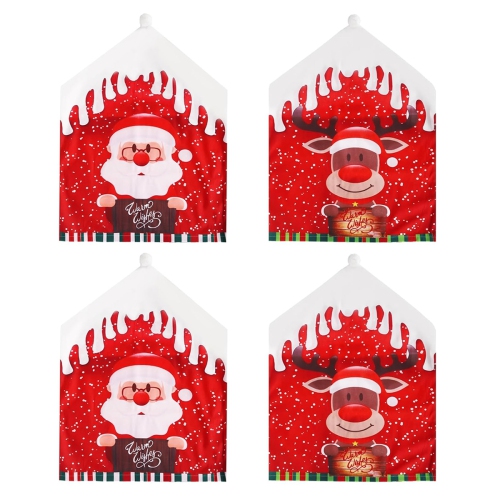

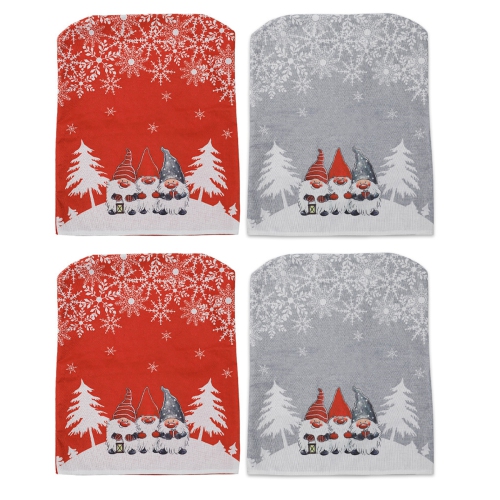

![YELLOW-PRICE [28 Flags & 9 Trees] Christmas Burlap Banner Decoration for Home Christmas Decor](https://multimedia.bbycastatic.ca/multimedia/products/500x500/164/16447/16447697.jpeg)
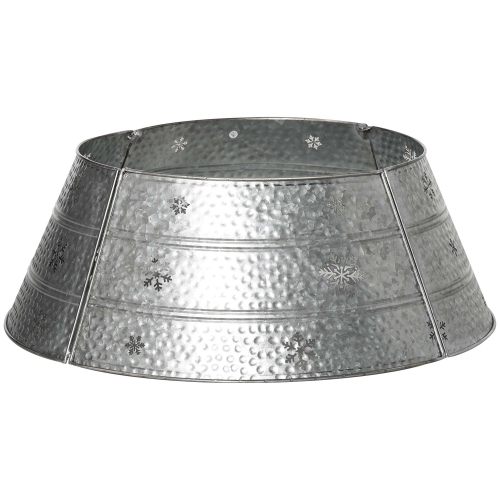
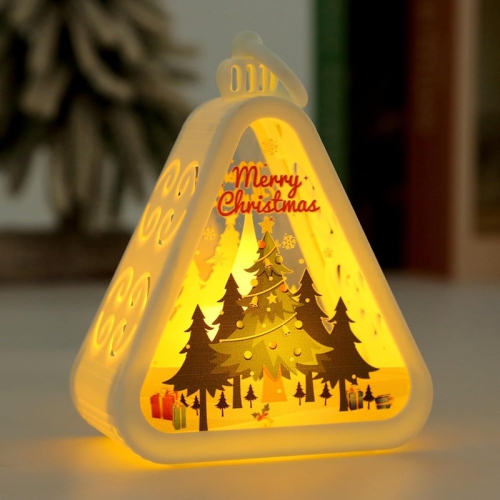
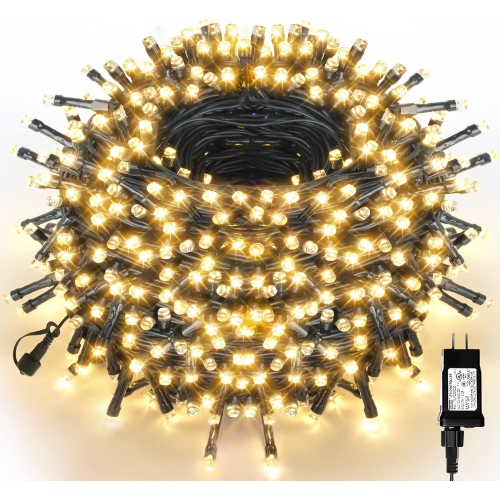

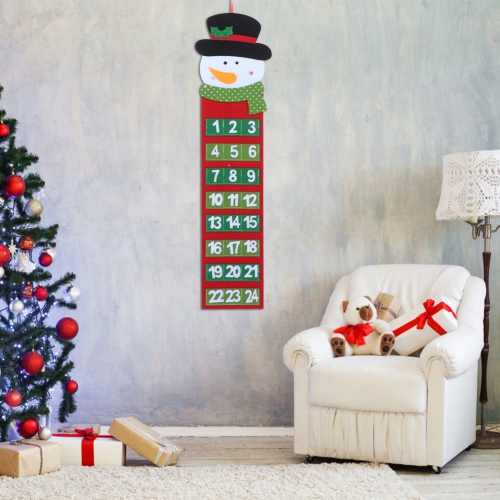
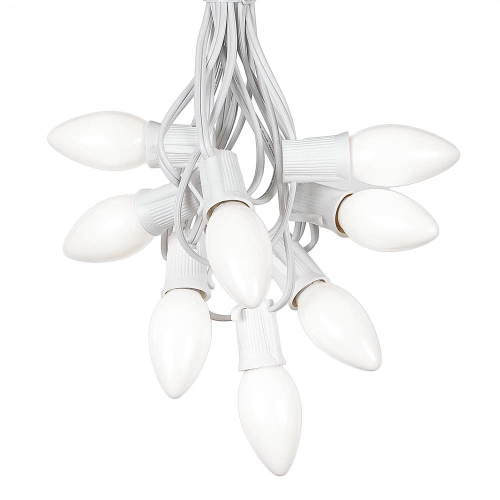
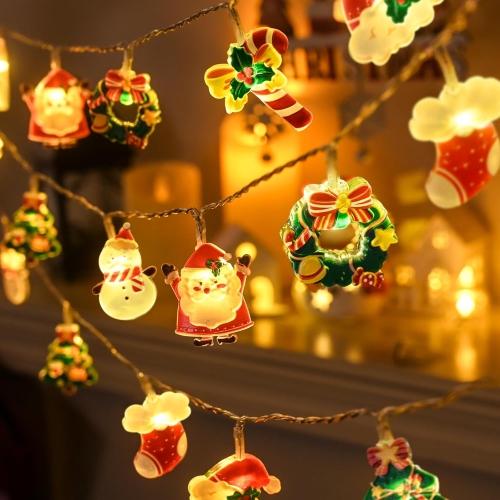
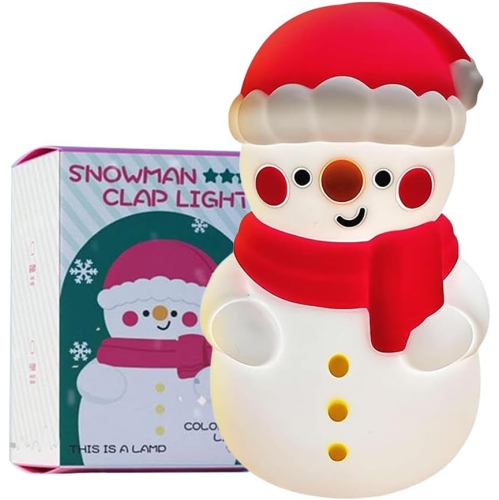
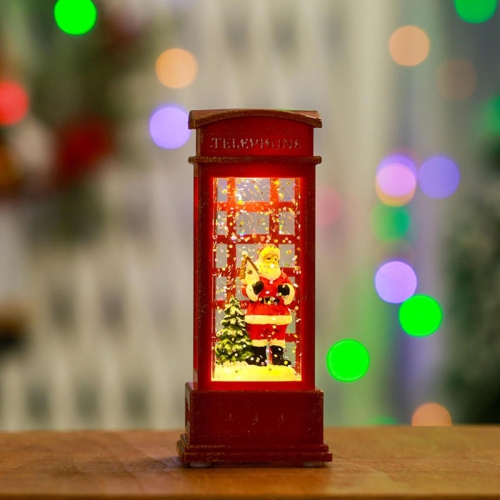
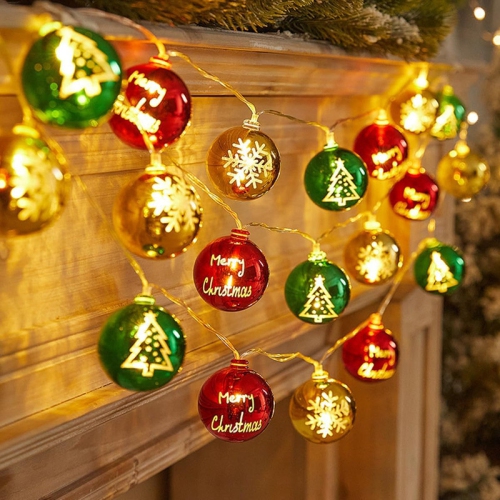
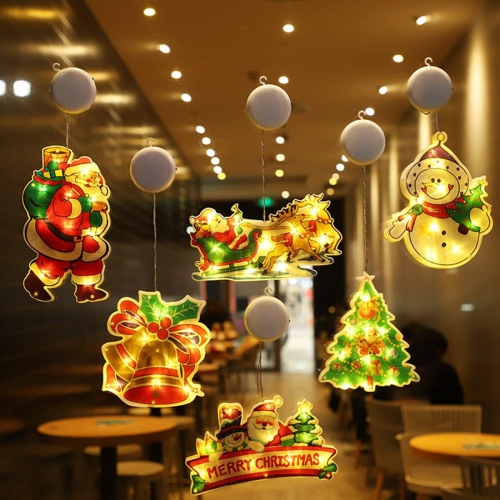






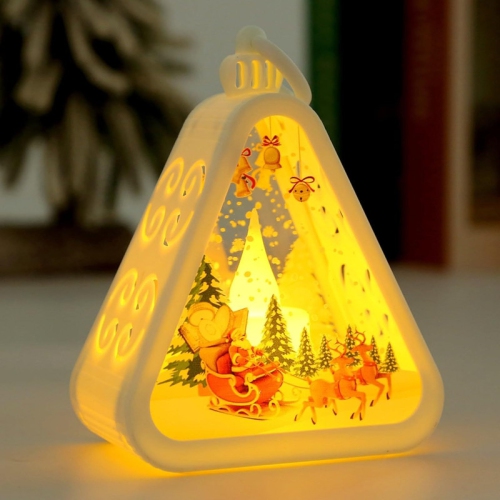
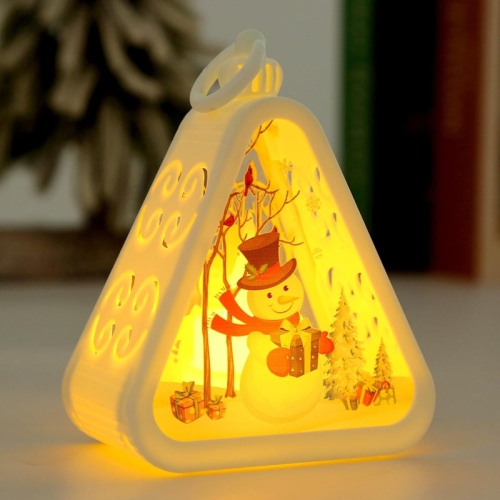

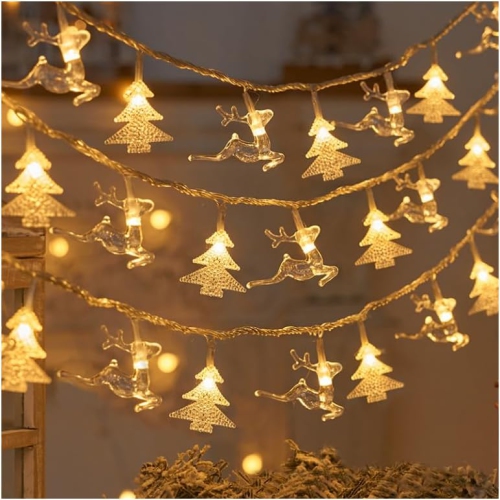
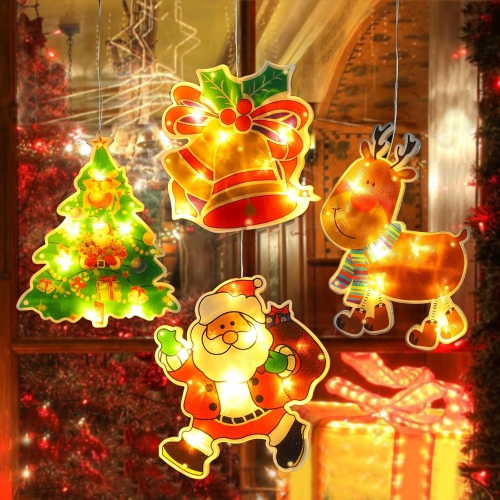

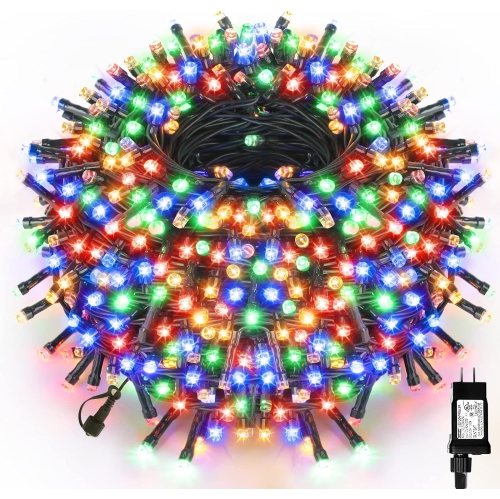
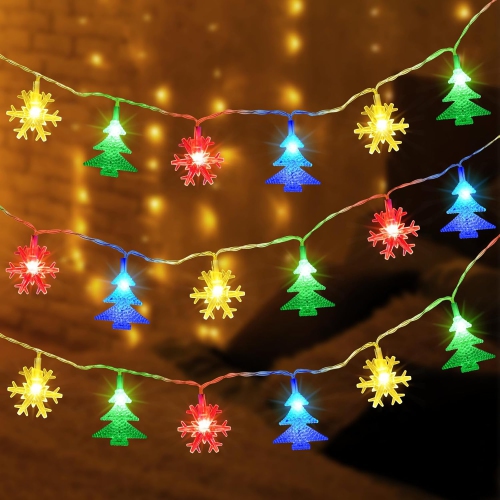
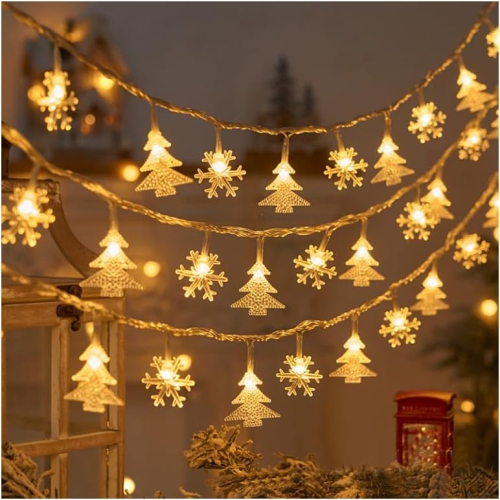
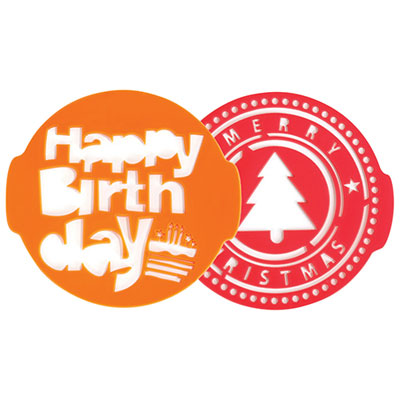


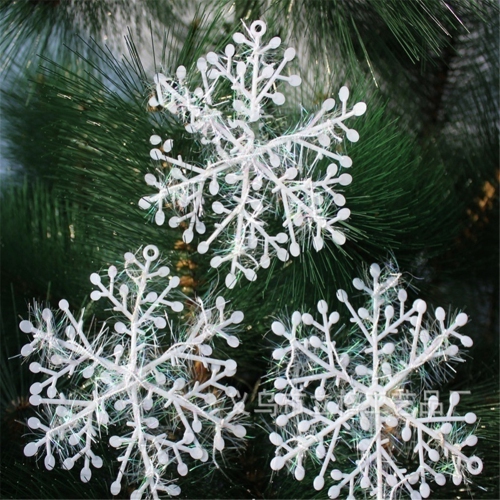
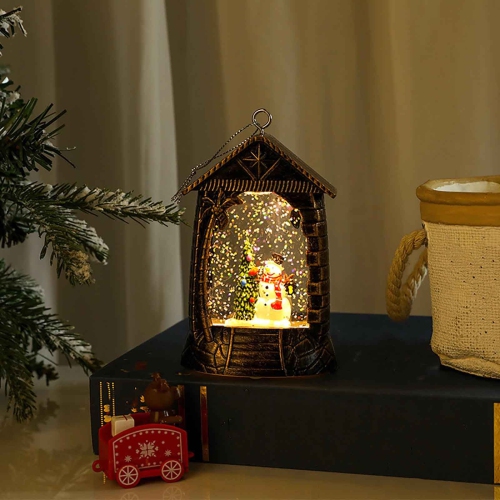
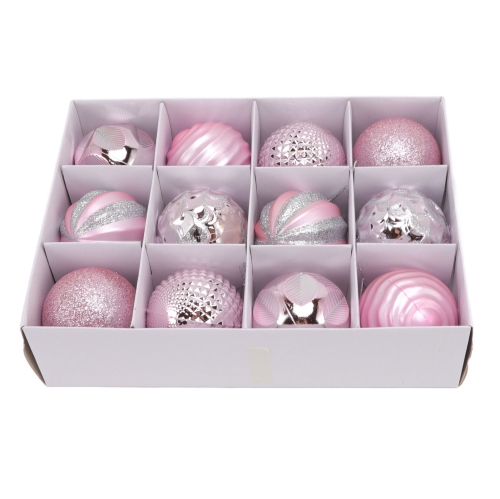
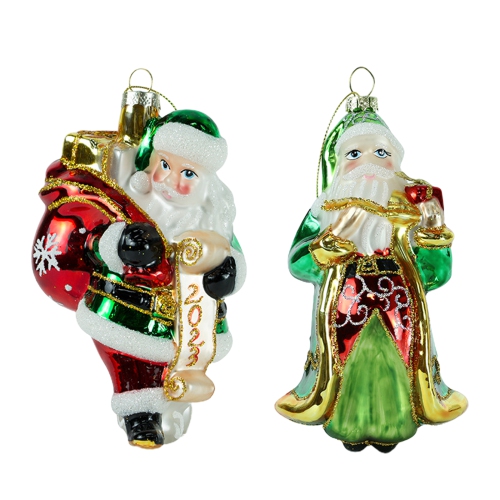
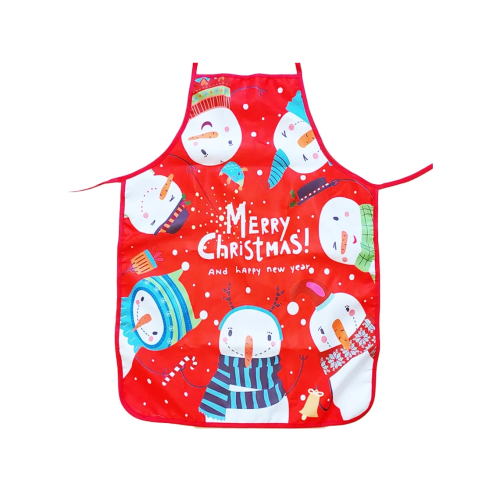

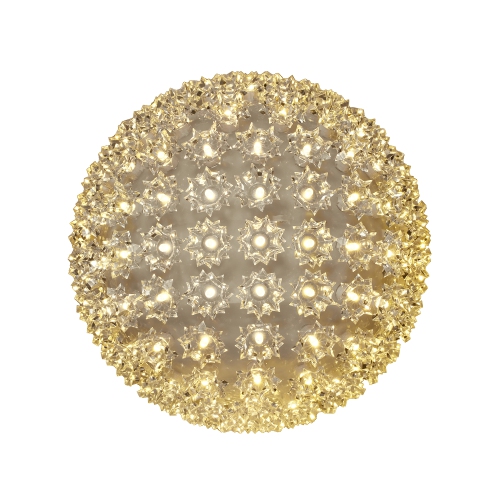





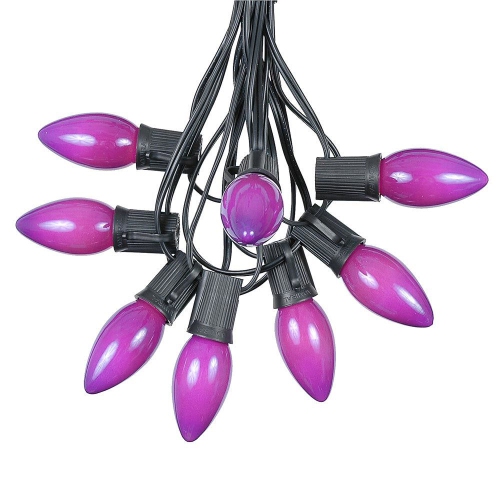

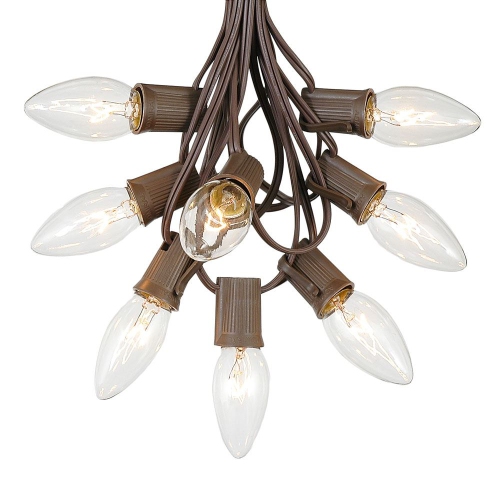
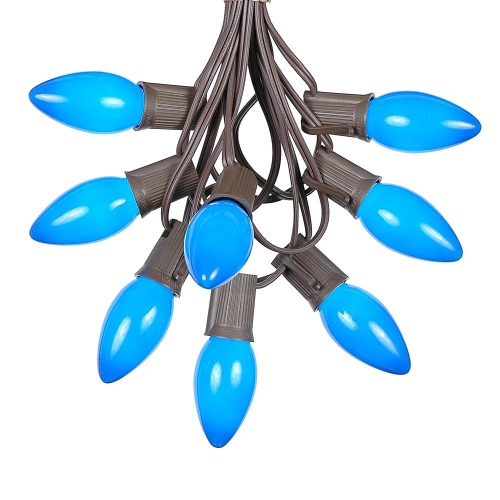
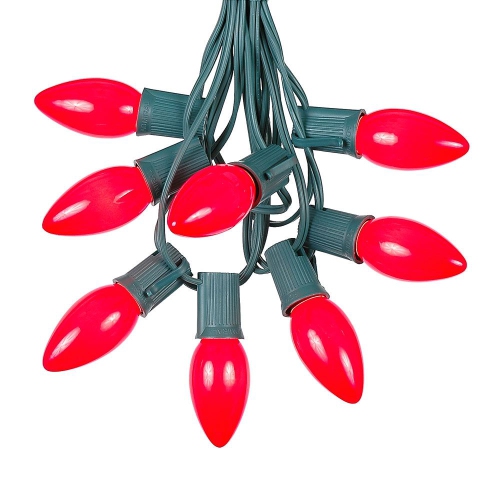



Festive kitchen accents that leave room for baking
Christmas kitchen decorations bring a festive touch to a room where much of the holiday happens: dough is rolled out on the counter, mugs gather beside the kettle, and family members drift in while dinner is being prepared. Unlike decorations in a hallway or living room, kitchen accents share space with cooking, washing up, and everyday meals. Their appeal comes from balancing Christmas character with the practical rhythm of the room. Rich reds, forest greens, and warm white tones create a familiar holiday palette, while soft neutrals, brushed metallic finishes, and clear glass suit a more understated setting. Patterns can establish the mood just as strongly as colour, from classic checks and woodland motifs to playful illustrations that children can enjoy. A few repeated details can connect the kitchen to an adjoining dining area without making every surface look the same. In an open-plan home, a common accent colour helps the view from the living room feel cohesive; in a separate kitchen, there is more room for a distinct look that feels cheerful and personal. Scale matters, too. A compact apartment kitchen benefits from accents that leave preparation areas clear, while a larger room may have space for a fuller arrangement on an island or breakfast table. Decorations placed near the sink, stove, or food preparation area need more careful consideration than those displayed on an unused shelf. The most comfortable arrangement leaves cupboard doors easy to open, seating easy to reach, and work surfaces ready for the next batch of baking. For a household that hosts Christmas brunch, the kitchen might lean towards bright, informal details; for evenings spent preparing a festive dinner, subtle shine and coordinated textures can create a quieter backdrop. Neither approach needs to dominate the room. The kitchen’s existing cabinetry, countertops, and everyday dishes can remain part of the look, with Christmas details adding warmth rather than competing for attention.
Materials and construction influence how Christmas kitchen decorations look, feel, and stand up to use. Cotton and linen textiles offer a soft, tactile contrast to stone, tile, and stainless steel, although their care requirements vary by weave, finish, and any added trim. Washable fabrics are particularly practical where splashes and crumbs are part of daily life, and care labels help establish whether a decorative textile suits regular use or occasional display. Embroidery, raised patterns, and attached embellishments bring depth to a design but may need gentler cleaning than a plain woven surface. Ceramic and glass have a different presence, with glossy finishes that catch light and colours that can feel crisp against wood or painted cabinetry. Their weight and breakability are worth considering on narrow ledges, busy counters, or surfaces within reach of children and pets. Wood adds grain and texture, though prolonged moisture and placement beside a steamy kettle can be unsuitable for some finishes. Metal accents range from smooth and polished to softly textured; cleaning requirements depend on the finish, and abrasive pads may leave visible marks. In a kitchen, decorative use and food use are not interchangeable. Anything intended to hold or touch food should be identified as suitable for that purpose, while purely decorative pieces belong away from direct food contact. Heat resistance also needs to be confirmed rather than assumed from appearance. Seasonal fabrics, paper details, and other combustible materials should stay well away from burners, hot appliances, and open flames. Where lighting is part of a display, indoor suitability, power requirements, and cord placement affect whether it fits comfortably into the space. A cable stretched across a preparation area or a decoration blocking an appliance vent can quickly undo an otherwise appealing arrangement. Durability often comes down to details: secure joins, stable bases, firmly attached trims, and surfaces that can be cleaned according to their care instructions. These qualities matter most in homes where the kitchen stays busy throughout Christmas gatherings and the decorations will be handled, moved, and packed away for future celebrations.
Fit is about more than dimensions. Christmas kitchen decorations should also suit the people who spend time in the room and the traditions they enjoy. A keen baker may appreciate a festive setting that leaves generous room for mixing and cooling, while someone who loves hosting may prefer a coordinated look that carries from the kitchen into the dining space. Families can make room for light-hearted colours and familiar Christmas imagery without putting fragile details in the path of small hands. For shared homes, a restrained palette can bring a sense of occasion without overwhelming a space used by several people. Even a small breakfast nook can feel festive when the proportions are right and the tabletop remains useful for a weekday meal. Height deserves particular attention around seating: a low arrangement keeps conversation comfortable and avoids interrupting sightlines across the table. Patterns also read differently depending on distance. A bold motif may work well against plain cabinetry, while a fine design is often best appreciated close up. Those drawn to less traditional styling can explore unique Christmas decorations for details that complement a kitchen’s colours and add a more individual note to the home. As gifts, kitchen decorations can feel thoughtful for someone celebrating Christmas in a first apartment, settling into a new house, or building on a well-loved holiday tradition. The recipient’s storage space, preferred colours, and willingness to follow special care instructions matter just as much as the festive design. Easy-care materials may suit frequent entertaining, while more delicate finishes can be appropriate for someone who enjoys arranging a display and storing it carefully. After the celebrations, clean, fully dry decorations are easier to pack neatly, with fragile surfaces separated and textiles folded without putting pressure on embellishments. Keeping care information with the decorations makes future setup simpler. Thoughtful choices allow the kitchen to remain a welcoming, hardworking room while giving Christmas meals, baking afternoons, and familiar everyday routines a distinctive festive setting.
Materials and construction influence how Christmas kitchen decorations look, feel, and stand up to use. Cotton and linen textiles offer a soft, tactile contrast to stone, tile, and stainless steel, although their care requirements vary by weave, finish, and any added trim. Washable fabrics are particularly practical where splashes and crumbs are part of daily life, and care labels help establish whether a decorative textile suits regular use or occasional display. Embroidery, raised patterns, and attached embellishments bring depth to a design but may need gentler cleaning than a plain woven surface. Ceramic and glass have a different presence, with glossy finishes that catch light and colours that can feel crisp against wood or painted cabinetry. Their weight and breakability are worth considering on narrow ledges, busy counters, or surfaces within reach of children and pets. Wood adds grain and texture, though prolonged moisture and placement beside a steamy kettle can be unsuitable for some finishes. Metal accents range from smooth and polished to softly textured; cleaning requirements depend on the finish, and abrasive pads may leave visible marks. In a kitchen, decorative use and food use are not interchangeable. Anything intended to hold or touch food should be identified as suitable for that purpose, while purely decorative pieces belong away from direct food contact. Heat resistance also needs to be confirmed rather than assumed from appearance. Seasonal fabrics, paper details, and other combustible materials should stay well away from burners, hot appliances, and open flames. Where lighting is part of a display, indoor suitability, power requirements, and cord placement affect whether it fits comfortably into the space. A cable stretched across a preparation area or a decoration blocking an appliance vent can quickly undo an otherwise appealing arrangement. Durability often comes down to details: secure joins, stable bases, firmly attached trims, and surfaces that can be cleaned according to their care instructions. These qualities matter most in homes where the kitchen stays busy throughout Christmas gatherings and the decorations will be handled, moved, and packed away for future celebrations.
Fit is about more than dimensions. Christmas kitchen decorations should also suit the people who spend time in the room and the traditions they enjoy. A keen baker may appreciate a festive setting that leaves generous room for mixing and cooling, while someone who loves hosting may prefer a coordinated look that carries from the kitchen into the dining space. Families can make room for light-hearted colours and familiar Christmas imagery without putting fragile details in the path of small hands. For shared homes, a restrained palette can bring a sense of occasion without overwhelming a space used by several people. Even a small breakfast nook can feel festive when the proportions are right and the tabletop remains useful for a weekday meal. Height deserves particular attention around seating: a low arrangement keeps conversation comfortable and avoids interrupting sightlines across the table. Patterns also read differently depending on distance. A bold motif may work well against plain cabinetry, while a fine design is often best appreciated close up. Those drawn to less traditional styling can explore unique Christmas decorations for details that complement a kitchen’s colours and add a more individual note to the home. As gifts, kitchen decorations can feel thoughtful for someone celebrating Christmas in a first apartment, settling into a new house, or building on a well-loved holiday tradition. The recipient’s storage space, preferred colours, and willingness to follow special care instructions matter just as much as the festive design. Easy-care materials may suit frequent entertaining, while more delicate finishes can be appropriate for someone who enjoys arranging a display and storing it carefully. After the celebrations, clean, fully dry decorations are easier to pack neatly, with fragile surfaces separated and textiles folded without putting pressure on embellishments. Keeping care information with the decorations makes future setup simpler. Thoughtful choices allow the kitchen to remain a welcoming, hardworking room while giving Christmas meals, baking afternoons, and familiar everyday routines a distinctive festive setting.
Top selling and popular products
-
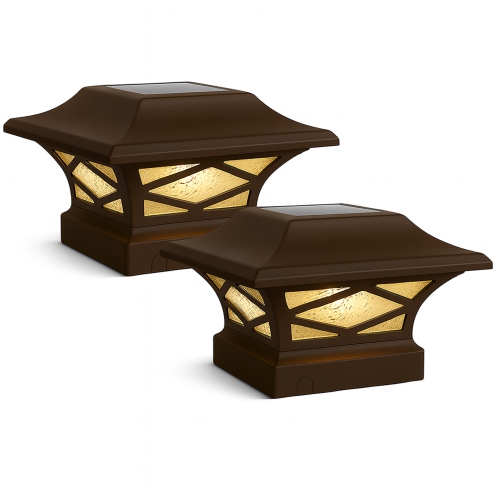 Your price for this item is $99.99
 -
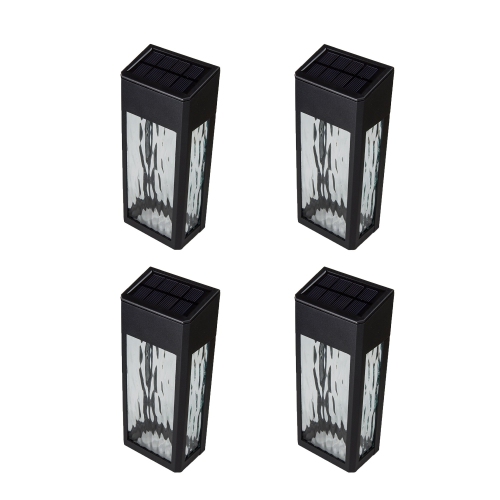 Your price for this item is $73.99
 -
 Your price for this item is $69.99
 -
 Your price for this item is $59.99
 -
 Your price for this item is $99.99
 -
 Your price for this item is $99.99
 -
 Your price for this item is $99.99
 -
 Your price for this item is $99
Discover more categories related to Christmas Kitchen Decorations
Top Collections:
Pokemon Centers, Kindle Devices, Best Budget Office Chairs, Apple iPhones 16, Best Laptops for Writers, iPhone 15 Apple, Canon G7X Cameras, Refurbished Apple Laptops, Alarm Clock, Motorola Razr Phones
Some products may be subject to Environmental Handling Fees
(EHF) depending on your province.
Learn more about EHFs.