Christmas Village Displays
Create a festive wonderland in your home this holiday season with our delightful Christmas village displays collection. From charming cottages to twinkling streetlights, these miniature scenes bring the magic of the season to life right in your living room. Whether you're starting a new tradition or adding to your existing display, our selection offers something for every style and space. Get ready to immerse yourself in the joy and nostalgia of the holidays with our enchanting Christmas village displays.
Sort



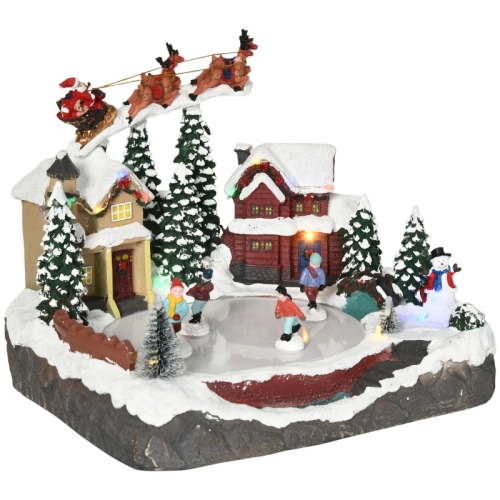
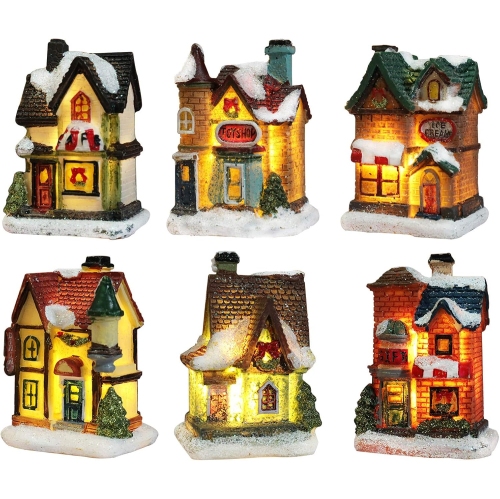
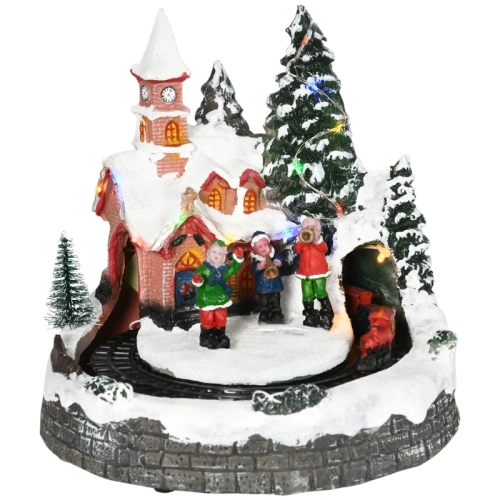
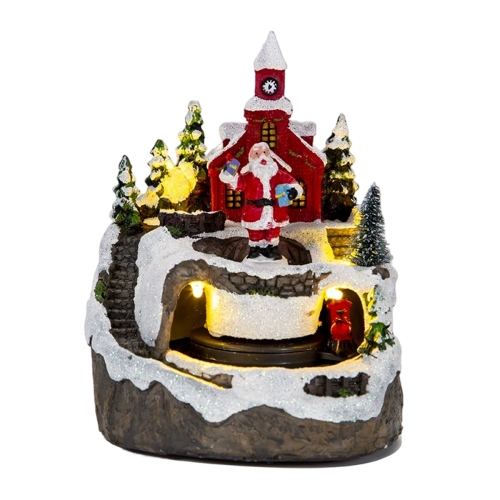
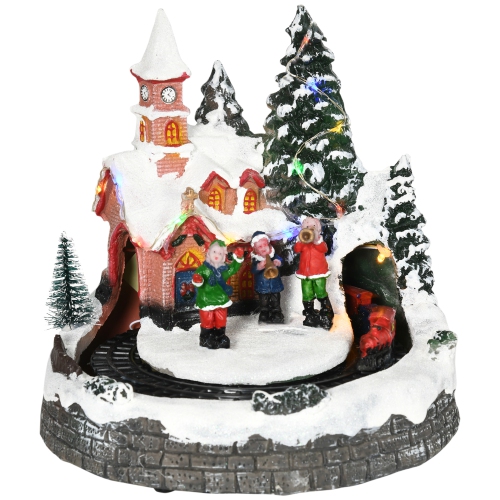
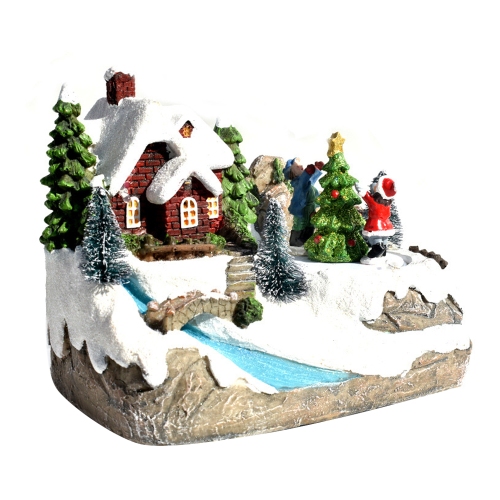
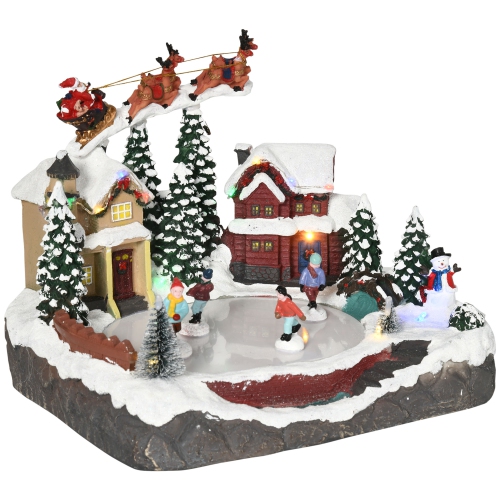
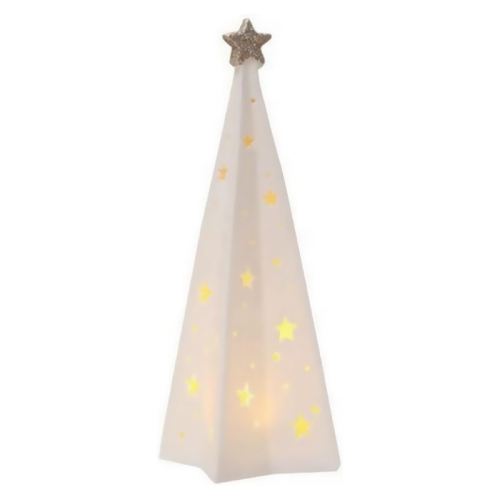
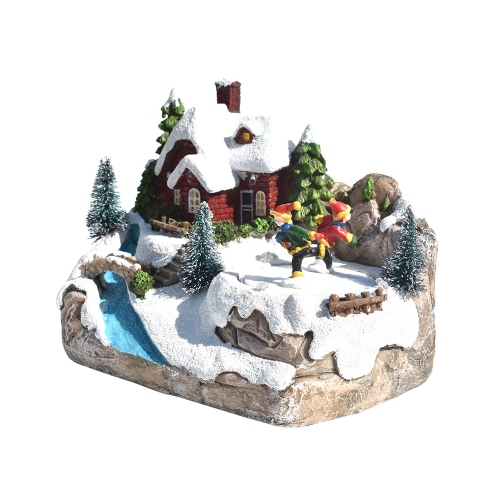



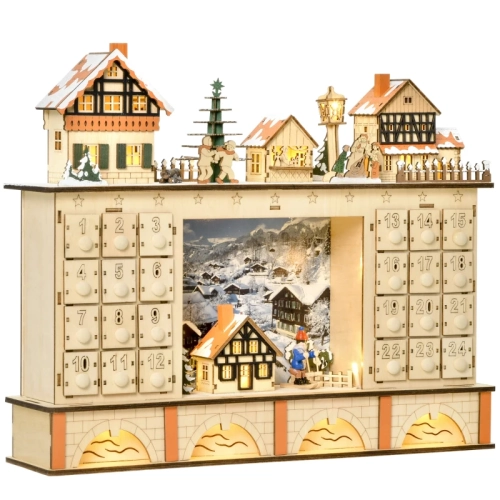
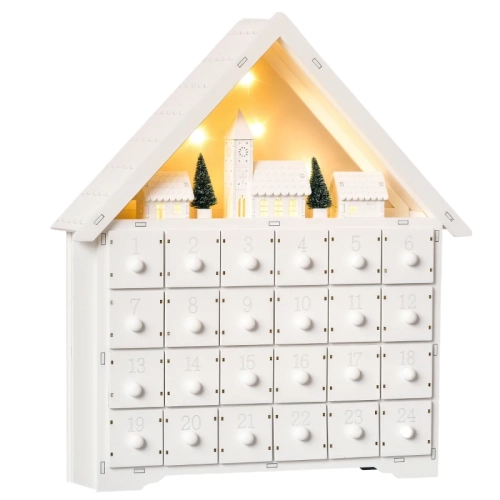
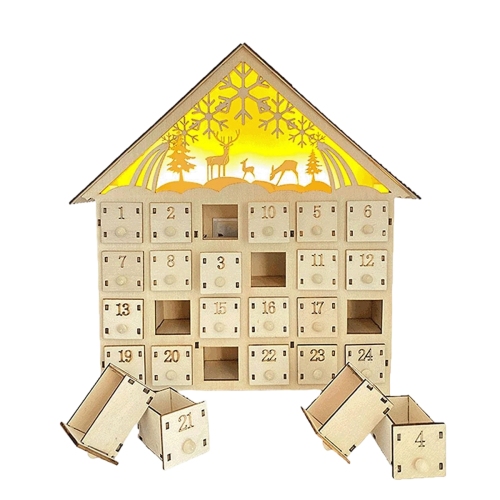

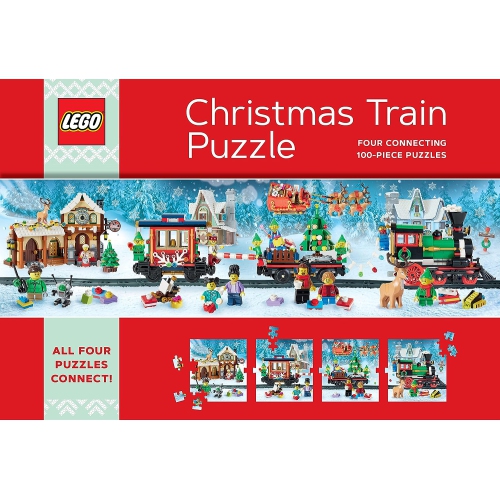


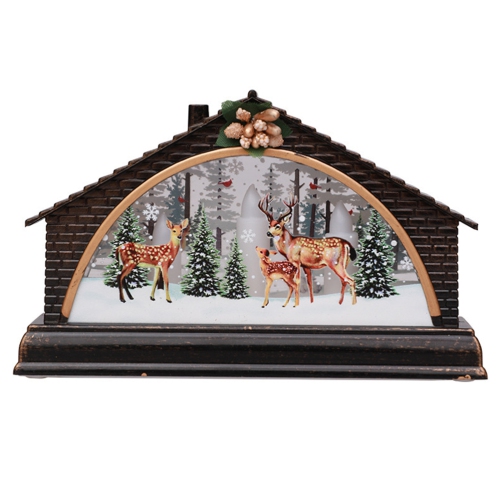
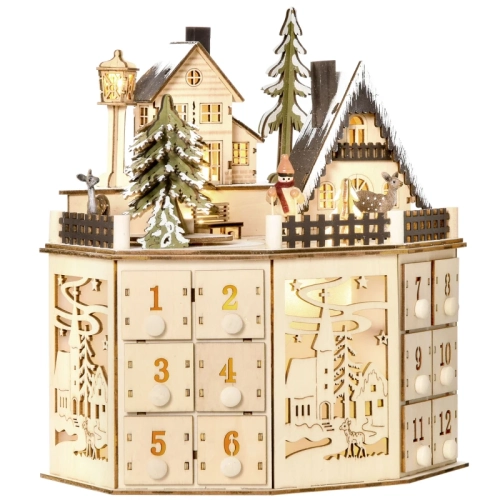


Glowing windows and tiny streets tell holiday stories
Christmas village displays bring the character of a miniature town into holiday decorating, with glowing windows, snowy rooftops, and tiny gathering places that invite a closer look. Their appeal is as much about storytelling as it is about decoration: a quiet row of houses suggests a familiar neighbourhood, while a lively town square creates the feeling of an evening spent browsing shops and meeting friends. These displays suit a range of spaces, from a compact arrangement on a bookshelf to a broad scene across a sideboard. A few carefully spaced buildings can feel complete in a small room, while a larger surface leaves room for winding streets, trees, and figures that give the village a sense of everyday life. The most convincing arrangements usually have a clear relationship between the pieces. Similar architectural details, coordinated colours, or a shared setting help separate buildings feel like part of the same place without requiring every element to match. Scale matters, too: figures, doorways, trees, and street features look more natural when their proportions work together. Exact dimensions are especially useful when planning around a narrow mantel, a shelf with limited clearance, or a cabinet where the display will be viewed through glass. Allowing space around the edges helps keep delicate details away from passing sleeves and makes the scene easier to appreciate. Viewing height also changes the effect. A display near eye level highlights window details and painted finishes, while a lower tabletop makes paths, gardens, and the layout of the village more visible. In shared living spaces, a village can become a familiar part of Christmas gatherings, drawing attention without taking over the room. It can also offer a quieter decorative focal point in an entryway or dining area, provided the surface is stable and still leaves enough room for its usual purpose.
Materials and construction influence both the appearance of Christmas village displays and how they hold up to repeated handling. Ceramic and porcelain buildings often have a substantial feel, with painted surfaces or glazed finishes that catch the light differently. Resin allows for intricate textures such as brickwork, roof shingles, and carved-looking trim, although thin projections still need careful handling. Wood and paper-based elements bring another kind of detail, from visible grain to layered cutwork, and generally need protection from moisture. Weight, finish, and fragility vary from piece to piece, so material alone does not determine durability. A solid base, securely attached details, and accessible controls all make a difference when a display is unpacked and arranged each year. Lighting adds another consideration. Illuminated windows create depth within a scene, but power connections need to suit the intended location. Plug-in lighting requires a suitable outlet and a cable route that does not cross a walkway or become pinched behind furniture. Battery-operated designs offer more flexibility in placement, with the practical need to reach the battery compartment without dismantling the whole village. Any connection between illuminated components should follow the manufacturer’s compatibility and load requirements rather than being assumed to fit. Indoor display pieces should remain indoors unless they are expressly rated for outdoor use, and electrical parts should be kept away from water and damp decorative materials. For cleaning, a soft brush can lift dust from textured surfaces, while a gentle wipe may suit some smooth finishes when permitted by the care instructions. Immersing a building or spraying cleaner near lighting components can damage both the finish and the electrical parts. Delicate chimneys, fences, and branches are best supported at the base rather than used as handholds. In homes with young children or curious pets, a higher, secure location helps protect breakable pieces and keeps small accessories out of reach; decorative miniatures are not necessarily designed as toys.
The finishing details give a Christmas village its particular mood. A restrained scene with a few trees and generous open space can suggest a peaceful residential street, while layered buildings and clusters of figures make a busier town centre. Artificial snow can soften the edges of bases and visually connect separate pieces, but its suitability depends on the display materials and any nearby electrical components. Keeping it clear of vents, switches, and lamp openings preserves access and avoids covering parts that need ventilation. Changes in height can also make a flat surface feel more like a landscape, provided any risers are firm, level, and able to support the weight above them. Taller buildings placed towards the back tend to remain visible without hiding smaller details, while a little open space at the front lets the eye follow a road or footpath into the scene. There is no need for every available space to be filled; a gap between buildings may make a tiny bench or doorway easier to notice. For people who enjoy arranging interiors, crafting miniature scenes, or revisiting family holiday traditions, the pleasure often comes from making familiar pieces feel fresh through a different layout. A village can be arranged as a shared household activity, with adults handling fragile or powered components and children helping decide where the town’s pathways should lead. As gifts for Christmas Village Collectors, additions are most thoughtful when they reflect the recipient’s preferred scale, architectural style, and available display space. Someone with a small shelf may appreciate a compact addition more than a large centrepiece. After the holiday display comes down, individually wrapped pieces and sturdy, divided storage help prevent painted surfaces from rubbing together. Retaining fitted packaging, labelling power adapters, and removing replaceable batteries before extended storage can make the next setup simpler and help preserve the details that give the village its character.
Top selling and popular products
-
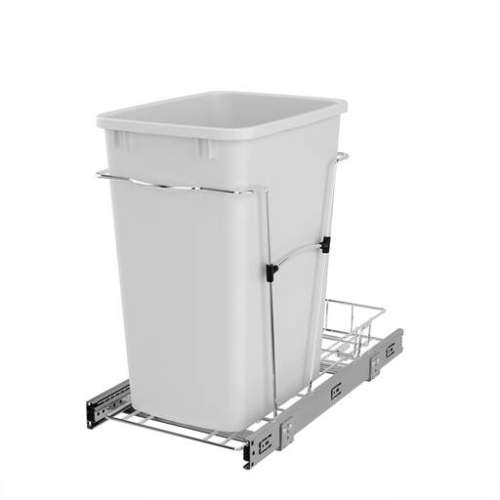 Your price for this item is $176.99
-
 Your price for this item is $99.98
-
 Your price for this item is $69.98
-
 Your price for this item is $67.99
-
 Your price for this item is $39.98
-
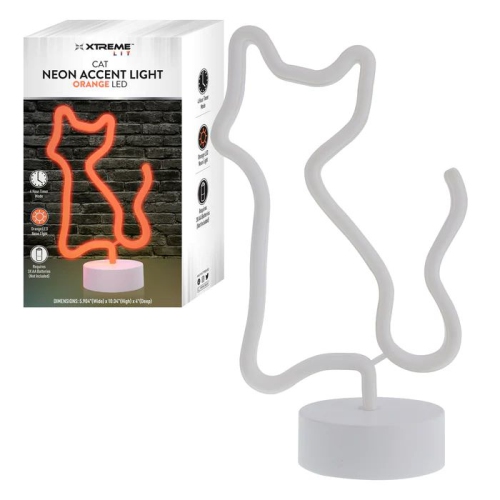 Your price for this item is $12.99
-
 Your price for this item is $299.99
-
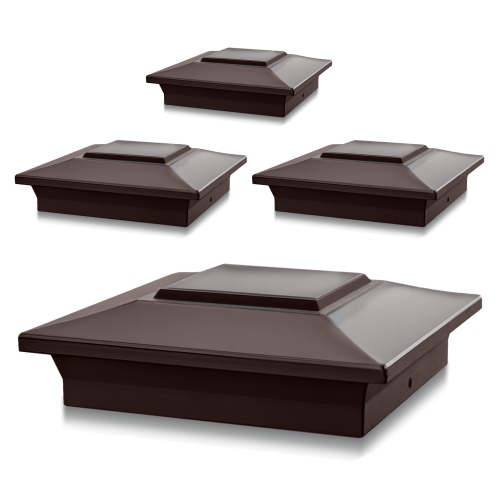 Your price for this item is $103.99
Discover more categories related to Christmas Village Displays

Top Collections:
Pokemon Centers, Best Cameras for Sports Photography, Kindle Devices, Samsung Galaxy Phones, Canon G7X Cameras, Pokémon 30th Celebration Cards, Refurbished Apple Laptops, iPhone 15 Apple, Laptops for Students, Budget Smartphones
Some products may be subject to Environmental Handling Fees
(EHF) depending on your province.
Learn more about EHFs.