Classroom Storage Solutions
Classroom Storage Solutions make it easy to keep learning spaces organized and clutter-free. With the right storage options, supplies, books, and classroom essentials can be neatly arranged for quick access throughout the day. Designed to support a productive environment, these solutions help educators and students stay focused by maintaining order in any educational setting. Explore a variety of options to find the perfect fit for your classroom’s unique needs.
Sort
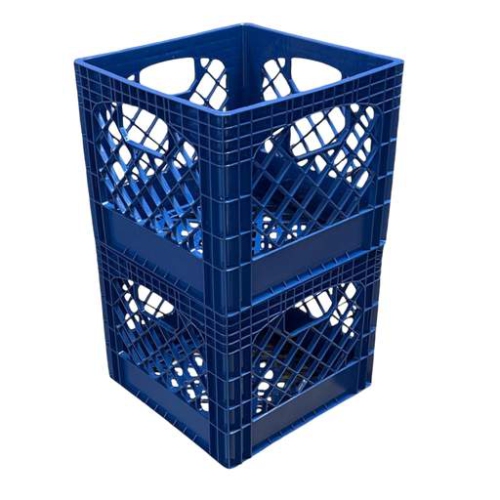
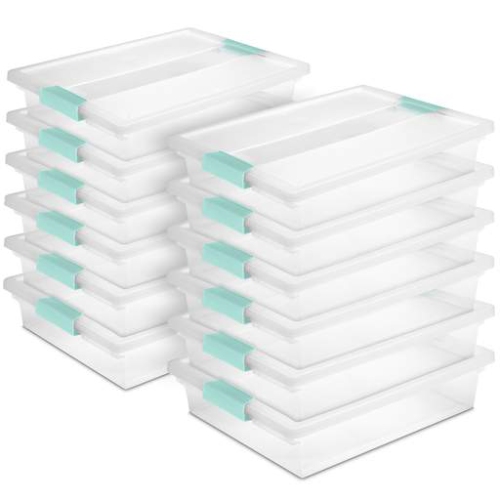
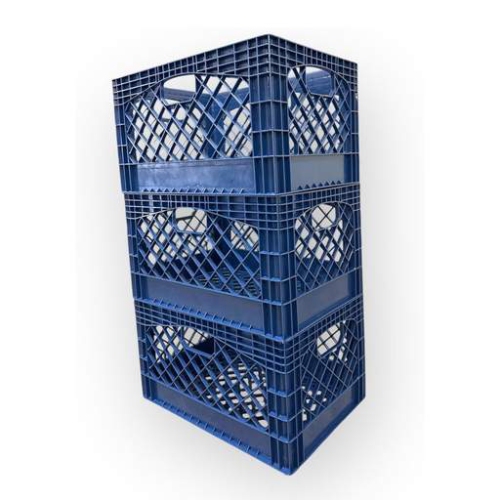
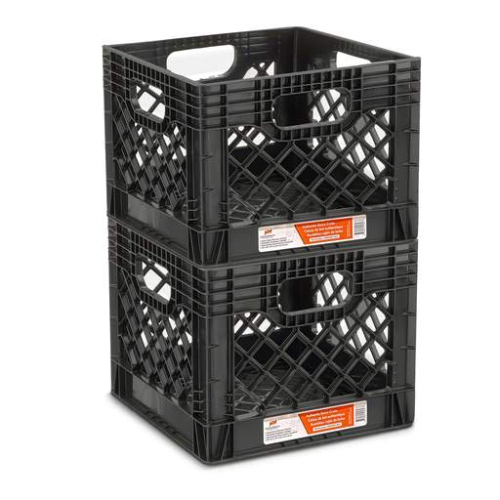

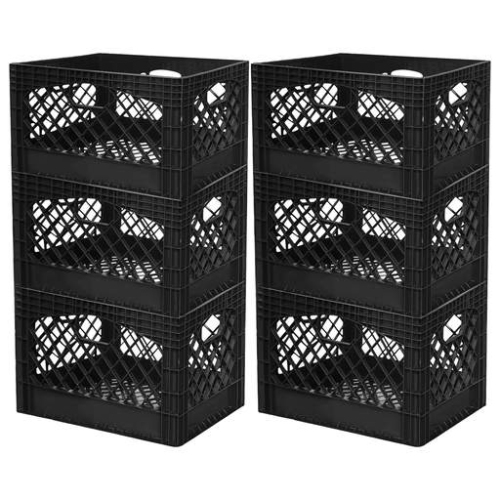
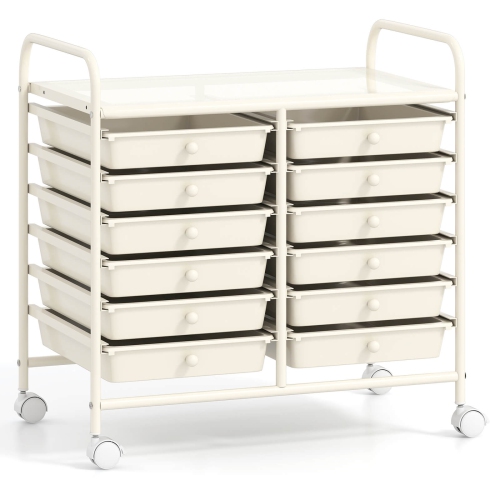
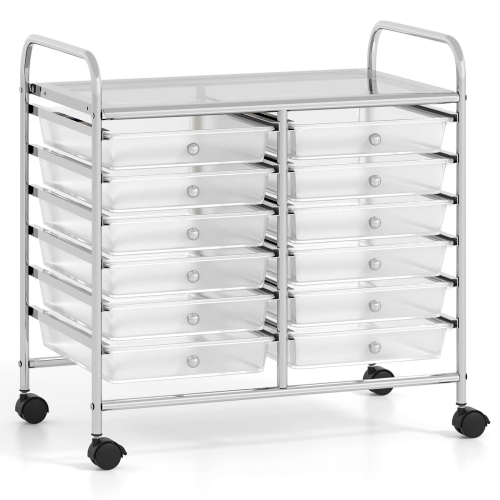
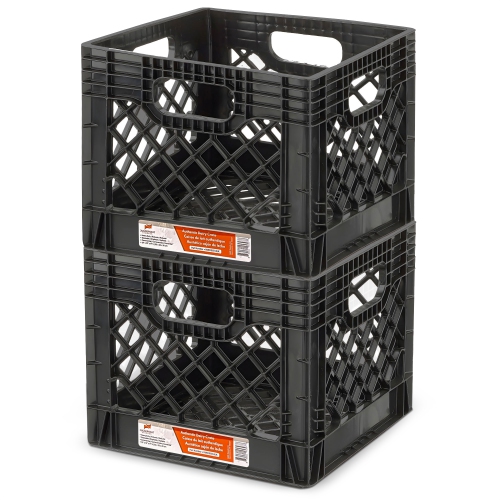
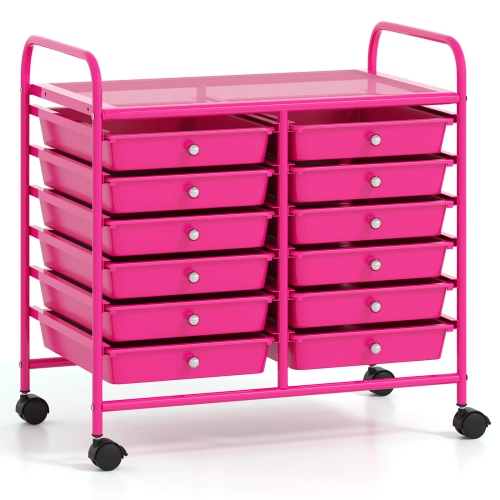
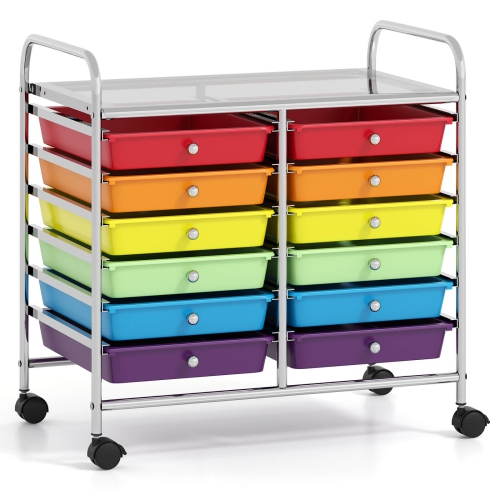
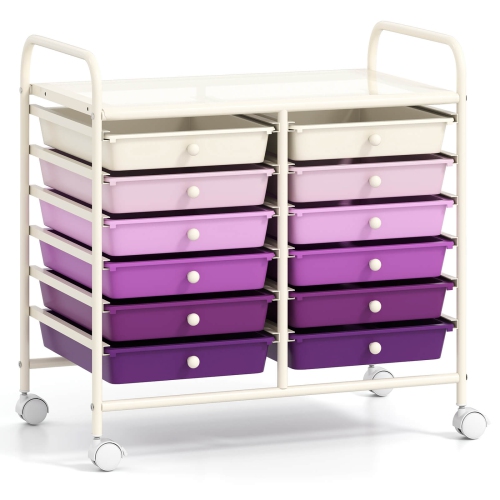
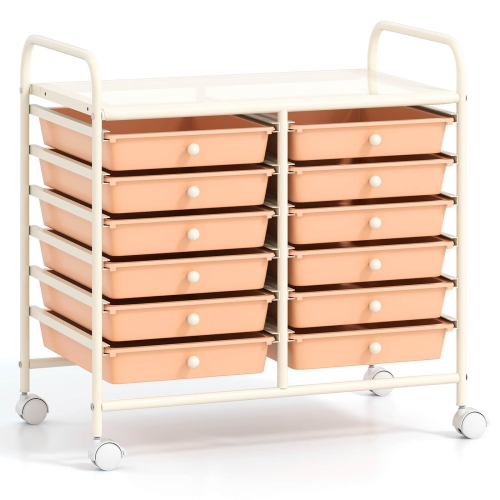
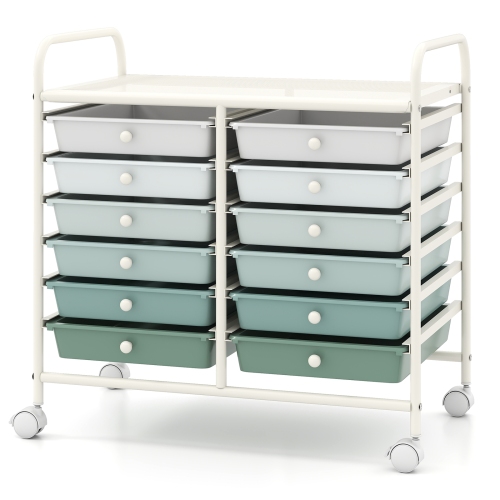
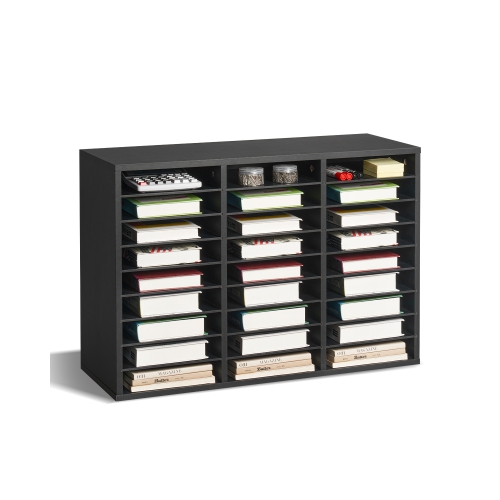
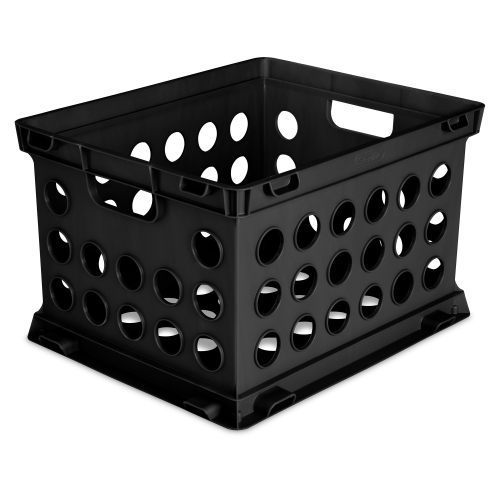
Thoughtful storage for smoother transitions between classroom activities
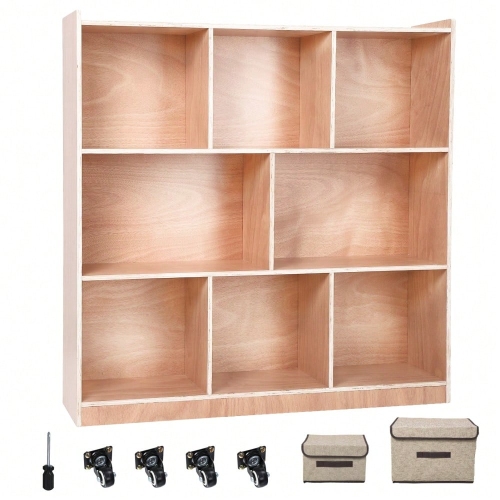
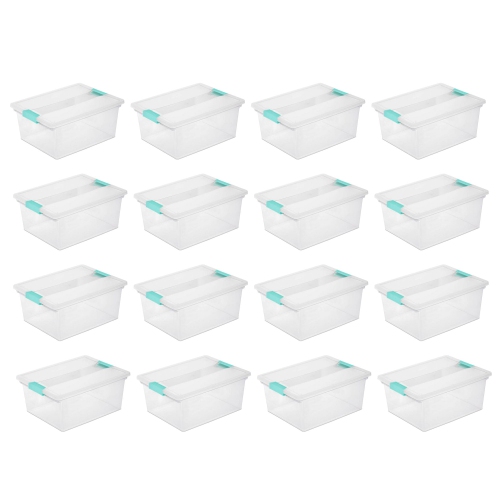
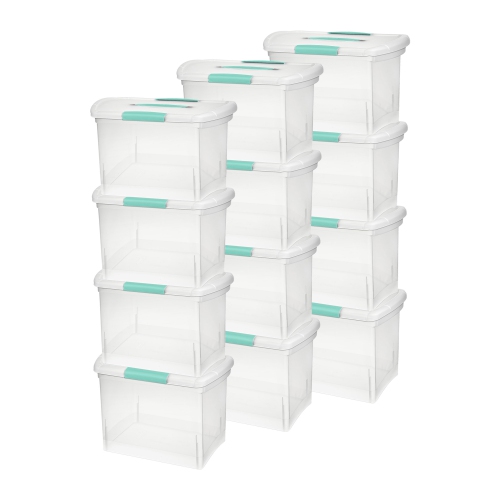
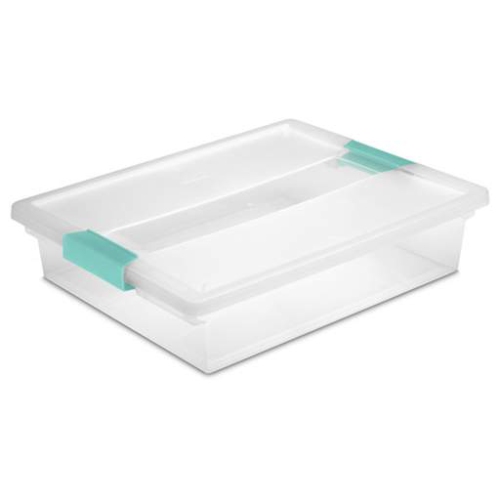
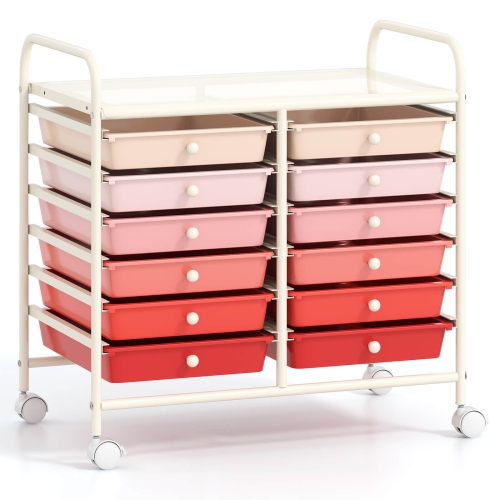
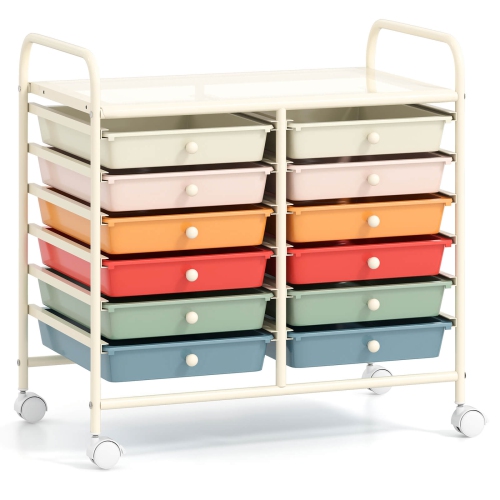
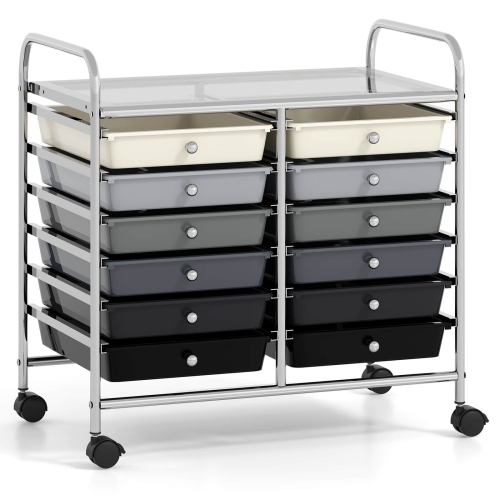
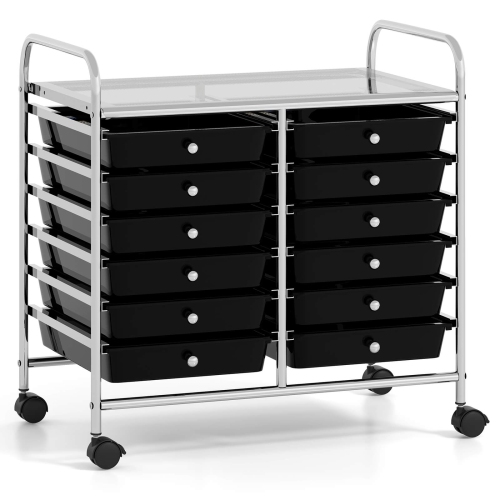
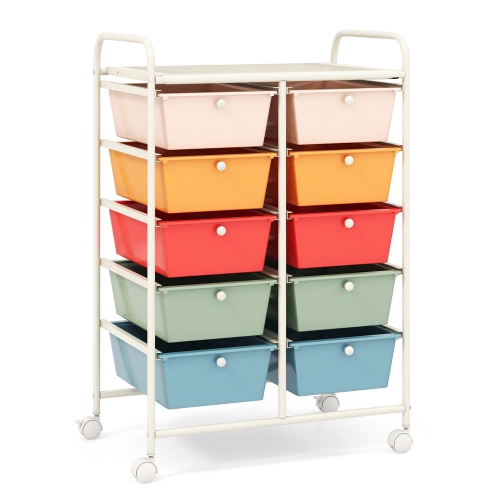
Classroom storage solutions bring together shelving, cupboards, containers, and mobile storage to give learning materials a clear place between activities. An effective arrangement usually combines open storage for frequently used supplies, labelled containers for smaller materials, and enclosed space for resources that need adult supervision. The right mix depends on the age of the learners, the room layout, and how supplies move through a typical day. In an early learning room, low compartments can make picture books, building materials, and activity trays easier to reach and return. In an elementary classroom, separate spaces for writing materials, maths resources, and art supplies help distinguish shared equipment from personal belongings. Teachers, educational assistants, childcare staff, and families organizing a home learning area may all need similar functions, although the size and capacity of the storage will vary. A useful setup supports the activity taking place rather than simply filling an empty wall. For example, paper and drawing materials stored near an art table reduce trips across the room, while books arranged beside a reading nook keep that area self-contained. Frequently used materials benefit from visible, easy-to-reach positions; less frequently used resources can occupy higher or enclosed spaces accessible to staff. Open compartments make contents easier to see at a glance, while removable containers allow a whole activity to travel to a table. Matching container sizes can create an orderly appearance, but varied dimensions often make better use of space when supplies range from flat paper to bulky construction materials. Clear labels, photographs, or simple symbols help children recognize where materials belong without relying entirely on reading ability. Colour can reinforce these groupings, especially when paired with words or pictures rather than used as the only cue. Well-planned classroom storage also leaves room for materials to be put away without cramming, making everyday transitions easier to manage and helping shared resources stay together. That breathing room matters when several children are returning supplies at once and each container needs to slide back into place.
Materials and construction influence how classroom storage feels, how it holds up to repeated handling, and how easily it can be cleaned. Solid wood, plywood, engineered wood, metal, and plastic each suit different needs, with performance depending on the finish, thickness, joinery, and intended load. Wood and wood-look surfaces can give reading corners and learning areas a warm appearance, while metal frames may suit spaces where sturdiness and frequent movement are priorities. Plastic containers are often practical for sorting small supplies, particularly when their shape makes them easy to lift, wipe, and return to a shelf. Smooth edges, secure handles, and surfaces without awkward crevices are useful details in spaces where materials change hands throughout the day. Moisture resistance should be checked rather than assumed, especially around paint, glue, or damp cleaning cloths. A wipeable finish does not necessarily mean a surface can tolerate soaking or strong cleaning agents. Dimensions matter just as much as material. Storage needs to fit both its designated footprint and the space required to use it: cupboard doors need clearance, drawers need room to extend, and removable tubs need enough space to lift out comfortably. Shelf depth should suit the materials being stored, since a deep compartment can make small supplies difficult to see and retrieve. Adjustable shelving offers flexibility as resource sizes change, while fixed compartments provide consistent spaces for familiar classroom routines. For mobile storage, caster design, overall stability, and access to wheel locks are important considerations. A cart that moves easily when empty may handle differently once loaded, particularly over floor transitions. Published weight limits and assembly instructions help establish appropriate use, and heavier materials generally belong lower down within those limits. Tall furniture may require anchoring according to the manufacturer’s directions. Clear routes, unobstructed exits, and accessible turning space remain essential, especially in rooms used by children with mobility aids or other access needs. Storage height should also reflect who is expected to retrieve the contents independently and who will have adult assistance.
Different classroom activities place different demands on organization, so a combination of storage formats often works better than relying on one large unit. Art areas benefit from separate spaces for dry materials, paper, and works in progress, with washable containers suited to the messiest tasks. Literacy areas need arrangements that accommodate book sizes and allow covers or spine labels to remain visible. Shared learning resources are easier to manage when all the components for an activity stay together, whether that means a container with internal divisions or a dedicated compartment for each set. Personal storage serves another purpose: clearly assigned spaces help keep bags, folders, and belongings separate from communal materials. For staff, enclosed or lockable storage can provide a distinct place for confidential paperwork and supplies that are not intended for independent student access. Locks alone do not establish suitability for medicines, chemicals, or other restricted materials; those require storage that meets applicable school procedures and safety requirements. Complementary options for Classroom Supply Organization can support smaller-scale sorting within shelves, drawers, and shared work areas. In multipurpose rooms, mobile storage can keep an activity grouped together as it moves between teaching spaces, provided routes are clear and the loaded unit is suitable for transport. Technology storage brings additional considerations, including device dimensions, protective cases, cable management, and ventilation where charging is involved. An ordinary enclosed cupboard should not be treated as a charging cabinet unless it is designed for that use. Everyday care also affects long-term usability. Spills need prompt attention, containers should be dry before supplies are returned, and wheels, hinges, and drawer runners benefit from checks in line with the manufacturer’s guidance. Labels that can be updated make it easier to reorganize without replacing an otherwise useful system. Across these different uses, the most practical classroom storage gives each material an understandable home while leaving enough flexibility for new activities, changing group sizes, and the routines of the people using the room.
Top selling and popular products
-
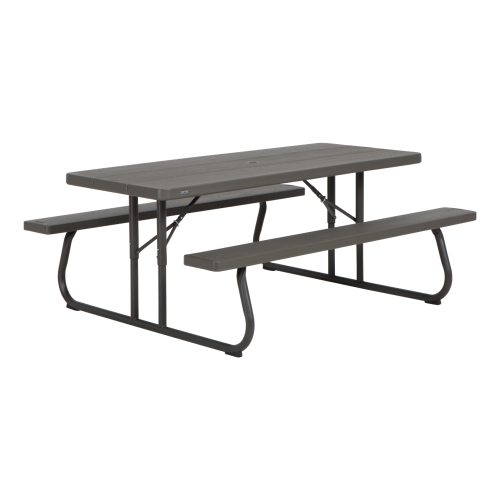 Your price for this item is $399.99
-
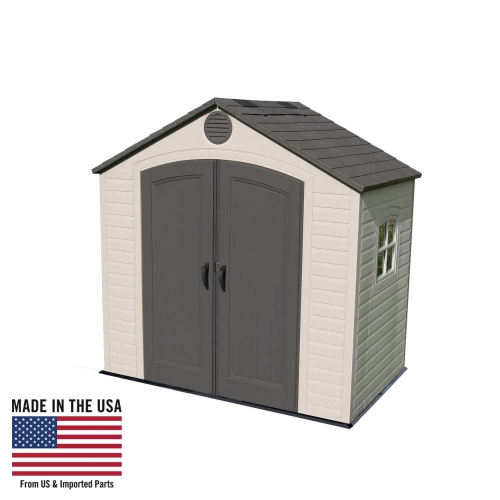 Your price for this item is $2399.99
-
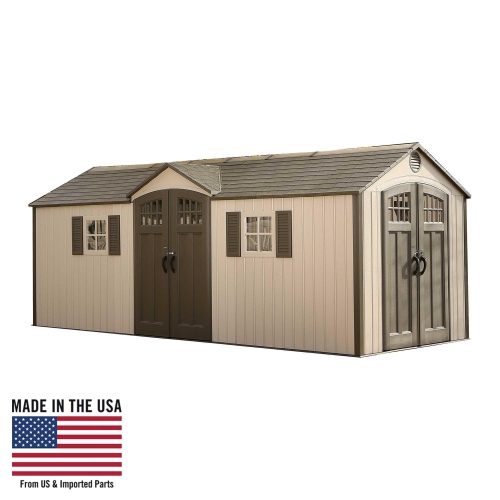 Your price for this item is $5999.99
-
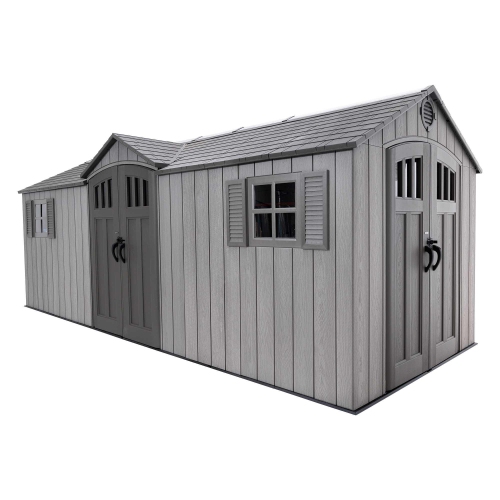 Your price for this item is $5999.99
-
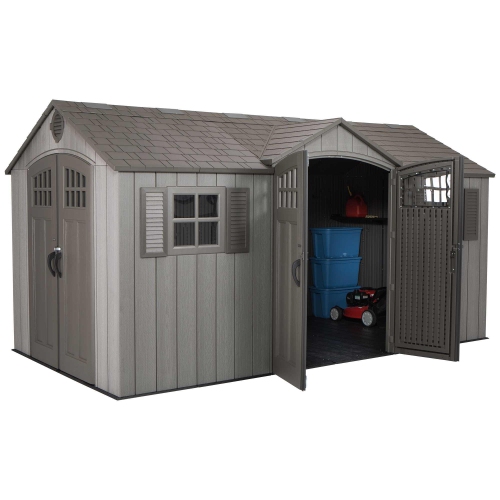 Your price for this item is $4499.99
-
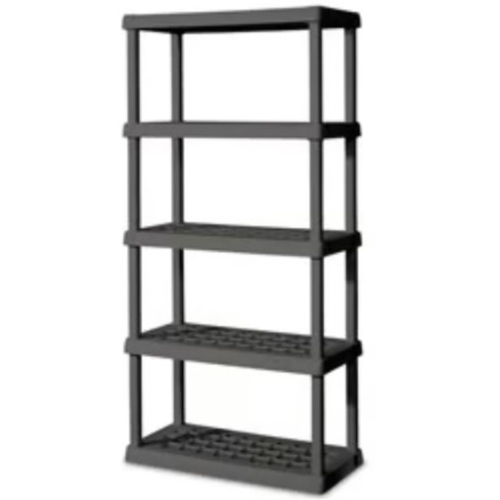 Your price for this item is $691.99
-
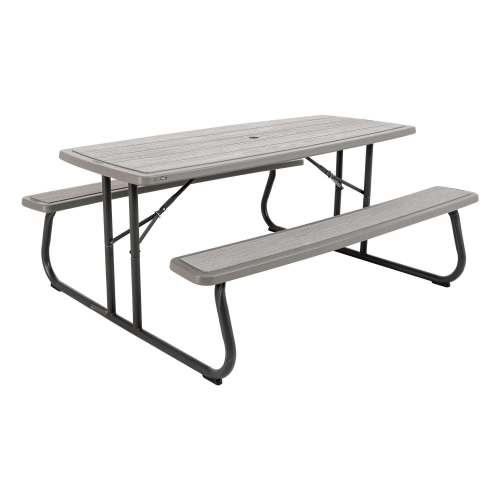 Your price for this item is $399.99
-
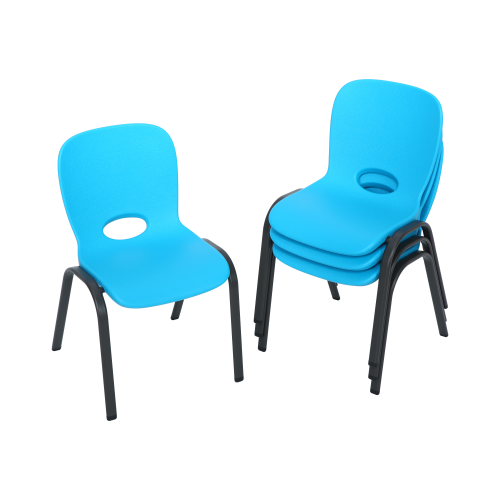 Your price for this item is $134.99
Discover more categories related to Classroom Storage Solutions
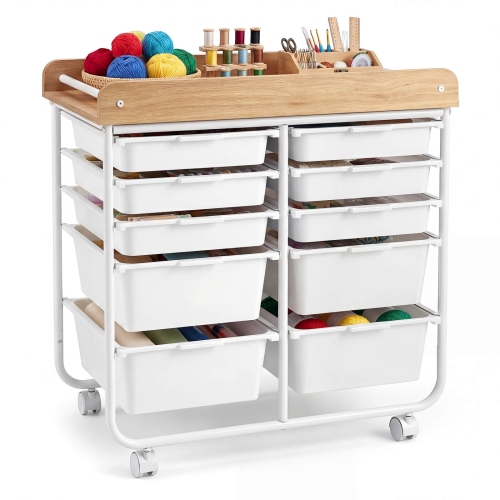
Top Collections:
Best Black Friday Deals This Year, Best Black Friday Deals On Electronics, Kindle Devices, Pokemon Centers, Best Black Friday Deals On Apple Products, Best Cameras for Sports Photography, Dyson Airwrap, Pokémon 30th Celebration Cards, Apple iPhone 17 Pro, Canon G7X Cameras
Some products may be subject to Environmental Handling Fees
(EHF) depending on your province.
Learn more about EHFs.