Classroom Timers
Enhance classroom productivity and time management with our selection of versatile classroom timers. Whether you're looking to keep students on track during activities, exams, or transitions, these timers are designed to help educators maintain a structured learning environment. From simple countdown timers to multifunctional digital clocks, find the perfect tool to streamline classroom routines and foster efficient teaching practices.
Sort
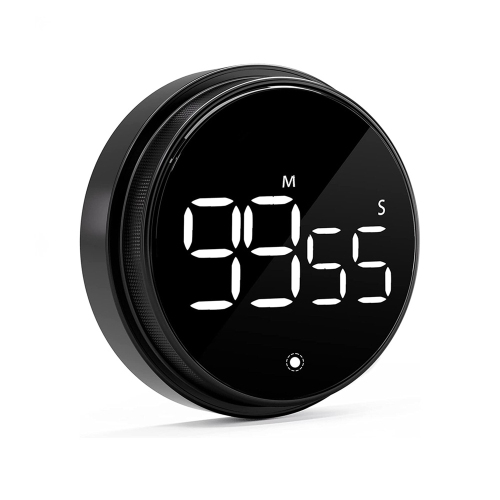
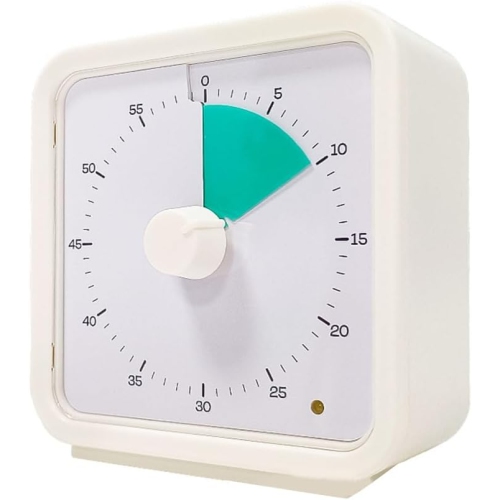
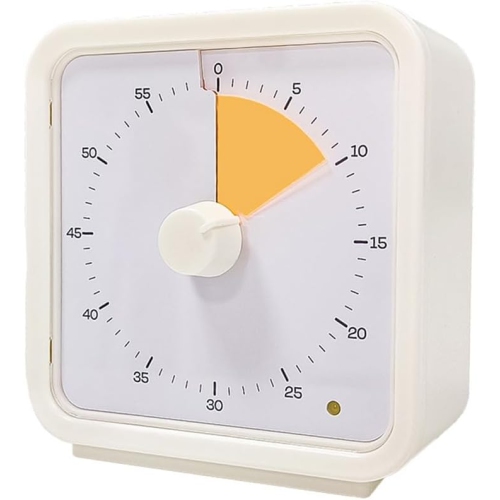
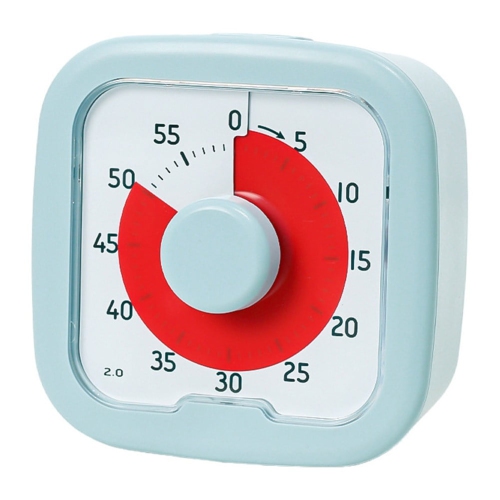
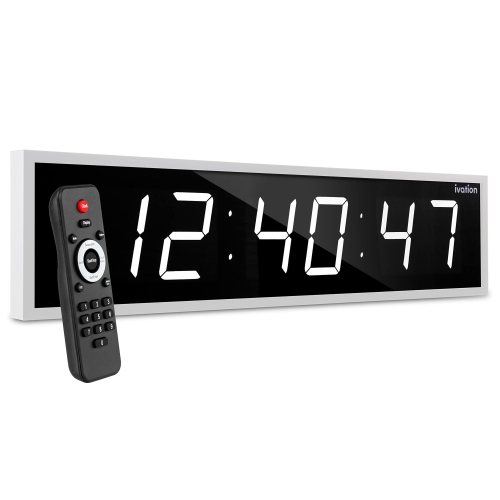
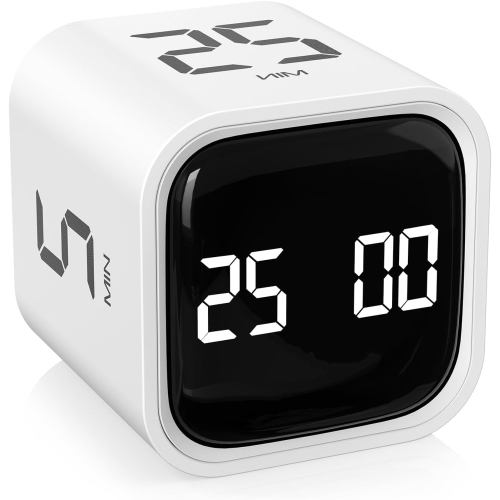
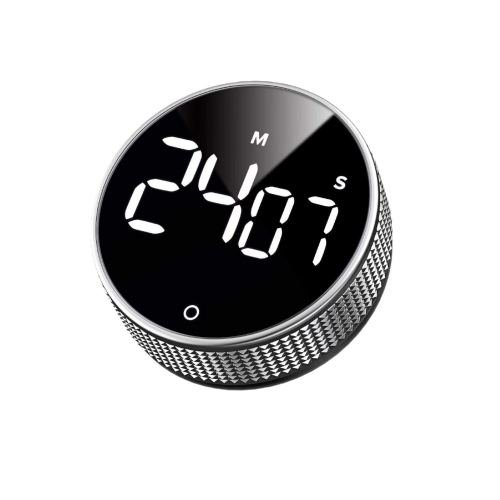
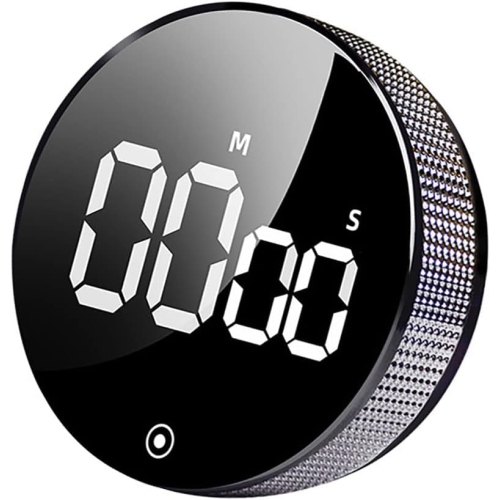
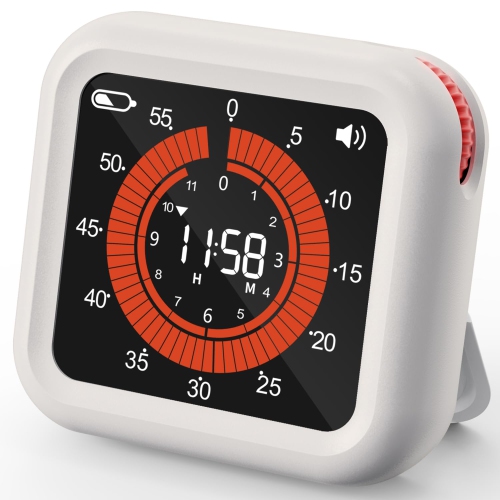
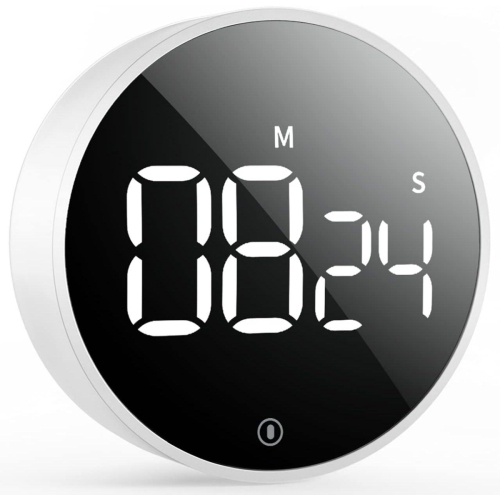
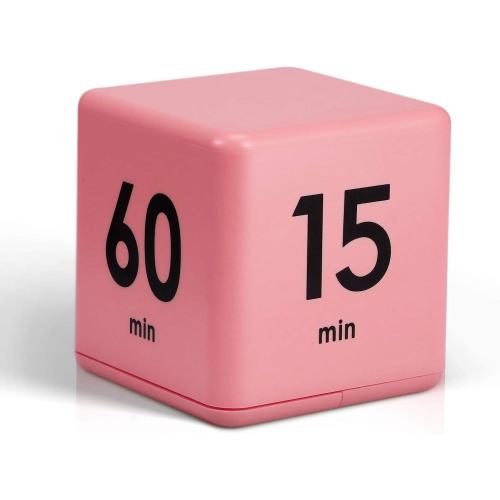
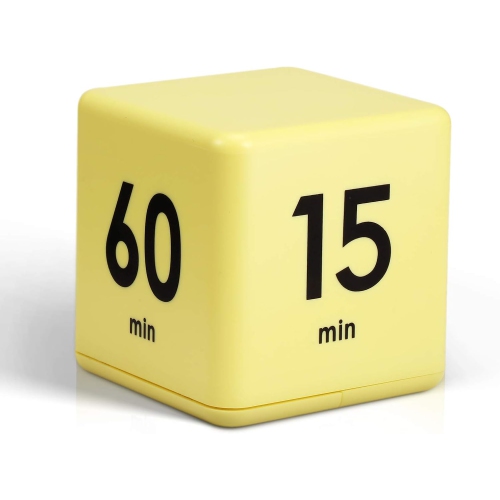
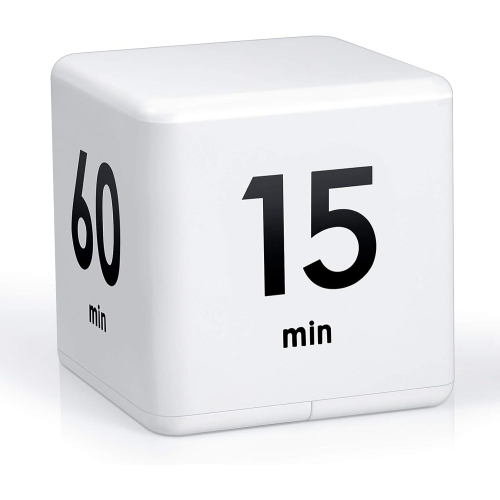
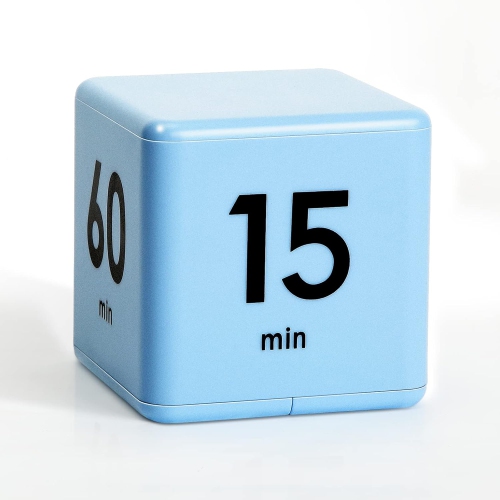
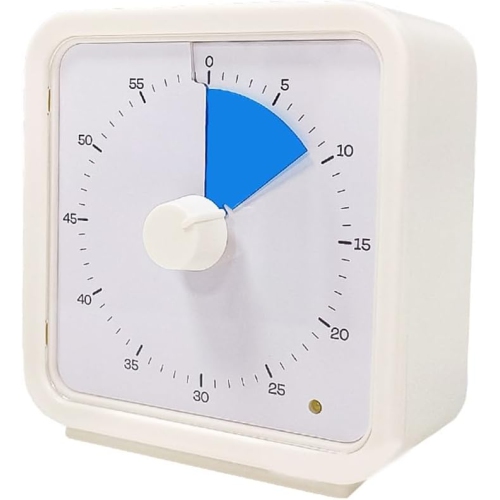
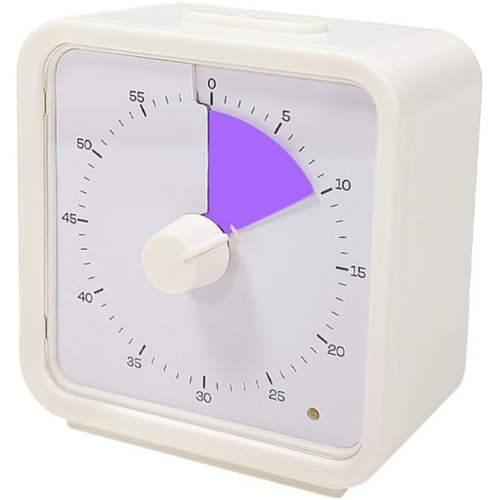
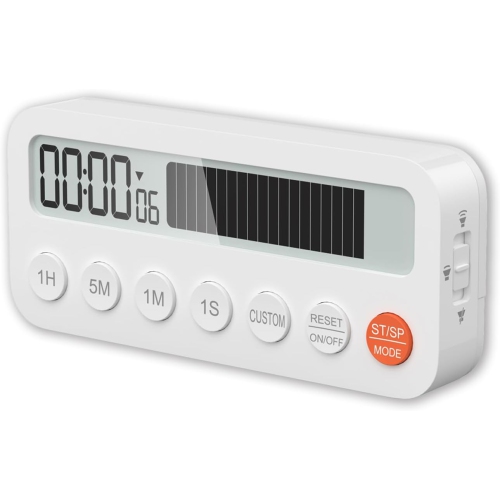
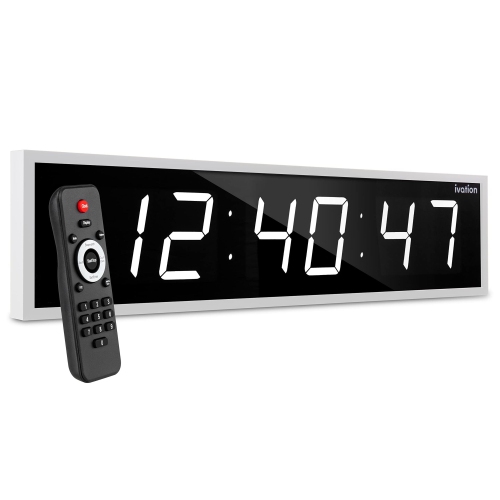
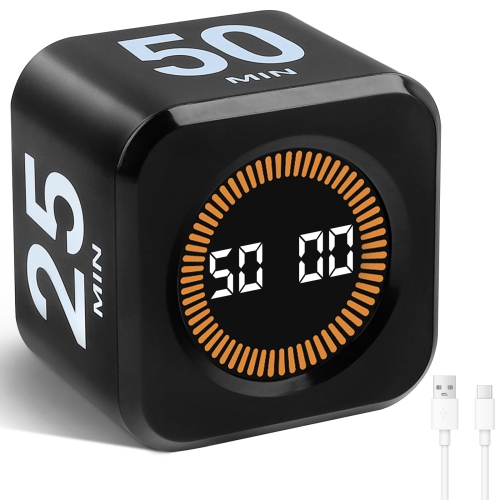
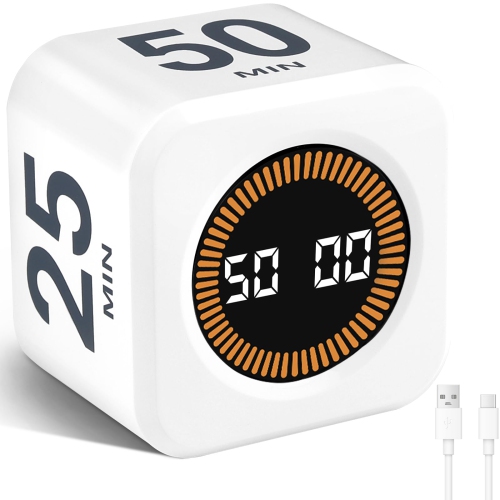
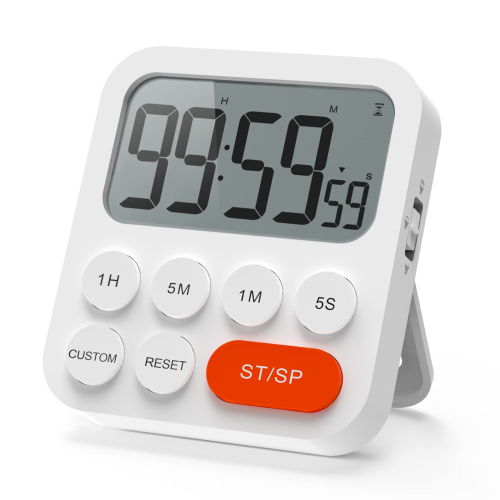
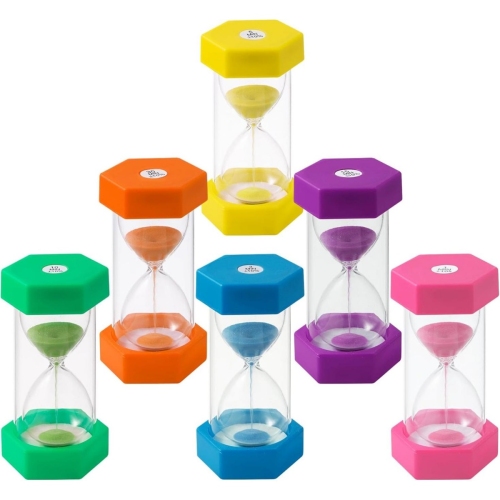
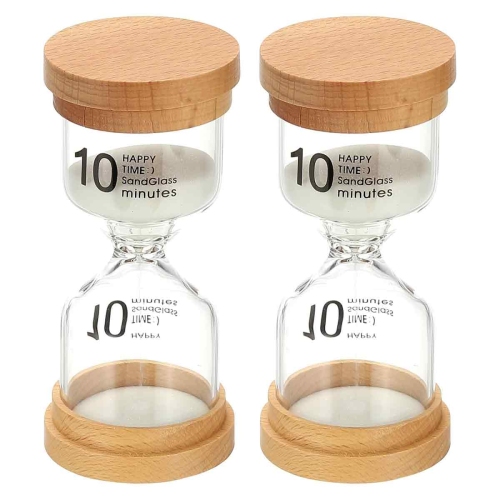
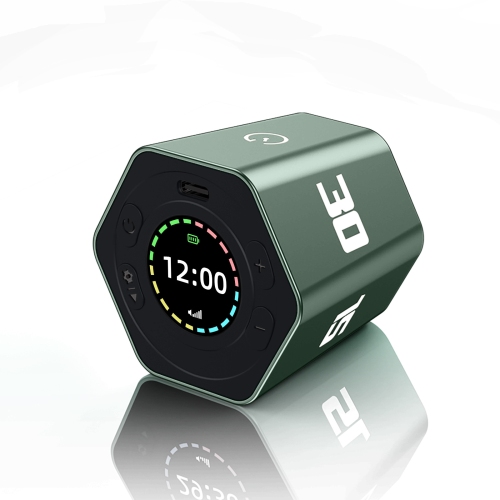
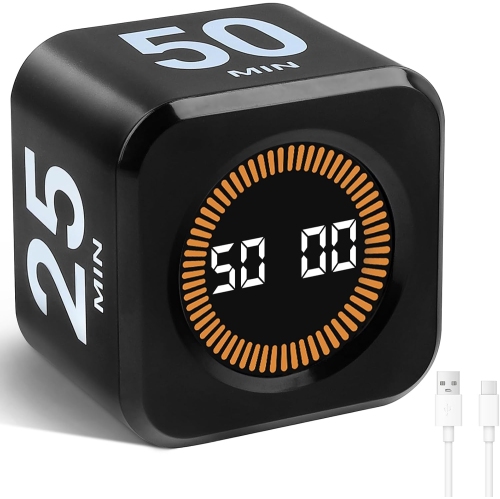
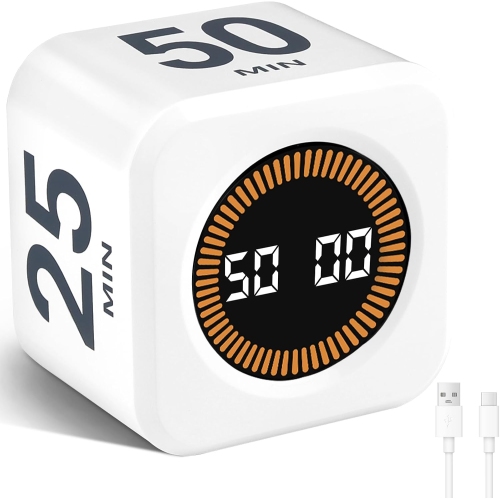
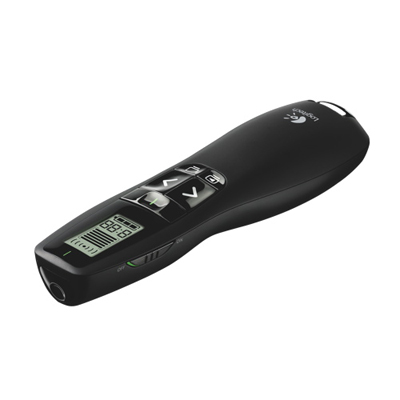
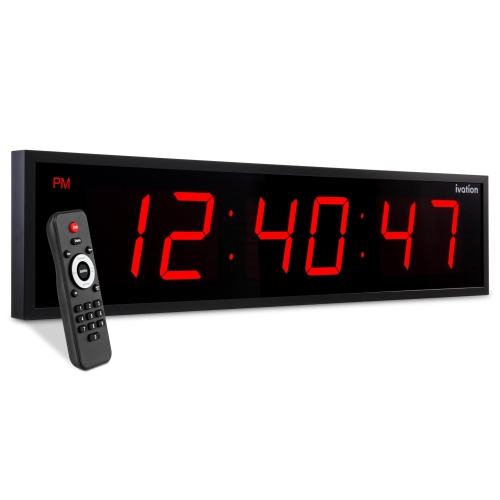
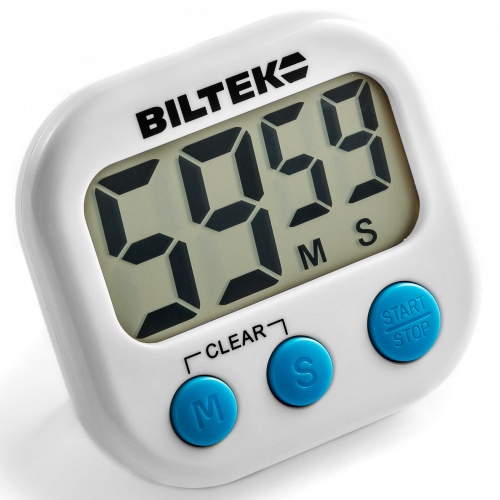
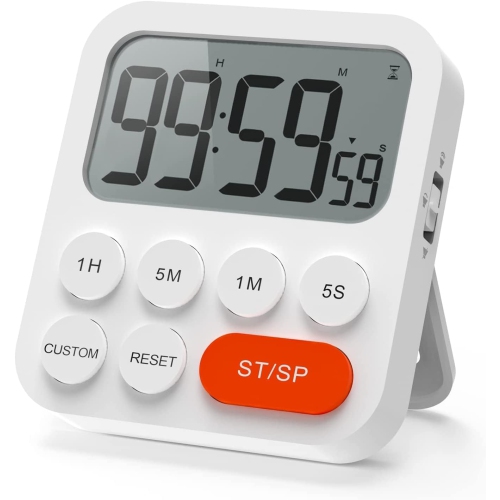
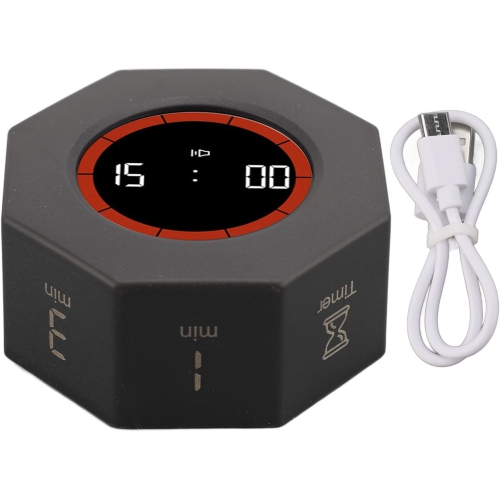
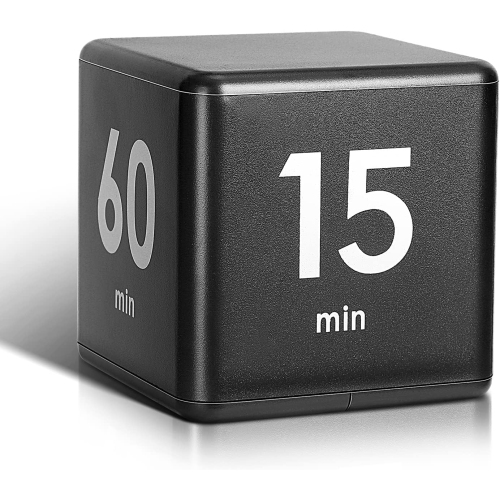
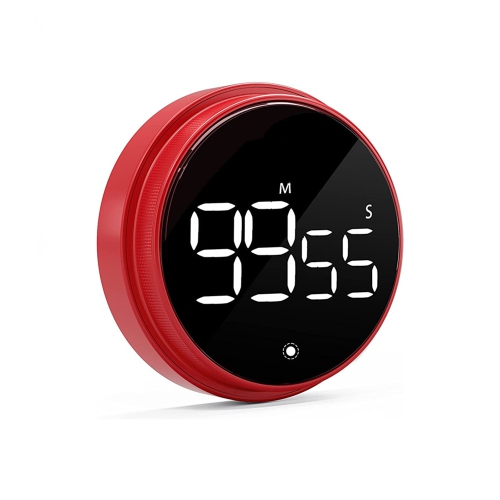
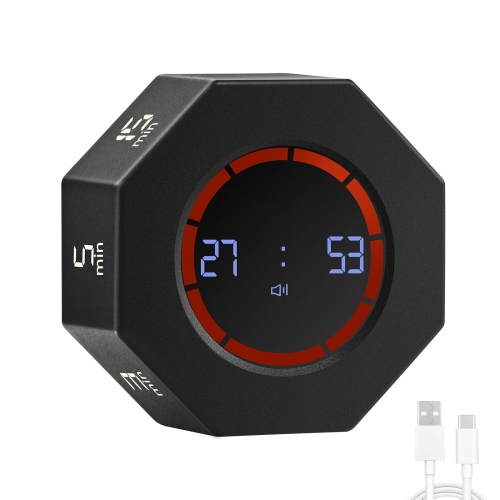
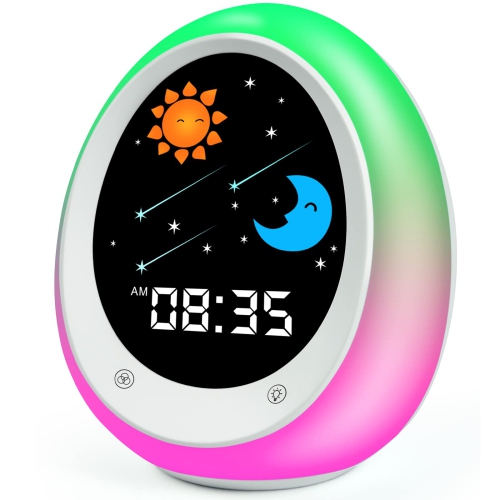
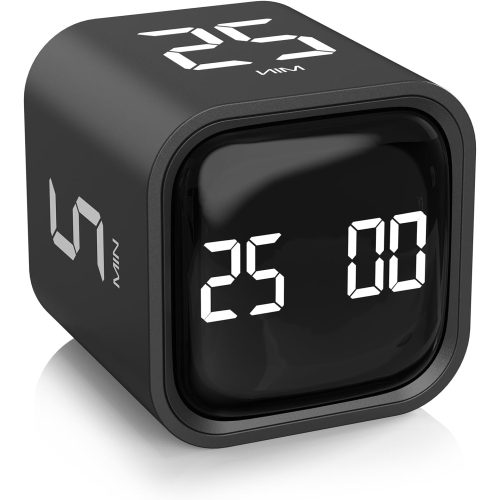
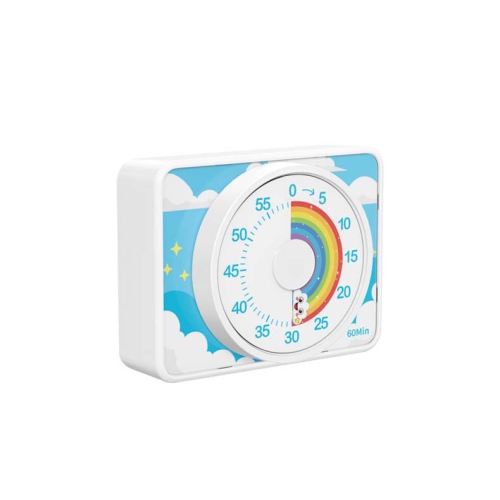
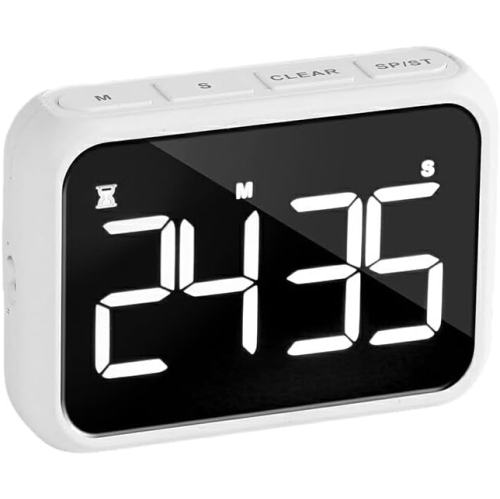
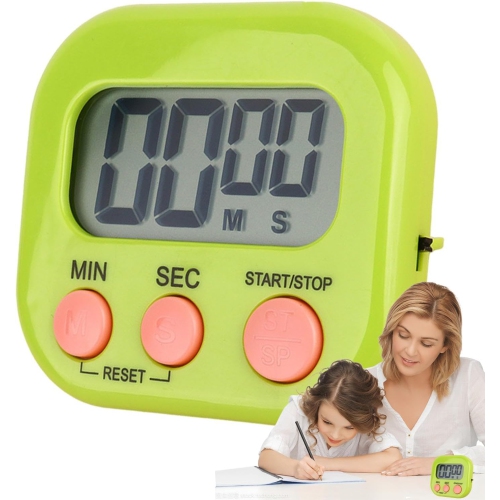
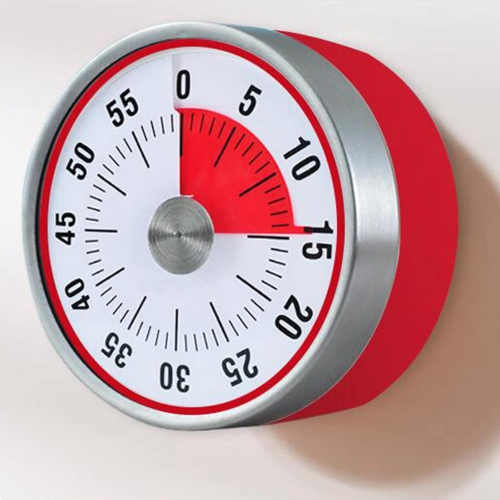
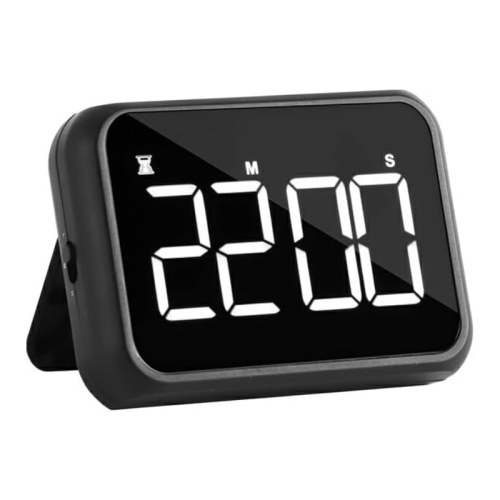
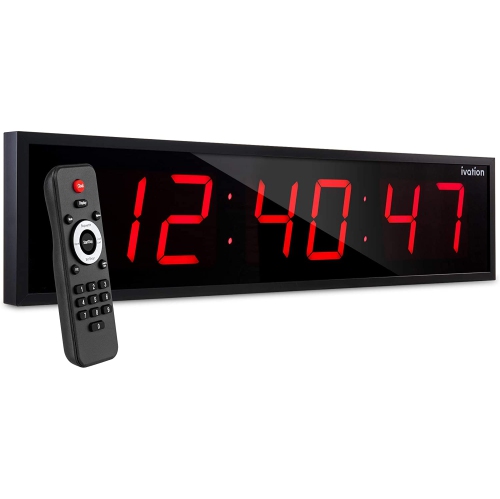
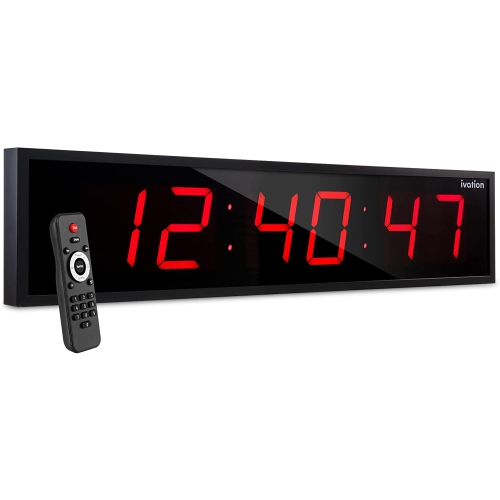
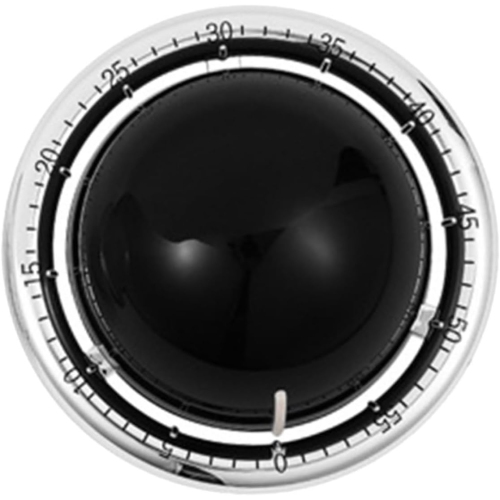
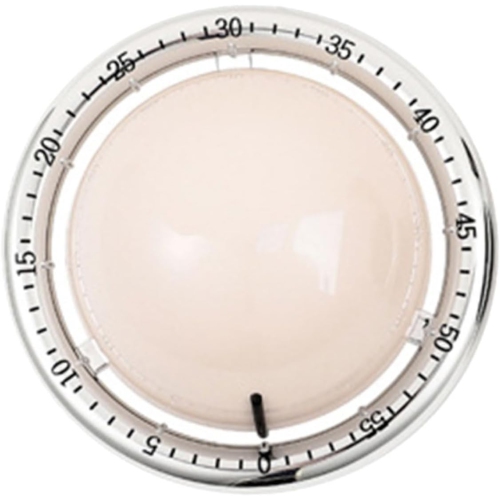
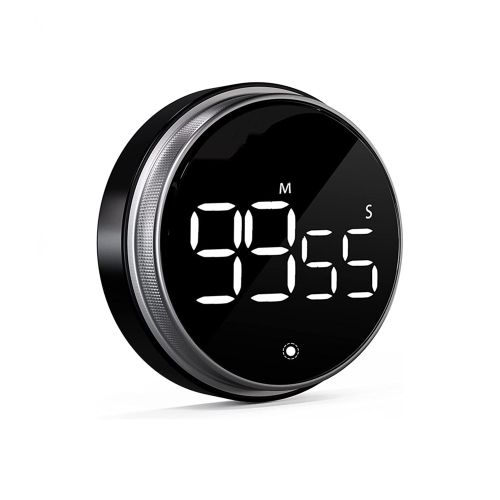
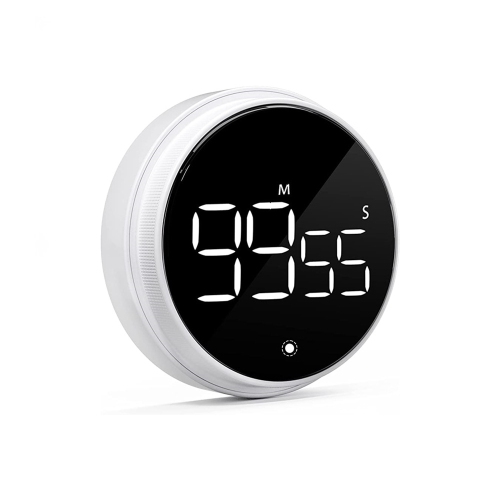
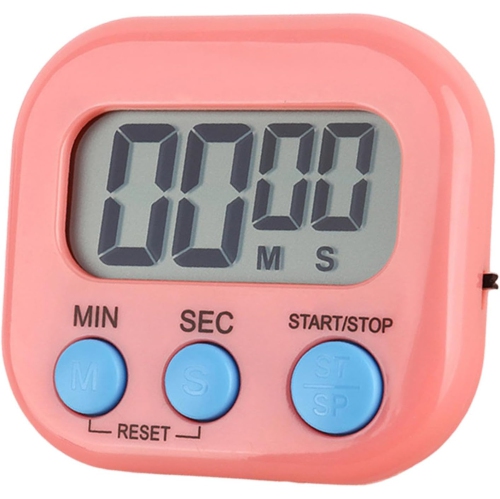
Clear countdowns support smoother classroom routines and transitions
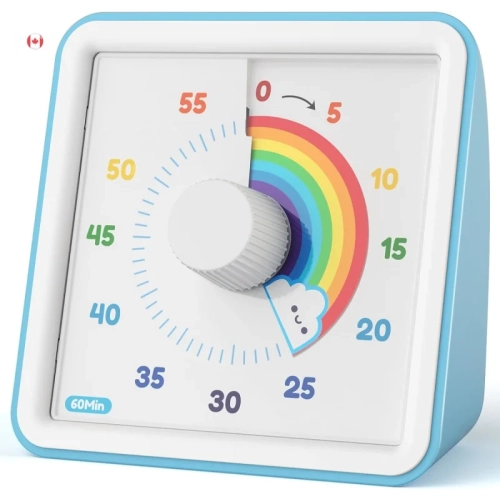
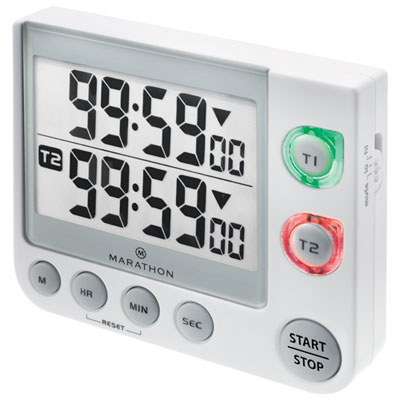
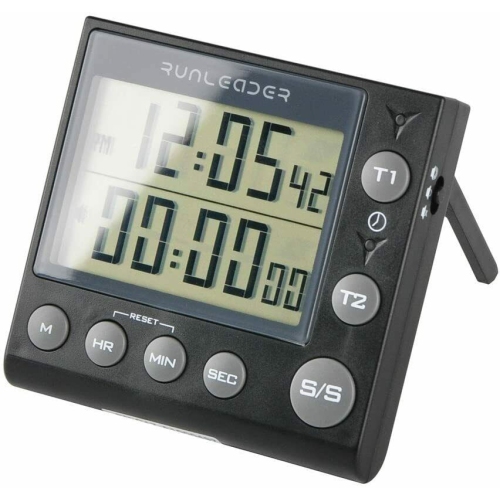
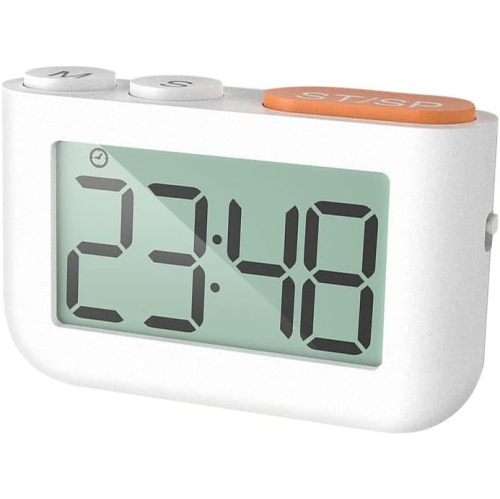
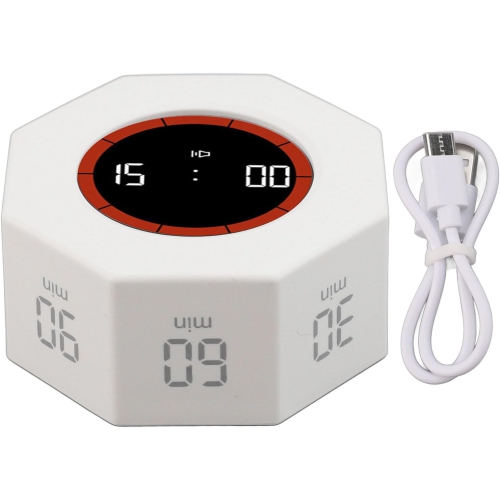
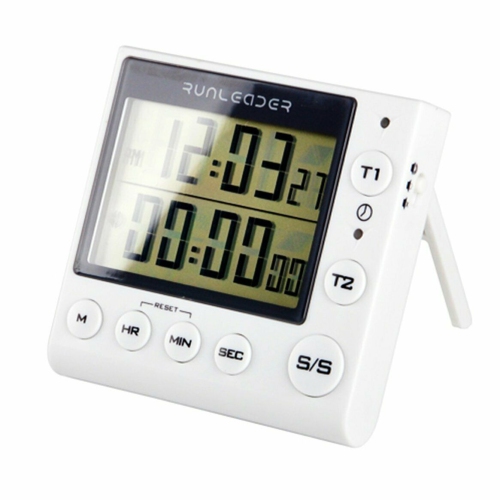
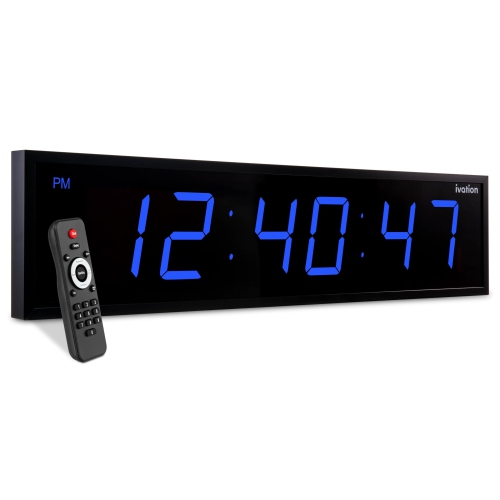
Classroom timers help make the rhythm of a learning space easier to see, hear, and follow. In a busy classroom, a clear countdown can turn an abstract idea such as “five more minutes” into something students can understand at a glance. Teachers may use timers during independent work, reading periods, quizzes, group projects, clean-up routines, transitions, or movement breaks, while tutors, childcare providers, homeschoolers, and families may find them useful for keeping activities on track at home. A visible timer can reduce the need for repeated reminders and give students a stronger sense of what is happening next. It can also make transitions feel less abrupt: a class might see the remaining work time shrink gradually, hear an alert when it ends, and then move on to the next activity with fewer interruptions. When choosing a classroom timer, consider how it will be used most often. A large, easy-to-read display can be helpful from across the room, while a compact design may suit a small study area, desk, or shared teaching space. Simple controls are especially valuable when a timer needs to be set quickly between lessons, and clear numbers can be easier for younger students or learners who benefit from visual structure. Some classrooms may prefer an audible alert, while others may need a quieter option for tests, reading time, sensory-sensitive learners, or shared spaces. Thinking about the room, the age group, and the types of activities on the daily schedule can help narrow the selection.
Classroom timers can support many teaching styles without taking over the lesson. A teacher might set a short interval for a vocabulary game, a longer period for a science activity, or a series of work and rest periods during a demanding assignment. For younger children, a timer can give a gentle visual cue that playtime is coming to an end, making it easier to prepare for tidy-up or circle time. Older students may use one to divide a research assignment into manageable stages, practise timed presentations, or build a consistent study routine. Group work can become more balanced when students know how much time remains for planning, creating, and sharing. A timer may also be useful for classroom jobs, morning arrival routines, handwriting practice, music rehearsal, or timed challenges where the goal is to focus rather than rush. Placement matters as much as the timer itself. A unit positioned where students can see it without turning around can keep the countdown in the background of the activity, while a model with a strong alert may be better suited to a larger room or noisy workshop. It is also worth considering the timer’s power source, portability, durability, and controls. A lightweight option can move between classrooms, libraries, resource rooms, and after-school programmes, while a sturdier design may be preferable for shared use by many students. Families looking for a practical gift for a teacher, tutor, or student may appreciate a classroom timer because it supports everyday routines rather than a single subject or age level. During the cooler months, when more activities take place indoors, a reliable timer can help balance focused work, creative projects, movement, and quiet breaks.
For activities that depend on a longer or more presentation-focused countdown, you may also wish to browse Countdown Timers for Presentations. The right classroom timer should feel natural to use, whether it is helping a group settle into a writing exercise or giving one student a calm reminder that there are two minutes left to finish. Look for features that match the way the timer will be viewed and operated, including display size, contrast, alert style, countdown range, and ease of resetting. A timer with clearly marked buttons can allow students to take part in setting up an activity, helping them learn to plan their time and recognize the relationship between effort and duration. Teachers may also appreciate a model that can be placed on a whiteboard ledge, shelf, desk, or activity table without taking up too much space. In a classroom with frequent transitions, quick setup and reliable operation can matter more than a long list of functions. In a learning-support setting, a highly visible countdown may help establish predictability and reduce uncertainty around changes in activity. In a study nook at home, a smaller timer can create a focused work interval before a break. Used consistently, these simple tools can help students build habits around preparation, concentration, pacing, and completion. As routines shift from the start of a school term through the cooler part of the year, a classroom timer can remain useful across lessons, age groups, and learning environments, offering a straightforward way to make time more tangible and daily activities easier to organize.
Classroom timers can support many teaching styles without taking over the lesson. A teacher might set a short interval for a vocabulary game, a longer period for a science activity, or a series of work and rest periods during a demanding assignment. For younger children, a timer can give a gentle visual cue that playtime is coming to an end, making it easier to prepare for tidy-up or circle time. Older students may use one to divide a research assignment into manageable stages, practise timed presentations, or build a consistent study routine. Group work can become more balanced when students know how much time remains for planning, creating, and sharing. A timer may also be useful for classroom jobs, morning arrival routines, handwriting practice, music rehearsal, or timed challenges where the goal is to focus rather than rush. Placement matters as much as the timer itself. A unit positioned where students can see it without turning around can keep the countdown in the background of the activity, while a model with a strong alert may be better suited to a larger room or noisy workshop. It is also worth considering the timer’s power source, portability, durability, and controls. A lightweight option can move between classrooms, libraries, resource rooms, and after-school programmes, while a sturdier design may be preferable for shared use by many students. Families looking for a practical gift for a teacher, tutor, or student may appreciate a classroom timer because it supports everyday routines rather than a single subject or age level. During the cooler months, when more activities take place indoors, a reliable timer can help balance focused work, creative projects, movement, and quiet breaks.
For activities that depend on a longer or more presentation-focused countdown, you may also wish to browse Countdown Timers for Presentations. The right classroom timer should feel natural to use, whether it is helping a group settle into a writing exercise or giving one student a calm reminder that there are two minutes left to finish. Look for features that match the way the timer will be viewed and operated, including display size, contrast, alert style, countdown range, and ease of resetting. A timer with clearly marked buttons can allow students to take part in setting up an activity, helping them learn to plan their time and recognize the relationship between effort and duration. Teachers may also appreciate a model that can be placed on a whiteboard ledge, shelf, desk, or activity table without taking up too much space. In a classroom with frequent transitions, quick setup and reliable operation can matter more than a long list of functions. In a learning-support setting, a highly visible countdown may help establish predictability and reduce uncertainty around changes in activity. In a study nook at home, a smaller timer can create a focused work interval before a break. Used consistently, these simple tools can help students build habits around preparation, concentration, pacing, and completion. As routines shift from the start of a school term through the cooler part of the year, a classroom timer can remain useful across lessons, age groups, and learning environments, offering a straightforward way to make time more tangible and daily activities easier to organize.
Top selling and popular products
-
 Your price for this item is $149.99
 -
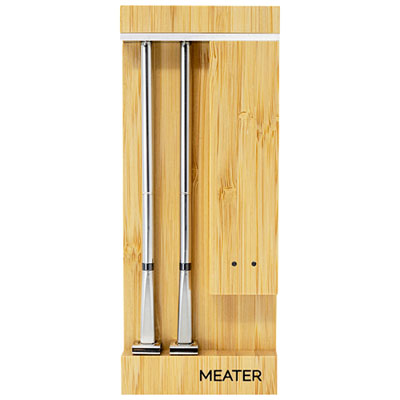 Your price for this item is $269.99
 -
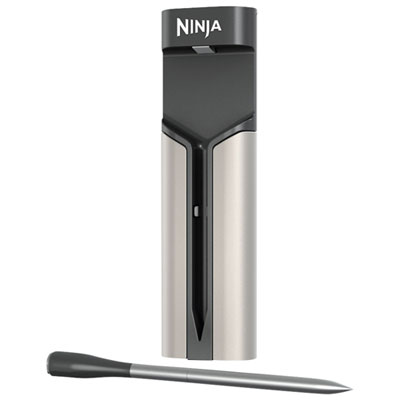 Your price for this item is $99.99
 -
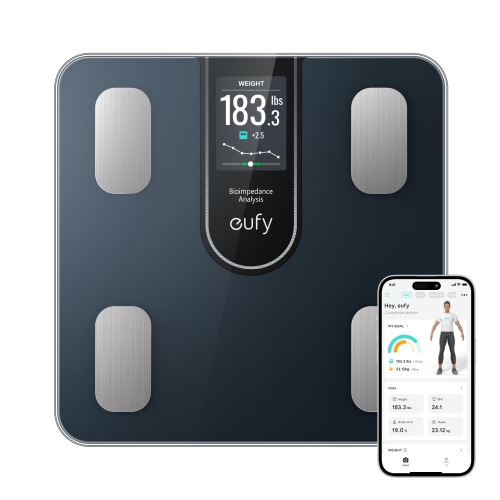 Your price for this item is $69.74
 -
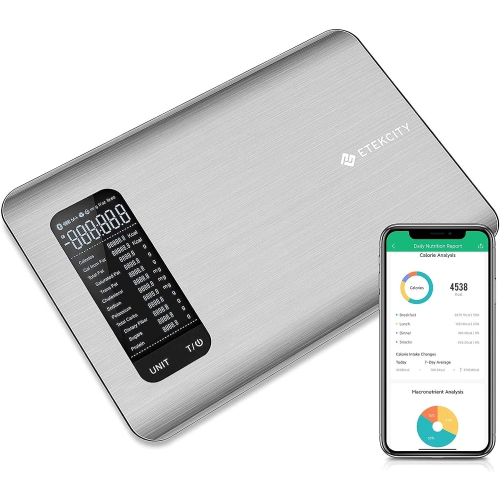 Your price for this item is $45.99
 -
 Your price for this item is $149.99
 -
 Your price for this item is $12.99
 -
 Your price for this item is $479.99
Discover more categories related to Classroom Timers
Top Collections:
Pokemon Centers, Kindle Devices, Best Budget Office Chairs, Apple iPhones 16, Best Laptops for Writers, iPhone 15 Apple, Canon G7X Cameras, Refurbished Apple Laptops, Alarm Clock, Motorola Razr Phones
Some products may be subject to Environmental Handling Fees
(EHF) depending on your province.
Learn more about EHFs.