Classroom Games
Enhance learning and engagement in the classroom with our diverse collection of educational classroom games. From interactive board games to hands-on learning activities, these games are designed to make learning fun and exciting for students of all ages. Whether you're teaching math, language arts, science, or social studies, these classroom games offer a creative way to reinforce key concepts and encourage teamwork among students. Browse our selection of engaging games to transform your classroom into a dynamic and interactive learning environment.
Sort

![GS2 GAMES Math Masters [Board Game, 2-4 Players]](https://multimedia.bbycastatic.ca/multimedia/products/500x500/198/19839/19839386.jpeg)



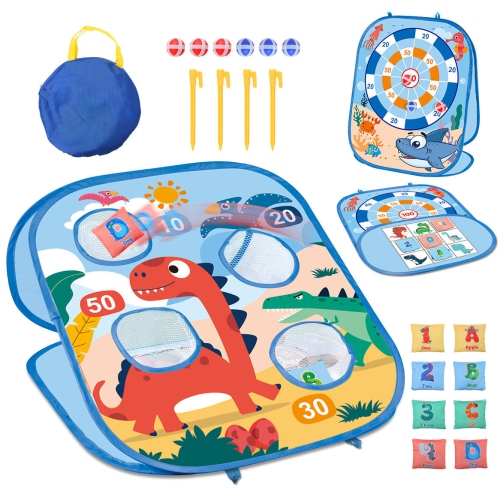
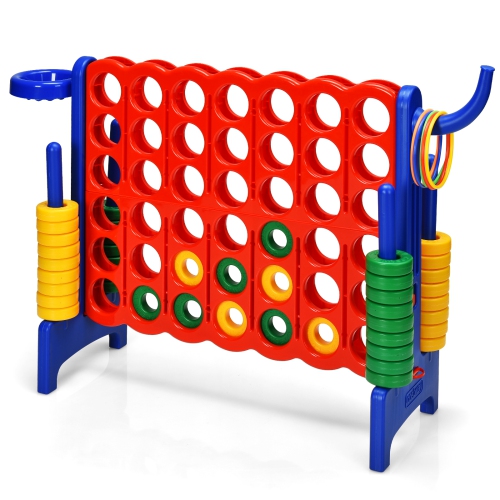
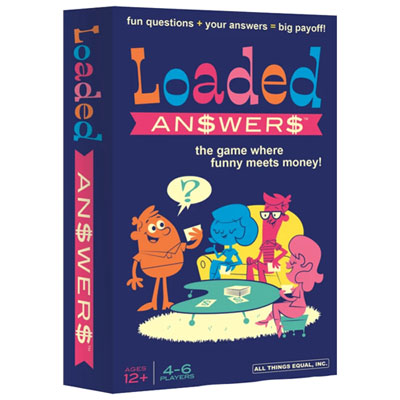
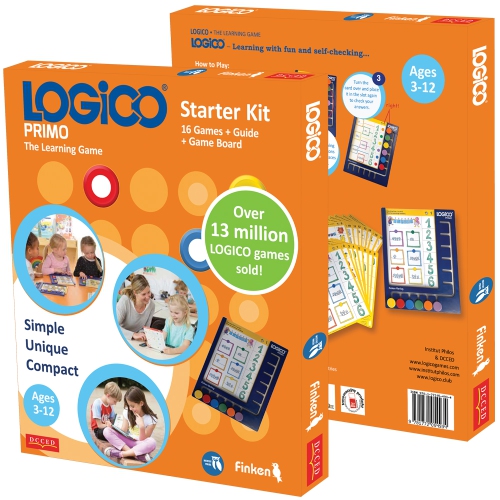
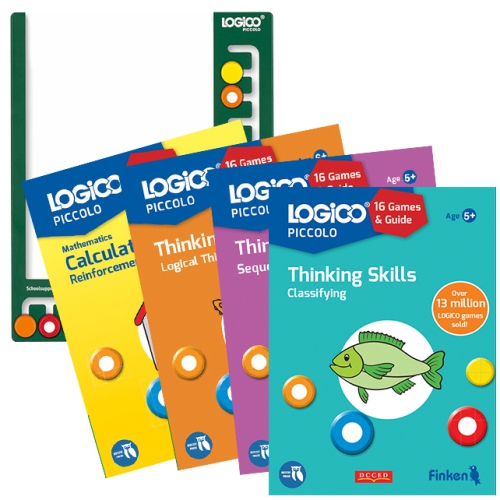
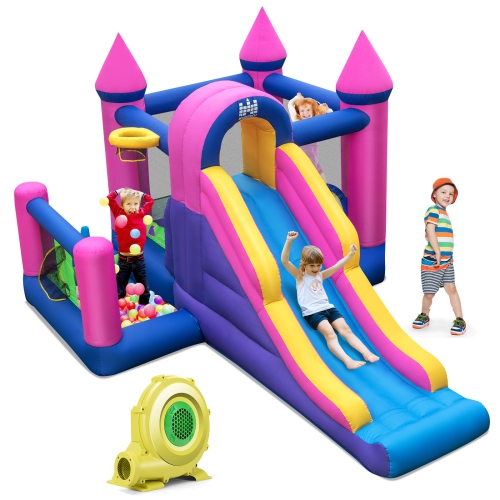
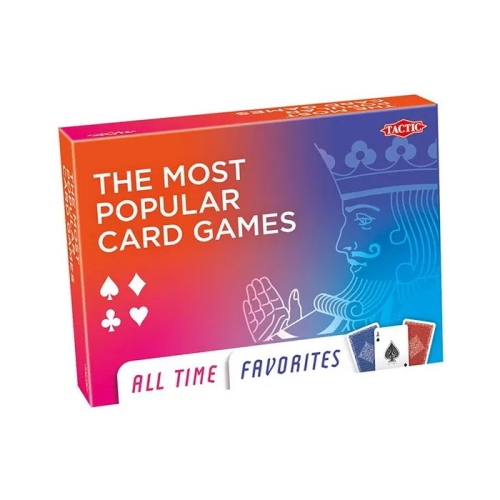
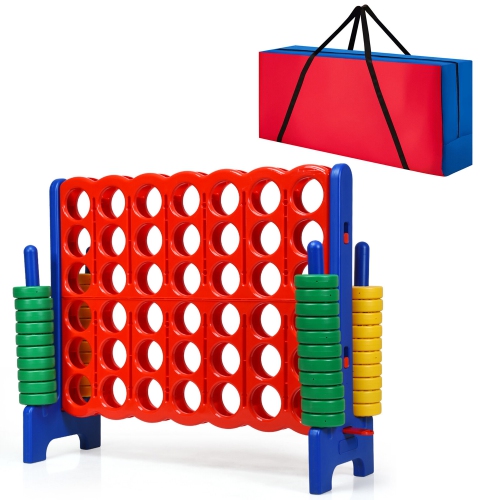

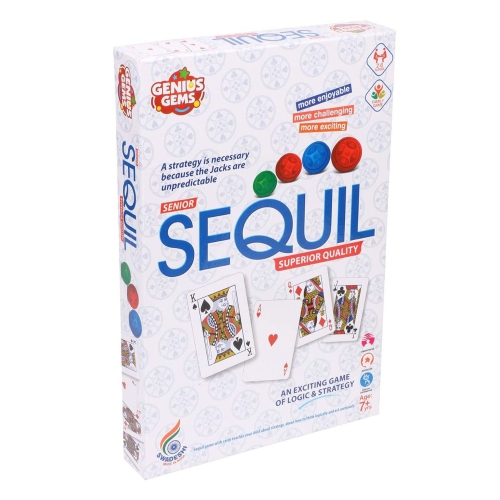
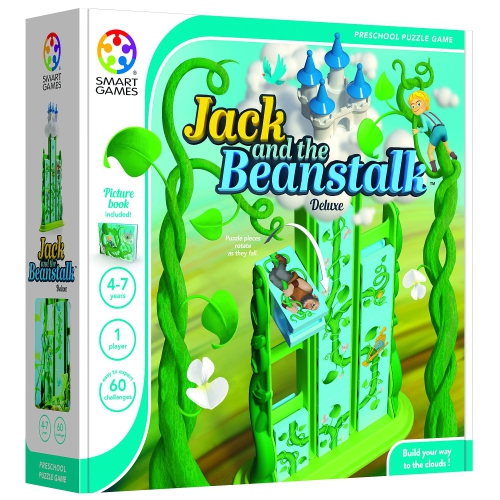
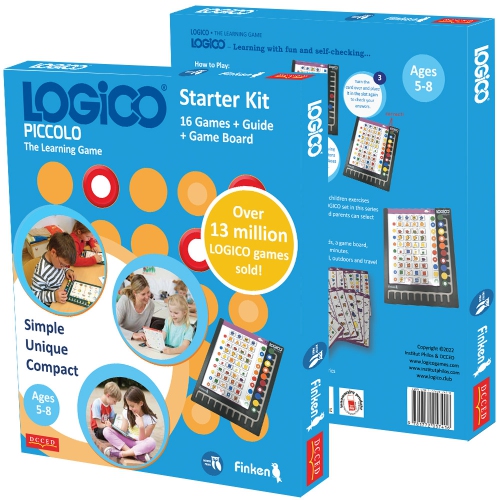
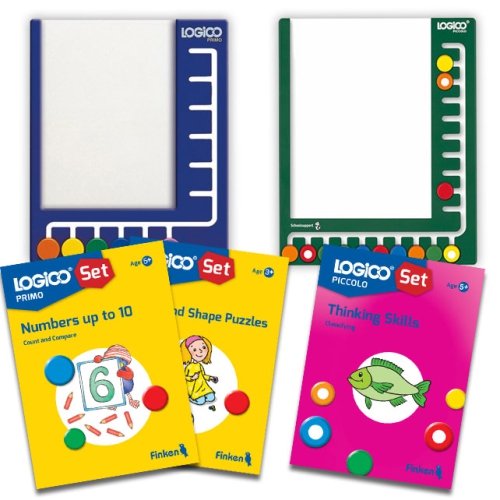
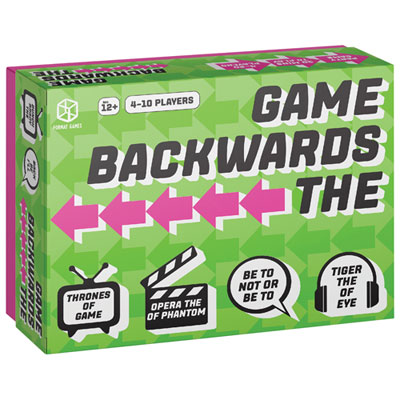
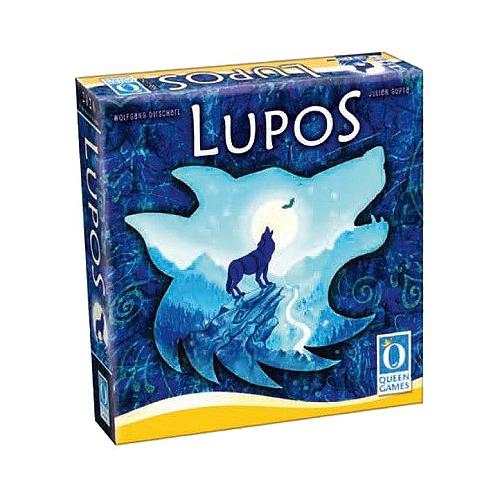
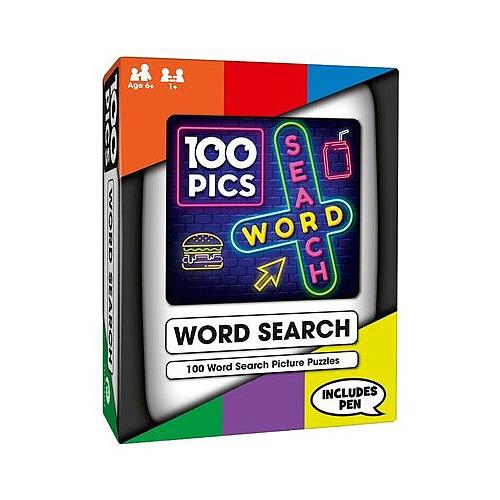
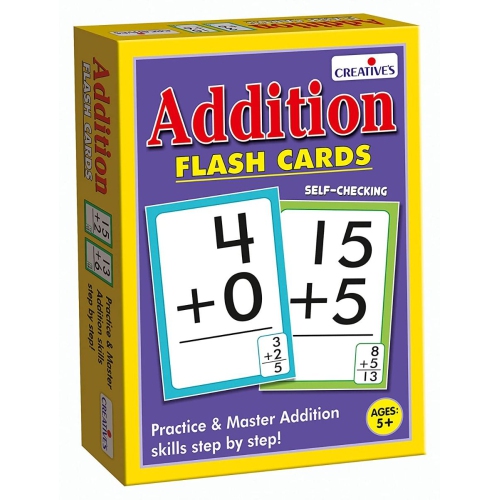

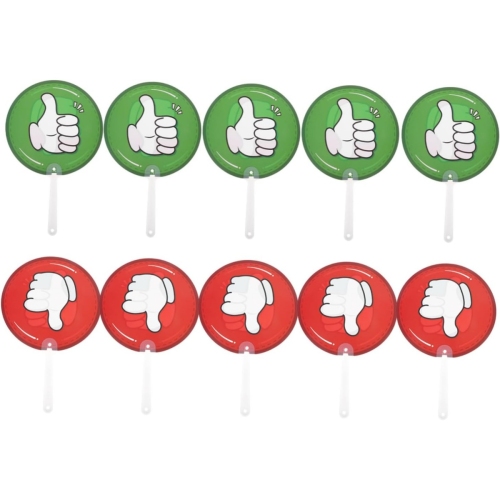
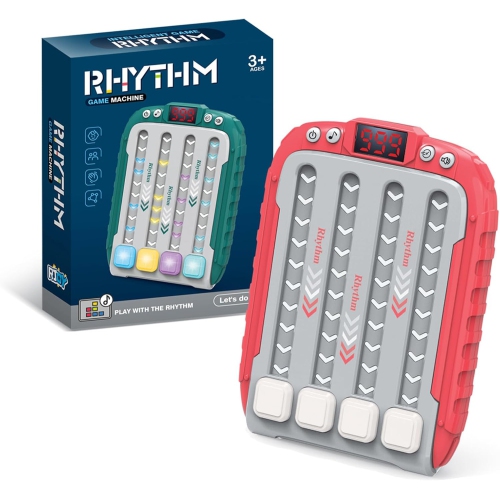
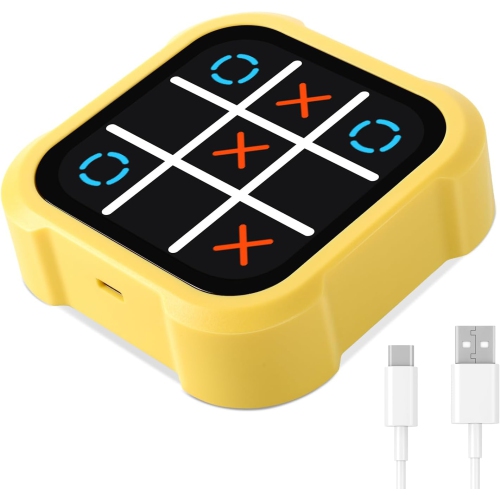
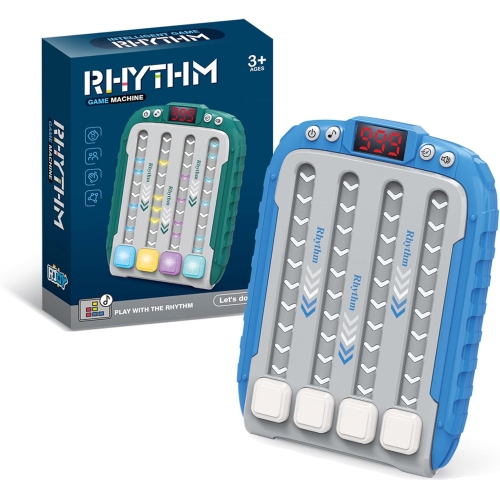
Flexible games that turn lessons into active learning
Classroom games bring a welcome change of pace to lessons, helping students stay attentive while they practise skills, review new material and build confidence with classmates. A well-chosen collection can support many age groups and subjects, from early learning and elementary classrooms to secondary study groups, tutoring sessions, language-learning spaces and homeschool rooms. Some games are designed for quiet concentration, while others add movement, conversation or friendly competition to the school day. Silent Ball, for example, uses a soft foam ball and simple rules to encourage focus, self-control and careful hand-eye coordination. Students pass the ball without speaking, and a dropped or poorly directed pass can mean sitting out for a round. Four Corners offers a quick movement break while reinforcing multiple-choice learning: the corners of the room are labelled with answers, and students move to the area that matches their choice. These activities can be especially useful between longer periods of sitting, giving learners a chance to reset without losing the connection to the lesson. Short micro games, including timed mental-math challenges, variations on rock-paper-scissors or quick team prompts, can fill a few spare minutes before dismissal or help a class settle after recess. For language and vocabulary practice, Hot Seat invites one student to face the class while classmates provide clues for a hidden word without saying it aloud. It encourages clear communication, active listening and flexible thinking, while giving students a lively way to revisit terminology that might otherwise feel repetitive. Classroom games may also make thoughtful gifts for teachers, education students, tutors, camp leaders and families setting up a dedicated learning area at home.
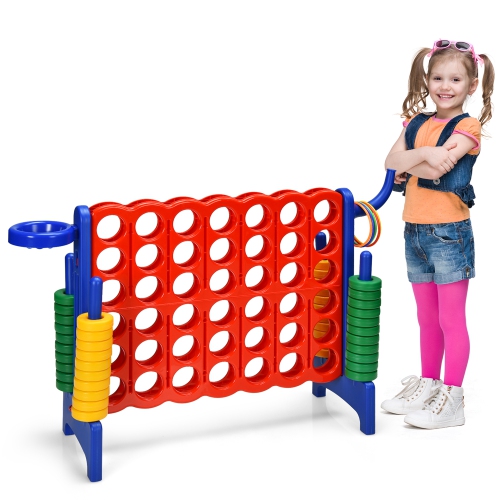
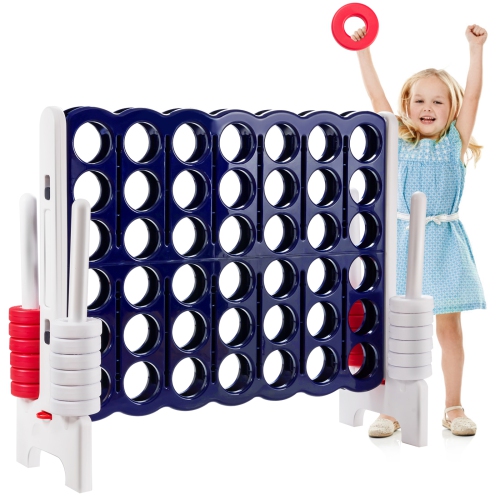
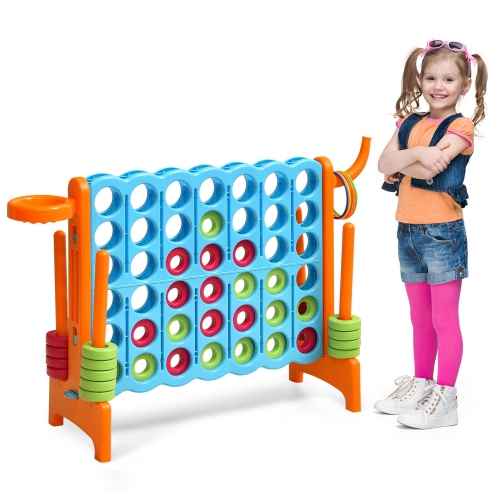
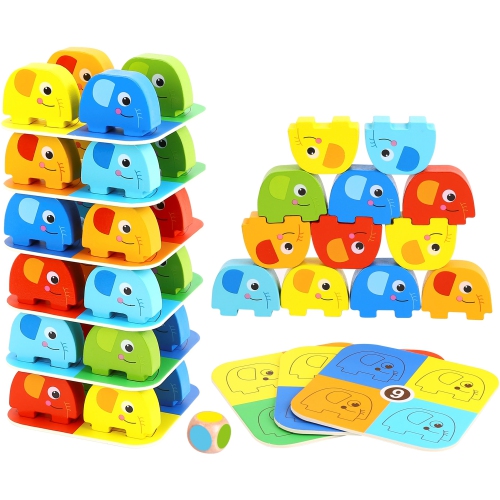
When choosing classroom games, consider the learners who will use them, the amount of space available and the kind of participation that best suits the group. A compact tabletop game may be a practical choice for a small classroom, a resource room or a rainy-day activity, while floor-based or movement games can make better use of a larger multipurpose room. Look for durable pieces that are easy to handle, store and clean between activities, along with clear instructions that allow a substitute teacher, volunteer or student leader to get started with minimal preparation. Games with adjustable difficulty can remain useful as children develop, especially when they allow the teacher to change the questions, vocabulary, numbers or time limits. This flexibility makes one activity suitable for several grades or learning levels without making advanced students feel held back or newer learners feel overwhelmed. It is also helpful to consider group size: some games work best with two players, others suit small teams, and whole-class formats can include everyone at once. Cooperative play may be ideal for building communication and shared problem-solving, while friendly competitive formats can add energy to a review session when the rules are clear and winning is kept in perspective. For younger children, large, easy-to-see pieces and straightforward matching or counting tasks can support early literacy and numeracy. Older students may benefit from word association, quiz-style prompts, strategy challenges and games that require them to explain their thinking. Teachers can also adapt familiar formats to fit a lesson. A bingo-style activity can use numbers, equations, spelling patterns, historical facts or language vocabulary, allowing students to listen carefully and connect a prompt with the correct answer. A stacking-block activity can add a reading word, arithmetic problem or subject question before a piece is placed, turning a simple turn-taking routine into a focused review exercise. For related options that support learning through play, explore Educational Board Games.
The most successful classroom games are easy to explain, simple to pause and flexible enough to fit naturally into the day. They can be used as a warm-up before introducing a new topic, a midway movement break, a review before an assessment or a calm closing activity that reinforces what students have learned. Keeping a few formats on hand lets educators match the mood of the room: a quiet passing game can help restore focus after an energetic transition, while a vocabulary clue game can bring conversation back into a class that has been working independently. Clear boundaries make the experience more comfortable for everyone. Explain how turns work, demonstrate an example, set expectations around noise and movement, and offer an alternative role for students who prefer not to perform in front of the group. A score-free approach can be useful when the main goal is practice, while team play may help students support one another and share responsibility. Classroom games can also encourage skills that extend beyond the subject being reviewed, including patience, listening, memory, planning, taking turns and responding graciously when an answer does not go as expected. During the warmer part of the school year, outdoor spaces can provide room for answer-choice games, relay-style reviews and movement challenges; as the weather cools, the same activities can move indoors for rainy-day learning, library programming or after-school care. At home, caregivers can use classroom-style games for homework breaks, sibling play or informal practice without making every learning moment feel like a worksheet. With the right balance of challenge, movement and imagination, these games help create memorable moments—a burst of laughter after a clever clue, the quiet concentration before a careful pass, or the shared excitement when a team reaches an answer together.
When choosing classroom games, consider the learners who will use them, the amount of space available and the kind of participation that best suits the group. A compact tabletop game may be a practical choice for a small classroom, a resource room or a rainy-day activity, while floor-based or movement games can make better use of a larger multipurpose room. Look for durable pieces that are easy to handle, store and clean between activities, along with clear instructions that allow a substitute teacher, volunteer or student leader to get started with minimal preparation. Games with adjustable difficulty can remain useful as children develop, especially when they allow the teacher to change the questions, vocabulary, numbers or time limits. This flexibility makes one activity suitable for several grades or learning levels without making advanced students feel held back or newer learners feel overwhelmed. It is also helpful to consider group size: some games work best with two players, others suit small teams, and whole-class formats can include everyone at once. Cooperative play may be ideal for building communication and shared problem-solving, while friendly competitive formats can add energy to a review session when the rules are clear and winning is kept in perspective. For younger children, large, easy-to-see pieces and straightforward matching or counting tasks can support early literacy and numeracy. Older students may benefit from word association, quiz-style prompts, strategy challenges and games that require them to explain their thinking. Teachers can also adapt familiar formats to fit a lesson. A bingo-style activity can use numbers, equations, spelling patterns, historical facts or language vocabulary, allowing students to listen carefully and connect a prompt with the correct answer. A stacking-block activity can add a reading word, arithmetic problem or subject question before a piece is placed, turning a simple turn-taking routine into a focused review exercise. For related options that support learning through play, explore Educational Board Games.
The most successful classroom games are easy to explain, simple to pause and flexible enough to fit naturally into the day. They can be used as a warm-up before introducing a new topic, a midway movement break, a review before an assessment or a calm closing activity that reinforces what students have learned. Keeping a few formats on hand lets educators match the mood of the room: a quiet passing game can help restore focus after an energetic transition, while a vocabulary clue game can bring conversation back into a class that has been working independently. Clear boundaries make the experience more comfortable for everyone. Explain how turns work, demonstrate an example, set expectations around noise and movement, and offer an alternative role for students who prefer not to perform in front of the group. A score-free approach can be useful when the main goal is practice, while team play may help students support one another and share responsibility. Classroom games can also encourage skills that extend beyond the subject being reviewed, including patience, listening, memory, planning, taking turns and responding graciously when an answer does not go as expected. During the warmer part of the school year, outdoor spaces can provide room for answer-choice games, relay-style reviews and movement challenges; as the weather cools, the same activities can move indoors for rainy-day learning, library programming or after-school care. At home, caregivers can use classroom-style games for homework breaks, sibling play or informal practice without making every learning moment feel like a worksheet. With the right balance of challenge, movement and imagination, these games help create memorable moments—a burst of laughter after a clever clue, the quiet concentration before a careful pass, or the shared excitement when a team reaches an answer together.
Top selling and popular products
-
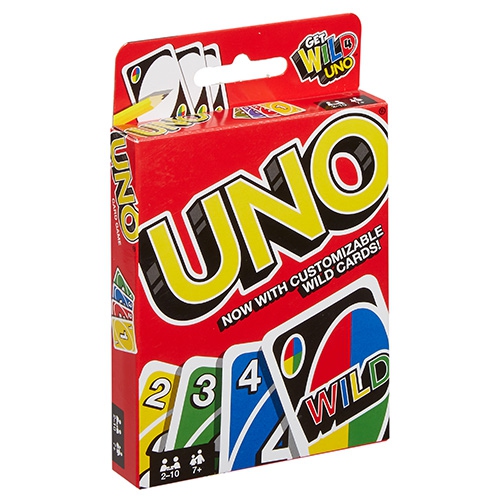 Your price for this item is $14.99
 -
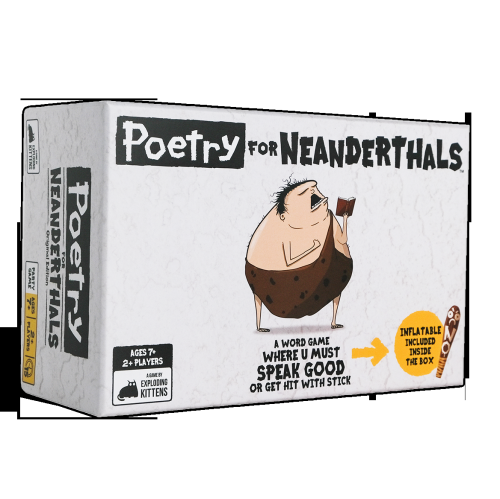 Your price for this item is $34.99
 -
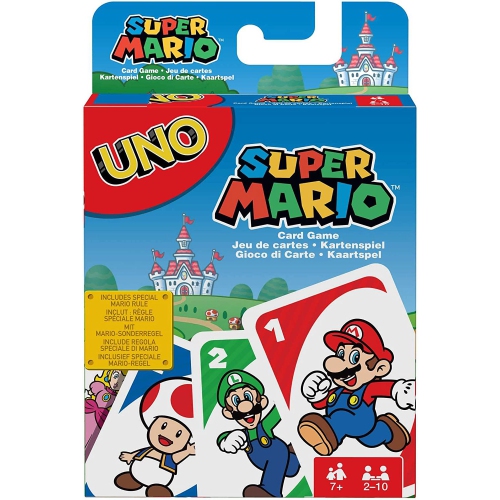 Your price for this item is $15
 -
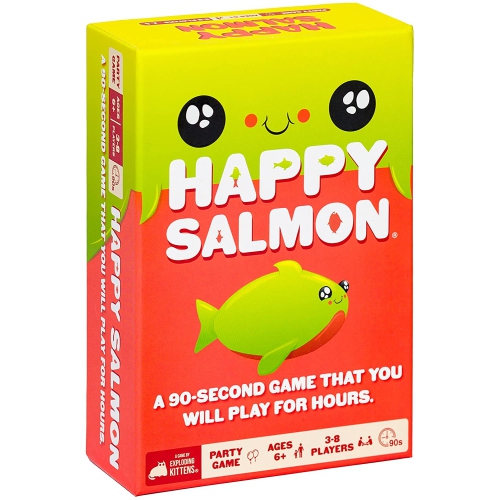 Your price for this item is $21.99
 -
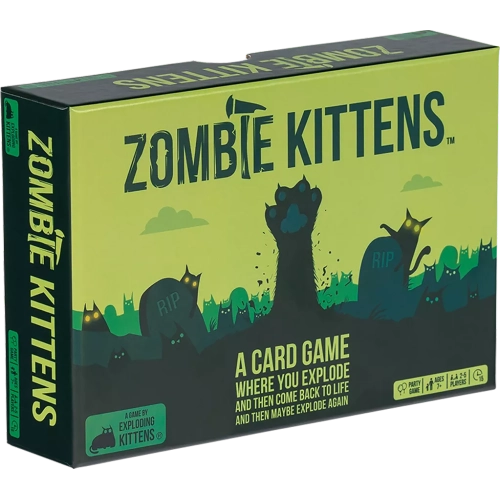 Your price for this item is $34.99
 -
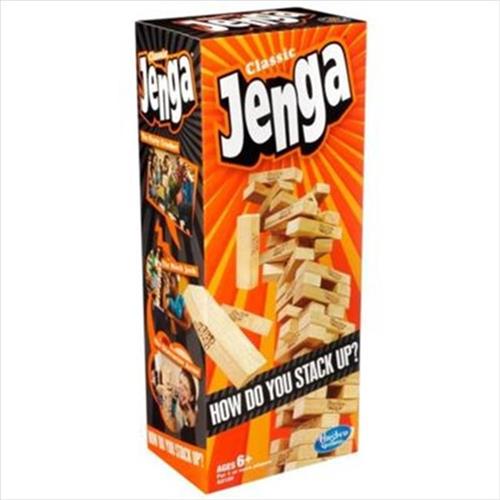 Your price for this item is $35.59
 -
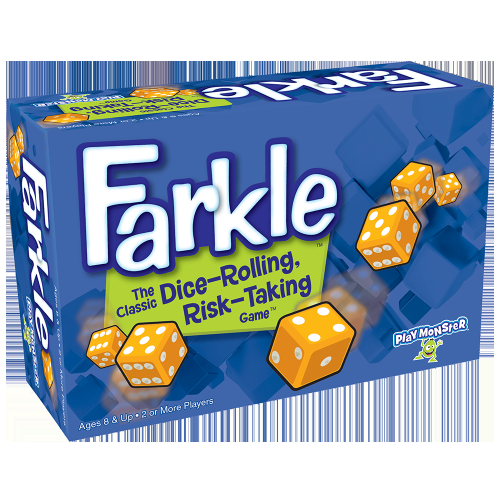 Your price for this item is $20.93
 -
 Your price for this item is $31.99
Discover more categories related to Classroom Games
Top Collections:
Pokemon Centers, Kindle Devices, Best Budget Office Chairs, Apple iPhones 16, Best Laptops for Writers, iPhone 15 Apple, Canon G7X Cameras, Refurbished Apple Laptops, Alarm Clock, Motorola Razr Phones
Some products may be subject to Environmental Handling Fees
(EHF) depending on your province.
Learn more about EHFs.