Clothing Armoires
Organize your wardrobe in style with our selection of clothing armoires. These versatile pieces of furniture are perfect for keeping your garments neatly stored and easily accessible. Whether you're looking to maximize space in a small bedroom or add a touch of elegance to your dressing area, our range of clothing armoires offers a variety of styles, sizes, and finishes to suit your needs. From classic designs to modern aesthetics, find the perfect clothing armoire to elevate the organization and aesthetic appeal of your living space.
Sort
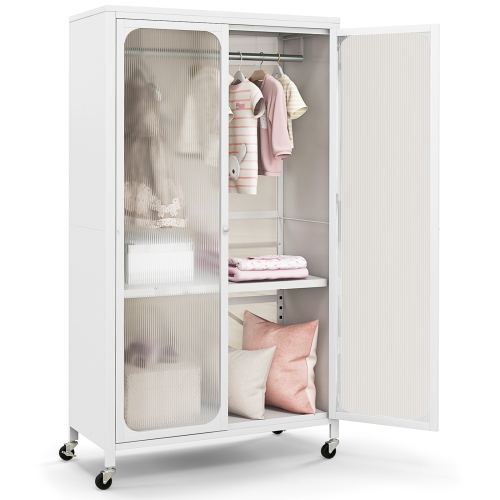
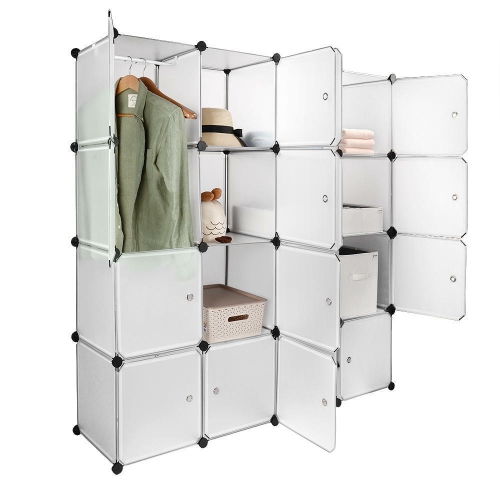
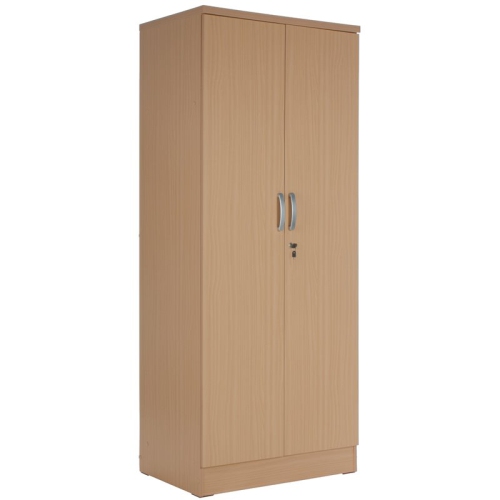
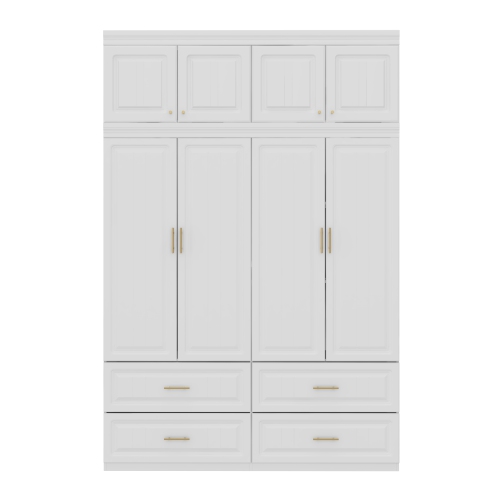
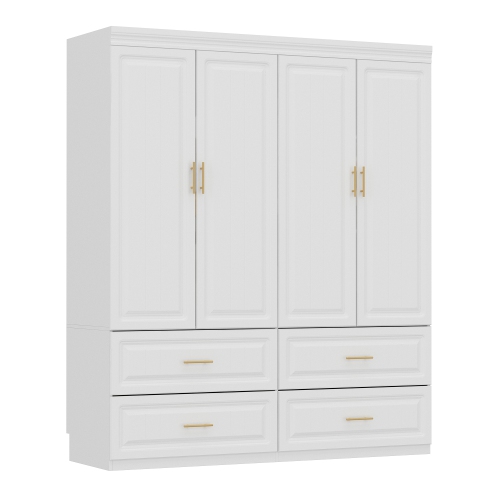
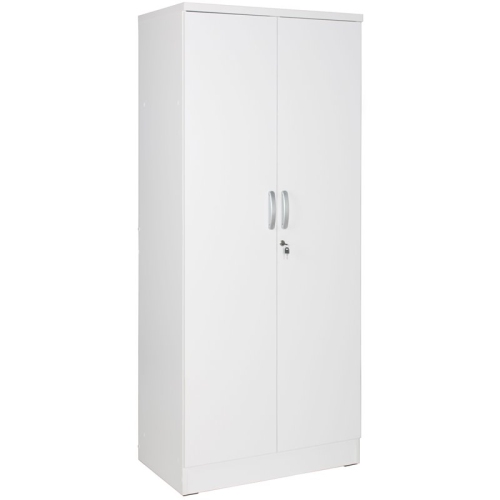
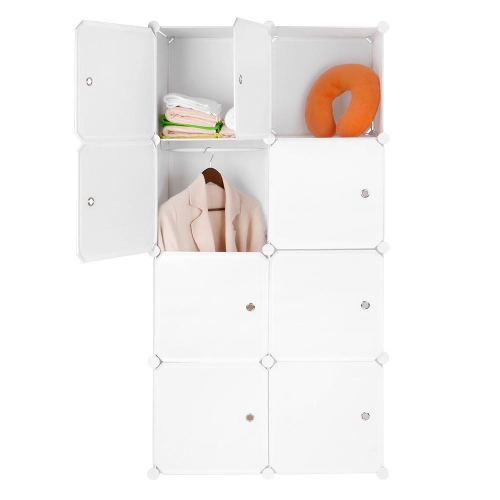
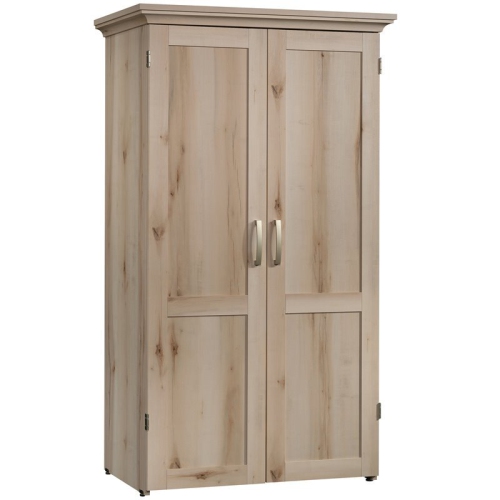

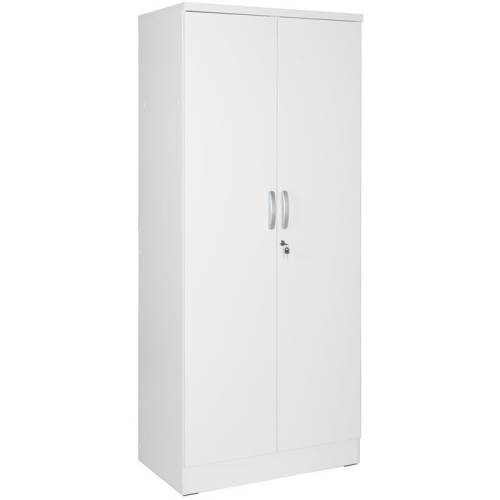
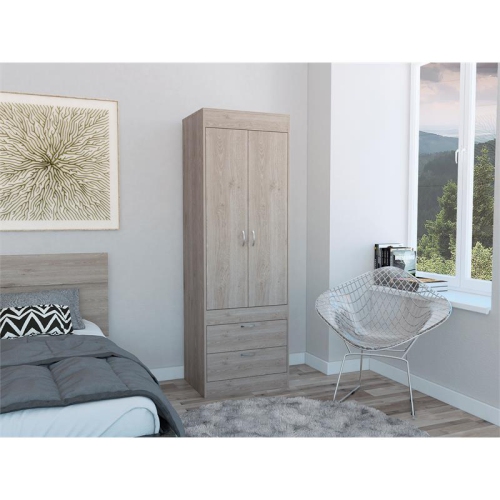
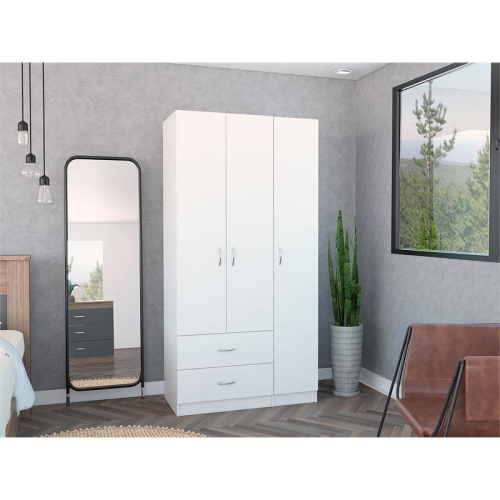
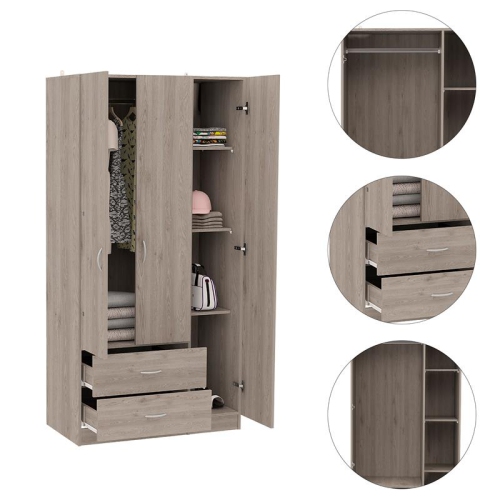
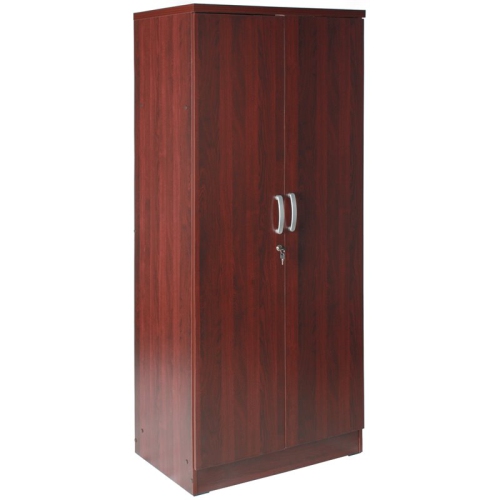
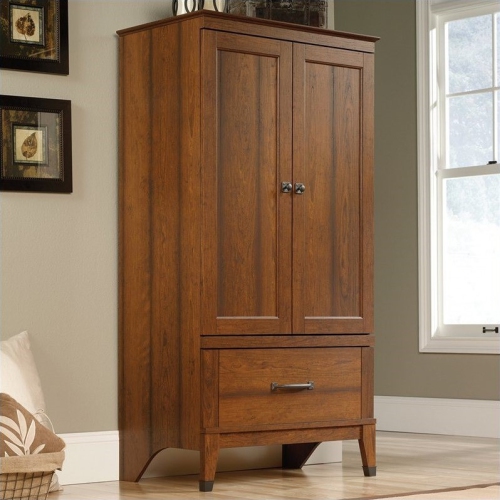
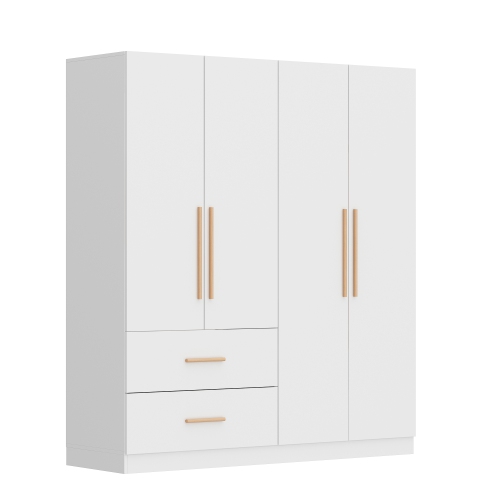
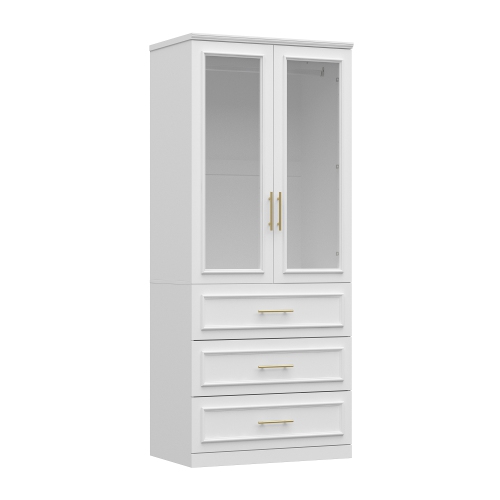
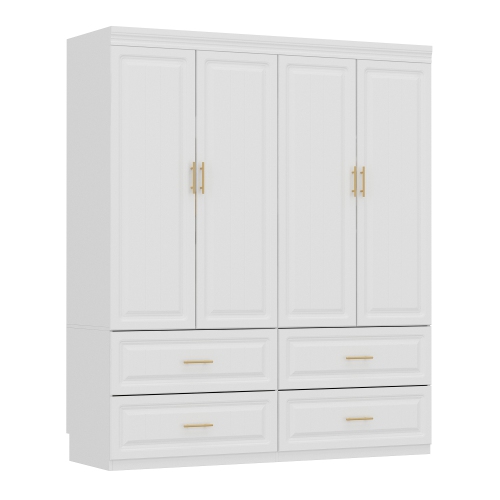
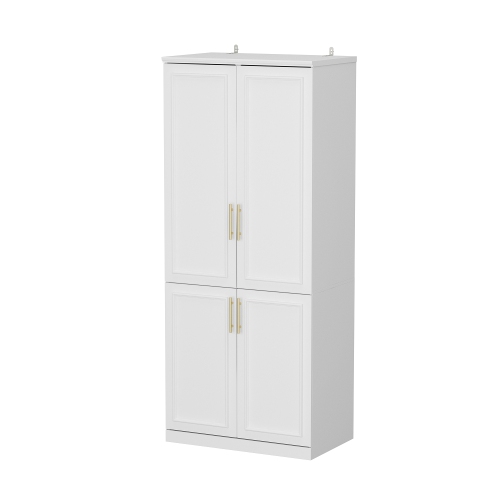
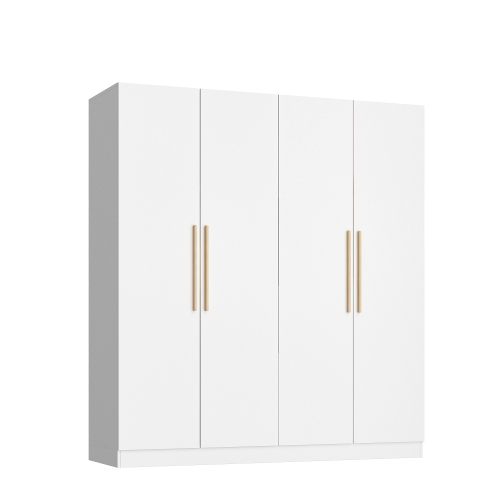
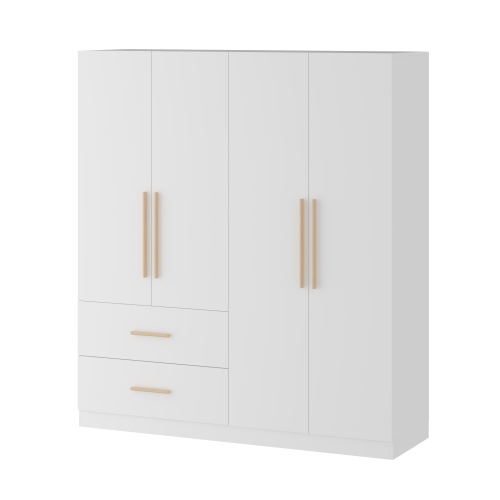
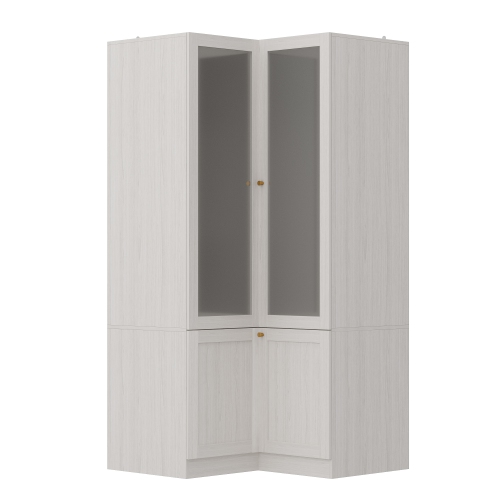
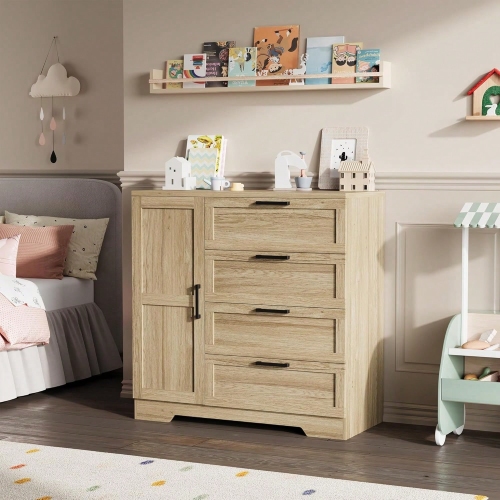
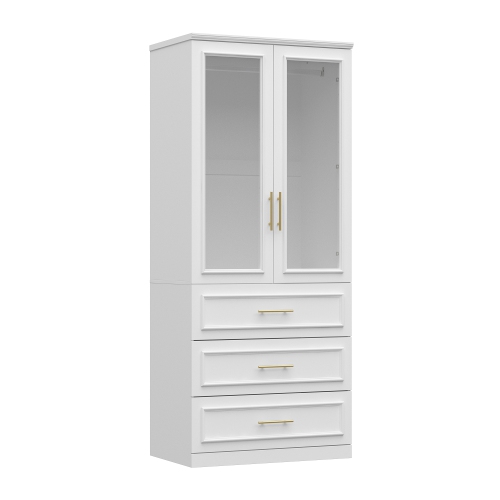
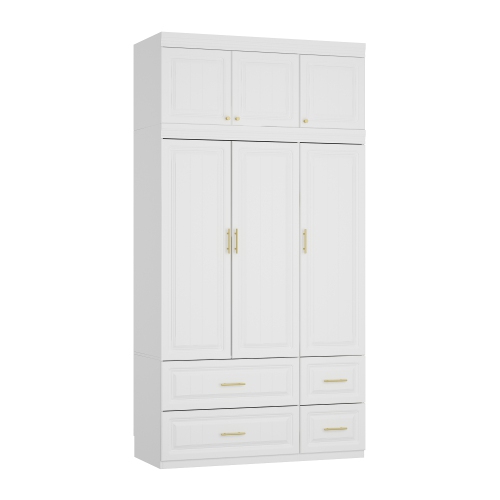
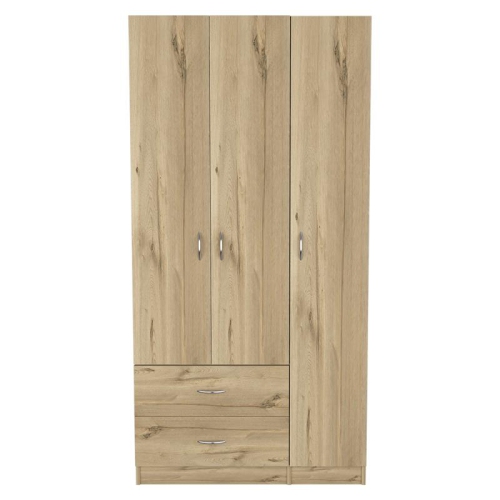
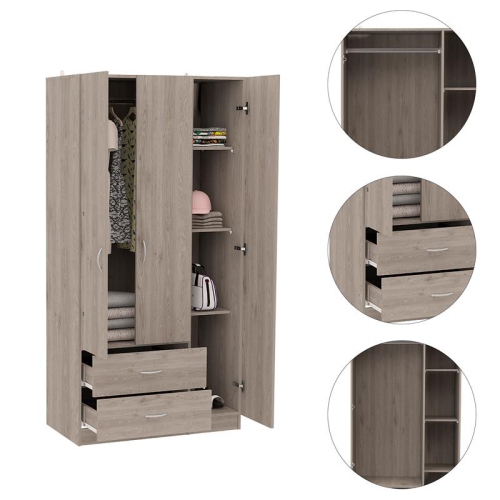

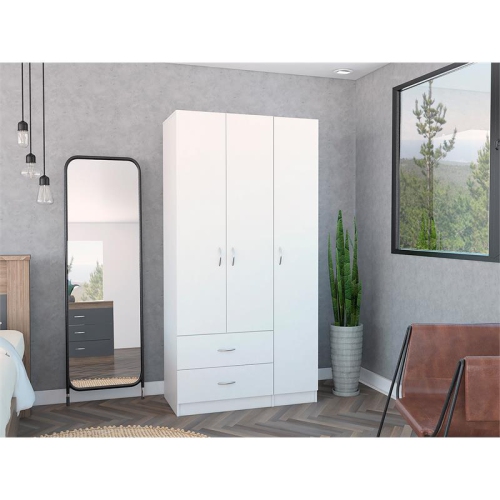

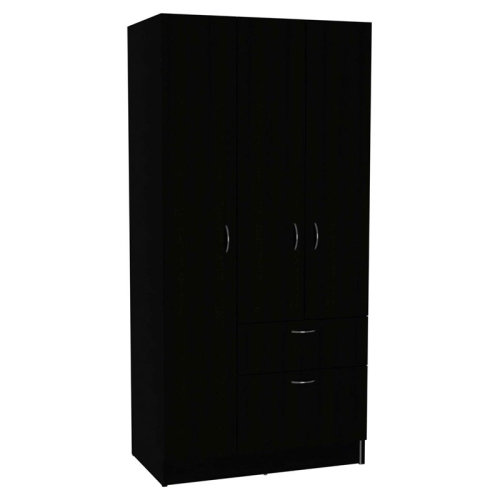
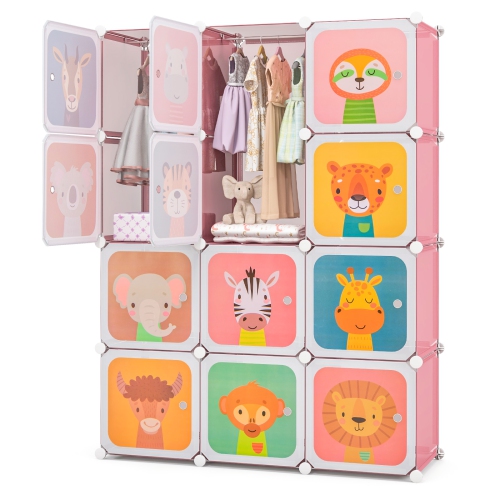
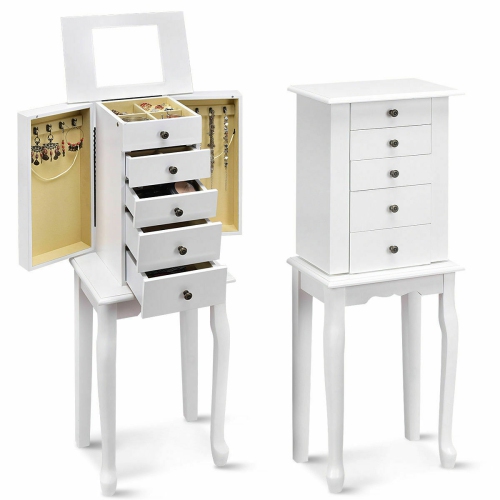
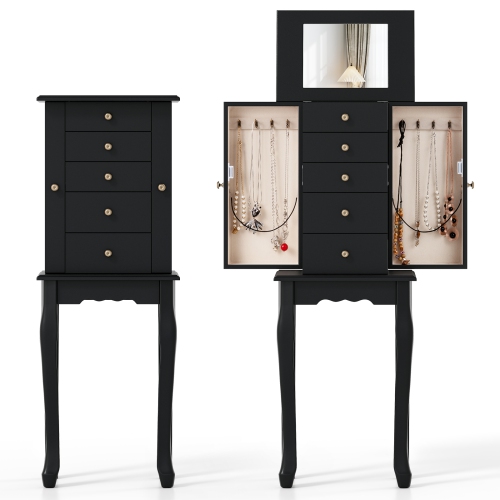
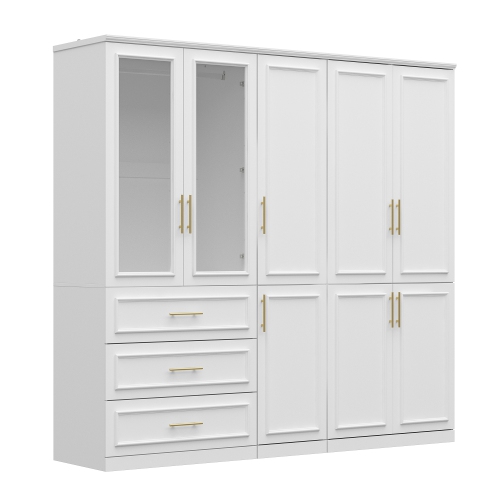
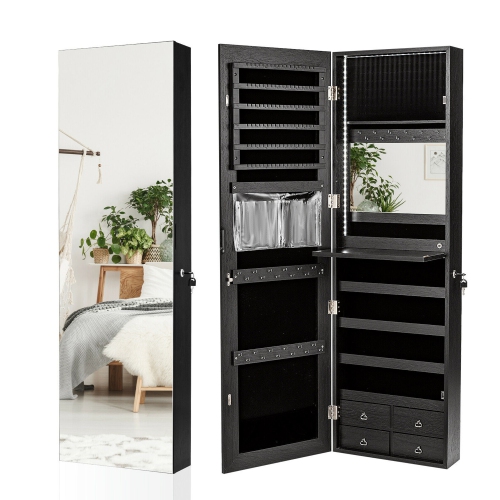

A place for clothes when closet space falls short
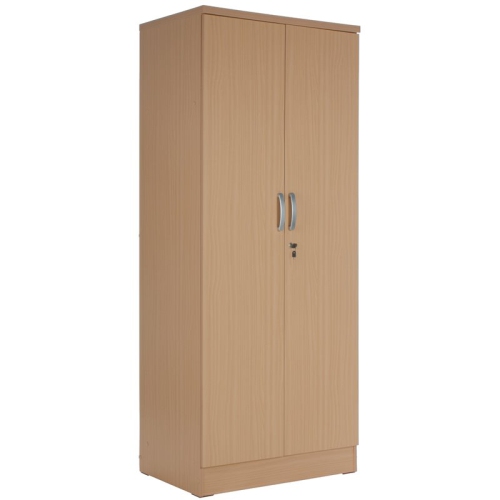
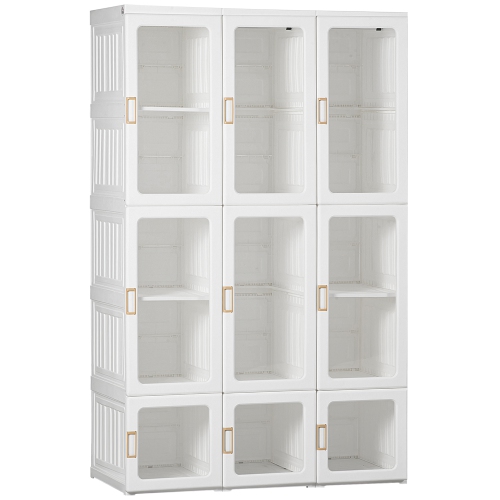
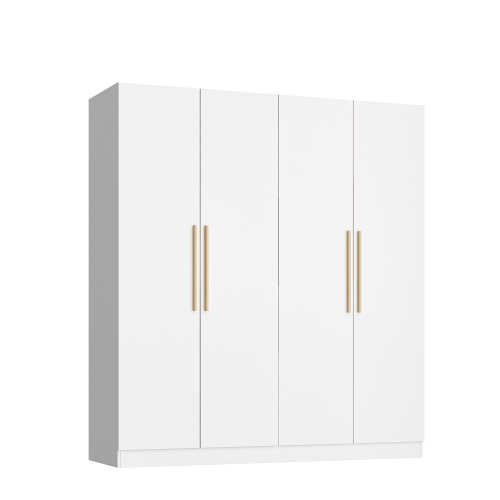
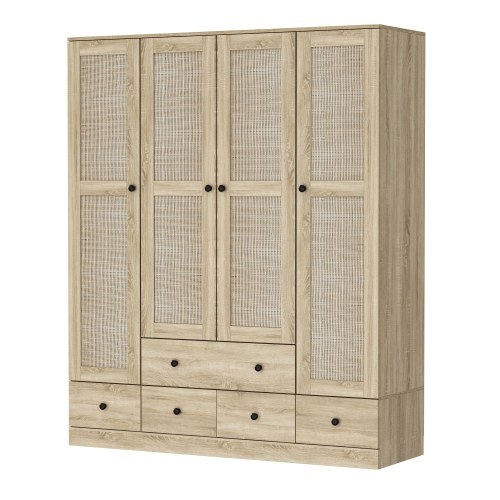
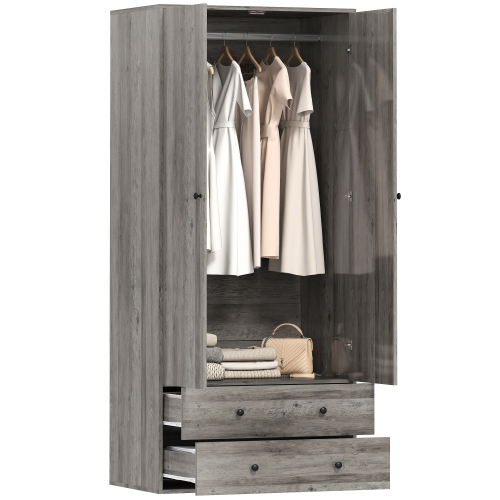
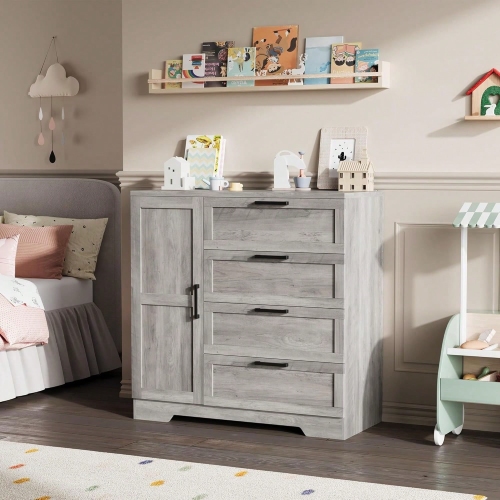
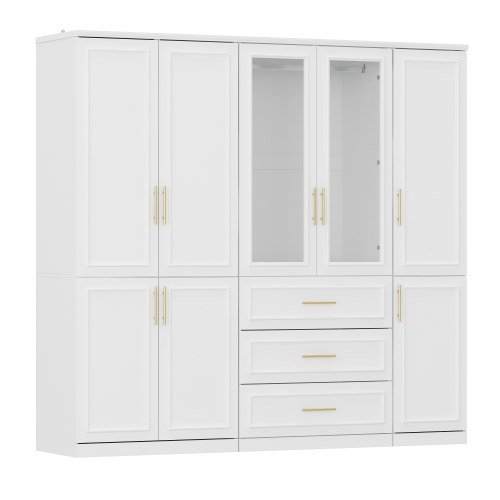
Clothing armoires are freestanding cabinets that provide enclosed storage for clothes, footwear, and accessories, making them a practical addition to bedrooms with small closets or no built-in wardrobe. Unlike an open garment rack, an armoire keeps its contents behind doors, giving a room a more settled appearance while helping limit dust on clothing between wears. Interior layouts vary: hanging rods accommodate shirts, jackets, and dresses; shelves hold folded knitwear and jeans; and drawers separate socks, sleepwear, and smaller accessories. The most useful arrangement depends on what needs a home. Someone who wears longer dresses or coats needs enough uninterrupted hanging height for hems to clear the cabinet base, while a collection of sweaters benefits from shelves that keep folded stacks visible and within reach. A combination of hanging space and drawers can bring an entire daily outfit into one place, especially in a bedroom where a separate dresser would crowd the floor. Compact two-door designs suit narrower spaces, while wider wardrobes can divide clothing between two people or separate workwear from casual clothes. In a guest room, an armoire gives visitors somewhere to unpack without requiring permanent closet construction. It can also help turn a multipurpose room into a comfortable sleeping space, with bedding on a shelf and a clear section for hanging garments. During the cooler months, enclosed storage is useful for keeping cardigans, scarves, and heavier layers close at hand, although wet outerwear should dry fully before being put away. For children and teenagers, accessible drawers and lower shelves make everyday clothing easier to manage, while adjustable interiors can accommodate changing storage needs. An armoire may also be a thoughtful household gift for someone setting up a first apartment or furnishing a new bedroom, provided its dimensions, appearance, and delivery requirements have been agreed on beforehand. Its appeal lies in giving clothing a defined place without relying on a renovation or a built-in storage system.
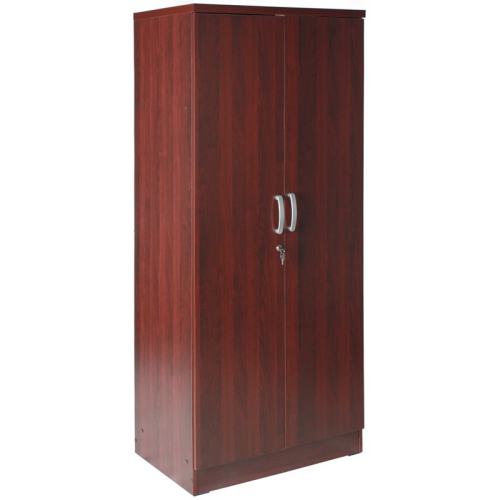
An armoire’s exterior dimensions tell only part of the story of how it will fit into a room. Cabinet depth needs to accommodate the intended hangers and garments, and interior hanging height matters as much as the overall height of the furniture. A tall cabinet with several fixed compartments may offer less space for long clothing than a shorter design with one open hanging section. Hinged doors need a clear path to open, and drawers require room to extend without striking a bed frame, bedside table, or nearby wall. Sliding doors can reduce the clearance needed in front, though they generally expose only part of the interior at a time. These differences become noticeable in a small bedroom, where being able to open a wardrobe and step back comfortably can make the morning routine feel less cramped. Baseboards, floor vents, electrical outlets, and nearby heat sources also affect placement. The route into the room deserves equal attention, particularly where stair landings, narrow doorways, or low ceilings may complicate moving a large assembled cabinet. Visually, clothing armoires range from simple, flat-front furniture to designs with framed doors, shaped feet, and more prominent hardware. Light finishes can blend with pale walls, darker wood tones can give the cabinet a stronger presence, and mirrored doors combine clothing storage with a place to check an outfit. Materials influence both appearance and everyday care. Solid wood has natural grain variation and can respond to changes in indoor humidity. Wood veneer provides a real-wood surface over a supporting core, while engineered wood with a laminate or other applied finish offers a more uniform appearance. Durability depends on the whole construction rather than the material name alone: secure joints, suitable shelf supports, well-fitted hinges, and smoothly operating drawer runners all contribute to dependable use. A Sturdy Armoire is especially relevant where doors and drawers will be opened frequently, but the stated weight limits for shelves, rods, and drawers still matter. A shelf intended for folded shirts should not be assumed to support the same load as a tightly packed row of heavy storage boxes.
Everyday usefulness often comes down to small interior details. Adjustable shelves allow space for taller stacks of towels or shorter piles of T-shirts, while a removable hanging rod can make a cabinet more flexible when storage needs change. Drawers keep small garments contained, and divided sections can prevent one person’s clothing from spreading across a shared wardrobe. There is a practical balance between capacity and access: tightly compressed hangers make clothing harder to remove and can leave freshly pressed shirts creased, while very deep stacks of folded clothes tend to hide what is at the back. Enough space to see and retrieve garments is often more valuable than filling every gap. Door hardware should feel comfortable to grip, and drawer movement should remain smooth under the intended load. Where soft-close fittings are present, they can soften the sound of a door or drawer closing in a shared bedroom. Care requirements depend on the finish, so the manufacturer’s cleaning directions take priority. Many finished surfaces need only regular dusting with a soft cloth and prompt attention to spills, with excess moisture avoided around seams and edges. Abrasive cleaners can dull or scratch surfaces, and clothing should be clean and dry before it is stored. Direct sunlight and close proximity to heating equipment may affect some finishes or wood components over time. Assembly and safe installation are equally important to long-term use. Freestanding armoires should be secured against tipping according to the manufacturer’s instructions, using restraints and wall fasteners appropriate for the wall construction; a heavy cabinet is not automatically tip-resistant. Shelves and rods need to be seated correctly, and heavier belongings are generally better placed low within the permitted load limits. Children should never climb shelves or use open drawers as steps. With an interior suited to the clothing it holds, adequate clearance around it, and care appropriate to its construction, a clothing armoire can serve as a useful piece of bedroom furniture through changing routines, shared living arrangements, and moves between homes.
An armoire’s exterior dimensions tell only part of the story of how it will fit into a room. Cabinet depth needs to accommodate the intended hangers and garments, and interior hanging height matters as much as the overall height of the furniture. A tall cabinet with several fixed compartments may offer less space for long clothing than a shorter design with one open hanging section. Hinged doors need a clear path to open, and drawers require room to extend without striking a bed frame, bedside table, or nearby wall. Sliding doors can reduce the clearance needed in front, though they generally expose only part of the interior at a time. These differences become noticeable in a small bedroom, where being able to open a wardrobe and step back comfortably can make the morning routine feel less cramped. Baseboards, floor vents, electrical outlets, and nearby heat sources also affect placement. The route into the room deserves equal attention, particularly where stair landings, narrow doorways, or low ceilings may complicate moving a large assembled cabinet. Visually, clothing armoires range from simple, flat-front furniture to designs with framed doors, shaped feet, and more prominent hardware. Light finishes can blend with pale walls, darker wood tones can give the cabinet a stronger presence, and mirrored doors combine clothing storage with a place to check an outfit. Materials influence both appearance and everyday care. Solid wood has natural grain variation and can respond to changes in indoor humidity. Wood veneer provides a real-wood surface over a supporting core, while engineered wood with a laminate or other applied finish offers a more uniform appearance. Durability depends on the whole construction rather than the material name alone: secure joints, suitable shelf supports, well-fitted hinges, and smoothly operating drawer runners all contribute to dependable use. A Sturdy Armoire is especially relevant where doors and drawers will be opened frequently, but the stated weight limits for shelves, rods, and drawers still matter. A shelf intended for folded shirts should not be assumed to support the same load as a tightly packed row of heavy storage boxes.
Everyday usefulness often comes down to small interior details. Adjustable shelves allow space for taller stacks of towels or shorter piles of T-shirts, while a removable hanging rod can make a cabinet more flexible when storage needs change. Drawers keep small garments contained, and divided sections can prevent one person’s clothing from spreading across a shared wardrobe. There is a practical balance between capacity and access: tightly compressed hangers make clothing harder to remove and can leave freshly pressed shirts creased, while very deep stacks of folded clothes tend to hide what is at the back. Enough space to see and retrieve garments is often more valuable than filling every gap. Door hardware should feel comfortable to grip, and drawer movement should remain smooth under the intended load. Where soft-close fittings are present, they can soften the sound of a door or drawer closing in a shared bedroom. Care requirements depend on the finish, so the manufacturer’s cleaning directions take priority. Many finished surfaces need only regular dusting with a soft cloth and prompt attention to spills, with excess moisture avoided around seams and edges. Abrasive cleaners can dull or scratch surfaces, and clothing should be clean and dry before it is stored. Direct sunlight and close proximity to heating equipment may affect some finishes or wood components over time. Assembly and safe installation are equally important to long-term use. Freestanding armoires should be secured against tipping according to the manufacturer’s instructions, using restraints and wall fasteners appropriate for the wall construction; a heavy cabinet is not automatically tip-resistant. Shelves and rods need to be seated correctly, and heavier belongings are generally better placed low within the permitted load limits. Children should never climb shelves or use open drawers as steps. With an interior suited to the clothing it holds, adequate clearance around it, and care appropriate to its construction, a clothing armoire can serve as a useful piece of bedroom furniture through changing routines, shared living arrangements, and moves between homes.
Top selling and popular products
-
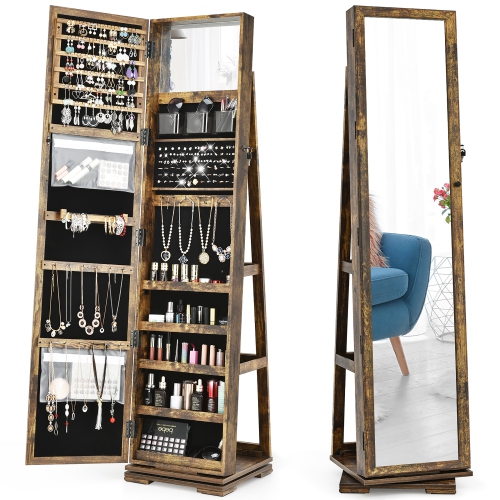 Your price for this item is $224.99
 -
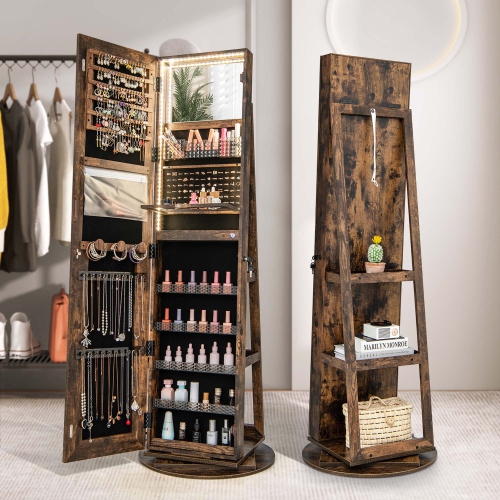 Your price for this item is $289.99
 -
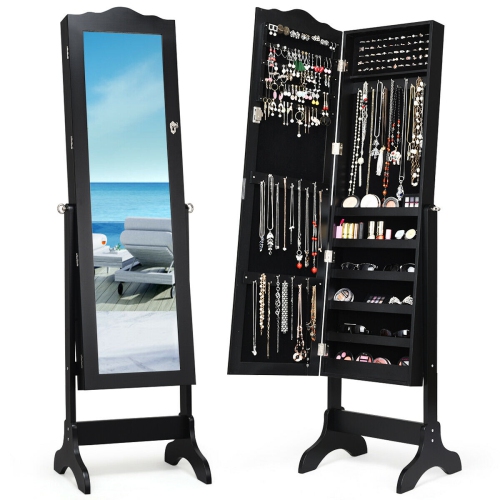 Your price for this item is $169.99
 -
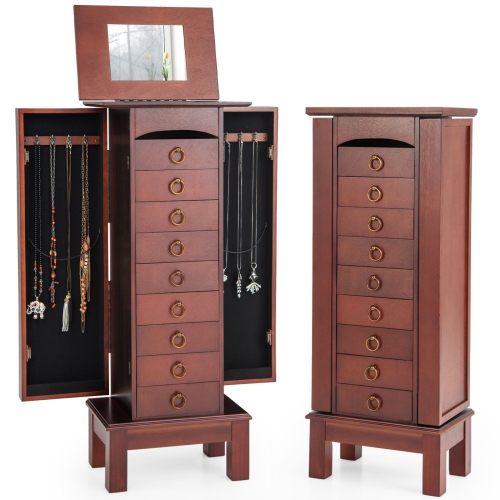 Your price for this item is $199.99
 -
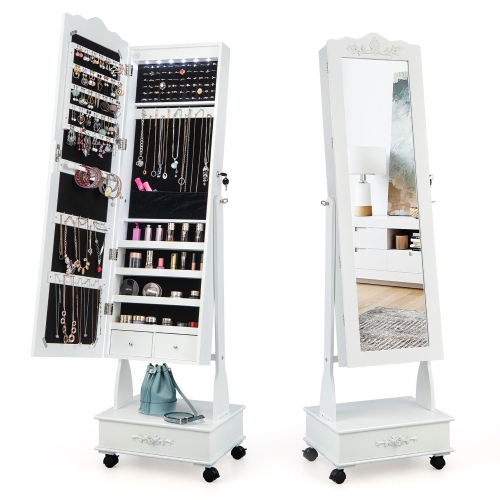 Your price for this item is $189.99
 -
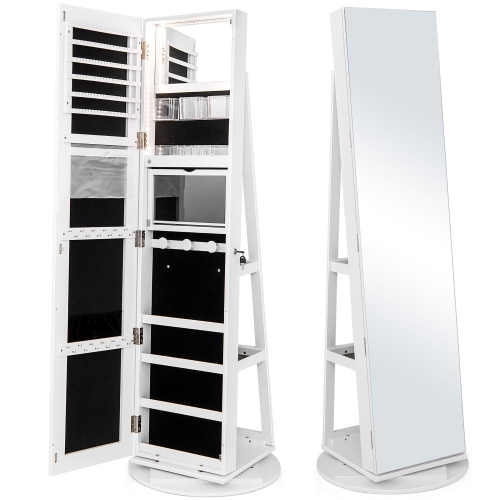 Your price for this item is $199.99
 -
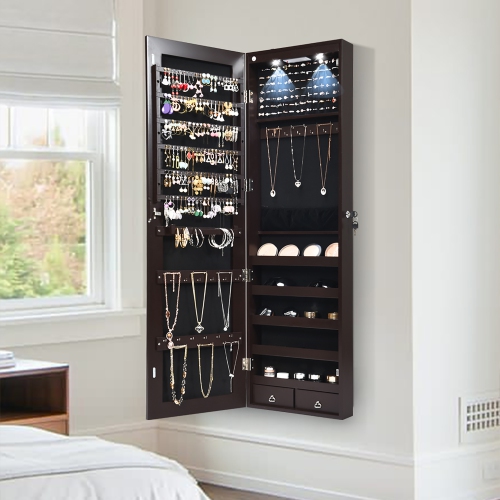 Your price for this item is $169.99
 -
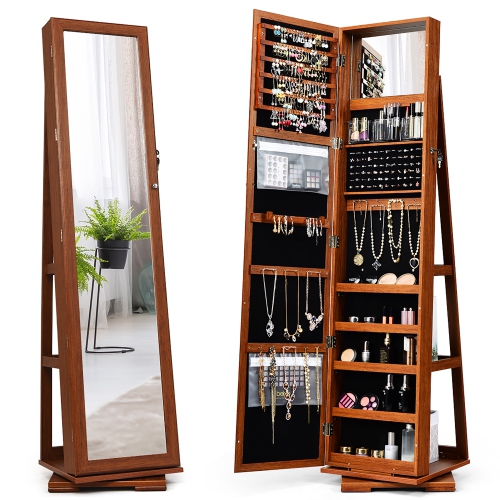 Your price for this item is $229.99
Discover more categories related to Clothing Armoires
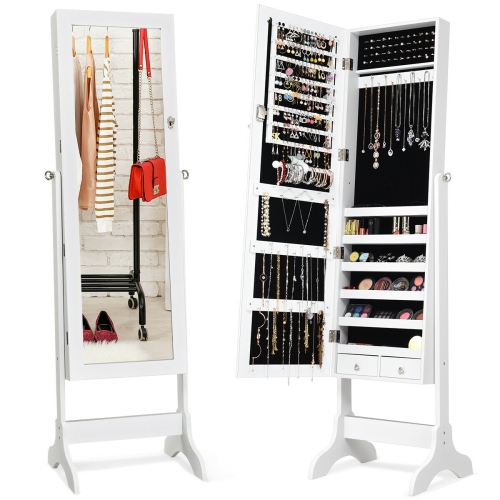
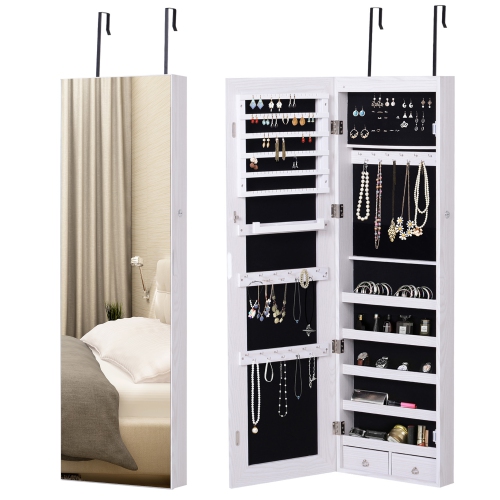
Top Collections:
Pokemon Centers, Kindle Devices, Best Budget Office Chairs, Apple iPhones 16, Best Laptops for Writers, iPhone 15 Apple, Canon G7X Cameras, Refurbished Apple Laptops, Alarm Clock, Motorola Razr Phones
Some products may be subject to Environmental Handling Fees
(EHF) depending on your province.
Learn more about EHFs.