Coat And Shoe Storage
Organizing your entryway has never been easier with our wide selection of coat and shoe storage solutions. Keep your hallway clutter-free and stylish with a variety of options to suit any space and decor style. From sleek shoe racks to versatile coat stands, find everything you need to create a functional and welcoming entryway that sets the tone for the rest of your home. Browse through our collection to discover innovative storage solutions that will help you keep your coats, shoes, and accessories neatly organized and easily accessible.
Sort
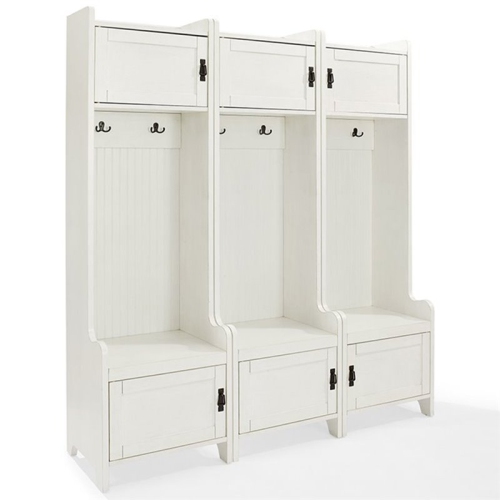

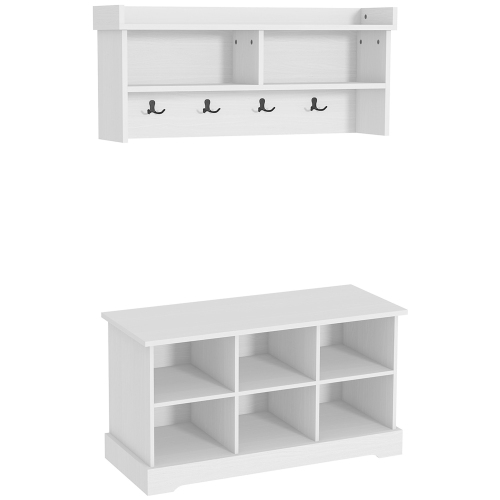
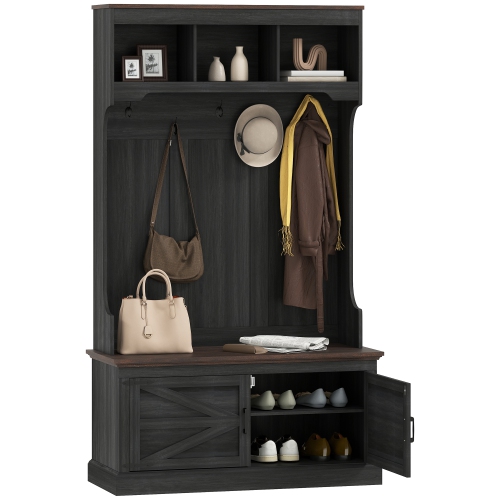
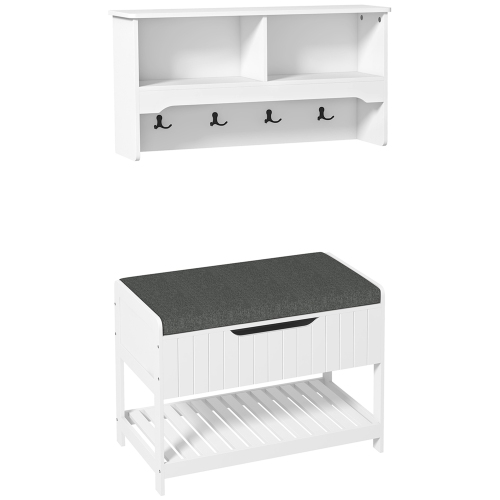
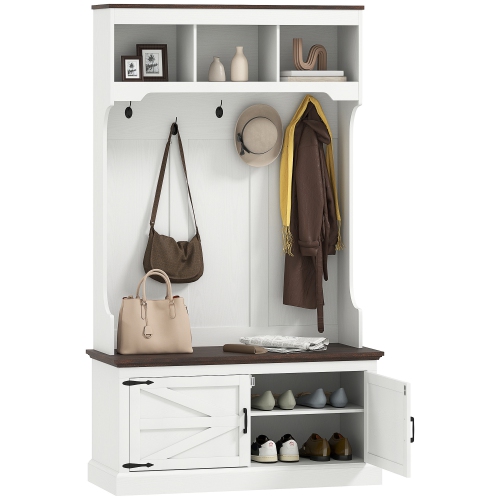
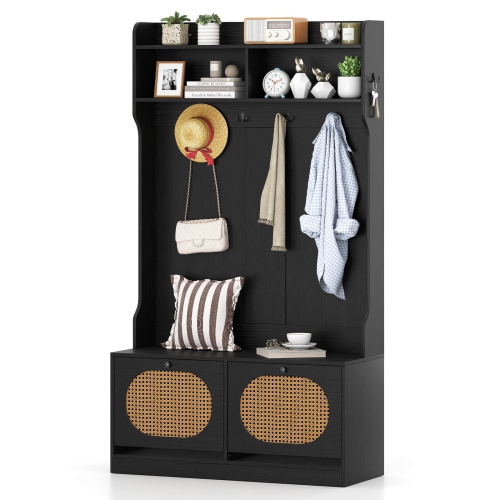
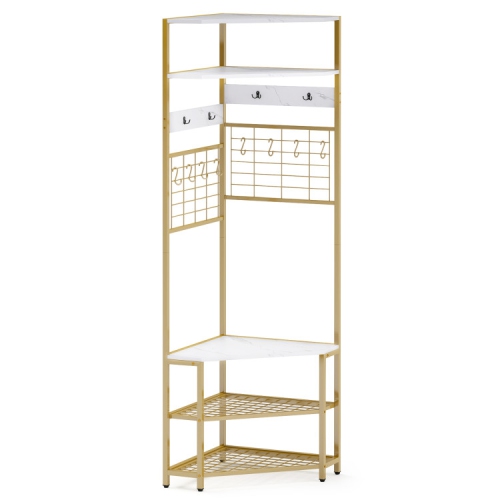
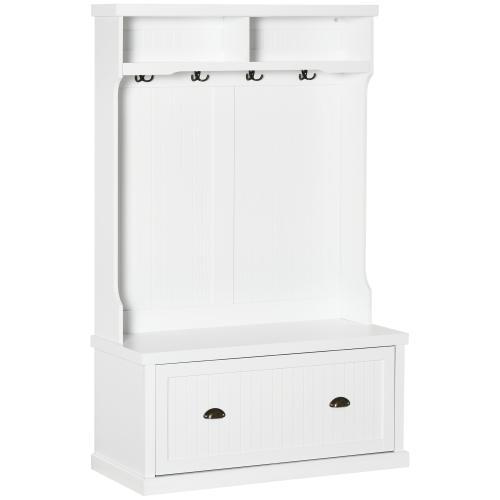
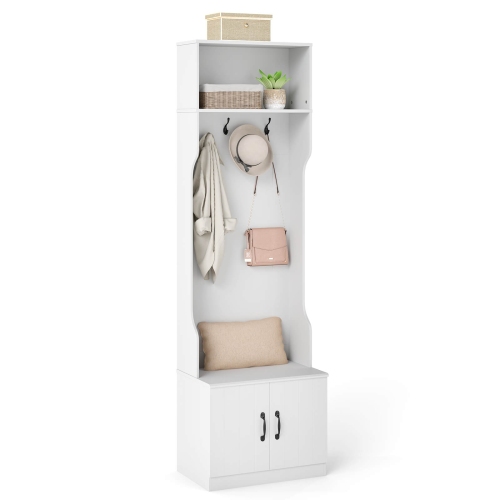
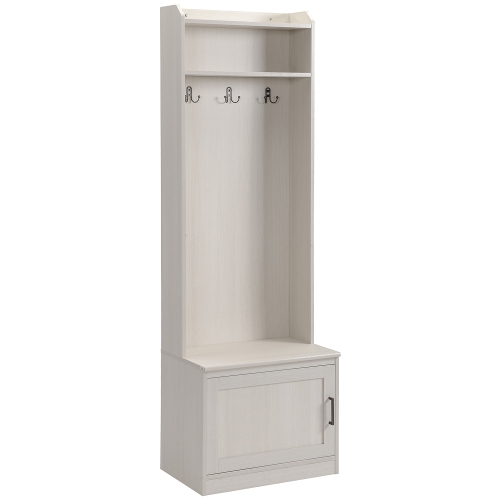
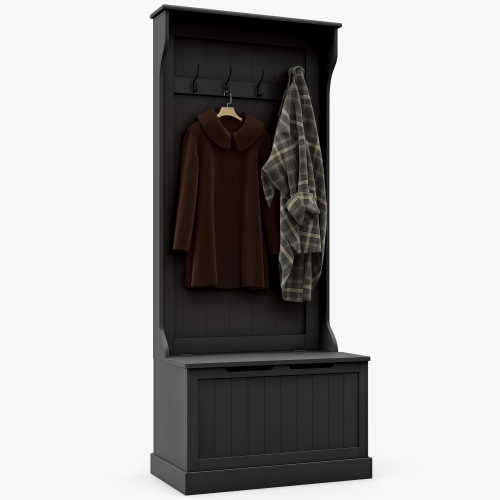
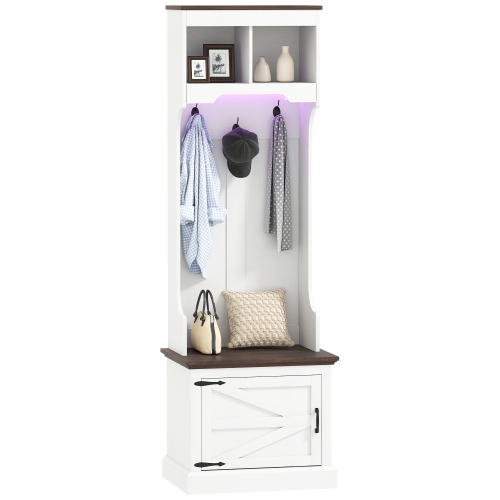
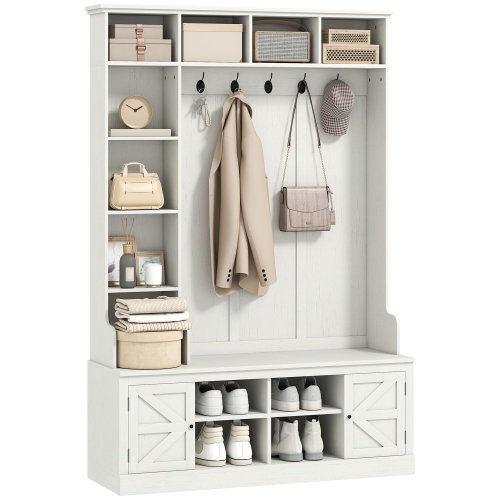
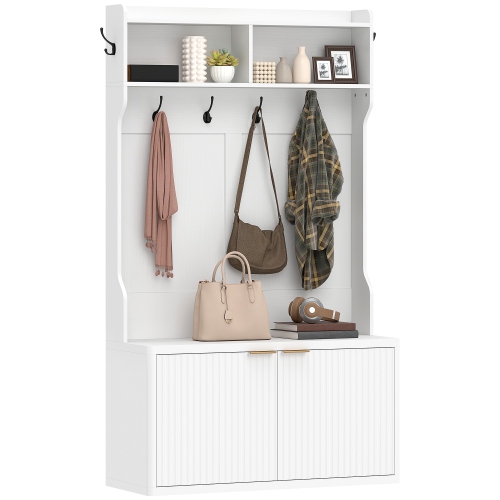
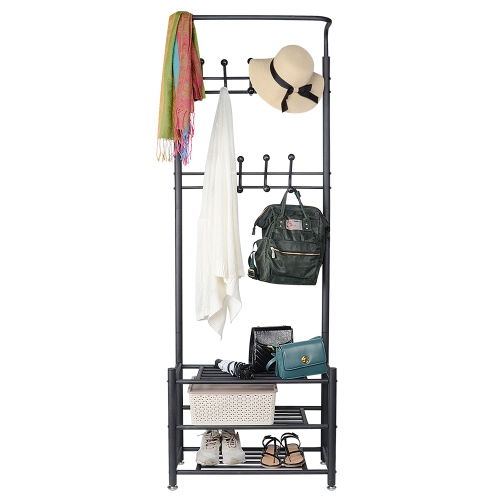
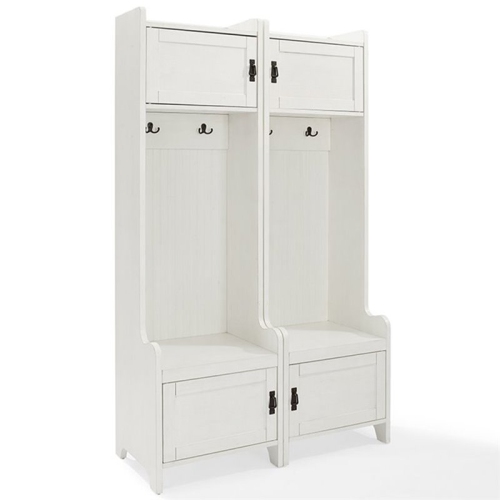
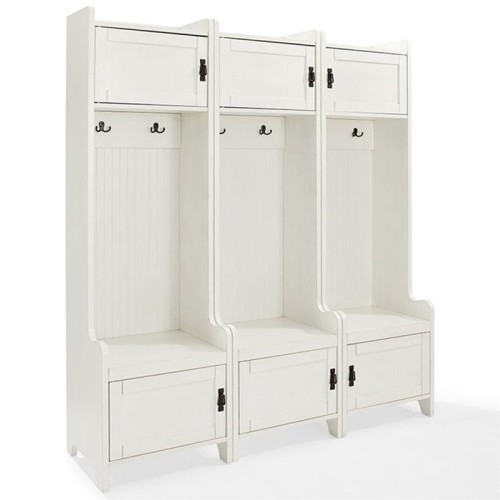
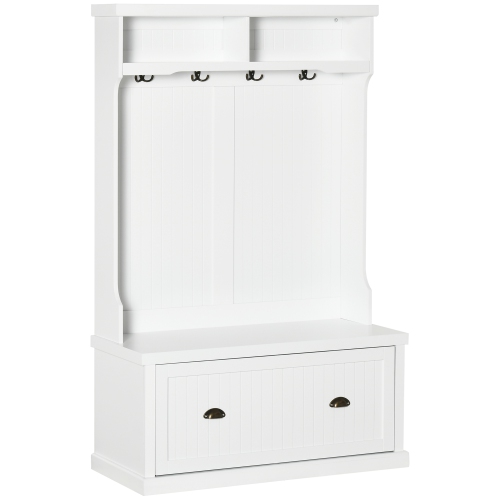

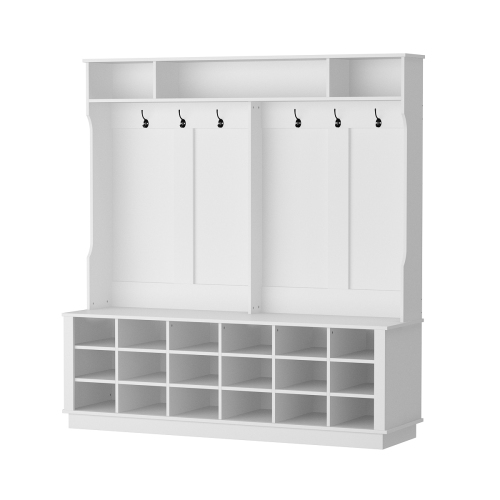
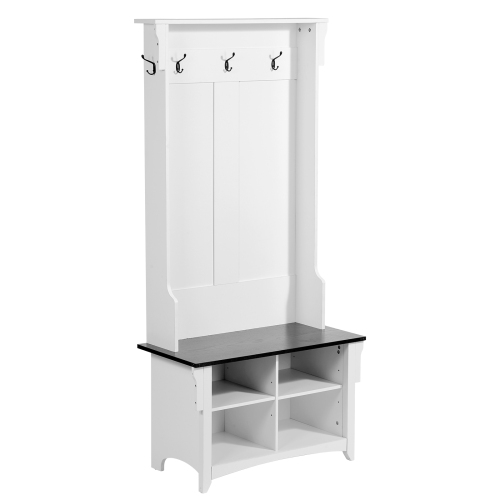
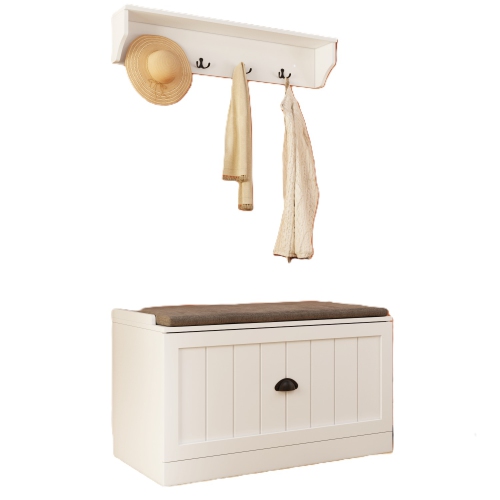
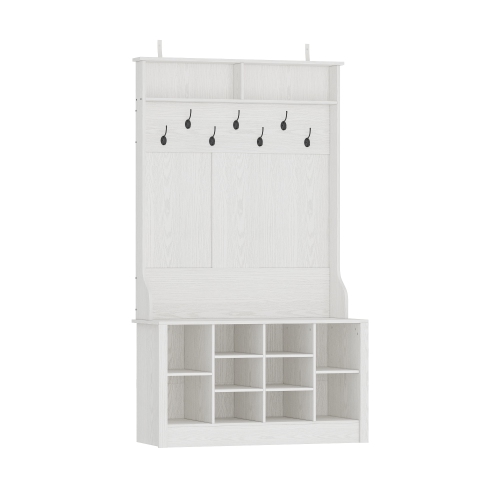
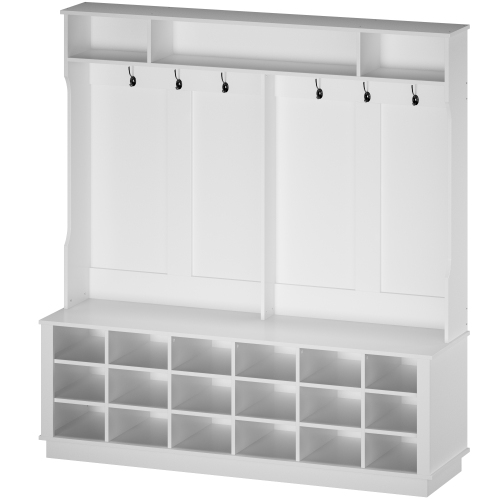
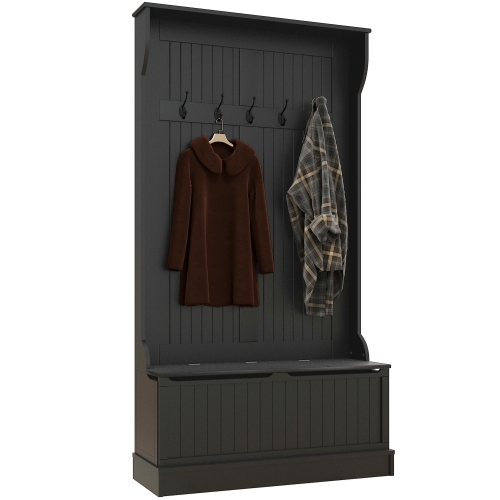
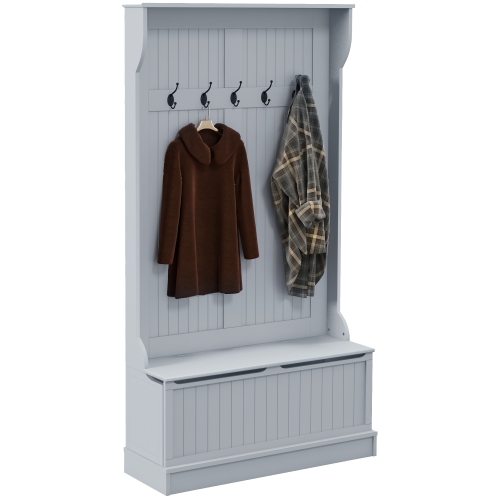
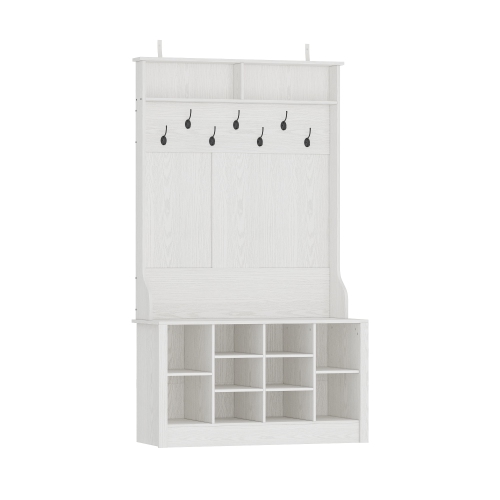
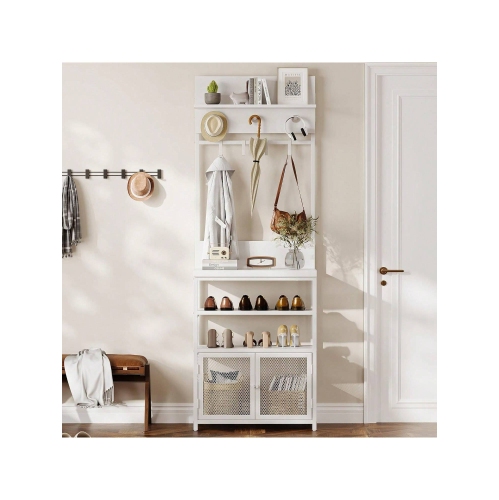
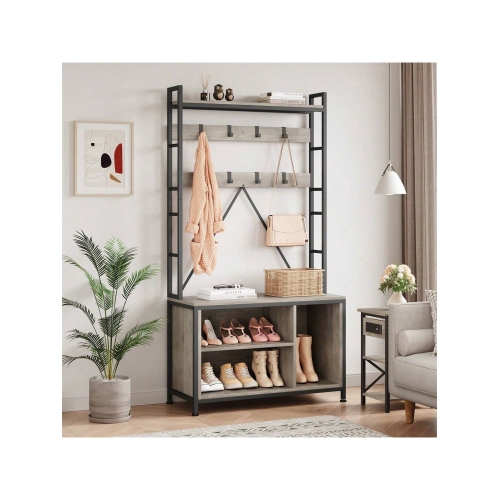
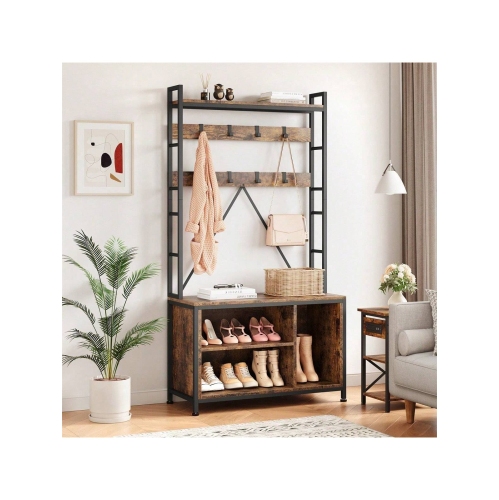
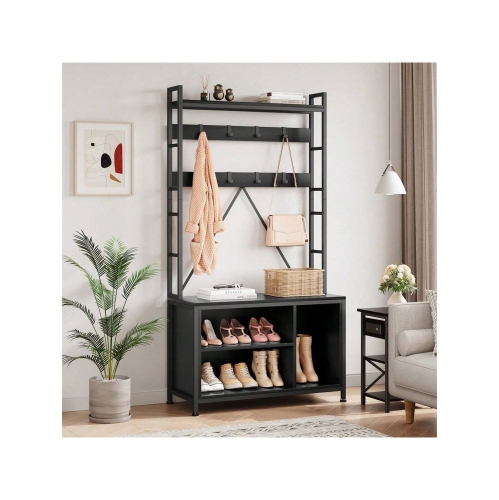
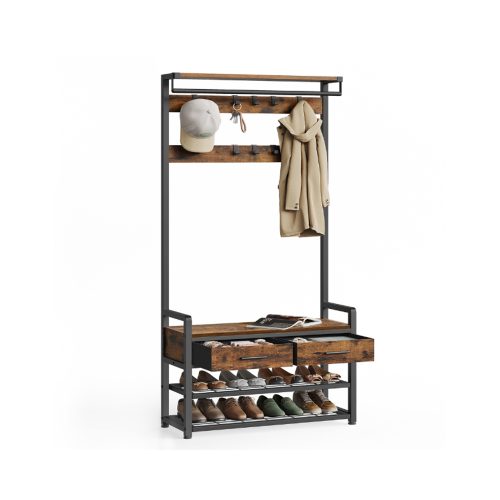
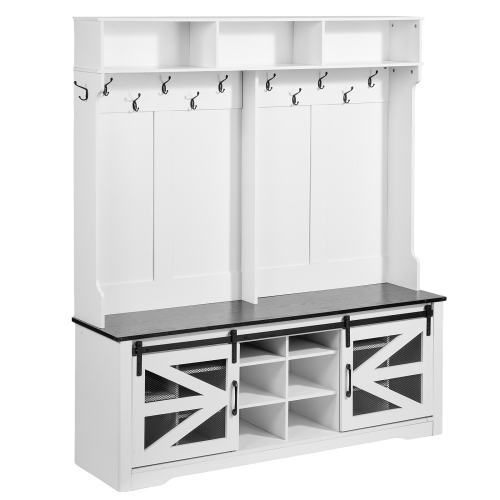
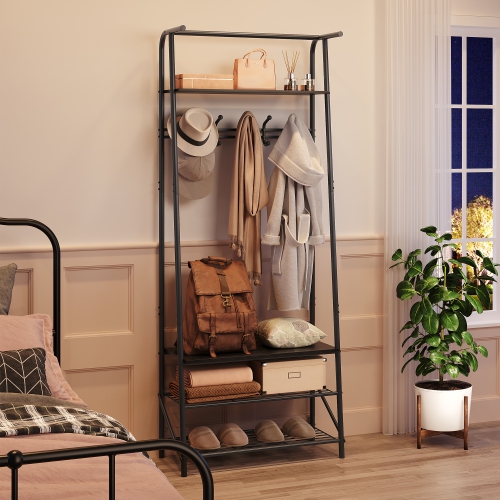
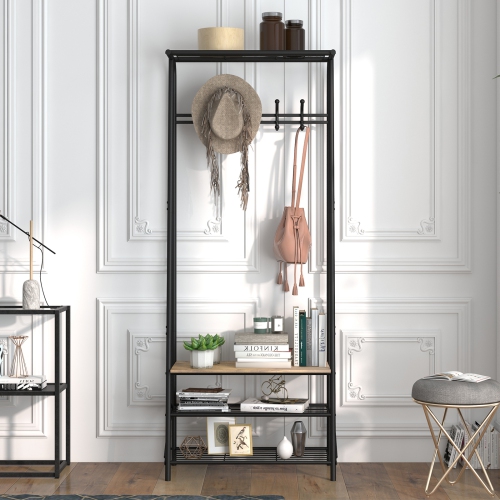
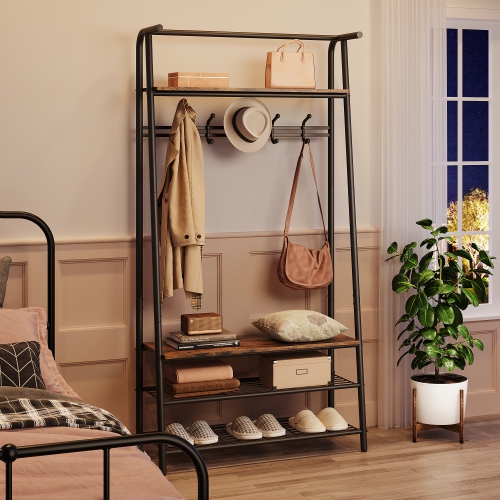
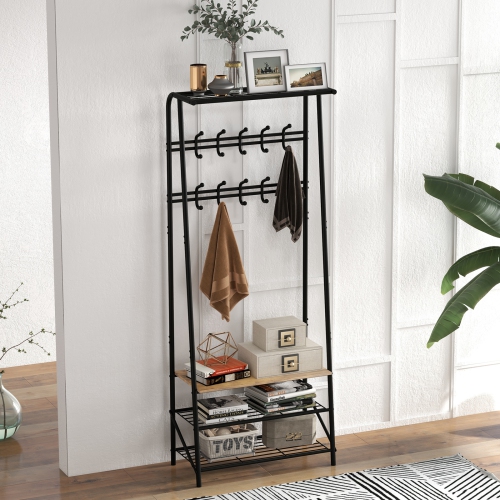
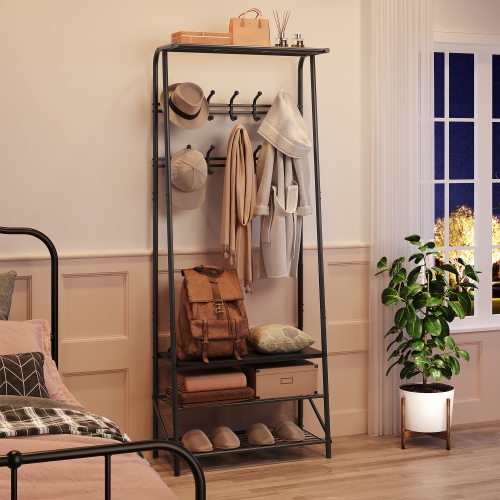
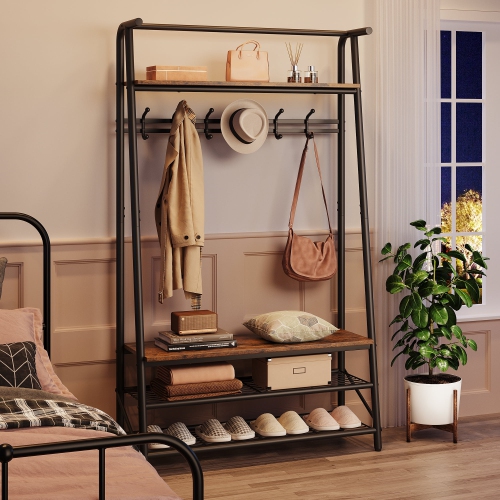
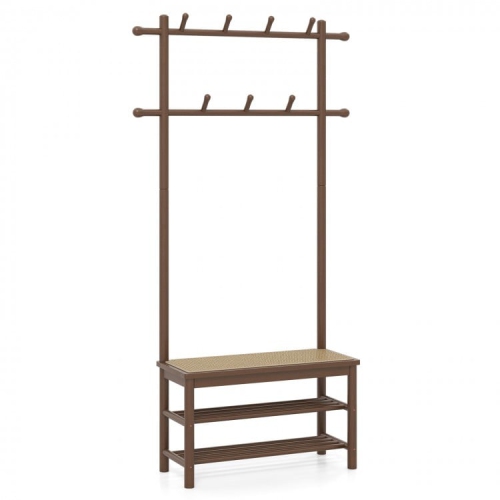
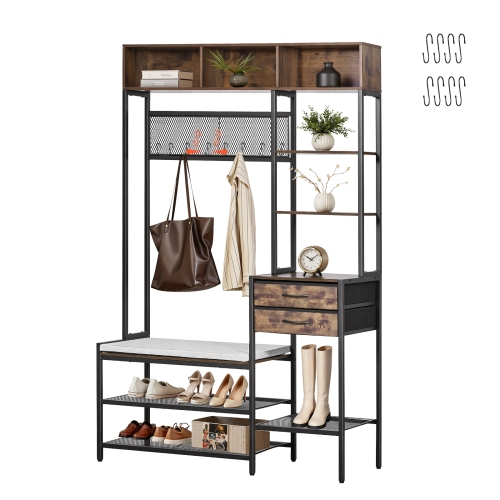
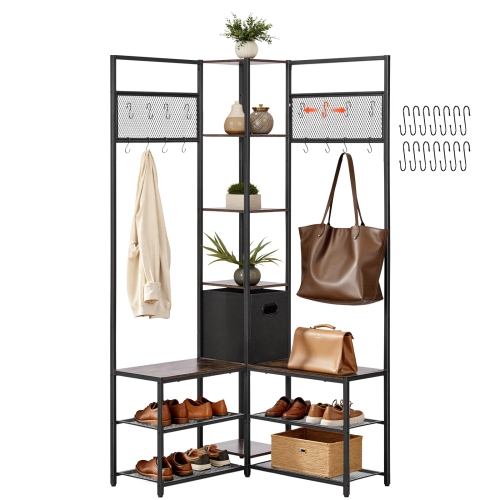
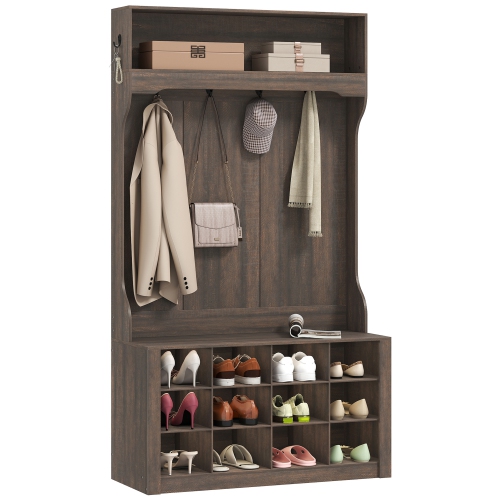
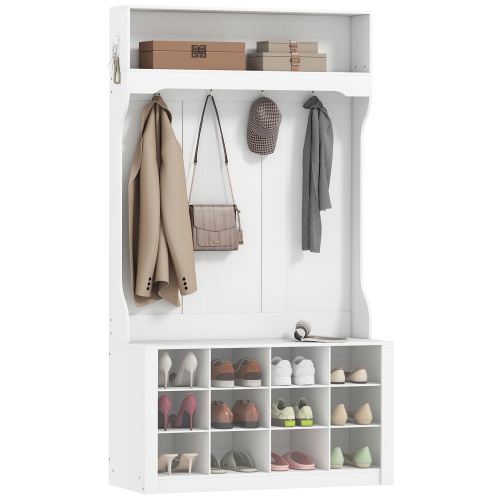
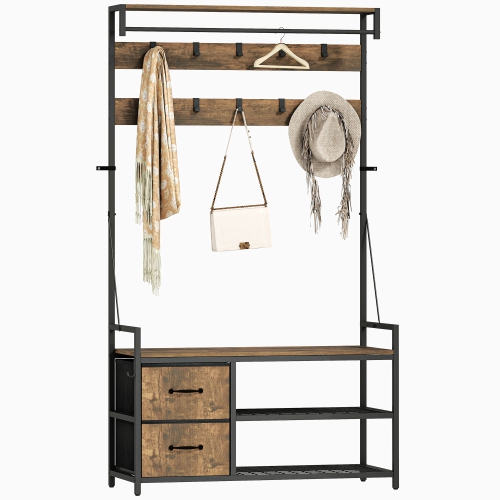
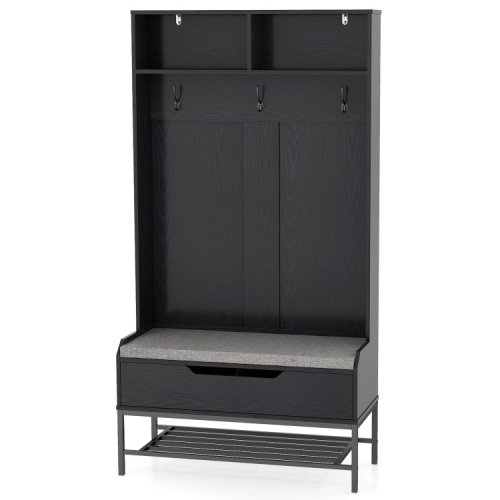
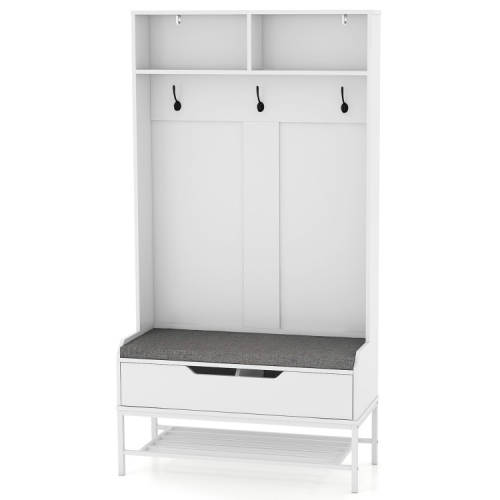
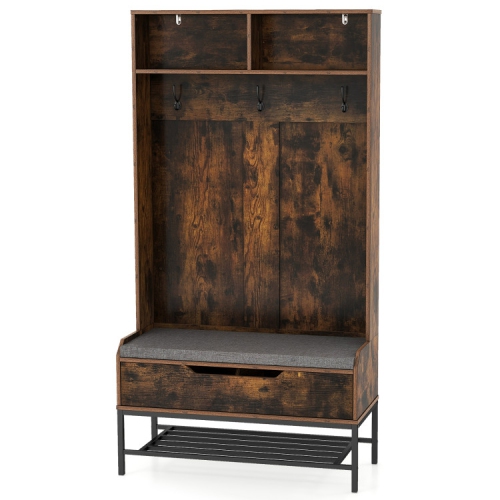
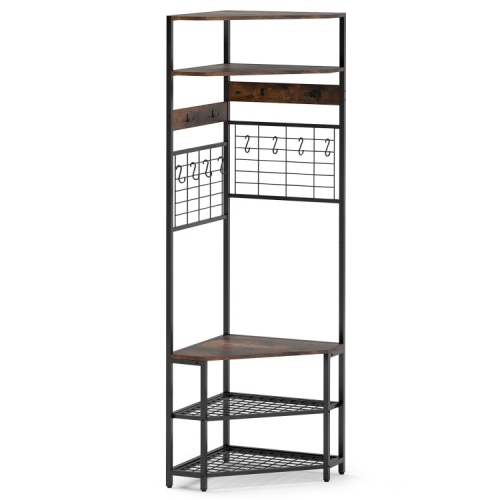
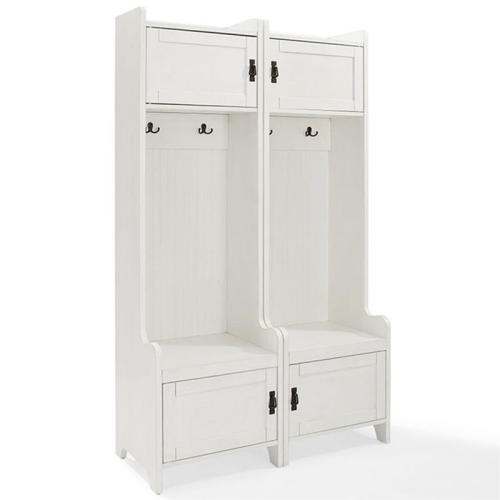
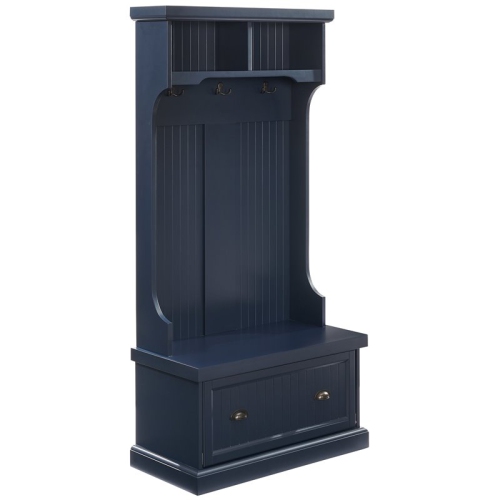
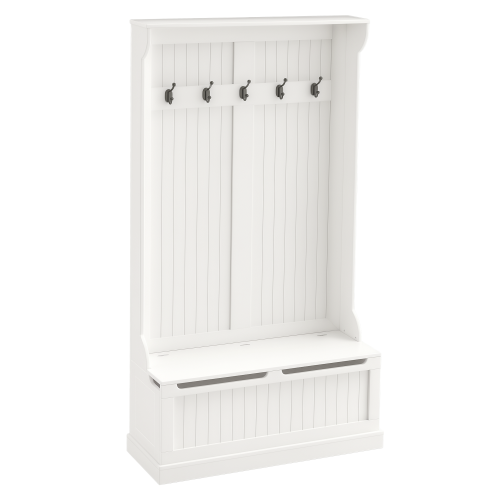
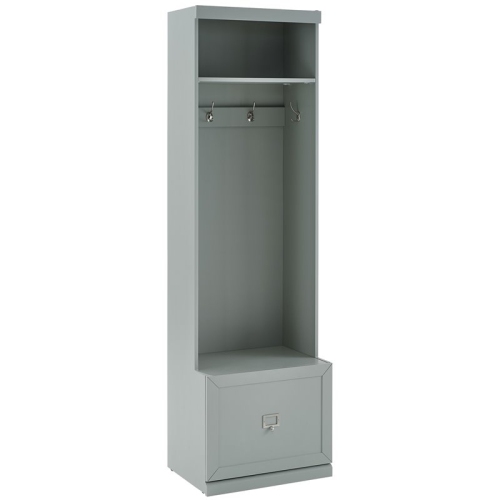
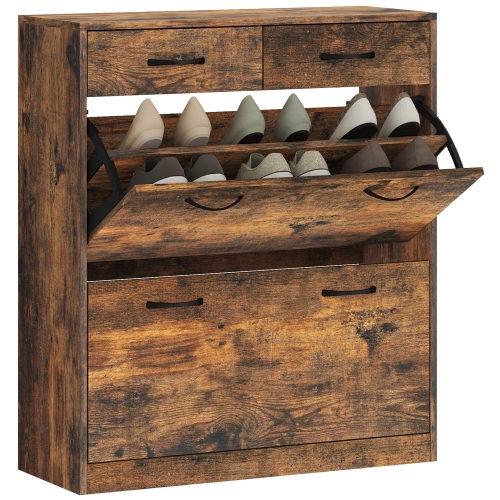
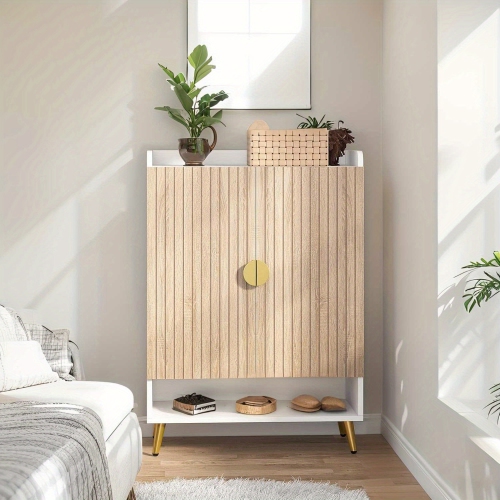
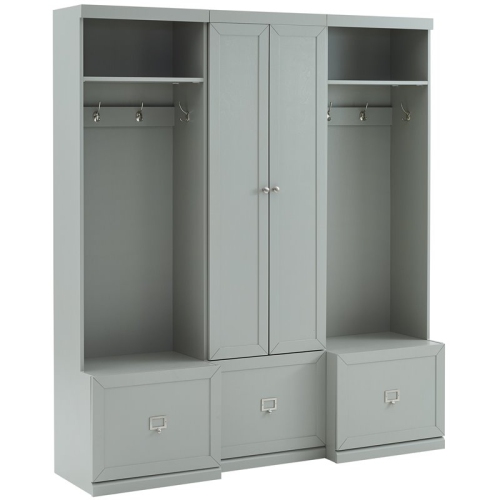
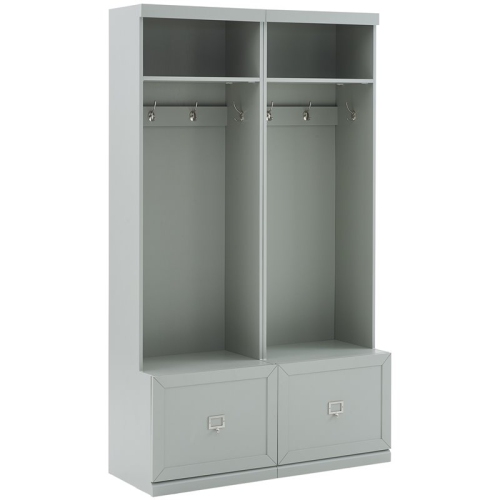
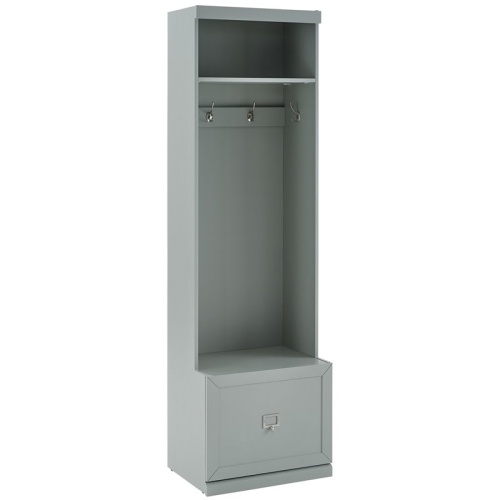
Entryway storage that leaves room to come and go
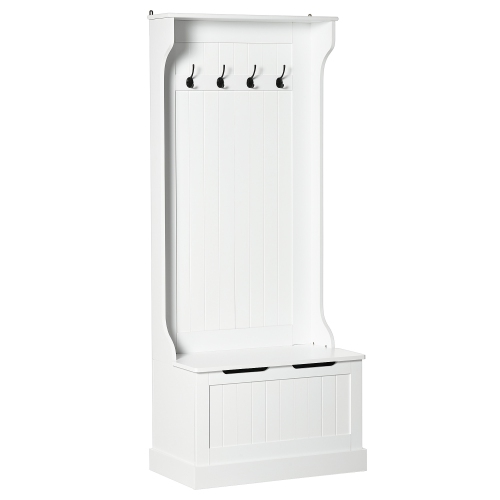
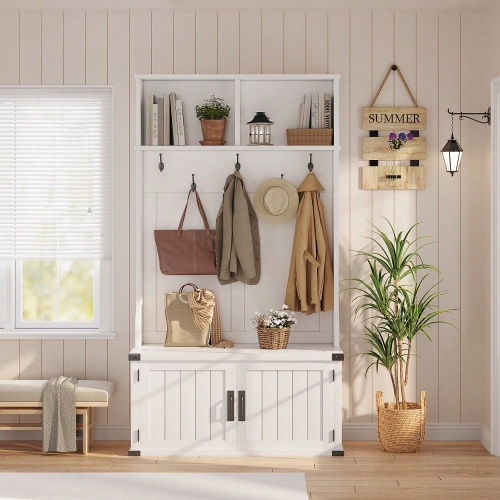
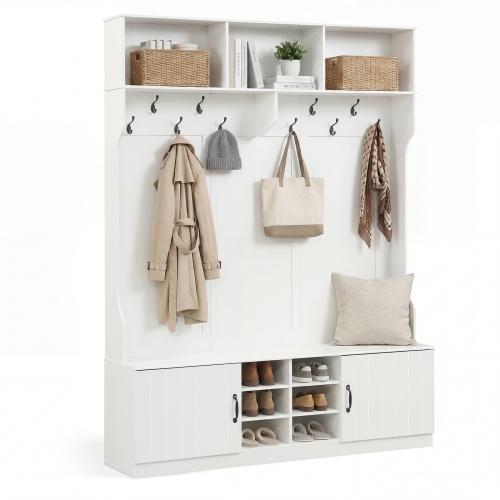
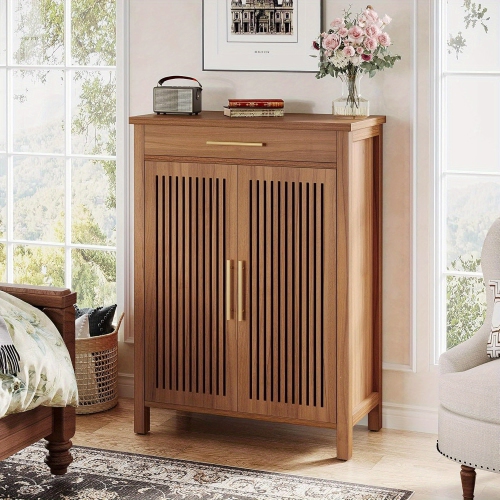
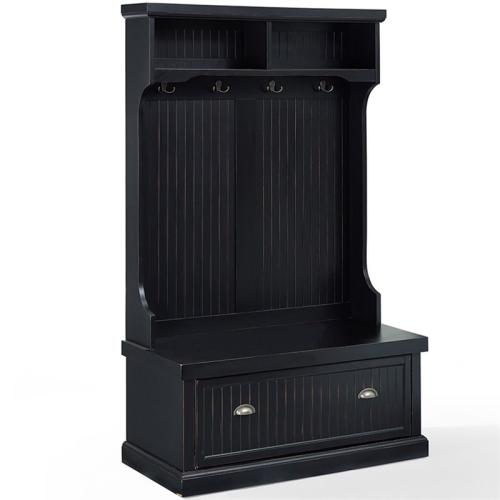
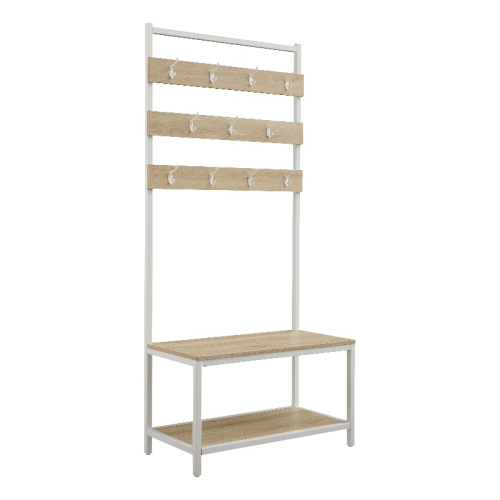
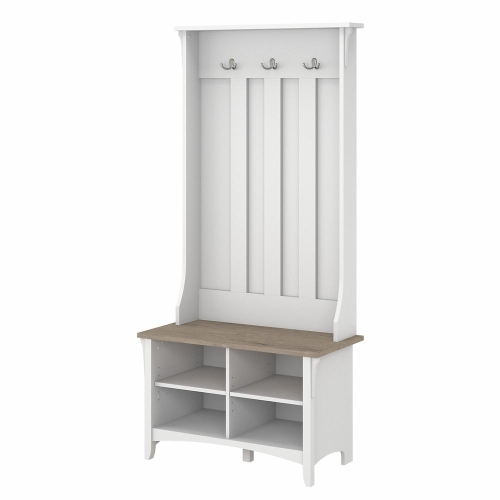
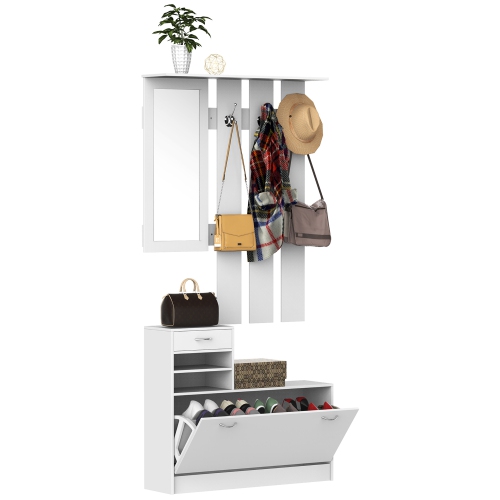
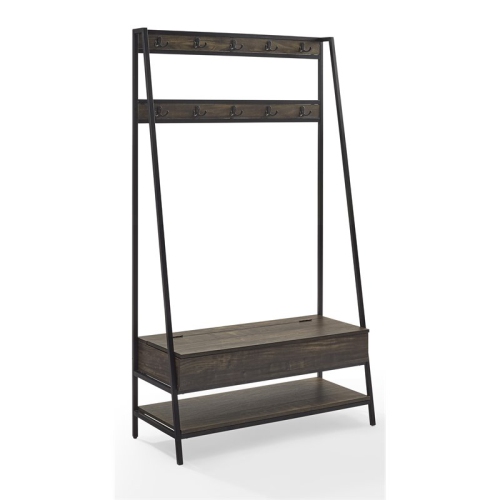
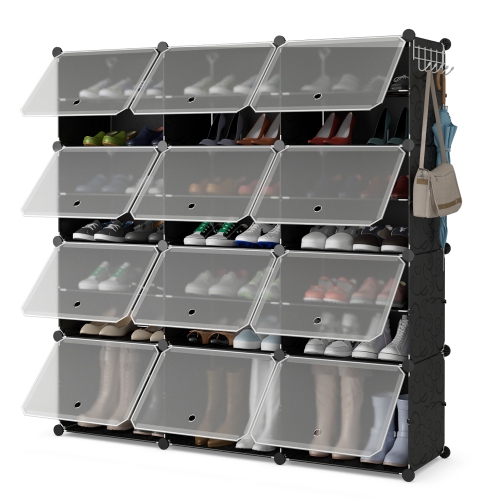
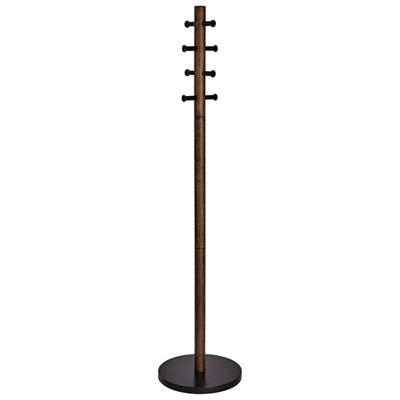
Coat and shoe storage brings hanging space and footwear organization together, giving everyday belongings a defined place near the entrance rather than leaving them across chairs, floors, and stair treads. The most useful arrangement suits both the room and the way people move through it: somewhere to hang a jacket, set down a bag, and remove shoes without blocking the doorway. Hall trees combine several of these functions in one piece of furniture, often pairing coat hooks with a bench and lower shelves or cubbies. A freestanding coat rack with shoe shelves uses vertical space without the width of a larger entryway unit, while separate wall hooks and a low shoe bench allow more flexibility around light switches, outlets, and existing furniture. Closed cabinets keep footwear out of sight for a quieter look in an entrance that opens directly into a living room; open shelves make frequently worn pairs easier to spot and reach. Neither arrangement needs to hold every coat and shoe in the household. In a compact condo, keeping daily essentials at the door and less frequently used belongings elsewhere can make a small storage area feel much more manageable. A busy family entrance may benefit from individual cubbies or clearly separated sections, so a child’s runners do not disappear behind adult footwear. Shared homes can use the same approach to give each person a predictable landing spot. For anyone who prefers to sit while putting on shoes, a bench adds a practical function beyond storage, provided it is designed and rated for seating. Hooks within comfortable reach, shelves that do not require deep bending, and handles that are easy to grasp can also make everyday use simpler. The aim is a layout that supports familiar routines, from leaving with a shoulder bag to welcoming guests who need a place for their coats, without making the entrance feel like an obstacle course.
Fit depends on more than the overall width of a unit. Depth determines how far furniture projects into a hallway, and height affects both hanging clearance and access to upper storage. Measurements need to account for baseboards, nearby furniture, closet doors, and the full swing of the entrance door, not just the empty wall behind the unit. A cabinet that fits neatly against a wall may still need extra room for its doors or tilt-out compartments to open. Likewise, a bench needs clear floor space in front so someone can sit and stand comfortably while another person passes. Long coats require enough distance below the hooks to hang without bunching on the seat or covering the footwear beneath them. Hook spacing matters, too: several closely packed hooks may accommodate fewer bulky garments or shoulder bags than their number suggests. Shoe capacity varies with footwear size and shape, so shelf dimensions are often more useful than a stated pair count alone. Tall boots need greater vertical clearance, broad trainers take up more width, and narrow heels may sit more securely on a solid shelf than on widely spaced bars. Adjustable shelves offer flexibility when a household stores several types of footwear, while divided cubbies keep pairs together but can limit room for larger sizes. Dedicated Shoe Storage can complement an existing coat closet when hanging space is already sufficient and footwear is the main source of clutter. For a combined arrangement, a small upper shelf or drawer can keep keys, gloves, and other accessories from spreading across the seat. Baskets can help contain smaller belongings, although their dimensions should leave enough room to slide them out easily. In a narrow entrance, shallow storage and wall-mounted components can preserve a clearer walking route; in a larger mudroom, a wider bench and separate hanging sections can give several people room to get ready together.
Materials and construction influence how coat and shoe storage looks, feels, and holds up to repeated use. Solid wood offers visible grain and can suit traditional or contemporary interiors, while engineered wood with a laminate or veneer finish provides a different balance of appearance and care requirements. Metal frames can create a lighter visual profile, especially with open shelving, but sturdy joints and a well-balanced base remain important when hooks carry bags and coats. Smooth edges, securely attached hooks, and shelves supported across their intended span are useful details in furniture that gets handled every day. Weight limits should be checked separately for seating, shelves, and hooks, since a unit’s overall load rating does not necessarily describe what each part can support. A shelf that resembles a seat should not be treated as one unless the manufacturer identifies it for that purpose. Tall storage furniture may require wall anchoring, and wall-mounted racks need suitable fixings for the wall construction and intended load. Installation according to the manufacturer’s instructions is particularly important in homes with children, where an accessible hook or shelf can invite pulling or climbing. Day-to-day care is usually straightforward when matched to the material: dust and grit can be removed regularly, spills wiped up promptly, and surfaces cleaned with products approved for their finish. Wood and engineered wood generally benefit from avoiding prolonged contact with moisture, while metal finishes need gentle cleaning that does not scratch their protective coating. Removable trays or shelf liners can make it easier to clear debris from beneath footwear, provided they fit securely and do not interfere with doors or drawers. Upholstered benches add softness, though removable or wipeable coverings may be more practical where the seat sees frequent use. Leaving a little space between stored pairs improves access and airflow, and allowing damp footwear to dry before enclosing it helps keep cabinet interiors fresher. Colour and finish can connect the storage area to nearby furniture, but everyday details often determine lasting satisfaction: a bag that stays on its hook, a pair of shoes that slides neatly onto a shelf, and a seat that remains clear when it is needed. Well-proportioned coat and shoe storage makes those small routines easier while giving the entrance a more settled, organized appearance.
Fit depends on more than the overall width of a unit. Depth determines how far furniture projects into a hallway, and height affects both hanging clearance and access to upper storage. Measurements need to account for baseboards, nearby furniture, closet doors, and the full swing of the entrance door, not just the empty wall behind the unit. A cabinet that fits neatly against a wall may still need extra room for its doors or tilt-out compartments to open. Likewise, a bench needs clear floor space in front so someone can sit and stand comfortably while another person passes. Long coats require enough distance below the hooks to hang without bunching on the seat or covering the footwear beneath them. Hook spacing matters, too: several closely packed hooks may accommodate fewer bulky garments or shoulder bags than their number suggests. Shoe capacity varies with footwear size and shape, so shelf dimensions are often more useful than a stated pair count alone. Tall boots need greater vertical clearance, broad trainers take up more width, and narrow heels may sit more securely on a solid shelf than on widely spaced bars. Adjustable shelves offer flexibility when a household stores several types of footwear, while divided cubbies keep pairs together but can limit room for larger sizes. Dedicated Shoe Storage can complement an existing coat closet when hanging space is already sufficient and footwear is the main source of clutter. For a combined arrangement, a small upper shelf or drawer can keep keys, gloves, and other accessories from spreading across the seat. Baskets can help contain smaller belongings, although their dimensions should leave enough room to slide them out easily. In a narrow entrance, shallow storage and wall-mounted components can preserve a clearer walking route; in a larger mudroom, a wider bench and separate hanging sections can give several people room to get ready together.
Materials and construction influence how coat and shoe storage looks, feels, and holds up to repeated use. Solid wood offers visible grain and can suit traditional or contemporary interiors, while engineered wood with a laminate or veneer finish provides a different balance of appearance and care requirements. Metal frames can create a lighter visual profile, especially with open shelving, but sturdy joints and a well-balanced base remain important when hooks carry bags and coats. Smooth edges, securely attached hooks, and shelves supported across their intended span are useful details in furniture that gets handled every day. Weight limits should be checked separately for seating, shelves, and hooks, since a unit’s overall load rating does not necessarily describe what each part can support. A shelf that resembles a seat should not be treated as one unless the manufacturer identifies it for that purpose. Tall storage furniture may require wall anchoring, and wall-mounted racks need suitable fixings for the wall construction and intended load. Installation according to the manufacturer’s instructions is particularly important in homes with children, where an accessible hook or shelf can invite pulling or climbing. Day-to-day care is usually straightforward when matched to the material: dust and grit can be removed regularly, spills wiped up promptly, and surfaces cleaned with products approved for their finish. Wood and engineered wood generally benefit from avoiding prolonged contact with moisture, while metal finishes need gentle cleaning that does not scratch their protective coating. Removable trays or shelf liners can make it easier to clear debris from beneath footwear, provided they fit securely and do not interfere with doors or drawers. Upholstered benches add softness, though removable or wipeable coverings may be more practical where the seat sees frequent use. Leaving a little space between stored pairs improves access and airflow, and allowing damp footwear to dry before enclosing it helps keep cabinet interiors fresher. Colour and finish can connect the storage area to nearby furniture, but everyday details often determine lasting satisfaction: a bag that stays on its hook, a pair of shoes that slides neatly onto a shelf, and a seat that remains clear when it is needed. Well-proportioned coat and shoe storage makes those small routines easier while giving the entrance a more settled, organized appearance.
Top selling and popular products
-
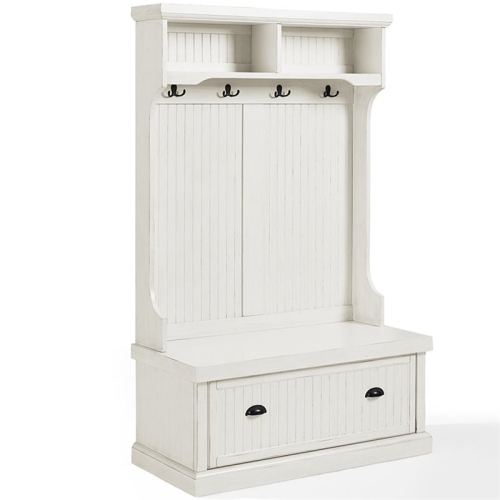 Your price for this item is $788.91
 -
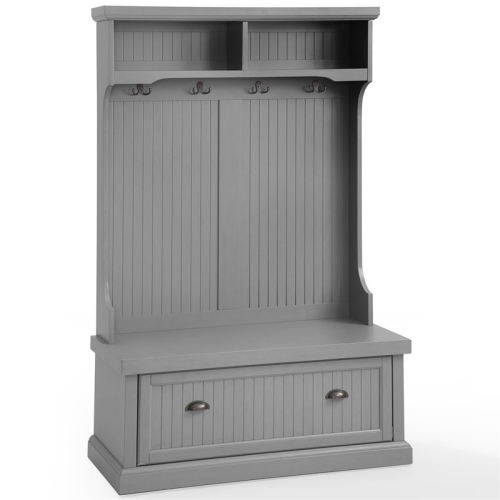 Your price for this item is $738.12
 -
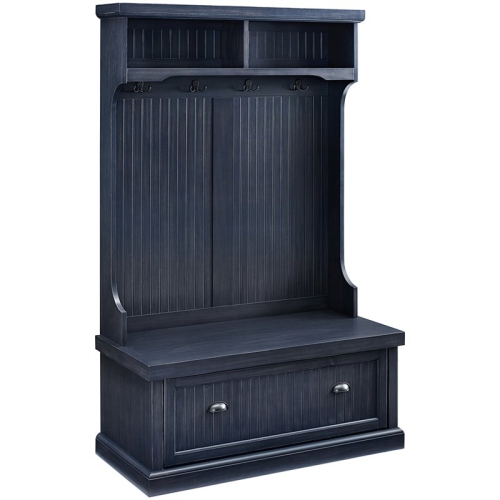 Your price for this item is $917.95
 -
 Your price for this item is $753.04
 -
 Your price for this item is $335.55
 -
 Your price for this item is $511.95
 -
 Your price for this item is $159.99
 -
 Your price for this item is $530.19
Discover more categories related to Coat And Shoe Storage
Top Collections:
Pokemon Centers, Kindle Devices, Best Budget Office Chairs, Apple iPhones 16, Best Laptops for Writers, iPhone 15 Apple, Canon G7X Cameras, Refurbished Apple Laptops, Alarm Clock, Motorola Razr Phones
Some products may be subject to Environmental Handling Fees
(EHF) depending on your province.
Learn more about EHFs.