Coffee K Cups
Whether you're a dedicated coffee connoisseur or just need a trusty vessel for your morning brew, this collection of coffee cups has something for everyone. From classic ceramic mugs to sleek stainless steel tumblers, we offer a variety of styles and sizes to suit your sipping preferences. Elevate your coffee-drinking experience with this range of durable and stylish coffee cups that are perfect for home, office, or on-the-go use.
Sort
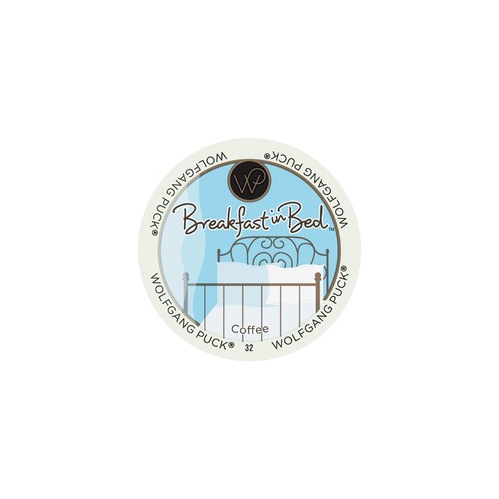
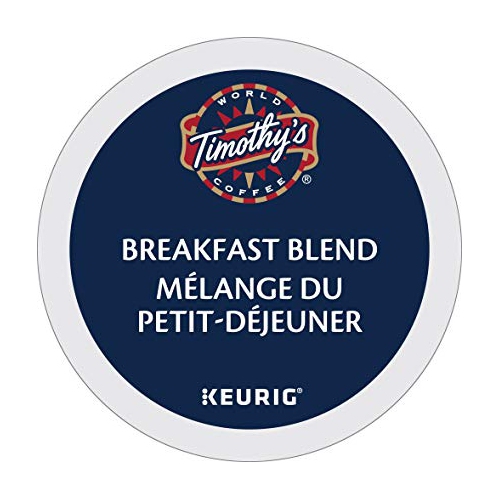
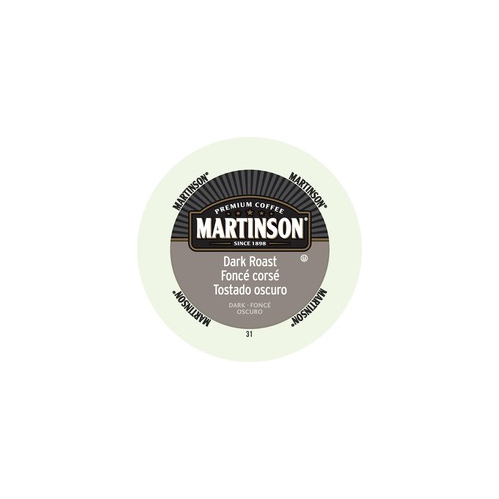
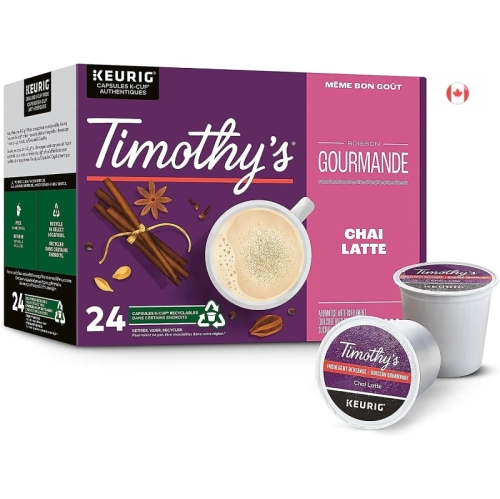

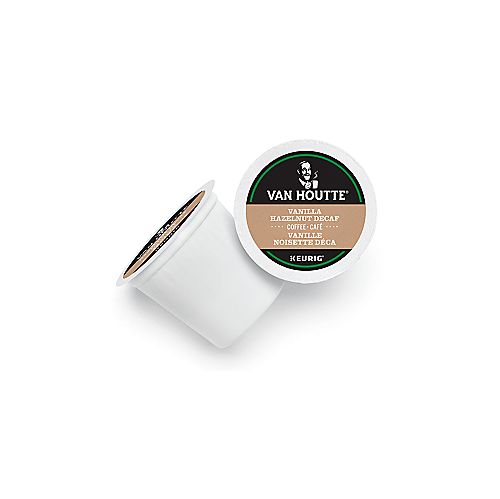
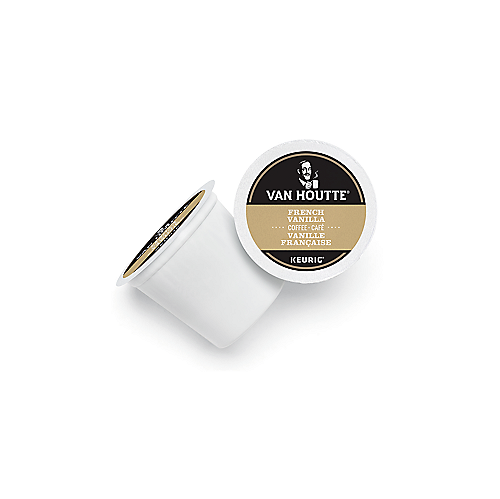
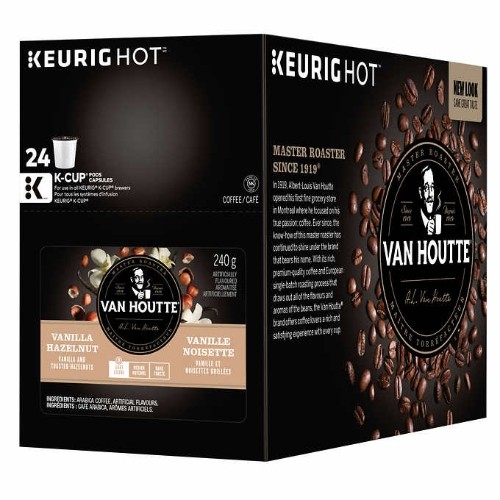
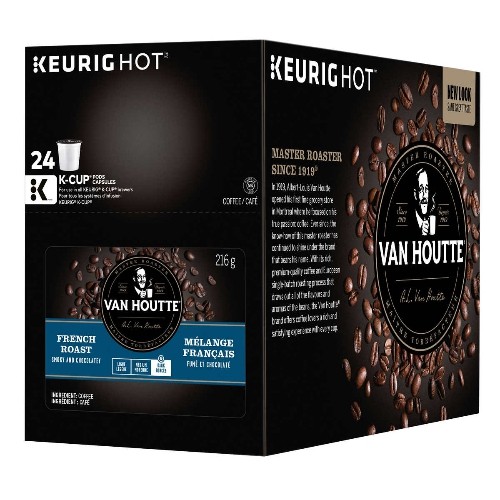
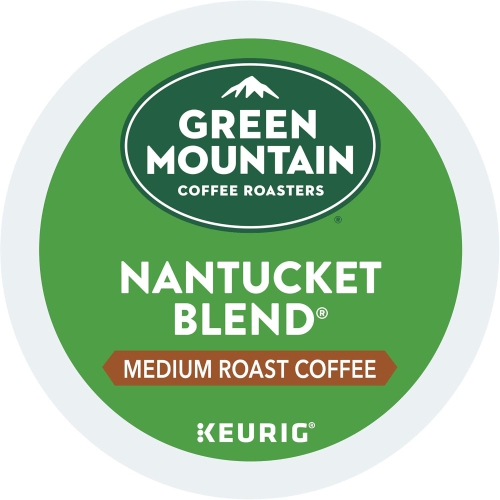

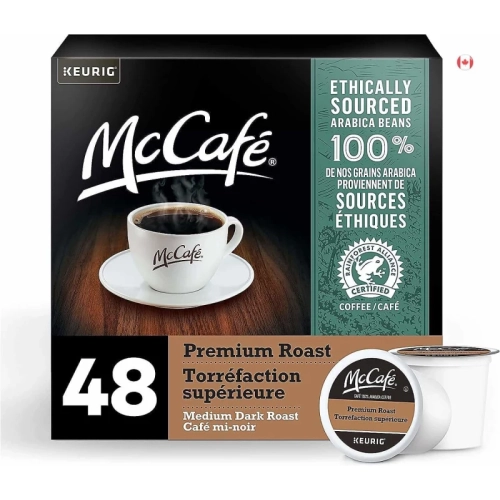

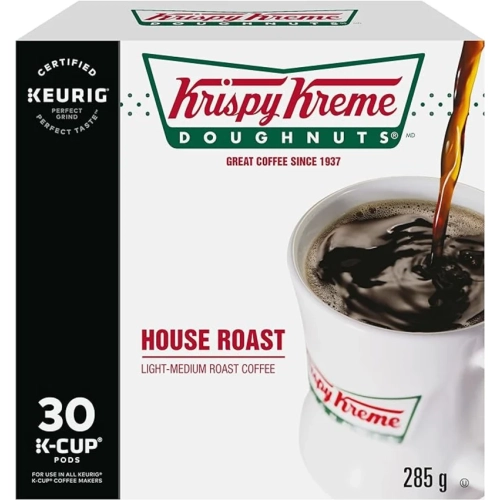
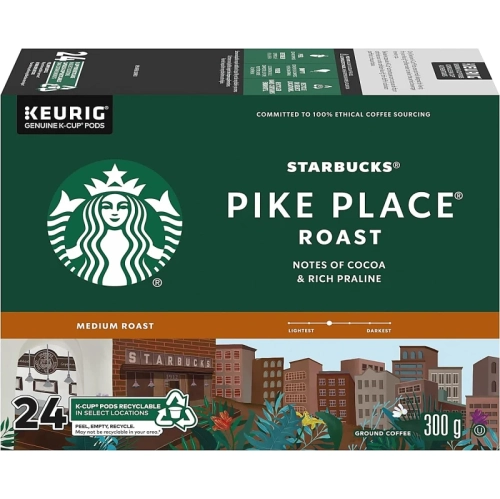
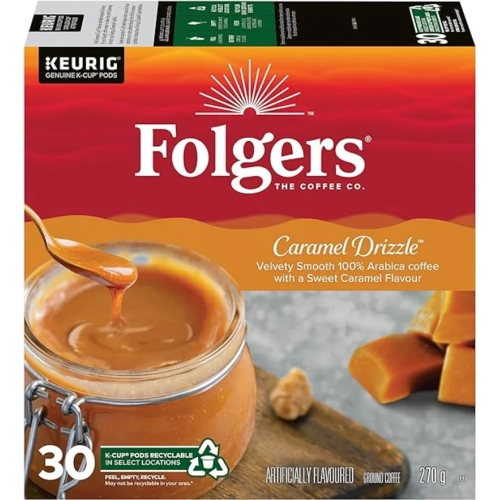
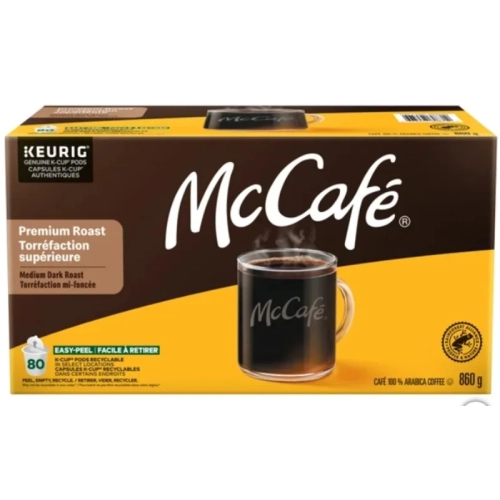
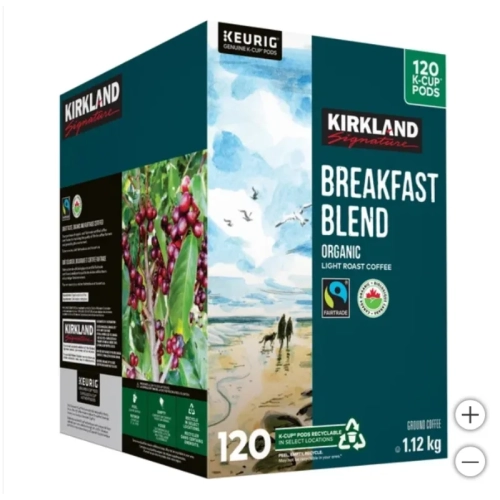

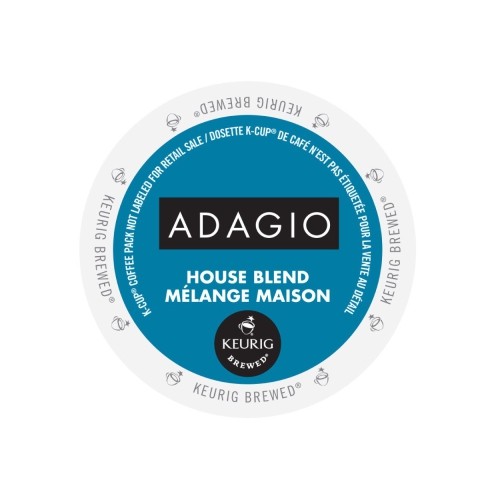
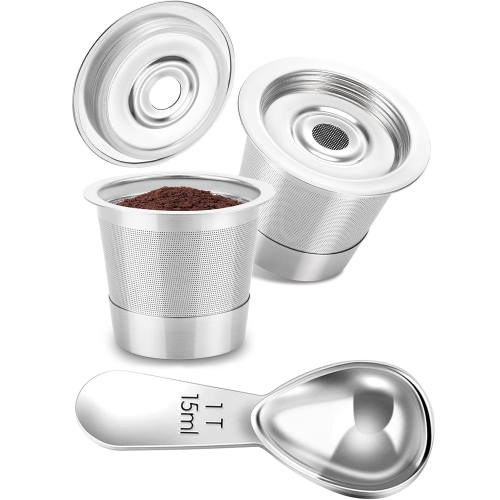
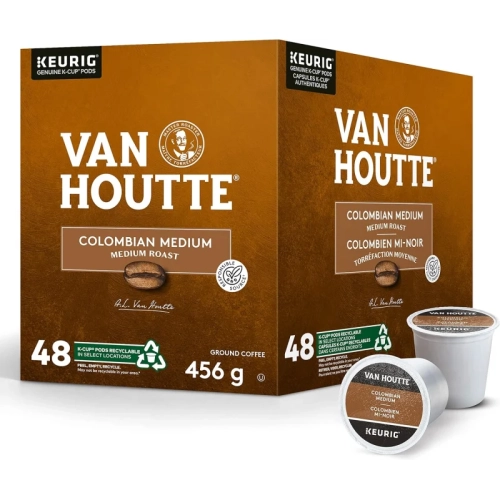
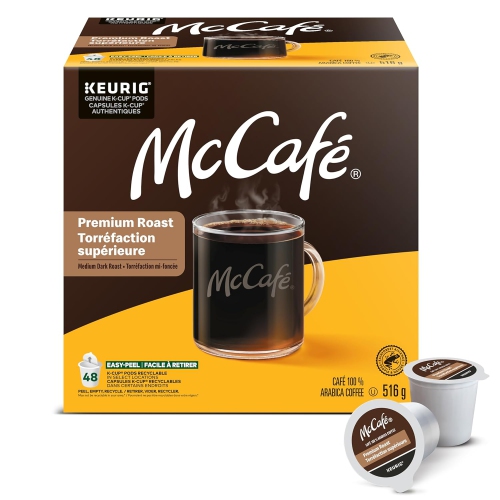

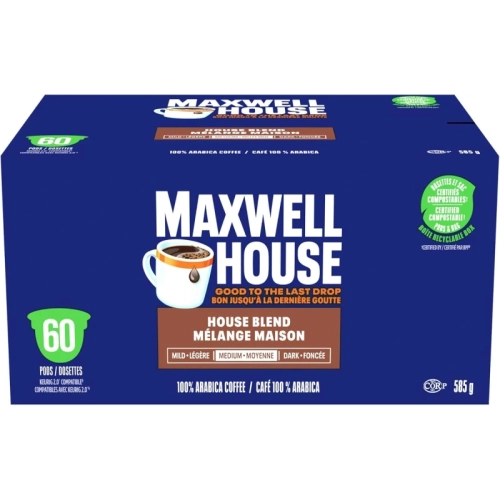
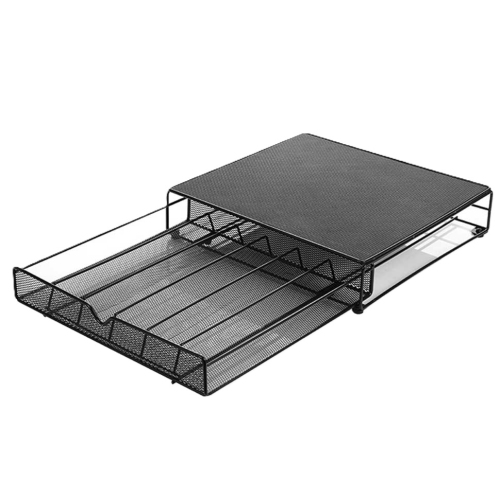
Everyone’s favourite roast without brewing separate pots
Coffee K-Cups make it easy to brew one serving at a time, whether that means a quick cup before leaving home, a fresh coffee between meetings, or a decaf after dinner. Each pod holds a measured portion of coffee inside a sealed container, keeping preparation straightforward and helping deliver a consistent result when used with a compatible brewer. There is no need to measure loose grounds for each serving, and people sharing a kitchen can choose different roasts without making separate pots. The range of coffee styles is a large part of the appeal. Light roasts often bring brighter acidity and more delicate aromas, while medium roasts can offer a rounded balance of sweetness, body, and toasted notes. Dark roasts tend towards deeper, more pronounced roasted flavours, sometimes with a bittersweet finish. Those descriptions are starting points rather than guarantees: the coffee’s origin, blend, processing, and preparation all influence what ends up in the cup. Tasting notes such as cocoa, nuts, or fruit may describe the character of the coffee rather than added ingredients, whereas flavoured coffee may contain flavourings that should be identified on the packaging. For someone who drinks coffee black, a blend with a smooth finish might be especially appealing. Someone who adds milk or cream may prefer a fuller-bodied roast whose flavour remains noticeable after those additions. Roast colour alone does not reliably indicate caffeine content, so regular and decaffeinated labels are more useful when choosing for different routines. Decaffeinated coffee can still contain small amounts of caffeine. A selection of coffee styles can suit a household where preferences vary, giving an early riser, an afternoon coffee drinker, and a visiting friend a choice that feels personal. The familiar aroma of freshly brewed coffee and the ability to prepare just one cup make this format a practical fit for everyday breaks as well as casual hosting.
Compatibility is the first practical consideration with coffee K-Cups, because single-serve capsules are not interchangeable across every brewing system. The pod format listed on the package should match the formats accepted by the machine; a similar shape or size is not enough to confirm a proper fit. The Keurig K Cups collection offers a related place to explore this coffee format, with package details and brewer requirements remaining important when making a selection. Many pods use a cup-shaped outer container, a sealed lid, and an internal filter that holds the grounds while brewed coffee passes through. Construction can vary, including formats with a more exposed filter, so handling and storage directions deserve attention. A pod should sit correctly in the designated holder without being forced, and disposable pods should be used only as directed rather than opened and refilled. Cup size also affects the drinking experience. Passing more water through a fixed portion of grounds generally produces a less concentrated coffee, while a smaller serving can give a more pronounced flavour. A tall mug does not necessarily need to be filled to the brim to make a satisfying drink. For someone who enjoys a large coffee with plenty of milk, choosing a fuller-bodied blend and using an appropriate brew setting may give a better balance than simply selecting the largest water volume. Strength controls, where supported, can change how the brewer extracts the coffee, although their operation varies by machine. Coffee brewed over ice needs similar consideration, since melting ice adds water and can soften the flavour; a format intended for that preparation or a suitable machine setting can help. Standard coffee pods should not automatically be treated as espresso capsules, even when the roast is described as bold or intense. Espresso depends on a different preparation method, and a strong cup of brewed coffee will have its own texture and character. Matching the coffee, serving size, and brewing method is more useful than relying on a single strength word on a label.
Good storage and routine machine care help coffee K-Cups perform as intended. Keeping unopened pods in a cool, dry cupboard away from direct sunlight, steam, and strong household odours helps protect their contents and packaging. A drawer beside the brewer can keep the counter tidy, provided it is not exposed to heat or splashes. Individually wrapped formats may have different storage needs from pods supplied loose in a carton, so any outer wrapping should remain in place until the package directions indicate otherwise. Seals should be intact before brewing, and pods with cracks, punctures, leakage, or other damage should not be used. Best-before dates and storage instructions provide a useful reference when organizing a coffee drawer, with older packages positioned where they will be used first. These are single-use portions rather than durable kitchen accessories, making package integrity and freshness more relevant than long-term wear. The brewer itself needs ongoing attention: emptying and rinsing removable parts as instructed, cleaning the pod holder, and descaling at the recommended intervals can help maintain water flow and consistent brewing. Water quality matters too, since pronounced tastes in the water can carry into the finished coffee. Any filter changes or cleaning around sharp brewing needles should follow the machine’s instructions. In a shared office or busy household, keeping regular, decaf, and flavoured selections clearly separated makes it easier for everyone to find the intended cup. Ingredient information is particularly important for flavoured varieties and café-style beverages, which may include additions beyond ground coffee. Allergen statements and any sweetener or dairy ingredients should be checked rather than inferred from a flavour name. Coffee pods can also make a thoughtful housewarming, thank-you, or host gift when the recipient’s machine format and taste preferences are known. A modest assortment of familiar roast styles may be more useful than an unfamiliar flavour chosen only for its novelty. For daily use, the best fit is a coffee that suits the drinker’s preferred flavour, works properly with the brewer, and is easy to store and prepare within their routine.
Compatibility is the first practical consideration with coffee K-Cups, because single-serve capsules are not interchangeable across every brewing system. The pod format listed on the package should match the formats accepted by the machine; a similar shape or size is not enough to confirm a proper fit. The Keurig K Cups collection offers a related place to explore this coffee format, with package details and brewer requirements remaining important when making a selection. Many pods use a cup-shaped outer container, a sealed lid, and an internal filter that holds the grounds while brewed coffee passes through. Construction can vary, including formats with a more exposed filter, so handling and storage directions deserve attention. A pod should sit correctly in the designated holder without being forced, and disposable pods should be used only as directed rather than opened and refilled. Cup size also affects the drinking experience. Passing more water through a fixed portion of grounds generally produces a less concentrated coffee, while a smaller serving can give a more pronounced flavour. A tall mug does not necessarily need to be filled to the brim to make a satisfying drink. For someone who enjoys a large coffee with plenty of milk, choosing a fuller-bodied blend and using an appropriate brew setting may give a better balance than simply selecting the largest water volume. Strength controls, where supported, can change how the brewer extracts the coffee, although their operation varies by machine. Coffee brewed over ice needs similar consideration, since melting ice adds water and can soften the flavour; a format intended for that preparation or a suitable machine setting can help. Standard coffee pods should not automatically be treated as espresso capsules, even when the roast is described as bold or intense. Espresso depends on a different preparation method, and a strong cup of brewed coffee will have its own texture and character. Matching the coffee, serving size, and brewing method is more useful than relying on a single strength word on a label.
Good storage and routine machine care help coffee K-Cups perform as intended. Keeping unopened pods in a cool, dry cupboard away from direct sunlight, steam, and strong household odours helps protect their contents and packaging. A drawer beside the brewer can keep the counter tidy, provided it is not exposed to heat or splashes. Individually wrapped formats may have different storage needs from pods supplied loose in a carton, so any outer wrapping should remain in place until the package directions indicate otherwise. Seals should be intact before brewing, and pods with cracks, punctures, leakage, or other damage should not be used. Best-before dates and storage instructions provide a useful reference when organizing a coffee drawer, with older packages positioned where they will be used first. These are single-use portions rather than durable kitchen accessories, making package integrity and freshness more relevant than long-term wear. The brewer itself needs ongoing attention: emptying and rinsing removable parts as instructed, cleaning the pod holder, and descaling at the recommended intervals can help maintain water flow and consistent brewing. Water quality matters too, since pronounced tastes in the water can carry into the finished coffee. Any filter changes or cleaning around sharp brewing needles should follow the machine’s instructions. In a shared office or busy household, keeping regular, decaf, and flavoured selections clearly separated makes it easier for everyone to find the intended cup. Ingredient information is particularly important for flavoured varieties and café-style beverages, which may include additions beyond ground coffee. Allergen statements and any sweetener or dairy ingredients should be checked rather than inferred from a flavour name. Coffee pods can also make a thoughtful housewarming, thank-you, or host gift when the recipient’s machine format and taste preferences are known. A modest assortment of familiar roast styles may be more useful than an unfamiliar flavour chosen only for its novelty. For daily use, the best fit is a coffee that suits the drinker’s preferred flavour, works properly with the brewer, and is easy to store and prepare within their routine.
Top selling and popular products
-
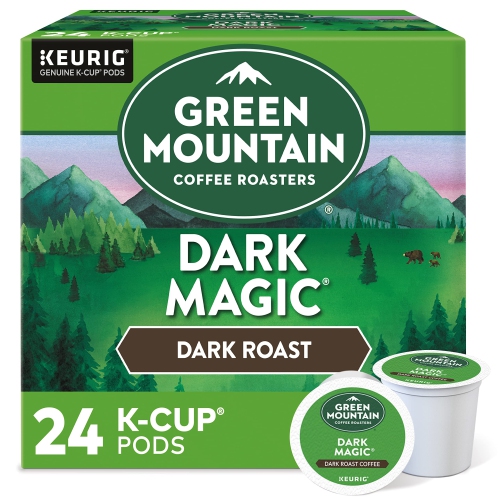 Your price for this item is $28.99
 -
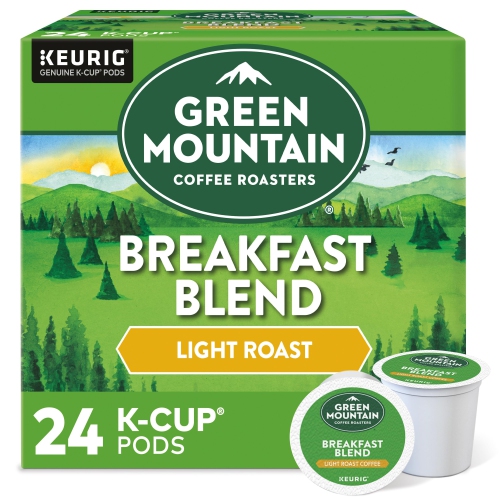 Your price for this item is $41.95
 -
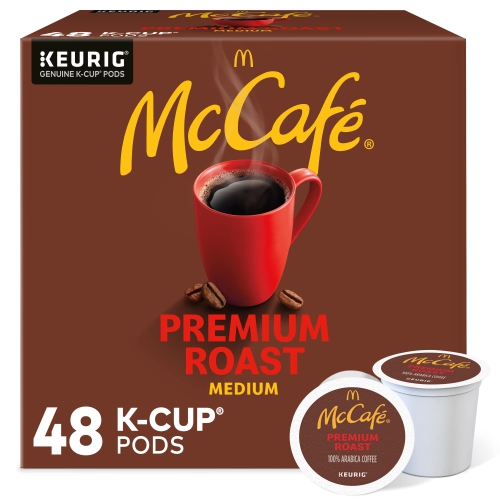 Your price for this item is $63.54
 -
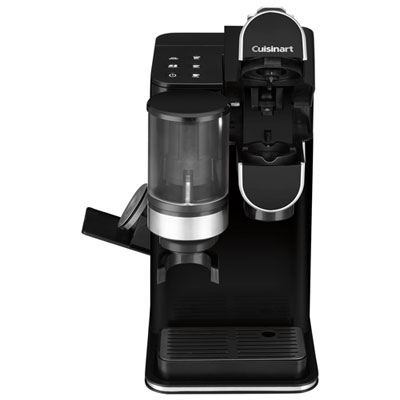 Your price for this item is $349.99
 -
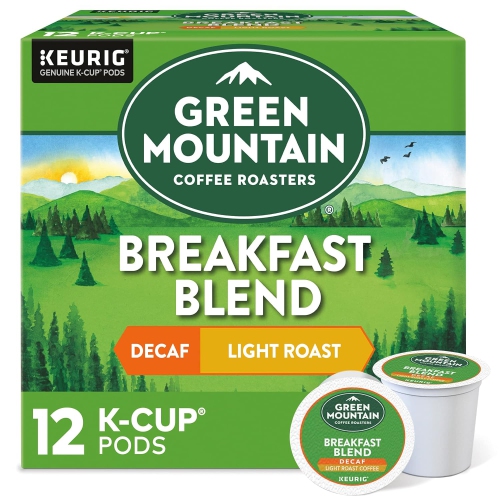 Your price for this item is $47.95
 -
 Your price for this item is $47.95
 -
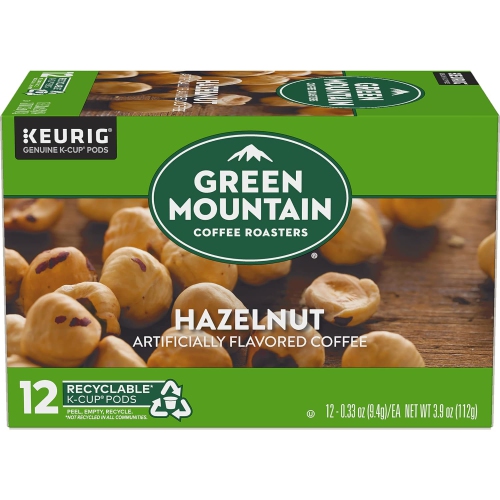 Your price for this item is $47.95
 -
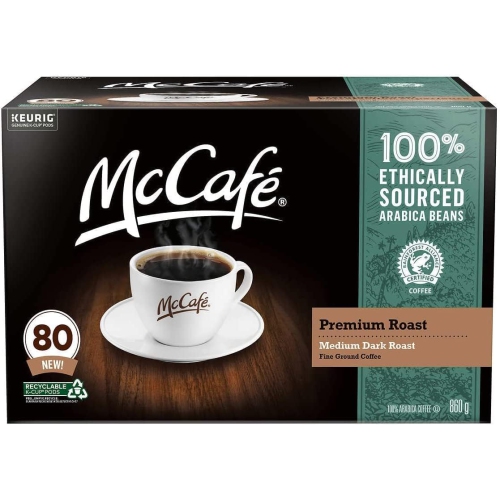 Your price for this item is $69.97
Discover more categories related to Coffee K Cups
Top Collections:
Pokemon Centers, Kindle Devices, Best Budget Office Chairs, Apple iPhones 16, Canon G7X Cameras, iPhone 15 Apple, Alarm Clock, Refurbished Apple Laptops, Flip Phones, Best Laptops for Writers
Some products may be subject to Environmental Handling Fees
(EHF) depending on your province.
Learn more about EHFs.