Cold Weather Greenhouses
When the temperatures drop and winter sets in, gardeners and plant enthusiasts alike turn to cold-weather greenhouses to keep their plants thriving year-round. These specialized structures provide a controlled environment that shields delicate vegetation from harsh weather conditions, allowing you to enjoy gardening even when the snow is falling outside. Whether you're looking to extend your growing season, protect sensitive plants, or simply create a cozy oasis for your green friends, cold-weather greenhouses offer the perfect solution for maintaining a flourishing garden throughout the chilly months.
Sort
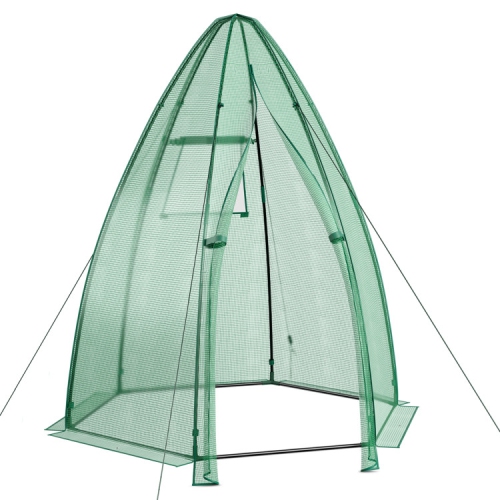
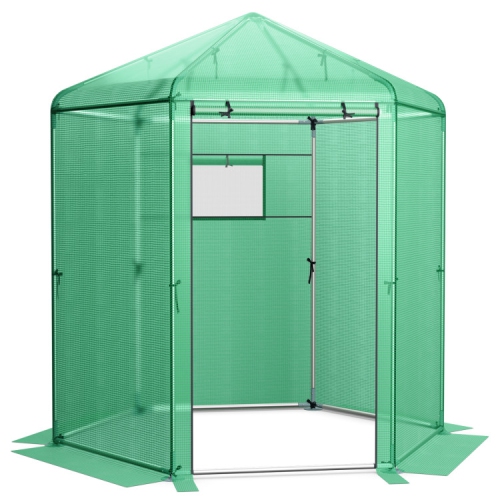
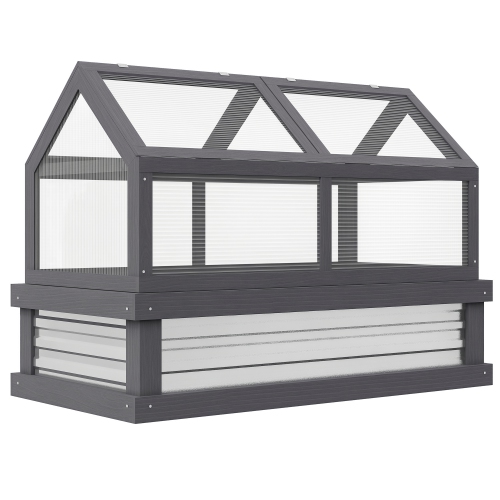
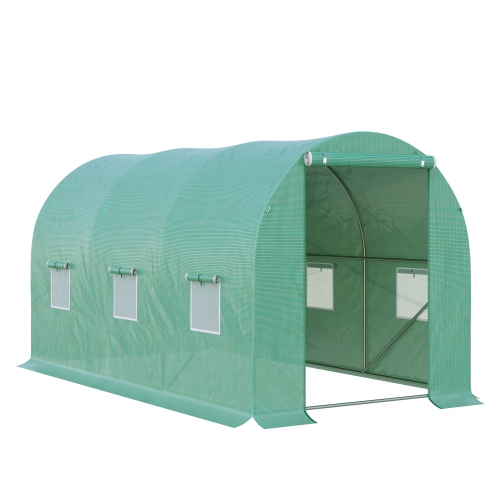
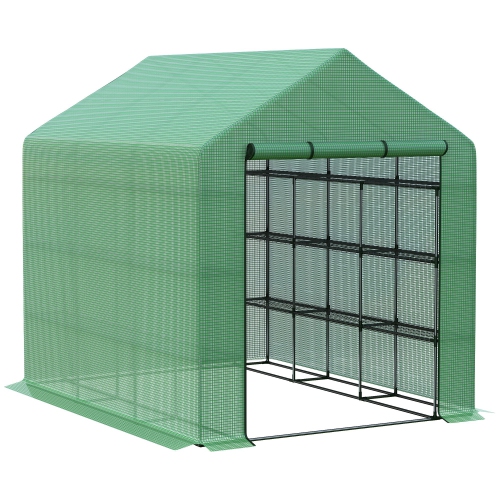
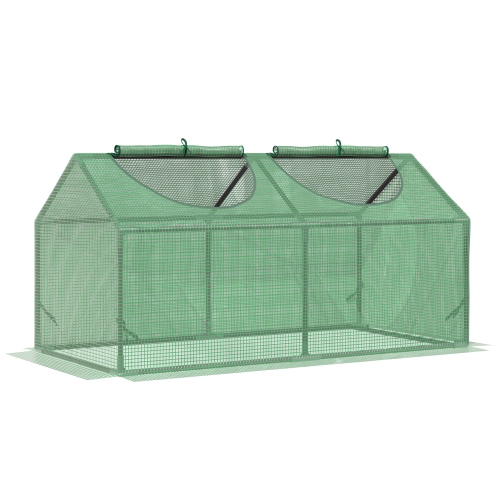
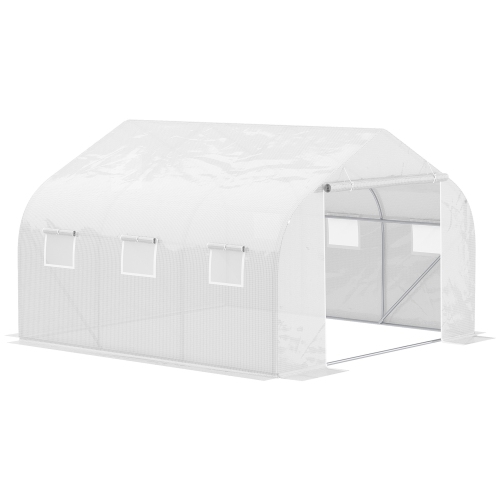
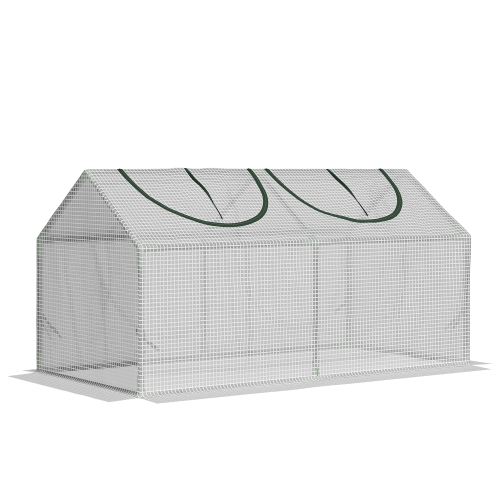
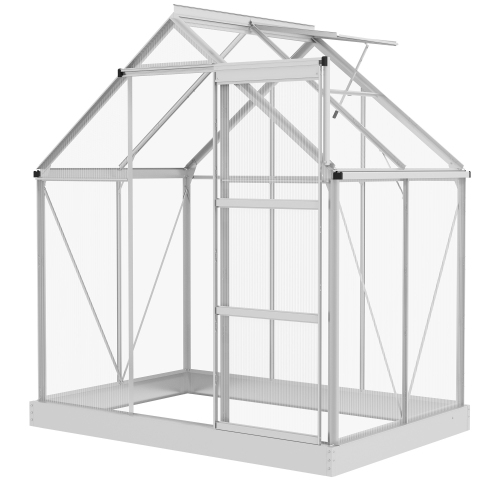
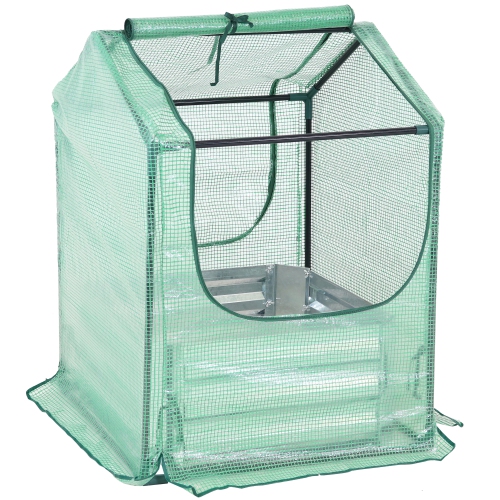
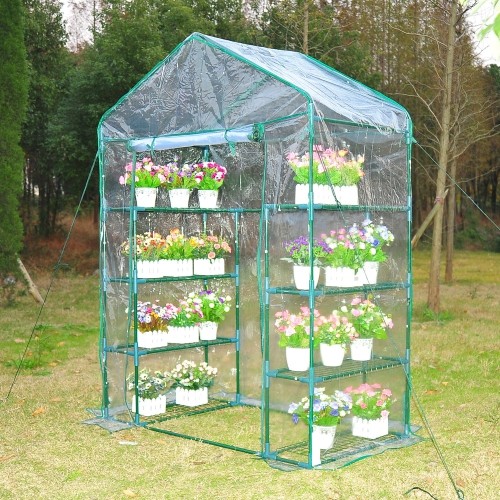
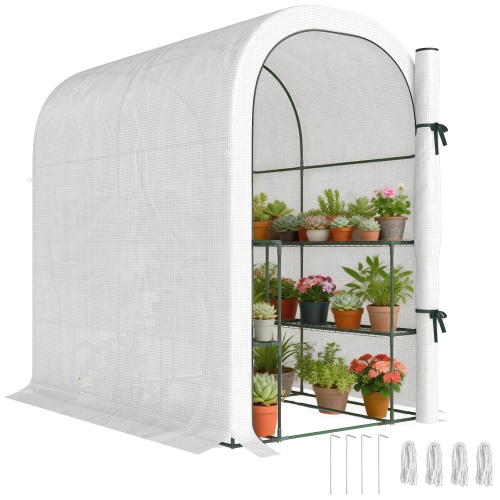
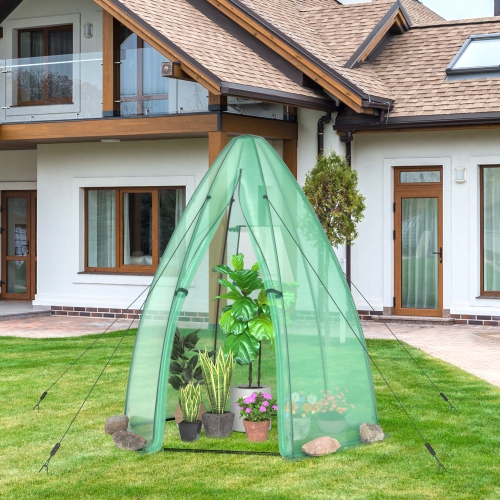
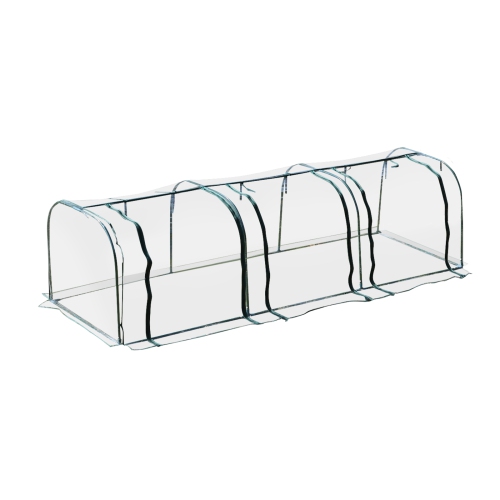
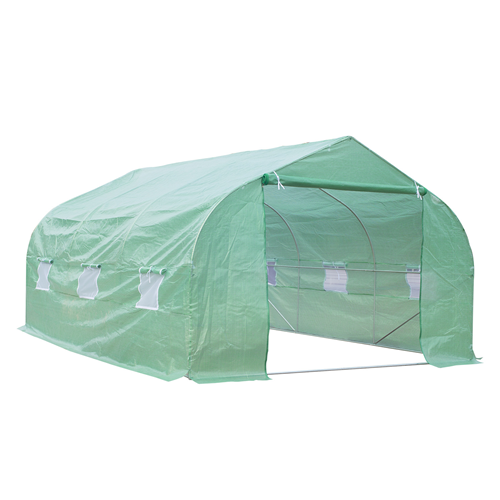
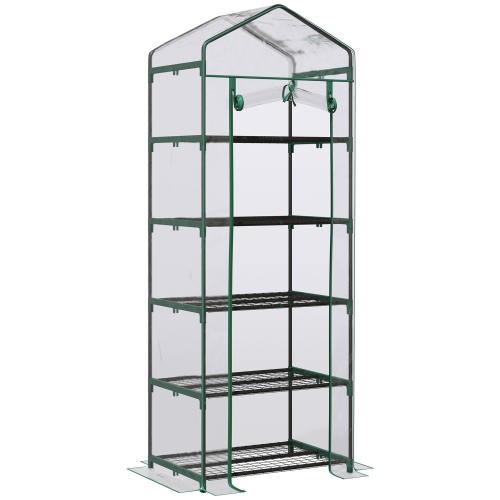
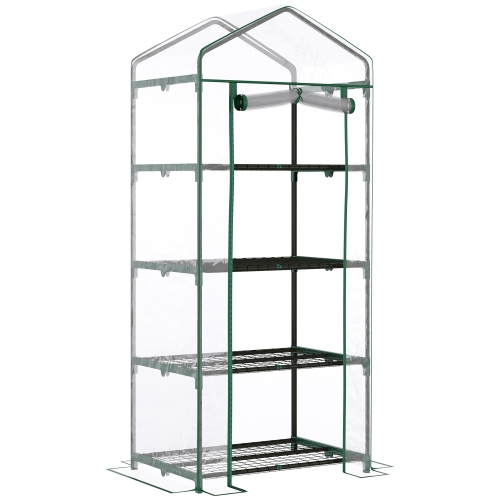
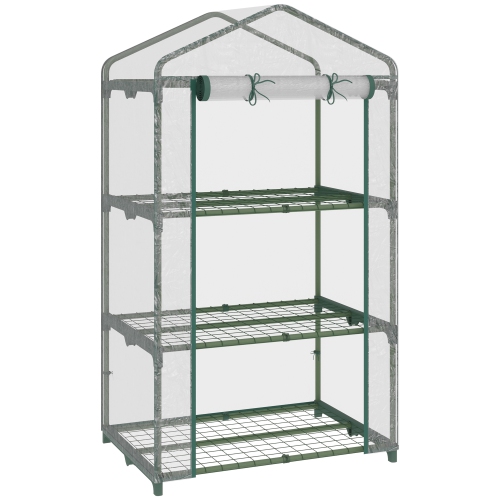
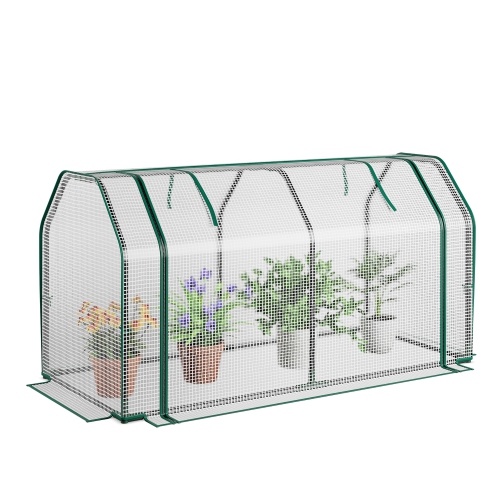







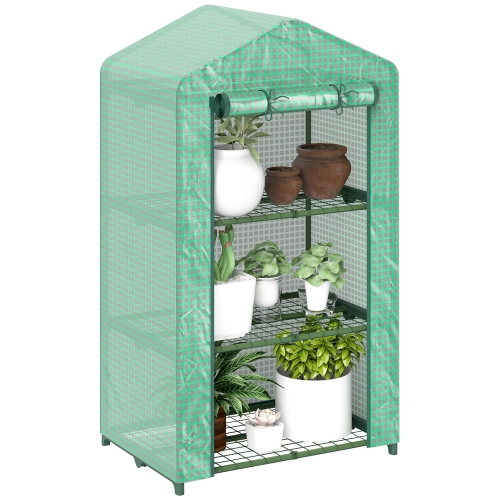

What keeps plants thriving through frost and freezing temperatures
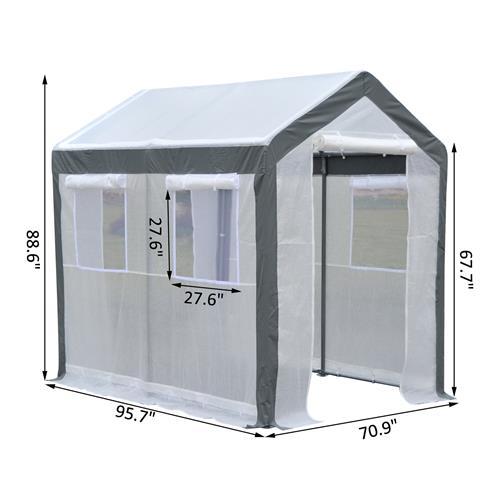
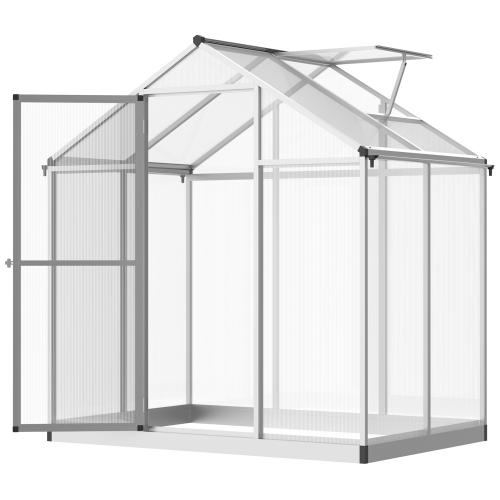
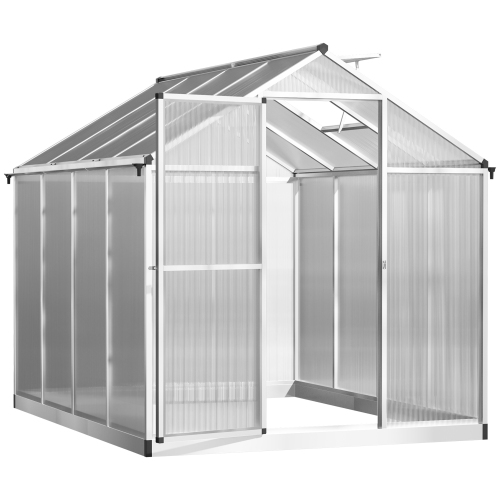
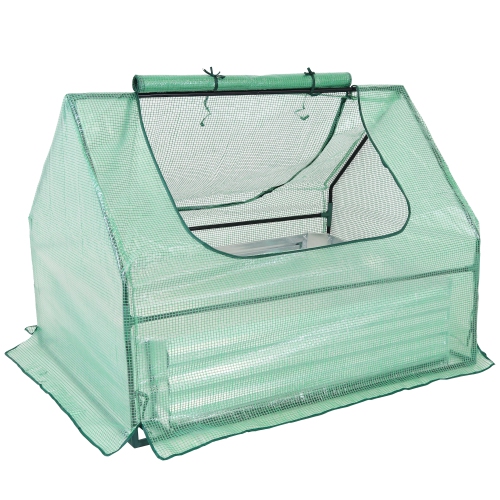
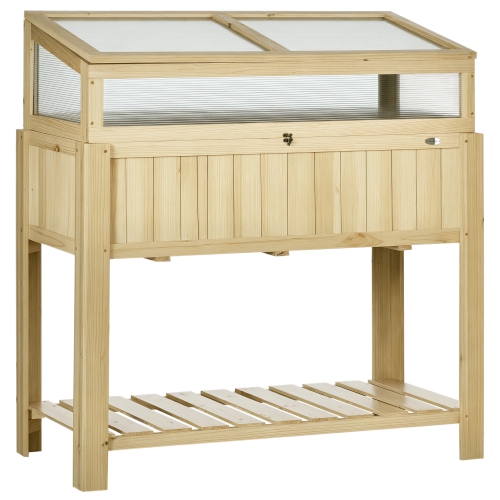
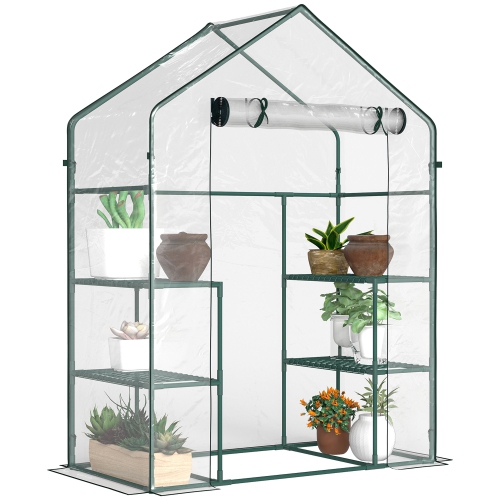
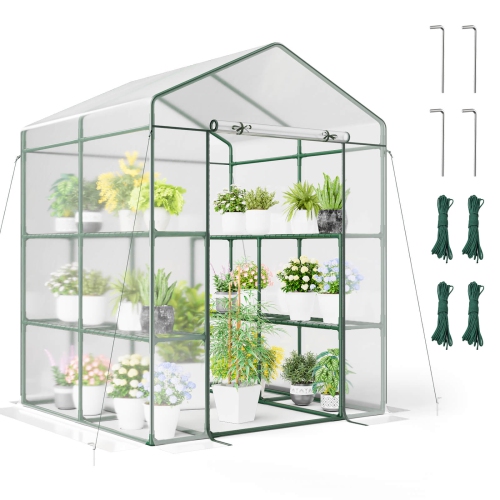
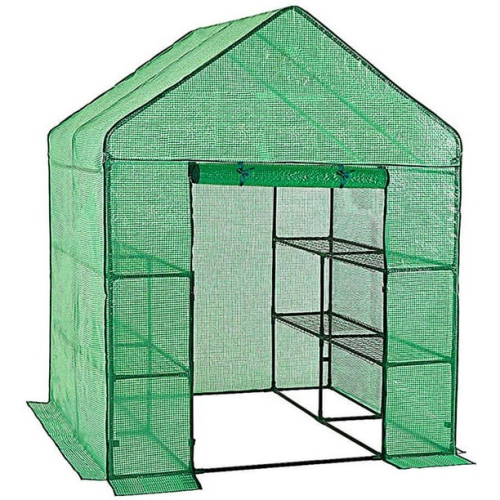
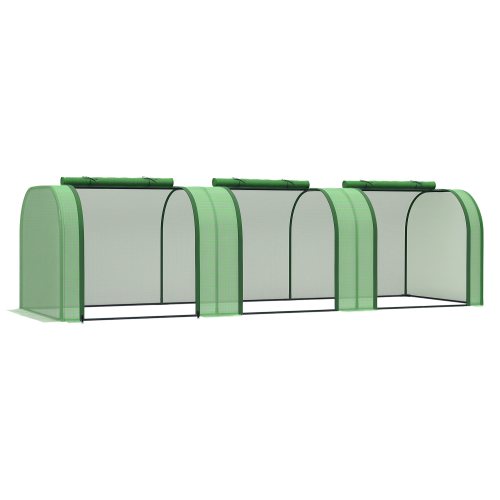
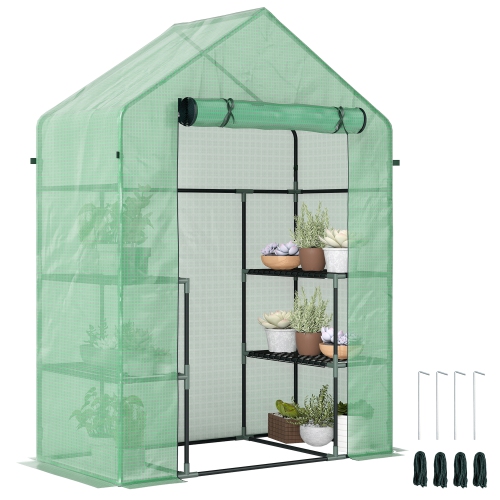
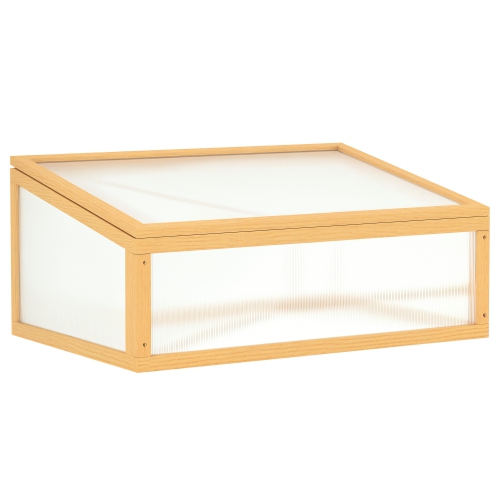
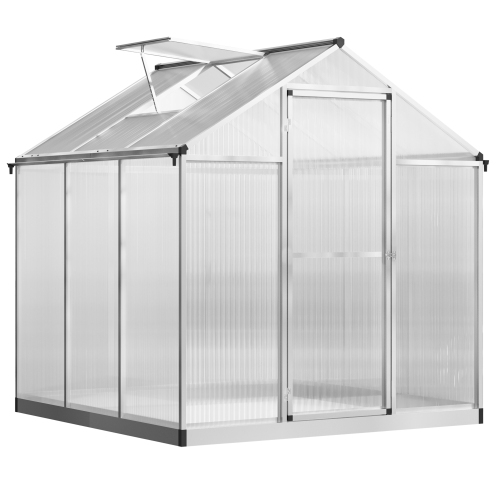
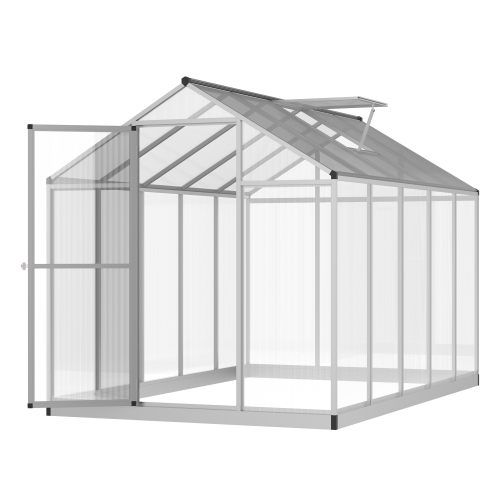
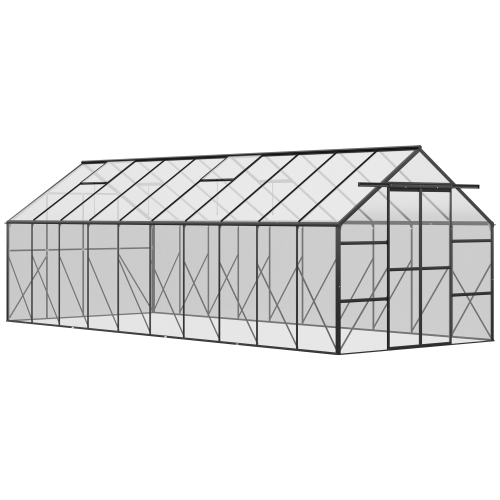
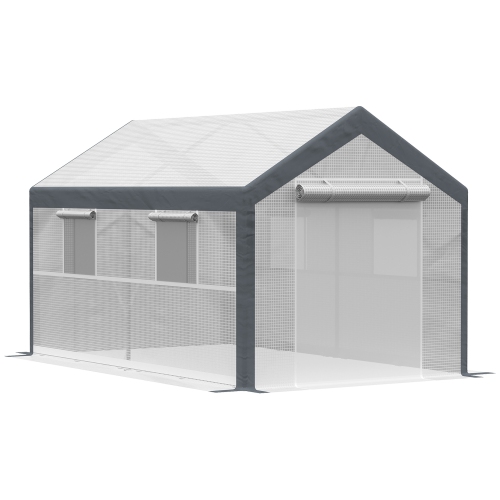
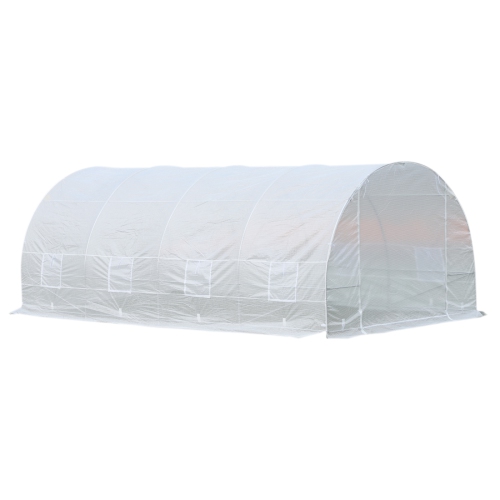
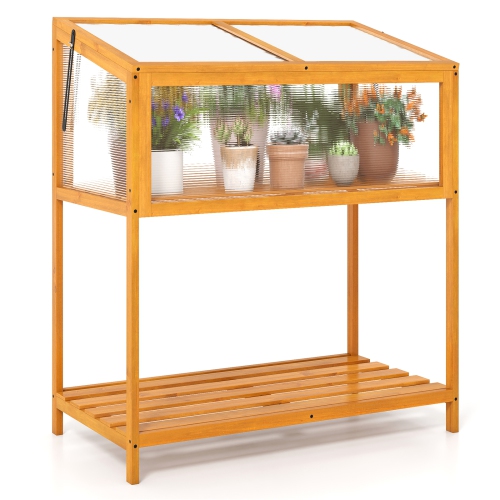
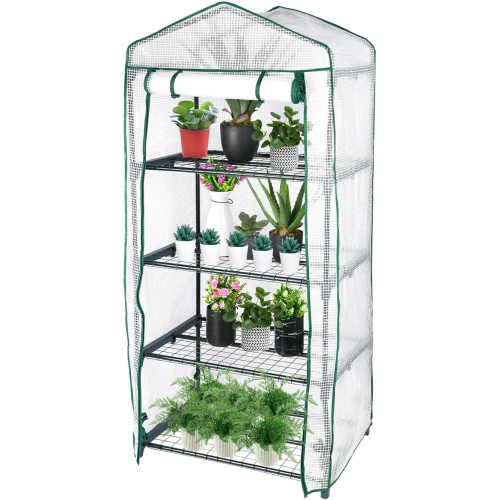
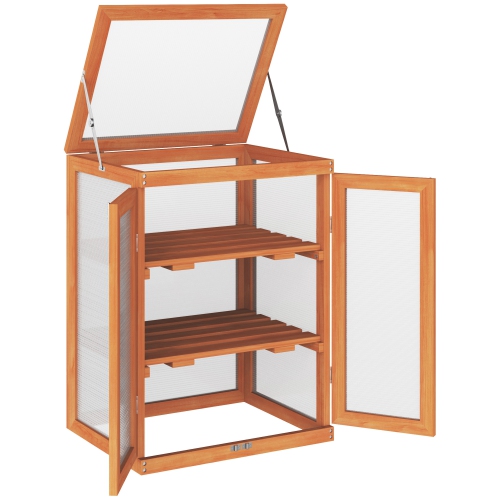
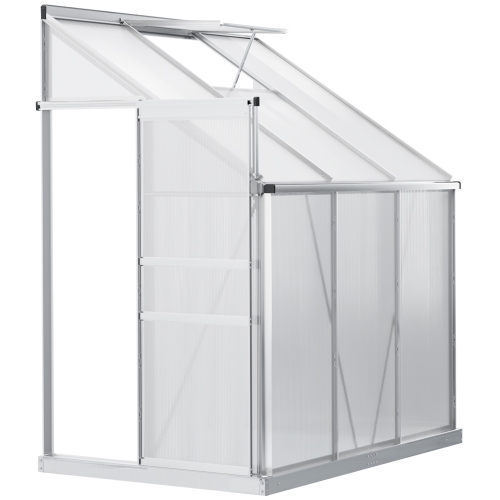
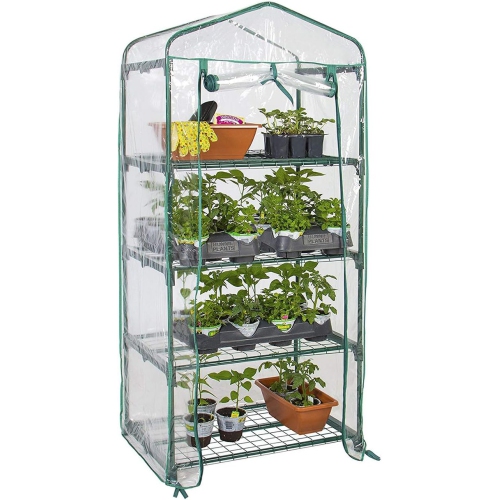
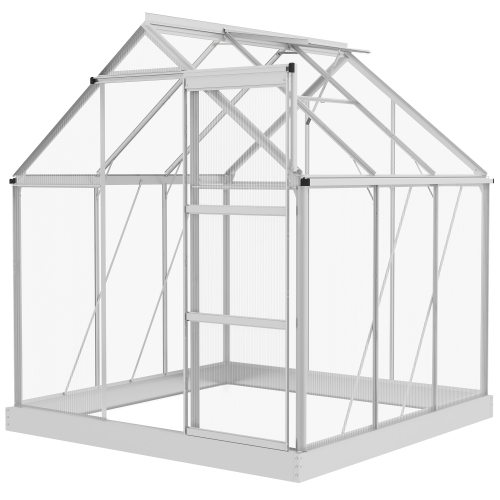
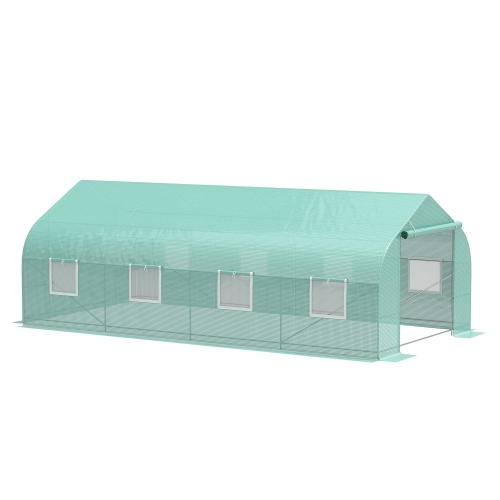
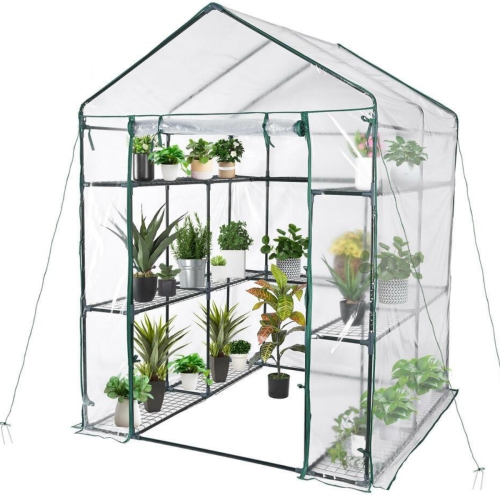
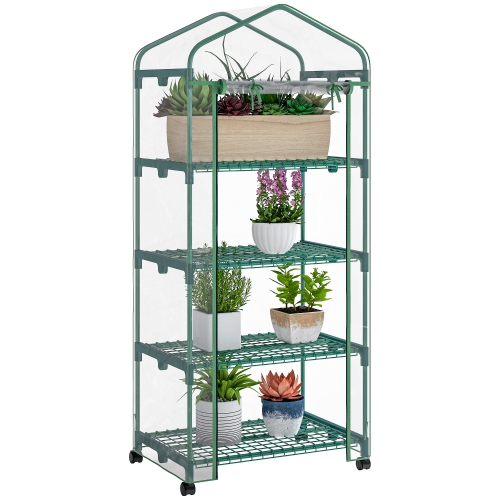
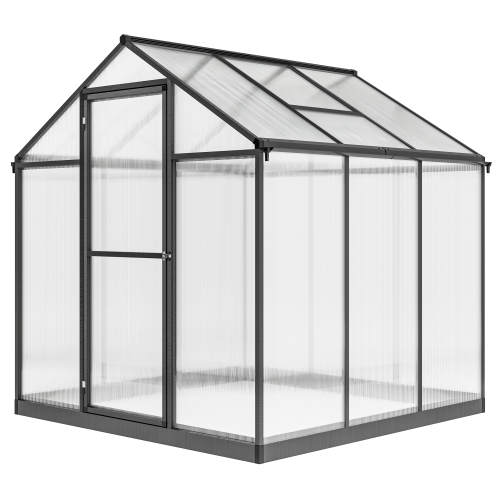
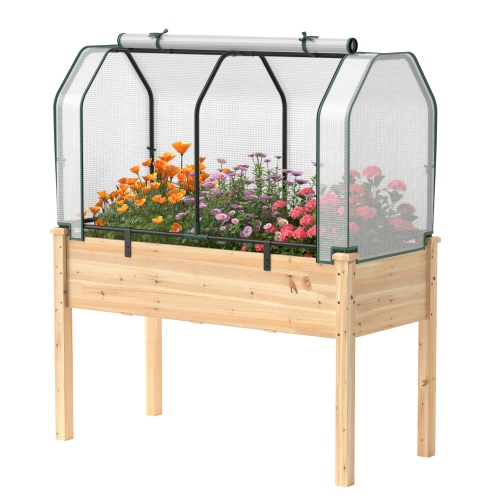
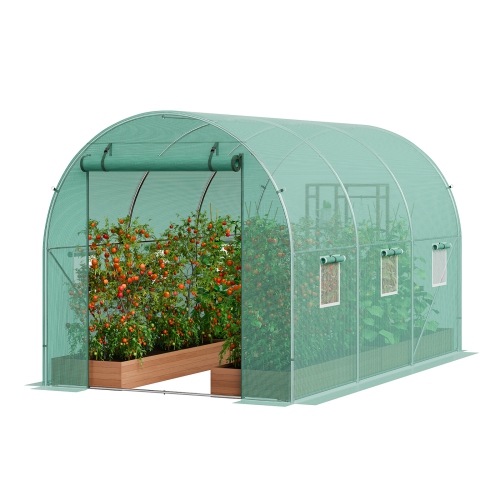
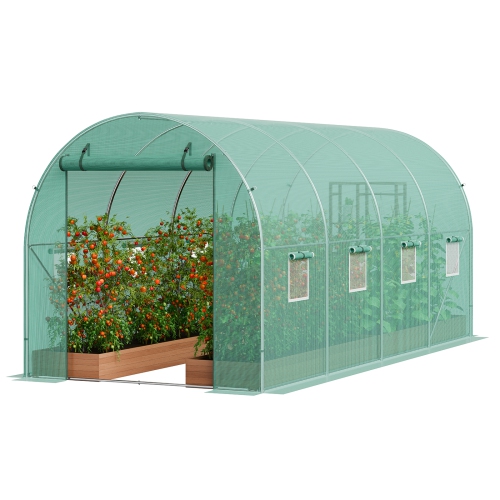
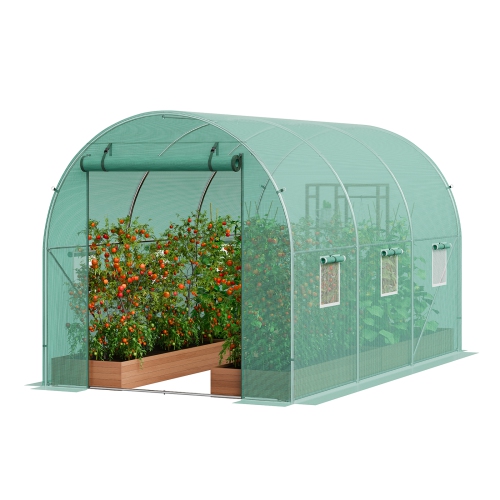
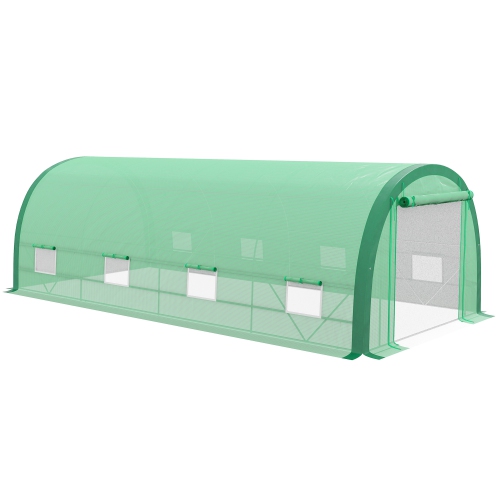
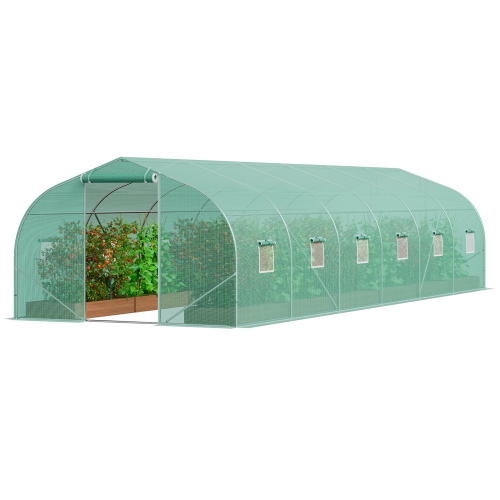
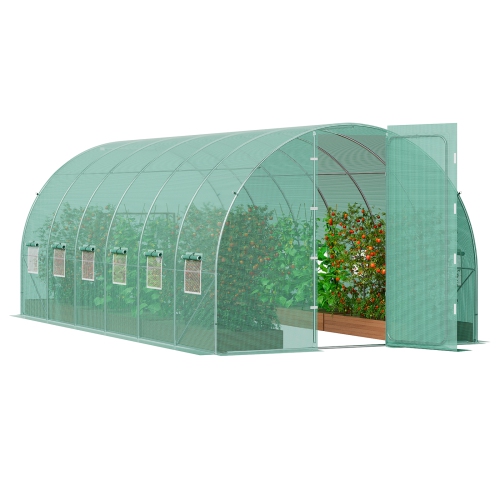
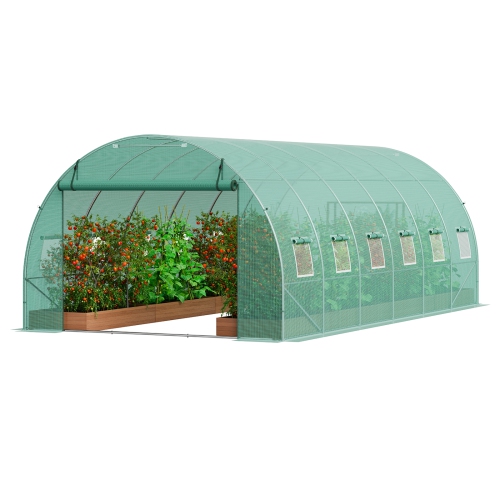
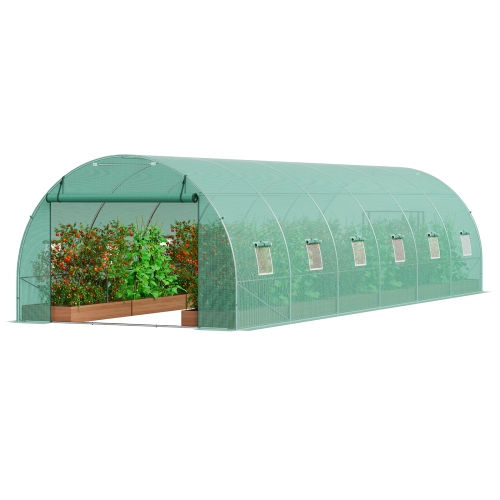
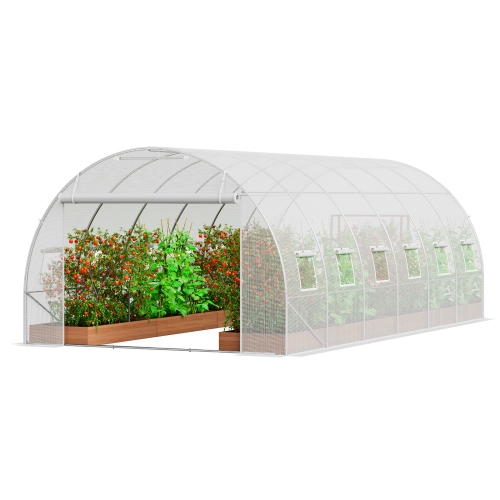
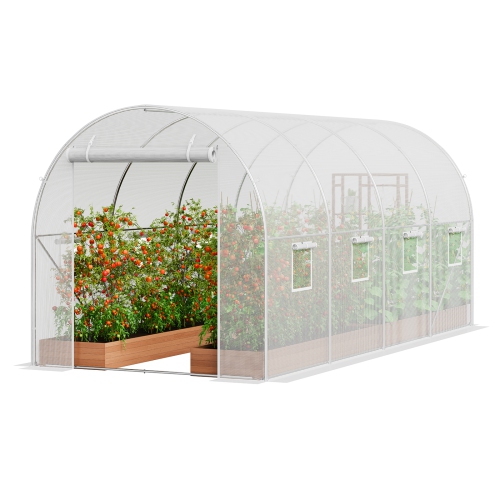
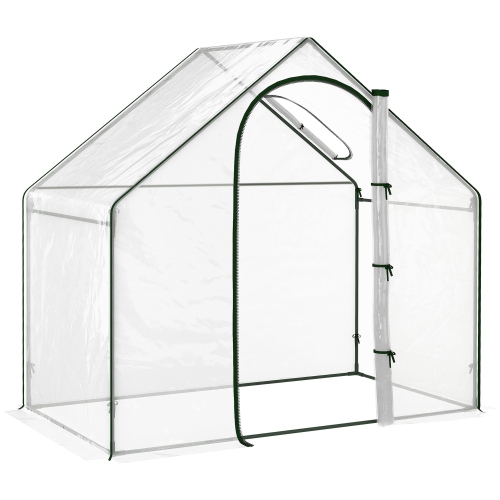
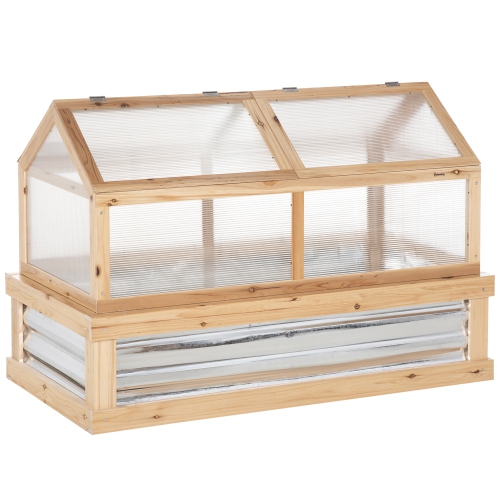
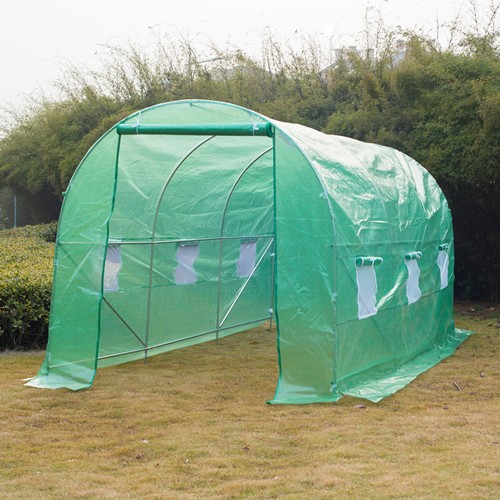
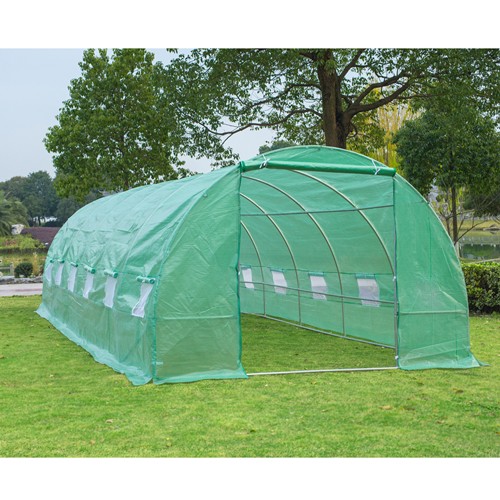
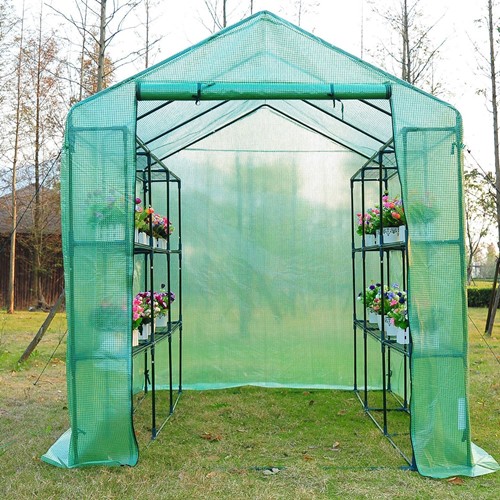
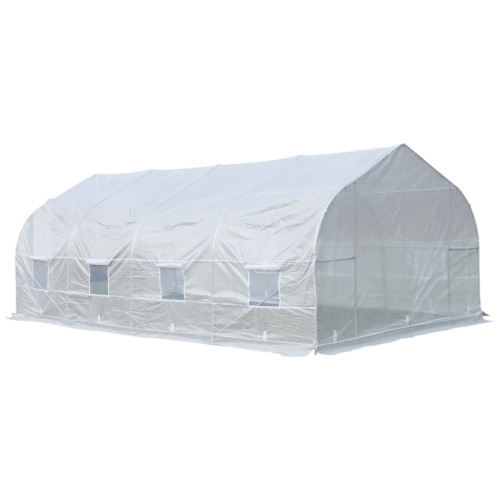
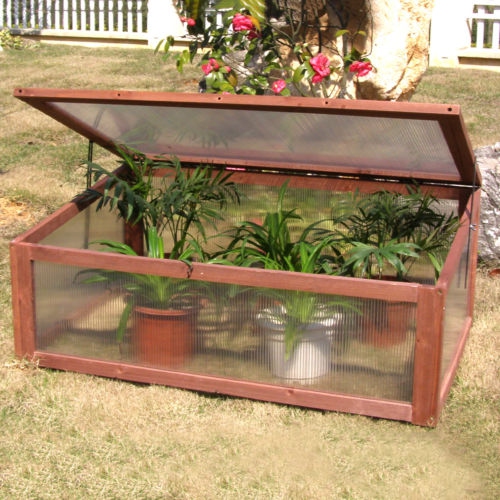
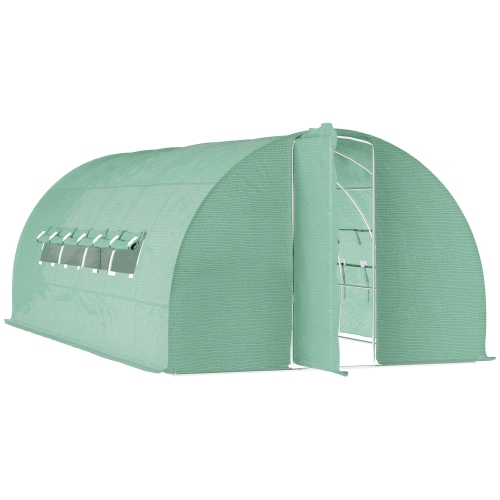
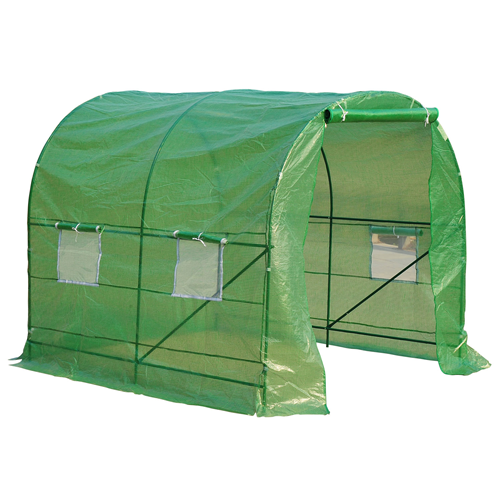
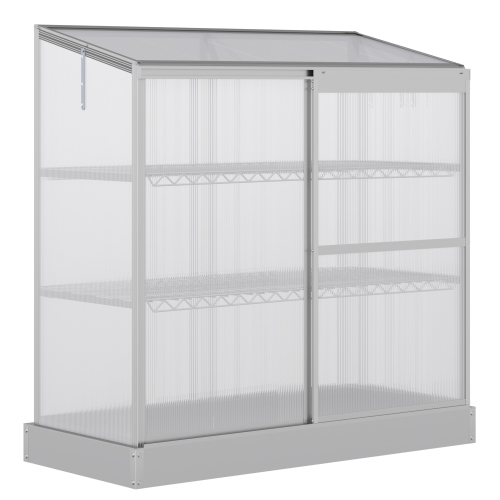
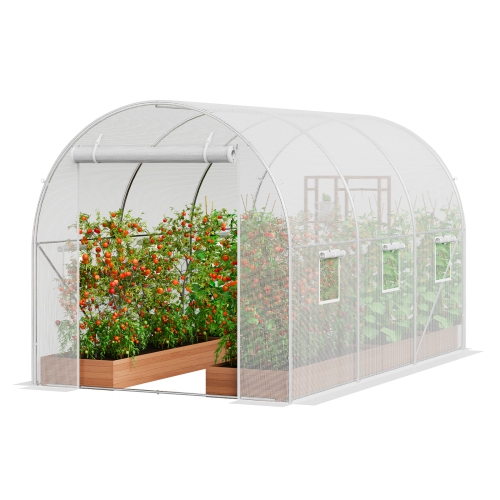
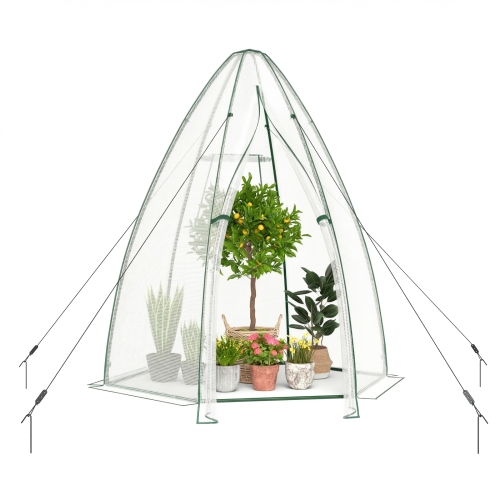
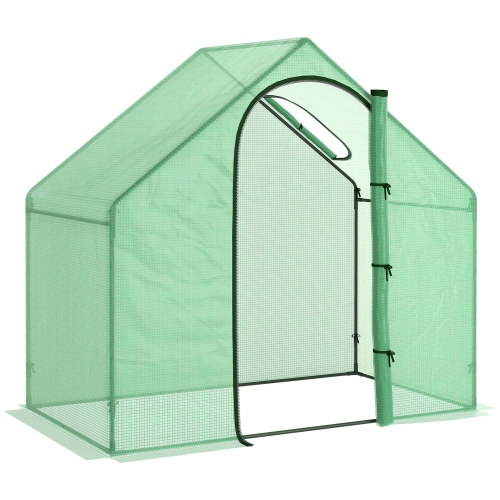
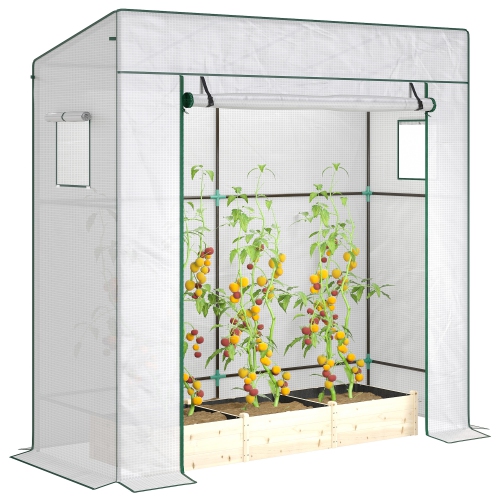
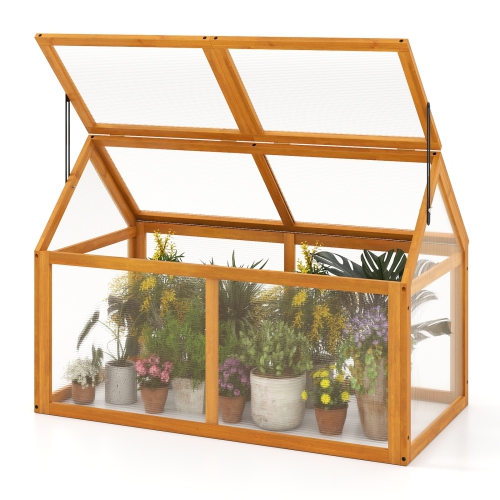
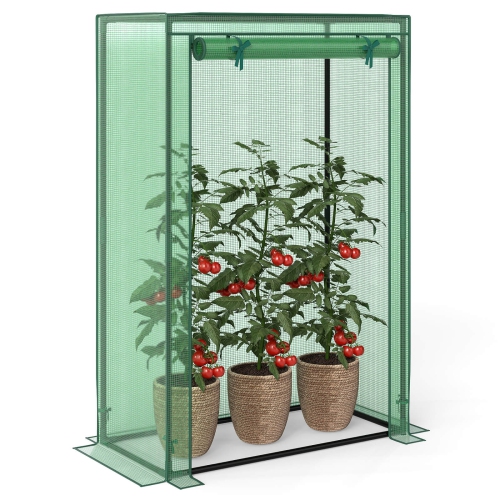
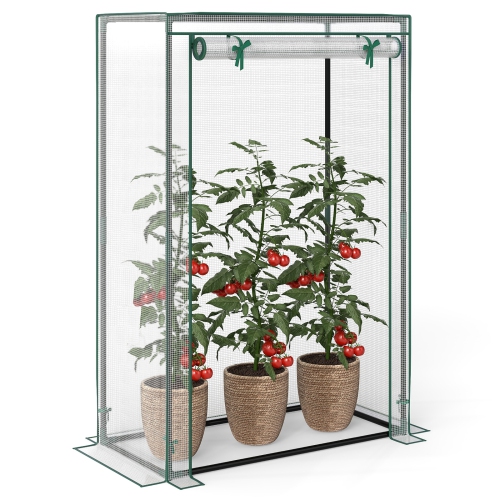
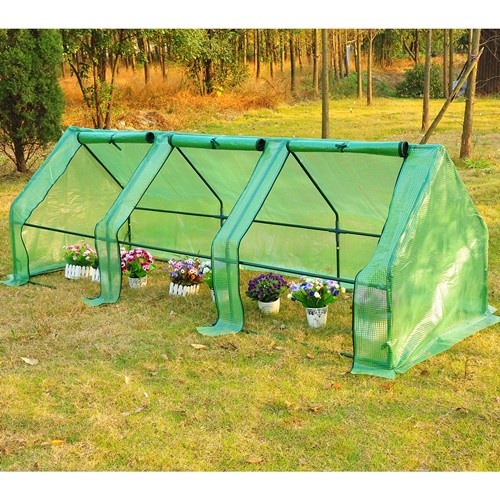
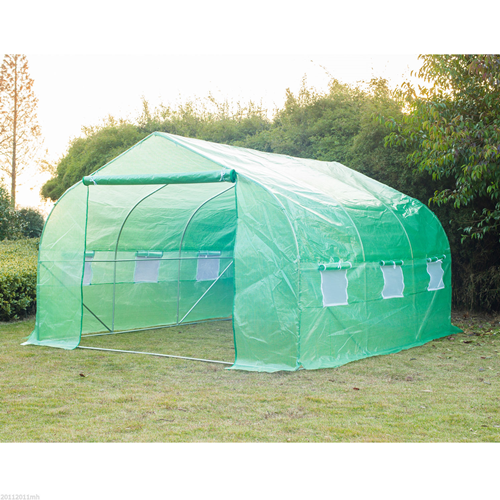
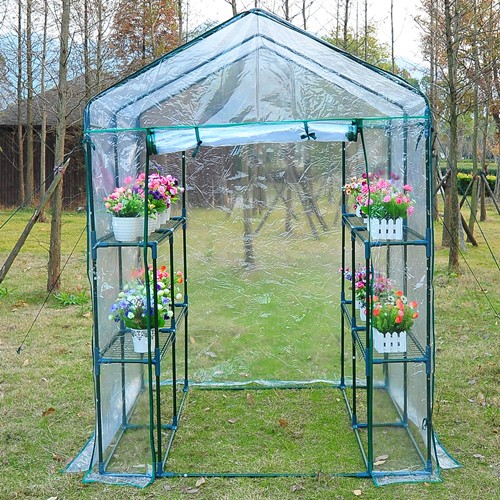
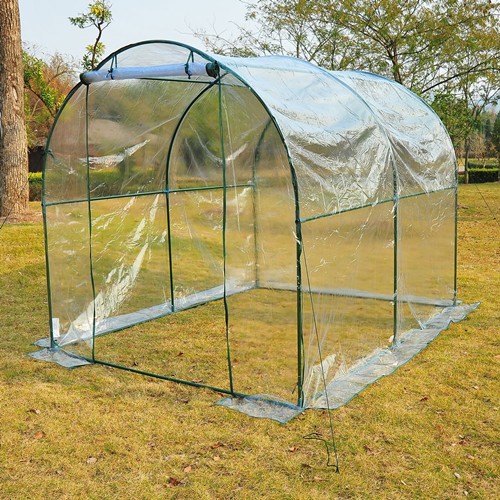
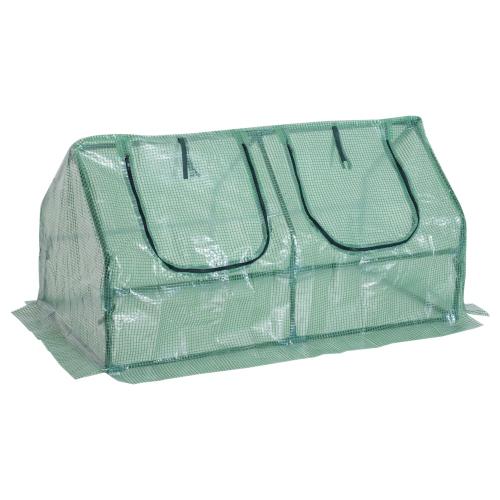
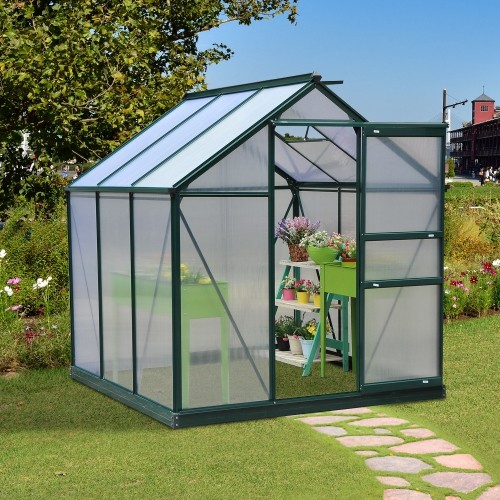
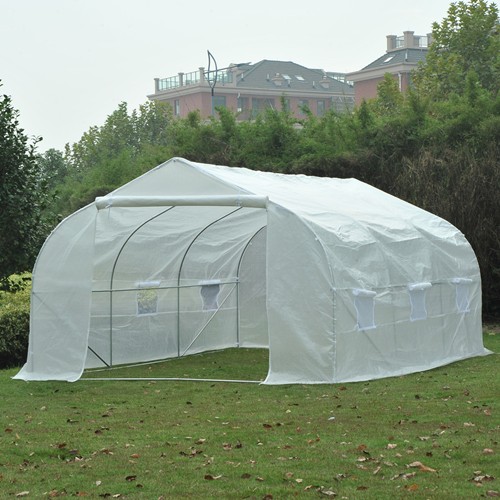
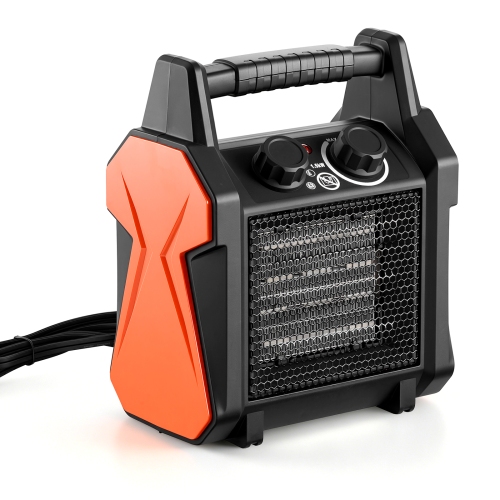
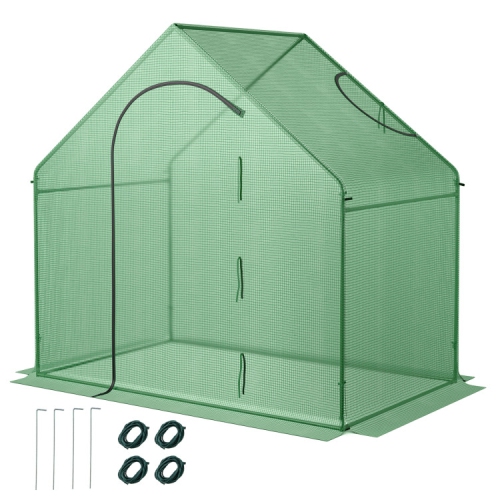
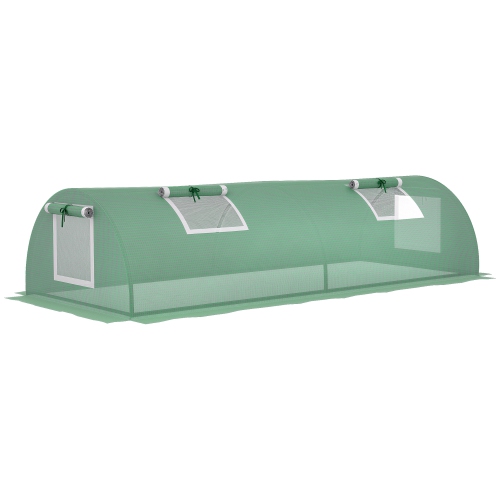
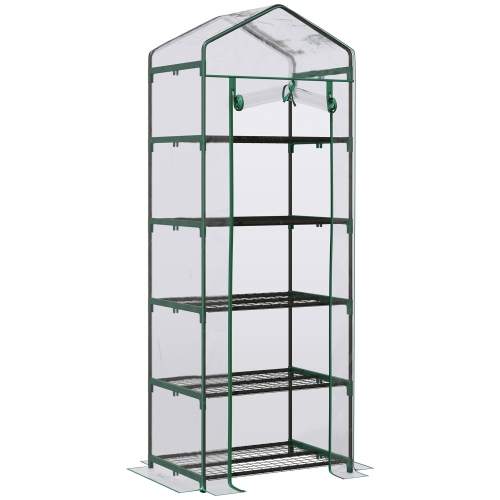
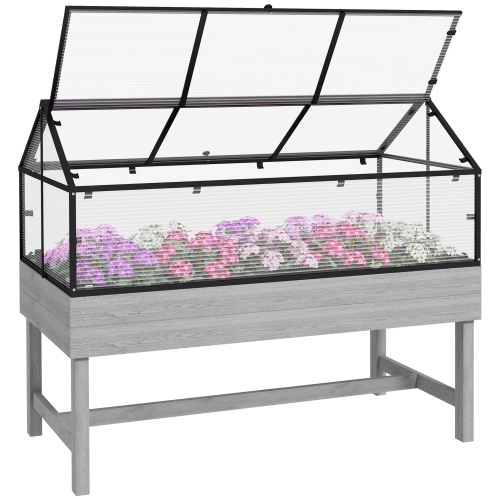
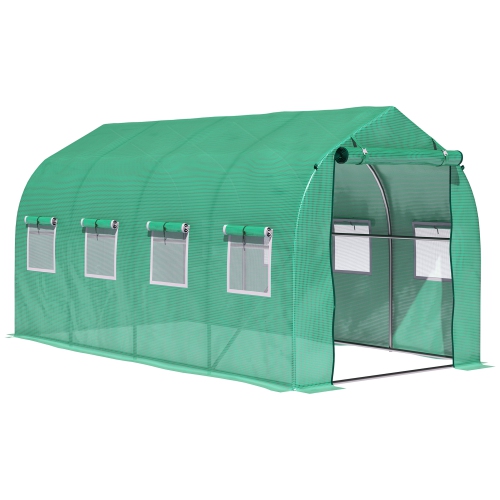
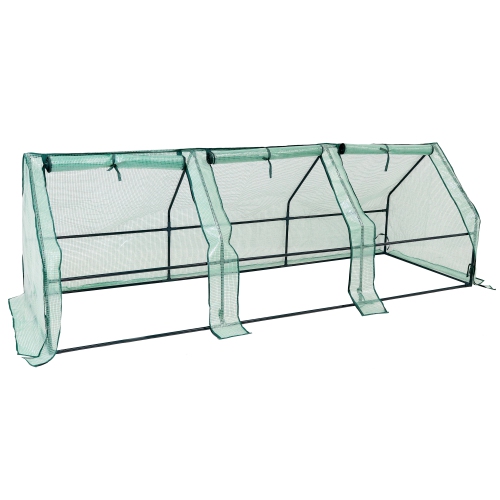
Cold weather greenhouses make it possible to keep growing when shorter days, frost and freezing temperatures would otherwise bring outdoor gardening to a stop. They can support a practical winter growing routine, provide a protected space for starting seedlings, or simply give plant lovers a place to work with their hands during the cooler months. The right setup depends on the climate, available space and whether the greenhouse will be heated, but construction is especially important in regions that experience snow, strong wind and extended periods below freezing. Look for a sturdy frame made from heavy-duty steel or aluminium, with enough strength to support the expected snow load and resist movement during windy weather. Glazing also plays a major role in comfort and plant protection. Insulated double-pane glass or multi-wall polycarbonate panels can help reduce heat loss compared with single-pane glazing, while still allowing useful daylight to reach plants. A steeply pitched roof, ideally around 35 degrees or more where practical, encourages snow to slide away rather than accumulate overhead. A well-positioned structure can make a noticeable difference too: a sunny location with protection from prevailing winds, clear exposure to winter daylight and convenient access to water and electricity is easier to manage. Gardeners planning a more advanced passive solar layout may choose an insulated opaque north wall and larger south-facing glazing to capture available sunlight, while those seeking dependable overnight warmth may add a properly rated, thermostatically controlled greenhouse heater. For more ideas on growing spaces, plant care and useful accessories, explore Greenhouse Gardening.
When selecting products for cold weather use, think beyond the frame and panels. Ventilation remains essential even when outdoor air is cold, because bright winter sun can cause a greenhouse to overheat surprisingly quickly. Roof vents, side vents and fans can release excess warmth and humidity, helping prevent condensation and reducing the risk of plant stress. Automated vent openers or temperature controls can be useful for anyone who is away during the day or prefers a more consistent growing environment. Insulation around the base and north-facing sections can help limit drafts, while a properly prepared foundation keeps the structure level and reduces gaps where cold air can enter. Inside, thermal mass such as water-filled containers, brick pavers or stone flooring can absorb warmth during the day and release it gradually after sunset, helping moderate sharp temperature swings. These materials do not replace a heater during freezing conditions, but they can contribute to a steadier environment when used alongside suitable insulation and temperature monitoring. A digital thermometer with minimum and maximum readings is helpful for understanding what plants experience overnight, and a humidity reading can alert growers to conditions that encourage mould or fungal problems. Keep electrical equipment rated for the location, protect cords from moisture and follow all safety instructions for heating devices. It is also wise to plan for snow care before the first major snowfall. A soft roof brush or similar tool can clear heavy accumulation without scratching panels, and snow should be removed promptly if it begins to block sunlight or place excess weight on the roof. Leaving a clear path to the entrance and storing frequently used tools nearby makes these small maintenance tasks easier when the ground is frozen.
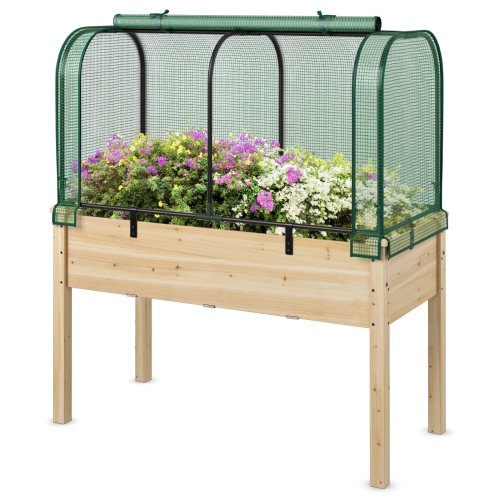
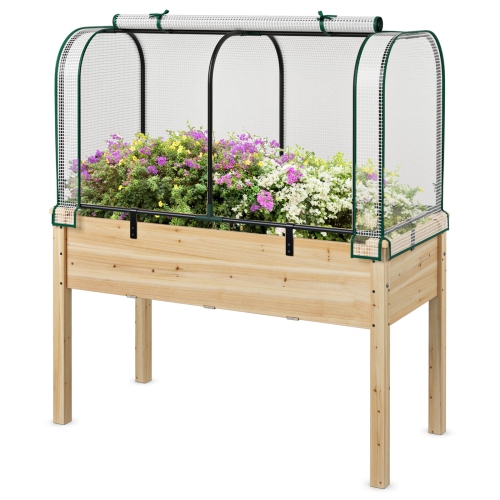
Cold weather greenhouses suit a wide range of gardeners, from someone tending a few salad greens to an experienced grower raising plants through the depths of winter. Hardy crops such as kale, spinach, lettuce, carrots and radishes can perform well in a protected space, although growth will naturally slow as daylight decreases. A greenhouse can also shelter herbs, overwintering potted plants and young seedlings that are not ready for outdoor conditions. Before choosing equipment, consider the lowest temperatures in the area, the size of the growing space and the amount of time available for daily care. An unheated or passively warmed greenhouse may be appropriate for cold-tolerant crops and frost protection, while a heated model with reliable controls offers greater flexibility for tender plants. Families may appreciate a greenhouse as a hands-on way to observe roots, leaves and seasonal changes, and it can be a thoughtful gift for a gardener who enjoys planning, propagation and small daily routines. A compact structure may fit a balcony, patio or sheltered yard, whereas a larger walk-in design provides room for shelving, trays, tools and comfortable movement. In either case, leave space between plants for airflow, avoid blocking vents and check the roof after storms. Picture a crisp morning with frost on the surrounding lawn, while rows of leafy greens remain protected under clear panels and a thermometer shows a stable interior temperature; that is the practical appeal of a well-planned cold weather greenhouse. With durable construction, insulated glazing, safe heat management, effective ventilation and regular snow care, a greenhouse can remain a useful growing space throughout the cooler months and be ready for renewed planting as the weather warms.
When selecting products for cold weather use, think beyond the frame and panels. Ventilation remains essential even when outdoor air is cold, because bright winter sun can cause a greenhouse to overheat surprisingly quickly. Roof vents, side vents and fans can release excess warmth and humidity, helping prevent condensation and reducing the risk of plant stress. Automated vent openers or temperature controls can be useful for anyone who is away during the day or prefers a more consistent growing environment. Insulation around the base and north-facing sections can help limit drafts, while a properly prepared foundation keeps the structure level and reduces gaps where cold air can enter. Inside, thermal mass such as water-filled containers, brick pavers or stone flooring can absorb warmth during the day and release it gradually after sunset, helping moderate sharp temperature swings. These materials do not replace a heater during freezing conditions, but they can contribute to a steadier environment when used alongside suitable insulation and temperature monitoring. A digital thermometer with minimum and maximum readings is helpful for understanding what plants experience overnight, and a humidity reading can alert growers to conditions that encourage mould or fungal problems. Keep electrical equipment rated for the location, protect cords from moisture and follow all safety instructions for heating devices. It is also wise to plan for snow care before the first major snowfall. A soft roof brush or similar tool can clear heavy accumulation without scratching panels, and snow should be removed promptly if it begins to block sunlight or place excess weight on the roof. Leaving a clear path to the entrance and storing frequently used tools nearby makes these small maintenance tasks easier when the ground is frozen.
Cold weather greenhouses suit a wide range of gardeners, from someone tending a few salad greens to an experienced grower raising plants through the depths of winter. Hardy crops such as kale, spinach, lettuce, carrots and radishes can perform well in a protected space, although growth will naturally slow as daylight decreases. A greenhouse can also shelter herbs, overwintering potted plants and young seedlings that are not ready for outdoor conditions. Before choosing equipment, consider the lowest temperatures in the area, the size of the growing space and the amount of time available for daily care. An unheated or passively warmed greenhouse may be appropriate for cold-tolerant crops and frost protection, while a heated model with reliable controls offers greater flexibility for tender plants. Families may appreciate a greenhouse as a hands-on way to observe roots, leaves and seasonal changes, and it can be a thoughtful gift for a gardener who enjoys planning, propagation and small daily routines. A compact structure may fit a balcony, patio or sheltered yard, whereas a larger walk-in design provides room for shelving, trays, tools and comfortable movement. In either case, leave space between plants for airflow, avoid blocking vents and check the roof after storms. Picture a crisp morning with frost on the surrounding lawn, while rows of leafy greens remain protected under clear panels and a thermometer shows a stable interior temperature; that is the practical appeal of a well-planned cold weather greenhouse. With durable construction, insulated glazing, safe heat management, effective ventilation and regular snow care, a greenhouse can remain a useful growing space throughout the cooler months and be ready for renewed planting as the weather warms.
Top selling and popular products
-
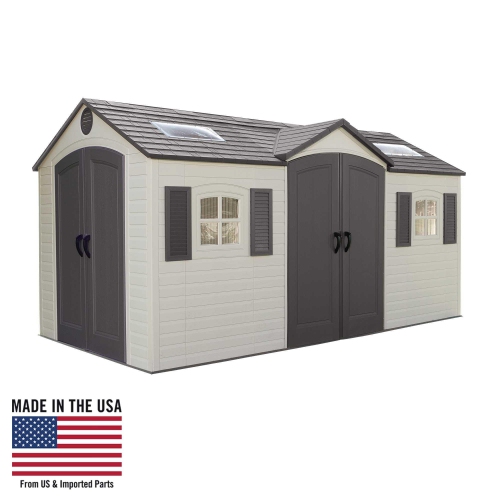 Your price for this item is $3999
 -
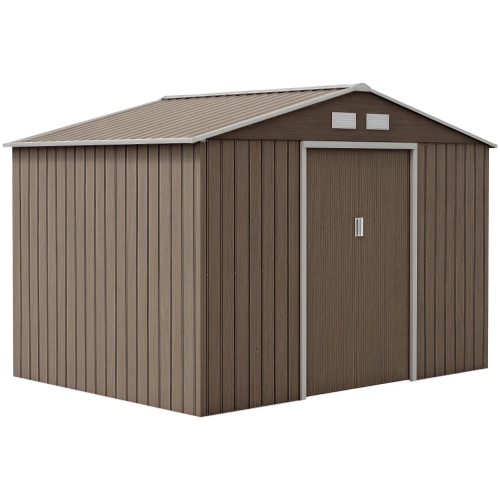 Your price for this item is $554.99
 -
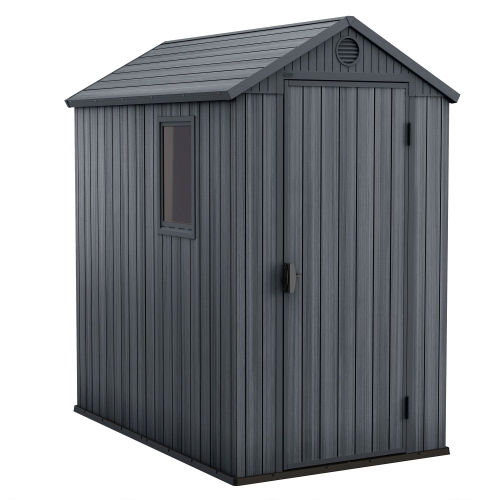 Your price for this item is $1204.99
 -
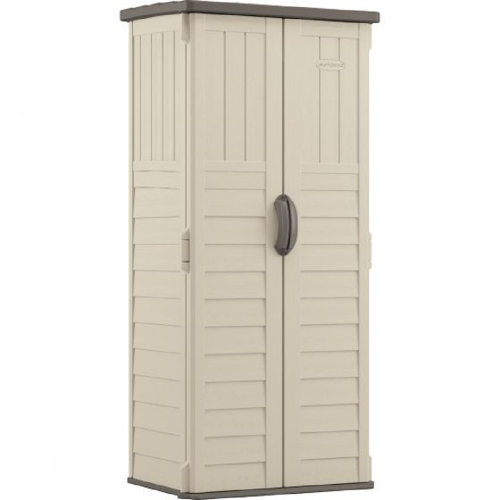 Your price for this item is $385.99
 -
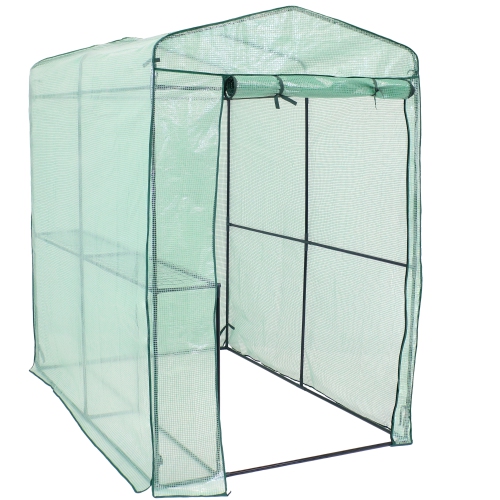 Your price for this item is $113.35
 -
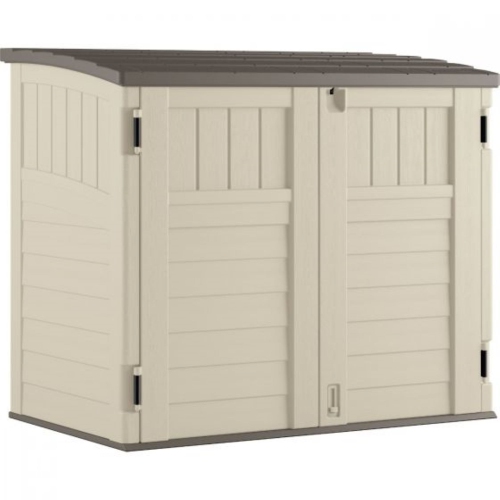 Your price for this item is $459.99
 -
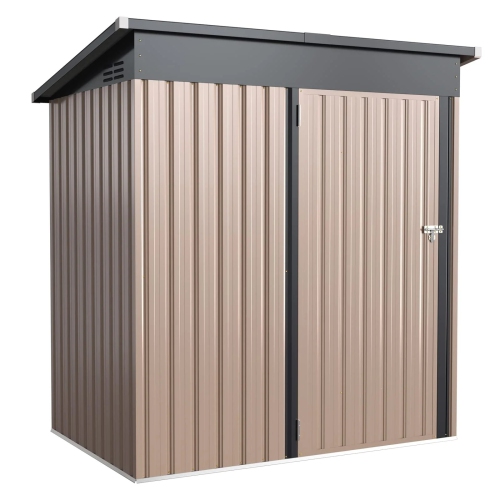 Your price for this item is $189.99
 -
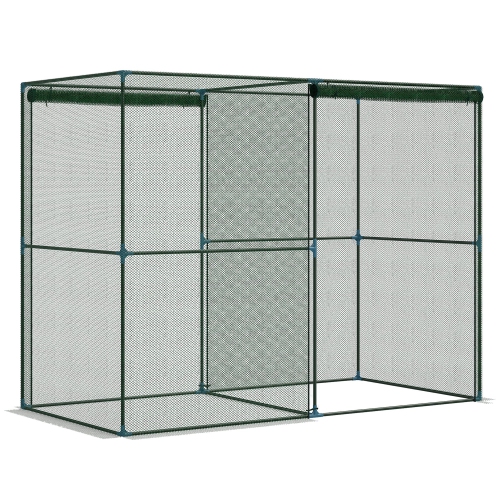 Your price for this item is $79.99
Discover more categories related to Cold Weather Greenhouses
Top Collections:
Pokemon Centers, Kindle Devices, Best Budget Office Chairs, Apple iPhones 16, Best Laptops for Writers, iPhone 15 Apple, Canon G7X Cameras, Refurbished Apple Laptops, Alarm Clock, Motorola Razr Phones
Some products may be subject to Environmental Handling Fees
(EHF) depending on your province.
Learn more about EHFs.