Greenhouse Gardening
Greenhouse gardening offers a world of possibilities for both novice and experienced gardeners alike. With the ability to control temperature, humidity, and light levels, greenhouses create the perfect environment for a wide variety of plants to thrive year-round. Whether you're looking to extend your growing season, cultivate exotic flowers, or grow your own vegetables, a greenhouse provides the ideal setting to nurture your green thumb. Explore this range of greenhouse gardening essentials to elevate your gardening experience and watch your plants flourish in a controlled and nurturing environment.
Sort



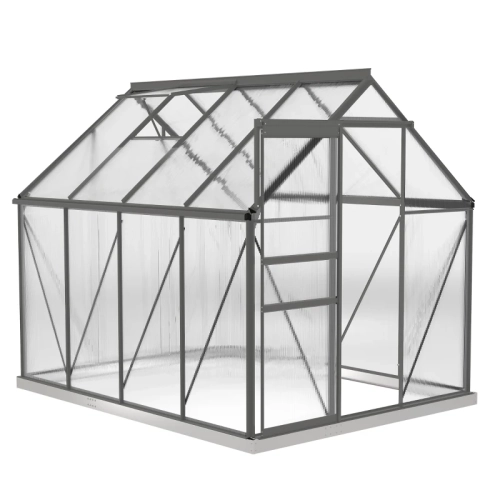
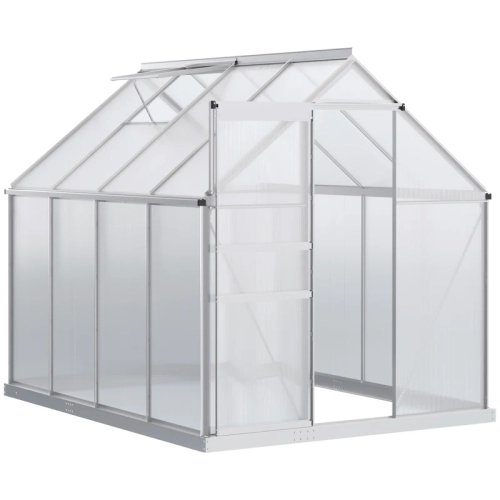
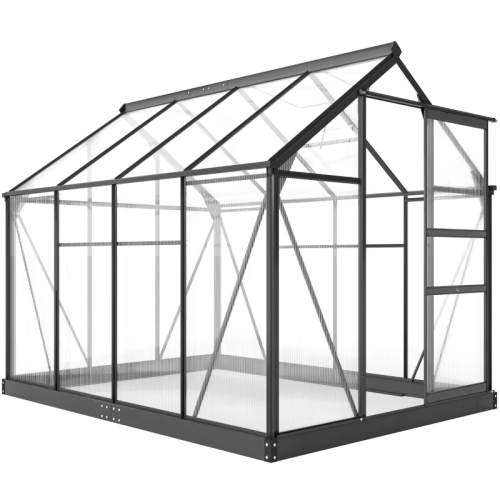
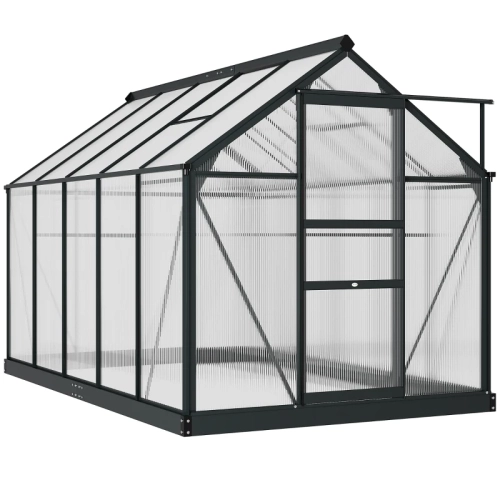
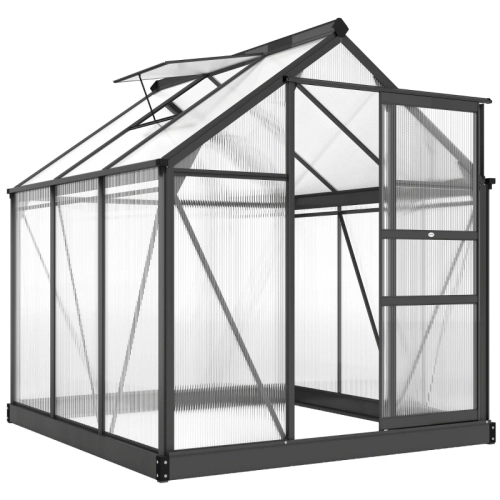
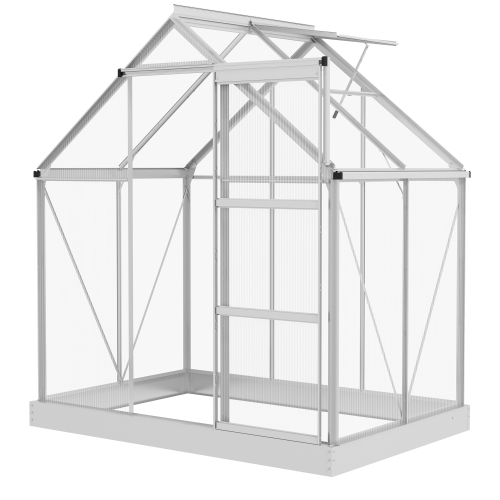
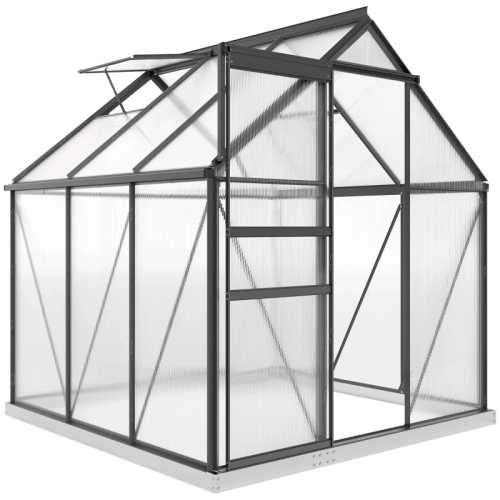
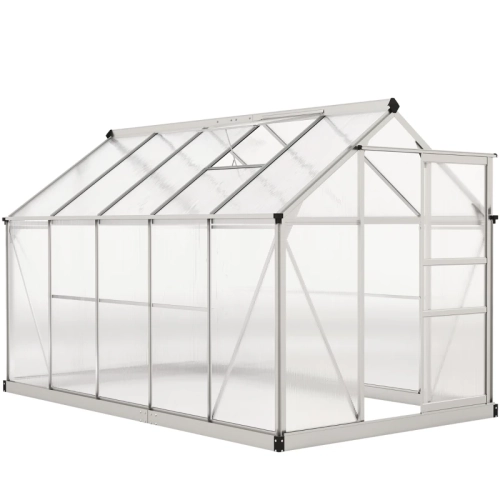

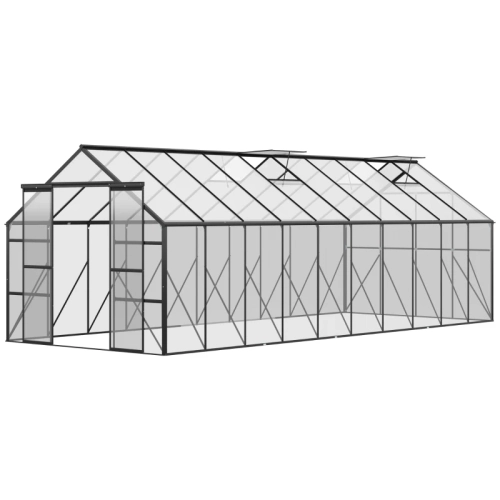
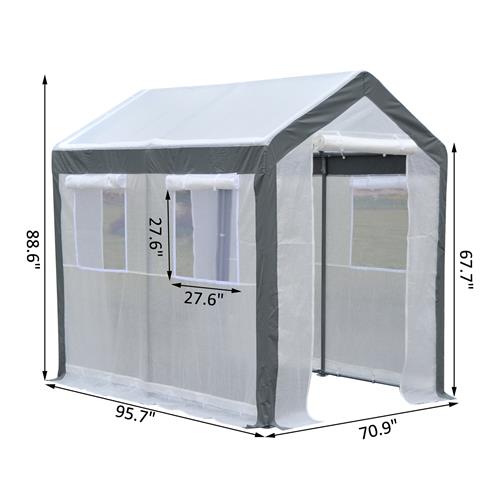
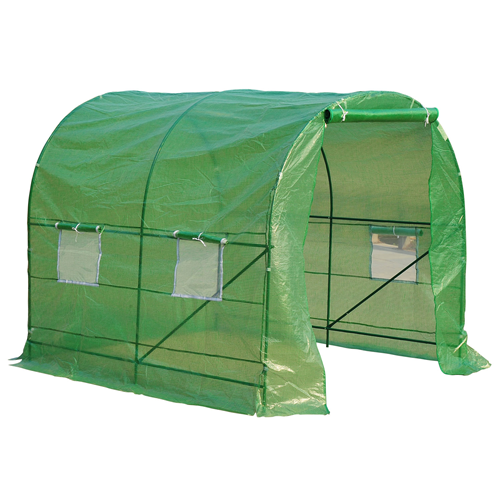
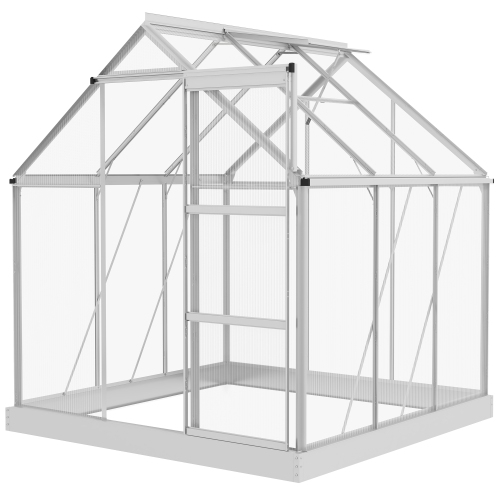
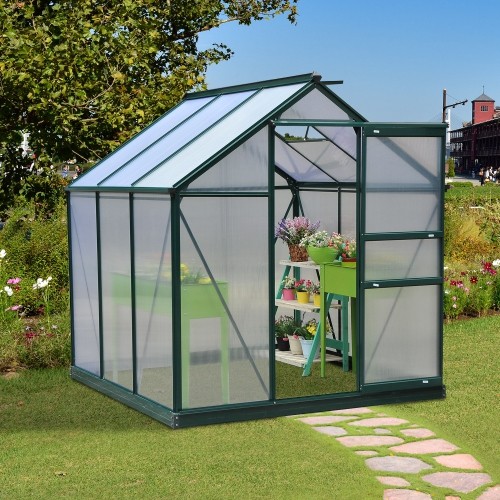
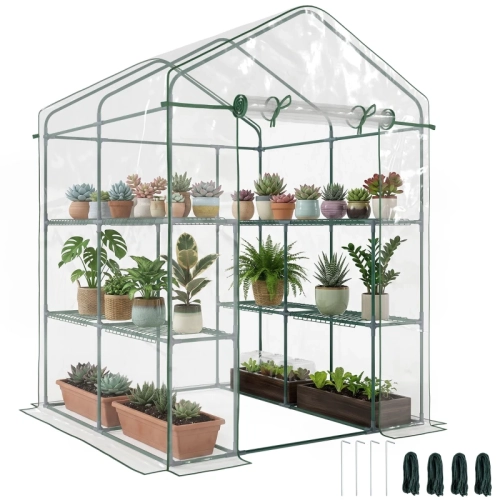

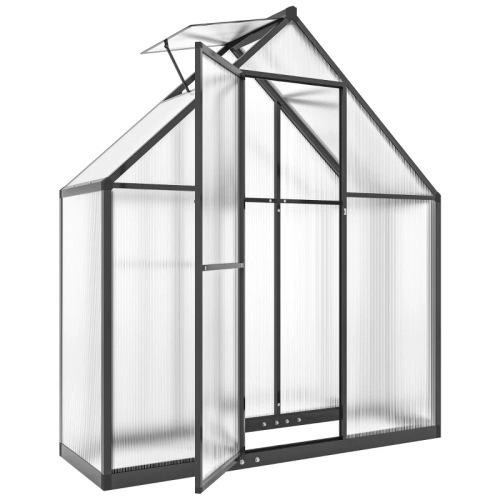
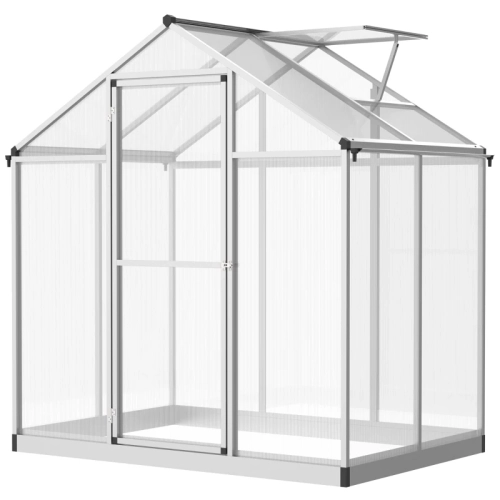
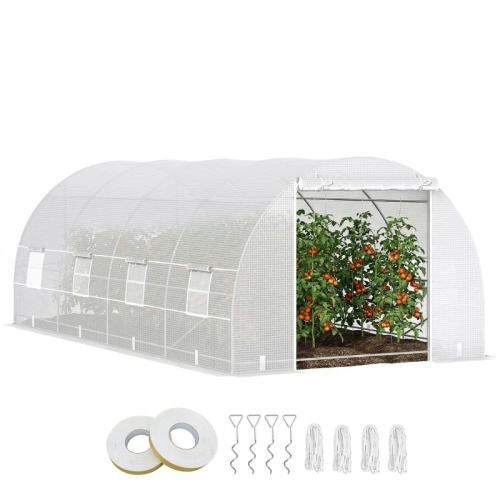
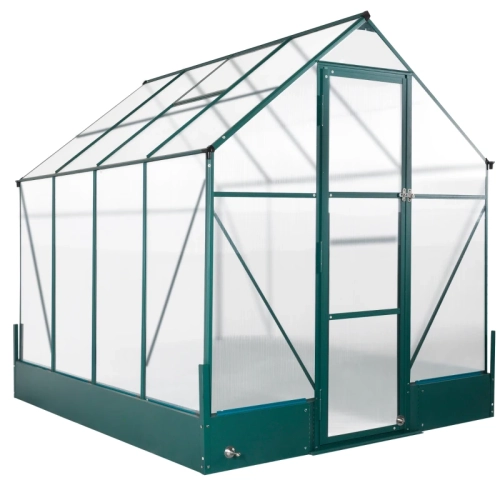

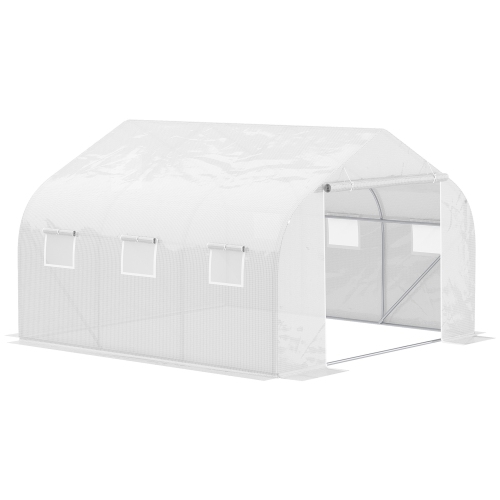
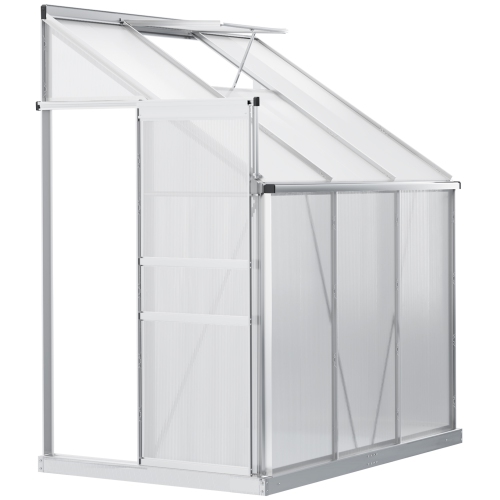
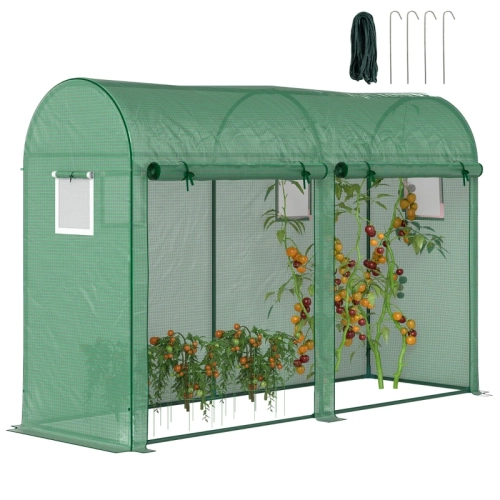

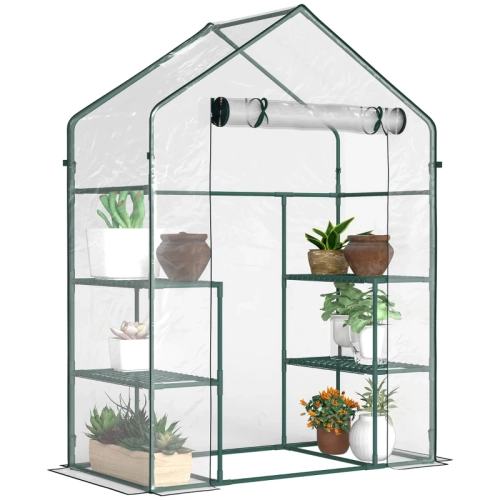
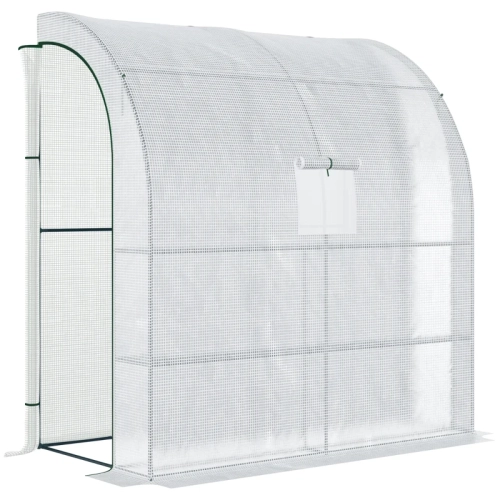
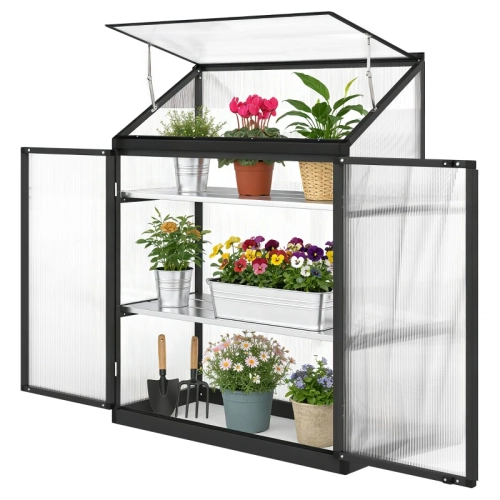
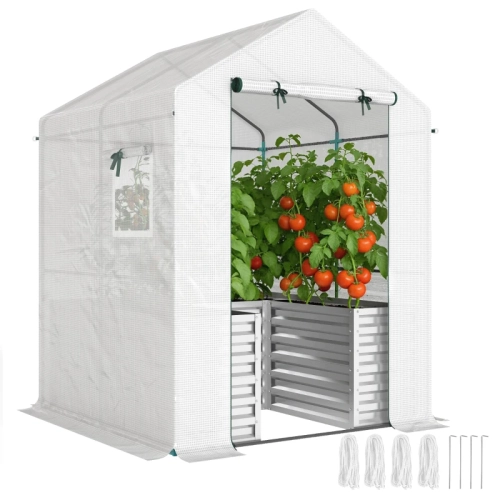
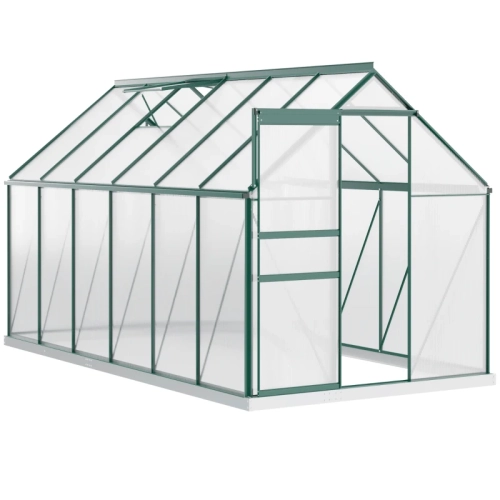
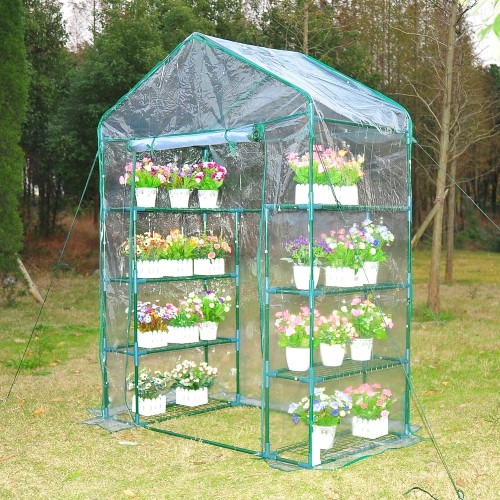
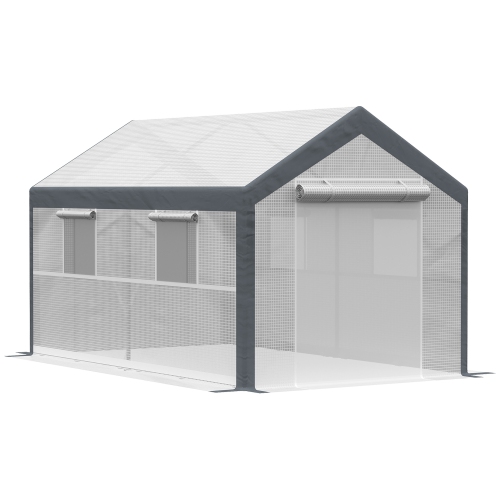
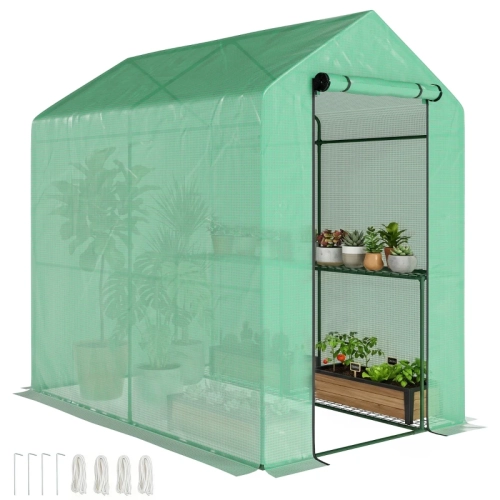
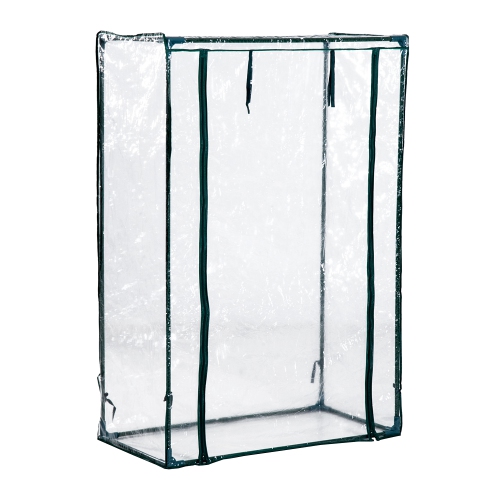

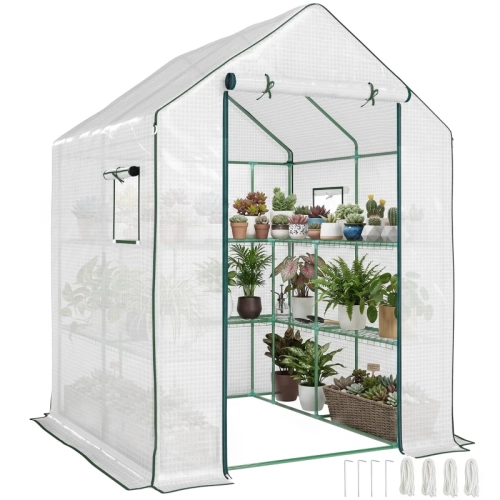
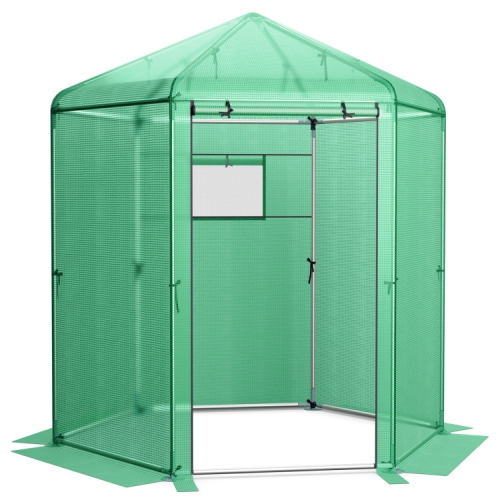
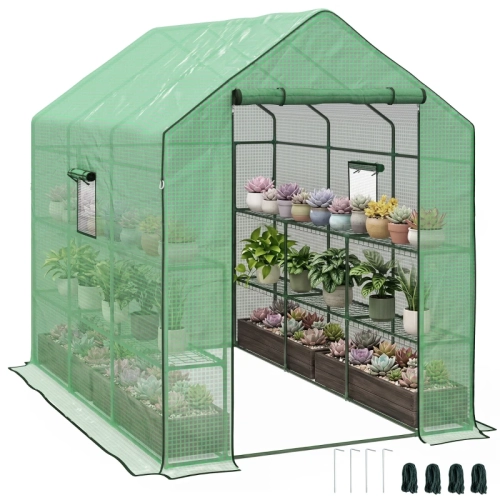

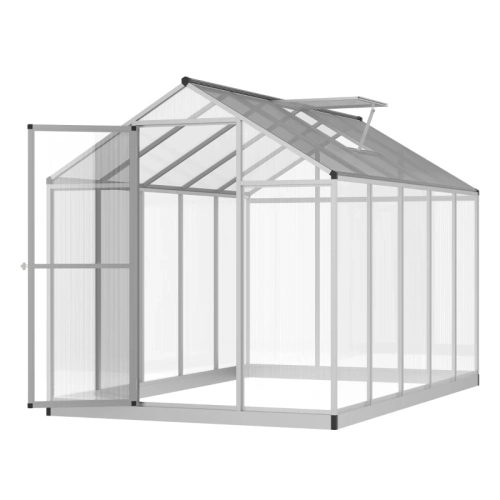
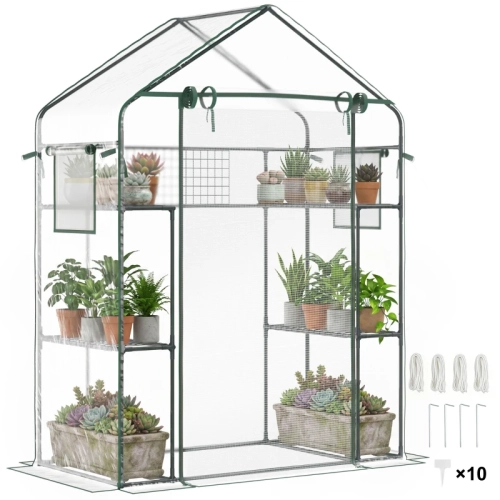
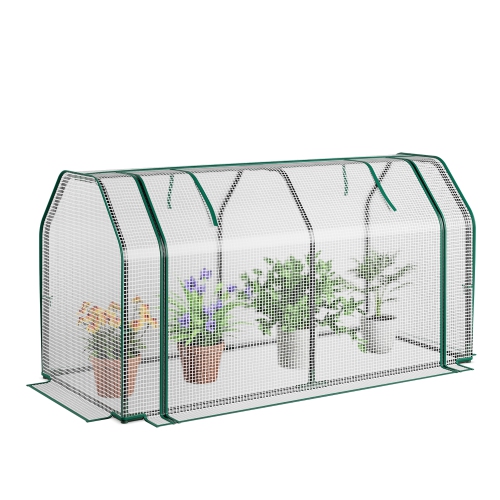

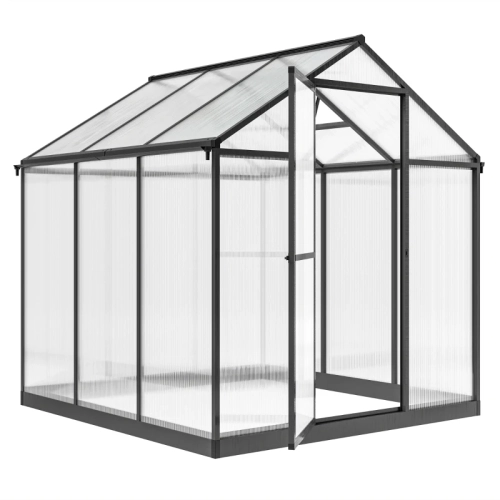
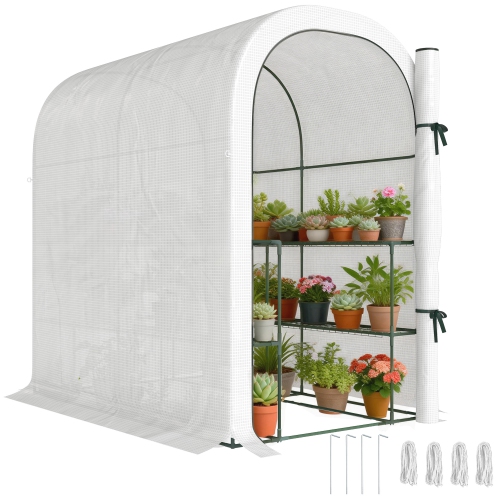
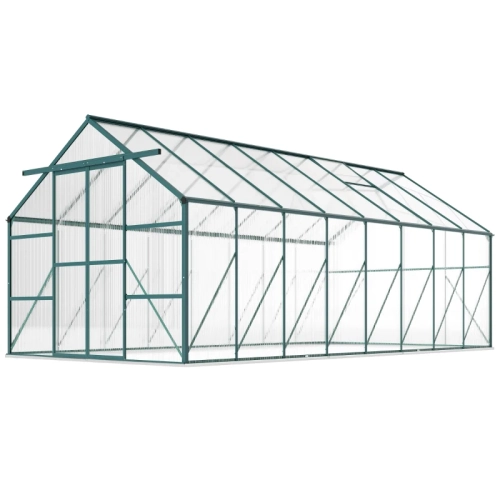

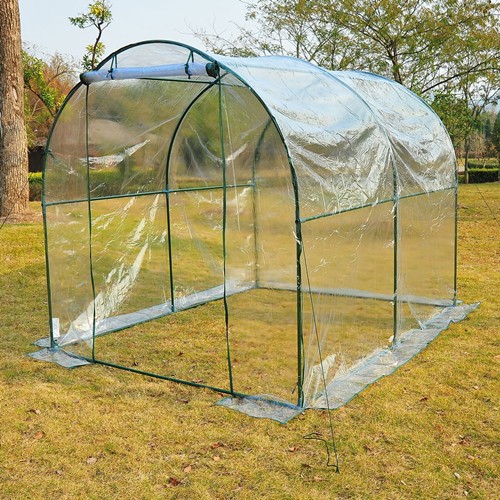
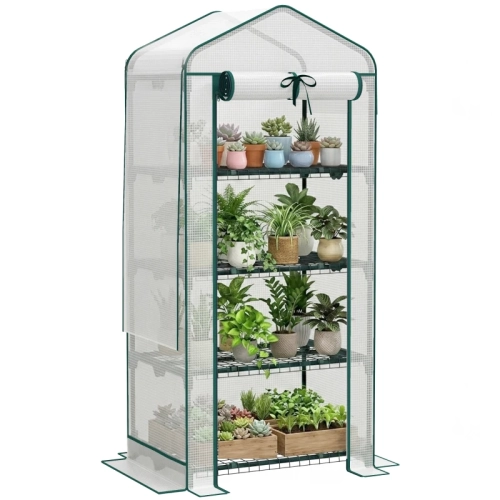
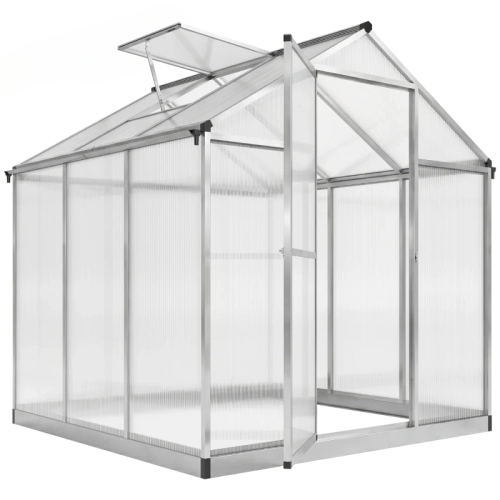
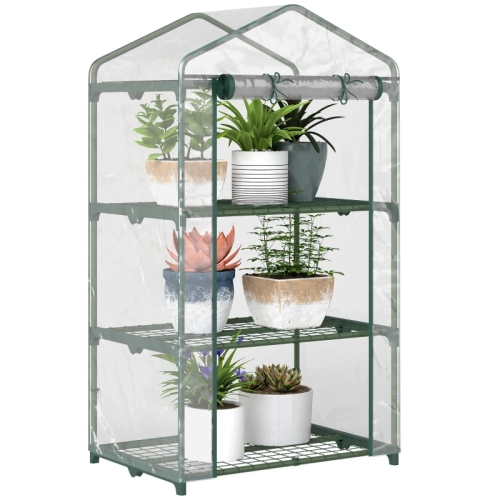
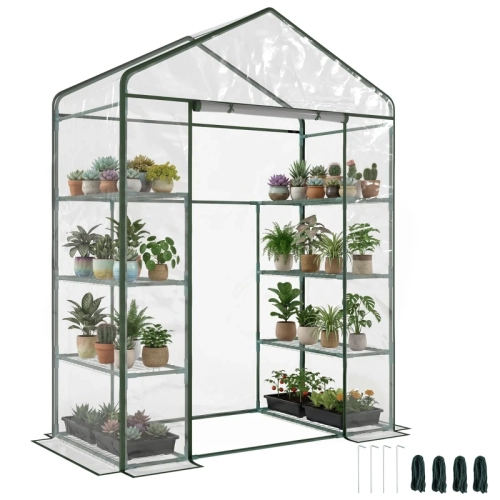


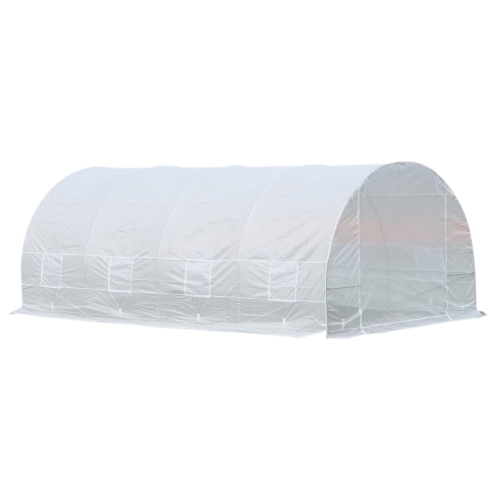
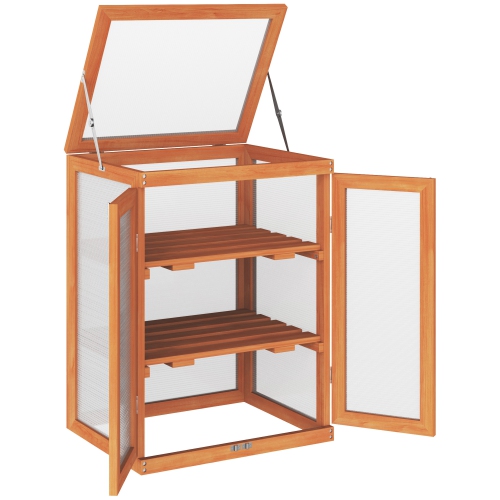
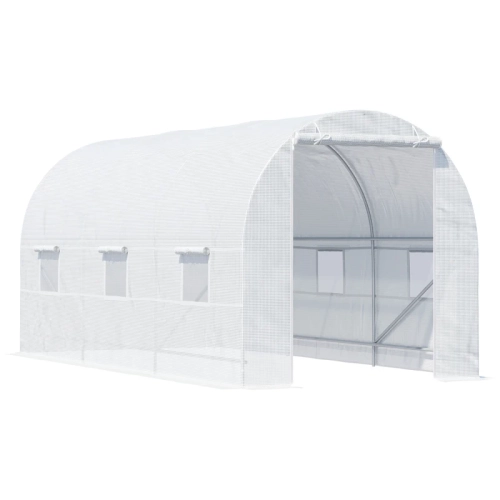
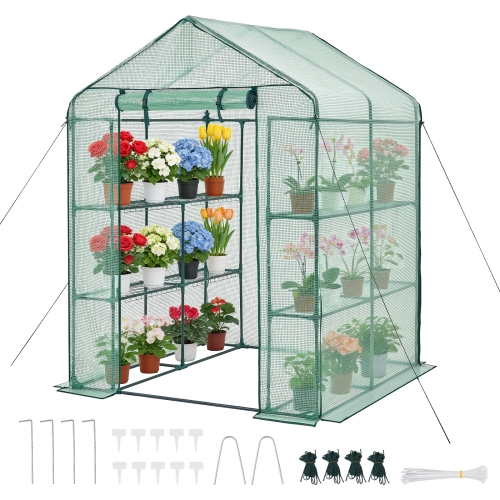


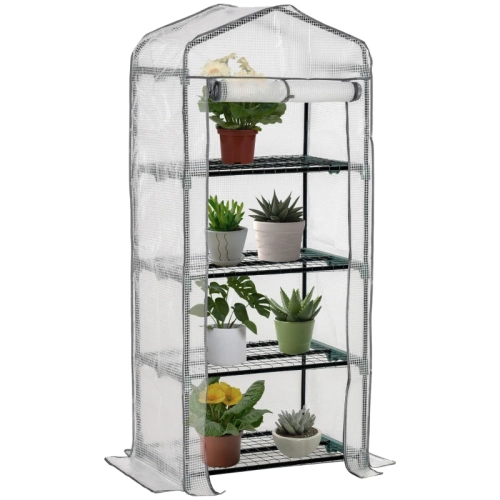
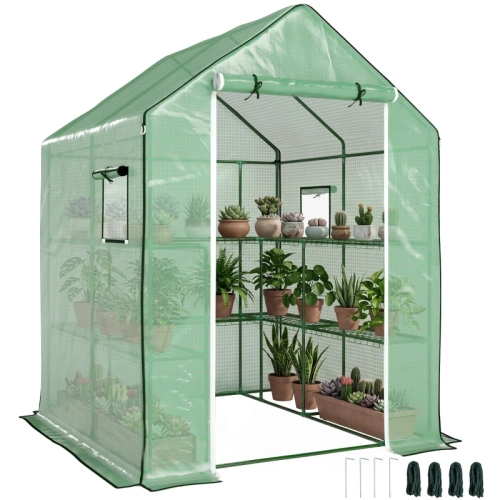

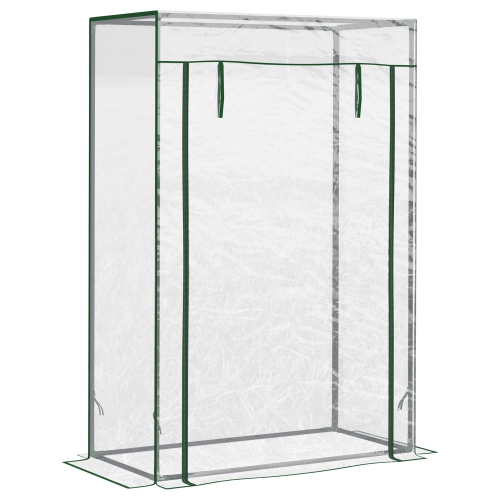
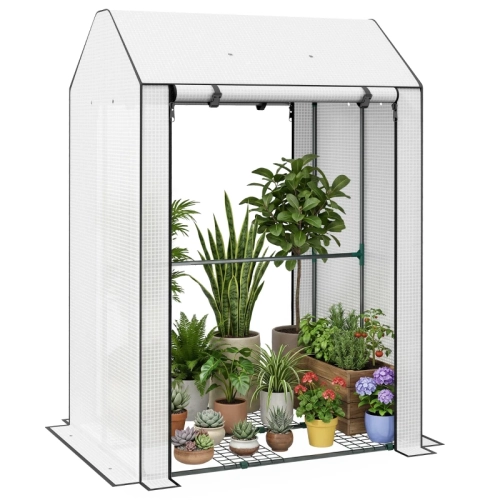
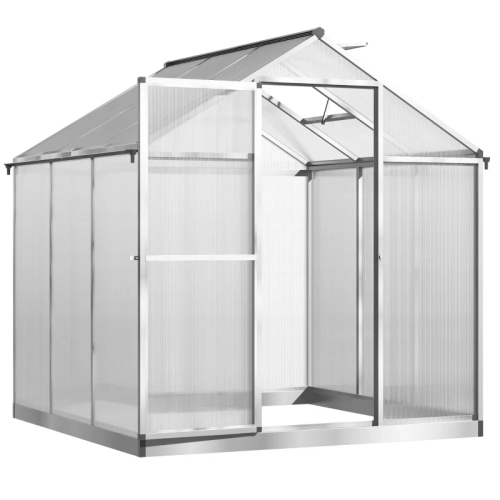
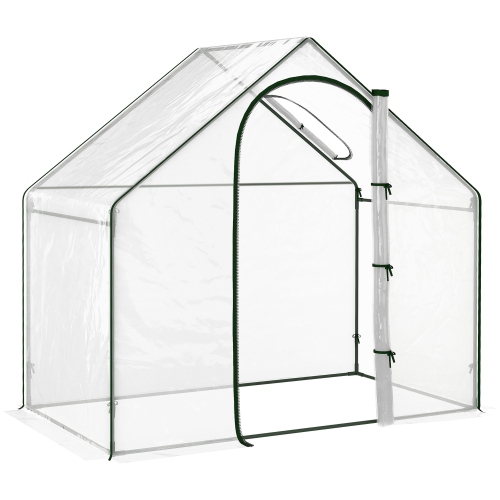
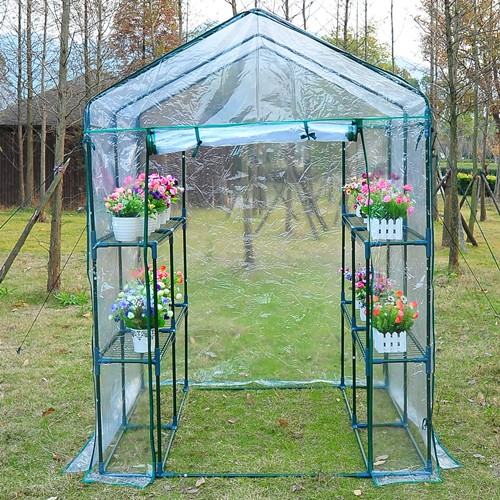
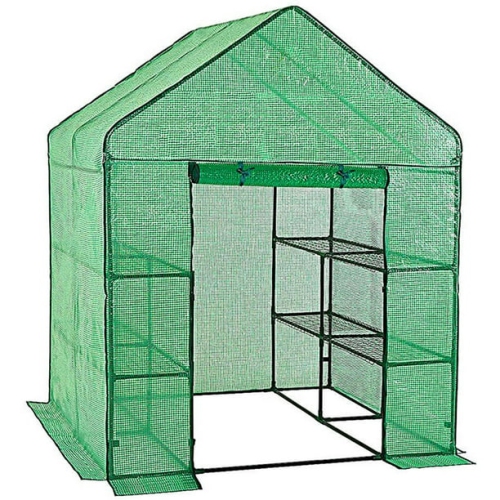
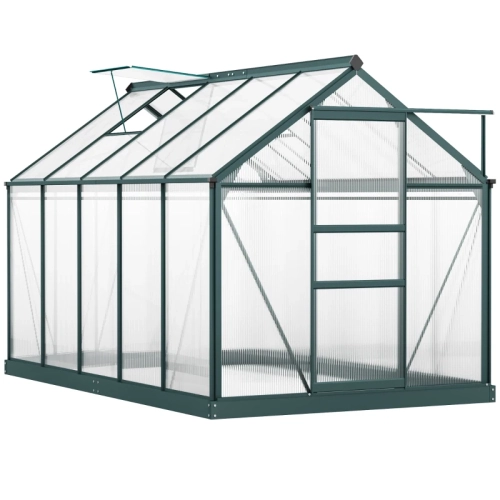
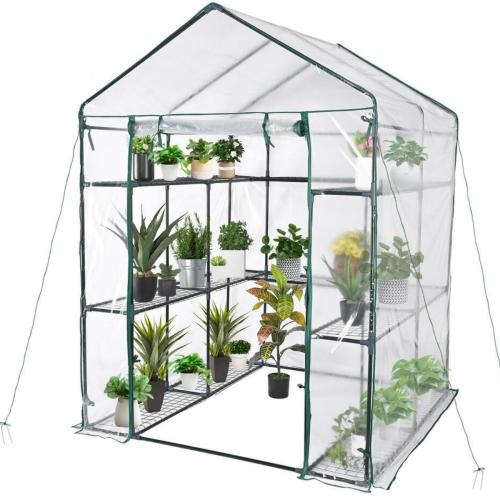

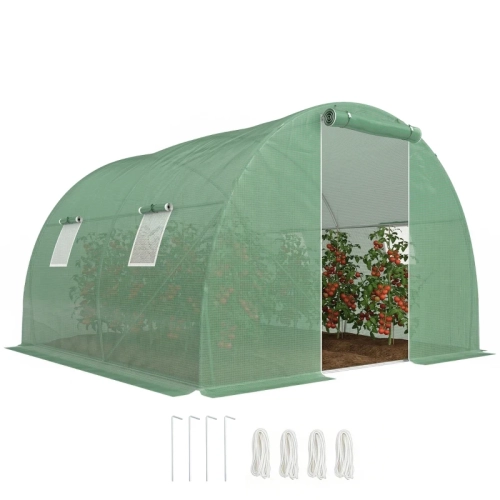
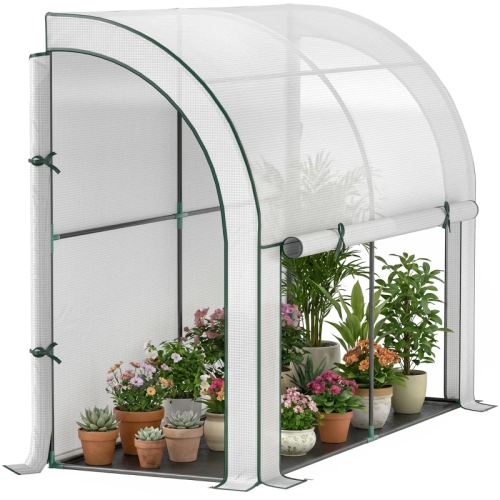
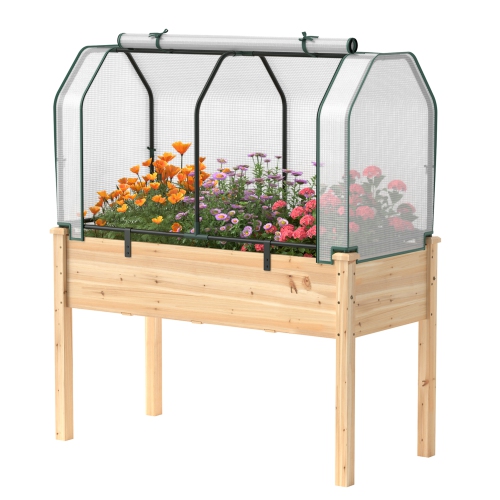
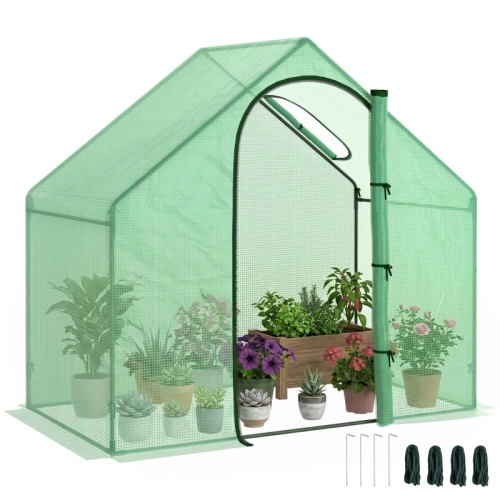
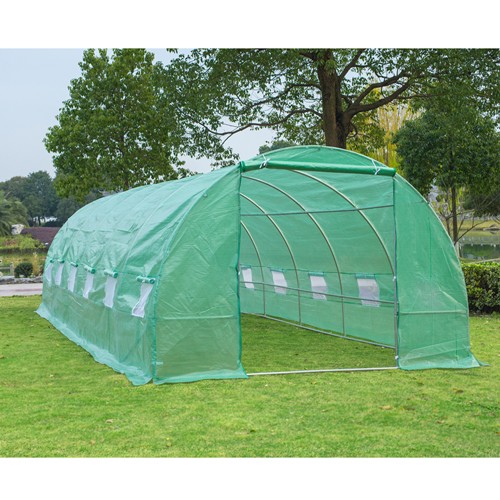
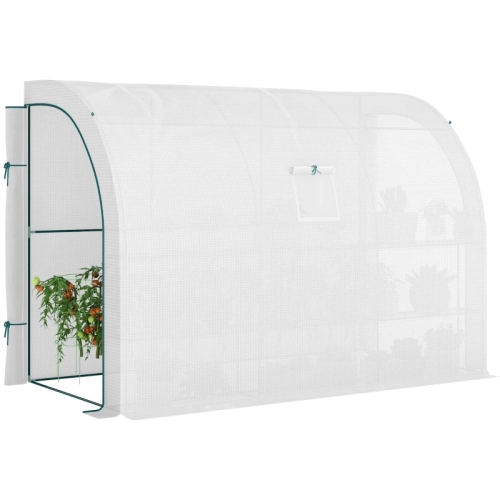

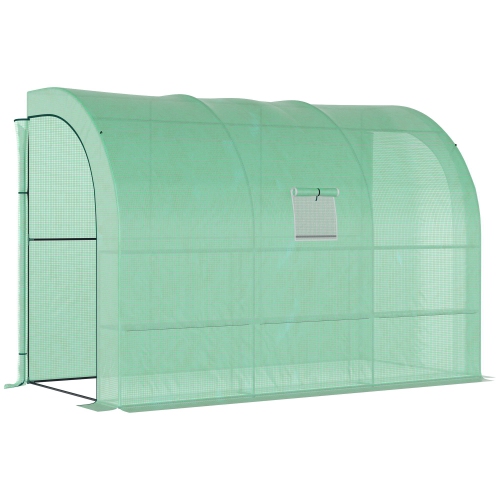


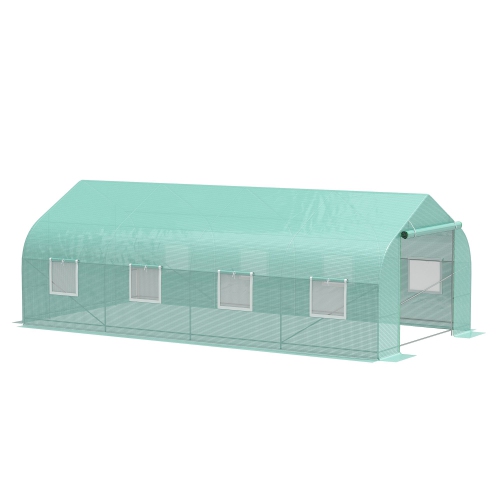
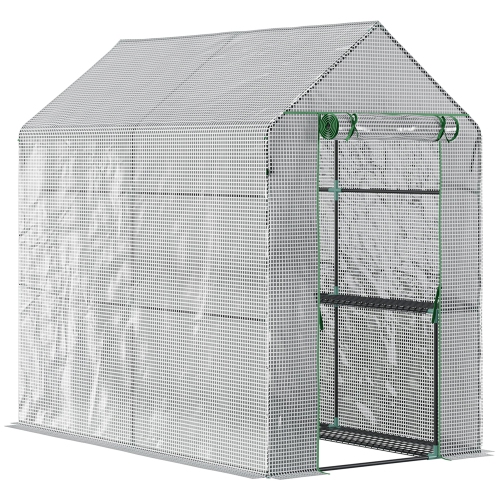
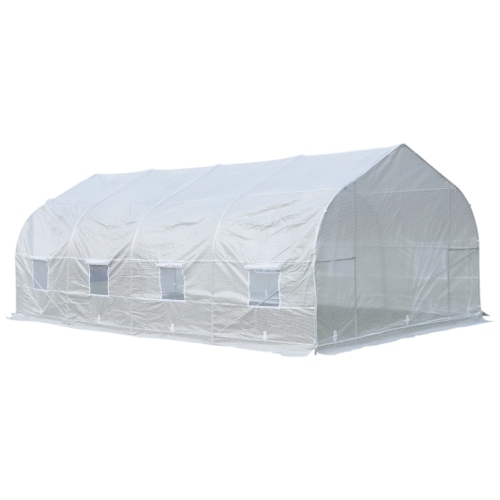
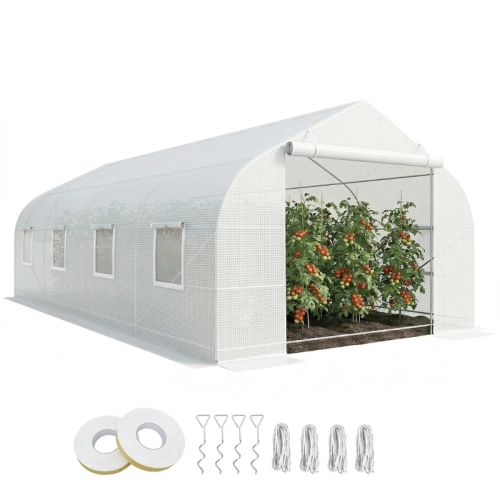
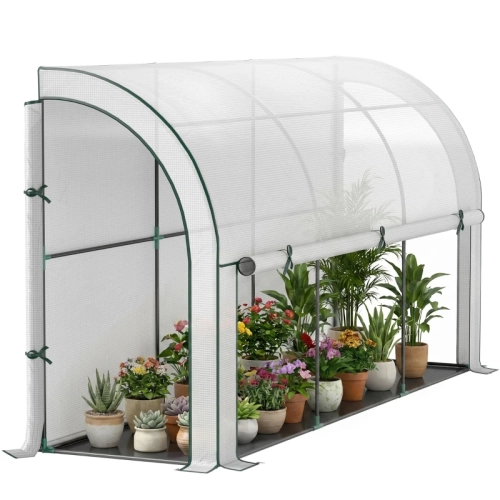
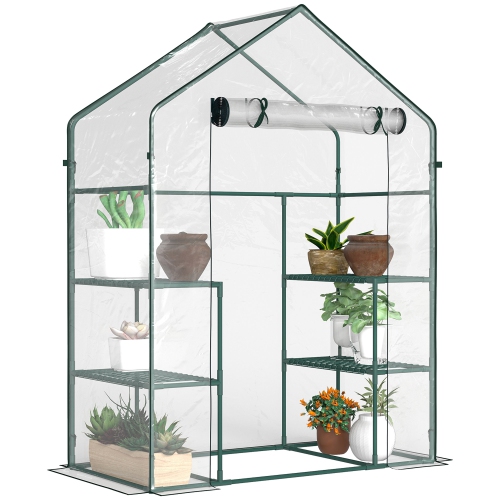
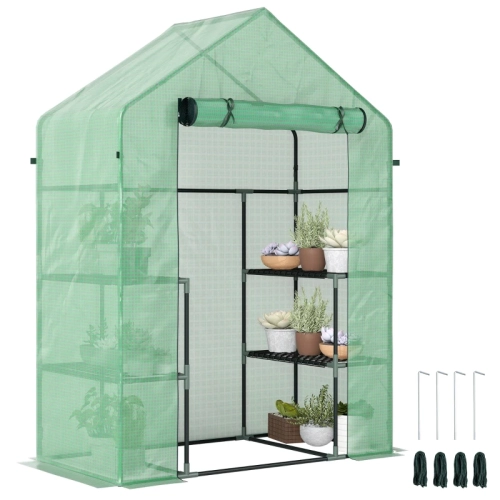

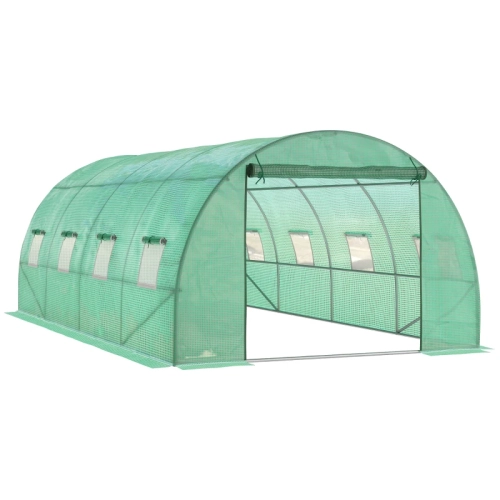
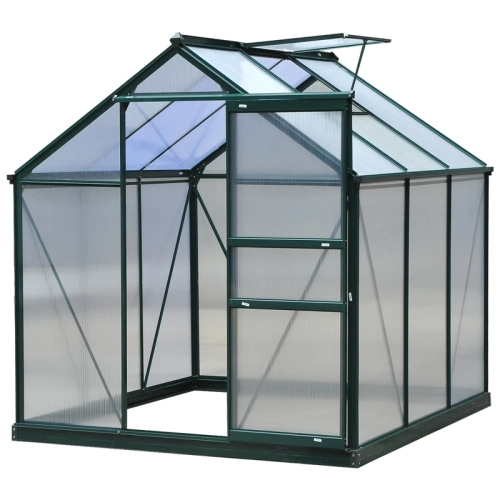
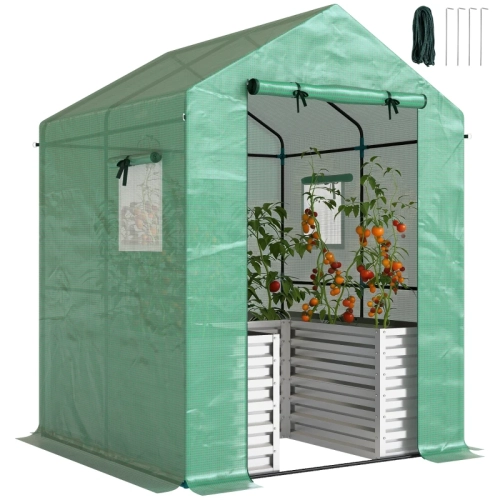
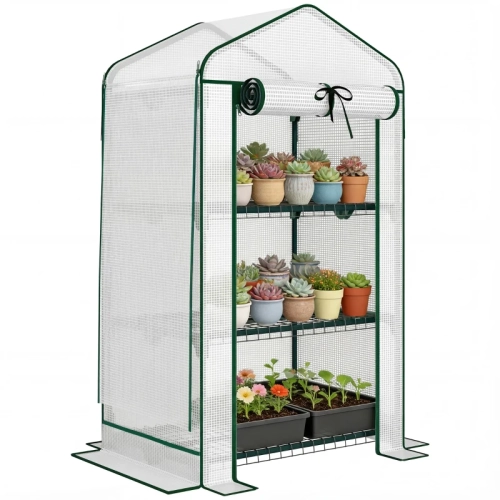
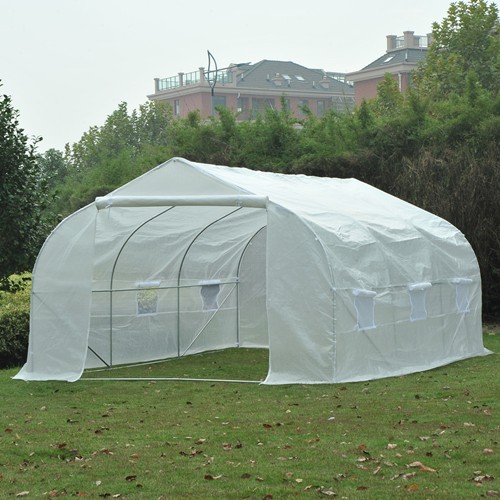
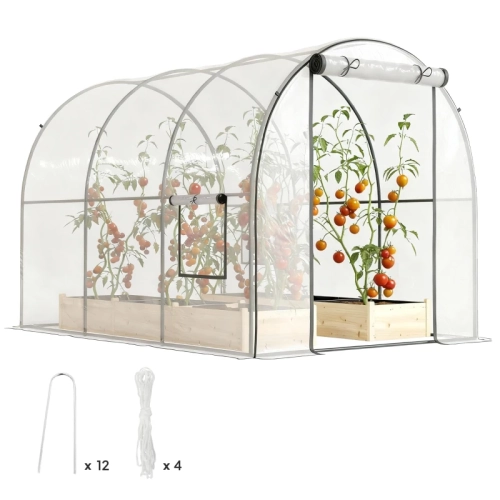
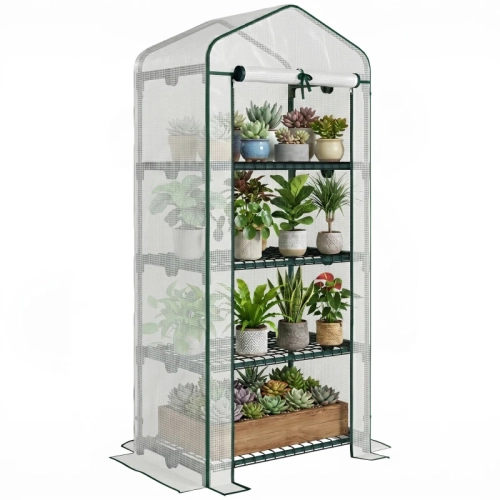
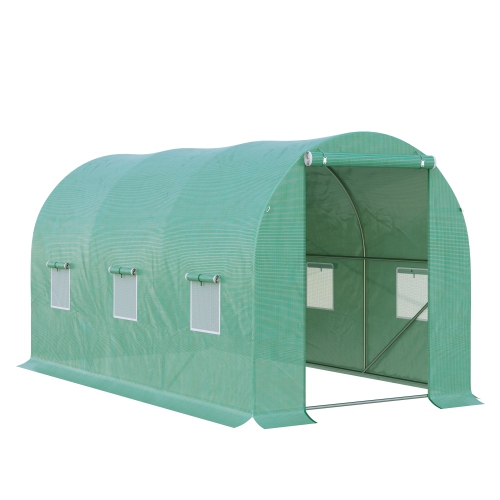
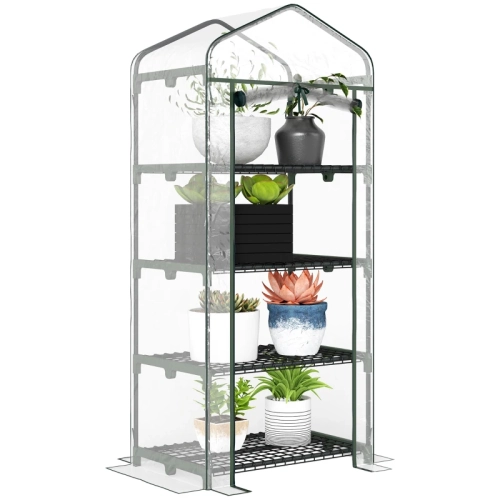
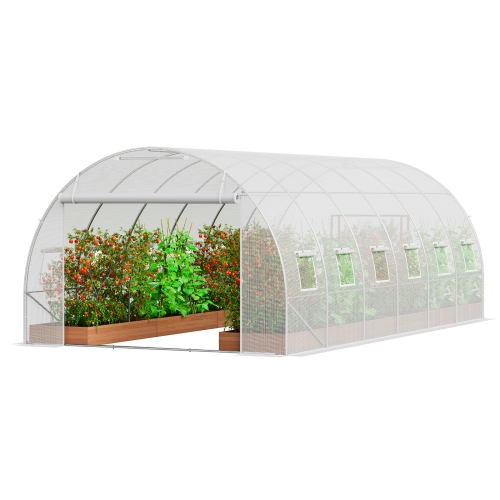
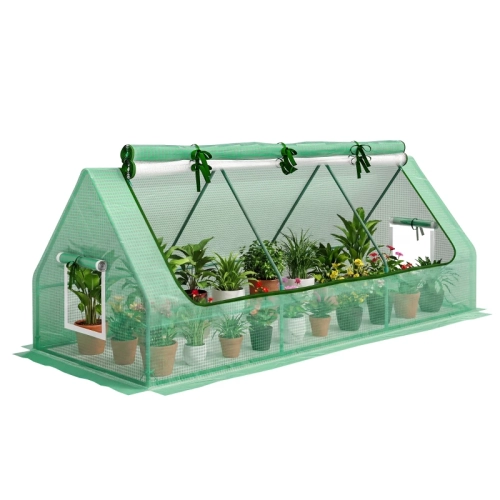
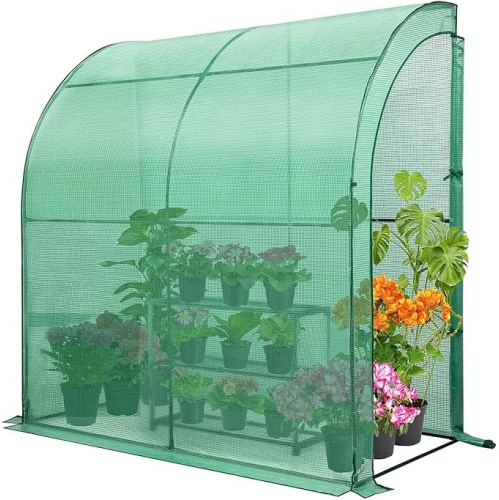
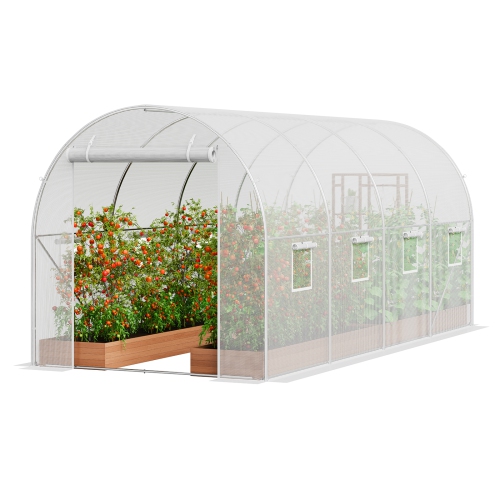
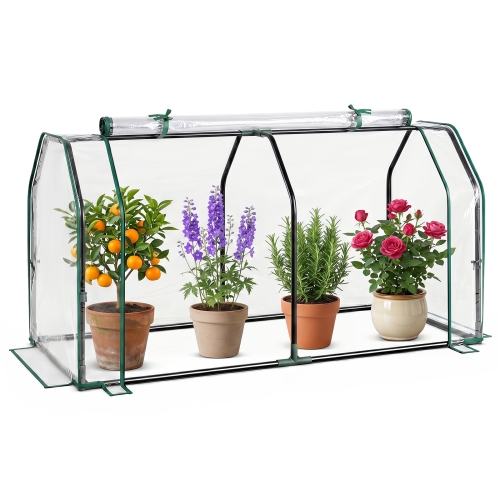
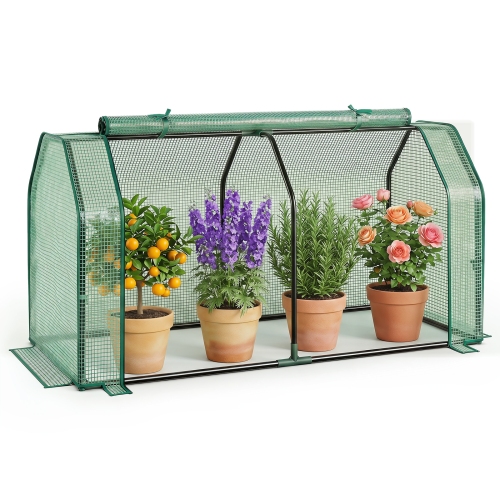


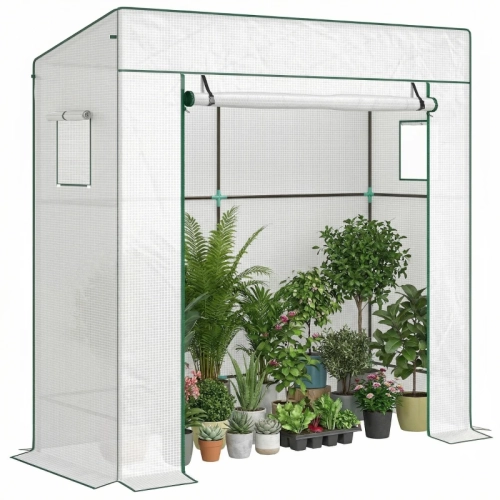
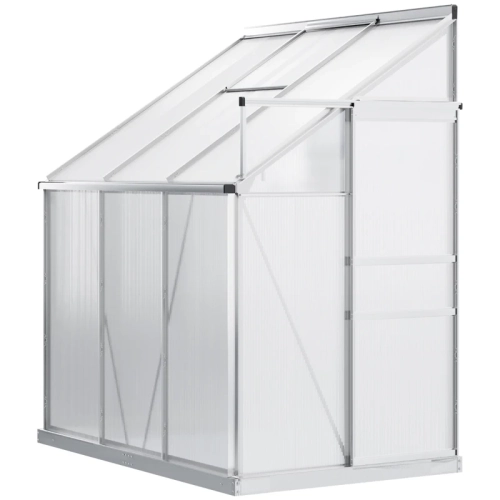

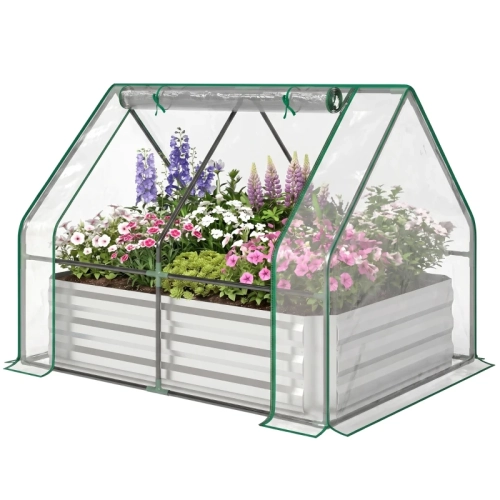
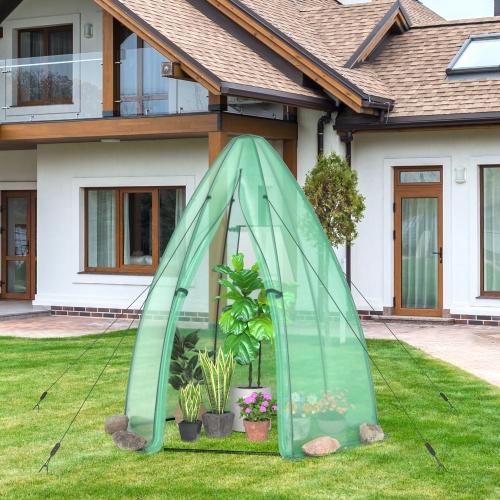
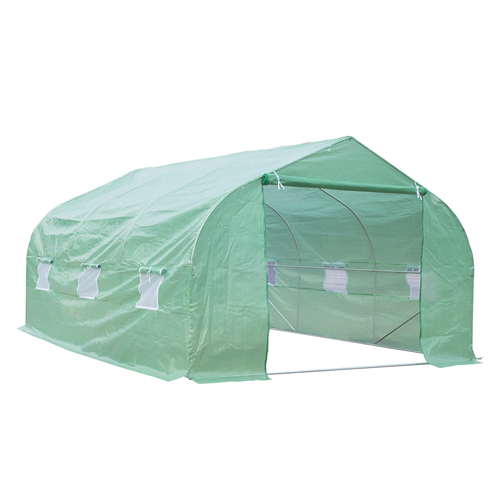

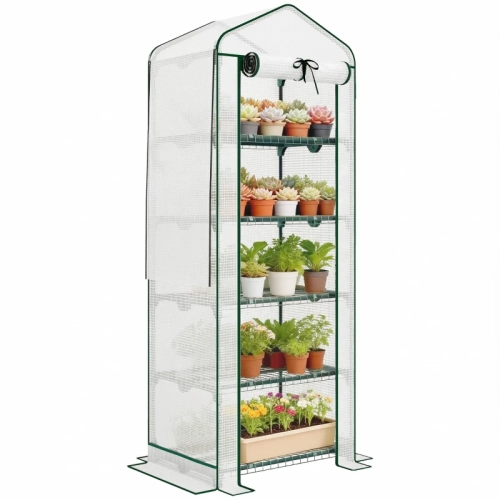


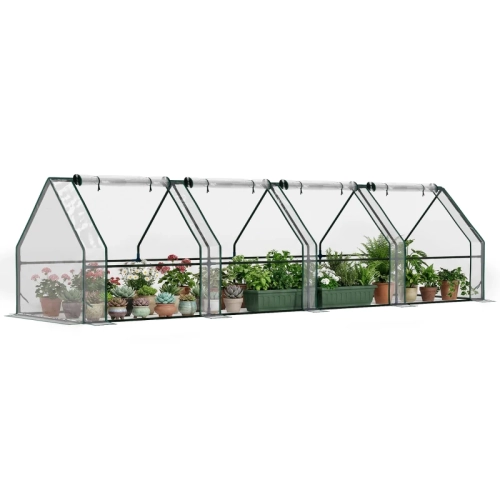


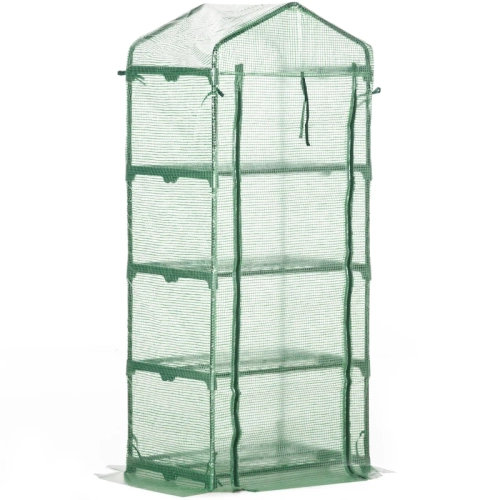

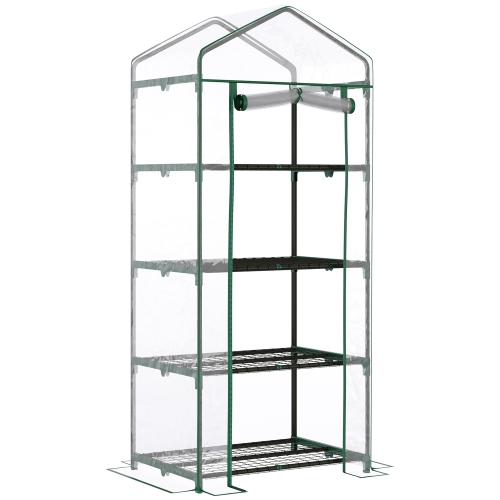
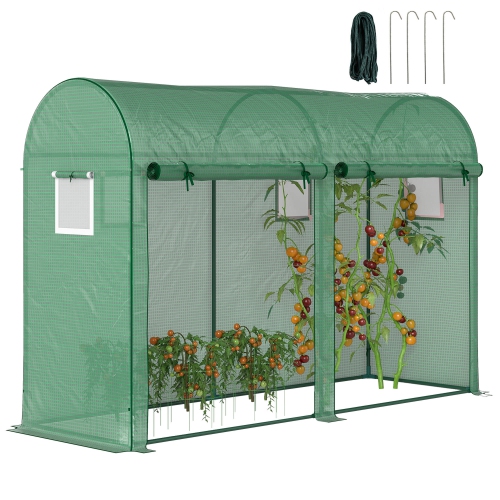


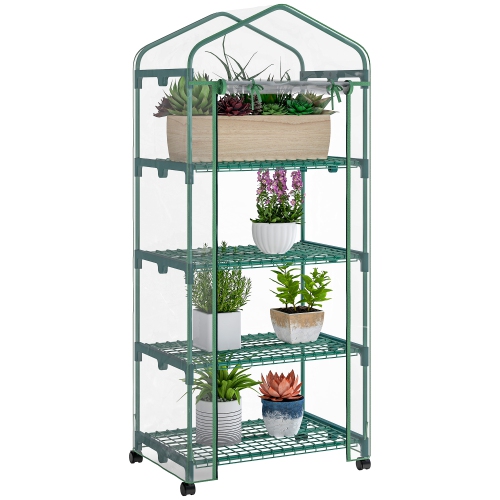
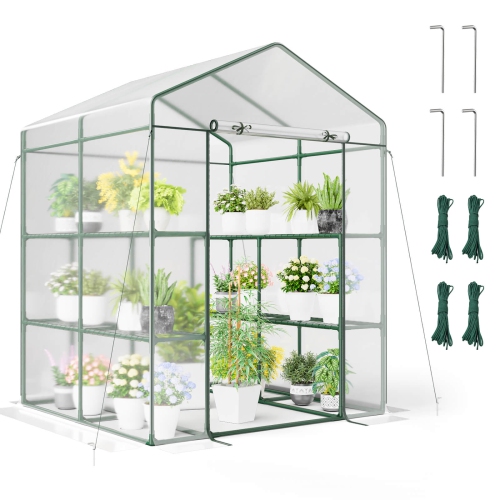


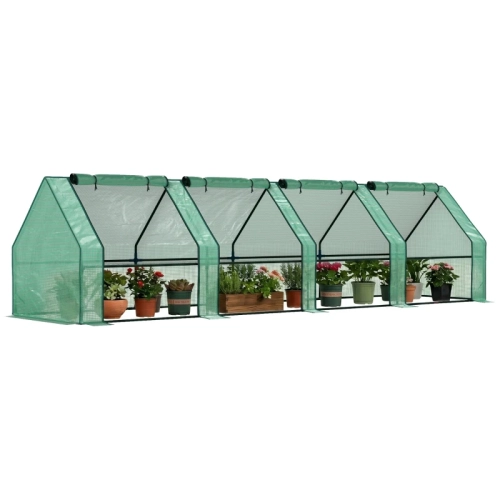
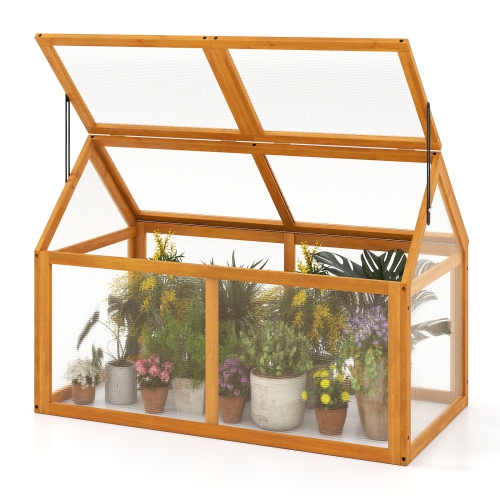


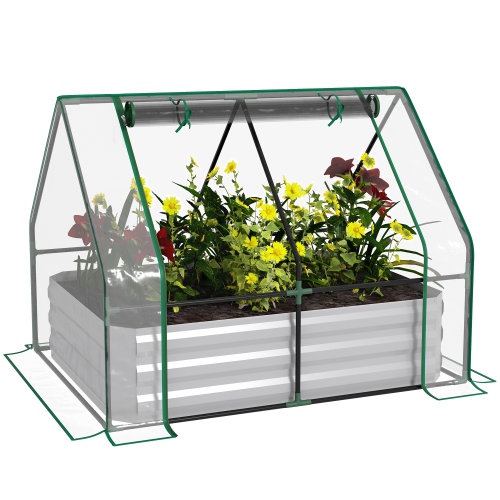

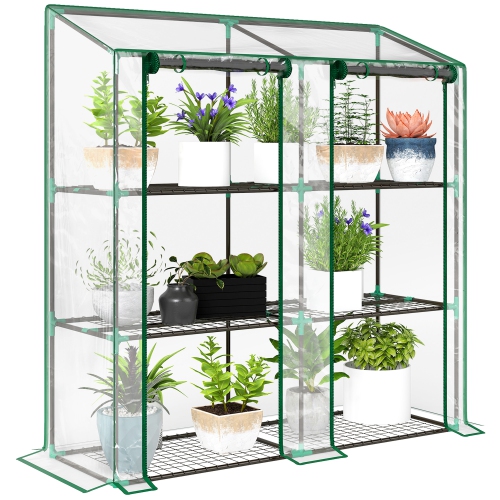


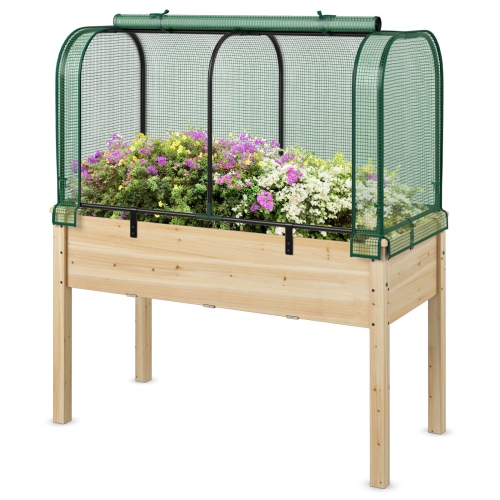
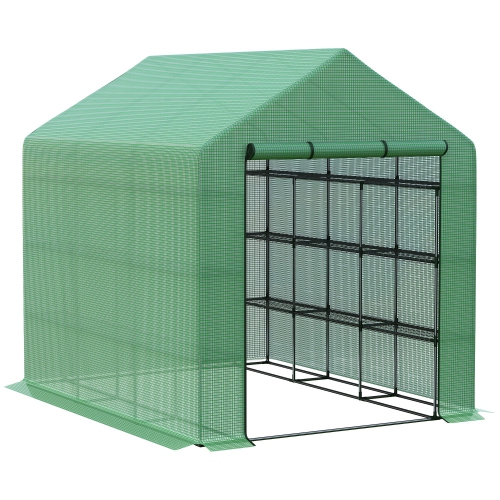

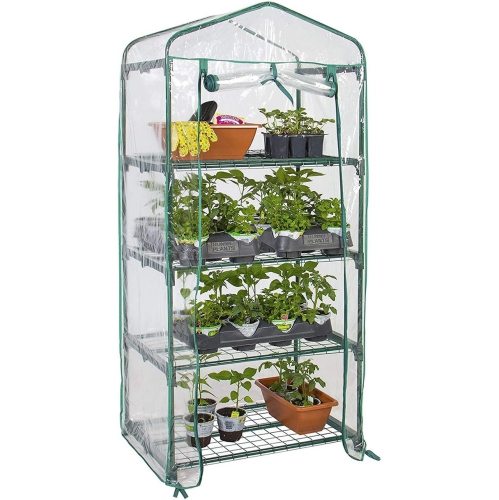

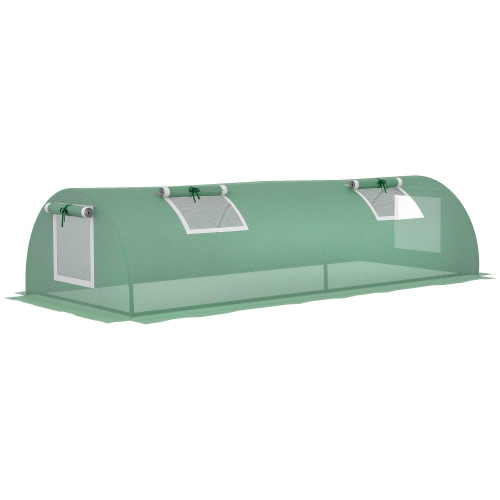
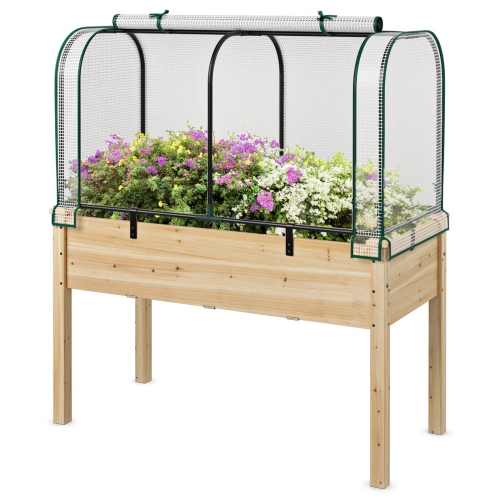
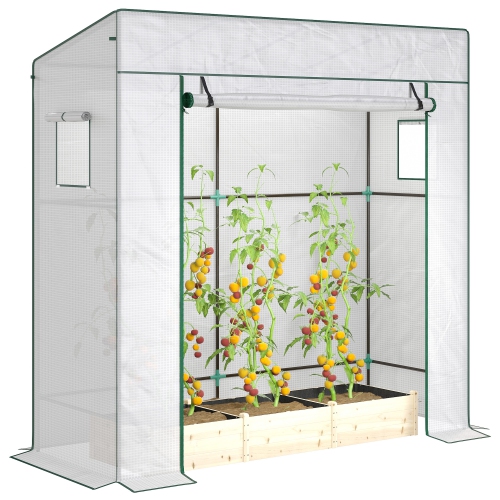
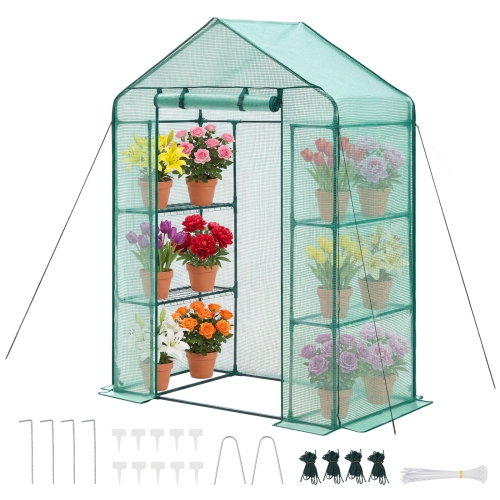
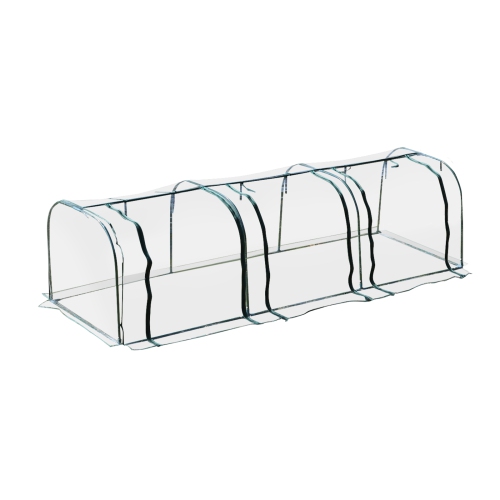
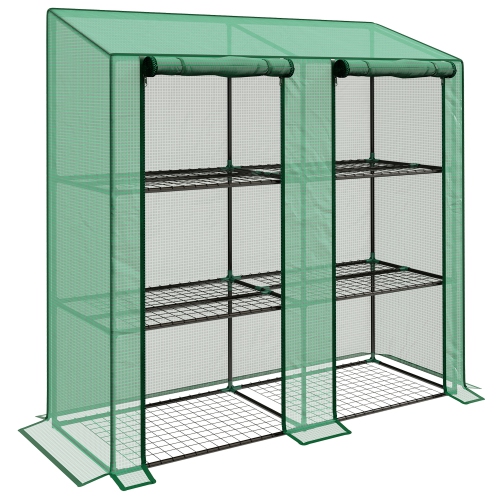


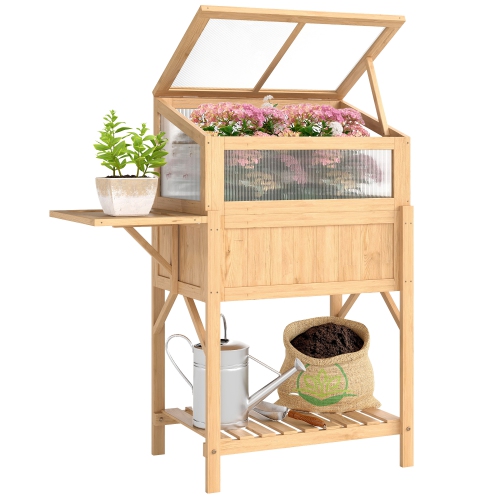
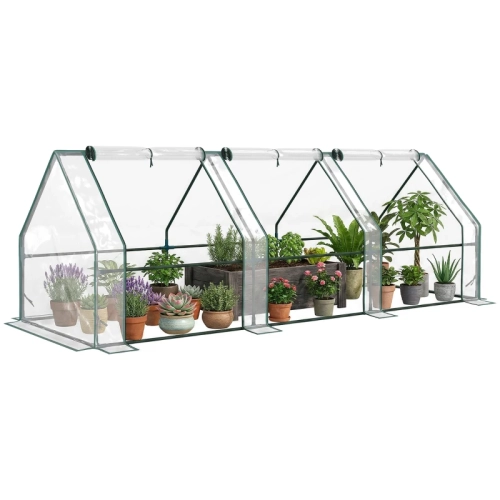
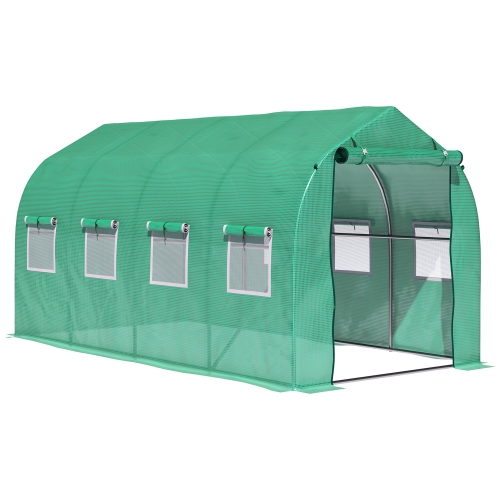

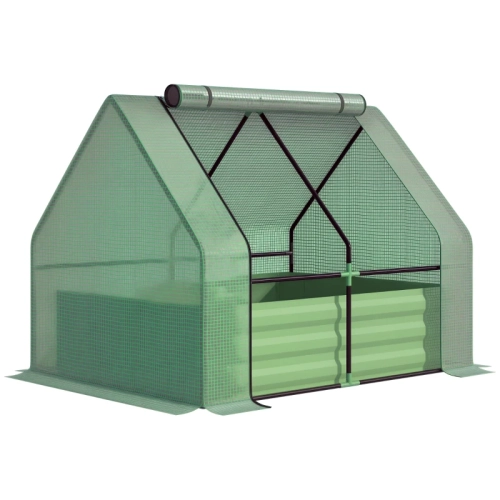
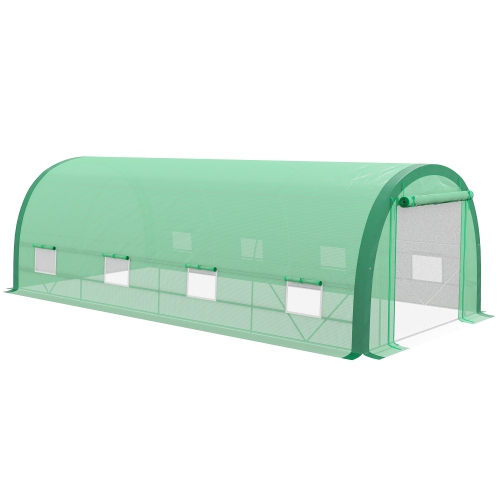
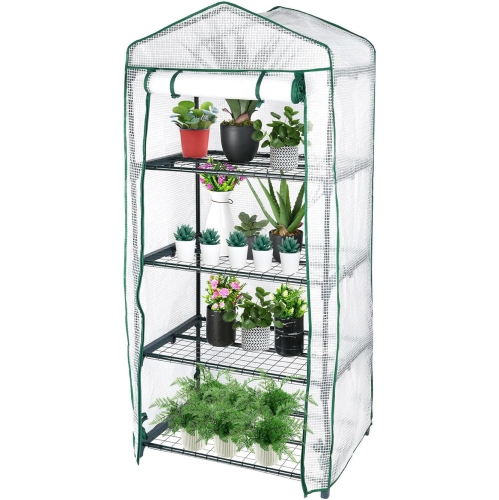
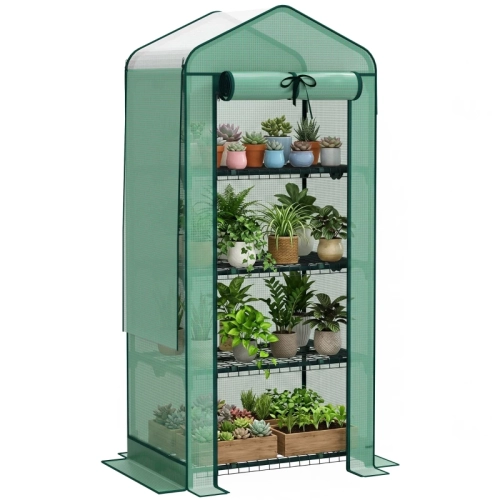
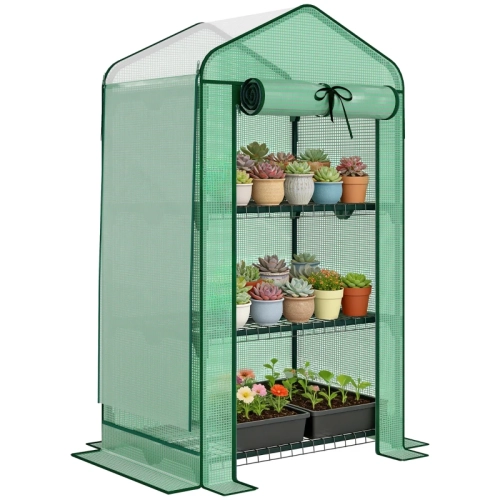

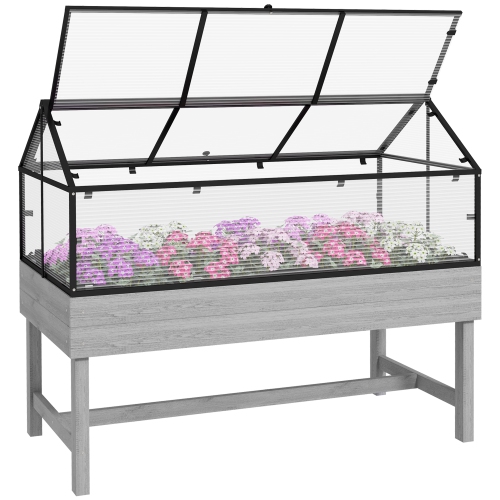
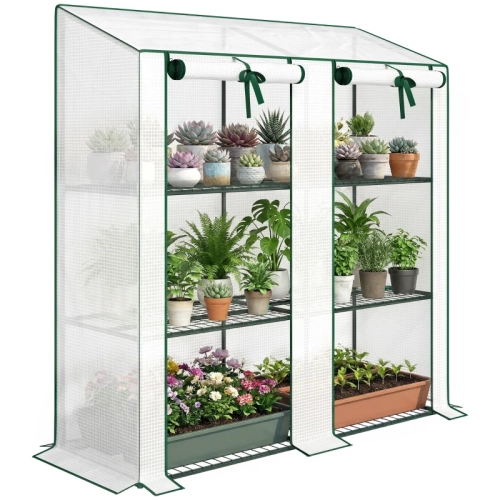

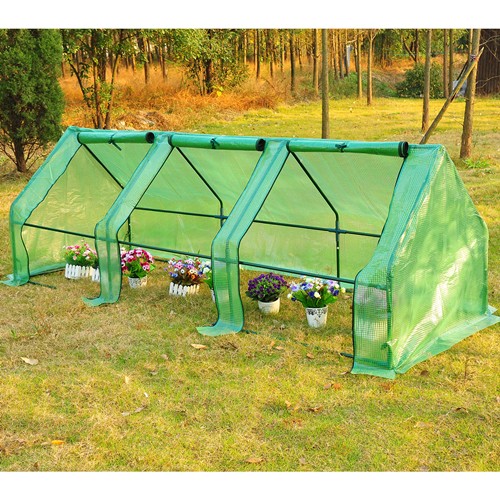
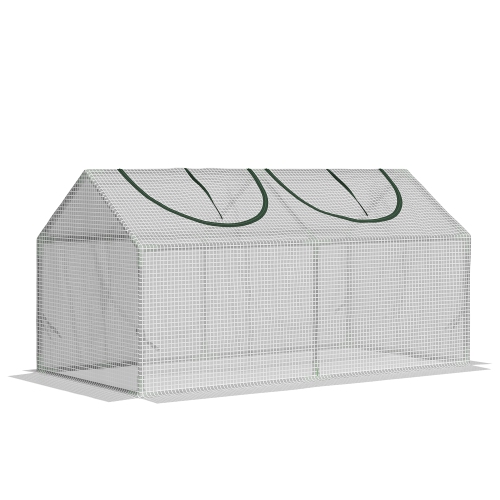
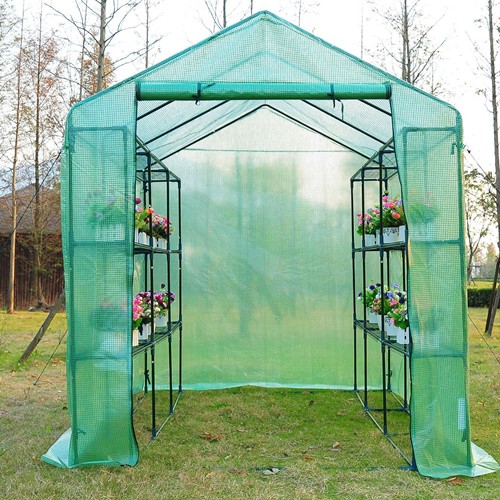
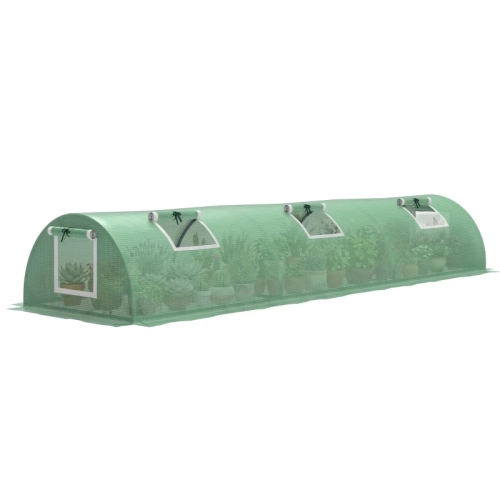
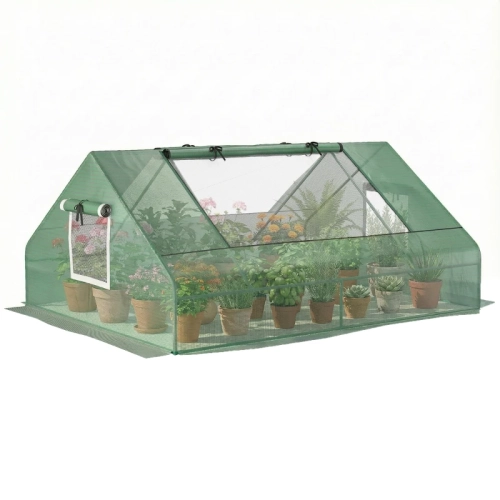

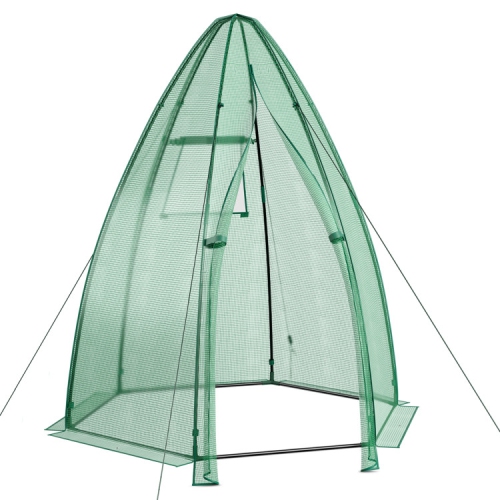
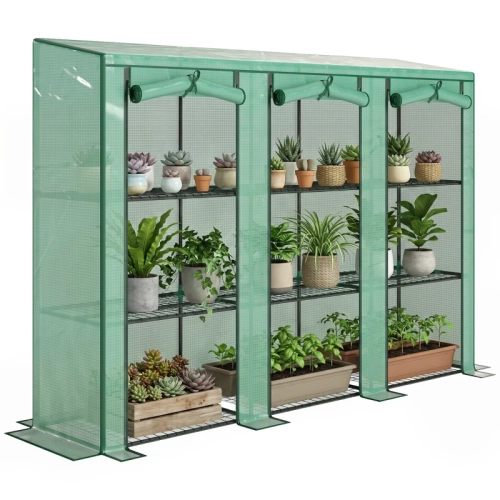
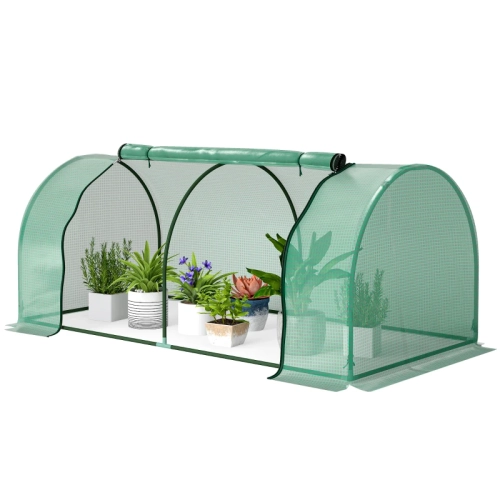
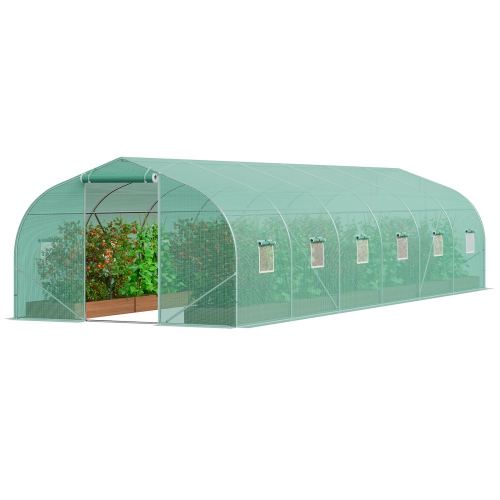
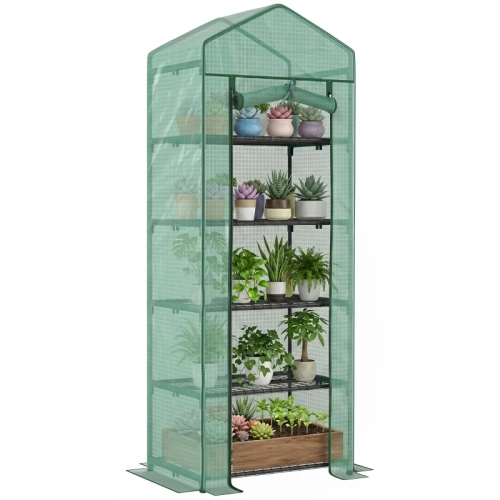
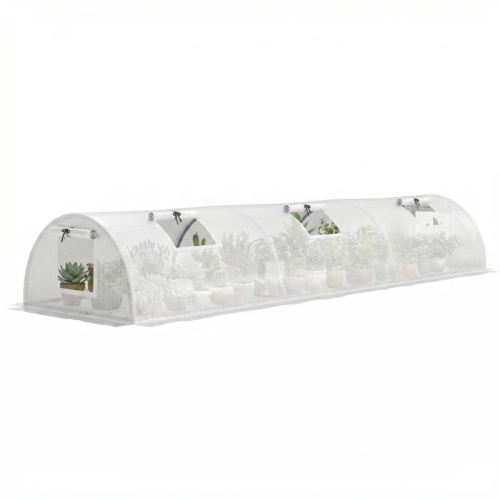
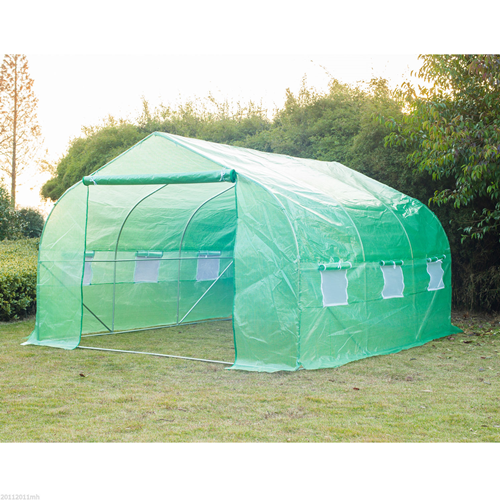
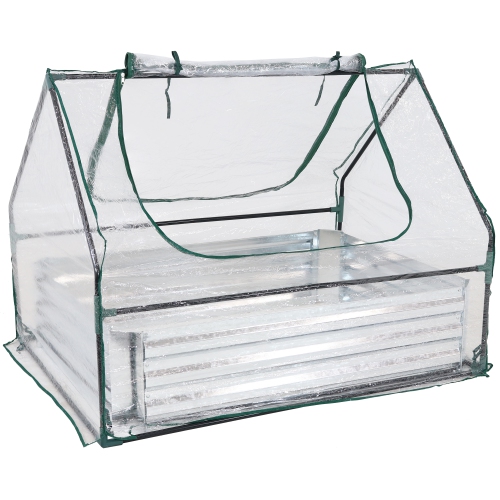
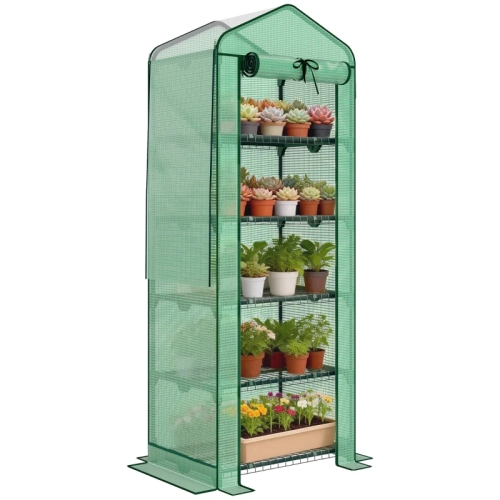

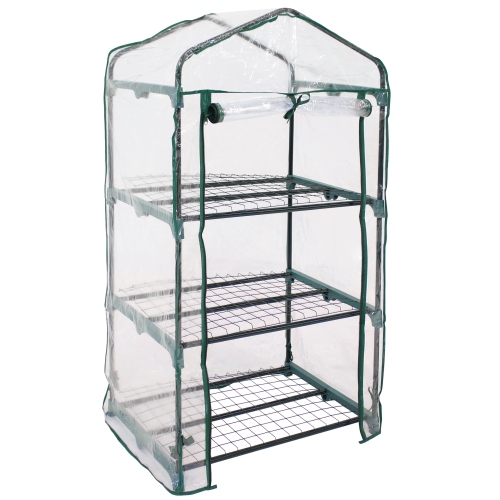
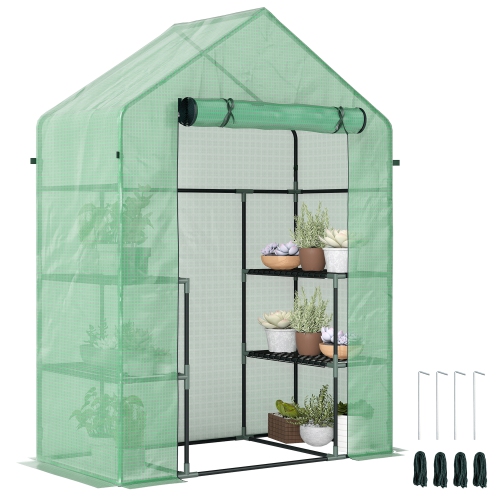
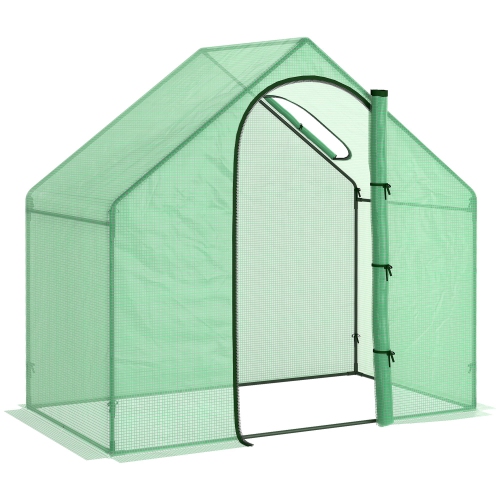

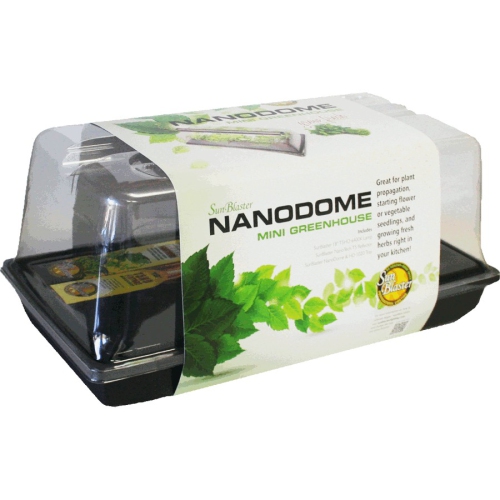
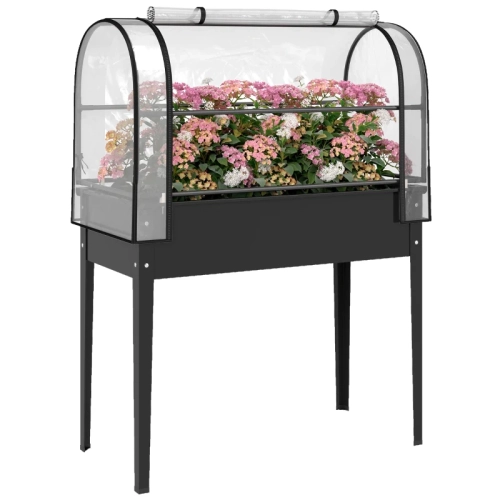
A sheltered growing space shaped around your plants
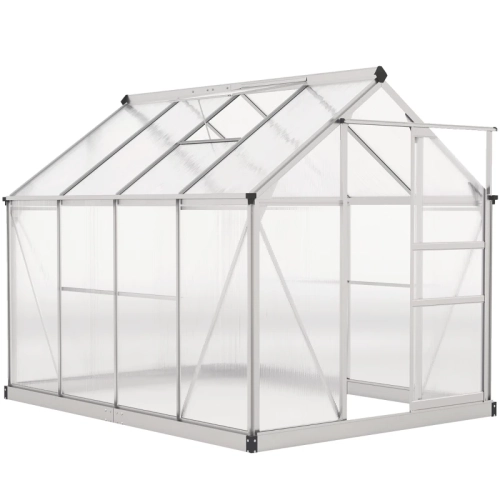
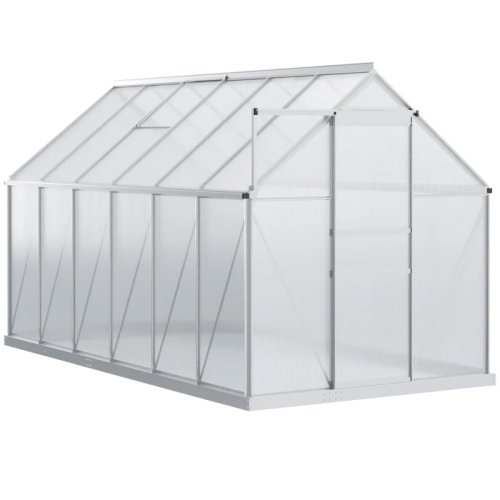
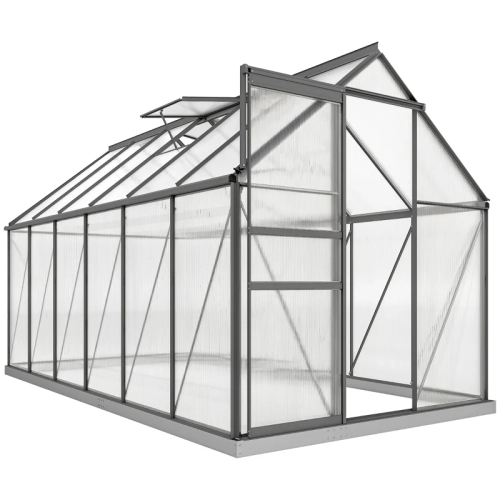
Greenhouse gardening brings plants into a sheltered growing space where light, warmth, airflow, and moisture can be managed more closely than in an open garden. A greenhouse captures warmth from sunlight and offers protection from wind and rain, making it useful for starting seeds, growing vegetables, tending flowers, and giving tender plants extra shelter during cooler weather. That protection has limits: an unheated greenhouse can still fall below freezing overnight, particularly during Canadian winters, so its suitability depends on the structure, local conditions, and the plants inside. Greenhouse gardening supplies range from growing structures and shelving to containers, watering equipment, and tools for tracking temperature and humidity. The right combination reflects how the space will be used. A few trays of seedlings need a different arrangement from tall tomato plants, while a collection of potted herbs benefits from easy access for watering and harvesting. Compact growing spaces suit smaller yards and patios, provided there is permission to install them and enough room to secure the structure properly. Larger greenhouses offer room for staging benches, wider walkways, and plants at different heights, but their full footprint includes the space needed to open doors and reach exterior panels. For growing within the home, an Indoor Greenhouse setup offers a smaller-scale approach to keeping plants together, with lighting, ventilation, and protection for nearby flooring among the main considerations. Wherever plants are housed, usable space matters more than shelf count alone. Seed trays may fit neatly across a narrow shelf, but leafy growth soon needs clearance above and beside each tray. A comfortable working height, room to carry a filled watering can, and a clear route through the growing area all make everyday care easier. These practical details help greenhouse gardening fit naturally into anything from a modest herb-growing routine to a larger backyard planting project.
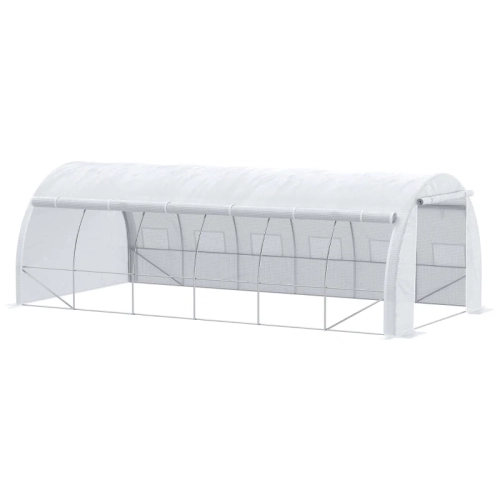
Materials and construction influence how a greenhouse handles daily use and changing weather. Glass provides clear views and good light transmission, though it is heavy and can break on impact. Polycarbonate panels are lighter and impact resistant; multiwall designs also offer more insulation than a single thin layer, with performance varying by panel thickness and construction. Flexible plastic covers are lightweight and practical for some seasonal setups, but their service life depends on material quality, sun exposure, tension, and how they are stored. UV-resistant materials are worth considering for structures that spend long periods outdoors. Frame materials bring their own care needs: aluminium is relatively light and resists rust, coated steel offers strength but needs attention where its finish is damaged, and timber requires a finish and maintenance suited to damp conditions. Durability also depends on the connections, door hardware, panel fasteners, and anchoring system rather than the frame alone. For outdoor use in Canada, manufacturer wind and snow-load ratings deserve close attention; a lightweight seasonal enclosure is not interchangeable with a structure designed for winter exposure. A flat, stable, well-drained base helps doors operate properly and keeps standing water away from the growing area. Placement affects performance just as much as materials. Many vegetables benefit from roughly six or more hours of direct sunlight, although requirements vary by crop and season, and trees or nearby buildings can cast longer shadows during the cooler months. Access to water makes routine care more convenient, while any electrical equipment needs a suitable power supply and a rating appropriate to its installation location. Shelving should support the weight of watered containers, not just empty pots, and surfaces that tolerate moisture are easier to maintain. Removable trays, accessible corners, and replaceable covers or panels can simplify cleaning and repairs. Gentle cleaning methods that follow the material manufacturer’s directions help preserve light transmission without scratching panels or damaging protective finishes.
Successful greenhouse growing depends on balancing warmth with fresh air rather than simply keeping the space closed. Even when outdoor air feels cool, strong sunshine can raise the temperature inside a small enclosure quickly. Roof vents, opening side panels, and appropriately rated circulation fans serve different purposes: vents exchange indoor and outdoor air, while fans help move air around leaves and shelves. Neither replaces adequate spacing between plants. A thermometer with minimum and maximum readings can reveal overnight lows and daytime peaks that a single midday check would miss, and a humidity monitor adds useful context when condensation lingers on panels. Moisture needs vary by plant and growth stage, so there is no single humidity setting that suits every greenhouse. Covered seed trays may benefit from higher humidity during germination, while established plants generally need more airflow and enough space for foliage to dry. Supplemental heating may help protect suitable plants on cold nights, but the heater must be designed for the intended setting, correctly sized, and used according to its safety instructions. Lettuce, spinach, and kale suit cooler growing conditions, whereas tomatoes, peppers, and cucumbers need sustained warmth and enough room for their mature growth. Containers with drainage holes and a potting mix suited to the crop support root health; ordinary garden soil can compact in pots and drain poorly. Watering tools with a gentle flow are useful around small seedlings, while saucers and catch trays help manage runoff without leaving roots standing in water. Clean pots, washable trays, and tools that are easy to wipe down make routine care more manageable, especially when several batches of plants share the same space. During the cooler months, watering needs often decrease as light levels and growth slow, though heated spaces and small containers may dry differently. For a gardener receiving greenhouse supplies as a gift, compatibility is especially valuable: shelf dimensions, container sizes, available working space, and the plants they enjoy growing matter more than adding extra equipment. A well-matched setup supports the small, satisfying tasks that define greenhouse gardening, from checking new shoots before breakfast to gathering fresh leaves for dinner.
Top selling and popular products
-
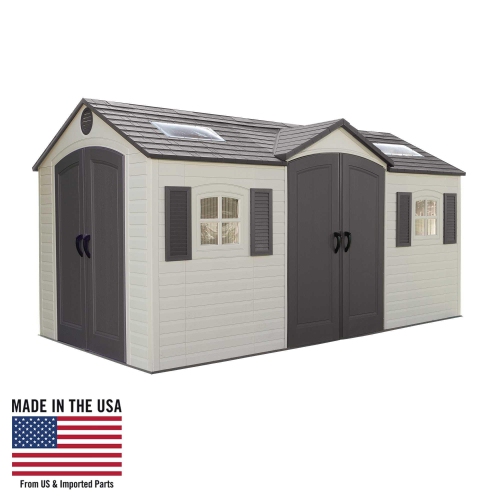 Your price for this item is $3999
-
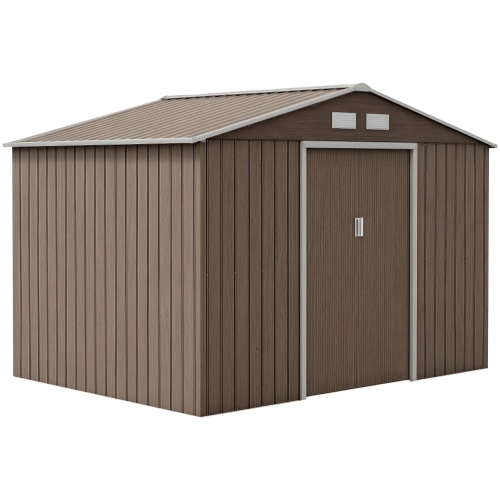 Your price for this item is $554.99
-
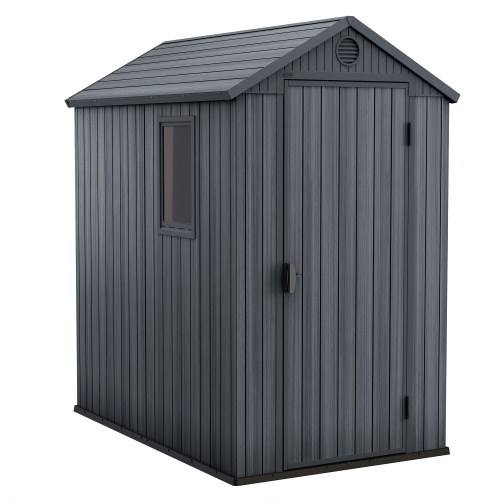 Your price for this item is $980.99
-
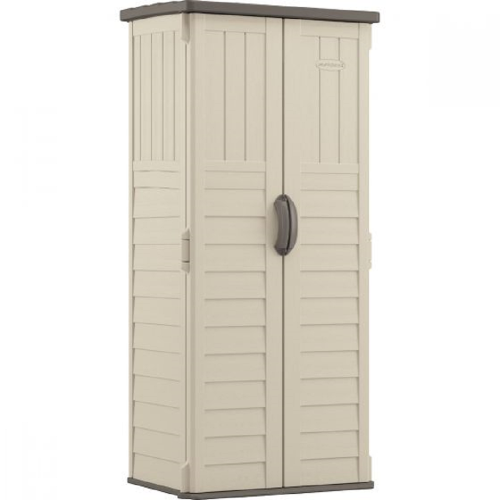 Your price for this item is $385.99
-
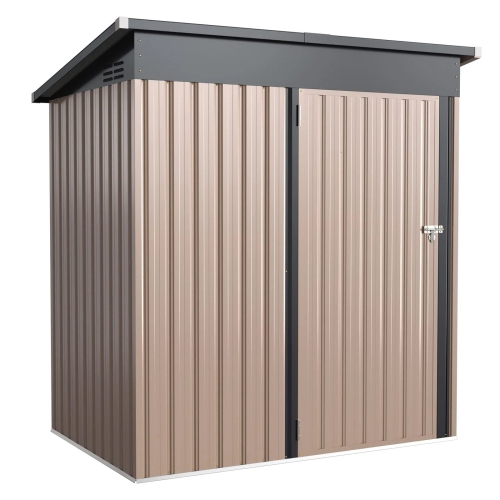 Your price for this item is $179.99
-
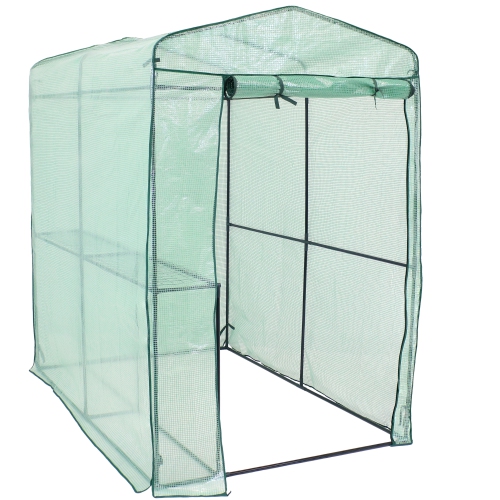 Your price for this item is $113.35
-
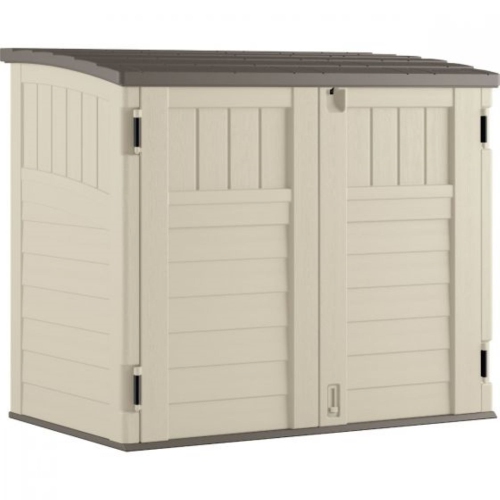 Your price for this item is $459.99
-
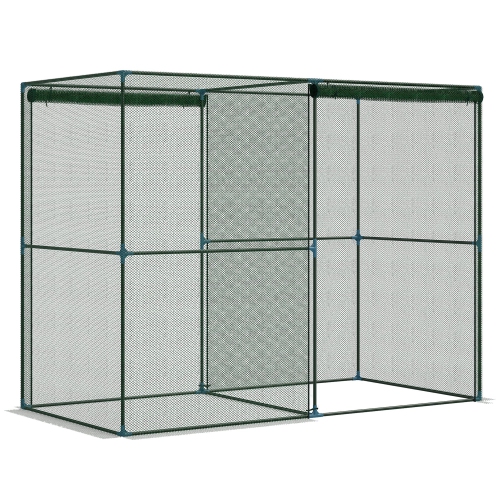 Your price for this item is $74.99
Discover more categories related to Greenhouse Gardening
Top Collections:
Pokemon Centers, Best Cameras for Sports Photography, Kindle Devices, Samsung Galaxy Phones, Canon G7X Cameras, Pokémon 30th Celebration Cards, Refurbished Apple Laptops, iPhone 15 Apple, Laptops for Students, Budget Smartphones
Some products may be subject to Environmental Handling Fees
(EHF) depending on your province.
Learn more about EHFs.