Colored Stools
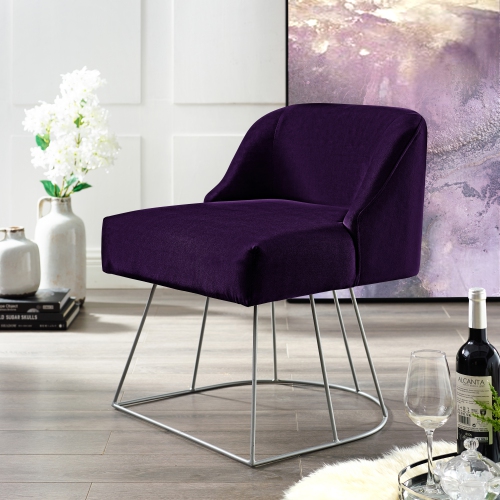
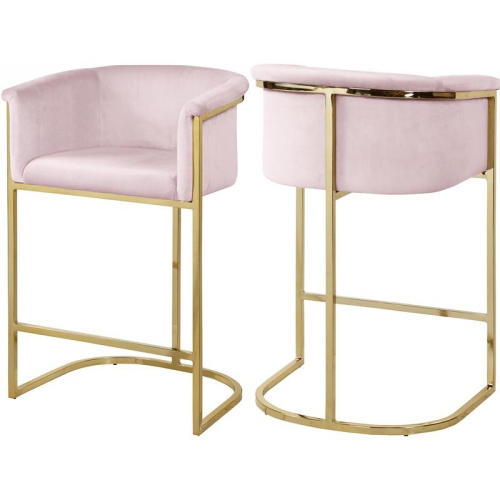
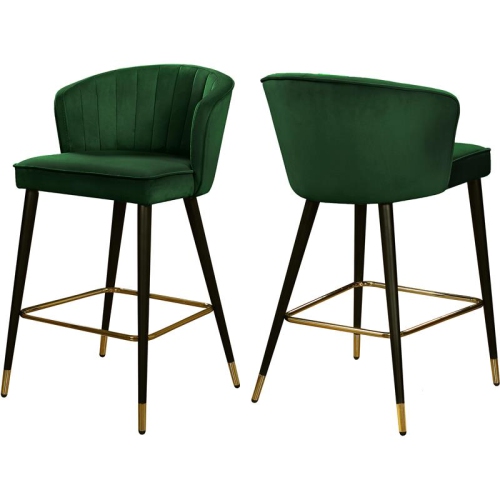
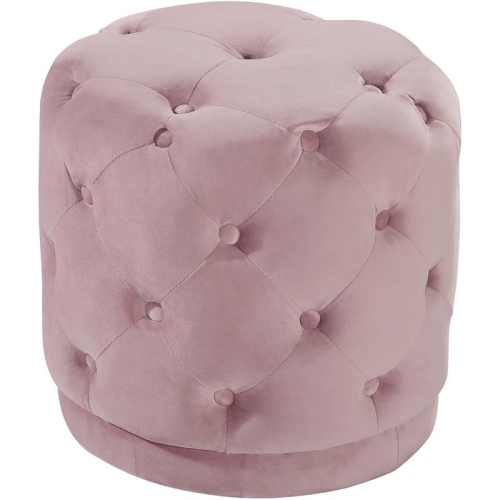
Looking to add a pop of color and style to your home decor? Explore our collection of colored stools that are not only functional but also stylish additions to any room. Whether you're looking for a bold statement piece or a subtle accent, our range of colored stools offers versatility to match your unique taste and decor preferences. From vibrant hues to muted tones, find the perfect colored stool to complement your living space, kitchen, or home bar. Browse through our selection and discover the perfect piece to elevate your interior design.
Sort
How seat colour changes the feel of a room
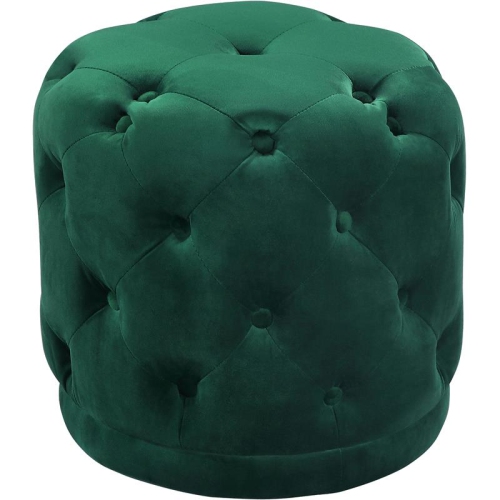
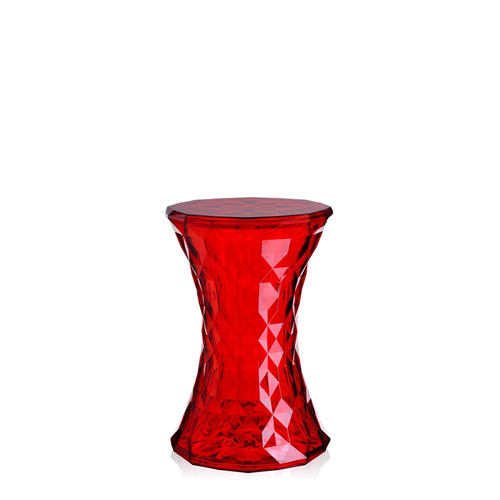
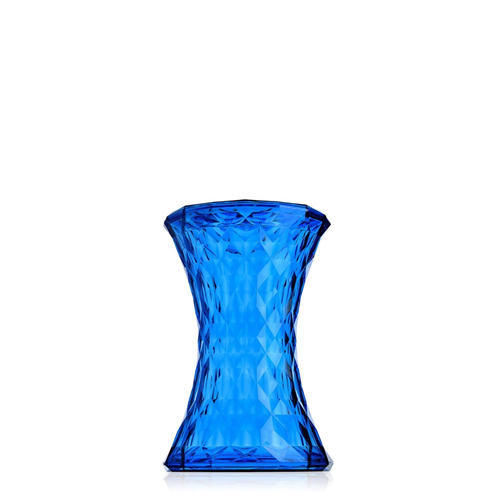
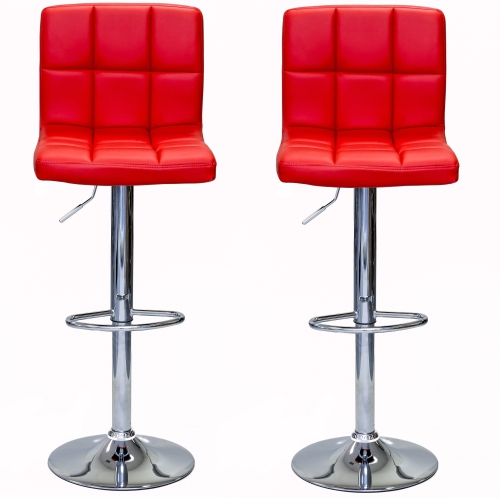
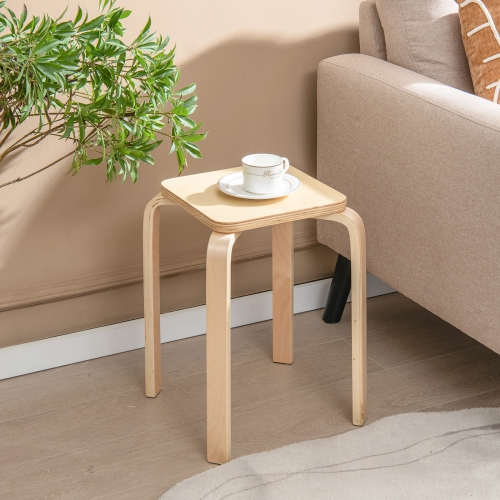
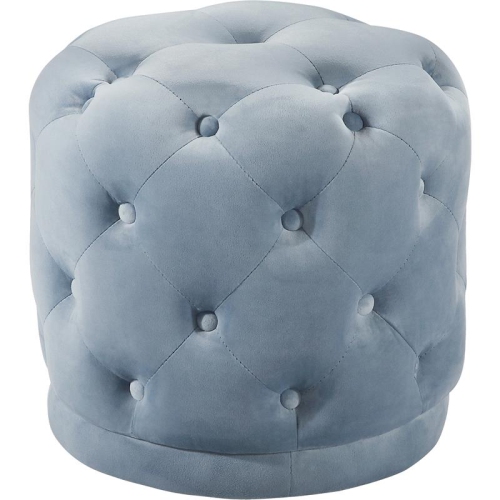
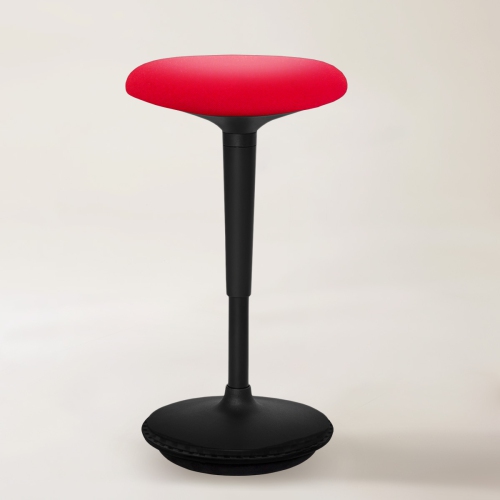
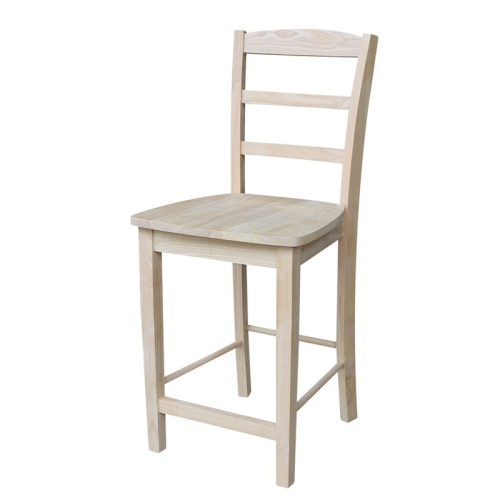
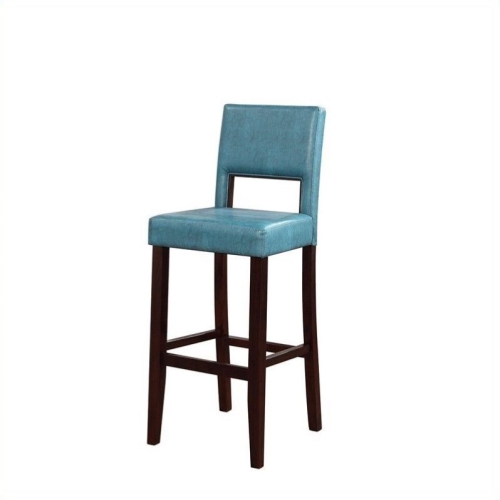
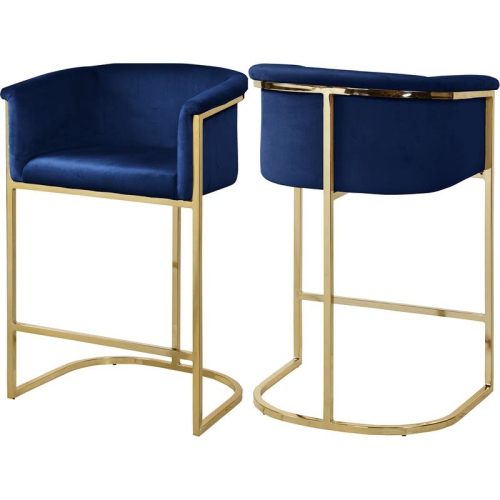
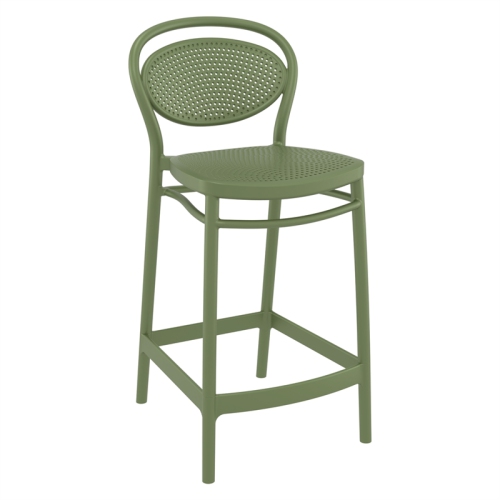
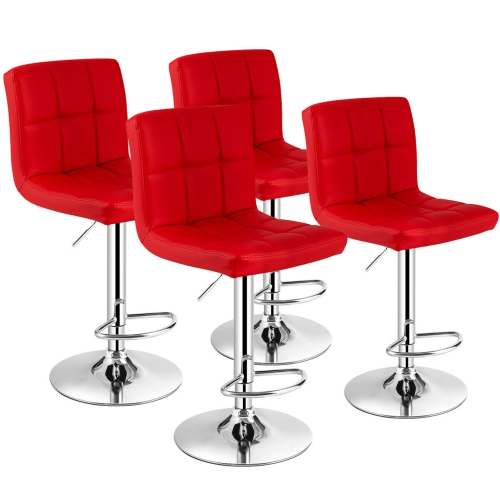
Coloured stools bring useful seating and a distinct sense of personality to kitchen islands, breakfast counters, home bars, and other gathering spaces. A row of blue seats can soften the look of pale cabinetry, while mustard yellow or orange adds a lively accent beside wood and dark metal. Green upholstery pairs naturally with warm wood tones, and pink or lavender can introduce a softer contrast to a room with crisp, angular furniture. Colour does not have to dominate the room to make an impression: a painted frame beneath a neutral seat offers a smaller accent, while a fully upholstered stool creates a broader block of colour. For a bold focal point, red stools can stand out against white counters, charcoal cabinets, or brushed metal finishes. Repeating a seat colour in a nearby piece of artwork or a patterned rug helps connect the seating to the rest of the room without making everything match. Mixing colours can work just as well, particularly when the stools share the same height, frame shape, or material. Two complementary shades create a measured contrast, while a single colour across several stools gives a busy kitchen a more unified appearance. The finish also affects how the colour reads. Glossy painted surfaces catch the light and make bright shades feel more pronounced; matte finishes appear quieter, and woven upholstery introduces texture that can soften a saturated hue. A compact backless silhouette leaves more of the surrounding cabinetry visible, whereas a tall upholstered back becomes a noticeable part of the room’s colour scheme. Beyond kitchens, lower accent stools can provide occasional seating in a living room or a place to sit while putting on shoes in a bedroom. The most suitable style depends on whether the stool will be a daily seat, a gathering spot for guests, or a small accent that moves between rooms.
Seat height and the space around each stool have a direct effect on everyday comfort. Counter-height stools generally suit kitchen counters, while bar-height stools are intended for taller surfaces; those descriptions are useful starting points, but the actual measurements matter more than the label. A practical fit often leaves about 10 to 12 inches between the top of the seat and the underside of the counter, allowing room for legs without placing the sitter too far below the work surface. Thick aprons, drawers, support brackets, and shallow overhangs can reduce usable knee space, even when the overall counter height looks suitable. Seat width matters too, especially when several people sit together for breakfast or a conversation over coffee. Leaving roughly 6 inches between the edges of adjacent seats is a useful starting point, with additional clearance for arms or swivel movement. A narrow seat may tuck neatly into a small kitchen, but a wider, gently contoured seat can feel more comfortable during longer meals. Backless stools are easy to slide beneath a generous overhang and keep sightlines open across an adjoining living area. Low backs offer some support without adding much visual height, while taller backs and padded seats better suit people who linger at the counter. Armrests provide another resting point, though they may prevent a stool from sliding fully beneath the surface. Swivel seats make it easier to turn towards someone in the room, but they need clearance from cabinet doors, walls, and neighbouring seats. Adjustable-height designs can accommodate different surfaces within their stated range, with a secure mechanism and a stable base remaining important considerations. For a fixed-height stool, a well-positioned footrest helps prevent feet from dangling. Children, older adults, and anyone with limited mobility may need seating that is easier to get onto and remains stationary, rather than a tall stool with a freely rotating seat. A stool intended for sitting should never substitute for a step stool.
Materials determine much of a coloured stool’s feel, upkeep, and long-term appearance. Painted wood can bring warmth and a familiar furniture-like character to a kitchen, with grain or shaped legs adding detail beneath the colour. Metal frames often create a slimmer outline, and a well-applied powder-coated finish provides a coloured surface suited to regular use. Moulded plastic seats can offer smooth curves and straightforward cleaning, although care requirements and weight limits vary by design. Upholstered seats add softness and introduce different textures: tightly woven fabric has a tailored appearance, while velvet can show subtle shifts in shade as its pile catches the light. Faux leather provides a relatively smooth surface for wiping away everyday marks, but it still needs care appropriate to its finish to help prevent cracking or peeling. In a household where stools see frequent snack spills, seams, tufting, and deep channels can take more attention to clean than a simple seat shape. Crumbs tend to collect where the seat meets the back, and lower crossbars often pick up marks from shoes. A soft cloth and cleaning products approved for the material help protect both colour and texture; abrasive pads or strong chemicals may dull finishes or damage upholstery. Promptly blotting spills, rather than rubbing them into fabric, can reduce staining, while regular dusting keeps grit from building up around joints and moving parts. Durability also depends on construction, including secure connections, a balanced base, and a stated weight capacity suited to the intended user. Periodic checks of assembly hardware can help keep a frequently used stool steady. Floor protectors should suit the flooring beneath them and remain free of trapped debris that could scratch the surface. Indoor seating belongs indoors unless its materials and construction are specifically rated for outdoor use. Stackable designs can be useful where extra seating is brought out for company, provided they are stacked as intended to protect the finish. With the right proportions, comfortable support, and manageable care needs, coloured stools can serve as hardworking everyday furniture while giving a room a more personal, expressive look.
Seat height and the space around each stool have a direct effect on everyday comfort. Counter-height stools generally suit kitchen counters, while bar-height stools are intended for taller surfaces; those descriptions are useful starting points, but the actual measurements matter more than the label. A practical fit often leaves about 10 to 12 inches between the top of the seat and the underside of the counter, allowing room for legs without placing the sitter too far below the work surface. Thick aprons, drawers, support brackets, and shallow overhangs can reduce usable knee space, even when the overall counter height looks suitable. Seat width matters too, especially when several people sit together for breakfast or a conversation over coffee. Leaving roughly 6 inches between the edges of adjacent seats is a useful starting point, with additional clearance for arms or swivel movement. A narrow seat may tuck neatly into a small kitchen, but a wider, gently contoured seat can feel more comfortable during longer meals. Backless stools are easy to slide beneath a generous overhang and keep sightlines open across an adjoining living area. Low backs offer some support without adding much visual height, while taller backs and padded seats better suit people who linger at the counter. Armrests provide another resting point, though they may prevent a stool from sliding fully beneath the surface. Swivel seats make it easier to turn towards someone in the room, but they need clearance from cabinet doors, walls, and neighbouring seats. Adjustable-height designs can accommodate different surfaces within their stated range, with a secure mechanism and a stable base remaining important considerations. For a fixed-height stool, a well-positioned footrest helps prevent feet from dangling. Children, older adults, and anyone with limited mobility may need seating that is easier to get onto and remains stationary, rather than a tall stool with a freely rotating seat. A stool intended for sitting should never substitute for a step stool.
Materials determine much of a coloured stool’s feel, upkeep, and long-term appearance. Painted wood can bring warmth and a familiar furniture-like character to a kitchen, with grain or shaped legs adding detail beneath the colour. Metal frames often create a slimmer outline, and a well-applied powder-coated finish provides a coloured surface suited to regular use. Moulded plastic seats can offer smooth curves and straightforward cleaning, although care requirements and weight limits vary by design. Upholstered seats add softness and introduce different textures: tightly woven fabric has a tailored appearance, while velvet can show subtle shifts in shade as its pile catches the light. Faux leather provides a relatively smooth surface for wiping away everyday marks, but it still needs care appropriate to its finish to help prevent cracking or peeling. In a household where stools see frequent snack spills, seams, tufting, and deep channels can take more attention to clean than a simple seat shape. Crumbs tend to collect where the seat meets the back, and lower crossbars often pick up marks from shoes. A soft cloth and cleaning products approved for the material help protect both colour and texture; abrasive pads or strong chemicals may dull finishes or damage upholstery. Promptly blotting spills, rather than rubbing them into fabric, can reduce staining, while regular dusting keeps grit from building up around joints and moving parts. Durability also depends on construction, including secure connections, a balanced base, and a stated weight capacity suited to the intended user. Periodic checks of assembly hardware can help keep a frequently used stool steady. Floor protectors should suit the flooring beneath them and remain free of trapped debris that could scratch the surface. Indoor seating belongs indoors unless its materials and construction are specifically rated for outdoor use. Stackable designs can be useful where extra seating is brought out for company, provided they are stacked as intended to protect the finish. With the right proportions, comfortable support, and manageable care needs, coloured stools can serve as hardworking everyday furniture while giving a room a more personal, expressive look.
Top selling and popular products
-
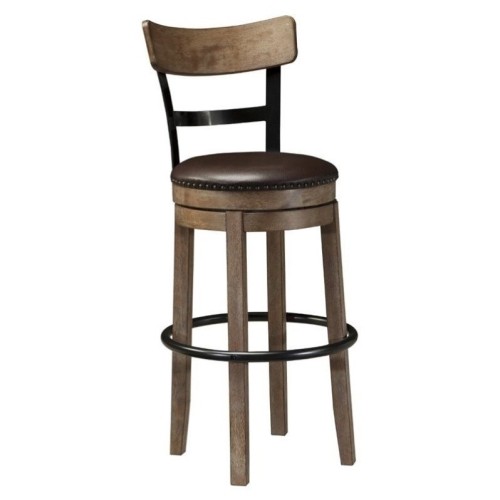 Your price for this item is $416.61
 -
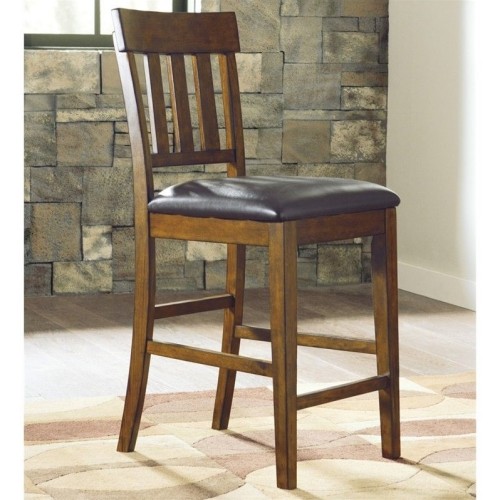 Your price for this item is $666.4
 -
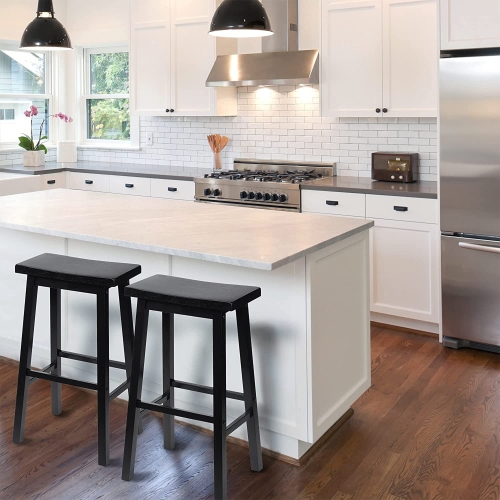 Your price for this item is $538.99
 -
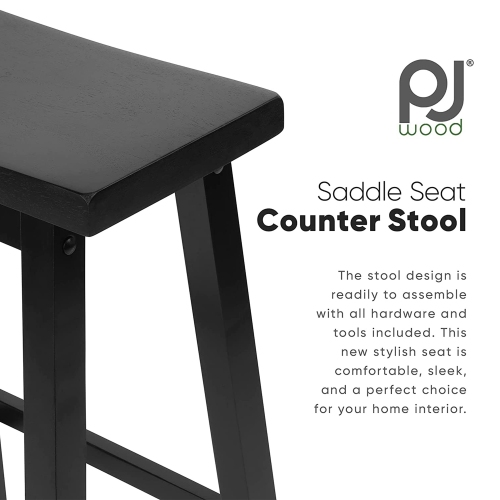 Your price for this item is $207.99
 -
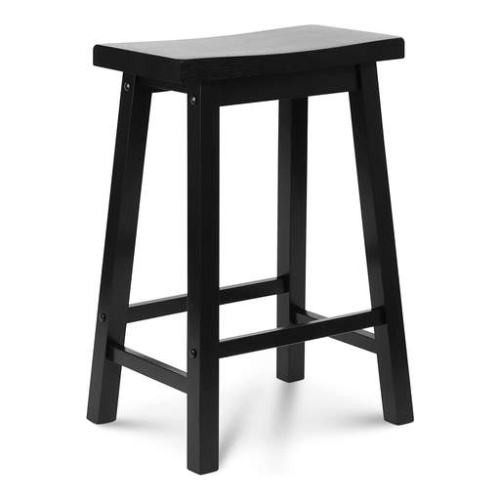 Your price for this item is $88.99
 -
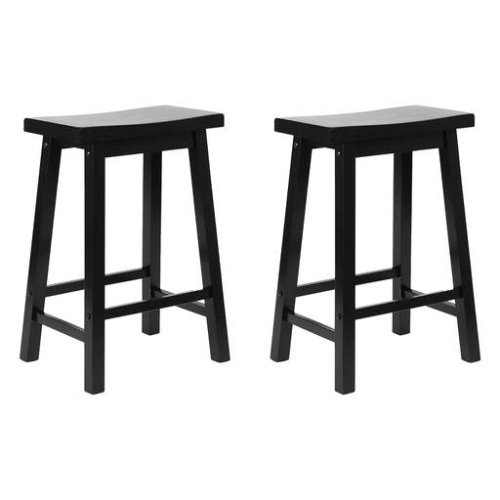 Your price for this item is $214.99
 -
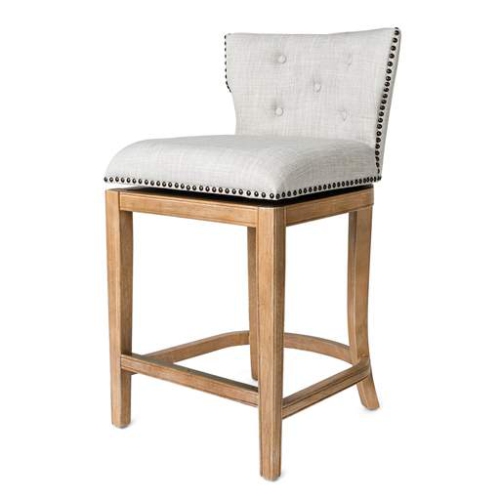 Your price for this item is $529.99
 -
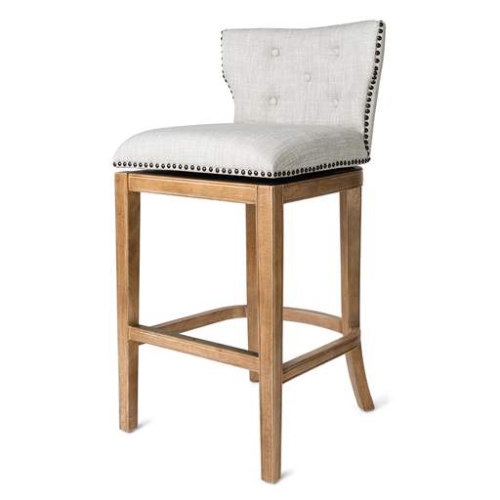 Your price for this item is $406.99
Discover more categories related to Colored Stools

Top Collections:
Pokemon Centers, Kindle Devices, Best Budget Office Chairs, Apple iPhones 16, Best Laptops for Writers, iPhone 15 Apple, Canon G7X Cameras, Refurbished Apple Laptops, Alarm Clock, Motorola Razr Phones
Some products may be subject to Environmental Handling Fees
(EHF) depending on your province.
Learn more about EHFs.