Comfortable All Weather Patio Chairs
Transform your outdoor space into a relaxing retreat with Comfortable All Weather Patio Chairs. Designed to enhance any patio, deck, or garden area, these chairs offer the perfect spot for lounging and entertaining throughout the seasons. Whether you’re hosting friends or enjoying a quiet moment outside, explore a wide selection of styles and colors to suit your taste and complement your outdoor décor. Discover Comfortable All Weather Patio Chairs that combine lasting comfort with versatile design for year-round enjoyment.
Sort

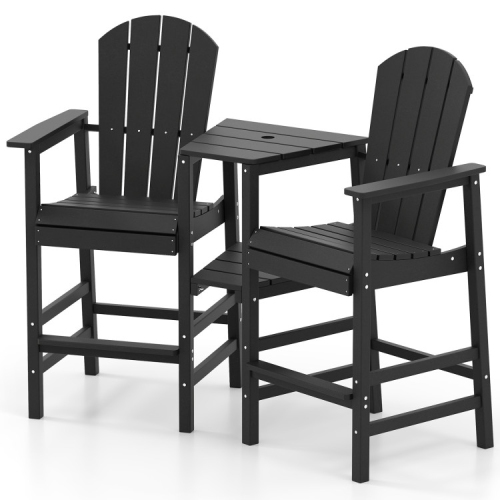
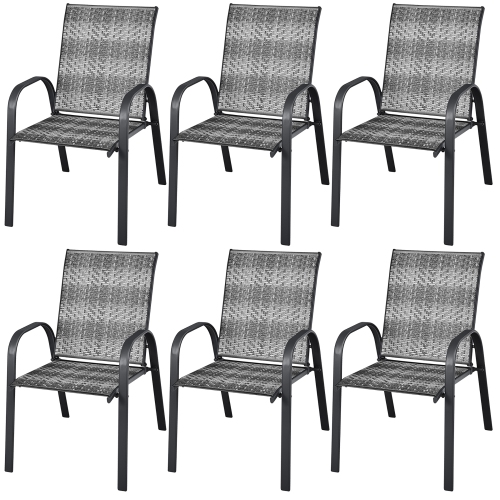
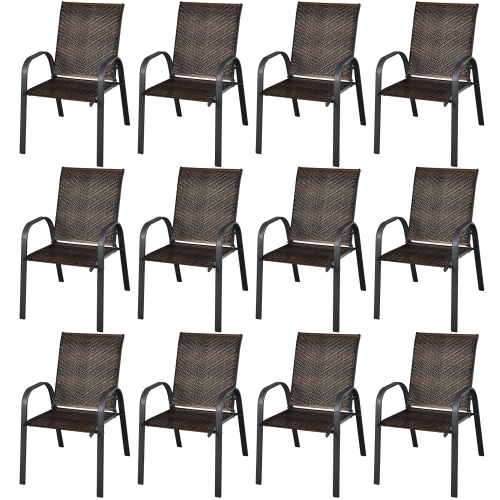
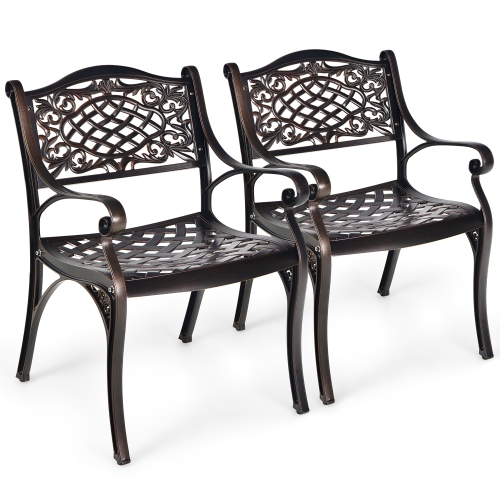
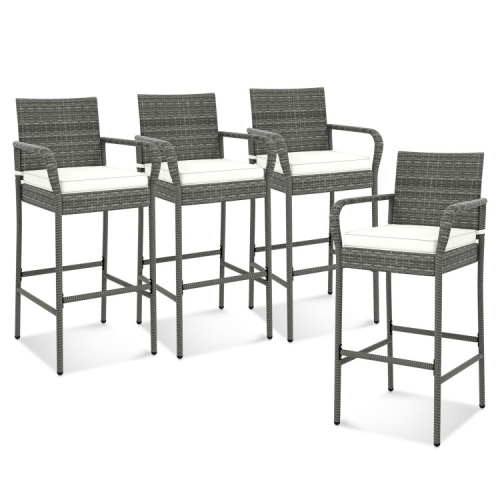
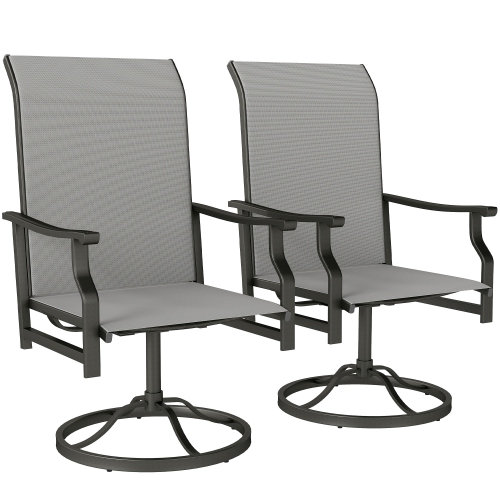
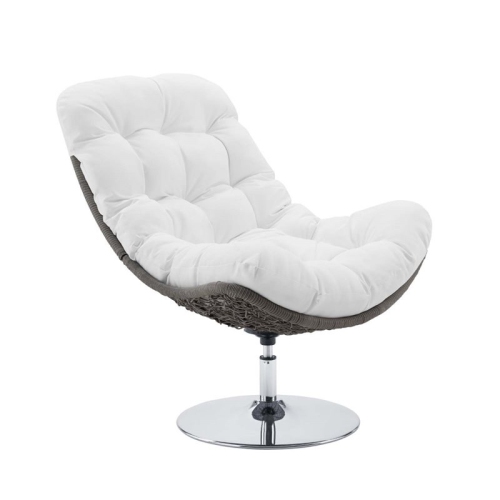
Why seat proportions matter as much as cushioning
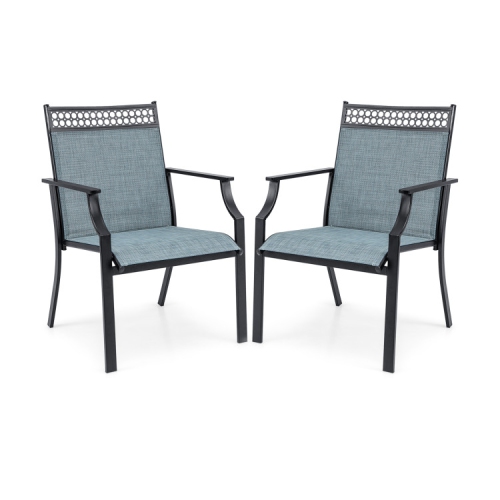
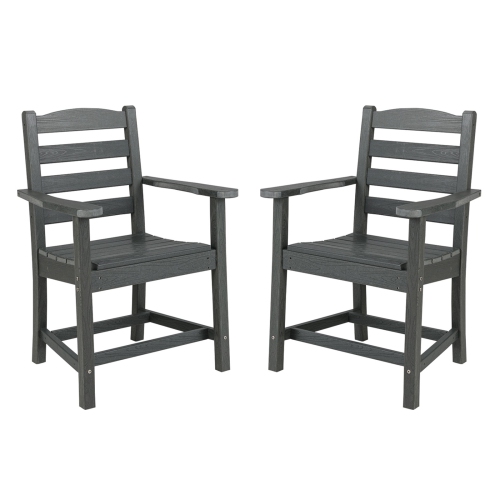
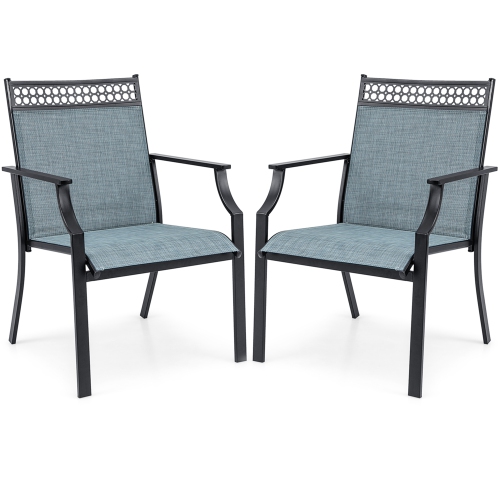
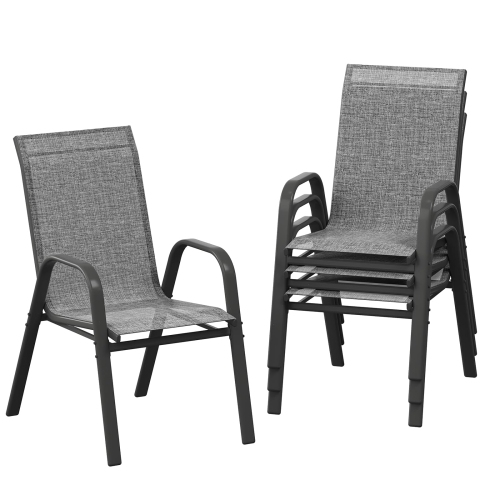
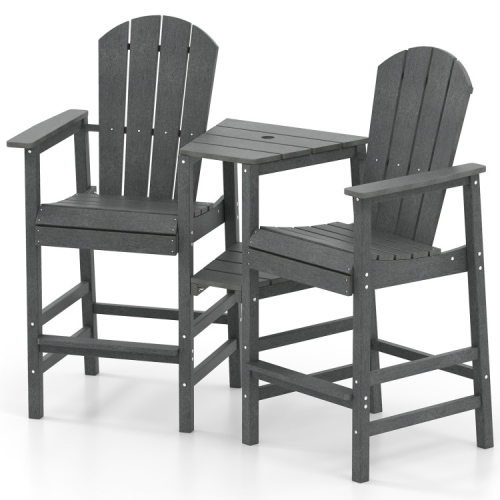
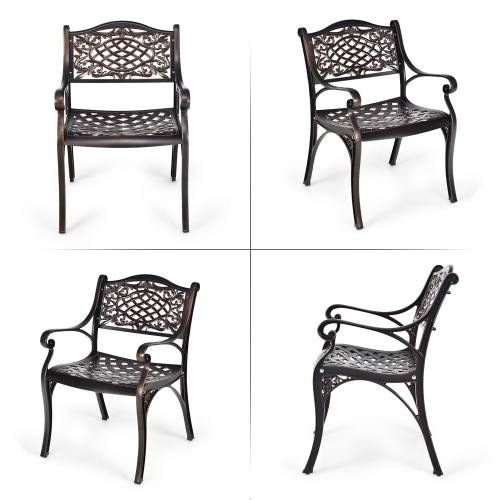
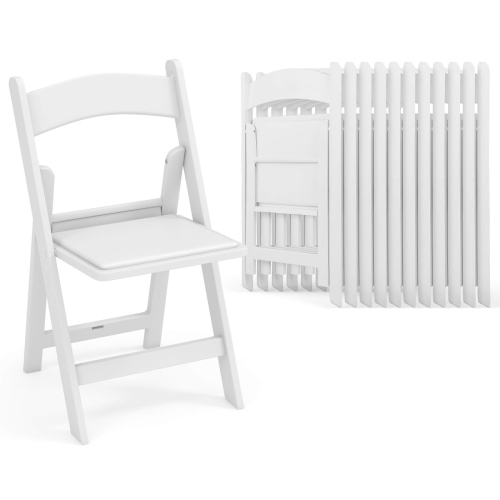
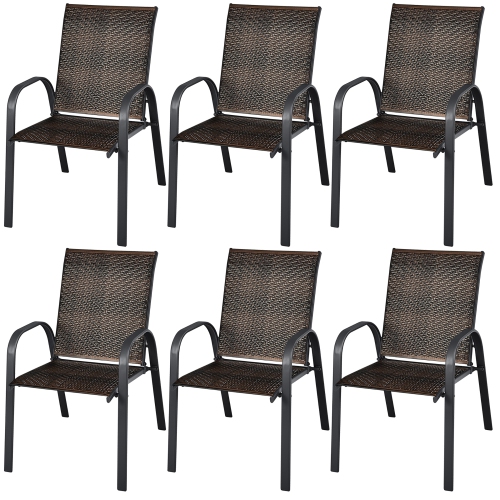
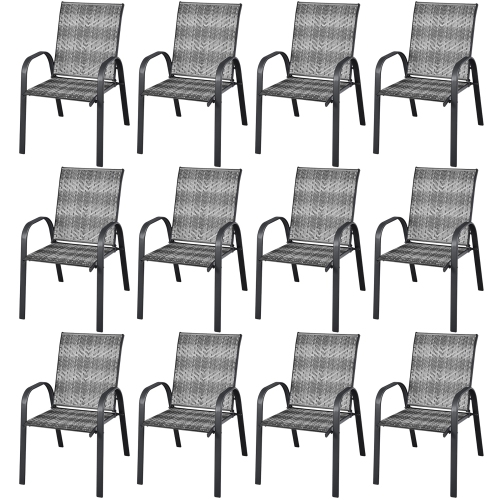
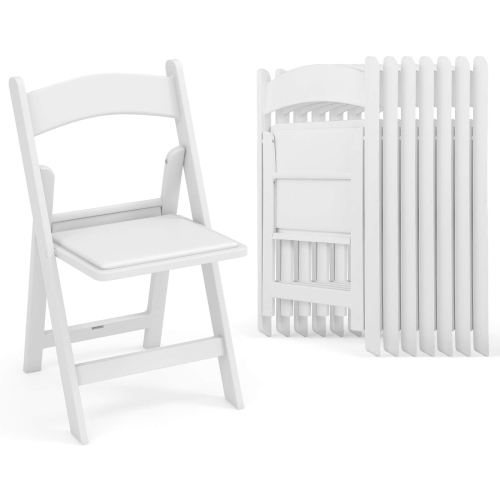
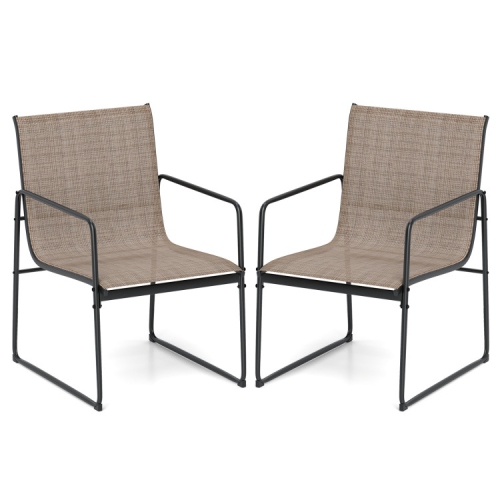
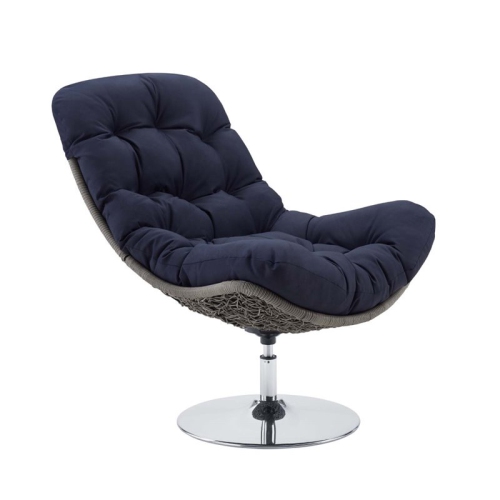
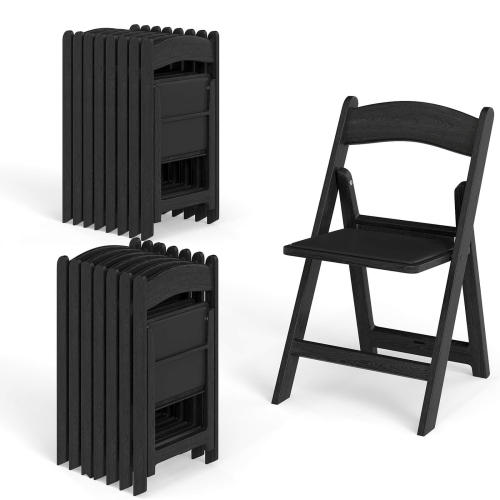
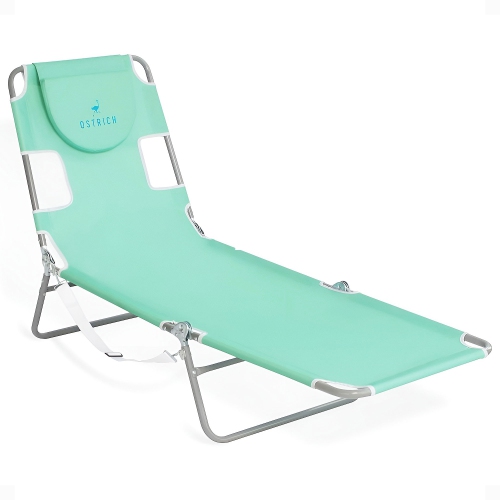
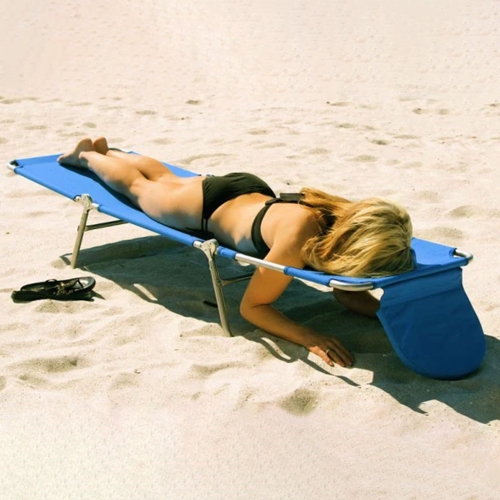
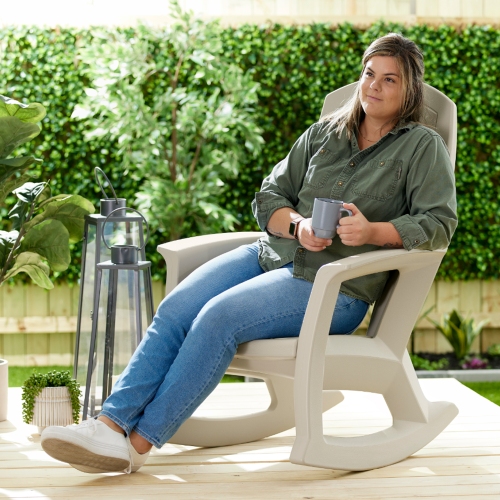
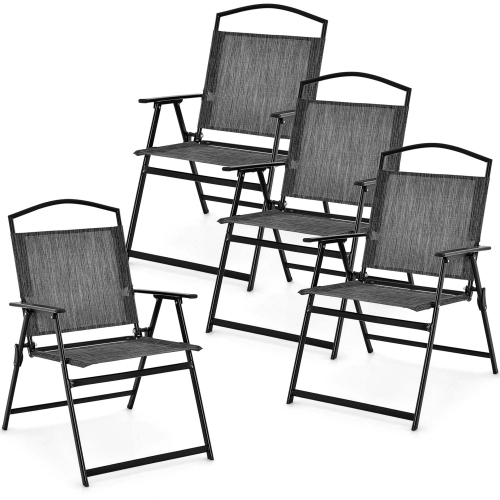
Comfortable all-weather patio chairs bring together supportive seating, outdoor-ready materials, and a shape that suits the way a space is used. For meals at a patio table, an upright back and a seat height that works with the tabletop make it easier to sit comfortably without reaching up or leaning forward. For a quiet corner of the deck, a deeper seat, gently angled back, and broad armrests create a more relaxed place to settle with a book. Comfort depends on proportions as much as cushioning: a seat should support the thighs without pressing behind the knees, while the backrest should feel supportive rather than forcing the shoulders forward. Low lounge chairs offer a laid-back position, although a higher seat with sturdy arms may be easier to get into and out of. Adirondack-style chairs have a distinctive reclined shape and wide arms, while sling chairs use tensioned fabric to provide support without a separate seat cushion. Swivel chairs make it easy to turn towards a conversation, and gliders or rocking chairs add gentle movement where there is enough clearance around the base. Reclining patio chairs offer different resting positions; those with adjustable foot support need extra room when fully extended. On a compact balcony, a pair of narrower chairs can leave more usable floor space than oversized lounge seating. Around a dining table, arm height matters just as much as overall width, especially when chairs need to tuck underneath it. A spacious terrace may accommodate deeper seating arranged around a low table, with clear paths between chairs for carrying drinks or serving food. Checking seat dimensions, stated weight capacity, and the footprint in use helps distinguish a chair that simply fits the patio from one that feels comfortable for the people using it. Matching chairs create a tidy dining arrangement, while a mix of upright and reclining seats can suit households whose outdoor routines range from quick breakfasts to long, unhurried conversations.
The materials in all-weather patio chairs affect their weight, feel, care requirements, and ability to handle repeated exposure to moisture and sunlight. Powder-coated aluminum is relatively lightweight and resists rust, making it practical for seating that is moved between a table and a sheltered corner. Steel frames offer a more substantial feel, but their protective finish needs attention: scratches or chips can expose the metal to moisture and allow rust to develop. Stainless steel hardware can help resist corrosion, though performance varies with the grade and exposure. Synthetic resin wicker provides a woven texture over a supporting frame and is generally better suited to outdoor moisture than natural wicker. The quality of the weave, its UV protection, and the frame underneath all contribute to how well a chair holds its shape and appearance. High-density polyethylene, often called HDPE, is another outdoor seating material valued for its moisture resistance and straightforward cleaning. Designs made from this material can be heavier than slim aluminum chairs, which is worth considering when seating needs to be moved frequently. Wood offers a different texture and character, with care needs that depend on the species and finish; some woods develop a silver-grey surface outdoors, while maintaining the original colour may require periodic treatment. For cushioned chairs, outdoor fabrics such as olefin and solution-dyed acrylic are commonly used for their resistance to fading and moisture, but the fabric alone does not determine drying time. Cushion thickness, seams, inner fill, and drainage also matter. Quick-drying foam and mesh panels can help water escape, while dense cushions may stay damp longer after rain. Breathable sling seating avoids thick upholstery altogether and can be convenient near a pool or on an exposed deck. Smooth edges, secure joints, even fabric tension, and neatly finished seams are useful signs of construction quality across these styles. For seating areas that extend beyond the patio, All Weather Garden Chairs offer a related setting for the same balance of comfort, weather resistance, and everyday practicality.
All-weather describes seating designed for outdoor exposure, not a promise that every chair can remain uncovered through every Canadian weather condition without care. Rain, strong sunlight, snow, and repeated freezing and thawing place different demands on frames, joints, and upholstery, so the manufacturer’s care and storage directions remain important. Water-resistant cushions can shed light splashes yet still absorb moisture during prolonged rainfall, and removable cushions benefit from dry, sheltered storage when they are not in use. A fitted, breathable cover can help keep dirt and precipitation off a chair, provided the furniture is dry before covering and air can circulate underneath. Covers that let water pool over the seat can leave persistent damp spots, so their fit matters. Routine cleaning is usually easier before pollen, food spills, and grime settle into woven surfaces or seams. Mild soap, water, and a soft cloth or brush are often suitable, but the approved method depends on the material; abrasive cleaners and pressure washers can damage some finishes and fabrics. Removable cushion covers are not necessarily machine washable, and care labels should determine how they are cleaned. Folding and stacking chairs make it easier to clear a patio or move seating into storage, although folded dimensions and the weight of each chair still affect how manageable that task will be. On exposed balconies, lighter chairs may need sheltered storage during high winds rather than being left loose outside. Stable placement matters too: broad feet can work well on firm, level surfaces, while narrow legs may sink into soft ground or catch between widely spaced deck boards. Protective feet can help reduce scraping, and rocking or gliding bases need an even surface with room to move freely. These practical details support the everyday appeal of a comfortable chair: a steady seat beside a planter, a supportive place to linger after lunch, or a reclining spot away from the busiest part of the patio. Seating that suits both the space and its users can remain a welcoming part of outdoor living with appropriate cleaning, protection, and storage.
Top selling and popular products
-
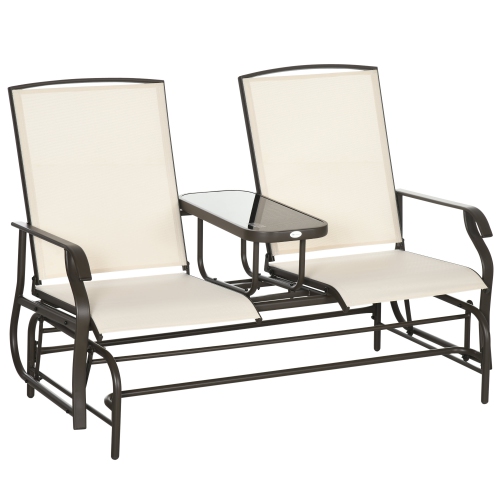 Your price for this item is $209.99
-
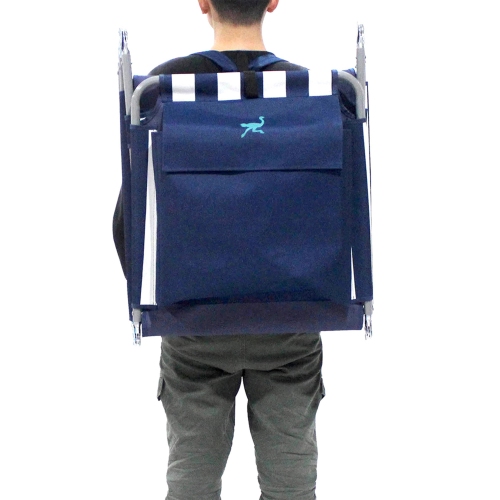 Your price for this item is $222.99
-
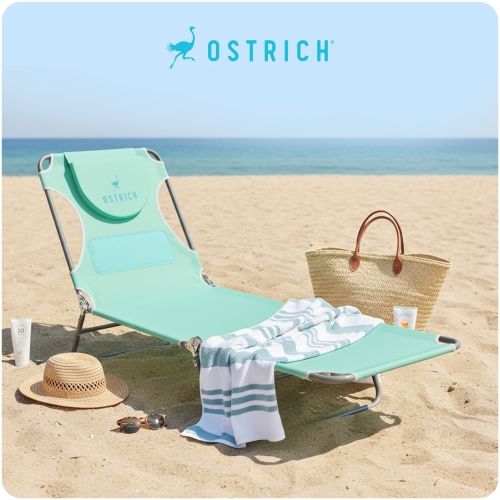 Your price for this item is $187.99
-
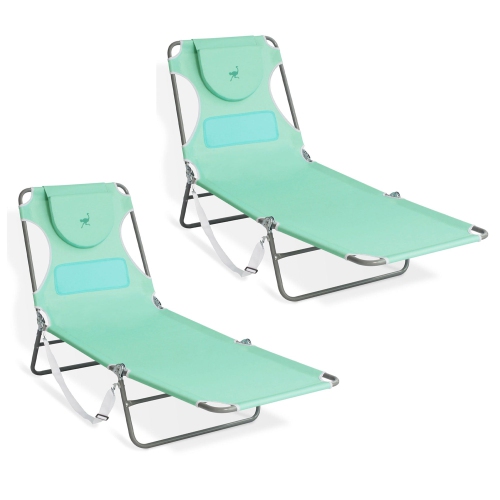 Your price for this item is $407.99
-
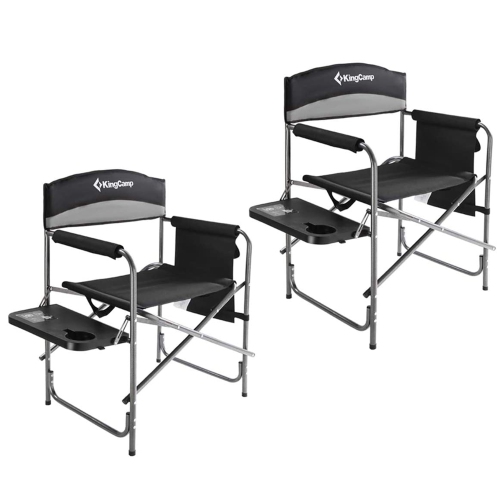 Your price for this item is $254.99
-
 Your price for this item is $177.99
-
 Your price for this item is $712.99
-
 Your price for this item is $459.99
Discover more categories related to Comfortable All Weather Patio Chairs

Top Collections:
Best Black Friday Deals This Year, Best Black Friday Deals On Electronics, Kindle Devices, Dyson Airwrap, Best Cameras for Sports Photography, Best Budget Office Chairs, Canon G7X Cameras, PS5 Pro Consoles, Best Black Friday Deals On Apple Products, XBOX One S Consoles
Some products may be subject to Environmental Handling Fees
(EHF) depending on your province.
Learn more about EHFs.