Comfortable Benches
If you're looking for the perfect seating solution to add both style and functionality to your space, look no further than these comfortable benches. Whether you're looking to create a cozy reading nook in your living room or add extra seating to your dining area, these benches offer a versatile and stylish option for any room in your home. With their plush cushions, sturdy construction, and sleek designs, these benches are designed to provide optimal comfort while effortlessly complementing your existing decor.
Sort
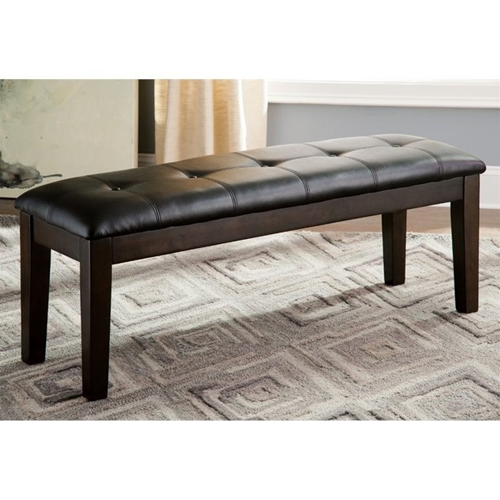
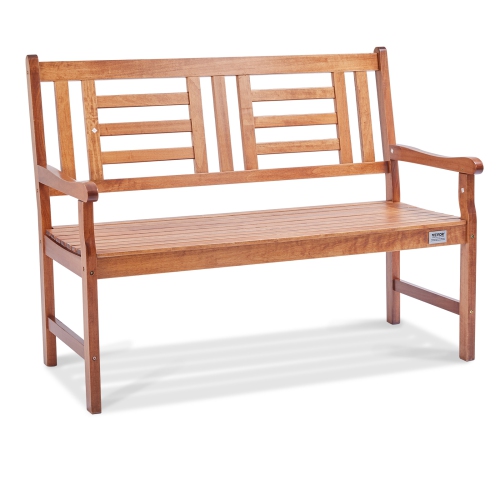
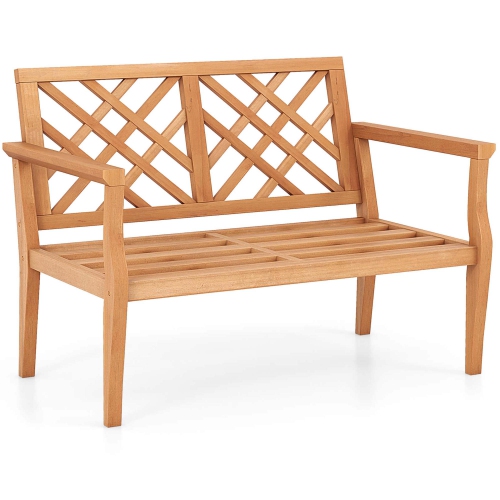
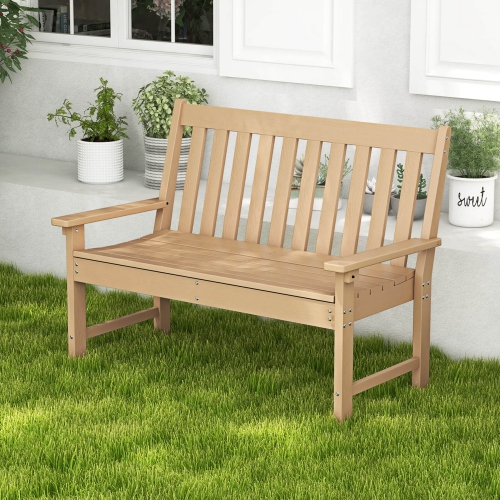
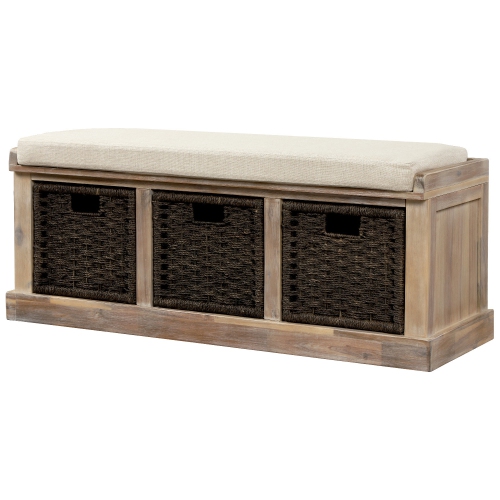
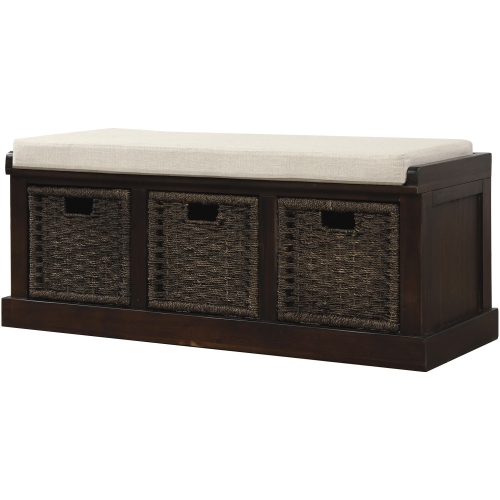
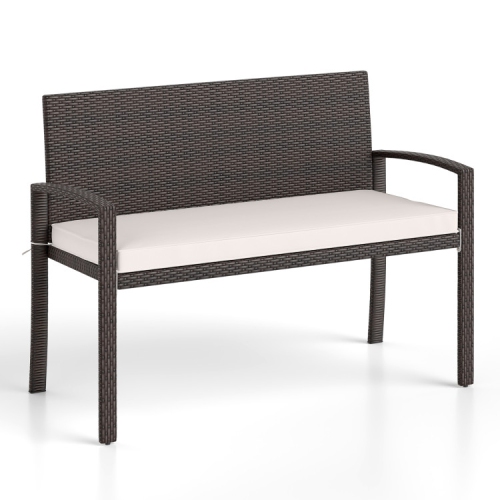
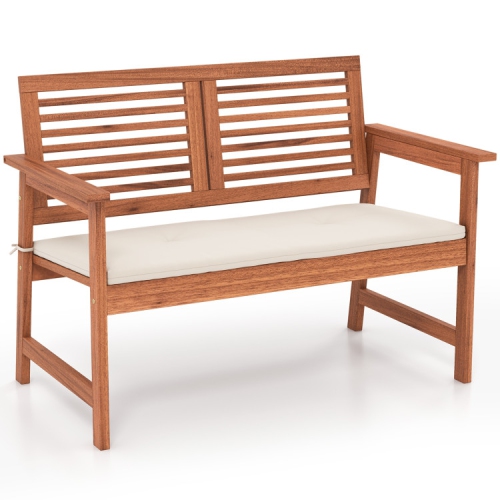
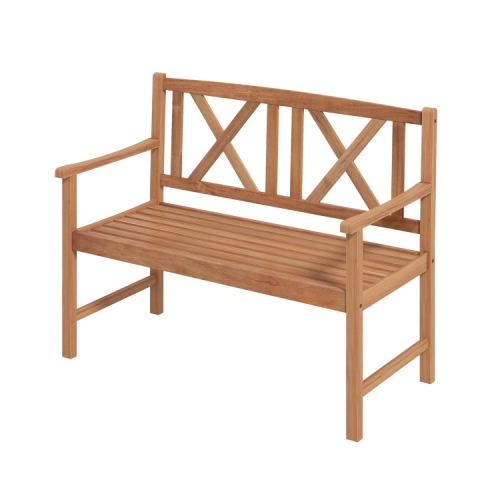
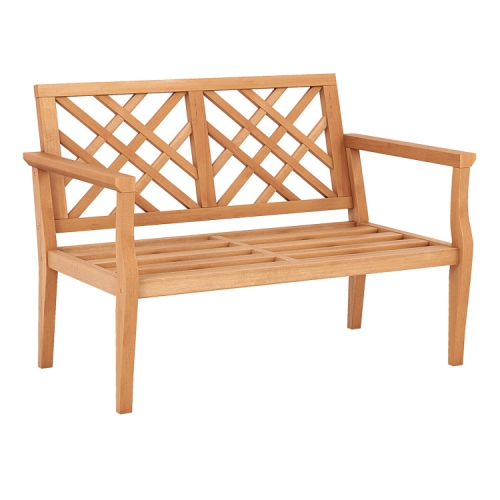
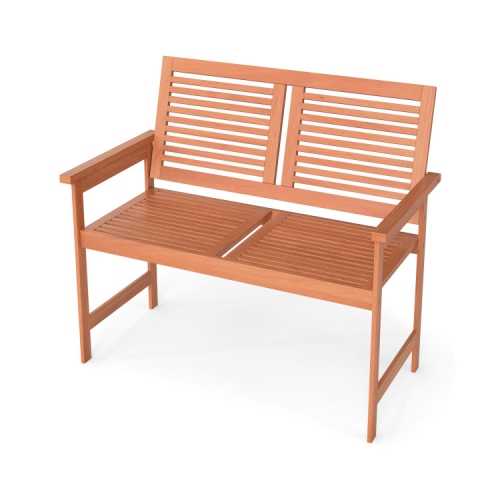
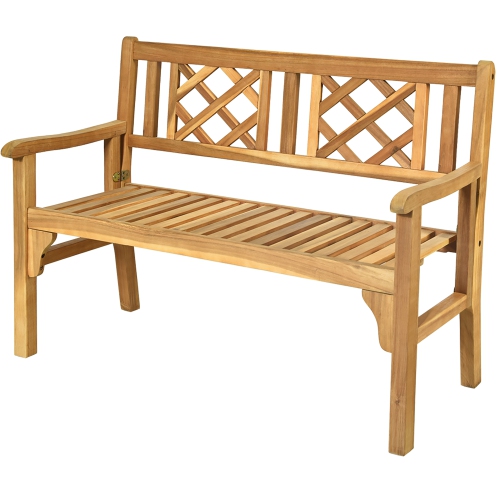

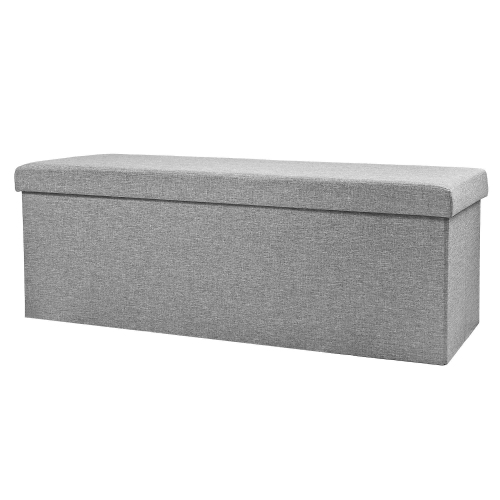
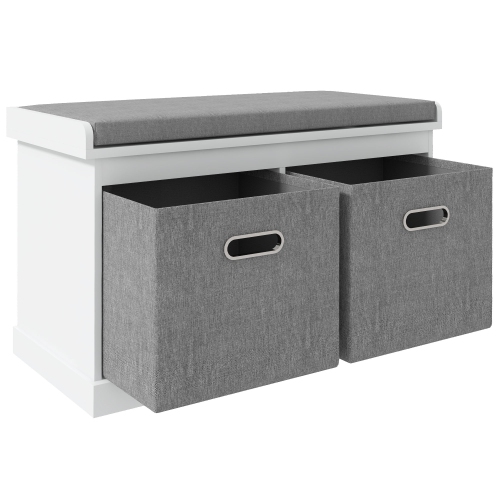
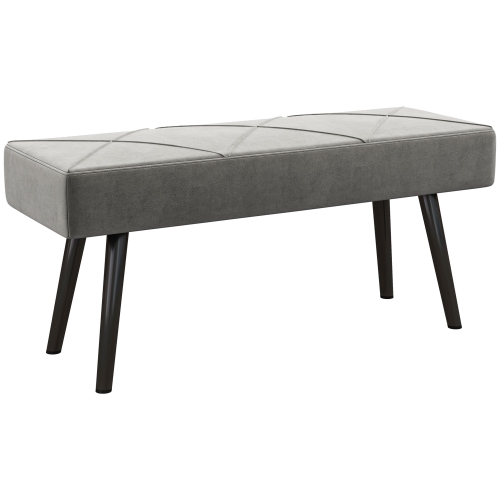
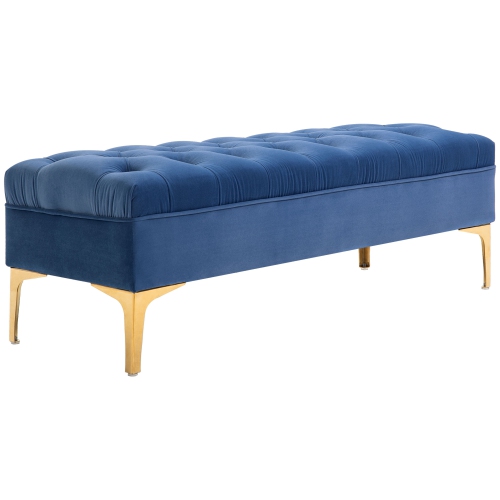
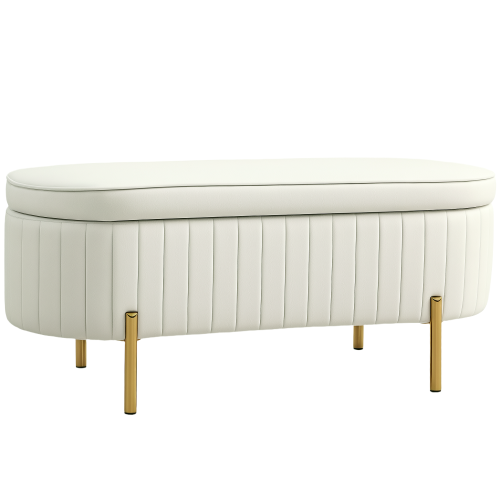
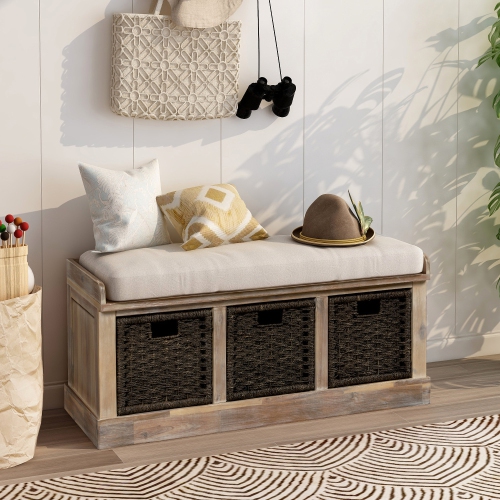
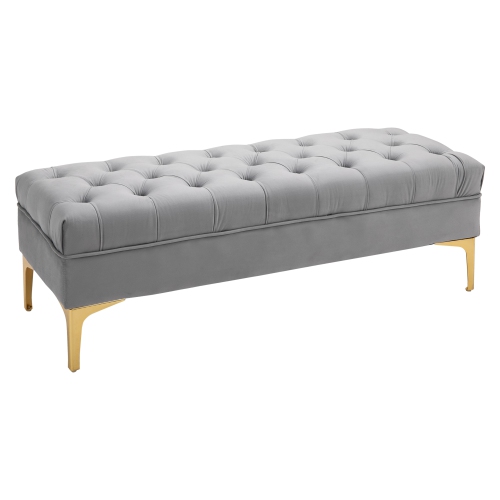
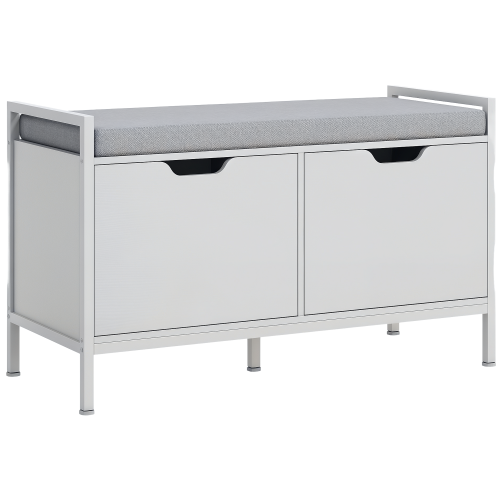
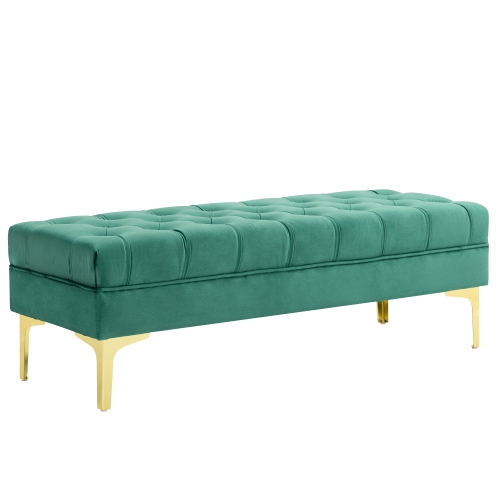
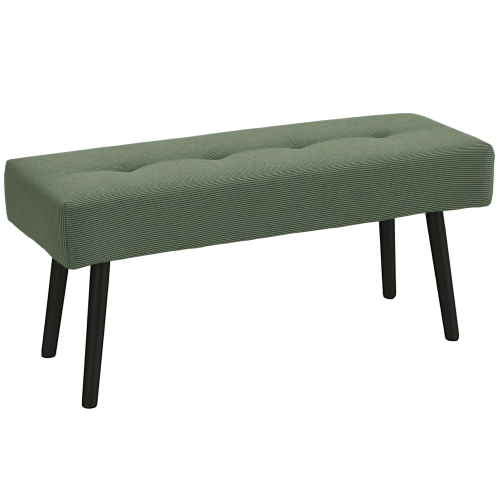
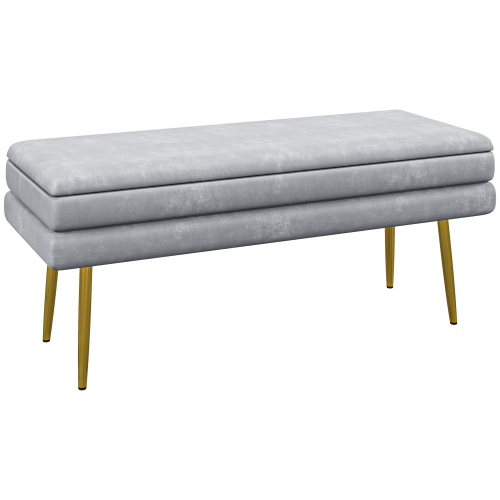
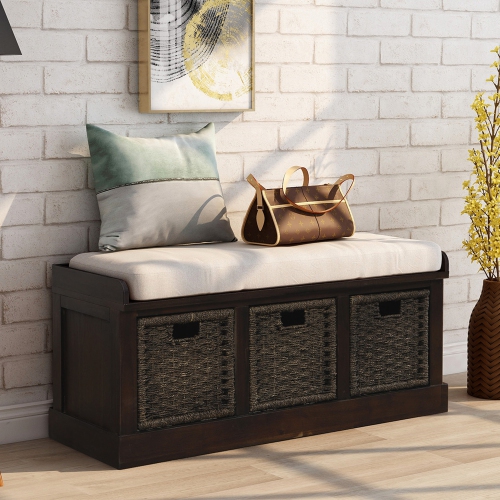
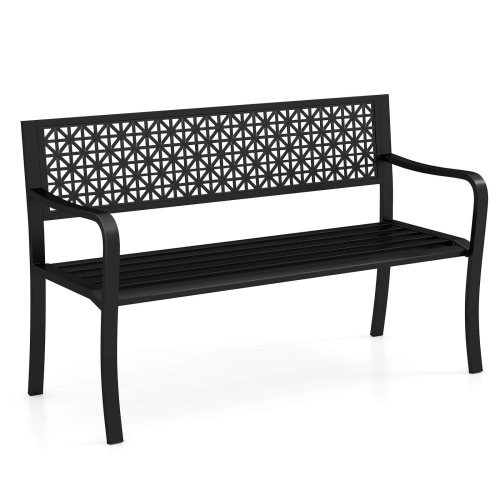
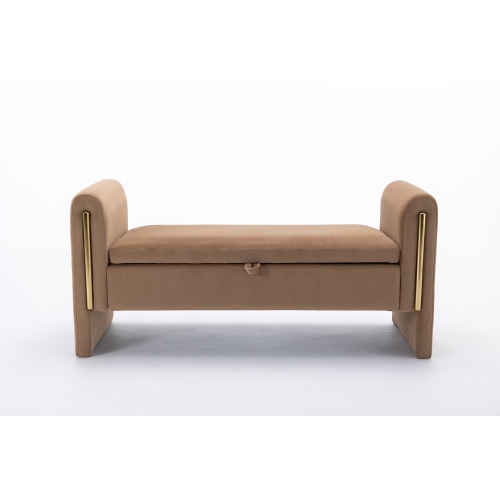
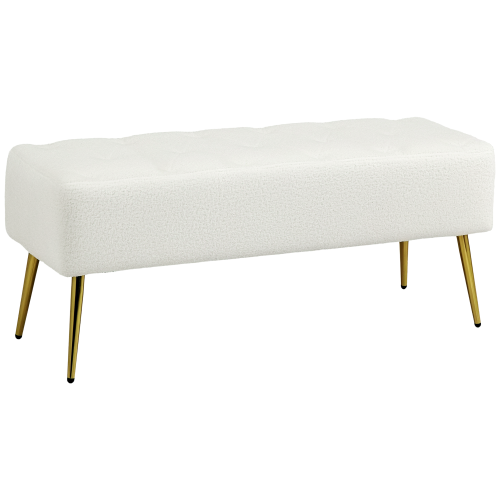
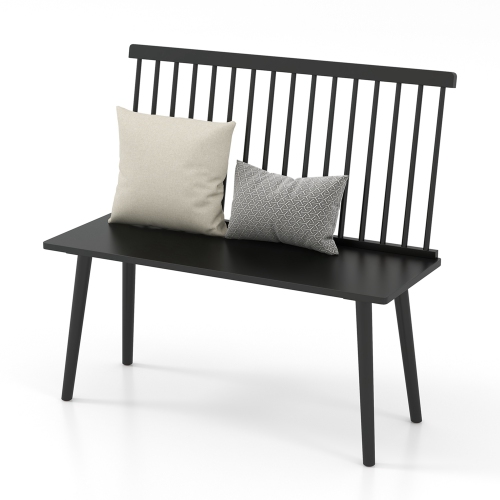
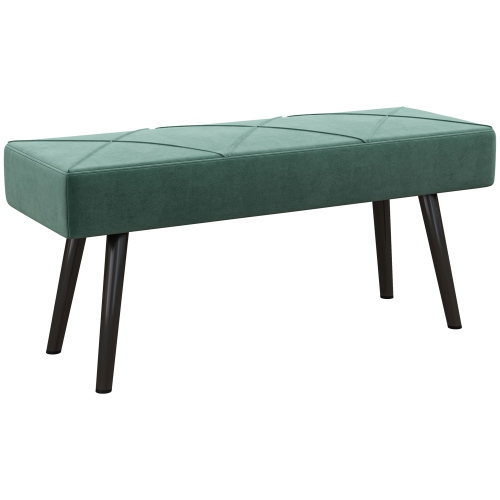
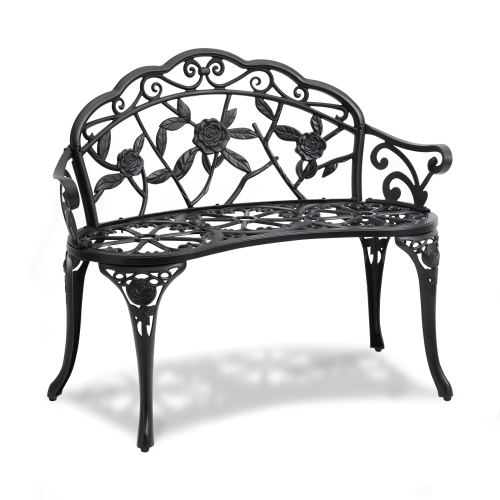
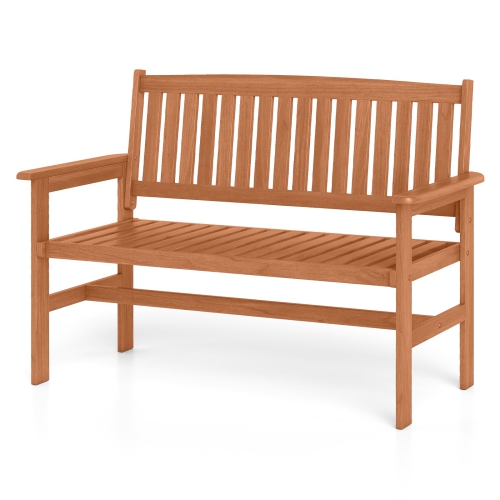
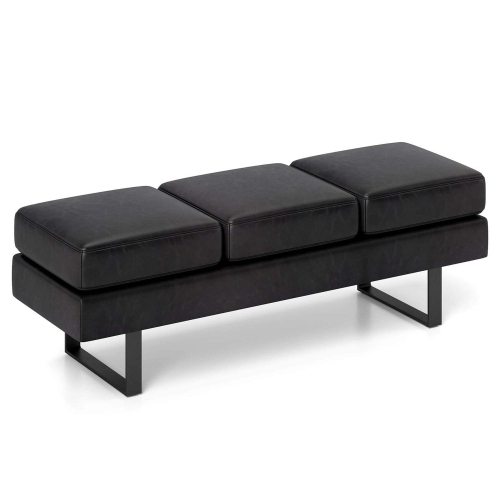
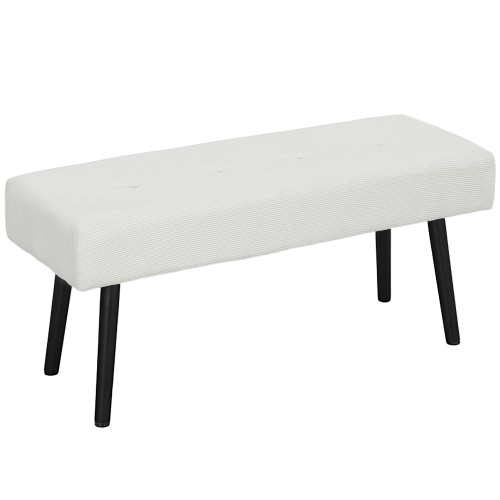
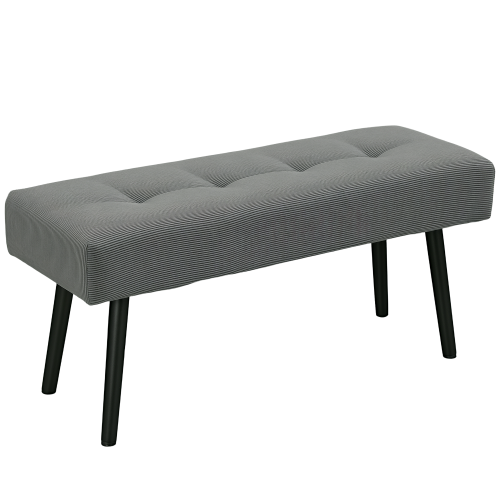
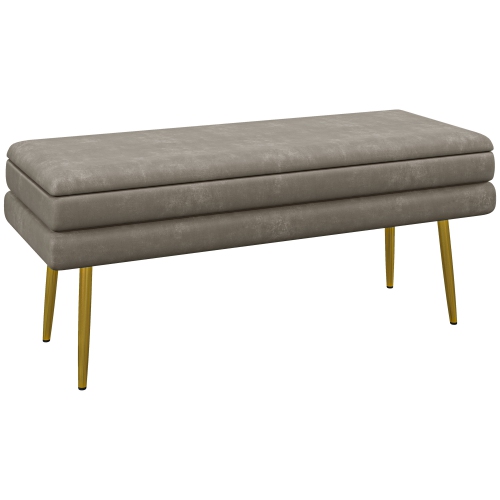
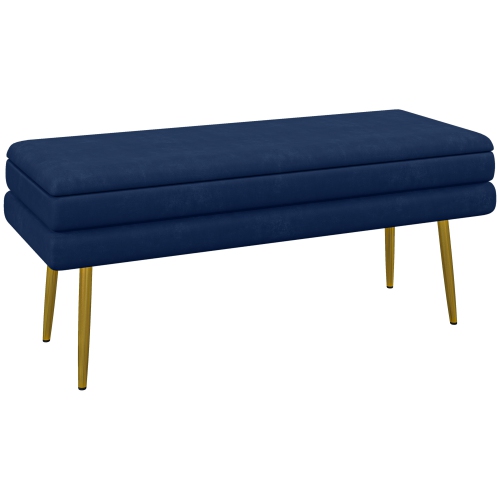
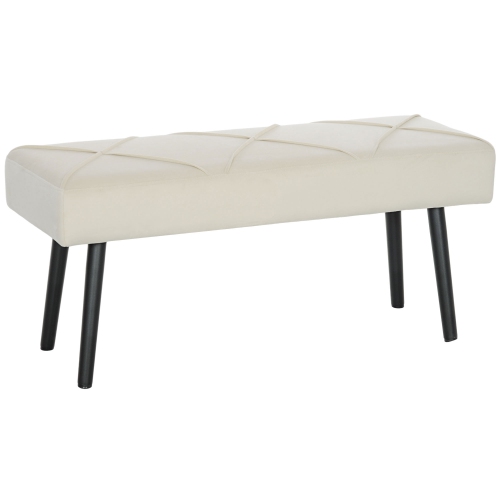
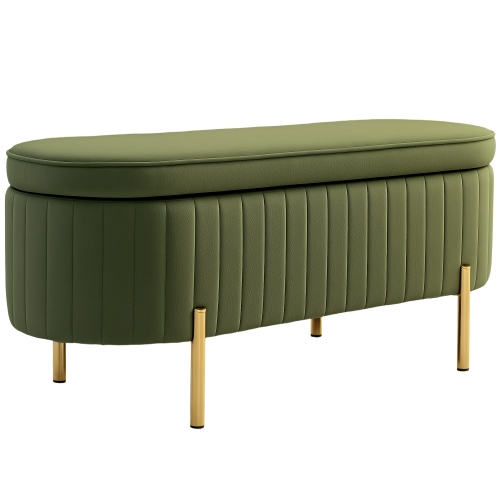
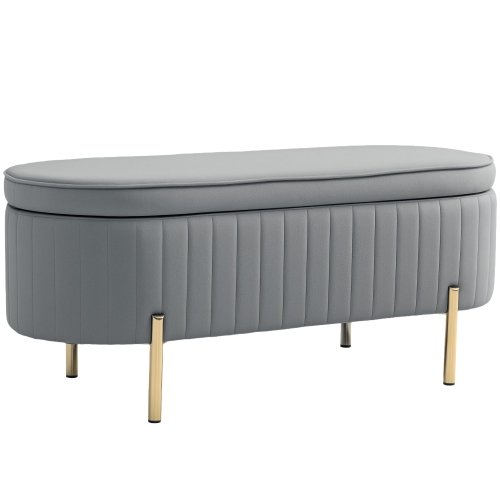
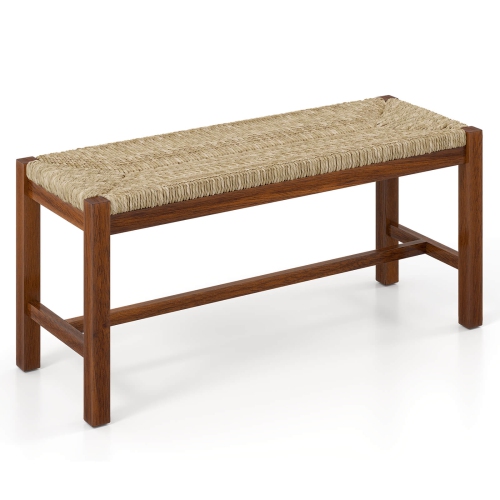
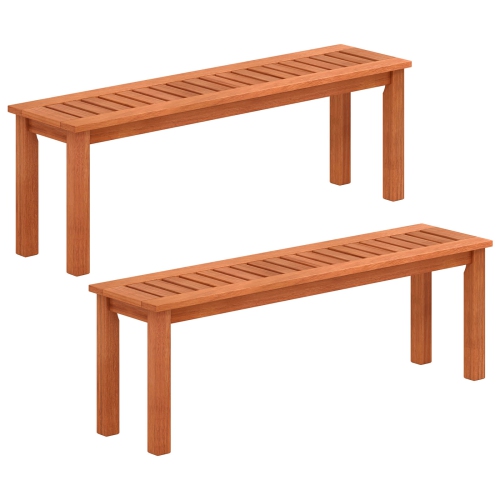
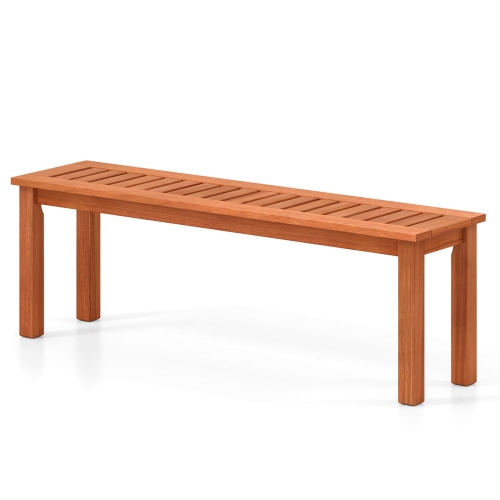
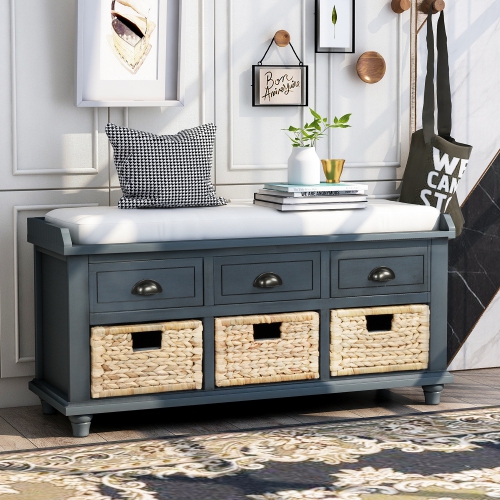
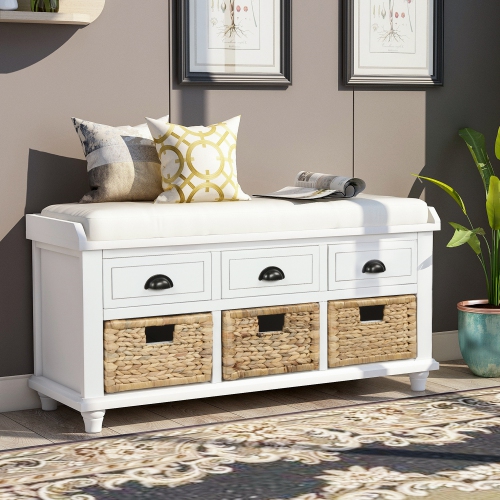
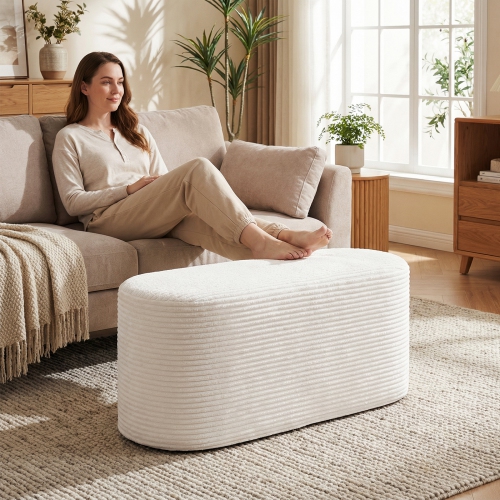
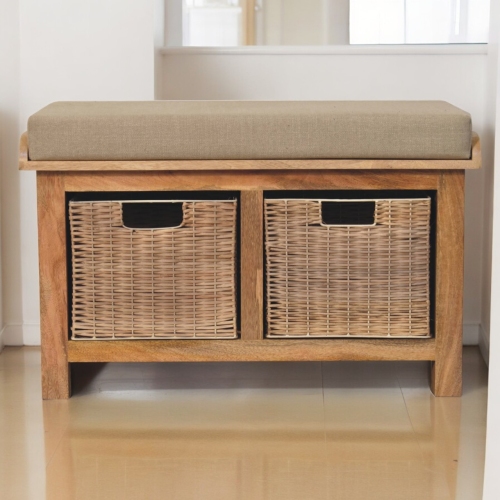
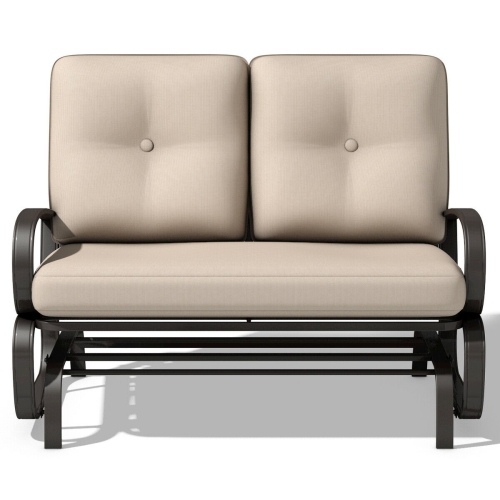
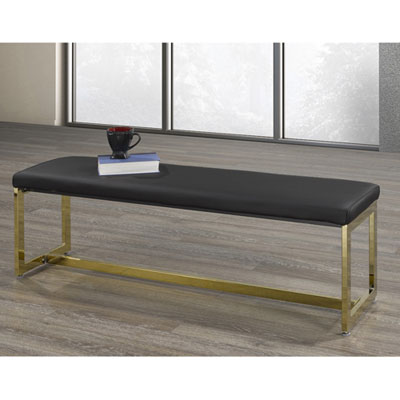
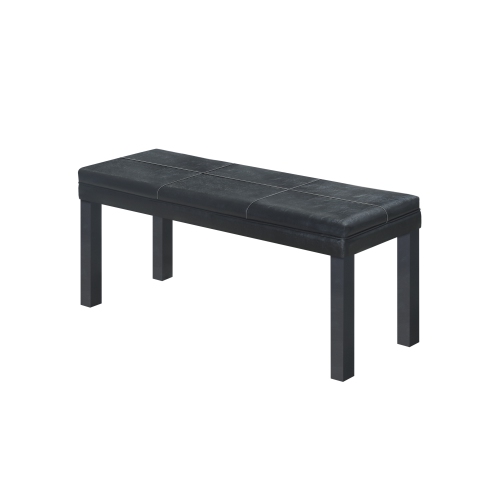
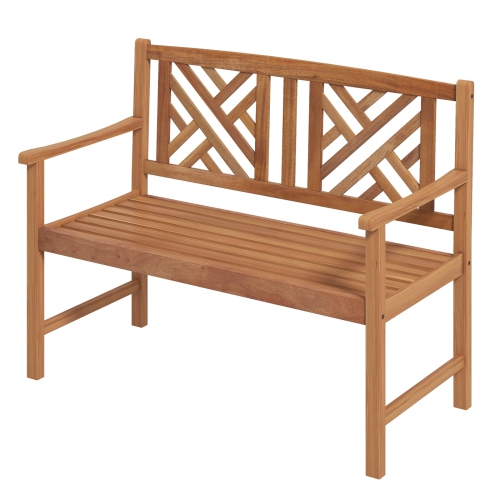
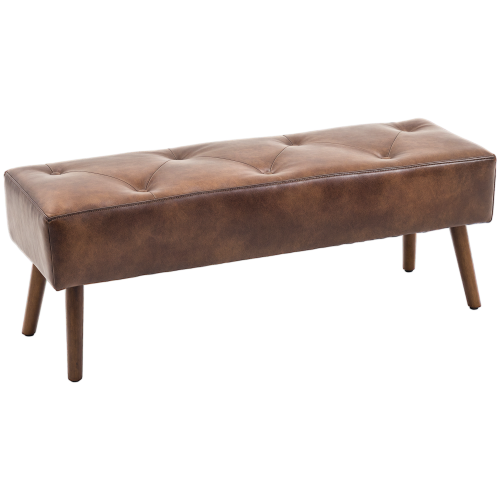
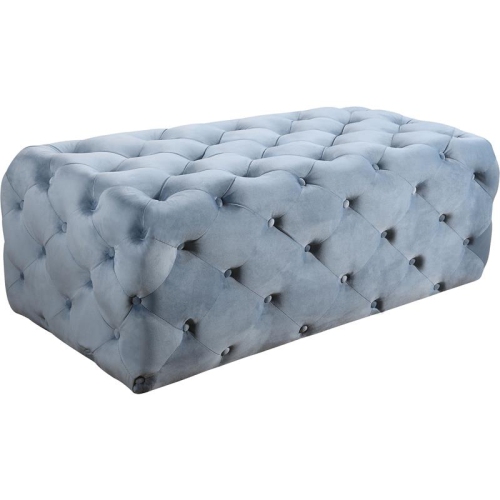
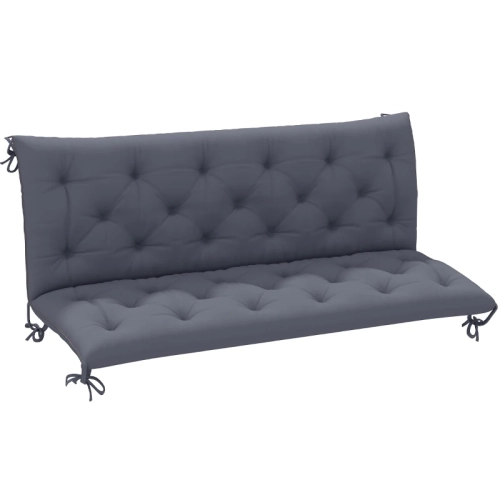
Flexible seating for entryways, dining rooms and bedrooms
Comfortable benches can bring practical seating and a softer sense of welcome to many rooms in the home. In an entryway, a padded bench creates a convenient place to sit while putting on boots, fastening laces or sorting through bags before heading out during the cooler months. In a bedroom, it can sit at the foot of the bed as a spot for folding clothes, setting down a blanket or taking a quiet pause at the end of the day. Around a dining table, a well-proportioned bench can make it easier to seat family and guests together, while a compact design can add useful seating to an apartment, condo or smaller dining area. The most inviting options often combine a supportive frame with cushioning that feels comfortable without losing its shape. High-density foam can provide a firmer, more resilient sit, while plush upholstery creates a softer feeling for shorter rests. Materials such as velvet, linen-look fabric, leather-look upholstery and woven textiles can each change the character of a room, from warm and relaxed to tailored and contemporary. For a coordinated look, consider how the bench’s colour and texture relate to nearby flooring, curtains, dining chairs or accent cushions. Neutral shades can blend easily with existing décor, while a deeper tone or tactile fabric can give a simple room more visual interest. Those comparing styles can also explore Cushioned Benches for seating that places comfort at the centre of the design.
Dimensions are especially important when choosing benches for everyday use. A seat height of approximately 17 to 20 inches is generally comfortable for many adults, allowing feet to rest naturally on the floor and making it easier to sit down or stand up. Seat depth depends on the intended use: a depth of about 12 to 18 inches can work well for benches with backrests, while a shallower profile may be better for an entryway where walkways need to remain clear. Measure the available area before shopping, including the space needed to open doors, pull out drawers or walk around the bench without bumping nearby furniture. A backrest can make a meaningful difference when people will sit for longer periods, particularly at a dining table, desk or conversation area. Supportive backrests with a gently reclined angle of approximately 95 to 105 degrees can encourage a more natural posture than a completely upright or overly deep design. Armrests may add comfort, although armless benches often slide more easily beneath tables and create a cleaner profile in compact rooms. Storage benches offer another useful feature by concealing shoes, throws, toys, games or seasonal accessories inside a lift-up compartment or drawers. Look for a smooth opening mechanism, durable hinges and enough internal space to suit the items you plan to store. For homes with children or pets, tightly woven upholstery and easy-care surfaces can make routine cleaning simpler, while removable or washable covers can be helpful in busy areas. A bench that will be moved often should have a manageable weight and a stable base, and floor-friendly feet can help protect hardwood, laminate or tile from scuffs.
Comfortable benches can suit a wide range of routines and households, which makes them a thoughtful choice for a new home, apartment, bedroom refresh or shared living space. A family may use one in a mudroom for getting ready before school and work, while guests may appreciate extra seating that does not take up the room of a full chair. In a dining area, a bench can accommodate different body types and seating arrangements, especially when its length allows people to sit with a little flexibility rather than being fixed to individual chair positions. In a living room, a compact upholstered bench can serve as occasional seating, a footrest or a place to arrange cushions and reading materials. A bedroom bench may become part of a morning routine, offering a comfortable place to prepare for the day, and a hallway bench can turn an otherwise unused wall into a useful landing area. When selecting one as a gift, focus on the recipient’s space, preferred décor and everyday habits. Someone who enjoys hosting may value a longer dining bench, while a person in a smaller home may prefer a narrow design with built-in storage. Style matters, but so does the feel of the seat, the stability of the frame and the ease of maintaining the upholstery. Consider whether the bench will be used for a few minutes at a time or for extended meals and conversations, then match the cushioning, depth and back support accordingly. With the right proportions and finish, a comfortable bench can become one of those quietly useful pieces that welcomes people at the door, gathers everyone around the table and adds a polished finishing touch to a room throughout the changing seasons.
Dimensions are especially important when choosing benches for everyday use. A seat height of approximately 17 to 20 inches is generally comfortable for many adults, allowing feet to rest naturally on the floor and making it easier to sit down or stand up. Seat depth depends on the intended use: a depth of about 12 to 18 inches can work well for benches with backrests, while a shallower profile may be better for an entryway where walkways need to remain clear. Measure the available area before shopping, including the space needed to open doors, pull out drawers or walk around the bench without bumping nearby furniture. A backrest can make a meaningful difference when people will sit for longer periods, particularly at a dining table, desk or conversation area. Supportive backrests with a gently reclined angle of approximately 95 to 105 degrees can encourage a more natural posture than a completely upright or overly deep design. Armrests may add comfort, although armless benches often slide more easily beneath tables and create a cleaner profile in compact rooms. Storage benches offer another useful feature by concealing shoes, throws, toys, games or seasonal accessories inside a lift-up compartment or drawers. Look for a smooth opening mechanism, durable hinges and enough internal space to suit the items you plan to store. For homes with children or pets, tightly woven upholstery and easy-care surfaces can make routine cleaning simpler, while removable or washable covers can be helpful in busy areas. A bench that will be moved often should have a manageable weight and a stable base, and floor-friendly feet can help protect hardwood, laminate or tile from scuffs.
Comfortable benches can suit a wide range of routines and households, which makes them a thoughtful choice for a new home, apartment, bedroom refresh or shared living space. A family may use one in a mudroom for getting ready before school and work, while guests may appreciate extra seating that does not take up the room of a full chair. In a dining area, a bench can accommodate different body types and seating arrangements, especially when its length allows people to sit with a little flexibility rather than being fixed to individual chair positions. In a living room, a compact upholstered bench can serve as occasional seating, a footrest or a place to arrange cushions and reading materials. A bedroom bench may become part of a morning routine, offering a comfortable place to prepare for the day, and a hallway bench can turn an otherwise unused wall into a useful landing area. When selecting one as a gift, focus on the recipient’s space, preferred décor and everyday habits. Someone who enjoys hosting may value a longer dining bench, while a person in a smaller home may prefer a narrow design with built-in storage. Style matters, but so does the feel of the seat, the stability of the frame and the ease of maintaining the upholstery. Consider whether the bench will be used for a few minutes at a time or for extended meals and conversations, then match the cushioning, depth and back support accordingly. With the right proportions and finish, a comfortable bench can become one of those quietly useful pieces that welcomes people at the door, gathers everyone around the table and adds a polished finishing touch to a room throughout the changing seasons.
Top selling and popular products
-
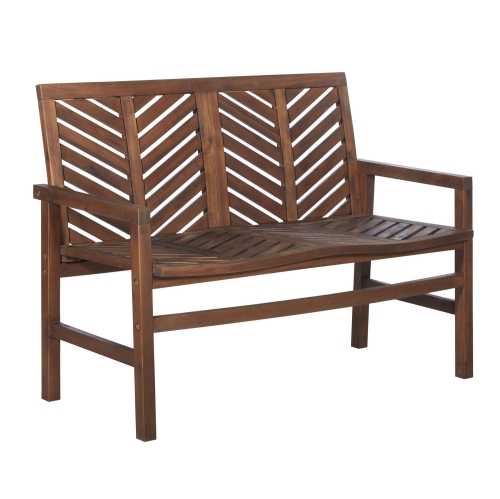 Your price for this item is $404.9
 -
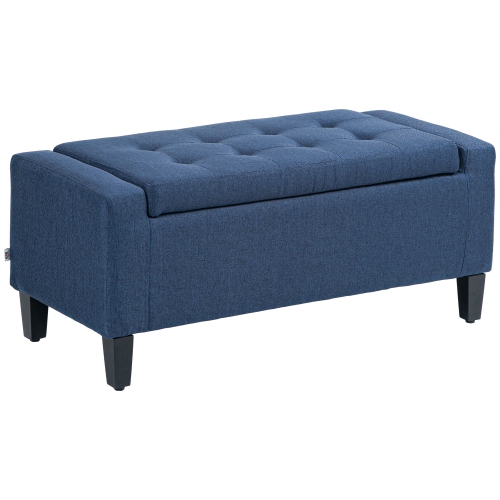 Your price for this item is $139.99
 -
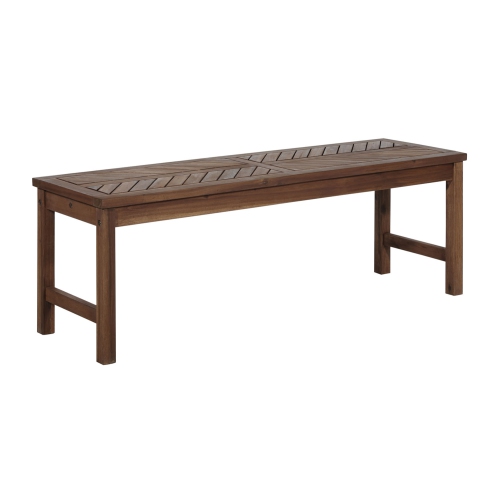 Your price for this item is $365.47
 -
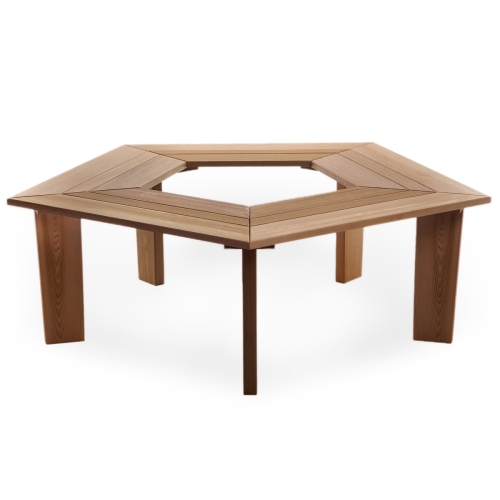 Your price for this item is $893.99
 -
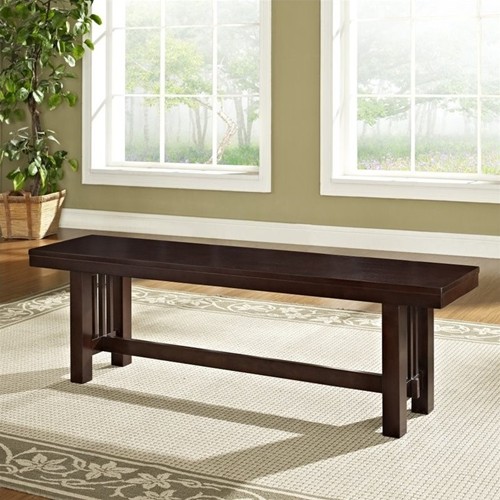 Your price for this item is $292.72
 -
 Your price for this item is $507.08
 -
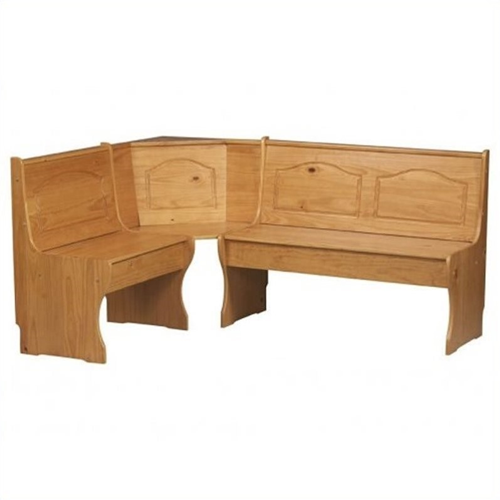 Your price for this item is $908.26
 -
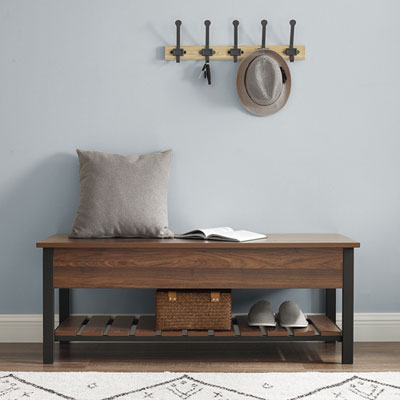 Your price for this item is $339.99
Discover more categories related to Comfortable Benches
Top Collections:
Pokemon Centers, Kindle Devices, Best Budget Office Chairs, Apple iPhones 16, Best Laptops for Writers, iPhone 15 Apple, Canon G7X Cameras, Refurbished Apple Laptops, Alarm Clock, Motorola Razr Phones
Some products may be subject to Environmental Handling Fees
(EHF) depending on your province.
Learn more about EHFs.