Cushioned Benches
Upgrade your seating with our selection of cushioned benches, the perfect blend of style and comfort for any space in your home. Whether you're looking to add a cozy touch to your entryway, create a relaxing spot in your living room, or enhance your dining area with extra seating, our cushioned benches offer both functionality and elegance. With a variety of designs, sizes, and materials to choose from, finding the ideal cushioned bench to complement your decor has never been easier. Explore our collection today and elevate the look and feel of your home with these versatile pieces.
Sort
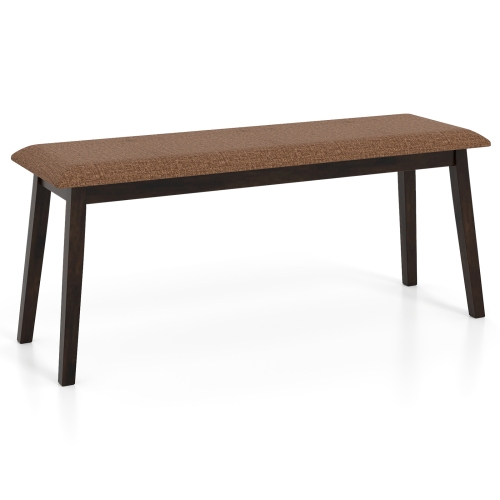
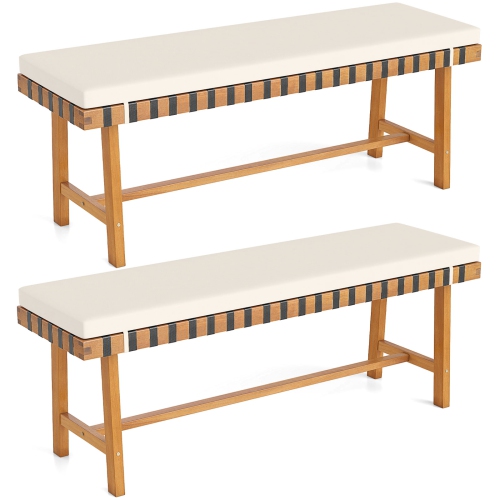
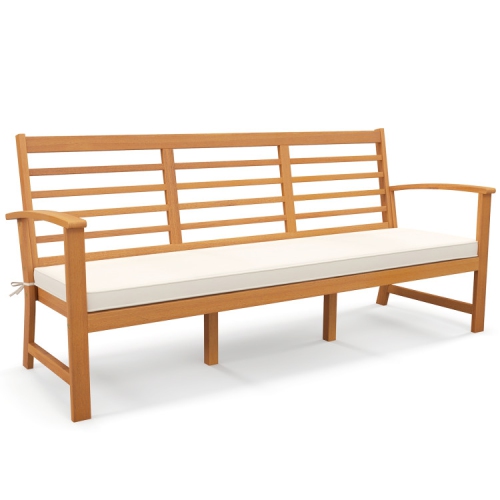
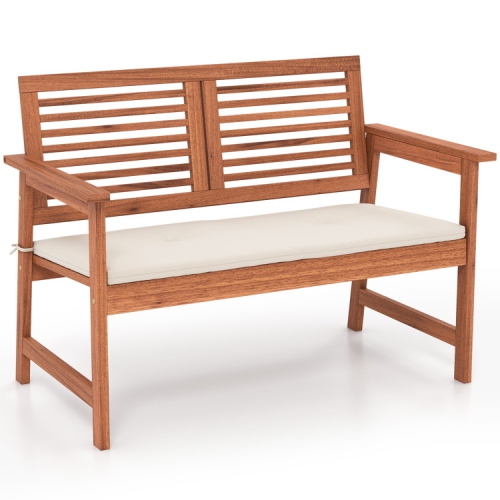
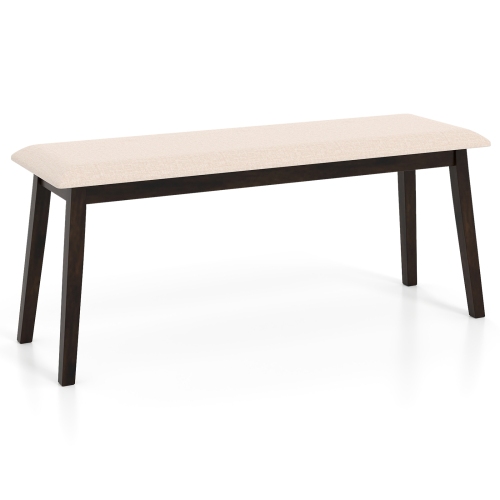
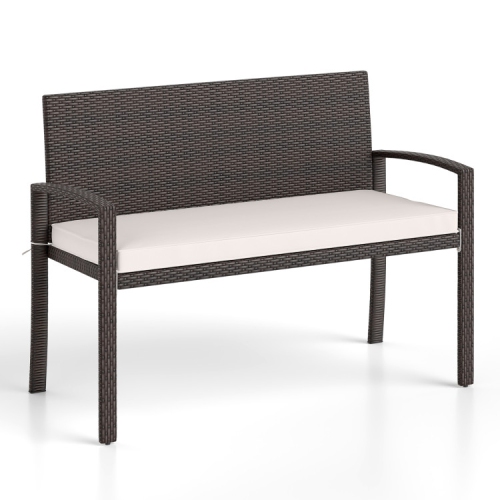

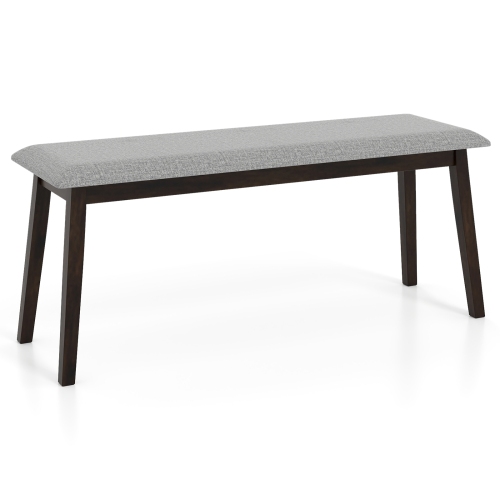
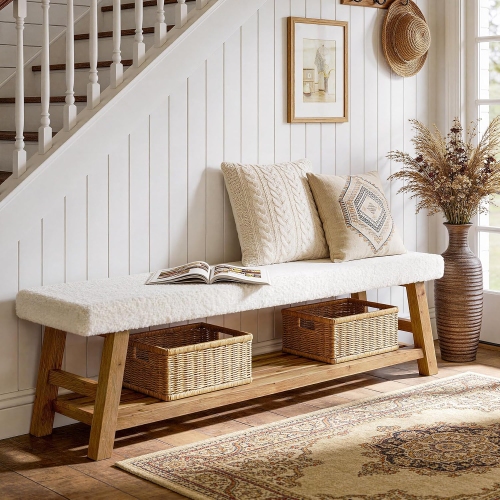
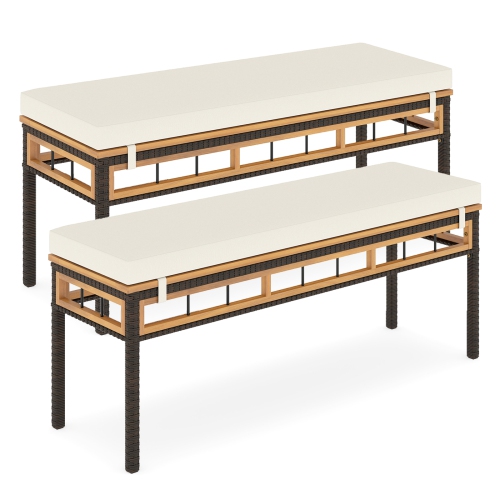
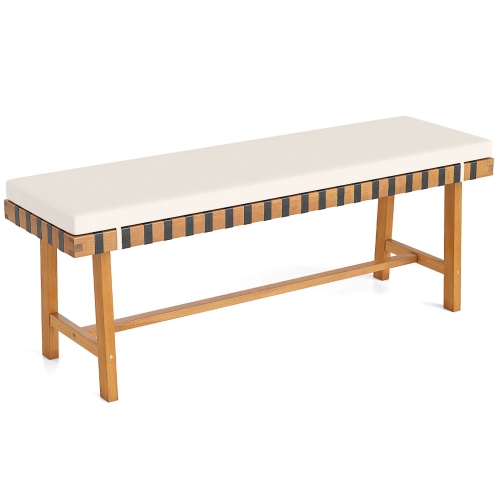
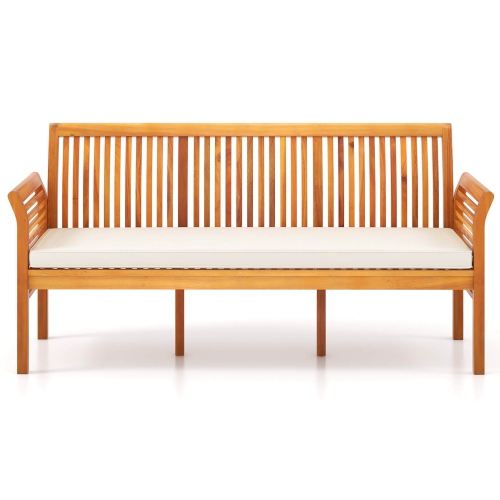
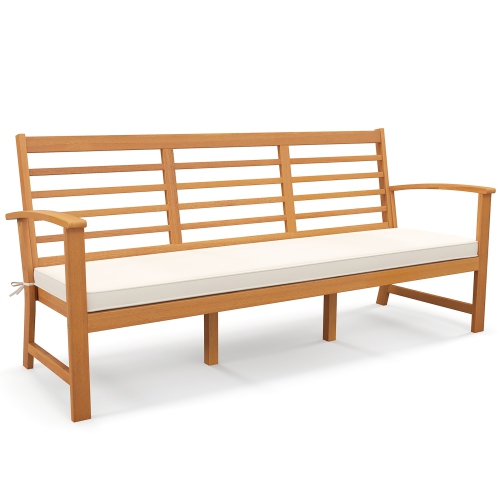
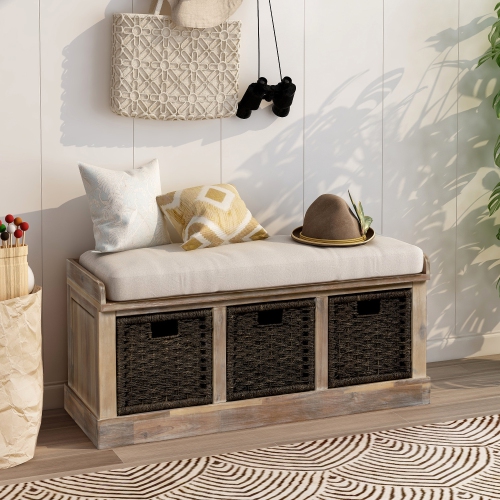
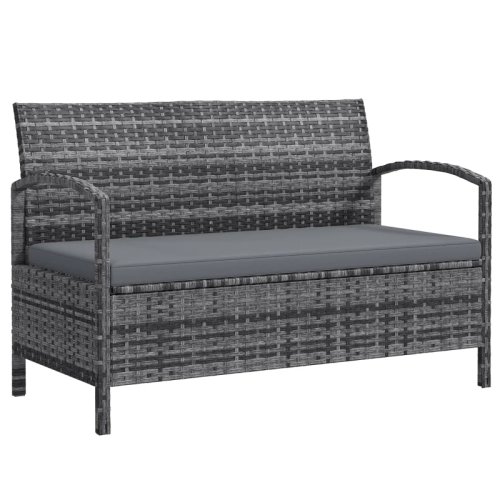
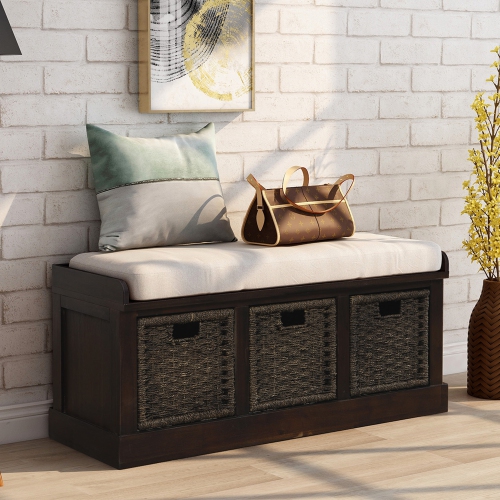

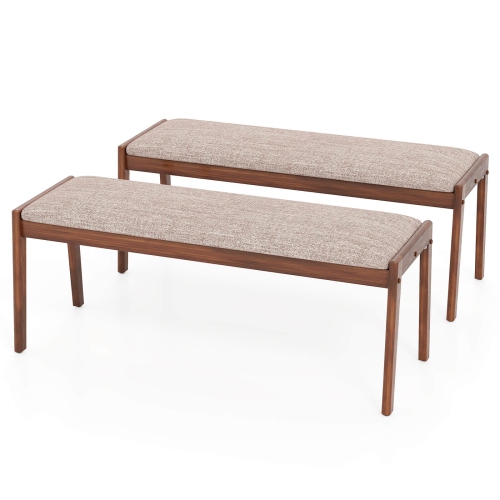
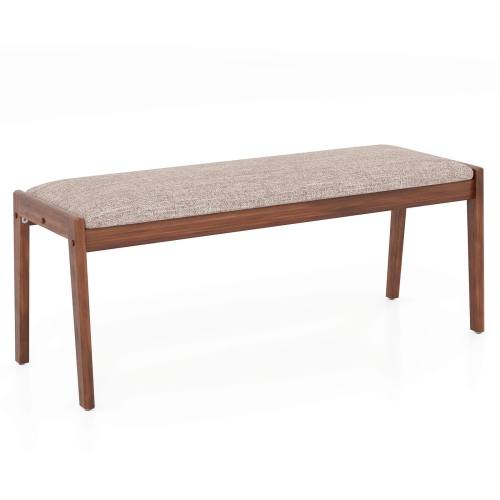
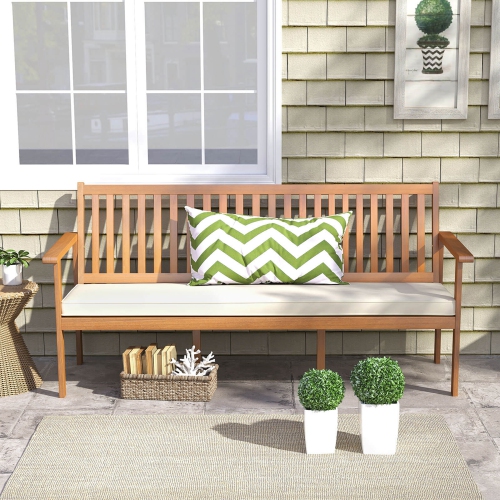
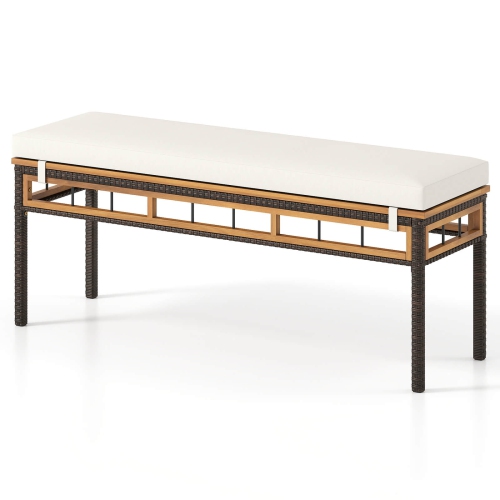
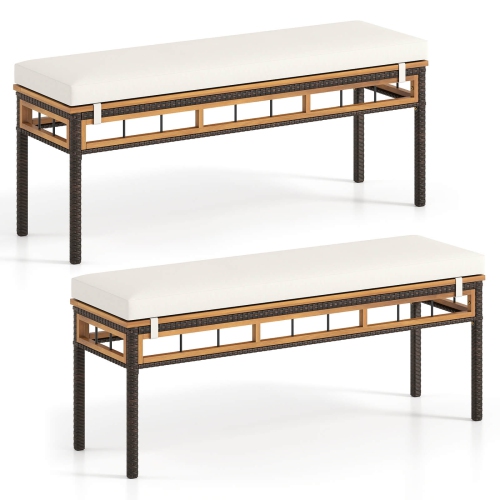
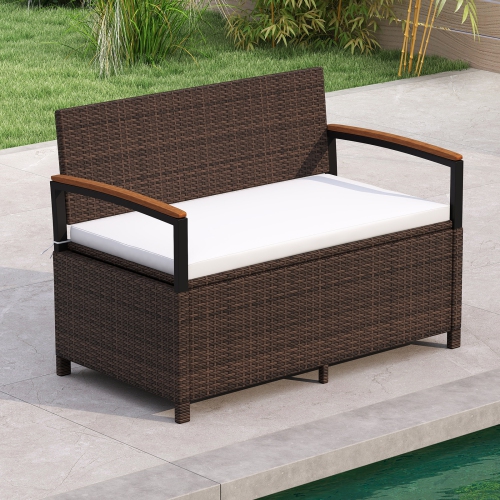
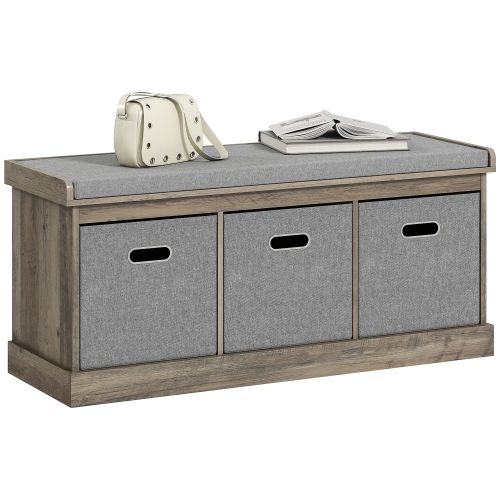
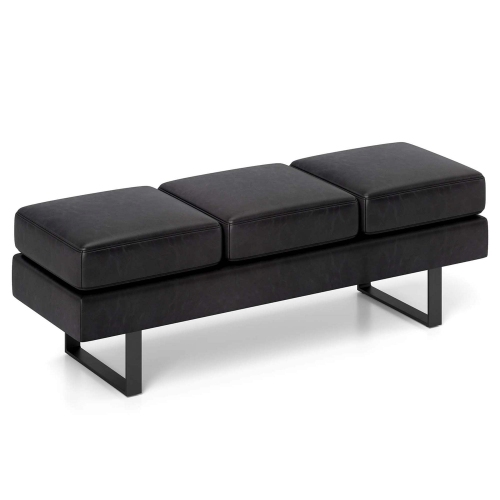
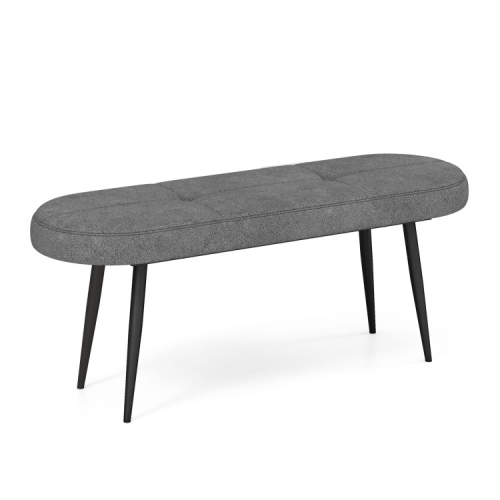
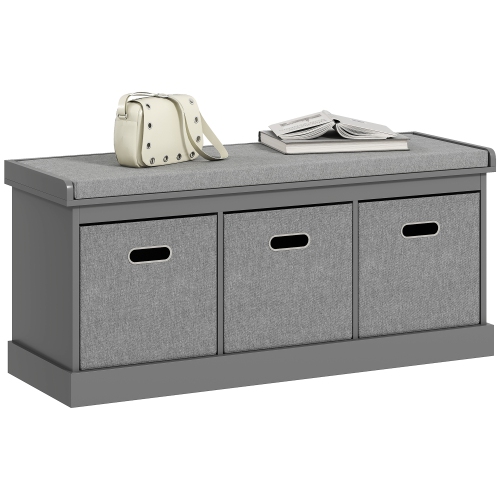


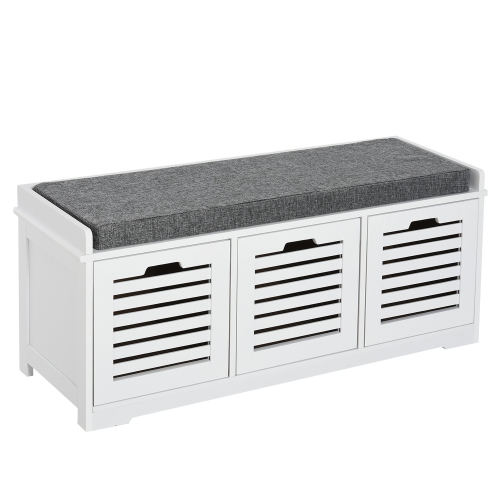
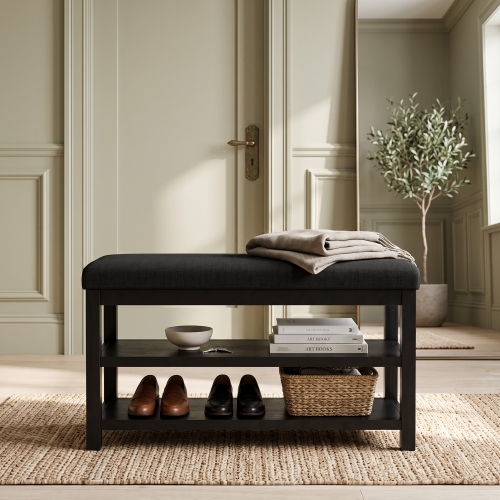
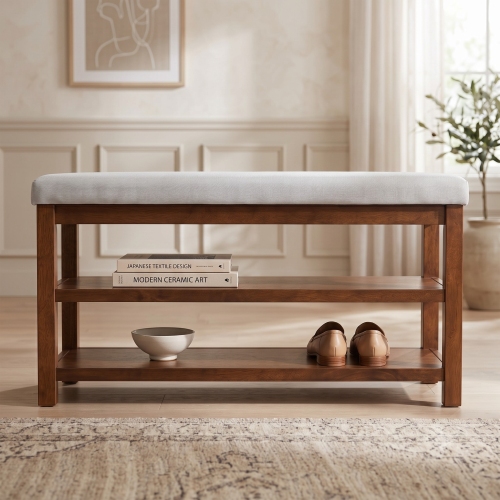
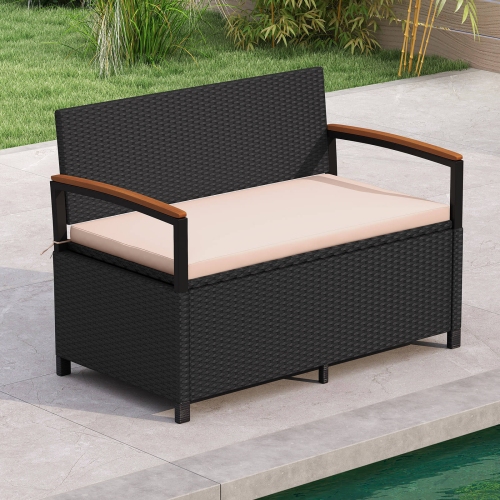
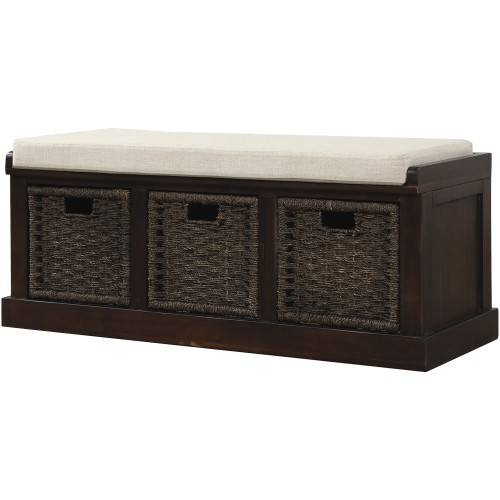

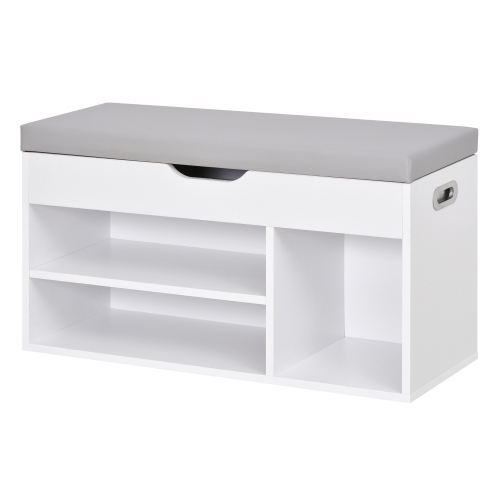
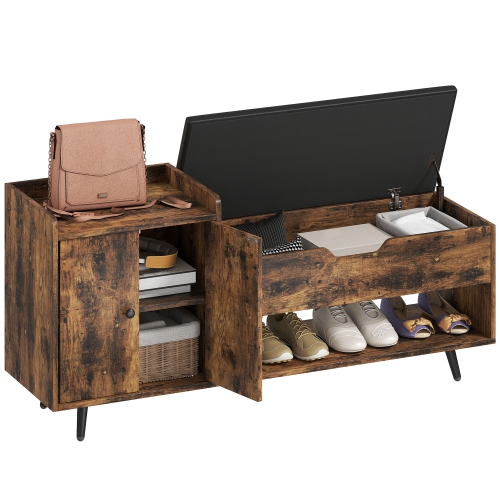

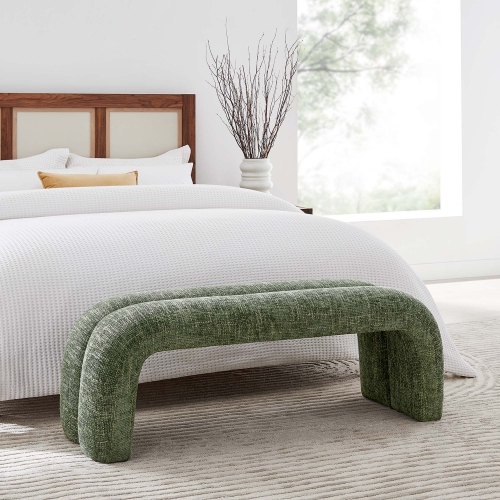
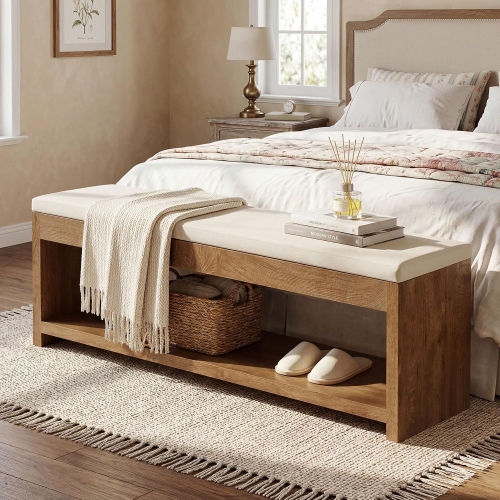
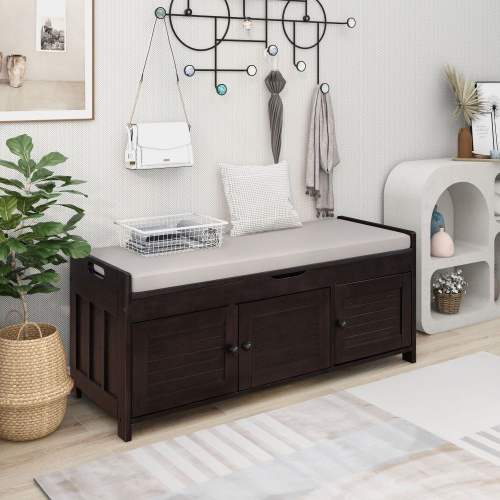
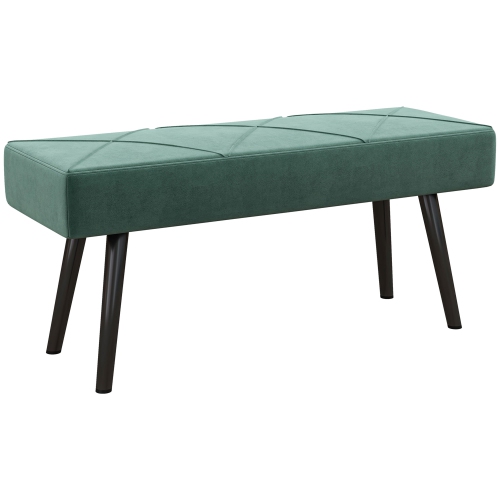
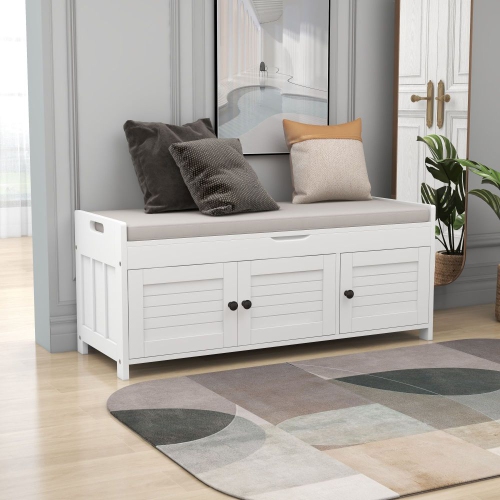


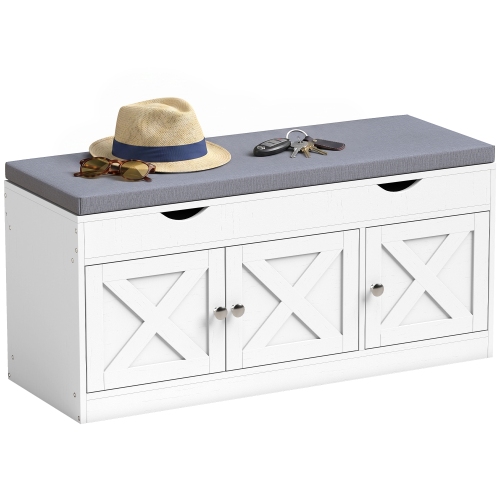
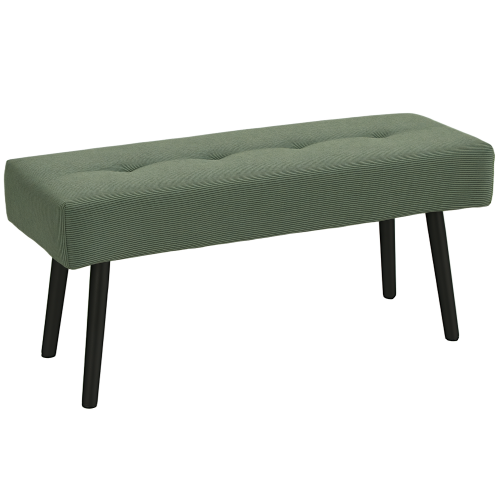
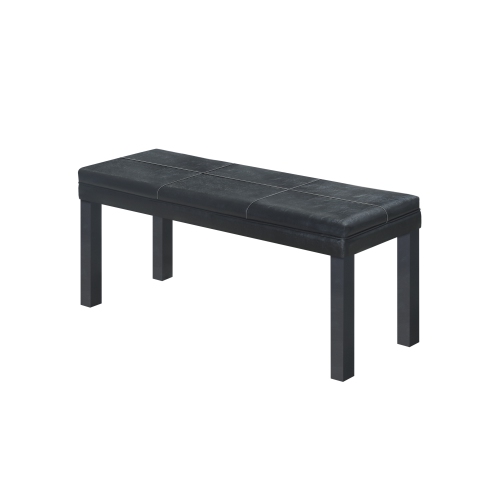

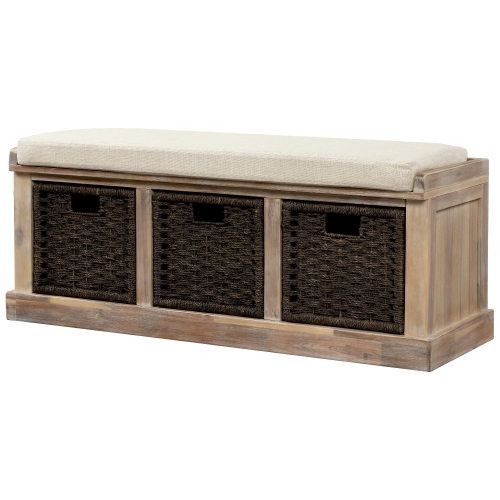
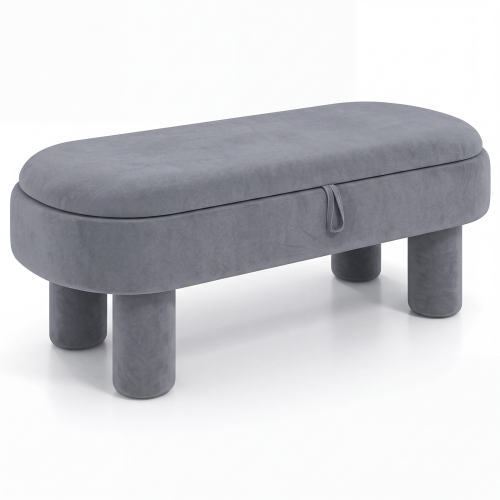
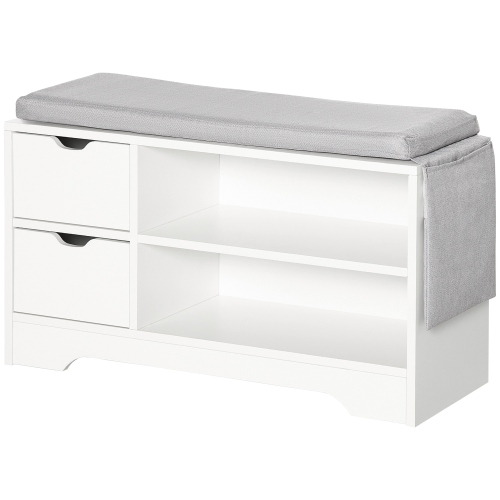
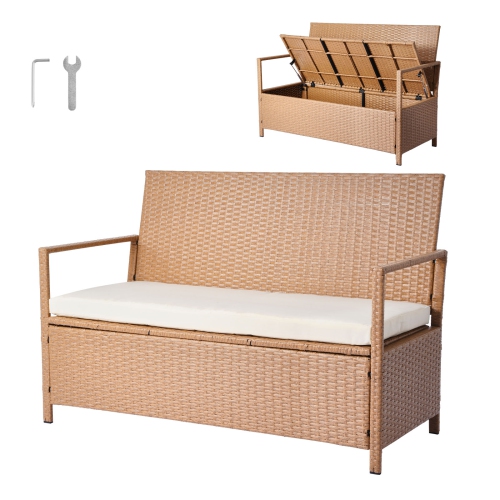
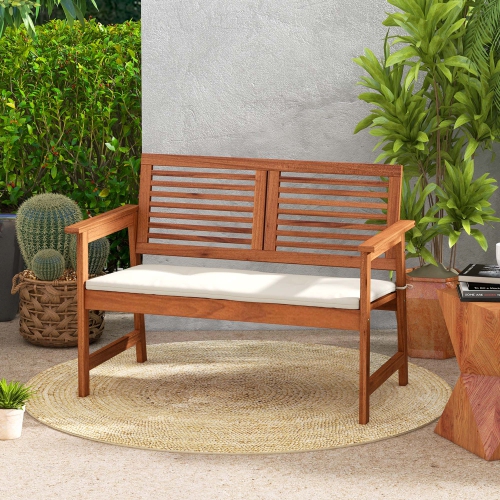
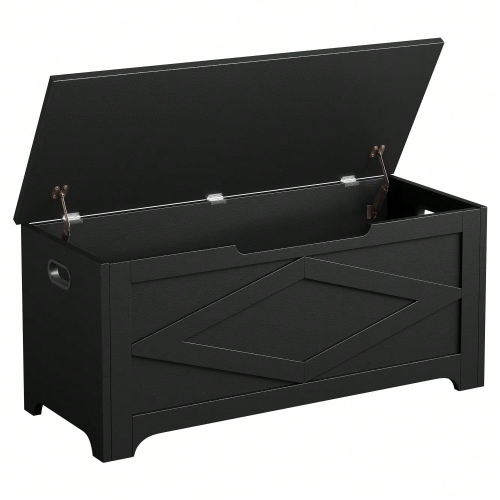
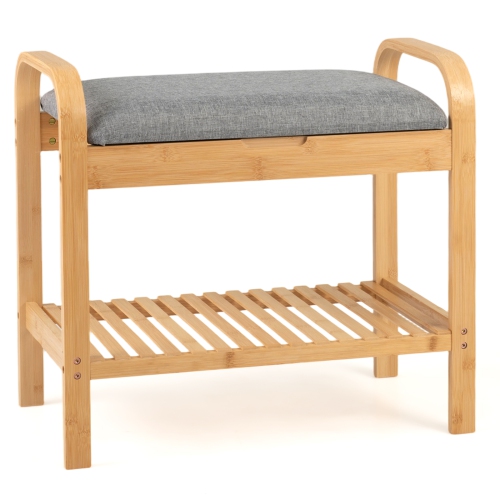
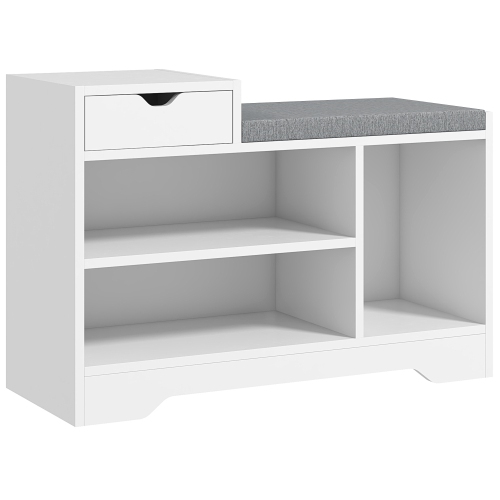
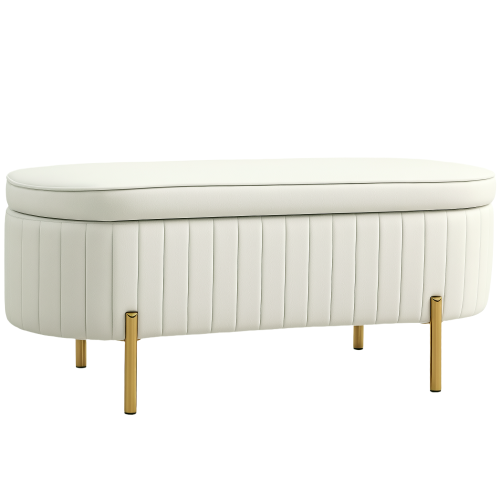
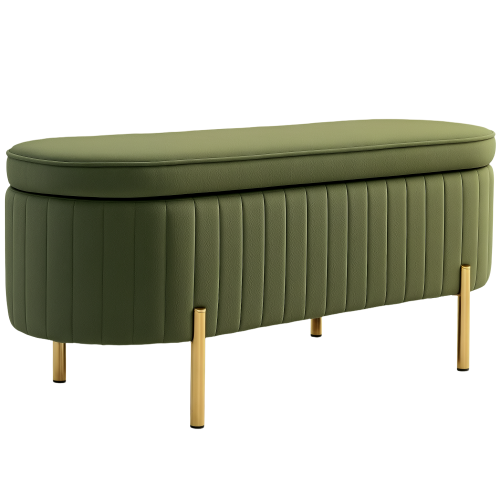
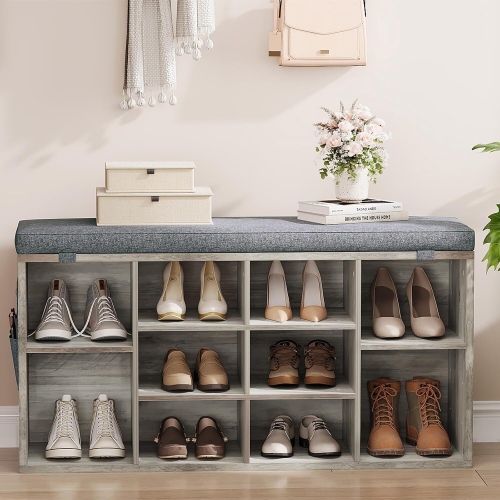
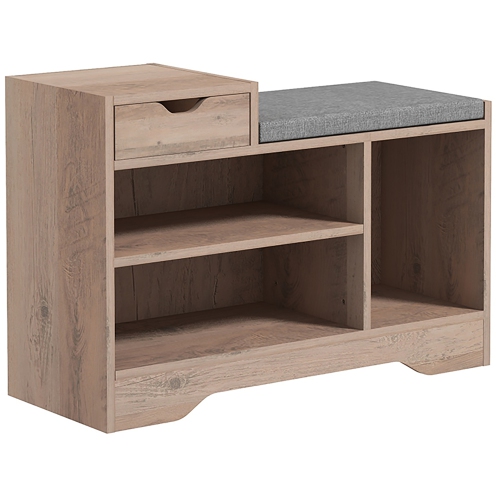
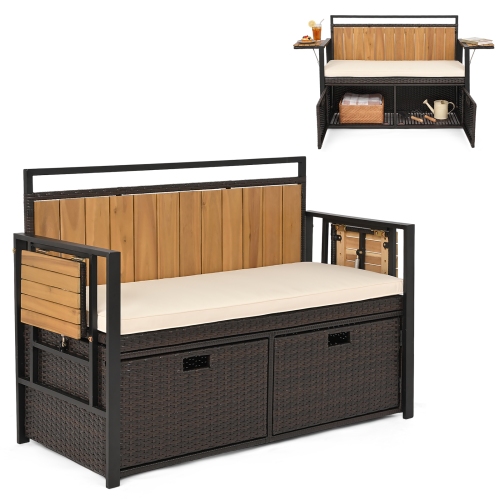
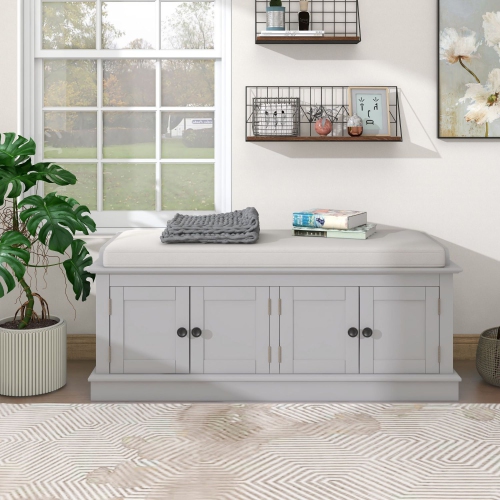
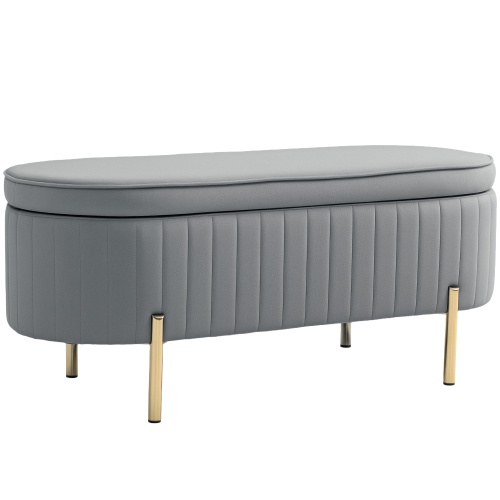
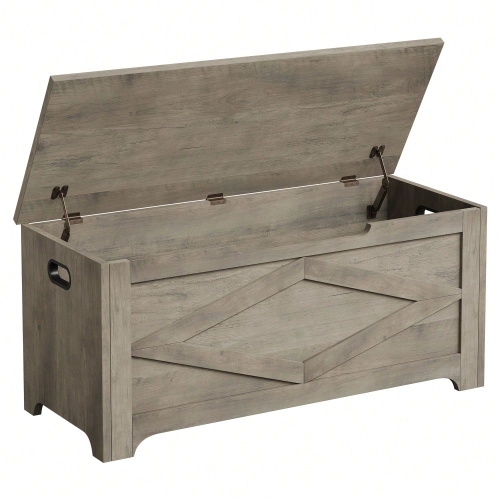

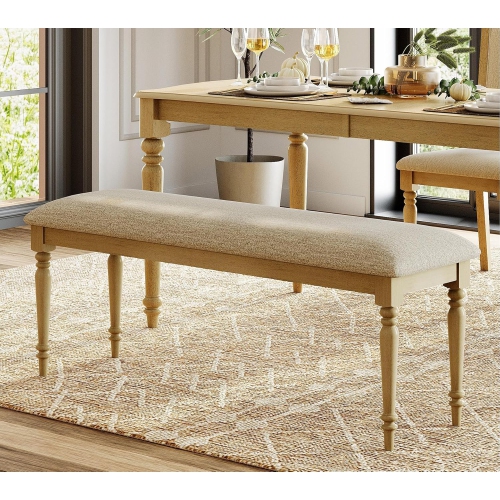
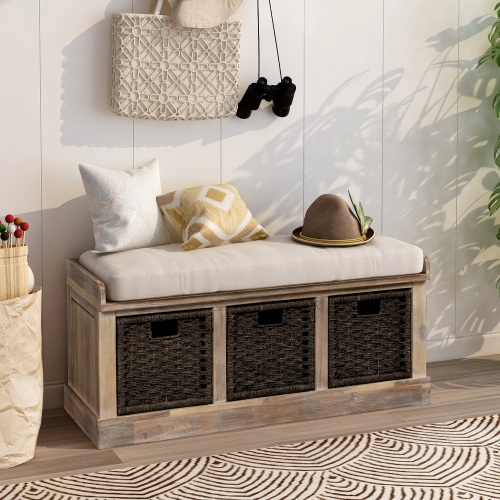
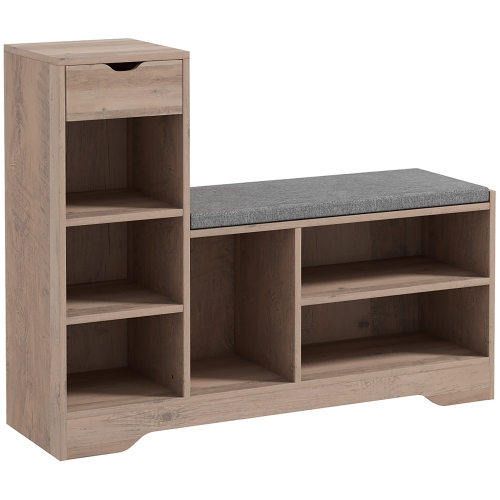
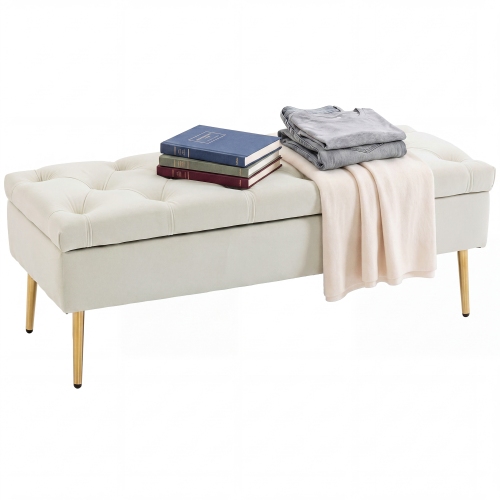

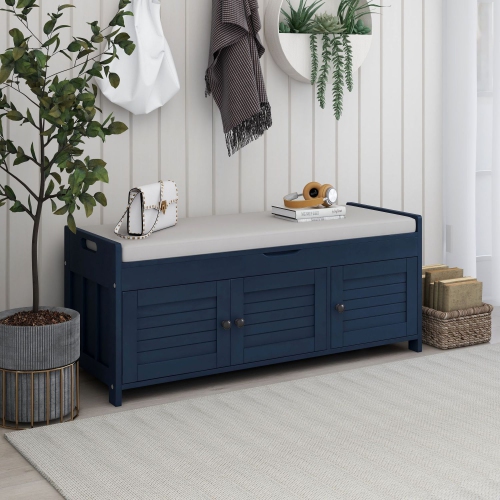
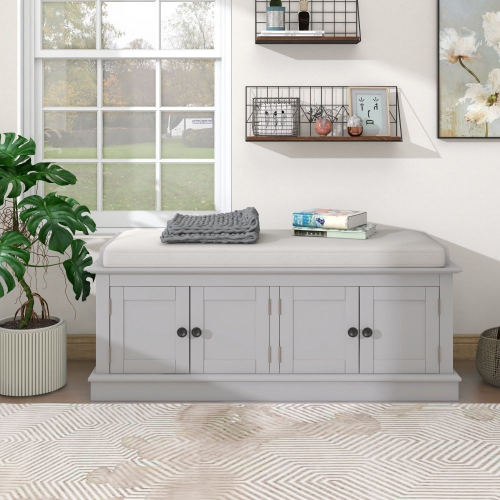
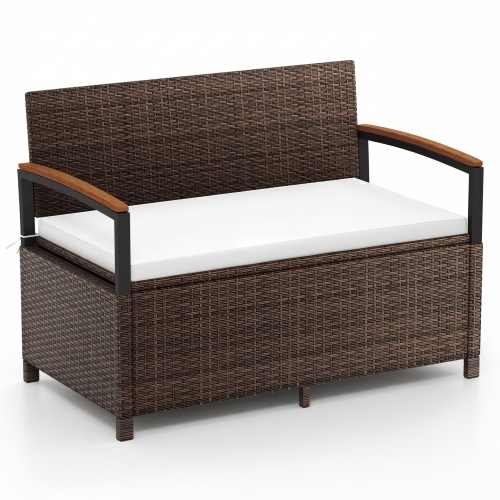

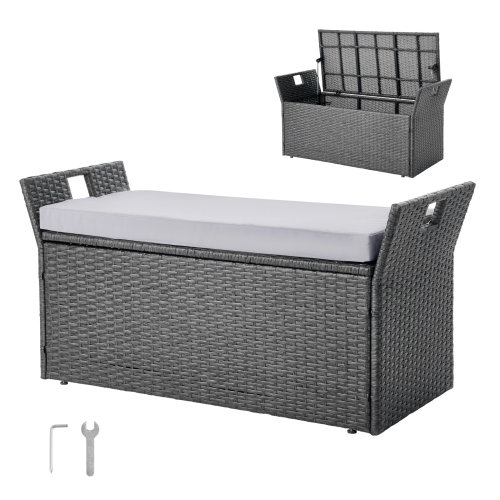
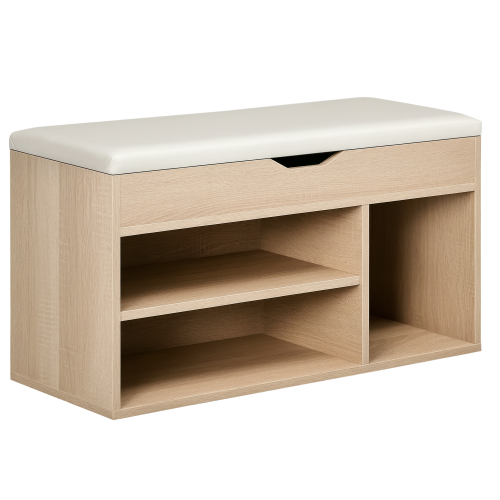
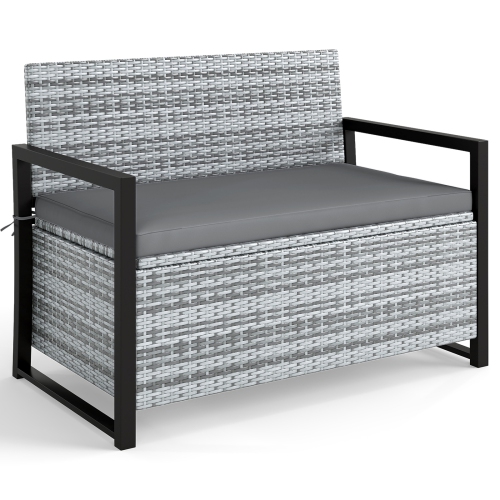
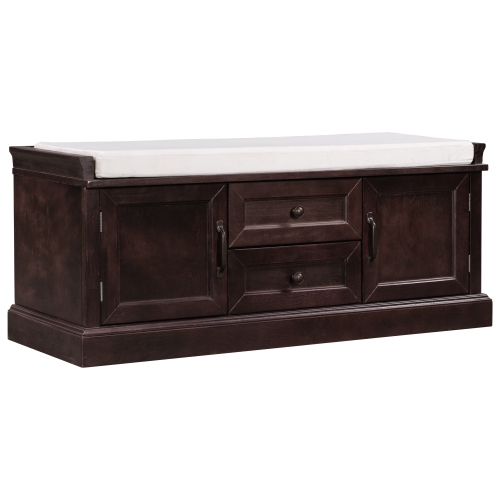
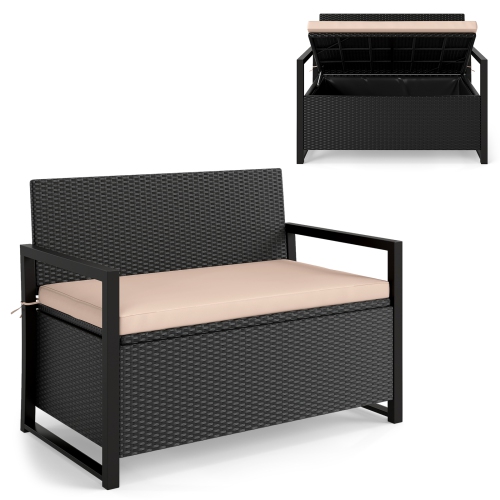
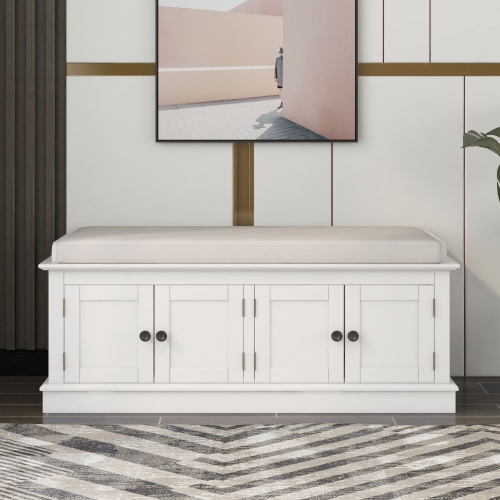
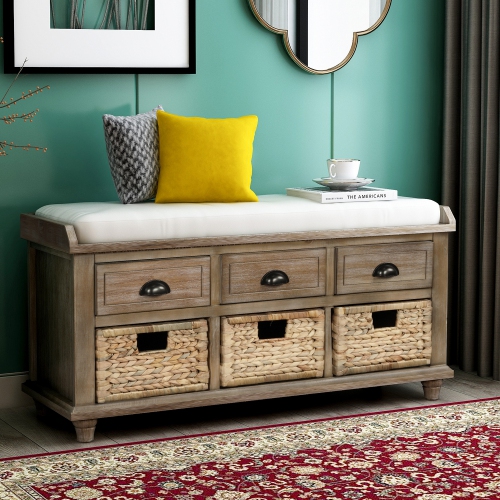
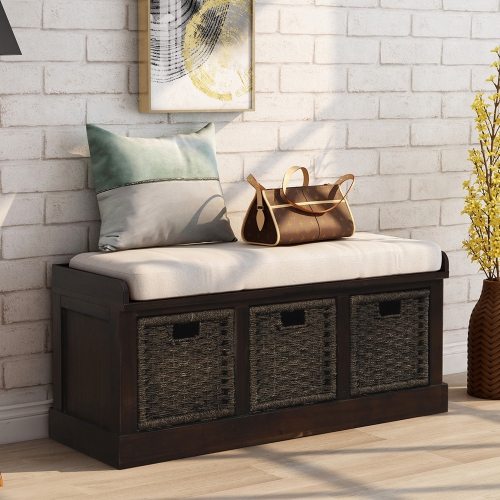
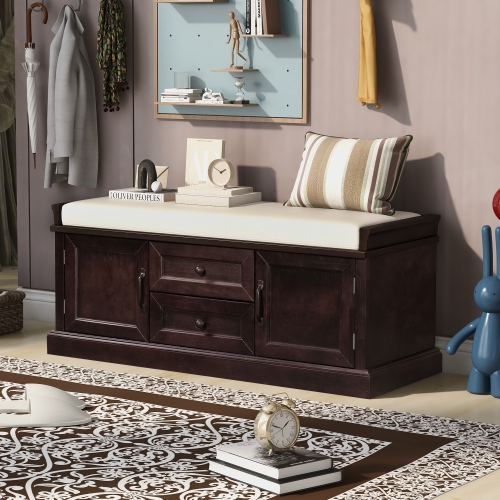
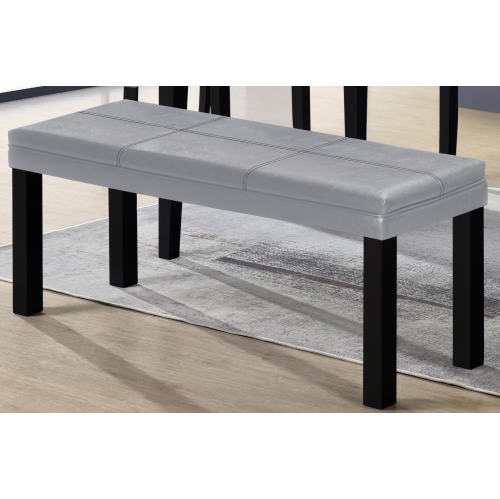
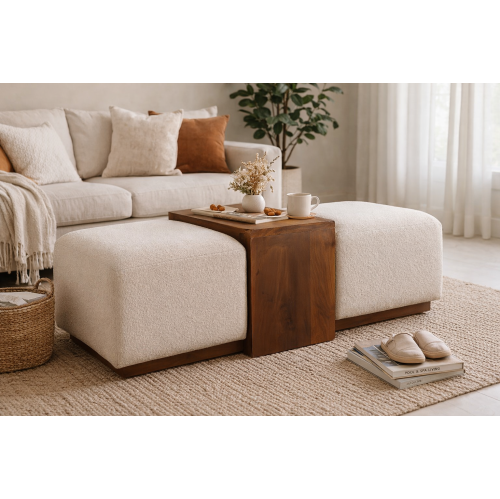

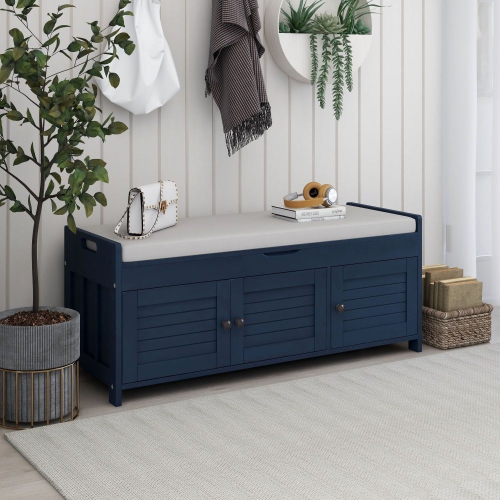
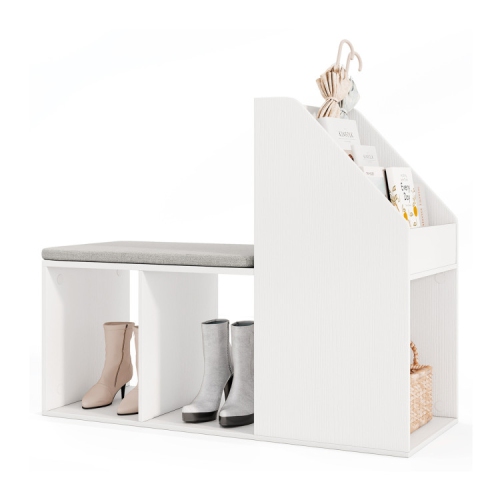
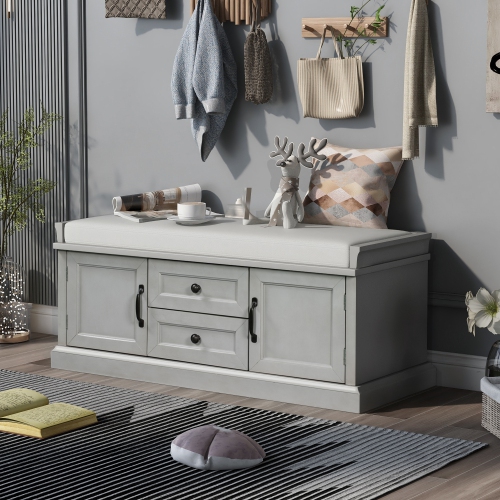
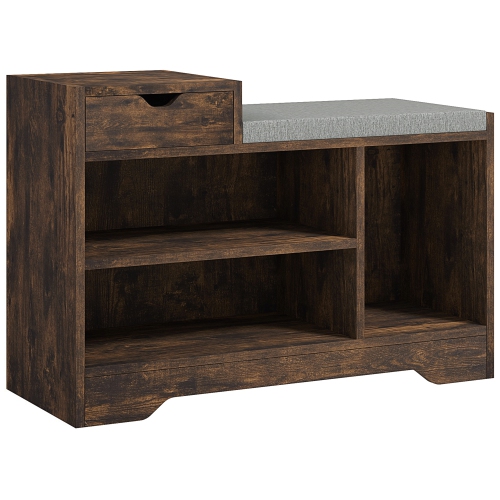
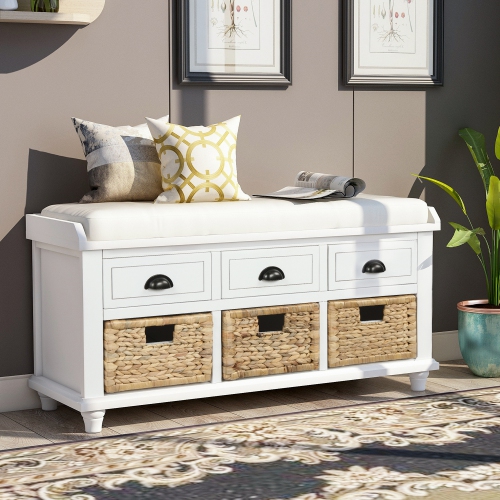
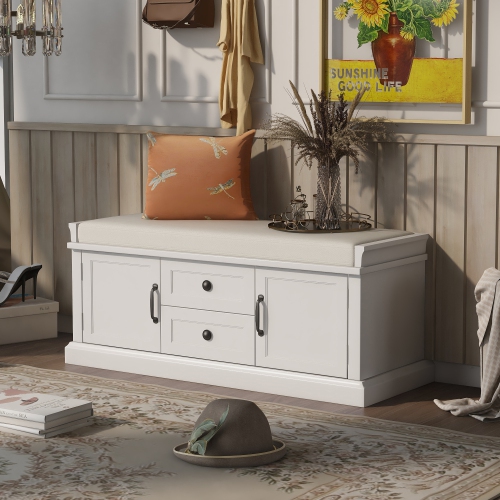
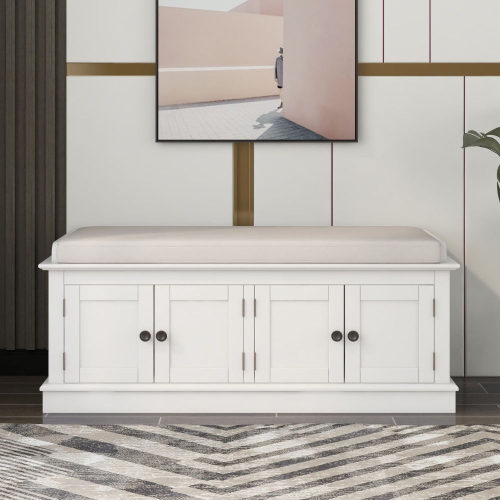
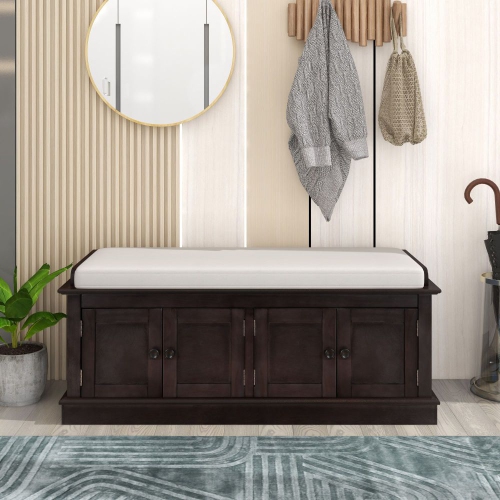
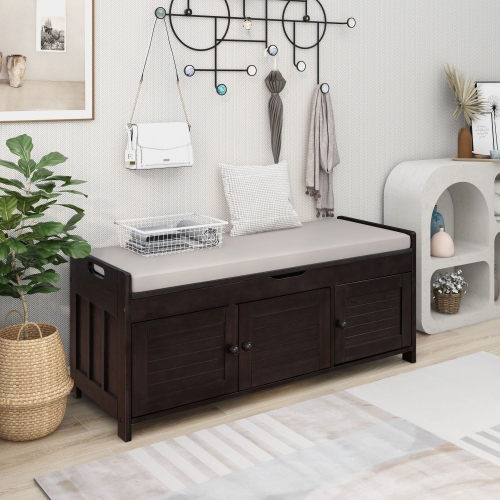
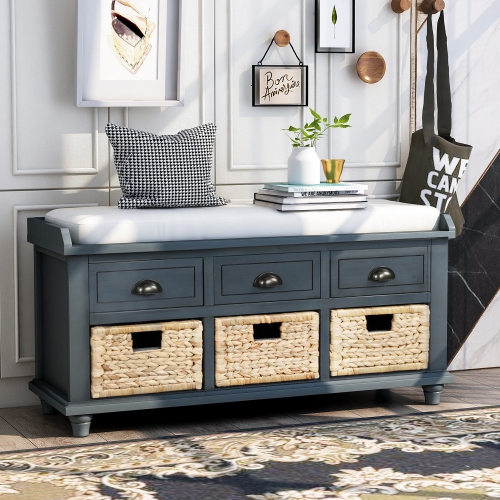
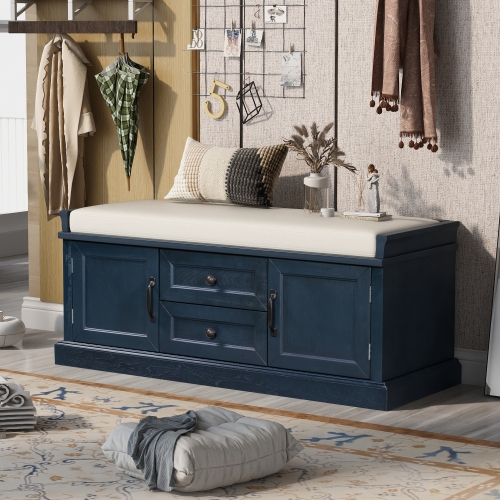
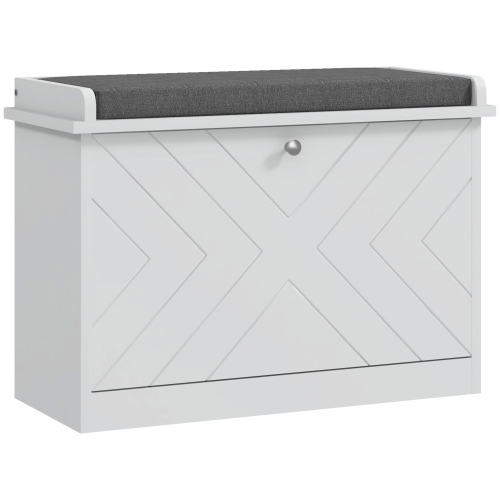
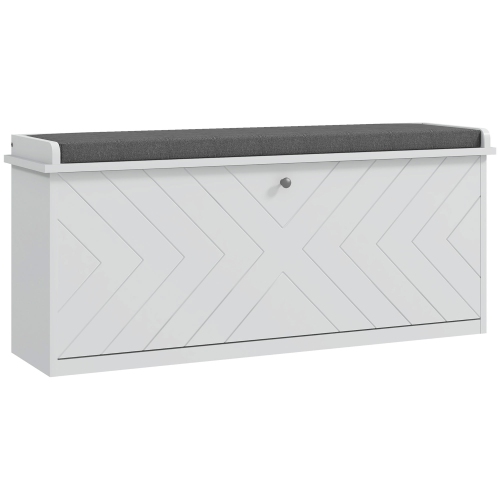
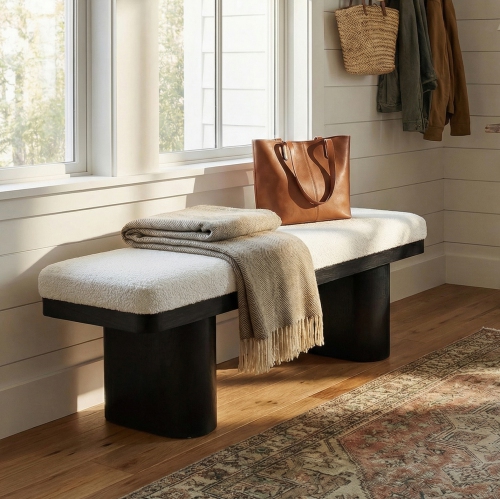
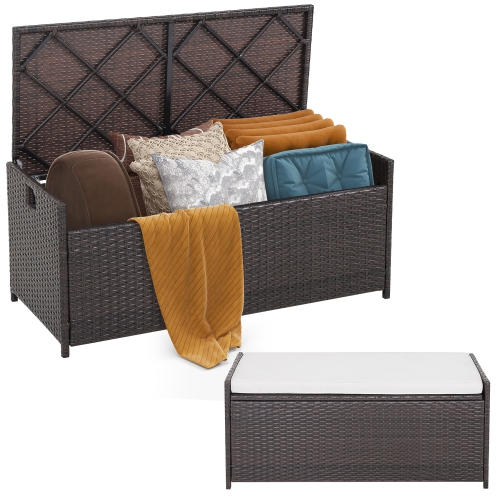
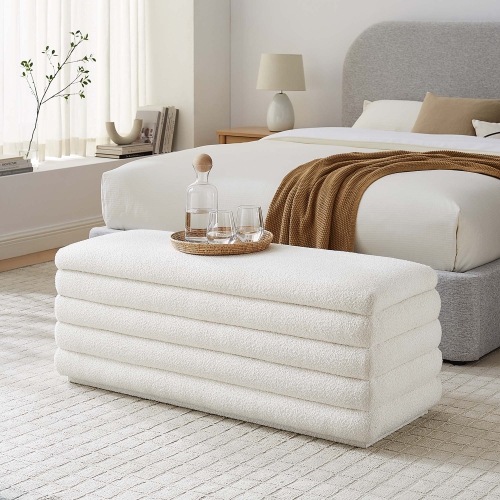
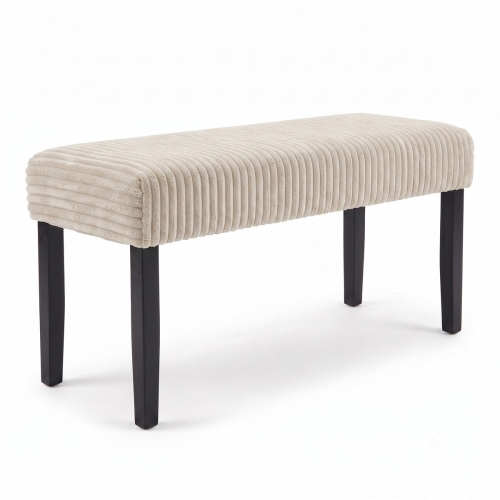

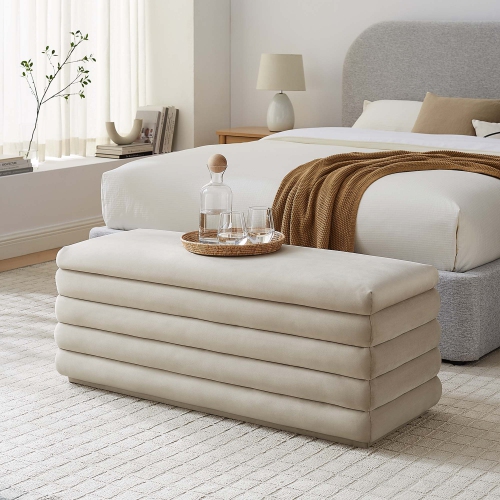
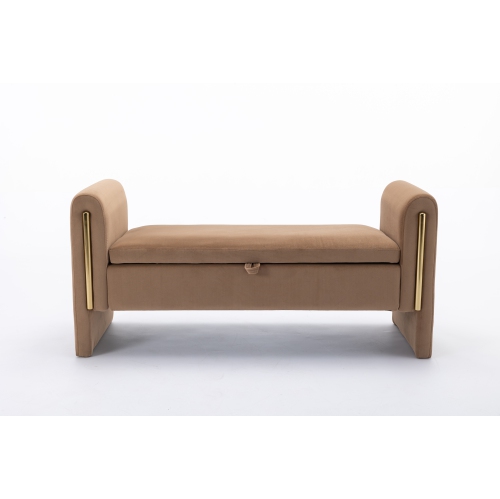
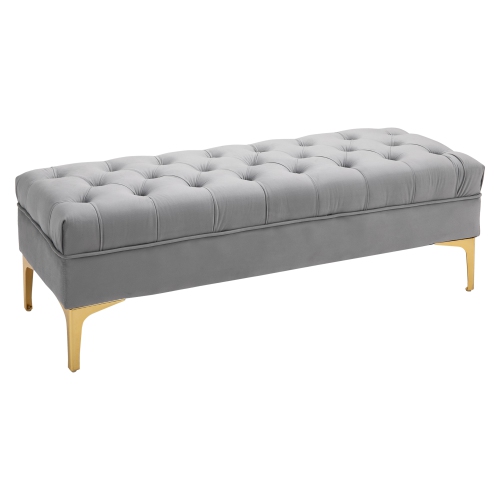
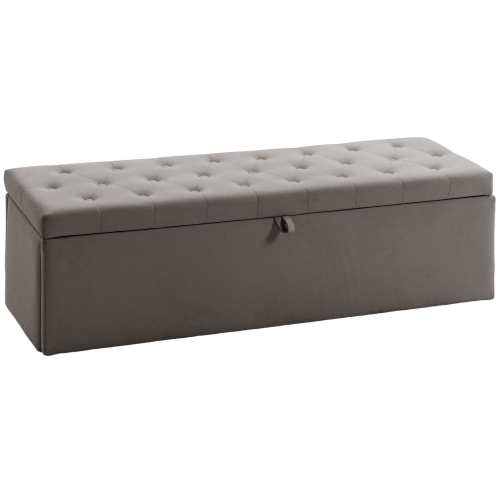
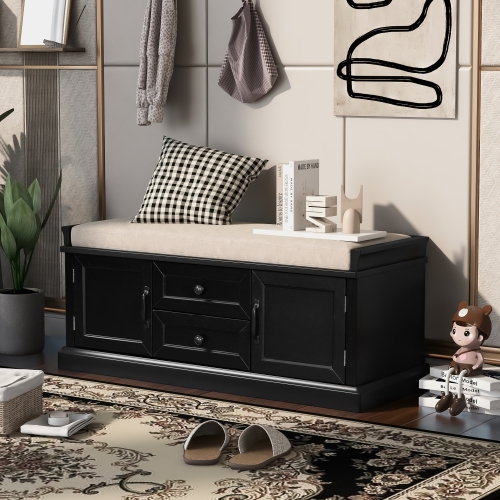

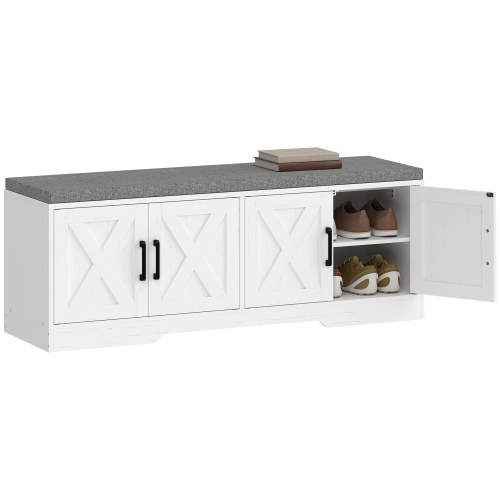
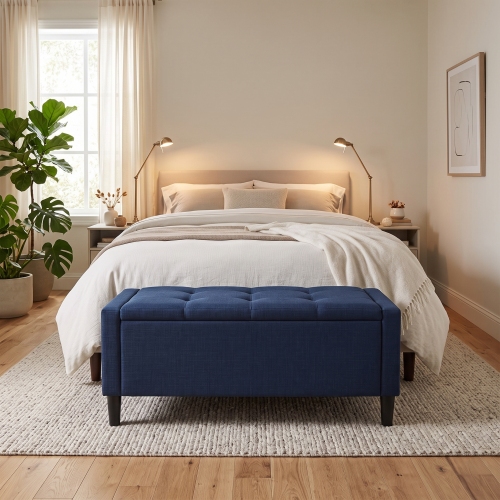
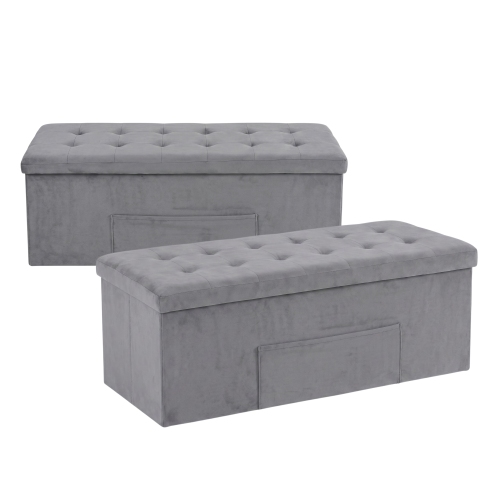
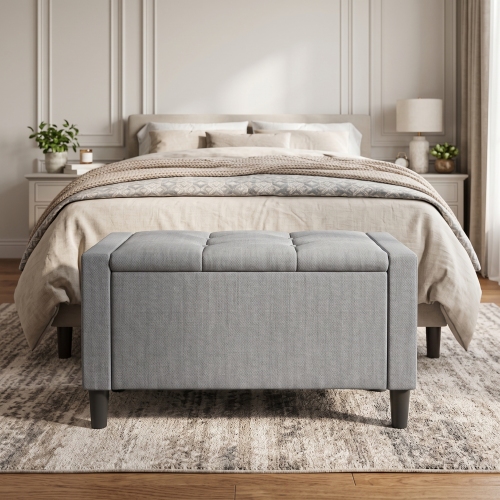
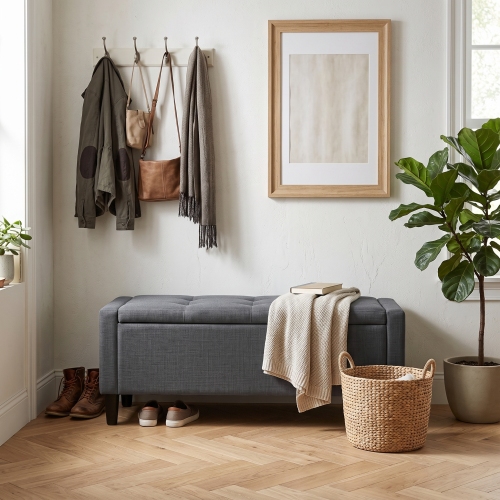
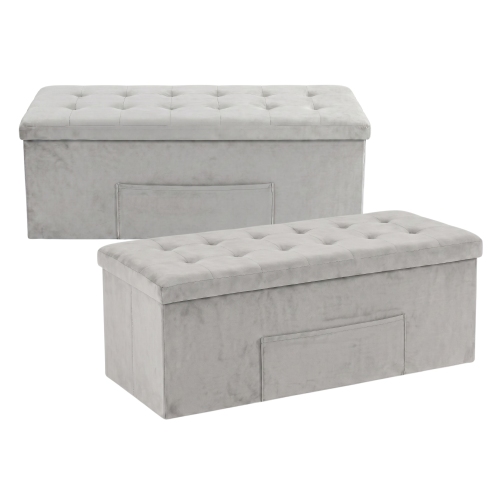
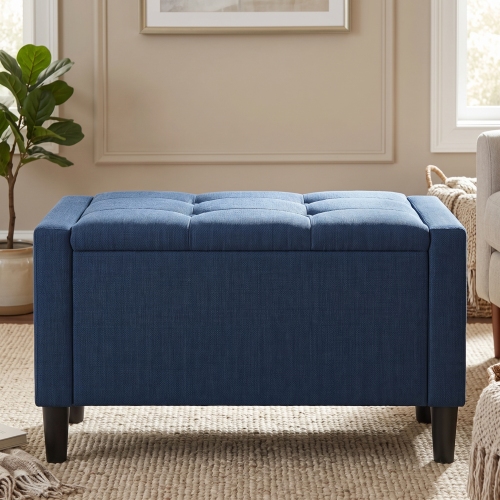
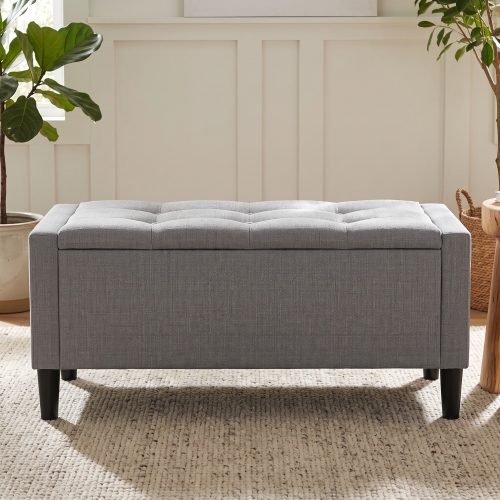
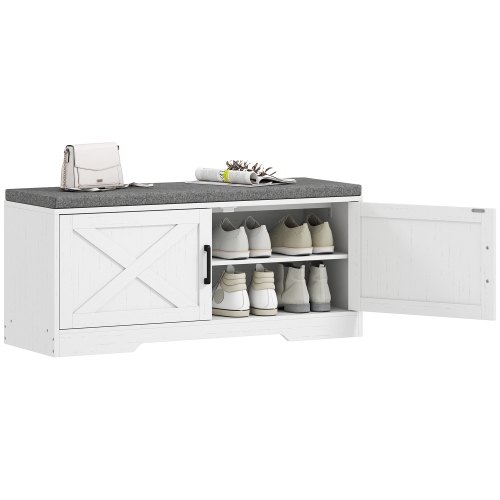
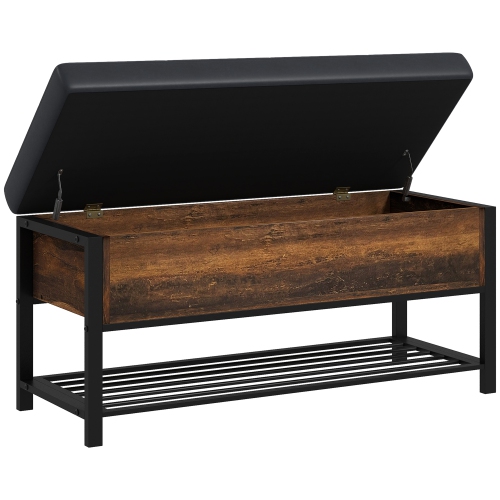
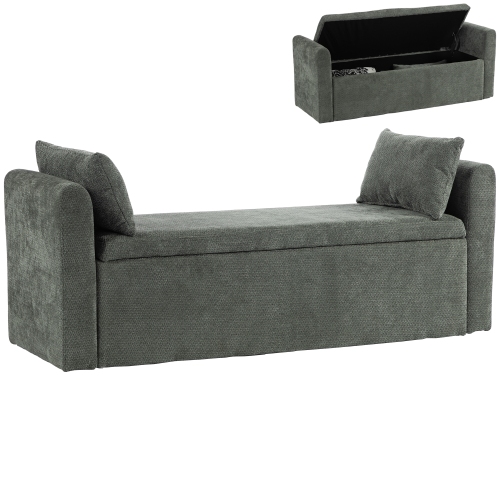
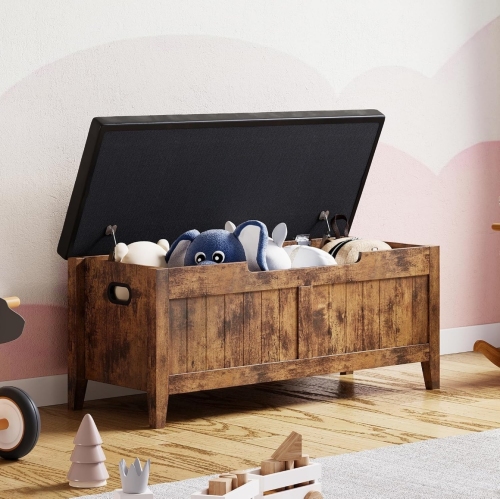
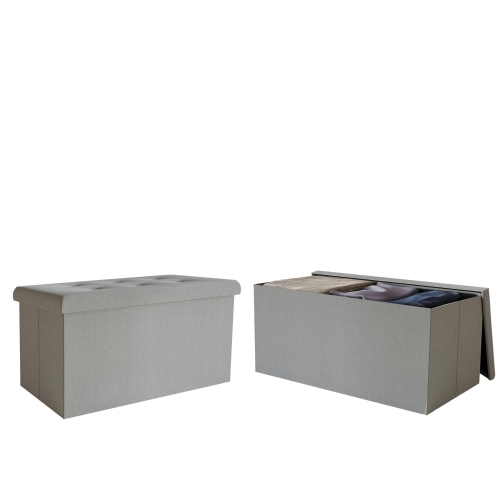
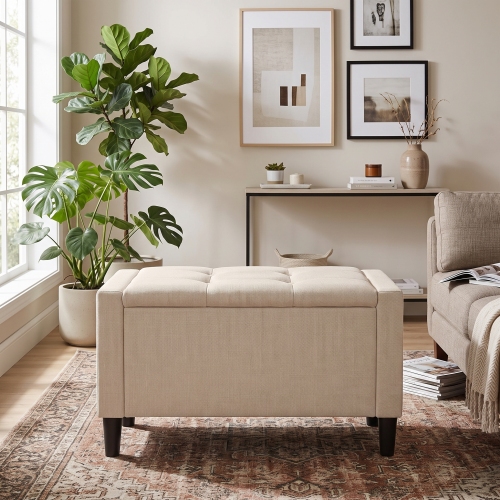
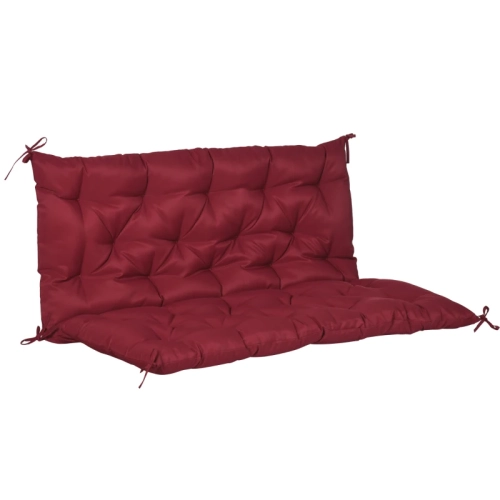
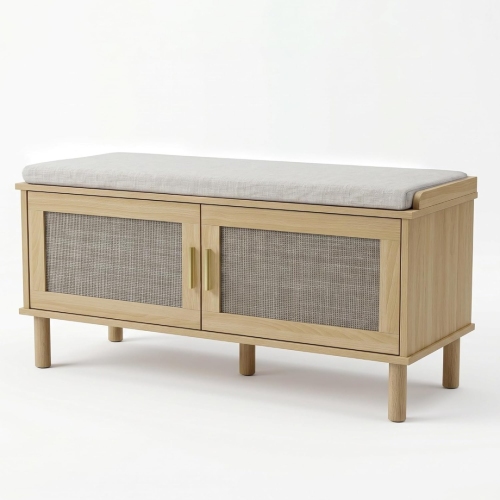
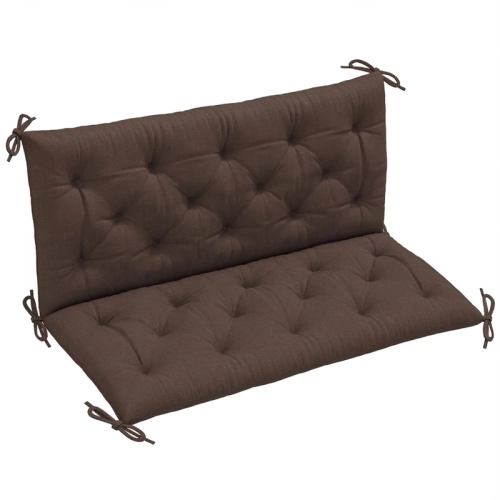
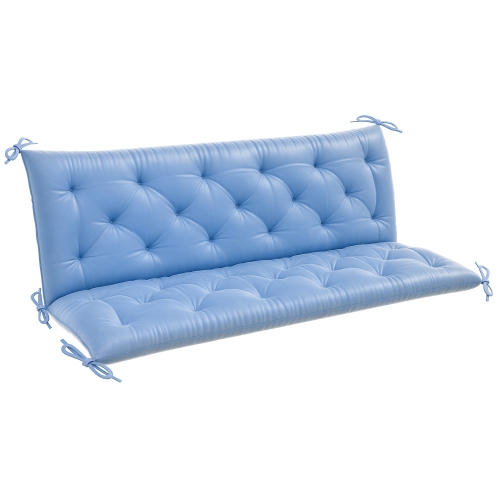
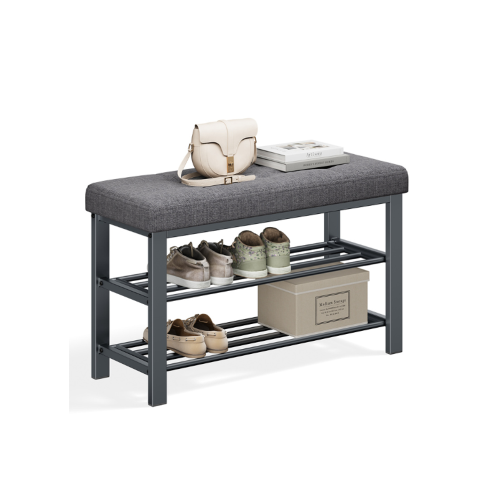
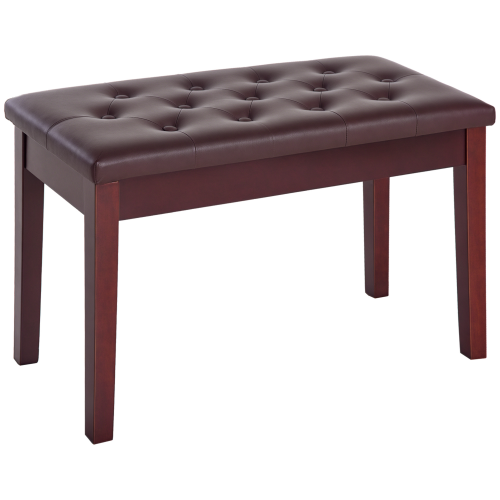
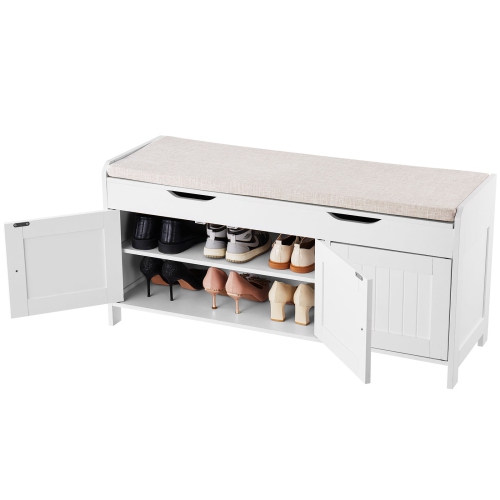

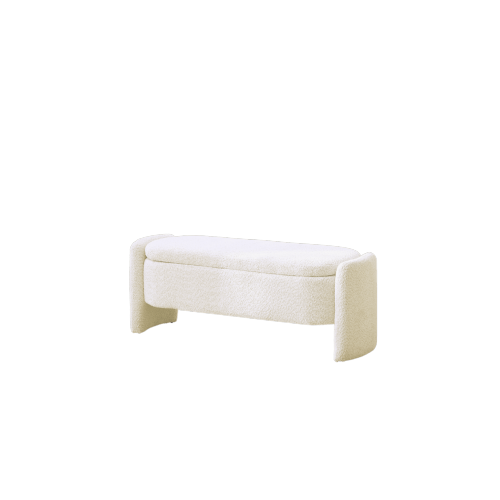
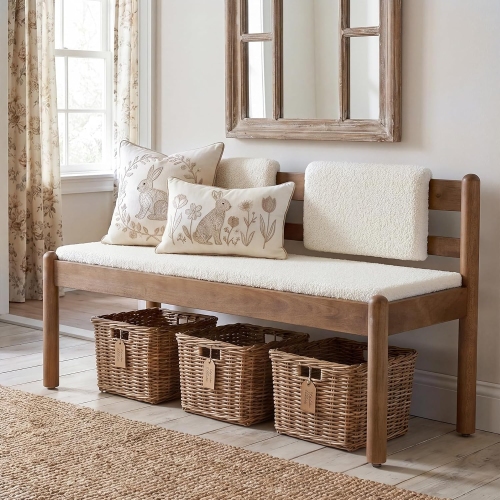
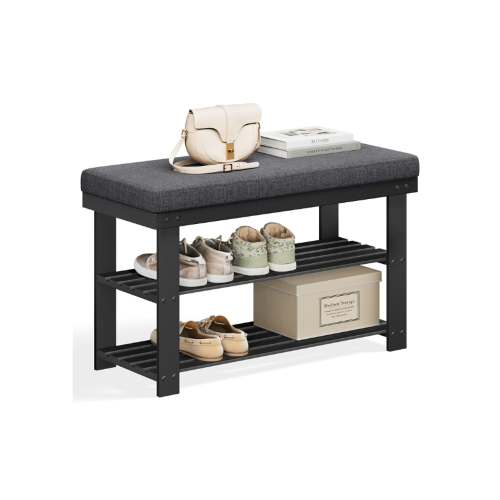
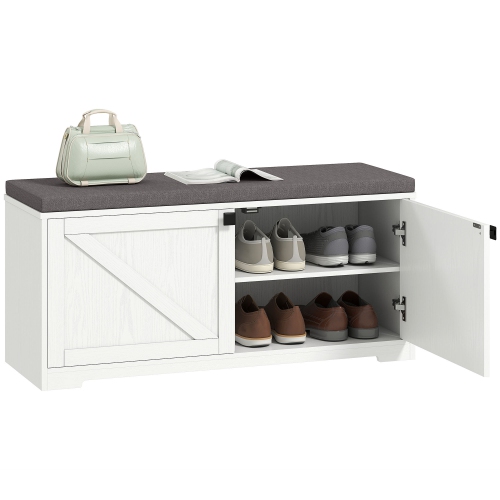
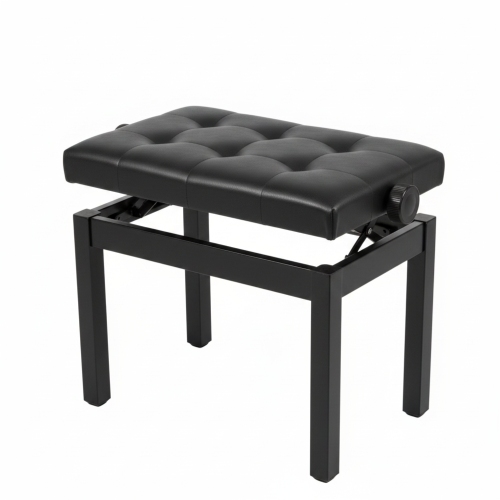
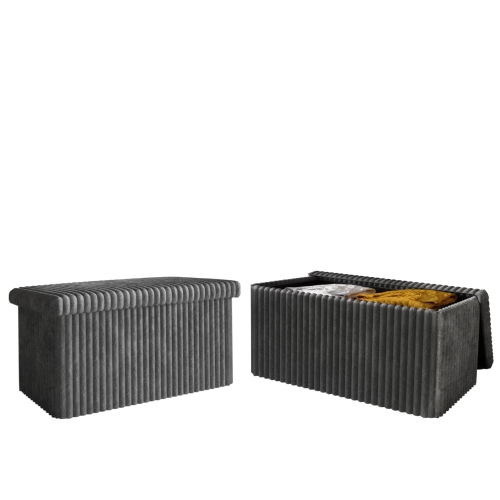
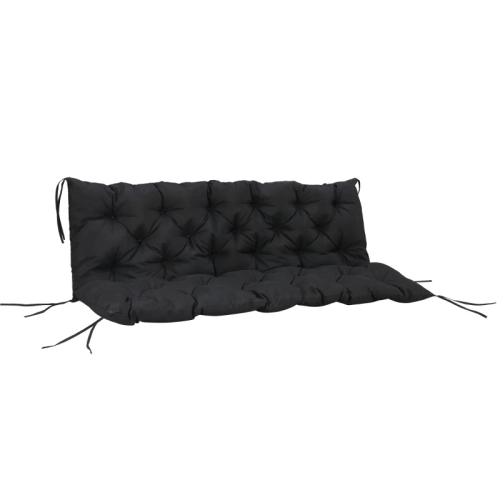
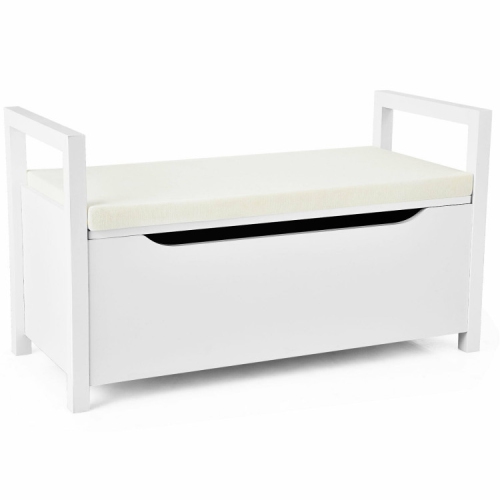
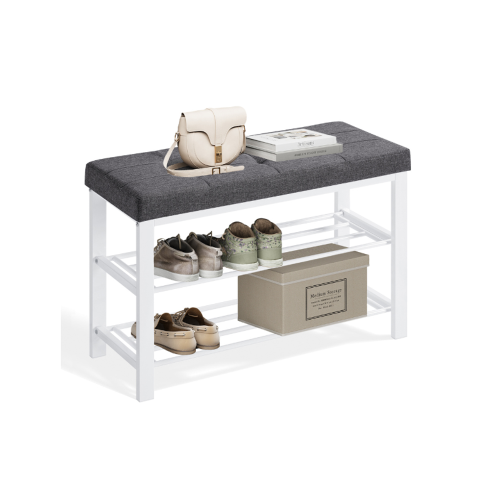
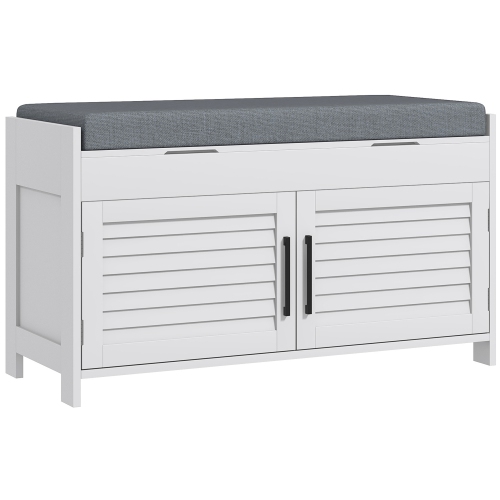
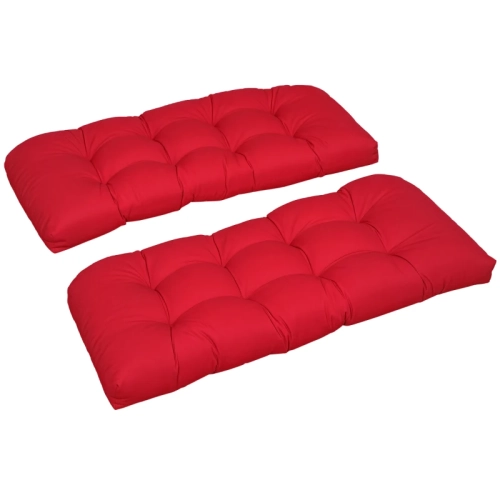
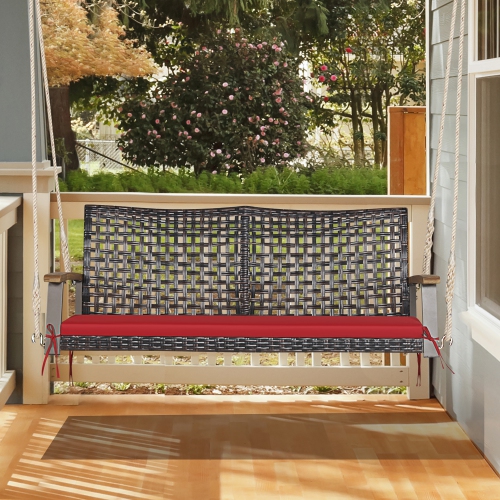
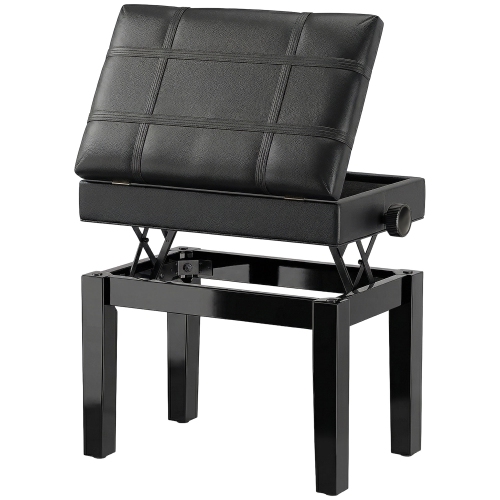
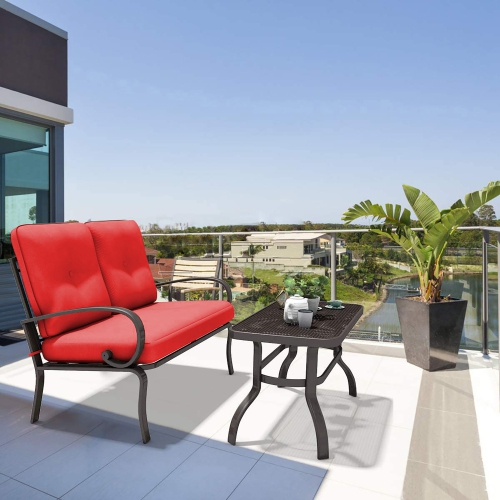
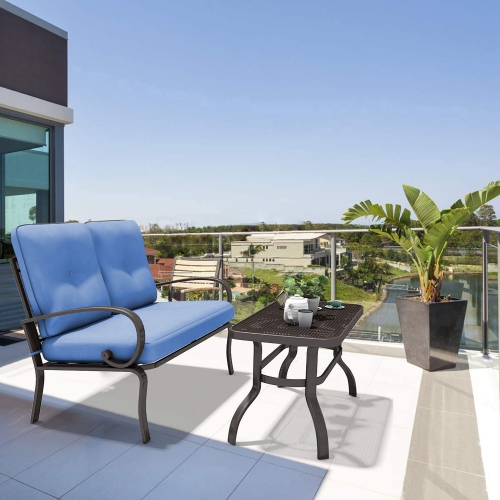
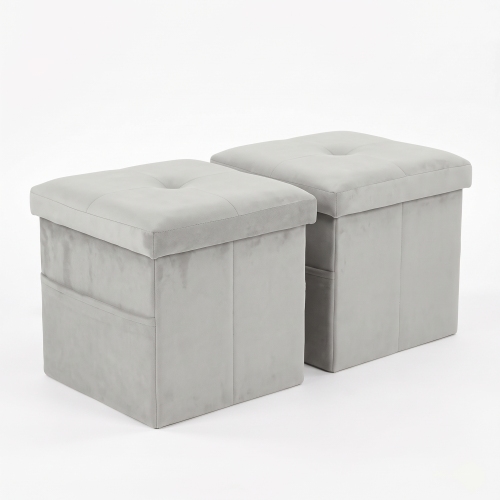
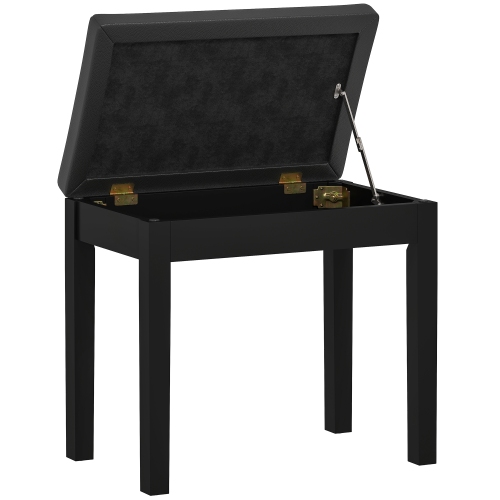

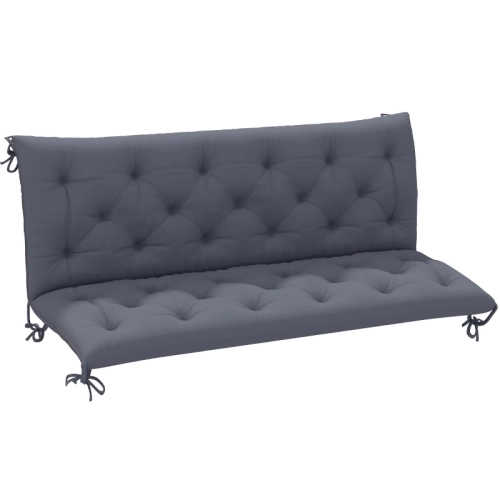
A comfortable perch for more than tying shoes
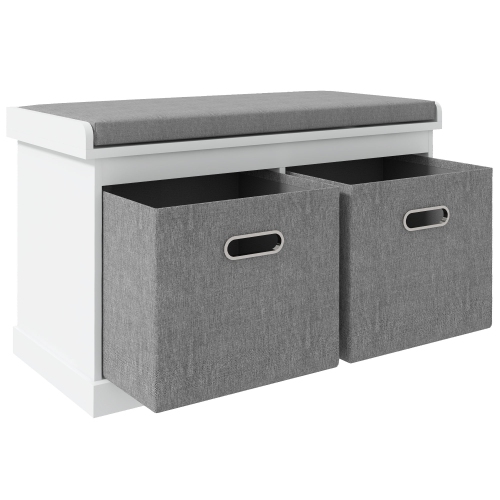
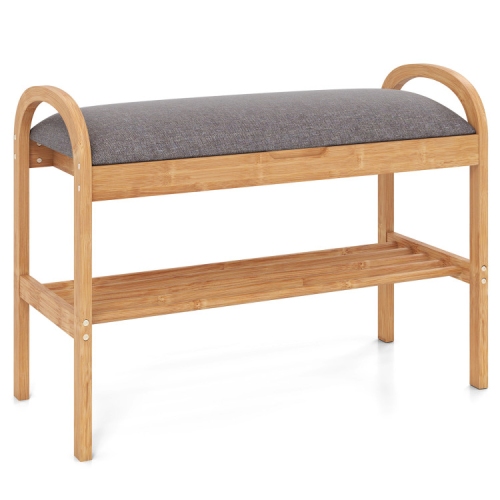
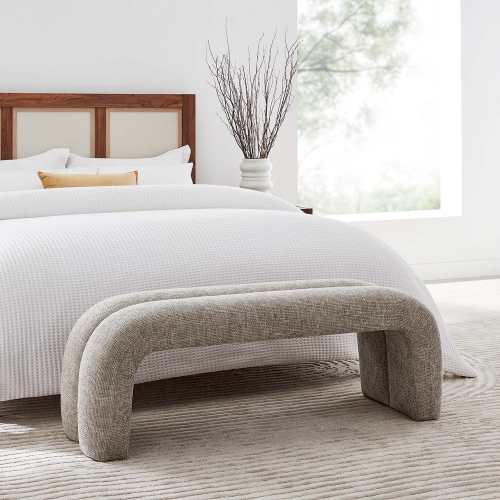
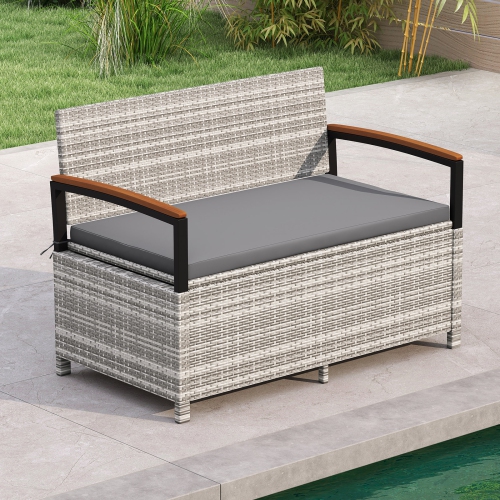
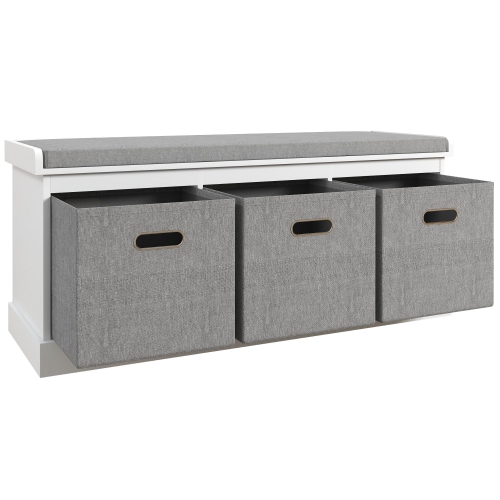
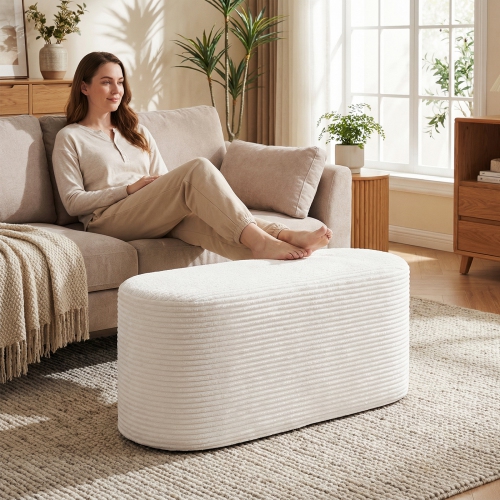
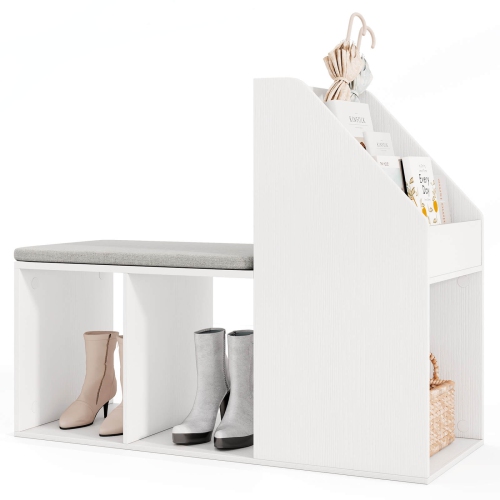
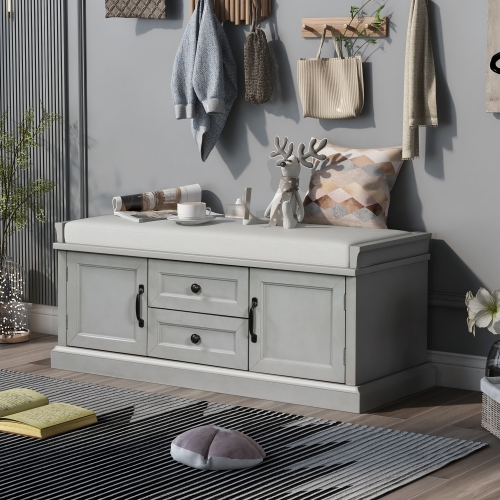
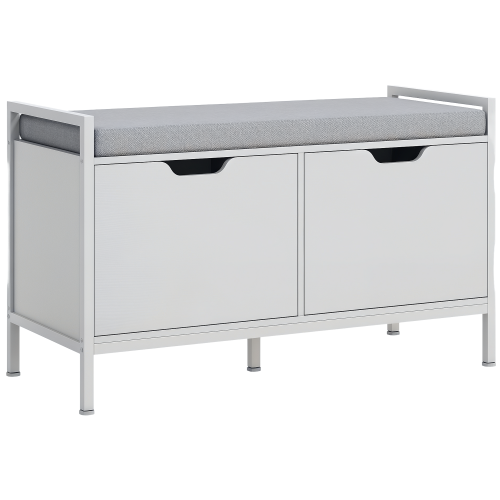
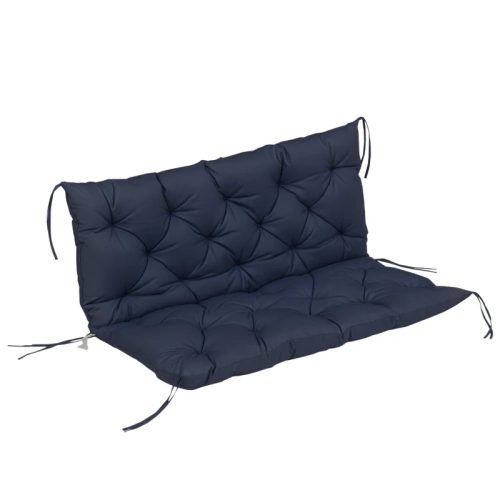
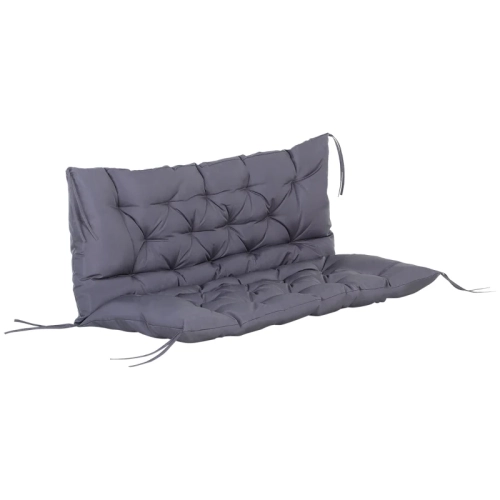
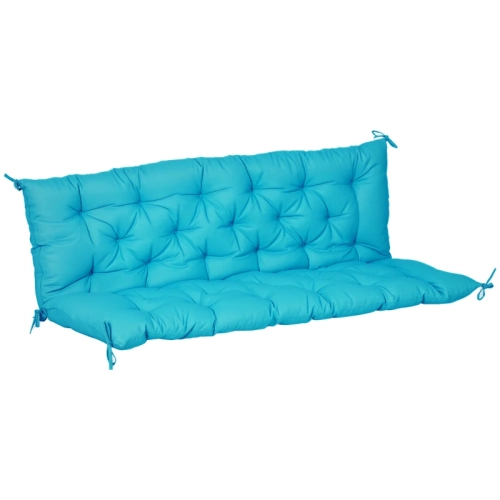
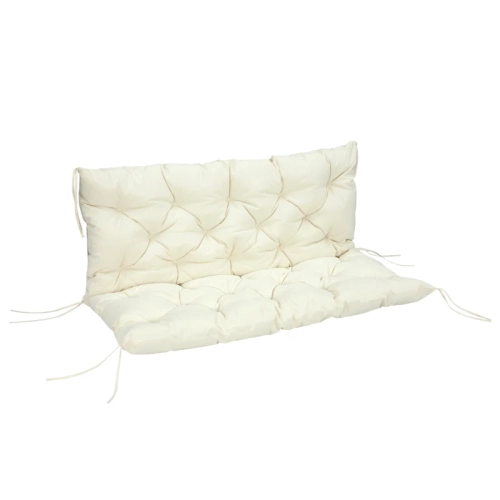
Cushioned benches combine a padded seat with the space-saving shape of a bench, adding comfortable seating to entryways, bedrooms, living rooms, and dining areas. Some focus on a clean, upholstered silhouette, while others include concealed compartments or open shelving beneath the seat. In an entryway, a cushioned bench offers a place to sit while tying shoes, setting down a bag, or helping a child get ready to head out. A compact design can sit against a hallway wall without taking up the space of a separate chair and side table. Compact benches often measure approximately 24 to 36 inches wide, while wider designs around 48 to 60 inches or more can suit the foot of a bed or a larger foyer. Overall dimensions matter as much as width: deep seats, flared arms, and angled legs can extend farther into a room than expected. Many benches have a seat height of approximately 17 to 20 inches, although the right fit depends on the user and the intended placement. A seat that allows feet to rest flat on the floor is generally more practical for putting on footwear than a low, deeply cushioned design. In a bedroom, a bench that is narrower than the bed can create a balanced arrangement while leaving room to walk around either end. It also provides a useful perch for dressing or folding a blanket before putting it away. Living room benches can add seating along a wall or opposite a sofa without the visual bulk of another armchair. For dining use, the seat height needs to work with the table, with enough clearance for knees and any arms or backrest. Firm, supportive padding is often better suited to meals than a soft seat designed for lounging. Seating capacity should always reflect the stated load limit and usable seat width, rather than an assumption based on appearance alone.
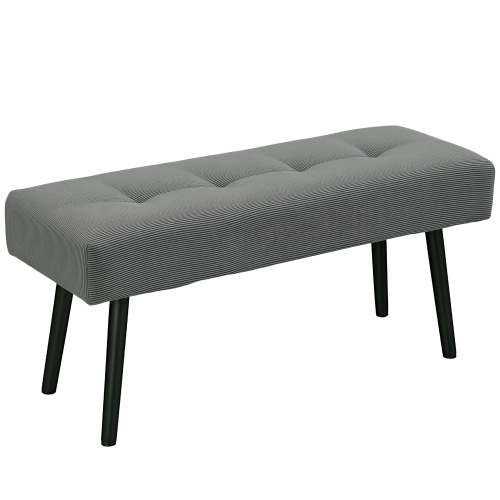
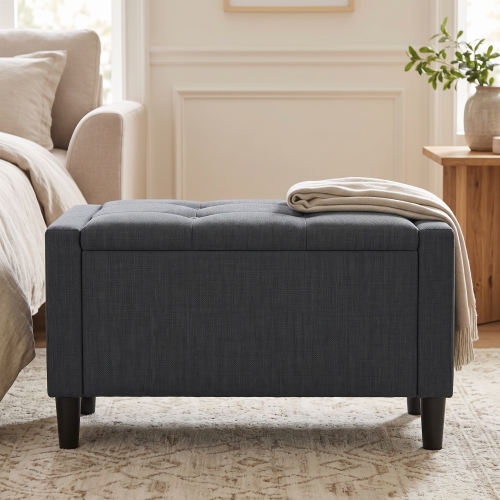
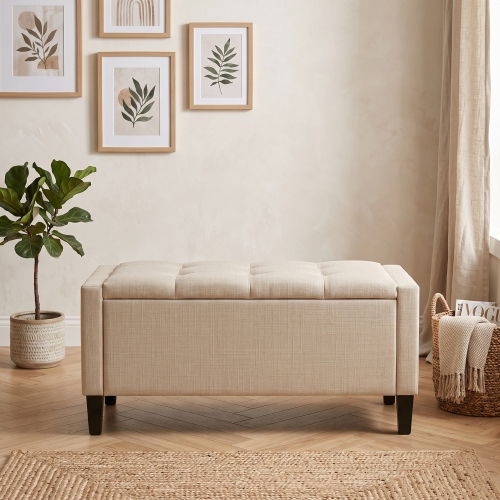
The feel and durability of a cushioned bench depend on its upholstery, padding, frame, and construction working together. Foam provides the main cushioning in many designs, sometimes topped with fibre for a softer surface. A thicker cushion is not automatically more supportive; foam density, firmness, and the structure underneath also affect how the seat feels after repeated use. A softly padded bench may suit occasional seating at the foot of a bed, while a firmer top can make sitting down and standing up easier in a busy entrance. Woven upholstery brings texture to a room, with smooth, tightly woven fabrics offering a different feel from the raised loops of bouclé or the ridges of corduroy. Homes with pets may benefit from considering how easily claws could catch on an open weave and how visible fur will be against the chosen colour. Velvet has a distinctive sheen and can show changes in pile direction, while linen-look fabrics create a more relaxed finish without necessarily sharing the same fibre content or care requirements. Genuine leather and faux leather have different characteristics, so their cleaning needs and expected wear should not be treated as interchangeable. The frame contributes just as much to everyday performance. Solid wood, engineered wood, and metal can all appear in bench construction, with joint quality, bracing, hardware, and the overall design influencing stability. Exposed wood legs add warmth, while slender metal supports can give the seat a lighter profile. Tufting, piping, and stitched panels add definition, though seams and recessed buttons may require more attention when removing crumbs or dust. Colour and shape also affect how a bench fits with nearby furniture. A simple rectangular seat can complement an existing dresser or dining table, while rounded ends soften the outline of a narrow room. Coordinating Bench Pillows can introduce another texture or colour, provided they leave enough usable space for comfortable seating.
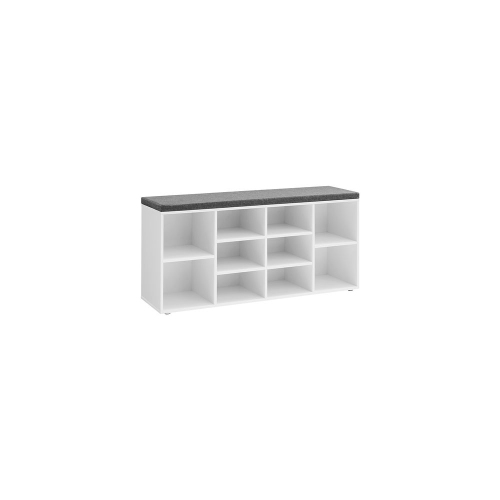
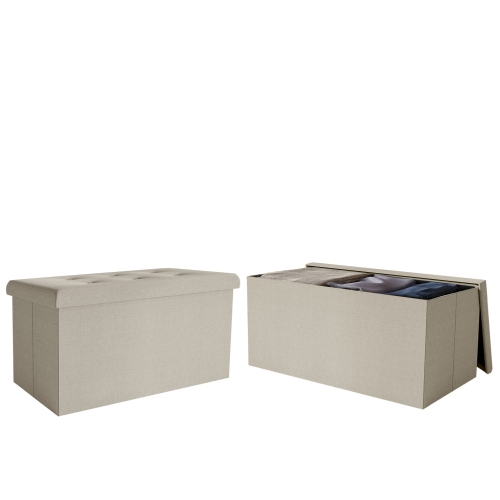
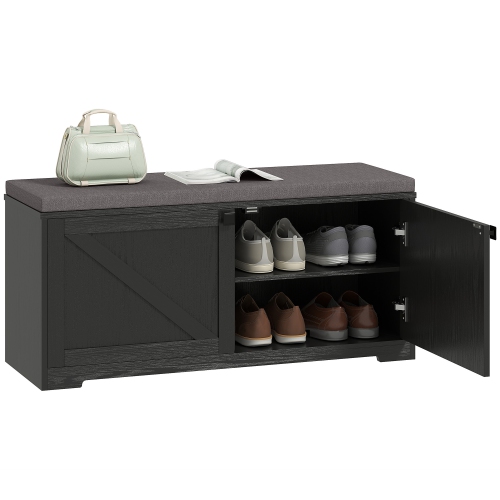
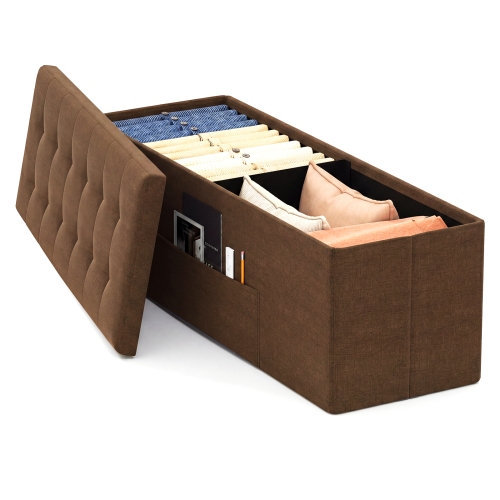
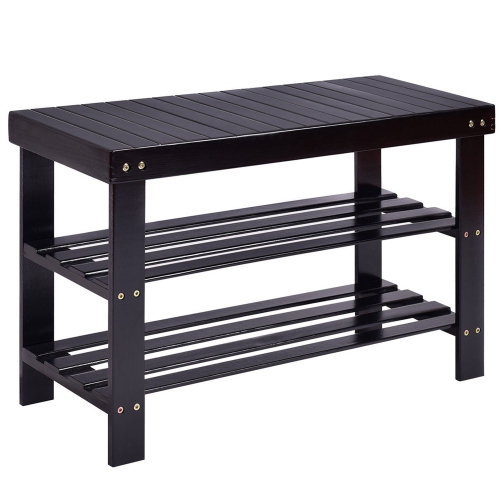
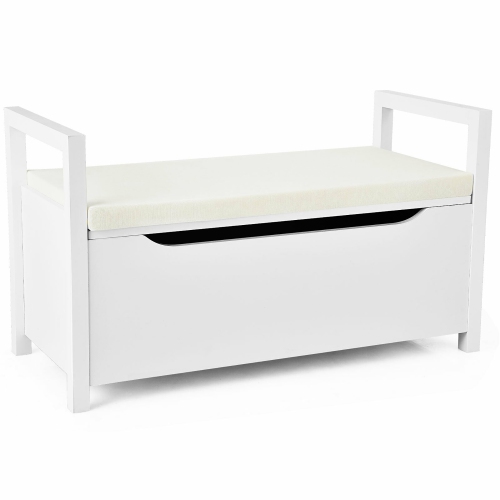
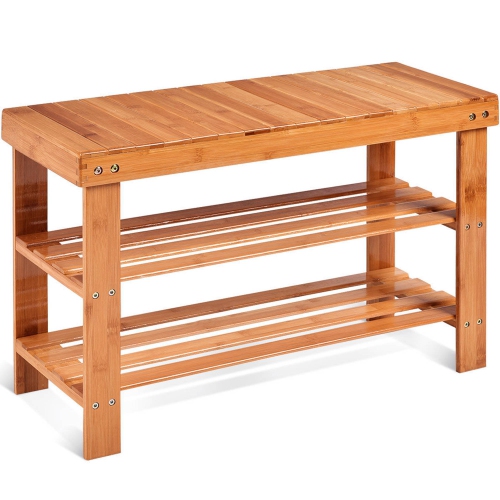
Storage changes how a cushioned bench functions from day to day. A lift-top compartment keeps blankets, spare cushions, or accessories out of sight, while an open lower shelf makes frequently used footwear easier to reach. Interior measurements are especially useful for storage designs because thick upholstery, hinges, and frame components can reduce the space beneath a generously sized seat. A bench intended to hold folded bedding needs a different interior shape from one used for shoes or small baskets. Hinged seats also need clearance to open fully, particularly when placed beneath a window ledge or close to a wall. Soft-close or stay-open hardware may make access more controlled, but lid operation and any precautions still depend on the design. Storage benches used around children require particular attention to hinge areas, lid weight, and the manufacturer’s safety information. Open shelving avoids lifting a seat each time something is needed, although its contents remain visible and may need occasional tidying. For any style, everyday care begins with the upholstery label rather than a one-size-fits-all cleaning method. Regular vacuuming with a suitable attachment helps remove dust from seams and textured surfaces. Spills are generally best blotted promptly, with any cleaner checked against the care instructions and tested in a discreet area first. Removable covers are not necessarily machine washable, and excessive moisture can affect padding, finishes, or the frame beneath. Felt pads or other suitable floor protectors can help limit marks when a bench is moved, while lifting rather than dragging reduces strain on the legs. Assembly instructions may also call for hardware checks after initial use, especially on designs with attached legs or crossbars. A level floor and correctly fitted components help the bench sit securely. Whether serving as an everyday shoe-changing spot, an extra seat for visitors, or a quiet finishing touch in a bedroom, a cushioned bench works best when its proportions, support, storage, and care requirements suit the routines of the home.
Top selling and popular products
-
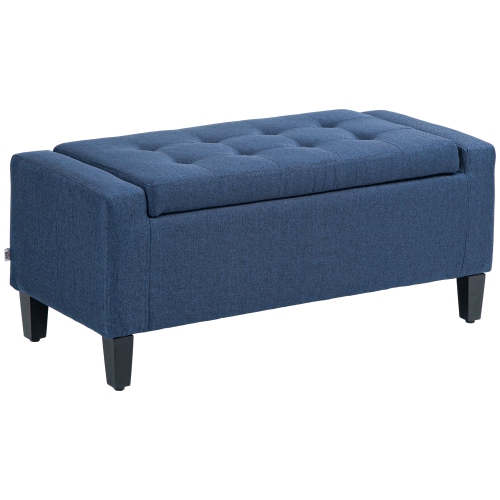 Your price for this item is $139.99
-
 Your price for this item is $516.99
-
 Your price for this item is $73.99
-
 Your price for this item is $275.99
-
 Your price for this item is $73.99
-
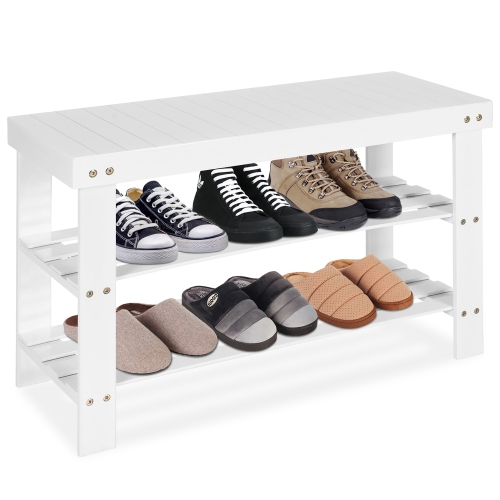 Your price for this item is $73.99
-
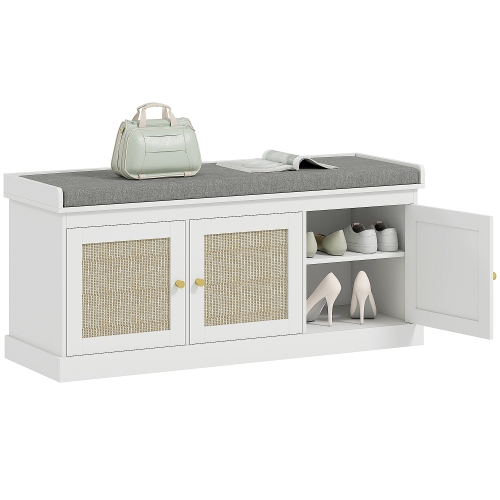 Your price for this item is $134.99
-
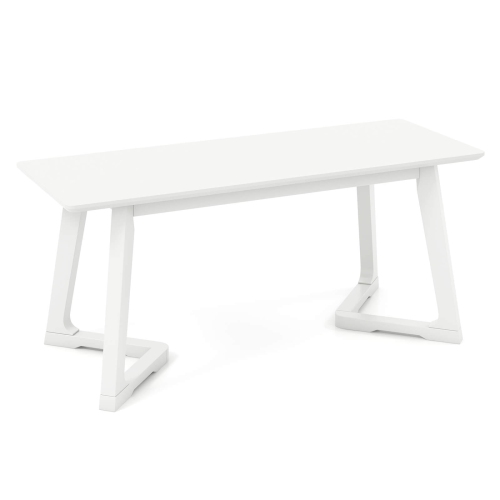 Your price for this item is $108.99
Discover more categories related to Cushioned Benches
Top Collections:
Best Black Friday Deals This Year, Best Black Friday Deals On Electronics, Kindle Devices, Best Black Friday Deals On Apple Products, Best Budget Office Chairs, Best Cameras for Sports Photography, Dyson Airwrap, Canon G7X Cameras, Best Laptops for Writers, Samsung Galaxy Phones
Some products may be subject to Environmental Handling Fees
(EHF) depending on your province.
Learn more about EHFs.