Commercial Food Warmers
Looking to keep your food warm and ready for serving in a commercial setting? Look no further than our selection of commercial food warmers. These essential appliances are designed to maintain the ideal temperature of your dishes, ensuring that your customers always enjoy their meals at their best. Whether you run a restaurant, catering business, or any other food service establishment, our range of commercial food warmers offers the perfect solution to keep your culinary creations hot and delicious. With a variety of sizes and styles available, you'll find the right food warmer to suit your needs and elevate your dining experience.
Sort

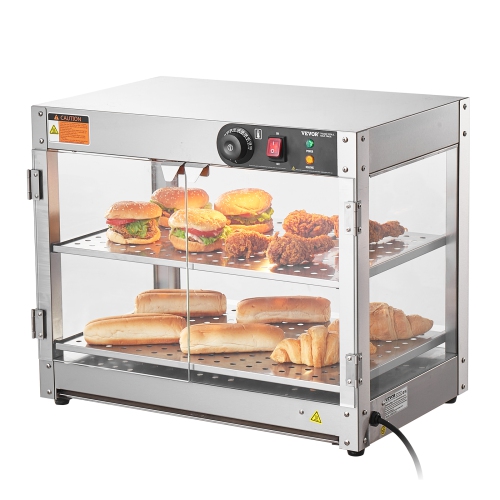
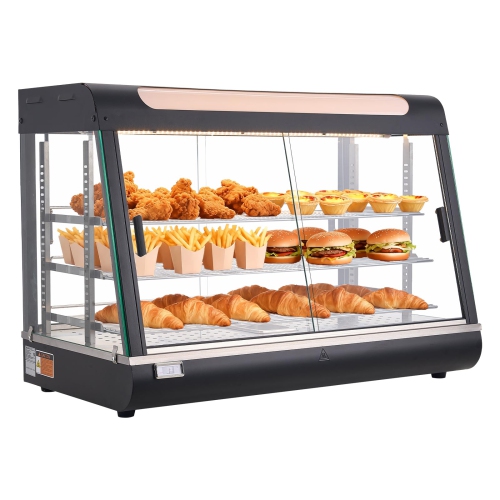
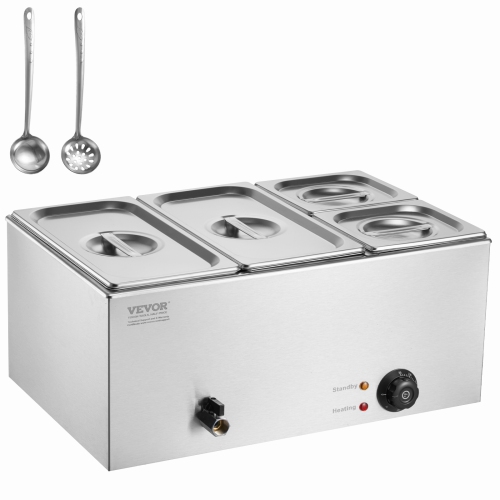
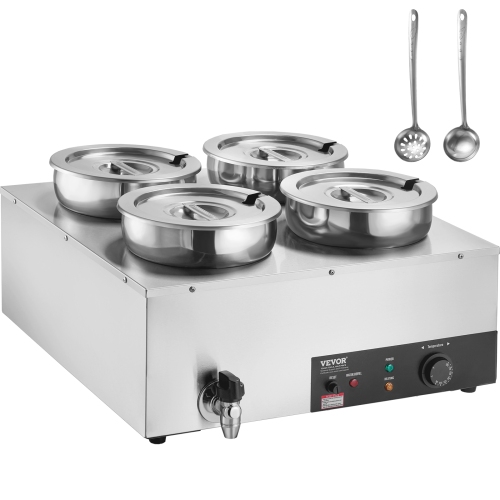
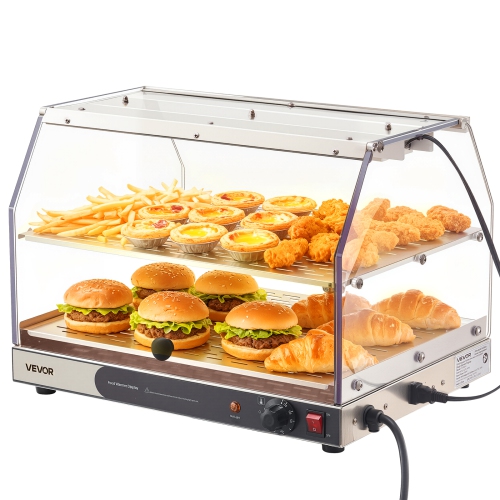
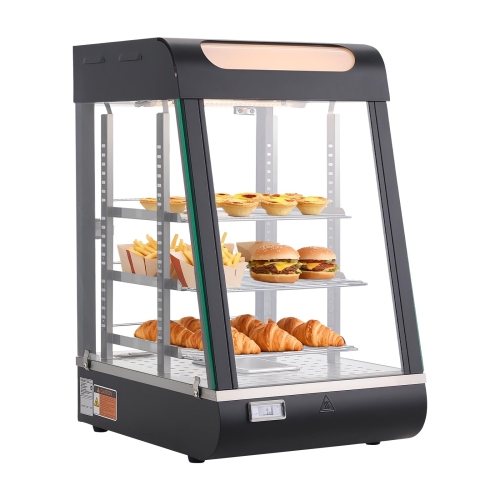
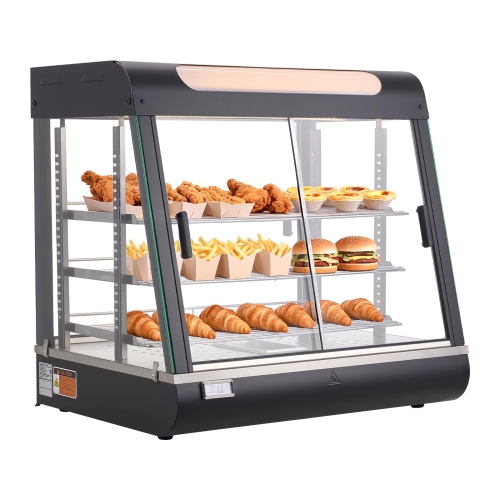
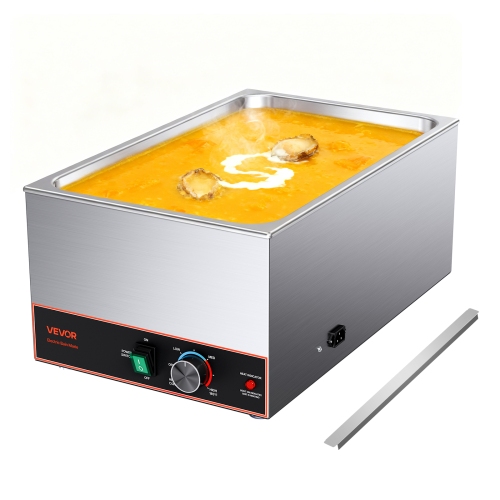
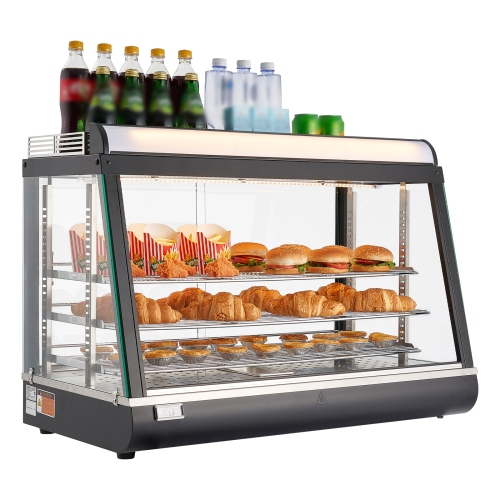
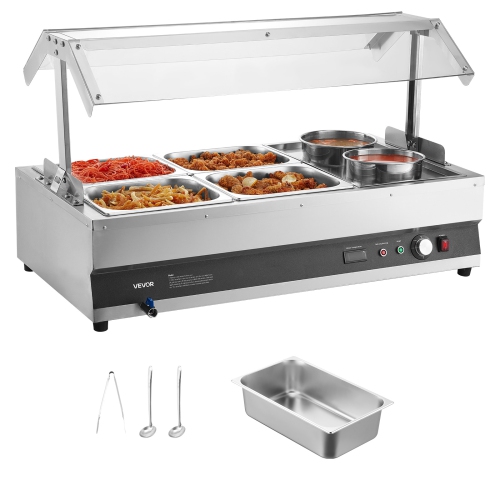
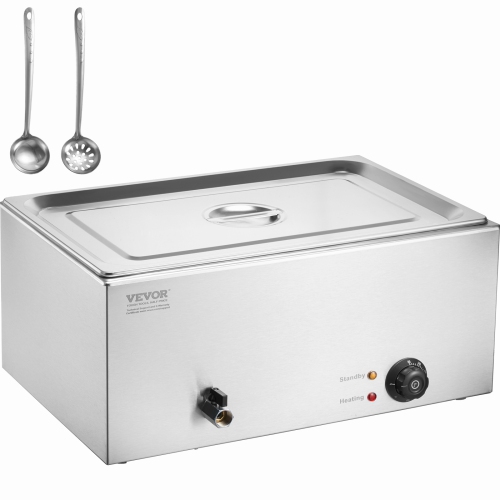

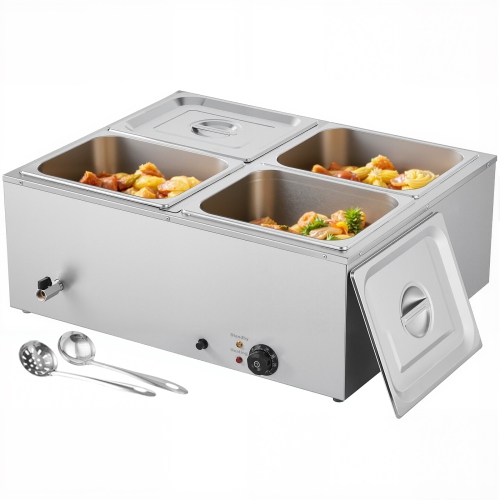
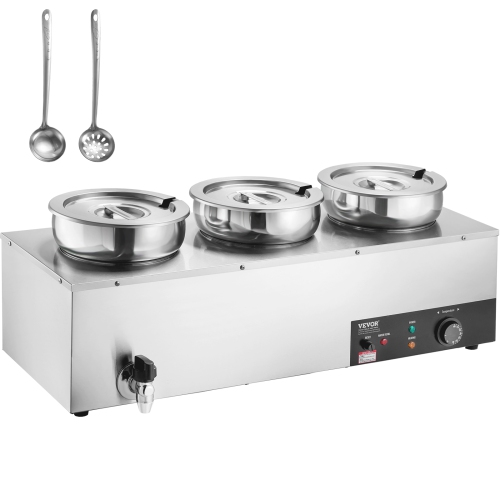
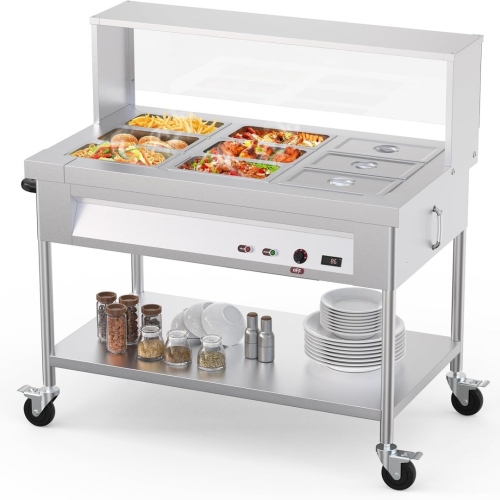
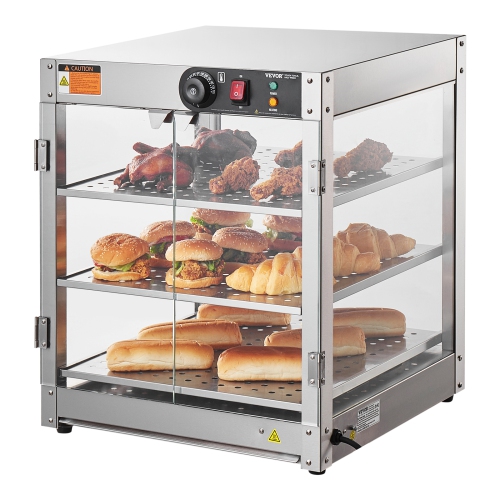
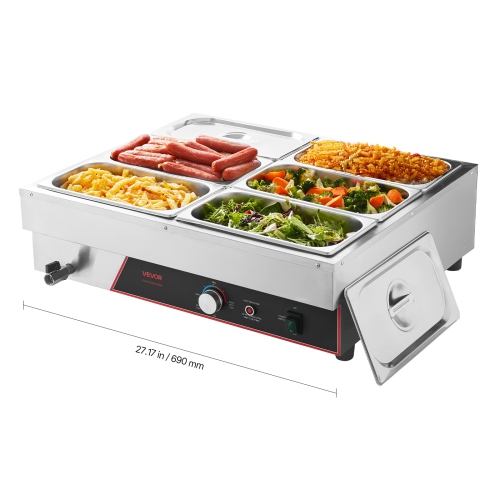
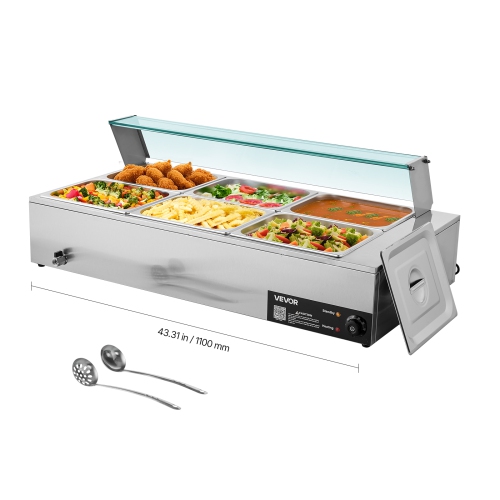
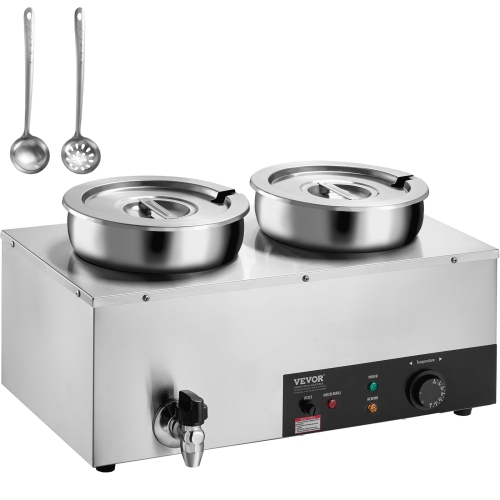
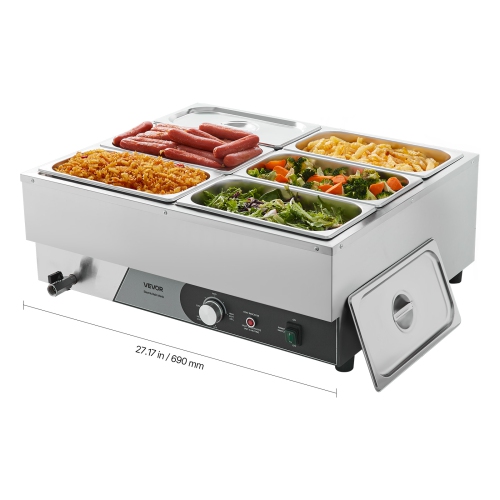
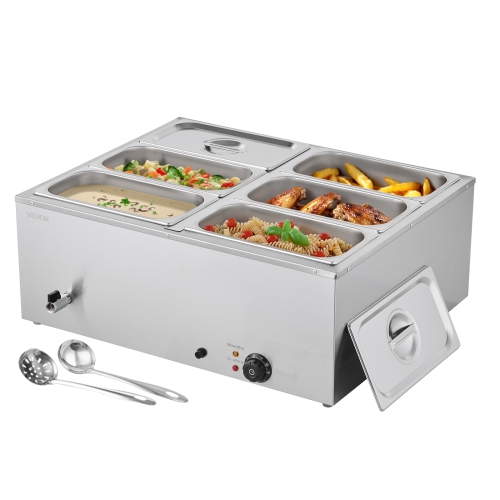
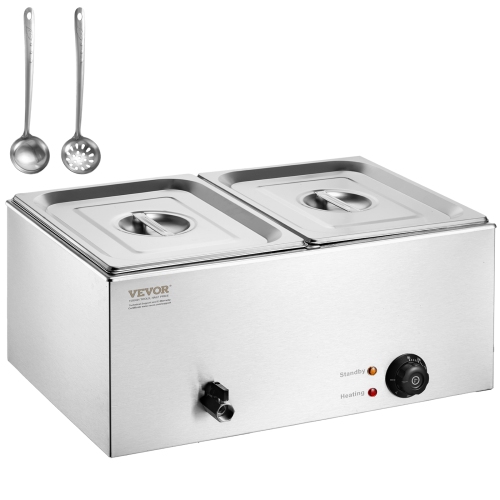
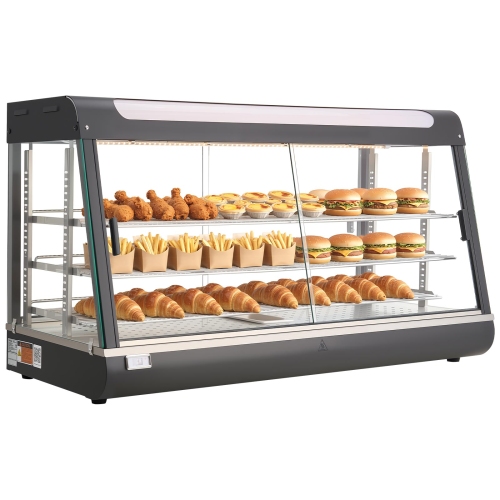
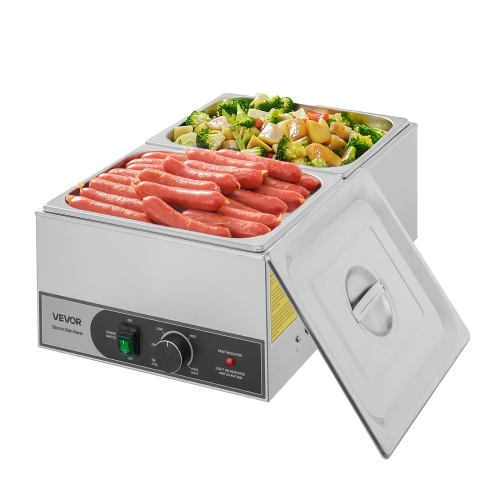
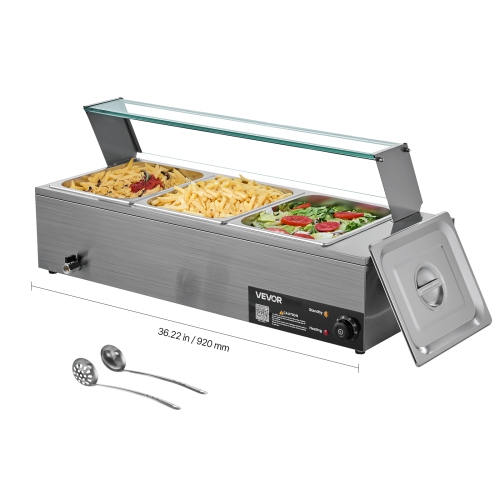
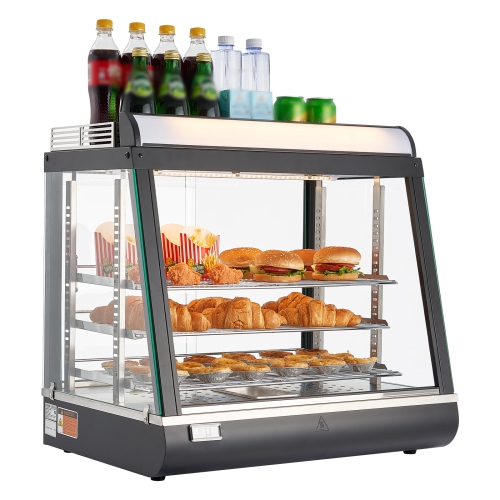
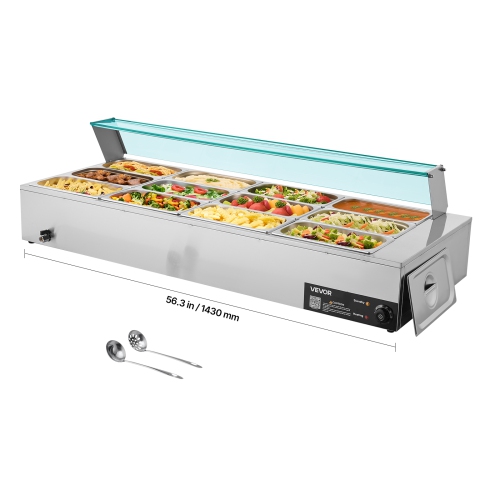
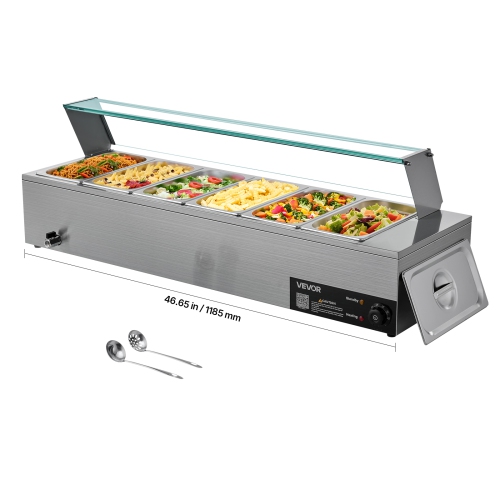
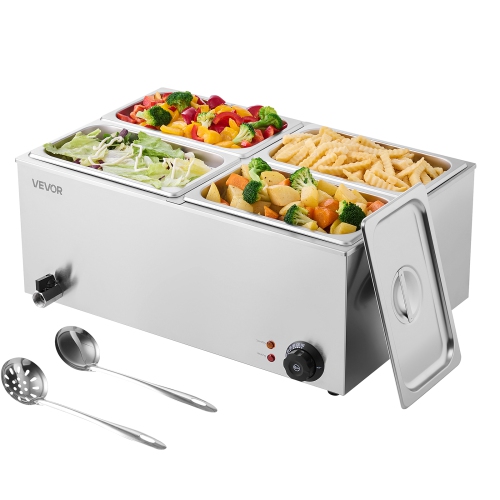
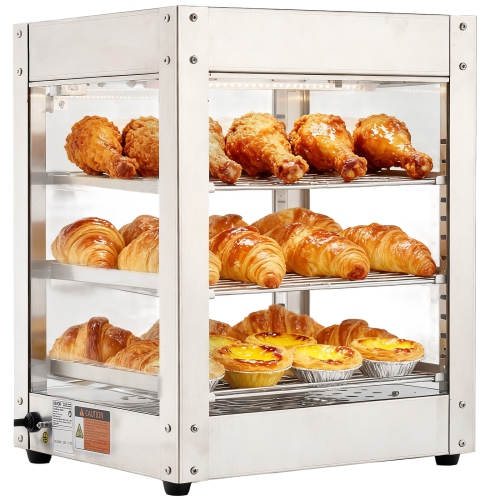
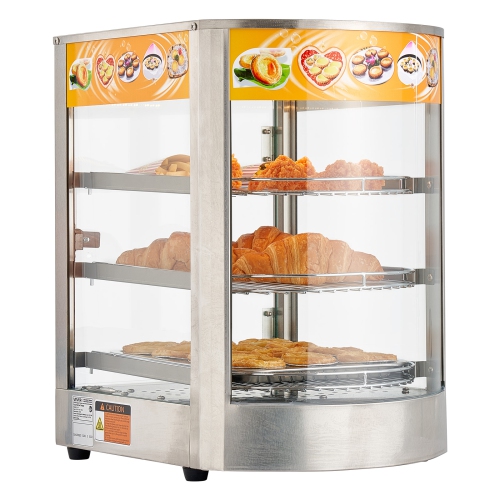
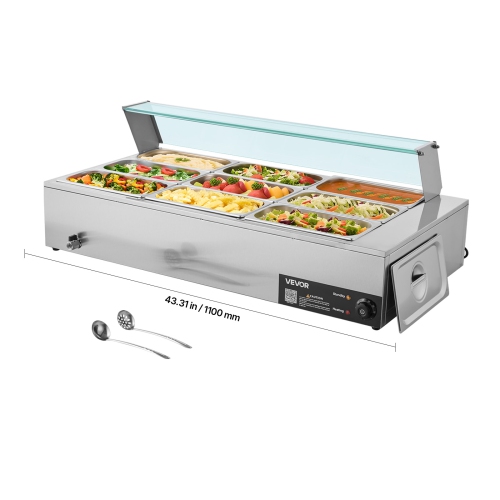
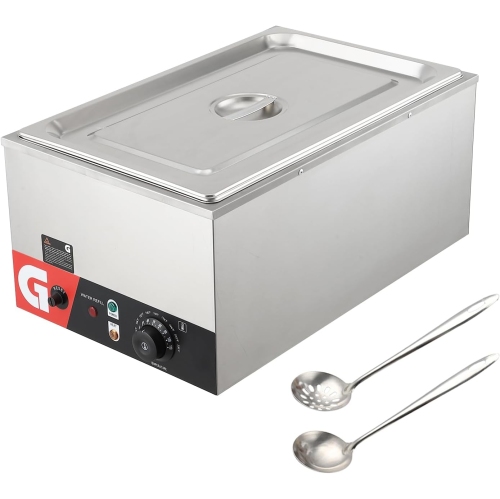
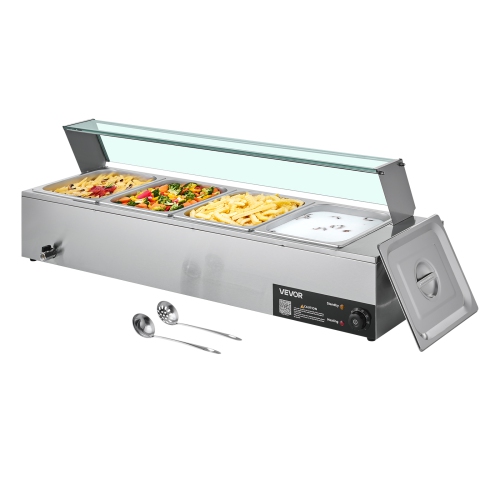
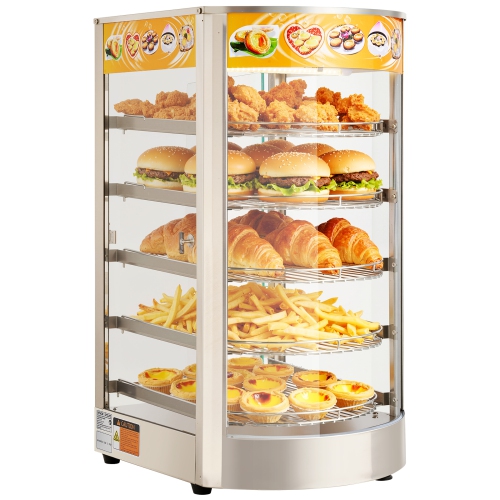
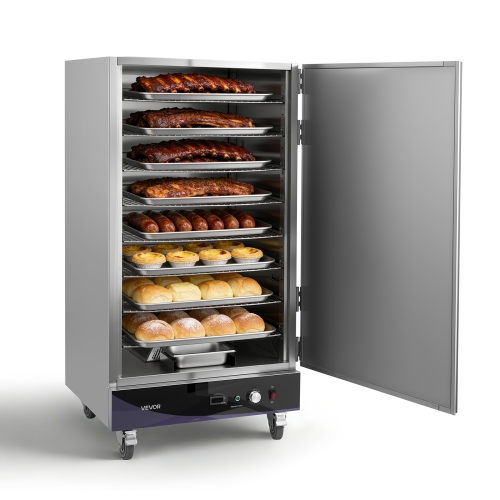
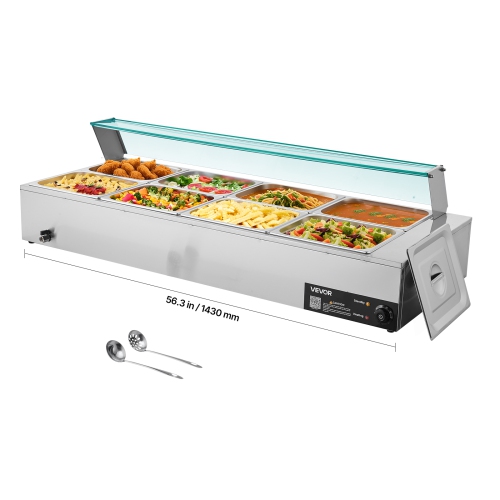
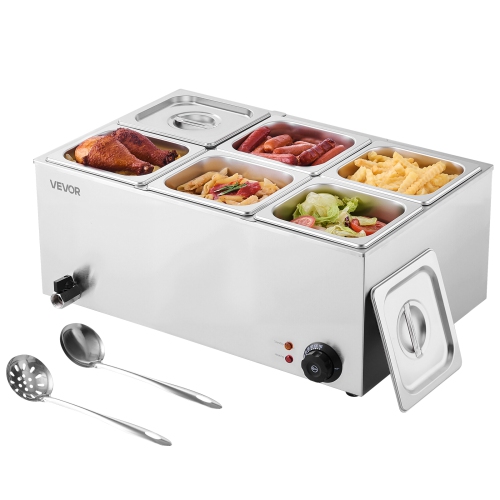
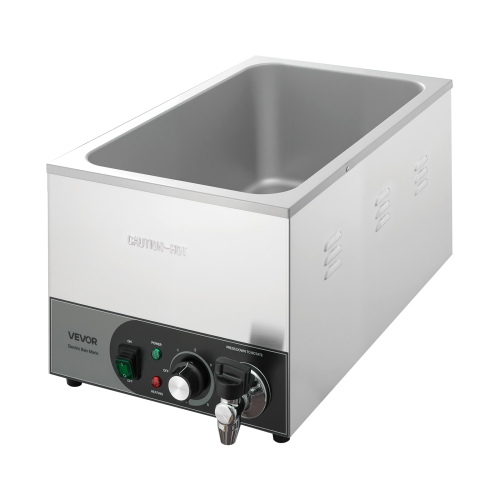
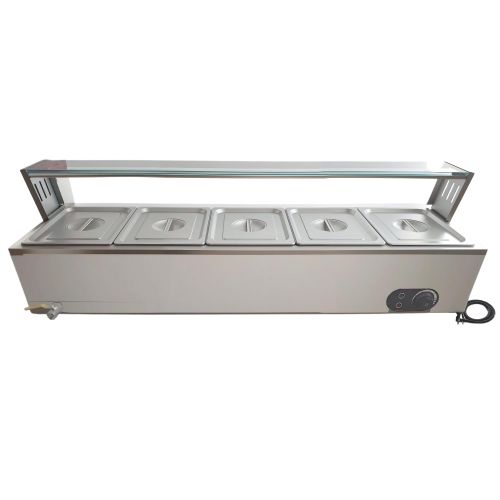
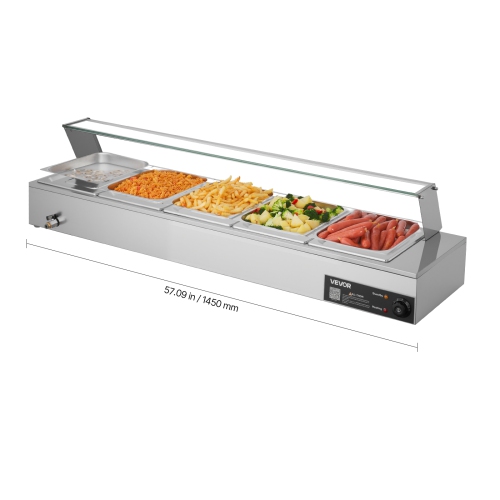
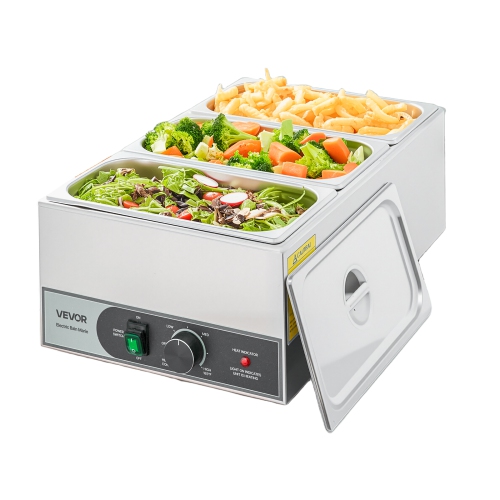
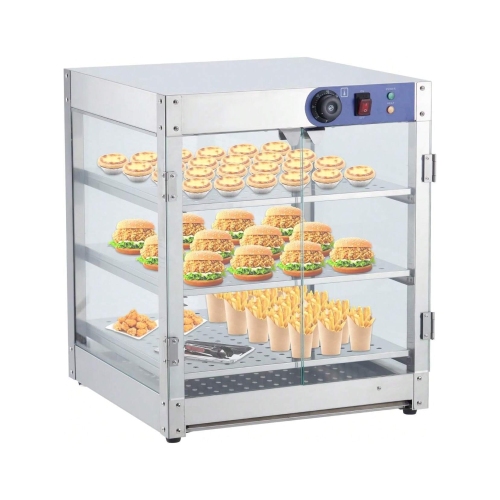
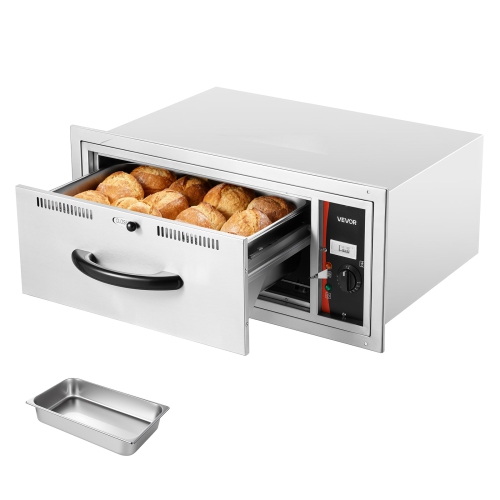
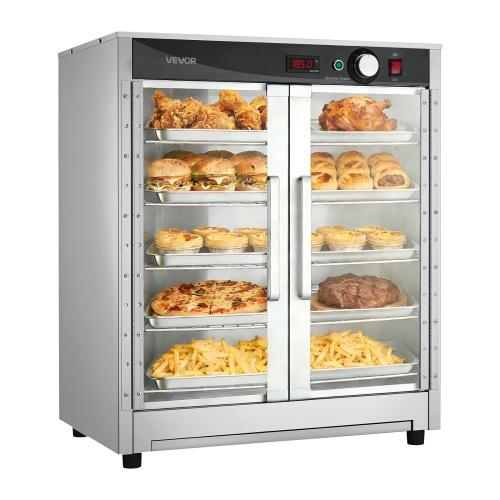
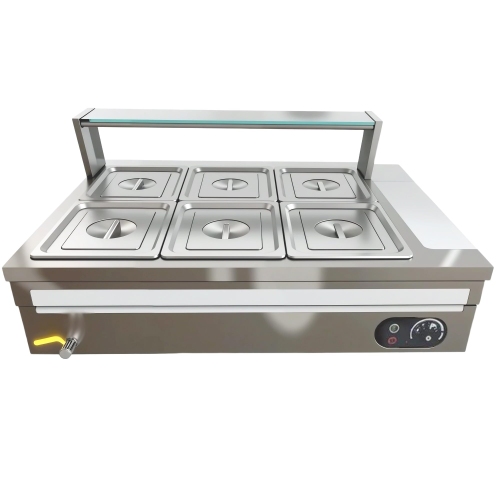
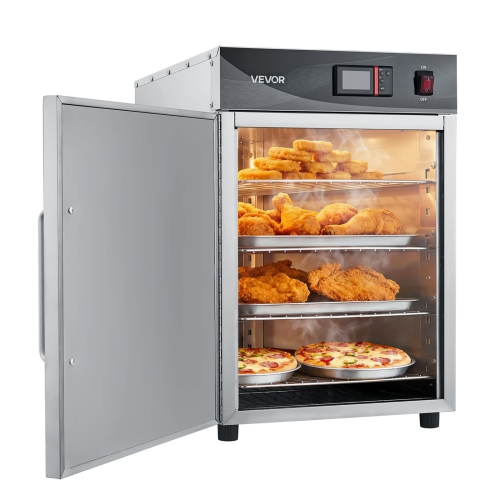
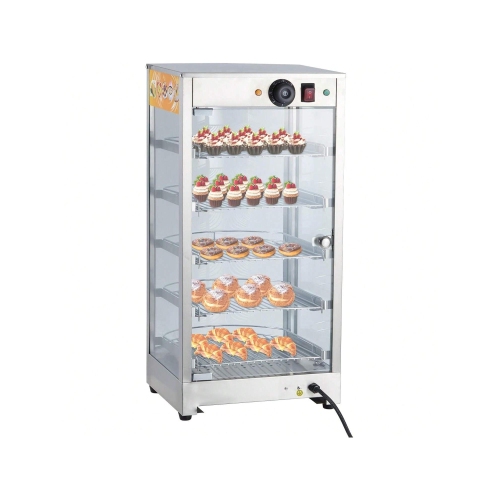
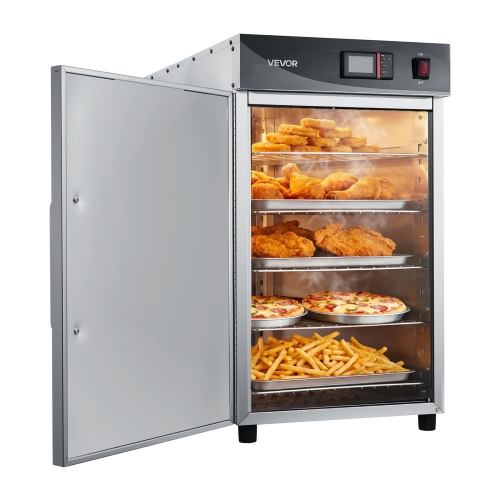
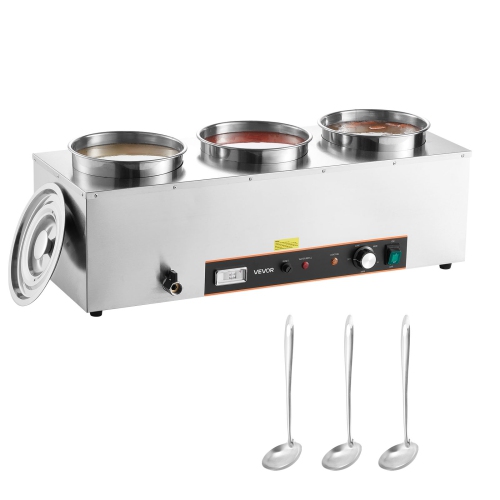
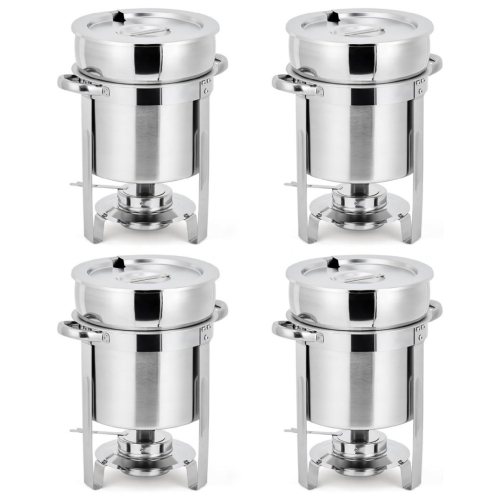
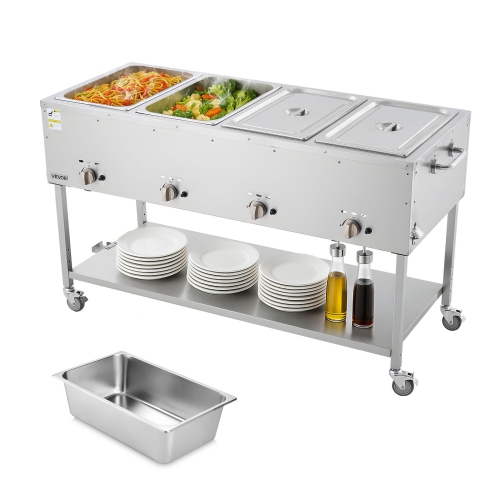
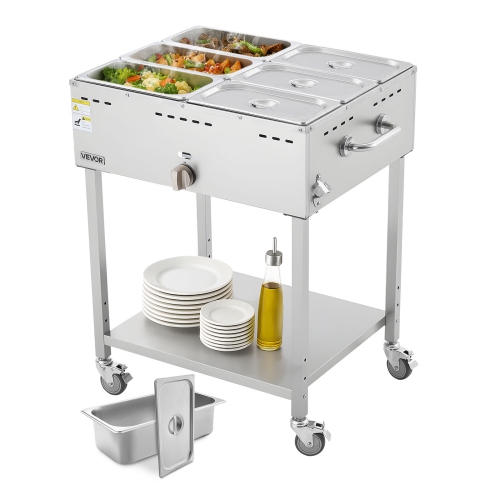
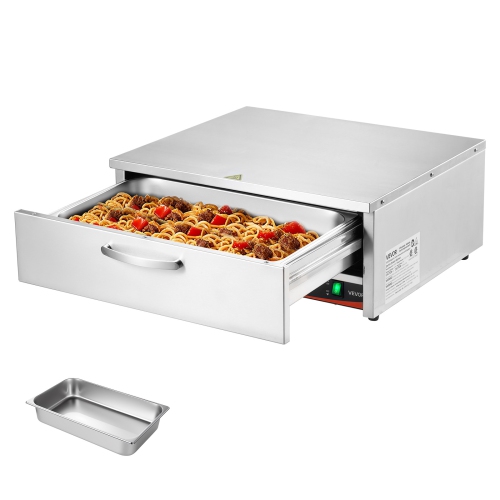
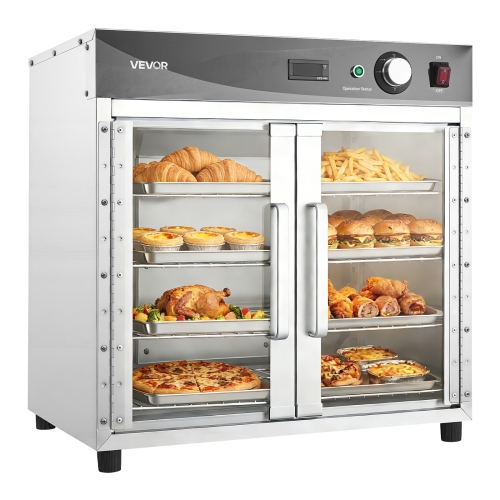
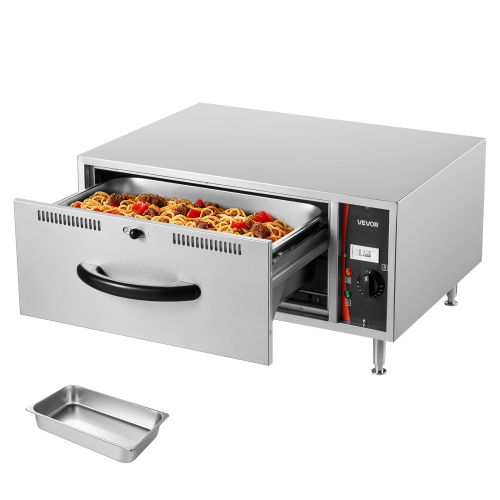
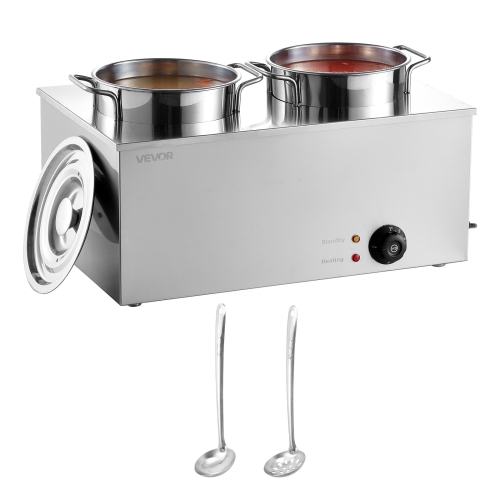
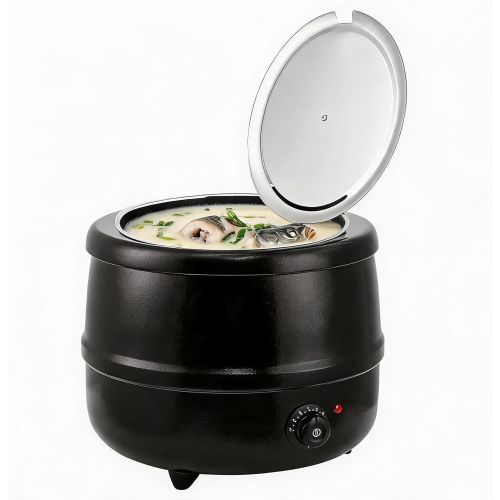
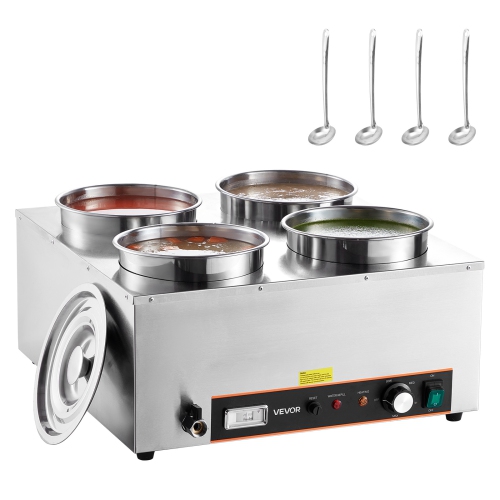
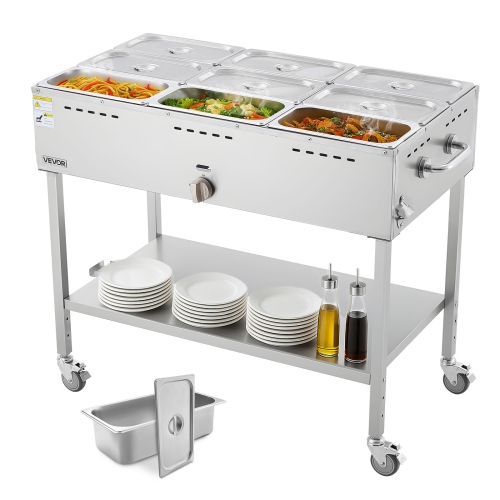
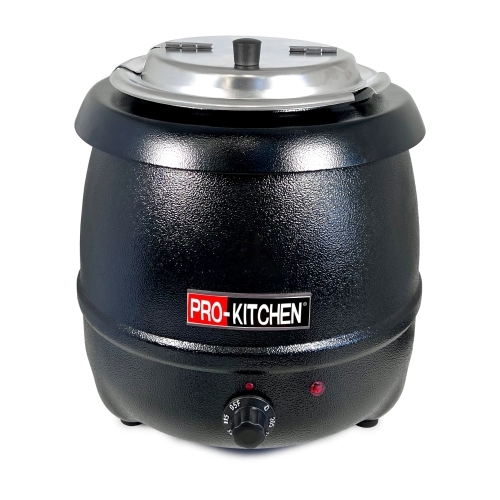
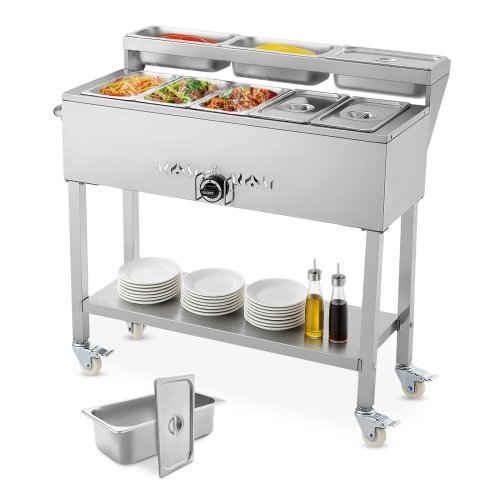
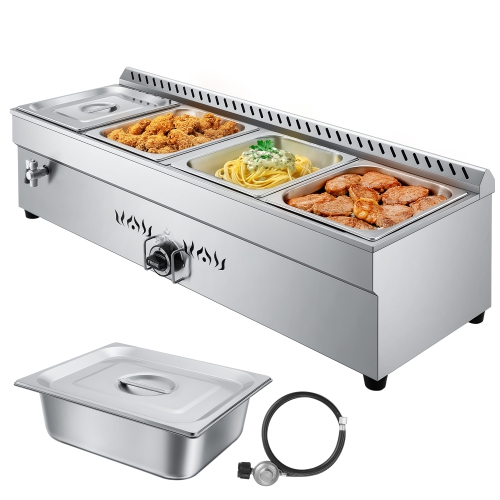
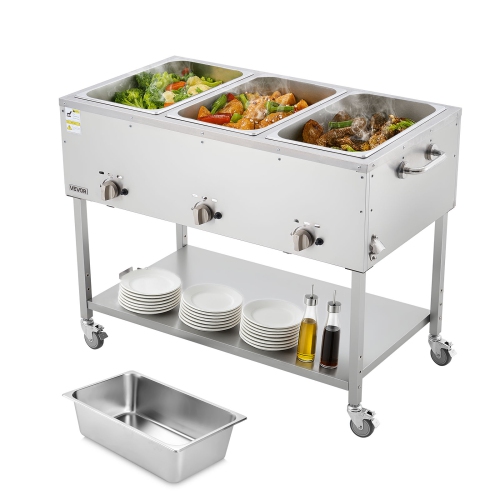
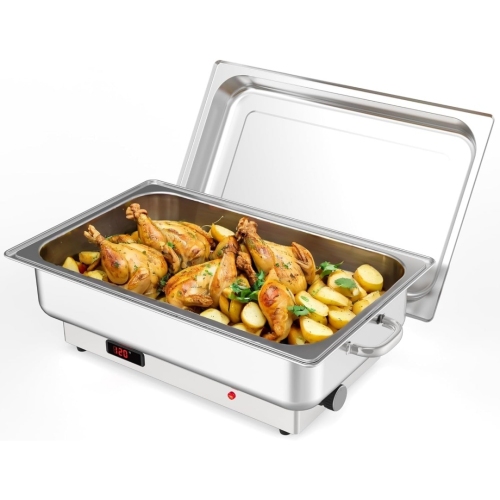
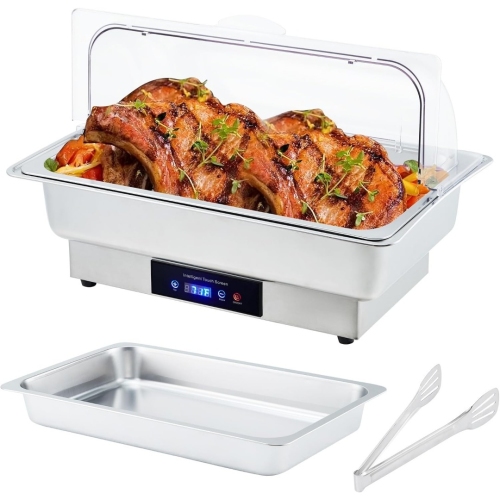
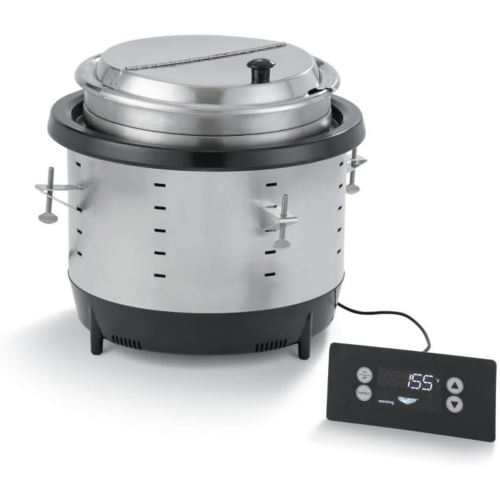
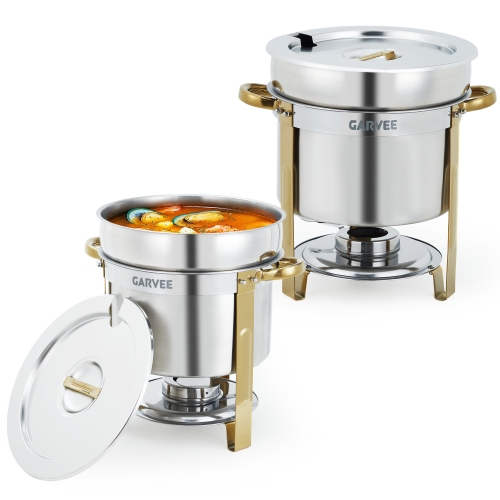
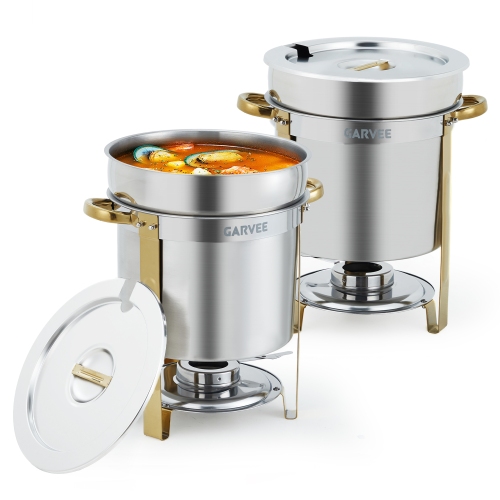
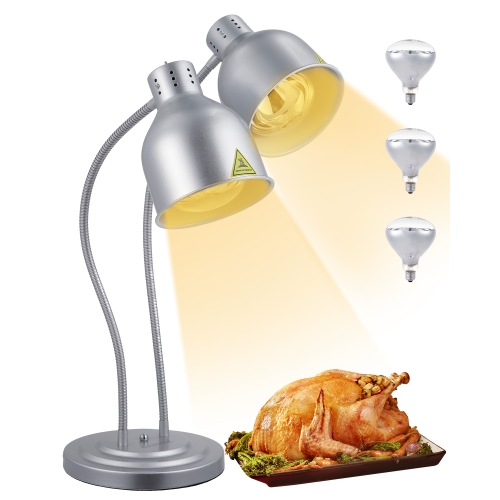
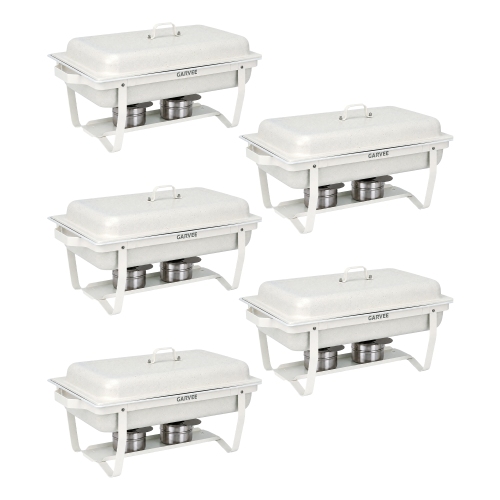
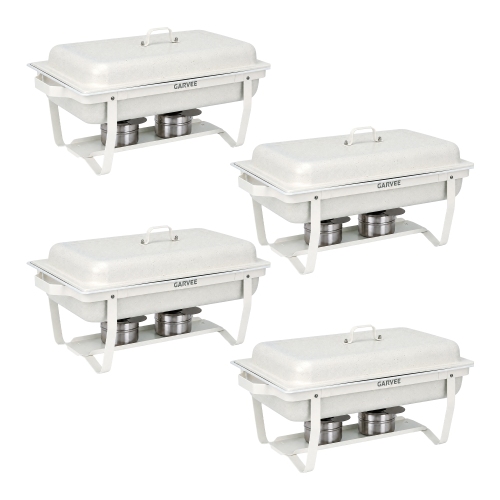
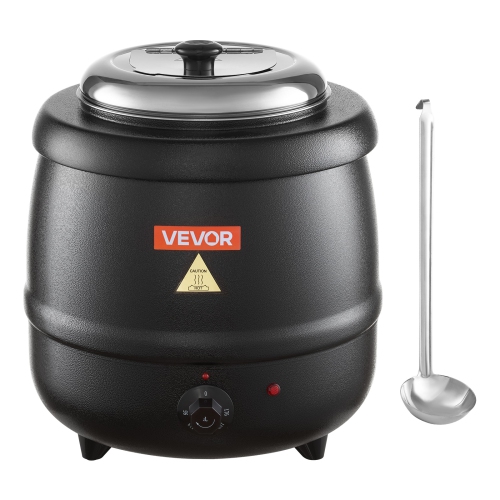
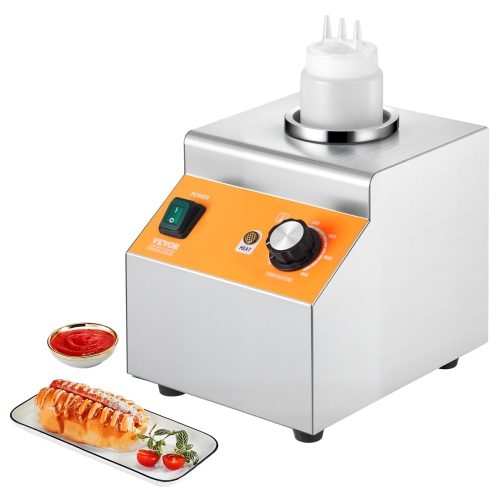
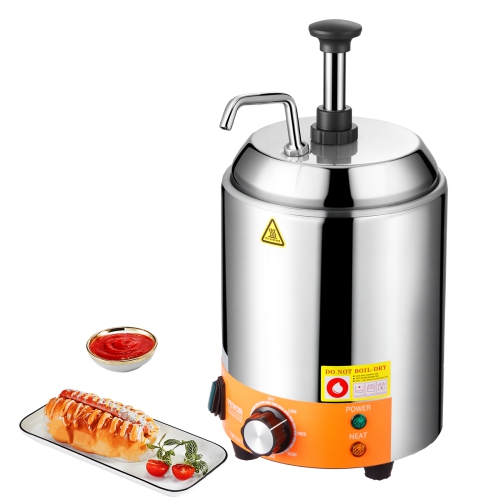
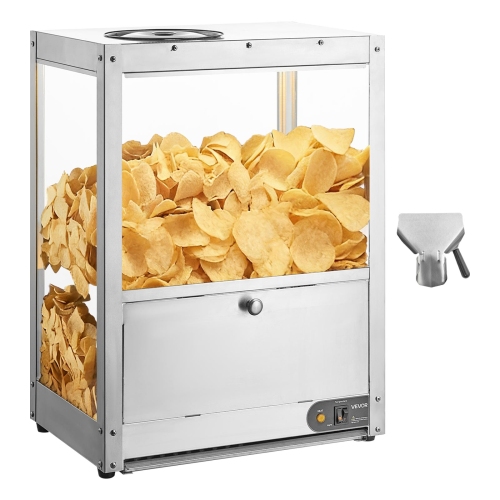
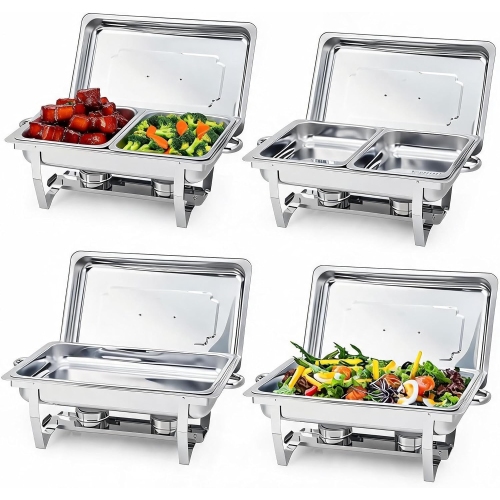
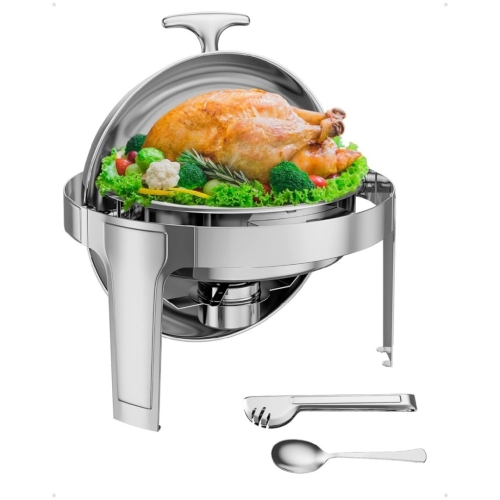
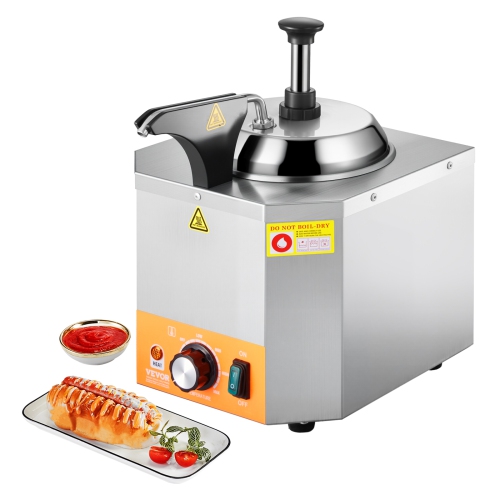
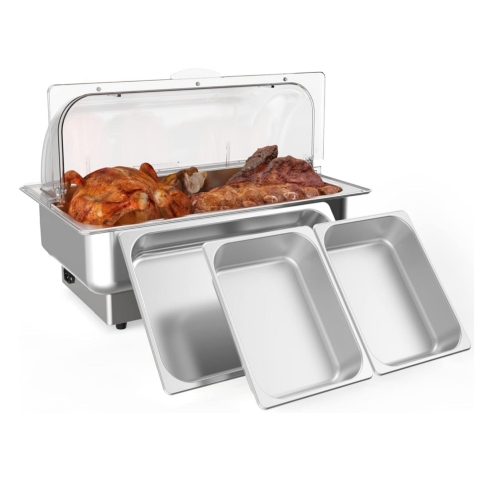
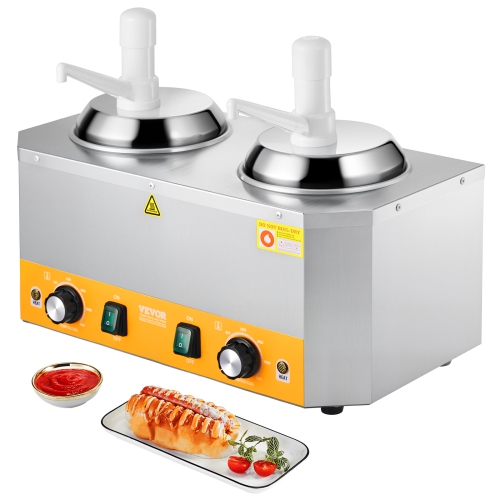
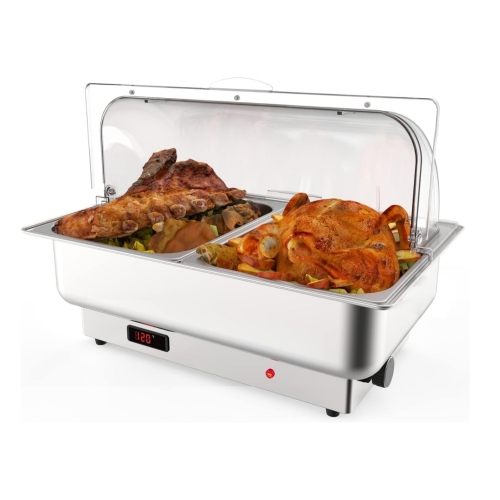
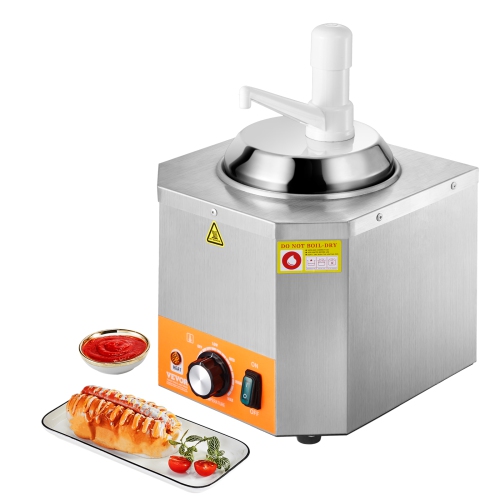
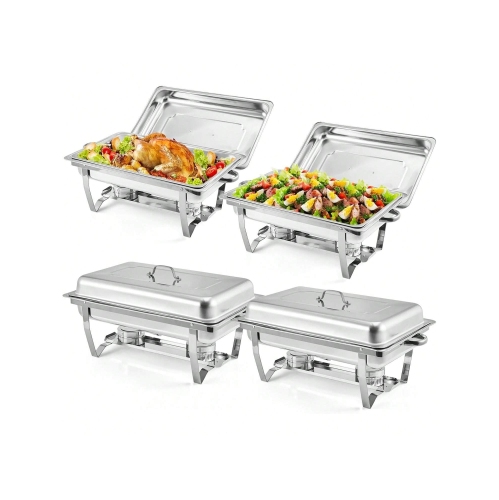
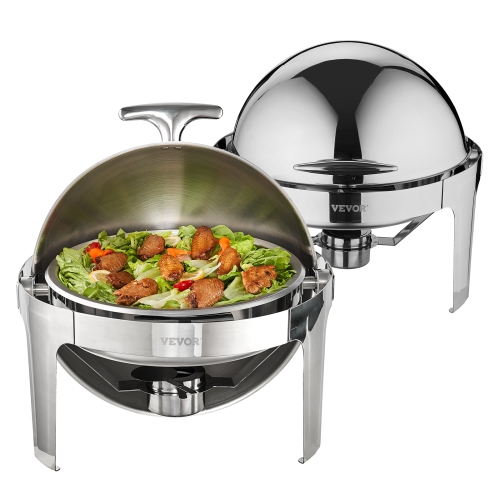
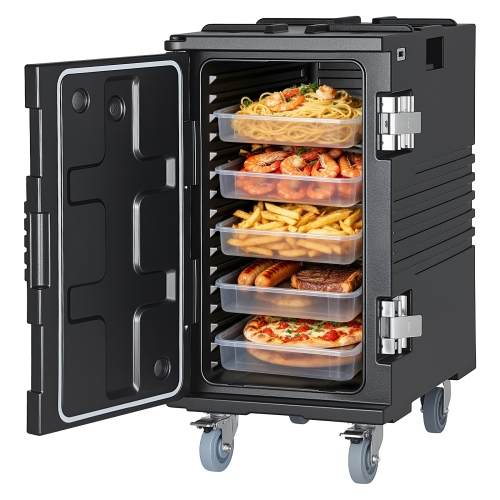
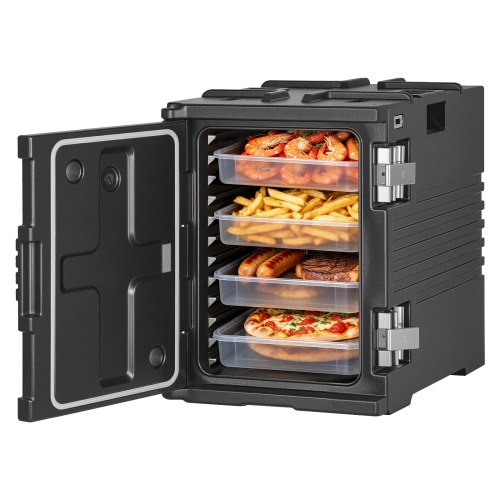
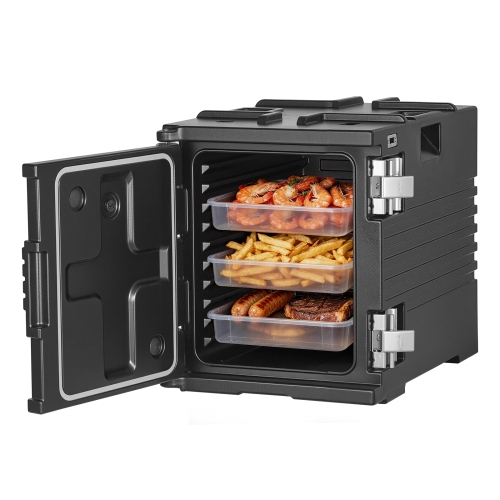
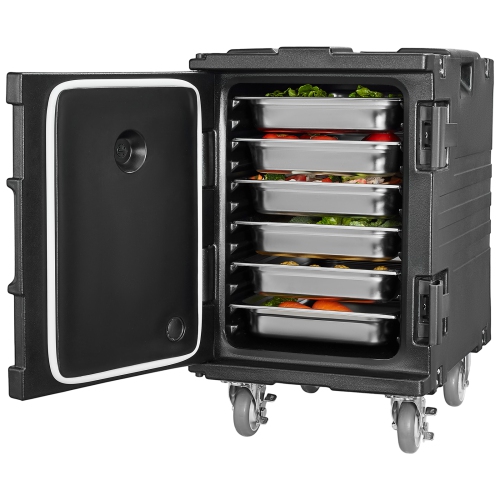

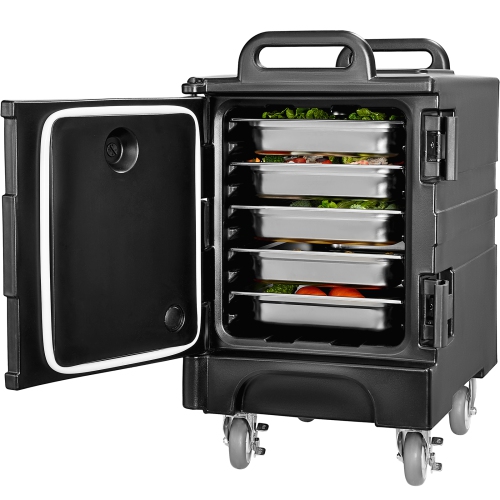
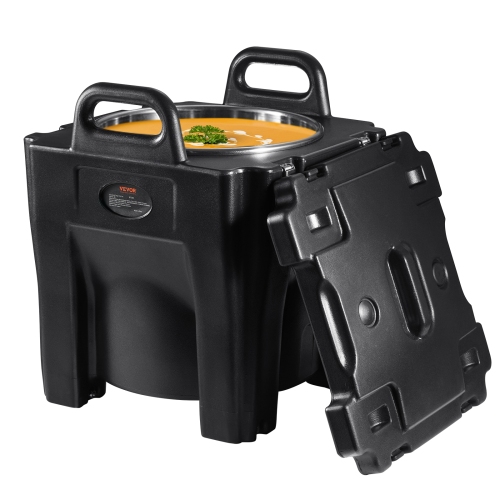
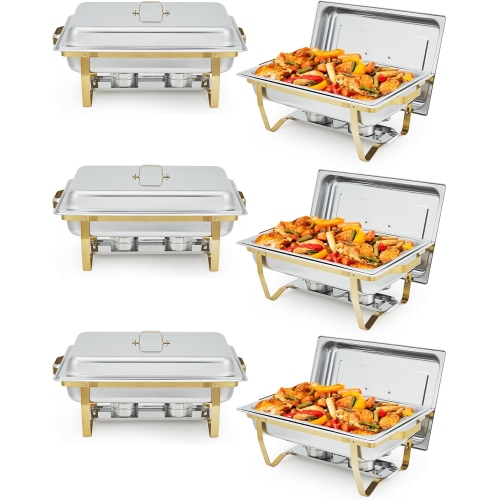
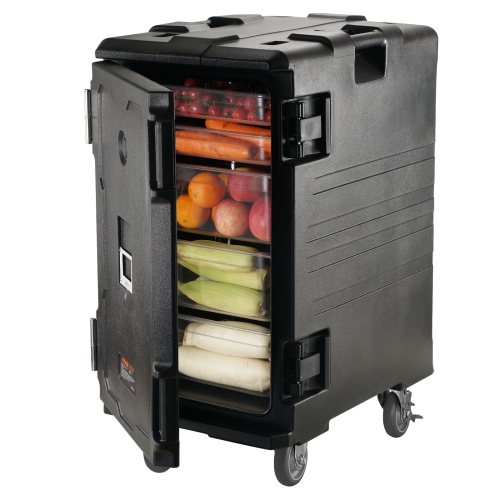


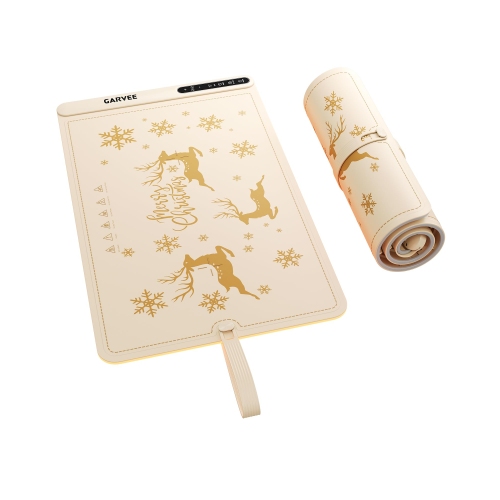
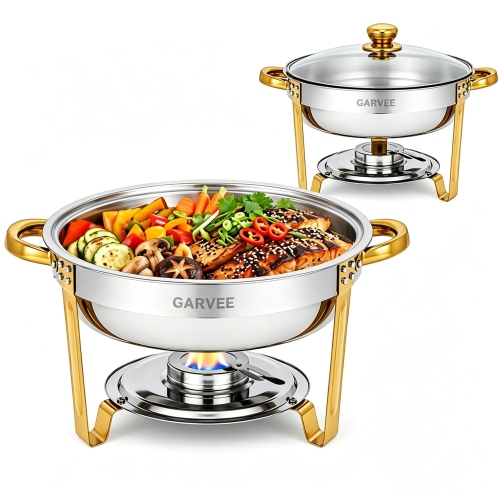
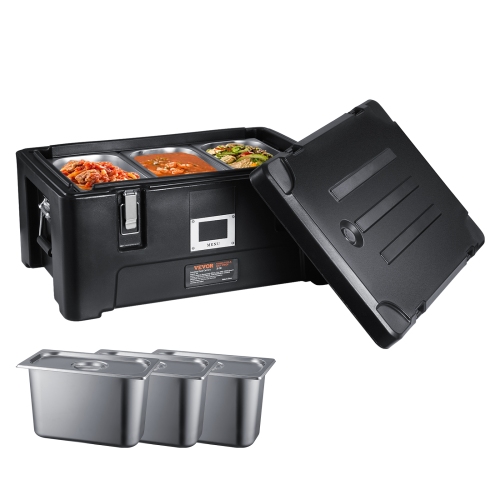
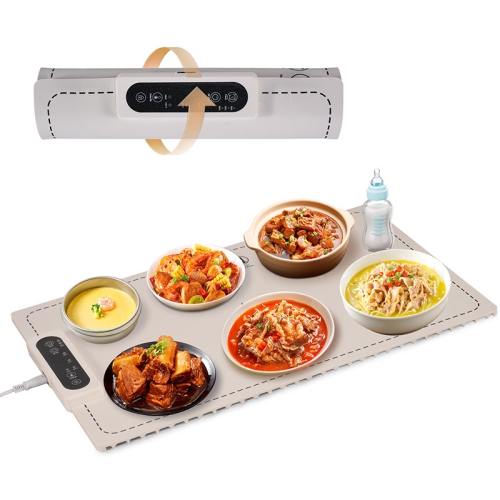
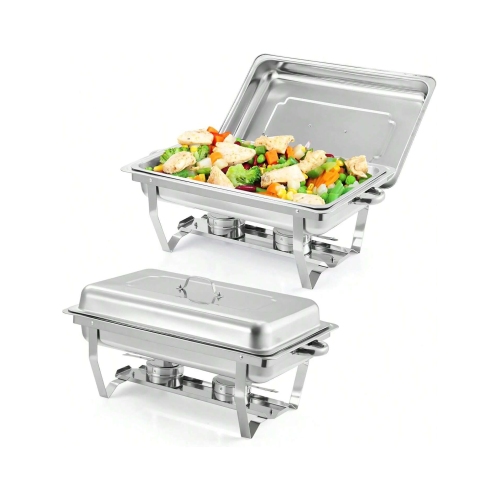
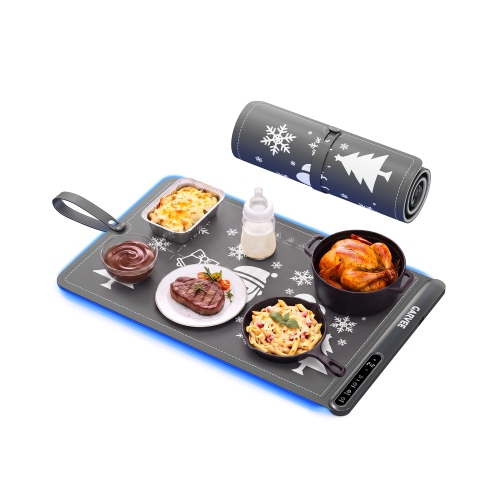
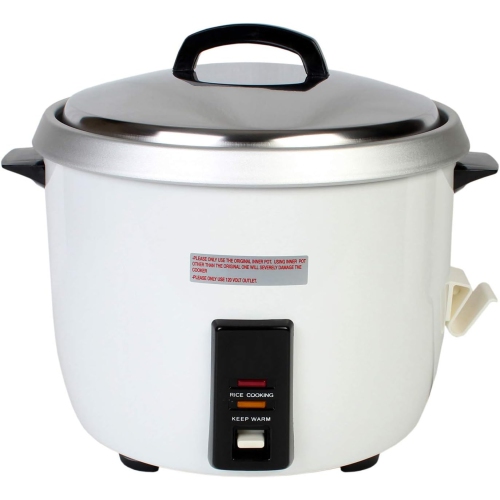
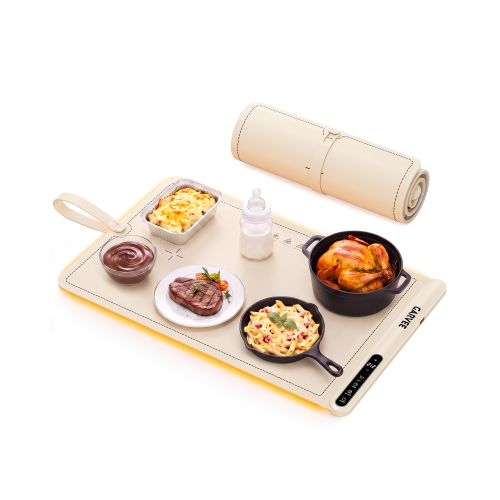
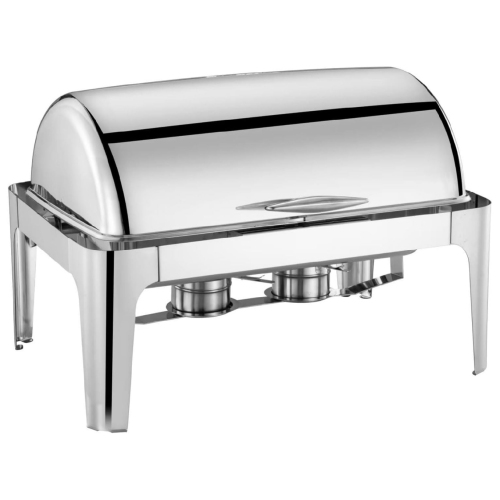
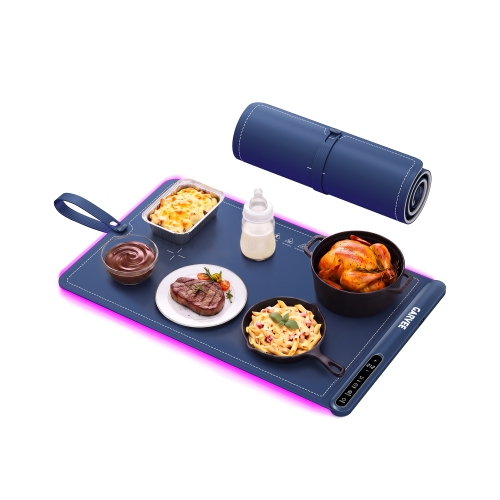
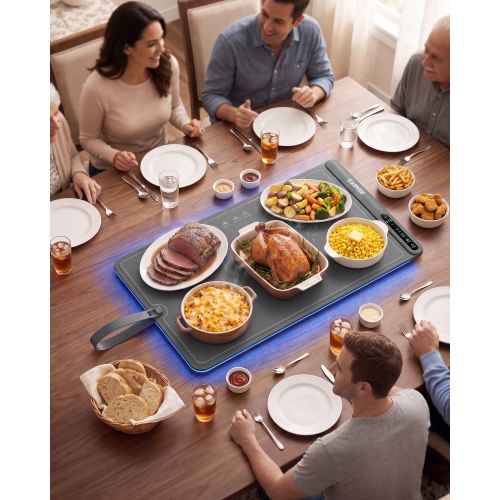
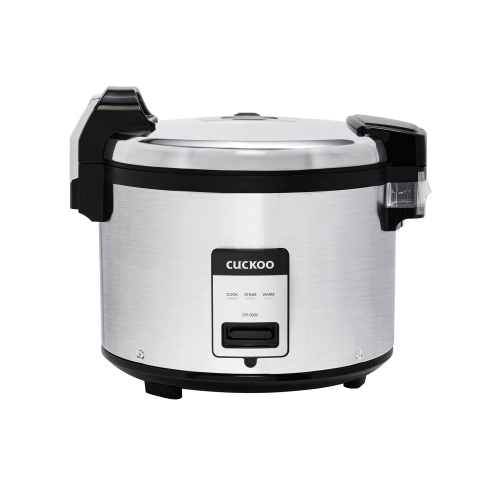
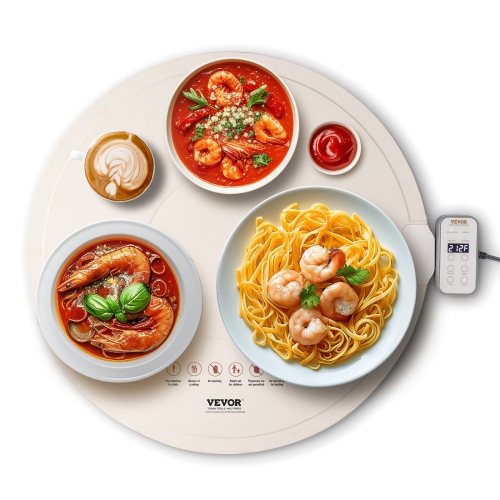
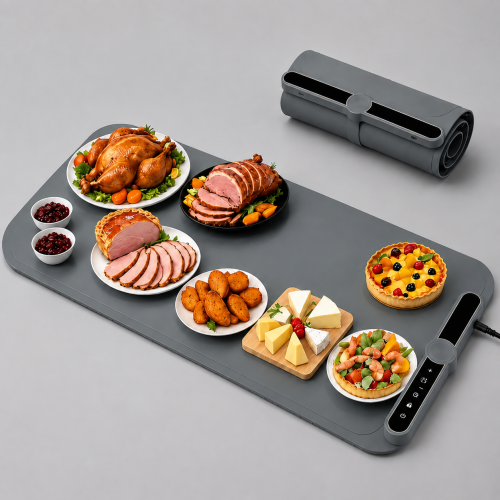
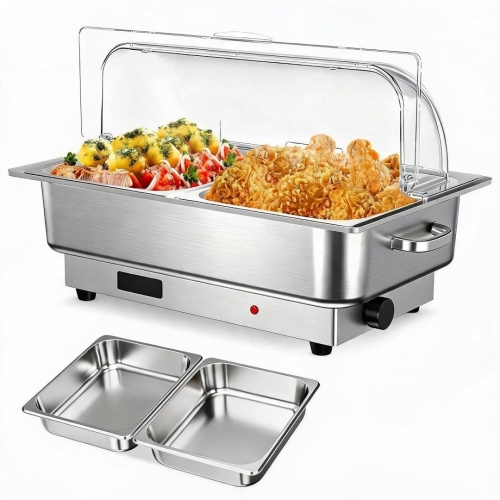
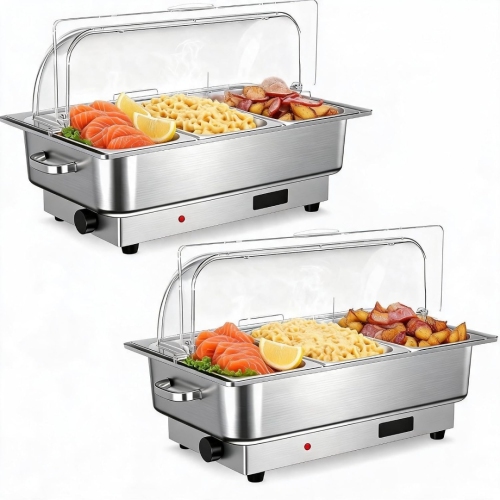
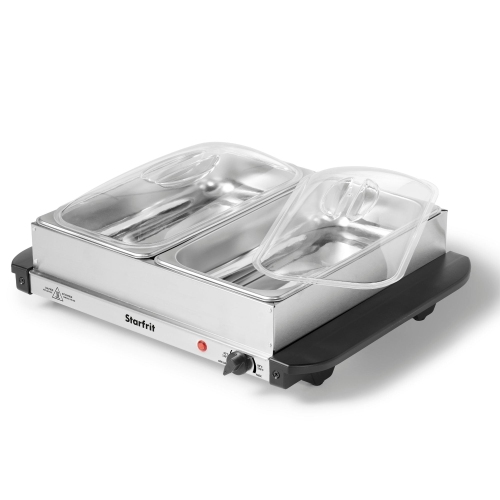
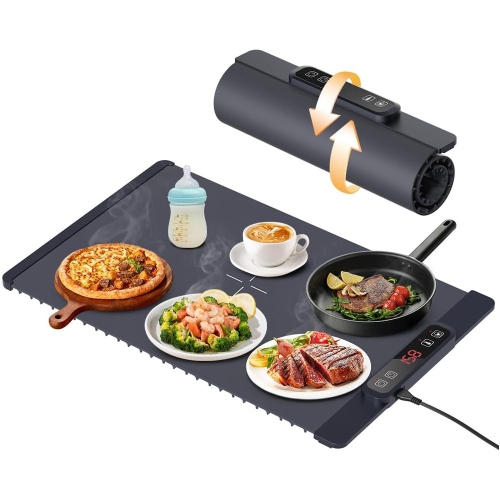

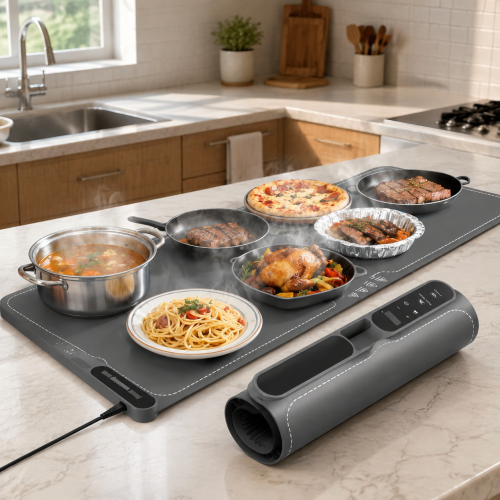
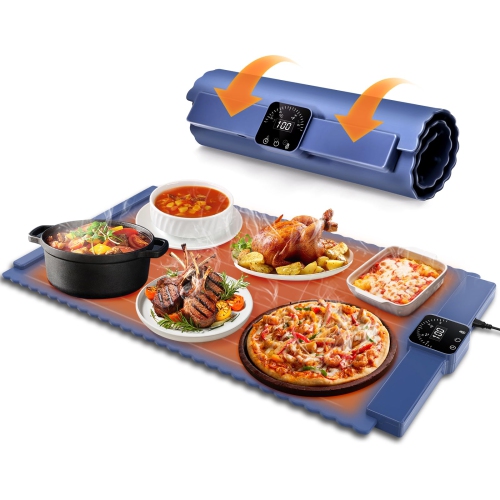
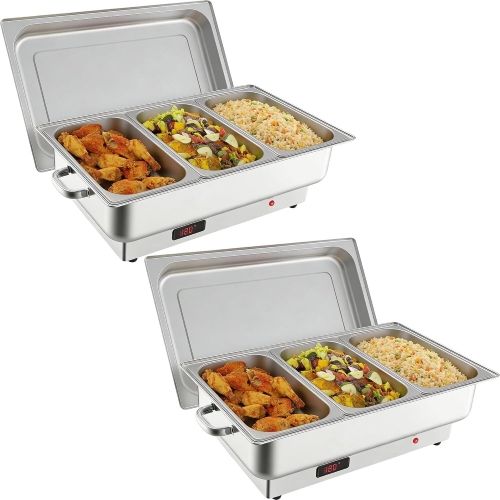
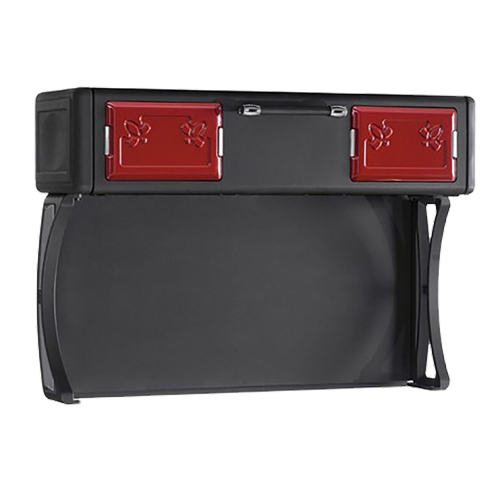
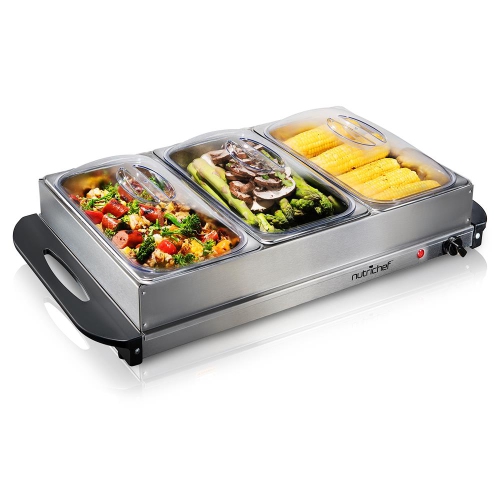
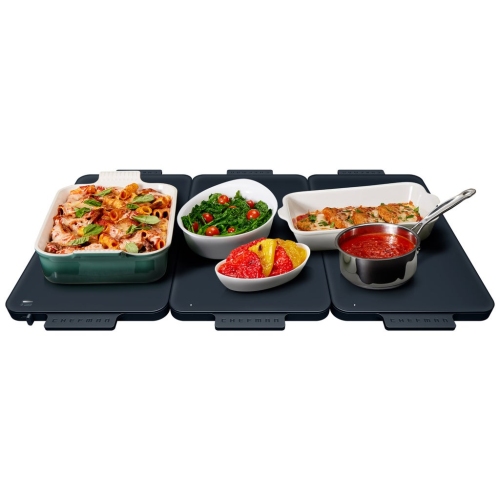
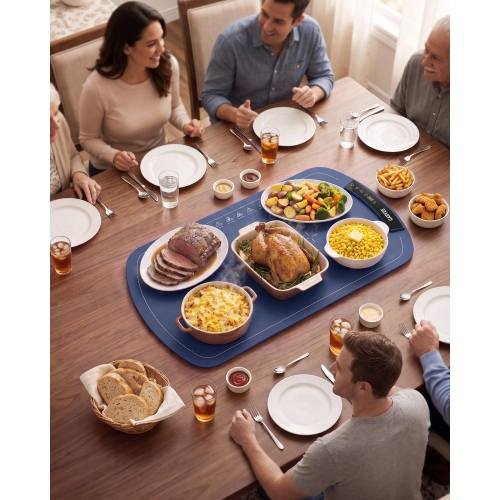
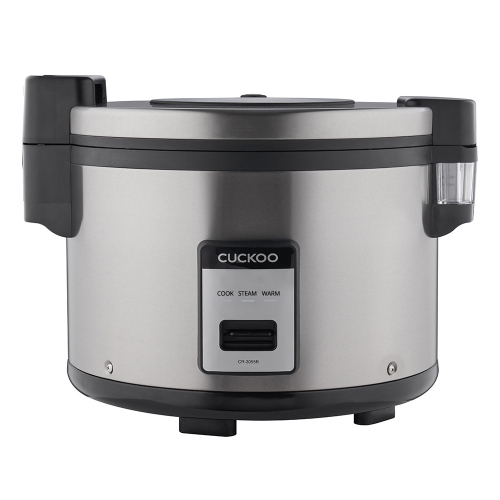
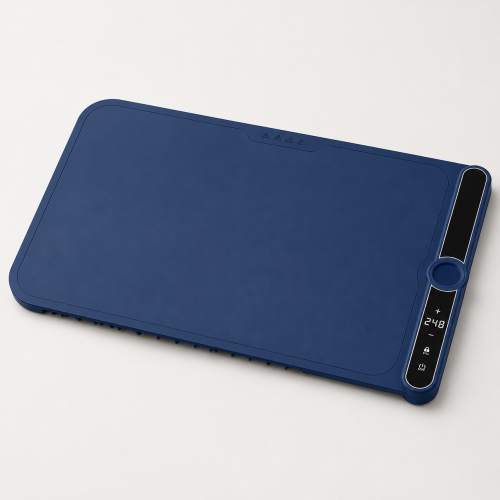
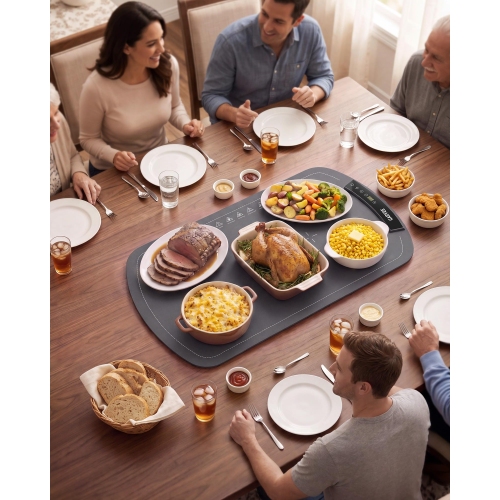
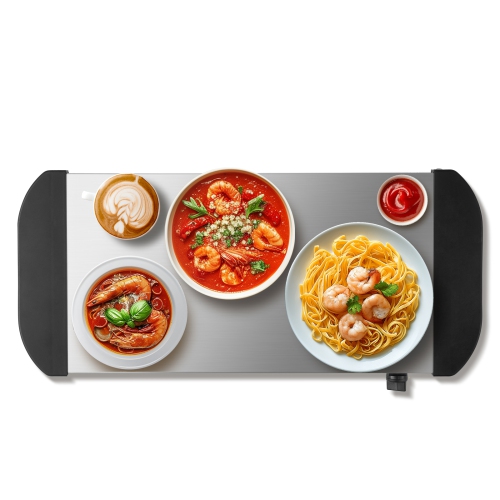
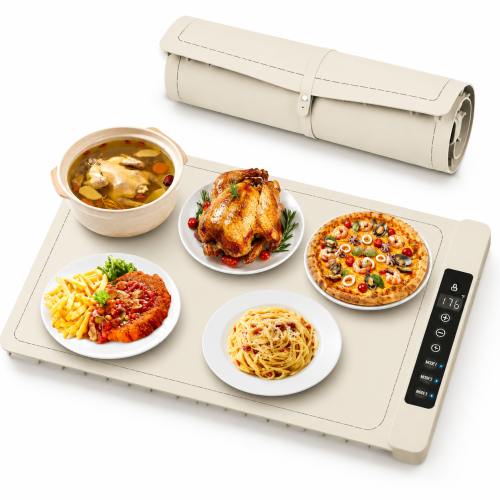
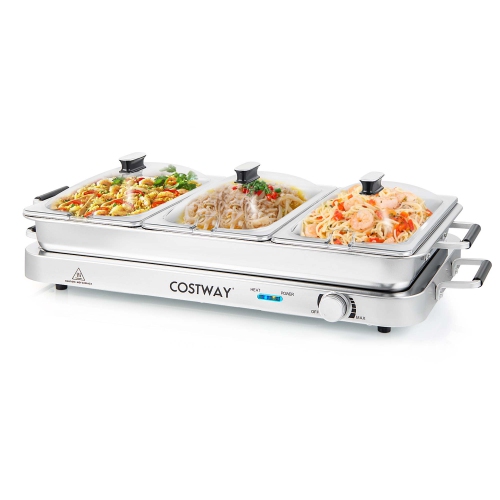
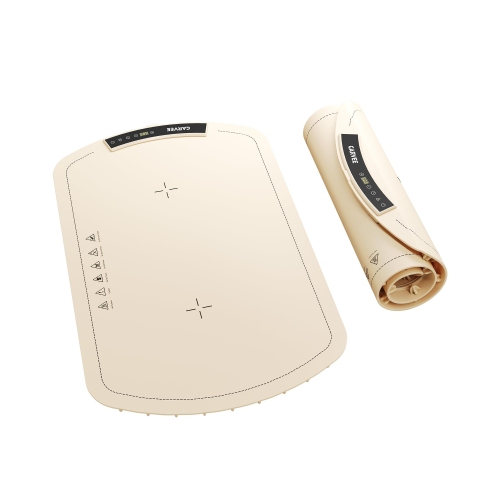
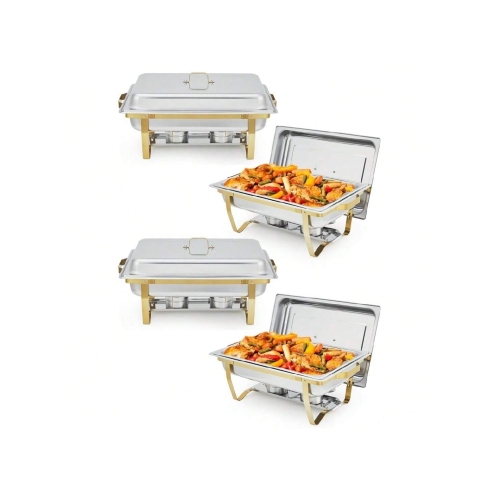
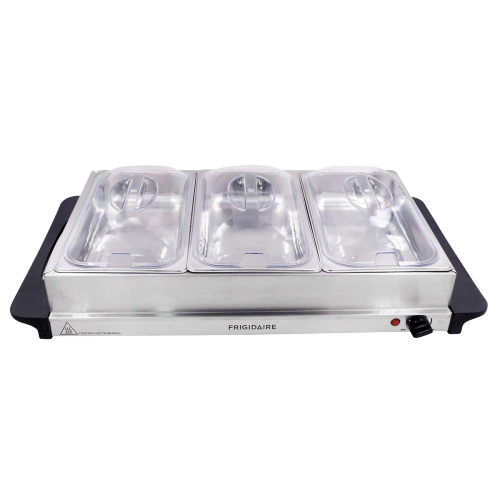
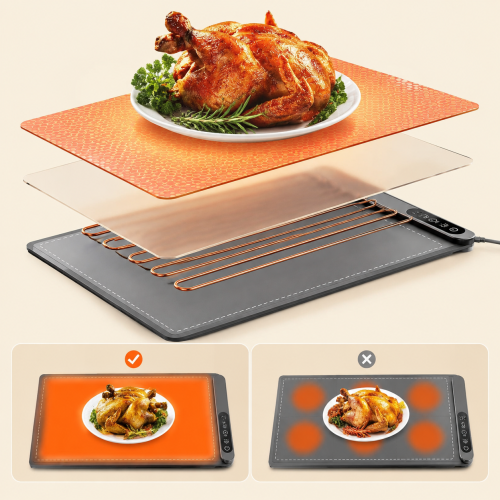
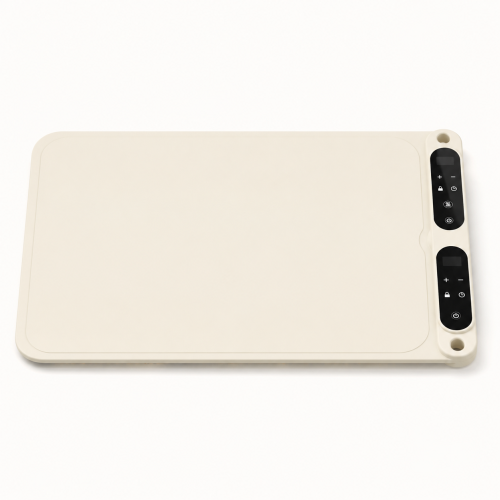
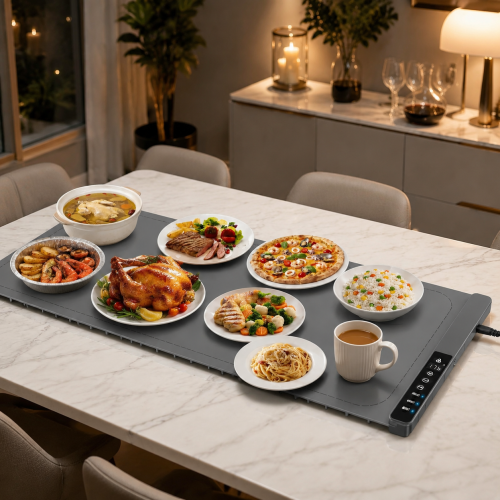
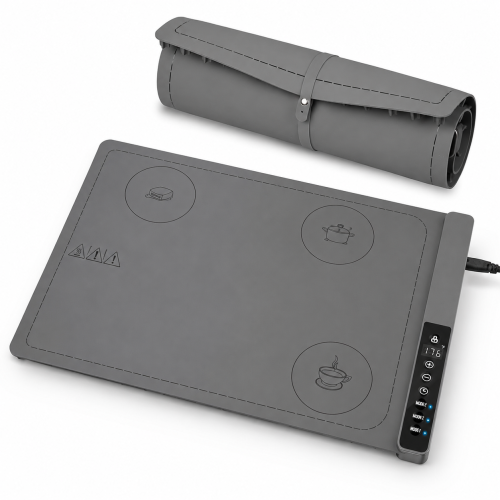
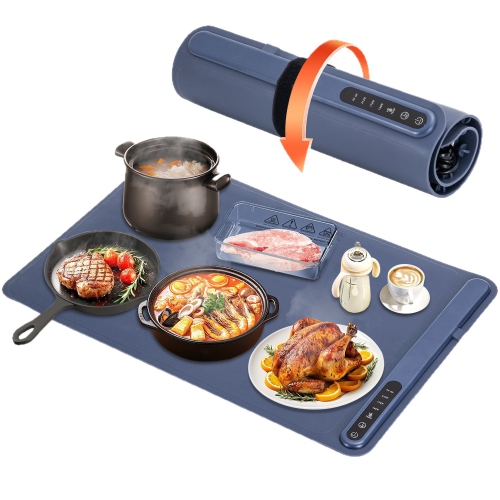
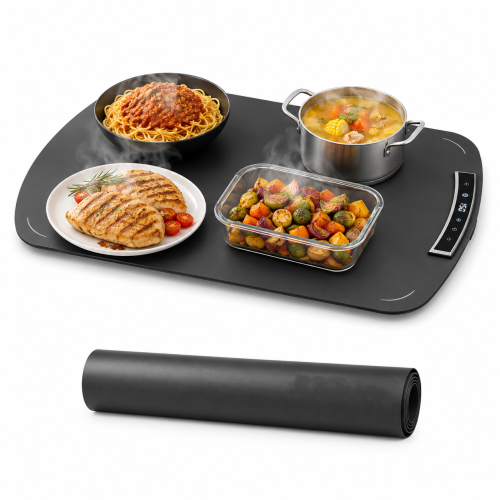
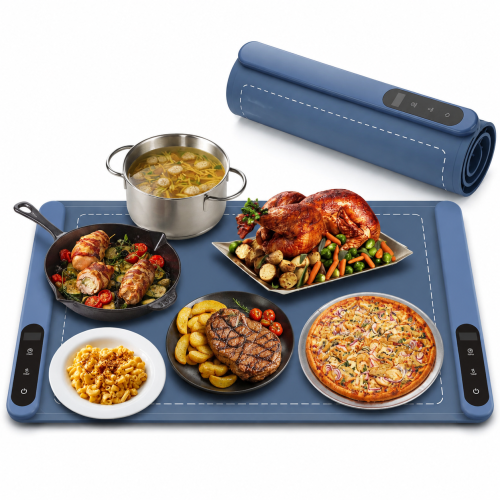
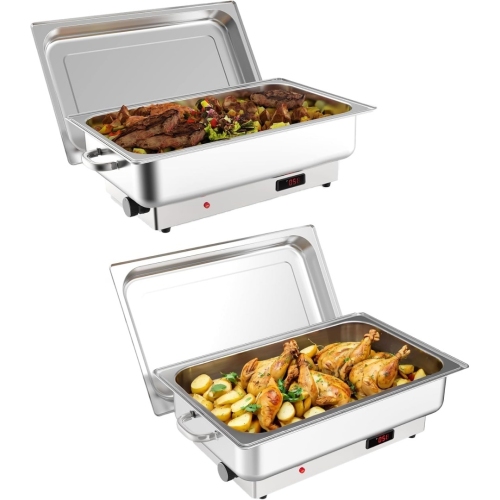
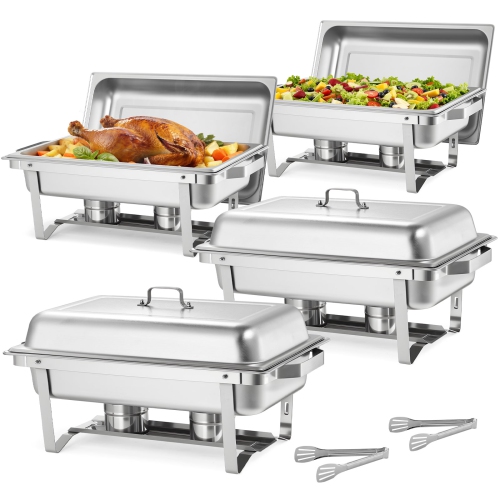
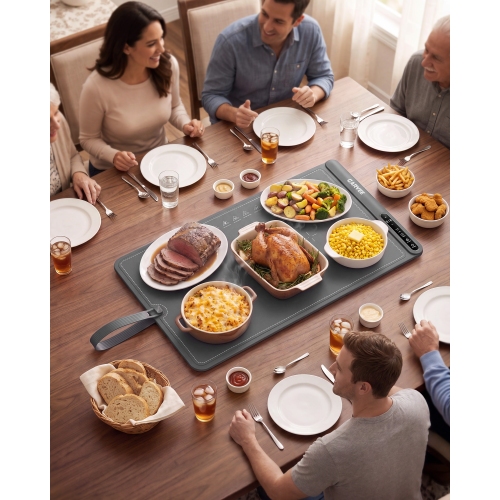
Reliable hot food holding for busy kitchens and service
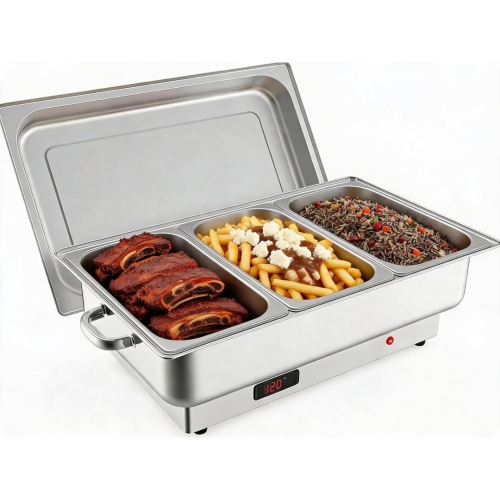
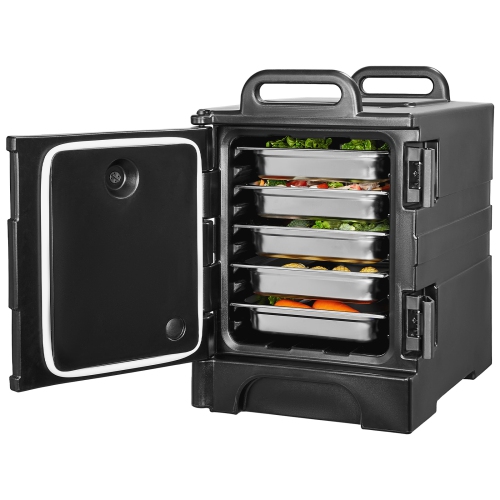
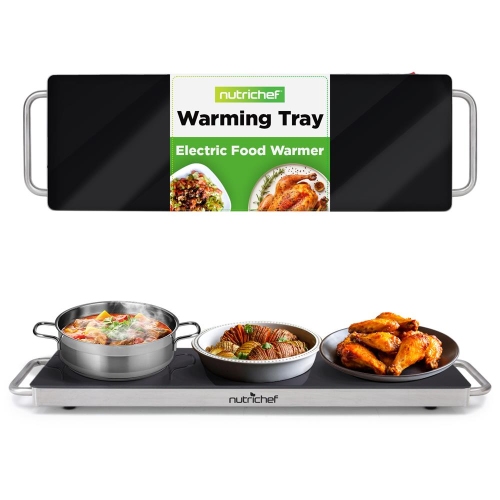
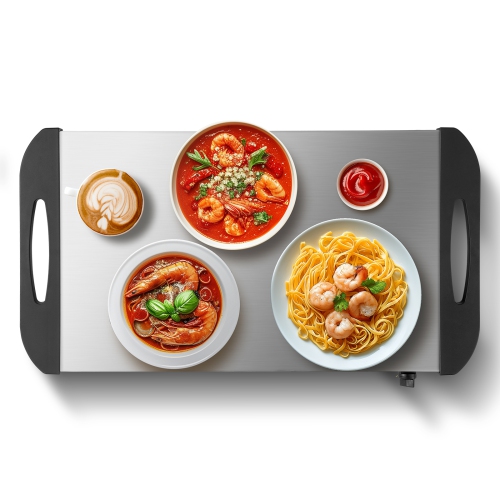
Commercial food warmers help restaurants, cafés, caterers, bakeries, cafeterias, food trucks and hospitality teams keep prepared dishes at a consistent serving temperature between the kitchen and the customer. They are designed for holding food after it has been cooked or reheated, rather than replacing an oven, range or other cooking appliance. When selected and used correctly, a warmer can help maintain the texture, appearance and serving quality of soups, sauces, gravies, casseroles, roasted foods, fried items, baked goods and plated meals during busy periods. Many operations aim to hold hot food above 60°C (140°F), although the correct temperature, holding time and handling procedures depend on the food, equipment and applicable local food-safety requirements. Always follow the manufacturer’s instructions and your local regulations, and use a food thermometer where appropriate. A commercial food warmer can be especially useful when several orders need to leave the kitchen at once, when a buffet line is replenished in stages, or when a catering team must prepare food before guests arrive. During the cooler months, warm, ready-to-serve meals can also create a welcoming atmosphere in a café, dining room or event space, while reliable holding equipment helps staff spend less time transferring food between containers and more time serving customers. For smaller operations, an electric countertop unit may provide a practical way to keep a limited selection of dishes ready without taking up the space of a full-size holding cabinet. For high-volume service, larger capacity equipment can help organize multiple pans, trays or plated meals so that food is available when the rush begins.
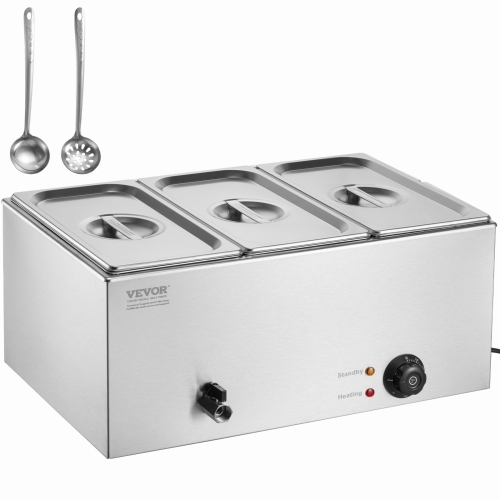
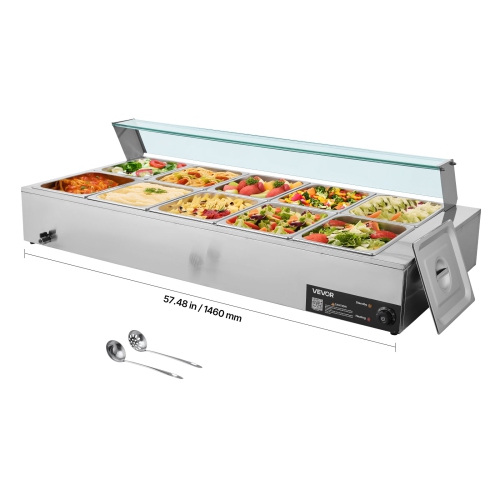
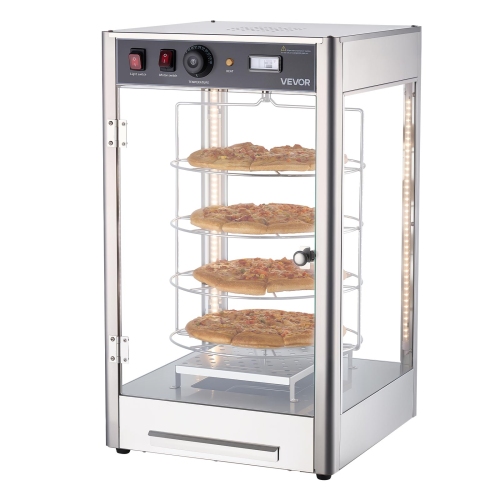
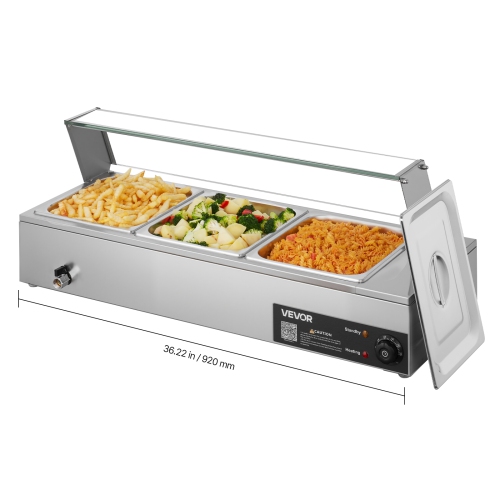
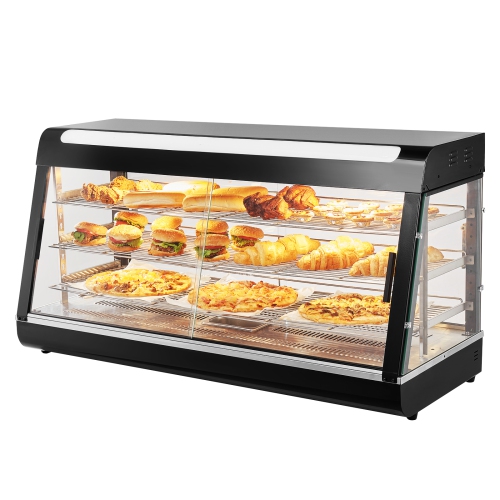
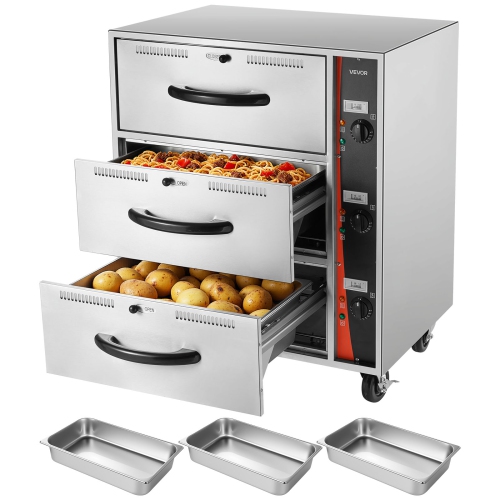
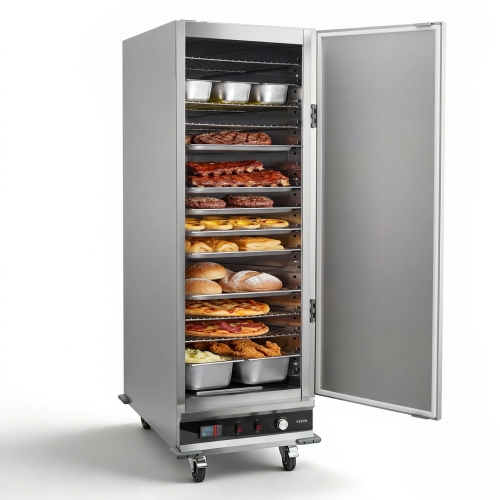
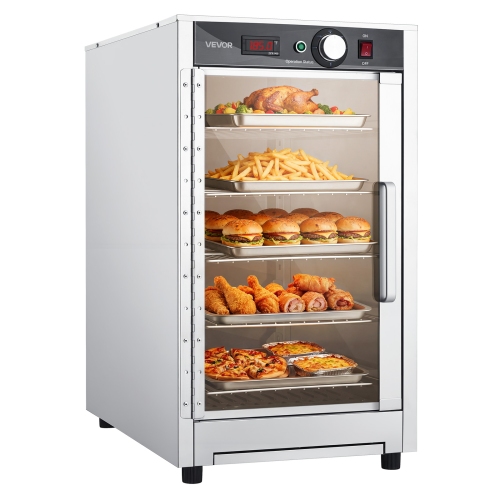
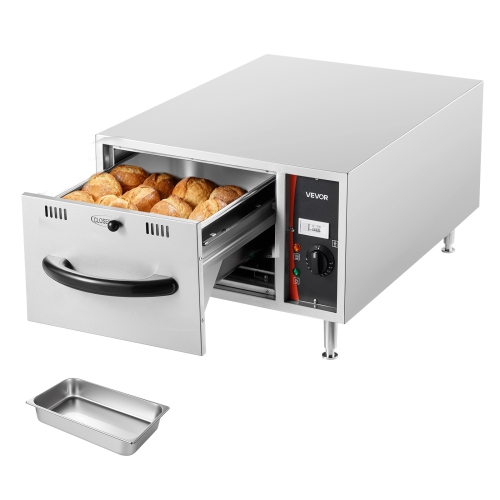
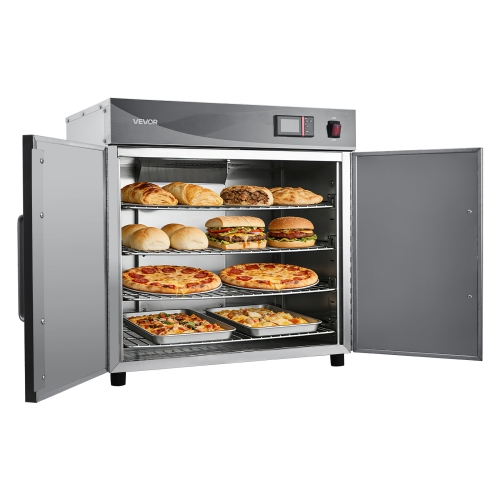
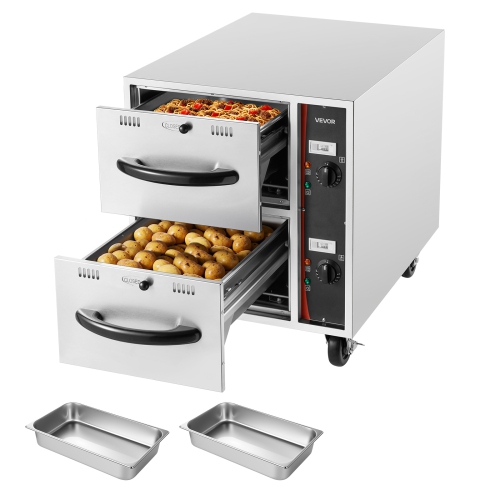
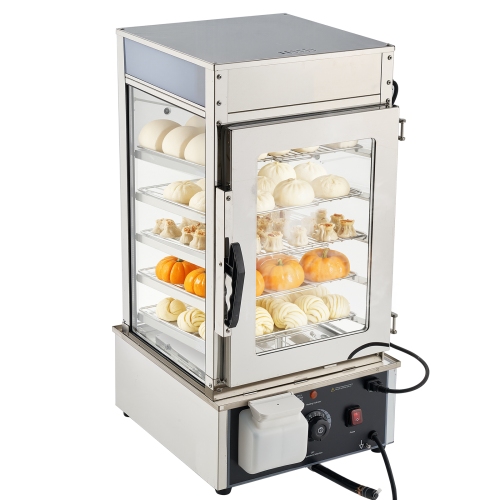
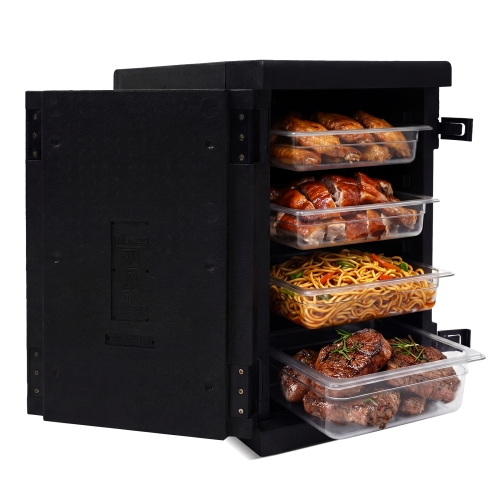
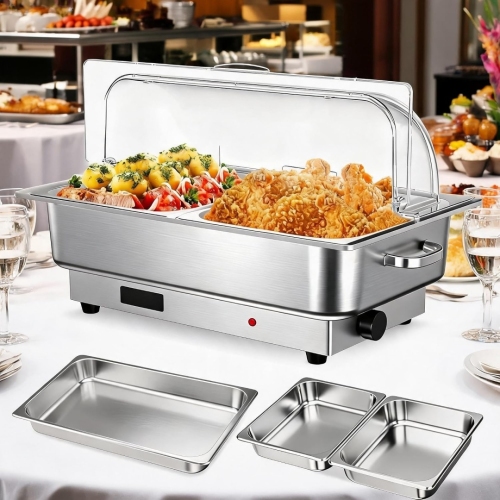
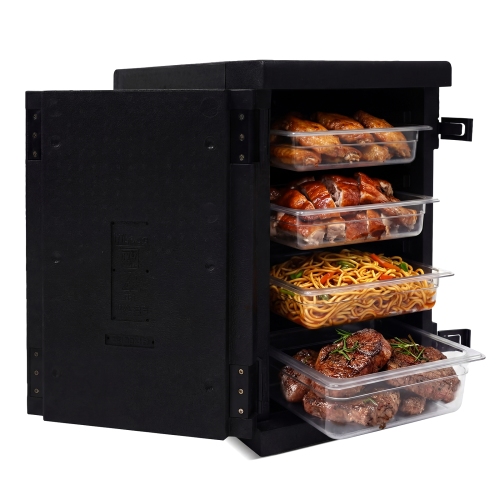
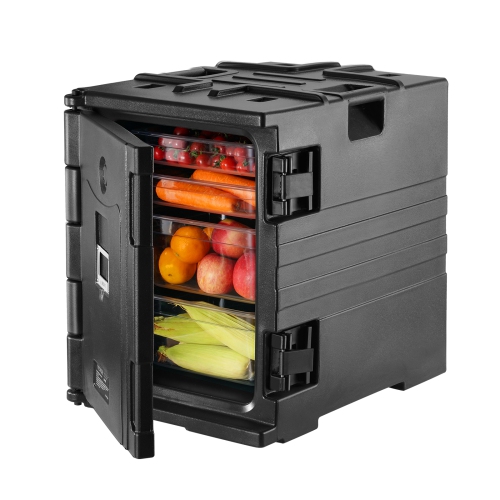
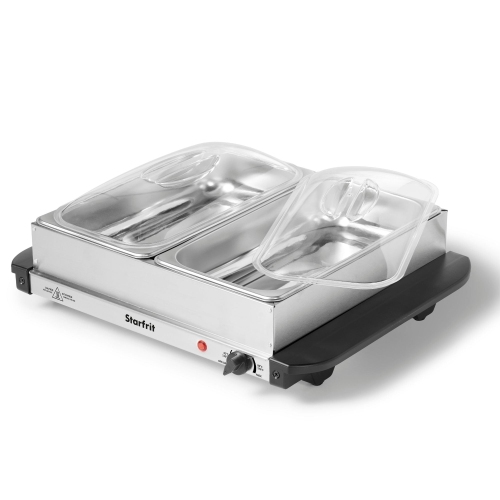
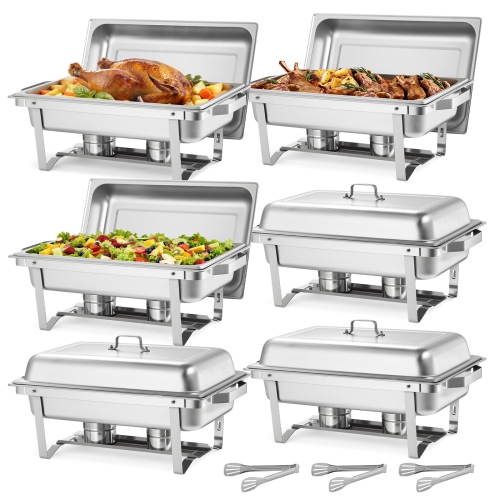
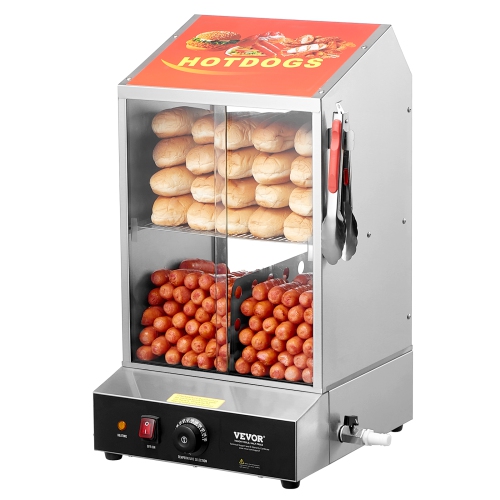
The right style of commercial food warmer depends largely on the menu, service format, available space and how long food must be held. Steam tables and bain-marie warmers use a water bath to distribute gentle, even heat around pans, making them well suited to soups, stews, sauces, vegetables and other moist foods served buffet-style or along a cafeteria line. Look for pan compatibility, water capacity, drainage features, temperature controls and a layout that matches the number and size of dishes you serve. Heated holding cabinets are a strong choice for kitchens, caterers and banquet teams that need to store multiple sheet pans, trays or plated meals before service or transport. Insulation, interior capacity, shelf spacing, mobility and door design can all affect day-to-day convenience, particularly when equipment needs to move from a preparation area to a dining room. Countertop display warmers are intended for merchandising as well as temperature maintenance, with clear panels that allow customers to see pastries, pizza slices, sandwiches or other prepared items before choosing them. In a bakery, café or quick-service setting, visibility can be just as important as heat control, so consider the number of shelves, viewing angles, lighting and ease of cleaning. Strip heaters and heat lamps provide focused overhead warmth above pass-through counters, carving stations or plating areas, helping finished dishes stay warm during the short interval before they reach the table. Drawer warmers offer enclosed, organized storage for items such as grilled foods, baked potatoes or fried dishes, and may be convenient where counter space is limited. If your operation needs a straightforward countertop solution, browse Electric Food Warmers for equipment intended to maintain heat with a standard electrical connection.
Before choosing a commercial food warmer, measure the space where it will be installed and check the electrical requirements, including wattage, voltage, plug style and available outlet capacity. A compact unit may fit neatly beside a prep station, while a larger cabinet or steam table may require clearance for doors, ventilation, water filling or drainage. Think about the foods you serve most often rather than choosing capacity based only on the busiest possible day. A warmer that is too small can lead to crowded pans and frequent replenishment, while one that is much larger than needed may take up valuable workspace and consume more power. Stainless steel construction is common in commercial environments because it is durable and straightforward to wipe down, but the most important feature is a design that supports consistent cleaning and access to food-contact surfaces. Removable pans, racks, drip trays, lids and water reservoirs can make closing duties easier, especially after a long service. Covered designs may help reduce spills and protect food from dust or accidental contact, while open configurations can speed up access during a busy buffet or service line. Temperature controls should be easy for staff to read and adjust, and indicators can help show when the unit is heating or ready for use. Remember that holding equipment is not intended to correct poor preparation or replace safe food handling: preheat the warmer as directed, avoid overloading it, keep hot and cold foods separate, monitor holding temperatures and discard food according to your workplace procedures. Whether it is used by a small catering team preparing trays for an event, a restaurant coordinating a packed dinner service or a café keeping popular items ready throughout the day, a well-matched commercial food warmer can bring order to the pass, reduce unnecessary transfers and help every serving arrive warm, appealing and ready to enjoy.
Top selling and popular products
-
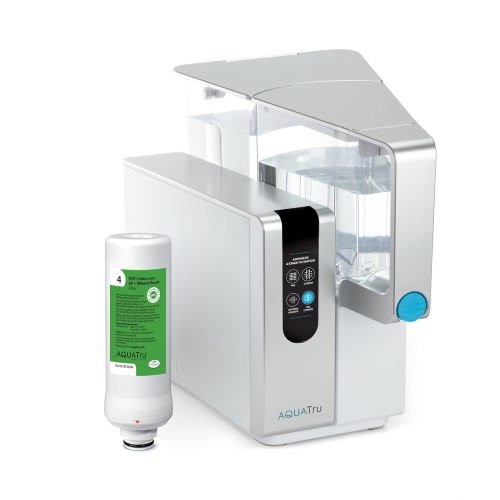 Your price for this item is $684.88
-
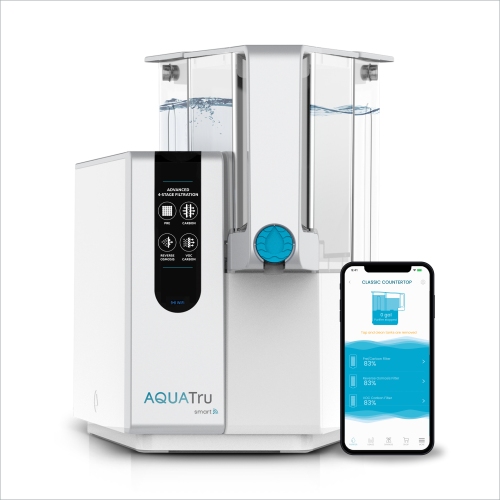 Your price for this item is $744.71
-
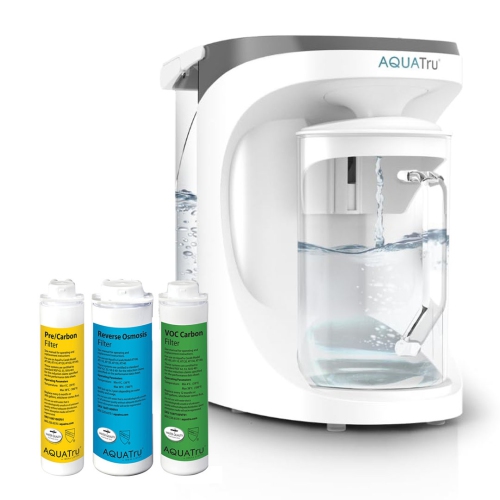 Your price for this item is $515.91
-
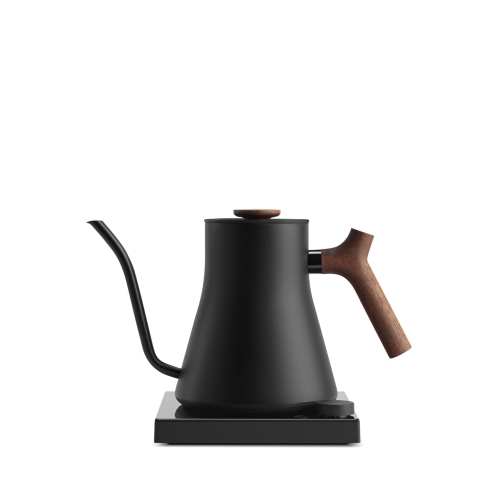 Your price for this item is $325
-
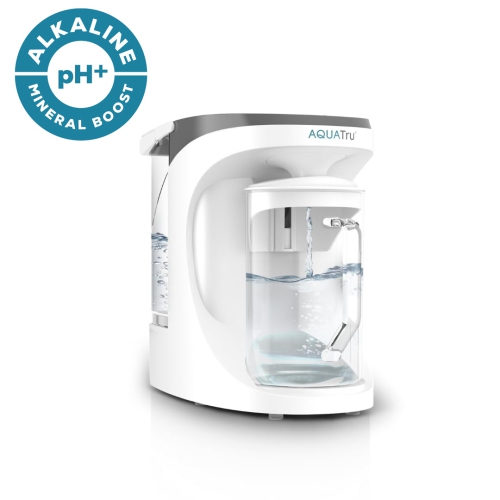 Your price for this item is $543.42
-
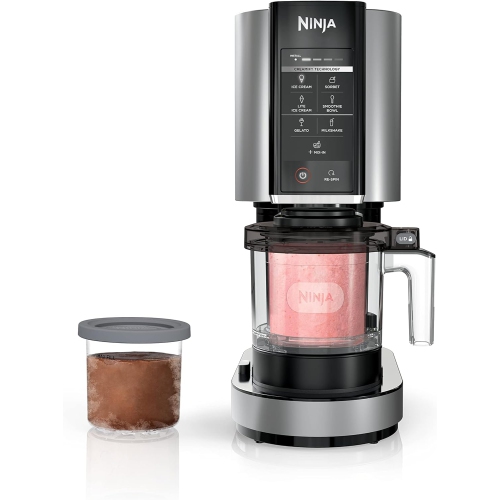 Your price for this item is $299
-
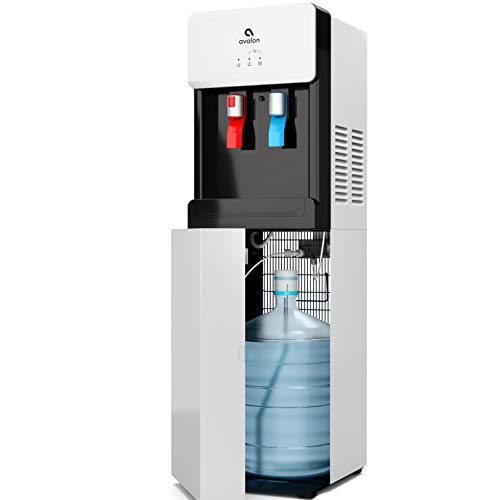 Your price for this item is $620
-
 Your price for this item is $499.99
Discover more categories related to Commercial Food Warmers
Top Collections:
Best Black Friday Deals This Year, Best Black Friday Deals On Electronics, Kindle Devices, Pokemon Centers, Best Black Friday Deals On Apple Products, Best Cameras for Sports Photography, Dyson Airwrap, Pokémon 30th Celebration Cards, Apple iPhone 17 Pro, Canon G7X Cameras
Some products may be subject to Environmental Handling Fees
(EHF) depending on your province.
Learn more about EHFs.