Compact Sofas
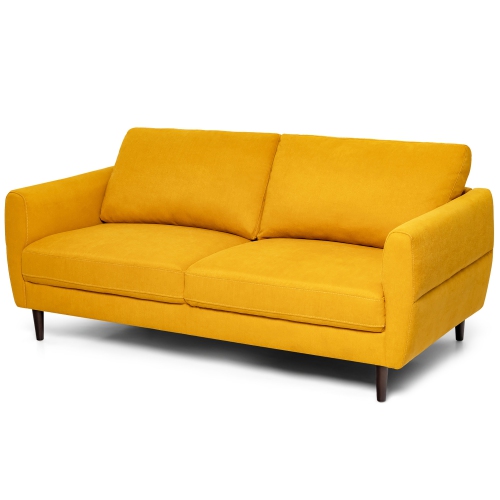
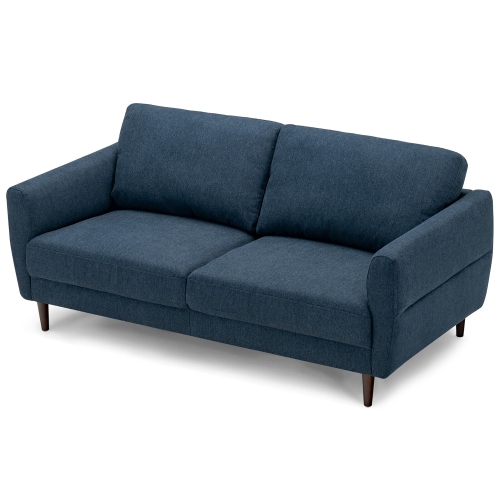
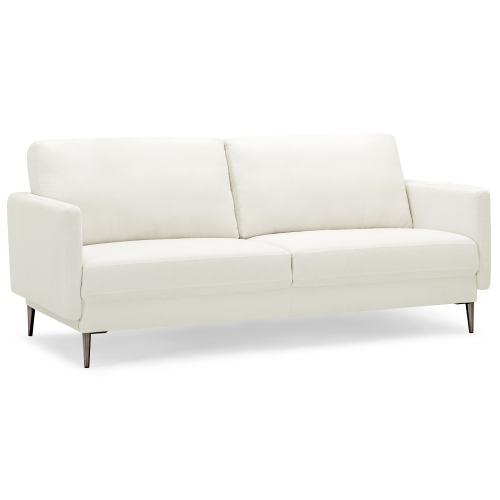
A compact sofa is a new type of sofa that has been gaining popularity in the past few years. It is designed to be as small as possible while still providing the same functionality as a regular sofa. The main purpose of this type of sofa is for apartments and dorm rooms, where space is limited. Here are some of our favorites.
Sort






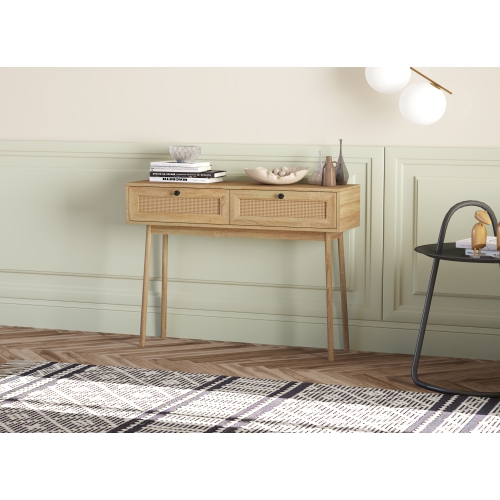
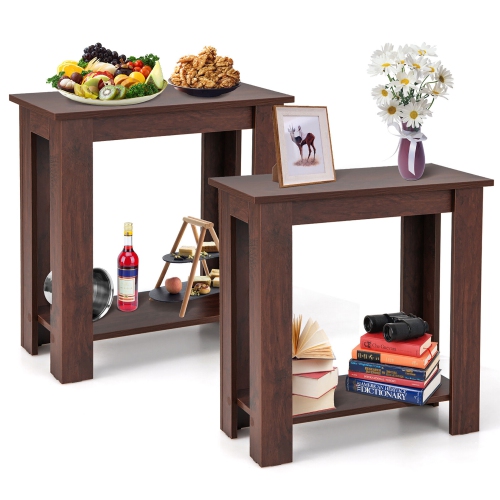
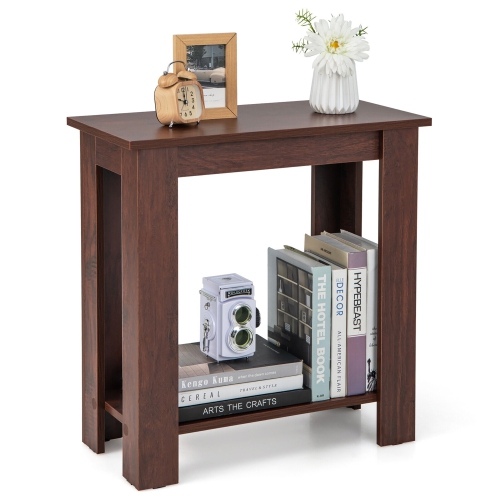
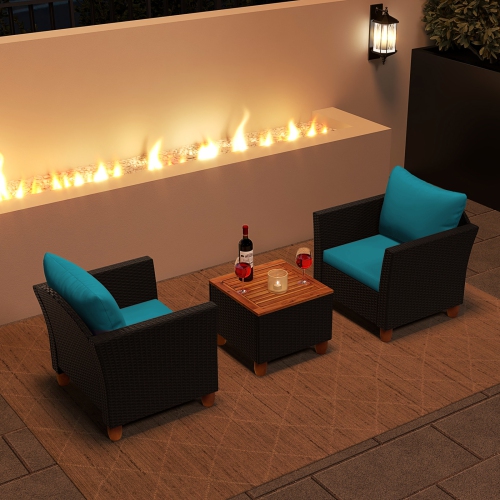
How to measure and style seating for smaller spaces
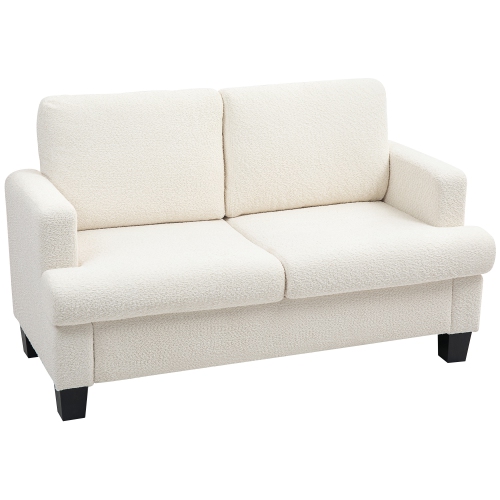
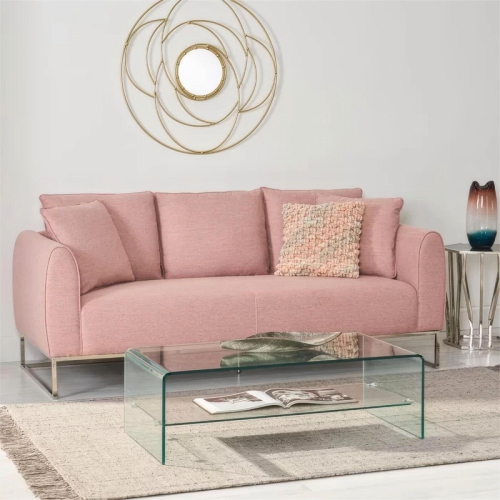
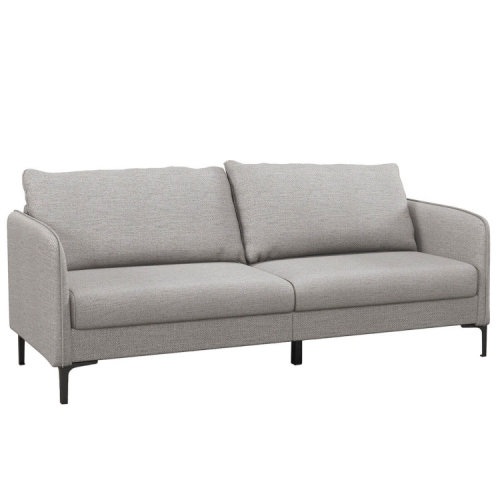
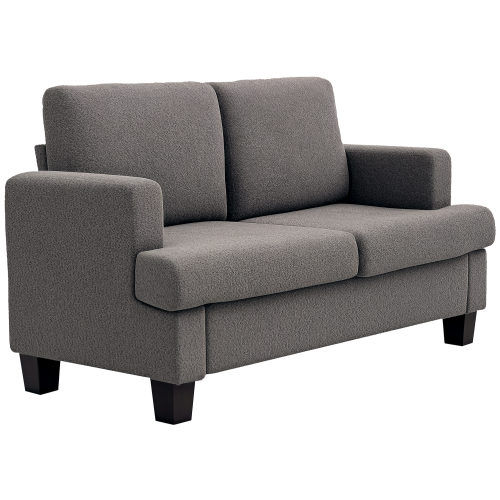
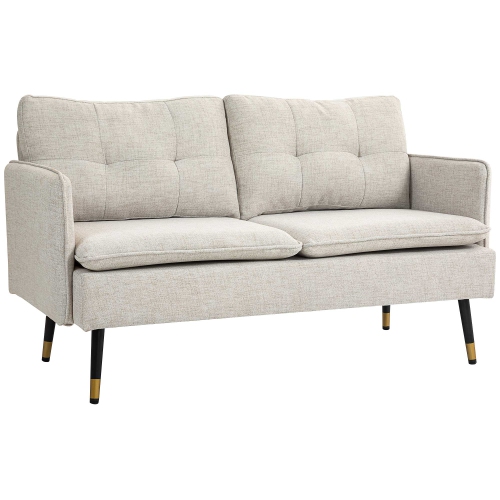
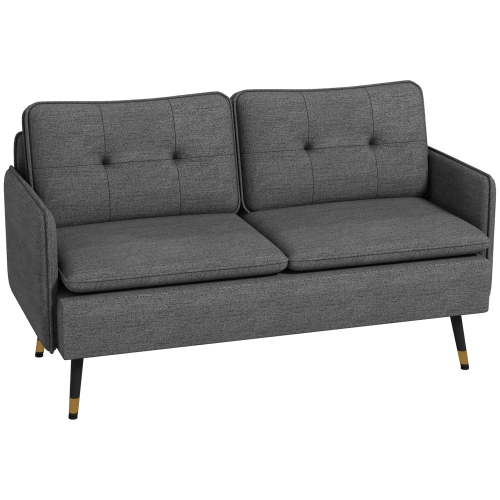
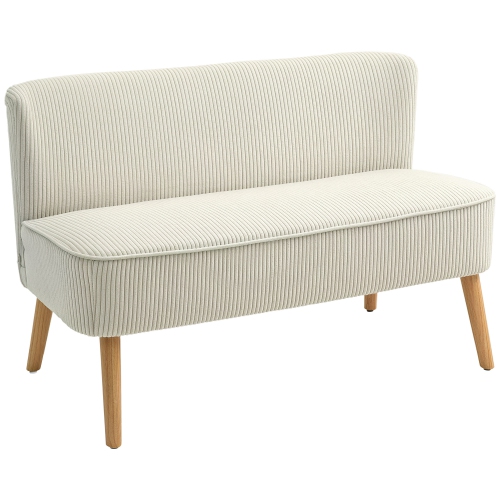
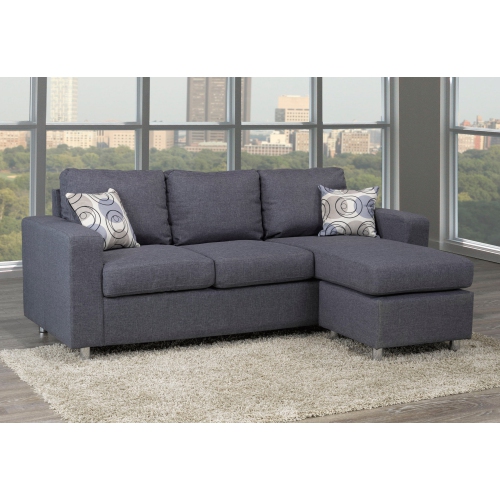
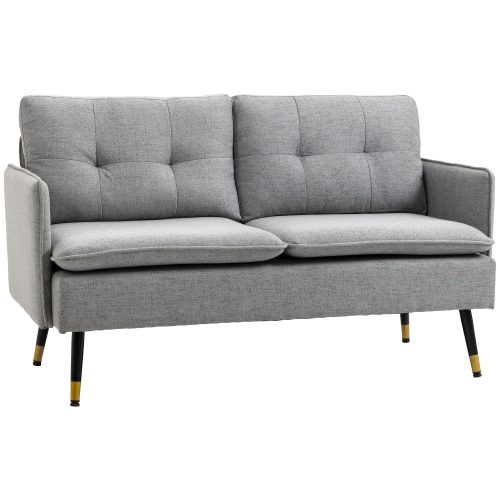
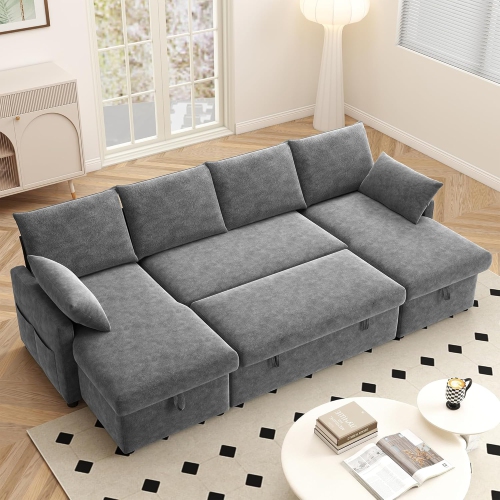
Compact sofas make it easier to create a comfortable seating area when every square foot matters. Designed for apartments, condos, studios, home offices, guest rooms, dorm-style spaces, and smaller family rooms, these sofas offer a practical balance between relaxation and a manageable footprint. A compact sofa may take the form of a loveseat, an apartment-size couch, a small modular sofa, or a mini sectional that fits neatly into a corner. Loveseats commonly seat one or two people and are often around 50 to 65 inches wide, while apartment-size sofas may provide a little more room with a narrower overall profile than a traditional couch. Compact sectionals can be especially useful in open-concept rooms because their L-shaped layout creates a defined place to sit without requiring separate chairs and a larger sofa. When comparing styles, consider how you expect to use the seating area. A loveseat can be ideal for reading, watching films, enjoying coffee, or sharing a quiet conversation, while a compact sectional may be better for stretching out, hosting a few friends, or giving a household more flexibility. Some designs include reversible chaise sections or modular components, allowing the arrangement to change when you move furniture, rearrange a room, or need to make more space for guests. A compact sofa can also be a thoughtful housewarming gift for someone moving into a first apartment, setting up a student residence, or furnishing a new condo, particularly when its proportions make it easier to place in a variety of homes. During the cooler months, a well-chosen sofa can become the centre of a welcoming indoor retreat, paired with a reading lamp, a small side table, and a soft throw for evenings spent relaxing at home.
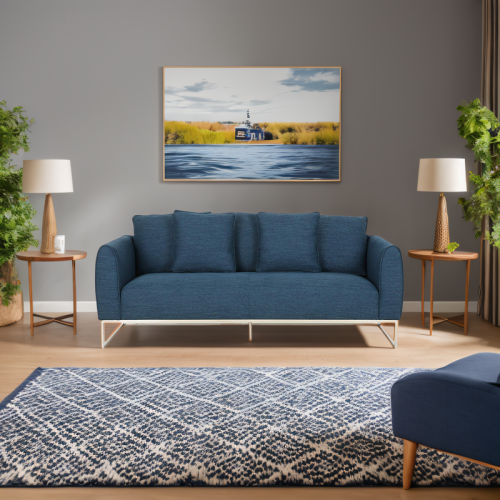
Before choosing a compact sofa, measure the room as carefully as you would measure the sofa itself. Record the width of the wall where the sofa will sit, then note the available depth from that wall to nearby furniture, counters, windows, or walkways. A shallower seat depth, often around 22 inches, can preserve valuable floor space while still providing a comfortable place to sit, although the ideal depth depends on your height and preferred posture. Take the sofa’s arm width into account as well: slimmer arms may provide more usable seating without increasing the outside measurements. Exposed legs can allow more light to pass beneath the frame, helping a compact room feel more open, while a low-profile design can create a grounded, relaxed look. Do not overlook the route into the room. Measure the width and height of entry doors, interior doorways, hallways, stairwells, lifts, and tight corners, and account for the swing clearance of doors that need to open nearby. Compare the packaged dimensions with the assembled dimensions, since a sofa that fits beautifully along a wall may still be difficult to bring through a narrow entrance. It is also helpful to mark the intended footprint on the floor with painter’s tape or folded paper. This simple step can reveal whether there is enough room to walk past the sofa, open a cabinet, pull out a desk chair, or move comfortably between seating and the television. For more options suited to limited floor plans, browse Small Space Sofas, then compare each sofa’s stated dimensions rather than relying on appearance alone. If the space is used for overnight visitors, look for a compact sleeper design and confirm both its folded and unfolded measurements, including the clearance needed around the bed surface.
Comfort and construction deserve just as much attention as size. Sit with your back supported and check whether your feet rest comfortably on the floor; a seat that is too deep may feel difficult to use in a small living area, while one that is too shallow may not provide the relaxed posture you want. Consider the firmness of the cushions, the height of the back, the shape of the arms, and whether the cushions can be removed or rotated. Removable covers can make routine care easier, especially in homes with children or pets, and tightly woven upholstery may be a practical choice for frequently used seating. Fabric texture also affects the atmosphere of a room: soft chenille can add warmth, linen-look upholstery can create an airy appearance, and smooth materials may suit a more streamlined interior. Neutral shades are easy to coordinate with changing accents, whereas a deeper colour or subtle pattern can give a small room a stronger focal point. Check the frame materials, leg construction, cushion composition, weight capacity, and assembly requirements so the sofa suits the people who will use it every day. Think about placement as well. A compact sofa can sit against a wall, float in an open room to separate living and dining areas, or tuck into a corner with a small table beside it. In a home office, it can provide a comfortable spot for a break without taking over the workspace; in a guest room, it can offer daytime seating and a more inviting place to set down a bag or fold clothes. With the right proportions, a compact sofa can make a small room feel purposeful rather than crowded, giving you a comfortable landing place for quiet mornings, shared movie nights, visits with friends, and relaxed afternoons indoors.
Before choosing a compact sofa, measure the room as carefully as you would measure the sofa itself. Record the width of the wall where the sofa will sit, then note the available depth from that wall to nearby furniture, counters, windows, or walkways. A shallower seat depth, often around 22 inches, can preserve valuable floor space while still providing a comfortable place to sit, although the ideal depth depends on your height and preferred posture. Take the sofa’s arm width into account as well: slimmer arms may provide more usable seating without increasing the outside measurements. Exposed legs can allow more light to pass beneath the frame, helping a compact room feel more open, while a low-profile design can create a grounded, relaxed look. Do not overlook the route into the room. Measure the width and height of entry doors, interior doorways, hallways, stairwells, lifts, and tight corners, and account for the swing clearance of doors that need to open nearby. Compare the packaged dimensions with the assembled dimensions, since a sofa that fits beautifully along a wall may still be difficult to bring through a narrow entrance. It is also helpful to mark the intended footprint on the floor with painter’s tape or folded paper. This simple step can reveal whether there is enough room to walk past the sofa, open a cabinet, pull out a desk chair, or move comfortably between seating and the television. For more options suited to limited floor plans, browse Small Space Sofas, then compare each sofa’s stated dimensions rather than relying on appearance alone. If the space is used for overnight visitors, look for a compact sleeper design and confirm both its folded and unfolded measurements, including the clearance needed around the bed surface.
Comfort and construction deserve just as much attention as size. Sit with your back supported and check whether your feet rest comfortably on the floor; a seat that is too deep may feel difficult to use in a small living area, while one that is too shallow may not provide the relaxed posture you want. Consider the firmness of the cushions, the height of the back, the shape of the arms, and whether the cushions can be removed or rotated. Removable covers can make routine care easier, especially in homes with children or pets, and tightly woven upholstery may be a practical choice for frequently used seating. Fabric texture also affects the atmosphere of a room: soft chenille can add warmth, linen-look upholstery can create an airy appearance, and smooth materials may suit a more streamlined interior. Neutral shades are easy to coordinate with changing accents, whereas a deeper colour or subtle pattern can give a small room a stronger focal point. Check the frame materials, leg construction, cushion composition, weight capacity, and assembly requirements so the sofa suits the people who will use it every day. Think about placement as well. A compact sofa can sit against a wall, float in an open room to separate living and dining areas, or tuck into a corner with a small table beside it. In a home office, it can provide a comfortable spot for a break without taking over the workspace; in a guest room, it can offer daytime seating and a more inviting place to set down a bag or fold clothes. With the right proportions, a compact sofa can make a small room feel purposeful rather than crowded, giving you a comfortable landing place for quiet mornings, shared movie nights, visits with friends, and relaxed afternoons indoors.
Top selling and popular products
-
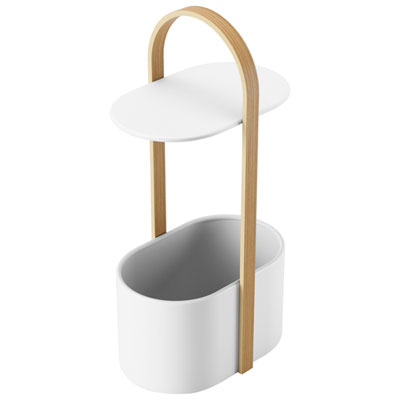 Your price for this item is $69.98
 -
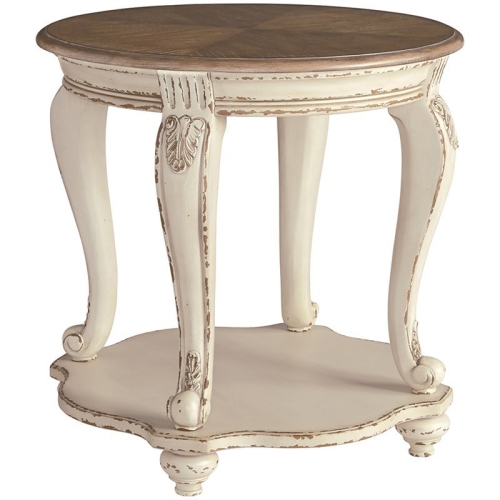 Your price for this item is $369
 -
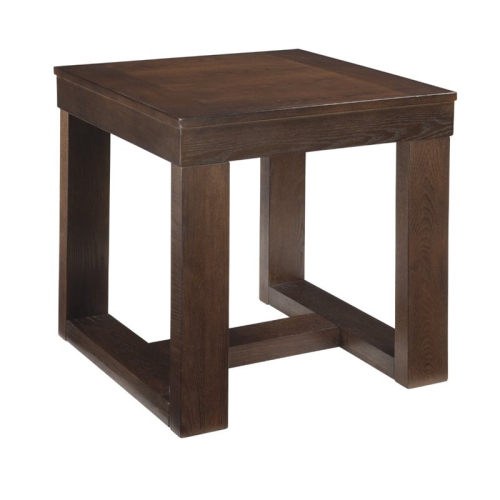 Your price for this item is $199
 -
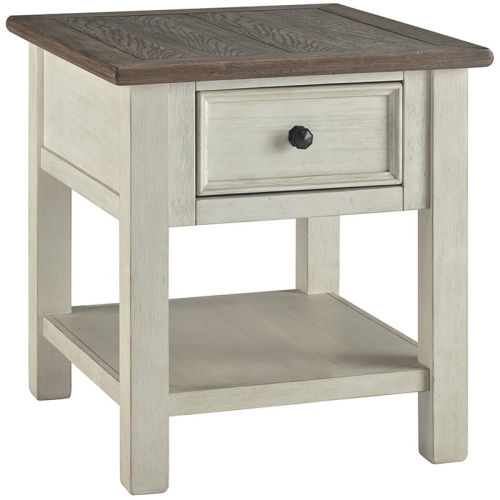 Your price for this item is $399
 -
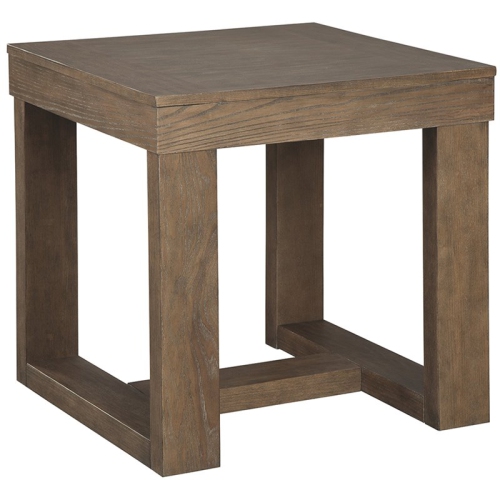 Your price for this item is $416.14
 -
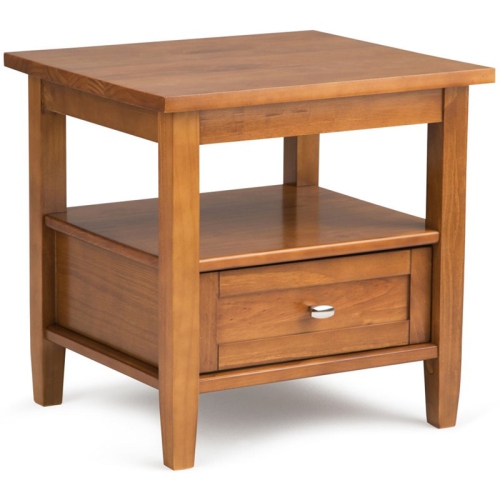 Your price for this item is $379.37
 -
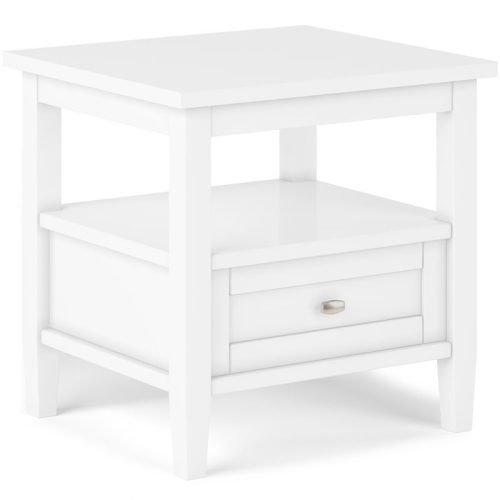 Your price for this item is $400.69
 -
 Your price for this item is $400.25
Discover more categories related to Compact Sofas

Top Collections:
Pokemon Centers, Kindle Devices, Best Budget Office Chairs, Apple iPhones 16, Best Laptops for Writers, iPhone 15 Apple, Canon G7X Cameras, Refurbished Apple Laptops, Alarm Clock, Motorola Razr Phones
Some products may be subject to Environmental Handling Fees
(EHF) depending on your province.
Learn more about EHFs.