Composting Bin Bags
Composting bin bags are a game-changer for eco-conscious individuals looking to reduce their carbon footprint and create nutrient-rich soil for their gardens. These innovative bags make composting kitchen scraps and organic waste a breeze, allowing you to easily collect and transport materials to your outdoor compost bin or local composting facility. Durable, leak-proof, and environmentally friendly, composting bin bags are the perfect solution for those seeking a convenient and sustainable way to manage food waste. Explore our selection of composting bin bags to start your journey towards a greener lifestyle today.
Sort
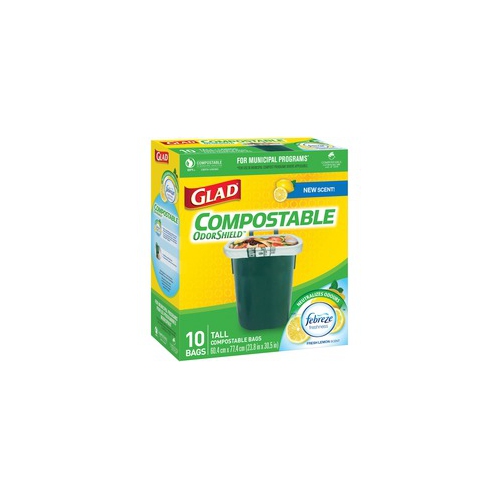
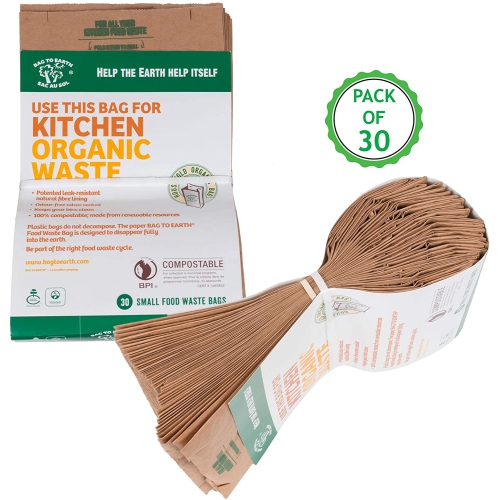
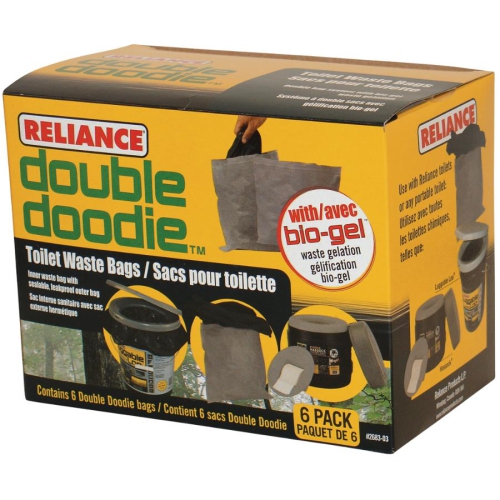
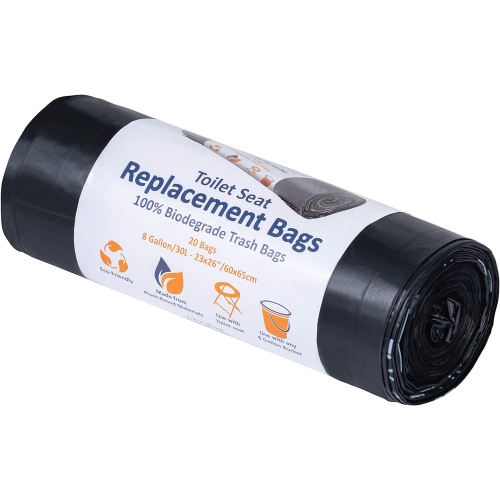
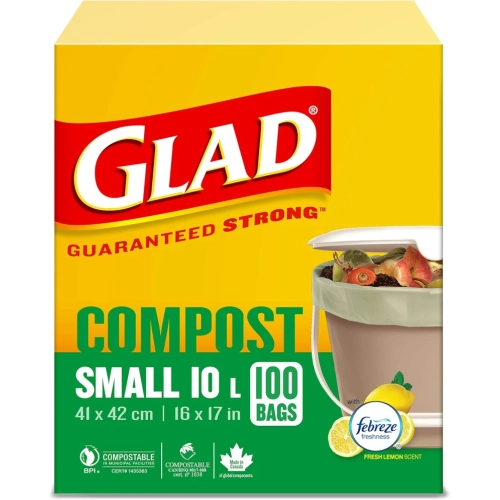
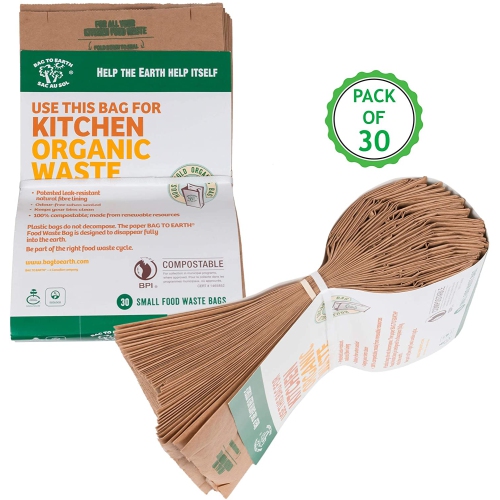
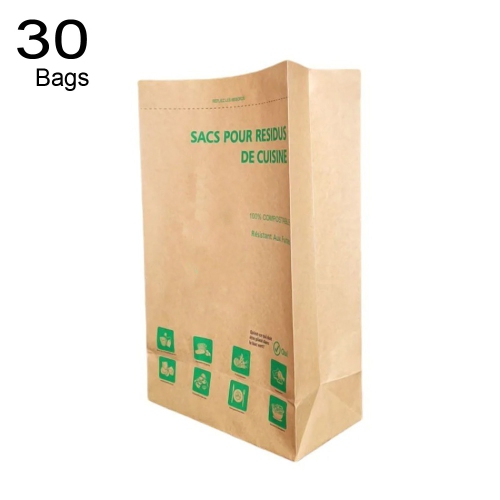
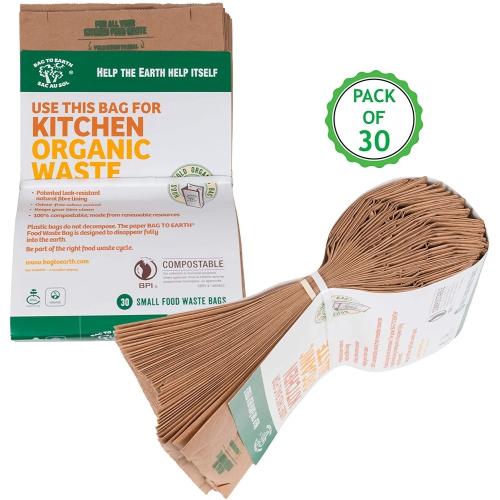
The right liner simplifies daily food-scrap collection
Composting bin bags provide a simple way to collect food scraps and other accepted organic waste without leaving a countertop caddy, under-sink container, or larger kitchen bin coated with residue. They are commonly used for items such as fruit and vegetable peelings, coffee grounds, tea leaves, eggshells, and small amounts of food waste, although the exact list depends on your local collection program. A well-fitting liner can make the daily routine feel more manageable: scrape plates into the bag, gather the loose scraps from meal preparation, tie the handles or close the top, and transfer the contents to the appropriate organics cart or collection container. For a busy household, this small step can make kitchen clean-up less unpleasant, especially after preparing soups, roasted vegetables, packed lunches, or family meals. Composting bin bags are also useful in offices, shared kitchens, student residences, condos, and cottages where several people need a clear, tidy way to contain food scraps. During the cooler months, they can help keep indoor collection areas neat when outdoor bins are used less frequently or emptied on a set schedule. In warmer weather, a liner can make it easier to remove damp scraps before odours and mess become a concern. They can also be a practical addition to a housewarming basket, a back-to-school care package, or a gift for someone moving into their first home, particularly when paired with a compact countertop bin or other kitchen storage essentials.
Choosing the right composting bin bags starts with matching the capacity to the container. Small liners are convenient for countertop pails and compact under-sink bins, while taller or wider options are better suited to larger kitchen containers and high-volume households. Check the bag’s litre capacity, dimensions, and opening size rather than relying on appearance alone; two bags labelled for a similar volume may fit quite differently depending on the shape of the bin. A liner that sits securely over the rim is less likely to slip into the container when it is being filled, while a little extra height makes tying and carrying easier. Thickness is another useful consideration, especially if the bag will hold wet scraps, food packaging accepted by your program, or heavier kitchen waste. A sturdy bag should resist tearing during removal, but it is still wise to avoid overfilling it or placing sharp bones, broken shells, or pointed items inside. Some people prefer lightly scented options to help manage food odours between collection days, while others choose unscented bags for shared spaces or scent-sensitive households. Packaging details can also help clarify whether the bags are intended for certified commercial or municipal composting systems. Look for recognized certification information, such as BPI or BNQ markings where applicable, and review the manufacturer’s instructions for the intended disposal environment. Terms such as “compostable” may refer to specific processing conditions, so certification is a more useful indicator than colour or a general claim on the package. If you need additional room for a full-size kitchen container or outdoor organics cart, browse Large Compostable Bags for options designed around bigger capacities.
Local collection rules should guide the final decision because accepted liners vary between municipalities, apartment buildings, workplaces, and private composting services. Some programs accept certified compostable bags, while others request plain paper bags, newspaper liners, or loose food scraps. Certain facilities may accept only bags carrying a specific certification mark, and some do not accept plastic-looking liners even when those bags are labelled compostable. Before filling a new package of bags, check the information provided by your city, regional district, property manager, or organics collection provider. This is particularly important when moving to a new neighbourhood, setting up a cottage, or buying bags for a shared workplace where the collection service may follow different requirements. Using the correct size also helps prevent waste from being left in the bottom of the bin: a bag that is too small may split at the top, while one that is too large can be awkward to tie and may take up unnecessary space. Store unused bags in a dry cupboard or drawer, away from heat and moisture, and place one in the bin only when the container is clean and ready for use. Tie the liner securely before carrying it, wipe the bin as needed, and avoid leaving food scraps in the bag longer than your collection schedule recommends. With the right capacity, suitable certification, and a fit that matches your routine, composting bin bags can make everyday food-scrap collection cleaner, more organized, and easier to maintain from early fall through the colder weeks ahead.
Choosing the right composting bin bags starts with matching the capacity to the container. Small liners are convenient for countertop pails and compact under-sink bins, while taller or wider options are better suited to larger kitchen containers and high-volume households. Check the bag’s litre capacity, dimensions, and opening size rather than relying on appearance alone; two bags labelled for a similar volume may fit quite differently depending on the shape of the bin. A liner that sits securely over the rim is less likely to slip into the container when it is being filled, while a little extra height makes tying and carrying easier. Thickness is another useful consideration, especially if the bag will hold wet scraps, food packaging accepted by your program, or heavier kitchen waste. A sturdy bag should resist tearing during removal, but it is still wise to avoid overfilling it or placing sharp bones, broken shells, or pointed items inside. Some people prefer lightly scented options to help manage food odours between collection days, while others choose unscented bags for shared spaces or scent-sensitive households. Packaging details can also help clarify whether the bags are intended for certified commercial or municipal composting systems. Look for recognized certification information, such as BPI or BNQ markings where applicable, and review the manufacturer’s instructions for the intended disposal environment. Terms such as “compostable” may refer to specific processing conditions, so certification is a more useful indicator than colour or a general claim on the package. If you need additional room for a full-size kitchen container or outdoor organics cart, browse Large Compostable Bags for options designed around bigger capacities.
Local collection rules should guide the final decision because accepted liners vary between municipalities, apartment buildings, workplaces, and private composting services. Some programs accept certified compostable bags, while others request plain paper bags, newspaper liners, or loose food scraps. Certain facilities may accept only bags carrying a specific certification mark, and some do not accept plastic-looking liners even when those bags are labelled compostable. Before filling a new package of bags, check the information provided by your city, regional district, property manager, or organics collection provider. This is particularly important when moving to a new neighbourhood, setting up a cottage, or buying bags for a shared workplace where the collection service may follow different requirements. Using the correct size also helps prevent waste from being left in the bottom of the bin: a bag that is too small may split at the top, while one that is too large can be awkward to tie and may take up unnecessary space. Store unused bags in a dry cupboard or drawer, away from heat and moisture, and place one in the bin only when the container is clean and ready for use. Tie the liner securely before carrying it, wipe the bin as needed, and avoid leaving food scraps in the bag longer than your collection schedule recommends. With the right capacity, suitable certification, and a fit that matches your routine, composting bin bags can make everyday food-scrap collection cleaner, more organized, and easier to maintain from early fall through the colder weeks ahead.
Top selling and popular products
-
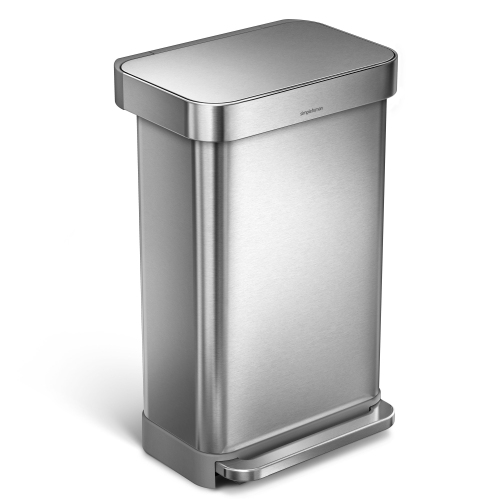 Your price for this item is $200
 -
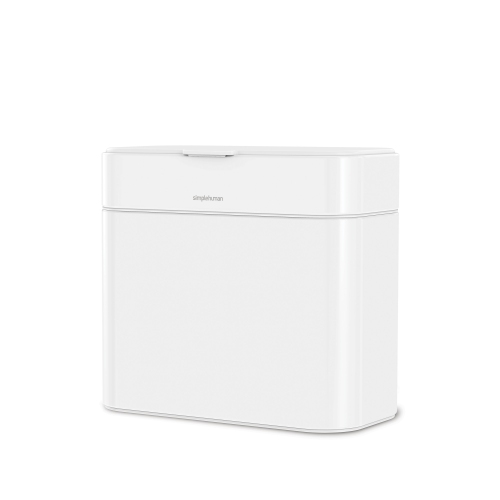 Your price for this item is $80
 -
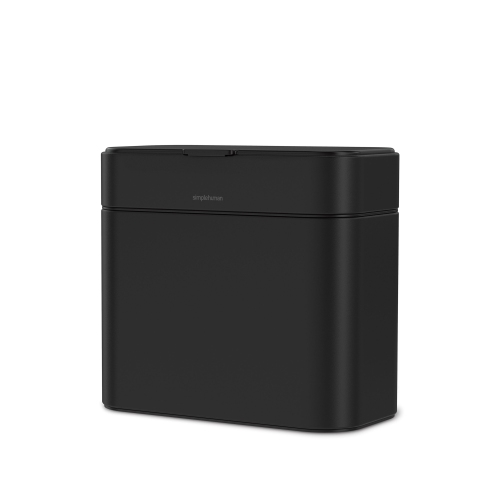 Your price for this item is $80
 -
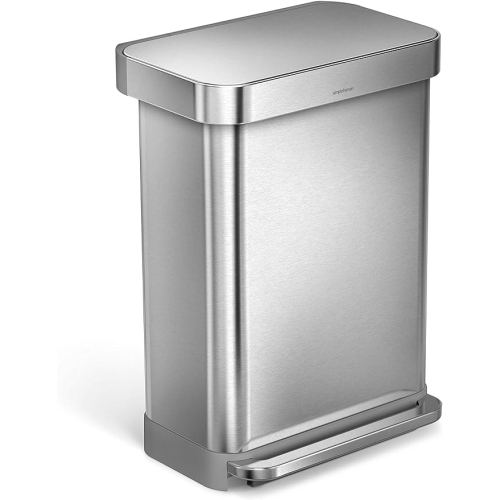 Your price for this item is $250
 -
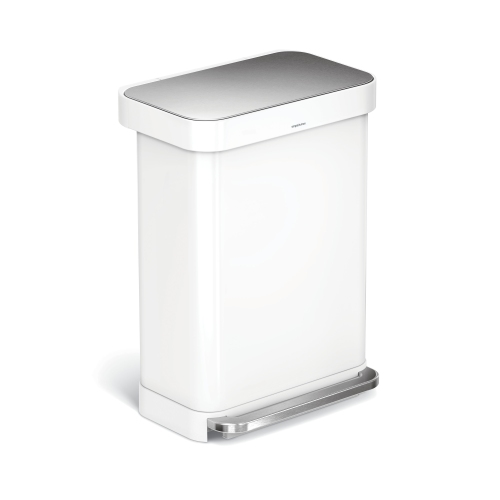 Your price for this item is $270
 -
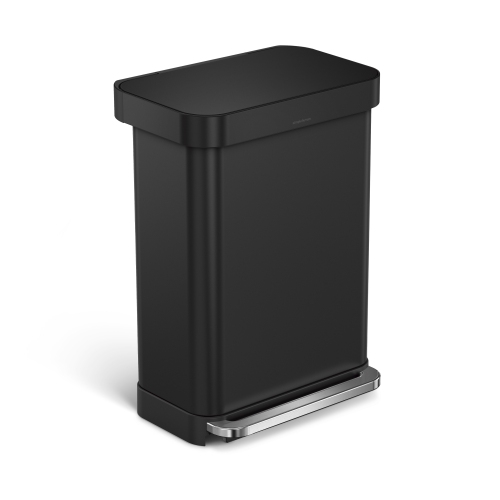 Your price for this item is $270
 -
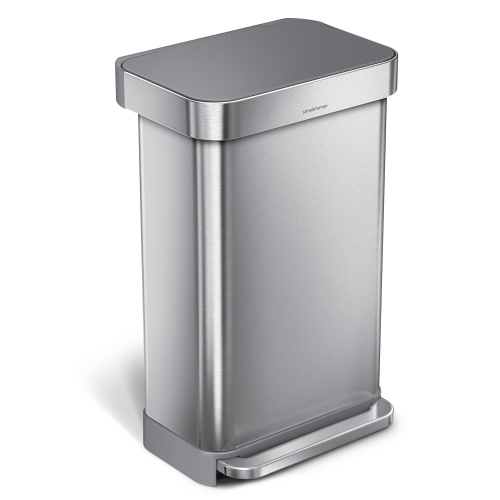 Your price for this item is $140
 -
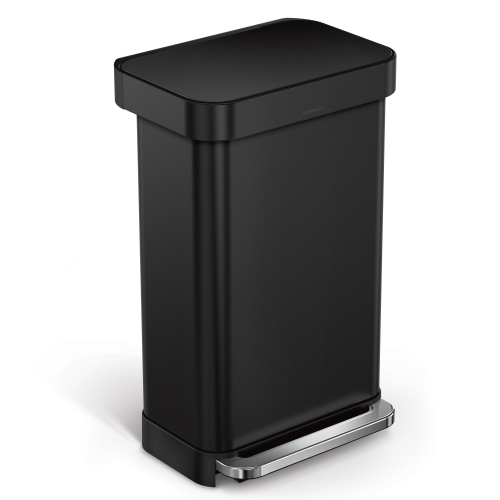 Your price for this item is $220
Discover more categories related to Composting Bin Bags
Top Collections:
Pokemon Centers, Kindle Devices, Best Budget Office Chairs, Apple iPhones 16, Canon G7X Cameras, iPhone 15 Apple, Alarm Clock, Refurbished Apple Laptops, Flip Phones, Best Laptops for Writers
Some products may be subject to Environmental Handling Fees
(EHF) depending on your province.
Learn more about EHFs.