Large Compostable Bags
Our collection of large compostable bags is the perfect choice for those looking to reduce their environmental footprint. These bags are designed to be both durable and biodegradable, making them a sustainable option for disposing of organic waste. Whether you're composting at home or need a green alternative for your trash bins, these compostable bags provide a convenient and environmentally-conscious solution. Browse our selection today and make a positive impact on the planet with every use.
Sort
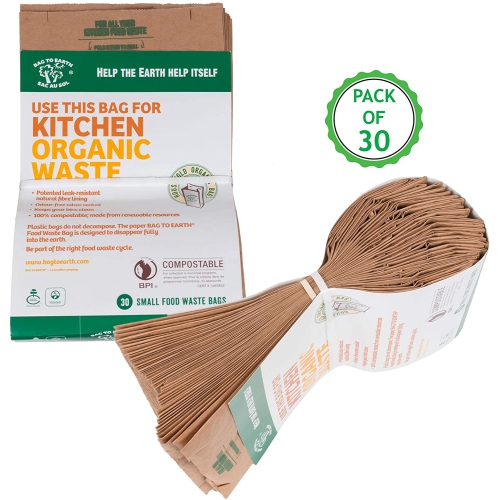
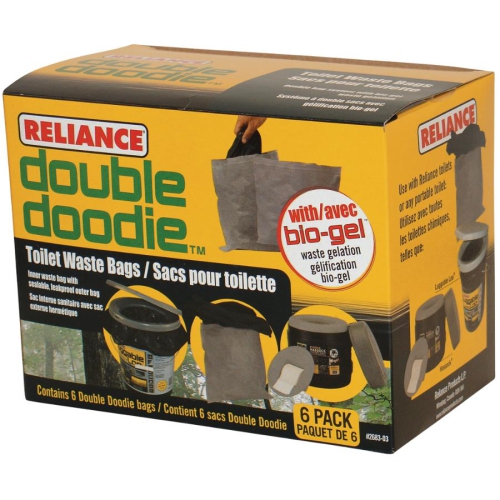
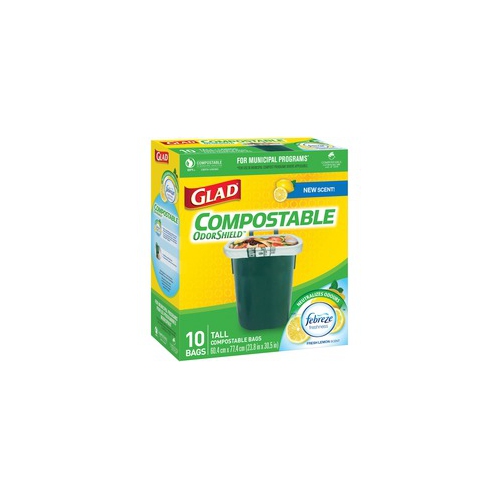
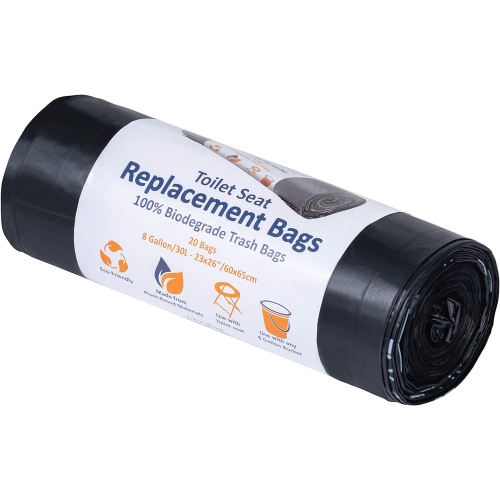
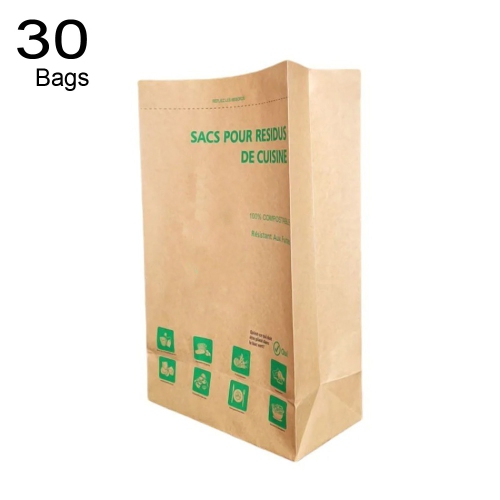
The right liner depends on dimensions and certification
Large compostable bags are available in several sizes, and choosing the right one starts with matching the bag to the container rather than relying on the word “large” alone. A bag around 49 L is often suited to a kitchen collection bin, a medium indoor container, or a standard residential organics bin; common dimensions are approximately 26 x 36 inches, though sizing can vary between manufacturers. Larger liners designed for outdoor carts may measure around 48 x 60 inches and accommodate a 64-gallon container, while extra-large options measuring about 54 x 60 inches can be made for 90-gallon carts, commercial receptacles, community collection points, parks, offices, and other high-volume settings. Before placing an order, measure the height, opening, and base of the bin, then allow enough material to fold over the rim and secure the liner without stretching it tightly. A bag that is too small may pull away from the sides when filled, while one that is excessively large can bunch at the bottom and make it harder to lift. Capacity is also important: leaves, food scraps, paper towels, and other organic materials can take up space quickly, especially when they are loosely packed. For indoor use, consider whether the bag will sit in a pull-out cupboard, under a sink, or inside a ventilated container. A compact 49 L format may fit neatly in a kitchen routine, whereas a tall outdoor-cart liner is better suited to larger household clean-ups or shared facilities. For workplaces, daycares, apartment buildings, restaurants, and event spaces, buying larger multipacks or cases can help keep replacements available without interrupting daily collection. Check the package for the stated litre or gallon capacity, dimensions, pack count, and intended bin type, since two bags with similar labels may have noticeably different proportions. If you are comparing options across sizes, the selection of Compostable Trash Bags can help you browse formats for kitchen bins, residential carts, and larger collection containers in one place.
Material and construction details matter even more as bag size increases. A large liner needs to handle its contents while being lifted, tied, rolled, or transferred to a collection container, so look for clear information about thickness, seam construction, drawstring or tie handles, and any stated weight guidance. Bags intended for light kitchen scraps may be appropriate for everyday household use, but a heavy load of wet coffee grounds, vegetable trimmings, grass clippings, or food-soiled paper can place extra pressure on the base and seams. Avoid dragging a filled liner across rough concrete or sharp-edged cart hardware, and keep pointed bones, broken packaging, twigs, and other objects that could puncture the material away from the bag whenever possible. A small amount of absorbent paper at the bottom can help contain moisture, while keeping excess liquid out of the liner can make tying and carrying more manageable. Compostable does not automatically mean accepted in every municipal collection programme, and local rules can differ from one neighbourhood to the next. Some communities accept certified liners in curbside organics bins, some require a particular certification mark, and others permit only loose material or approved paper bags. Review your municipality’s current organics guidance before buying in bulk, and look for certification information such as BPI or BNQ where those standards are recognised by the collection service in your area. The certification mark should be printed on the packaging, not assumed from general wording such as “degradable” or “biodegradable,” which may describe a different type of product. It is also worth checking whether the bag is intended for a home composting setup, a municipal processing facility, or general waste collection, as the acceptable conditions can vary. Storage is another practical consideration. Keep unused bags in a cool, dry cupboard away from direct sunlight and excess humidity, and retain the original packaging so the size, certification details, and disposal instructions remain easy to reference. In a busy home, placing a spare roll or pack near the collection bin can make changes less of a chore; in a shared building or workplace, assigning one consistent storage location helps prevent smaller liners from being used in oversized containers.
Large compostable bags can be useful for households that collect organic material indoors before moving it to an outdoor cart, as well as for people managing seasonal yard debris, community kitchens, offices, classrooms, care facilities, and small commercial spaces. During the cooler months, a durable liner can make it easier to gather food scraps and other accepted material when outdoor bins are cold, full, or located farther from the kitchen. As the weather warms, larger formats may be useful for garden trimmings and household clean-up, provided those materials are accepted by the local programme and the bag is rated for the intended contents. They can also be a practical housewarming, apartment-living, or new-home gift when paired with a suitable collection bin, since the recipient can use them immediately without needing to guess which size fits. For a household, one package may cover regular kitchen collection for several weeks; for a multi-unit building or event space, a case quantity can reduce the need for frequent reordering. Think about how often the liner will be replaced, how far it must be carried, and whether it will be lifted by one person or handled by a collection crew. Drawstring closures can be convenient for tying off a full kitchen bag, while a simple open-top liner may be more suitable for a large cart that is emptied mechanically. Transparent or lightly tinted bags can make it easier to identify the contents, whereas opaque bags may be preferred in shared indoor areas. Regardless of size, do not overfill the liner or leave it open in a place where pets can reach it, and follow the disposal directions printed on the package as well as the instructions provided by your municipality. Comparing capacity, dimensions, certification, closure style, thickness, pack quantity, and local acceptance rules will help you select large compostable bags that fit the container and the collection routine they are meant to support.
Material and construction details matter even more as bag size increases. A large liner needs to handle its contents while being lifted, tied, rolled, or transferred to a collection container, so look for clear information about thickness, seam construction, drawstring or tie handles, and any stated weight guidance. Bags intended for light kitchen scraps may be appropriate for everyday household use, but a heavy load of wet coffee grounds, vegetable trimmings, grass clippings, or food-soiled paper can place extra pressure on the base and seams. Avoid dragging a filled liner across rough concrete or sharp-edged cart hardware, and keep pointed bones, broken packaging, twigs, and other objects that could puncture the material away from the bag whenever possible. A small amount of absorbent paper at the bottom can help contain moisture, while keeping excess liquid out of the liner can make tying and carrying more manageable. Compostable does not automatically mean accepted in every municipal collection programme, and local rules can differ from one neighbourhood to the next. Some communities accept certified liners in curbside organics bins, some require a particular certification mark, and others permit only loose material or approved paper bags. Review your municipality’s current organics guidance before buying in bulk, and look for certification information such as BPI or BNQ where those standards are recognised by the collection service in your area. The certification mark should be printed on the packaging, not assumed from general wording such as “degradable” or “biodegradable,” which may describe a different type of product. It is also worth checking whether the bag is intended for a home composting setup, a municipal processing facility, or general waste collection, as the acceptable conditions can vary. Storage is another practical consideration. Keep unused bags in a cool, dry cupboard away from direct sunlight and excess humidity, and retain the original packaging so the size, certification details, and disposal instructions remain easy to reference. In a busy home, placing a spare roll or pack near the collection bin can make changes less of a chore; in a shared building or workplace, assigning one consistent storage location helps prevent smaller liners from being used in oversized containers.
Large compostable bags can be useful for households that collect organic material indoors before moving it to an outdoor cart, as well as for people managing seasonal yard debris, community kitchens, offices, classrooms, care facilities, and small commercial spaces. During the cooler months, a durable liner can make it easier to gather food scraps and other accepted material when outdoor bins are cold, full, or located farther from the kitchen. As the weather warms, larger formats may be useful for garden trimmings and household clean-up, provided those materials are accepted by the local programme and the bag is rated for the intended contents. They can also be a practical housewarming, apartment-living, or new-home gift when paired with a suitable collection bin, since the recipient can use them immediately without needing to guess which size fits. For a household, one package may cover regular kitchen collection for several weeks; for a multi-unit building or event space, a case quantity can reduce the need for frequent reordering. Think about how often the liner will be replaced, how far it must be carried, and whether it will be lifted by one person or handled by a collection crew. Drawstring closures can be convenient for tying off a full kitchen bag, while a simple open-top liner may be more suitable for a large cart that is emptied mechanically. Transparent or lightly tinted bags can make it easier to identify the contents, whereas opaque bags may be preferred in shared indoor areas. Regardless of size, do not overfill the liner or leave it open in a place where pets can reach it, and follow the disposal directions printed on the package as well as the instructions provided by your municipality. Comparing capacity, dimensions, certification, closure style, thickness, pack quantity, and local acceptance rules will help you select large compostable bags that fit the container and the collection routine they are meant to support.
Top selling and popular products
-
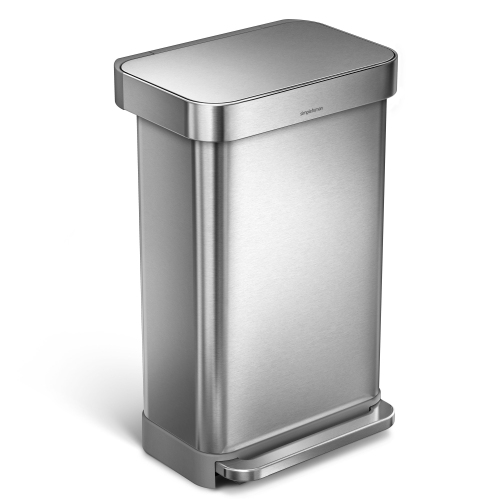 Your price for this item is $200
 -
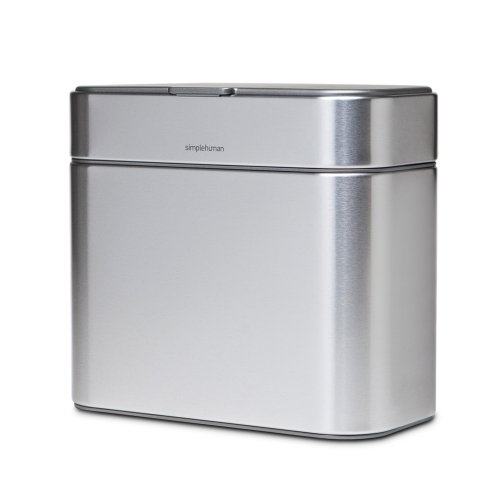 Your price for this item is $70
 -
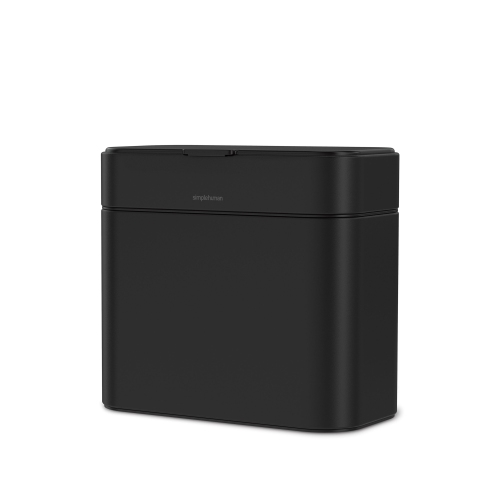 Your price for this item is $80
 -
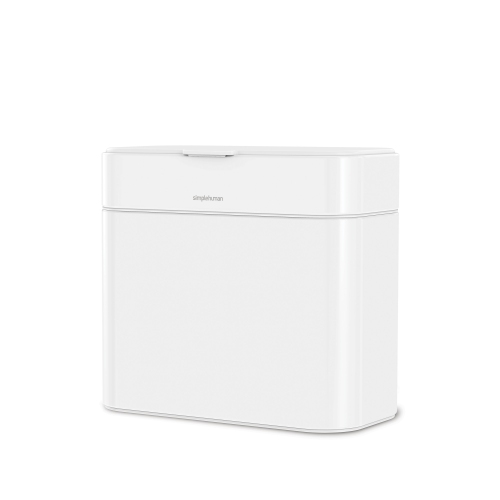 Your price for this item is $80
 -
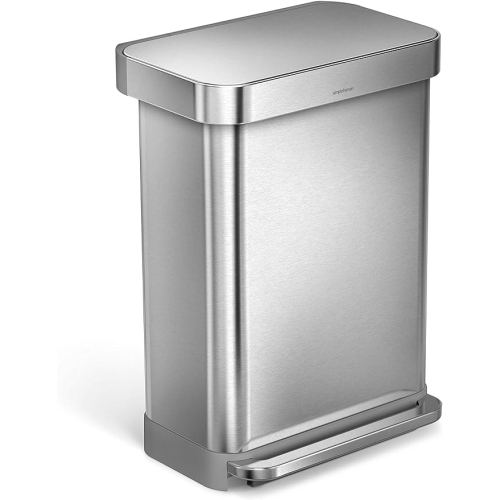 Your price for this item is $250
 -
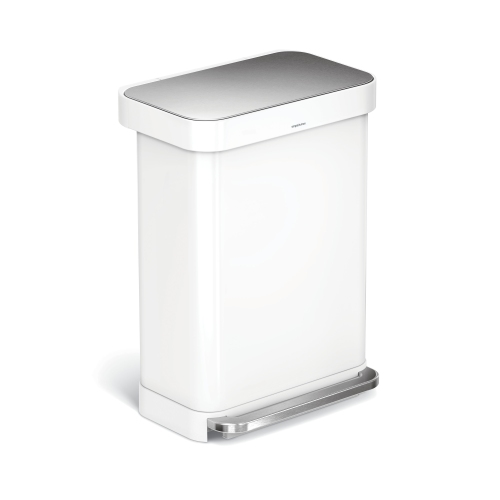 Your price for this item is $270
 -
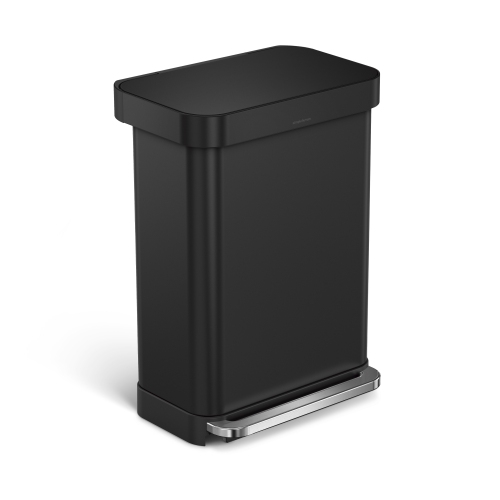 Your price for this item is $270
 -
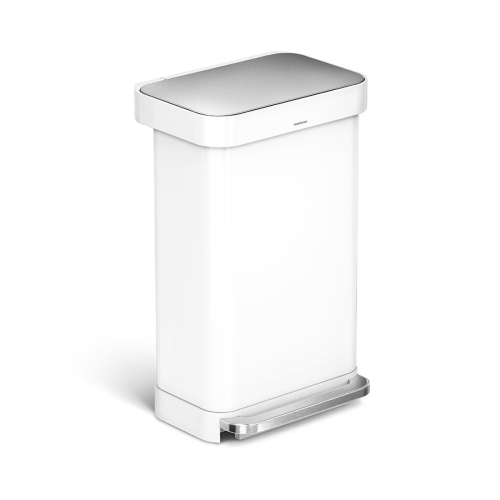 Your price for this item is $220
Discover more categories related to Large Compostable Bags
Top Collections:
Best Laptops for Video Editing, Pokemon Centers, Samsung Z Fold, Kindle Devices, Best Cell Phones Under $300, Best Laptops for Writers, Best Budget Office Chairs, Best Cell Phones Under $500, Best Laptop Computers for Students, iPhone 15 Apple
Some products may be subject to Environmental Handling Fees
(EHF) depending on your province.
Learn more about EHFs.