Conference Room Tables
Looking to upgrade your conference room? Look no further than our wide selection of conference room tables. Whether you're hosting important meetings, brainstorming sessions, or presentations, having the right table can make all the difference. Our collection features a variety of sizes, styles, and finishes to suit any office decor and meet your specific needs. From sleek and modern designs to classic and traditional options, we have the perfect conference room table to enhance productivity and create a professional atmosphere. Explore our range today and find the ideal table that will elevate your meetings to a whole new level.
Sort
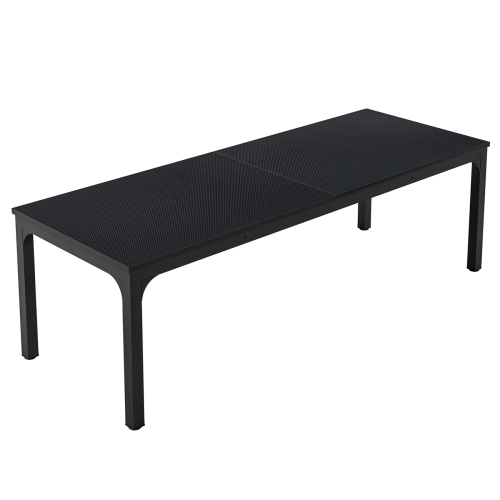
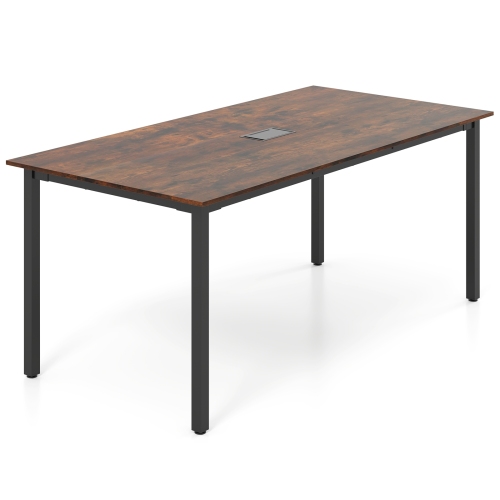


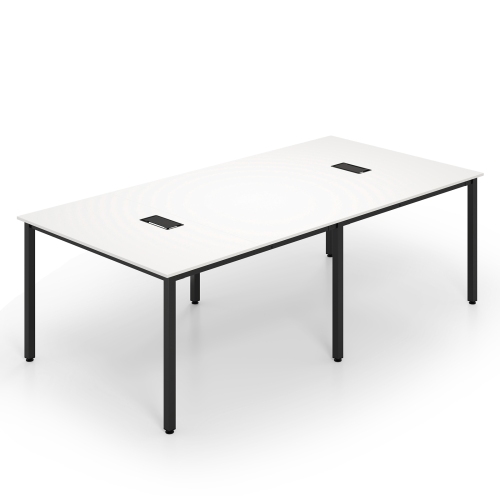
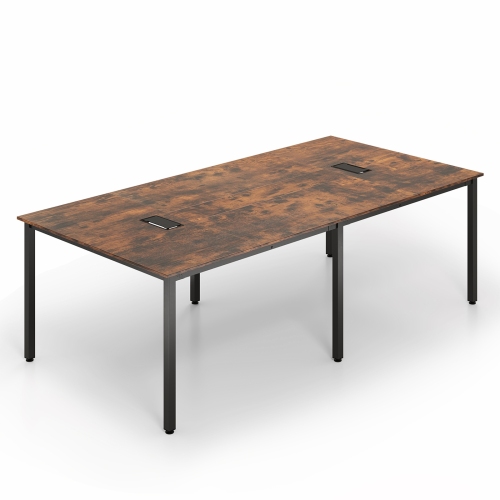


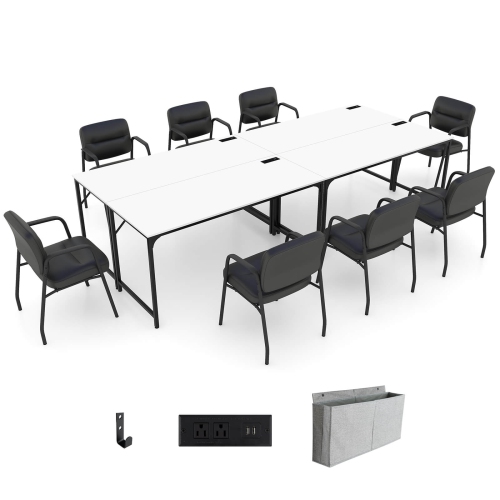
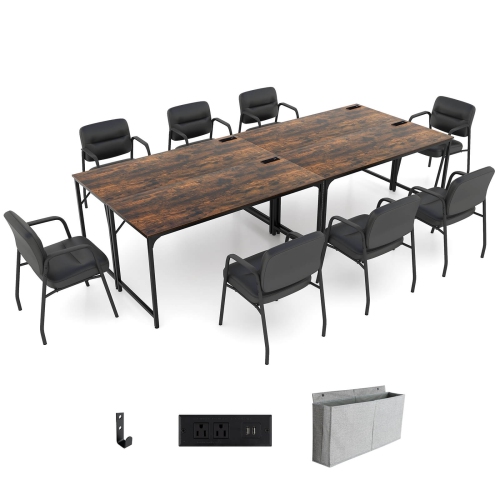
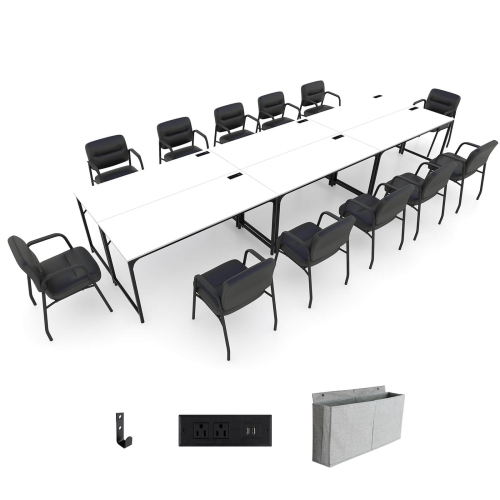

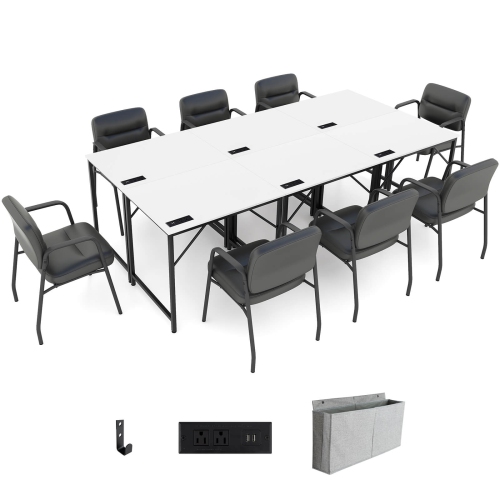














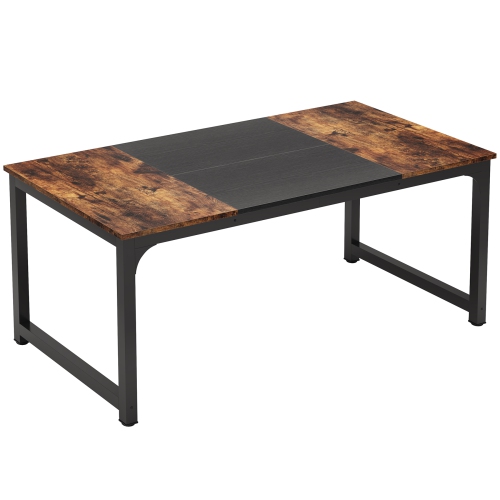

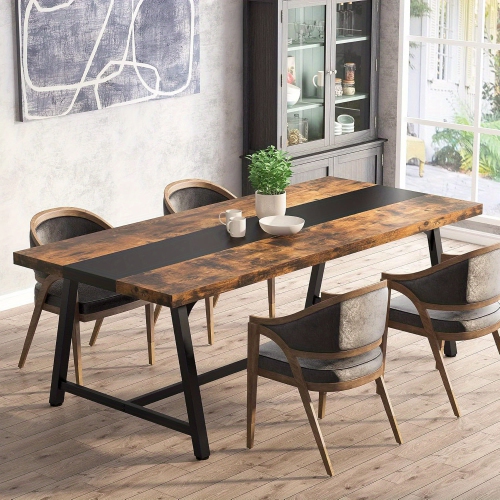
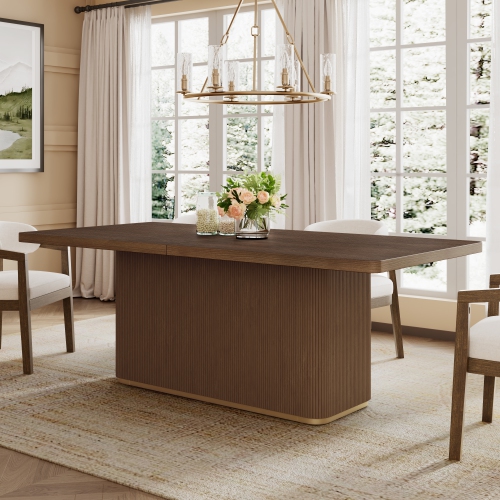
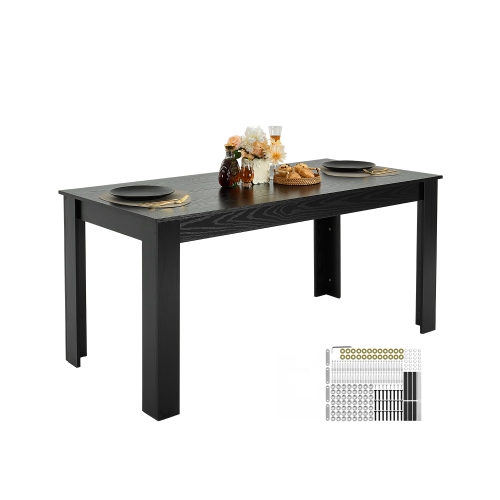

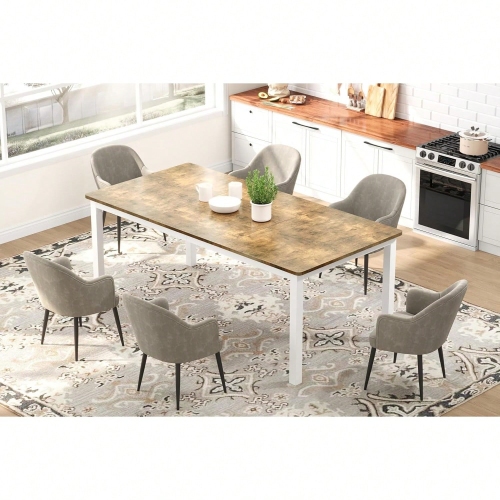
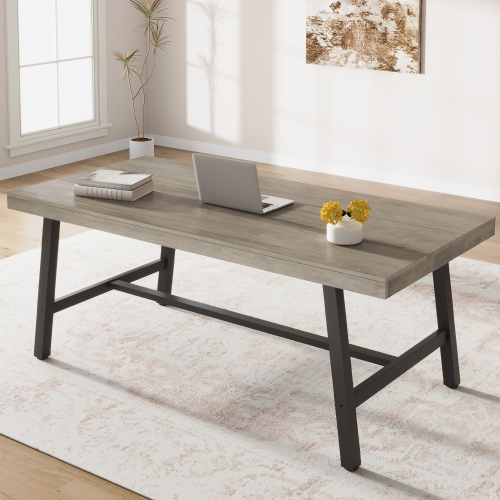
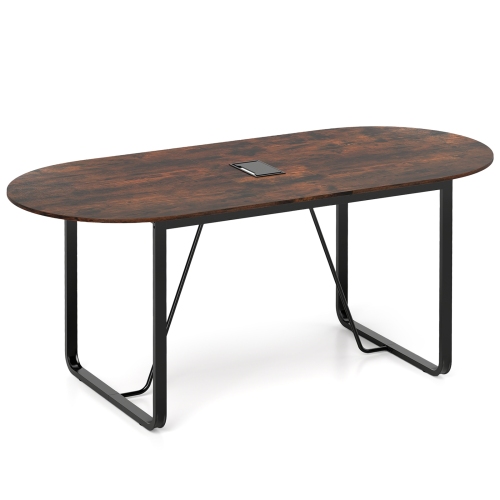

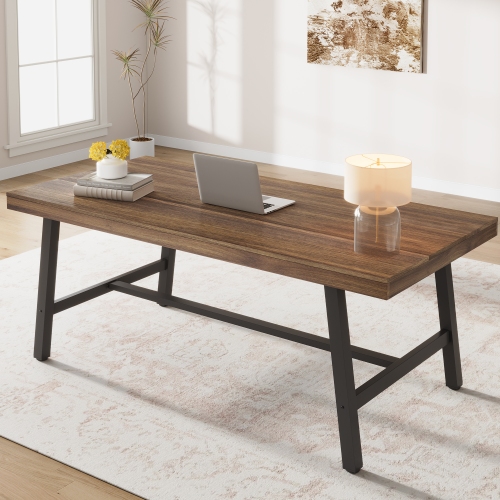






Why table size matters beyond the seat count
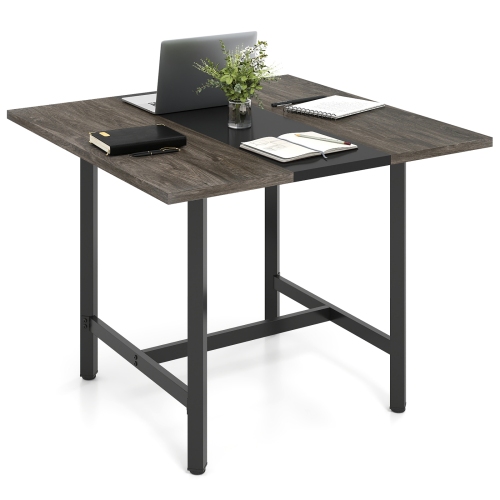
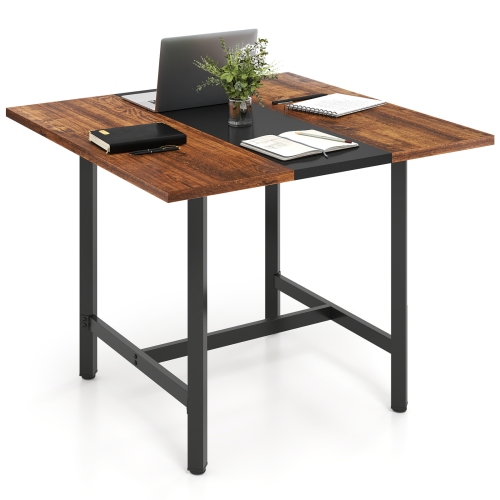
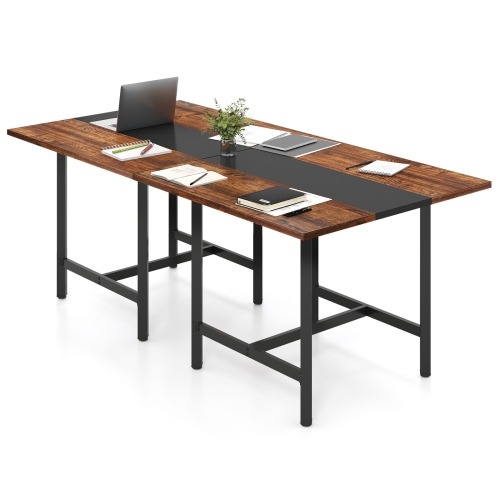
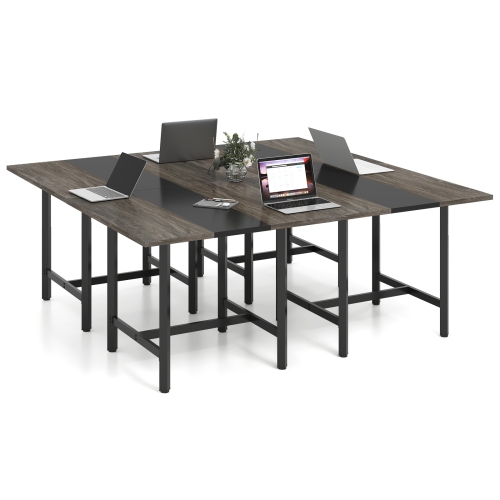
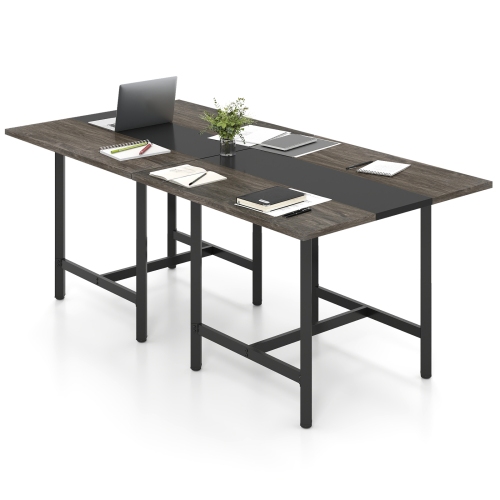
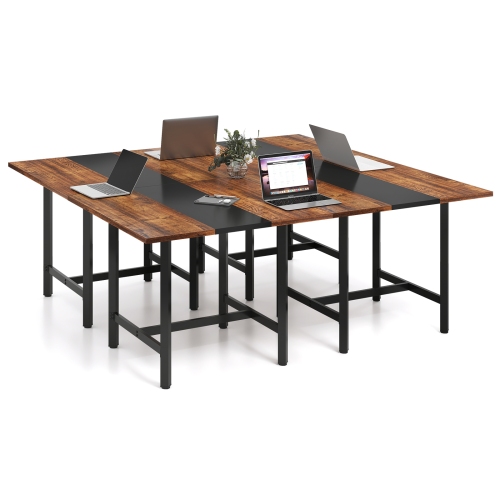
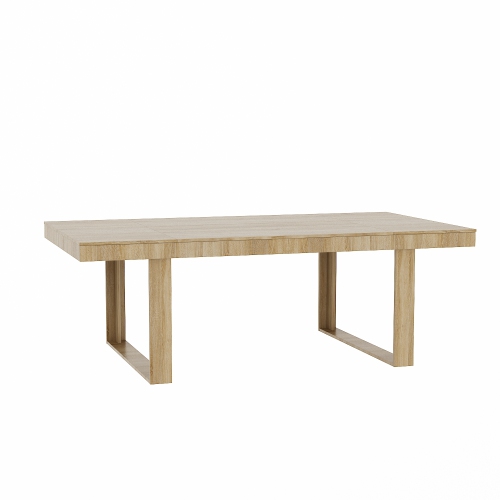
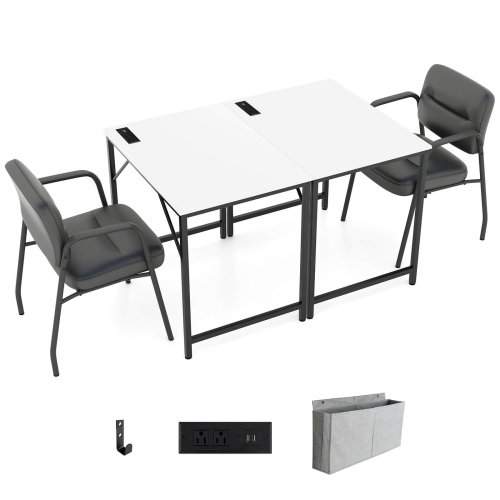
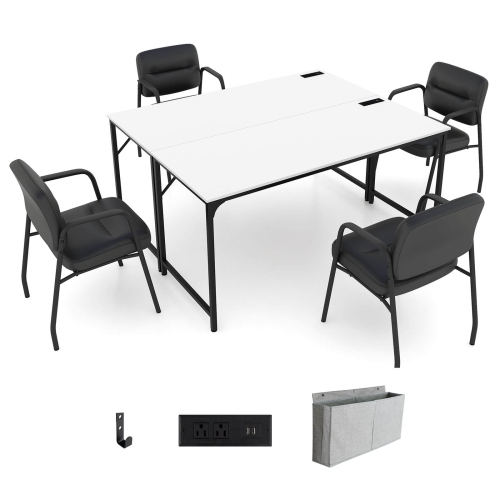
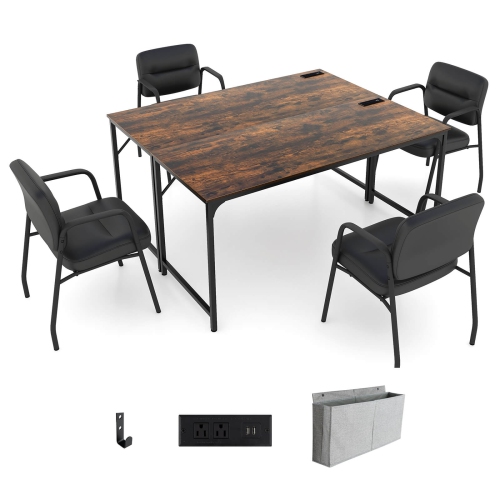
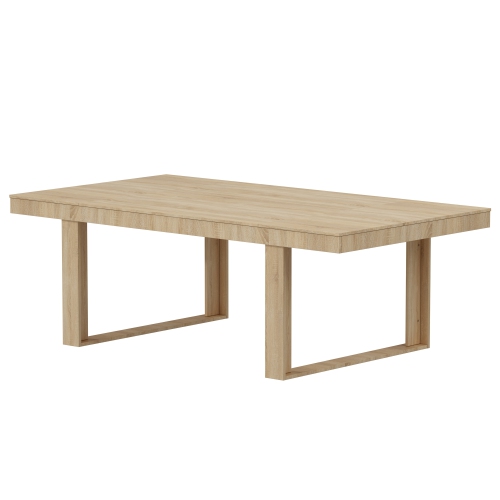
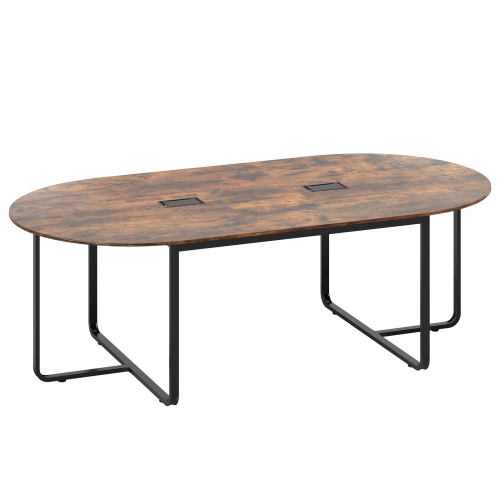
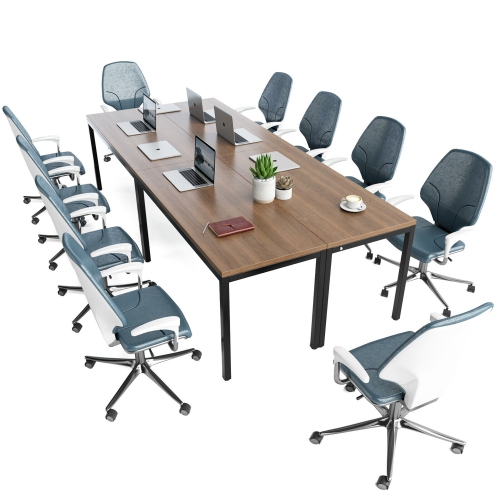
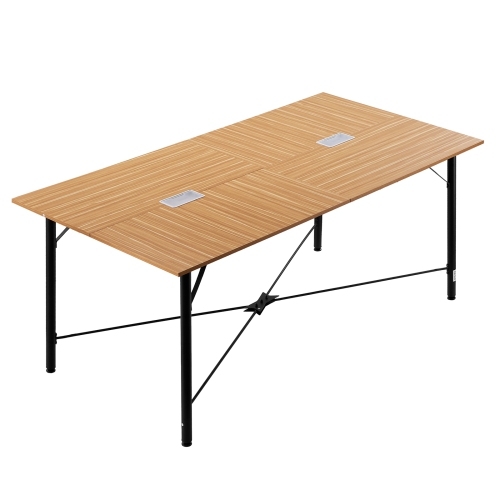
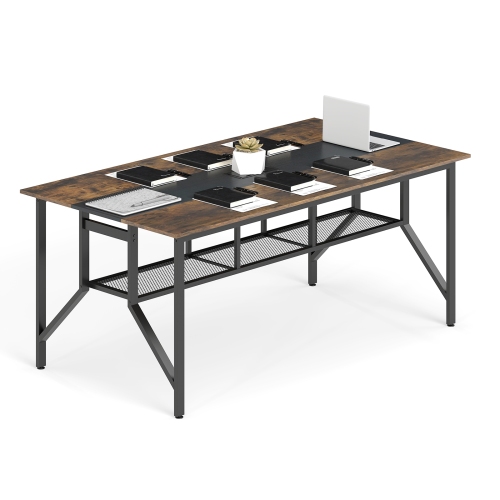
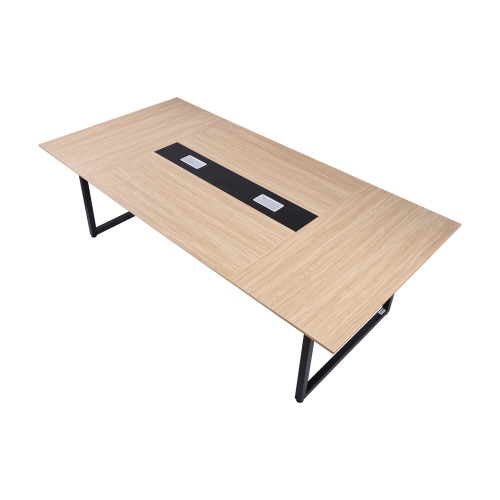
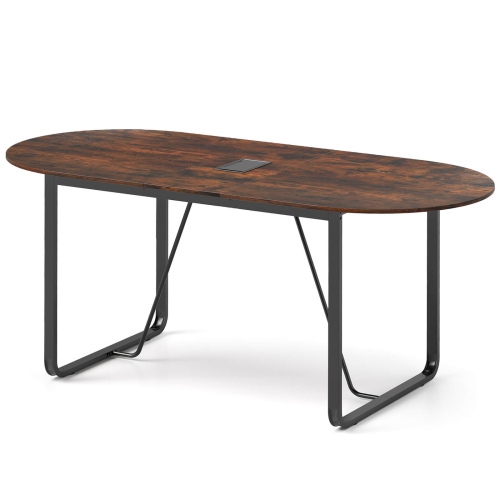
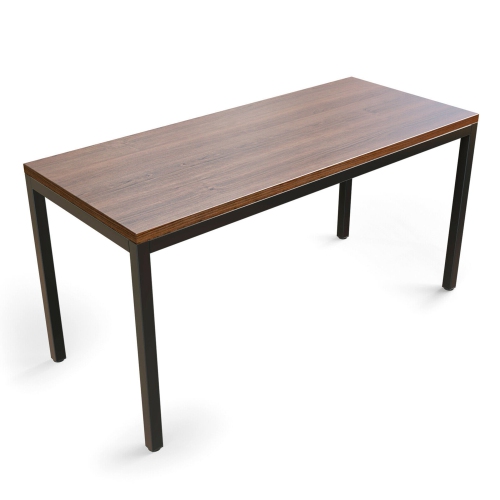
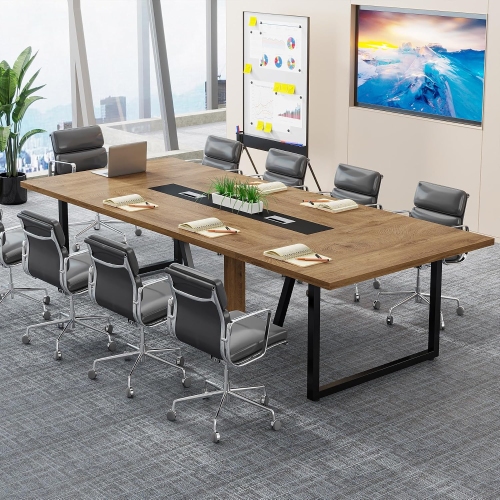
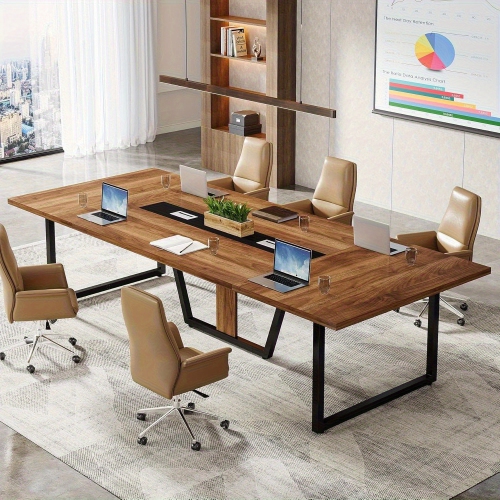
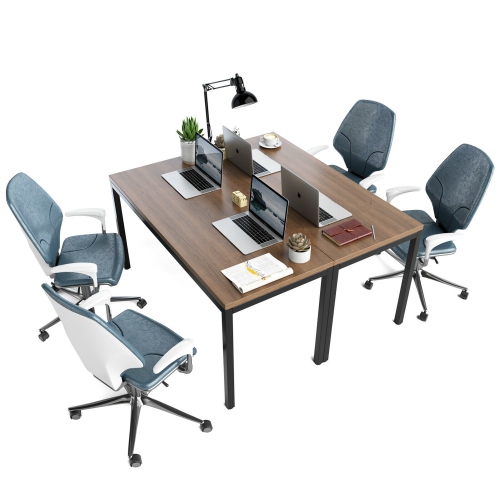
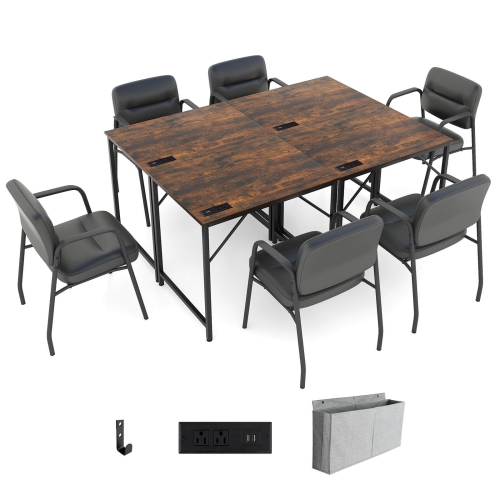
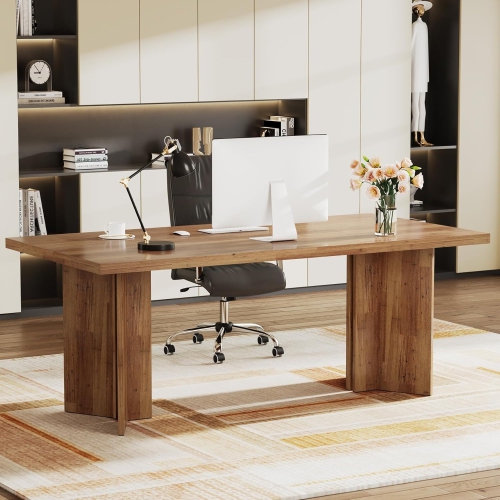
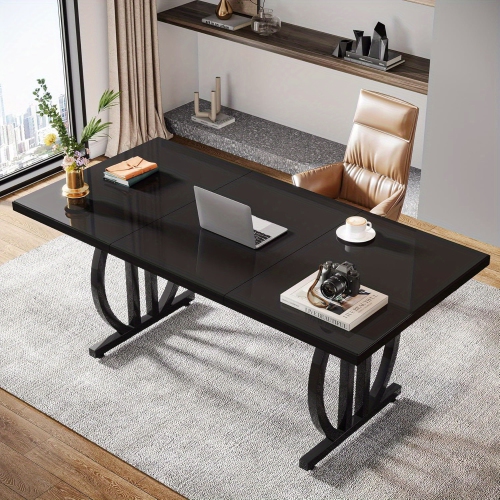
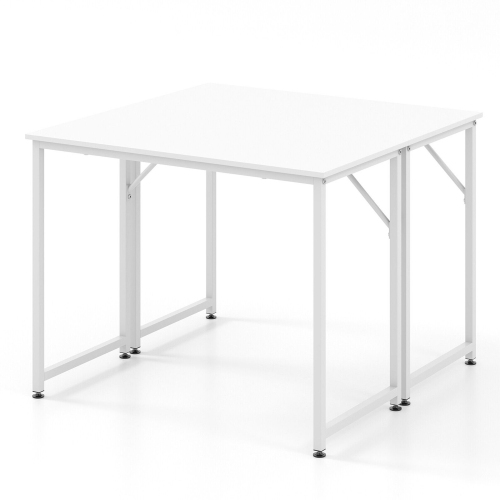
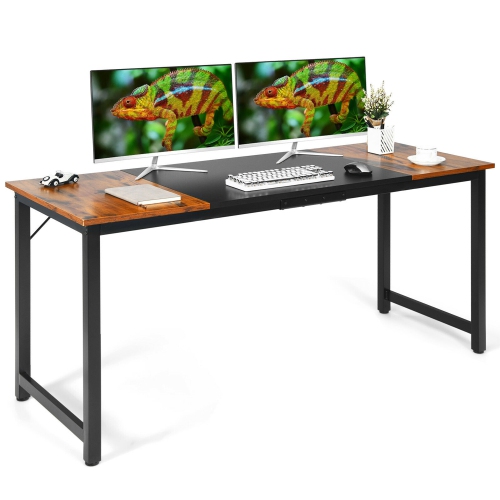
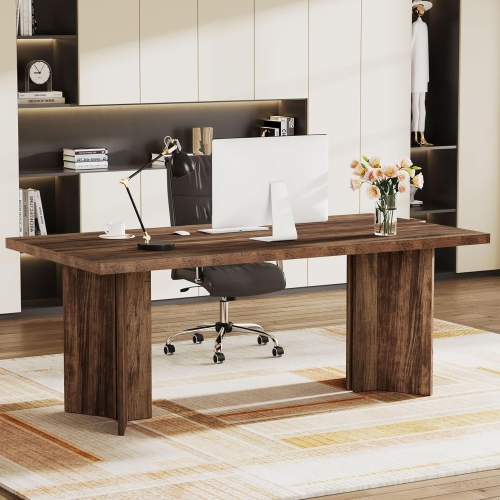
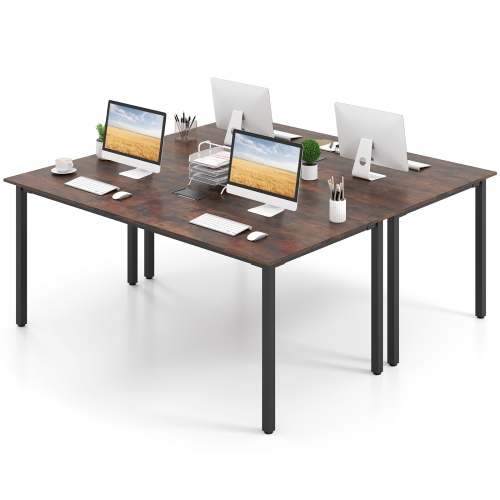
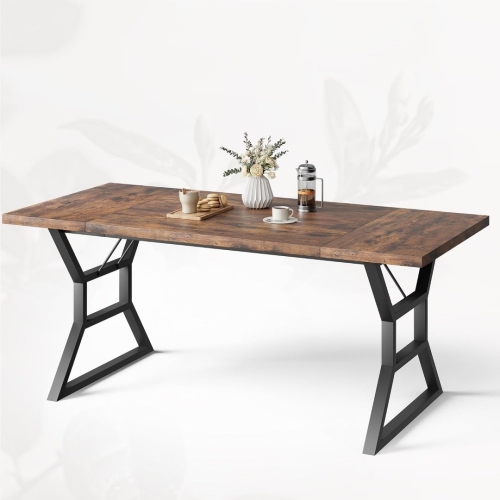
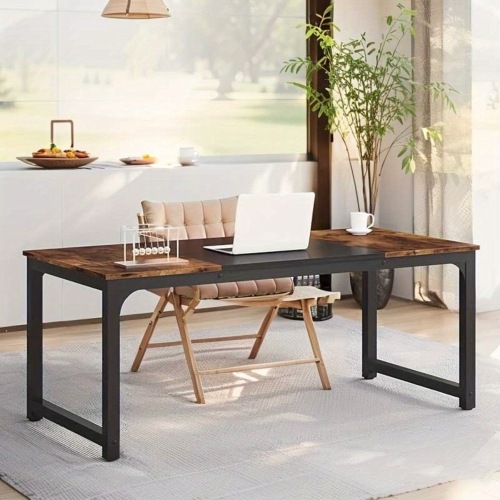
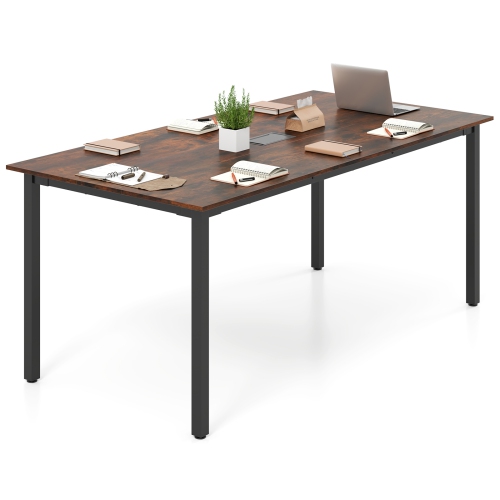
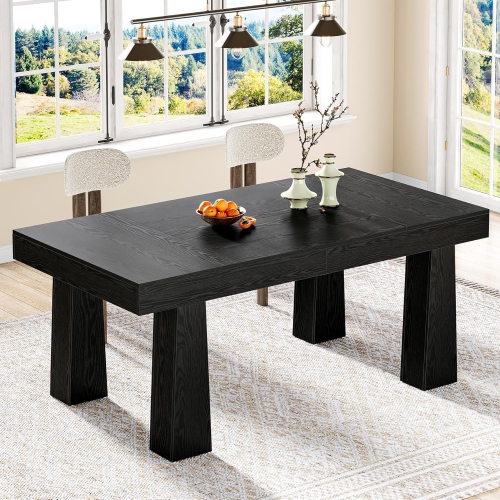
Conference room tables provide a shared surface for team discussions, client presentations, interviews, and the everyday work that happens between scheduled meetings. The right proportions make a noticeable difference: participants need space to open a laptop, set down a notebook, and exchange documents without crowding the person beside them. As a general planning estimate, allow approximately 24 to 30 inches of table edge per person, with extra room for wider chairs, large monitors, or meetings that involve spreading out drawings and samples. Seating capacity depends on the table’s shape and base placement as well as its overall length; a table described as seating eight may feel more comfortable with six people using laptops and reference materials. Rectangular conference tables suit longer rooms and provide a familiar layout for presentations, while round meeting tables work well for smaller groups where everyone benefits from facing one another. Oval tables offer a continuous curved edge, and boat-shaped tables widen through the middle, which can improve views between participants in some seating arrangements. Square tables can be practical for compact meeting spaces, though larger square surfaces make it harder to reach materials placed in the centre. Modular conference tables offer another approach for rooms used for training, workshops, and larger discussions, allowing compatible sections to form different layouts. For a small professional office, a compact meeting table can create a dedicated place to meet clients without using individual desks. Larger boardroom tables suit spaces where department leaders, project teams, or visiting partners gather regularly. The best fit comes from matching the surface to the work: brief check-ins require less space than a planning session with several open laptops, printed schedules, and a speakerphone. A table that supports the usual meeting size, rather than an occasional maximum attendance, can leave the room more comfortable and easier to move through. Its appearance also sets the tone, from a simple, practical shared workspace to a more formal room for presentations and confidential conversations.
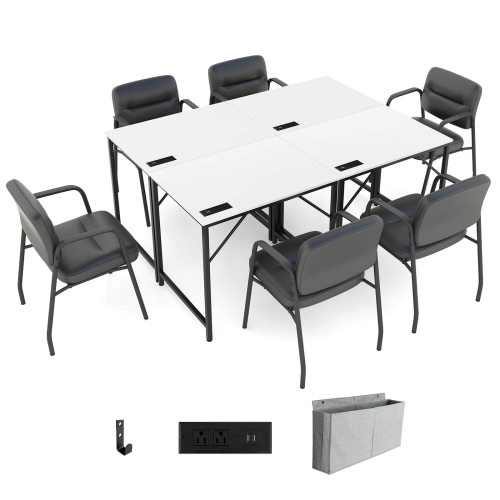
Room dimensions matter just as much as tabletop dimensions when choosing conference room furniture. A useful starting point is to leave approximately 36 to 48 inches between the table edge and surrounding walls or furniture so chairs can pull out and people can move around the perimeter. This is a planning range rather than a universal accessibility standard; busy circulation routes, occupied chairs, door swings, and individual access needs may call for more space. Measure from the nearest obstruction, including storage cabinets, columns, and presentation equipment, rather than relying only on the room’s wall-to-wall measurements. A sideboard may fit neatly against a wall but still need clearance for its doors and drawers. Positioning the table with a clear view of a display helps participants follow presentations without repeatedly turning their chairs, while video meetings also benefit from a layout that keeps faces visible to the camera. Table height, underside clearance, and the chair’s seat and arm heights should work together. Aprons, support rails, and thick tabletops can reduce usable knee space even when the overall table height appears suitable. Coordinating the table with conference room chairs helps create a seating arrangement where armrests fit beneath the surface and people can sit close enough to work comfortably. Base design deserves attention, too: corner legs, pedestal supports, and trestle-style frames each affect where chairs can sit and how easily participants can shift position. For meetings with several devices, cable grommets and cable trays can help keep cords away from notebooks and legs. Some table designs accommodate integrated power or USB modules, but these features and their electrical requirements vary, so the table’s specifications matter. Routing cables towards a suitable outlet without crossing a walkway keeps the layout more practical. Adjustable levelling feet can help stabilize a table on an uneven floor, while suitable floor protectors can reduce marks when furniture is repositioned. In shared rooms, mobile or folding designs may simplify changes between group discussions and training sessions, provided their locking mechanisms and intended use suit the setting.
Materials and construction influence how conference room tables look, feel, and hold up to repeated use. Laminate surfaces are common in busy offices because many are straightforward to wipe clean and tolerate routine contact with notebooks, laptops, and meeting supplies. Their resistance to scratches, moisture, and heat varies by finish and construction, so a protective mat or coaster remains useful. Wood veneer offers the grain and character of a real wood surface over a supporting core, while solid wood brings natural variation and may require more attention to the finish. Neither should be treated as immune to spills or scratches. Engineered wood can provide a consistent surface and substantial tabletop, with durability depending on factors such as core quality, edge protection, fastening points, and support underneath. Metal frames can give larger tables a sturdy foundation, although frame design and joint quality matter more than appearance alone. Glass tabletops create a visually lighter effect and make spills easy to spot, but fingerprints are more noticeable, and any glass surface needs to be used and cleaned according to its specifications. For daily care, a soft cloth and a cleaner approved for the finish are generally safer choices than abrasive pads or harsh chemicals. Wiping spills promptly, avoiding excessive moisture around seams, and lifting equipment rather than dragging it help protect the surface and edges. Tables used for frequent layout changes also benefit from periodic checks of fasteners, connectors, and any moving parts, following the manufacturer’s maintenance directions. Rounded corners can make movement around a compact room less awkward, while well-finished edges improve comfort where forearms rest during longer discussions. Colour and finish can support the room’s overall character: lighter surfaces may make a small meeting area feel less visually crowded, while darker wood tones or metal details can give a boardroom a more substantial presence. A low-glare finish may also be useful near overhead lighting or presentation screens. Beyond appearance, a dependable conference table is one that gives its users enough working space, stays steady during everyday activity, and remains manageable to clean between meetings.
Top selling and popular products
-
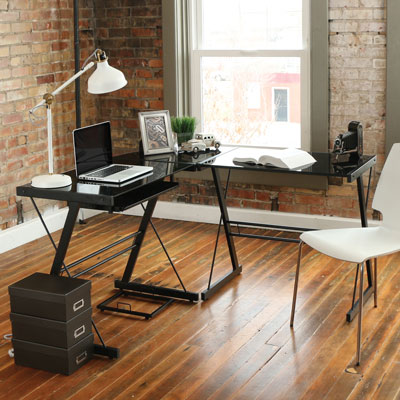 Your price for this item is $304.99
-
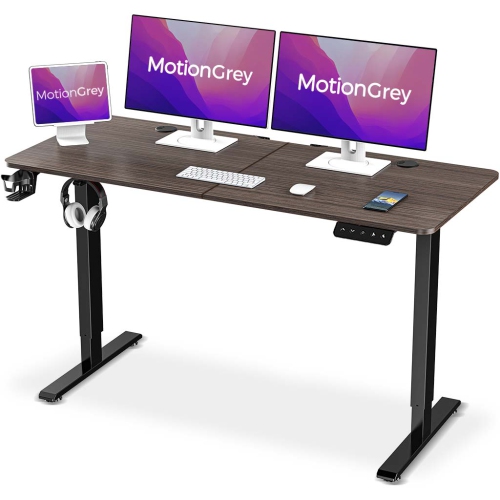 Your price for this item is $142.94
-
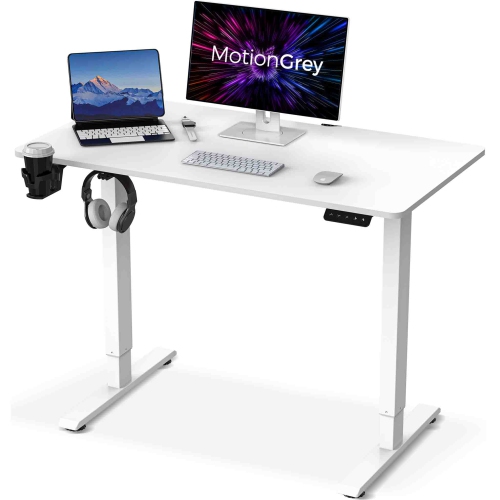 Your price for this item is $133.91
-
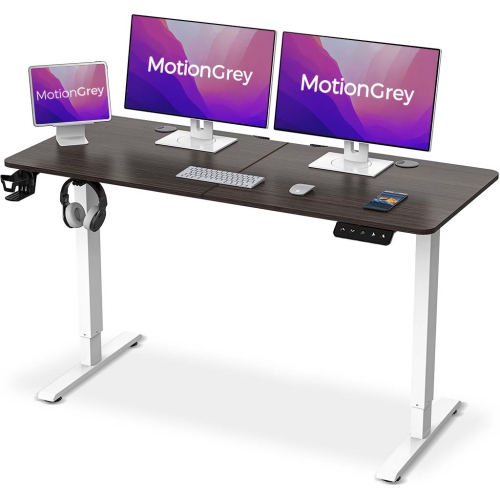 Your price for this item is $158.99
-
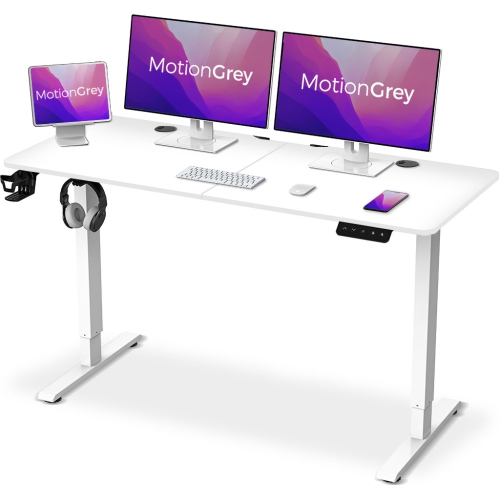 Your price for this item is $142.94
-
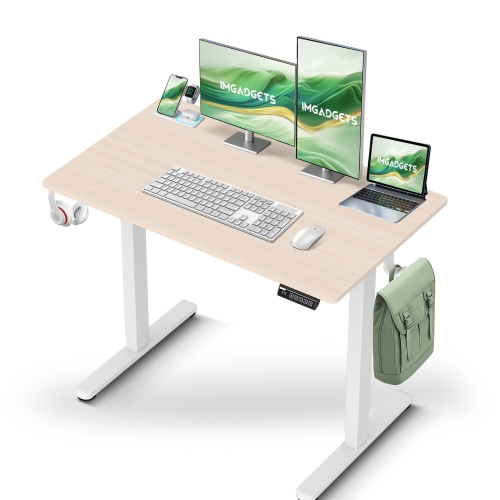 Your price for this item is $119.99
-
 Your price for this item is $133.91
-
 Your price for this item is $142.94
Discover more categories related to Conference Room Tables


Top Collections:
Pokemon Centers, Kindle Devices, Best Budget Office Chairs, Canon G7X Cameras, Apple iPhones 16, Samsung Galaxy Phones, Refurbished Apple Laptops, Laptops for Students, iPhone 15 Apple, Budget Smartphones
Some products may be subject to Environmental Handling Fees
(EHF) depending on your province.
Learn more about EHFs.