Large Conference Room Tables
Looking to transform your conference room into a stylish and functional space? Look no further than our collection of large conference room tables. These tables are designed to accommodate a large number of people, making them perfect for meetings, presentations, and collaborative work sessions. With their sleek designs and durable construction, these conference room tables not only provide ample workspace but also add a touch of sophistication to any office environment. Whether you're looking for a classic rectangular table or a modern round one, we have the perfect option to suit your needs. Explore our selection today and elevate your conference room to new heights of productivity and style.
















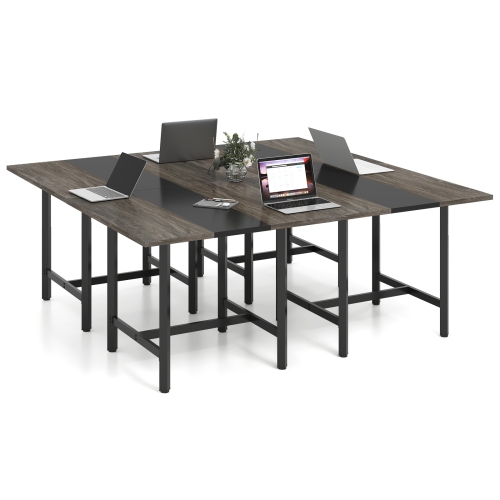
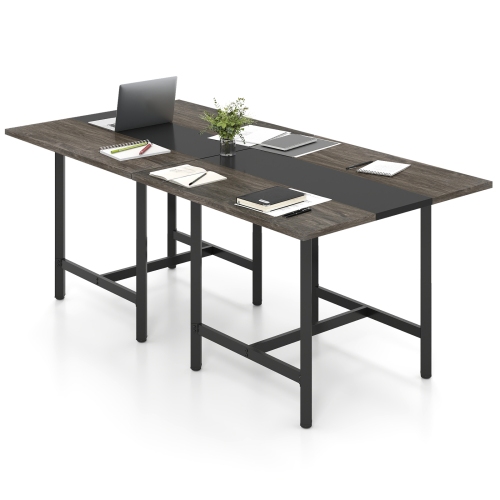
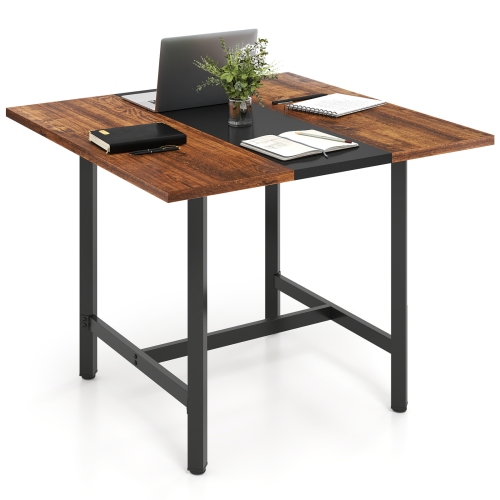









How table shape and space affect every meeting
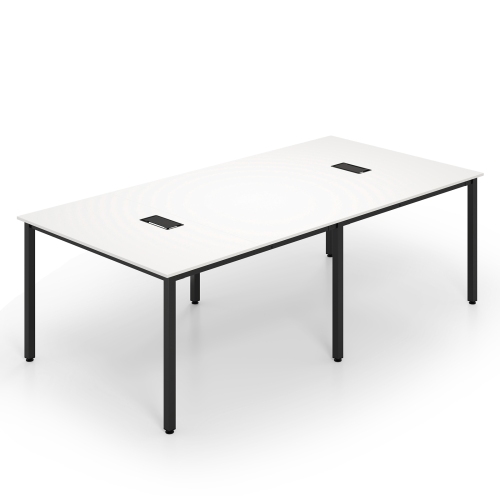
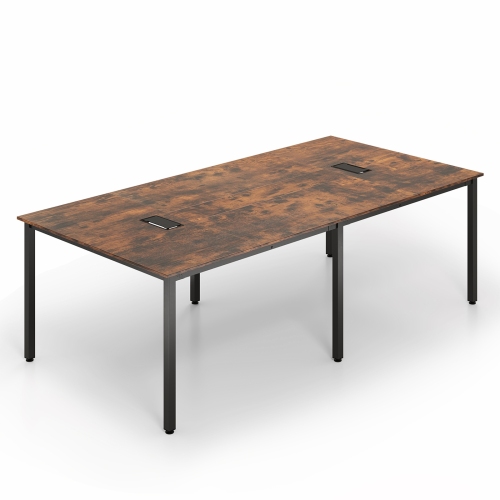
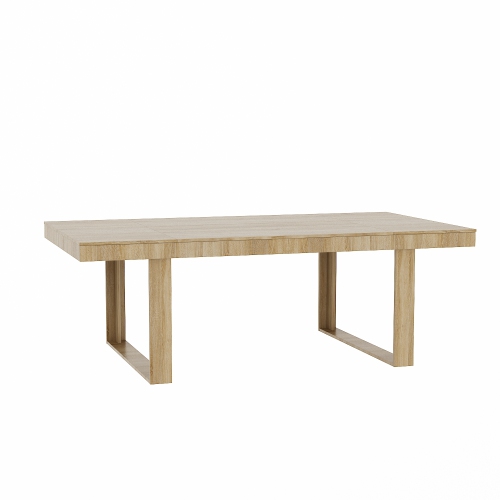
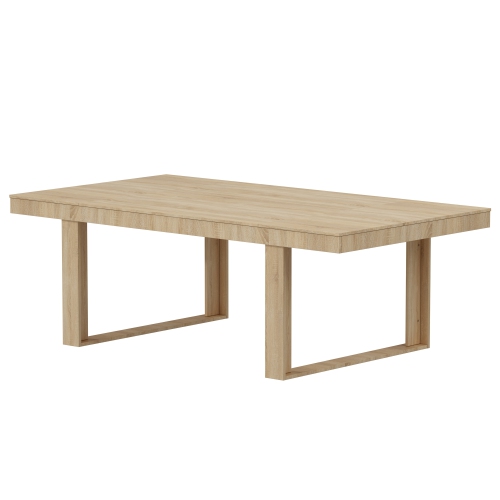
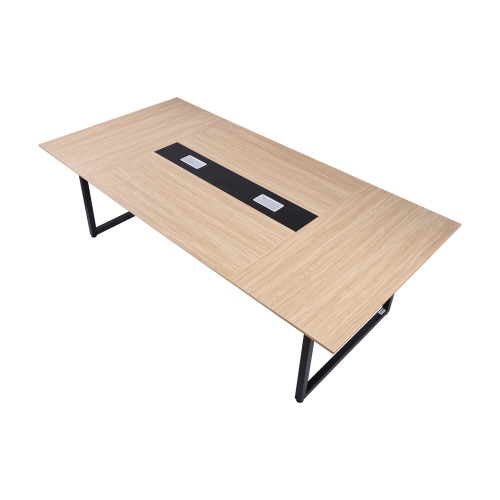
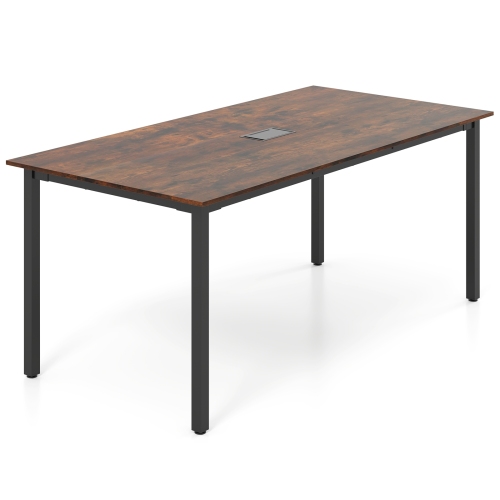
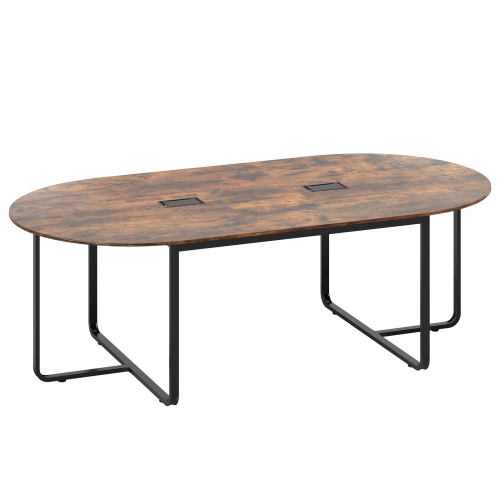
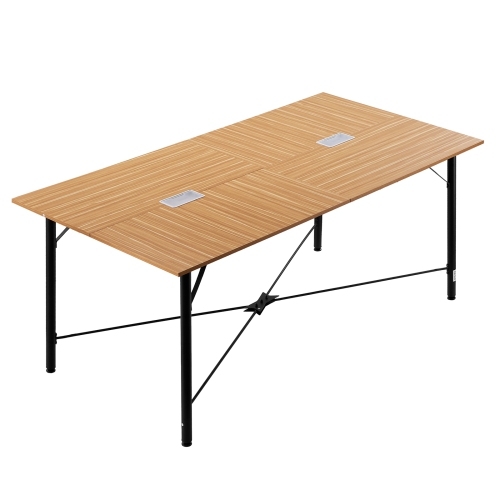
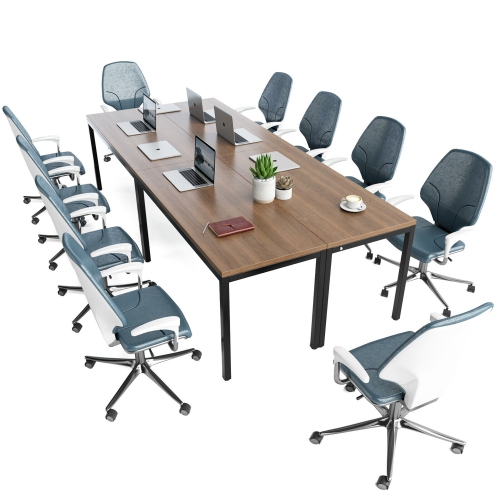
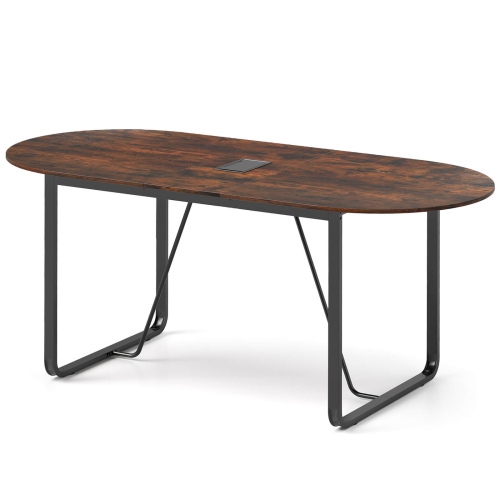
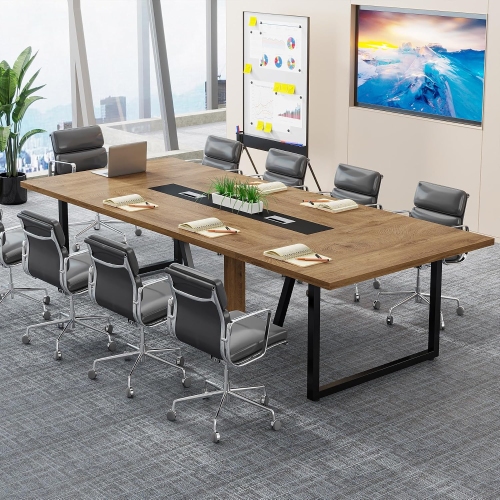
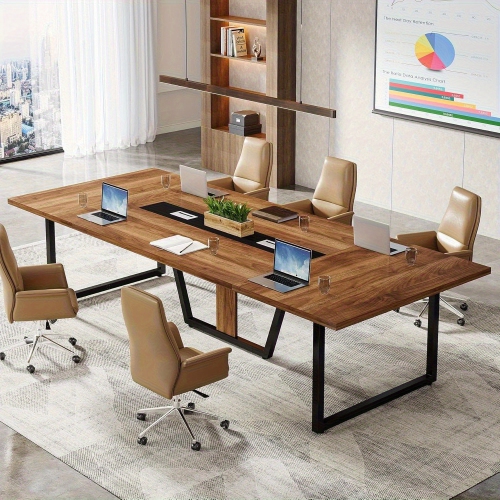
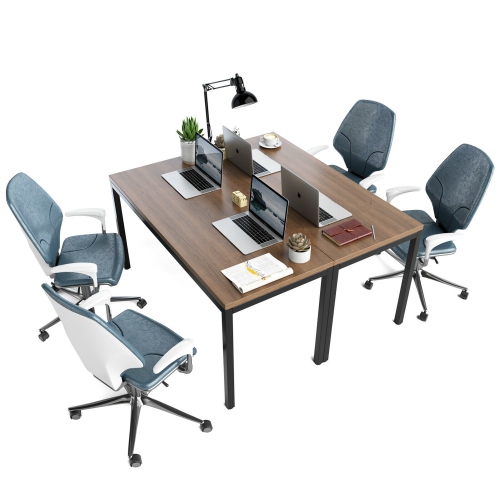
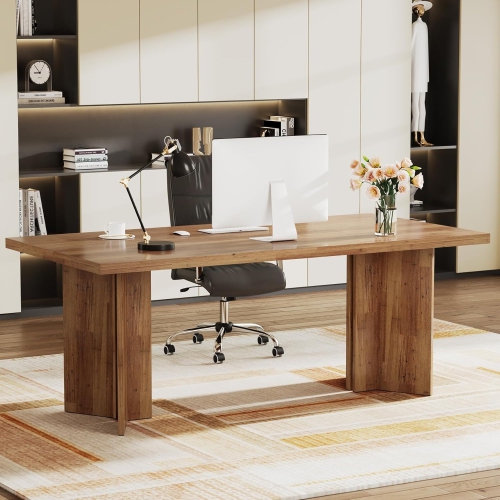
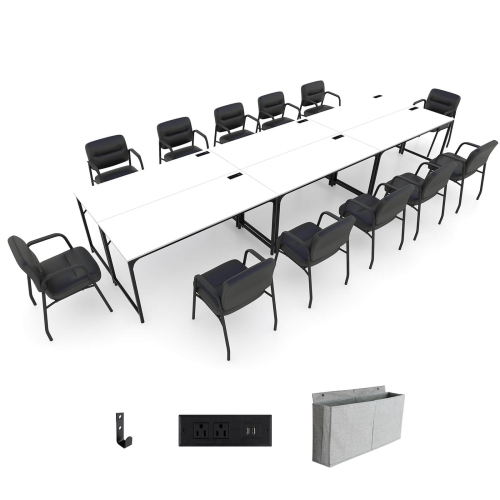
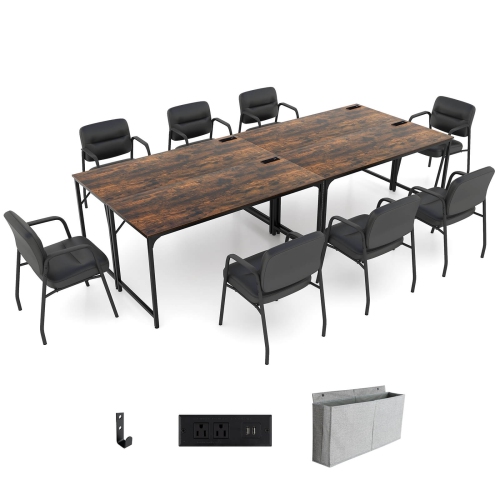
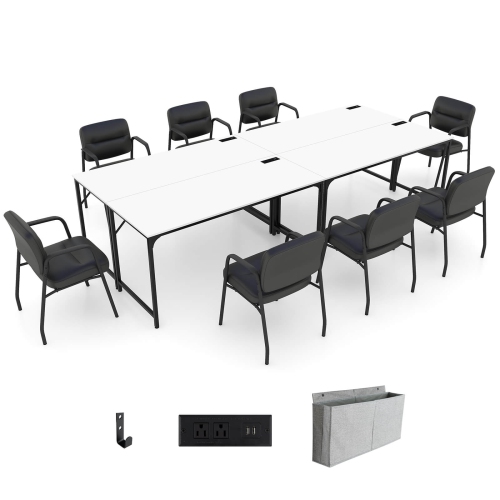
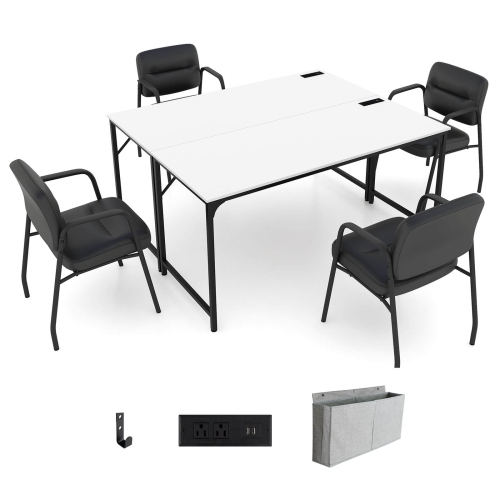
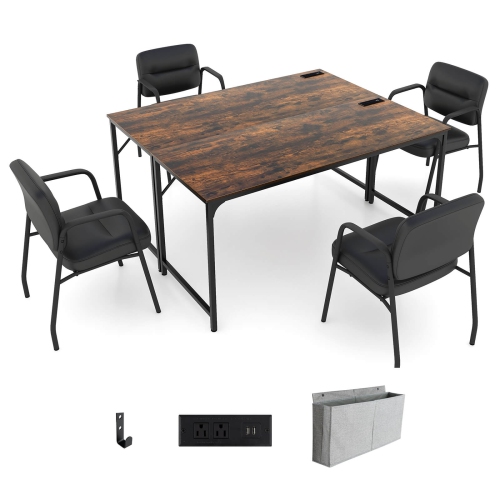
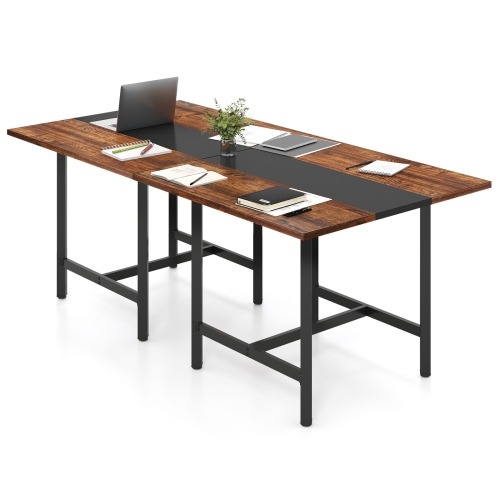
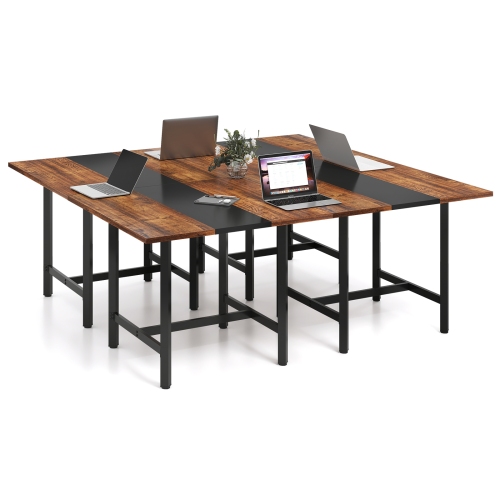
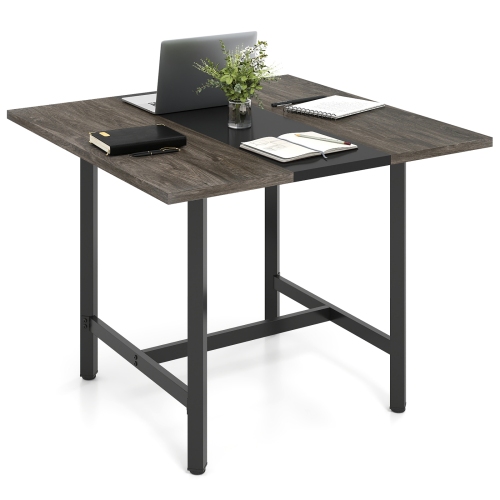
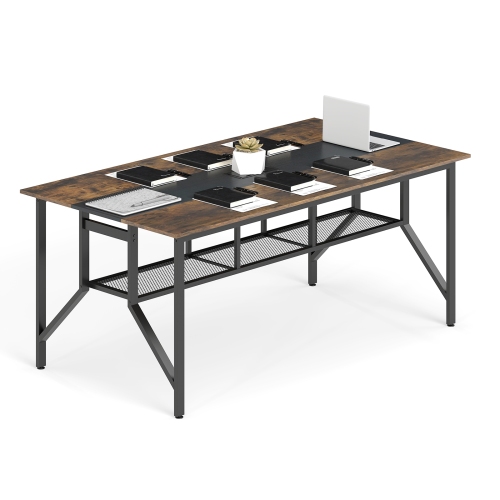
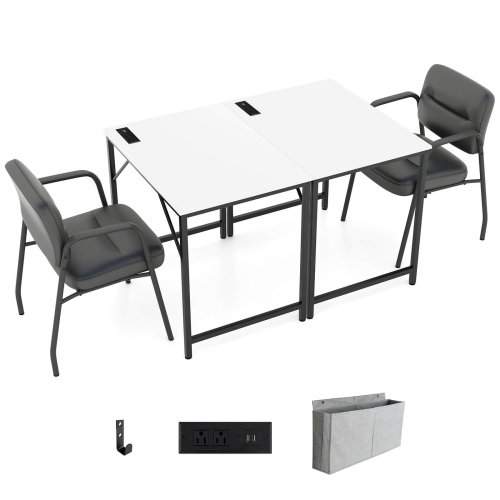
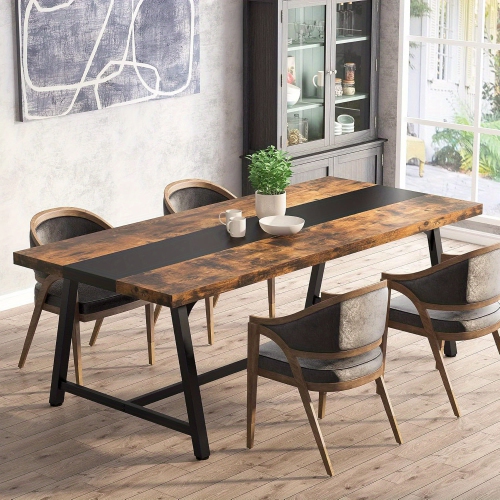
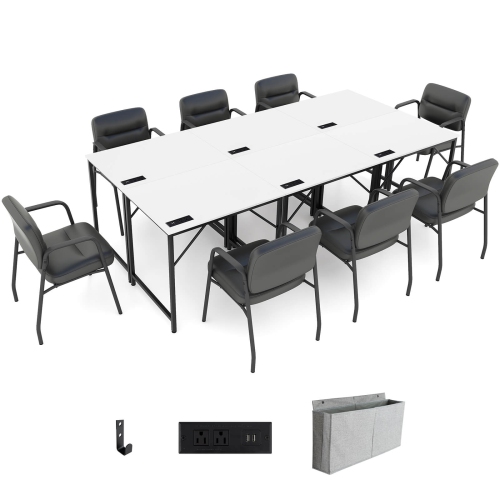
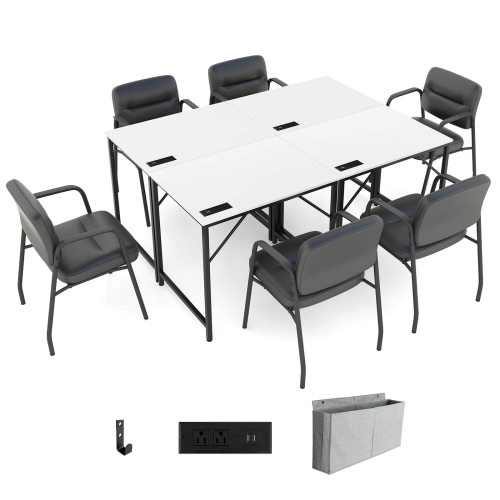
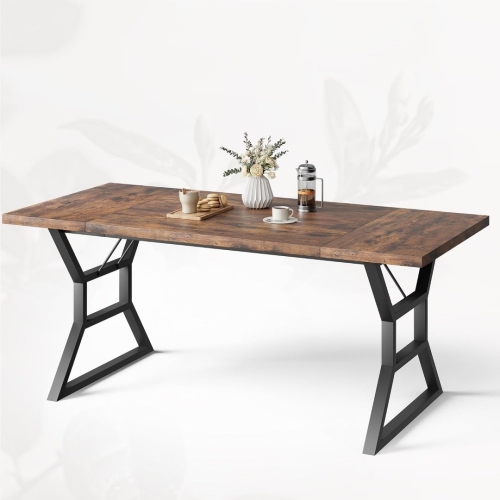
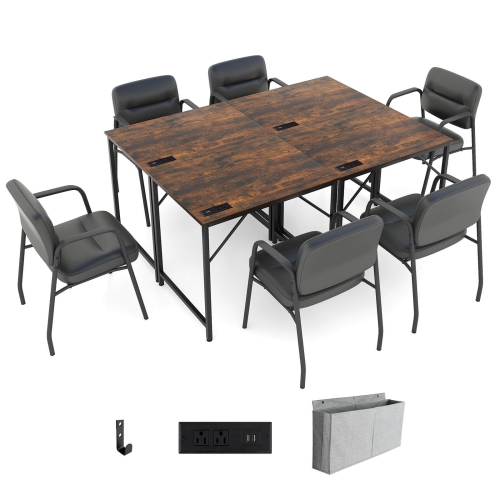
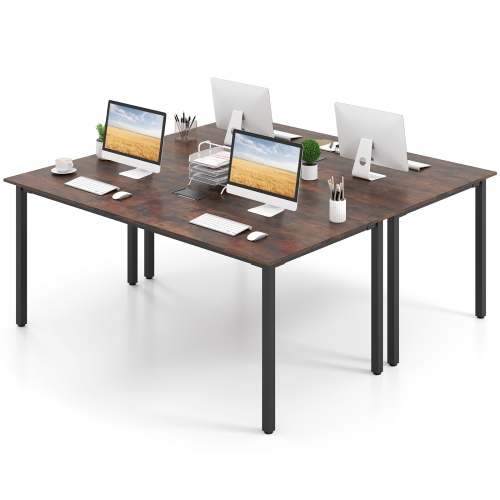
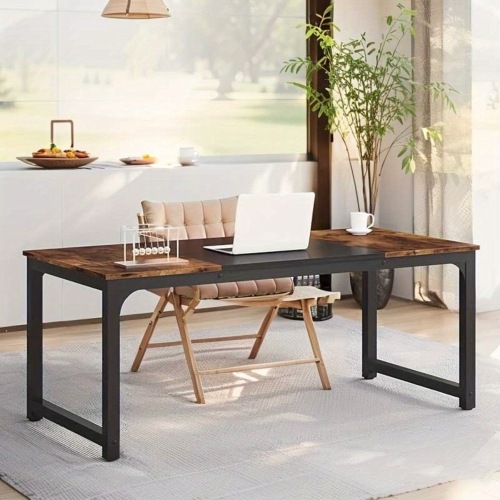
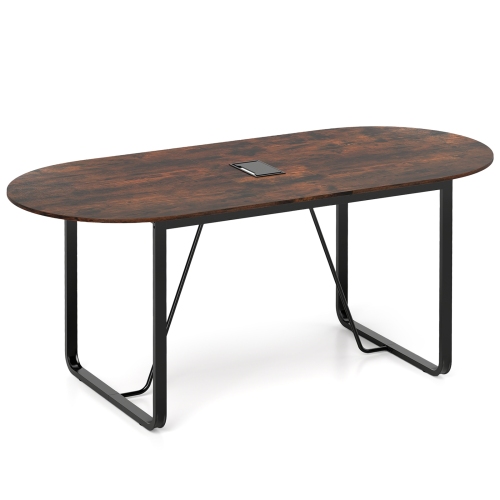
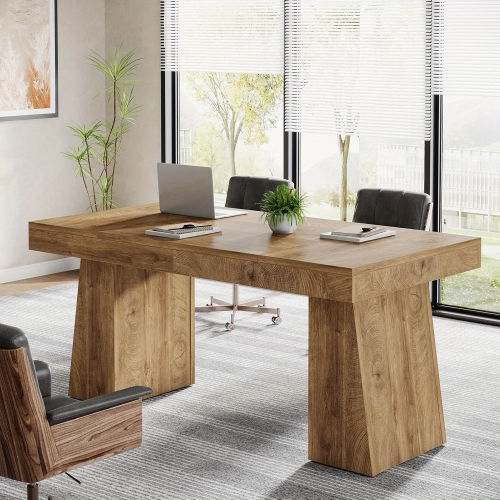
A comfortable fit involves more than matching the tabletop dimensions to an empty patch of floor. Large conference room tables need space around them for chairs to pull back, people to pass behind seated participants, and doors or storage cabinets to open without obstruction. A room that looks spacious with chairs tucked in can feel tight once everyone is seated with bags beside them. Chair width, armrests, and the position of the table legs all affect practical seating capacity, so a stated seat count is best understood alongside the actual layout. As a general planning allowance, roughly 30 inches of table edge per person gives many meeting arrangements a comfortable starting point, with additional space useful for wider chairs or sessions involving several documents and devices. Clearances should also account for accessible routes and the needs of people using mobility aids rather than relying on a single measurement for every room. Under the tabletop, pedestal bases can reduce interference from corner legs, though their floor footprint may still affect foot placement. Trestle supports and crossbars offer a different structure and can limit where chairs slide in. Table height, the thickness of the top, and any apron beneath it influence knee clearance, especially with height-adjustable seating. Cable management is another practical detail in rooms used for video calls and presentations. Where included, cable openings, channels, or integrated connection points can help keep cords away from papers and reduce clutter along the table edge; the placement of those features needs to work with the room’s outlets and equipment. Microphones and cameras also need suitable positions so that people at the far end can participate clearly. In offices with several meeting spaces, large tables can serve group gatherings while small conference room tables suit compact rooms used for one-to-one conversations or smaller team check-ins. Matching each room to its usual group size helps preserve useful floor space without leaving larger meetings short of working surface.
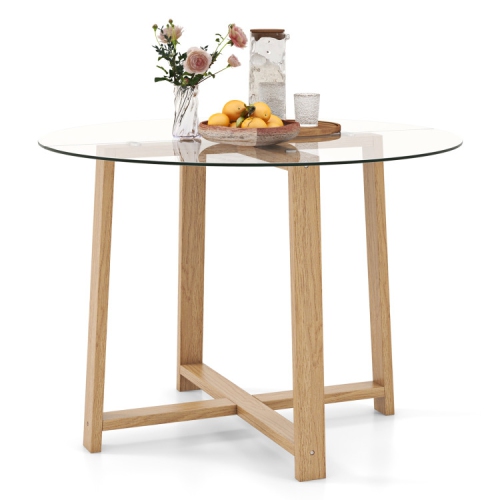
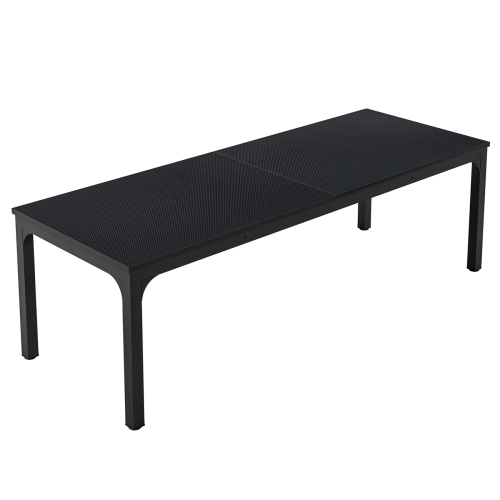
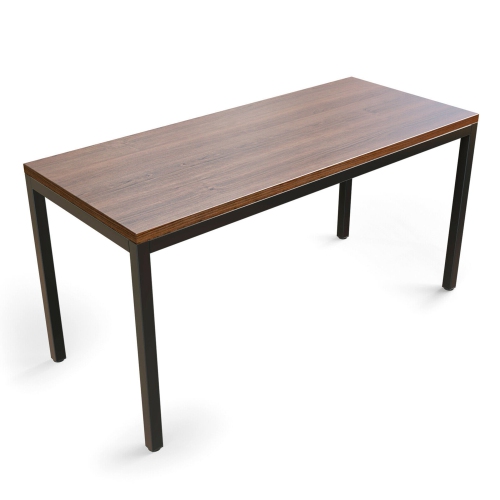
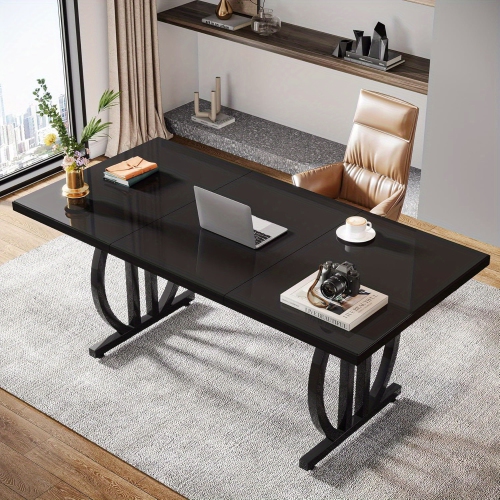
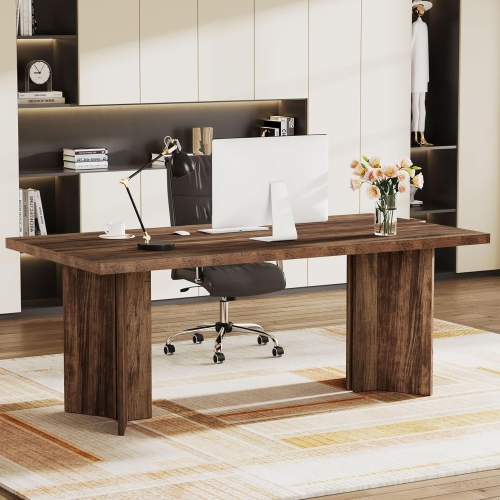
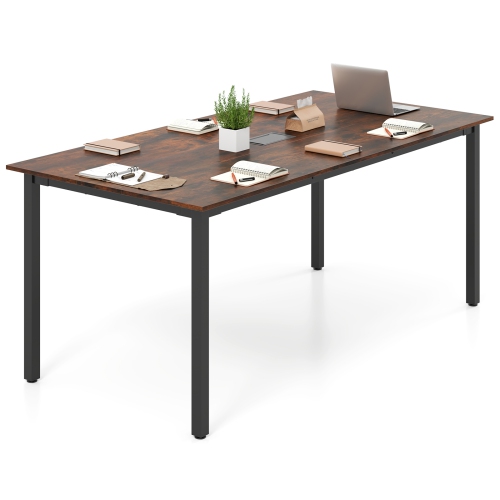
Materials and construction shape both the appearance of a conference table and how it holds up to repeated use. Solid wood brings natural grain and variation, with a substantial look that can suit traditional boardrooms or warmer contemporary offices. It may require more attention to moisture, heat, and changes in indoor humidity, and its care needs depend on the finish. Wood veneer provides a real wood surface over a supporting core, offering a similar visual character while requiring care around edges and protection from deep scratches. Laminate surfaces are common in hardworking meeting spaces because many are straightforward to wipe clean and tolerate routine activity well, although resistance to scratches, stains, and heat varies by construction. A textured or low-sheen finish can make fingerprints less noticeable, while a glossy surface may show marks and reflections more readily under overhead lighting. Glass creates a lighter visual profile but tends to reveal fingerprints, and its suitability depends on the glass specification, edge treatment, and supporting frame. Metal bases can provide a crisp, structured appearance, with stability determined by the full design rather than the material alone. On long tables, frame support, secure joints, and the placement of legs or pedestals are particularly important for limiting movement during everyday use. Levelling feet, when present, can help address minor unevenness in the floor. Delivery access deserves attention too: a generous tabletop must pass through the building’s entrances, corridors, lifts, and stairwells, whether it arrives as one piece or in sections. Sectional tops may simplify access, though their joins remain part of the finished surface. Day-to-day care is usually easiest when spills are dealt with promptly, drinks sit on coasters, and cleaning products match the manufacturer’s instructions. Soft cloths help protect finishes, while dragging equipment or stacked chairs across the top can leave avoidable marks. With suitable proportions, dependable support, and a surface suited to the room’s workload, a large conference table can remain a practical centrepiece through years of presentations, planning sessions, and everyday team discussions.
Top selling and popular products
-
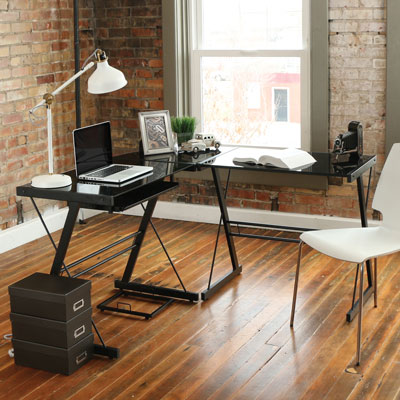 Your price for this item is $304.99
-
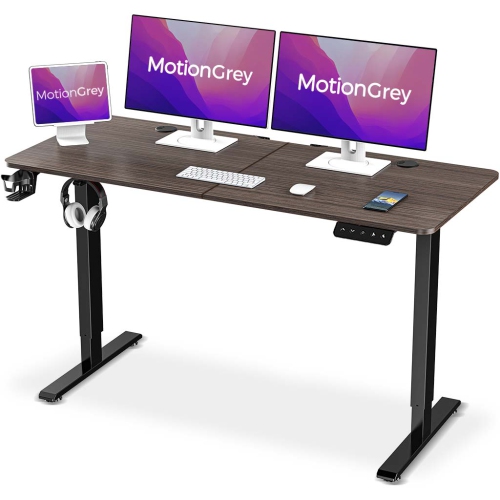 Your price for this item is $142.92
-
 Your price for this item is $248.99
-
 Your price for this item is $133.91
-
 Your price for this item is $158.99
-
 Your price for this item is $142.94
-
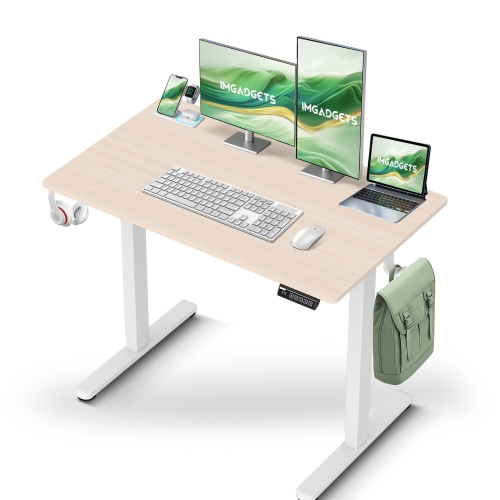 Your price for this item is $119.99
-
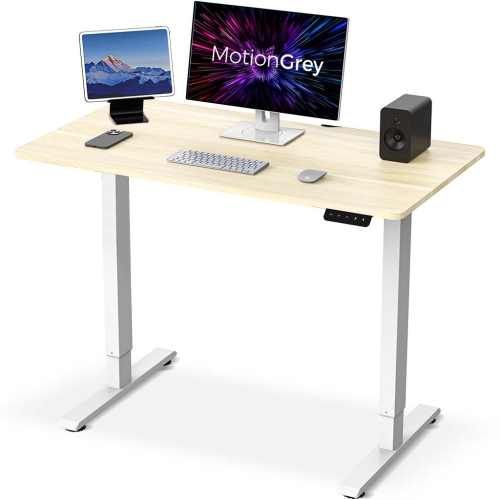 Your price for this item is $133.91