Contemporary Bunk Beds
If you're looking to add a modern touch to your child's bedroom, a contemporary bunk bed is a great option. These beds provide a practical and stylish way to make the most of limited space. Contemporary bunk beds come in a variety of sizes and designs, so you can easily find one that fits your space and aesthetic. Here are some of the best options available to choose from.
Sort
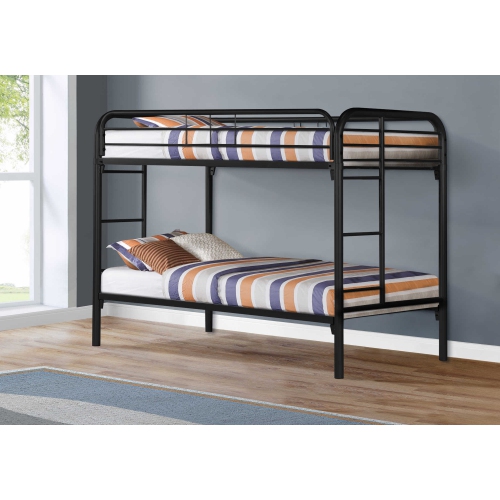
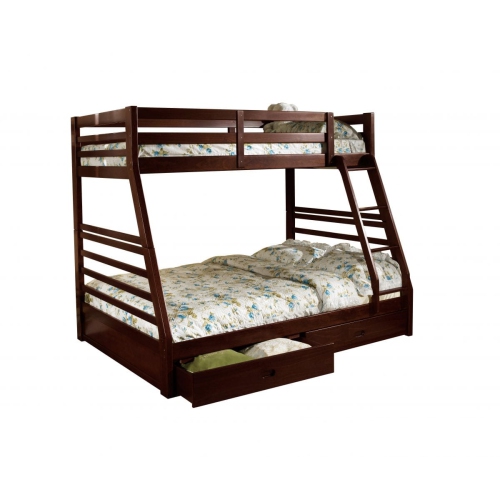

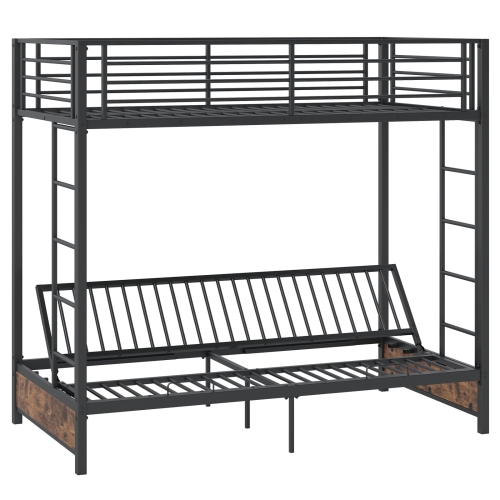
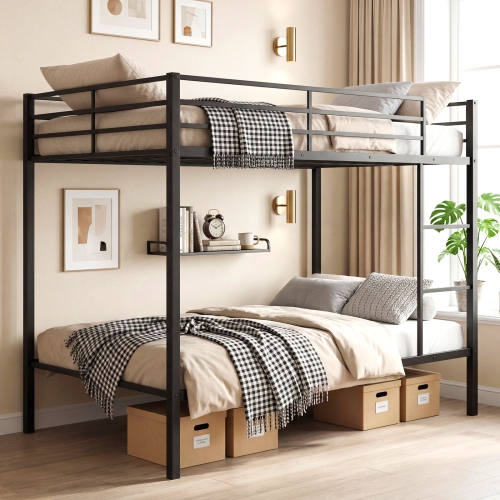
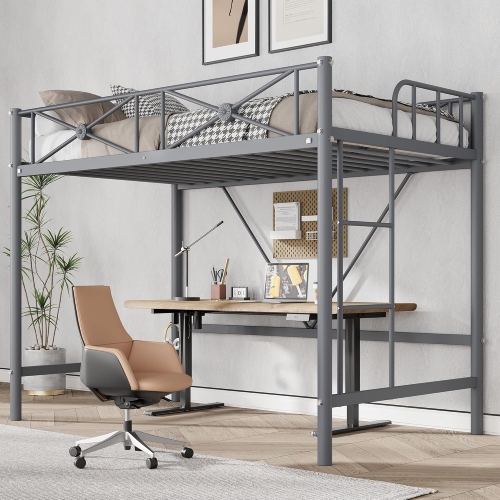
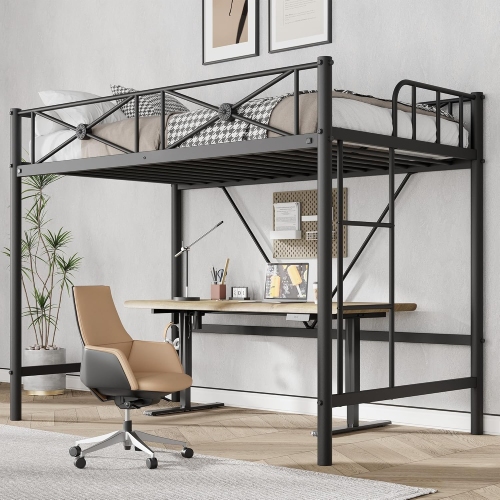
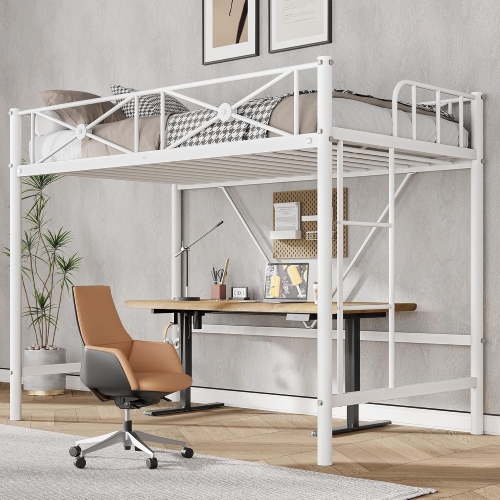


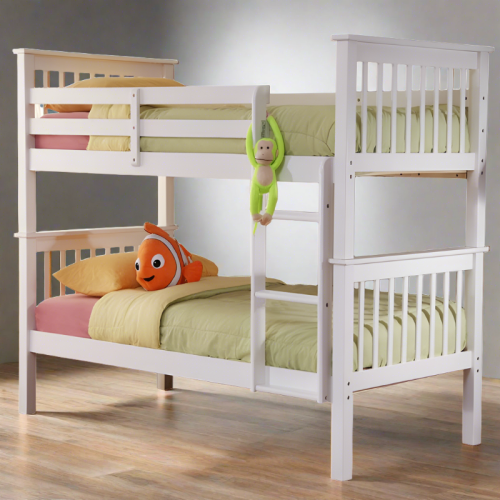
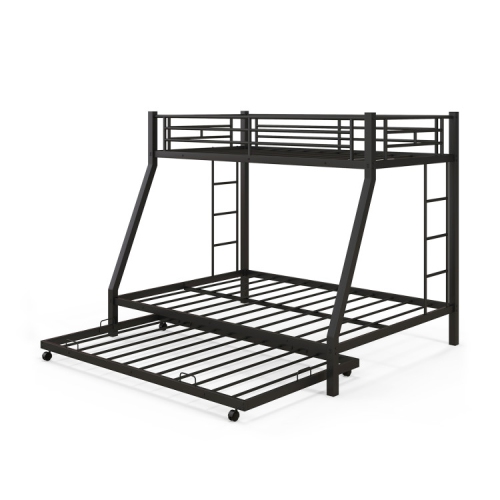
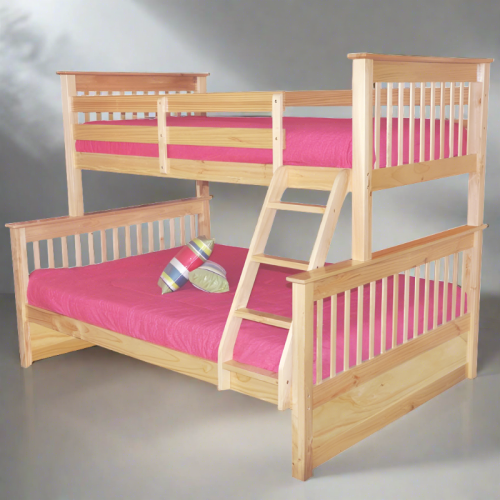
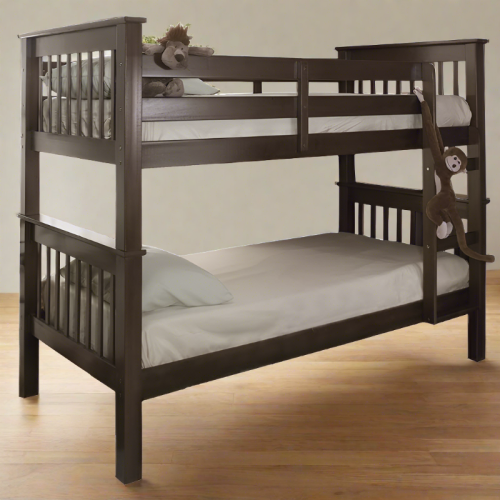

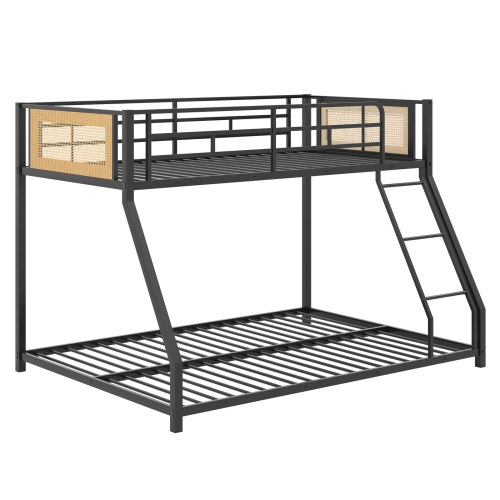
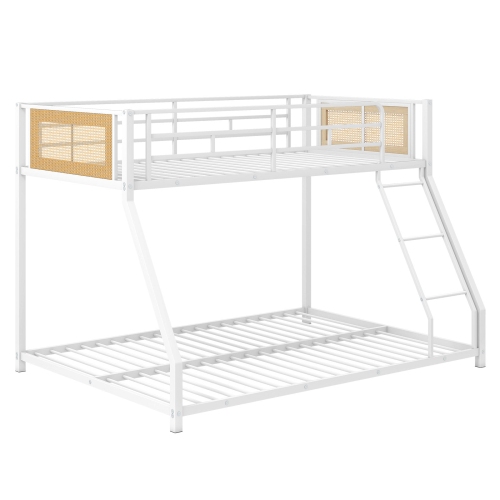
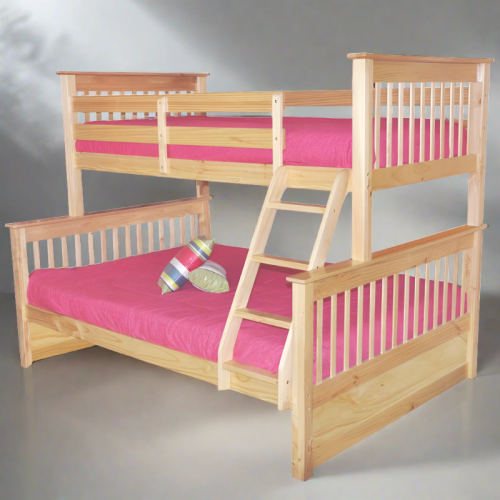
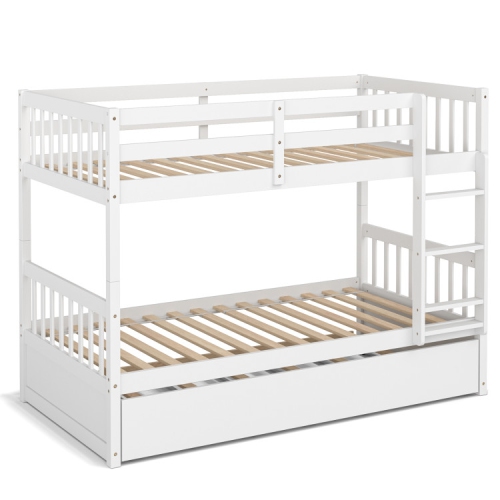
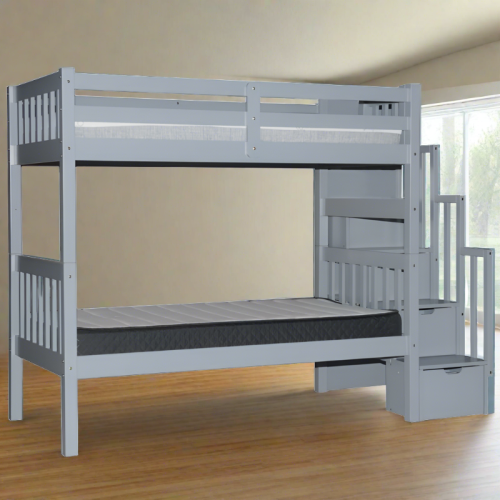
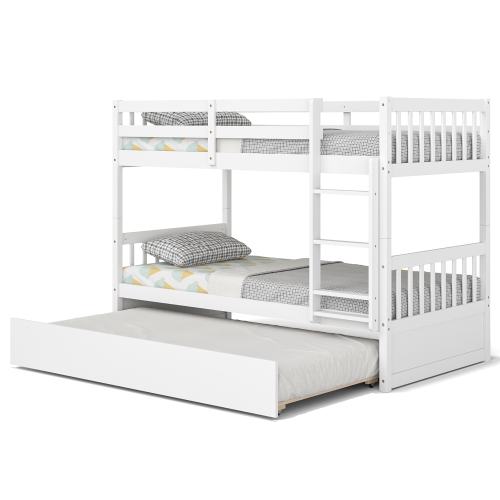
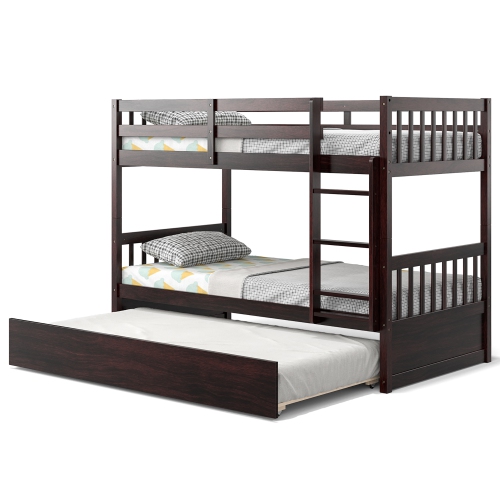


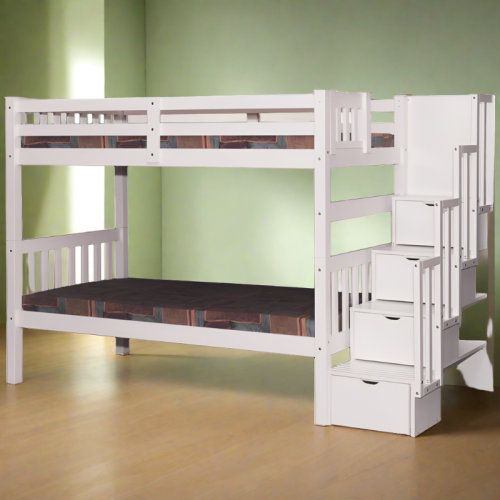

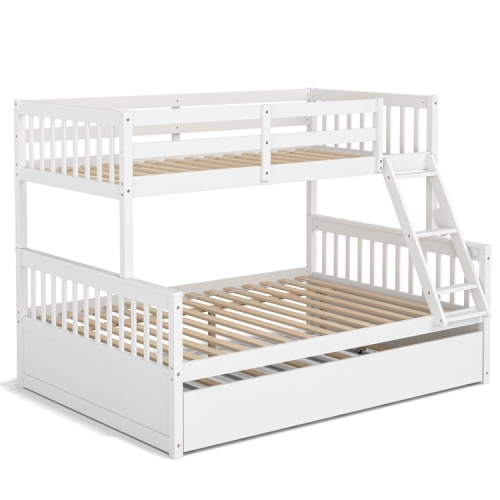
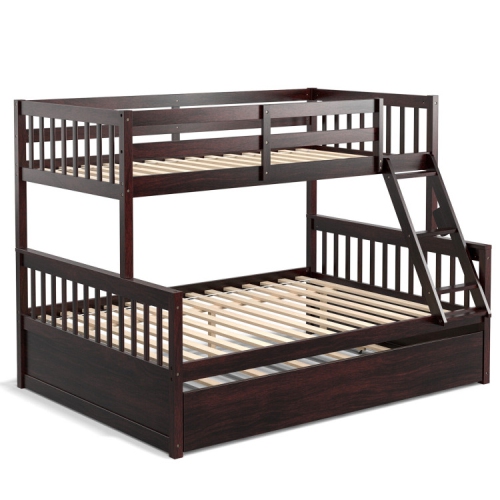
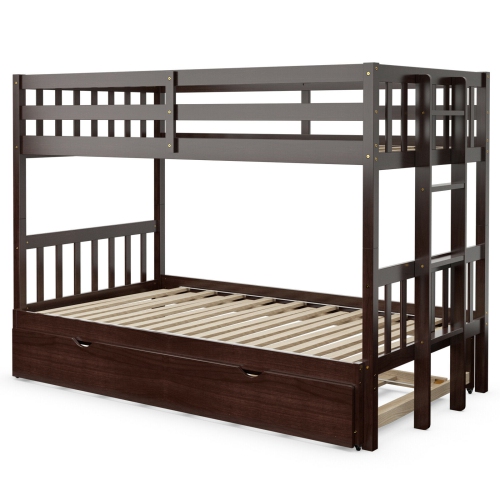
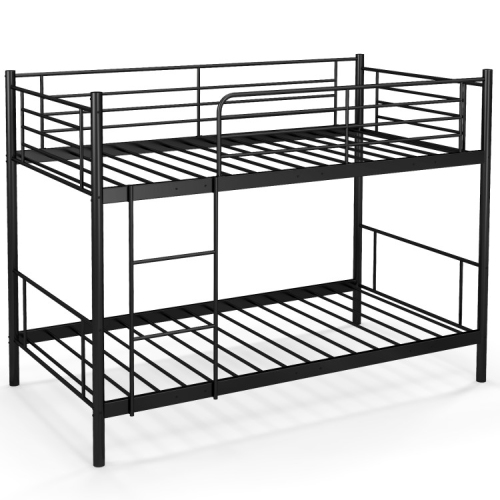

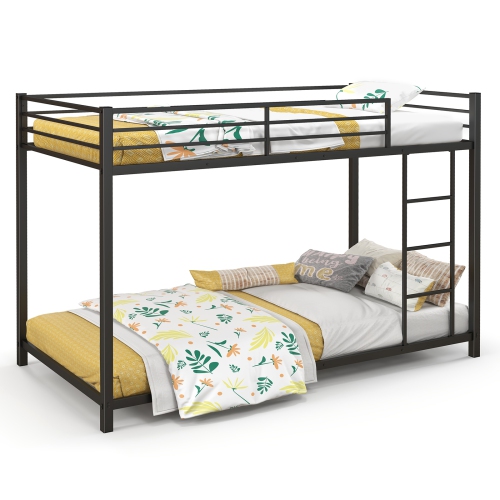
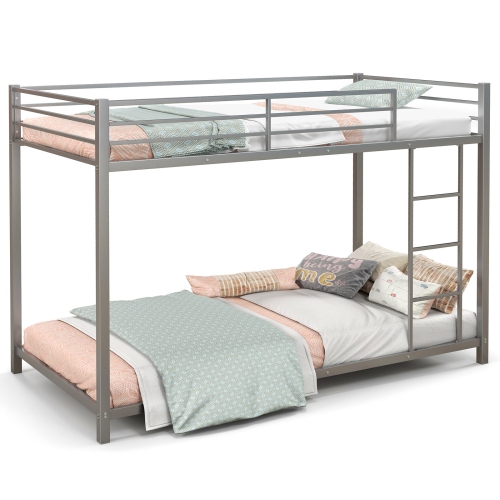
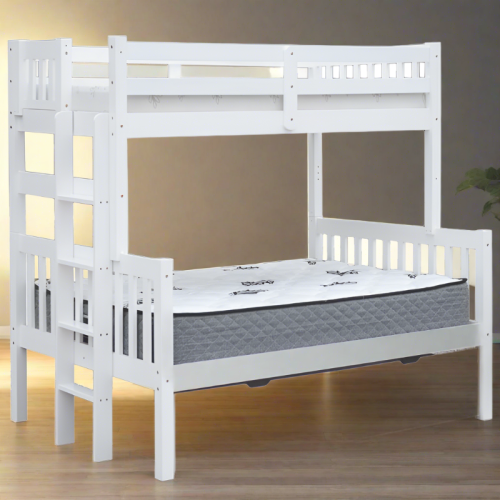
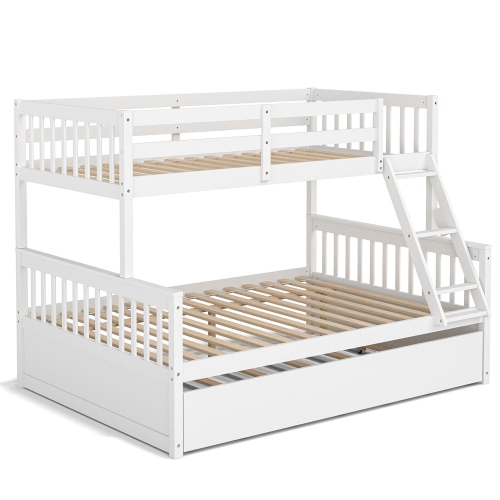
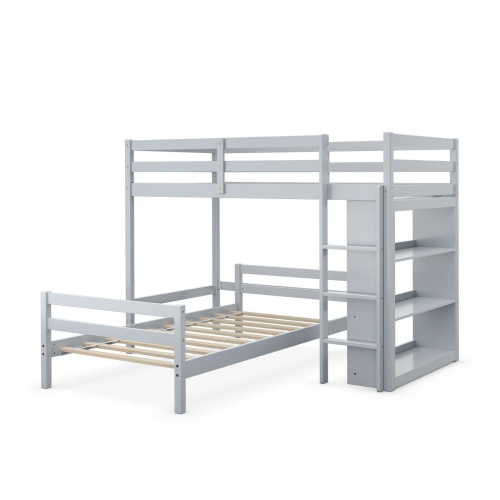

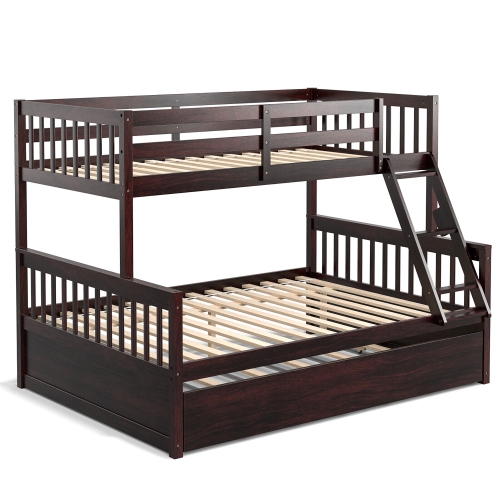
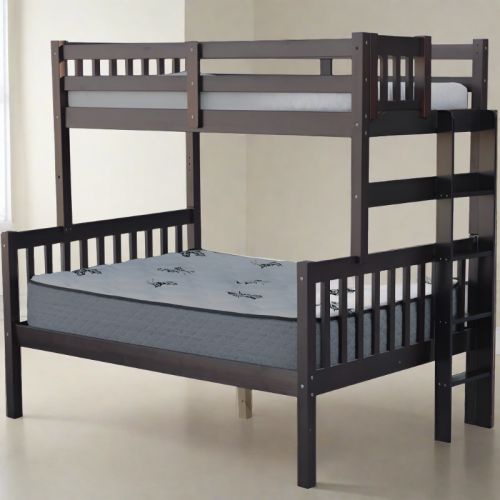
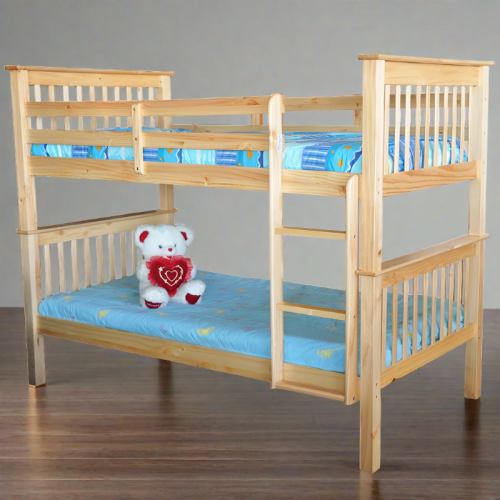
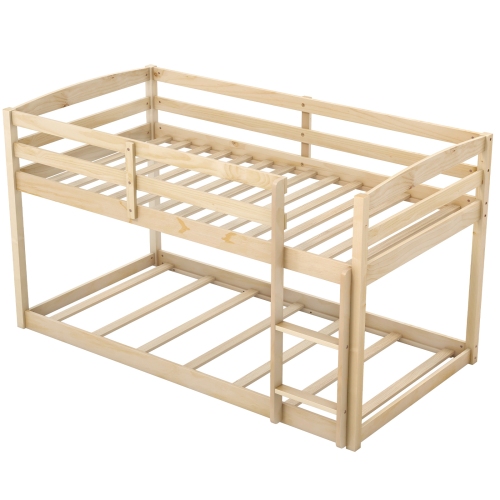

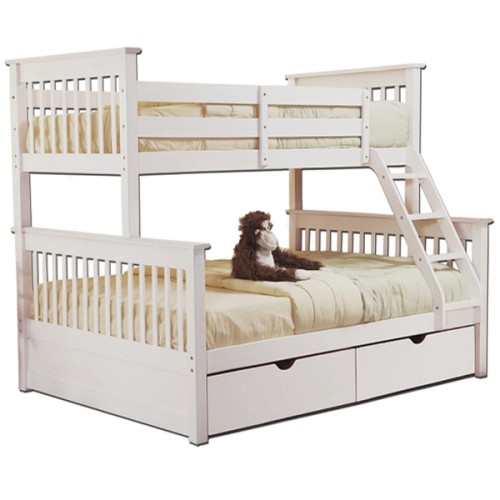

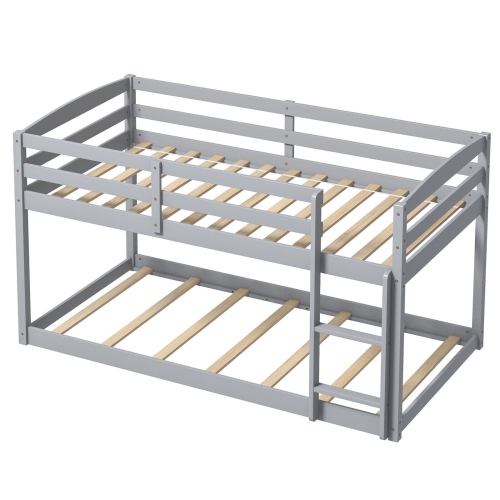
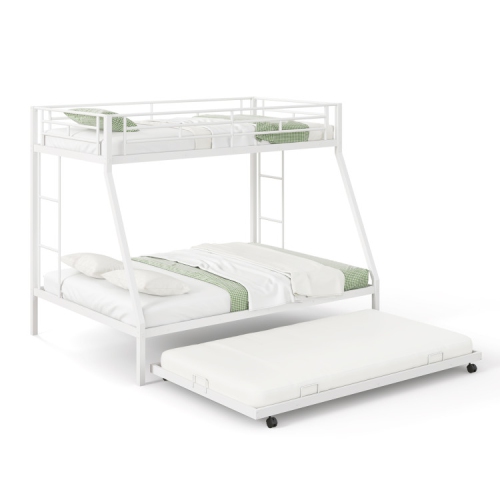
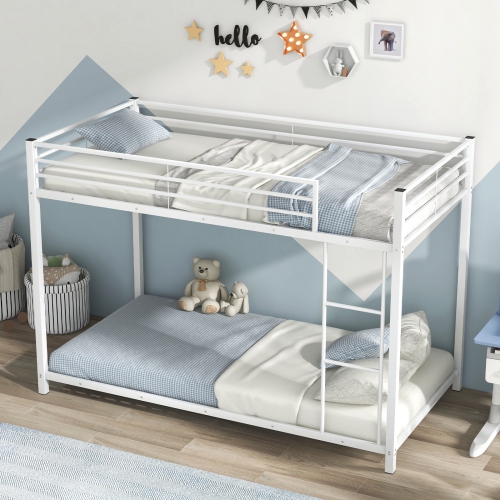
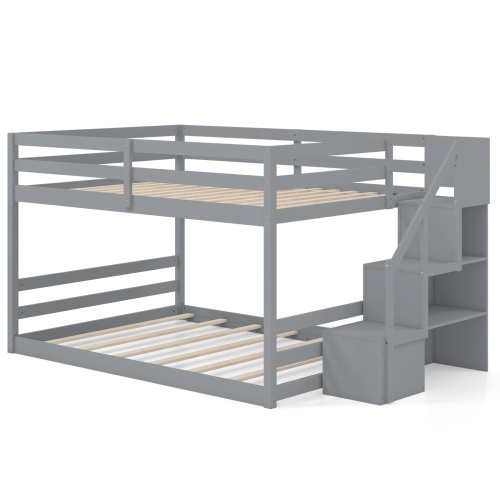
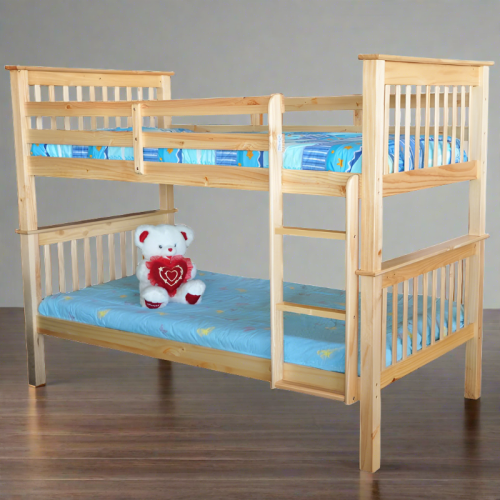
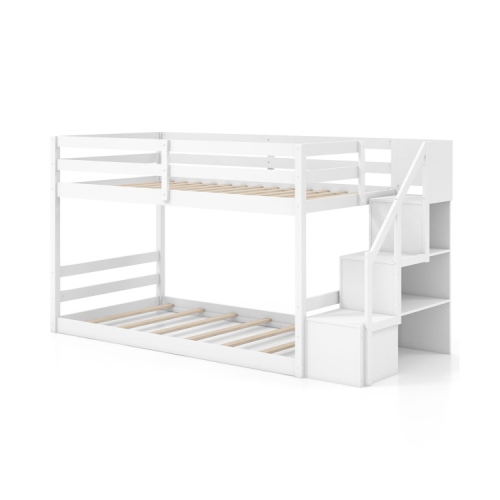
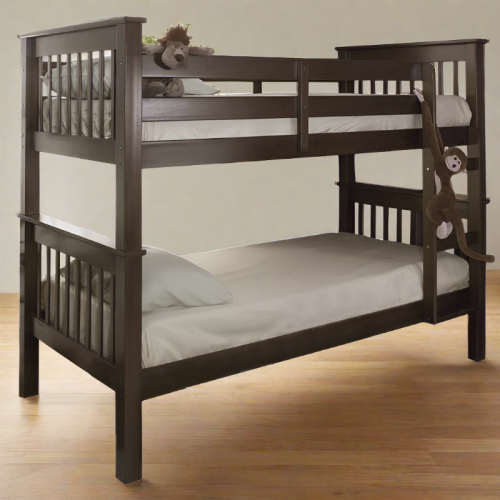
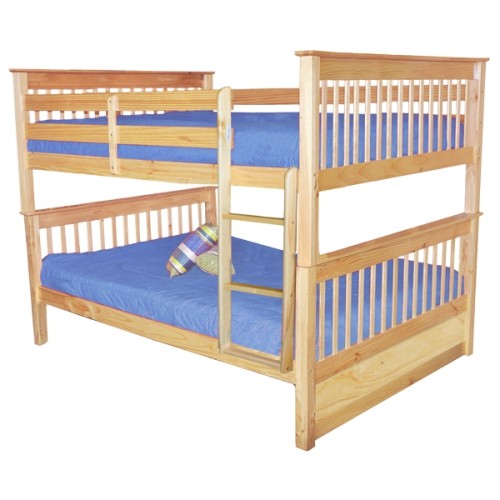
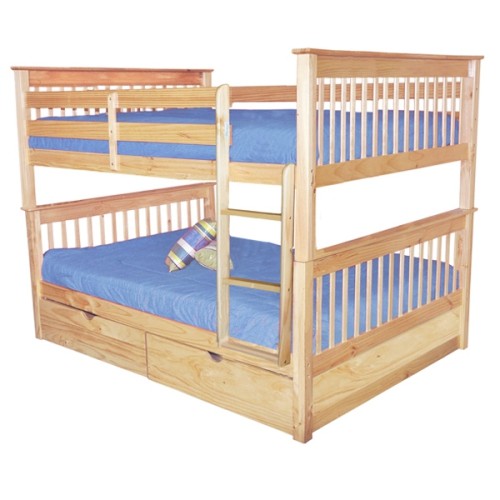
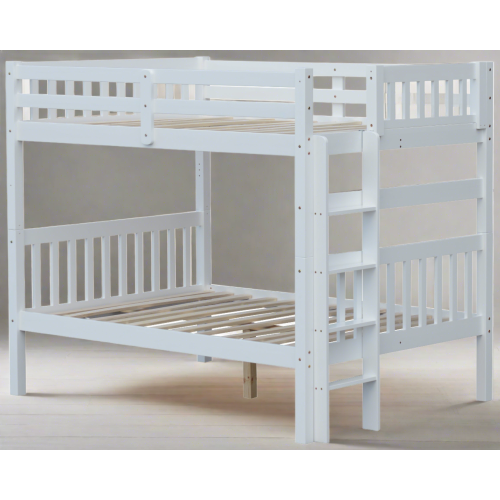
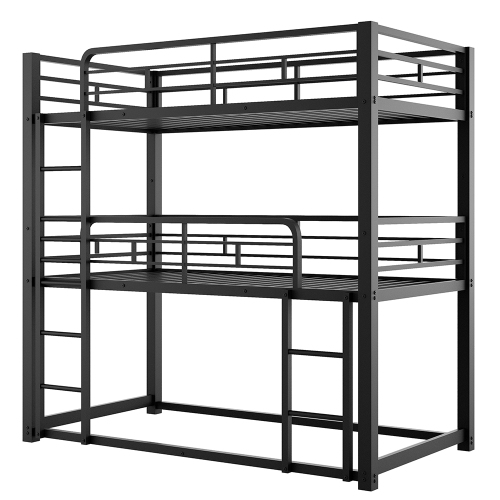
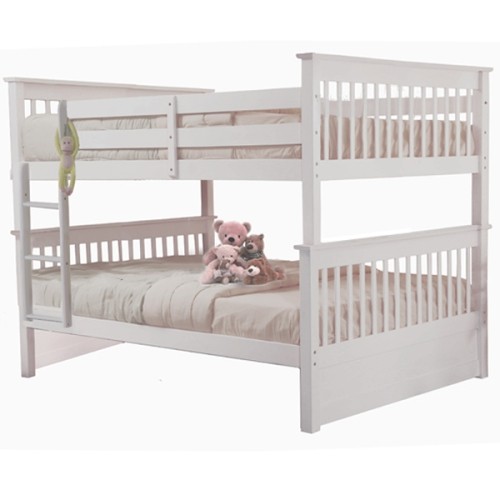
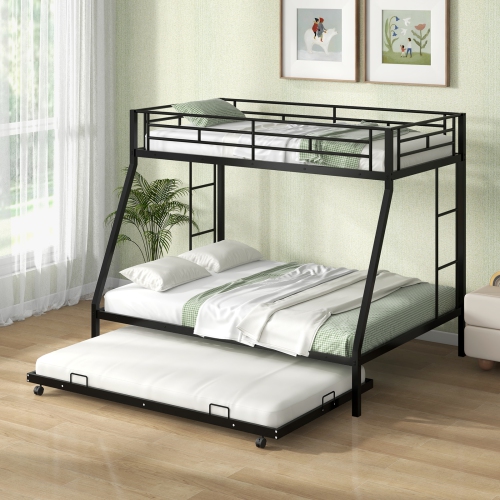

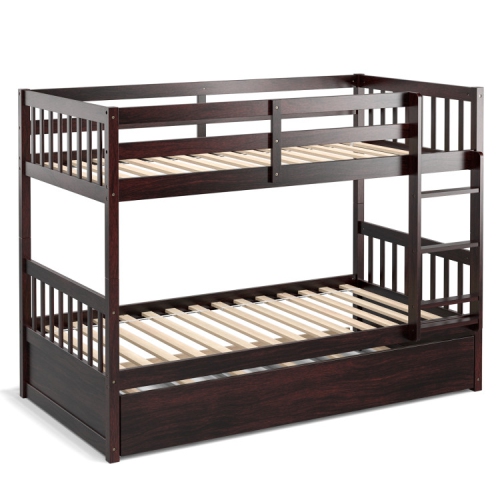


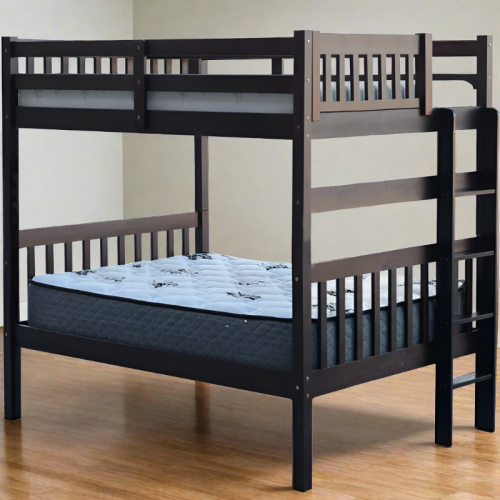

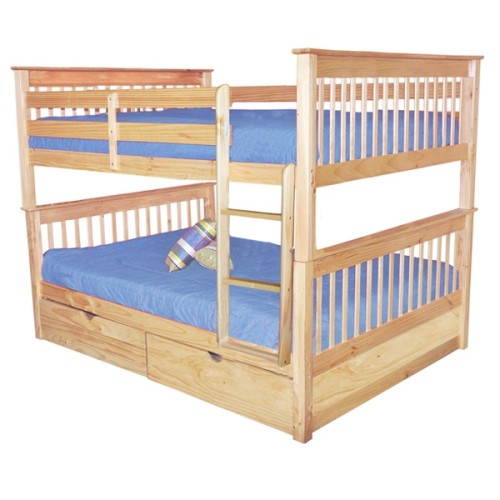
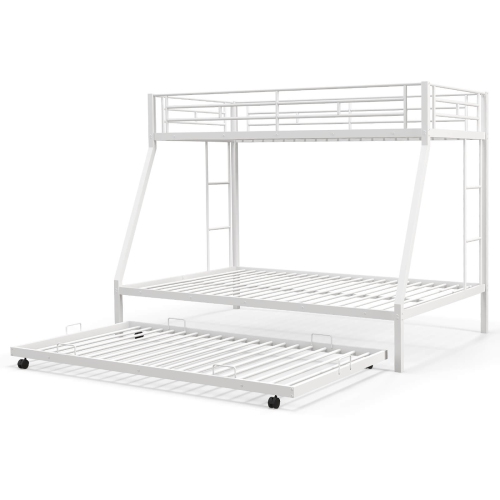


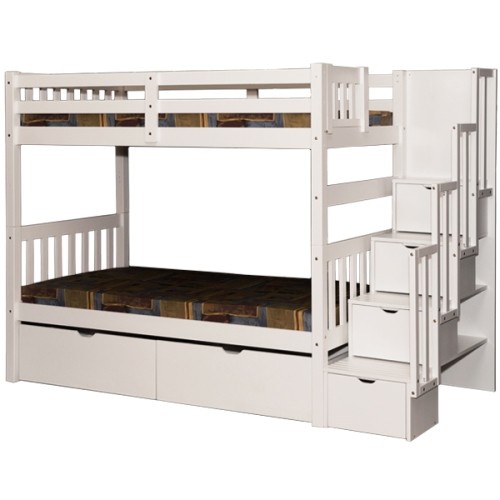
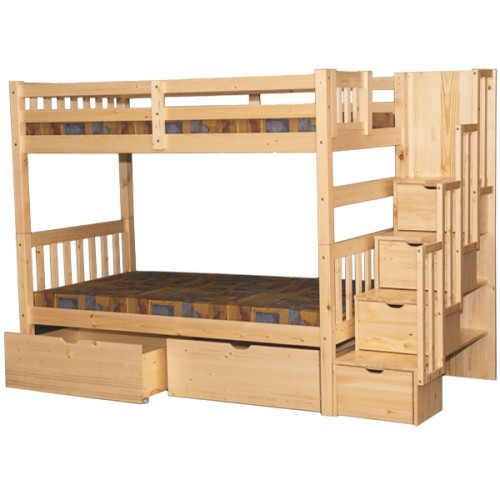


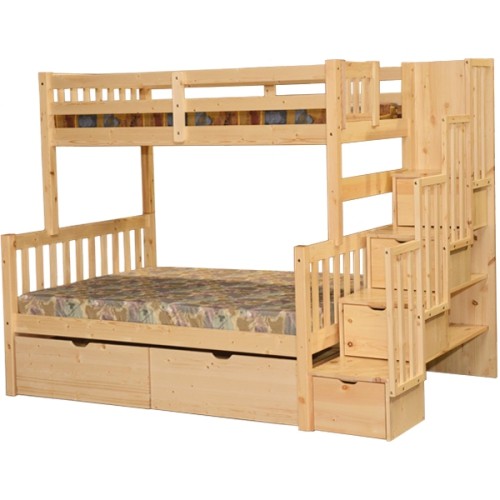
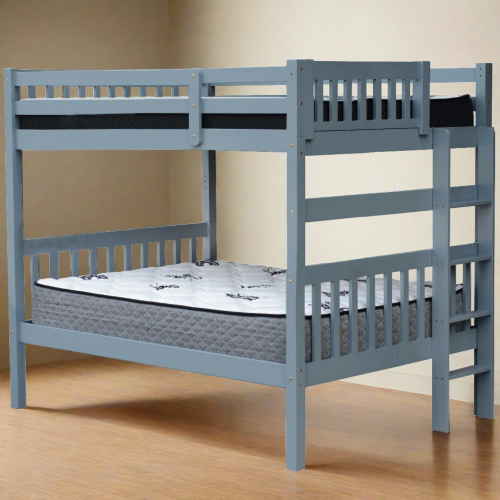
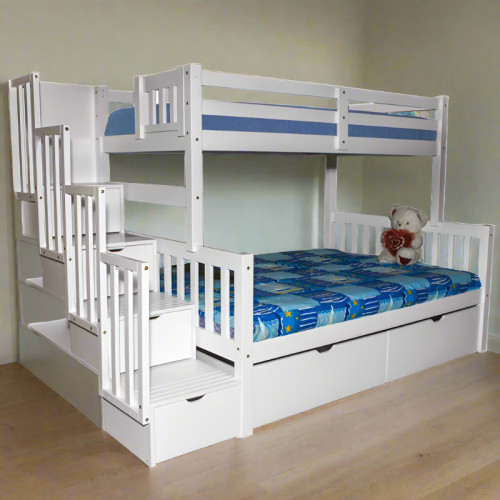
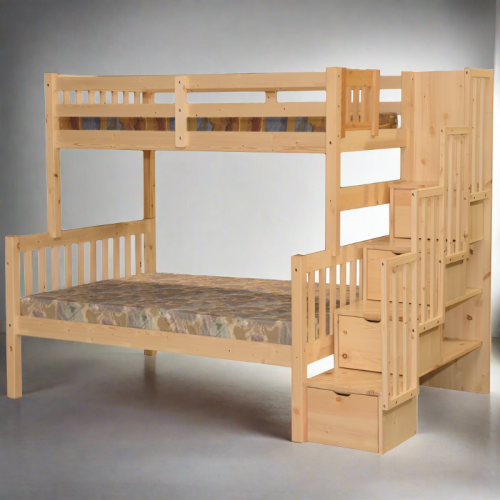
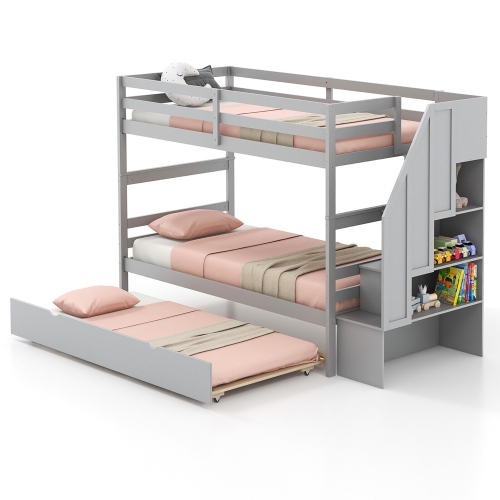
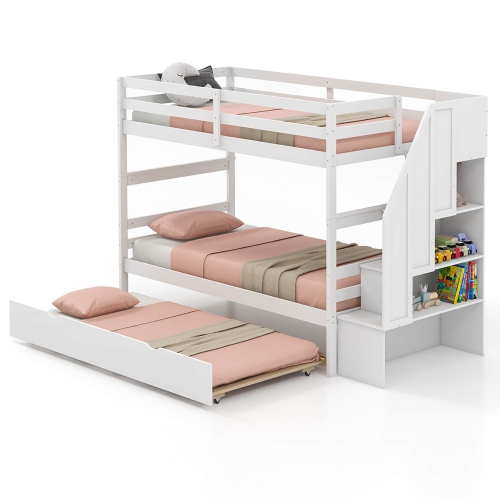
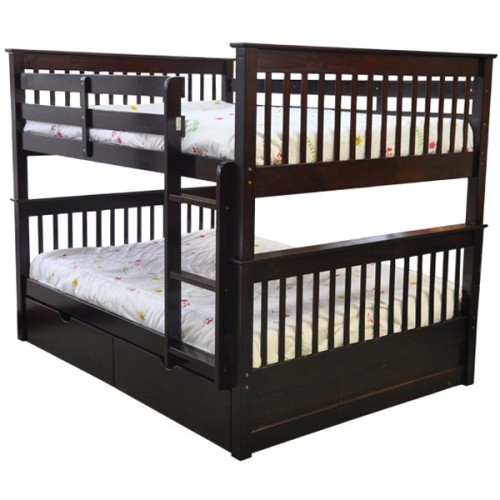


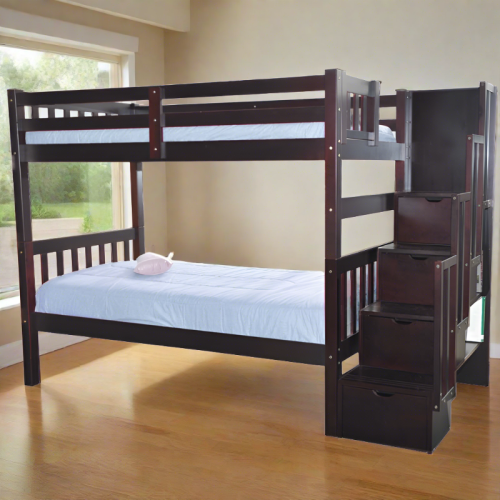
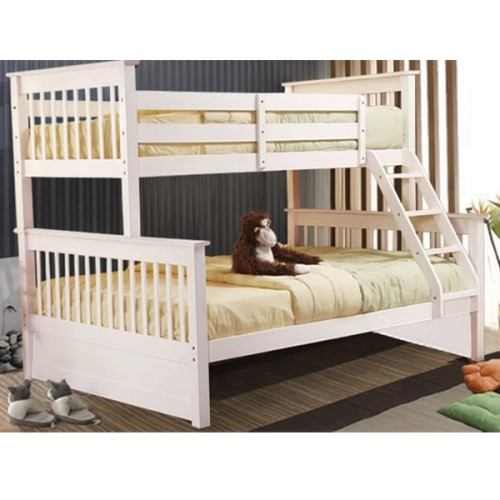
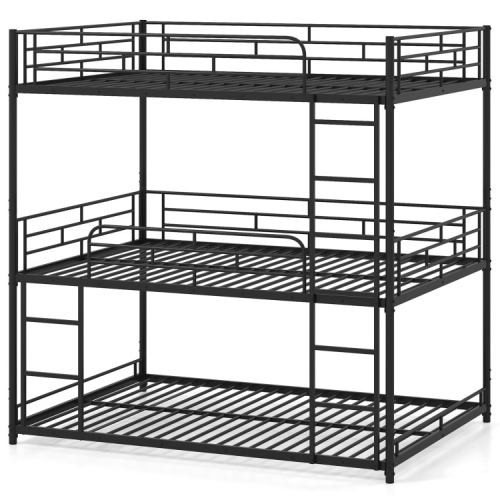
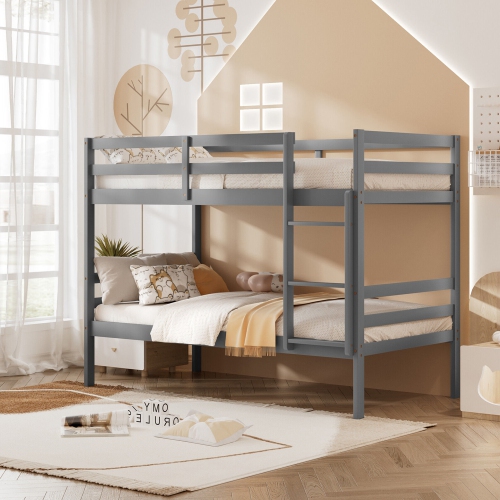
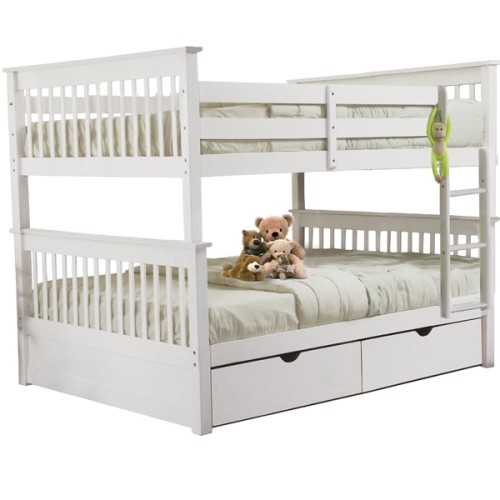


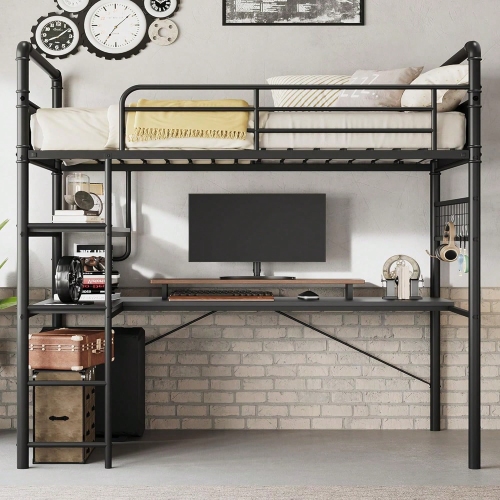


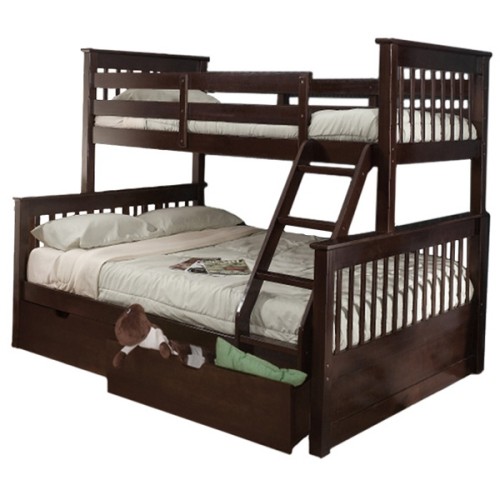
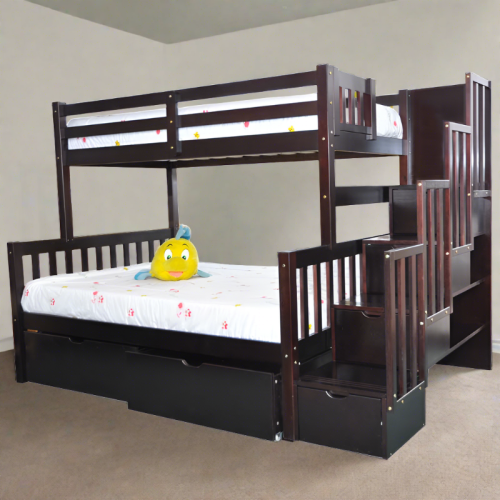

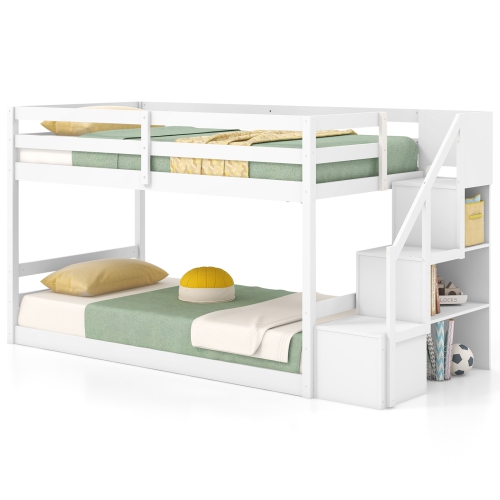
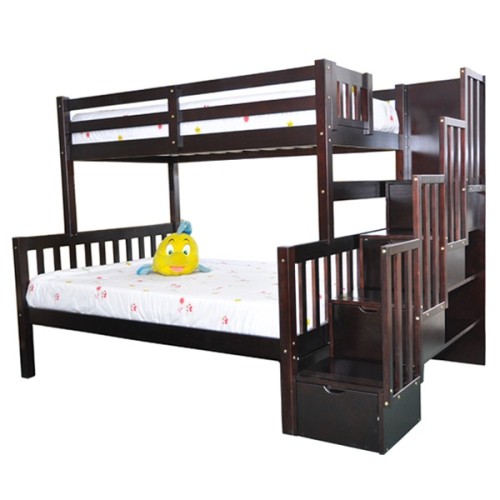
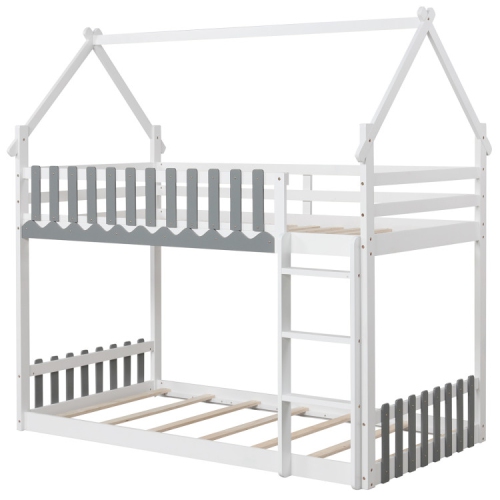
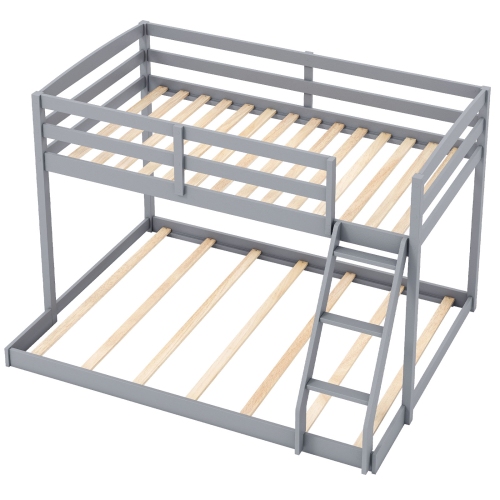
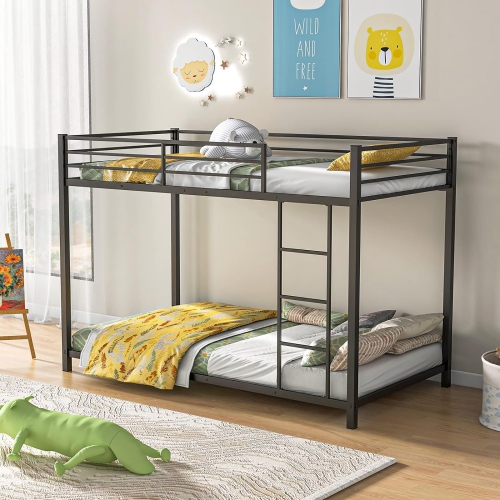
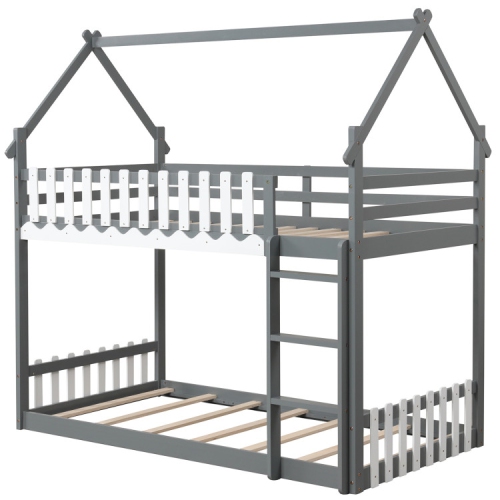
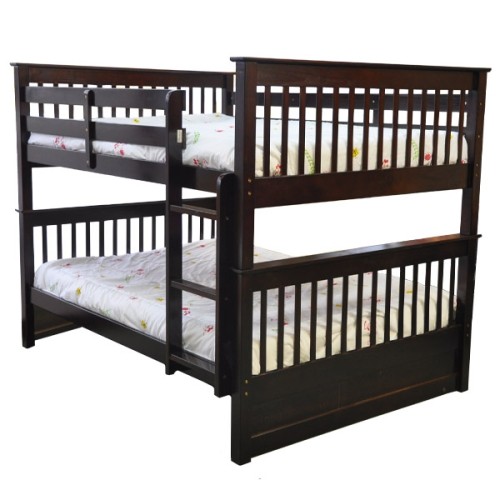
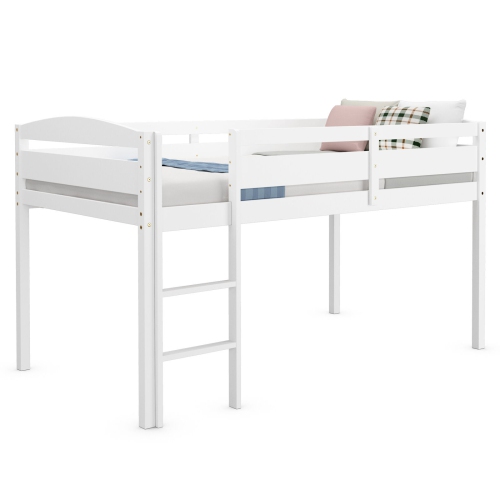
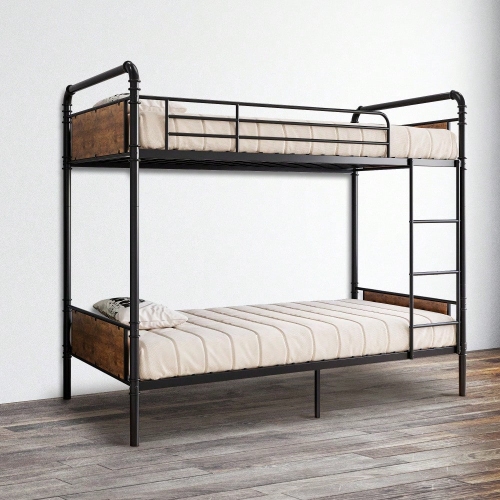
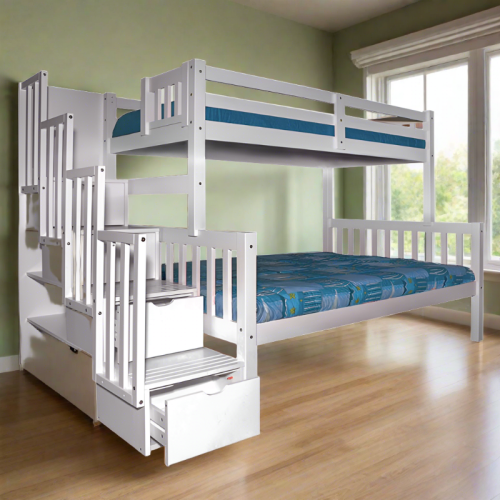
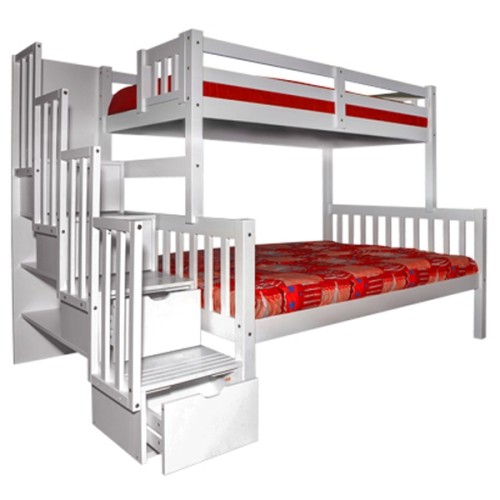
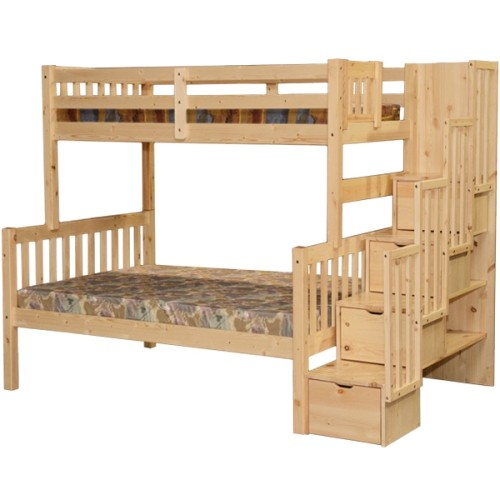
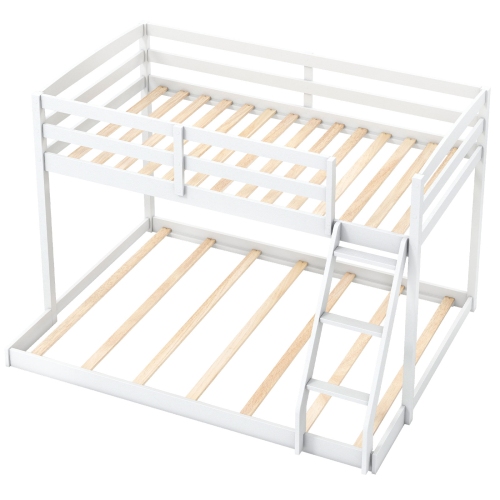
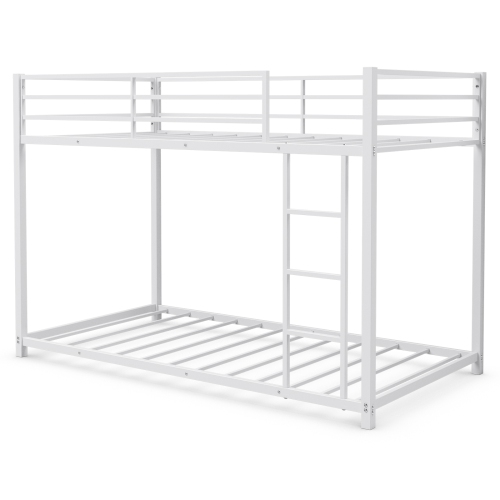
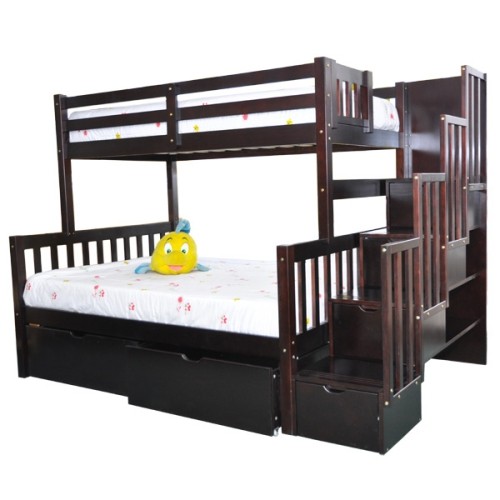
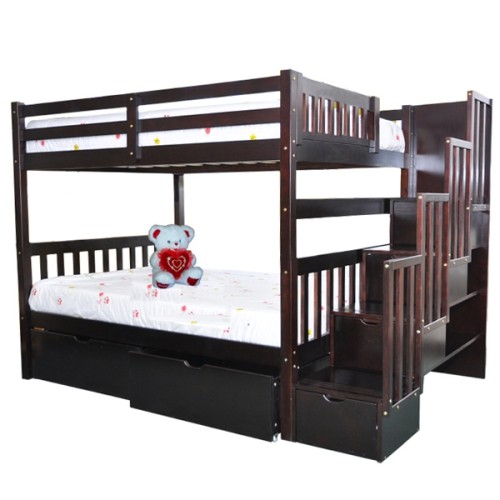
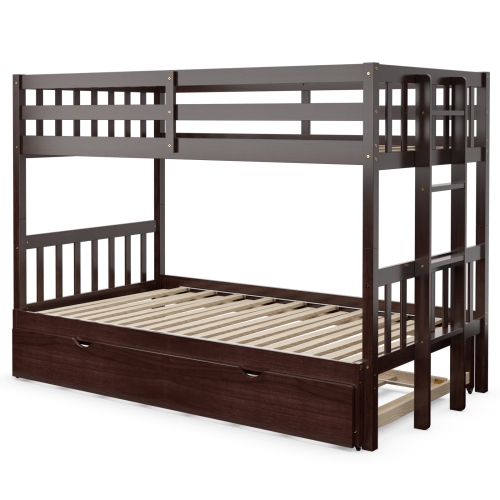
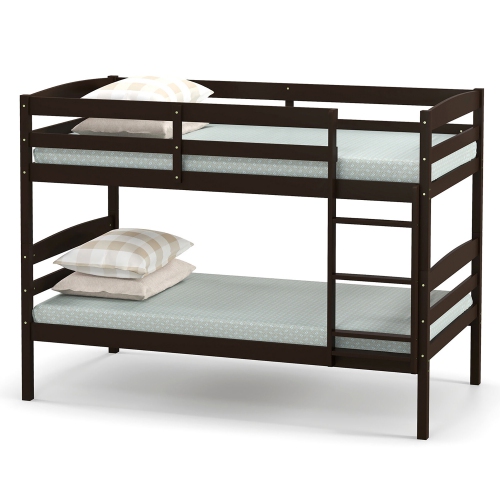

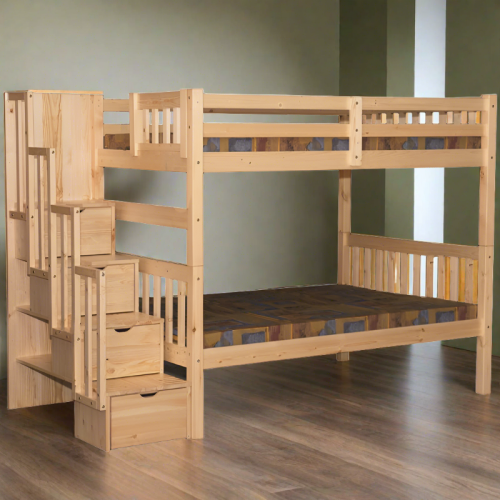
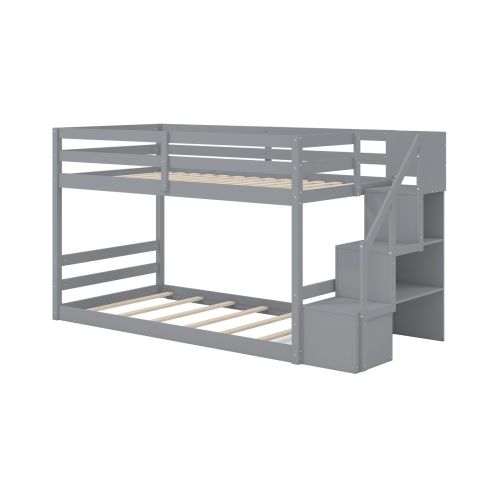
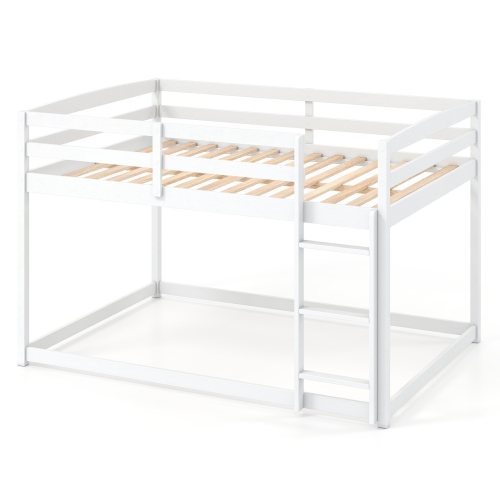


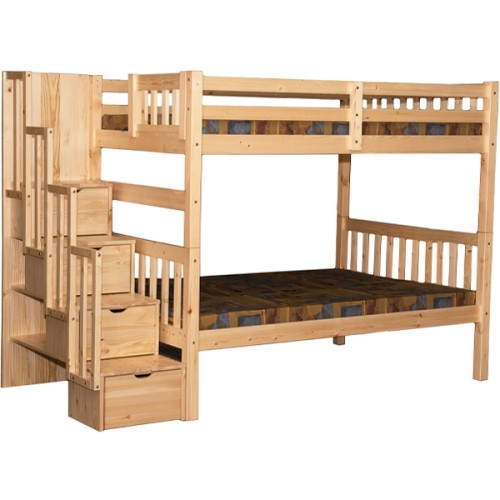

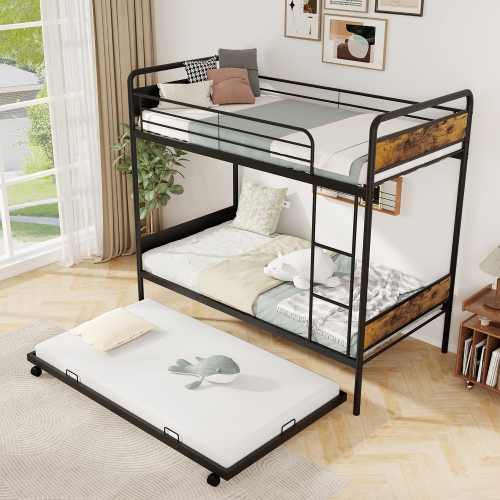
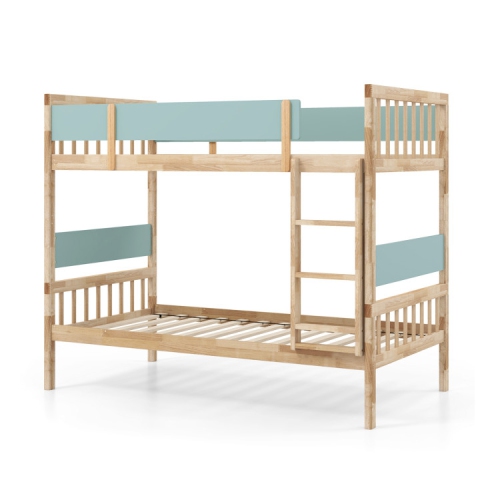
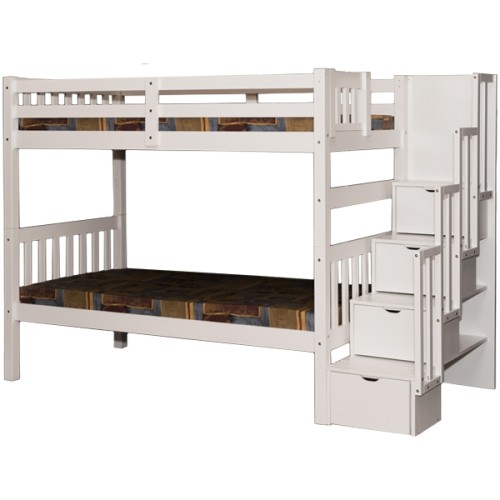
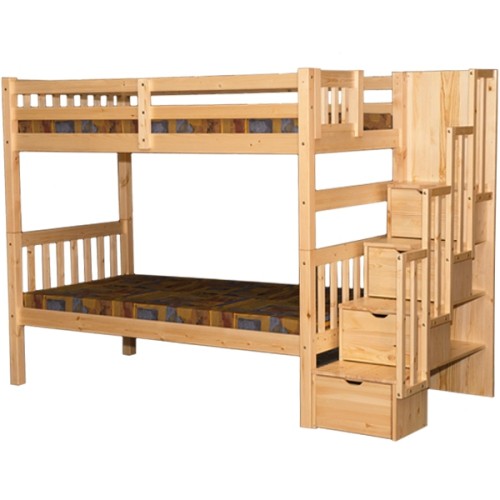
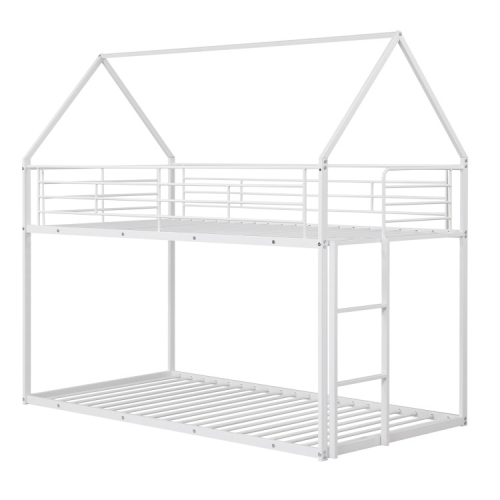
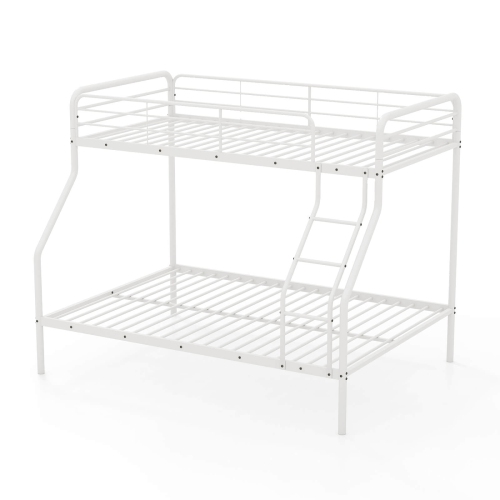
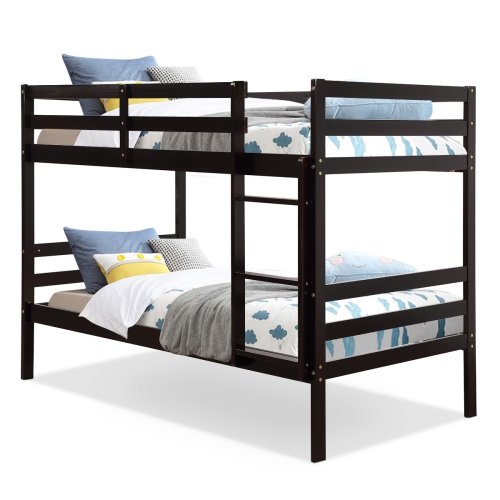
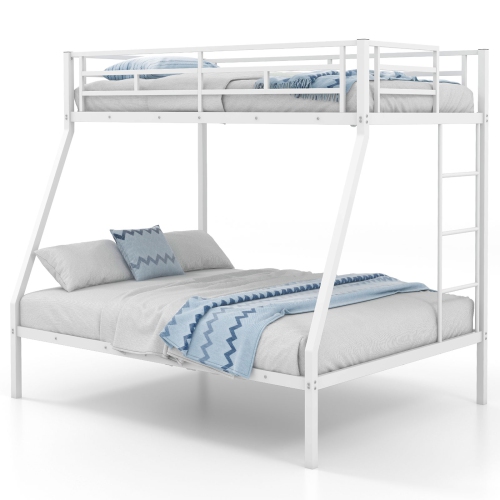

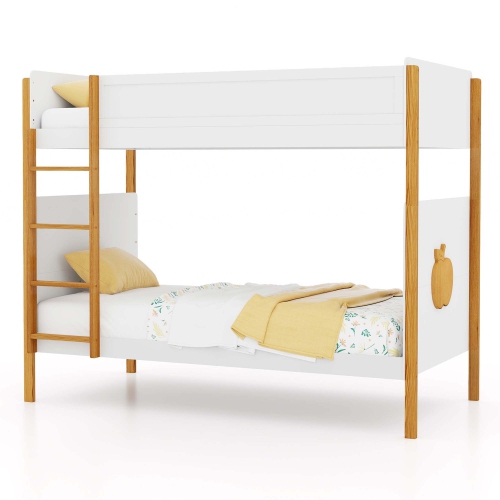

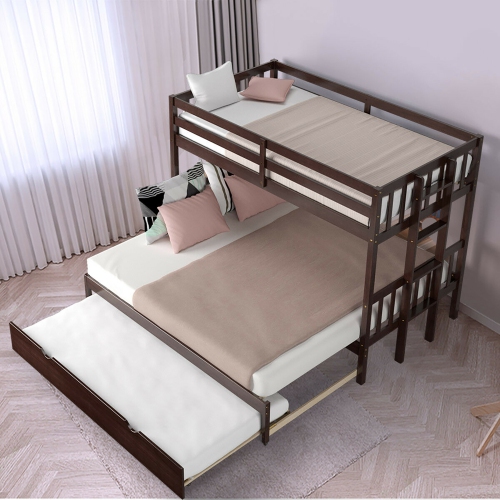
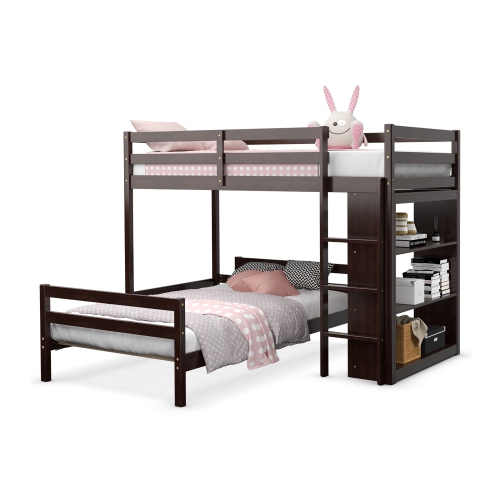
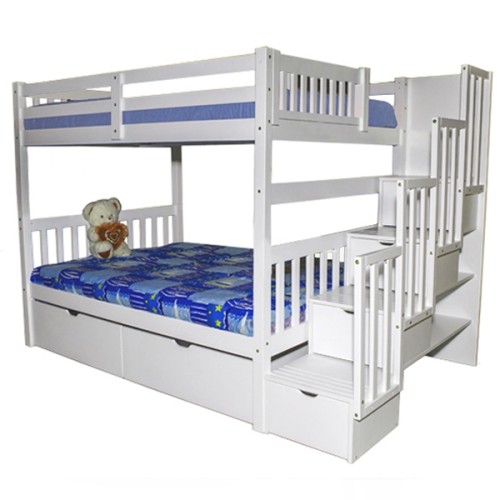
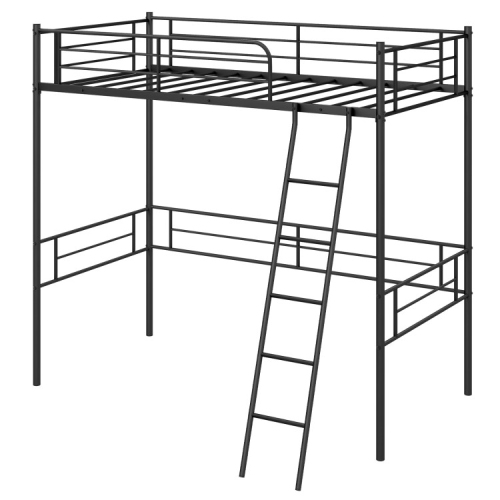

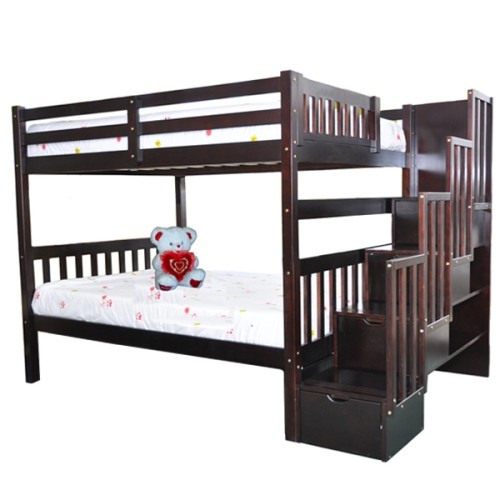
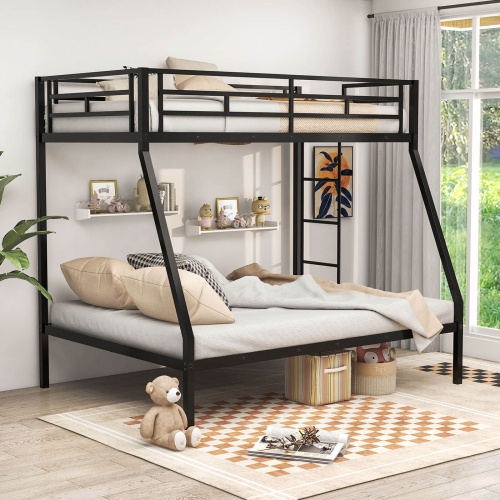


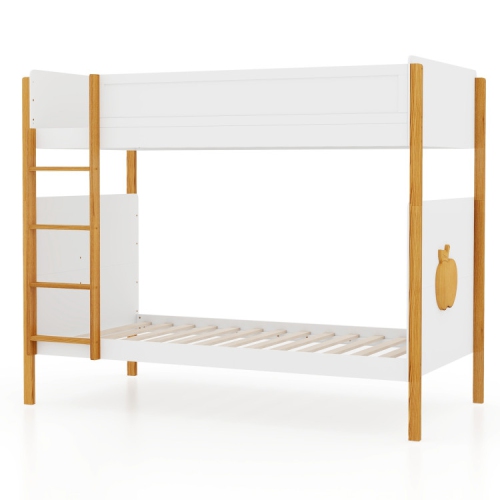
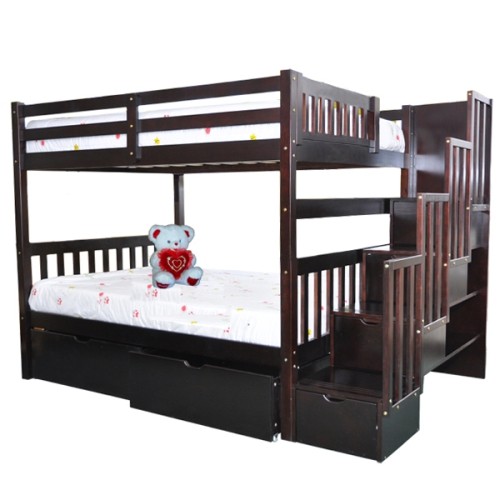
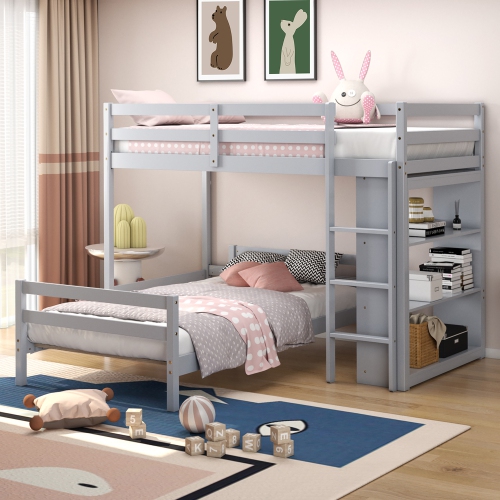


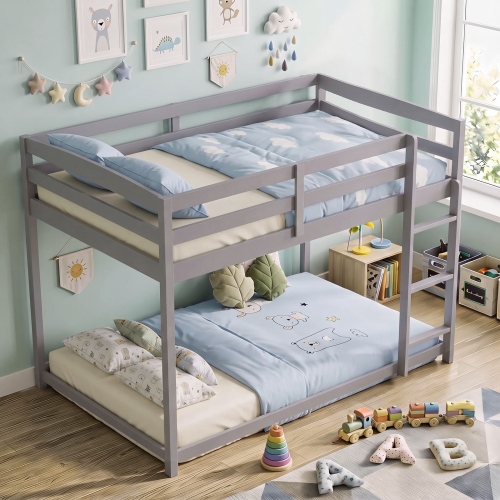
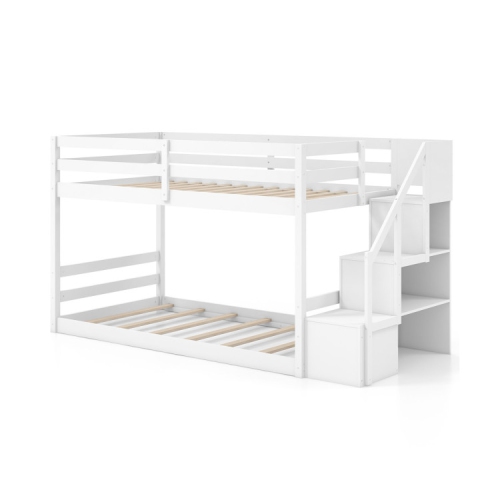
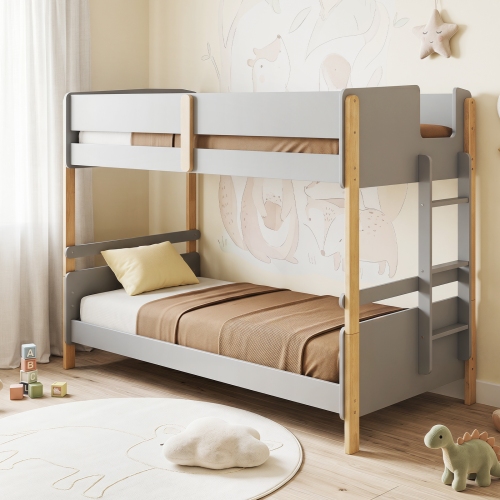
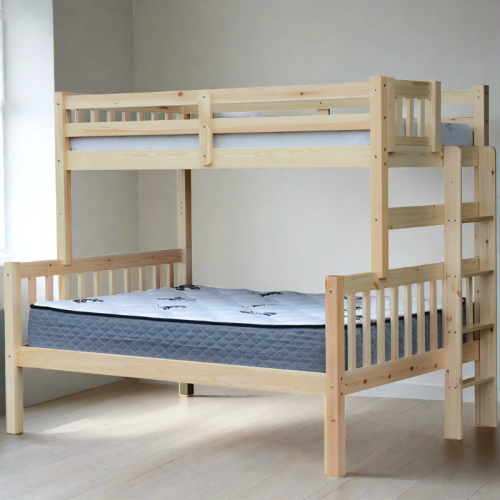


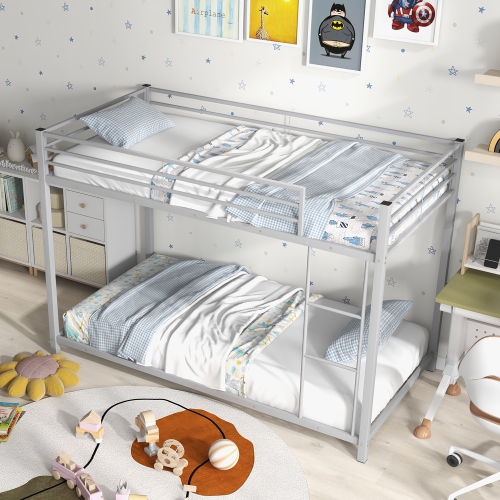

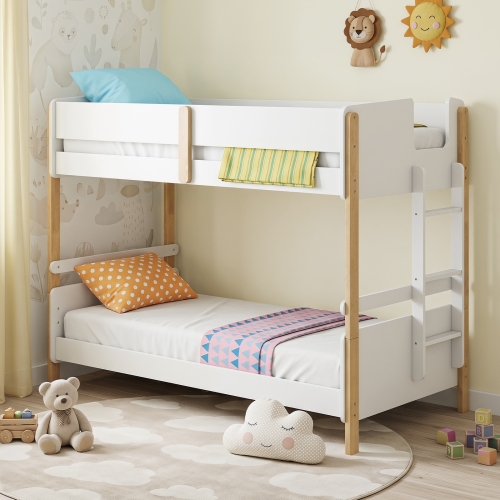
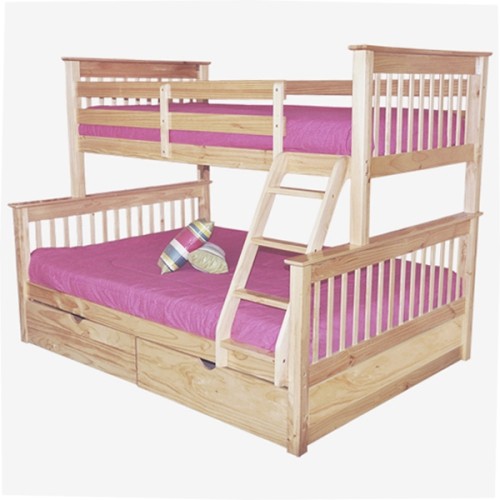
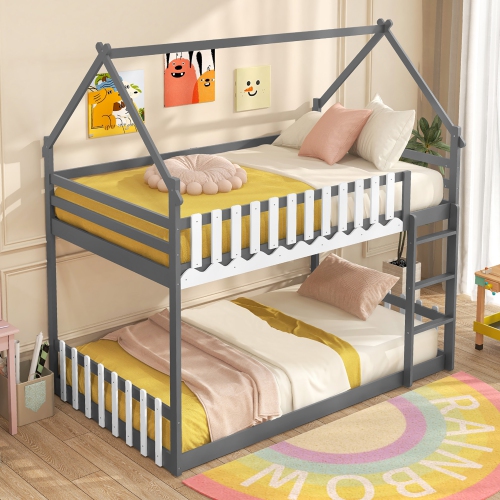
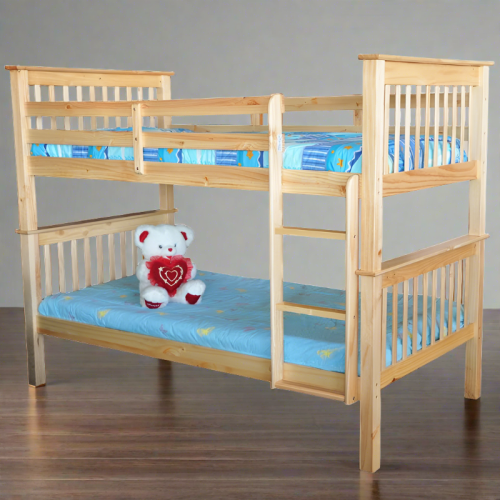
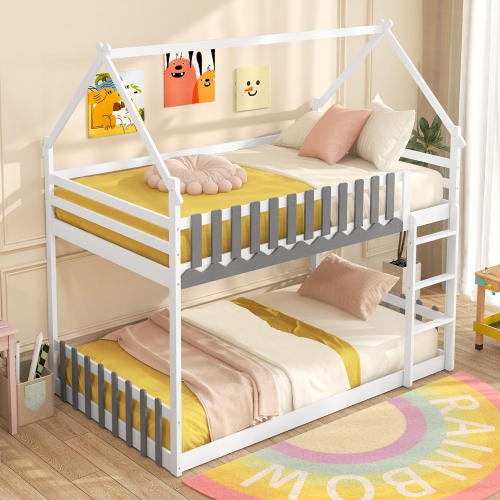
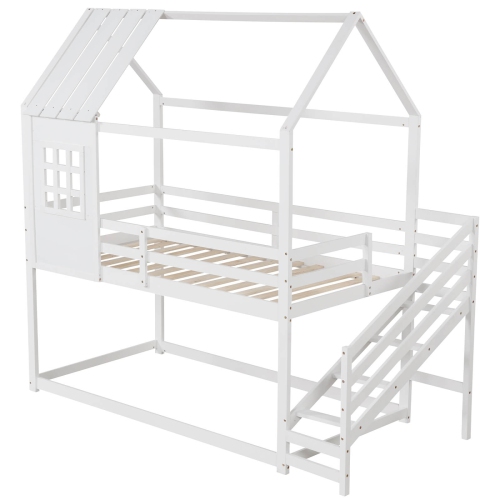
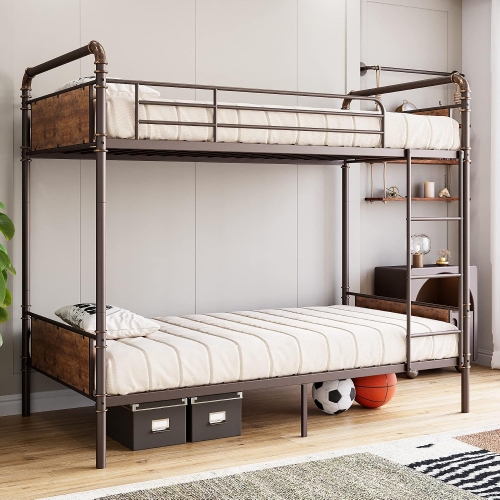
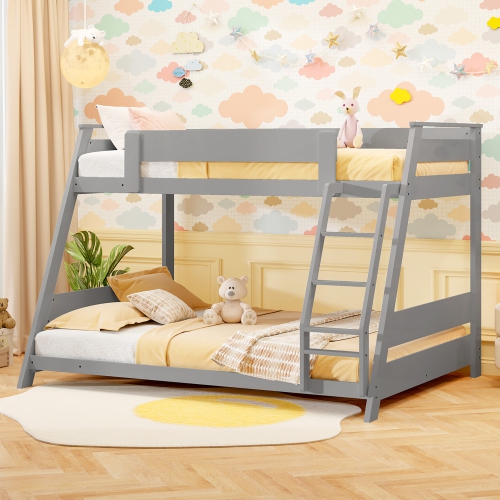
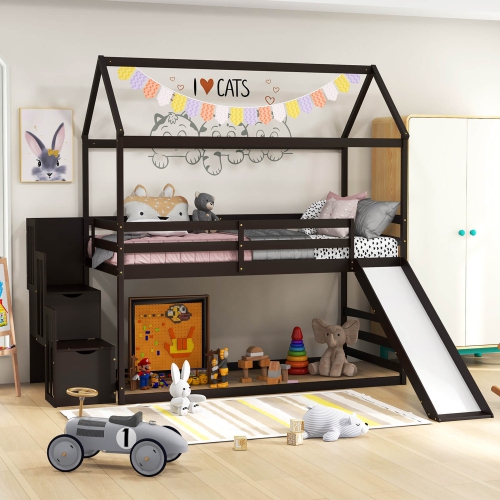
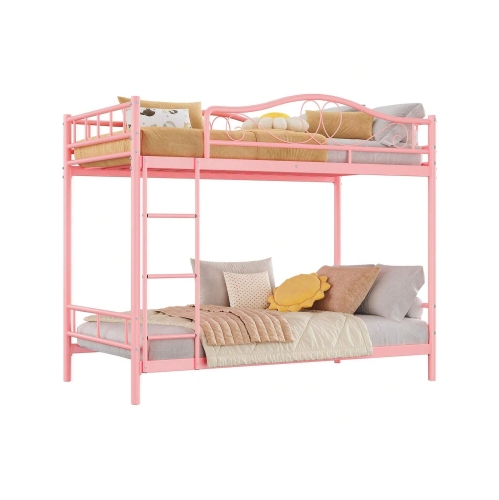
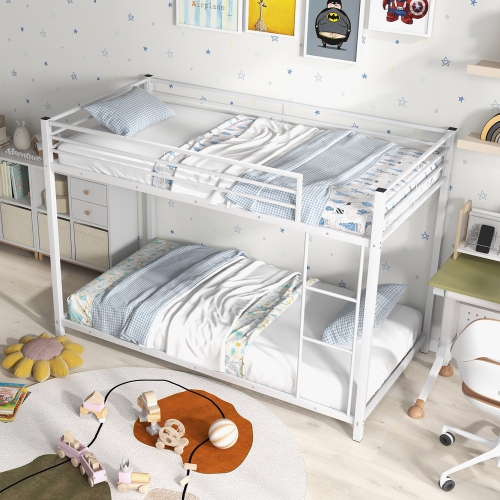
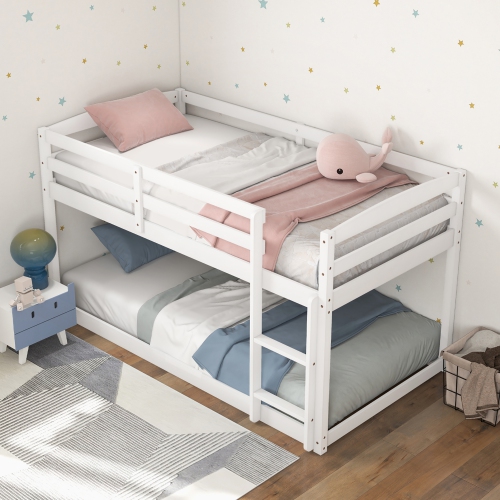

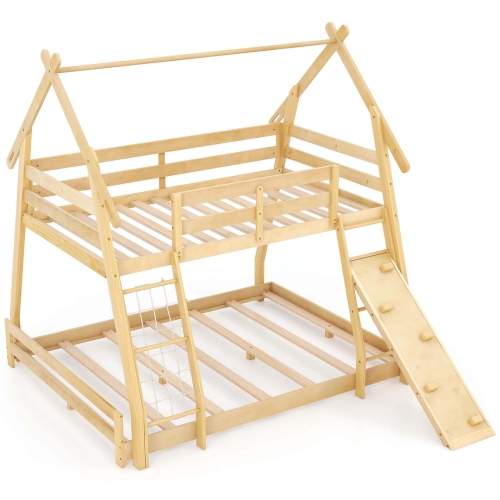
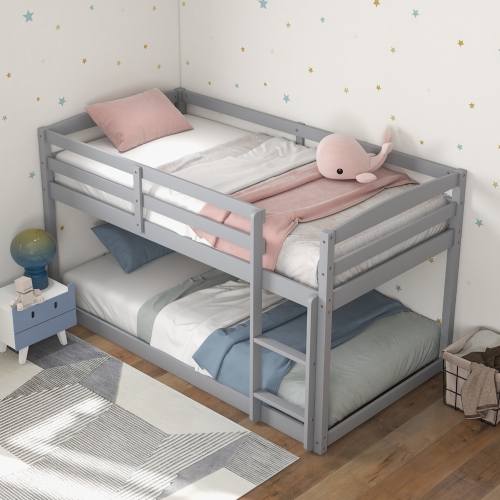

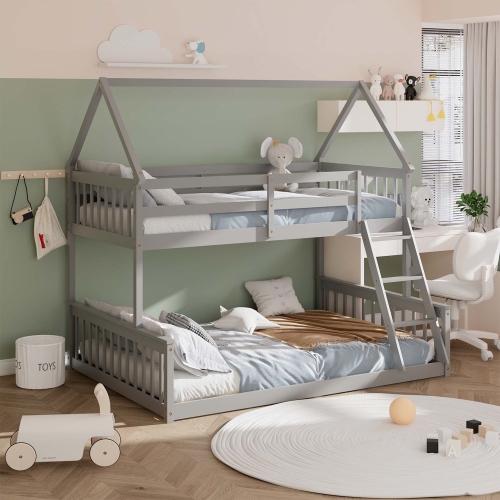


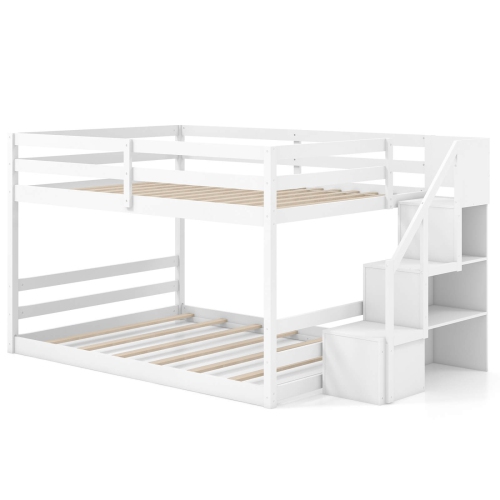
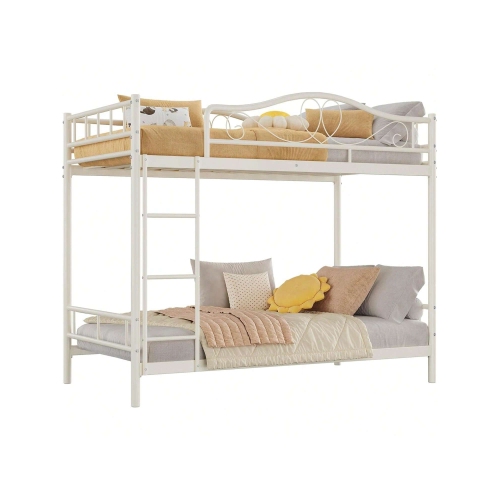
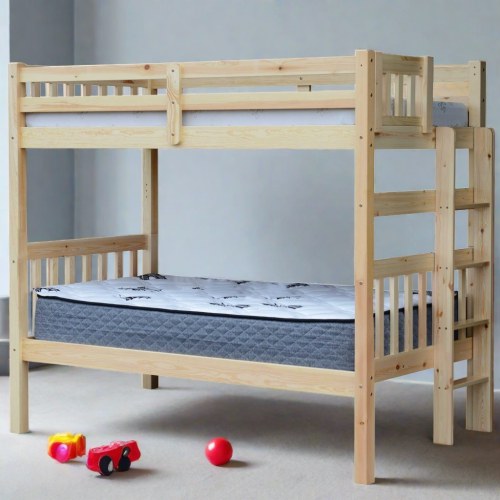
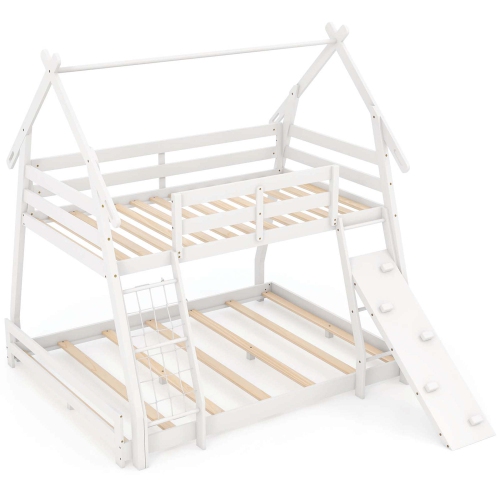

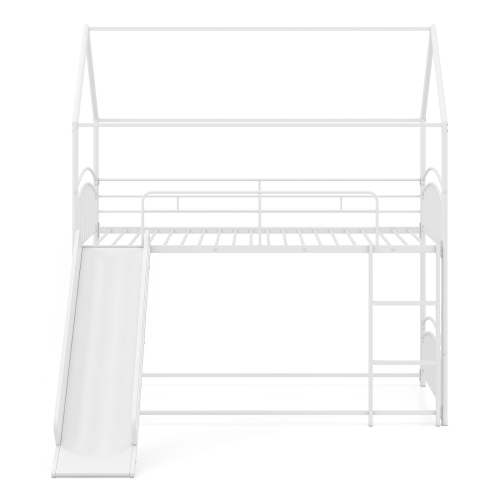
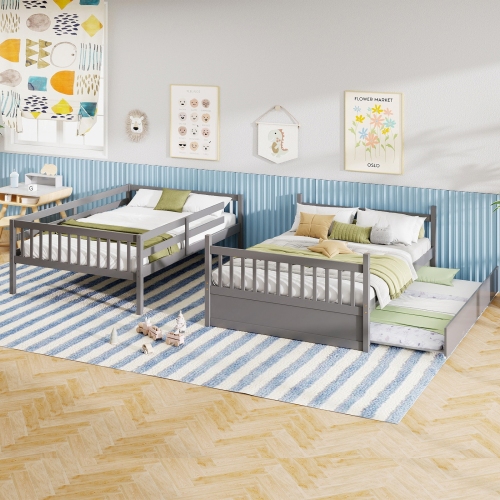

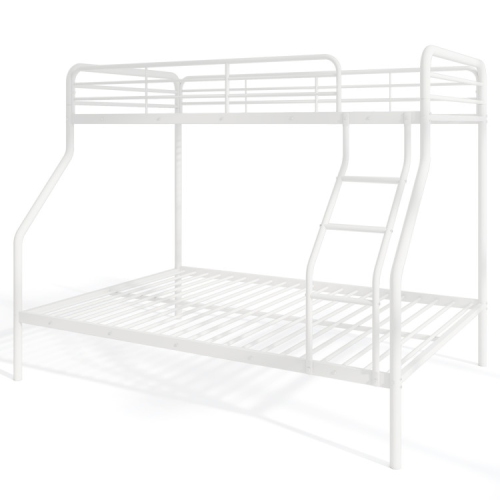
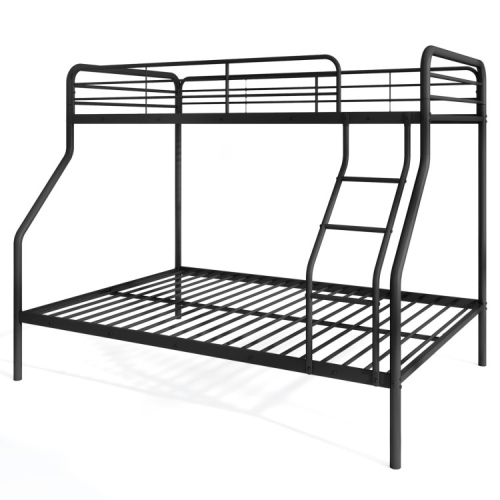
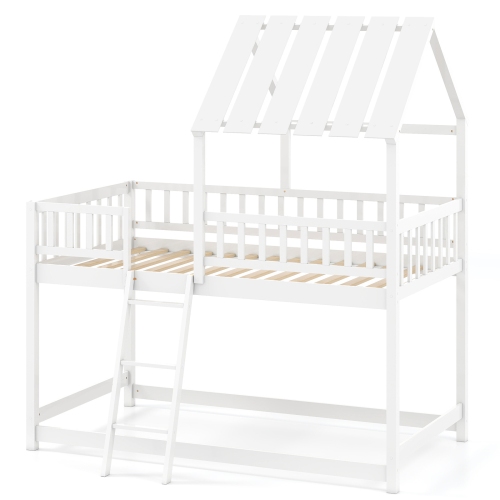
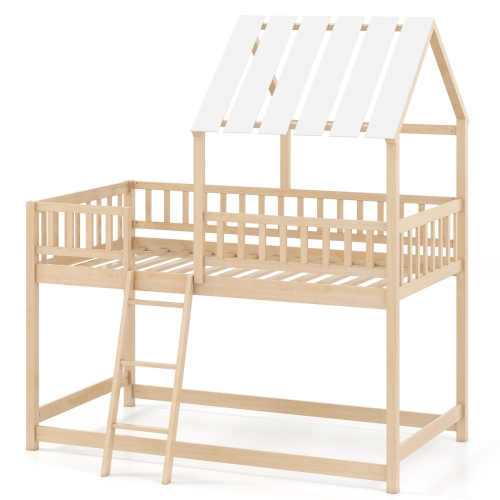
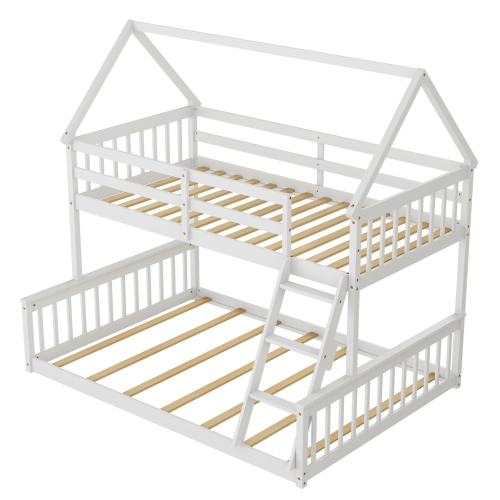


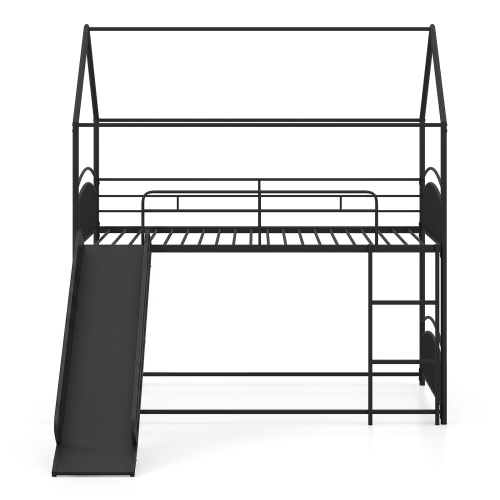
Two sleeping spaces with more room for play
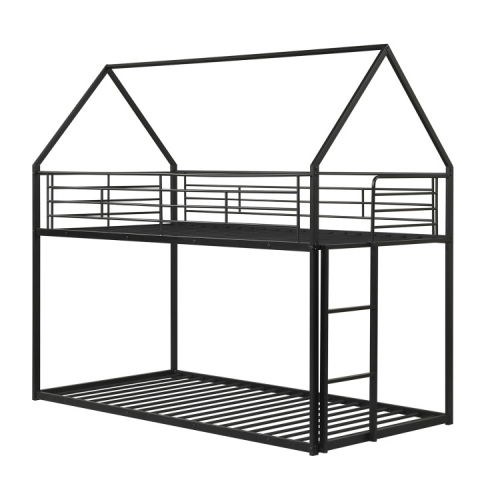
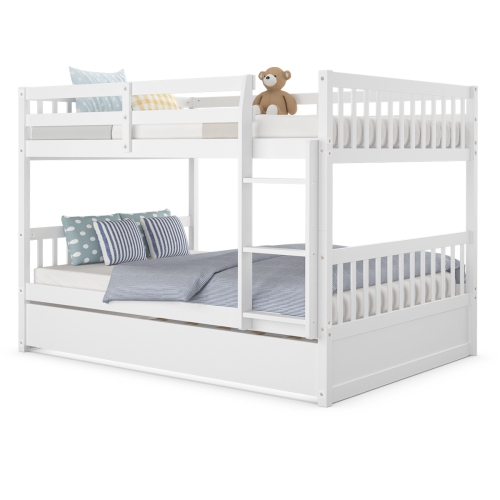
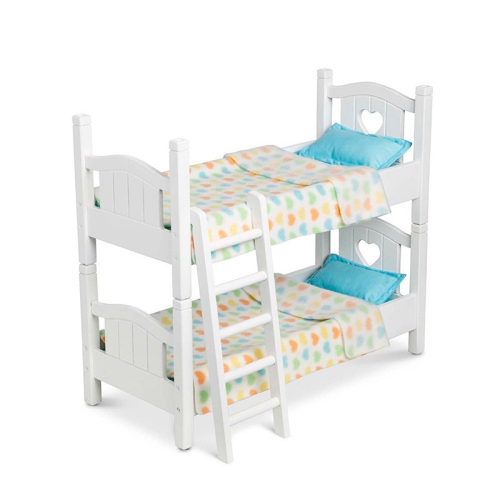
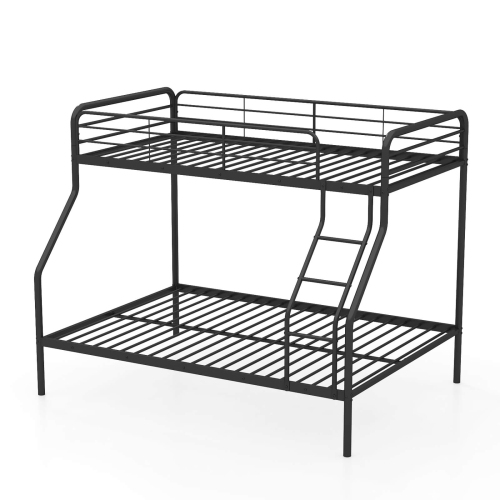
Contemporary bunk beds combine two sleeping spaces in a vertically stacked frame, using clean lines and practical layouts to make more room for everyday living. Their appeal goes beyond fitting another bed into a bedroom: a well-proportioned frame can leave space for a dresser, a reading chair, or an open area where children can build, draw, and play. Compared with more ornate styles, contemporary designs tend to feature straightforward shapes, restrained detailing, and finishes that work with a range of furnishings. A white frame can sit quietly against pale walls, a black metal frame can add definition, and a natural wood finish can bring warmth to a room with simple bedding and colourful accents. Materials influence both appearance and upkeep. Solid wood frames have grain patterns and a substantial feel, while metal frames often have slimmer profiles that keep a compact room looking less crowded. Some designs combine wood, engineered wood, and metal components, with each material serving a different structural or decorative purpose. Finish quality, connection points, and the design of the mattress supports matter alongside the material itself. Contemporary bunk beds suit shared children’s bedrooms, rooms used by visiting grandchildren, and guest spaces where separate sleeping surfaces are useful. Twin-over-twin configurations keep both bunks the same size, while twin-over-full designs give the lower sleeper a wider mattress without requiring two separate bed footprints. For rooms planned around two narrower sleeping surfaces, Twin Bunk Beds offer a consistent mattress format that can simplify bedding choices. The right configuration depends on who will sleep in each bunk, how the room is used during the day, and how much space remains around the frame. A contemporary look works best when the bed feels proportionate to the room rather than simply filling the largest wall.
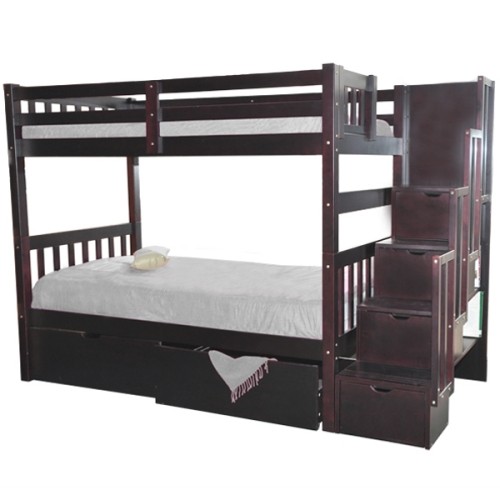
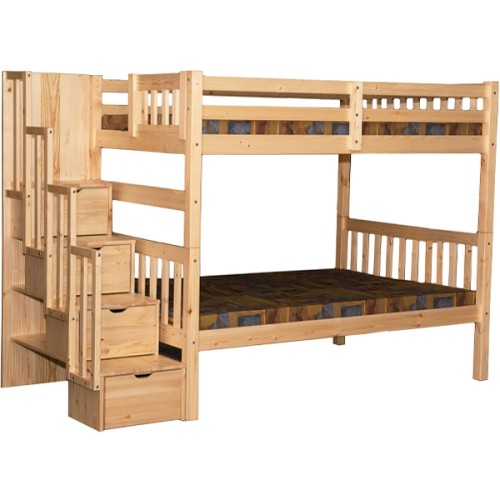
The fit of a bunk bed includes its full height, its access points, and the space needed to use nearby furniture comfortably. Floor measurements should account for the frame rather than the mattress alone, along with any ladder projection, staircase, drawers, or pull-out sleeping surface. A room may accommodate the bed itself yet leave too little clearance to open a wardrobe or walk past an extended drawer. Ceiling height is equally important, since the person on the upper bunk needs adequate clearance above the mattress, and the bed should be positioned safely away from ceiling fans, light fixtures, windows, and blind cords. Mattress thickness is a safety consideration, not just a comfort preference: the upper mattress must meet the frame manufacturer’s specifications so the guardrails remain at the intended height above the sleeping surface. Upper bunks are not suitable for children under six, and the recommended age, weight limits, and assembly requirements for each frame should always be followed. Access also changes how a bed feels in daily use. A fixed ladder can preserve floor space, while an angled ladder extends farther into the room. Stair access generally requires a larger footprint but may incorporate drawers or compartments that help organize clothing and bedding. Neither option removes the need for careful use, secure assembly, and an unobstructed route to the upper bunk. Integrated storage can be especially useful in a shared bedroom, where each child needs a place for folded clothes, books, or personal belongings. Drawers beneath the lower bunk make use of otherwise empty space, although thick rugs and nearby furniture can interfere with their movement. A desk incorporated into a bunk layout can create a defined homework area, provided the design still includes the required sleeping spaces and leaves enough room for a chair. Clear access to ladders, stairs, and exits matters more than fitting in another feature. Keeping those routes open also makes changing bedding and cleaning around the frame less awkward.
Durability in contemporary bunk beds comes from sound construction, correct assembly, and care that suits the materials. Secure joints, properly installed slats or support panels, and firmly attached guardrails all contribute to a frame that performs as intended. A stated weight limit may apply separately to each sleeping level, so suitability for an older child, teenager, or adult should never be assumed from the bed’s appearance or mattress size. Moving a frame, separating its components, or changing its configuration should follow the manufacturer’s directions; some bunk beds can become two separate beds, while others are designed to remain stacked. That distinction can matter in a family home where siblings may eventually move into different rooms. Routine care is usually straightforward but should reflect the finish. Dust can be removed with a soft cloth, and spills should be wiped up promptly with a method approved for the surface. Excess moisture and abrasive cleaners can damage finishes, while loose hardware may need attention during the checks recommended by the manufacturer. Cleaning beneath the lower bunk and around storage mechanisms helps prevent dust and small objects from collecting where they are difficult to reach. Bedding also affects everyday practicality. Correctly sized fitted sheets and manageable layers are easier to handle on an upper bunk than oversized bedding that trails over the sides. Lightweight, washable covers can make routine changes simpler without overwhelming the bed’s clean profile. In a shared room, coordinated bedding with different colours or patterns gives each sleeper a distinct space while keeping the overall look cohesive. Storage baskets and a nearby bedside surface can support that arrangement without attaching unnecessary accessories to the frame or obstructing access. The most useful contemporary bunk beds balance a straightforward appearance with the realities of shared bedrooms: getting in and out safely, keeping belongings organized, cleaning around the furniture, and allowing enough open floor space for the room to function beyond bedtime.
Top selling and popular products
-
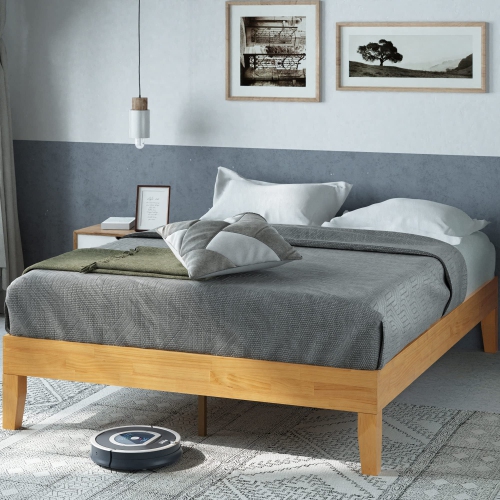 Your price for this item is $493.52
-
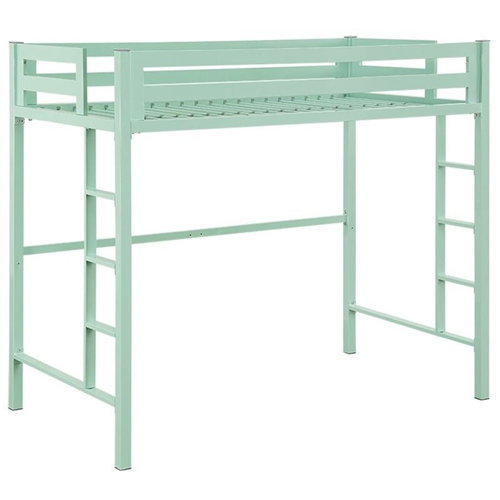
 Your price for this item is $611.85
-
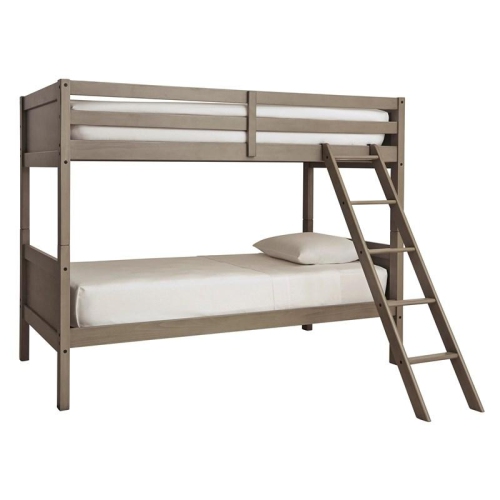
 Your price for this item is $824.18
-
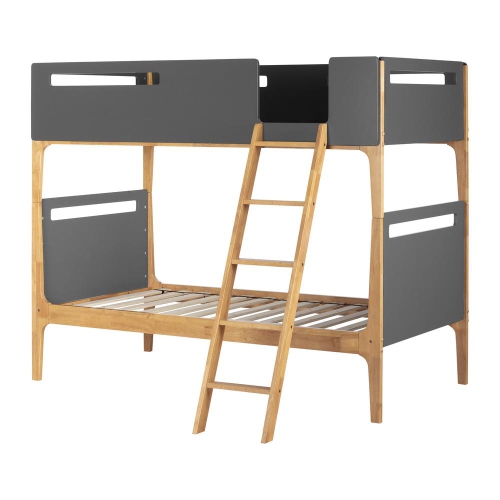
 Your price for this item is $799.99
-
 Your price for this item is $985.42
-
 Your price for this item is $157.99
-
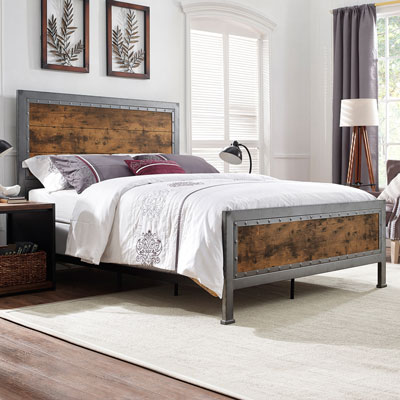 Your price for this item is $862.99
-
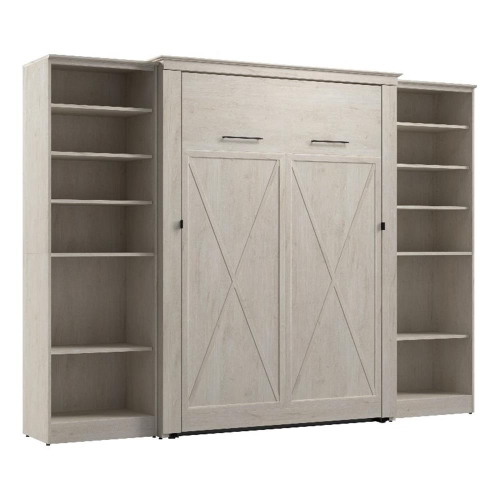 Your price for this item is $3099.99
Discover more categories related to Contemporary Bunk Beds
Top Collections:
Pokemon Centers, Best Cameras for Sports Photography, Kindle Devices, Samsung Galaxy Phones, Canon G7X Cameras, Pokémon 30th Celebration Cards, Refurbished Apple Laptops, iPhone 15 Apple, Laptops for Students, Budget Smartphones
Some products may be subject to Environmental Handling Fees
(EHF) depending on your province.
Learn more about EHFs.