Contemporary Chairs
If you're looking for a chair that's both comfortable and stylish, consider a contemporary chair. These chairs are designed to be as functional as possible but still look good in your home. They're made from high-quality materials and feature ergonomic padding and an adjustable backrest. The best contemporary chairs are available in many different styles, so you can find one that matches your personal sense of style. Here are some of the great options.
Sort

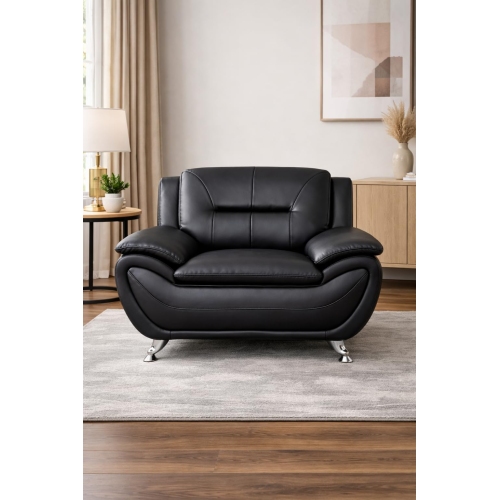


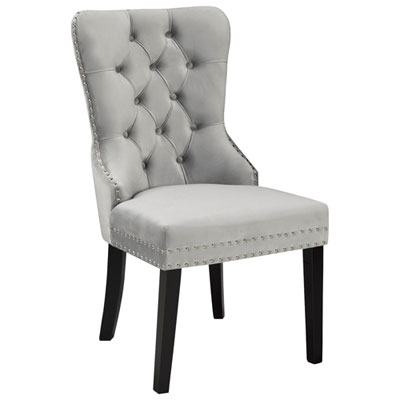
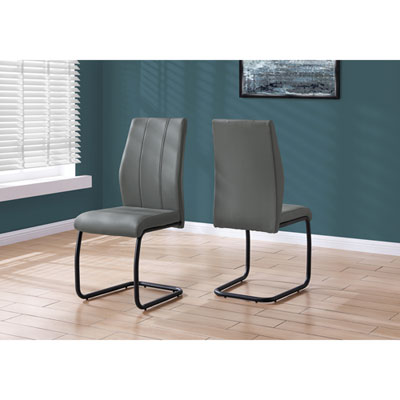
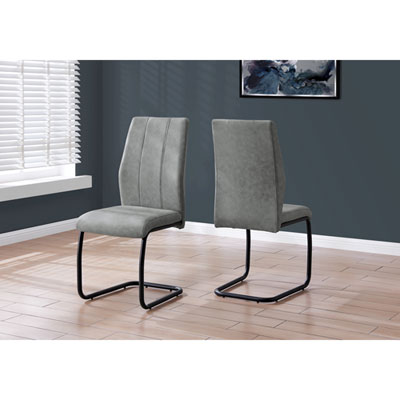


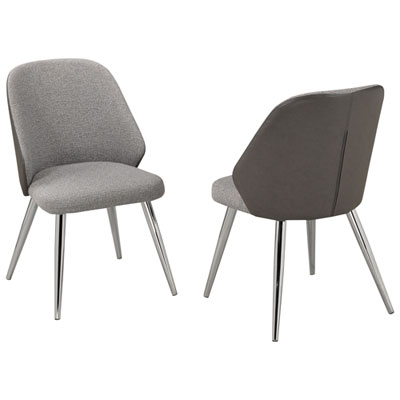


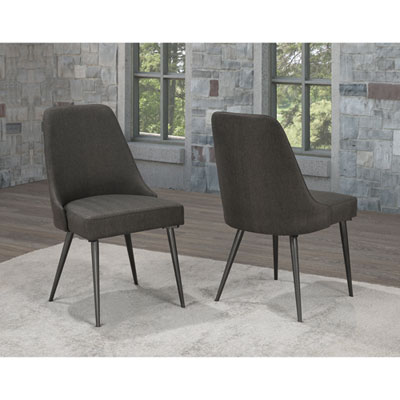


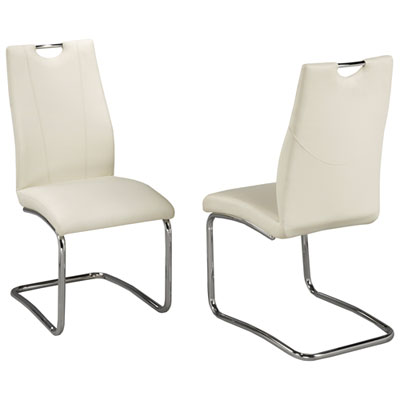


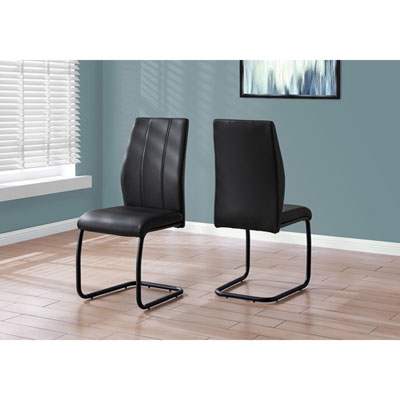

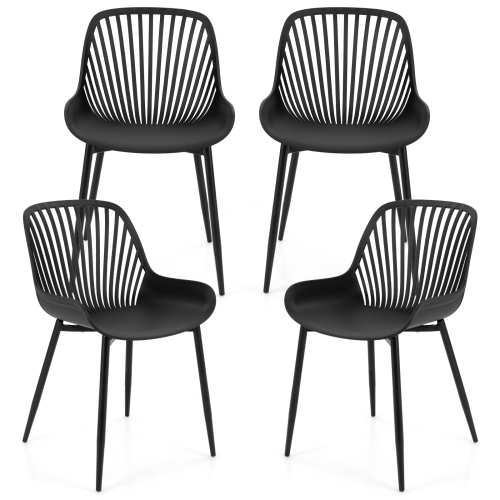


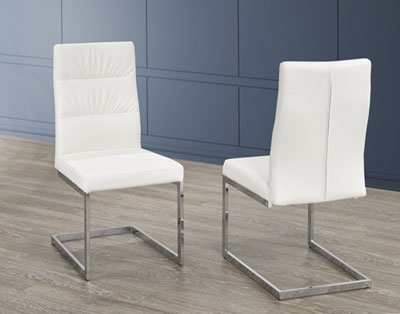

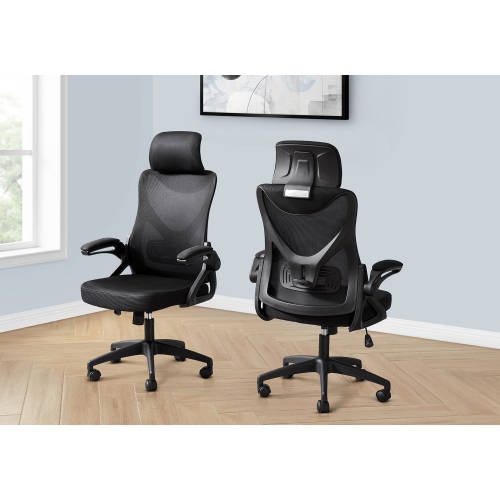


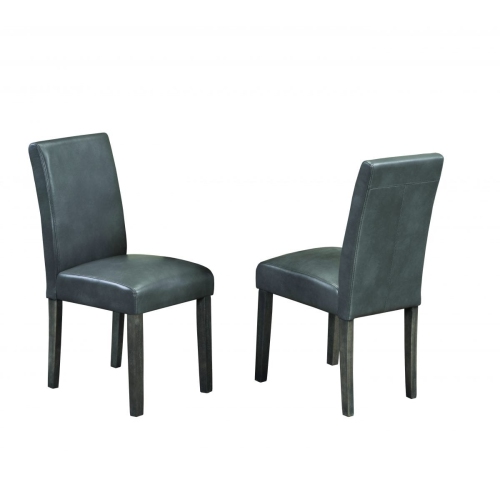






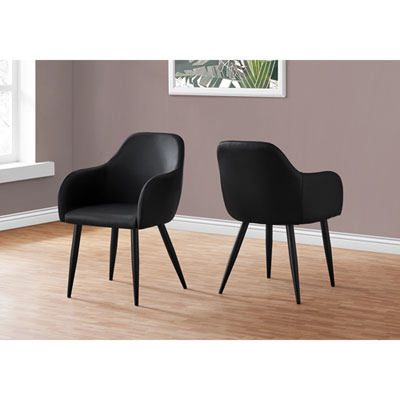


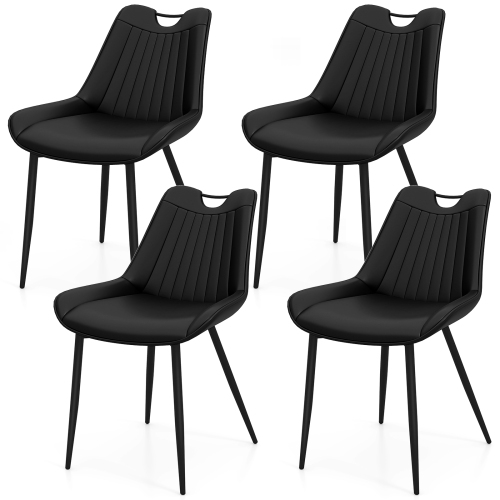


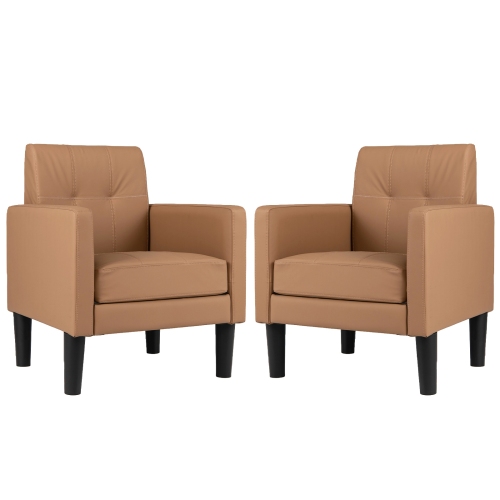
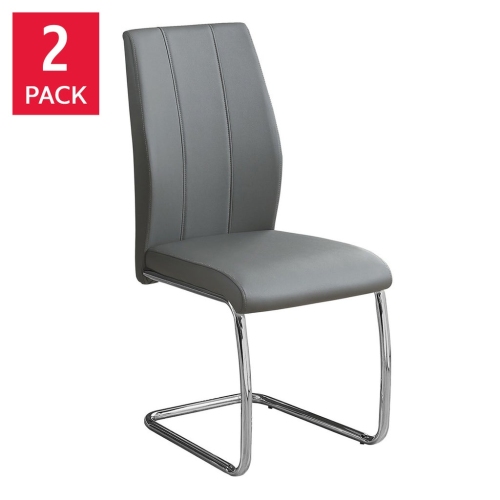


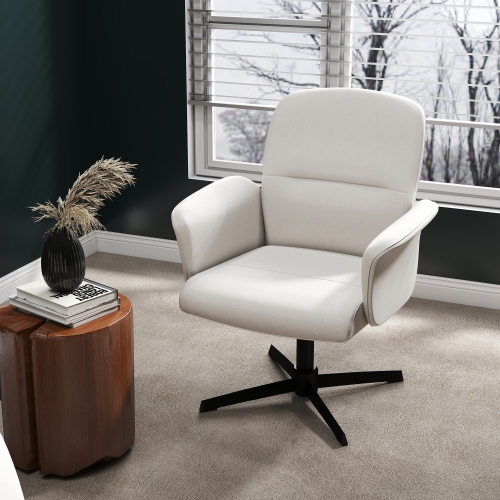
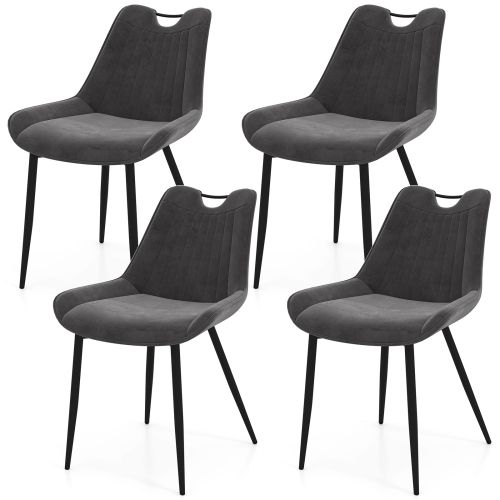
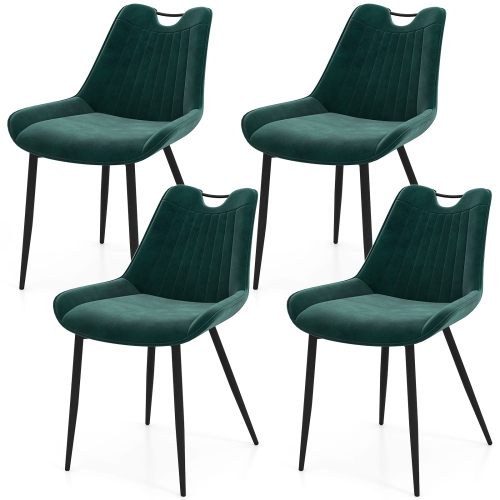


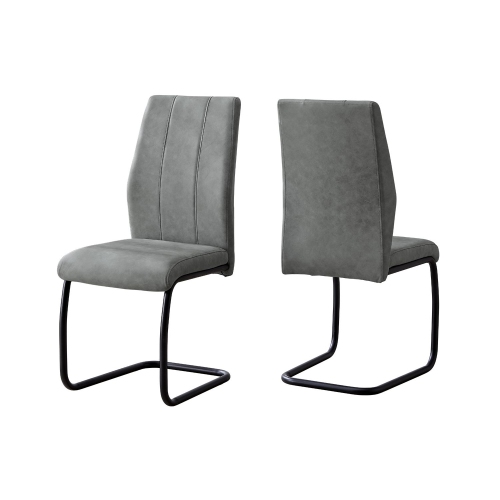

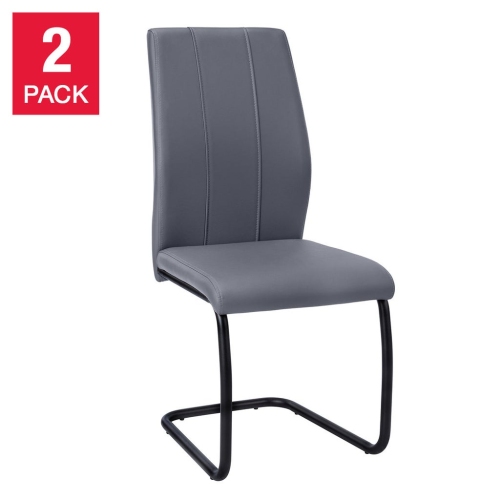
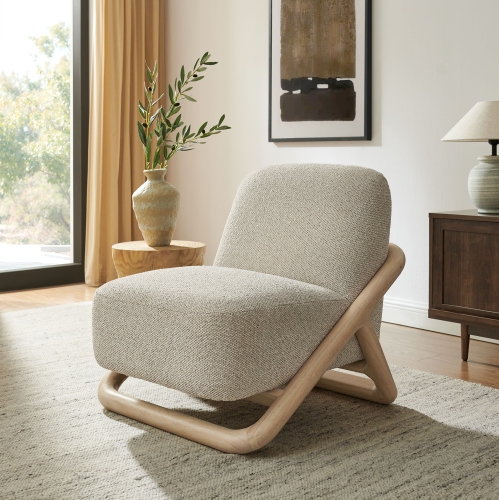
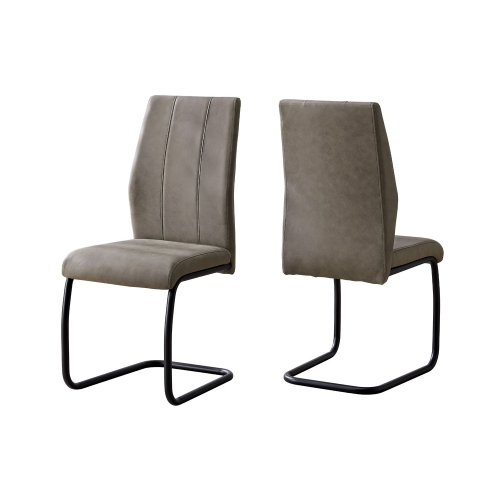


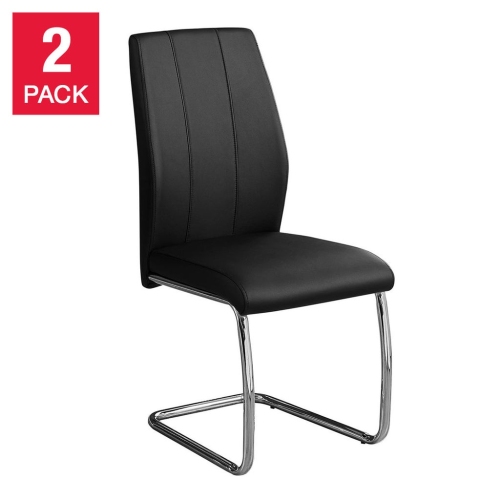

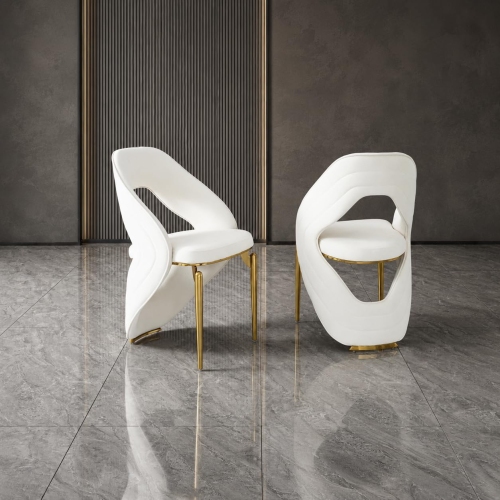


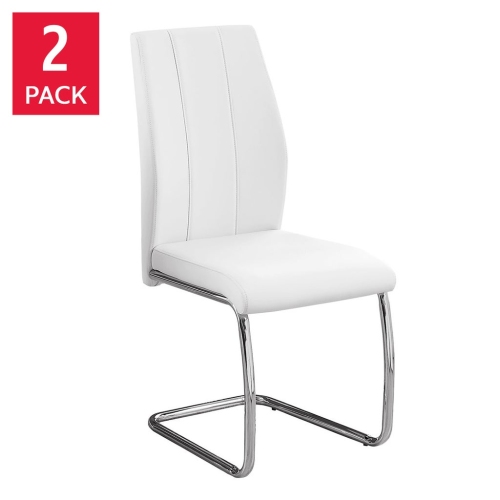
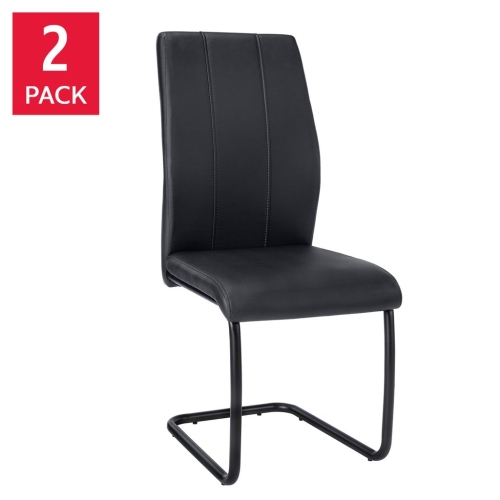


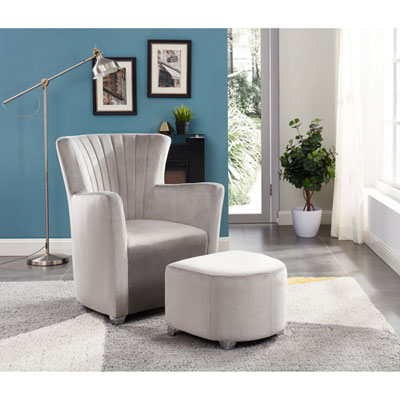

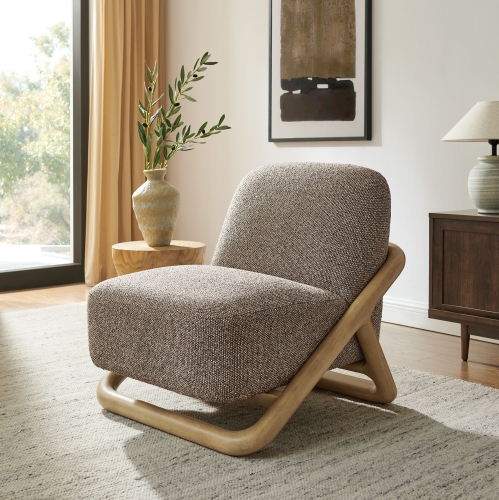

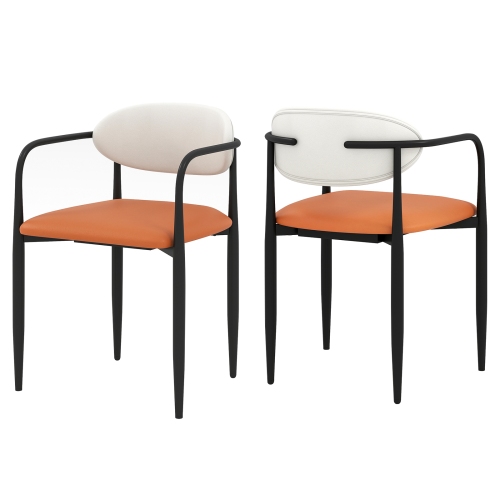

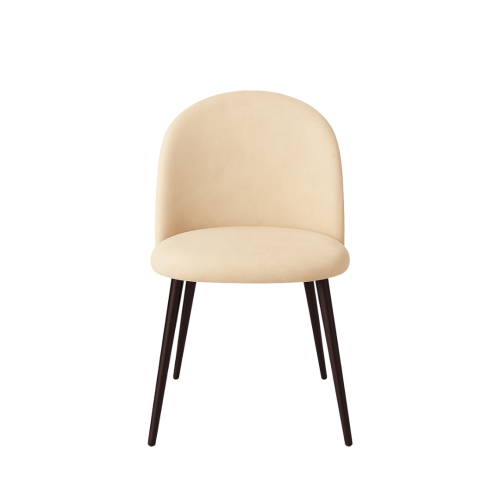


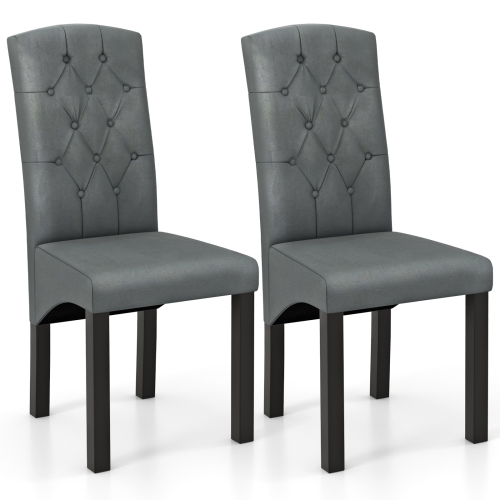


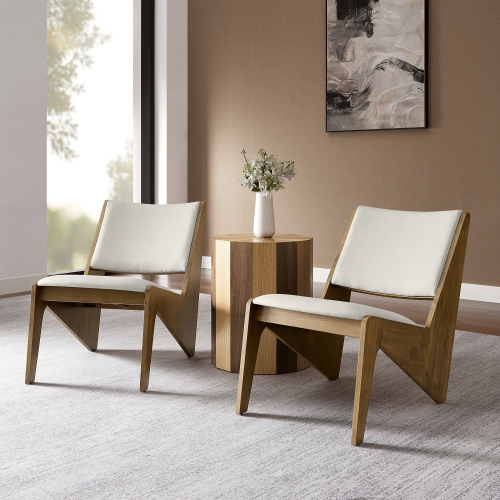
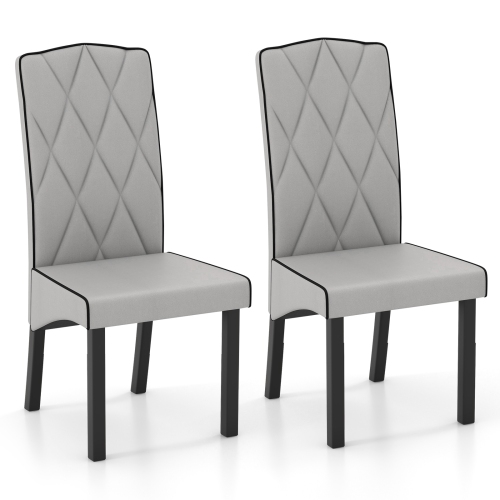


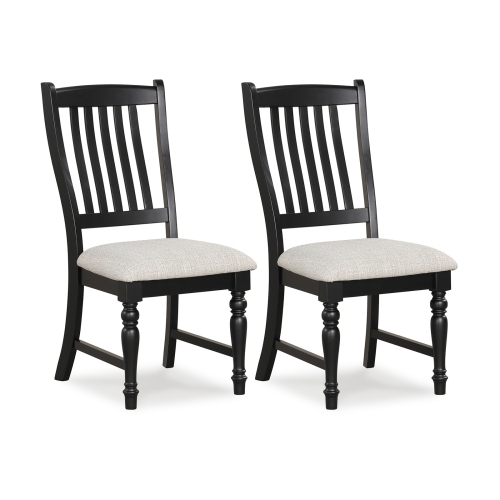

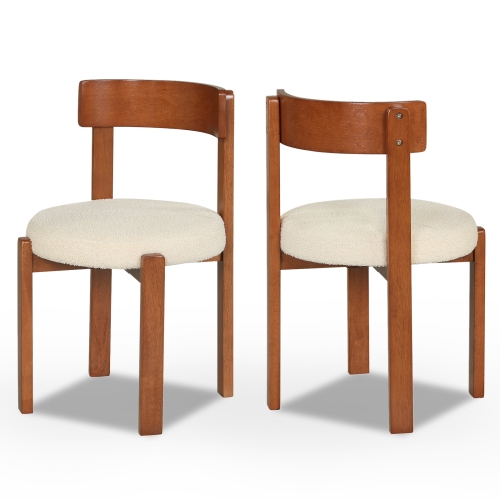
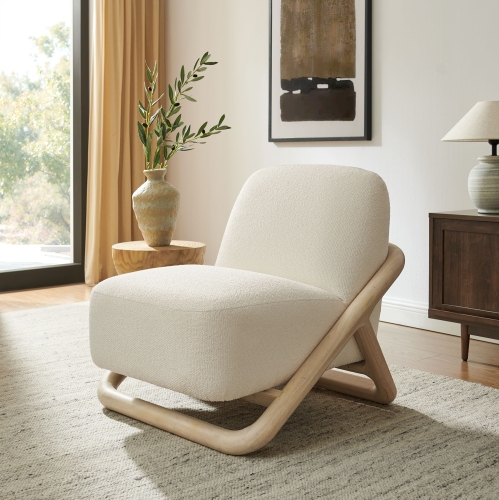
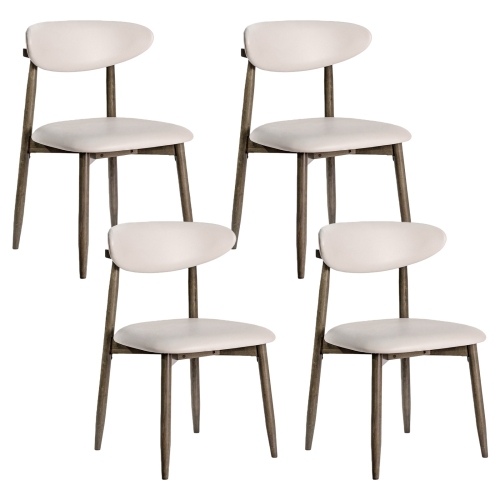
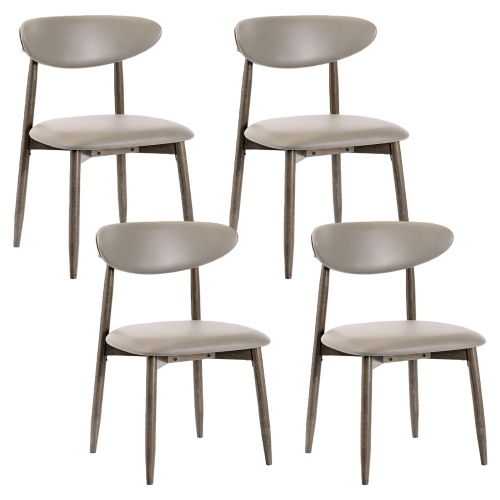


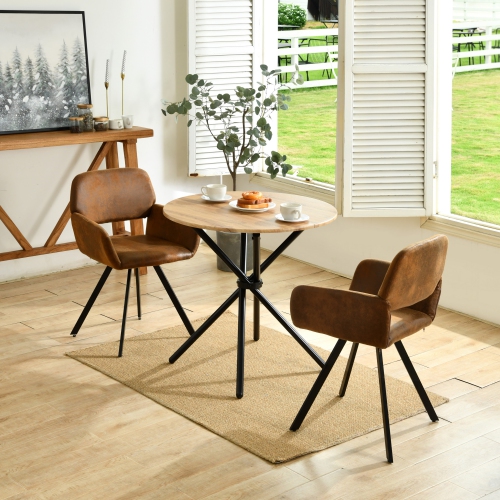









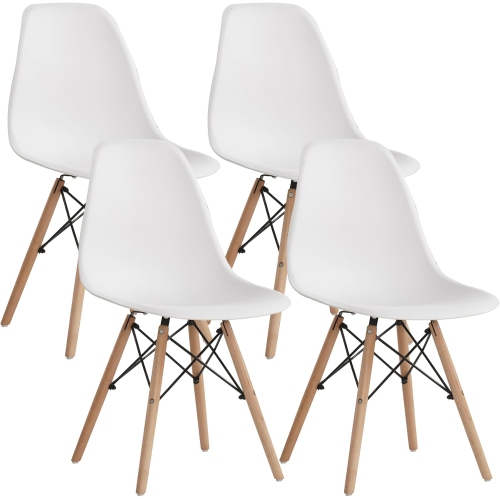

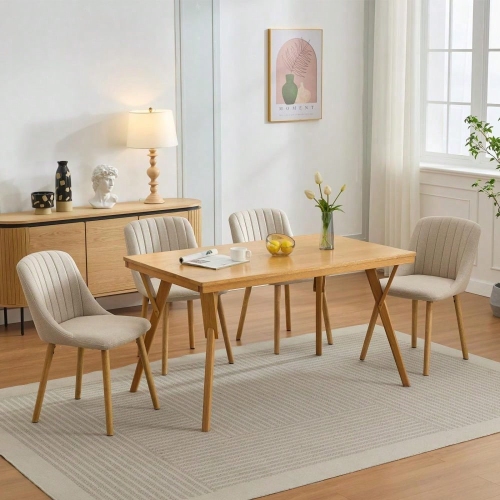


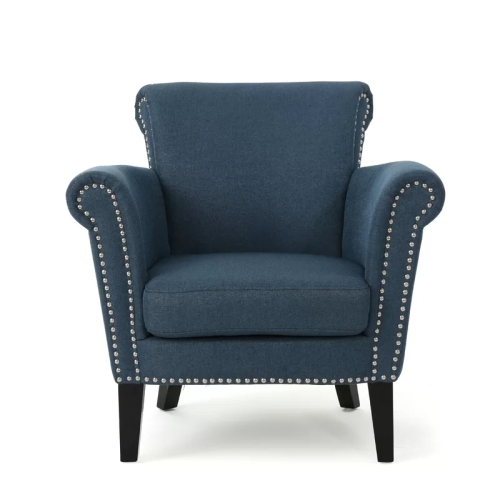


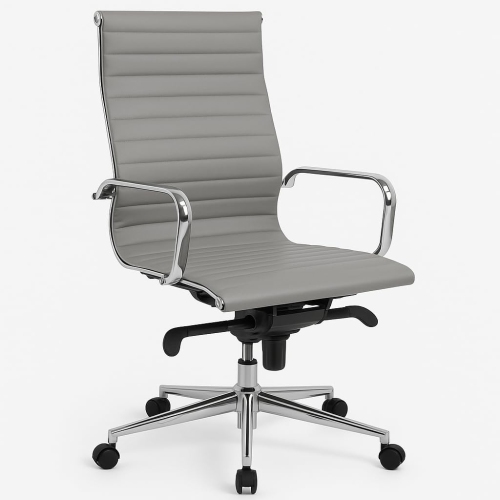


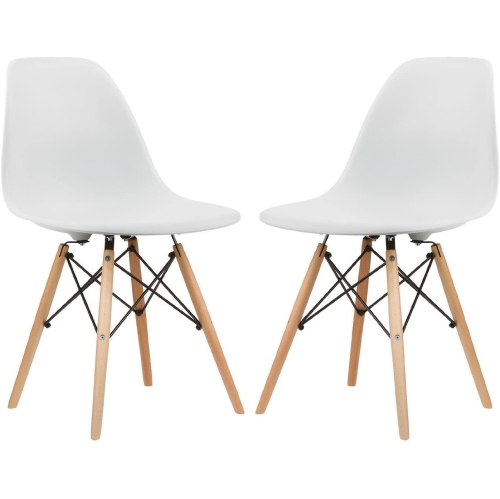


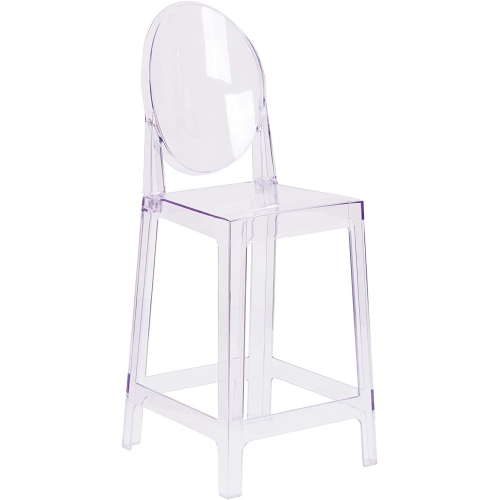
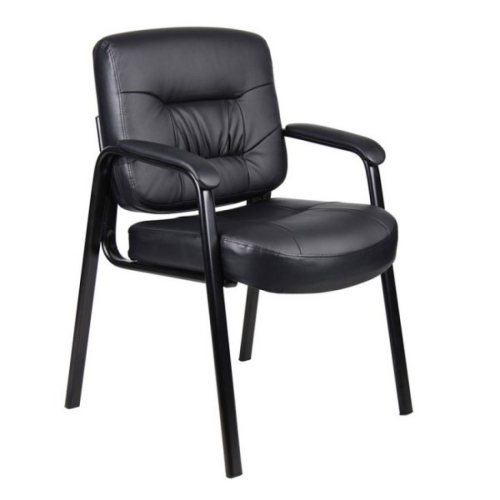
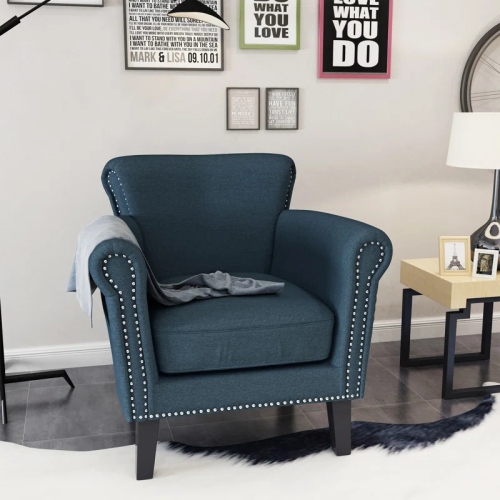
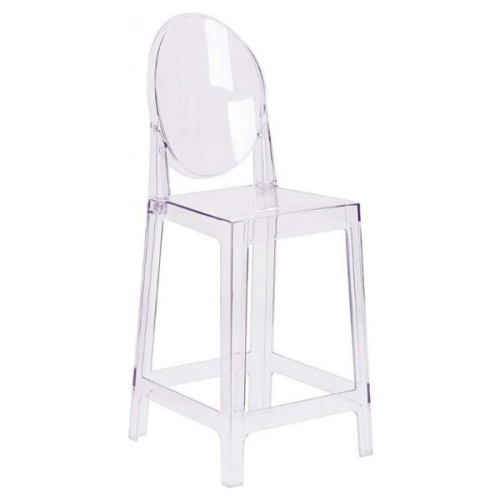


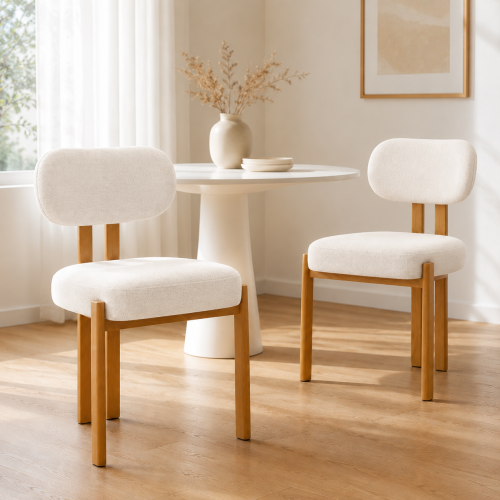
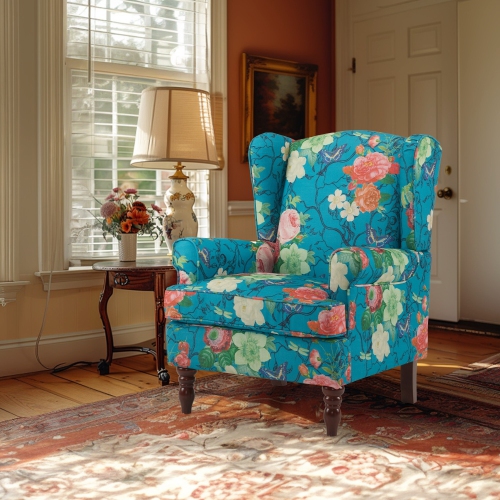
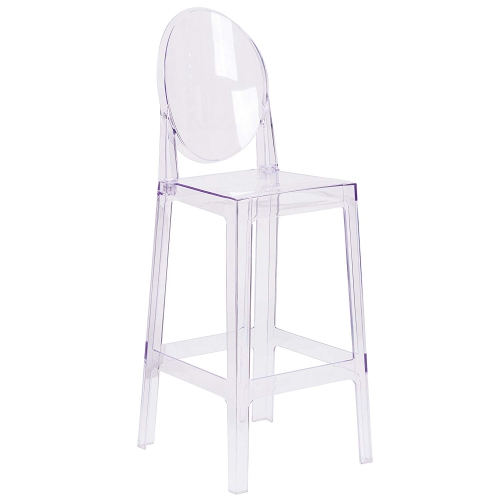
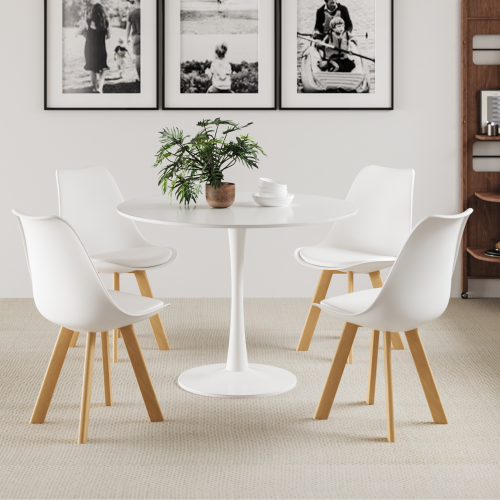

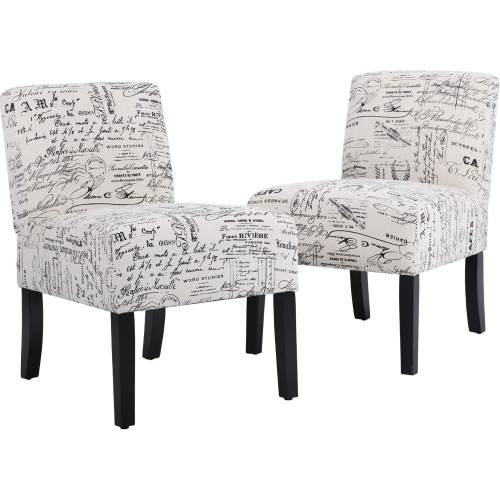
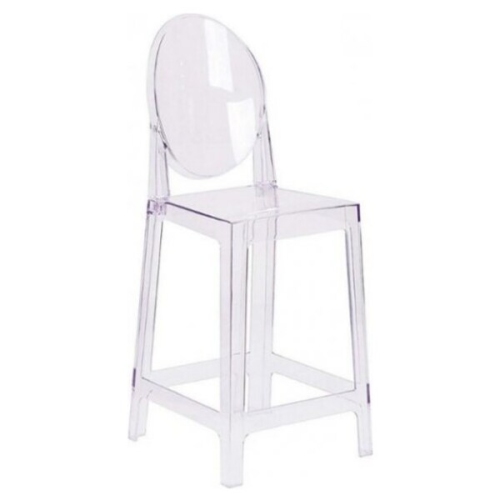


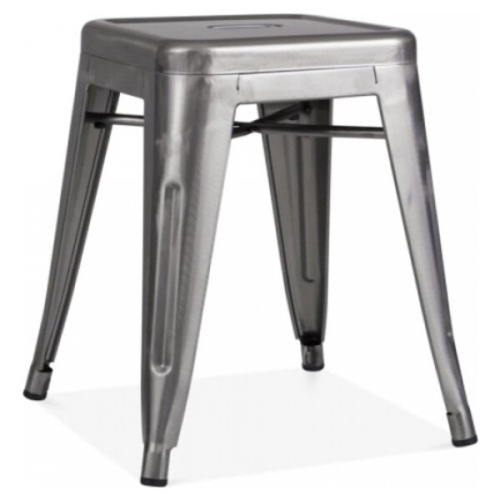





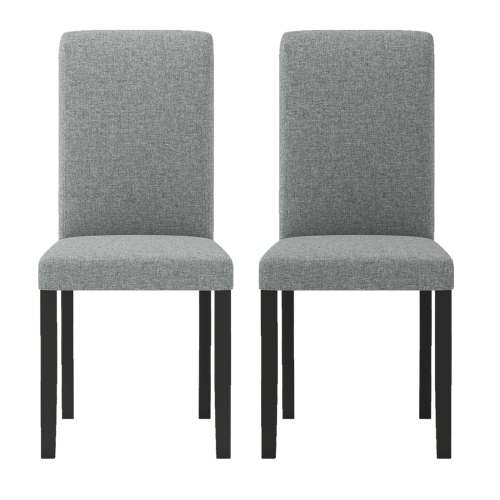
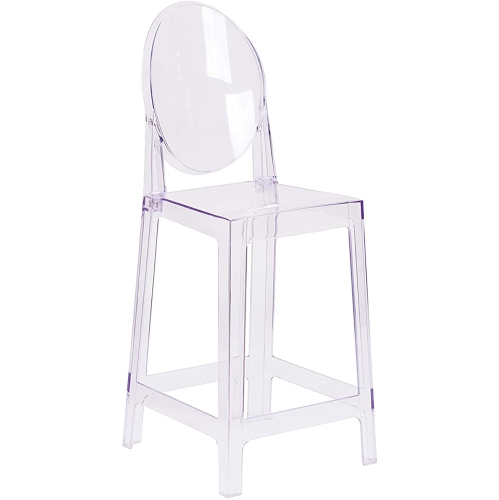
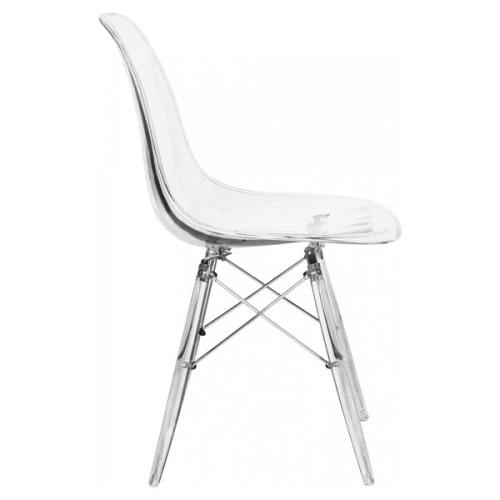
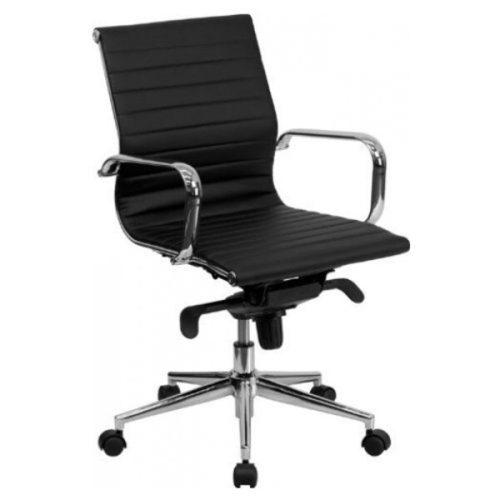

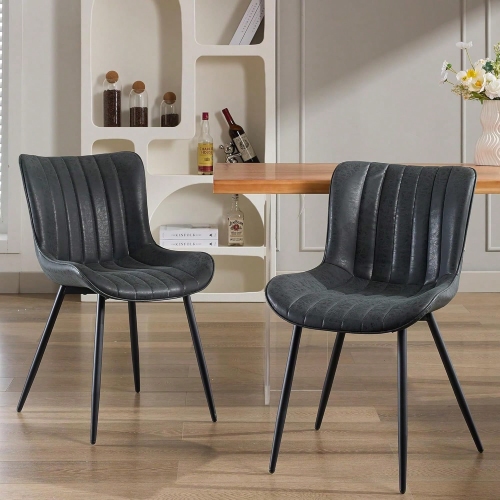


A chair’s silhouette is only the starting point
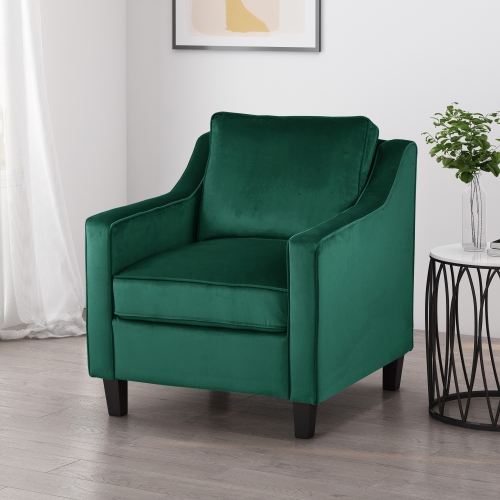
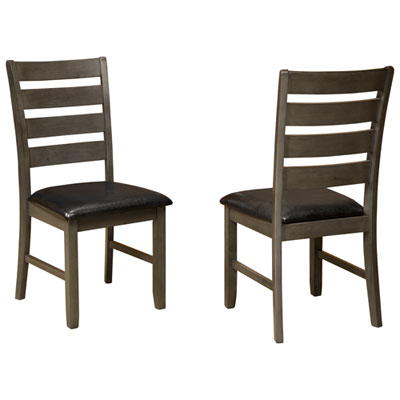
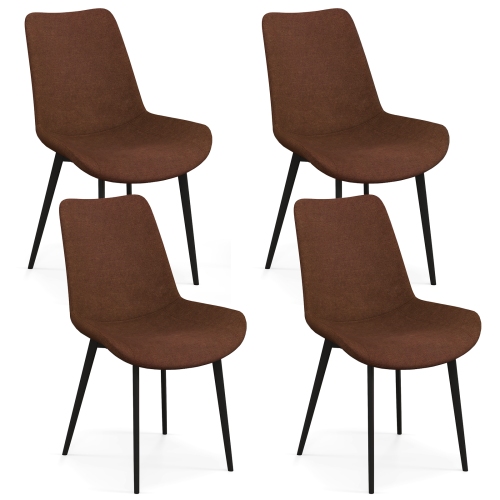
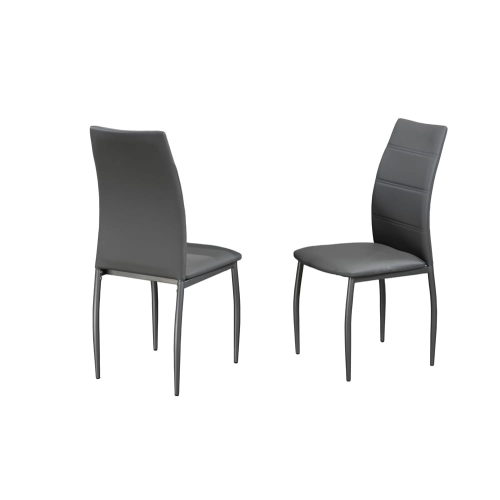
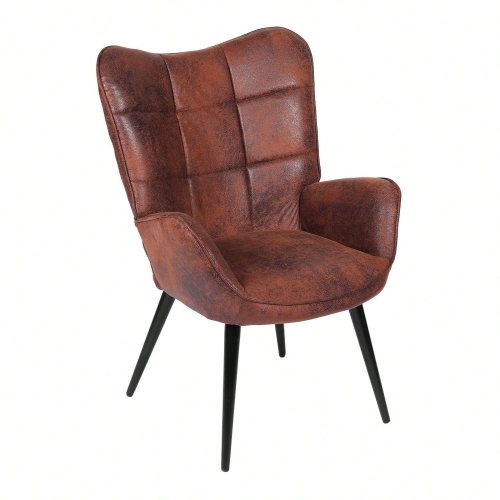
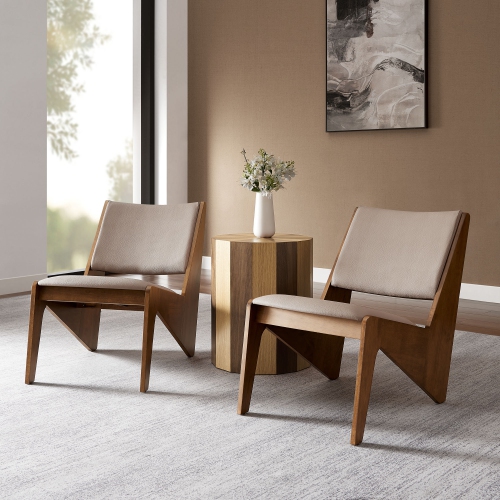
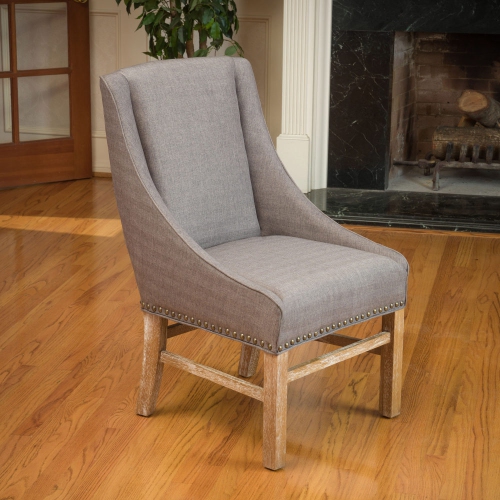
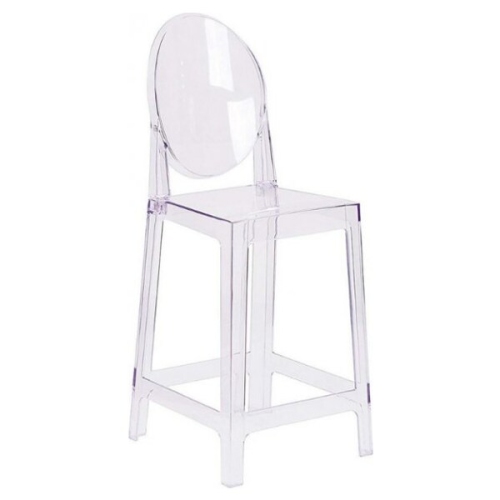
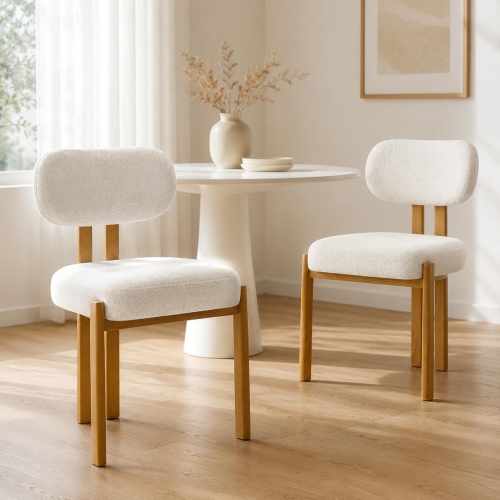
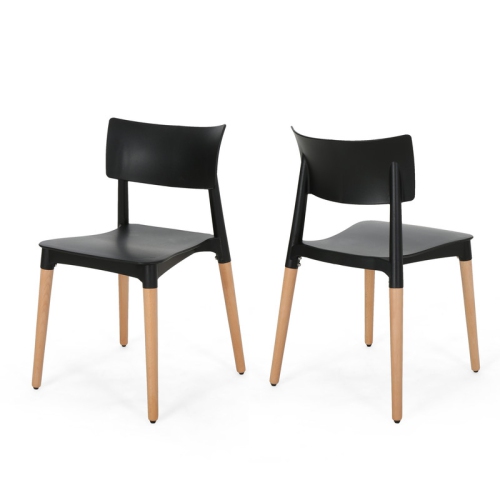
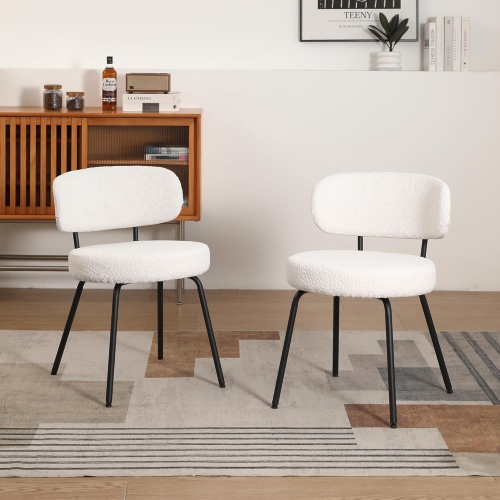
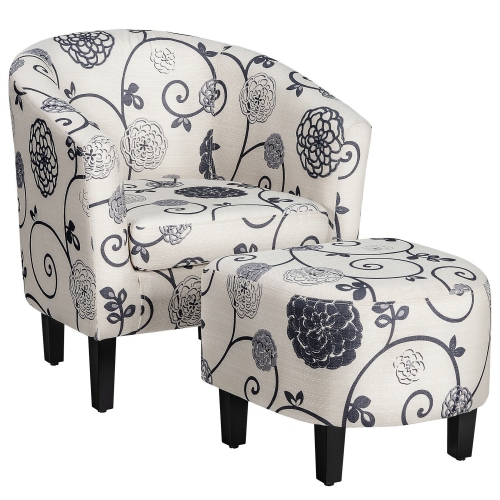
Contemporary chairs combine clean lines, balanced proportions, and practical comfort with shapes and finishes that suit present-day interiors. Unlike furniture tied to a single design period, contemporary seating can draw on several influences: the slim timber legs of mid-century design, the crisp geometry of minimalist furniture, or the rounded backs and generous curves of sculptural upholstery. The result can be understated or expressive without relying on elaborate ornament. A low-profile accent chair gives a living room an additional seat without competing with a large sofa, while a curved lounge chair can make an otherwise empty corner feel intentional. The generous cushioning associated with Contemporary Sofa Chairs suits spaces arranged for reading, conversation, and relaxed sitting. Contemporary dining chairs bring the same attention to shape into everyday meals, often pairing a supportive seat with wood or metal legs. In a home office, a streamlined chair can keep a workspace visually connected to the rest of the room, although seating intended for lengthy desk sessions needs more than an appealing silhouette. Across these settings, the character of a chair comes from the relationship between its frame, upholstery, and proportions. An open frame leaves more of the floor visible and can help a compact room feel less crowded. A fully upholstered chair has greater visual weight and can anchor an open seating arrangement. Colour also changes the effect: oatmeal, charcoal, and cream provide a quiet foundation, while deep blue or rust can introduce contrast without requiring a room full of matching furniture. A cohesive space does not depend on identical pieces. Repeating one detail, such as a rounded back, a warm wood tone, or a dark metal finish, can connect chairs with nearby tables, shelving, and lighting while leaving room for individual character.
Materials influence both the appearance of contemporary chairs and how they feel through daily use. Bouclé has a looped, nubby surface that adds texture to simple forms, while chenille offers a soft pile with a more subtle pattern. Velvet reflects light differently across its surface, giving even a single-colour chair depth; brushing or contact can leave temporary changes in the direction of the pile. Tightly woven upholstery often creates a smoother, more tailored appearance. For households with children or pets, fabric characteristics matter as much as colour. Loose loops may catch on claws, light upholstery can show transferred dye, and deeply textured surfaces may hold crumbs or pet hair. Fabrics described as performance upholstery can have useful stain-resistance or cleaning properties, but the meaning varies, so the stated care requirements remain important. Leather offers a different feel and may develop creases and changes in appearance with use, depending on its finish. Faux leather provides a similar visual effect but has its own care needs and wear characteristics. Neither material should be treated as interchangeable when cleaning. Wood contributes visible grain and warmth, while metal can create slender supports and sharply defined outlines. Durability depends on construction as well as the surface material: secure joints, a stable base, suitable seat support, and well-finished upholstery all affect how a chair handles repeated use. Cushion filling matters, too. A plush seat may feel inviting at first contact, whereas a firmer cushion can make sitting upright and standing up easier. Regular vacuuming with an appropriate upholstery attachment helps remove grit from seams and textured fabric. Spills are generally best blotted promptly rather than rubbed, with cleaning methods matched to the manufacturer's directions. Removable covers are not automatically machine washable. Keeping upholstered seating away from prolonged direct sunlight and avoiding harsh cleaners can help preserve its appearance, while suitable floor protectors reduce marks when dining chairs move in and out throughout the day.
The right fit depends on the person sitting in the chair and the space around it, not simply whether its overall width fits an empty corner. Seat depth affects posture: a deep lounge seat may suit someone who likes to curl up, but a shallower seat can make it easier to sit with feet resting on the floor and the back supported. Armrests offer a place to rest forearms and can help with standing, yet their height and spacing also determine how freely someone can move. The usable seat width is the space between the arms, which may be considerably narrower than the chair's outside dimensions. In dining areas, the seat needs to work with the tabletop height, and arms need enough clearance to pass beneath the table edge or apron if the chair is meant to tuck in. Space behind each chair allows people to sit down and move through the room without repeatedly shifting furniture. Swivel seating needs clearance around its turning path, while reclining designs require room for their moving sections. A reading corner benefits from a chair positioned near a light and a reachable side table, with enough space to settle in without blocking a doorway. For conversation, chairs angled towards one another often feel more welcoming than seats lined up against separate walls. In smaller homes, a compact accent chair can provide useful occasional seating without taking over the room, provided its scale still offers a comfortable place to sit. Home-office use introduces different demands: adjustable seat height, suitable back support, and a base appropriate for the floor become especially relevant during extended computer work. A dining or accent chair may serve well for brief tasks without providing the adjustability needed for a full workday. Contemporary chairs are most successful when their visual simplicity is matched by these everyday details, creating seating that looks at home in the room and feels suited to the way it will actually be used.
Top selling and popular products
-
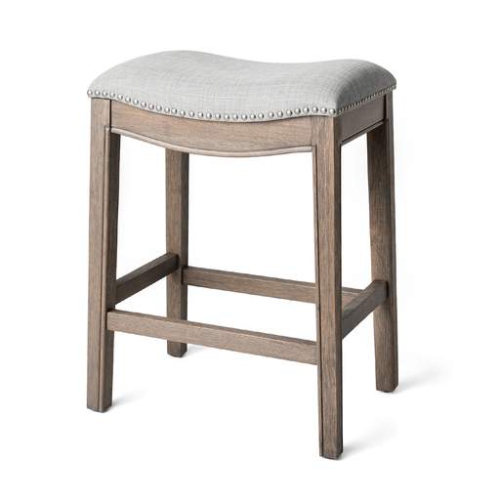 Your price for this item is $176.99
-
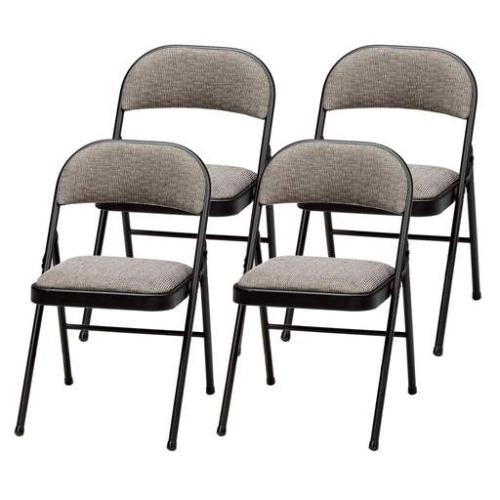 Your price for this item is $270.99
-
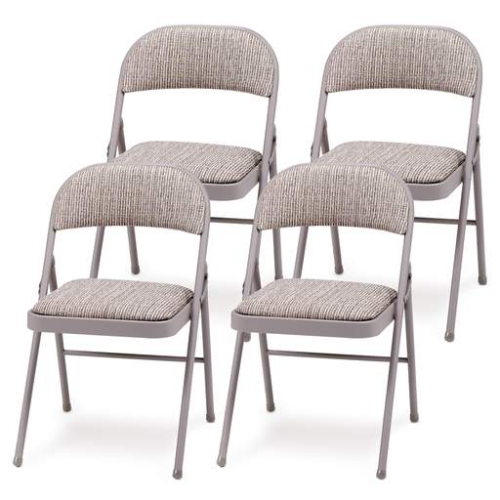 Your price for this item is $317.99
-
 Your price for this item is $430.14
-
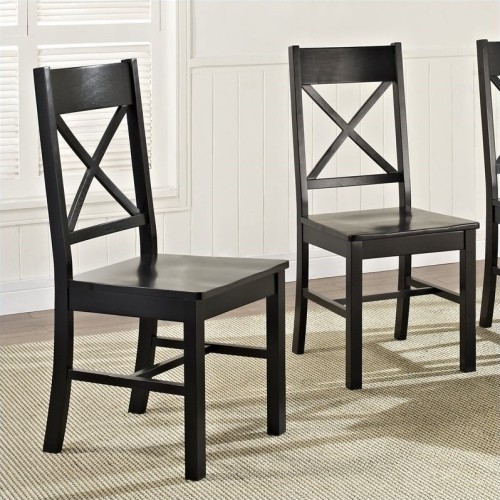 Your price for this item is $498.07
-
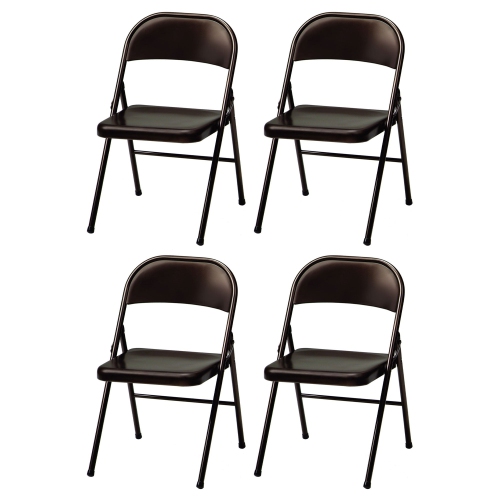 Your price for this item is $155.99
-
 Your price for this item is $431.99
-
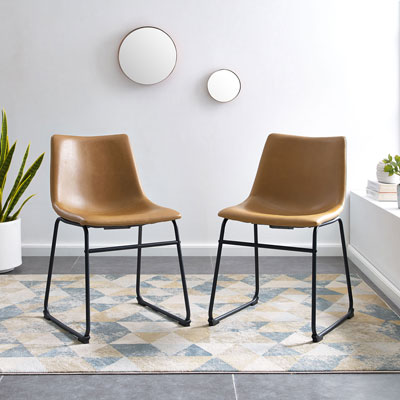 Your price for this item is $431.99
Discover more categories related to Contemporary Chairs
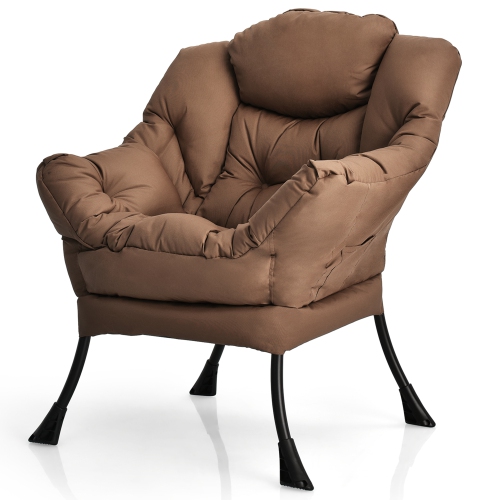

Top Collections:
Pokemon Centers, Best Cameras for Sports Photography, Kindle Devices, Samsung Galaxy Phones, Canon G7X Cameras, Pokémon 30th Celebration Cards, Refurbished Apple Laptops, iPhone 15 Apple, Laptops for Students, Budget Smartphones
Some products may be subject to Environmental Handling Fees
(EHF) depending on your province.
Learn more about EHFs.