Contemporary Console Tables With Storage
Contemporary Console Tables With Storage offer a perfect blend of modern style and practical organization for any living space. These versatile pieces are designed to enhance entryways, living rooms, or hallways while providing convenient storage solutions for everyday essentials. Whether you're looking to display decorative accents or keep clutter out of sight, Contemporary Console Tables With Storage bring both elegance and functionality to your home décor. Discover options that complement your interior and help you create a tidy, stylish environment.
Sort


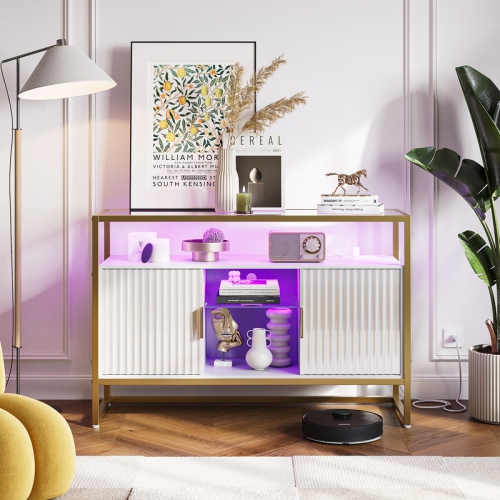


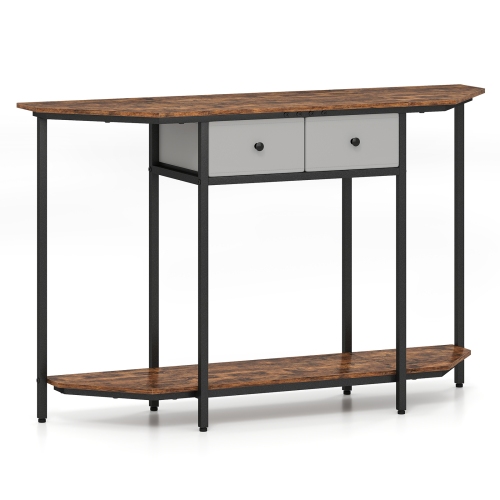

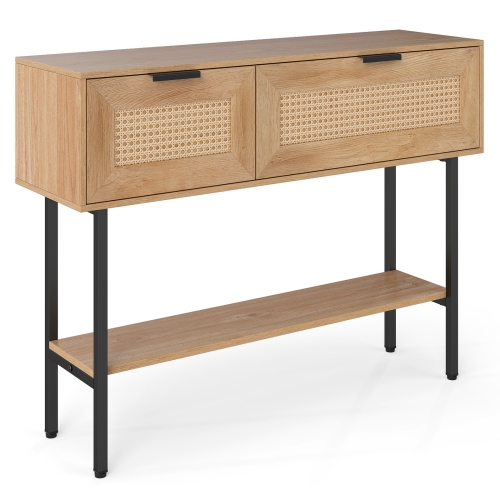
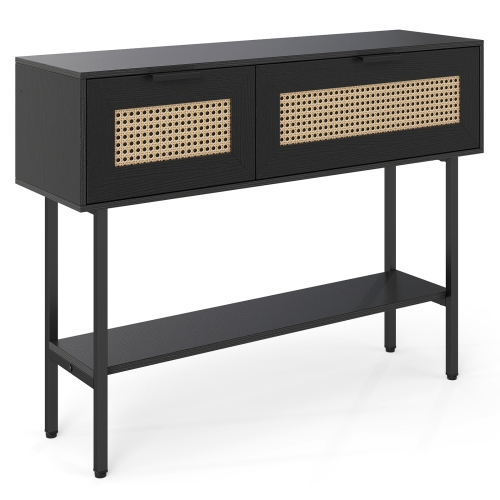


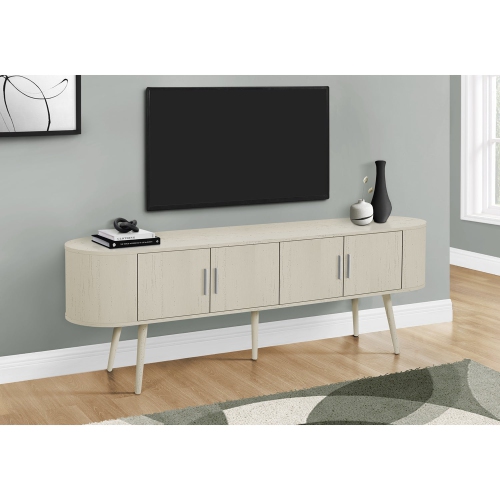


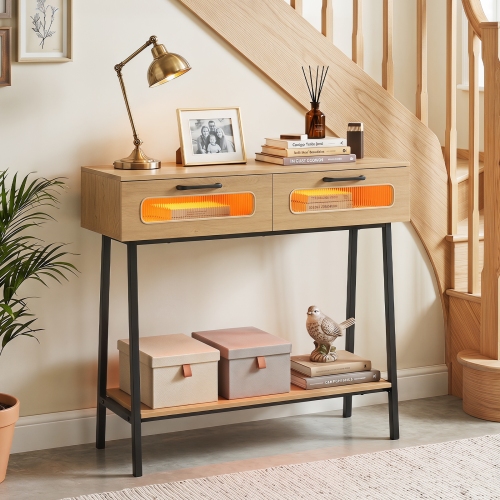
A place for essentials without crowding the room
Contemporary console tables with storage combine a narrow tabletop with drawers, cabinets, or shelves, bringing useful organization to entryways, hallways, living rooms, and dining areas. Their streamlined proportions suit spaces where a deeper piece of furniture would interrupt the flow of the room. Near the front door, a console can create a landing place for keys, mail, and a bag, while keeping smaller belongings tucked out of sight. Behind a sofa, it can provide a surface for a lamp and a few favourite photographs without taking over the seating area. Contemporary styling often centres on clean lines, simple hardware, and balanced shapes, though the overall effect can range from crisp and understated to warm and textured. Fluted drawer fronts add depth to a simple silhouette, while rounded corners and curved legs soften the appearance of a long, narrow piece. Storage design makes a meaningful difference to everyday use. Shallow drawers are well suited to keys, charging cables, and other small essentials that tend to collect on horizontal surfaces. Deeper drawers can accommodate bulkier accessories, provided their interior dimensions and weight limits suit the contents. Cabinets keep larger belongings concealed, and adjustable shelves allow the interior to accommodate different heights. Open shelves offer easy access to baskets, books, or folded throws, but leave those contents visible. A combination of closed storage and an open lower shelf creates room for both practical belongings and a restrained display. In a shared entryway, separate drawers or baskets can give each person a consistent place to leave everyday essentials. In a dining room, enclosed compartments can hold table linens and serving accessories near where they are used. The most useful arrangement reflects what actually needs a home: a console for daily arrivals serves a different purpose from one used mainly to display artwork and store occasional entertaining supplies. A clear tabletop with a small tray and one decorative accent can make either arrangement feel intentional rather than crowded.
The fit of a contemporary console table depends on more than its width. Depth determines how far it projects into a passage, while height affects how comfortably the surface can be reached and how it relates to nearby furniture. A narrow hallway benefits from a shallow profile that leaves a comfortable route past the table, including when someone is carrying groceries or moving a laundry basket. Drawers and cabinet doors also need clearance to open fully without meeting an adjacent wall, door, or piece of furniture. In an entryway, baseboards, door trim, light switches, and electrical outlets can all influence placement. A table that appears to fit neatly against a wall may sit farther forward if its legs or back panel meet a deep baseboard. Behind a sofa, a tabletop at or slightly below the sofa back can create a balanced relationship, although the best height depends on the furniture and intended use. Lamps need enough surface area for a stable base, with cords routed away from walking paths and moving drawer parts. Storage capacity is equally dependent on usable interior space. Drawer sides, runners, hinges, and fixed dividers reduce the room available inside, so exterior measurements alone do not establish whether a basket or stack of linens will fit. Full-extension drawers can make contents at the back easier to reach, while smooth runners and comfortable pulls support frequent use. Cabinet doors should have room to swing freely, and open shelves need sufficient height for the belongings they will hold. Construction and assembly also contribute to a reassuringly solid feel. Secure joints, correctly installed hardware, and feet suited to the flooring help keep the table steady. Adjustable levellers, where included, can compensate for minor floor unevenness. Tall or narrow furniture may require anchoring according to the manufacturer’s instructions, particularly in homes with children or pets. A console should be used within its stated load limits, with heavier belongings placed low where the design permits rather than concentrated along the tabletop edge.
Materials and finishes shape both the appearance of console tables with storage and the care they need over time. Solid wood brings natural grain variation and can develop character with use, although it may respond to changes in indoor humidity. Engineered wood provides a consistent base for painted, laminated, or veneered finishes; durability depends on the construction, surface treatment, and protection of exposed edges. Wood veneer offers the appearance of real wood over a supporting core and benefits from gentle cleaning that preserves its thin surface layer. Metal frames can give a console a slender, architectural look, while glass surfaces create a lighter visual presence and leave stored or displayed belongings more visible. Mixed-material designs, such as wood paired with metal, can connect with several finishes already present in a room. A warm wood tone can soften pale walls and upholstered seating, while a dark finish can provide definition against a light backdrop. Matching every piece is not necessary: repeating a similar leg shape, hardware finish, or colour tone often creates enough continuity. In a living room, contemporary end tables with storage can complement a console by placing smaller essentials beside seating, leaving the longer surface free for lighting or display. Daily care is usually straightforward when it follows the material and manufacturer’s recommendations. A soft cloth removes dust without unnecessary abrasion, and spills should be wiped up promptly, especially around seams and edges. Coasters beneath drinks, protective pads under decorative objects, and suitable mats beneath planters help reduce marks and moisture damage. Glass benefits from an appropriate cleaner applied without soaking neighbouring wood or hardware. Harsh cleaners and abrasive pads can dull or scratch many finishes. With proportions that suit the room, storage matched to everyday habits, and a finish that fits the household’s routine, a contemporary console can remain a useful, attractive part of the home rather than another surface that simply collects clutter.
Top selling and popular products
-
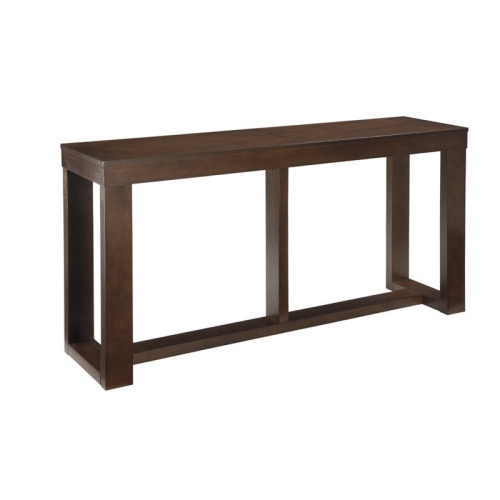 Your price for this item is $349
-
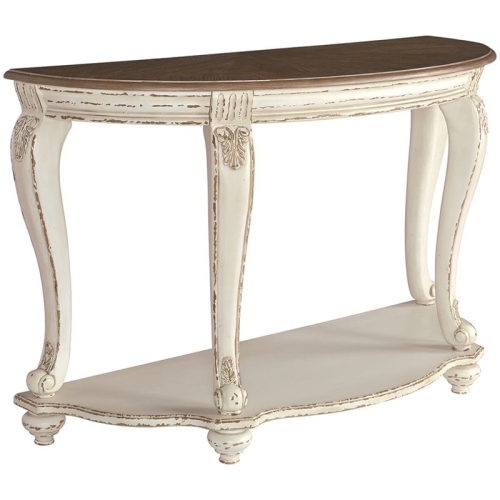 Your price for this item is $499
-
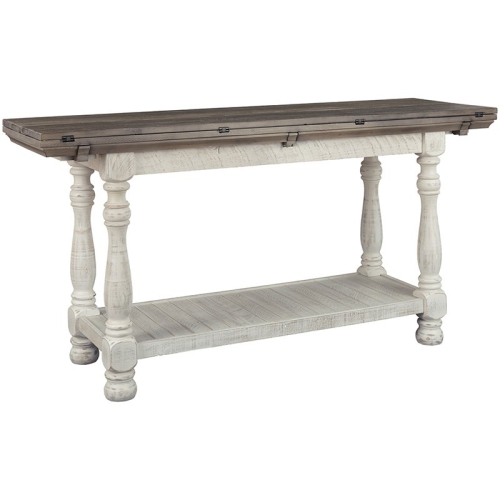 Your price for this item is $799
-
 Your price for this item is $629
-
 Your price for this item is $374.99
-
 Your price for this item is $369.99
-
 Your price for this item is $284.99
-
 Your price for this item is $284.99
Discover more categories related to Contemporary Console Tables With Storage
Top Collections:
Pokemon Centers, Kindle Devices, Best Cameras for Sports Photography, Pokémon 30th Celebration Cards, Apple iPhones 16, Canon G7X Cameras, iPhone 15 Apple, Flip Phones, Samsung Galaxy Phones, Alarm Clock
Some products may be subject to Environmental Handling Fees
(EHF) depending on your province.
Learn more about EHFs.