Contemporary Kitchen Dining Tables
Contemporary Kitchen Dining Tables bring a fresh, modern touch to any dining space. With sleek lines and stylish designs, these tables are perfect for gathering family and friends for meals or entertaining guests. Whether updating your kitchen or creating a new dining area, Contemporary Kitchen Dining Tables offer versatile options to suit a variety of tastes and room sizes. Explore the latest trends to find the ideal centerpiece that complements your home’s décor and enhances your everyday dining experience.
Sort
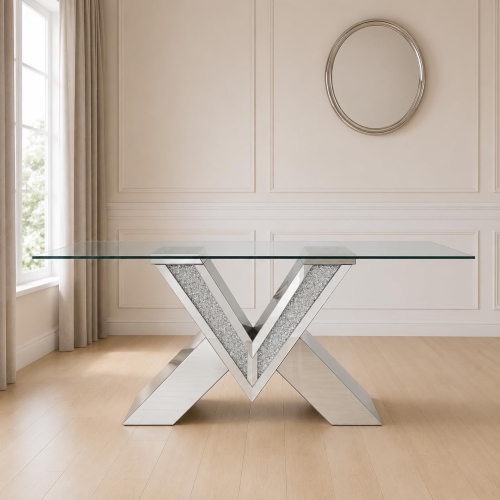
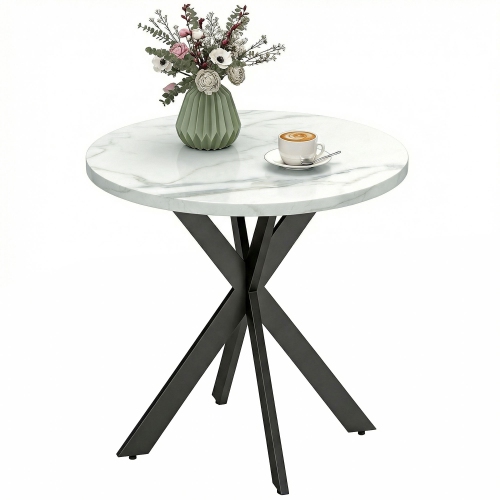
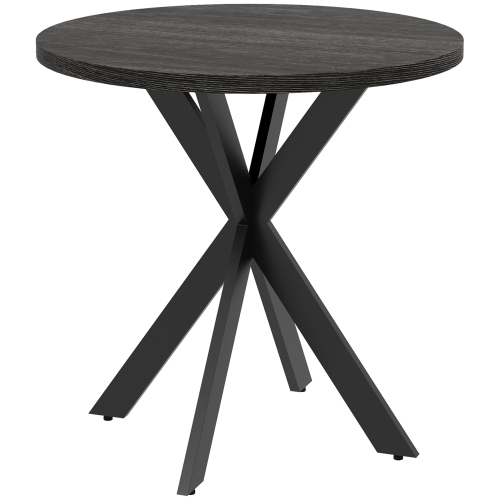
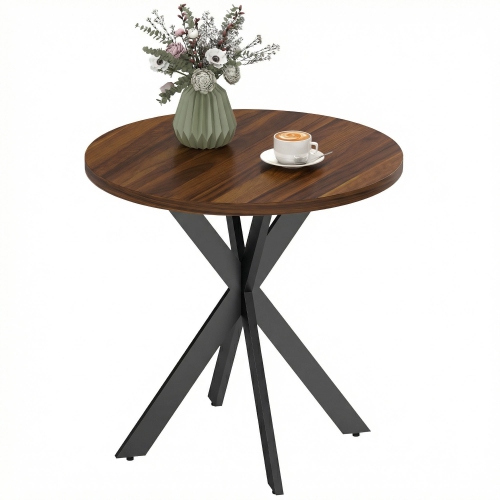
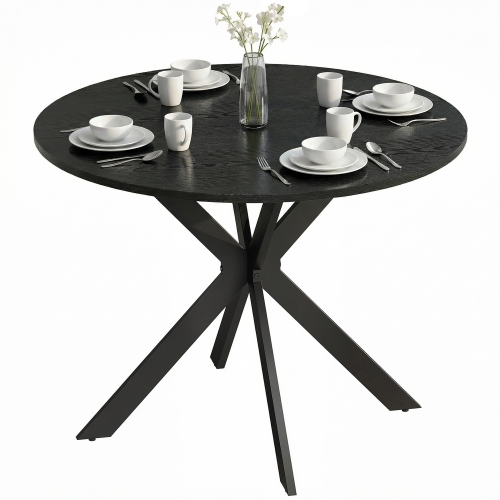
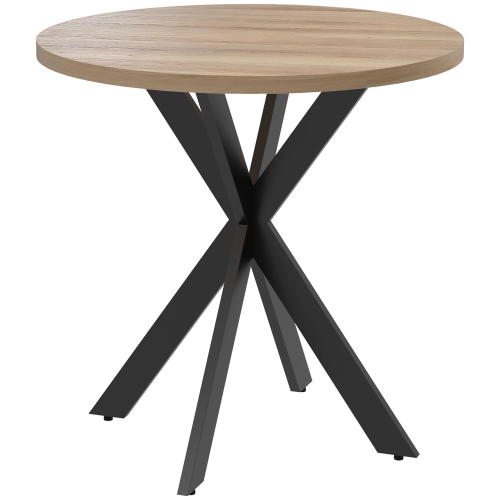
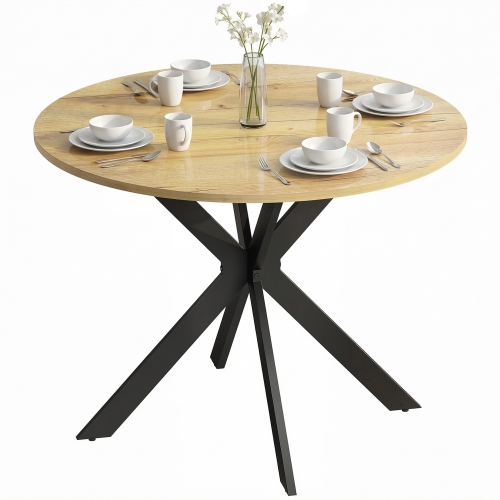
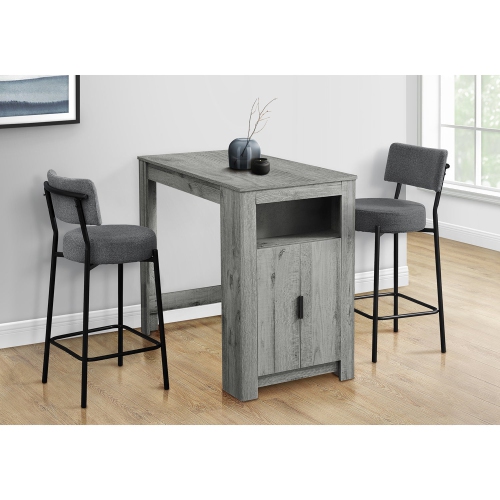
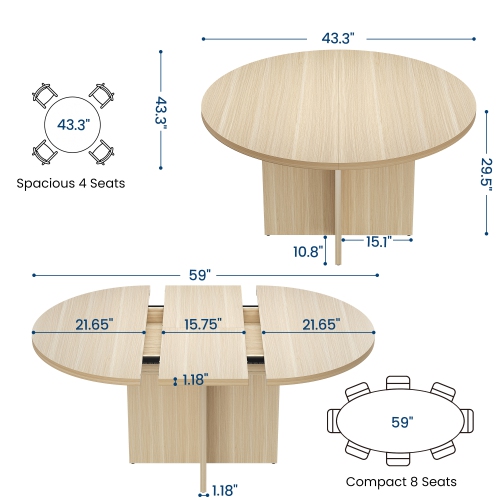
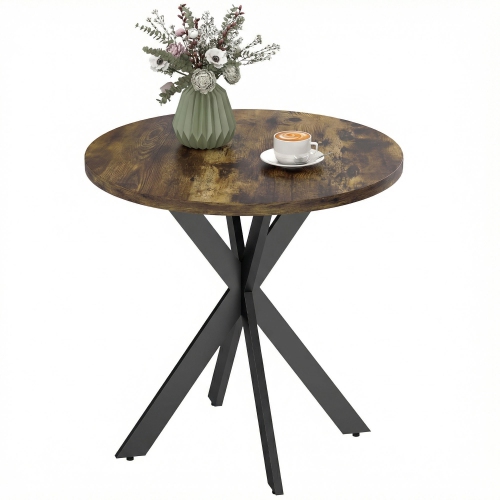
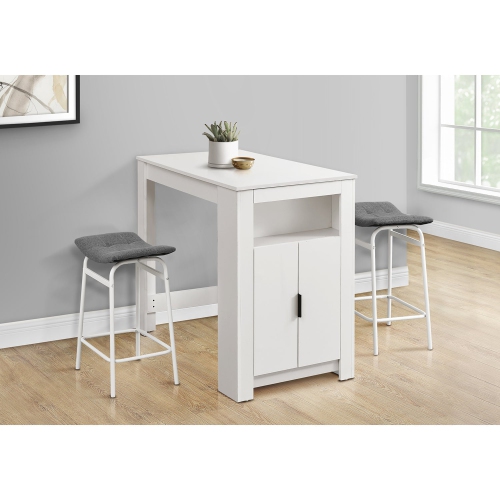
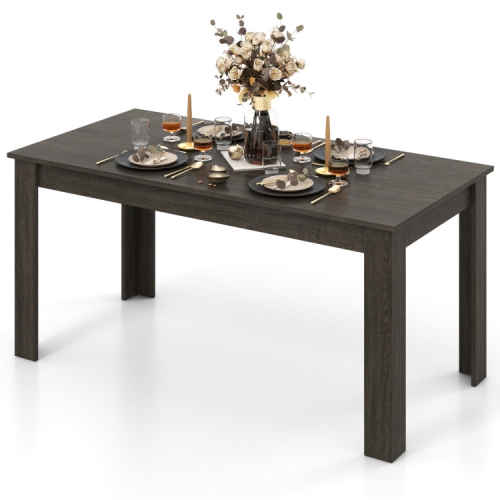
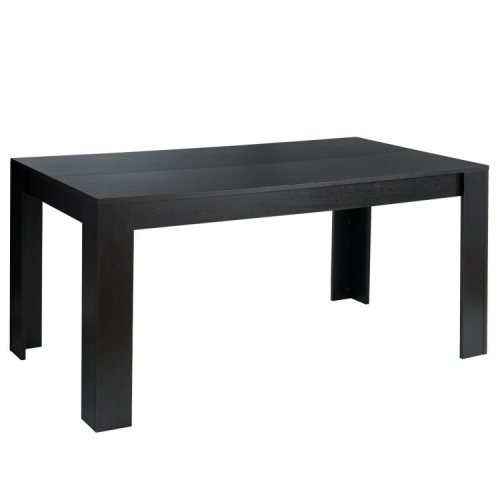
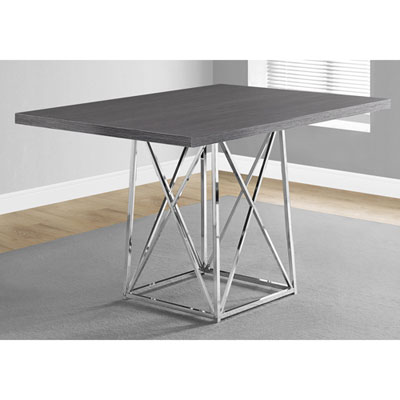
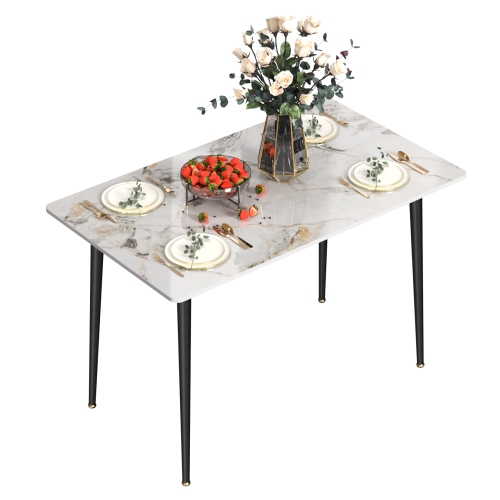
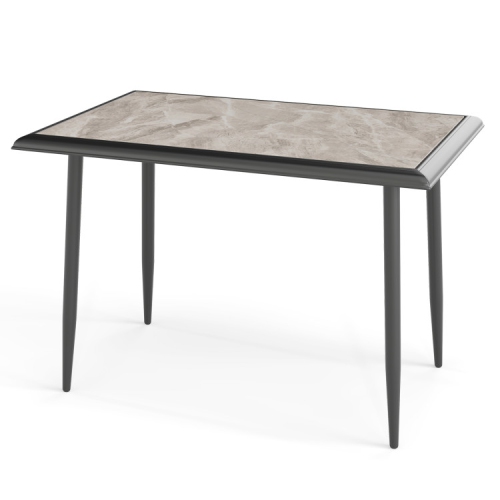
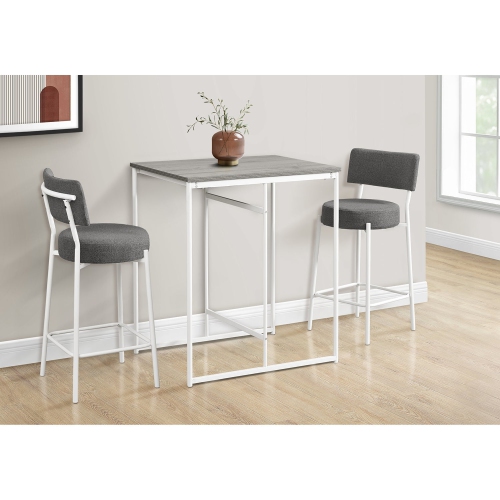
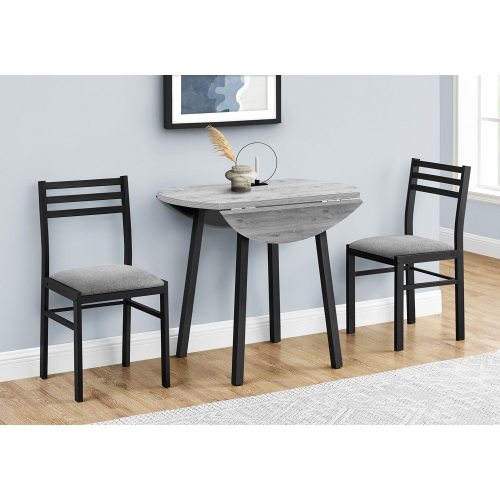
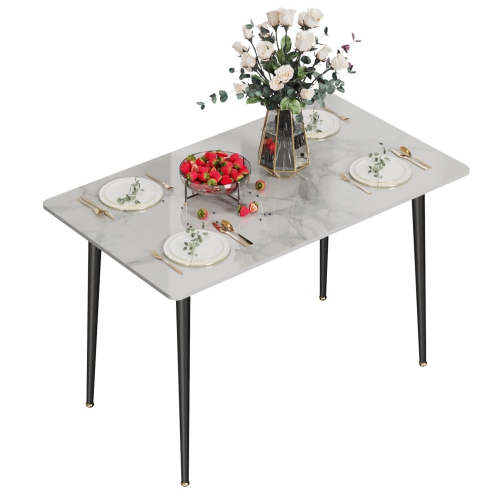
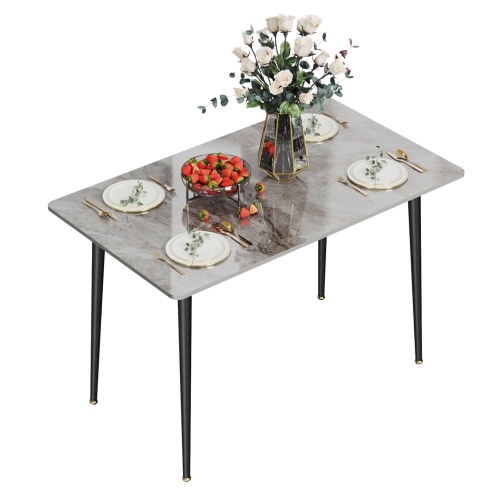
Clean lines with room for comfortable everyday dining
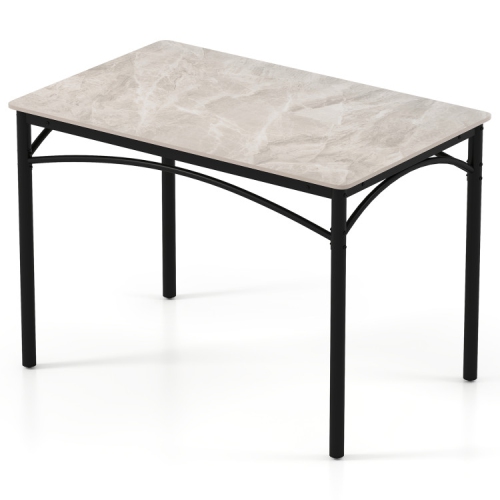
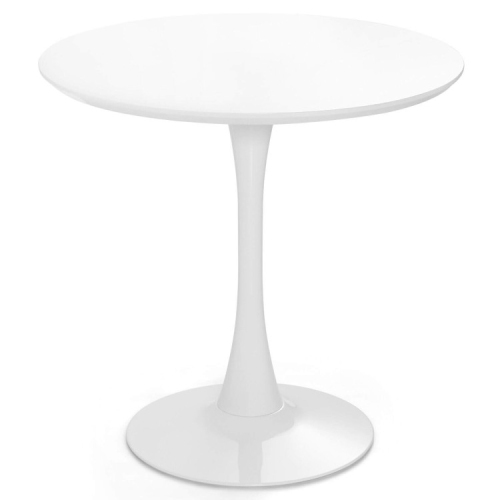
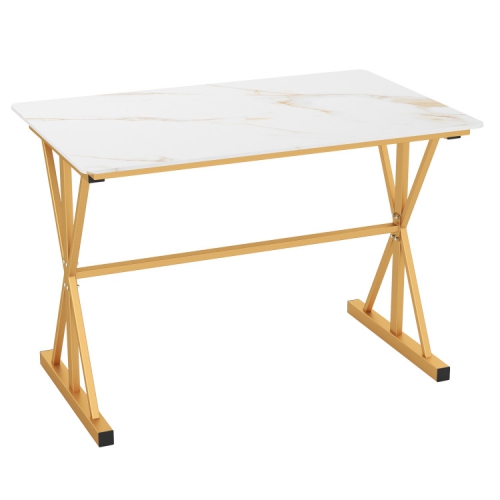
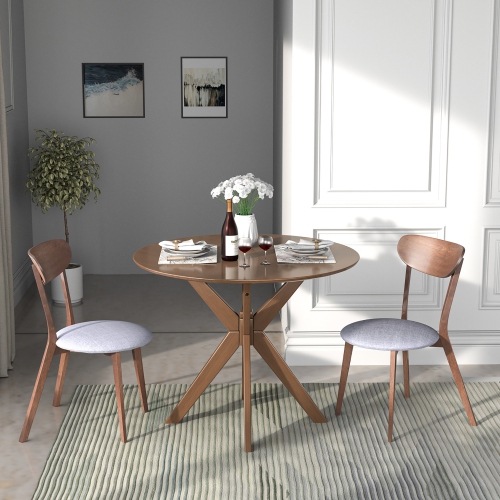
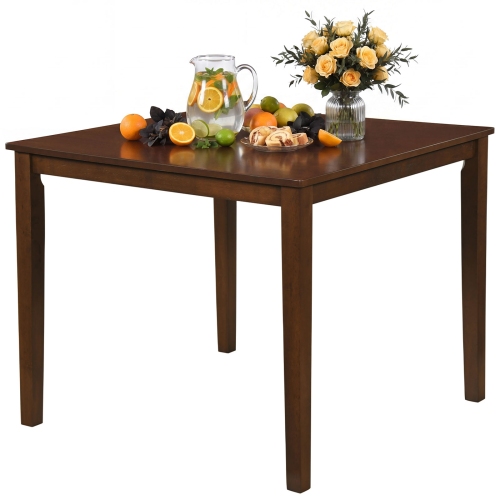
Contemporary kitchen dining tables bring clean lines, practical proportions, and a fresh sense of balance to everyday dining spaces. Their appeal comes from simple silhouettes that leave room for the character of the materials: the grain of a wood top, the smooth surface of ceramic, or the contrast between a pale tabletop and dark metal legs. Contemporary style can feel warm and relaxed rather than stark, especially when natural wood tones sit alongside upholstered seating or softly rounded edges. These tables suit eat-in kitchens, breakfast nooks, and open-plan dining areas where furniture needs to work with nearby cabinetry and living room pieces. Shape has a noticeable effect on how the space functions. A rectangular table follows the proportions of a long room and provides a clear centre for shared meals, while a square table can create a balanced arrangement in a compact dining nook. Round tables bring diners into an easy conversational circle, and oval designs offer an elongated surface without pronounced corners at either end. The right fit depends on more than the tabletop dimensions. Chairs need room to slide back, doors and drawers need to open, and a route through the kitchen should remain comfortable when everyone is seated. Roughly 36 inches between a table edge and a wall or other furniture is a useful starting point, with more space helpful along busy walkways. Seating comfort also depends on how much of the table edge each person can use; about 24 inches per diner offers a practical starting point, though broad chairs and generous place settings may need more. A pedestal base can keep legs away from corner seats, while a trestle or sculptural base may occupy space where feet would otherwise rest. Considering the base alongside the top helps a table feel as comfortable during a lingering conversation as it looks from across the room.
Materials give contemporary kitchen dining tables much of their personality, and their construction influences how they handle daily use. Solid wood offers visible grain and variation, with a surface that may be repairable or refinishable depending on the finish and construction. Wood responds to changes in indoor humidity, so consistent conditions and prompt attention to spills help preserve its appearance. Wood veneer provides a real wood surface over a supporting core, allowing for a consistent look and distinctive grain patterns; care matters because a thin veneer cannot necessarily be sanded like solid timber. Engineered wood with a laminate or other applied finish can provide an even colour and a straightforward surface for everyday wiping, although edges and joins deserve protection from standing moisture. Glass creates an open, light appearance that can make a small dining area feel less visually crowded. It also reveals the base beneath, making the leg design part of the overall look, while fingerprints and smudges may require more frequent cleaning. Ceramic and sintered stone tops can offer strong resistance to heat, stains, and scratching, but performance varies by material and finish. Neither should be treated as damage-proof, particularly around exposed edges. Natural stone has its own markings and care requirements, and a marble-look surface is not necessarily made from marble. Metal bases introduce crisp lines and structural contrast, with powder-coated finishes offering a different appearance and feel from polished metal. Across these materials, a stable base, secure connections, and well-finished edges matter as much as the surface itself. A soft cloth, prompt spill cleanup, and cleaning products approved for the finish are sensible foundations for care. Coasters, placemats, and trivets add protection against condensation, abrasive tableware, and hot serving dishes. Abrasive pads and harsh cleaners can dull or damage some finishes, so the care directions for the table should take priority over a general cleaning routine.
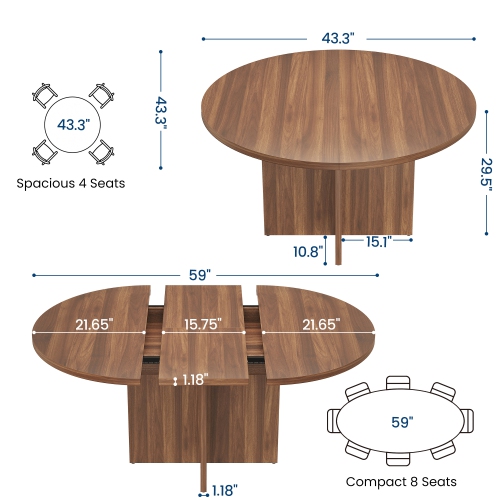
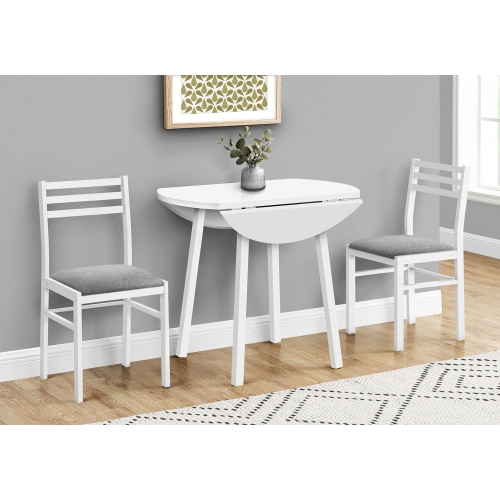
Everyday routines help define which contemporary table design feels most at home. A table used for breakfast, homework, and evening meals needs a comfortable working surface as well as enough room for plates and serving bowls. In a smaller kitchen, a drop-leaf design can keep the footprint modest between meals, then provide extra surface when both sides are raised. An extendable table offers another kind of flexibility, with leaves or a sliding mechanism that lengthen the top for additional diners. The expanded dimensions matter just as much as the closed size: a table that fits neatly for two still needs clear space around it when set for guests. Leaf storage, the effort needed to operate the mechanism, and the position of the legs after extension all affect day-to-day convenience. Seating deserves the same attention. Dining chairs should tuck in without their arms catching beneath the tabletop or apron, and the distance between the seat and the underside of the table should leave comfortable thigh room. A bench may suit one side of a rectangular table, but its width and leg position determine whether it slides underneath. For a coordinated circular arrangement, Contemporary Round Kitchen Table Sets bring the table and seating into the same design conversation. Rounded edges can be helpful around a well-used kitchen route, although any shape still needs appropriate clearance. Matte surfaces tend to soften reflections, while glossy finishes make light and surface marks more noticeable. A pale top can provide a gentle contrast against darker cabinetry, and a rich wood tone can add warmth beside simple white cupboards. The most successful combination supports the way the household actually gathers, whether that means two place settings beside a window, a shared workspace cleared before dinner, or a larger surface where serving dishes can sit within easy reach. With proportions, seating, and surface care considered together, contemporary kitchen dining tables provide a practical centre for meals and the daily moments around them.
Top selling and popular products
-
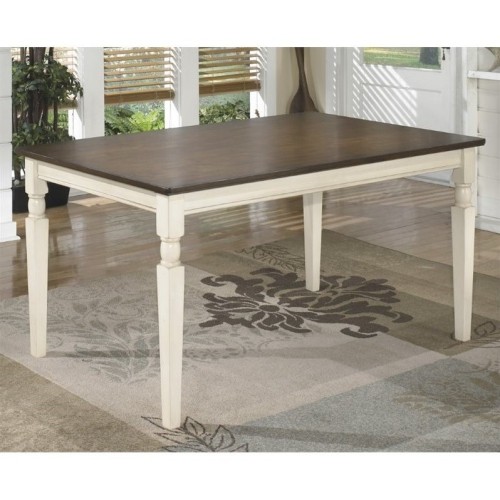 Your price for this item is $399
-
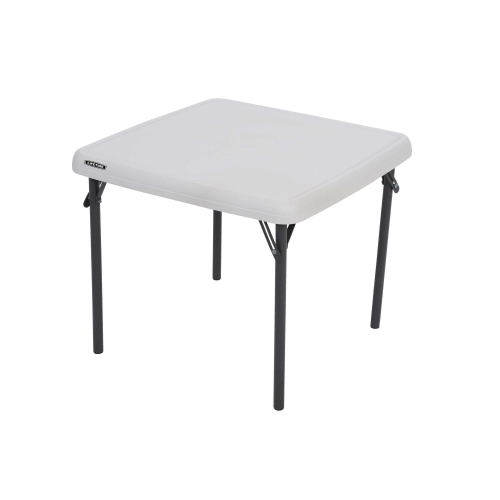 Your price for this item is $74.99
-
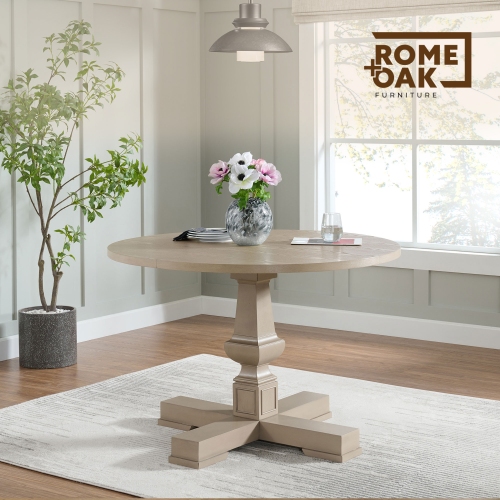 Your price for this item is $971.99
-
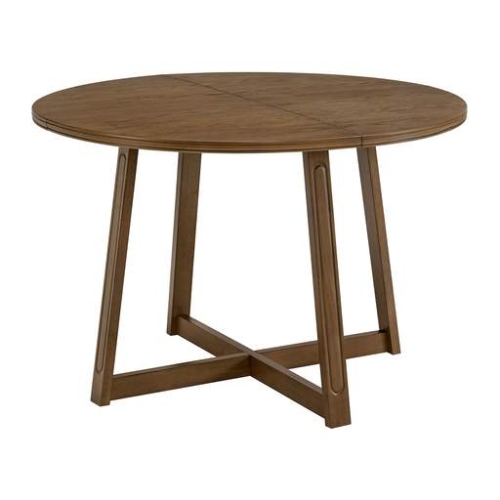 Your price for this item is $796.99
-
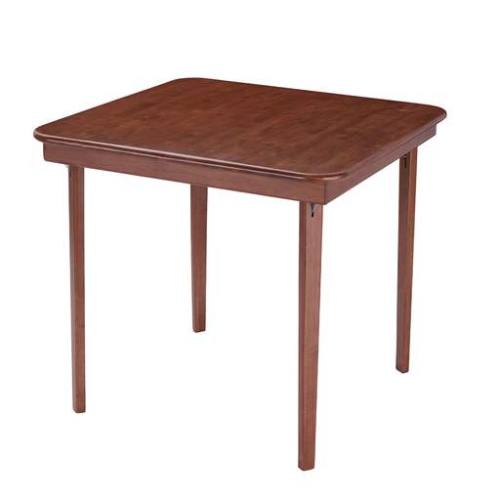 Your price for this item is $413.99
-
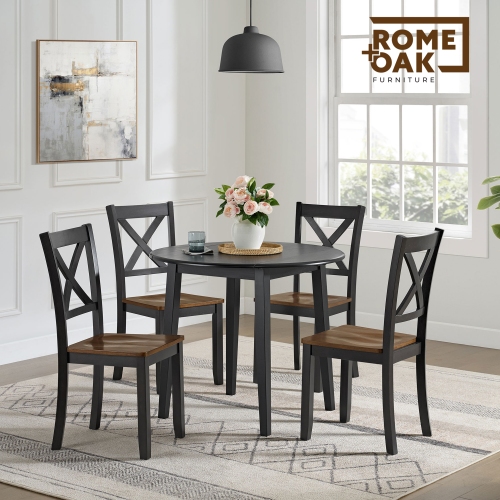 Your price for this item is $392.99
-
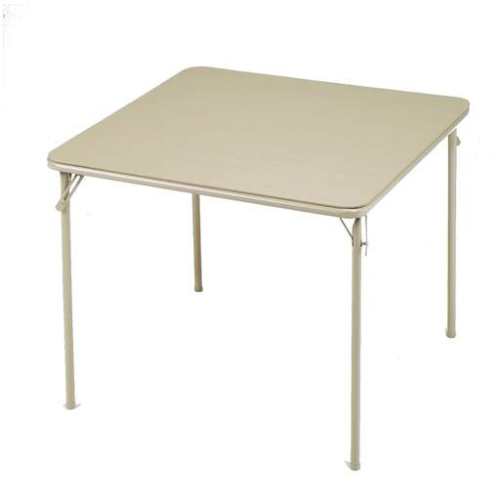 Your price for this item is $243.99
-
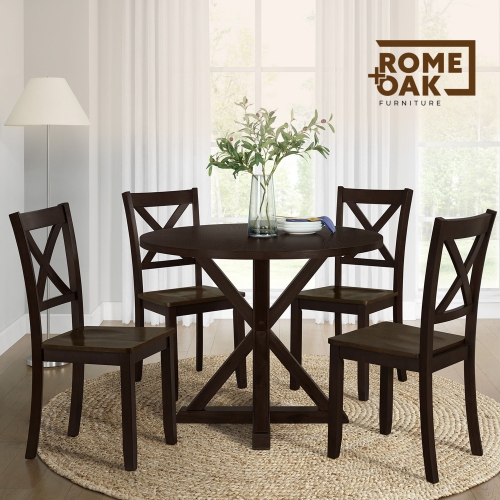 Your price for this item is $827.99
Discover more categories related to Contemporary Kitchen Dining Tables
Top Collections:
Best Black Friday Deals This Year, Best Black Friday Deals On Electronics, Kindle Devices, Pokemon Centers, Best Black Friday Deals On Apple Products, Best Cameras for Sports Photography, Dyson Airwrap, Pokémon 30th Celebration Cards, Apple iPhone 17 Pro, Canon G7X Cameras
Some products may be subject to Environmental Handling Fees
(EHF) depending on your province.
Learn more about EHFs.