Contemporary Metal Bed Frames
Contemporary Metal Bed Frames offer a sleek and modern addition to any bedroom, blending style with reliable support. Their streamlined designs make them a versatile choice for various décor themes, from minimalist to urban-inspired spaces. With a range of sizes and finishes available, Contemporary Metal Bed Frames are ideal for those looking to refresh their sleeping area with a touch of sophistication. Explore options that deliver both visual appeal and dependable construction, perfect for creating a comfortable and inviting retreat.
Sort

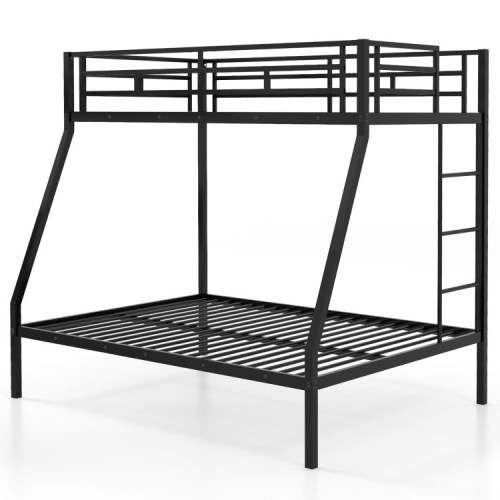
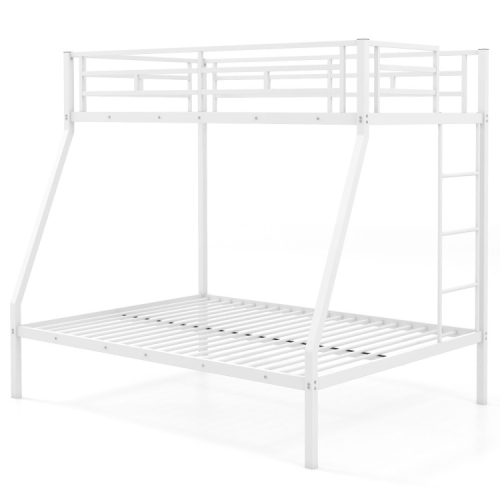
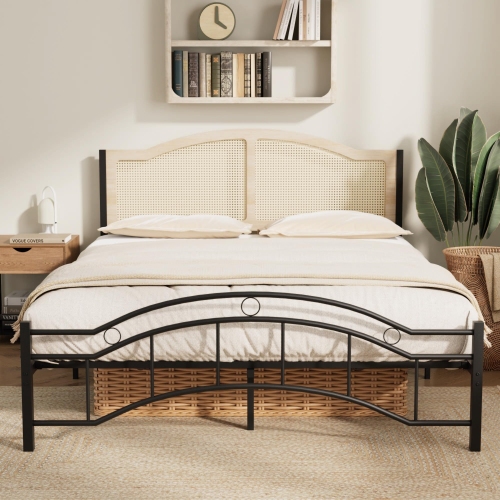
A slim outline doesn’t always mean a smaller footprint
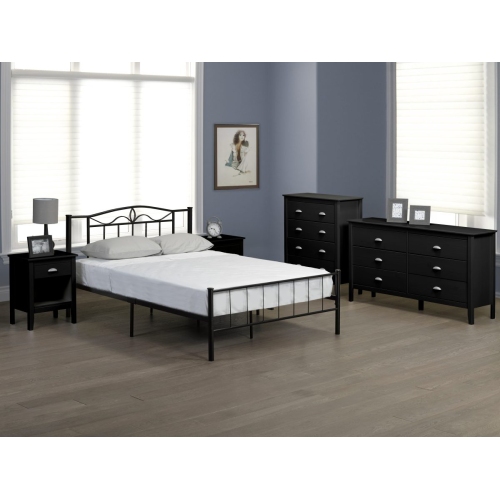
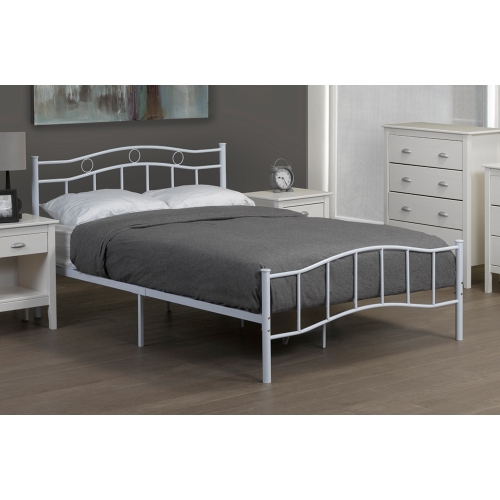
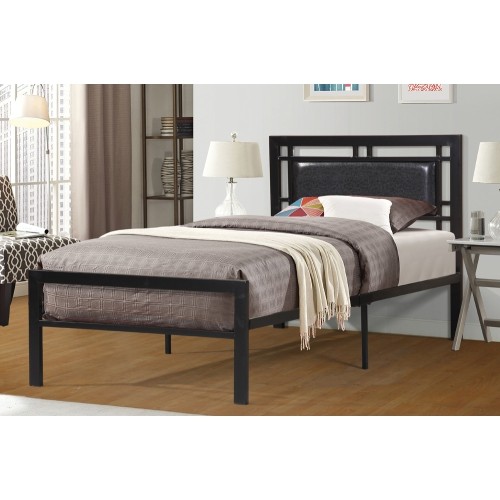
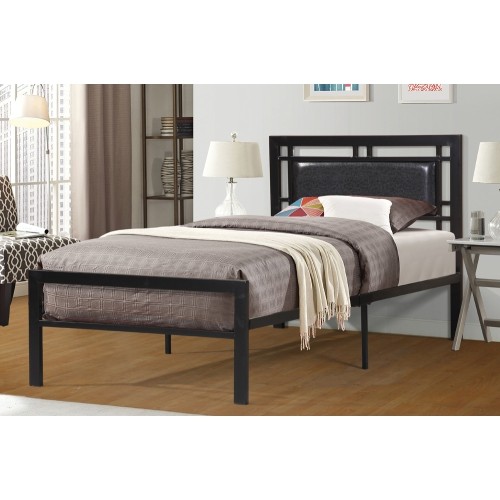
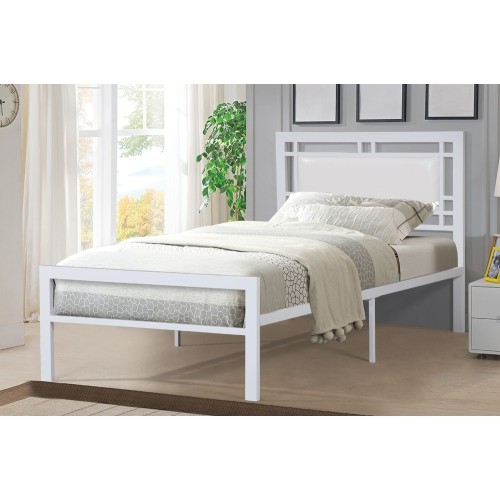
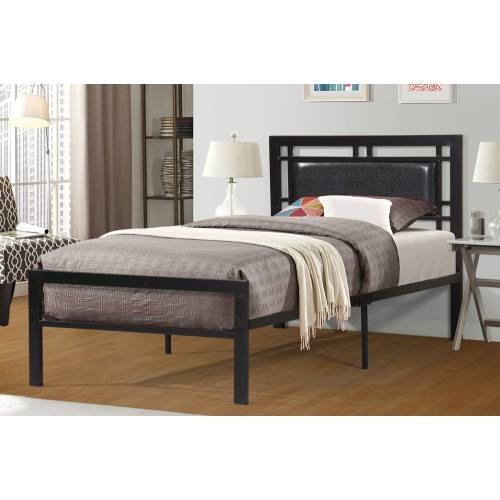
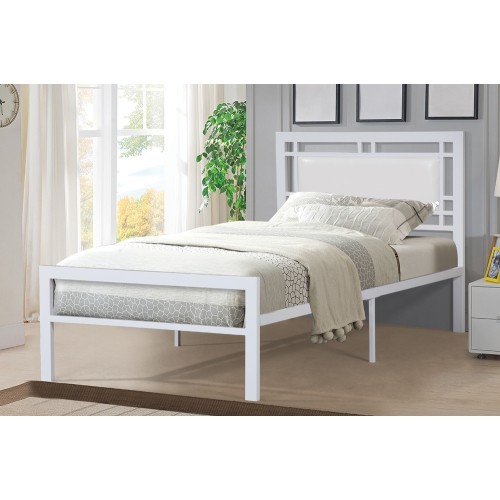
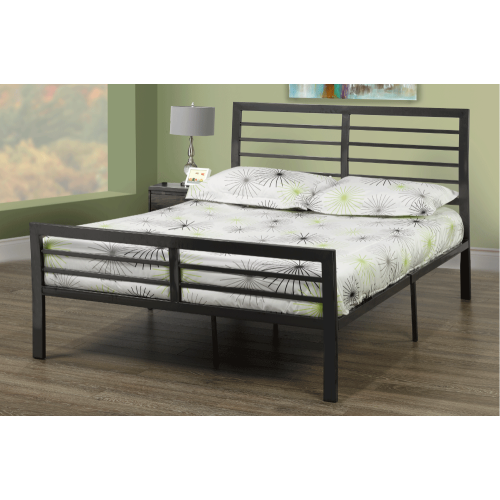
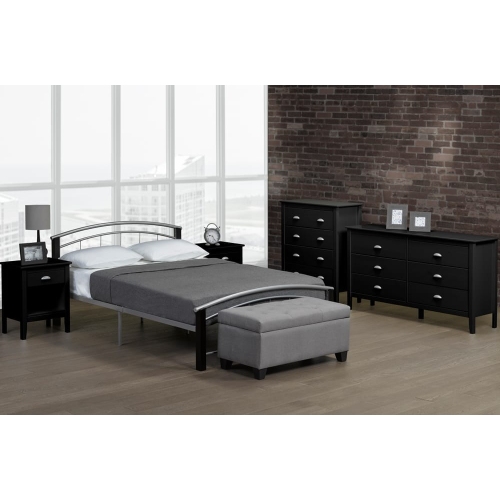
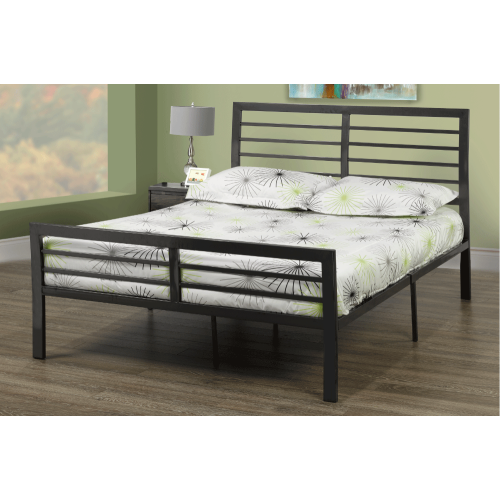
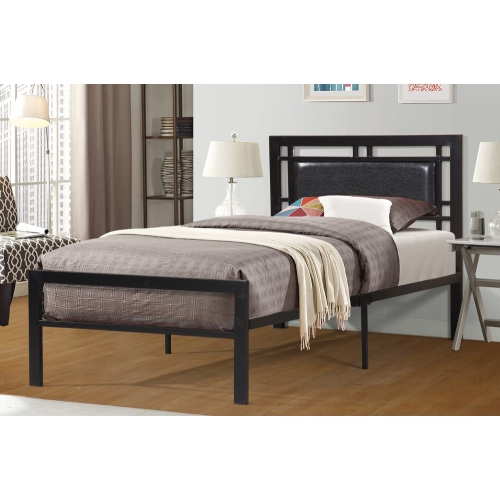
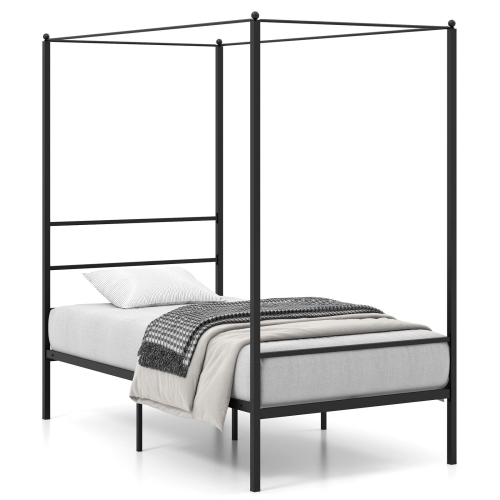
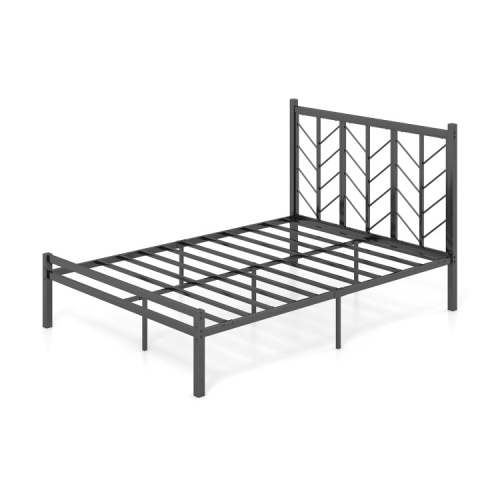
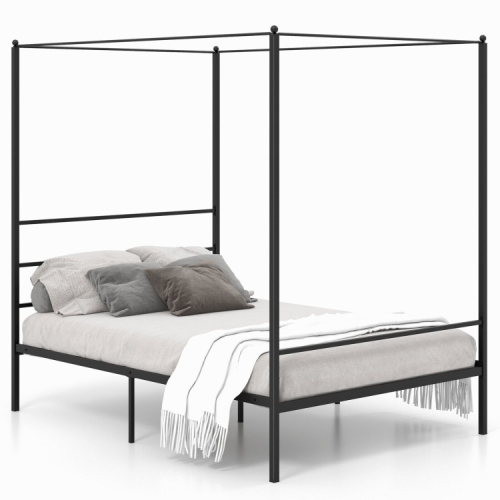
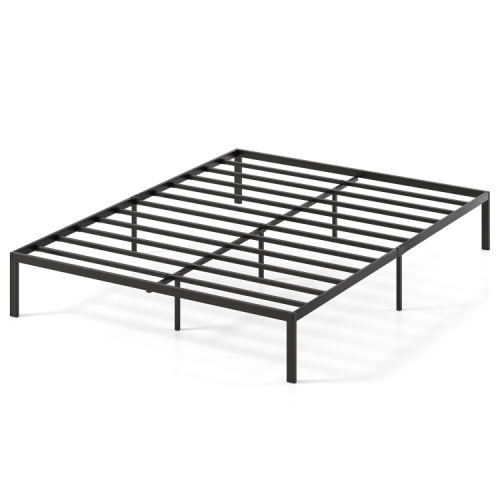
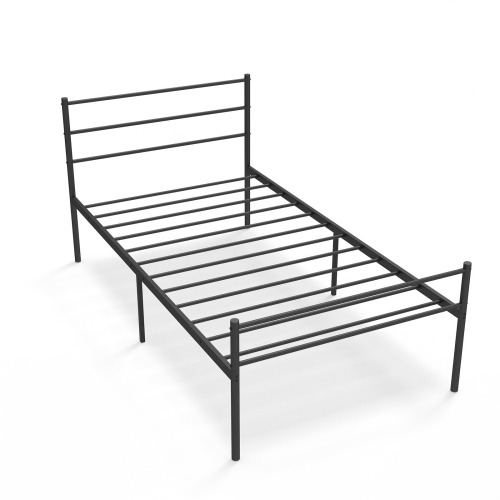
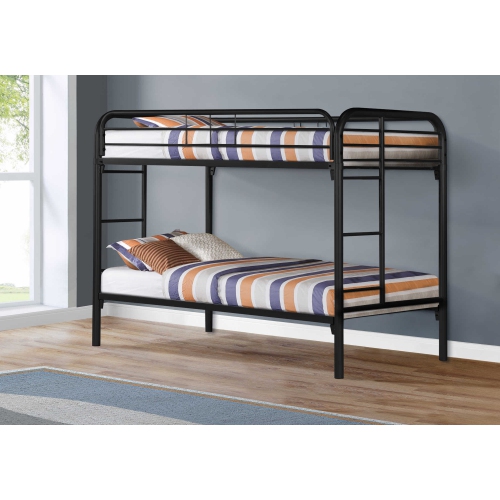
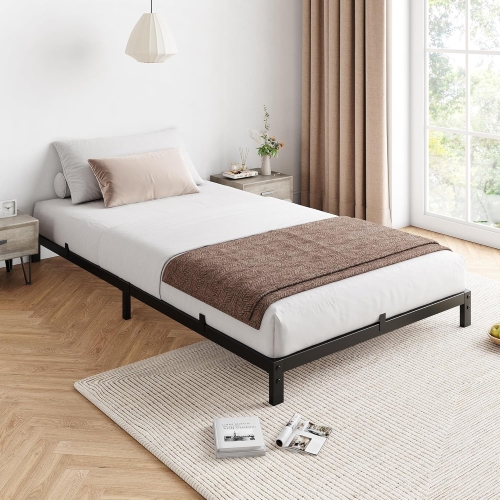
Contemporary metal bed frames give a bedroom a defined shape without taking up much visual space. Slim rails, straight legs and open headboards are common, but the effect depends on the details. A matte black frame draws a crisp outline against a pale wall, while a softer metal finish can sit quietly alongside wood nightstands and textured bedding. A low platform keeps the bed from dominating a room with a low ceiling or a window behind it. An open headboard can leave a painted wall visible, whereas a solid panel offers more to lean against when reading. Headboard-free designs leave room for a wall-mounted headboard or artwork, and some frames have mounting points for adding a compatible headboard later. Mattress thickness changes the look: a deep mattress may hide much of a short headboard, while a thinner mattress leaves more of the metalwork showing. Fit matters as much as silhouette. Twin, double, queen and king describe mattress sizes, not the outside dimensions of the frames that hold them. A headboard that slopes back or a footboard that extends past the mattress can add length, and broad side rails can take up valuable space near a closet door. In a compact bedroom, that difference may determine whether a dresser drawer opens fully or whether there’s room to walk past the foot of the bed. Baseboards and outlets matter too, particularly if a frame needs to sit close to the wall. A simple frame with no raised footboard can make it easier to tuck in bedding, while a headboard and footboard give the bed a more finished outline in a room with space to spare. Shoppers comparing metal with other materials for a king mattress can also browse Contemporary King-Size Bed Frames.
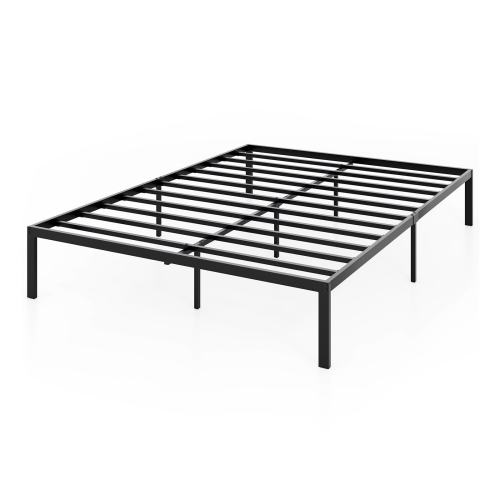
The support beneath the mattress is what separates metal bed frames that may look much the same at first glance. Steel is common for rails and legs, and some designs use iron for structural or decorative parts. A metal frame can have steel or wood slats, so the material visible from the doorway doesn’t necessarily tell much about the surface beneath the mattress. Many metal platform bed frames have built-in slats that support a compatible mattress directly, without a box spring. Other designs consist mainly of perimeter rails and need a separate foundation. That distinction is useful when moving an existing mattress to a new frame: keeping a foundation can add height, but removing one only makes sense if the new support meets the mattress maker’s requirements. Foam, latex and hybrid mattresses can have different limits on the gaps between slats, even when they’re the same size. A centre rail can shorten the span the slats have to bridge on a wider bed, and legs beneath that rail help transfer the load to the floor. Centre legs need firm contact with the floor to do their job, which can be easy to overlook if the outer legs sit on a rug but the supports underneath do not. For a bed shared by two adults, it’s worth checking whether the stated weight limit covers the mattress and any foundation as well as the sleepers. Frame height also has a practical side. A low platform may be easy for a child to climb onto, while a higher sleeping surface can be easier for some adults to sit on and rise from. The useful measurement is from the floor to the top of the mattress, not just to the top of the rails. In a guest room, a moderate finished height and an unobstructed side make the bed easier to use without imposing a particular way of getting in and out.
An open metal frame can make good use of the space under the bed, especially where a dresser or linen cabinet would crowd the room. The usable clearance is measured to the lowest rail or crossbar along the path a container needs to travel, not to the top of the platform. A shallow bin might fit beneath the bed but still catch on a side rail as it slides in, and a centre leg can interrupt the space needed for a long storage box. Shorter containers can be easier to pull out from either side, particularly in a shared bedroom. The open space also makes it easier to see dust and reach it with a vacuum, though low crossbars can limit access even on a frame that looks raised. On hardwood or laminate, smooth feet or suitable protective pads can help prevent marks. A deep rug, by contrast, can make a frame harder to level if some legs are on the rug and others are off it. For everyday care, a soft cloth is usually enough to remove dust from the rails and headboard; any cleaner should be suitable for the finish. Lifting rather than dragging the frame helps protect the feet, joints and floor. If a bed begins to creak after a move, a loose connection, an uneven foot or a slat shifting in its bracket is a sensible place to check before assuming the frame itself has worn out. A frame that comes apart at the rails can be practical for renters or anyone moving furniture through a narrow stairwell, although a one-piece headboard still has to clear landings and doorways. For a first apartment or a spare room that serves more than one purpose, the appeal is often in those ordinary details: enough room for a storage bin, a headboard that doesn’t block an outlet and a frame that leaves space to walk comfortably around the bed.
Top selling and popular products
-
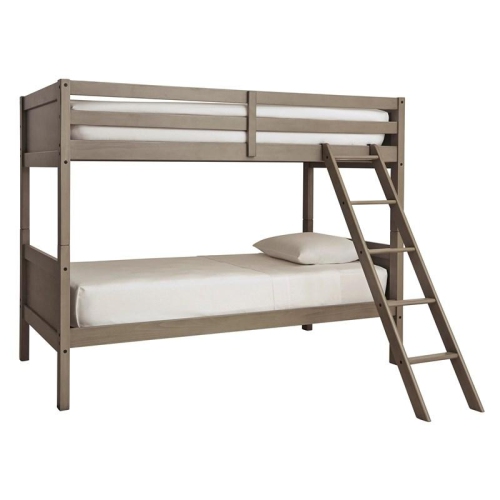 Your price for this item is $799.99
-
 Your price for this item is $3519.99
-
 Your price for this item is $3099.99
-
 Your price for this item is $3349.99
-
 Your price for this item is $235.99
-
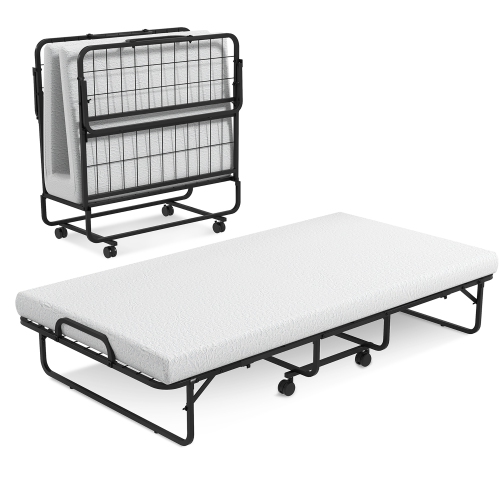 Your price for this item is $233.99
-
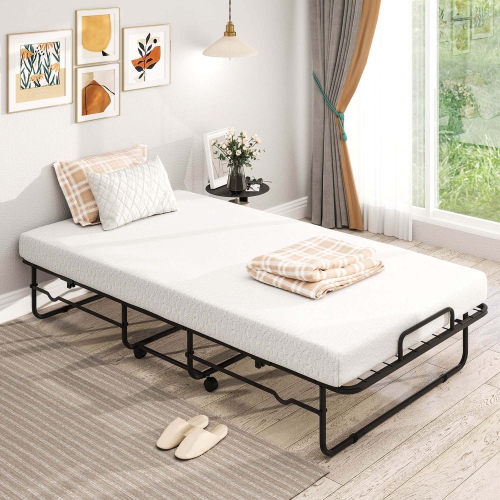 Your price for this item is $243.99
-
 Your price for this item is $364.99
Discover more categories related to Contemporary Metal Bed Frames
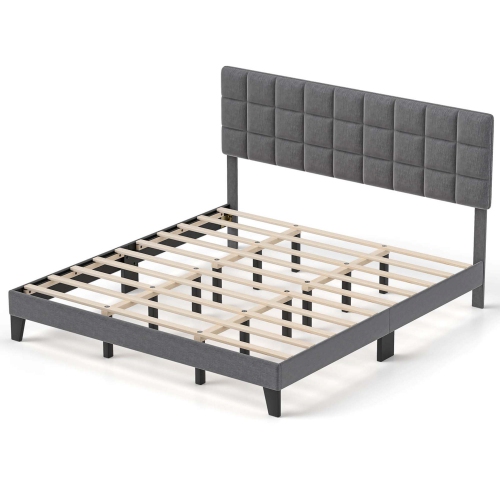


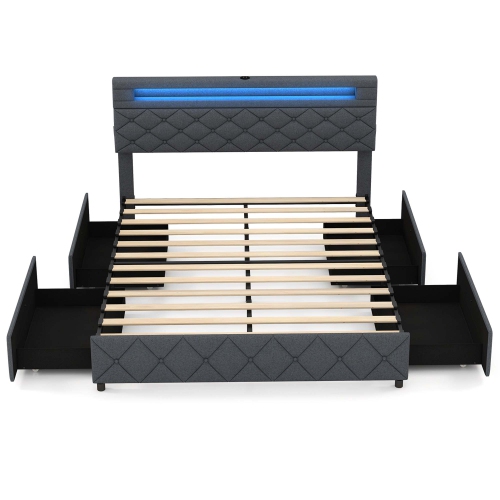
Top Collections:
Best Black Friday Deals This Year, Best Black Friday Deals On Electronics, Kindle Devices, Best Black Friday Deals On Apple Products, Best Budget Office Chairs, Best Cameras for Sports Photography, Dyson Airwrap, Canon G7X Cameras, Best Laptops for Writers, Samsung Galaxy Phones
Some products may be subject to Environmental Handling Fees
(EHF) depending on your province.
Learn more about EHFs.