Contemporary Wool Rugs
Enhance the ambiance of your living space with our collection of contemporary wool rugs. Crafted with utmost precision and designed to elevate almost any room, these rugs effortlessly blend modern aesthetics with the timeless elegance of wool. From abstract patterns to geometric designs, our curated selection offers a range of options to suit your personal style and complement your existing decor. Immerse yourself in the luxurious texture and softness of wool while adding a touch of sophistication to your home. Explore our diverse assortment of contemporary wool rugs and discover the perfect piece to enhance the beauty and warmth of your living space.
Sort
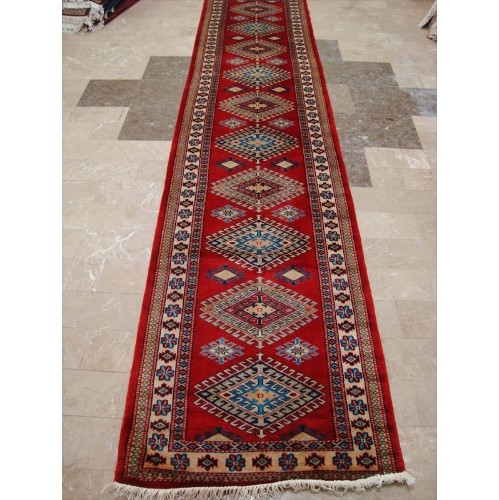
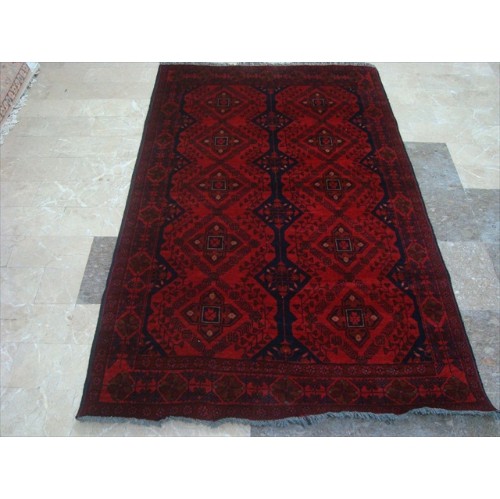
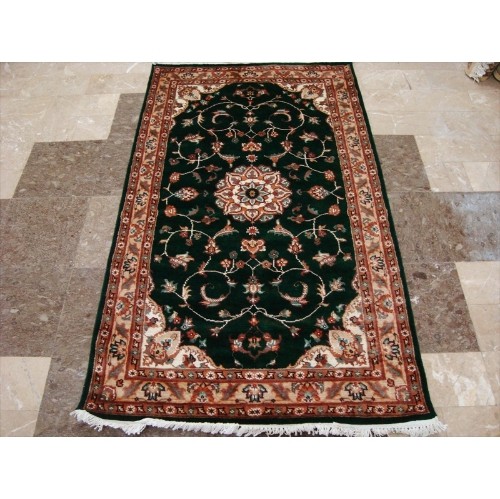

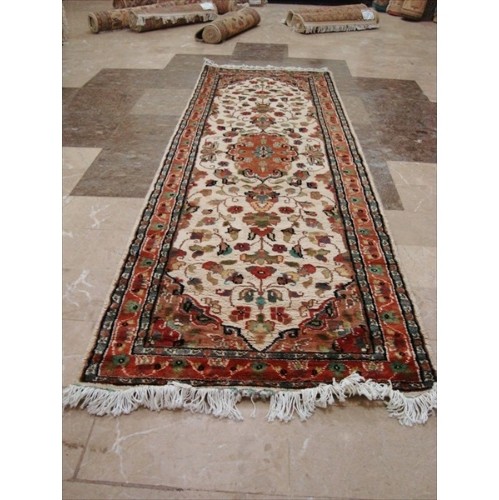

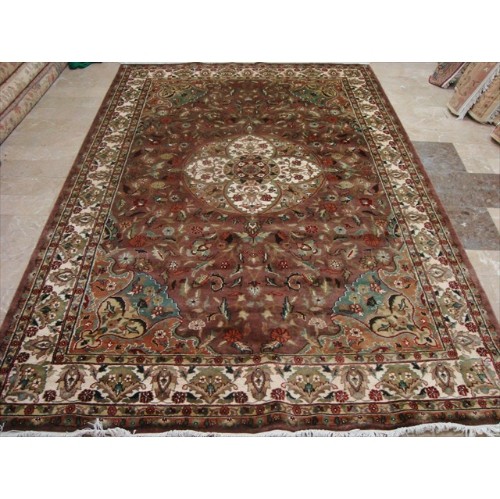
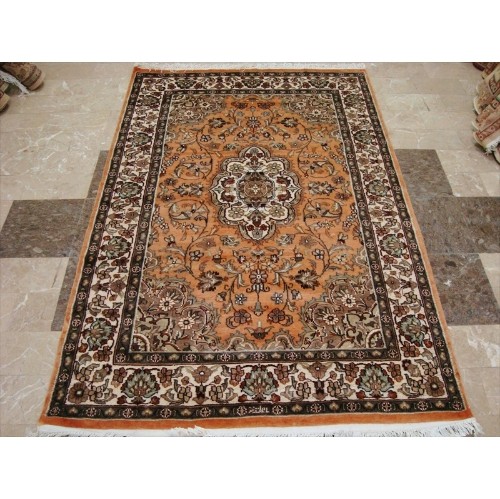


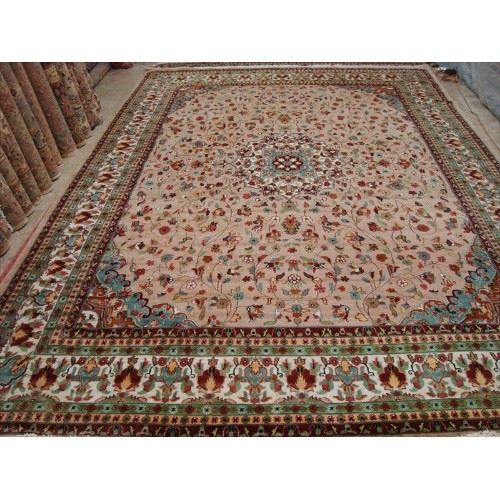
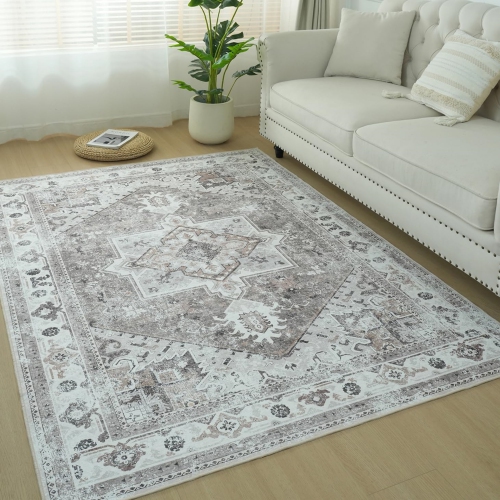


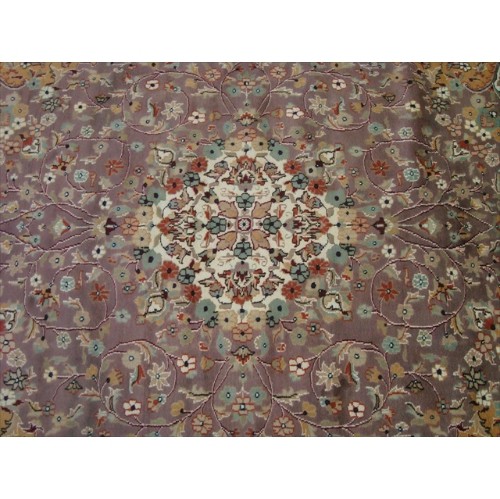
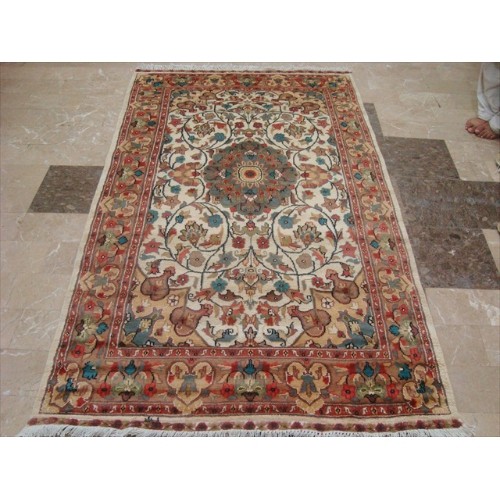


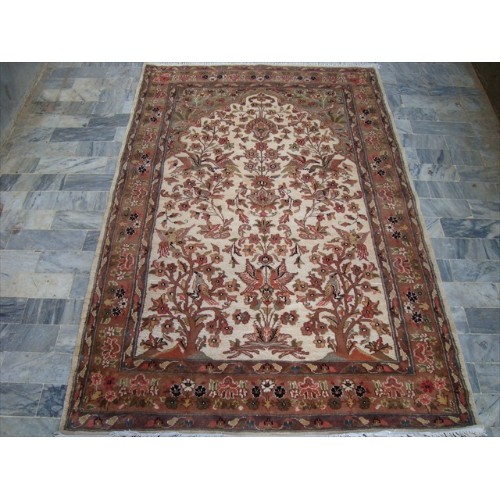
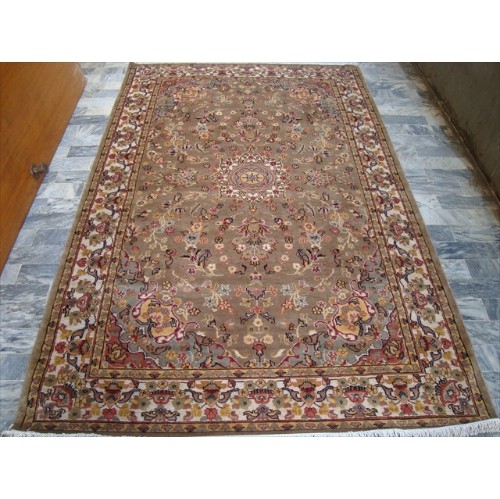
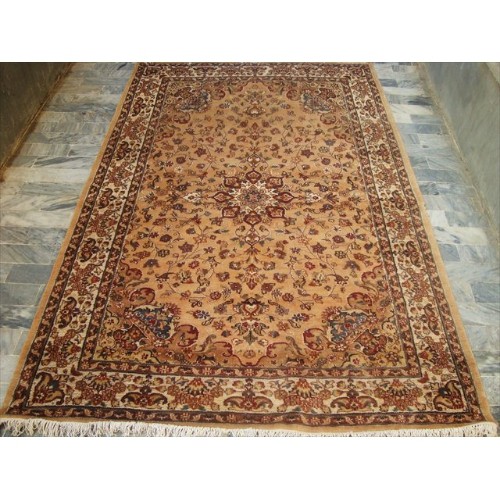
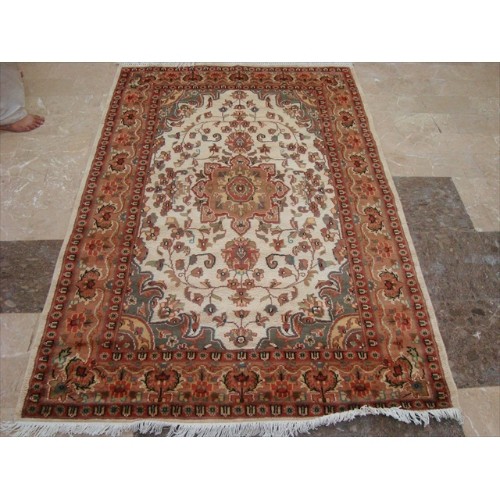
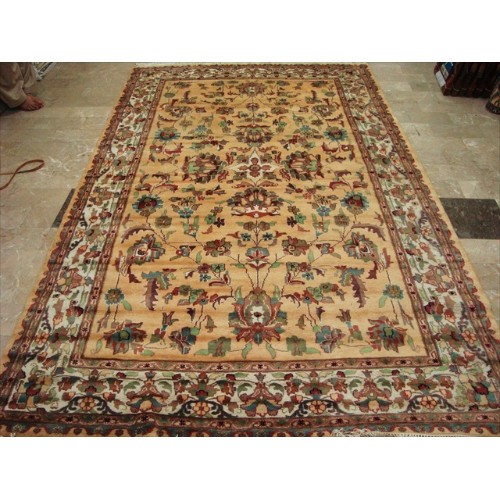

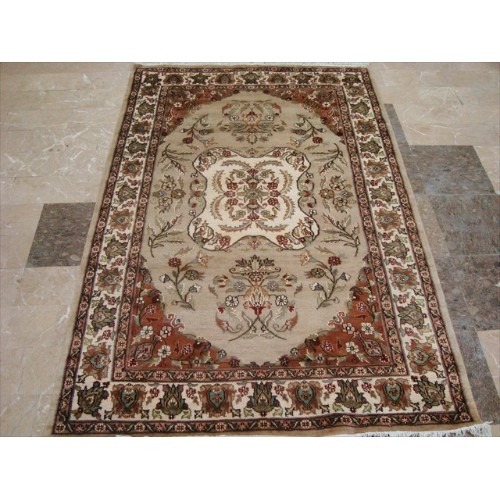



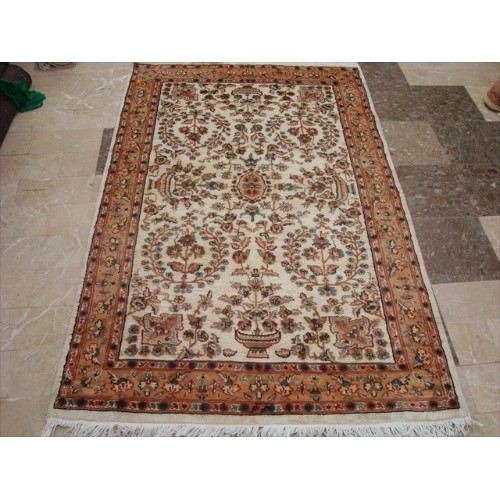

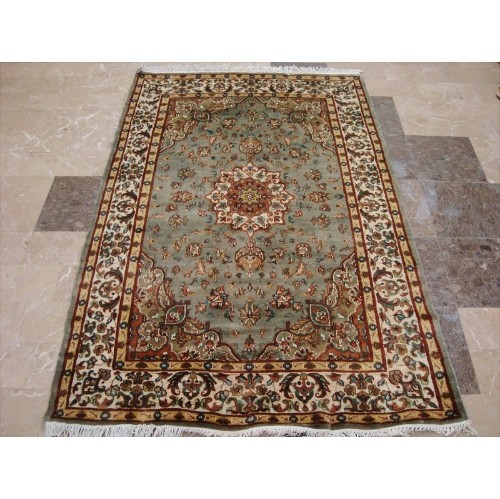
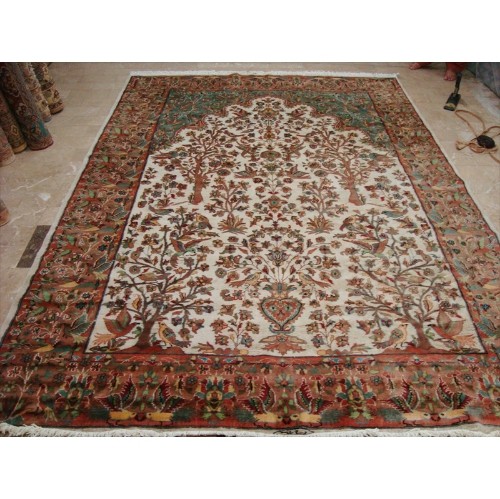

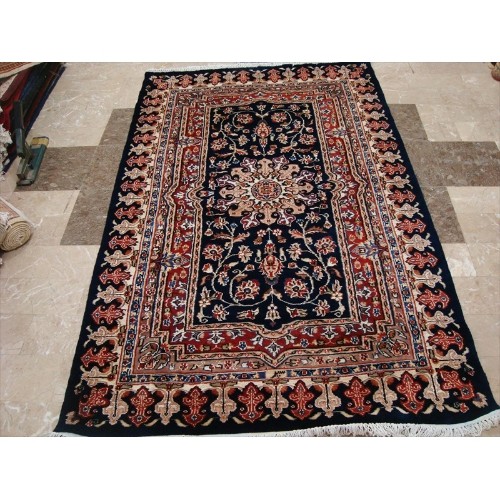
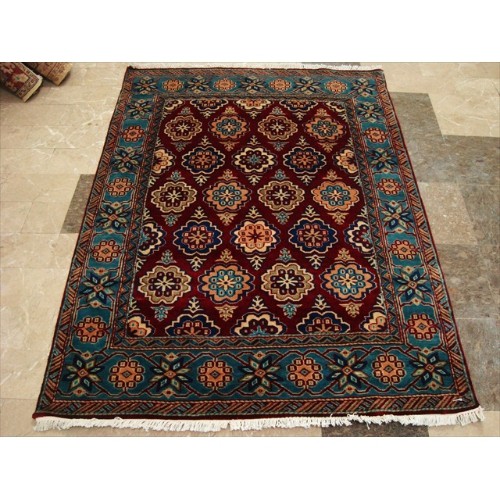


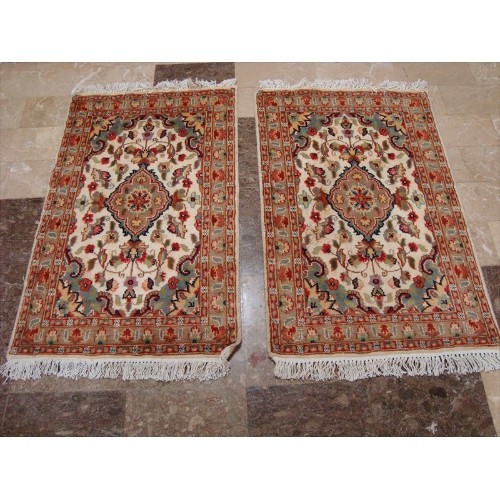
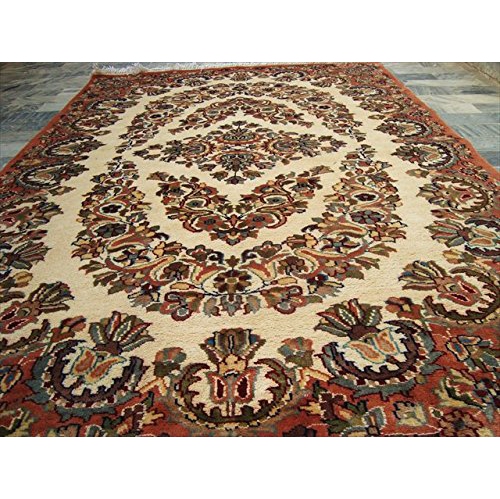
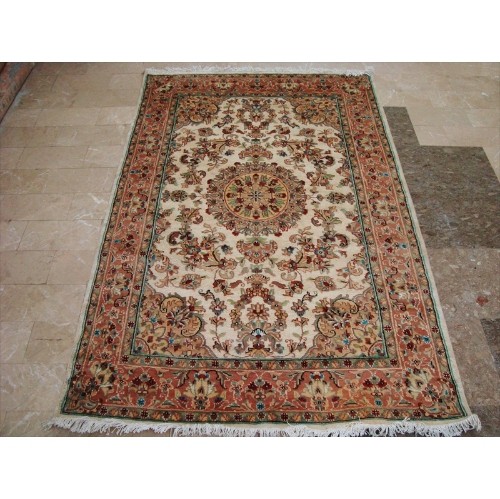


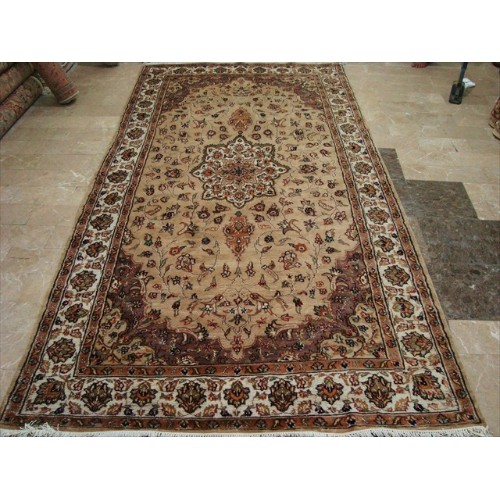
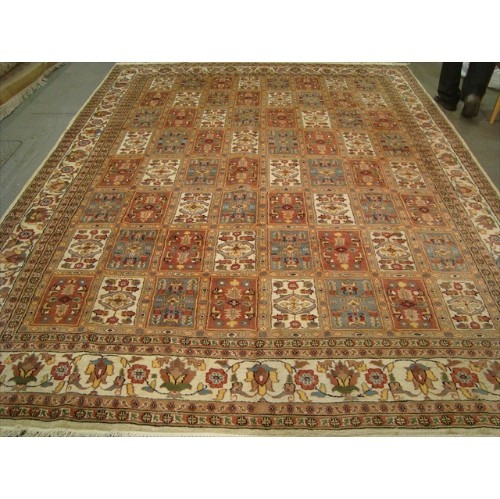
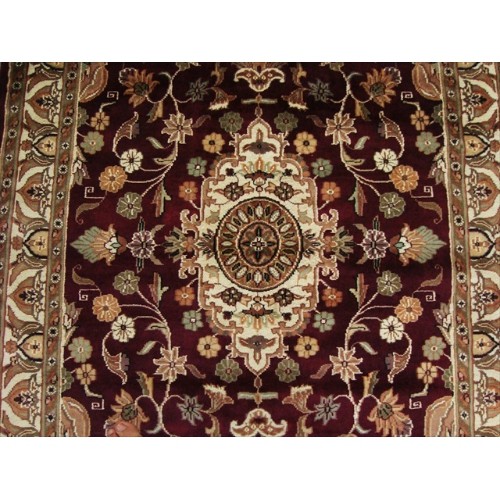

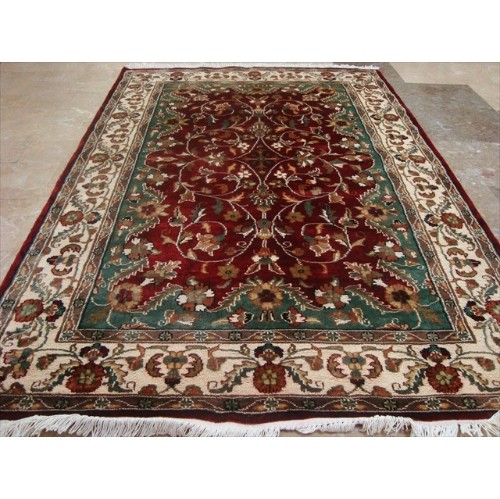

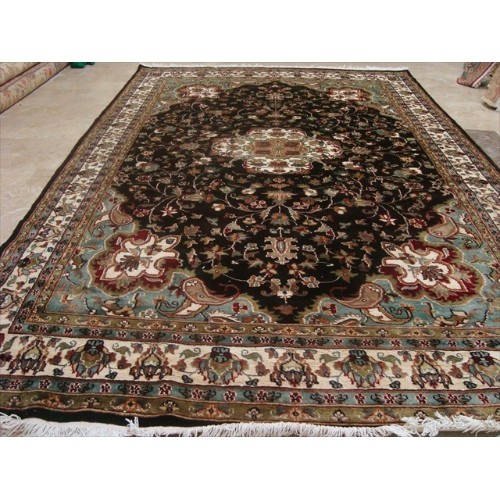
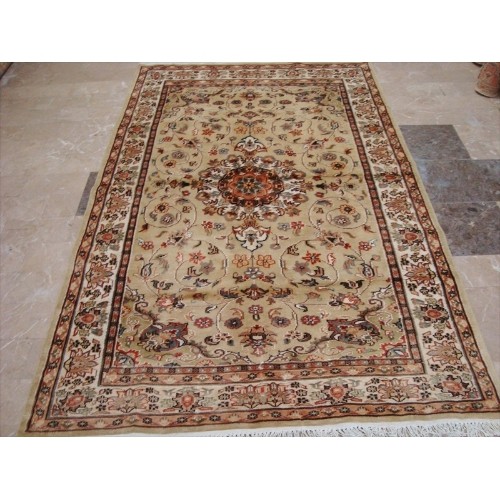
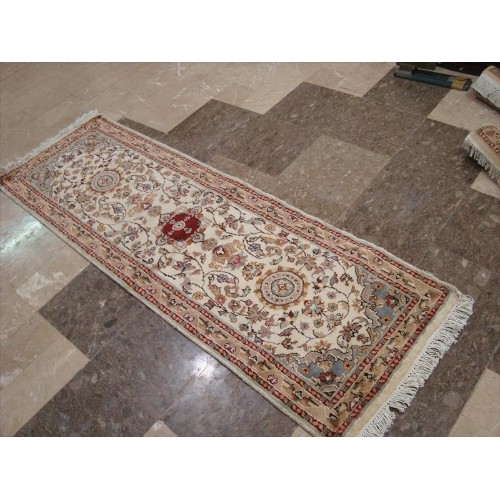

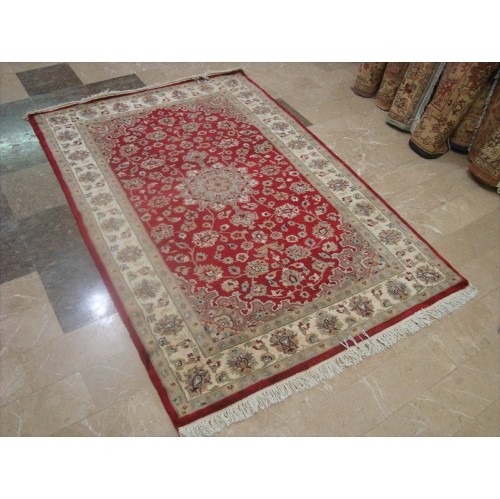

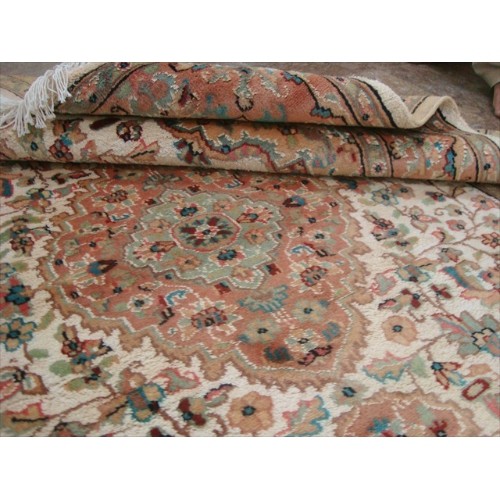
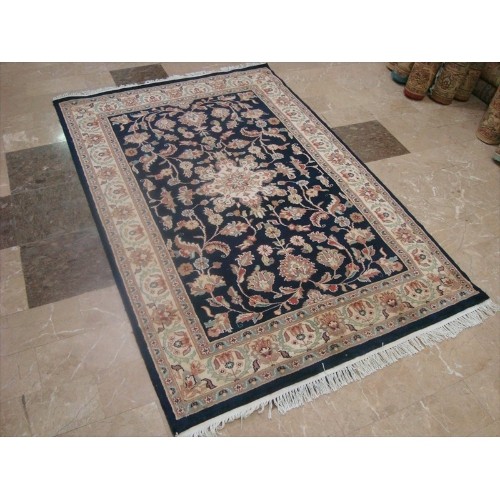
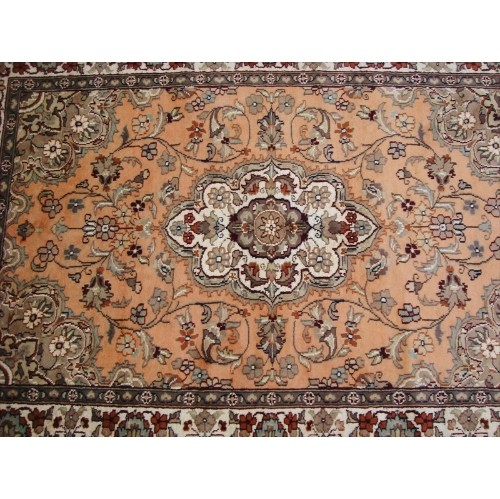
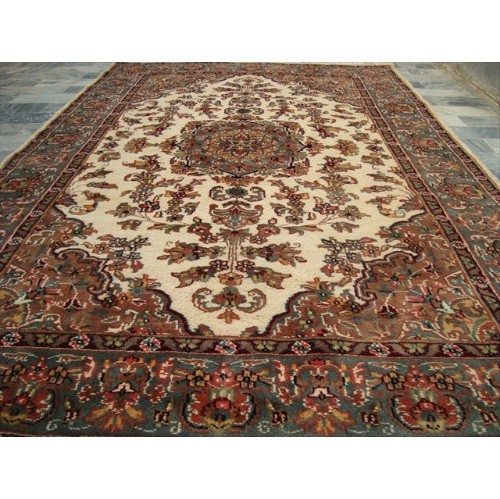


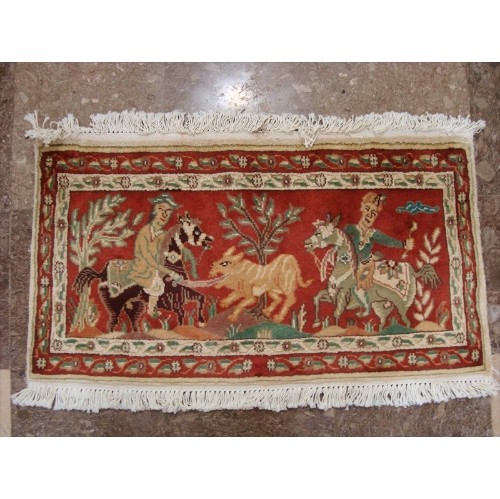
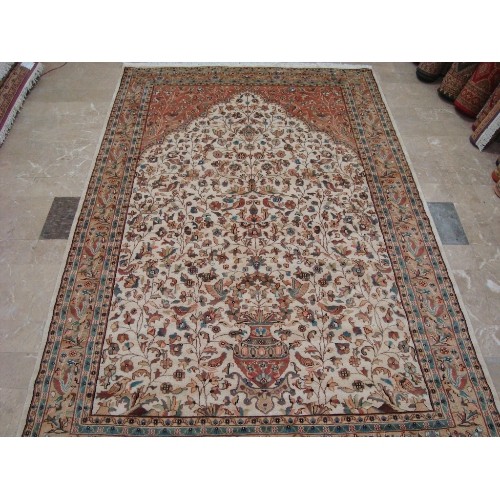
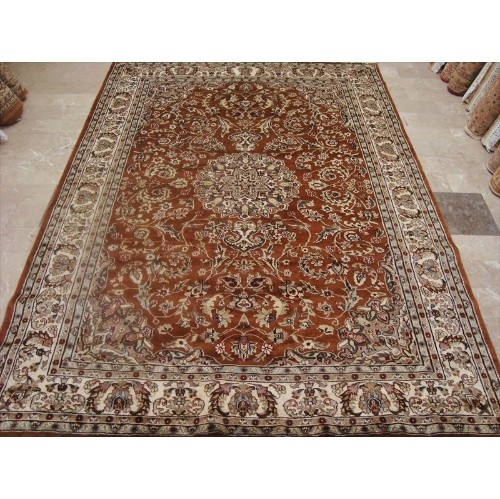
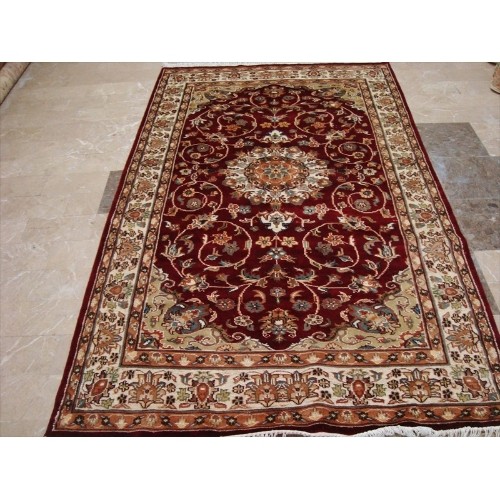

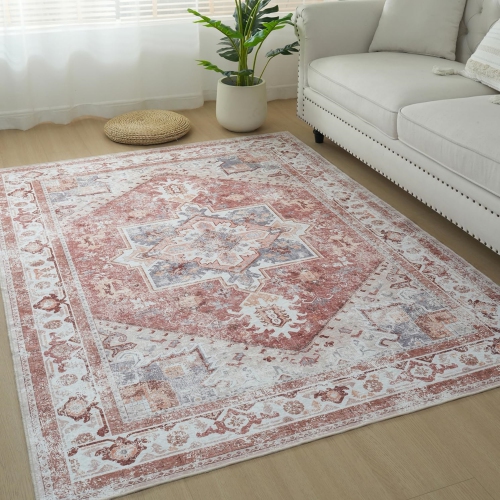
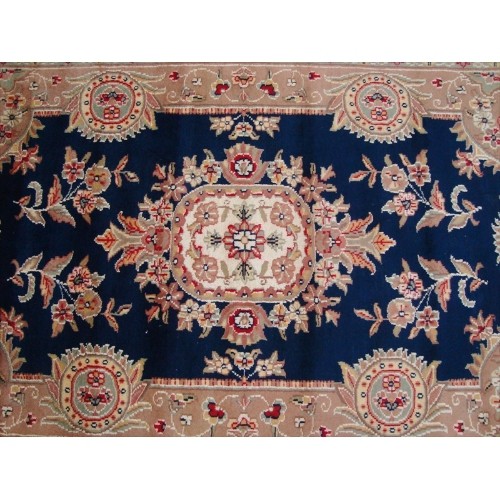
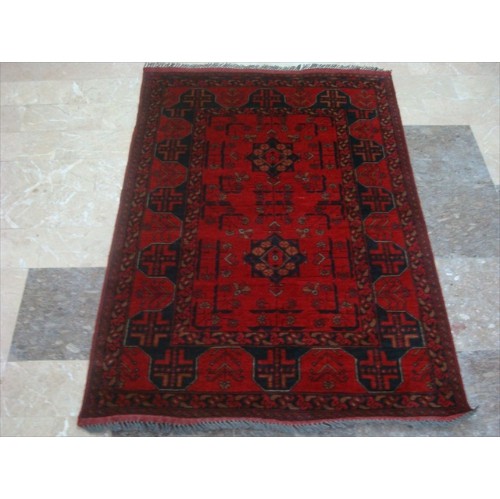


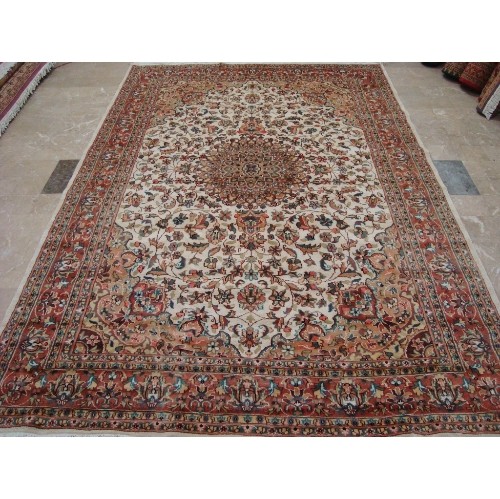
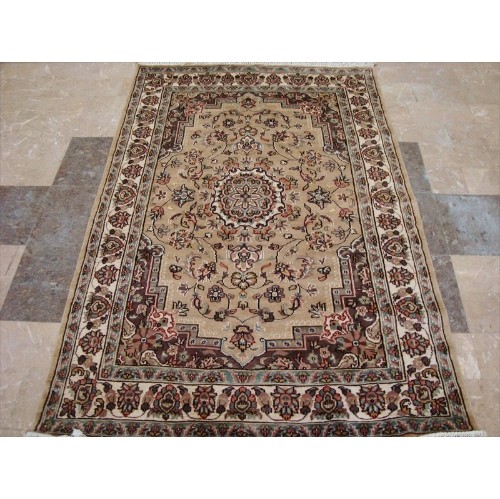
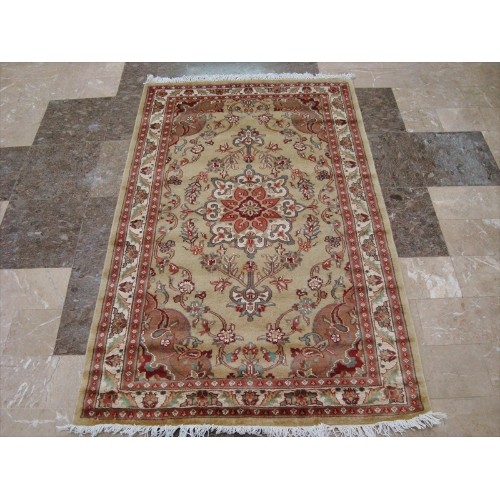
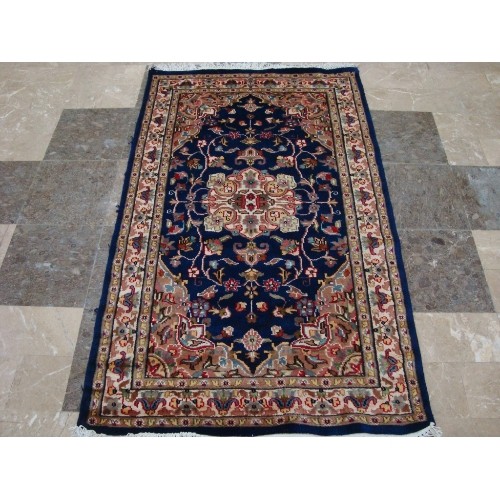


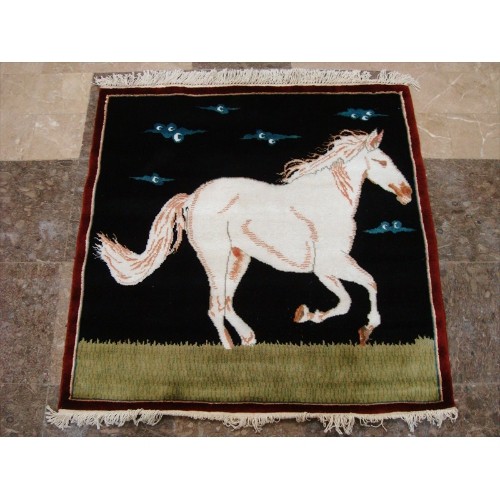

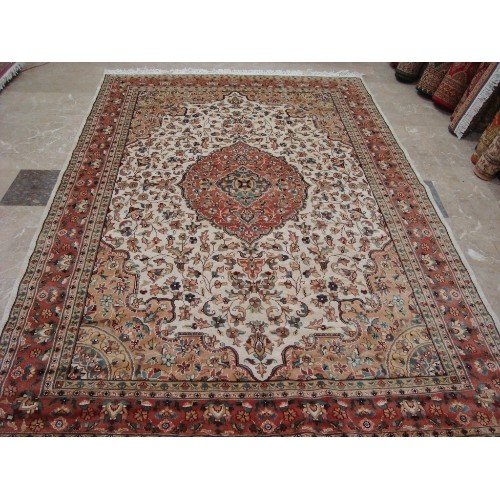
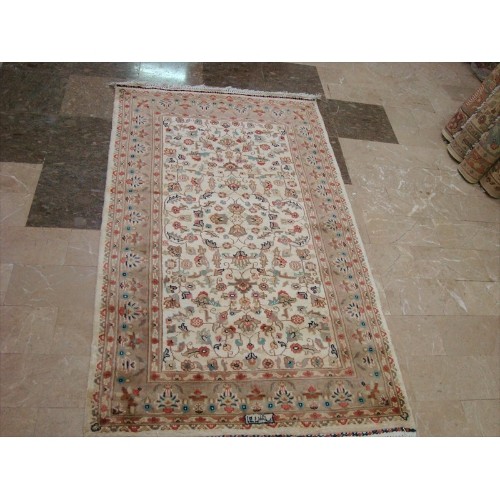
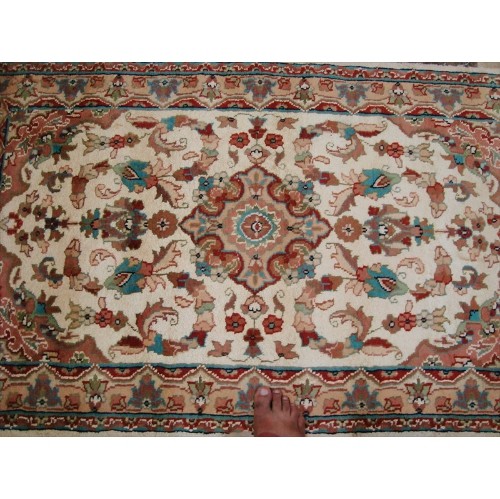
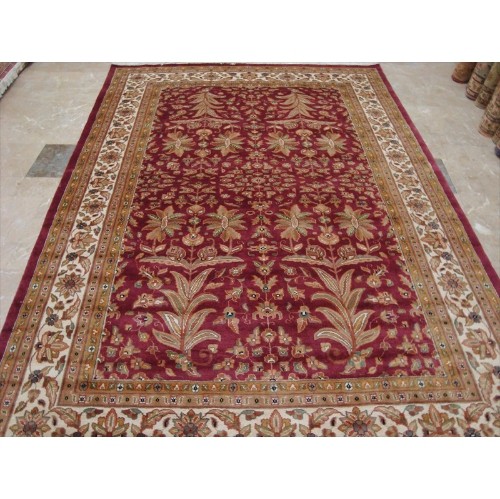
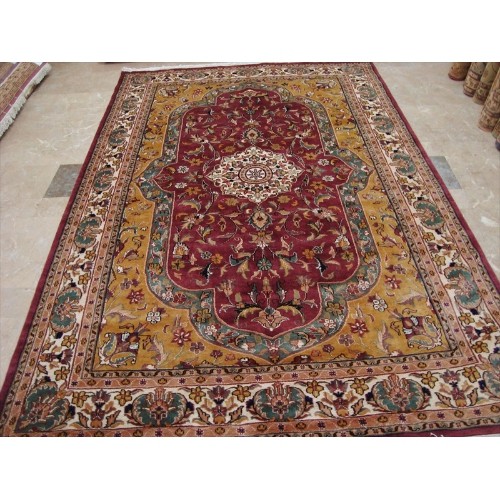
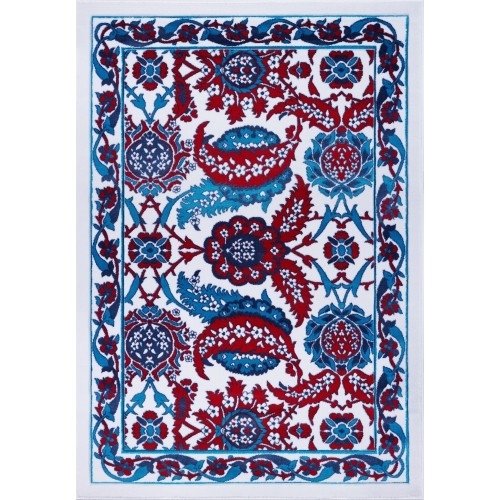
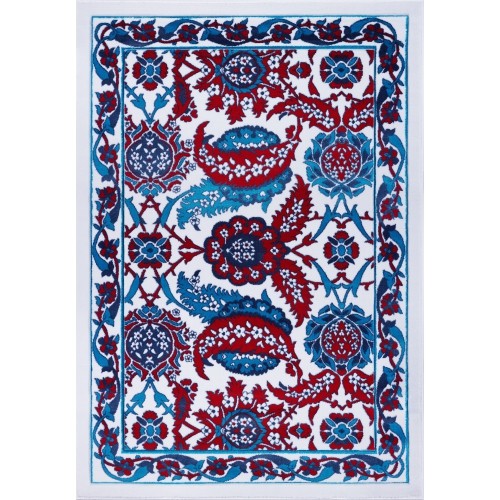

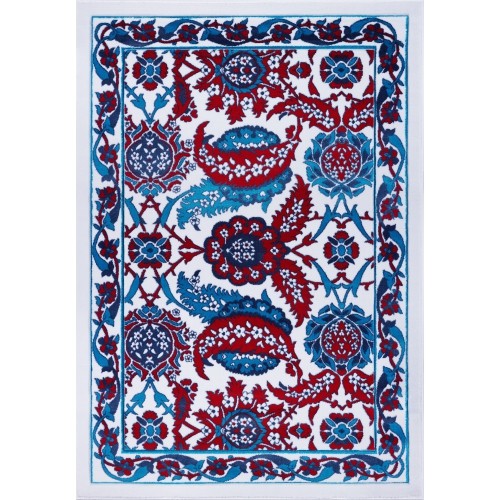
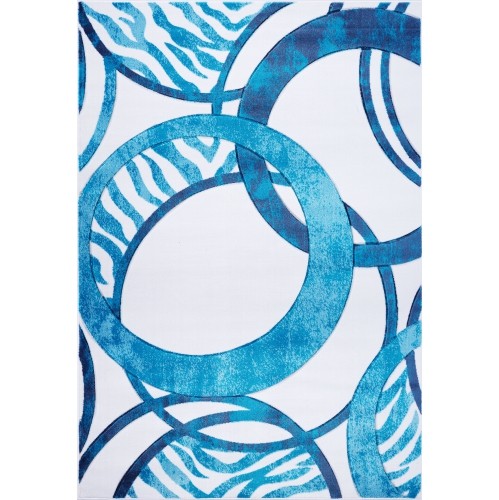


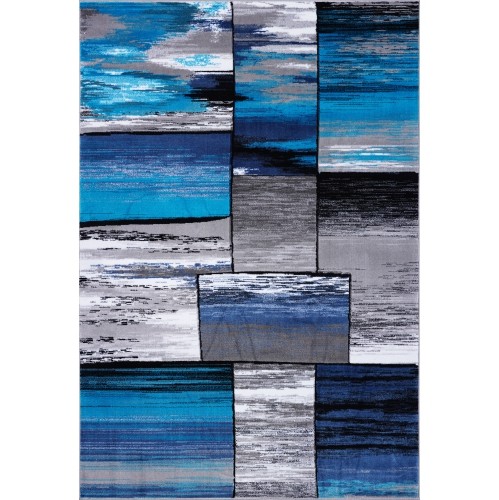
How wool texture and pattern shape a room
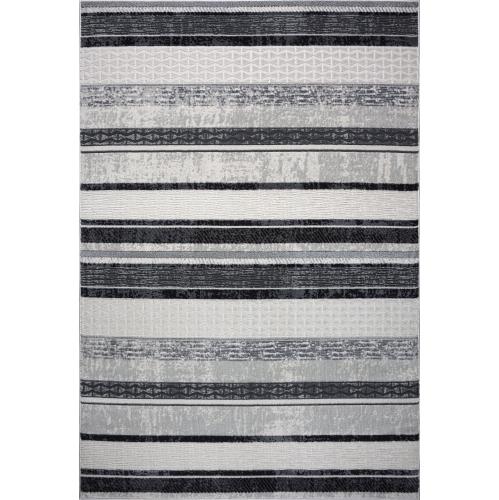
Contemporary wool rugs combine wool fibres with modern patterns, colours, and textures to bring softness and definition to indoor living spaces. Their designs range from crisp geometric lines and offset grids to loose abstract shapes, subtle stripes, and nearly solid surfaces with tonal variation. Unlike a strongly traditional pattern with a formal border, a contemporary design often lets texture or an unexpected arrangement of shapes take the lead. An ivory rug with raised lines can add interest beneath a simple sofa without competing with artwork, while a charcoal-and-cream pattern can give a room with plain upholstery a stronger focal point. Soft grey, sand, taupe, and muted earth tones work well with wood, leather, and metal furnishings; deeper blue, rust, or green can introduce colour without requiring matching furniture. Wool is valued for its natural crimp, which helps the fibres recover after compression, although heavy furniture can still leave impressions. Its texture can feel soft and substantial underfoot, and a rug can help soften footfall and echoes in a room with hard flooring. Construction makes a meaningful difference to how that surface feels and wears. Hand-knotted rugs have pile formed by individually tied knots, while hand-tufted rugs have yarn inserted into a foundation and typically secured with an adhesive-backed construction. Flatwoven wool rugs have little or no raised pile, giving them a slimmer profile and a more understated texture. Cut pile creates a plush surface, loop pile has a more visibly textured finish, and combinations of the two can give a simple pattern depth. Fibre content matters as much as appearance: a wool-blend rug may include cotton, viscose, or synthetic fibres, each affecting texture, cleaning requirements, and performance. A rug described as wool may also have a backing made from another material. Reading the full composition and care information helps distinguish a soft-looking accent rug from a construction better suited to regular household use.
The right size and shape allow a contemporary wool rug to connect furniture rather than look like a separate patch of pattern on the floor. In a living room, a generous rectangle that sits beneath at least the front legs of the sofa and neighbouring chairs usually creates a cohesive seating area. A smaller rug placed only beneath the coffee table can work in a compact arrangement, but it may leave the surrounding furniture feeling disconnected. Marking the proposed outline with removable tape makes it easier to see how the rug relates to doorways, walking routes, and side tables before settling on dimensions. In an open-plan space, separate rugs can define a lounge area and a dining area without adding a physical divider. Those rugs do not need identical patterns; shared undertones or a similar level of contrast can help them sit comfortably together. Under a dining table, leave enough rug beyond the tabletop for chairs to remain on the surface when pulled out for sitting. A flatter, denser construction is often more practical there than a deep pile that catches chair legs or holds crumbs. In a bedroom, a large rug extending beyond the sides and foot of the bed provides a comfortable landing, while smaller rugs beside the bed can suit a tighter layout. Round rugs can echo a round table or soften a seating nook, and runners can add definition to a hallway when their dimensions leave doors and nearby furniture unobstructed. Pile height deserves particular attention wherever a door swings over the rug or a wheeled chair needs to move. For a home office, a low-profile weave is generally easier to navigate than a thick, sculpted surface, although compatibility with chair casters still needs checking. In homes with children or pets, consider how the texture will handle everyday activity. Pronounced loops can catch claws, and deep pile may make small spills harder to reach. A gently varied pattern can make lint and minor marks less conspicuous than an entirely plain, pale surface.
Care and placement play a large part in how well wool rugs keep their appearance. Some shedding is common, particularly with new cut-pile or tufted rugs, but the amount varies with fibre quality and construction. Regular, gentle vacuuming helps remove loose fibres and grit before they become worked into the pile. Follow the care label for suction settings and attachments, since an aggressive rotating brush can pull at loops, fringe, or loosely spun yarn. Fringe is best kept clear of the vacuum head, and a loose tuft should not be pulled; the appropriate treatment depends on how the rug is made. For spills, blot promptly with a clean, undyed cloth rather than rubbing across the surface. Avoid soaking the rug or applying a general household cleaner without confirming that it is suitable for the wool, dyes, and backing. Test any approved cleaning solution in an inconspicuous area, and use a professional cleaner experienced with wool when a deeper clean is needed. Excess moisture can affect both the face fibres and the underlying construction, so the rug should be thoroughly dry before it is returned to use. An appropriately sized rug pad can add cushioning, reduce movement, and limit abrasion between the rug and the floor. The pad should be compatible with the flooring finish and sit slightly inside the rug’s edges so it stays out of sight. Periodic rotation helps distribute foot traffic and light exposure, especially where one end sits near a window or along a busy route between rooms. Furniture cups can help spread the load beneath heavy legs, though occasional repositioning may still be useful. Wool rugs are generally intended for dry indoor spaces rather than areas with persistent dampness or frequent splashes. For patios, balconies, and other outdoor living areas, Contemporary Outdoor Rugs offer a separate category to explore, with material and care requirements suited to their intended setting. Matching a rug’s construction to its location helps preserve the qualities that make contemporary wool appealing: tactile texture, resilient fibres, and a design that gives everyday rooms a clear sense of character.
Top selling and popular products
-
 Your price for this item is $130.55
-
 Your price for this item is $129.15
-
 Your price for this item is $130.55
-
 Your price for this item is $129.15
-
 Your price for this item is $129.15
-
 Your price for this item is $130.55
-
 Your price for this item is $144.99
-
 Your price for this item is $103.99
Discover more categories related to Contemporary Wool Rugs
Top Collections:
Best Black Friday Deals This Year, Best Black Friday Deals On Electronics, Kindle Devices, Dyson Airwrap, Best Cameras for Sports Photography, Best Budget Office Chairs, Canon G7X Cameras, PS5 Pro Consoles, Best Black Friday Deals On Apple Products, XBOX One S Consoles
Some products may be subject to Environmental Handling Fees
(EHF) depending on your province.
Learn more about EHFs.