Convertible Daybeds
Create a versatile and stylish living space with our selection of convertible daybeds. Perfect for maximizing functionality in smaller rooms or accommodating overnight guests, these multi-functional pieces effortlessly transform from a cozy seating area during the day to a comfortable sleeping space at night. Explore our range of convertible daybeds to find the perfect blend of form and function for your home.
Sort



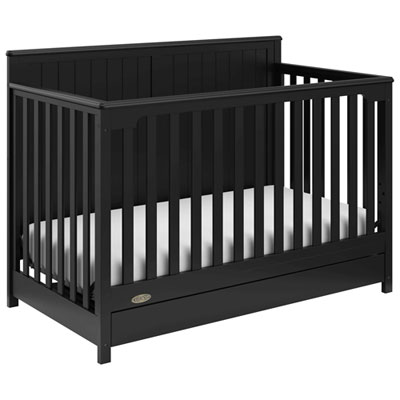
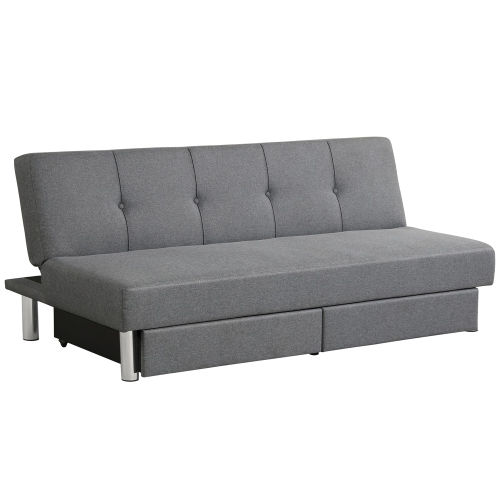
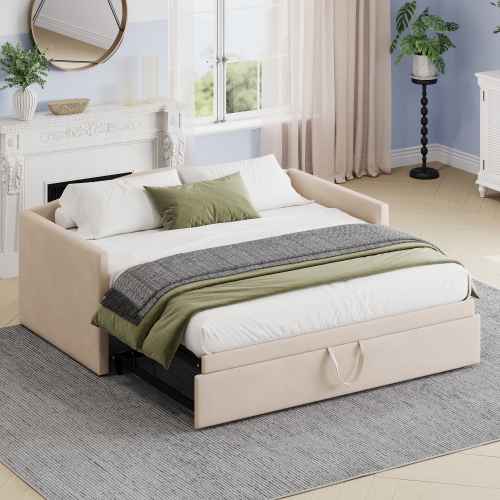
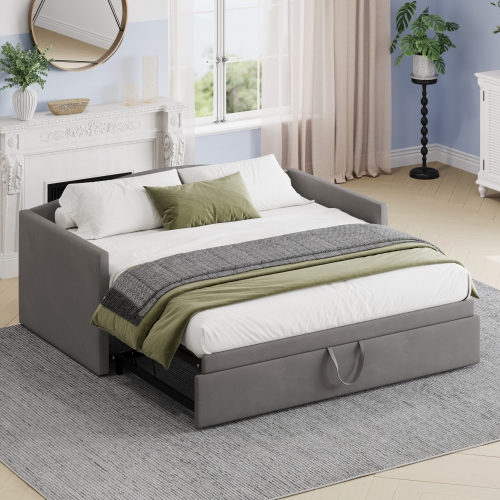

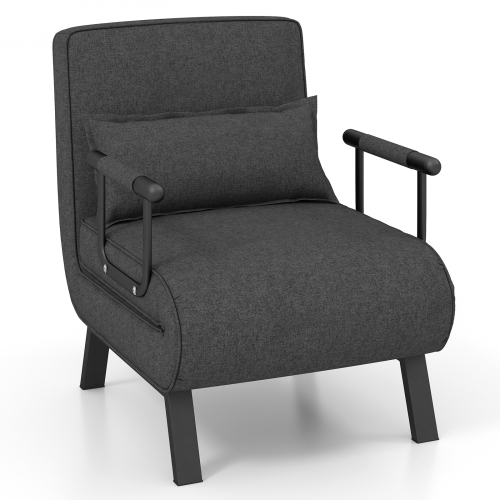

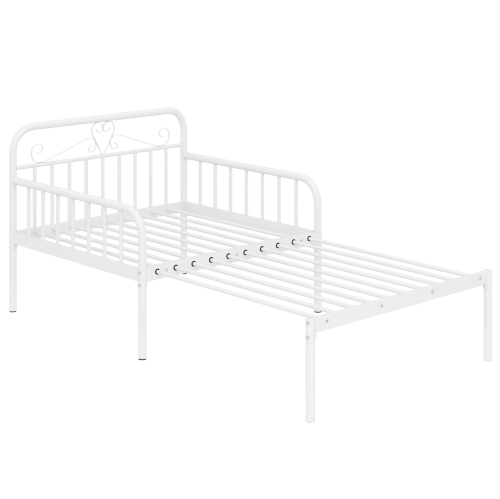
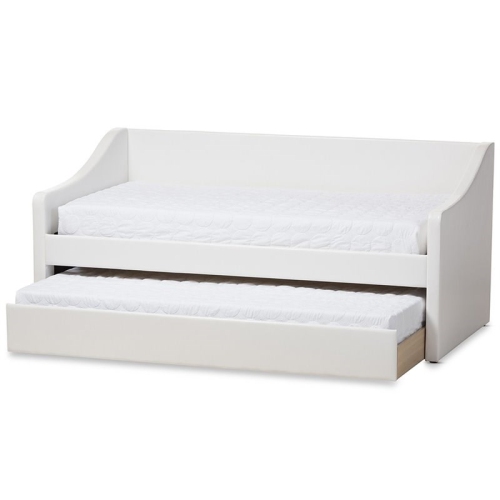

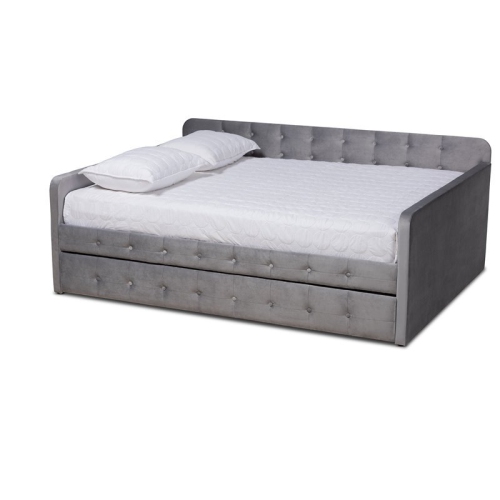
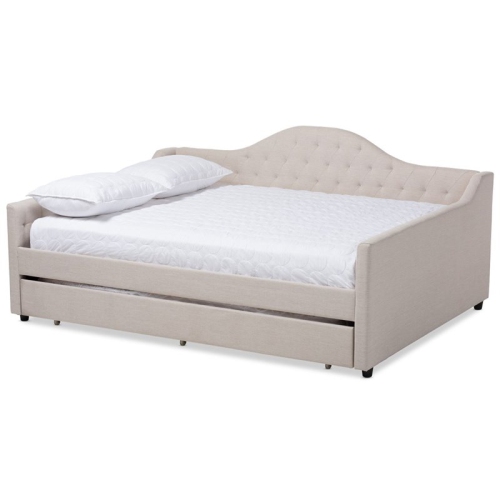
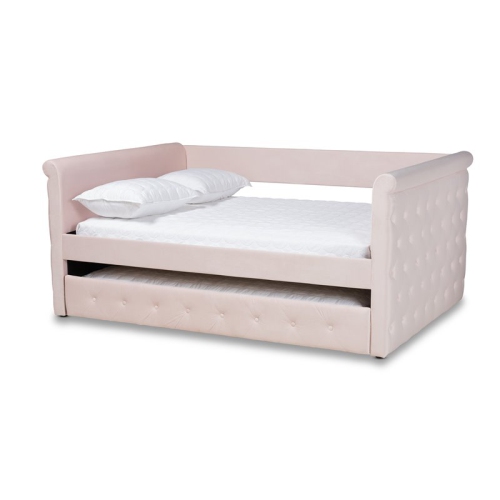
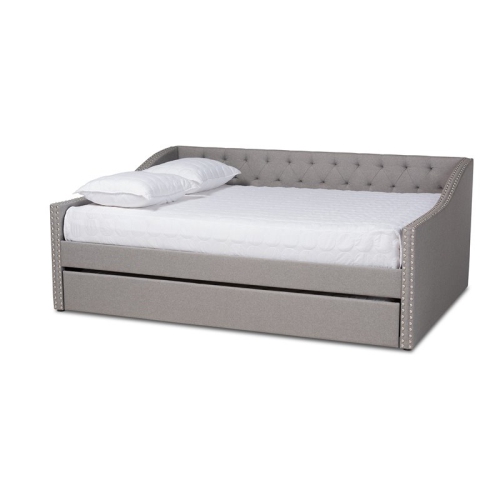
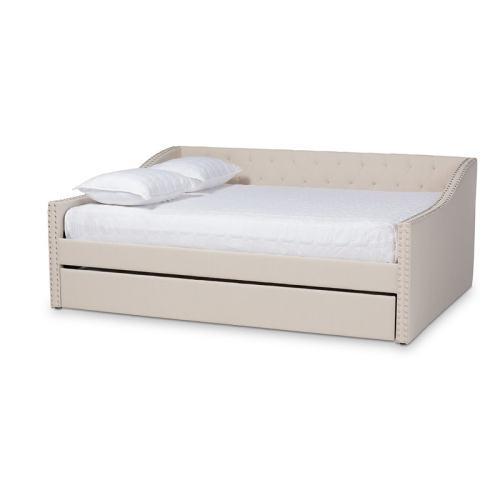


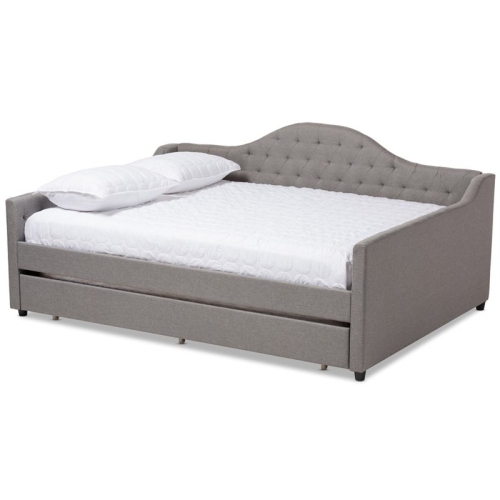
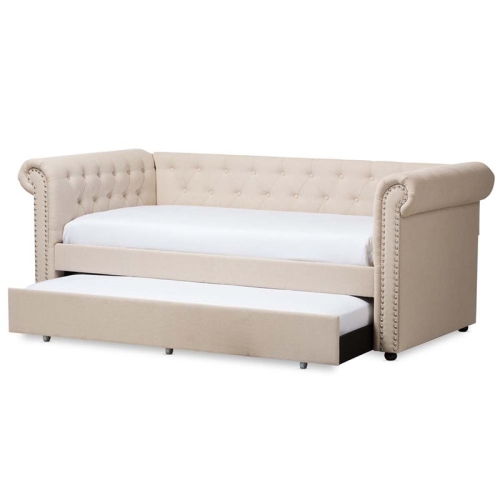
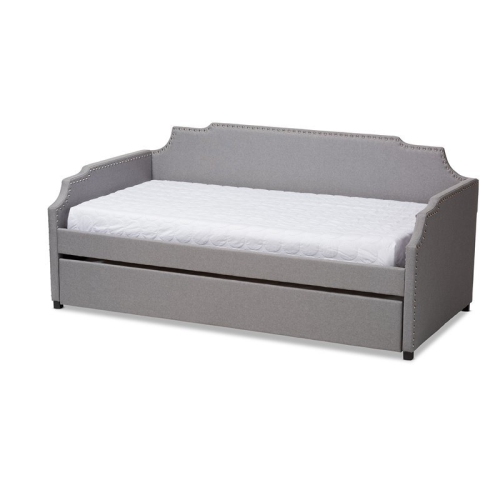
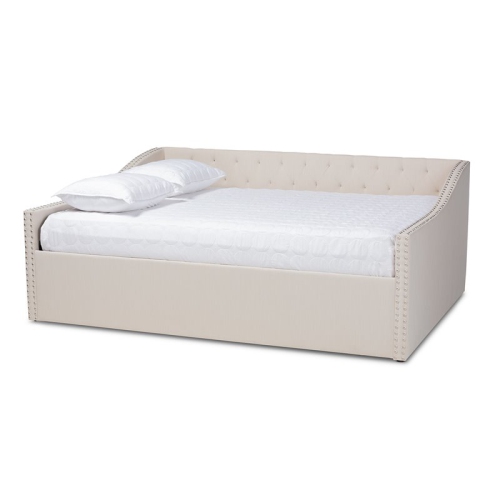

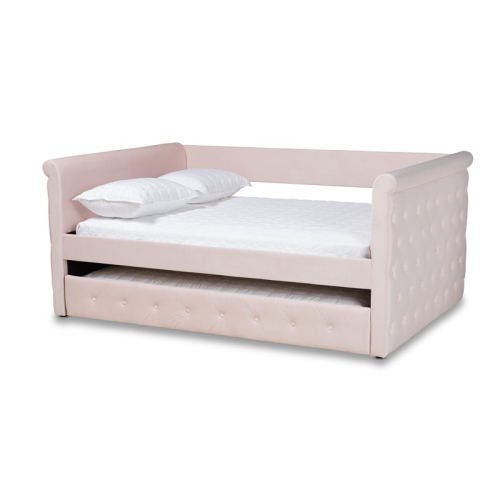
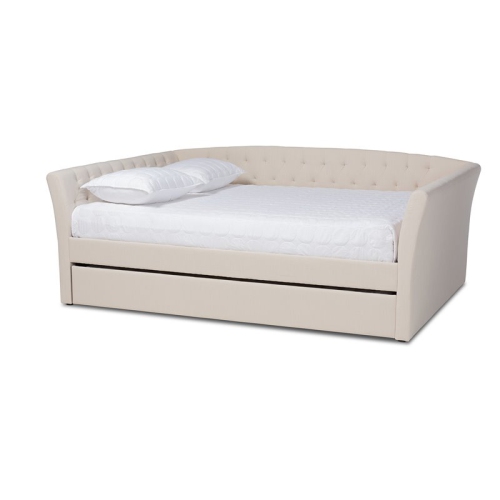
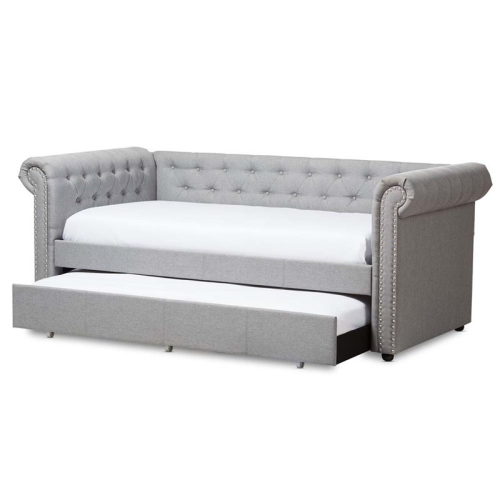
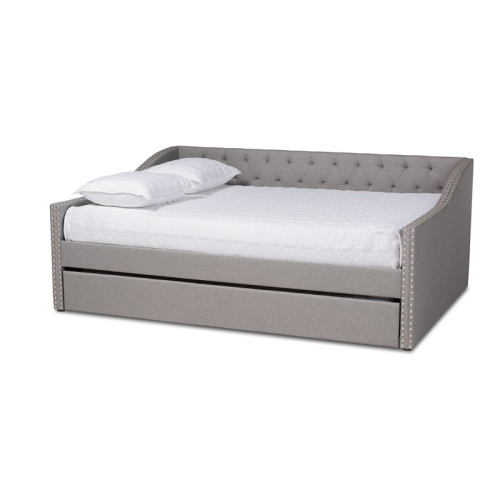


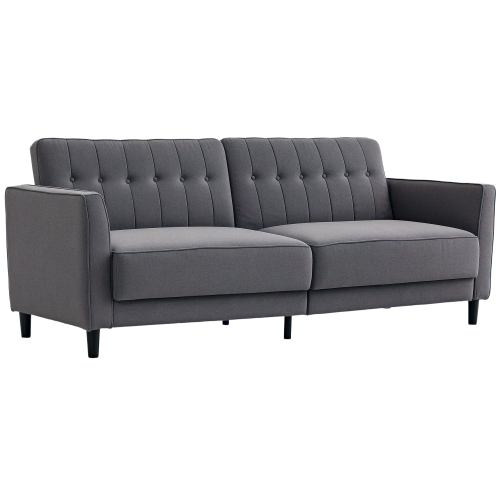
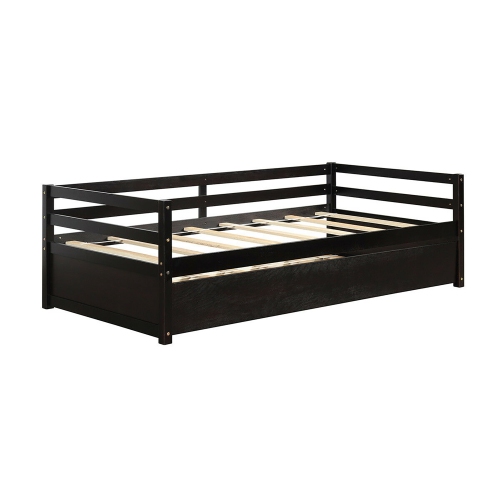
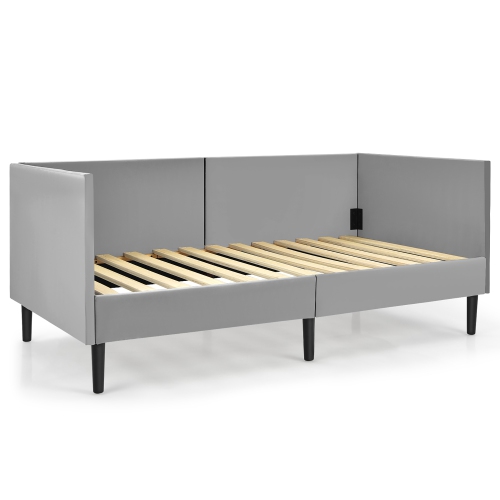
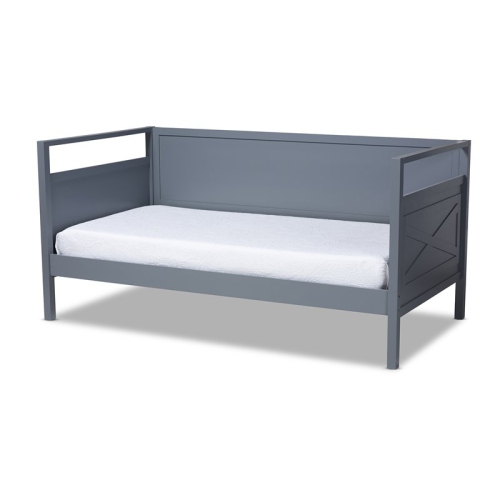
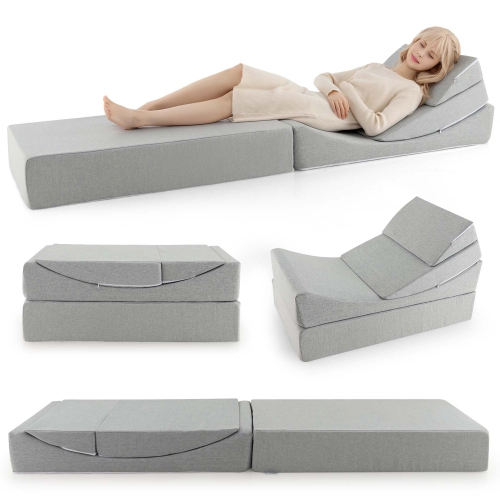

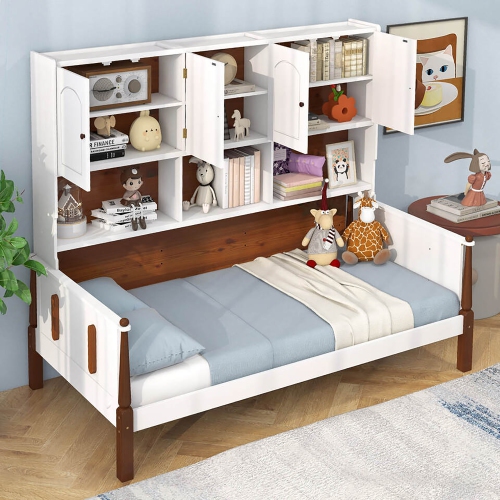
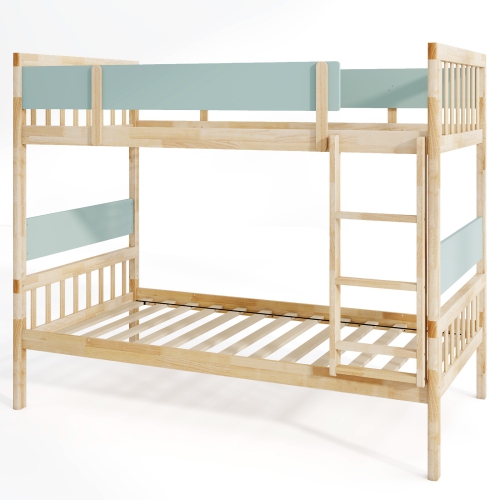
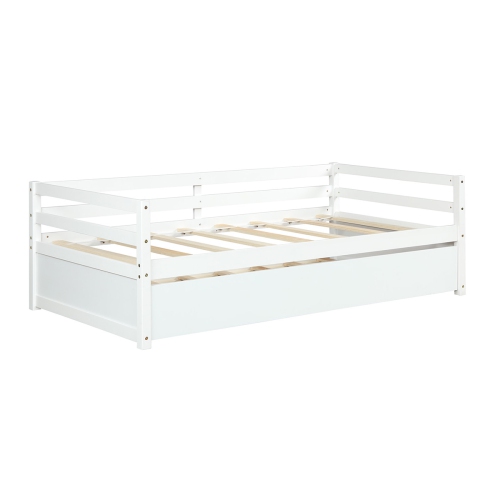

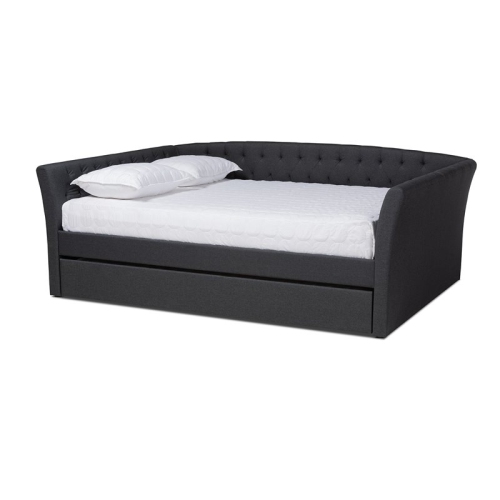
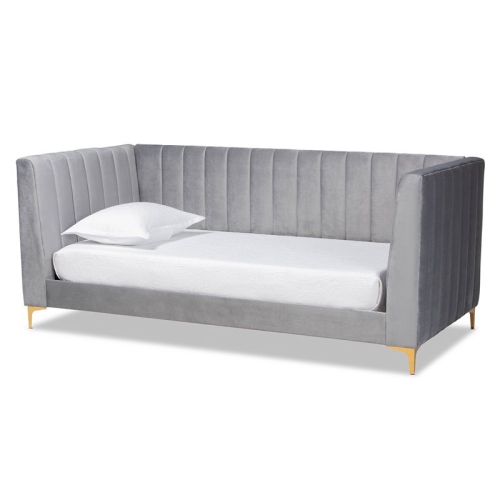
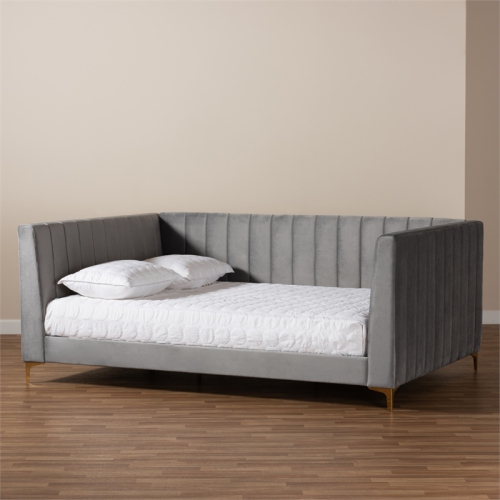
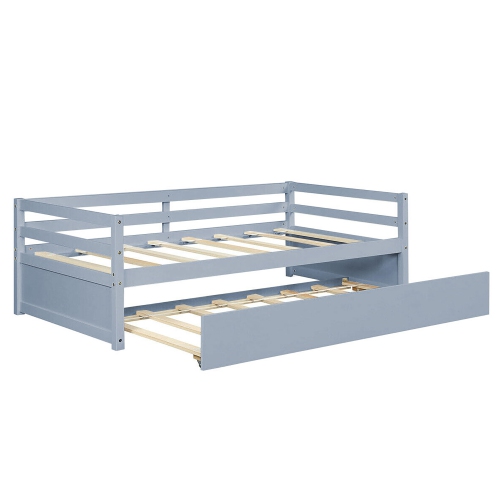
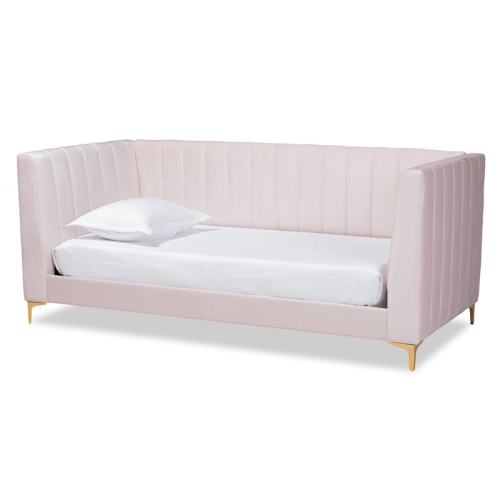
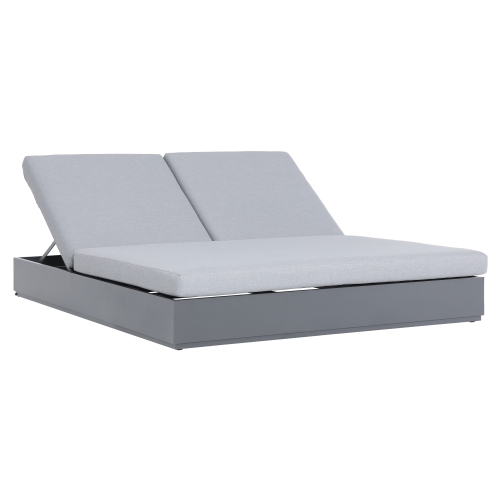
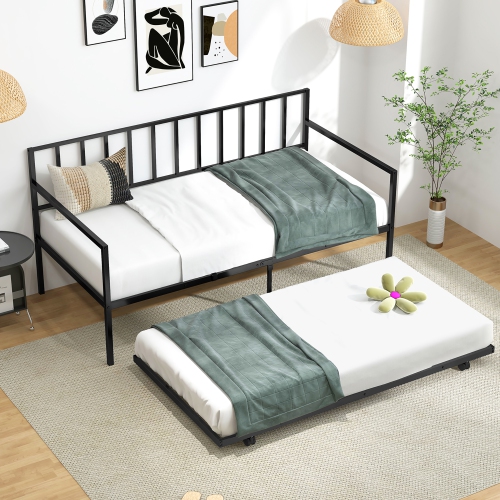
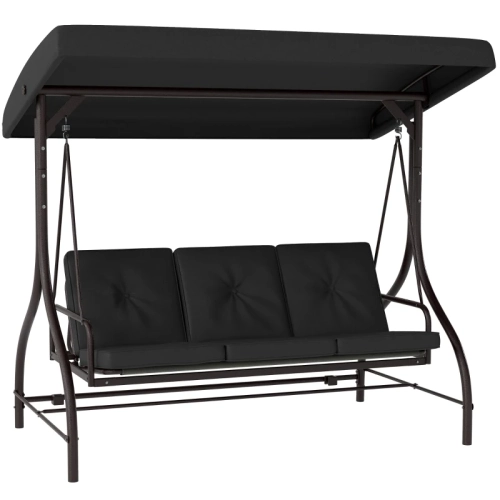
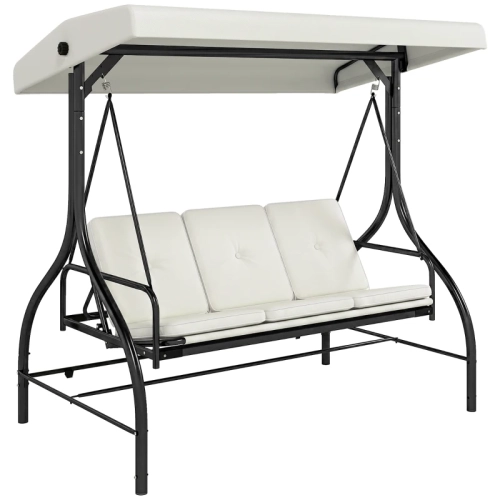
How daytime seating turns into space for overnight guests
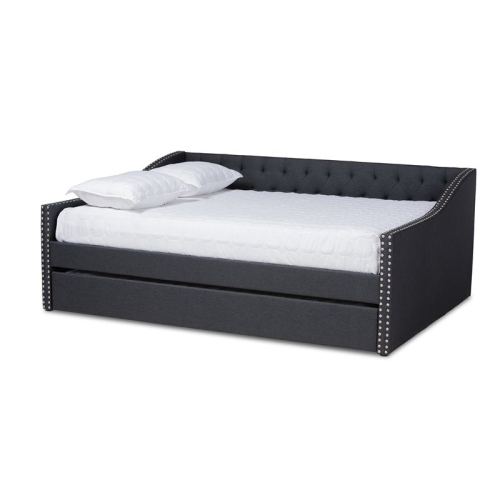
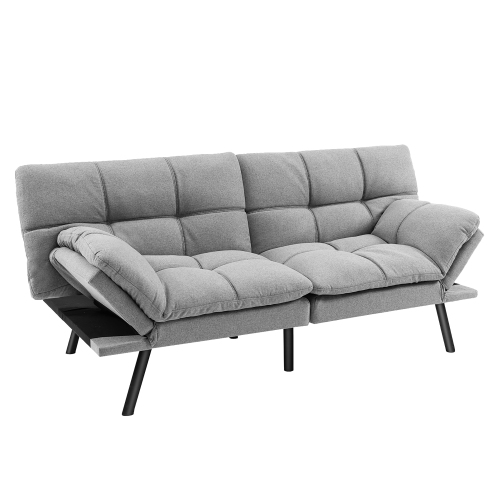
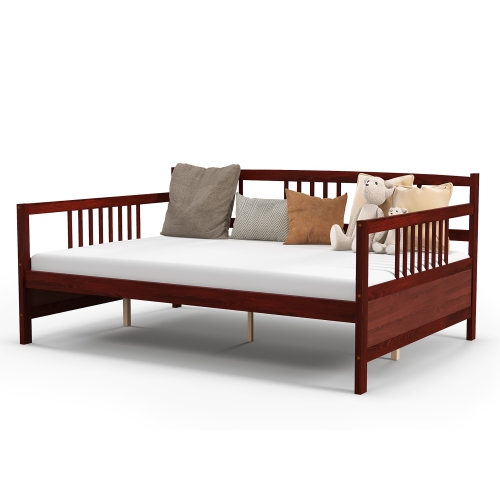
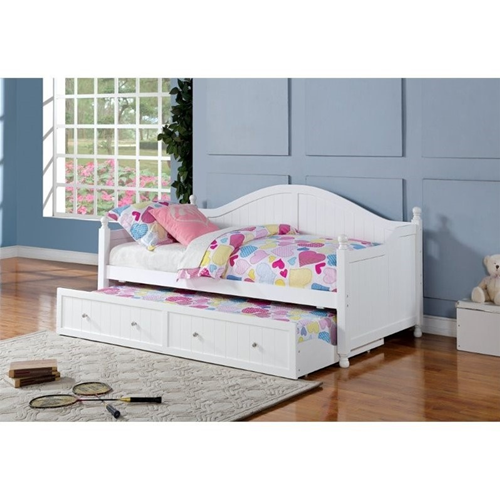
Convertible daybeds combine daytime seating with a sleeping surface that can be extended or rearranged when needed. Unlike a fixed daybed, which generally keeps the same mattress footprint, a convertible design changes its layout through a pull-out frame, a trundle, or an adjustable seating structure. The result is furniture that can serve as a reading spot in a home office, a sofa-like seat in a small living room, or a bed for overnight guests. The way it converts matters: a pull-out platform may widen the main sleeping area, while a standard trundle rolls out beneath it to create a separate, lower bed. A pop-up trundle is designed to lift closer to the height of the main mattress, although the finished height and suitability for side-by-side sleeping depend on the frame and mattresses. Not every convertible daybed becomes a double or king-size bed, so the stated sleeping dimensions are more useful than the word “convertible” alone. Some designs use two mattresses, while others rely on folding cushions or a mattress arrangement made specifically for the frame. For spaces where a double sleeping surface is the priority, Double Daybeds offer a related option worth comparing by overall dimensions and conversion style. These distinctions are especially relevant in condos, studio apartments, and multipurpose rooms, where one piece of furniture may need to handle several routines. A daybed can hold cushions and a throw during an afternoon of reading, then become a guest bed without requiring a separate bedroom. In a teenager’s room, it can provide a place to sit with friends as well as a sleeping area, provided the mattress and support system are suitable for regular overnight use. For grandparents hosting family or anyone welcoming an occasional visitor, a straightforward conversion mechanism can make setting up the room less of a task. The most useful design is one that suits both the room’s everyday purpose and the way the bed will actually be used.
Fit involves more than finding an empty stretch of wall. A convertible daybed needs enough floor space for its closed frame, its fully extended sleeping surface, and the movement required to open it. Drawer fronts, rolling trundles, and sliding platforms can compete for the same space as a coffee table, bedside cabinet, or nearby door. In a home office, for example, a daybed might sit neatly opposite a desk while closed but leave too little room for the desk chair once extended. Checking the full width, length, and height against the room layout helps reveal those conflicts before assembly. Baseboards, window ledges, heating vents, and electrical outlets also affect placement, particularly when a tall back or enclosed side panel sits against the wall. Delivery access deserves the same attention: packaged components need to pass through doorways, stairwells, and lifts, and the room needs working space for assembly. Mattress compatibility is equally important. A trundle often has a maximum mattress thickness so it can slide beneath the main frame, and bedding may need to be removed before it closes. Two mattresses positioned next to each other can have a noticeable seam or height difference unless their dimensions and construction suit the intended arrangement. Any connector or gap-filling accessory should be compatible with the design rather than treated as a substitute for proper support. For nightly sleeping, mattress comfort, ventilation, and the frame’s intended use deserve more weight than appearance alone. For occasional guests, an easy opening action and a convenient place to keep bedding may be especially valuable. Sitting comfort has its own requirements: a deep mattress may need firm back cushions to make upright seating comfortable, while high side rails can provide a useful boundary for pillows. Storage drawers can keep spare sheets and blankets close at hand, but their internal dimensions and weight limits determine what they can hold. A layout with separate sleeping surfaces may suit visiting friends better than a shared expanded bed, even when both arrangements occupy a similar amount of floor space.
Materials and construction shape how a convertible daybed looks, feels, and holds up to repeated use. Solid wood frames can bring visible grain and warmth to a room, while engineered wood components offer a range of finishes and panel styles; durability depends on the quality of the construction, joints, and surface finish rather than the material name alone. Metal frames can create a lighter visual profile, with slim rails that leave more of the surrounding room visible. Their stability depends on secure connections, suitable supports, and correct assembly. Upholstered daybeds soften the appearance of a sleeping area within a living space and provide a fabric-covered surface along the back or sides, though the feel depends on the padding beneath. Tightly woven fabrics may be practical for frequent use, but stain resistance, cleaning methods, and removable covers should be confirmed from the care information. In a household with pets, fabric texture and accessible cleaning areas can matter as much as colour. A smooth finish may be easy to wipe, while seams, tufting, and narrow spaces around the frame can collect dust and hair. Routine care usually means vacuuming upholstery with an appropriate attachment, wiping hard surfaces as directed, and addressing spills promptly without soaking the material. Mattresses also need care suited to their construction, including rotation only where recommended by the manufacturer. Moving parts benefit from occasional checks for loose fasteners, debris around wheels, and anything obstructing the conversion path. Lubricants should only be used where the manufacturer permits them. Weight limits should be checked for each sleeping surface, since the main bed and trundle may have different capacities. Locks, supports, and lifting mechanisms must be fully engaged before use, with fingers and loose bedding kept clear while opening or closing the frame. Children should not operate heavy pull-out or lifting sections without adult supervision. With the right proportions, supportive mattresses, and manageable upkeep, a convertible daybed can remain useful through changing room arrangements, from a quiet weekday workspace to a comfortable place for guests to settle in during the cooler months.
Fit involves more than finding an empty stretch of wall. A convertible daybed needs enough floor space for its closed frame, its fully extended sleeping surface, and the movement required to open it. Drawer fronts, rolling trundles, and sliding platforms can compete for the same space as a coffee table, bedside cabinet, or nearby door. In a home office, for example, a daybed might sit neatly opposite a desk while closed but leave too little room for the desk chair once extended. Checking the full width, length, and height against the room layout helps reveal those conflicts before assembly. Baseboards, window ledges, heating vents, and electrical outlets also affect placement, particularly when a tall back or enclosed side panel sits against the wall. Delivery access deserves the same attention: packaged components need to pass through doorways, stairwells, and lifts, and the room needs working space for assembly. Mattress compatibility is equally important. A trundle often has a maximum mattress thickness so it can slide beneath the main frame, and bedding may need to be removed before it closes. Two mattresses positioned next to each other can have a noticeable seam or height difference unless their dimensions and construction suit the intended arrangement. Any connector or gap-filling accessory should be compatible with the design rather than treated as a substitute for proper support. For nightly sleeping, mattress comfort, ventilation, and the frame’s intended use deserve more weight than appearance alone. For occasional guests, an easy opening action and a convenient place to keep bedding may be especially valuable. Sitting comfort has its own requirements: a deep mattress may need firm back cushions to make upright seating comfortable, while high side rails can provide a useful boundary for pillows. Storage drawers can keep spare sheets and blankets close at hand, but their internal dimensions and weight limits determine what they can hold. A layout with separate sleeping surfaces may suit visiting friends better than a shared expanded bed, even when both arrangements occupy a similar amount of floor space.
Materials and construction shape how a convertible daybed looks, feels, and holds up to repeated use. Solid wood frames can bring visible grain and warmth to a room, while engineered wood components offer a range of finishes and panel styles; durability depends on the quality of the construction, joints, and surface finish rather than the material name alone. Metal frames can create a lighter visual profile, with slim rails that leave more of the surrounding room visible. Their stability depends on secure connections, suitable supports, and correct assembly. Upholstered daybeds soften the appearance of a sleeping area within a living space and provide a fabric-covered surface along the back or sides, though the feel depends on the padding beneath. Tightly woven fabrics may be practical for frequent use, but stain resistance, cleaning methods, and removable covers should be confirmed from the care information. In a household with pets, fabric texture and accessible cleaning areas can matter as much as colour. A smooth finish may be easy to wipe, while seams, tufting, and narrow spaces around the frame can collect dust and hair. Routine care usually means vacuuming upholstery with an appropriate attachment, wiping hard surfaces as directed, and addressing spills promptly without soaking the material. Mattresses also need care suited to their construction, including rotation only where recommended by the manufacturer. Moving parts benefit from occasional checks for loose fasteners, debris around wheels, and anything obstructing the conversion path. Lubricants should only be used where the manufacturer permits them. Weight limits should be checked for each sleeping surface, since the main bed and trundle may have different capacities. Locks, supports, and lifting mechanisms must be fully engaged before use, with fingers and loose bedding kept clear while opening or closing the frame. Children should not operate heavy pull-out or lifting sections without adult supervision. With the right proportions, supportive mattresses, and manageable upkeep, a convertible daybed can remain useful through changing room arrangements, from a quiet weekday workspace to a comfortable place for guests to settle in during the cooler months.
Top selling and popular products
-
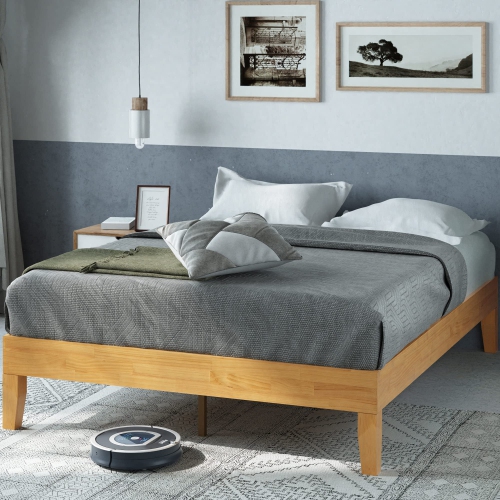 Your price for this item is $493.52
 -
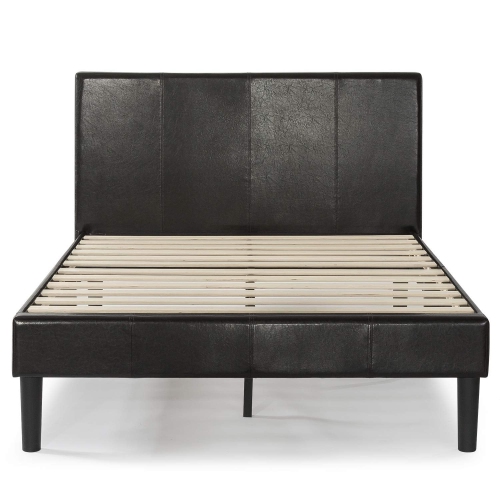 Your price for this item is $611.85
 -
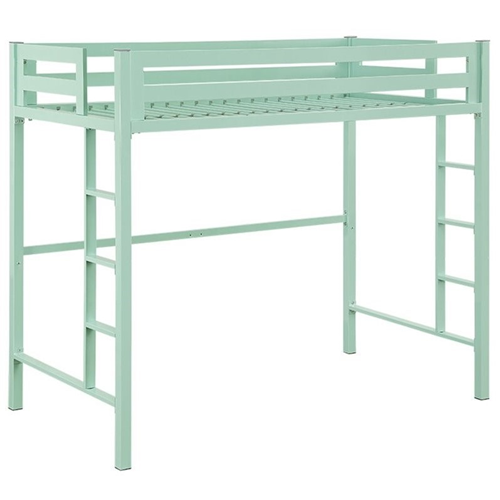 Your price for this item is $824.18
 -
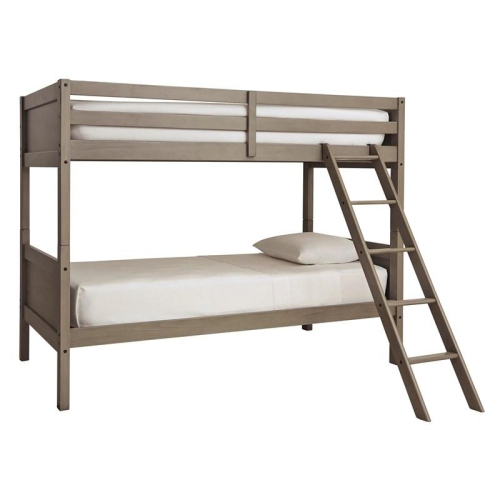 Your price for this item is $799.99
 -
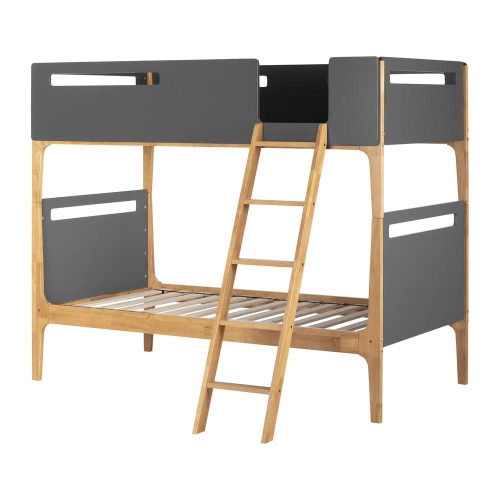 Your price for this item is $985.42
 -
 Your price for this item is $157.99
 -
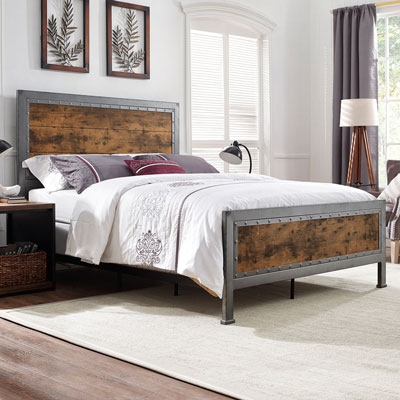 Your price for this item is $862.99
 -
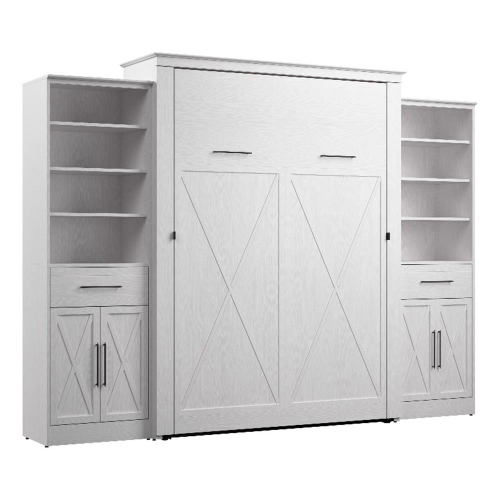 Your price for this item is $3519.99
Discover more categories related to Convertible Daybeds

Top Collections:
Pokemon Centers, Kindle Devices, Best Budget Office Chairs, Apple iPhones 16, Best Laptops for Writers, iPhone 15 Apple, Canon G7X Cameras, Refurbished Apple Laptops, Alarm Clock, Motorola Razr Phones
Some products may be subject to Environmental Handling Fees
(EHF) depending on your province.
Learn more about EHFs.